
Affiliate Ad Disclosure: We’re reader-supported. When you buy via our links, we earn commissions. Learn more.
34 Venice Travel Tips

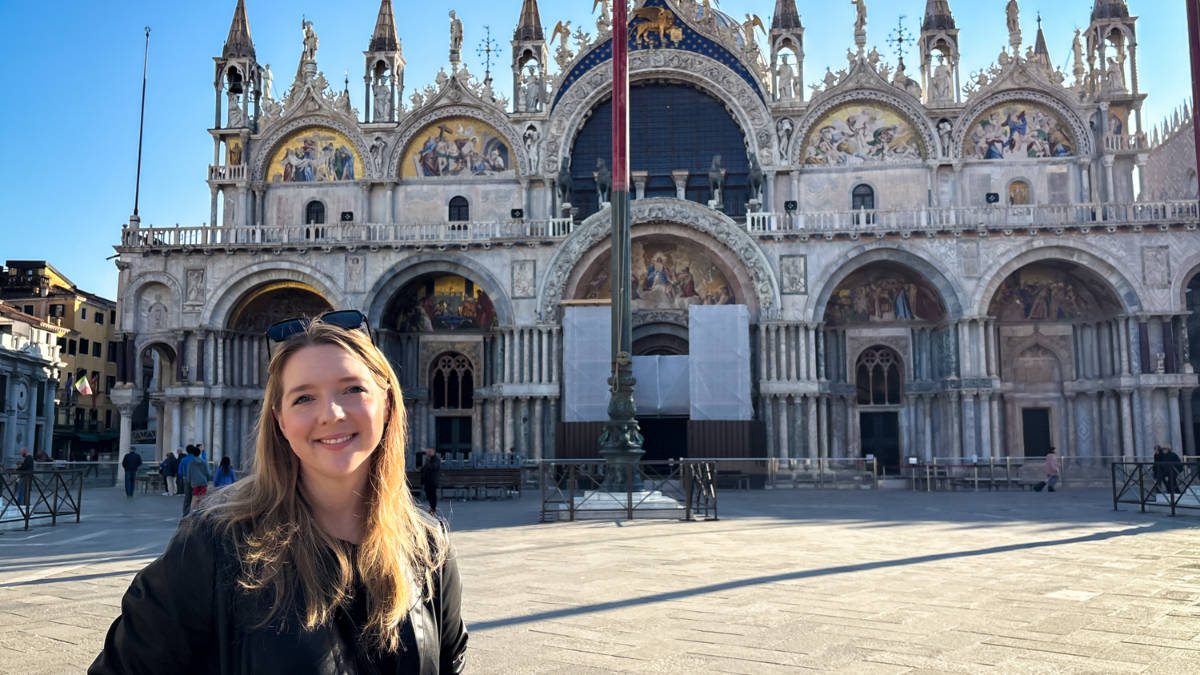
There’s no doubt that Venice is a magical place, but there are definitely some things you need to know before you go.
I recently spent 16 nights amongst the canals on my quest to find the best places to stay in Venice. On my trip, I saw travelers make a lot of mistakes (and let’s be real, I made a lot myself!)
From my experience, these are the 34 travel tips I think you should know before you go to Venice.
Want to jump around?
- 34 Travel Tips for Venice
- Book Attractions & Hotels in Advance
- Be Aware of the Venice Access Fee
- Read Up on Venice’s History
- Don’t Expect Cars
- Don’t Overpack
- Bring a Daypack that Zips Closed
- Skip the Summer
- Learn a Little Italian
- Know the Districts
- Get a Hotel Outside San Marco
- Be Aware of the City Tax
- Stay in Mestre if You’re on a Budget
- Make Sure Your Hotel has Air Conditioning (if You’re Visiting in Summer)
- For Mobility Issues, Check if Your Hotel Only has Stairs
- Visit Murano & Burano
- Don’t Expect Bikes or Skateboards
- Book a Gondola Trip on the Spot
- Know the Difference Between Vaporetti, Traghetti, and Water Taxis
- Validate your Vaporetto Tickets
- Let People Off the Vaporetto Before You Get On
- Don’t (Totally) Trust Online Maps
- Let Yourself Get Lost
- Wear Really Good Shoes
- Try the Cicchetti
- Lean into Spritz Culture
- Be Prepared for Seafood
- Don’t Eat on Church Steps
- Don’t Eat Near Major Sites
- Sip Espresso at the Bar
- Use a Refillable Water Bottle
- Explore Early in the Morning
- Cover up When Entering Churches
- Don’t Spend Your Whole Trip in San Marco
- Buy Souvenirs Crafted By Local Artisans
34 Travel Tips for Venice
Book Attractions & Hotels in Advance

Because of Venice’s popularity as a destination, I very much recommend that you book your hotels and attraction tickets way in advance.
After your travel dates and flights are locked in, booking your hotel should be the next thing you do. You can even reserve a refundable or cancellable hotel if you need some wiggle room.
As far as which attractions to book in advance, I recommend at least St. Mark’s Basilica, Doge’s Palace, and St. Mark’s Campanile, especially if you visit Venice in high season.
Personally, I took this Venice in a Day small group tour. It included St. Mark’s Basilica, Doge’s Palace, a gondola ride, and an awesome tour guide who led us around the old city. Note that you’ll have to book your ticket for St. Mark’s Campanile separately.
Be Aware of the Venice Access Fee
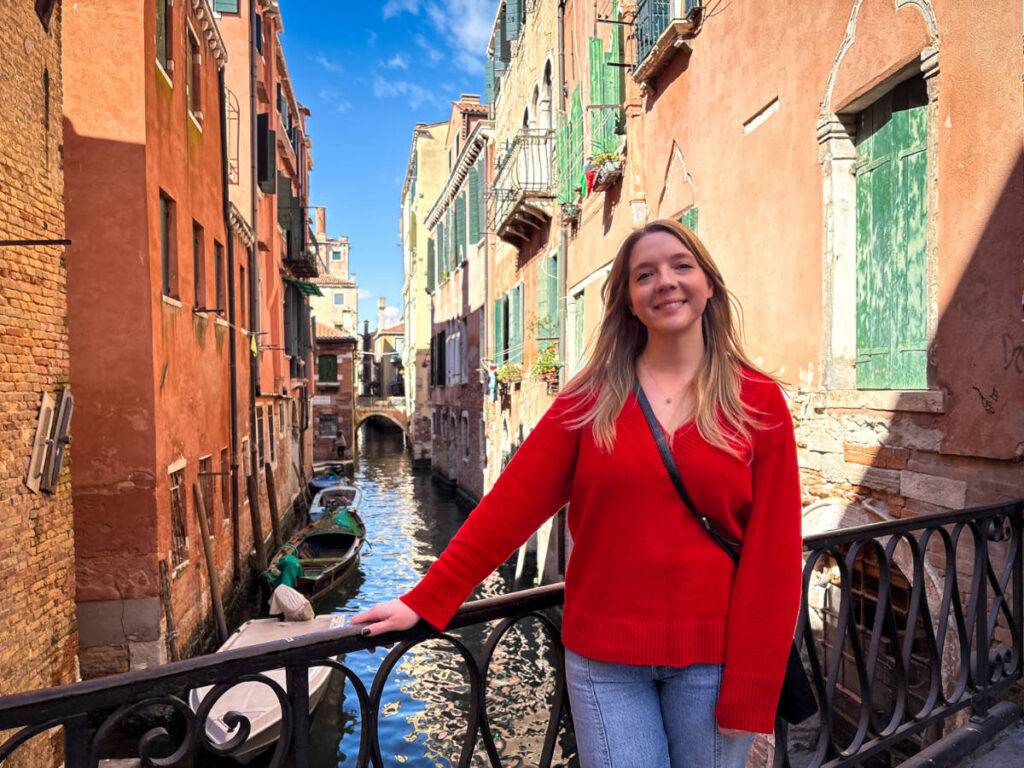
To help manage overtourism, the city charges a daily access fee for visitors entering old Venice on specific days during high season. This fee is mostly for day trippers and doesn’t apply to those staying overnight in hotels.
The date that the fee starts every year changes (the date is April 3rd in 2026, for example), as does the amount charged. It’s recommended you pay this fee on the Venezia Unica website before you go.
Read Up on Venice’s History
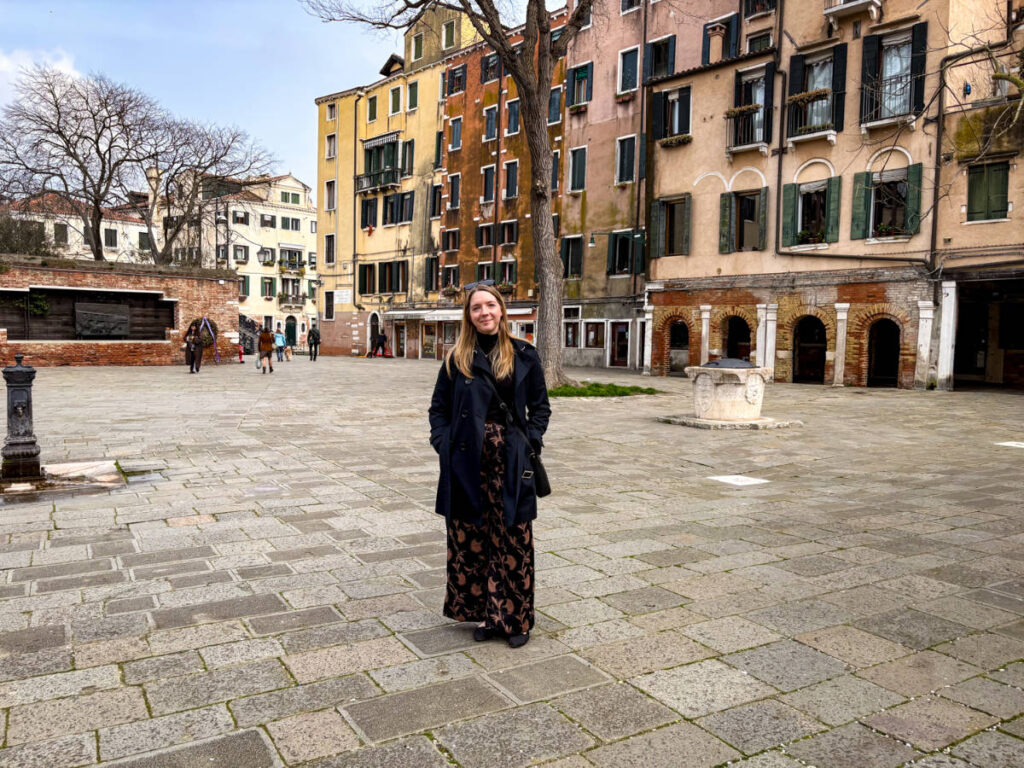
Want to make your trip to Venice so much more interesting? Read up on Venice’s history before you go.
Look into why Venice was formed, how it was built on swampy marshland, the key players throughout history, and the major events that happened here.
Aside from the main sites in San Marco, a part of Venice’s history I thoroughly enjoyed was visiting Ghetto Ebraico in Cannaregio. At the Jewish Museum of Venice, I learned a lot about Jewish Venetians through the centuries.
Don’t Expect Cars

In my opinion, one of the best things about Venice is that it’s car-free. The only traffic you’ll find is foot and boat, and this is a huge part of what makes Venice so effortlessly charming.
Of course, there are a couple of places in Venice where you’ll find cars; mainly the beachy island of Lido and the parking lot at Piazzale Roma. But the rest of it? Wonderfully automobile-free!
Don’t Overpack
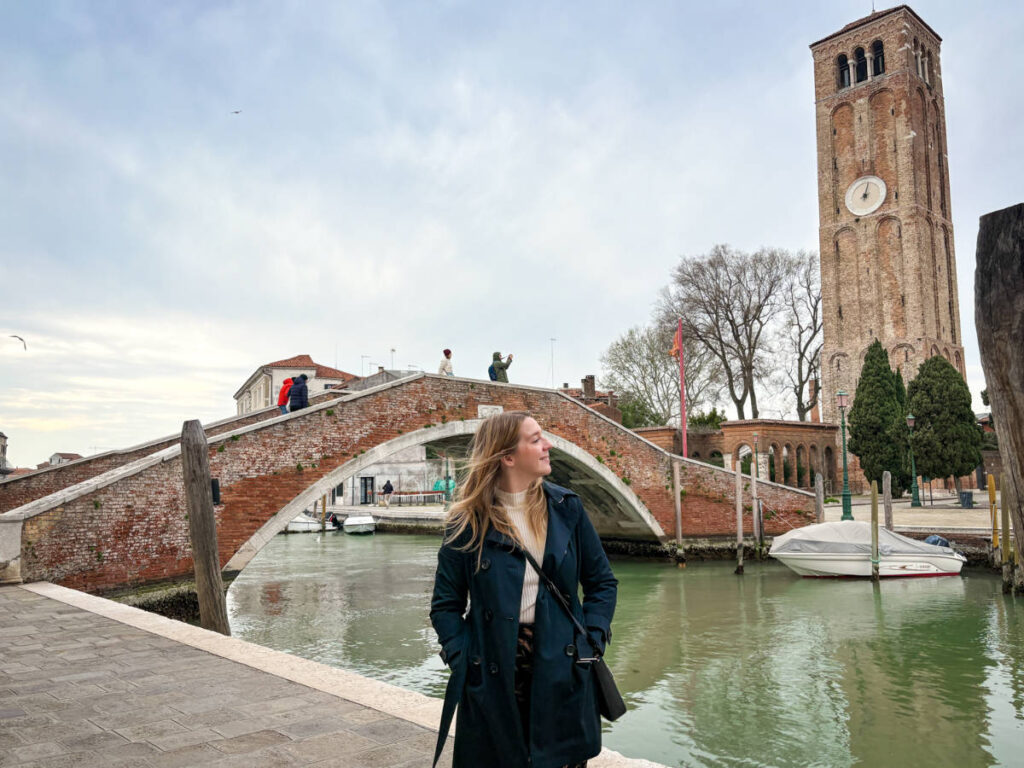
Overpacking in Venice is practically a crime against, well, yourself. Because Venice has no cars, you’ll likely be carting your stuff around the city by hand.
Yes, there are water taxis, but if you switch hotels or want to take public transportation, you’ll have to drag your suitcase behind you. Do yourself a big favor and pack light.
Bring a Daypack that Zips Closed
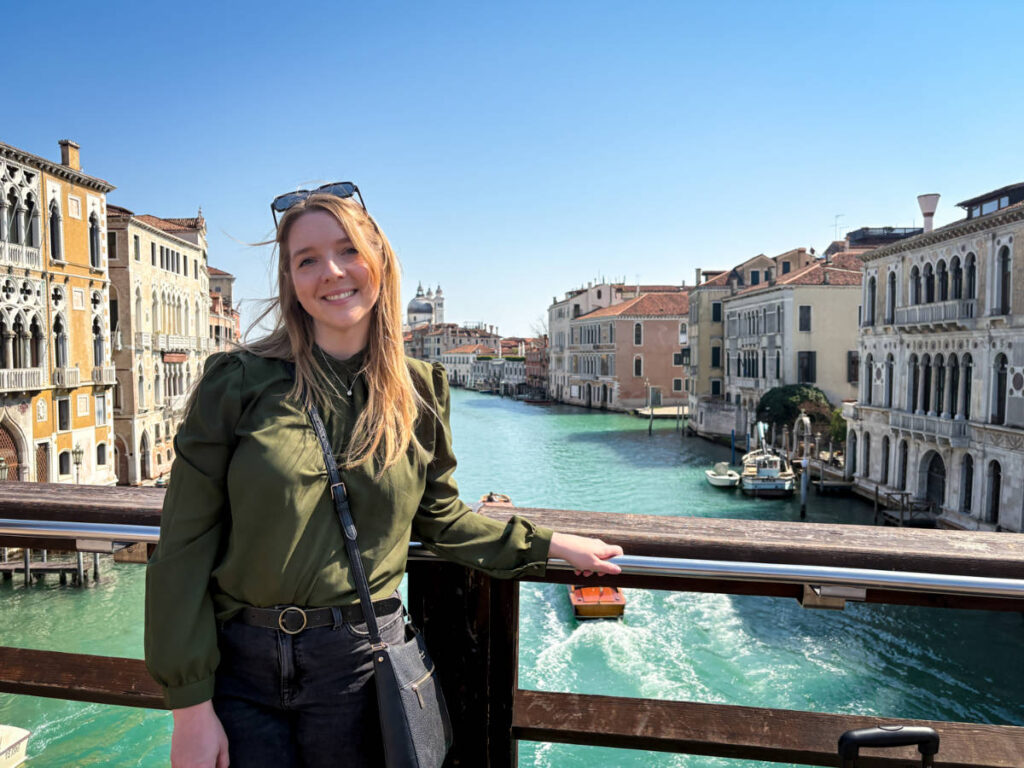
Overall, Venice is a very safe place and sees very little violent crime per capita. However, one thing you do need to be on the lookout for is pickpocketing.
Pickpocketing in Venice usually happens in very crowded areas like Piazza San Marco at the height of the day or on packed public transportation. To keep your stuff safe and have a great time in Venice, I very much recommend having a day bag you can keep in front of you and make sure it zips shut.
On my trip to Venice, I lent my mom my TravelOn Anti-theft cross-body bag. I like this brand in particular because the material is slash-proof and the zippers lock.
Skip the Summer
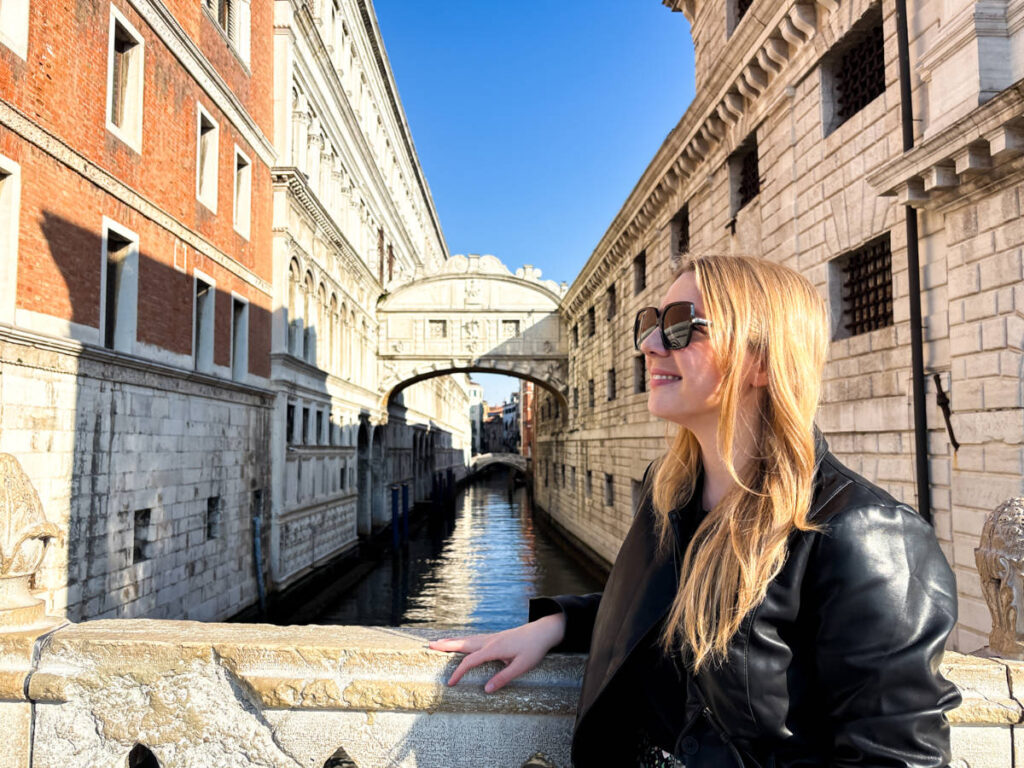
It’s no secret that Venice gets absolutely packed in the summertime. Plus, June, July, and August are super hot, and prices skyrocket across the board. You’ll also have to pay the Venice Access Fee during prime time in these months.
If you have wiggle room in your dates, I recommend visiting Venice during the shoulder season, namely the spring and fall. I visited in March, and it was so wonderful. It was a little rainy some days, but was mostly sunny and warm. Plus, I loved how so few tourists there were compared to the high season.
Learn a Little Italian
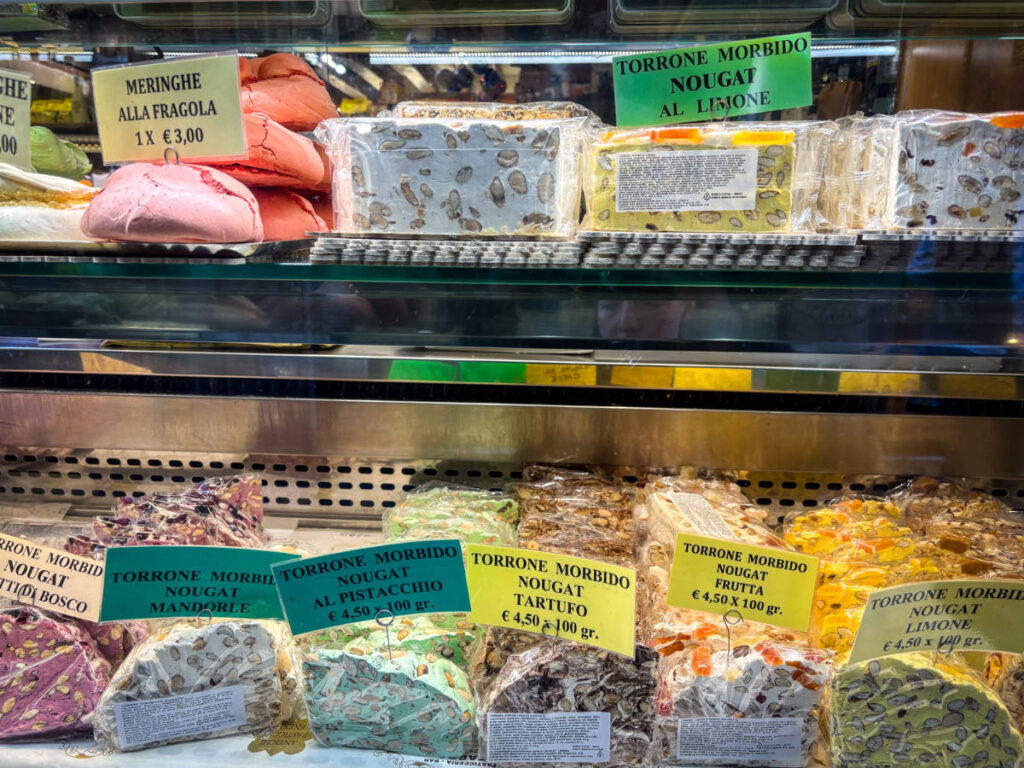
Okay, so obviously knowing some of the local language is a good travel tip, no matter where you go. Still, I honestly think that knowing a little Italian is going to make your Venice trip richer overall.
Yes, pretty much everyone working in Venice tourism speaks English. But a lot happens in Italian, and if you don’t know the basics, you’ll miss it.
Learn greetings, basic numbers, how to pronounce menu items, and how to ask for the bathroom. Even these basics will give you a leg up and put you in the good graces of the locals.
Know the Districts
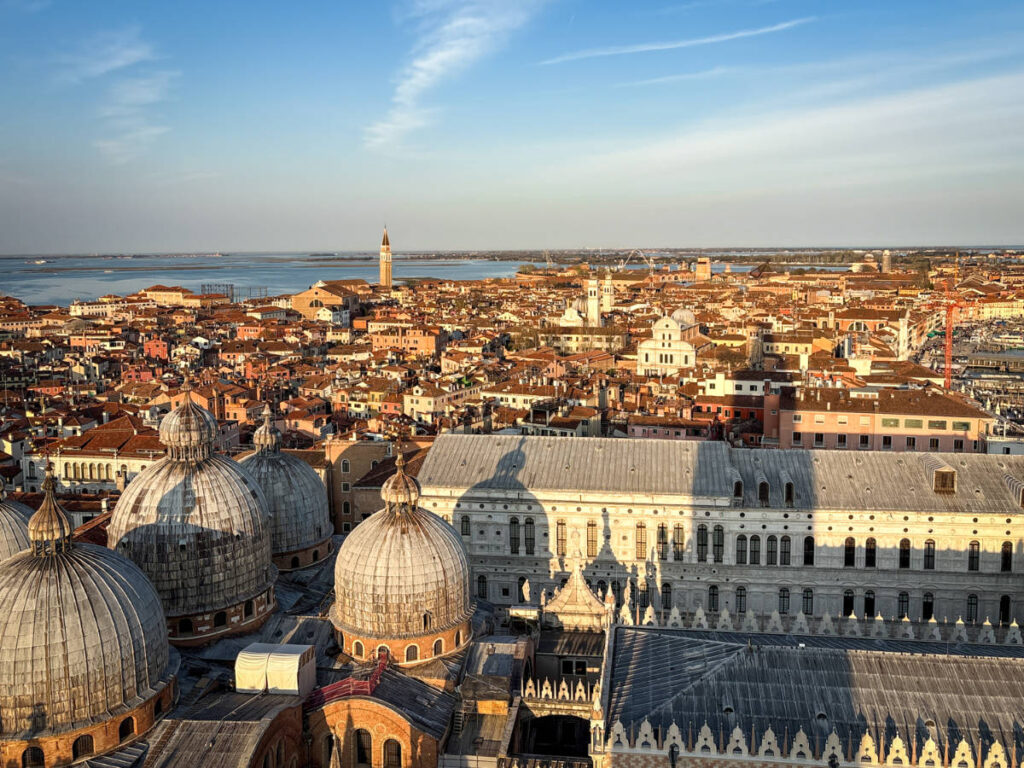
Venice isn’t just one blob of a city. It’s split up into six old districts of Venice called sestieri (plural, the singular is sestiere). These sestieri are San Marco, San Polo, Castello, Cannaregio, Dorsoduro, and Santa Croce.
But there are more places included in the municipality of Venice. There’s also Lido di Venezia (the beachy island), Murano, Burano, Torcello, Mazzorbo, and places on the mainland, including Mestre.
Want to cover most of these on your trip to Venice? I cover exactly how I would make it work in my 3-day Venice itinerary.
Get a Hotel Outside San Marco

This might be a little controversial, but I don’t actually think San Marco is the best place to stay in Venice for many travelers.
Yes, San Marco has the main sites like Piazza San Marco, St. Mark’s Basilica, Doge’s Palace, and the Bridge of Sighs, but it’s also absolutely jam-packed with tourists. So much so that I think it takes away from the serene Venice ambiance.
Personally, I recommend H10 Palazzo Canova (hotel review here) in nearby San Polo as my #1 hotel overall, but there are many other great hotels. I also liked Palazzo Priuli (hotel review here) in Castello, Palazzo Veneziano in Dorsoduro, and Carnival Palace (hotel review here) in Cannaregio.
Be Aware of the City Tax
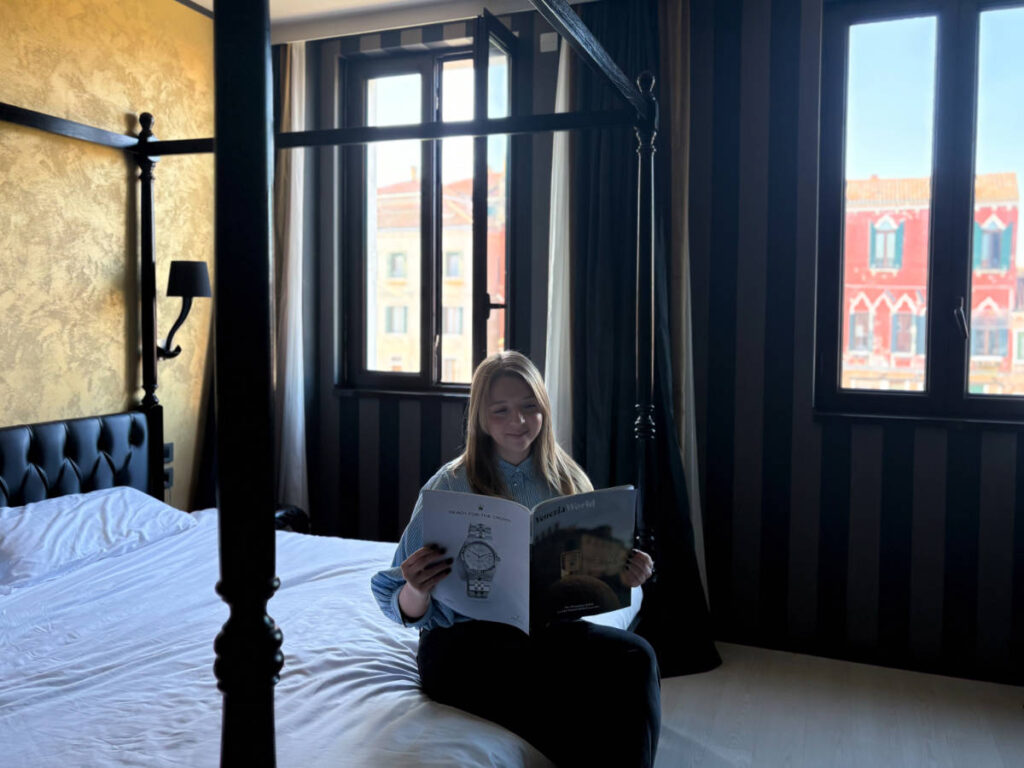
So, we talked about the Venice Access Fee, but that’s not the only tax you’ll encounter on your trip to Venice – there’s also the City Tax.
The City Tax is a mandatory tax that you’ll pay upon checkout at your hotel. It’s not included in your room rate when you book online, but it’s not a huge amount either.
I actually can’t give you an exact amount for how much your city tax will cost; it fluctuates based on the star number of the hotel, where the hotel is located, how many people are in your room, the time of year, etc.
What I can say is that I personally paid €9.50 for two people staying two nights at Carnival Palace in Cannaregio.
Stay in Mestre if You’re on a Budget

If you’re on a budget, then there’s really no better place to stay in Venice than Mestre. Mestre is to the north of old Venice, but is still within the Venice municipality.
Mestre can be a lot cheaper than Venice. I personally stayed at Leonardo Royal (hotel review here) in Mestre for one night, and thought it was a solid choice. This hotel isn’t fancy by any means, but it’s only a 5-minute walk from both the train station and a bus stop, so it couldn’t be easier to get down into Old Venice.
Make Sure Your Hotel has Air Conditioning (if You’re Visiting in Summer)

Staying in Venice during the summer? Then make sure your hotel has air conditioning. In fact, I’d recommend air conditioning in any month from roughly April through September.
I stayed in Venice in March and found that many of the hotels didn’t have their air conditioning turned on yet. This was mostly okay, but it did make for some hot nights. Just do your due diligence on this one and double check. It’s worth it.
For Mobility Issues, Check if Your Hotel Only has Stairs

I stayed at 12 hotels in Venice during my 16 days in the city, and a lot of them had stairs. If you have mobility issues or want stair-free hotels, I do recommend doing some research in advance. I found that my hotel in Murano, the NH Collection Murano Villa, is a good option if you need a stair-free room.
Overall, I do need to note that Venice has a lot of stairs in general; there are steps over nearly every canal. Plus, a lot of the alleys are narrow and covered in cobblestones. Visiting Venice with mobility issues is possible with careful planning, but it’s certainly more challenging.
Visit Murano & Burano
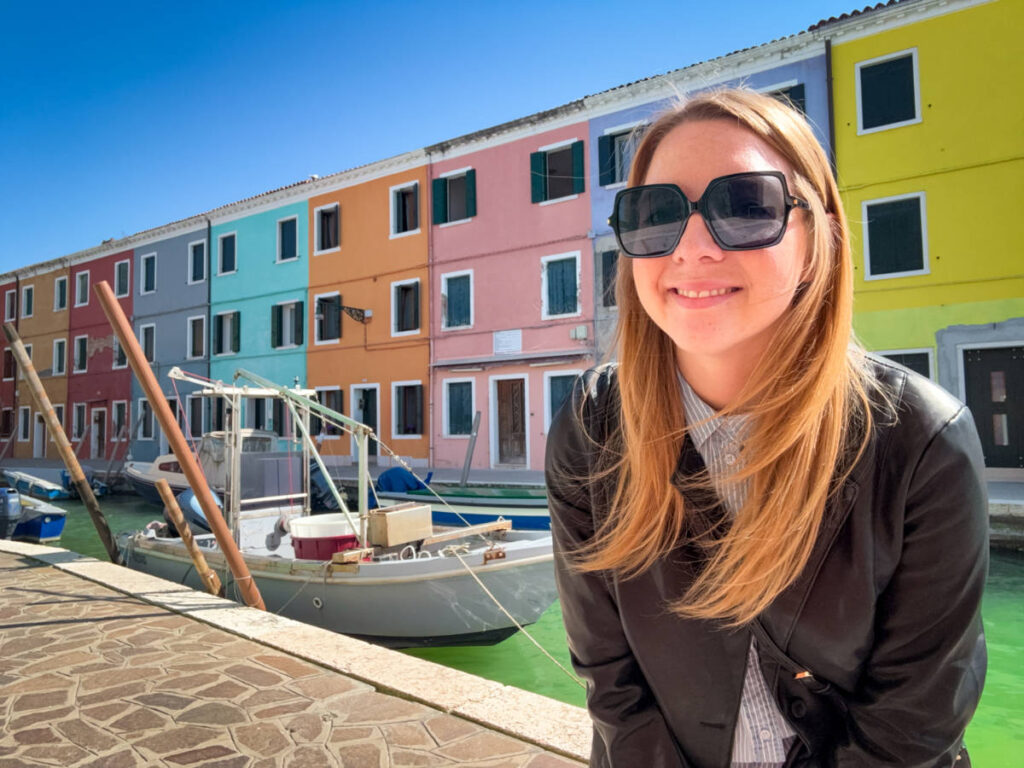
I recommend at least a day trip to Murano and Burano on any Venice itinerary.
Murano is about 20 minutes away from Venice by water bus, and is an island known for glass-making. I recommend going shopping for Murano glass, visiting the Museo del Vetro, and going to a glass-making workshop (I visited Wave Murano Glass).
From there, Burano is another 35-minute water bus ride away. This island is known for its colorful buildings and lace making. Together, they’re worthy of the trek!
Don’t Expect Bikes or Skateboards
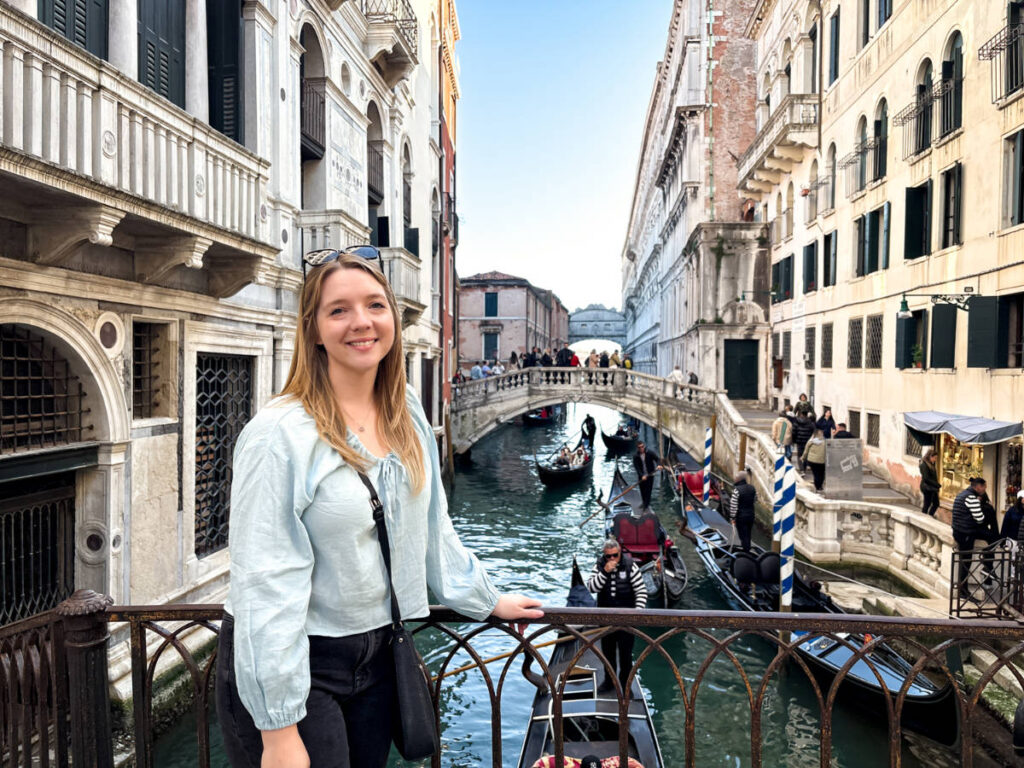
Think you can bike or skateboard around Venice? Think again. The city has strict bylaws that prohibit both of these transportation methods in the alleyways.
This is because the paths are cobblestoned and narrow, and it poses a risk to both fellow people and the infrastructure.
Book a Gondola Trip on the Spot
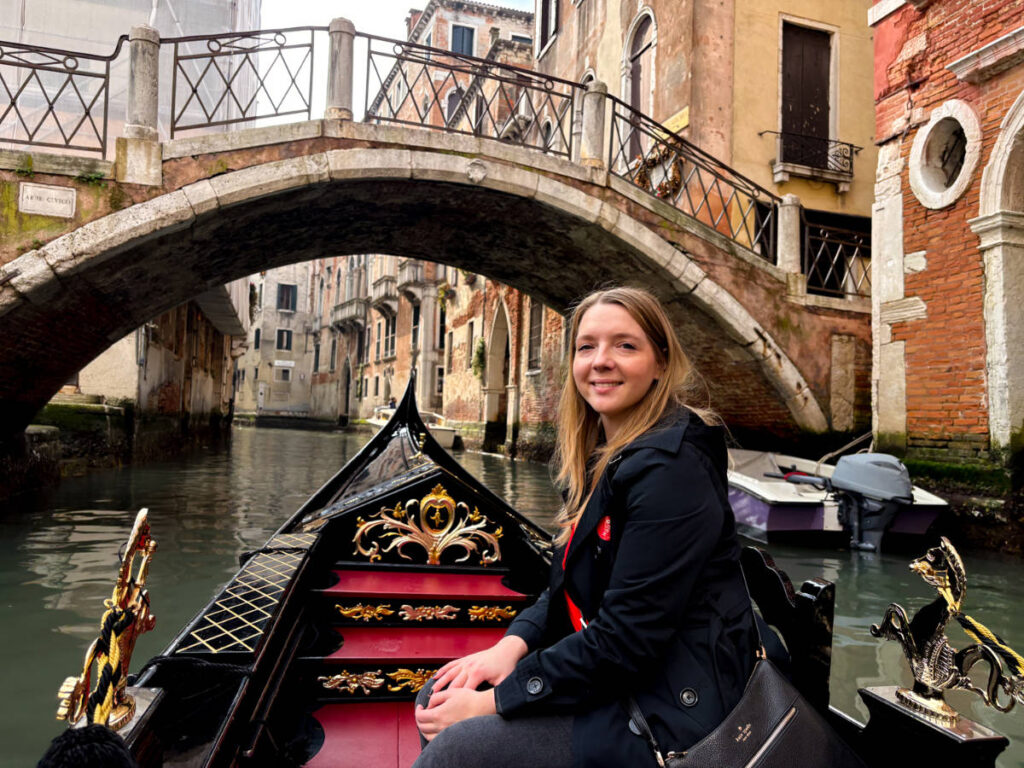
Before I traveled to Venice, I thought I had to book my gondola ride in advance. This was pretty silly, to be honest, as it’s so easy to book a gondola ride on the spot.
There are plenty of gondola stops in Venice, and the prices are set by the city, so you always pay the same amount no matter which gondolier you approach.
Know the Difference Between Vaporetti, Traghetti, and Water Taxis
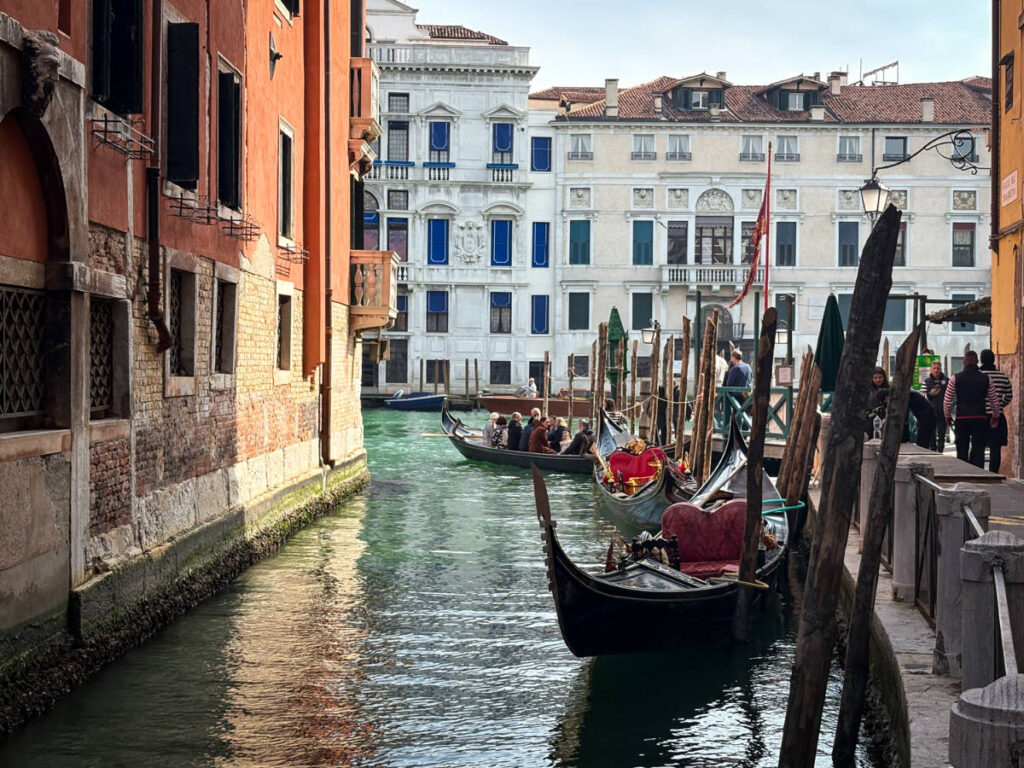
Traghettos (or, traghetti), vaporettos, and water taxis are all different modes of transportation in Venice, and it’s good to know the difference.
Traghettos look a lot like gondolas, and are only used to cross the Grand Canal at places where there are no bridges. It’s super cheap to take a traghetto. When I was in Venice, they cost €2.
Vaporettos (vaporetti, if we’re being grammatically correct in Italian) are also known as water buses. Water buses are public transportation that is taken by locals and tourists alike. There are two main water bus companies, ACTV and Alilaguna, and there are water bus stops all over the city. At the time of writing this, a single water bus ticket costs €9.50.
Then, there are water taxis. You can take shared water taxis or private water taxis. They’re exactly what they sound like, they’re single boats that usually take just a few people from Point A to Point B. Because of the convenience, they’re much more expensive than traghettos and vaporettos.
I personally took this private water taxi from the Marco Polo Airport to my first hotel in old Venice, and then this shared water taxi from my final hotel in Venice back to the Marco Polo Airport.
Validate your Vaporetto Tickets
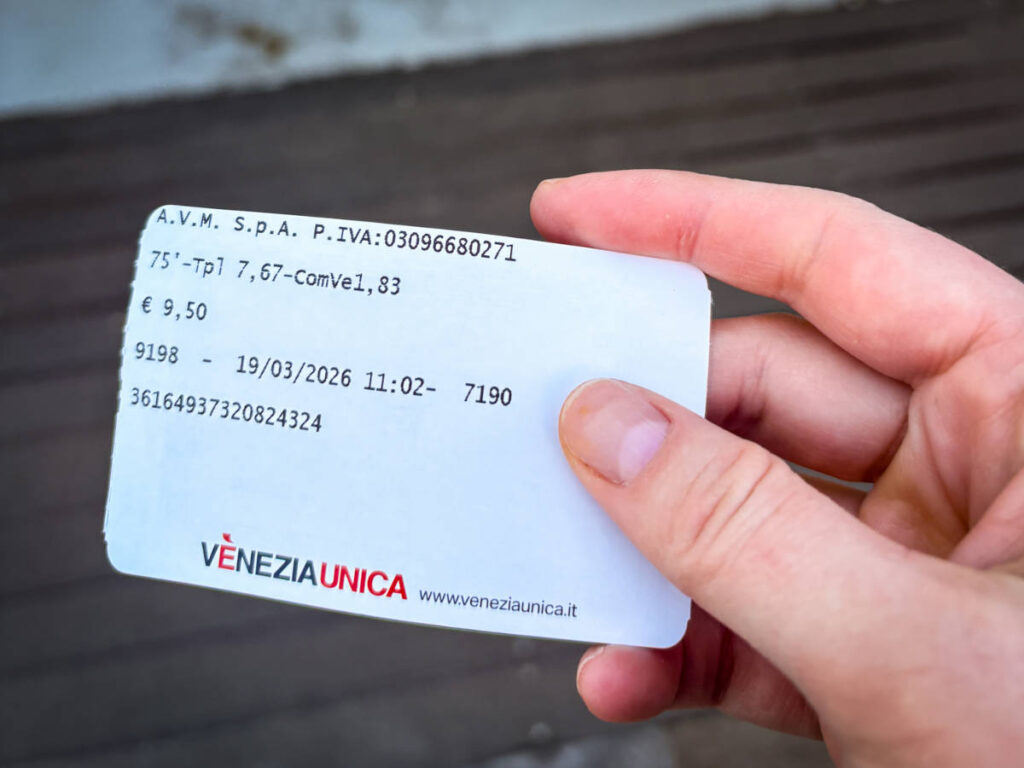
A common mistake that travelers make in Venice is not validating their water bus tickets before they get on the boat.
Now, there are a lot of water bus stops in Venice that literally make you validate your ticket before you can get inside the vestibule. Still, some don’t have this feature, so you want to make sure you validate.
To validate your ticket, you simply tap the ticket on the machine until it turns green and gives you a checkmark. For a single-ride ticket, you have 75 minutes from the moment of validation to complete your journey.
Let People Off the Vaporetto Before You Get On
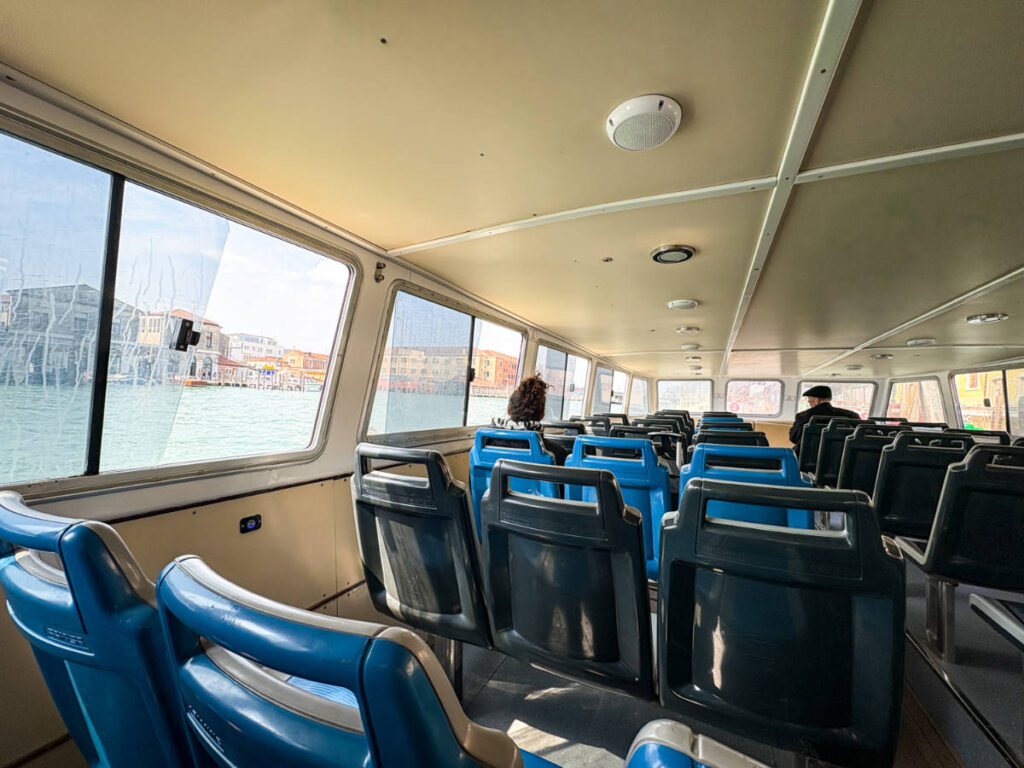
In Venice, and honestly in many places around the world, it’s customary to let people off public transportation before you get on. And still, I saw a lot of travelers trying to get on the water bus before the disembarkation process was over.
Just be a good citizen and hang tight until it’s your turn to get on the boat.
Don’t (Totally) Trust Online Maps

Want to use your smartphone for getting around Venice? It’ll get you most of the way.
I used maps on my smartphone to get myself from Point A to Point B in Venice, and while it was mostly on point, every now and then that little blue dot would just… drift.
Like, the Maps app would get lost. But then, after walking for a bit, it would get on track again.
Honestly, I don’t think a paper map will entirely help you out on this journey, either. There are so many alleys and so many canals. You kind of just have to surrender to the experience and know that you’ll eventually find your way again.
Let Yourself Get Lost
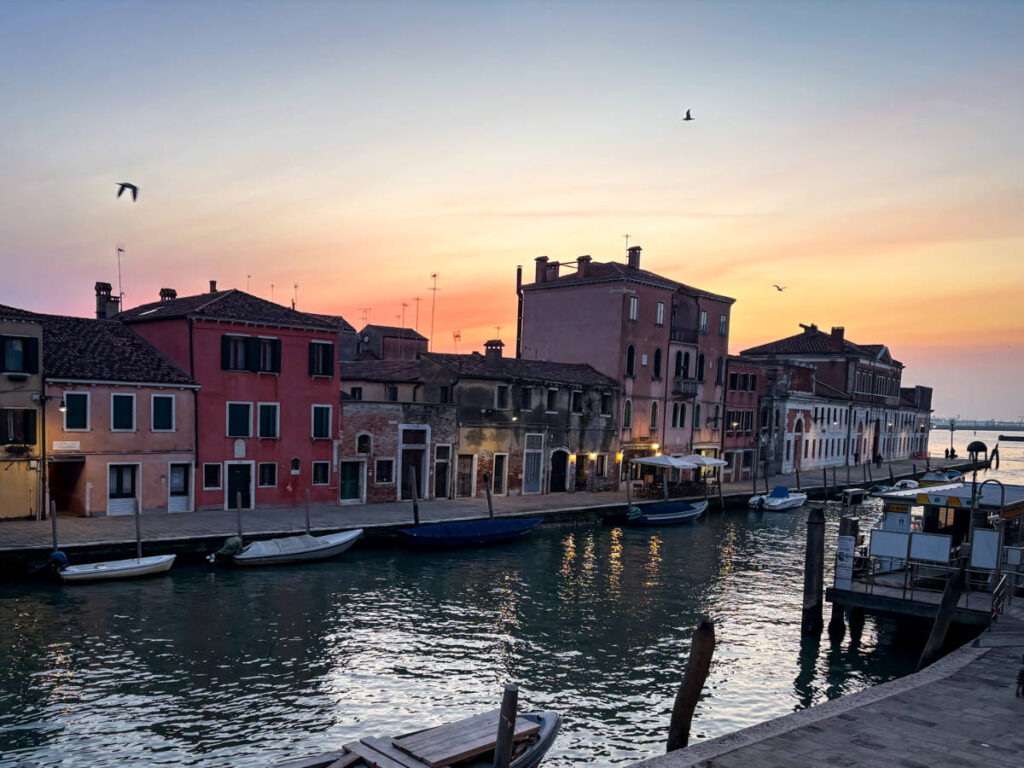
On the point of maps going awry in Venice, I actually think it’s a really good thing to let yourself get lost in the city. Wandering around and finding pretty alleys is the quintessential spirit of Venice and should be part of your itinerary.
In fact, you should set aside an afternoon where you put your phone away and just… walk. Venice is so safe, you’ll hardly find an unsavory neighborhood. Let yourself explore!
Wear Really Good Shoes
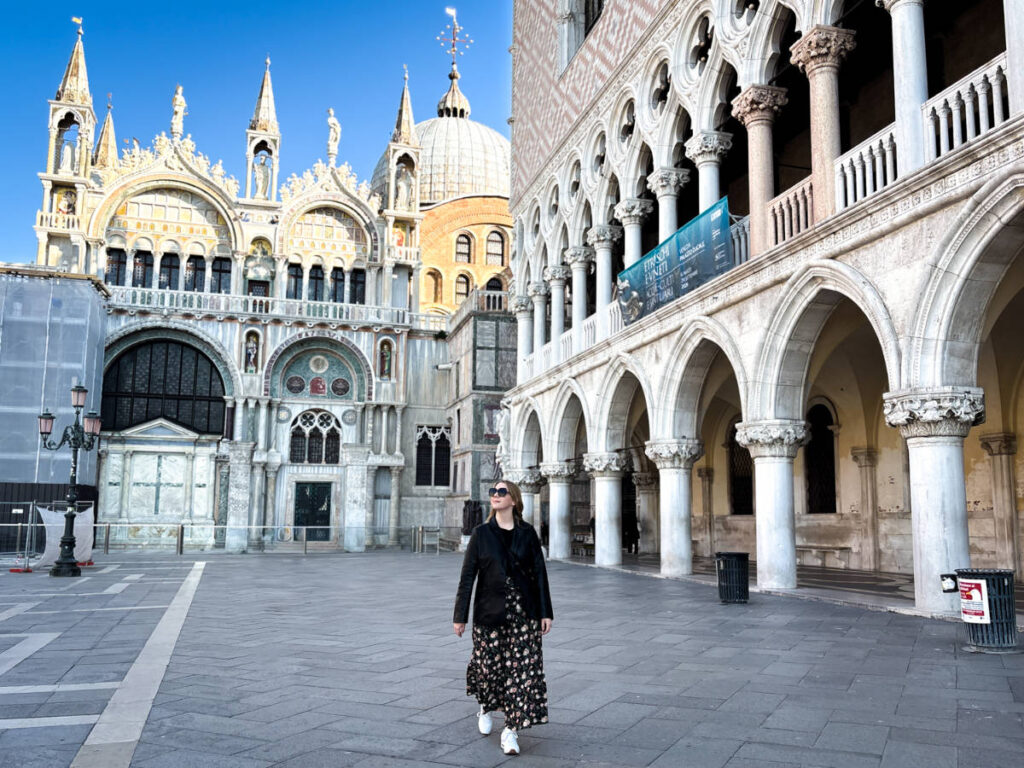
So far in this article, I’ve talked a lot about walking. You’ll primarily be walking to get yourself around Venice and see the sites, after all.
Which means you need really good walking shoes. I wore these Skechers Women’s Uno – Stand On Air Sneakers in Venice, and I LOVE them. They were brand new when I arrived in Venice, and they provided great arch support, did not give me blisters, and my feet never felt tired at the end of the day.
No lie, I hit at least 10K steps every day I was in Venice, and that was on the low end some days. Good walking shoes are essential.
Try the Cicchetti
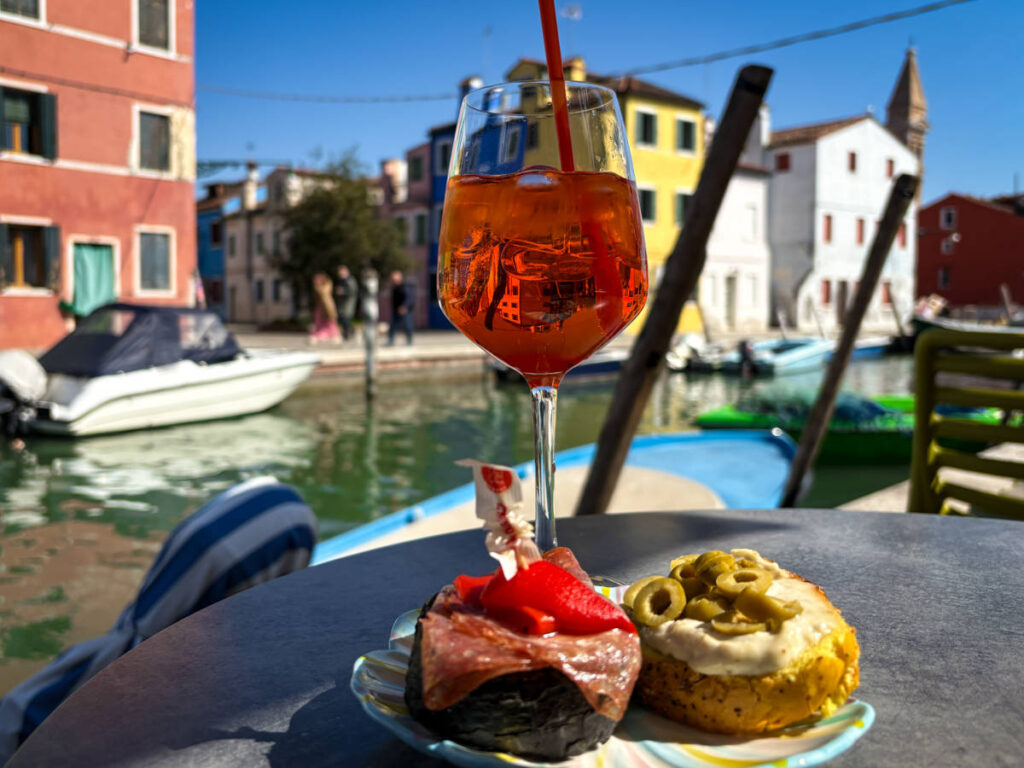
You know that time between lunch and dinner when you’re getting a little hangry? Well, this is the perfect time to order some cicchetti in Venice.
Cicchetti is kind of like Venetian tapas and is akin to different kinds of bruschetta. Where bruschetta just has tomatoes on top, cicchetti comes in endless flavors. Always with a toasted baguette on the bottom, popular kinds of cicchetti are olive, prosciutto, lentil, tuna… I mean, the list goes on.
It’s something that you just gotta do in Venice!
Lean into Spritz Culture
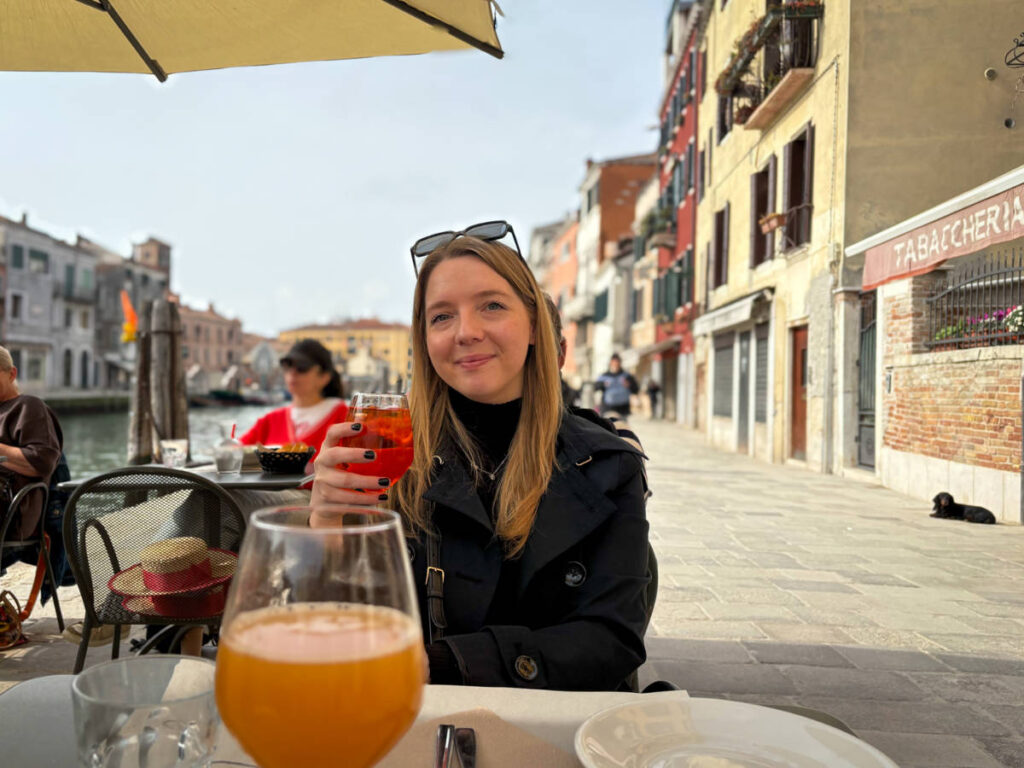
Aperol Spritzes in Italy are like Bordeaux wine in Bordeaux, France — you just gotta have one (if you indulge in alcohol, and are of drinking age, of course). It’s an aperitif on pretty much every single menu, and is meant to be enjoyed before a meal to whet your appetite.
An Aperol Spritz is made of the Italian liquor Aperol (it has kind of a bitter, citrusy-herby flavor), prosecco, and soda water, served with ice.
Be Prepared for Seafood
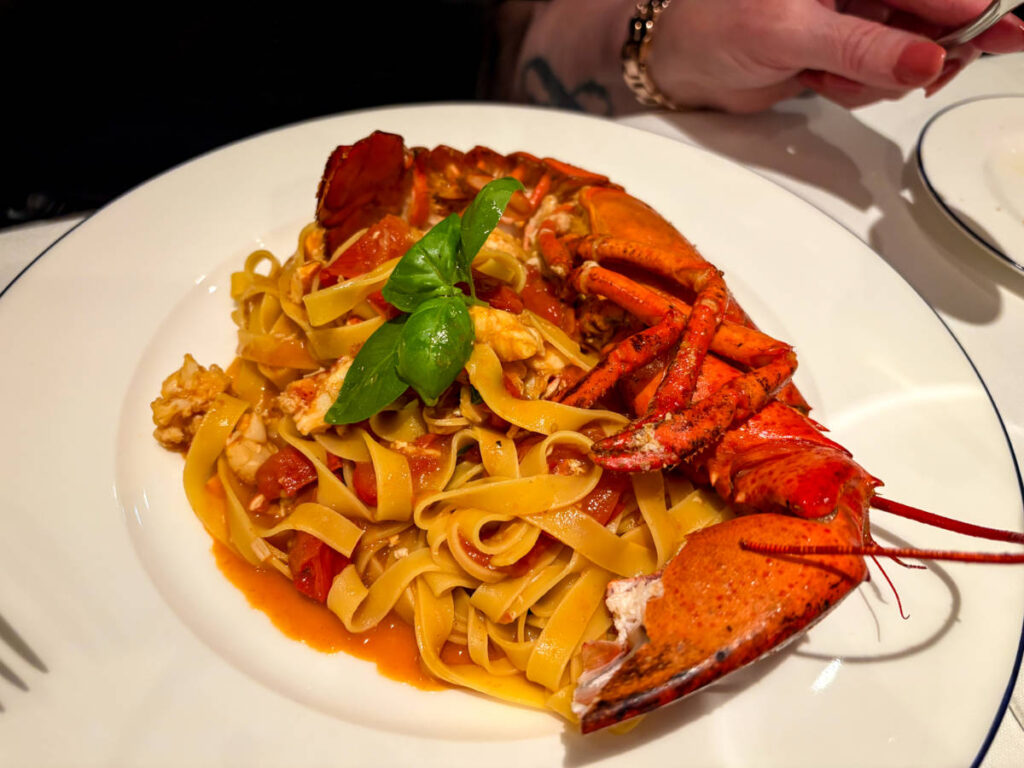
It makes sense because Venice is right on the Adriatic Sea, but seafood is such a staple in Venice. From lobster to oysters and fish and everything in between, you can really have your pick in Venice.
Of course, if you’re not a seafood eater, then you can get other, less aquatic fare as well.
Don’t Eat on Church Steps
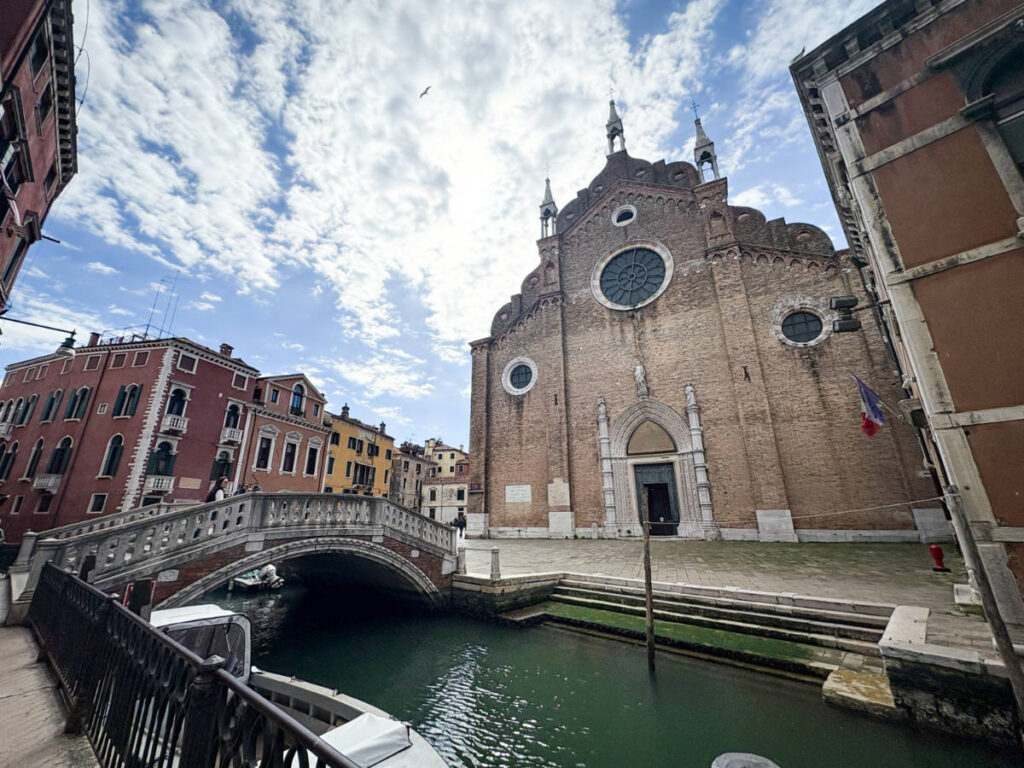
In Venice, eating on church steps, or picnicking pretty much anywhere, is prohibited. Due to Venice being relatively small and getting so many visitors every year, the city has outlawed sitting in areas not designated as a restaurant.
In fact, doing so could land you with a fine.
Don’t Eat Near Major Sites
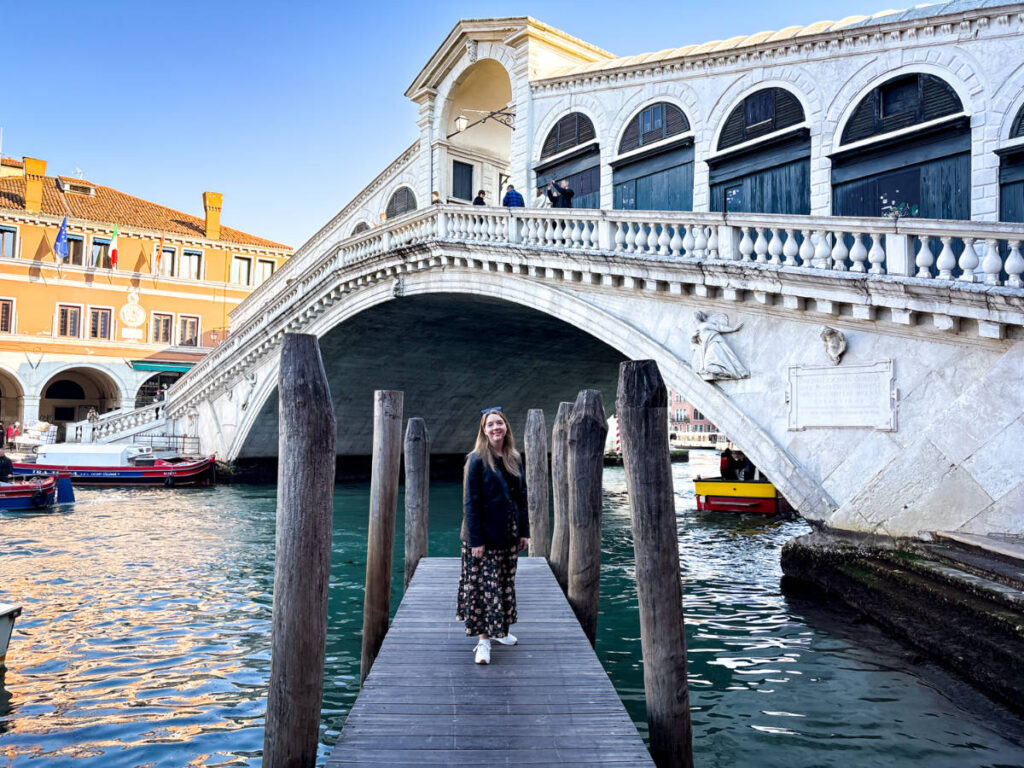
In Venice, eating near the major sites costs way more than finding a restaurant even a little off the beaten path. In particular, the restaurants in Piazza San Marco are way more expensive than if you just walk 10 minutes in literally any other direction.
It’s not like the food is better in Piazza San Marco, it’s just in the spot where all the tourists go.
Sip Espresso at the Bar

In Venice, do as the Italians and sip your shot of espresso at the bar in the morning. In Italy, espresso is something to be enjoyed, and is more of a community affair than a solo activity.
There are so many espresso bars in Venice. So, just stroll up, order an espresso, and enjoy it at the bar slowly with the other patrons.
Use a Refillable Water Bottle
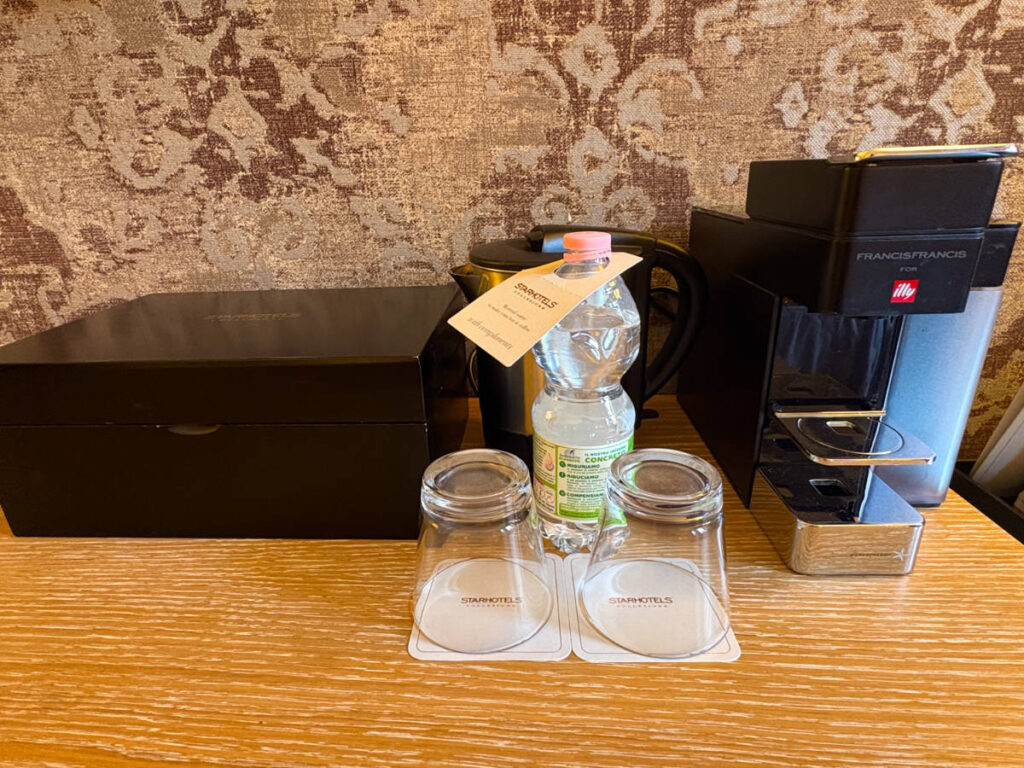
When you go to a restaurant in Venice and order water, you’ll be served a glass bottle of water that you’ll have to pay for. These bottles of water, given that the tap water is perfectly drinkable in Venice, are way too overpriced, in my opinion.
Plus, there are water fountains all around Venice; you’ll see them as you go. Save yourself the need to throw away dollars on glass bottles of water and fill up your own water bottle as you explore.
Explore Early in the Morning
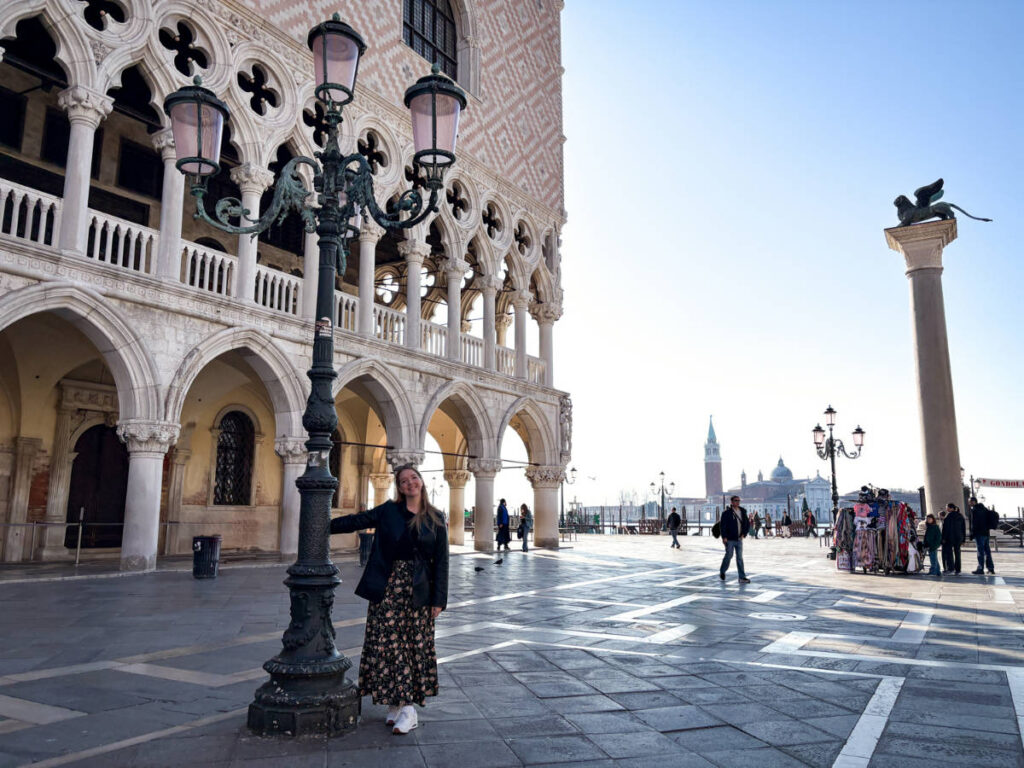
Want to explore Venice without the crowds? Get up early in the morning.
In my opinion, morning is the best time in Venice. It’s quiet, the sun casts a serene glow over the alleys and canals, and you can get awesome photos with few other people in them. Bliss.
Cover up When Entering Churches

Before you enter any churches or basilicas in Venice, it’s good to remember that you need to have your shoulders and knees covered, as a sign of respect.
Wear long pants (or a skirt) on the day that you have your tickets for St. Mark’s Basilica booked. For any unplanned church explorations, I recommend carrying a light scarf or pashmina to cover your shoulders.
Don’t Spend Your Whole Trip in San Marco
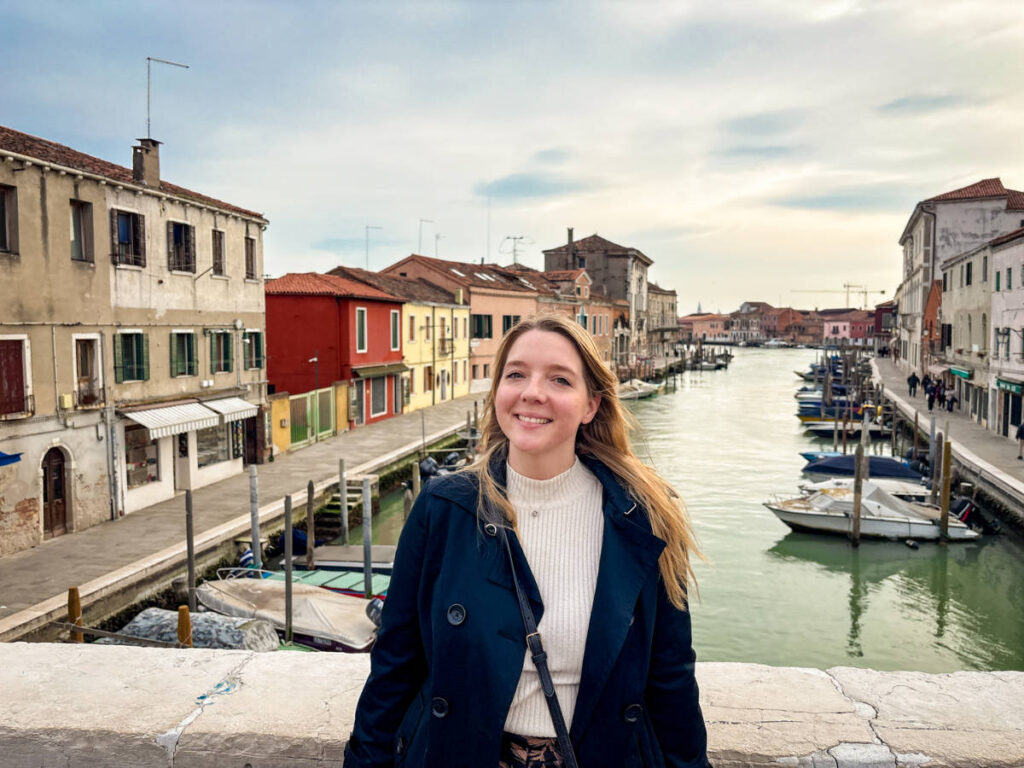
I already made my case for not booking a San Marco hotel, but I also think it would be a shame to spend your whole trip only exploring this sestiere.
There are so many places in Venice that have fewer crowds and just as much ambiance as San Marco. Sestieri like San Polo, Castello, Cannaregio, and Dorsoduro see fewer travelers but have so much to offer.
Or, you can branch out a little further to places like Murano and Burano.
Buy Souvenirs Crafted By Local Artisans
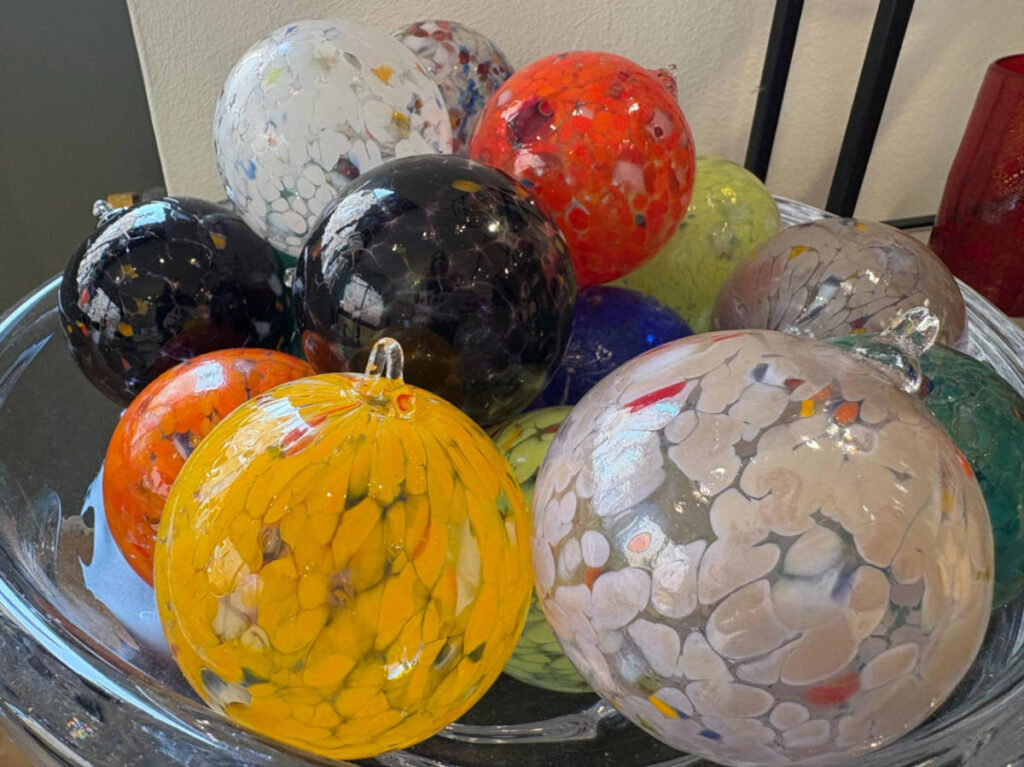
I think there’s no better souvenir than locally-crafted goods in Venice. Some of my favorites are purchasing real Murano glass in Venice or buying real Italian leather from a mom-and-pop shop.
Don’t get me wrong, there are a ton of Venice-labelled souvenirs that actually purchase their items from other countries. It takes somewhat of a discerning eye to differentiate between the two.
Still, there are many places where you can get local and one-of-a-kind finds. Shopping this way stimulates the local economy and helps local makers, plus it gets you a story.
***
Thanks for reading my 34 Venice travel tips to know before you go! Up next, check out my 3-day Venice itinerary. Have fun in Venice!
