
Affiliate Ad Disclosure: We’re reader-supported. When you buy via our links, we earn commissions. Learn more.
Bad Bunny shows a side of Puerto Rico most tourists never see (but you can)

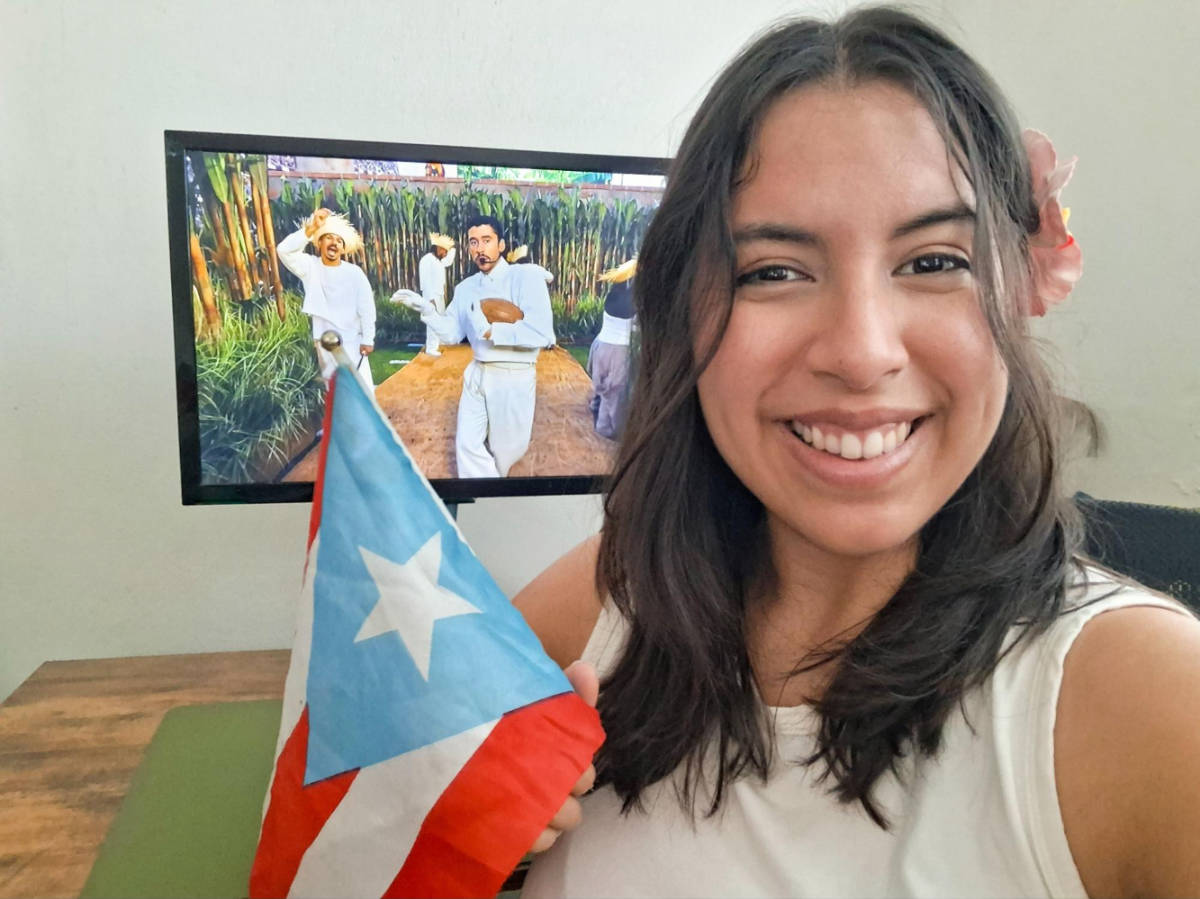
While the 2026 Super Bowl Halftime Show was one of the most controversial shows in the event’s history, one thing is undeniable: Bad Bunny put Puerto Rico and its culture in the international spotlight.
But beyond the catchy beats, dancing, and fireworks, his performance wasn’t just entertainment; it was a cultural map.
Bad Bunny shows a side of Puerto Rico most tourists never experience. For fans traveling to the archipelago, understanding those roots transforms the trip entirely.
Here’s how to see Puerto Rico beyond the surface, through the lens of his music and those of us who live here.
Background: Bad Bunny evolved from a reggaeton singer into a cultural figure.
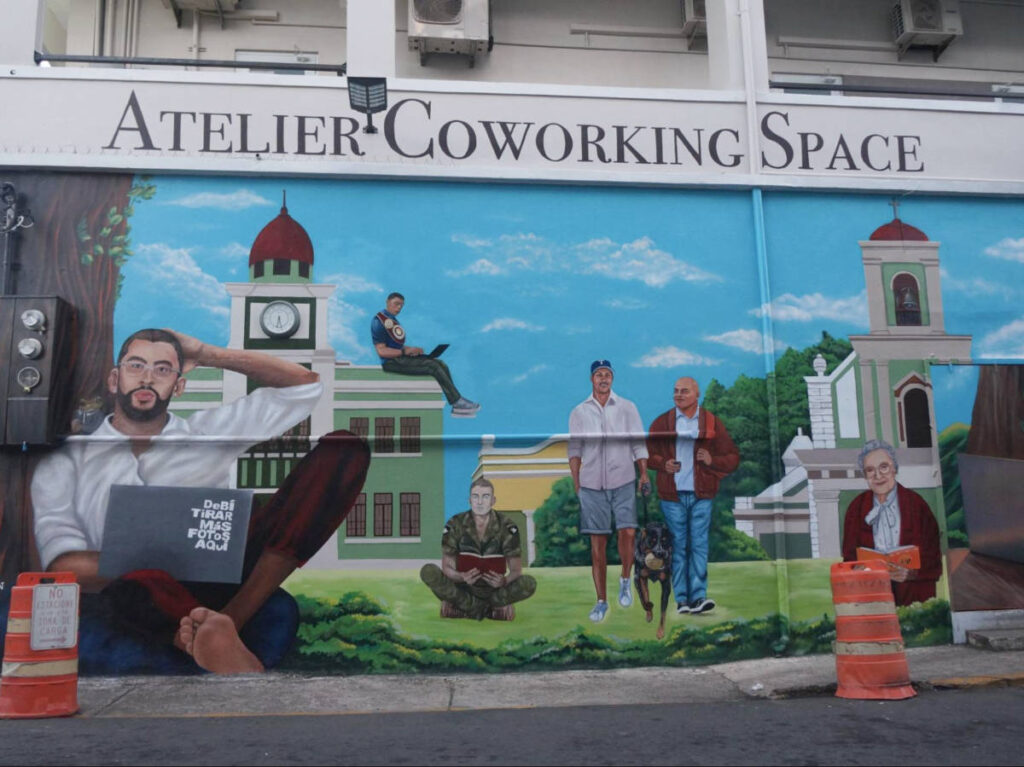
Bad Bunny became the face of trap and reggaeton for younger generations in the late 2010s, known for his distinctive style, explicit lyrics, and growing activism through music.
But his 2025 album, DeBÍ TiRAR MáS FOToS (I Should Have Taken More Pictures), surprised many fans and critics alike with a project deeply rooted in Puerto Rican identity.
Beyond reggaeton, the album incorporates salsa, plena, and jíbaro music, traditional rhythms anchored in the archipelago’s 500-year history.
Through the lyrics and visual storytelling, the album captures daily life, struggle, traditions, nostalgia, and pride.
But what makes it universally resonant, even if you’re unfamiliar with Latin music, is its commentary on gentrification, immigration, and diaspora.
To fully understand the album’s message (as well as the Super Bowl show), start with this complementary short film, starring Puerto Rican actor Jacobo Morales.

In an interview on Popcast, Bad Bunny reflected:
“What is the purpose of me [being] here in this position? Like, what’s next?… I should do something where I can plant a seed. To showcase the rhythms of Puerto Rico, my culture, and all of that. Because ultimately, that gives more pride than any other reward.”

And that intention shaped everything that follows.
Decoding Bad Bunny: The recurring symbols & themes in his visuals are a map to local daily life and culture; one that locals recognize and tourists often miss.
You can enjoy Bad Bunny’s music without knowing every reference, but the deeper you look, the more you’ll uncover, and the better it gets. And this is coming from someone who is NOT a Bad Bunny fan!
If you want to understand what you saw at the Super Bowl, or what you’ll encounter when visiting Puerto Rico, here’s what those symbols really mean.
The jibaros are still alive today.
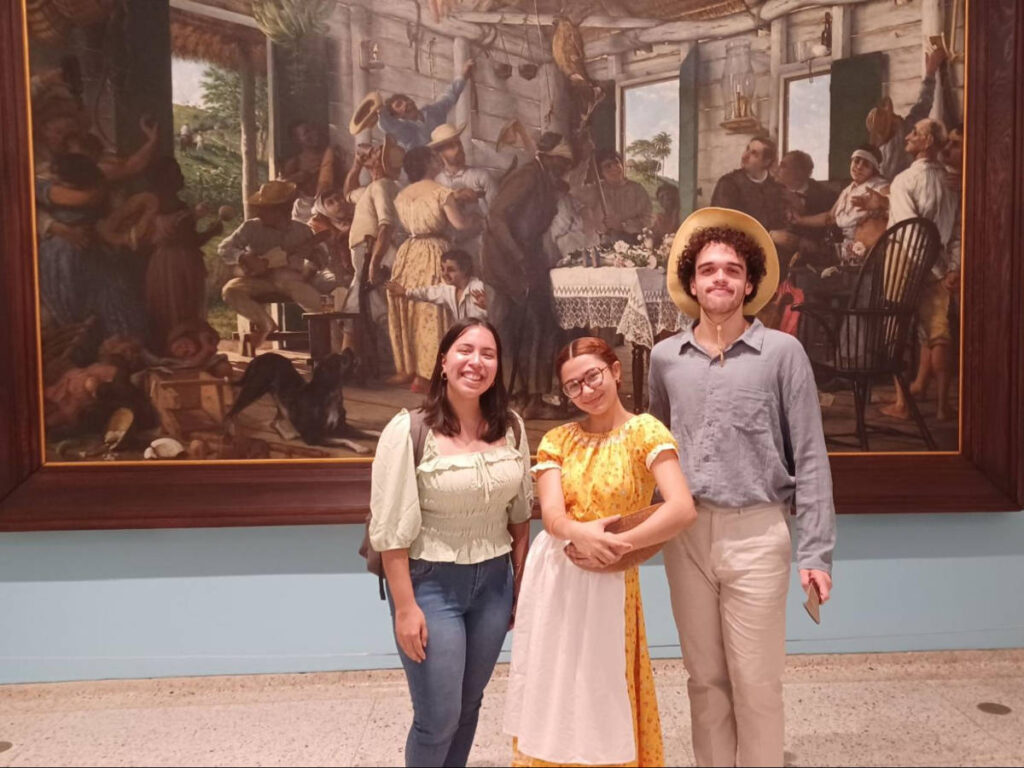
In both the 2026 halftime show and DtMF visuals, the jíbaro appears repeatedly. The jíbaro, the rural farmer from Puerto Rico’s countryside, is strongly tied to national identity and often considered the symbolic first Puerto Rican (distinct from the indigenous Taíno people).
Traditionally depicted wearing a straw hat known as a pava (one that Bad Bunny himself uses), the jíbaro has been part of Puerto Rico’s imagery since the 18th century.
Artists like Ramón Frade and Francisco Oller captured the figure in paintings like El Velorio, helping shape a sense of national consciousness.
Nowadays, identifying as jíbaro represents more than heritage, it signals resistance to colonialism and capitalism.
The domino players, piraguas, and nail technicians are staples commonly seen in Puerto Rico and across Latin America.
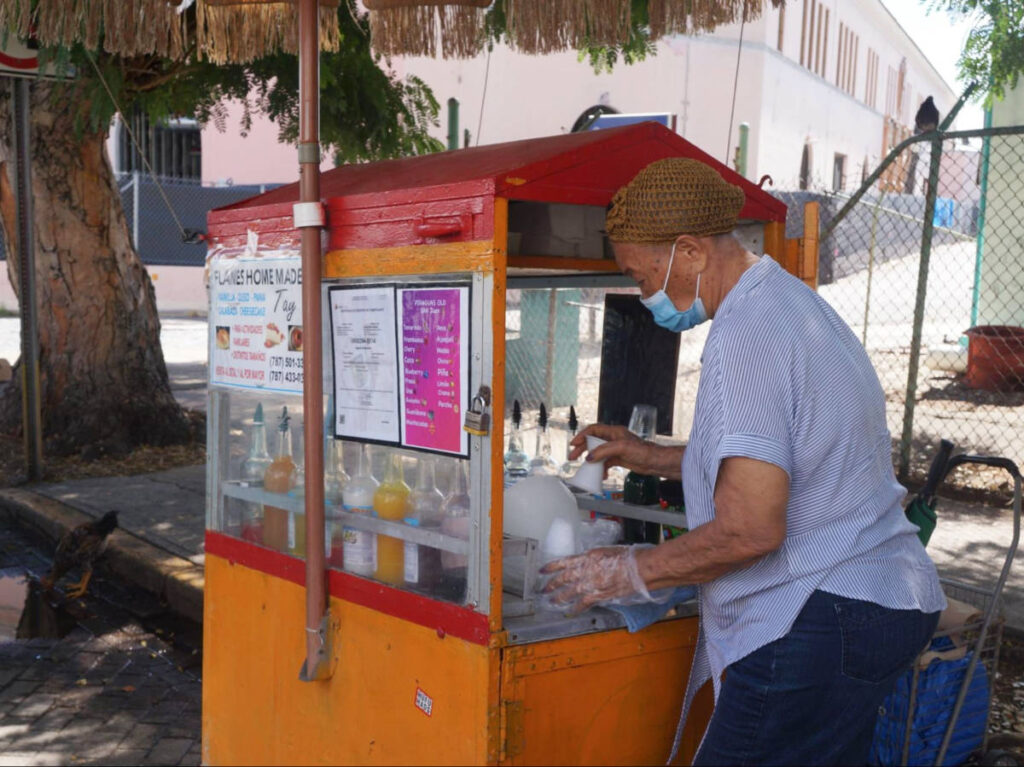
Elders playing dominoes in the plaza, piragua karts on corners, coconut vendors, and nail techs are everyday scenes across Puerto Rico. These are snapshots of daily life that locals like me instantly recognize.
But Bad Bunny also honors the Puerto Rican diaspora. Songs like NUEVAYoL celebrate the thriving community in New York, and the 2026 Super Bowl show featured real-life Latino businesses like the Caribbean Social Club and La Marqueta. It was a tribute to Puerto Ricans and Latinos everywhere.
Blackouts are a recurrent problem in Puerto Rico that makes living on the archipelago a challenge.
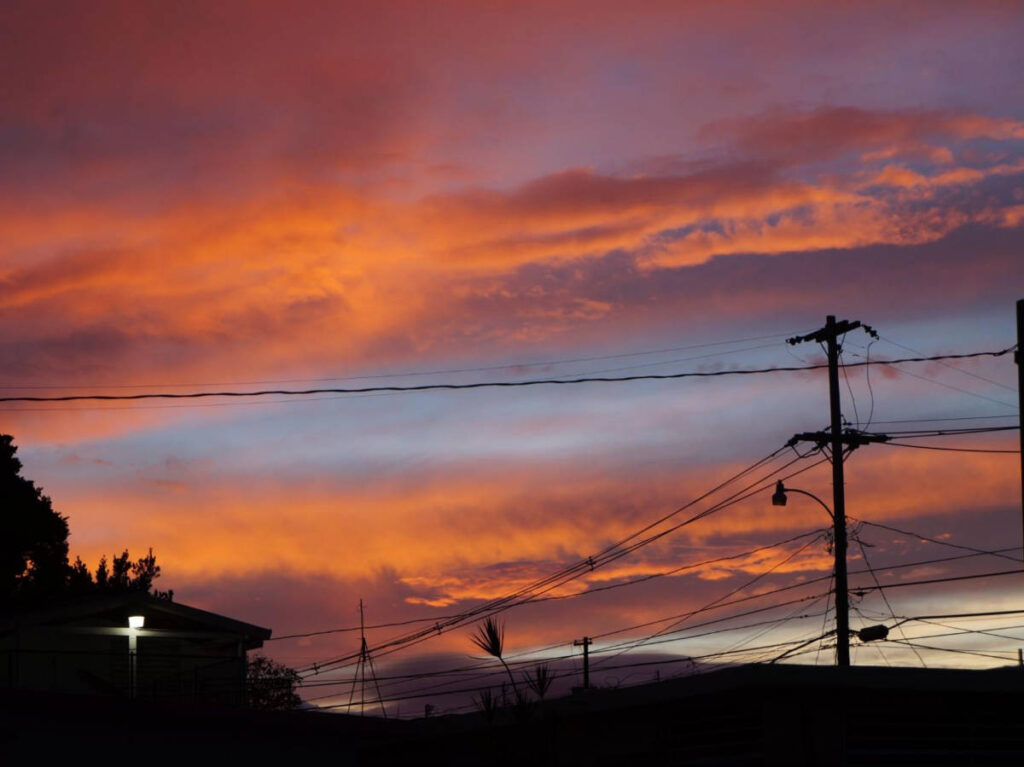
Power outages are not symbolic in Puerto Rico; they are routine. The island’s electrical grid has been unstable since Hurricane María, and even after LUMA Energy took over transmission and distribution in 2021, blackouts continued, despite rising costs.
In El Apagón, performed atop utility poles during the 2026 Super Bowl Show, Bad Bunny denounces this reality. In fact, the music video expands into a documentary that exposes social problems like the housing displacement and infrastructure crises.

El Apagón ends with the defiant line: “I don’t want to leave, let them go instead,” confirming once again that in Puerto Rico, celebration and protest coexist.
Puerto Ricans’ joy is a way of resistance that keeps our identity alive.
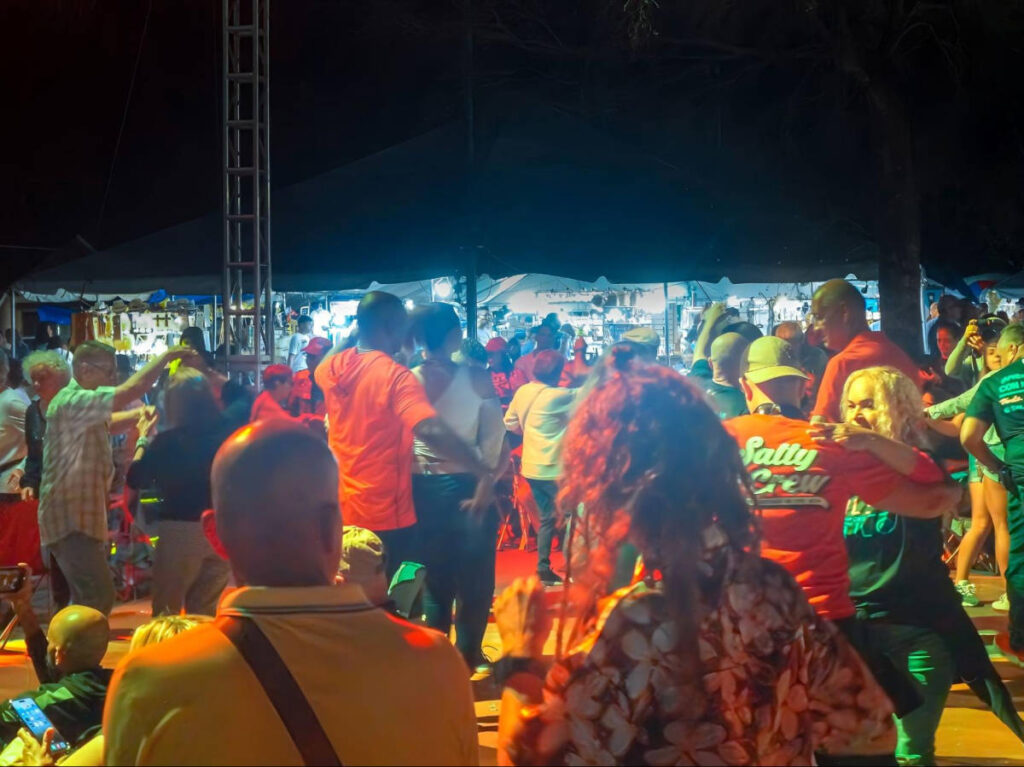
If anything, the halftime show felt like a 13 minute party filled with dancing, smiles and catchy music… and that was intentional.
Puerto Ricans and Latin Americans refuse to give up the joy of life in the face of hurricanes, corruption, earthquakes, or economic hardship.
Instead, we celebrate despite it. Music, dance, and festivals are not distractions; they are a form of defiance. That is how we connect, how we stay together, and how we protest. This duality is central to understanding Puerto Rico.
The plastic chairs are a nostalgic symbol for the latino working class.
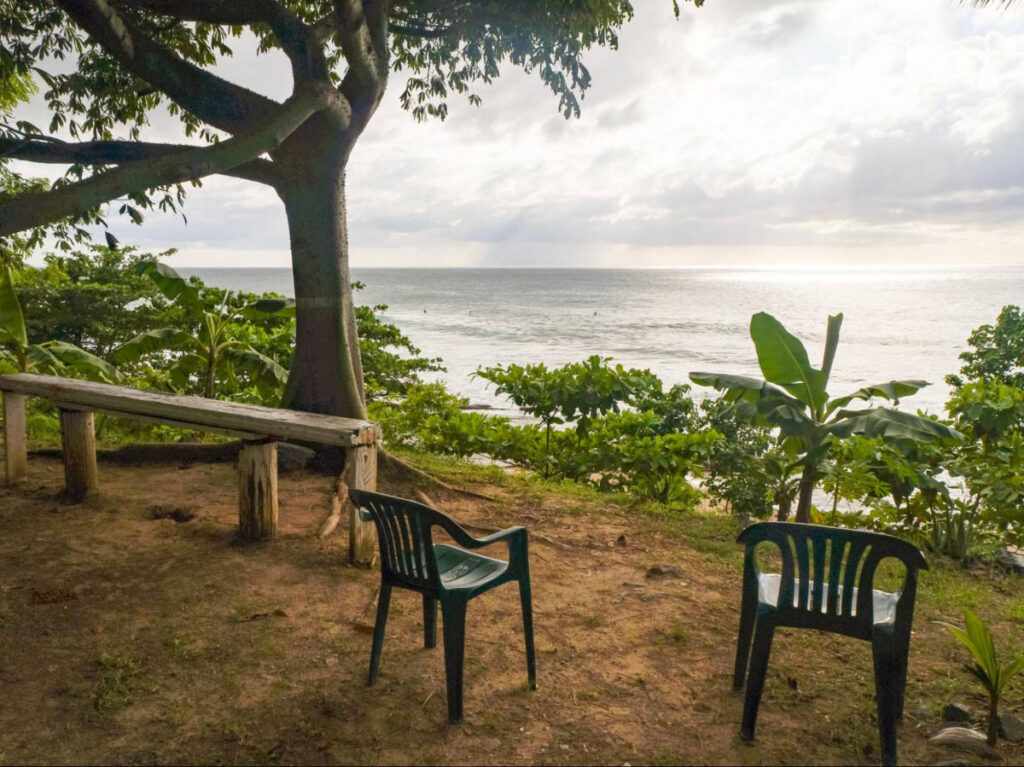
The DtMF album cover features two empty white plastic chairs on a patio, a familiar sight in Puerto Rican middle class homes. They sit in our grandparent’s yards and balconies, and thus symbolize family get-togethers and parties for many.
Paired with the album’s title DeBÍ TiRAR MáS FOToS, the empty chairs evoke nostalgia and longing for those who are no longer with us, especially those who had to leave to seek better opportunities.

The songs “LO QUE LE PASÓ A HAWAii” and “LA MuDANZA” expose the gentrification and privatization of natural resources in Puerto Rico.

When Ricky Martin joined Bad Bunny to sing “LO QUE LE PASÓ A HAWAii”, it wasn’t just nostalgic, but also political.
The song draws a parallel between Puerto Rico and Hawaii, two colonized archipelagos affected by tourism, gentrification, and privatization.
The chorus goes: “I don’t want them to do to you what happened to Hawaii.”
Paired with LA MuDANZA, which goes “No one’ll kick me out of here, I’m not going anywhere. Tell them this is my home where my grandfather was born,” these songs’ messages are ones of resistance.

The flag raised by Bad Bunny in the 2026 Super Bowl Halftime Show is not the official flag.
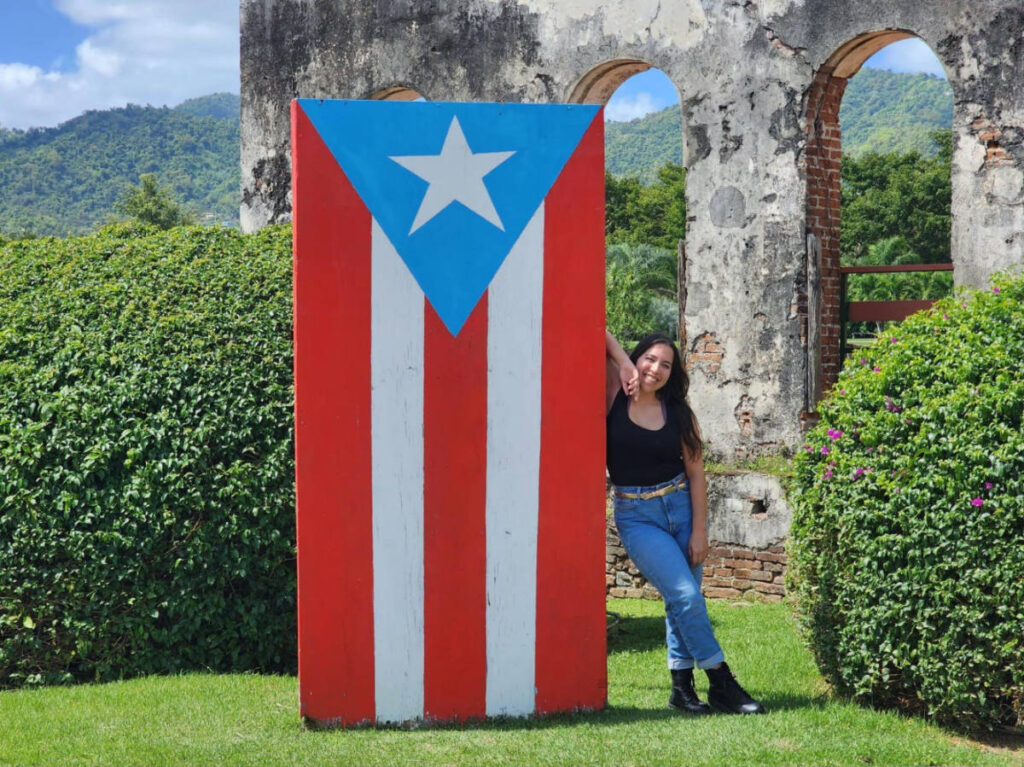
One of my favorite easter eggs within the show is the fact that Bad Bunny raised the unofficial flag. You see, while it might have the exact design as Puerto Rico’s flag, the blue in the triangle was actually sky blue (azul celeste) instead of navy blue.
This was the original design created in 1895 by Puerto Rican independence activists in New York City and for decades, displaying the flag was illegal under US rule.
In LA MuDANZA, he references those who died for raising the flag. Choosing this version for this event goes beyond aesthetic purposes.
How to experience that Puerto Rico: Where to spend time, what kinds of spaces to look for, and how to engage with culture beyond resorts.
Once you know the symbols behind Bad Bunny, you get a new perspective on how to consciously and responsibly explore Puerto Rico. Here are some things to do:
Go beyond Old San Juan.
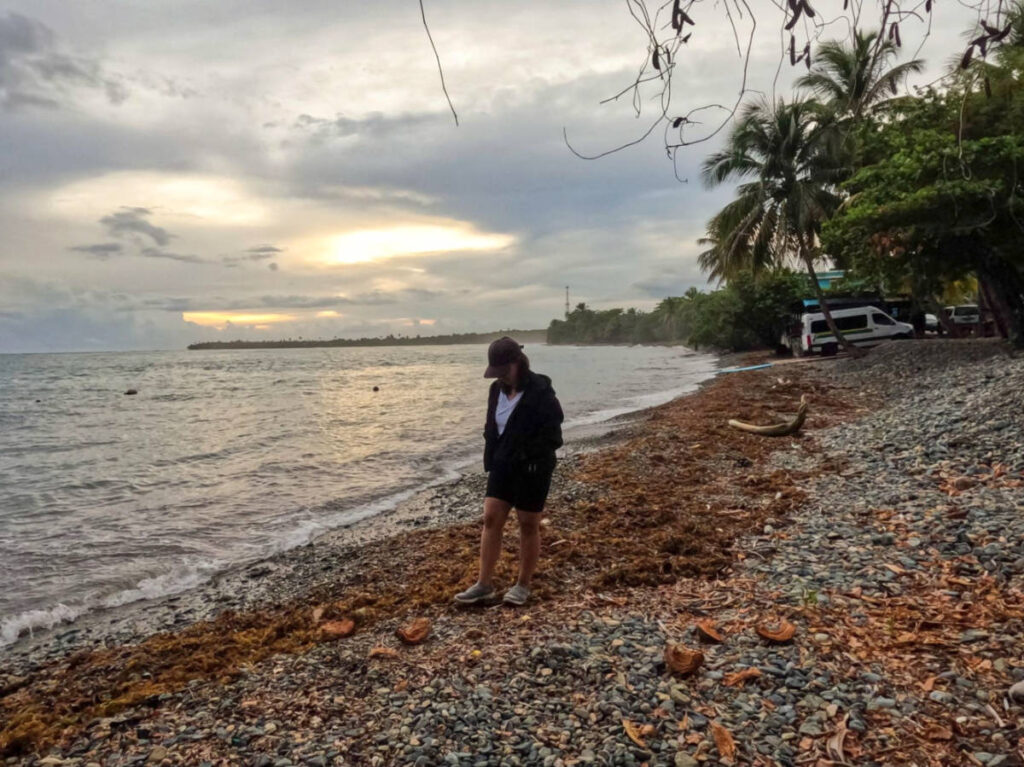
Old San Juan is beautiful, but it’s not the whole archipelago. Staying only within this part would be like going to the Eiffel Tower and saying you’ve seen France.
So, I (and Bad Bunny) dare you to go beyond. Rent a car and leave the capital. Take day trips to smaller towns, sit in plazas, and watch daily life unfold. Puerto Rico isn’t just a city frozen in time, it’s an ever-changing destination.
Eat local, even if you can’t understand the menu.
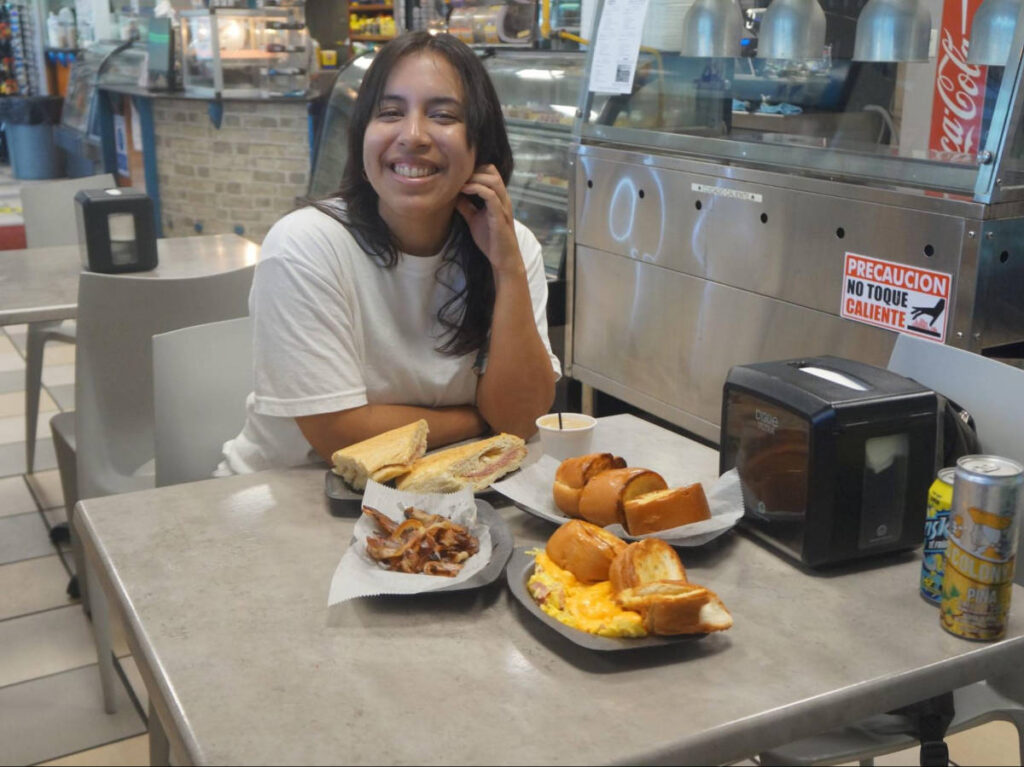
There is very little room for a local cultural experience in an air-conditioned restaurant designed for everyone’s taste. Instead, eat at fonditas, lechoneras, panaderias, chinchorros, and roadside food trucks.
These are the places where Puerto Ricans eat during lunch break and family weekends (aside from fast foods, of course).
No, you might not understand the menu, but order anyway! Ask for recommendations if you’re unsure. You’ll honestly find some of the best foods in Puerto Rico, and you’ll be contributing to the local economy.
Head to the mountains.
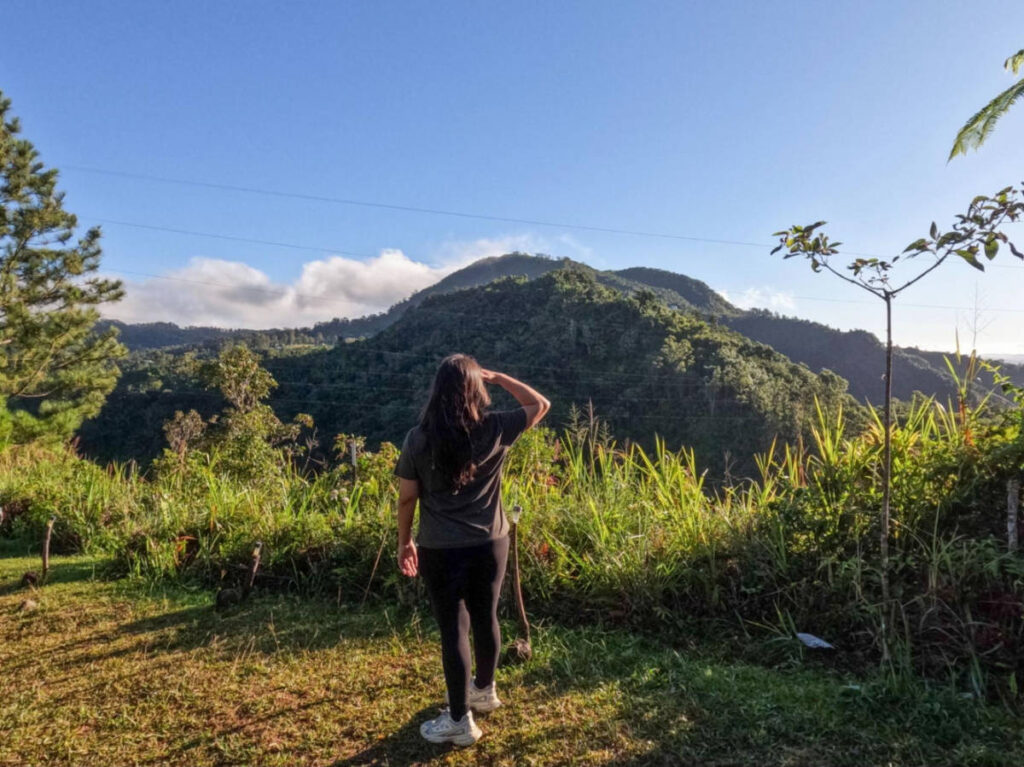
The metropolitan region in the north coast has that very “metropolis” feeling you’ll find in urban areas around the world. There are a lot of skyscrapers, rush, and car honking.
And while this is also part of Puerto Rico, if you want to understand the jíbaro references, you’ll need to head to the mountains. Drive into Adjuntas, Jayuya, or Utuado and visit farms, camp, and admire the green landscapes.
Both versions are Puerto Rican, and that duality has shaped music, art, and identity for centuries.
Embrace the nightlife and showcase your moves.

We already stated we don’t separate activism from joy. So, make sure to hit bars and pubs at Calle Loiza and Santurce, particularly La Placita de Santurce, and enjoy the nightlife.
Also check out Fifty-Eight, a popular nightclub in Condado mentioned in his song Yo no soy Celoso which Bad Bunny recreated in the video KETU TeCRÉ.
Don’t know how to dance? You’ll likely find a local willing to teach you! It’s all about the spirit.
Catch the cultural festivals, even those beyond the capital city.
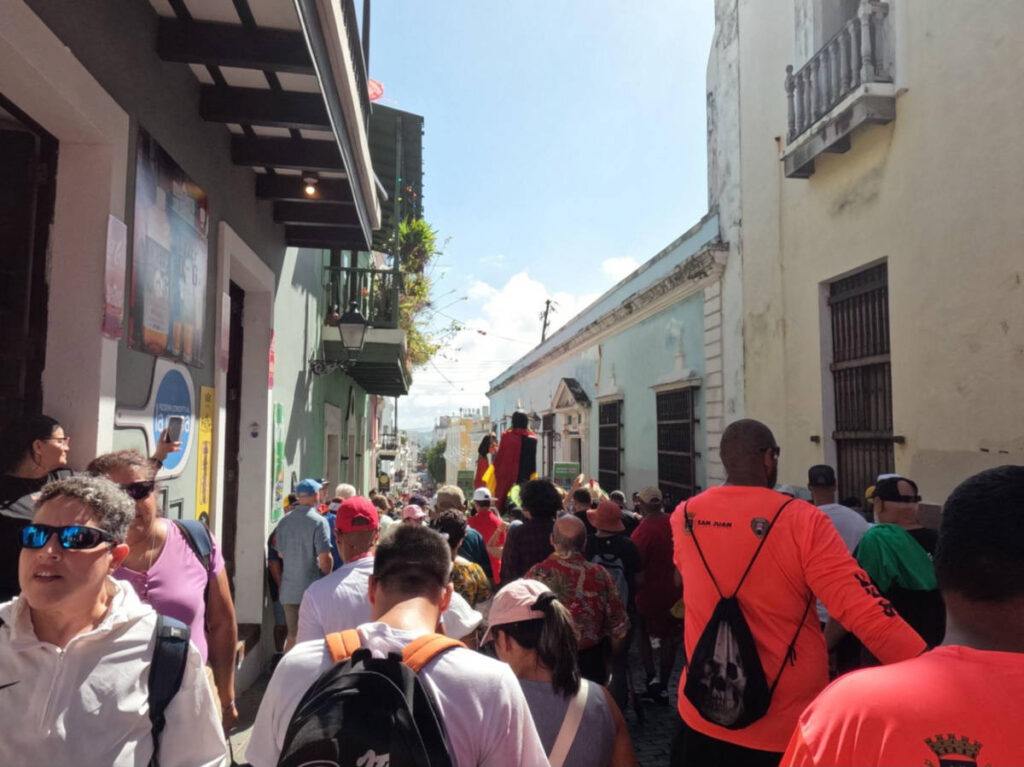
Puerto Rico’s cultural festivals are the epitome of local culture. There is dancing, music, food, and drinks all in a single place for three or more consecutive days, so you bet you’ll find the locals enjoying these festivities.
They aren’t curated experiences, but very local and raw expressions of identity. No matter when you visit Puerto Rico, you’re bound to find at least one festival going on.
Drink the coffee and sip the rum.
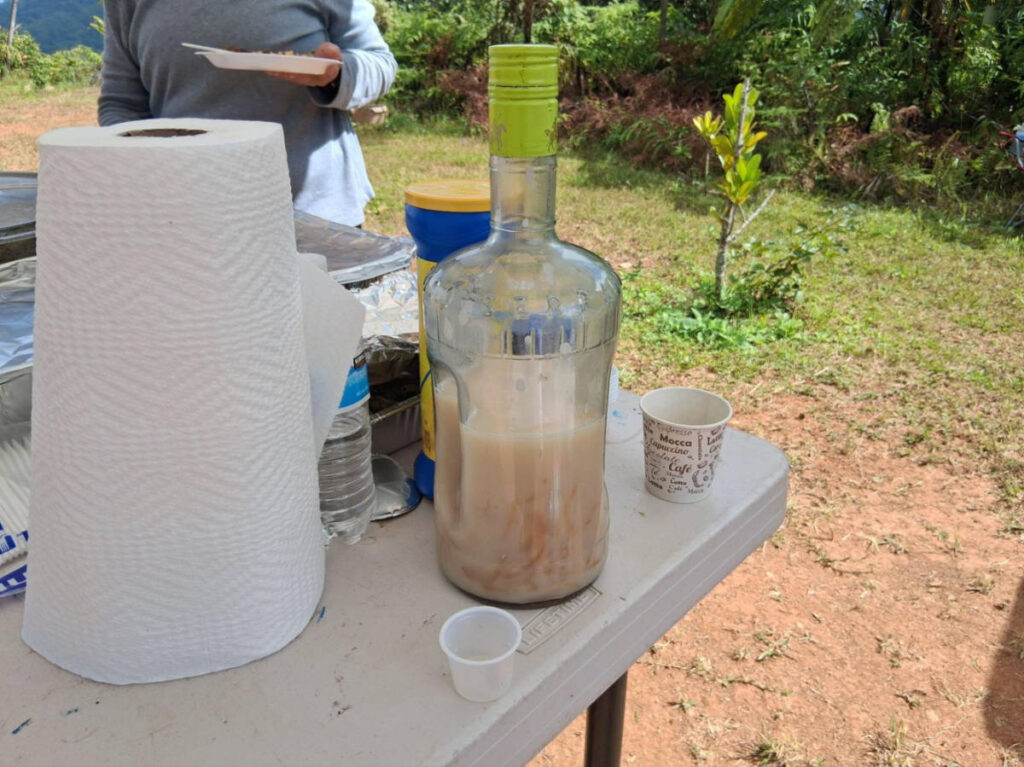
CAFé CON RON, has a catchy chorus that goes “in the morning coffee, in the afternoon rum,” which confirms coffee culture runs deep in Puerto Rico, especially in the mountains. You’ll find coffee shops in San Juan, but for a local experience, I recommend a panadería instead.
Rum is also a cultural thing, especially in parties, a reference you can clearly see in PIToRRO DE COCO. Visit a distillery like Ron El Barrilito if you’re a connoisseur, or go bar hopping at Calle Loiza to grab the drink at a bar.
Enjoy the beaches and the rivers – alongside locals.
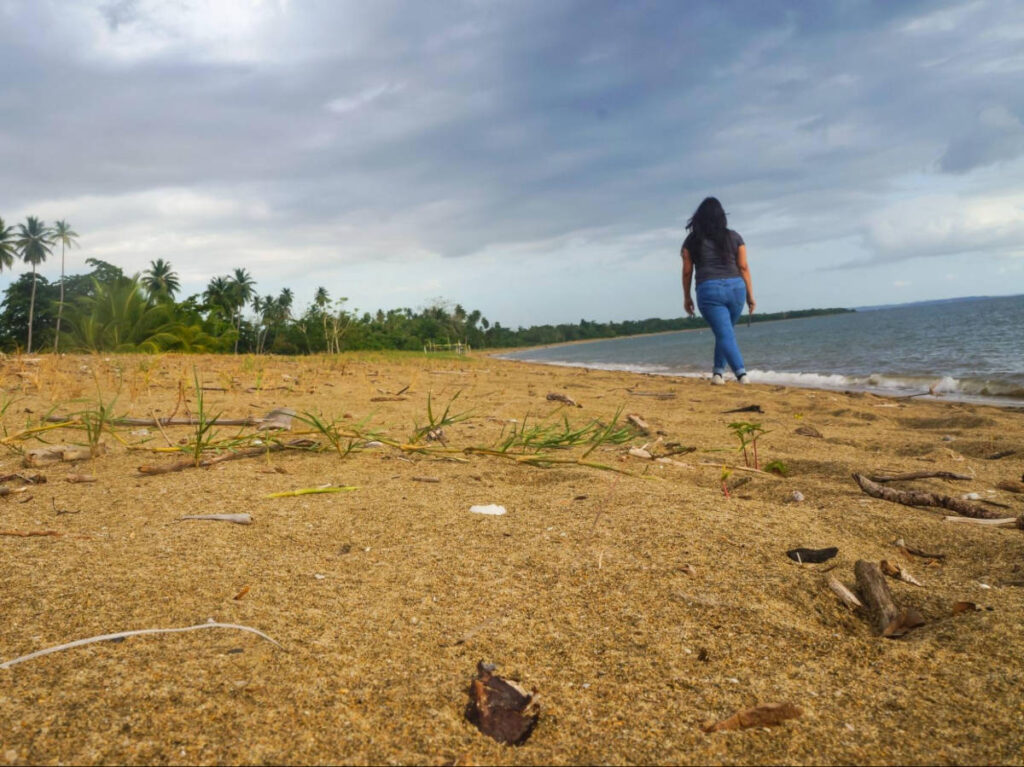
Puerto Rico’s beaches are without doubt some of the best in the Caribbean, and worth experiencing. But, they are public and part of Puerto Rican patrimony.
Expecting “private beaches” for your own, contributes to one of the biggest problems stated by LO QUE LE PASÓ A HAWAii and depicted in WELTiTA’s music video: the displacement of locals and a Puerto Rico without Puerto Ricans.
Take a bomba and plena class.
Bad Bunny’s latest album includes traditional Puerto Rican rhythms like plena. And much like reggaeton, these rhythms are also rooted in resistance and storytelling.
Taking a class, visiting the Puerto Rican Music Museum in Ponce, or attending folkloric festivals like Festival del Jíbaro Comerieño connect you to the deeper layers of popular hits like CAFé CON RON and appreciate the influences behind them.
Raise the flag!
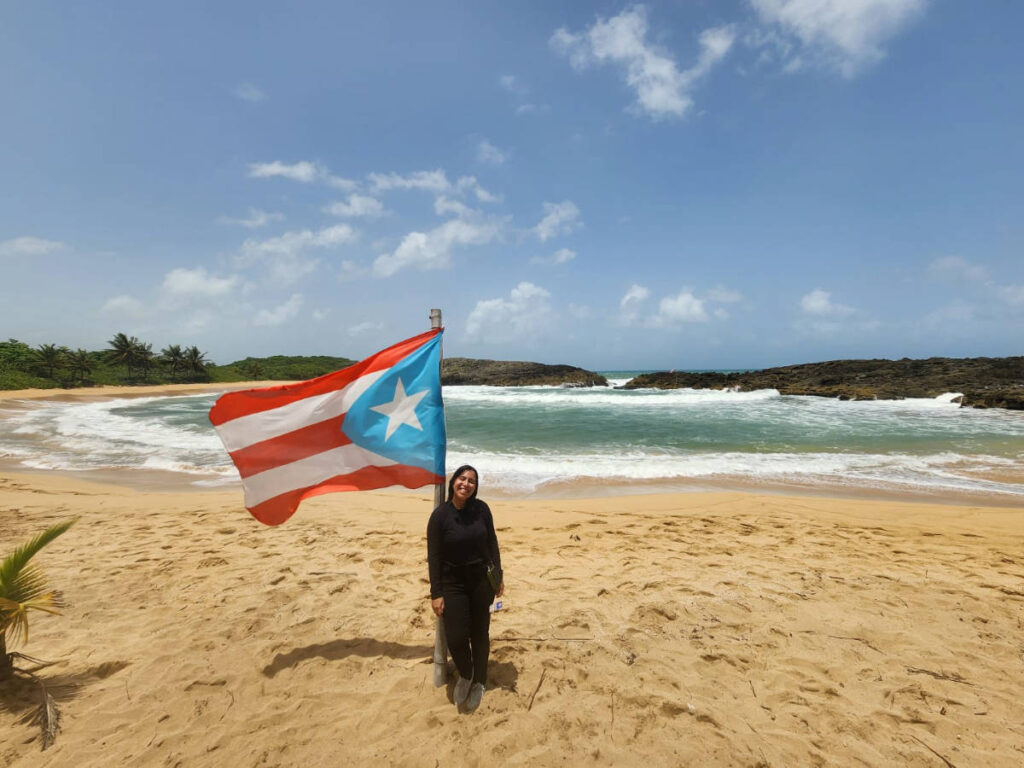
Yes, the Puerto Rico flag is everywhere: buildings, cars, murals, chairs, trees, rocks.
But, like Bad Bunny states in LA MuDANZA, displaying it was once illegal, so now it strongly ties our identity. You’re welcome to share our pride, and snap pictures, especially if it’s the one with light blue!
A final word.
Bad Bunny’s message is about unity, but also, about presence.
Puerto Rico has endured colonization, hurricanes, economic crisis, privatization and mass migration. And still, like Bad Bunny’s statement at the half-time show, seguimos aquí — we are still here.
Tourism in Puerto Rico is not the enemy. Visitors are welcome, and we are proud to share our patrimony and culture. But Puerto Rico is more than a postcard or a tax haven. It’s a living place full of contradictions.
The luxury resorts are good, but far from Puerto Rico’s reality: where culture and music meet with activism. Come curious and ready to embrace both the sunsets and the blackouts, and to see more than the postcard. Seguimos aquí.
More Latest PERSPECTIVES


I really enjoyed reading this fab article, thank you!! I have learnt so much about Puerto Rico and will listen to Bad Bunny’s music from a different angle now. 😊
Hi Ruthie! I’m glad to share some insight into his music and Puerto Rico’s culture. Thank you for your support!