
Affiliate Ad Disclosure: We’re reader-supported. When you buy via our links, we earn commissions. Learn more.
As a seafood hater, here’s what it was like dining out in Japan


All you fishy fanatics better cut me a break on this one. I’ll come right out and say it – I hate seafood.
I rarely had opportunities to try great-quality seafood growing up in a landlocked state. Whenever I did branch out and give it a go in Arizona, I always ended up disgusted and disappointed. Something about that smell and rubbery texture gives me immediate nausea.
No other category of food has ever warranted such a reaction from me. I know I sound so dramatic, and I wish I weren’t such a wimp about it. I swear I’m the least picky eater alive with every other food group. But for some reason, I have a visceral reaction to the very idea of seafood. Can you tell it’s not my thing?
If you’re like me and you hate seafood, keep reading. I dish my favorite non-seafood meals in Japan, which are absolutely delicious and not the least bit fishy. I’ll also cover some anecdotes about my dining experiences in Japan.
Arriving in Japan

When I first visited Japan in January of 2019, my biggest concern was the food. I’m sure all you seafood lovers are gasping at that sentiment.
People travel from all over the world just to get their hands on authentic Japanese seafood. But sushi, sashimi, and takoyaki are the bane of my existence. I was not looking forward to a week of dining out.
In typical Betty fashion, I did zero research on non-seafood Japanese dishes. I figured I’d find things as I went and end up happy as an unsteamed clam. When I arrived, I was completely lost.
The first thing I ate in Japan was street squid.

“But Betty,” you’re saying, “why would the most anti-seafood American eat street squid?” Peer pressure and an unrealistic level of optimism, that’s why. I thought, hey, maybe my lifetime of disdain will cease to exist, and I’ll find it delicious!
I didn’t want to feel left out when my friends decided to go for it, so I reluctantly paid the friendly street vendor and looked quizzically at my skewered baby squids. They seemed so alive that I was sure they’d start flailing their little tentacles at me.

The buildup in my head for eating this tiny squid was equivalent to the nervous anticipation of diving into a freezing lake. I didn’t want to do it, but I didn’t want to miss out on a memorable experience with my friends. My hesitance was no match for the FOMO.
One bite of squishy, unseasoned mush, and I was done for. I spit out the squid in the bushes next to me within three seconds. The suction cups on their tentacles grabbed at my lips on their way out.
Great, I thought, my first bite in Japan never even made it to my stomach. This is going to be a fun trip.
Lost in Translation: Navigating Japanese Menus

The lack of English in Japan can make ordering the right thing difficult.
I ordered the wrong meal and swapped with my friends many times during my initial 2019 visit. Sometimes I just gave up, picked the fish off my plate, and ate rice alone. Language translation apps have since improved that issue.
Don’t get me wrong, I tried more fishy plates. But it didn’t matter how recently it was caught or how swanky the restaurant was. I was in one of the most popular seafood-producing countries in the world, and I still couldn’t stomach it.

I spent my final 2019 night in Japan at a ryokan in Osaka. A ryokan is a traditional Japanese inn featuring floor sleeping mats, onsen spas, and authentic meals. This experience is a must when you visit the country.
All of this sounded incredible to me except for – and I’m sure you’re catching on here – the food.
My friends and I went to dinner that night in a private room surrounded by paper sliding doors and bamboo planters. The space presented a foot-tall dining table and squishy pillows for sitting.
The menus were in Japanese, but we had no means of translation.

We blindly ordered our meals. I pointed to a line on the menu to the server, who politely smiled, bowed, and walked away. Whatever I was served, I’d just have to deal with it.
I wound up with a plate full of sashimi, noodles covered in scaly fish, and a shot glass of what I think was a raw quail egg. In the spirit of tradition, I tried everything on my plate.
It was horrendous. I’ve never had fishier food in my life. No matter how hard I tried, I couldn’t stomach the flavors and textures.


My friends and I cackled at each other’s expressions of horror.
We made sure to at least put a dent in our meals so we didn’t come off rude. I will never forget how hilarious and alarming the experience was. You can imagine why I went to bed quite hungry that night.
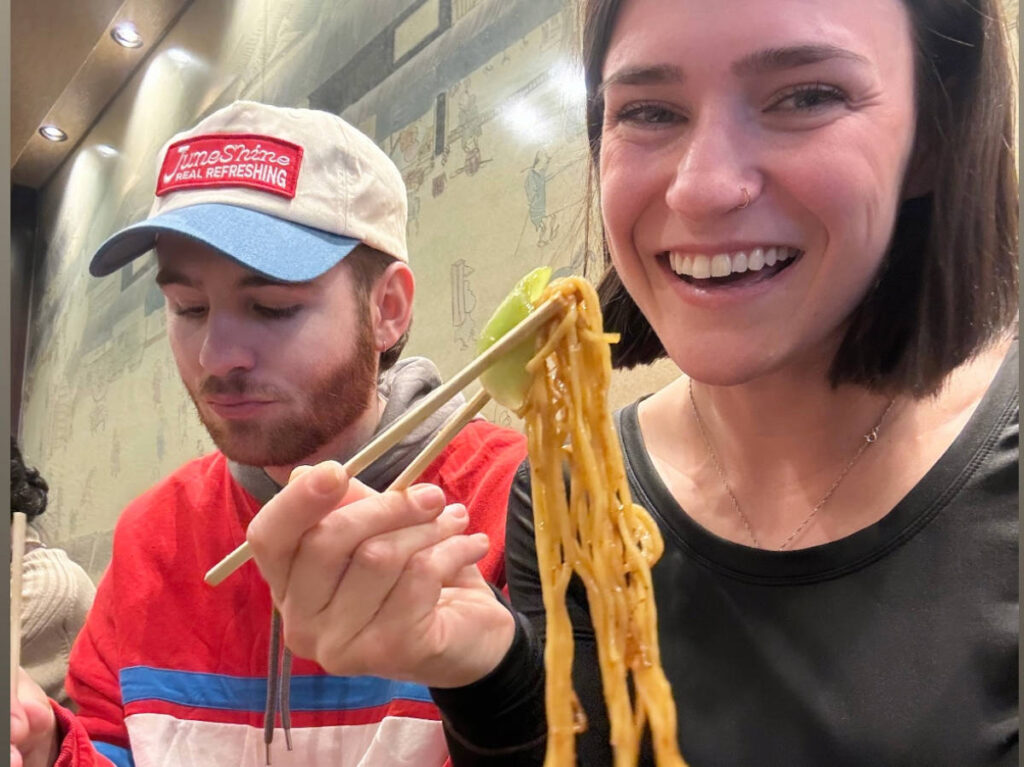
This initial experience did not turn me away from Japan. I’ve now visited four times since 2019, and I’ve discovered a whole new culinary world of excellent flavors and unforgettable dining experiences.
My Favorite Non-Seafood Dishes in Japan

Don’t let your fear of seafood deter you from visiting Japan. For your culinary inspiration, here’s a list of my favorite Japanese dishes that I’ve gone back for over my four trips to Japan:
Wagyu Beef
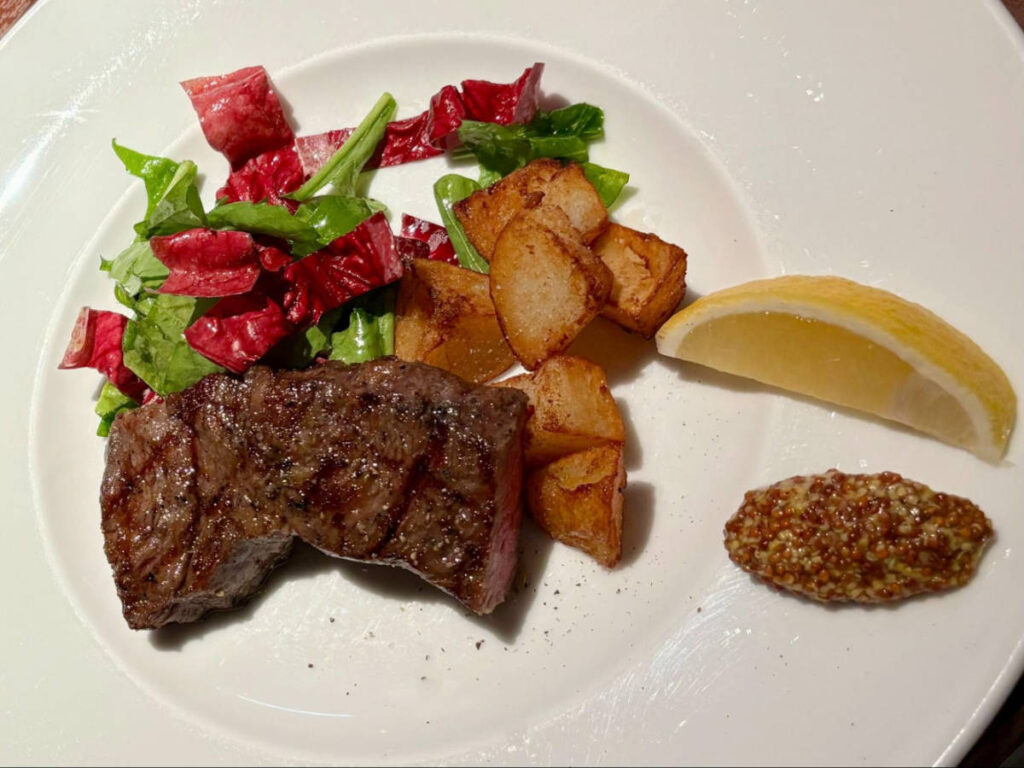
I’d heard how incredible wagyu steak is many times before visiting Japan, but nothing prepared me for just how life-changingly fantastic it is. Its flavorful, rich, marbled texture melts in your mouth, and it’s utterly delicious. Wagyu is one of the most premium types of beef in the world.
Wagyu steak in the States goes for easily $50 a cut. I ordered a 3-course wagyu meal at a $$$-rated restaurant in Nagano called Fujiya Gohojin after my trip to see the snow monkeys, and it was only $30 USD. Best. Steak. Of my LIFE.
Gyoza
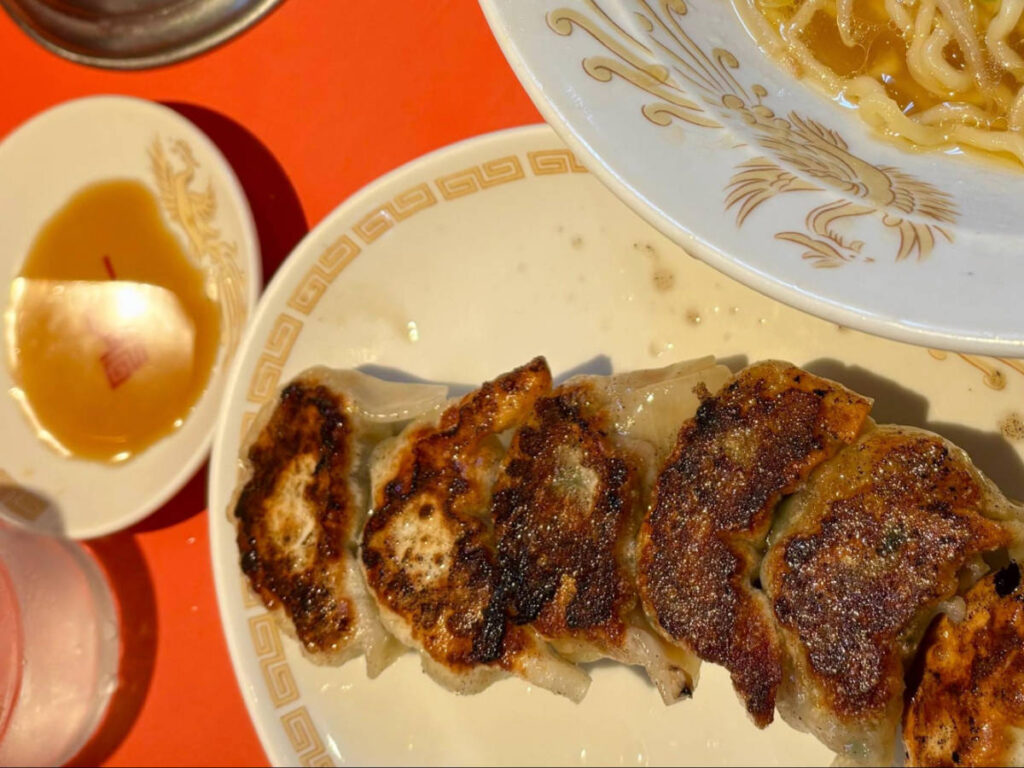
Gyoza are small, fried dumplings filled with shredded meat and vegetables. They’re on the menu at most Japanese joints, especially street vendors. Dip them in a vinegary soy sauce, and you’ll be in love.
I probably ate two dozen of these without blinking at a weekend market in Tokyo. They’re cheap, plentiful, and simply delicious. There are seafood options for gyoza, so make sure you order the pork option if you want to avoid tentacled dumplings!
Okonomiyaki
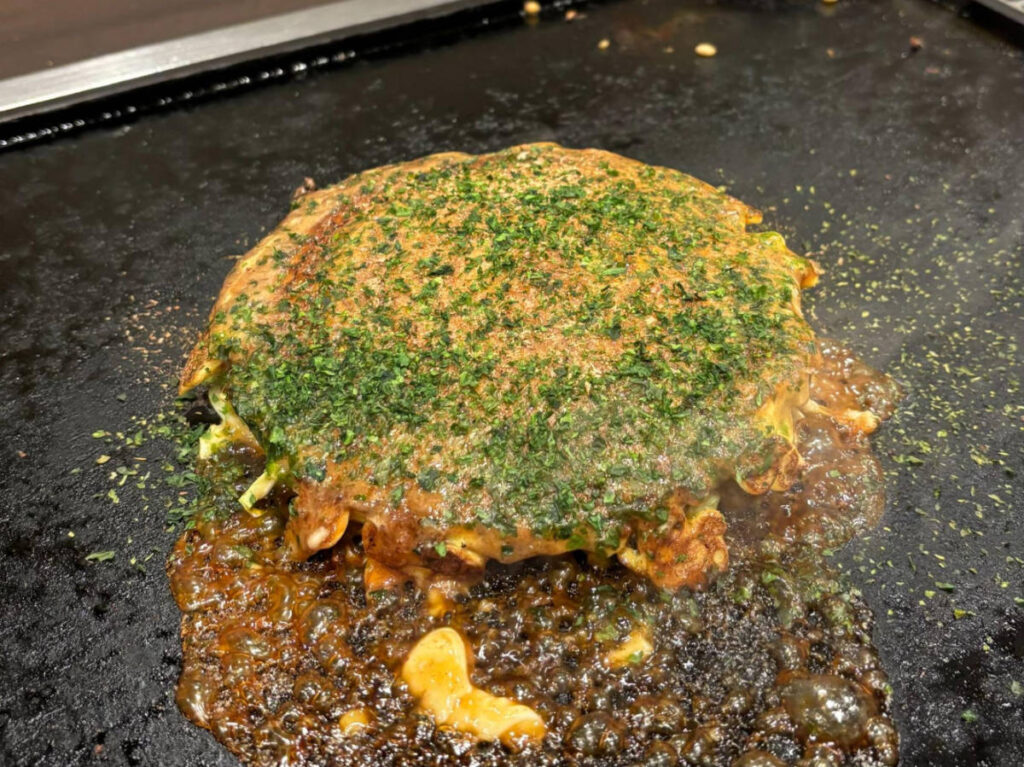
This famous dish originated in Osaka. Okonomiyaki is a savory pancake cooked before your eyes on a flat-top stove. I like to add beef or pork, but it’s still delicious with just vegetables.
The spicy mayonnaise on top complements the flavors perfectly. I order okonomiyaki every time I go to Japan, especially because it’s a rare find in the States.
Ramen

This classic dish is easy to find anywhere in Japan. Steaming hot noodles, vegetables, egg, and pork in a hearty broth always hits the spot.
Ramen is especially comforting in cold winter weather. If you think you’ve had good ramen in the States (or wherever you live), just wait until you try the real deal in a Japanese hole-in-the-wall. You’ll be forever changed.
Souffle Pancakes
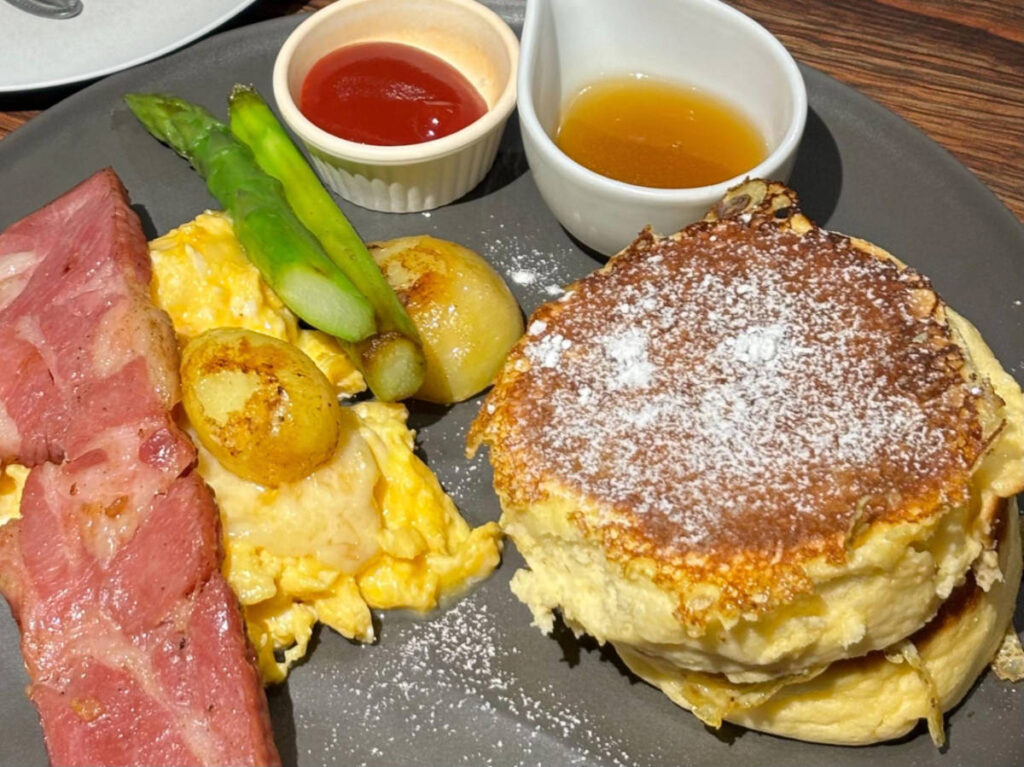
These jiggly Japanese pancakes are a must for your breakfast endeavors. I once waited in line at the internet-famous Ginza Cafe Hanon in Tokyo for over an hour, and it was completely worth it. The chefs cooked these cloud-like cakes on the flat-top in front of me, then delivered a fluffy tower of the best pancakes I’ve ever had.
Since they’re cooked soufflé-style with whipped egg whites, the pancakes come out with a meringue-like texture. They’re tall, airy, and melt in your mouth. I swear you’ll never have a better pancake!
Traditional Desserts
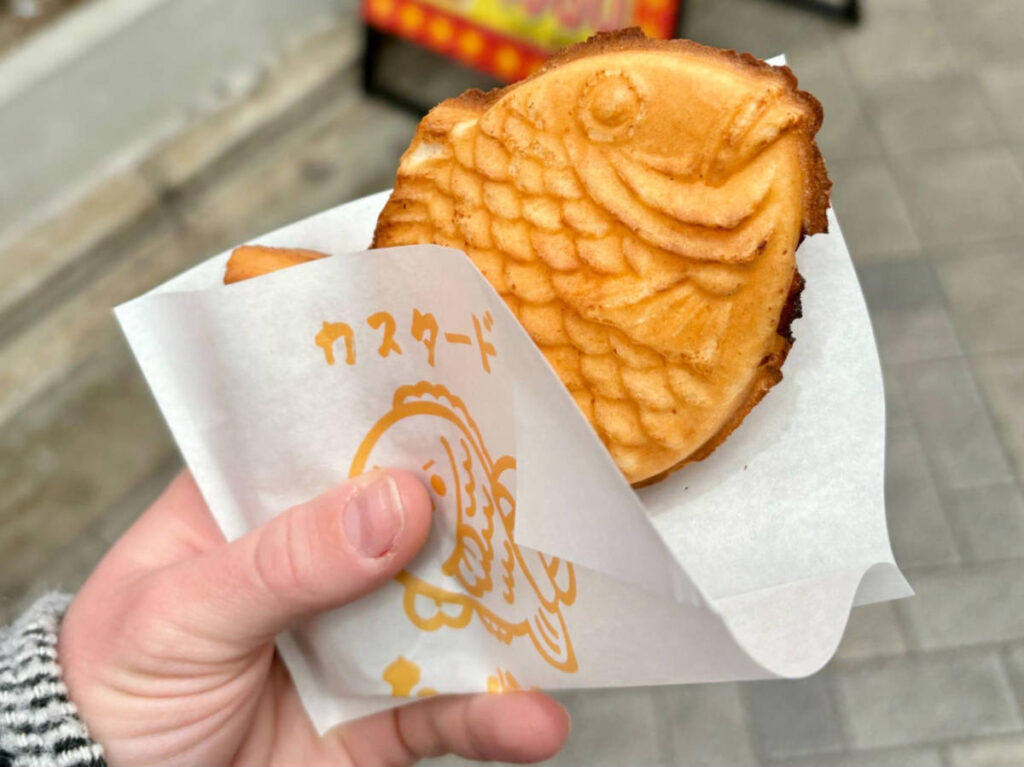
Taiyaki – a fish-shaped (but not fish-filled) pastry filled with pudding, Nutella, and/or other sweet things. Delicious and adorable, this is my favorite Japanese specialty.
Mochi – Chewy rice dough balls filled with various sweet things like strawberries or red bean paste (it tastes a lot better than it sounds). The American version is usually filled with ice cream, so note that the real deal is very different from what you might be used to.
Dango – Traditional dessert dumplings skewered and glazed with sweet soy or sesame sauce to create the perfect candied kebab. You’ve probably wondered about the emoji before: 🍡
7-Eleven Goodies
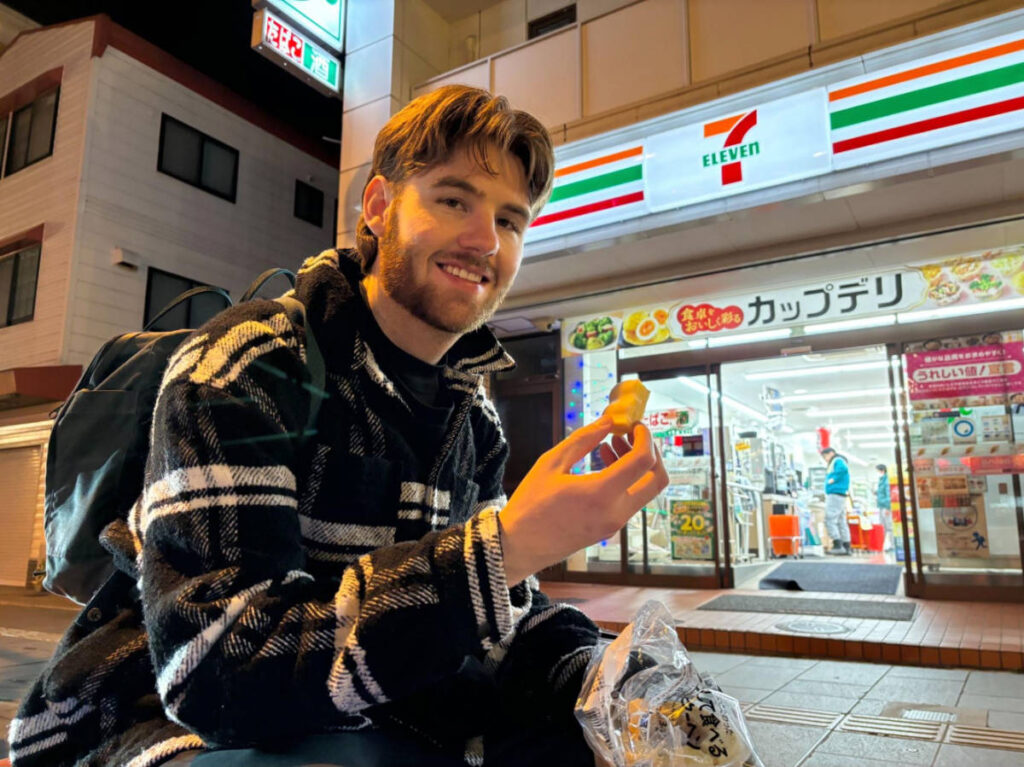
People treat 7-Eleven like a joke when buying “real” food in the States. It’s quite the opposite in Japan. You can find one on virtually every corner, and the variety of food is astonishing.
In the States, you’ll find fried foods, soda, and candy at this convenience store. But in Japan, fresh-baked bread, gourmet coffees, instant noodles, sushi, and bao buns line the shelves. Check out fellow Travel Lemming writer Sky’s top 7-Eleven snacks in Japan for more ideas.

The best part is that it’s cheap! I usually fill a bag with goodies to bring home to the US before I leave for less than $10. While there are plenty of seafood options to avoid, the non-seafood department at 7-Eleven is admirable. And most stores are open 24 hours!
Teriyaki Chicken

I know you’re thinking this is the lamest, most basic American thing I could order in Japan. But you can’t go wrong with teriyaki sauce. Enjoy this classic meal of grilled chicken tossed with a savory/sweet glaze on a bed of white rice and steamed vegetables.
Teriyaki chicken is delicious every single time. And if you don’t eat meat, veggies covered in teriyaki sauce are a tasty choice, too.
Bento Boxes

I love the simplicity and aesthetic of a bento box. These Japanese meals are portioned boxes filled with rice or noodles, some form of protein (usually fish, but not for me, of course), and assorted vegetables.
I’ve found a few delicious vegetarian options in Kobe and Kyoto. The colorful variety of crunchy veggies, pickled squash, and steamed rice satisfies my hunger without fail.
Blame My Genetics

This dramatic aversion to seafood makes me wonder if there’s an inherited trait for my hatred (I’m looking at you, Mom). It’s so intense that the very thought of seafood makes me gag.
According to a lax Google search, studies suggest a gene for seafood phobia exists!
If you’re anything like me, don’t worry. There’s nothing wrong with you for being a seafood hater.
If anything, we’re helping the planet by lessening the global consumption of fish, right? Might I even suggest that we are the superior members of society? I digress.

Japan offers endless reasons to visit that supersede its aquaculture. The architecture, nightlife, museums, attractions, rich culture, and natural beauty (hello, Mount Fuji) put it high on my list of must-see destinations.
Return for (Some) Redemption

I returned to Japan in January of 2024 on a work trip to Narita, just outside of Tokyo. Though I only had a 26-hour layover to explore, I had time to give seafood another go.
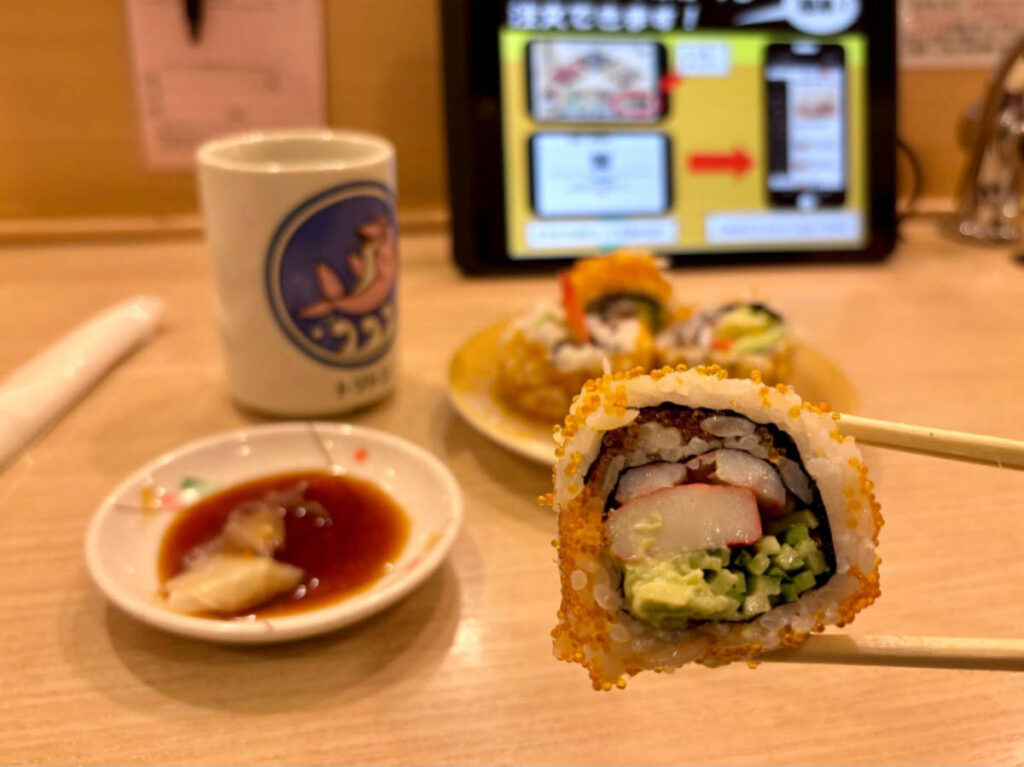
I went to dinner at a conveyor belt sushi restaurant with a coworker. The experience was a blast, even though I was skeptical of the menu options. I ordered spicy crab rolls. I know that’s a lame order, but it was a step in the right direction.
As the beautifully decorated rolls slid up to me on the belt, I was surprisingly not weirded out by the fishy platter. The spicy sauce mixed with gobs of wasabi and ginger undoubtedly masked any trace of fishiness, and I finished the meal with great satisfaction. Progress!!

The following morning, I enjoyed a delightful breakfast of house-made granola and matcha at a cozy cafe.
I’ve realized that breakfast is the easiest meal for non-seafood options in Japan. Don’t be fooled, though. There are still plenty of fishy breakfast items on every menu.
My final stop was shamefully American – McDonald’s. But don’t judge me too quickly.
McDonald’s is utterly superior anywhere outside of the United States. I am on a lifelong world tour of McDonald’s because each country offers different menus with a variety of astonishingly good meals.
My second trip to Japan ended on a delicious note.

I’ve now been to Japan four times as of 2026 – that’s more repeat visits than any other country on my 45+ list! Now I crave the meals I listed above, and I plan on many more visits. Japan is simply one of the best places on Earth, and I’d recommend it to truly anyone.
👉 Read Next: I went to a random Japanese town I picked out on Google Maps
***

I hope my accounts of seafood aversion in Japan didn’t offend too many fish fans out there. Some may feel I’ve missed out on the best cuisine the country has to offer.
However, I feel like I’ve discovered a massive menu of unique and tasty food in Japan.
The challenge of finding non-seafood dishes has occasionally proven difficult, but I’ve had some amazing meals in my search. Sometimes I strike out, but that’s foodie showbiz, baby.
And who knows? Maybe one day my taste buds will take a turn, and I’ll have a whole world of slimy, smelly foods to try. Until that day, I’ll stick to what I like in Japan and beyond.
What was your experience dining in Japan? Let me know in the comments!
Next up, check out Sky’s piece on why Japan is one of the best solo travel destinations.
More Latest PERSPECTIVES


