
Affiliate Ad Disclosure: We’re reader-supported. When you buy via our links, we earn commissions. Learn more.
Why the Japanese snow monkeys are worth the trip

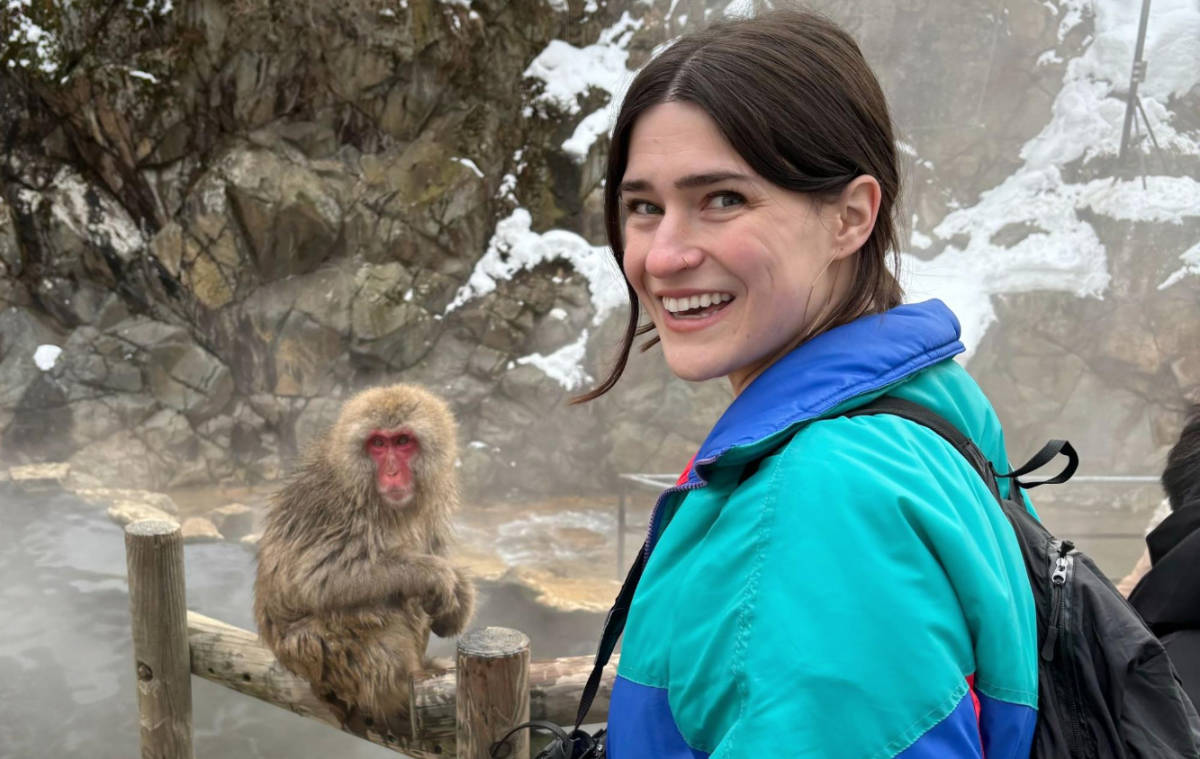
There’s only one place on Earth where you can see wild monkeys enjoying a spa day in a natural hot spring. It’s quite a trip to get there, but based on my experience, it’s totally worth the effort to see the snow monkeys in Japan.
You may have seen these Japanese macaques on a famous 1970 issue of National Geographic. It features a stoic monkey, neck-deep in steaming water as snow falls gently around him. This iconic photo sparked worldwide interest in the snow monkeys.
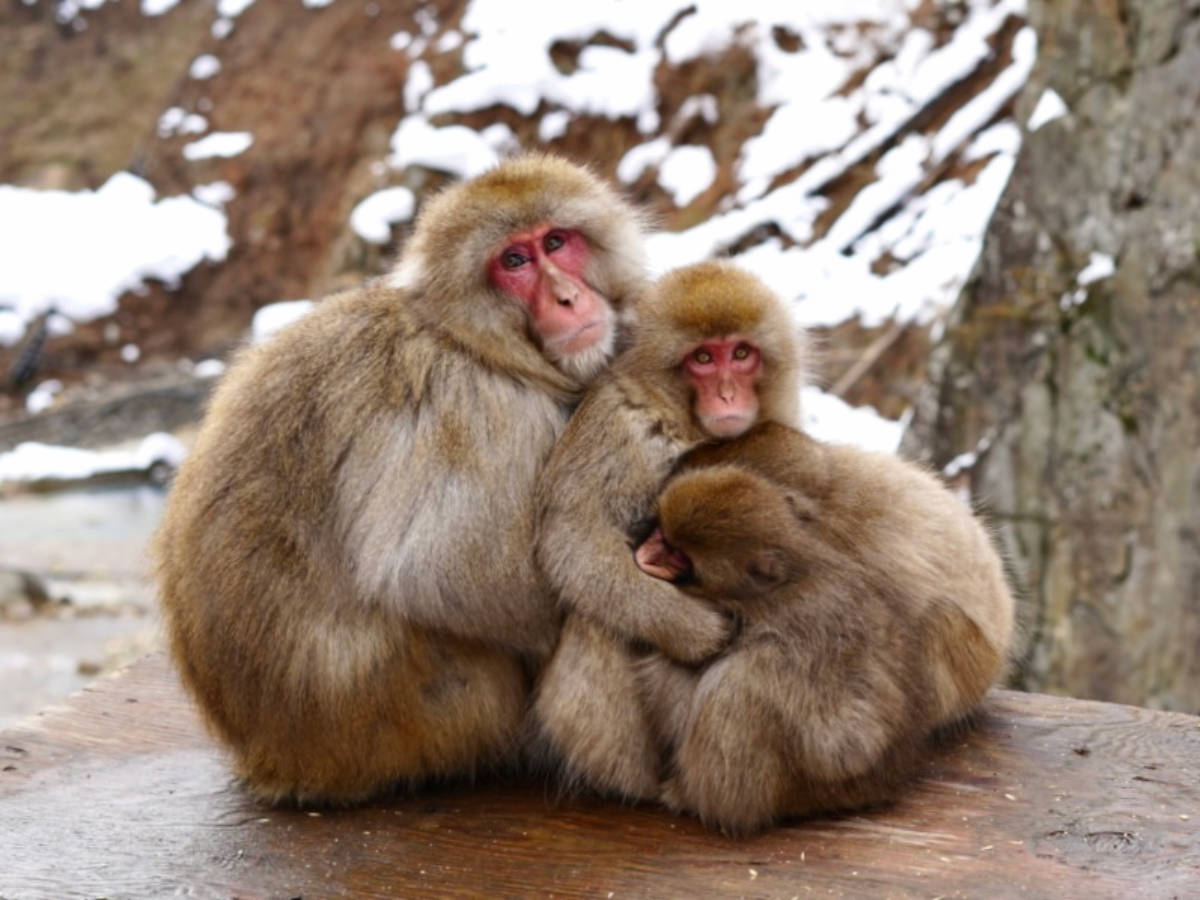
This part of the Nagano Prefecture is about 230 km northwest of Tokyo and home to a population of hundreds of macaques. The monkeys roam freely through the mountains here, and come wintertime, they stay warm by soaking in the park’s natural hot springs.
Seeing the Japanese snow monkeys was one of my favorite travel experiences ever. Here’s how to reach them from Tokyo, as well as some tips to heed during your visit.
I Also Made a Video!
Hit “Play” for My Video Guide 👉
Share on:
How to Get to the Snow Monkeys From Tokyo
Take a train from Tokyo Station to Nagano Station

We’ll start this journey at Tokyo Station in Chiyoda, one of the best places to stay in Tokyo. You can easily get to this centralized station from multiple train lines, which is my recommended mode of transportation in Tokyo.
Buy a ticket to Nagano Station via the Hokuriku Shinkansen line, which costs just over ¥8,000 JPY or $50 USD. The train only stops four times, but the ride takes nearly 1.5 hours. If you plan to make this a day trip from Tokyo, leave early in the morning.
Take a bus from Nagano Station to the Jigokudani Valley
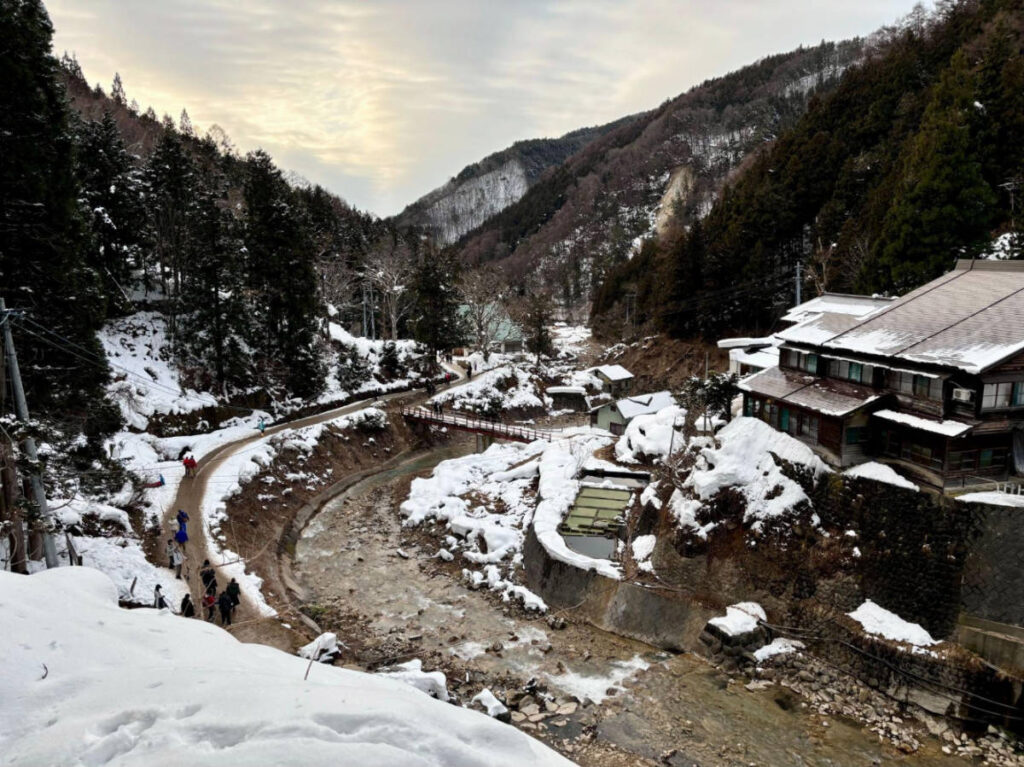
Once you arrive at Nagano Station, walk five minutes to the bus stop at the Nagano Station East Exit. There are several Shigakogen Express buses to the monkey park per day. Confirm the times with the bus driver so you don’t miss the last one back to Nagano.
Purchase a bus ticket for ¥2,000 JPY or $13 USD. The scenic views of snowy valleys and quaint towns make the hour-long ride go by in a flash. You’ll arrive at a small bus stop/visitor center and museum near the base of the trail to the monkeys.
Hike 1.5 miles from the bus stop to Snow Monkey Park
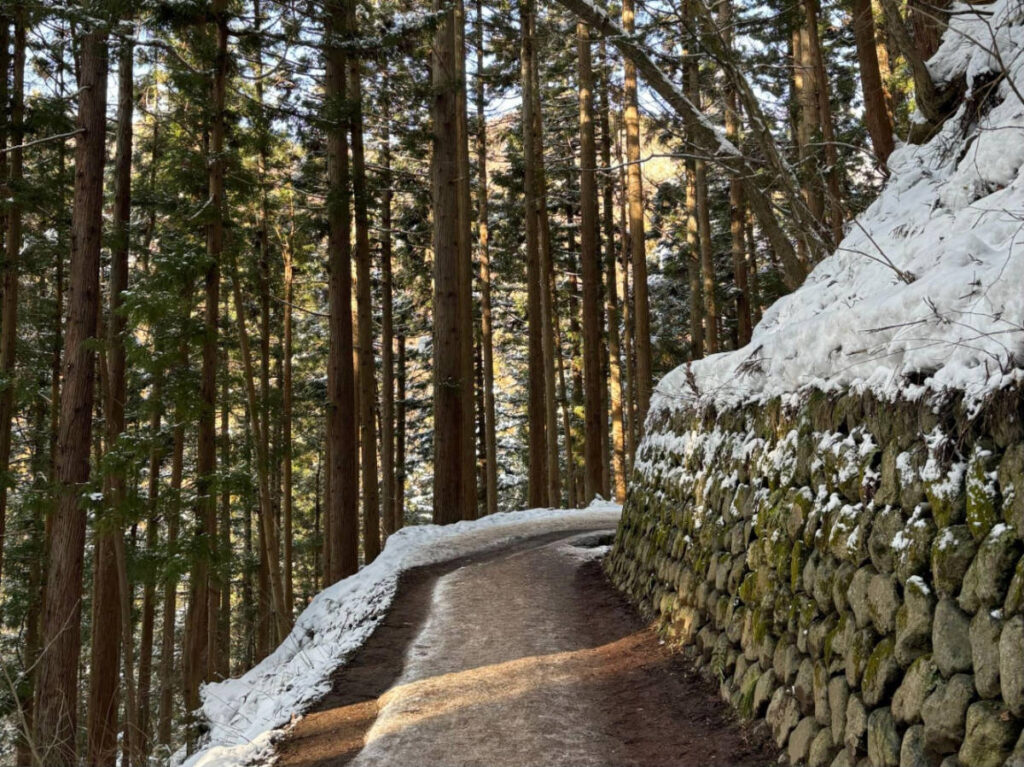
Now, it’s time to get your body moving. The trek to the monkey park from the bus stop is just under 1.5 miles. There will likely be many people heading that way, so follow the crowd and keep an eye out for signs like the one pictured below.
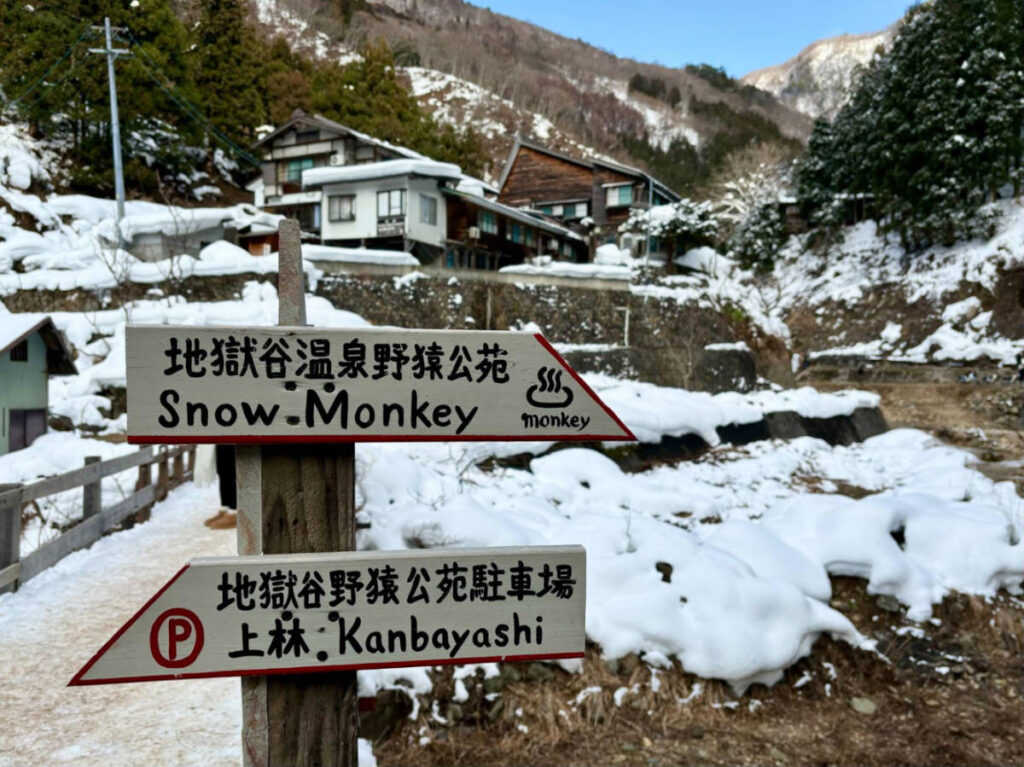
The trail is mostly flat until you get to the monkey park, where you’ll have to climb about 50 stairs to reach the entrance. This trek is not exactly easy, especially in the snow, so keep these conditions in mind if accessibility is a concern.
Tips for Visiting the Snow Monkeys
Prepare for the occasion with these items
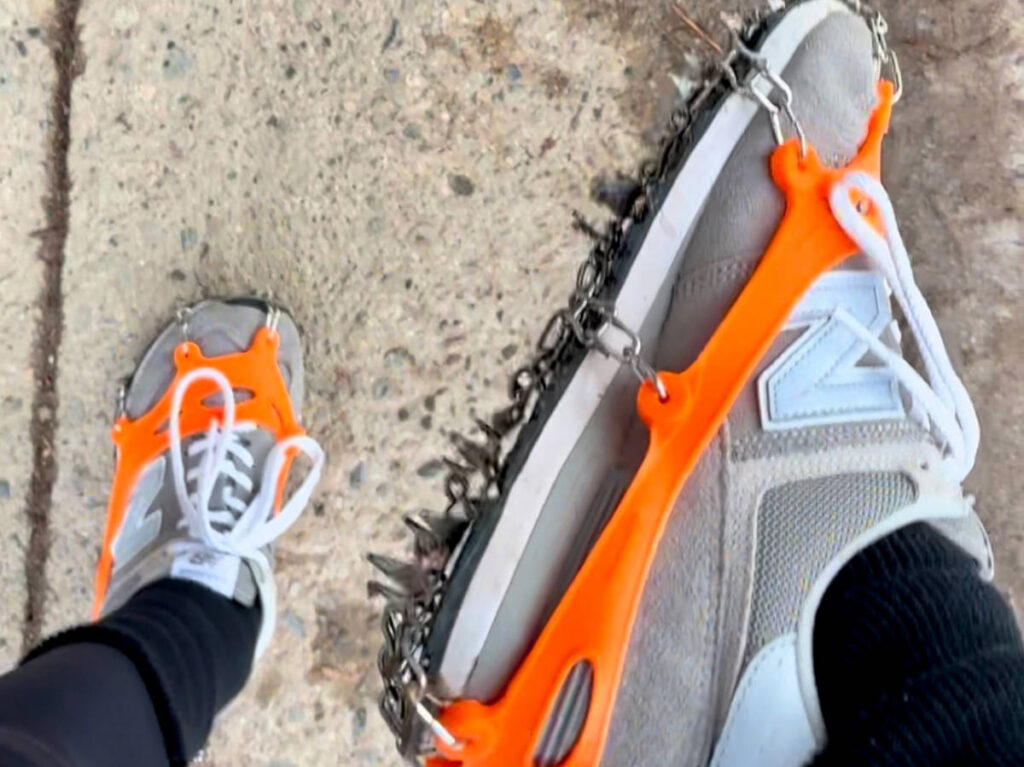
The trail will likely be covered in ice and snow if you visit during the winter. You’ll need a few items for a successful experience. Aside from our Japan packing list essentials, here are my suggestions:
- Crampons – These are a must. Had I not brought these crampons from Amazon, I would have slipped and slid all over the trail. I wouldn’t have made it to the snow monkey park without them. They slip onto your feet and transform any shoe into adventure mode with incredible traction on ice and snow!
- Hand warmers – I stuck these dirt-cheap hand warmers in my pockets, gloves, and even my shoes. They made me so much more comfortable in the freezing January weather.
- Camera – This experience offers incredible photo ops. The monkeys are the most expressive animals I’ve ever seen. Bring a DSLR camera if you’re into photography – this is the place for it!
- Daypack – A collapsible daypack effortlessly carries your things on the hike to the monkeys. This will keep your belongings safe, accessible, and organized on the journey from Nagano.
Visit during the winter for the best conditions
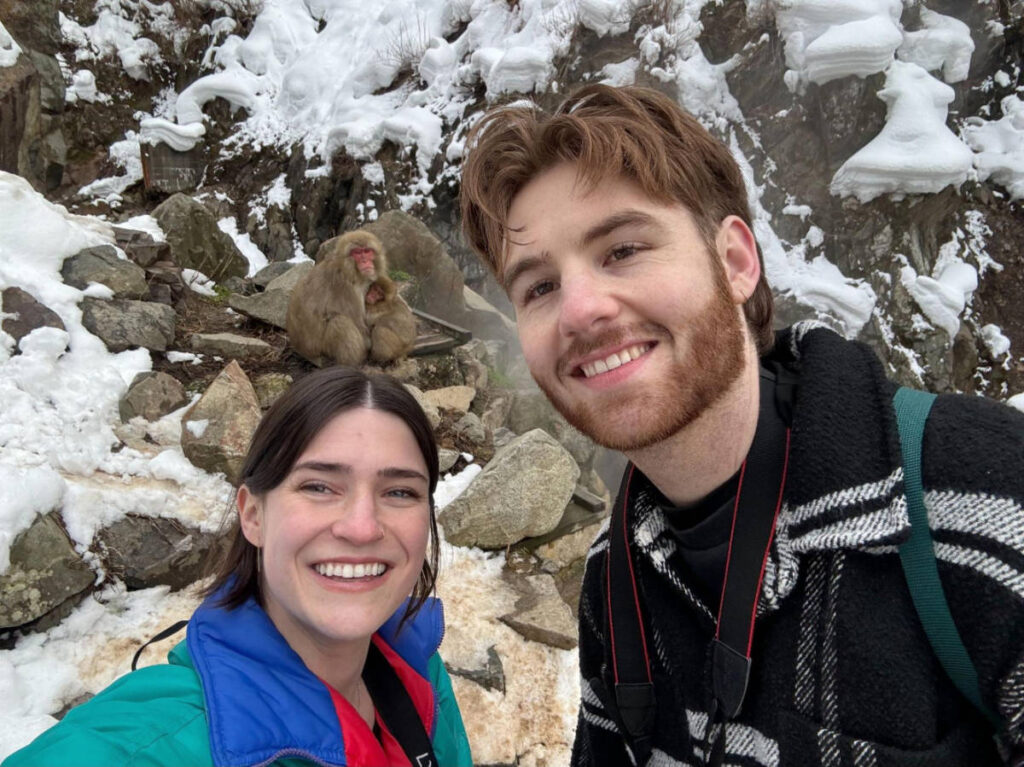
The monkey park is open year-round, but timing makes a huge difference in the quality of your experience. Visit the snow monkeys, well, when there’s snow on the ground!
Wintertime runs from December through March in Japan. The most promising months for snow in the Jigokudani Valley are January and February, though conditions differ each season. Check the weather leading up to your trip.
Not only does the snow make the journey more aesthetic, but the cold also leads the monkeys to soak in the hot spring. This sight is one of the most delightful reasons to see the monkeys, so I definitely suggest braving the cold for this experience.
More Reasons to Visit Japan in the Winter
Hit “Play” for Chelsea’s Video Guide 👉
Share on:
Important “don’ts” around the monkeys
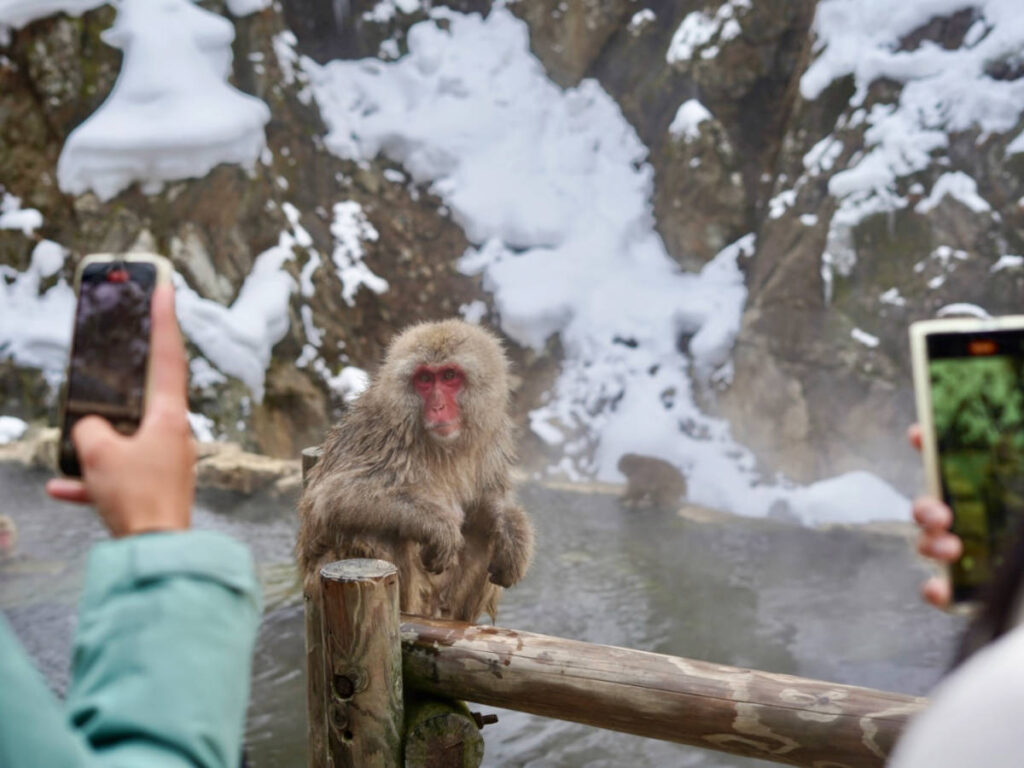
The snow monkeys are very used to visitors. If you don’t mess with them, they won’t mess with you. Here are a few reminders on what not to do when you go:
- Don’t feed the monkeys. And obviously, don’t feed yourself. This is the wrong place for snack time, as the monkeys will come after any food you take out of your daypack.
- Don’t touch the monkeys. You’ll likely get very close to them, and they may even grab curiously at your pant legs. Just stand still and let them pass.
- Don’t antagonize the monkeys. I saw little kids throwing pebbles at one of the monkeys, and they were asked to leave by a park worker. Avoid any kind of irritating behavior that might upset the monkeys like shouting, running, and throwing things… basically, be a respectful human!
- Don’t get into the hot springs! Contrary to many new visitors’ beliefs, you cannot get into the hot springs with the monkeys. The water is only for them.
- Don’t leave anything behind. If you set something down, you may find a monkey running off with your belongings. Keep your things on your person and pack out whatever you bring in.
Crowds shouldn’t deter you from experiencing the snow monkeys
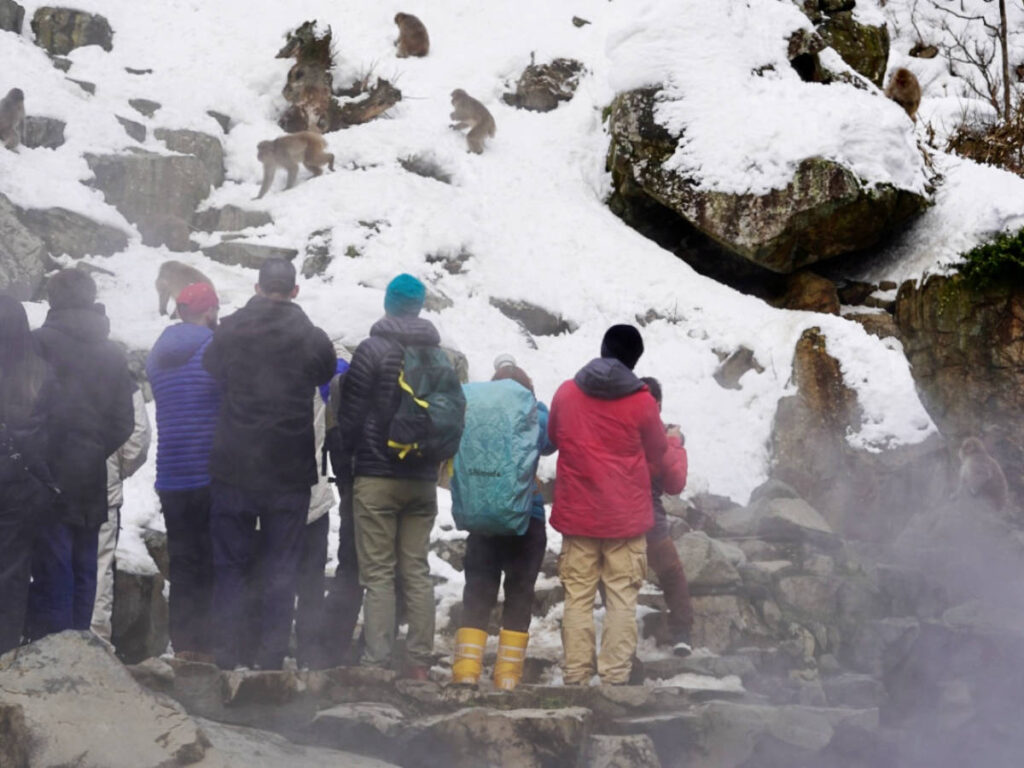
With global recognition comes droves of people on a mission. But don’t let the crowds deter you from visiting the snow monkeys. I’ve seen plenty of reviews telling people that the journey isn’t worth it because of the crowds, but I beg to differ.
Yes, it’s a popular attraction. But I say with 100% confidence that the monkeys are worth the visit, even during the busy season. You will have a memorable and delightful time if you come with a patient and excited attitude.
Spend a night in Nagano before you return to Tokyo
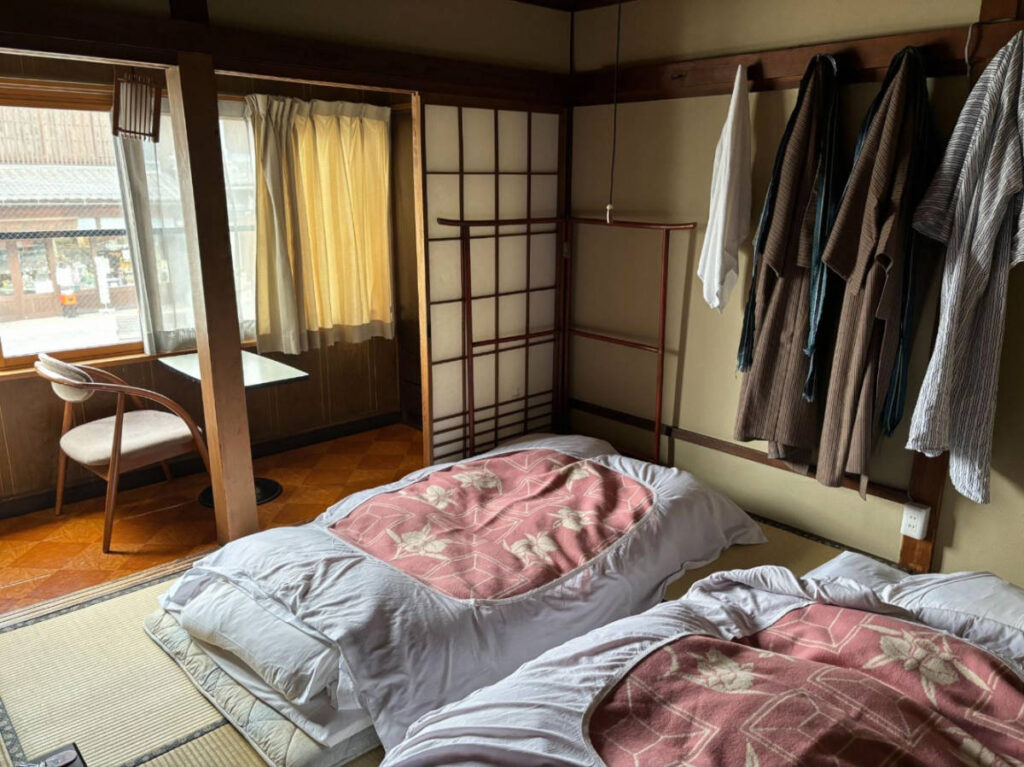
Nagano was a charming reprieve from the big city. I only stayed there for one night, but it was one of the most enjoyable nights of my weeklong trip in Japan. The quiet streets were a welcome change to the busyness of Tokyo.
I stayed in a traditional ryokan near the Zenkōji Temple, an area full of ancient structures, beautiful shops, and delicious restaurants (I skipped the seafood, but had the best wagyu steak of my life here). I also soaked in the ryokan onsen, which warmed me right up after a day with the snow monkeys.
***
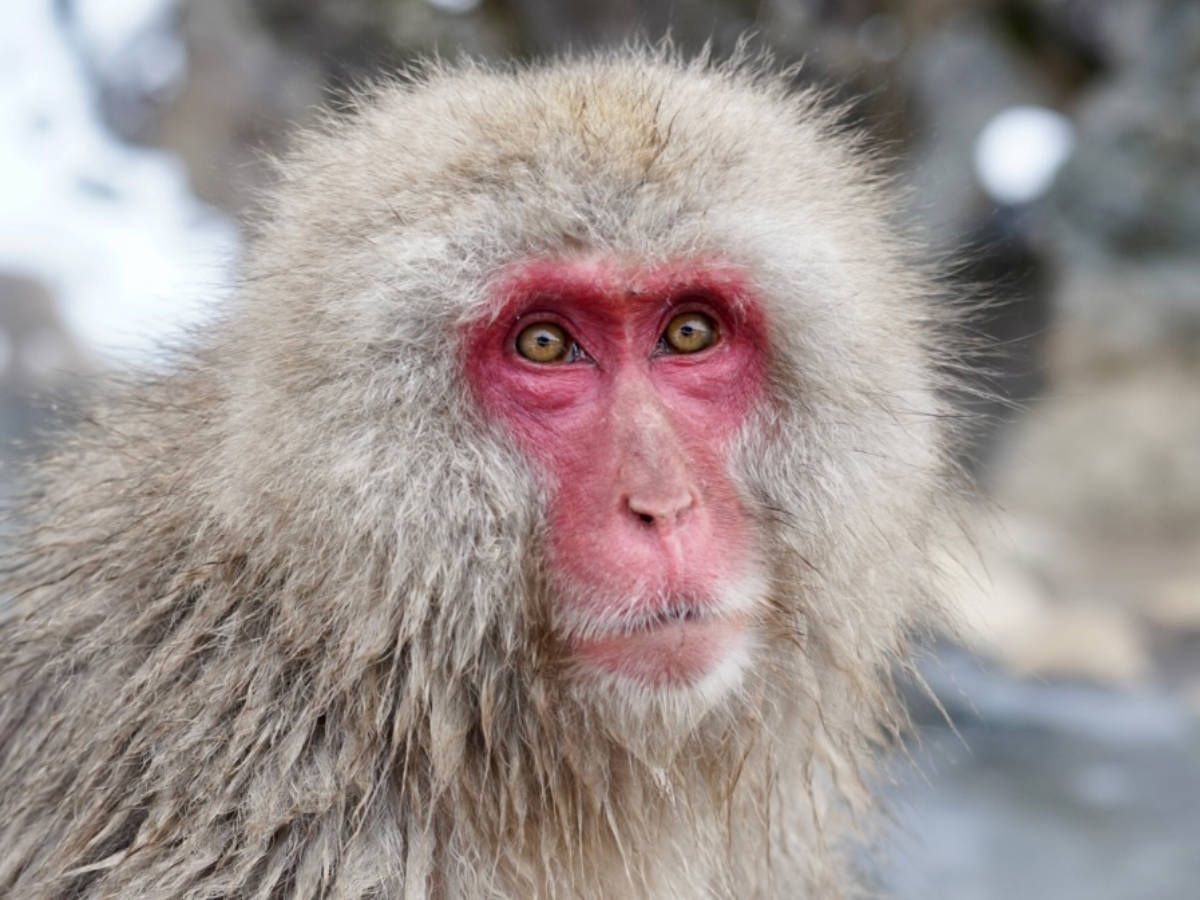
The Japanese snow monkeys are one of the greatest natural attractions in the world. I highly recommend this experience if you have time to venture outside of Tokyo, and I hope you enjoy the monkeys as much as I did!
If you’d prefer a place that’s easier to get to, check out Arashiyama Monkey Park Iwatayama, where you can see families of macaques overlooking the city of Kyoto. It’s one of the best animal attractions in Japan.
More Latest PERSPECTIVES


