
Affiliate Ad Disclosure: We’re reader-supported. When you buy via our links, we earn commissions. Learn more.
Is Scotland Safe? (Honest Safety Advice, By a Local)

👉 Jump to: Is Scotland Safe? | Safe Areas | Crime | Scams | Weather | Solo Female | LGBTQ+ | Water | Safety Tips | FAQ
Need to know if Scotland is safe? I’m a Scot, and I’ve brought together data and my own knowledge of the country to share everything that you need to know.
In general, Scotland is a very safe destination, although visitors should maintain general awareness of their surroundings. Locals are welcoming, and crime is low, particularly in the popular Scottish destinations that tourists are most likely to visit. Below, I’ll go through all the information you need before your trip, including weather advice, crime data, and safety tips.
Is Scotland Safe?
Most travellers to Scotland will feel safe and welcomed. Crime rates have fallen a lot in the past 30 years and crime rarely impacts tourists. Although petty theft is possible, there isn’t widespread targeting of tourists by scam artists sometimes seen in other destinations.
Scotland has a rainy climate, but the weather isn’t dangerous very often. There are few snowstorms or heatwaves, and next to no earthquakes, hurricanes or tornados.
One safety precaution that tourists should take is being extra mindful when driving on Scottish roads. We drive on the left, and our lanes are much narrower than you might be used to. Plus, roads can be rugged and winding, so you’ll need to slow down to avoid crashes.
Scotland is by-and-large safe, but it’s always good to know the best safety tips. I’ve compiled mine below.
Things to Know About Safety in Scotland
Safe Areas in Scotland
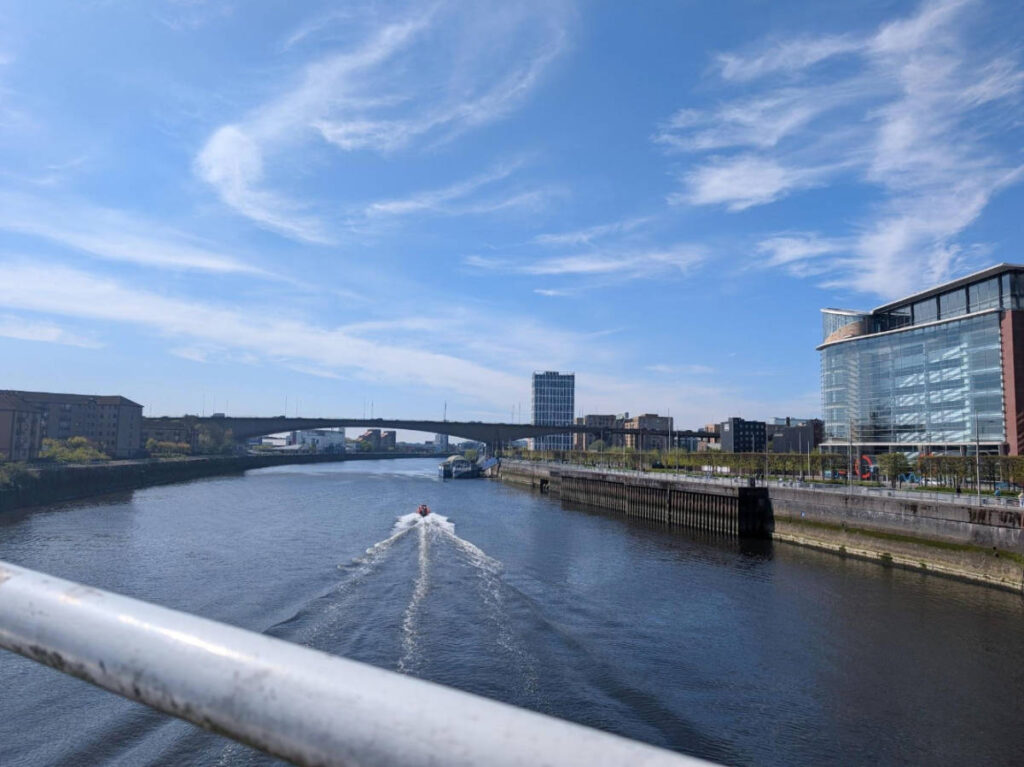
In general, Scotland is a very safe country, almost wherever you go. Some areas in big cities like Edinburgh, Glasgow and Dundee have higher crime rates, but tourists usually don’t spend any time in those neighbourhoods as there are few accommodation options or attractions.
Visitor hotspots and the best places to stay in Edinburgh, Glasgow, and across the country are very safe, although some pickpocketing is possible. You also shouldn’t have any safety concerns in rural areas.
Destinations listed in my guide of where to stay in Scotland tend to be very safe for visitors as well.
Crime in Scotland
Crime in Scotland has fallen significantly since the 1990s and remains lower than it was before the COVID pandemic. According to Police Scotland, the most common crimes in Scotland are common assault, shoplifting, vandalism, theft, crimes against public justice, and possession of drugs. [Source]
Firearms are heavily restricted in Scotland and have been since the 1990s. There were fewer than 300 firearm-related offences in 2021-22 – over half of these involved an air weapon or imitation firearm [Source]. Knife crime is somewhat more common, but it rarely impacts tourists.
Scotland is disproportionately impacted by problem drug use and has the highest drug death rate in Europe. This should not affect visitors to Scotland but some travellers may see challenging behaviour from people experiencing drug addiction.
The majority of tourists will feel safe in Scotland as visitors are not regularly targeted by criminals.
Common Scams in Scotland
Scams are not particularly common in Scotland, but there are a couple that visitors will want to be aware of when exploring:
🌷 Flower Scam – It is becoming more common to see people approaching tourists with flowers to hand out. If you accept a flower, they will ask for money. Politely decline and move on.
📿 Monk Scam – You may see people dressed as monks in cities who try to hand you books, beads or other objects. Don’t accept these as they will demand payment.
Hazardous Weather and Natural Disasters in Scotland
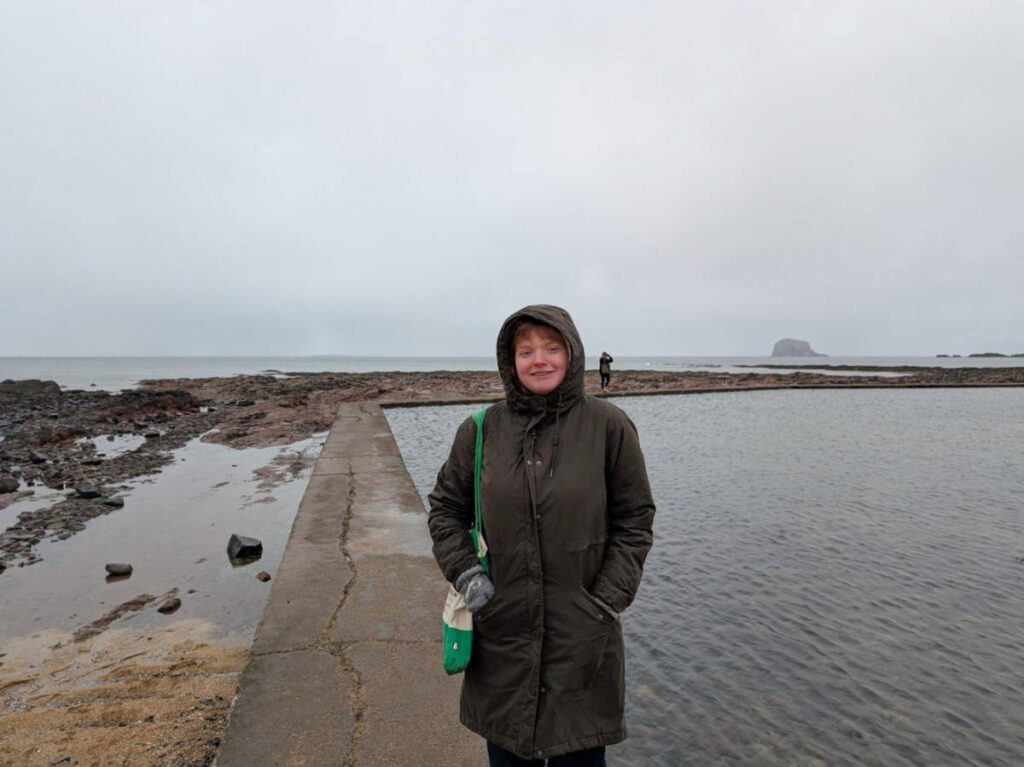
Although we love to complain about the weather in Scotland, we’re lucky to experience very few hazardous weather conditions. You won’t have to worry about earthquakes, hurricanes or tornadoes, as these are very rare and minor.
Summers are mild, and snowstorms don’t lie as thickly as in some other parts of the world – although they can cause travel delays. Flooding can happen occasionally, and be careful when driving in heavy rain. If you’re concerned, keep an eye on the Met Office Website for any weather warnings.
Solo Female Traveller Safety

In general terms, it is safe to travel in Scotland as a solo female. In fact, it’s one of our top recommended destinations for solo female travelers.
Like anywhere, however, you will want to take some common precautions. Be aware of your surroundings, avoid unlit streets at night and keep your phone charged. It’s important to note that pepper spray is illegal in the UK and possession of it can lead to a prison sentence.
LGBTQ+ and Black and Minority Ethnic Safety
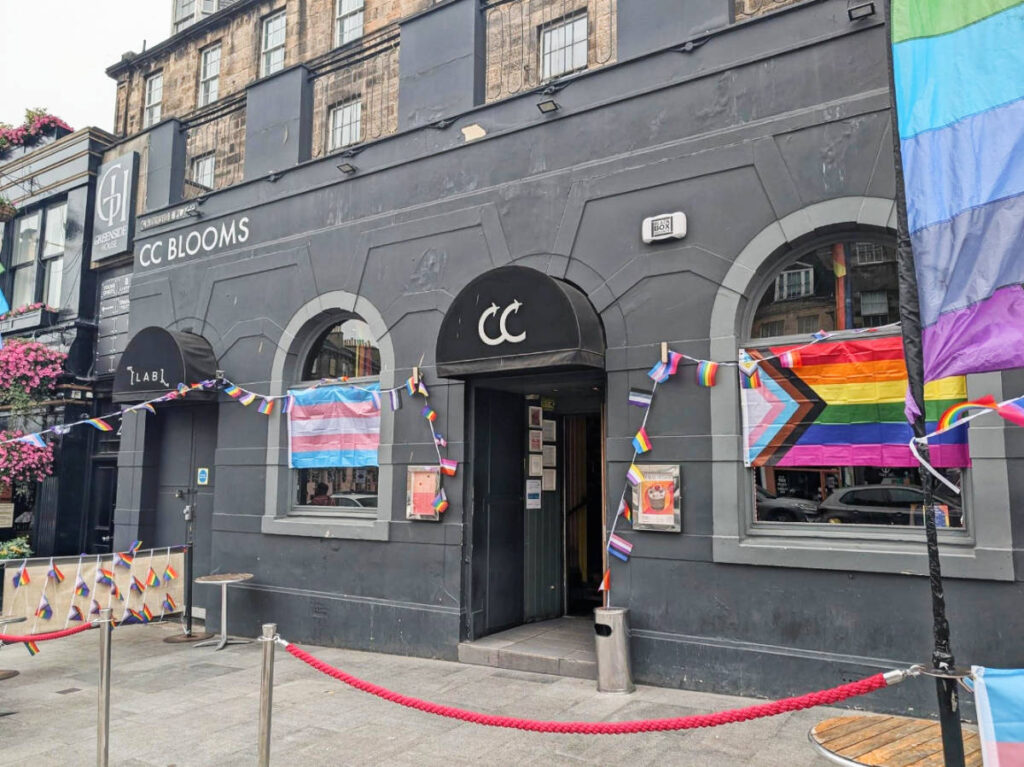
Scotland is generally welcoming to LGBTQ+ people. There has been equal marriage since 2014 and there are queer-friendly bars, bookshops and other spaces in most Scottish cities.
However, according to the Scottish LGBTI Hate Crime Report in 2017, LGBTQ+ people are more likely to face verbal harassment or assault than the rest of the public. This is still rare, but it’s important to be mindful of your surroundings and call the police on 999 if you feel unsafe. Trans people in particular report facing heightened discrimination and harassment. [Source]
Scotland has a multi-ethnic society, with established and thriving communities of people with Asian, African, and other heritages across the country. Black and minority ethnic visitors to Scotland generally report being welcomed, although racist interactions do still happen at times, and some ethnic minority people report facing racist treatment. [Source]
Is Tap Water Safe to Drink in Scotland?
Not only is the tap water safe to drink in Scotland, but it’s also delicious. Make sure to include a reusable water bottle on your Scotland packing list so you can fill up and enjoy.
5 Safety Tips for Scotland
Tip #1 – Avoid Walking Alone at Night
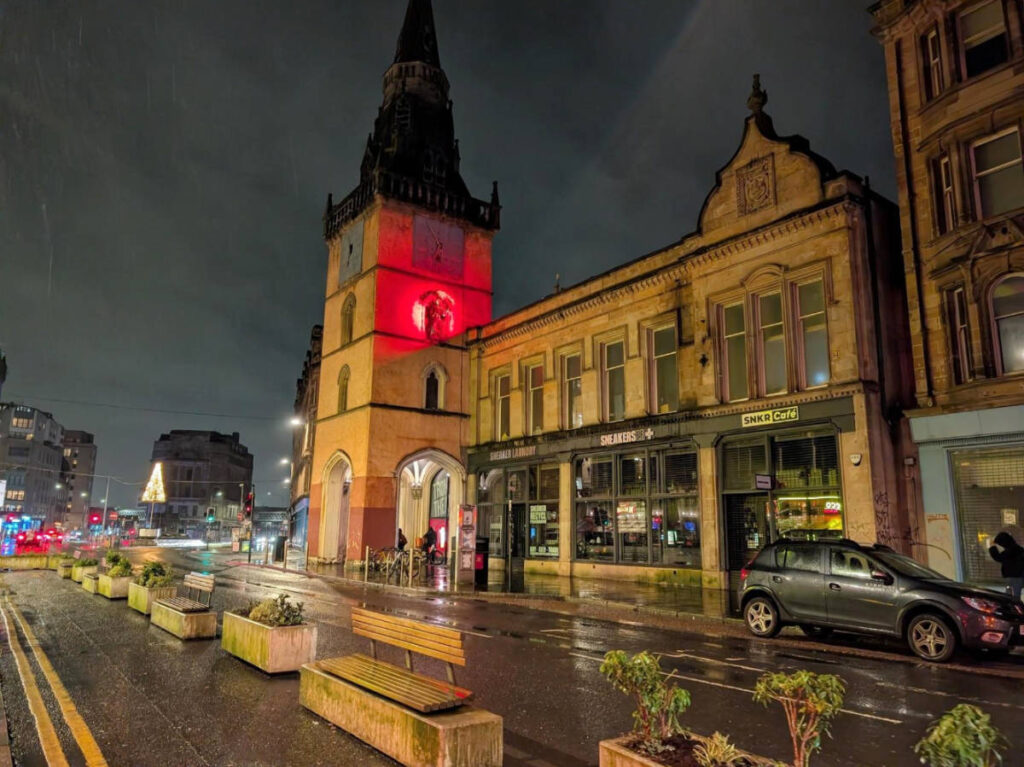
It’s best to avoid walking alone at night where you don’t know your way around, and that’s true for Scotland, too. Taxis or public transport are usually a better option. Although it’s thankfully rare, there can be thefts or assaults, and it’s sensible to take precautions.
Tip #2 – Be Aware of Big Matchdays

Unfortunately, important football games can sometimes see fights break out, particularly in Glasgow after matches between the teams Celtic and Rangers. These don’t target tourists, but if you see one break out, then try to avoid the area in case you get caught in the middle.
Tip #3 – Be Cautious While Driving
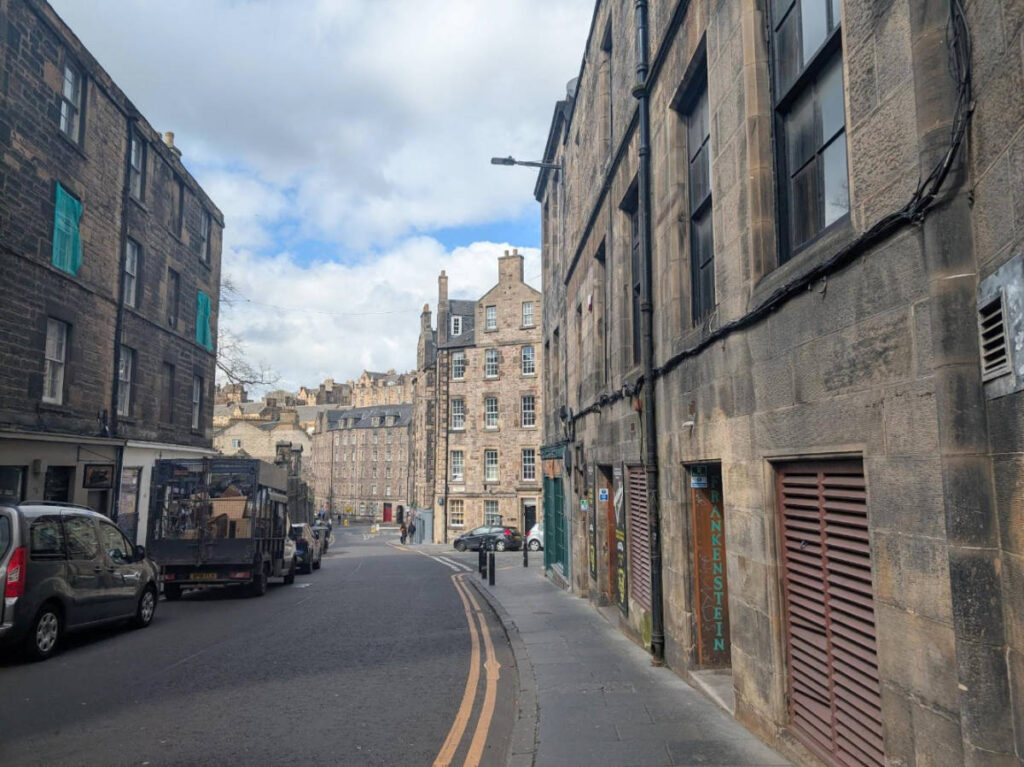
Scotland’s roads can be challenging for visitors, particularly if you’re not used to driving on the left-hand side. Take it slow and give yourself extra time on your journeys. Roads are often narrow, winding, and steep, so err on the side of caution.
For more guidance on the roads, take a look at my ultimate guide to driving in Scotland.
Tip #4 – Don’t Accept Drinks From Strangers
Spiked drinks are not unheard of in Scotland, and you should never accept one from a stranger that you haven’t seen poured. Don’t leave your drink unattended either.
Tip #5 – Know the Emergency Numbers
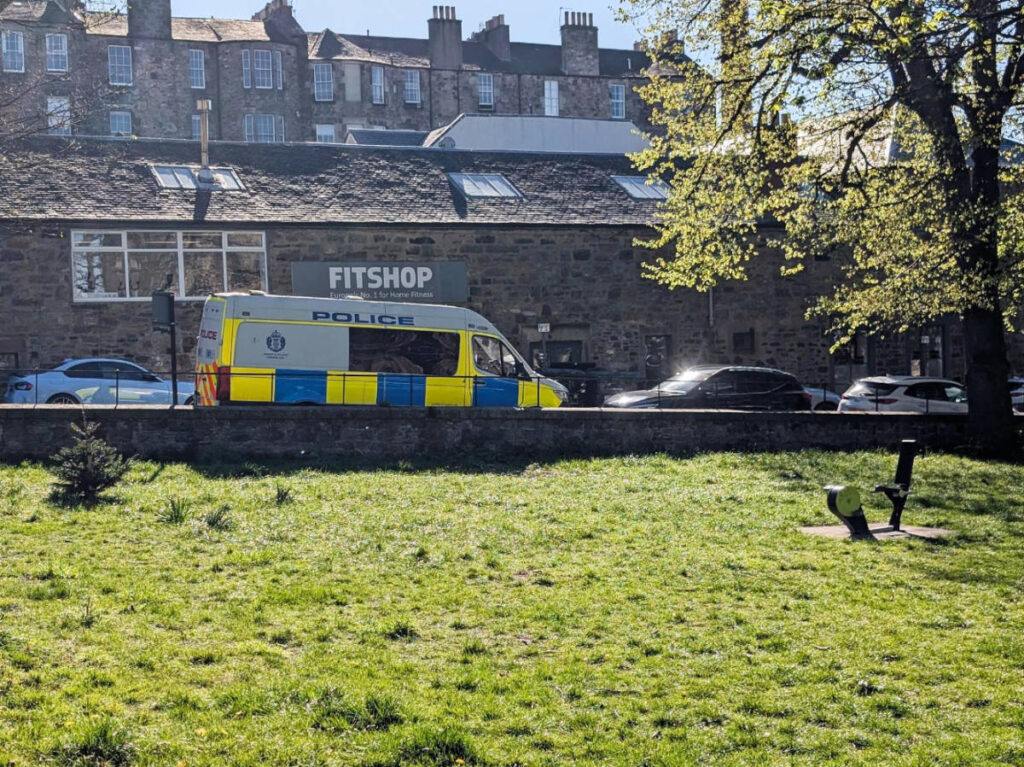
It’s vital to know the emergency numbers in whichever country you visit in case you need them.
In Scotland, the emergency number is 999 for medical, fire, and police emergencies. The police non-emergency number is 101, and for medical issues it is 111.
📚 Related Reading: 19 Scotland Travel Tips to Know Before You Go
FAQs About Safety in Scotland
What are the safest areas to stay in Scotland?
Scotland is generally a safe country, regardless of where you stay. Statistically, the safest areas are the Shetland Islands, Na h-Eileanan Siar (the Western Islands), and the Orkney Islands. On the mainland, Aberdeenshire and the Scottish Borders tend to be very safe. [Source]
Is Scotland a safe place to visit?
Yes, Scotland is overwhelmingly a safe place to visit and to stay. Crime rates are low, and while you should always be cautious of petty theft, tourists are unlikely to face any safety issues.
Is public transport safe in Scotland?
Public transport is generally safe in Scotland, although passengers are occasionally drunk and rowdy, particularly on weekends and at night. If you face any issues on trains in Scotland, you can text the British Transport Police on 61016.
***
I hope this has given you reassurance on safety in Scotland! Leave me a comment with any questions you might have, and I’ll be happy to help. And to help plan your visit, why not check out my perfect 10-day itinerary of Scotland?
