
Affiliate Ad Disclosure: We’re reader-supported. When you buy via our links, we earn commissions. Learn more.
Driving in Scotland (A Local’s Guide, for First Timers)

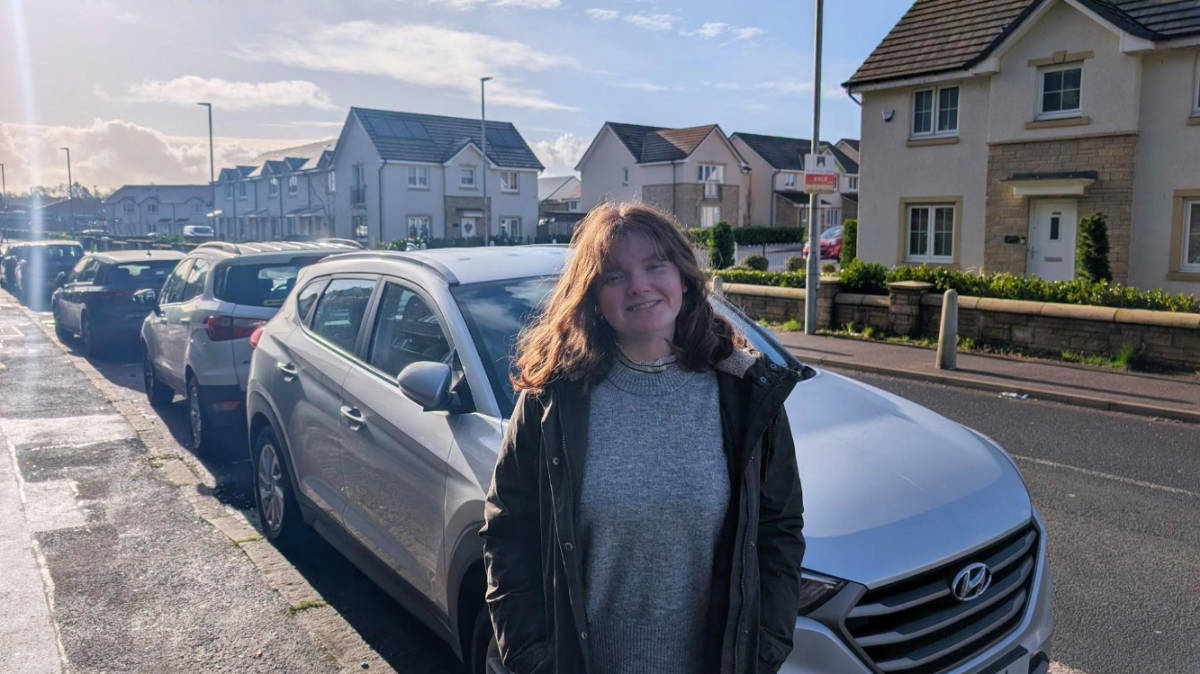
New to driving in Scotland or a little hesitant about it? I’m here to help.
It may be daunting to drive on the left side of the road on unfamiliar terrain, but as a Scot, I can assure you that it’s safe to drive in Scotland if you are responsible.
Driving can be crucial to your Scotland itinerary, and I’ve put together some tips to make you comfortable and confident behind the wheel. Keep reading for all the need-to-know rules about driving, car rental, and insurance below.
Driving Laws and Rules in Scotland

The most important thing to remember about driving in Scotland is to drive on the left side of the road. For a comprehensive guide to driving rules and traffic signs, study the UK Highway Code.
Here are a few must-know rules about driving in Scotland:
- 🚗 Roads – Roads in Scotland are often narrow and winding. There are wide, multilane motorways but also single-track roads. If you’re unsure, drive slowly and let other drivers overtake where possible.
- 🍺 Drinking – Scotland has zero tolerance towards drunk driving. The blood alcohol limit is lower in Scotland than in England at 0.05%. This effectively means you can’t drive after having a single drink.
- 📱 Phone Usage – It is illegal to hold and use a phone while driving, even if you’re stopped at traffic lights or queuing in traffic. If you’re using a phone or SatNav for navigation, set it up before you start driving.
- 🚦 Red Lights & Stop Signs – You can never turn at a red light and you have to come to a full stop at stop signs.
- 🧒 Car Seats – Children under 4 ft 5 must sit in a baby seat, child seat, booster seat or booster cushion appropriate to their age and size.
- 💺 Seatbelts – These are mandatory for everyone.
- 🔄 Roundabouts – At roundabouts, priority should be given to traffic approaching from your right.
- ➡️ The Right Lane – This is for overtaking or for turning right.
- 🚌 Bus Lanes – You can be fined for driving in a bus lane or bus gate. Some bus lanes can be used by any vehicle outside of peak hours. The lane and the hours permitted will be clearly marked by a sign.
- 🛣️ Speed Limits – Scotland’s standard speed limits are 30 miles per hour in built up areas, 60mph on single carriageways and 70mph on dual carriageways or motorways. Some school neighbourhoods have a 20mph at drop off and pick up times. 20mph speed limits are being rolled out in many cities, towns and villages. Other speed limits will be clearly marked.
- 🚘 Local Drivers – Locals are generally responsible drivers, but like anywhere in the world, you may encounter aggressive drivers. Local drivers also often attempt to overtake slow vehicles in rural areas.
License Requirements
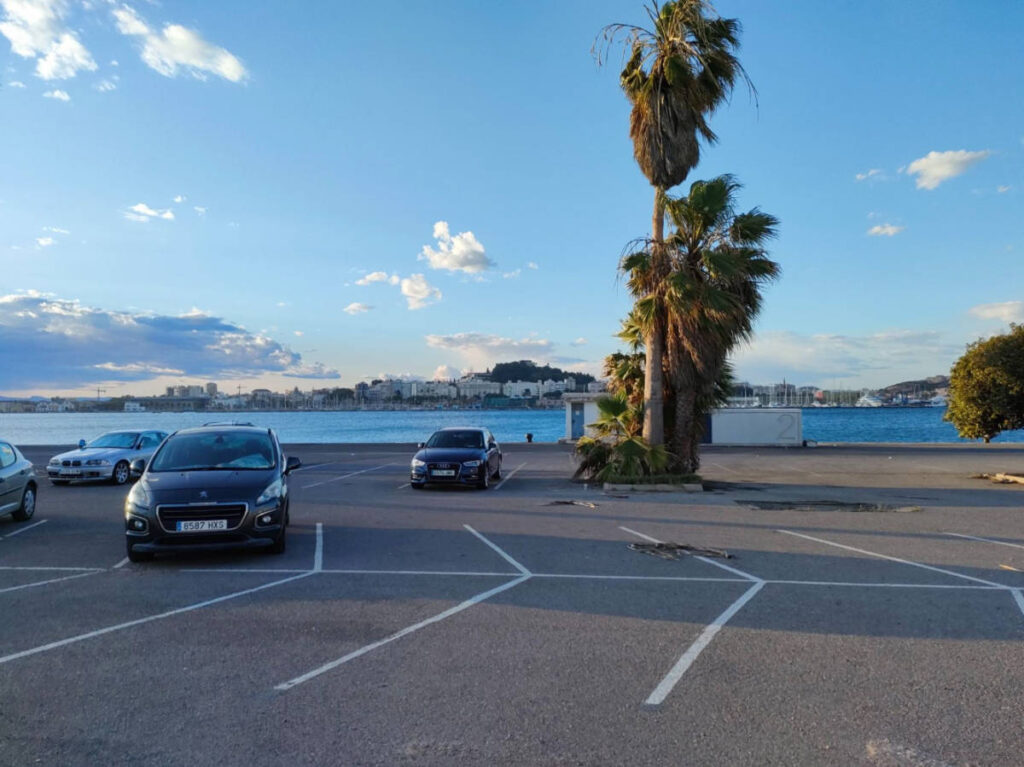
Driving licence requirements are simple in Scotland – you can drive any type of small vehicle (such as cars and motorcycles) which is listed on your full and valid national licence.
You don’t need to have an International Driver’s Permit, unless your licence is in a language other than English or uses different characters. So Americans only need their regular driver’s licence.
Where to Rent a Car in Scotland
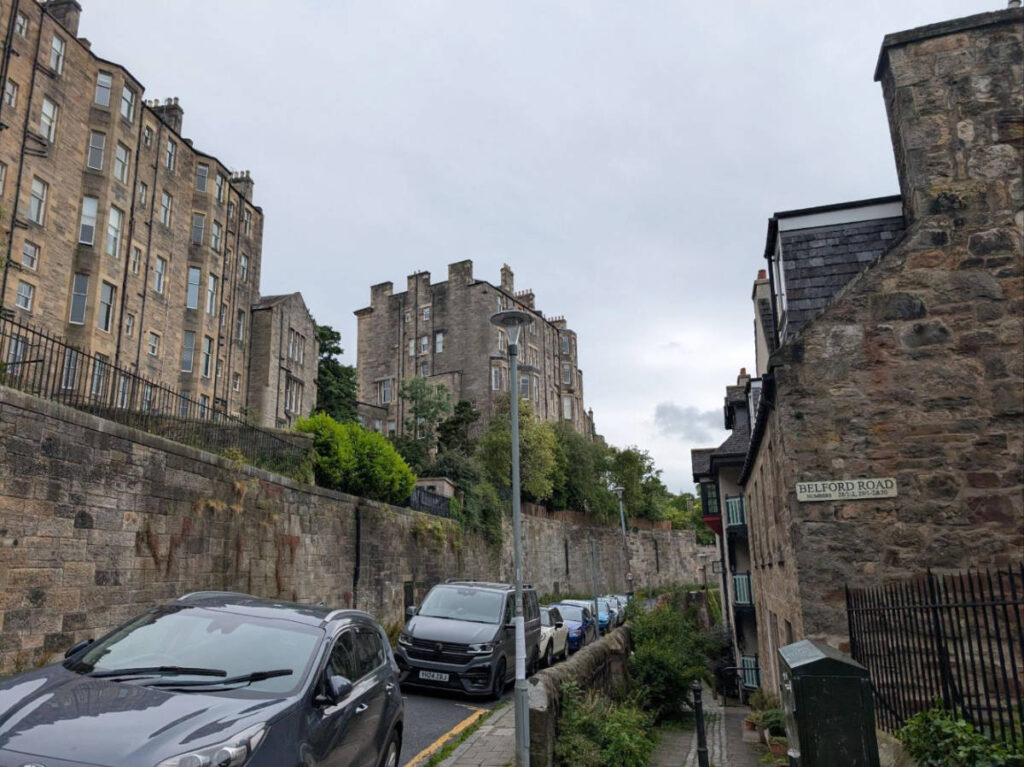
A rental car is a great way to travel around Scotland, particularly outside of the cities. There are lots of rental car companies at the international airports (like Edinburgh, Glasgow and Glasgow Prestwick) but also throughout the country.
Bigger providers like Enterprise, Arnold Clark, or Hertz are often best if you want to drop off your car in a different location from the pick up spot, but smaller providers can also give better deals. A small car is often better for navigating narrow roads.
If you’re unsure of which company to pick, then check out Kayak to find the best option and get the best deal.
🚗 Rental Car Advice: It’s best to pick up a rental car when leaving a city to save money – they’re not needed in urban areas.
Car Insurance Rules
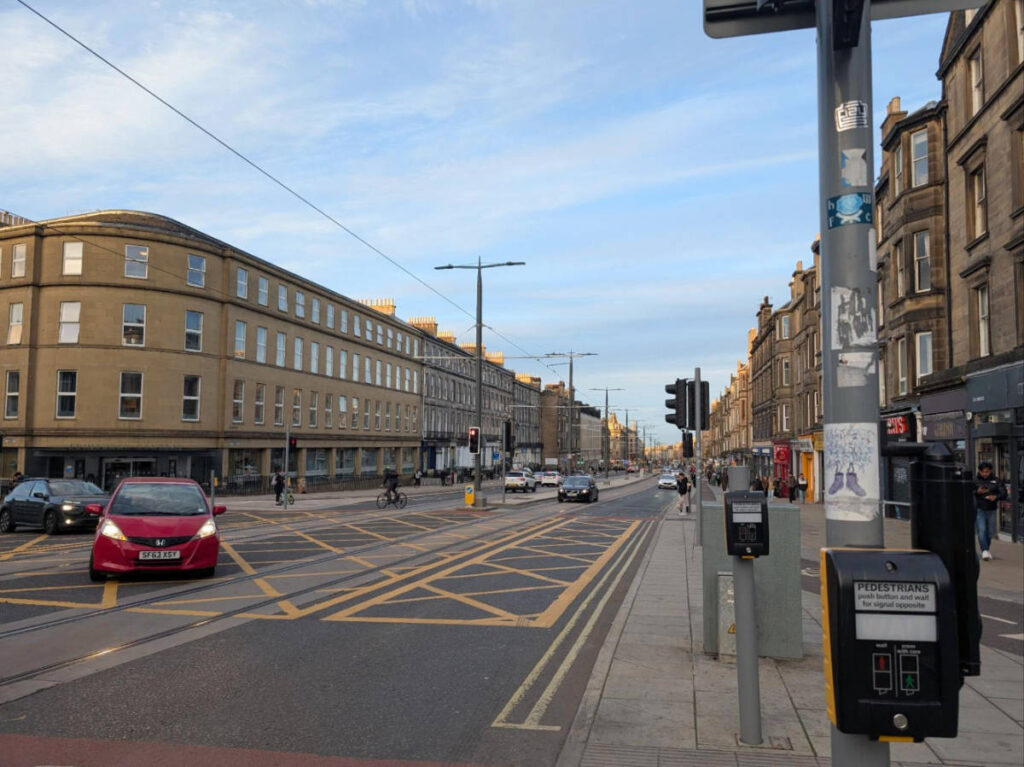
Car insurance is a legal requirement to drive on UK roads. Third-party insurance is the legal minimum, ensuring you’re covered if you have an accident causing damage to any other person, vehicle, or property. You can also get third-party, fire, and theft coverage or comprehensive coverage. You may have to pay more for insurance with a non-UK licence.
Your existing car insurance may cover you in the UK, but check with your insurer first. If you are hiring a rental car, car insurance will be included in the price. However, excess is usually high, and you may want to take out separate car hire excess cover from specialist insurers. This is often cheaper than paying for hire car companies’ excess insurance.
Street Parking Rules
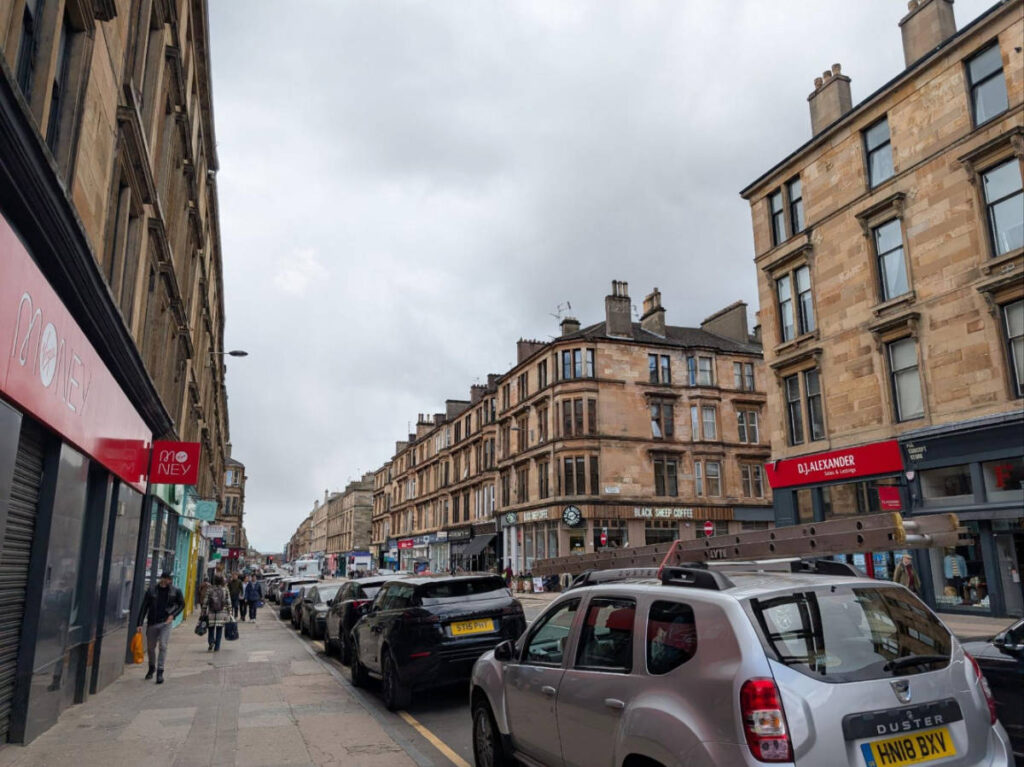
Street parking in cities in Scotland can be difficult, and I usually don’t recommend it. However, if it is necessary to drive in a city, pay attention to the markings along the pavement.
Double yellow lines mean you cannot park at this spot at any time. Single lines mean parking is restricted to certain times or days of the week. A nearby sign will explain when it is possible to park, and you may have to pay for parking. You can never park on the pavement itself or at a dropped kerb.
5 Tips for Driving in Scotland
Tip #1 – Learn the Rules of Single Track Roads
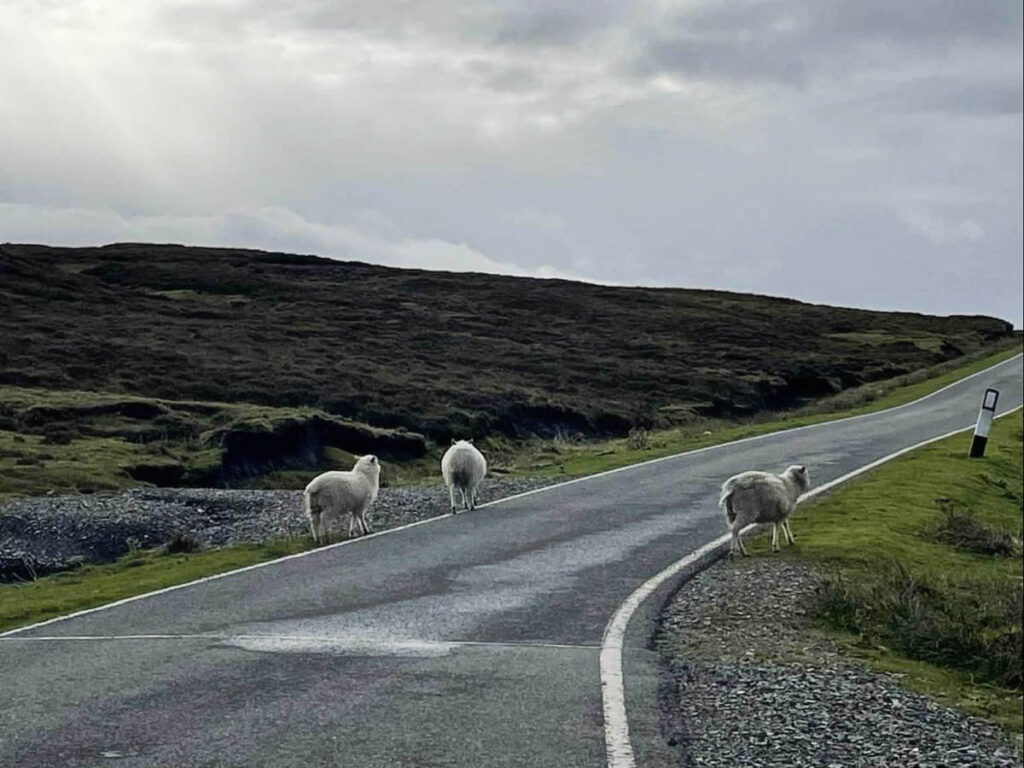
One tricky part of driving on rural roads is navigating single track roads. These are two-way roads which are only wide enough for one car, and they’re quite common.
Drive cautiously, particularly around corners, and keep track of passing places. You may have to reverse to the nearest passing place to allow an oncoming car to pass you.
Tip #2 – Avoid Driving in Glasgow and Edinburgh
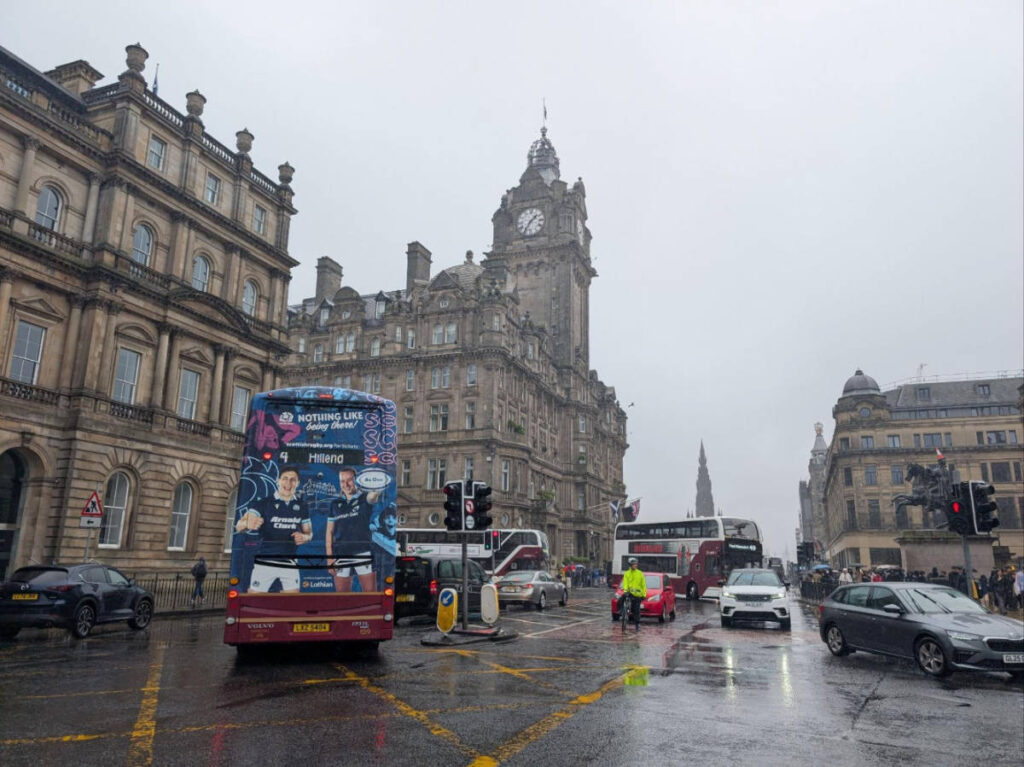
While having a car is useful for much of Scotland, it can be more of a hindrance in the two biggest cities of Glasgow and Edinburgh.
It’s often faster, cheaper, and easier to take public transport than to drive here, especially if you’re staying in Edinburgh. There are complicated traffic rules, including bus gates and one-way roads, plus it’s hard to find parking spaces.
Tip #3 – Prepare for Roundabouts
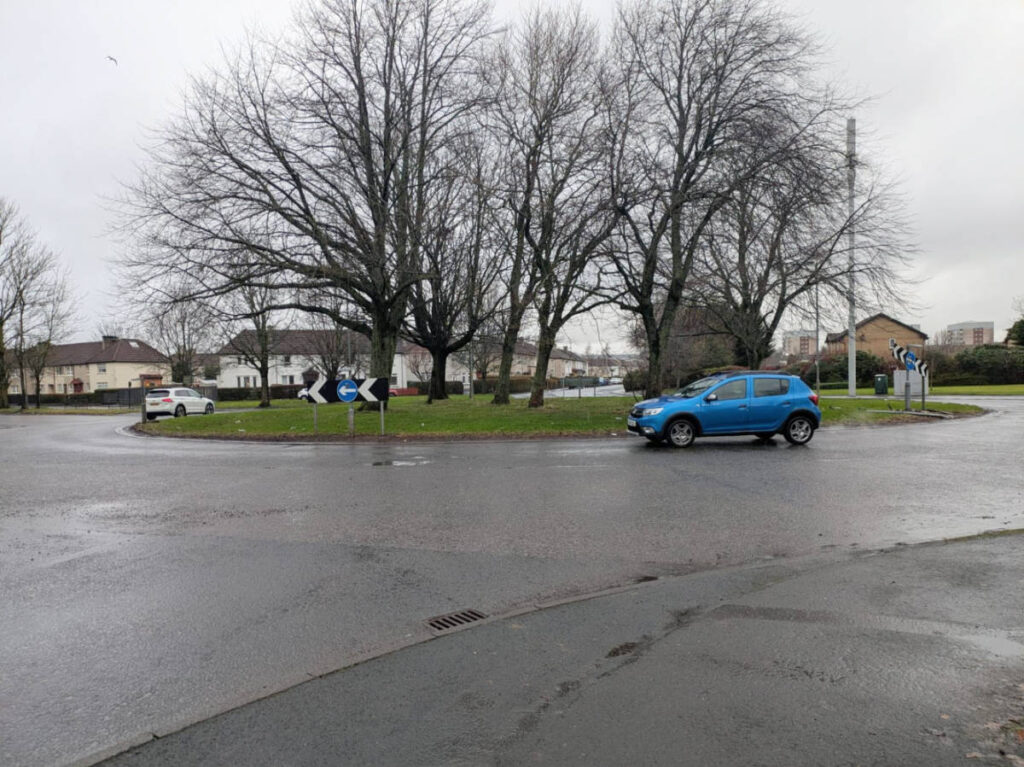
Roundabouts are very common in Scotland, and there can be large multi-lane roundabouts or multiple roundabouts in a row.
Make sure you are in the correct lane on approach, following road markings, and indicate appropriately – left if you are taking the first exit and right if you are taking an exit to the right. If you are taking an exit ahead of you, you don’t need to signal on approach. When you are approaching the turnoff you intend to take, indicate left.
Tip #4 – Plan for Drives to Take Longer than Estimates Suggest
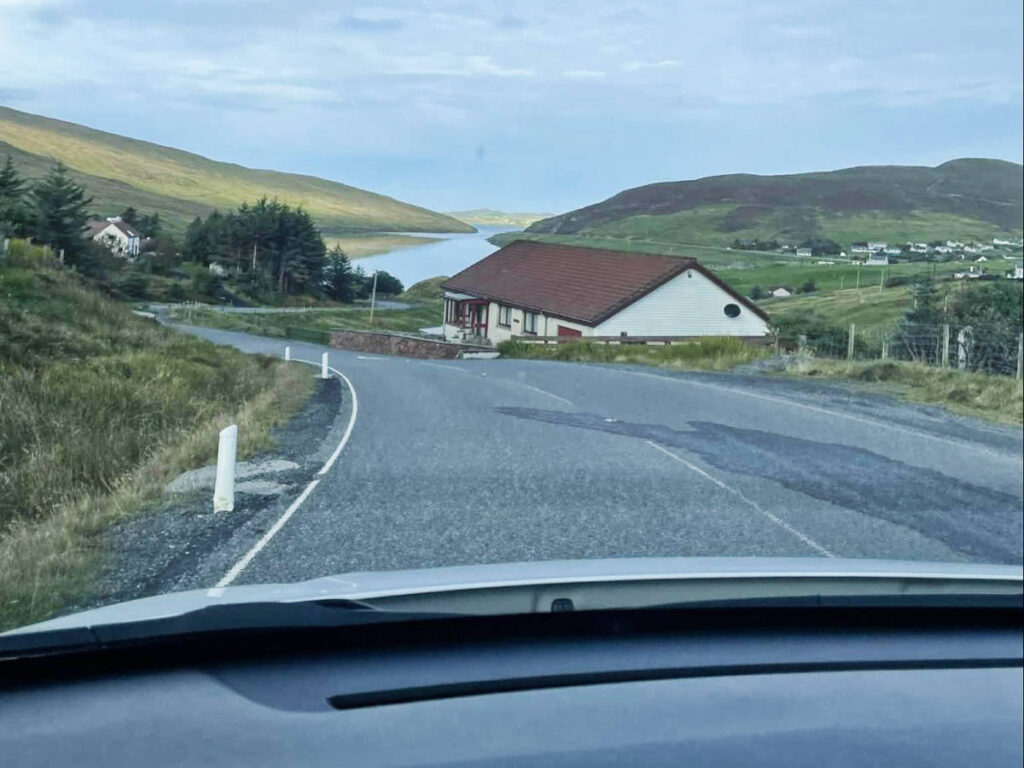
Driving in Scotland is not like driving in many parts of the USA. Although a distance may seem relatively short, you should always allow for extra time because of the nature of the roads.
Many rural roads are windy, steep, or rough, meaning it isn’t advisable to drive at the speed limit. A two-hour drive on a navigation app could actually take 3 hours if you are unfamiliar with the route.
Tip #5 – Consider Which Type of Car to Drive
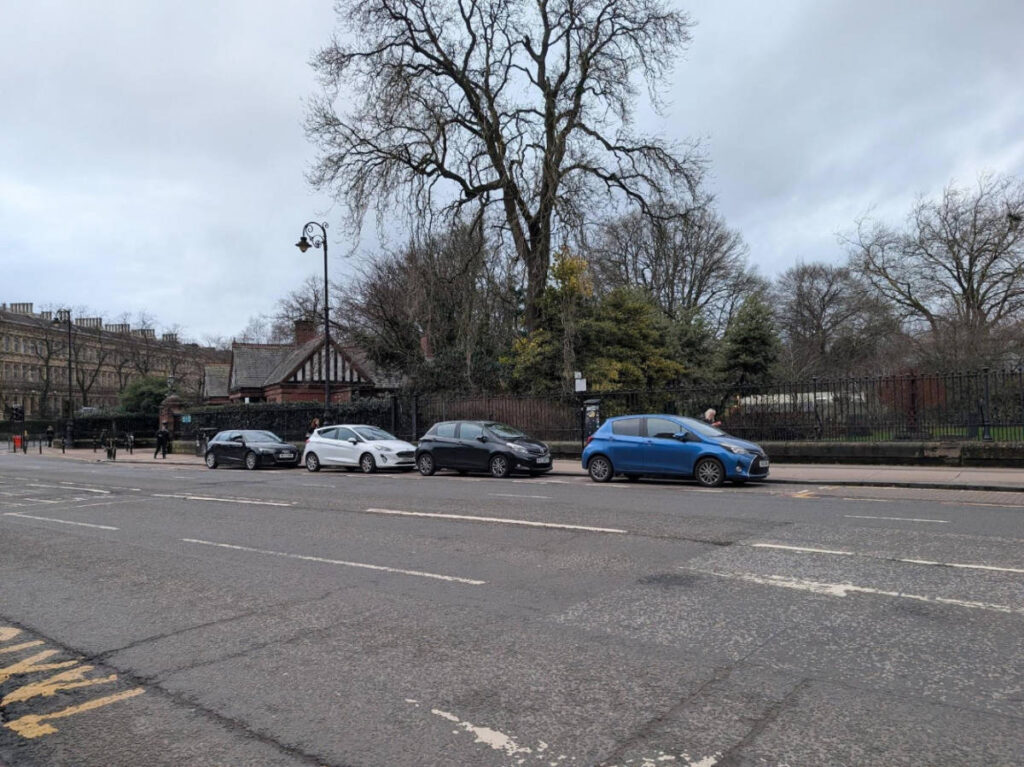
Manual transmission cars are far more common in the UK than in the USA, and you may have to pay more to hire an automatic car. Plus, while Scotland is expanding its network of electric vehicle chargers, there are still areas where chargers are difficult to find and it may make more sense to drive a hybrid, petrol or diesel car. Make sure you know what type of car you are hiring.
👉 Pro Tip: Kayak allows you to search by transmission type, size and fuel type. Search here, especially if you’re more comfortable with automatic transmission
Tip #6 – Pay Attention to Pedestrian Crossings
Pedestrians have the right of way at zebra crossings (crosswalks), and drivers must stop if someone is crossing the road. Flashing beacons should alert you about an upcoming crossing. In addition, jaywalking is not a crime in the UK, so you may encounter people attempting to cross the road more frequently.
Tip #7 – Plan Ahead if Travelling to the Islands
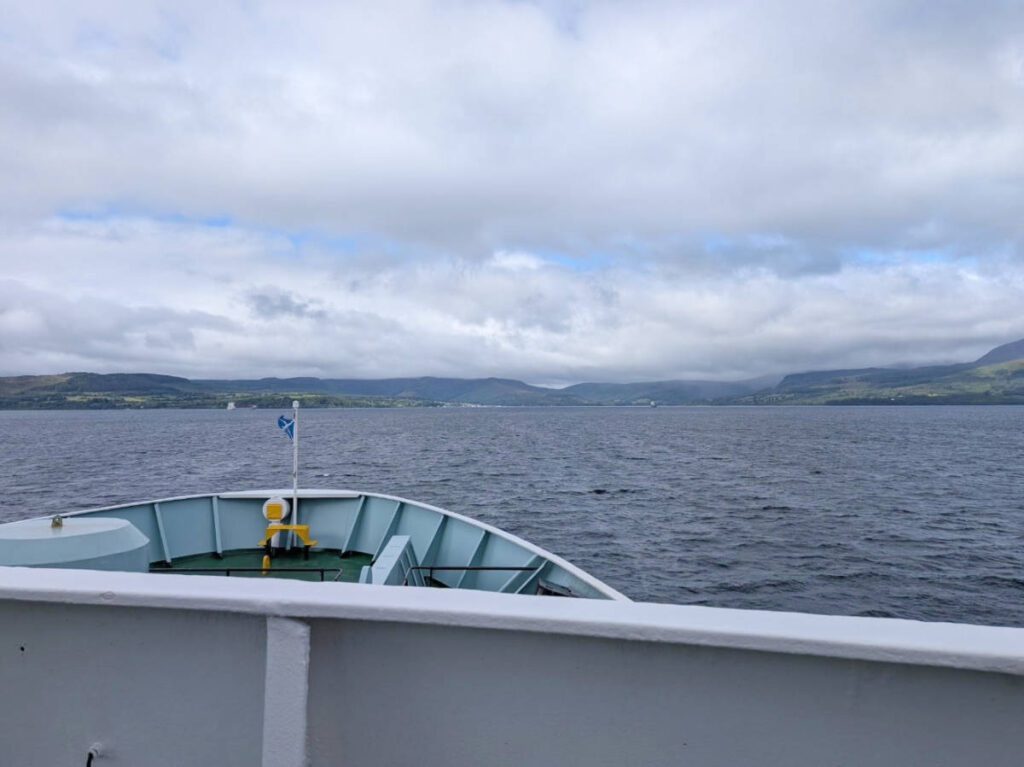
Scotland’s islands are some of the most beautiful places in the country, and driving can be the best way to see these remote areas. Public transportation is often patchy and time-consuming. Many car rental companies will allow you to drive hire cars on Scottish islands but it’s crucial to book car ferry spots in advance. These are limited and tend to sell out.
📚 Related Reading: Isle of Arran Itinerary
FAQ About Driving in Scotland
Are distances measured in miles or kilometres?
The UK uses a mixture of metric and imperial measurements, which can be confusing to visitors. Distances are measured in miles and speed is miles per hour. However, gas, or petrol as it is called here, is measured in litres.
How are the roads in Scotland?
The quality of roads varies in Scotland. There are well lit and maintained motorways and dual carriageways connecting a lot of the country, which are easy to navigate.
There are also winding and narrow country roads which are trickier. In areas of heavy traffic in the cities there can be issues with potholes, so make sure to keep your eyes on the road.
Is it difficult to drive in Scotland?
It may take some time to get used to driving on the left side of the road and to roundabouts, but Scotland generally has a good record on driving safety. If you are nervous before driving, read through the key points in the Highway Code and start with a shorter drive.
How is driving in Scotland in winter?
It can be harder to drive in the winter in Scotland due to the weather. There is often snow in areas of higher elevation like the Highlands, as well as ice and heavy rain in the entire country. Plus, the days are very short so a lot of the driving may be in the dark. However, locals still drive as normal and it is safe to drive as long as you pay attention to any weather warnings.
👉 Read Next: Best Time to Visit Scotland
***
I hope you now feel more prepared for driving in Scotland! And if you’re still a little uneasy, don’t worry – you can see lots of Scotland by public transport. Feel free to leave me a comment with any further questions you have.
Eager for more tips like these? Up next, check out my complete list of Scotland travel tips to ensure you have a great trip.

I think that you should edit your advice to let people know that in many villages/towns the maximum speed is now 20 miles per hour.
Hi Veda,
That’s a good point, I’ve noticed more 20mph zones being rolled out in villages. I’ve updated the article to note this – thanks for commenting!
It’s worth noting that in the US the tarmaced area of the road is called the “pavement”. The area we call the pavement, they call the sidewalk. Probably worth putting in a clarification in the paragraph where you say it’s never OK to park on the “pavement”!