
Affiliate Ad Disclosure: We’re reader-supported. When you buy via our links, we earn commissions. Learn more.
19 Scotland Travel Tips to Know Before You Go (By a Local)


There are so many things to think about when planning a trip to Scotland. As a Scot, I’ve compiled my best tips for visiting my country.
Think of this as your cheat guide to Scotland, with advice on the weather, the culture, and everything practical you need to know. Study up, and you can enjoy all the wonderful places to stay in Scotland, stress-free.
Want to jump around?
- The 19 Must-Know Travel Tips for Visiting Scotland
- It’s Not As Cold As You Think
- Scottish Pounds Don’t (Really) Exist
- Bring Your Own Washcloth
- Get Off The Beaten Path
- Be Respectful of Historic Sites
- Prepare for Hills
- Allow Time for Ferry Delays
- Don’t Bother With An Umbrella
- Take Note of Daylight Hours
- Wear Practical Shoes
- Check Opening Times (Especially on a Sunday)
- Carry Change for Toilets
- Don’t Miss Out on Our Food
- Do Tip – But Only 5%-10%
- Consider Getting a Railcard
- Don’t Expect to See Highland Cows Everywhere
- Book Things In Advance
- Enjoy Our Tap Water
- Study Up on Driving Rules
The 19 Must-Know Travel Tips for Visiting Scotland
It’s Not As Cold As You Think

This might be surprising, but Scotland isn’t really that chilly. Most of Scotland is further north than Moscow, but it doesn’t get anywhere near as cold. This is due to the Gulf Stream, which brings hot air from across the Atlantic.
So, while you should bring warm clothes in winter, it’s still more wet than bitterly cold. Plus, in the summer, it can be quite hot. If you’re visiting between May and September, leave the scarf and gloves at home. See my guide to when to visit Scotland for more information about the seasons and weather.
Scottish Pounds Don’t (Really) Exist

Scottish money can confuse visitors, but the currency is actually straightforward. There is only one type of British Pound – GBP. Banks in Scotland, England, and Northern Ireland can print their own designs on pound notes, but these are all the same currency.
These should all be accepted across the UK; however, some cashiers, particularly those at money exchange desks, may not accept Scottish banknotes as they are not often seen. This isn’t a significant issue, so don’t worry about getting the “right” notes, unless you are attempting to change pounds outside of the UK.
Bring Your Own Washcloth

When staying at a hotel in Scotland, many visitors are surprised not to receive a washcloth along with the hotel towels. Scottish hotels often do not supply washcloths, as these are considered a personal item. Either bring your own washcloth with you or buy one here. Just note that washcloths are called face cloths in Scotland.
Get Off The Beaten Path

First-time tourists often hit up Scotland’s most popular destinations – usually Edinburgh, the Highlands, and Skye. These are all wonderful places with a lot to offer, but there are amazing things to see elsewhere in Scotland.
Dundee is a lively city with great cultural attractions, like the V&A Museum and McManus Galleries. Or, why not visit the Borders region, with plenty of charming towns and beautiful countryside?
Be Respectful of Historic Sites
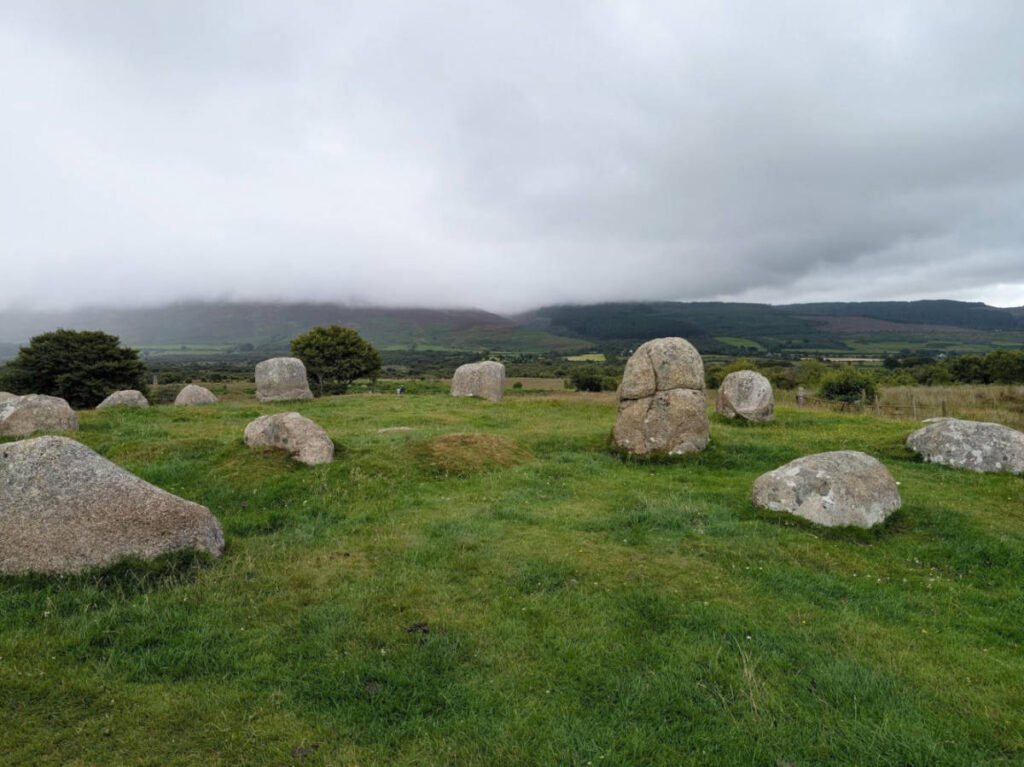
One of the best things to do in Scotland is to visit a historic site, such as the Machrie Moor standing stones on the Isle of Arran. These prehistoric ruins are well-loved by tourists, but it’s important to ensure these sites are preserved for future generations. To do that, avoid sitting or standing on any of these ruins, and don’t leave any litter behind.
Prepare for Hills
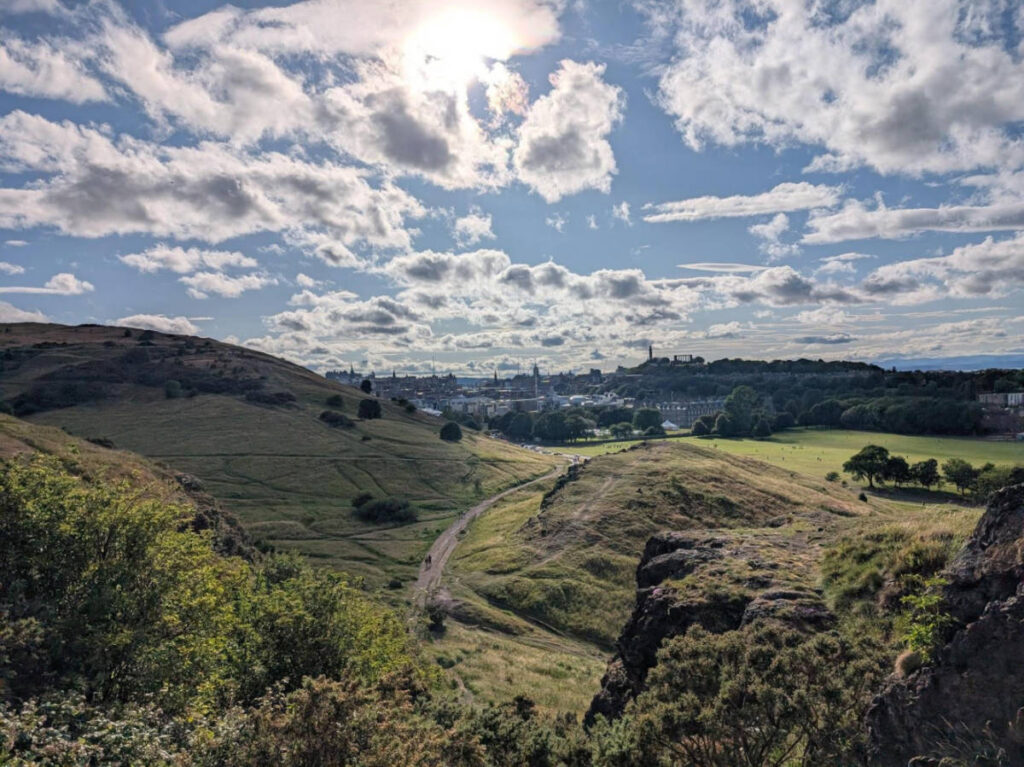
One thing you need to know before visiting Scotland is that it’s a hilly country. You might expect to have to hike in the Highlands, but even cities like Edinburgh and Glasgow require good walking shoes. These rolling hills are beautiful to look at, but can be tough on the feet.
Allow Time for Ferry Delays

Many of Scotland’s most scenic islands are only accessible by ferry. These routes are often affected by poor weather, and delays are common. Plus, Scotland’s ferry fleet is ageing and prone to needing repairs.
A delay of a day or two to leave an island due to ferry cancellations isn’t unheard of. I would recommend having a few days of wiggle room between your last ferry journey and any onward travel from Scotland.
Don’t Bother With An Umbrella
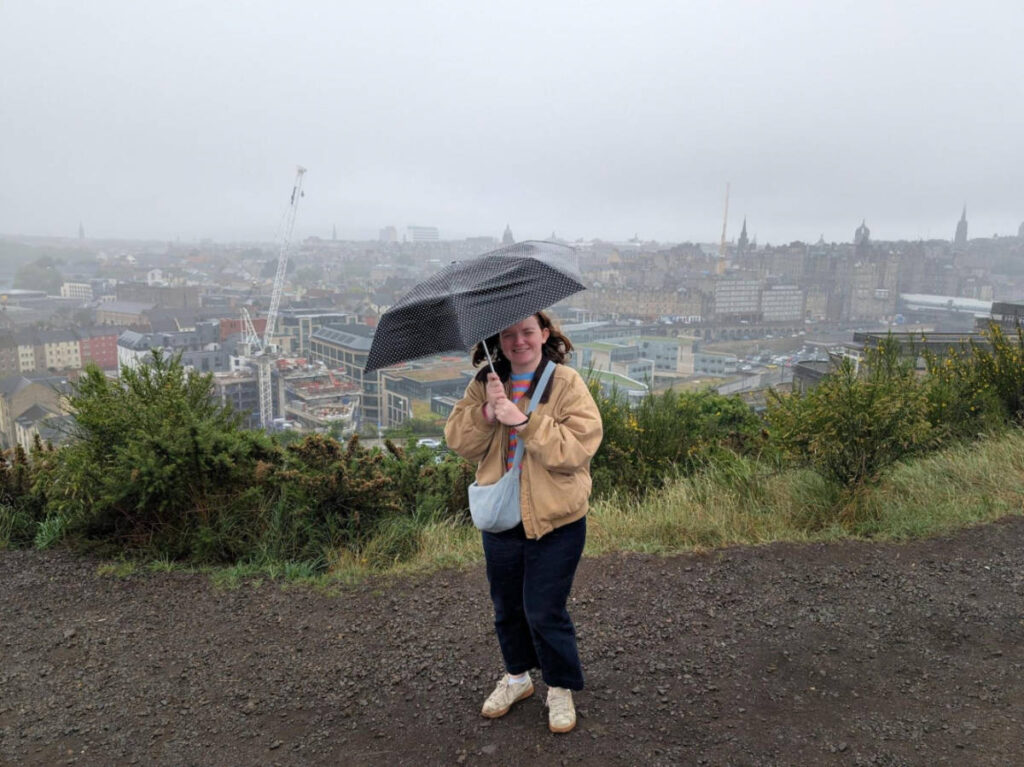
Scotland is a very rainy country, so you might expect to need an umbrella. However, using an umbrella can be more hassle than it’s worth. Strong winds, particularly on the east coast, can break umbrellas and leave you soaked through. Instead, wear a jacket with a waterproof hood.
Take Note of Daylight Hours

Being so far north, Scotland’s daylight hours vary dramatically depending on the time of year. In summer months, the sun will rise as early as 4:30 am and set after 10 pm, never really becoming dark. However, in winter, you may only get around 7 hours of daylight, from 9 am to 4 pm. Take this into consideration when planning your itinerary, in case you want to avoid driving after dark.
Wear Practical Shoes

It’s a good idea to wear practical shoes when visiting Scotland, whether you’re in a city or the countryside. If you’re hiking, make sure you have sturdy hiking boots. Even when you’re visiting cities, people tend to walk a lot, and there are some cobblestone streets, which can make high heels impractical.
See my complete Scotland packing list for more advice on what to bring.
Check Opening Times (Especially on a Sunday)

Opening hours for some amenities, such as supermarkets, are shorter on Sundays, and in more rural and island areas, these may be closed altogether. Also, cafes tend to open later than in other parts of the world, such as the USA and Australia, with most not opening until 8 am or later. Plan accordingly for this so you don’t miss out on breakfast!
Carry Change for Toilets
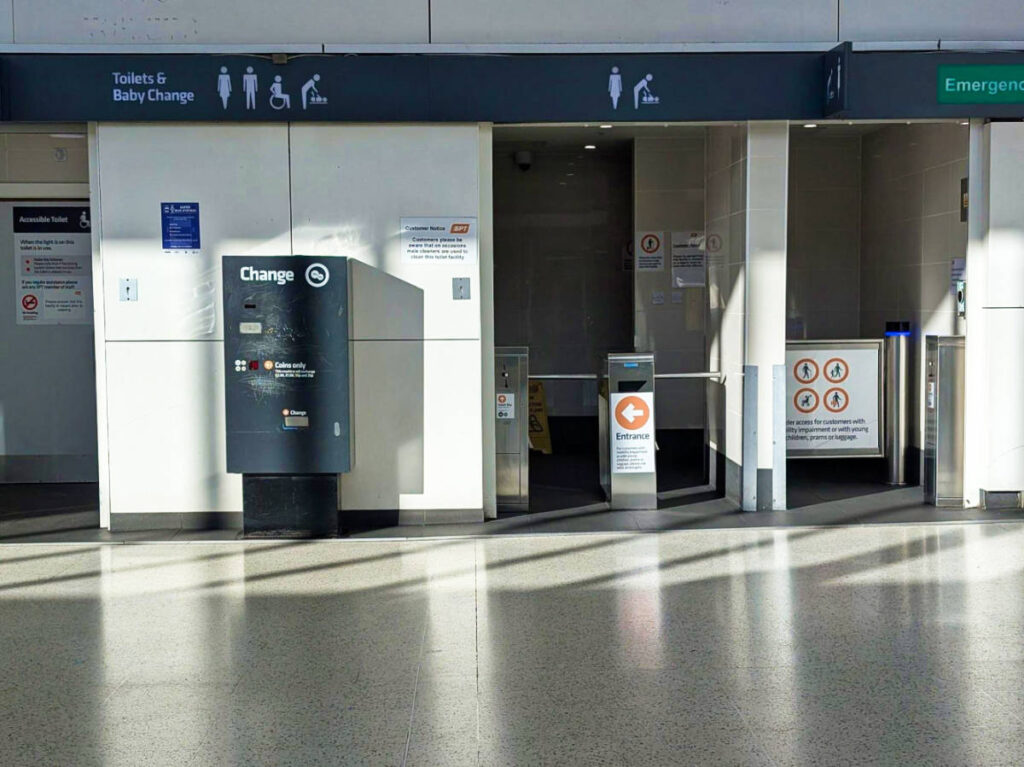
There is often a small fee for using public toilets in Scotland, of around 20-50p. This is used to fund the cleaning of the toilets and general maintenance. Although many offer contactless card payment, some still require coins, so it’s best to carry change and not get caught out!
Don’t Miss Out on Our Food
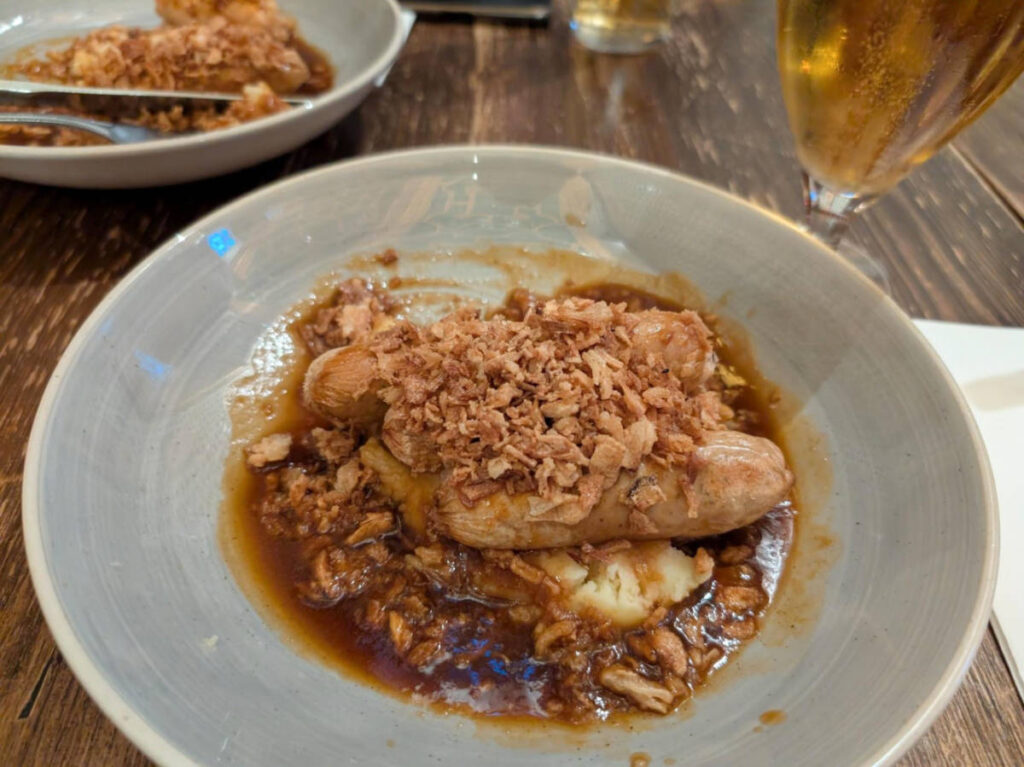
Scotland isn’t known internationally for great local cuisine, but that is a misconception. There are amazing restaurants all over the country serving up international cuisine, and incredible Scottish restaurants are fighting the accusations of bland food. Don’t write off our food before trying it – the haggis is flavourful and surprising, the fish is fresh, and the steak pie is good for the soul.
📚 Related Reading: My favorite restaurants in Glasgow
Do Tip – But Only 5%-10%

Scotland’s tipping culture is quite different from that of some other countries, including the USA, but it does exist. It’s common and welcome to tip at sit-down restaurants, but only by around 5%-10% for good service. You can also add a few pounds to the price of a taxi ride. Otherwise, stick to the agreed price.
👉 Bonus Tip: Service in Scottish restaurants is more relaxed than in the USA. Waiters give customers more space, ask fewer questions, and don’t bring the bill unprompted. This isn’t considered bad service – it’s just a different culture.
Consider Getting a Railcard

If you’re travelling by train, it may be worth it to purchase a railcard. There are different options available, including ones for people aged 16-25, 26-30, and over 60. There’s also a Two Together railcard and one for disabled people with a companion. These cost between £20 to £35 and earn you a 33% discount on all train fares for a year.
Don’t Expect to See Highland Cows Everywhere
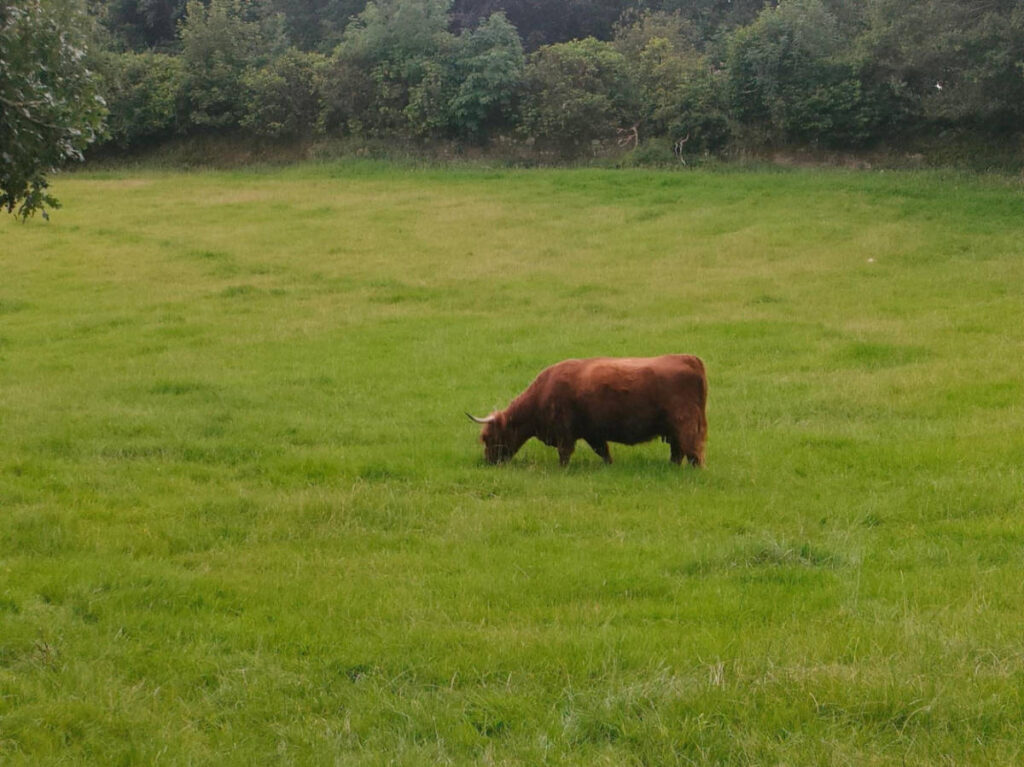
They may be on every tea towel, coaster, and keyring in tourist shops, but Highland cows are not often seen roaming the streets of Scotland. These cows are just like any other cattle – kept by farmers on private land. If seeing one up close is on your bucket list, either visit Pollok Country Park in Glasgow or book a special Highland cow experience.
👉 Bonus Tip: This Highland cow experience at Jedburgh in the Scottish Borders is highly rated and a great way to get a close-up experience of the hairy cows.
Book Things In Advance

One thing to bear in mind when planning your itinerary is your dinner options. It’s sometimes worth booking restaurants in advance, particularly during peak summer months, on weekends, and in smaller towns and villages without many options. Otherwise, you may find yourself struggling to find a table.
Enjoy Our Tap Water
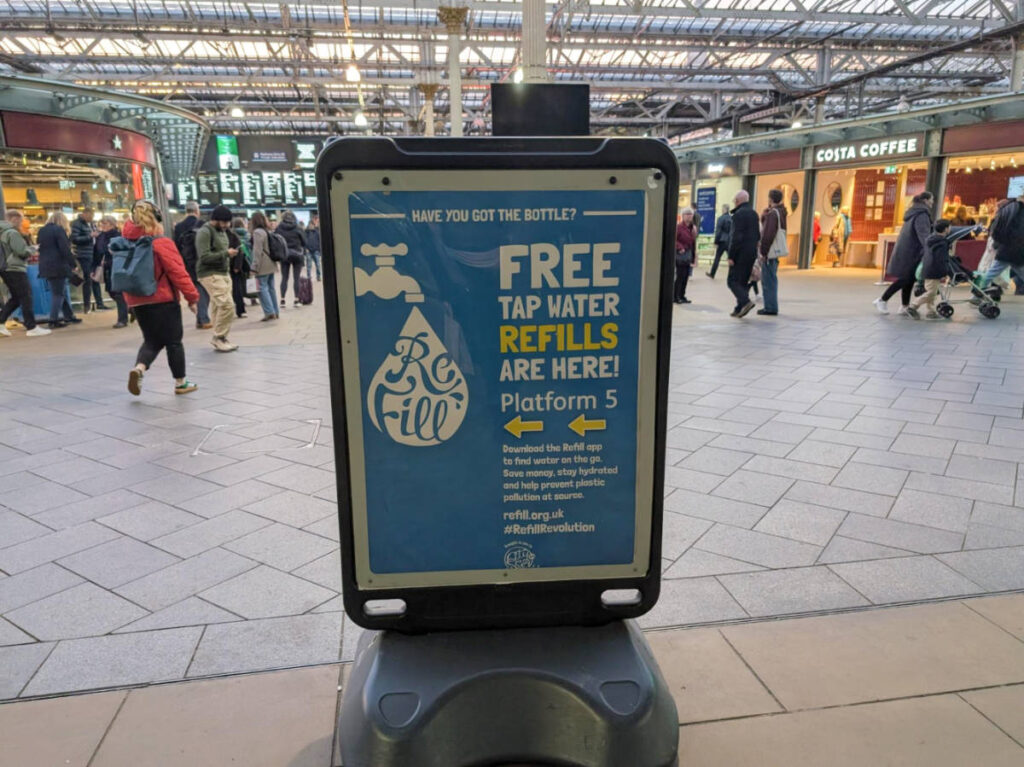
Not only is Scotland’s tap water safe to consume, but it’s also tastier than many bottled waters. Scottish people take a lot of pride in our tap water, and I’ve never found water to beat it. So, take a reusable water bottle, fill it up, and enjoy the most delicious and sustainable water you’ll ever drink.
Study Up on Driving Rules

Before renting a car in Scotland, it’s best to go over the Highway Code and learn the common road signs in use here. You may be prepared for driving on the left side of the road, but there are other things to remember, like how to navigate a roundabout. Many rural roads in Scotland are narrow and windy, so preparation is key.
Read my first-timer’s guide to driving in Scotland for more helpful tips and information.
📚 Related Reading: Guide to Safety in Scotland
***
Now you’re ready to visit Scotland and have the time of your life. Got questions? Pop them in the comments and I’ll help. Next, check out my 10-day Scotland itinerary.
