
Affiliate Ad Disclosure: We’re reader-supported. When you buy via our links, we earn commissions. Learn more.
Is New Jersey Safe? (Honest Local Advice)

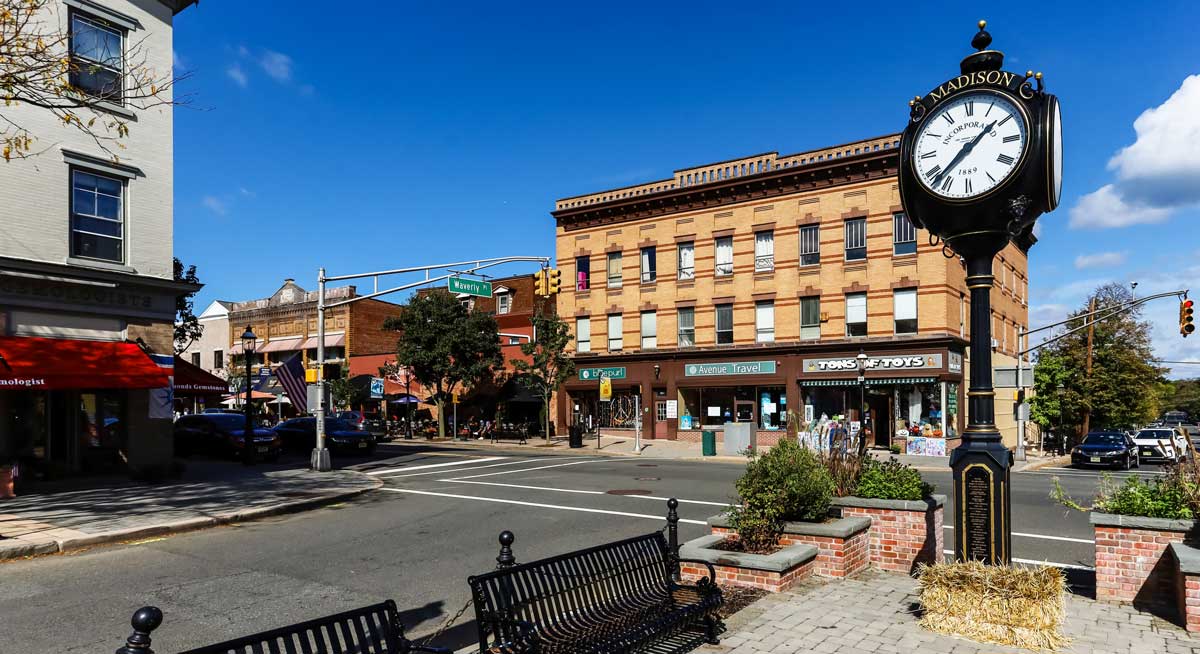
👉 Jump to: Is New Jersey Safe? | Safe Areas | Crime | Scams | Weather | Water | Safety Tips | FAQ
So you want to visit New Jersey – excellent! The Garden State is home to great restaurants, lush parks, and beautiful beaches. As you plan your journey, however, you might wonder; is New Jersey safe?
I’ve been a resident of the Garden State for over 30 years, and can honestly say that New Jersey is without a doubt safe to travel to. In fact, there are a ton of awesome things to do in New Jersey, and it’s one of the safest states in the country.
Of course, there are always safety precautions you want to take and areas you want to avoid. Which is what we’ll be covering in this article.
Is New Jersey Safe?
For the most part, New Jersey is safe to travel to. There is a strong police presence in most New Jersey municipalities, and pandemic-related safety precautions have been extensive.
Of course, while a majority of the Garden State is safe to travel to, there are areas you’ll want to avoid, as well as precautions to take. We’ll cover these in more detail in the next section.
Things to Know About Safety in New Jersey
Safe Neighborhoods and Areas in New Jersey

Safe neighborhoods and areas vary depending on where in New Jersey you’d like to visit. Each County and region has its own safe and unsafe areas. For example, Essex County is pretty safe, but safety in Newark is a different ball game, where crime rates can be high.
Most of Central and South Jersey is also safe to visit and travel to. Two examples are areas like Edison and Ocean City. But one would want to avoid areas like Camden. Camden does have a very nice aquarium, but aside from that, it’s best to visit and then pick somewhere else to stay in New Jersey.
Crime in New Jersey
Crime rates in New Jersey vary depending on where you go. As a whole, the Garden State is one of the safest states in the United States. In 2024, Consumer Affairs ranked New Jersey as the second safest state in the US, coming in right below New Hampshire. Crime in New Jersey is well below the national average, partially due to the high concentration of Law Enforcement per municipality. [Source]
Different areas have different crime rates. For example, in Princeton, Neighborhood Scout crime maps show the likelihood of becoming a victim of violent crime is 1 in 1,514. In Newark, it changed to about 1 in 201. So it all depends on where in NJ you’re traveling to. [Source]
In most regions, property crime rates are kept at bay with a good home security system. Fortunately, the police usually maintain a strong presence in high-crime areas, leading to fewer incidences of crime.
Common Scams in New Jersey
When it comes to traveling, no matter how much we plan, there’s always the chance of something going wrong! Scams can happen anywhere.
Here are a few common scams to be aware of when traveling in the Garden State, or really anywhere:
- Pickpockets – Pickpockets are always looking for the easiest target to swipe a wallet or phone from. Keep your belongings close to you and in your line of sight. Use zippered bags for extra security.
- Mugging – More confrontational (and bold!) than pickpockets are muggers. They grab your bag or other personal item and take off running, usually in crowds where it’s hard to catch them. Crossbody bags are a good consideration in this case.
- Rideshare Identity – When taking rideshares like Uber or Lyft, check all of the details in the app to make sure you’re getting in the right car. Don’t accept rides if the car or driver doesn’t match – no matter their explanation.
- Panhandling/Swindling – Panhandlers aren’t common everywhere, but they do gravitate towards fast food drive-thrus. Some ask for money, others try to convince you to go help them with something. Don’t do it.
- Trafficking Attempts – These criminals are all over the world and are always finding new ways to lure their victims. If you come back to your car and find items on door handles, windshield wipers, or back window – don’t attempt to remove them! Wait until you’ve reached a well-populated area. In addition, don’t follow a stranger asking for ‘help’ back to their car. Find a police officer or other security official instead.
Hazardous Weather and Natural Disasters

In general, New Jersey isn’t prone to severe weather phenomena. Hurricanes are very rare. In fact, the worst was Hurricane Sandy in 2012. Tornadoes can occasionally be an issue as well, though not as common as they are in the Midwest region of the US.
However, flooding in New Jersey can be an issue. Lately, previously unaffected areas have experienced flooding due to heavy rains. Low-lying areas, as well as those with poor drainage, are at increased risk during spring and summer rains. Besides that, we have thunderstorms with occasional cloud-to-ground lightning strikes. Keep an eye on local weather reports wherever you’re traveling, and take whatever warnings are issued seriously.
For a great breakdown, check out the best time to visit New Jersey for more in-depth advice on when to visit.
Is Tap Water Safe to Drink in New Jersey?

In general, tap water in New Jersey is nothing special. The taste and quality of the water depend on where you are. Newark has great-tasting water, while other areas may have some questionable-tasting water.
Even if the water tastes fine and meets EPA Guidelines when it leaves the plant, contaminants in pipes can make it less than ideal for drinking. It’s best to ditch the tap and drink filtered tap or bottled water. At restaurants, you can ask for sparkling or bottled water.
5 Safety Tips for New Jersey
Tip #1 – Be Aware of your Surroundings
No matter where you are, it’s always important to be aware of your surroundings. Those who wish to do harm are looking for those oblivious people that are face down on their phones, or who look lost. Look up, don’t keep headphones in or on both ears, and stay alert.
Tip #2 – Try to Avoid Being Out Alone at Night
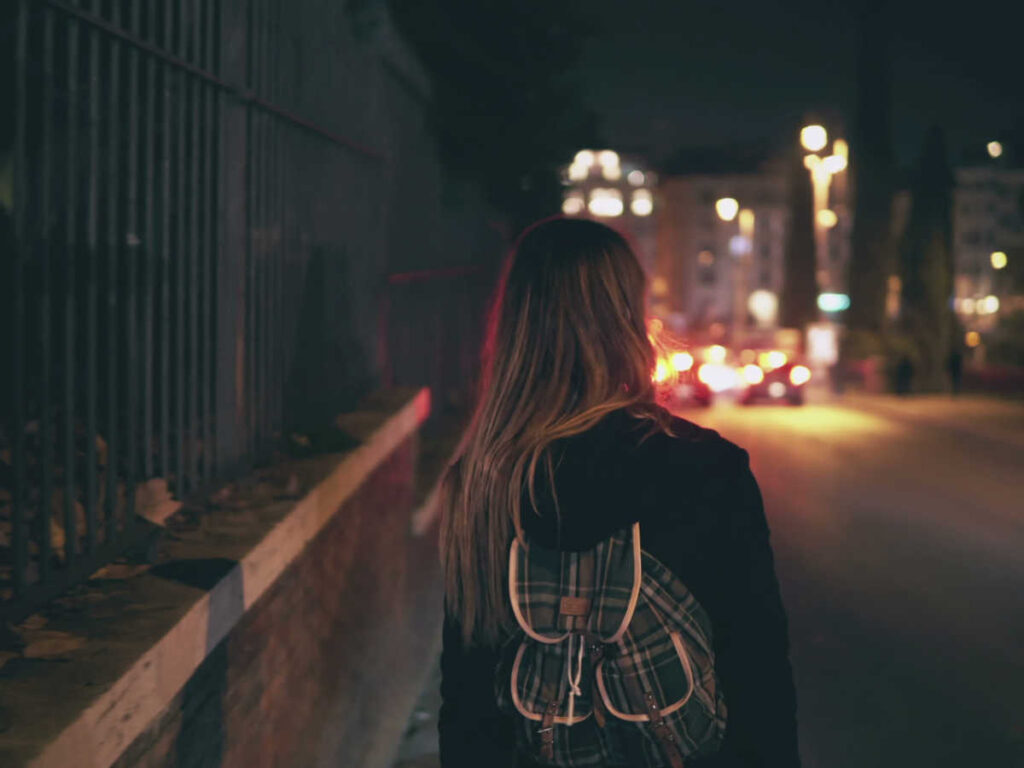
Most New Jersey towns are quite safe, even at night. But areas such as Atlantic City and Newark have a higher incidence of violent crime after dark, so you’ll want to avoid being out alone at night. If you are, try to go out in groups and stay alert.
Tip #3 – Keep Belongings In Sight
Pickpockets and muggers like to prey on the unaware. Because of this, it’s a good idea to keep your belongings close to you. A good crossbody bag is a great investment. They come in many styles so they can go with any activity or outfit. They also keep important items like your wallet and phone close to you, preferably in zippered pockets.
Tip #4 – Don’t Leave Belongings in Your Car
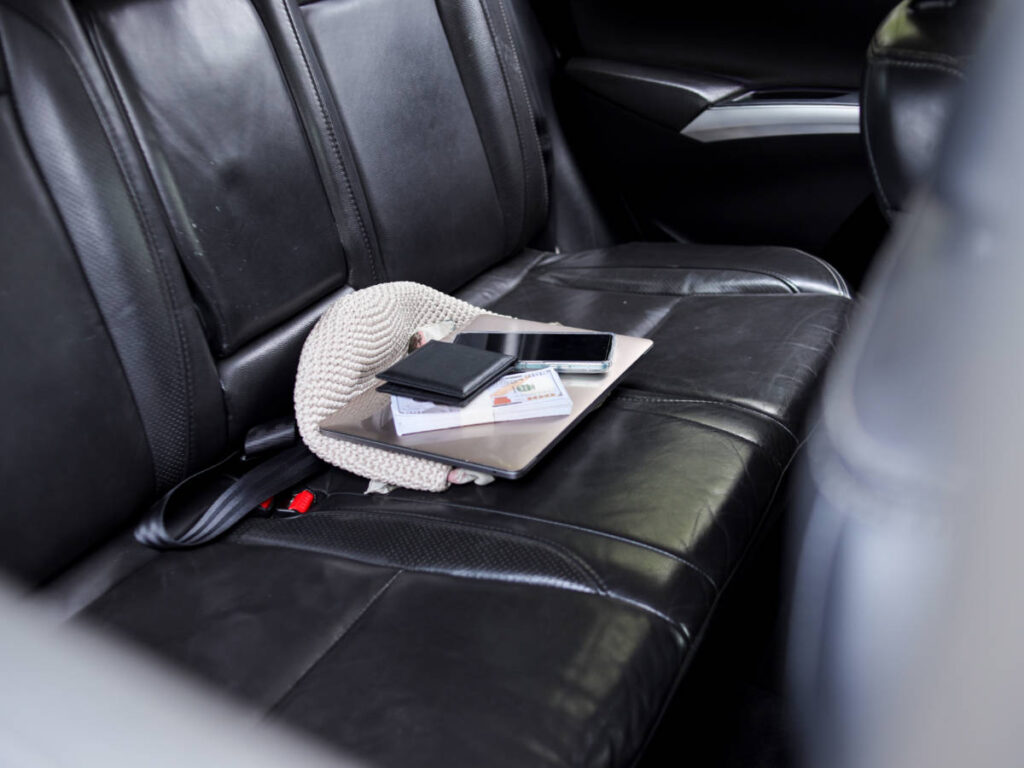
The last thing you want to do after a day of sightseeing is to come back to your car and find a broken car window. Don’t leave belongings, especially valuables, in plain sight in your vehicle. If you must leave something in the car, leave it out of sight in the glove compartment or under a seat. I also use a jacket or hoodie to cover items if I must leave them in the car.
Tip #5 – Watch Your Drinks

If you take advantage of the nightlife scene, be aware of people looking to spike your drink. Keep an eye on it at all times. Along with your diligence, it helps make sure no one puts something in your drink.
FAQs
What is the safest town in New Jersey?
Vernon Township, NJ is the safest town in New Jersey according to Safewise. The crime rate, including the violent crime rate, is well below the national average.
What is the safest county in New Jersey?
There is no single answer, but Somerset, Bergen, and Morris counties have earned a reputation for being some of the safest in New Jersey.
Are there any travel restrictions in New Jersey?
At the moment, there are no travel restrictions in New Jersey.
***
I hope I’ve helped answer the question “Is New Jersey safe?”
New Jersey is a beautiful place to visit. Its ranking as one of the safest states in the US makes it even more appealing. Up next, check out some of these great places to visit in New Jersey!
(Featured Image Credit: Wirestock Creators / Shutterstock)
