
Affiliate Ad Disclosure: We’re reader-supported. When you buy via our links, we earn commissions. Learn more.
The Perfect Washington DC 5-Day Itinerary, Planned by a Local


👉 Jump to: Where to Stay | Day 1 | Day 2 | Day 3 | Day 4 | Day 5 | Getting Around | Tips | FAQ | Get Printable Version
As the capital of the United States, there is always something to see and experience in Washington, DC. The city is bustling with events, history, and culture for visitors to enjoy.
I’m a Washington, DC local who loves to explore the city. But it can be difficult to plan a trip when there are so many iconic sites to visit. I’m here to help you see what DC has to offer during a five-day trip.
This itinerary accounts for two days of travel – one at the beginning of the trip and one at the end. Whether you’re a first-time visitor or returning to DC, I’ll provide you with plenty of tips and trip options so you can experience Washington, DC, to the fullest.
🖨️ Get a printable version of this itinerary
Where to Stay for 5 Days in Washington DC

For a 5 day visit to Washington DC, these are my top picks for where to stay:
- 🏆 Best Overall – JW Marriott Washington DC
- 🗺️ Best Location – Riggs Washington DC
- 💵 Mid-Range – Courtyard by Marriott Washington Downtown/Convention Center
- 💎 Luxury – Willard InterContinental Washington, an IHG Hotel
- 👪 Best for Families – Hyatt House Washington DC/The Wharf
- 🛎️ Best Boutique – The Line Hotel DC
- 🛏️ Best Budget – Generator Hotel Washington DC
- 🏨 Apartments – Browse Top Rentals in Foggy Bottom (my top suggested neighborhood)
For more, check out my full guide to where to stay in Washington DC.
5 Day Washington DC Itinerary
Day 1 – See Monuments and Museums
Morning
For your first day in Washington, DC, explore the monuments and choose a museum around the National Mall. Start out early in the morning when it’ll be cooler out.
Begin at the Lincoln Memorial, where you can take pictures and view the Reflecting Pool. Stop to see the Vietnam Veterans Memorial and the Korean War Veterans Memorial. Walk east along the Reflecting Pool and stop to view the World War II Memorial.
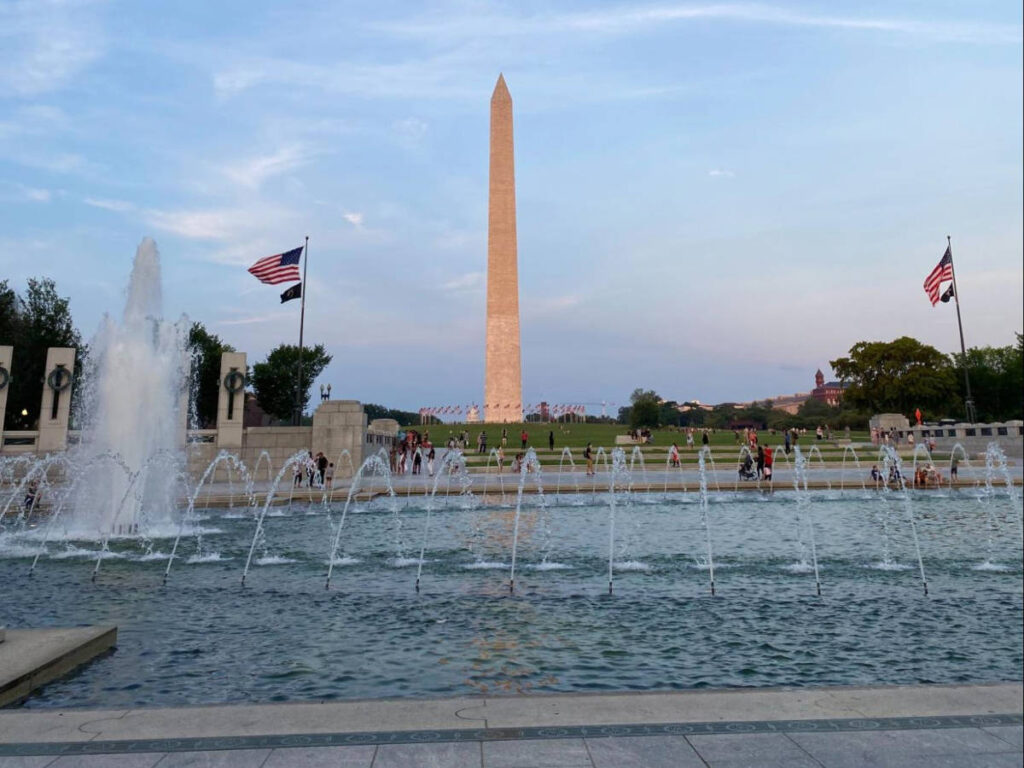
Continue walking to the Washington Monument. Take pictures and relax on the lawn. Take the elevator to the top of the Washington Monument to view DC from above.
👉 Pro Tip: You can book admission tickets to the Washington Monument 30 days in advance. It’s better to book in advance during the busy seasons: spring, summer, and fall. There are limited same-day tickets available on a first come, first serve basis. Additional tickets are released one day before respective tour dates.
Afternoon
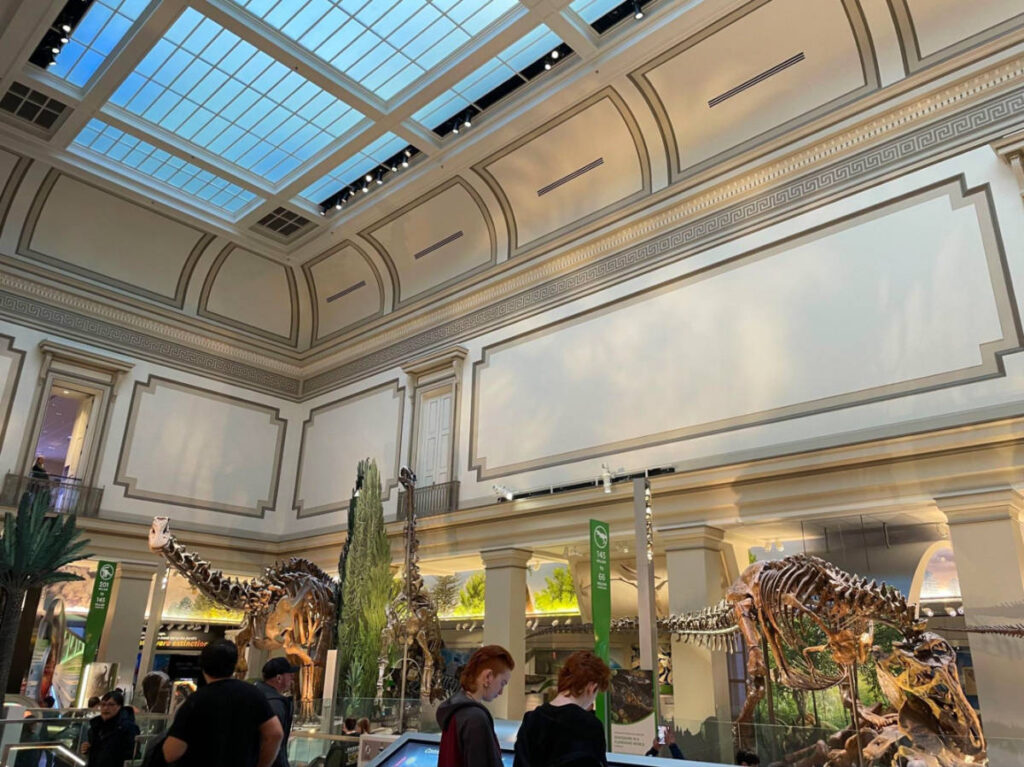
Pack a lunch for today to enjoy a picnic on the National Mall. Or eat at one of the many food trucks around the area for lunch before heading to a Smithsonian Museum. Spend the afternoon walking around one of the Smithsonians.
Here are my recommendations:
- Smithsonian National Museum of Natural History
- National Gallery of Art
- National Museum of African American History and Culture
- United States Holocaust Memorial Museum
- Smithsonian National Air and Space Museum
Evening
End the night with a nice dinner Downtown at Old Ebbitt Grill or The Hamilton, which also has live music. Both are close walking distance to the JW Marriott Washington DC.
Day 2 – Tour Government Buildings
Morning
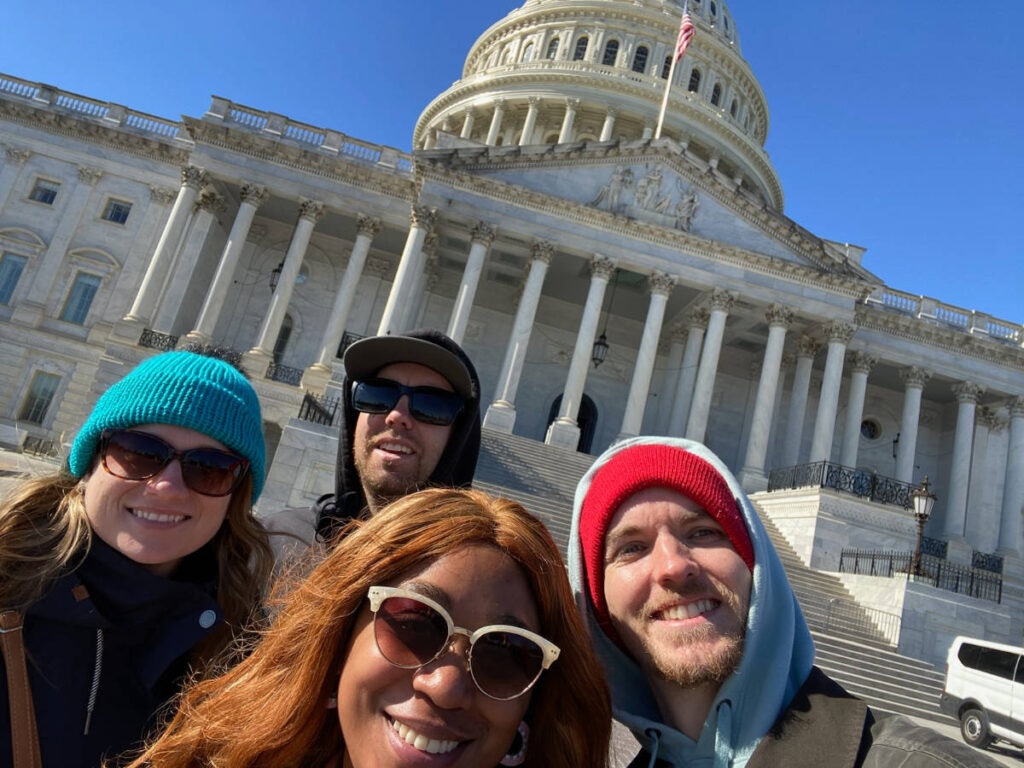
Start your second day by taking a tour of the White House. Here, you’ll see the public rooms and learn about the history of the President’s residence. Next, take a guided tour of the Capitol Building to learn more about the U.S. government. After your tours, grab lunch at one of the restaurants Downtown.
👉 Pro Tip: U.S. residents must request White House tour tickets through their member of Congress. Foreign nationals must apply for White House tour tickets through their country’s embassy or consulate in Washington, D.C. Requests must be made between one week to three months in advance.
Afternoon
After lunch, tour the Library of Congress. Tours are self-guided and there are many exhibits to explore. Take a self-guided tour of the Supreme Court or attend one of the highest court’s courtroom lectures if there’s time. You may also be able to fit in a visit to the United States Botanical Garden.
Evening

Spend the early evening exploring the Capitol Hill neighborhood. See the Eastern Market, U.S. Marine Barracks, and the Folger Shakespeare Library. Finish off the night with dinner in Capitol Hill.
Day 3 – A Day in Virginia
Morning
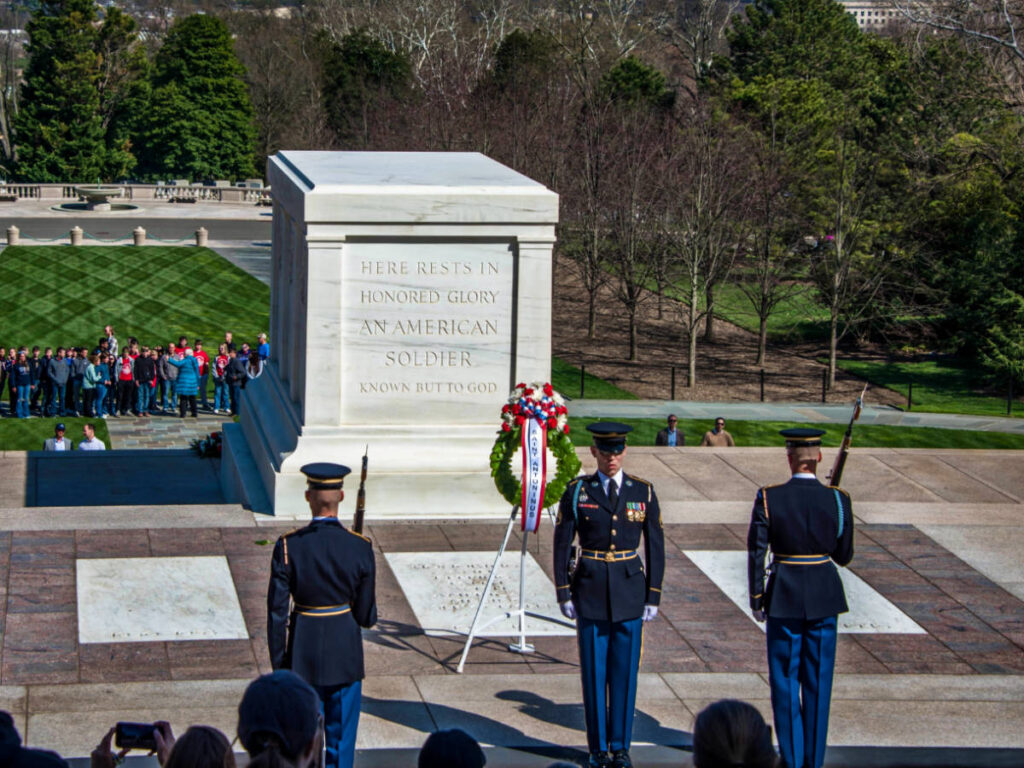
Take the blue line on the metro or a rideshare to Arlington National Cemetery. Be sure to see the John. F. Kennedy Gravesite and the Tomb of the Unknown Soldier. Take a tram tour if you want a more guided experience.
Next, take a walk to the nearby memorials. See the U.S. Marine Corps War Memorial (Iwo Jima Memorial), Air Force Memorial, and the National 9/11 Pentagon Memorial.
Afternoon
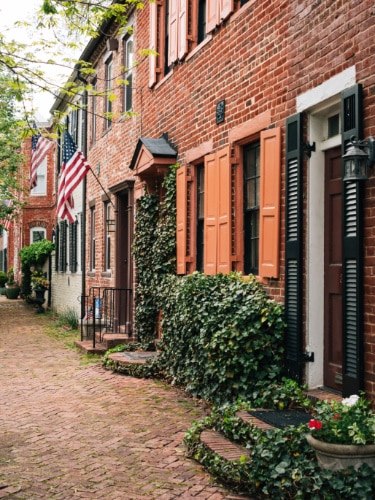
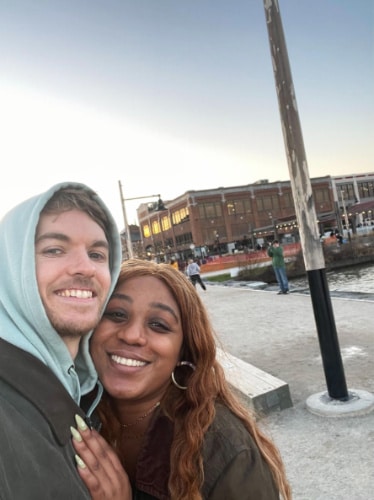
Get lunch takeaway from a restaurant in Arlington and enjoy it at Gravelly Point, where you can see planes landing and taking off overhead.
After lunch, if you have a car, drive out to George Washington’s Mount Vernon and tour the first president’s former residence.
Evening
Spend the evening in Old Town Alexandria. You can shop, eat, walk along the water and end the night with ice cream. I suggest Pop’s Old Fashion Ice Cream Co.
Day 4 – The Zoo and a Baseball Game

Morning
Start your day at the Smithsonian National Zoological Park in Woodley Park. Spend the morning viewing the Giant pandas, sea lions, tigers, and more, along with animal demonstrations.
Afternoon
Then, head to Georgetown for lunch and an afternoon spent exploring. Visit the Museum at Dumbarton Oaks, the steps from the movie ‘The Exorcist’, and Old Stone House. Walk or bike the C&O Canal National Historic Park. Explore Georgetown Waterfront Park and grab a cupcake at Baked and Wired.
Evening

Spend the evening in Navy Yard. Grab dinner and a drink before a baseball game. End the day at Nationals Park, which is a close walk to Reside Navy Yard, a Wyndham Residence.
👉 Pro Tip: Baseball season runs from late March/early April to late September/early October. Be sure to check when the Washington Nationals are playing at home during your visit. You can also see basketball, hockey, and football games while in the city.
Day 5 – Explore DC Neighborhoods
Morning
Start the morning by grabbing breakfast in Dupont Circle before exploring the neighborhood. Check out The Phillips Collection, an art museum, and see the nearby embassies on Embassy Row. If it’s a Sunday, check out the Dupont Circle Farmer’s Market.
Afternoon

Have lunch in Adams Morgan or Columbia Heights, then spend the afternoon exploring the neighborhood. The area is close to The Line Hotel DC, which has a cafe, so it’s a good place to stop in for a mid-afternoon coffee or snack, even if you aren’t a guest.
Evening
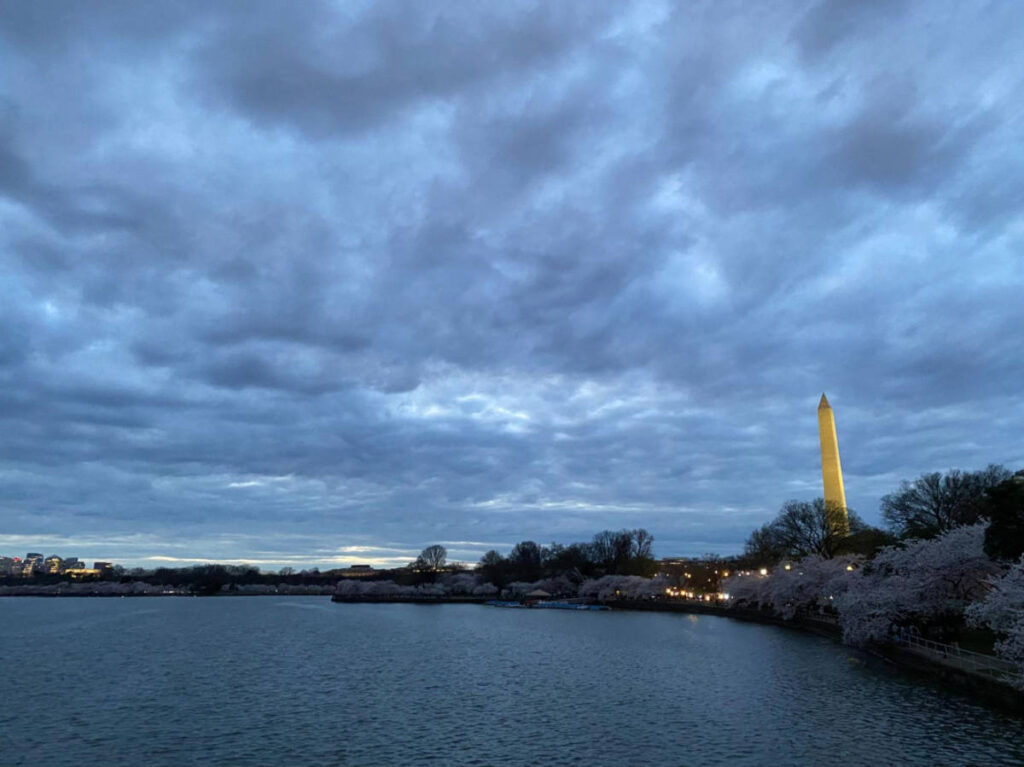
In the early evening, head to U Street for dinner and drinks. Before the sun goes down, head back Downtown. Watch the sun set over the Tidal Basin. Then, walk around the monuments at night, enjoying them all lit up.
Check out my guide on D.C. neighborhoods if you have extra time to spend in the area!
How to Get Around in Washington D.C.
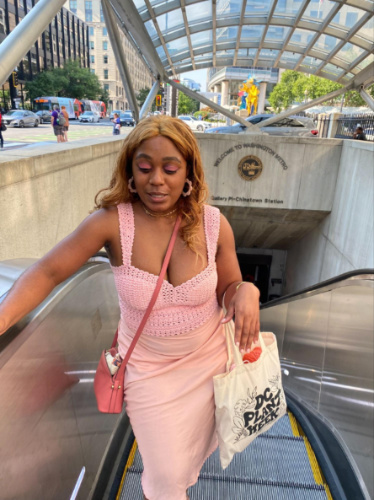
I highly recommend using the metro and the bus systems to get around. Both the metro and the bus goes around D.C. as well as the surrounding parts of Maryland and Virginia, which means you can get to most major attractions on this itinerary via the metro.
The metro is organized by colored lines: Red, Orange, Yellow, Green, Blue, and Silver. (The Purple line is coming soon.) To get to the Smithsonian Museums, National Mall, Downtown, you can ride the Blue, Silver, or Orange lines to the Smithsonian stop or the Yellow or Green lines to the Archives stop.
I wouldn’t recommend using a car in DC because there can be a lot of traffic, especially Downtown and during the high seasons. On top of that, parking can be hard to find and on the expensive side when you do find it. Rent a car only if you want to do activities further outside of the city.
Itinerary Planning Tips
Tip #1 – Research With Your Interests in Mind
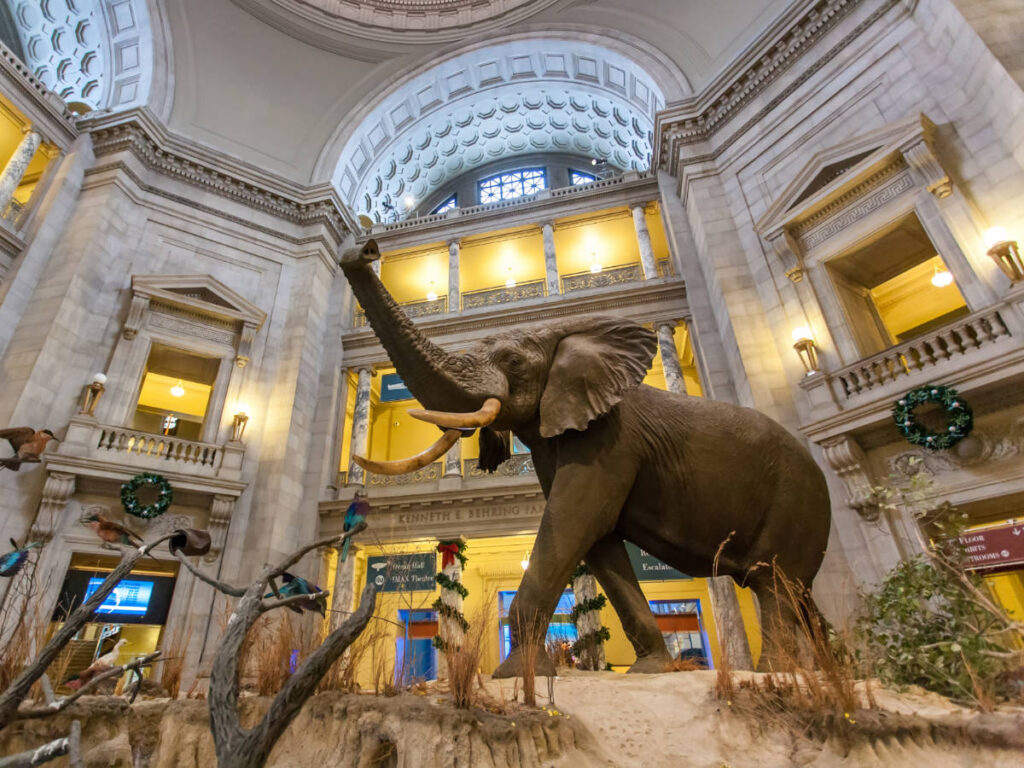
It’s always a good idea to go into a trip with some research. I always suggest keeping your interests in mind. What you want to see, do, and experience can influence where you stay, if you rent a car, how much money you spend, etc.
Keeping your interests in mind will also help your planning stay focused, as you can narrow down what you want to do during your trip.
Tip #2 – Set a Budget
Having a budget can help you travel without breaking the bank. After deciding how much you’re willing to spend, break it down between lodging, dining, and entertainment.
When it comes to visiting DC, many of the main attractions, including the museums, zoo, and building tours, are free. So, you won’t have to dedicate a large portion of your itinerary budget to attractions. Instead, you can put the money towards a centrally located hotel or your dining.
Tip #3 – Get Attraction Tickets Early
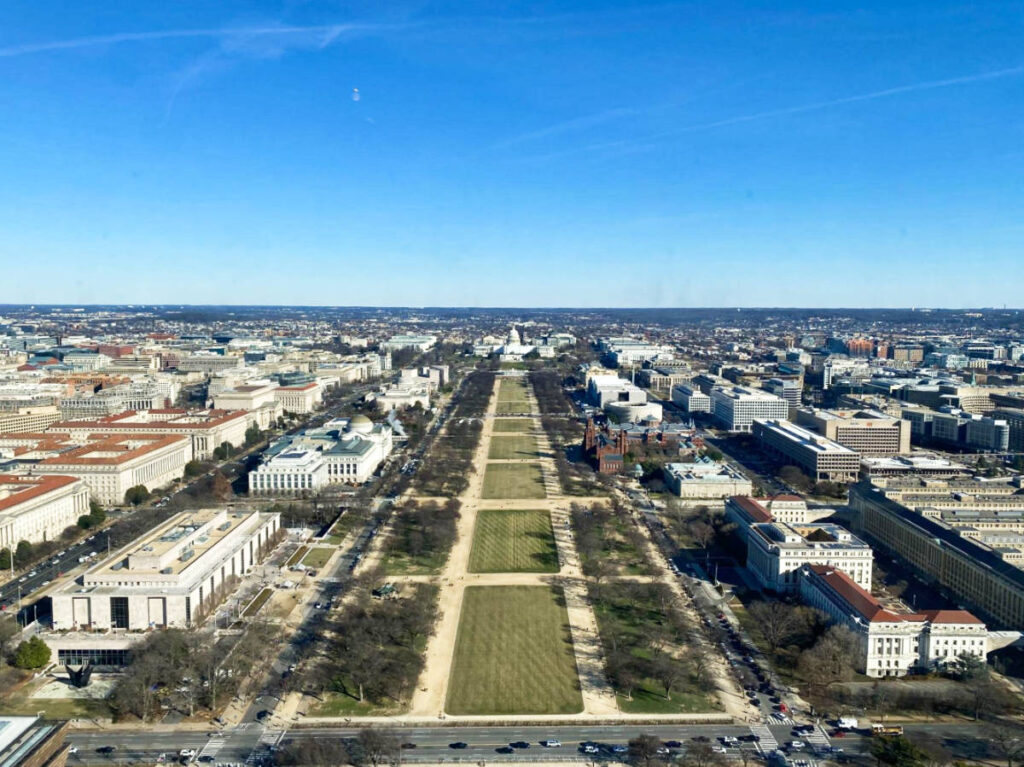
When it comes to some popular attractions, tickets are first come, first serve. For that reason, it’s recommended to get tickets a few months before your trip to D.C. For example, tickets to the top of the Washington Monument, White House tours, and tours of the Library of Congress and the Capitol Building.
While there is an option to get some of these tickets the day of, it’ll save you some peace of mind and help keep a well-planned itinerary on track by getting tickets in advance. This way, you can get the tickets for the time and date that works best for you.
Tip #4 – Choose Must-Do Activities
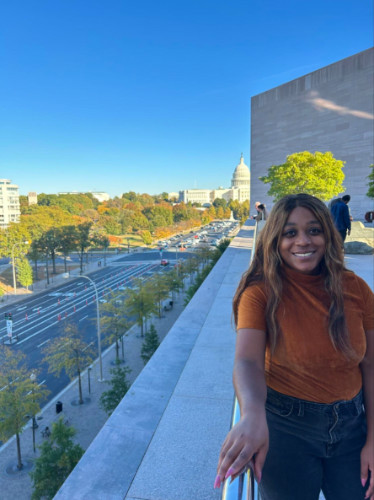
There is so much to do in Washington, D.C. With 19 Smithsonian museums, the zoo, memorials and landmarks, and government buildings – it’s impossible to do and see it all in one week-long trip.
After doing your research on the area, pick out the attractions you most want to do or museums you want to see the most. Having an idea in advance of what exactly you want to see means you won’t waste precious time trying to make decisions.
Tip #5 – Allow for Buffer Time
When creating your itinerary, it’s important to factor in buffer and travel time in between activities. It can often take between 15 to 20 minutes between places, depending on location and travel method (either walking, taking the metro, or driving).
This can be really important, especially if you have timed-entry tickets or reservations. You’ll want to give yourself plenty of time, whether you’re walking across the National Mall or trying to go across the city.
Tip #6 – Save Room for Spontaneity
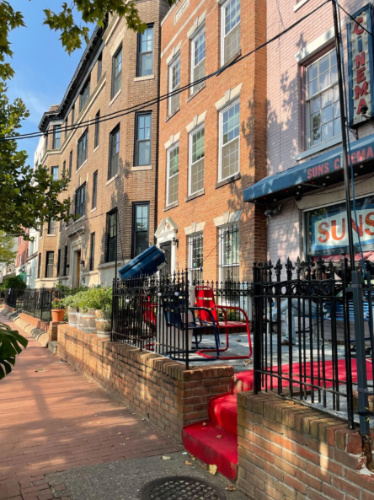

A well-planned itinerary is always good to keep a trip on track. However, you don’t want to plan every minute of every day to the point where there’s no chance for spontaneity. Have less structured time built into the schedule.
These can be days when you choose to just explore a neighborhood or area. You’ll be able to stumble upon local restaurants, cafes, stores, and attractions you may not have been planning to see or have even heard of.
Tip #7 – Take a Local’s Suggestions
Most first-timers visit Washington but not DC (see my article to learn more about the local distinction). But if you truly want to experience the city, you should stray away from the more touristy spots.
Don’t be afraid to talk to locals – ask your waiters, bartenders, or people you just met what their favorite spot in the city is. You’ll find great restaurants, cafes, stores, parks, and other hidden gems you wouldn’t have ever found. It’s a great way to get a well-rounded experience of the city.
FAQ About Itinerary Planning for Washington D.C.
How many days is enough for Washington D.C.?
For most trips and travelers, seven days total is a good amount to see a lot in Washington, DC. Dedicating two days to travel, you’ll have five days to be able to see the monuments, government buildings, museums, and some of the neighborhoods.
However, since there’s so many things to do in D.C. and so much to see, longer trips will help you get a more thorough experience in the city.
How can I plan a 10-day itinerary for Washington D.C.?
If you have 10 days to dedicate to visiting Washington D.C., you’ll have eight days to explore the city and even more of the surrounding area. You can spend another day visiting museums, especially smaller or more niche ones, that you didn’t get to go to earlier in the week.
With a few more days in the area, you can also take a day trip outside of the city. Consider a day trip to Richmond, Annapolis, or Baltimore, which are between an hour to two hours outside the city and also have train options to get from DC to your destination.
A longer trip also allows you to visit more DC neighborhoods. Spend more time in areas like Penn Quarter/Chinatown, Shaw, Brookland, Mount Pleasant, H Street, and Cleveland Park.
Should I rent a car when visiting Washington D.C.?
You definitely don’t need a car when visiting Washington, D.C. and most locals would advise against it. Instead, use the metro and bus system to get around the city.
Many of the iconic landmarks and buildings are situated near each other, which makes planning an itinerary as well as getting around easier. Plan activities within walking distance and look for other restaurants and attractions in the area for meals and activities. By doing this, you can eliminate the need for a car altogether.
How much should I budget for a trip to Washington D.C.?
While budget can depend on the traveler, in general, you can expect to spend, at minimum, about $150 to $200 a day. Luckily, many activities on a D.C. itinerary – like touring the Library of Congress, visiting the National Zoo, and checking out the museums – are free. That means the bulk of your budget will go towards lodging, food, drinks, and entertainment.
***
🖨️ Get a printable version of this itinerary
Washington D.C. is a vibrant city with a history that’s past and in the making. It’s one of the most unique cities in the United States with plenty to do for every kind of traveler! Up next, read my guide to the coolest towns near D.C. to extend your visit!

We are planning a trip to DC mid to end of July. We want to do the museums, monuments and zoo. Realistically how many days do we need to dedicate in DC to get it all without exhausting ourselves. Also we plan to drive from out of town is there somewhere safe to store our vehicle without spending an arm and a leg.
Hi Kristin,
If you do a self-led tour of the monuments, you can see the Washington Monument, Lincoln Memorial, and Jefferson Memorial, among others, in about a half a day to a day, depending on how long you spend at each one. The museums I recommend at least spending half a day at each, but they can easily become a full-day activity. Again, it depends on how long you want to spend at each museum. But if you don’t want to rush, I would say to spend a day at the monuments, a day at the zoo, and a day for each museum you’d like to visit. That will give you plenty of buffer and travel time. As for where to park your car, there isn’t a ton of public parking Downtown. There are a few garages and parking lots, but you’ll end up paying per hour or per day, which can quickly add up. Another option is to look into whatever hotel you’re planning to stay and use their parking service if they have one. That might end up being less than public parking for multiple days. Enjoy your trip to DC.
Is The Inn at Dupont close to the mall area with all the museums?
Hi Teresa,
The Inn at Dupont is fairly close to the National Mall. The hotel is about a 30-minute walk or a 15-minute drive to the National Mall. I’d recommend taking a ride-share or the metro since the parking by the Mall isn’t great. And consider how much walking you’ll do on the Mall and through the museums if you plan to walk from your hotel. Ultimately, The Inn at Dupont is relatively close to the National Mall, certainly within some people’s walking distance, and definitely within a close driving/metro/bus distance. Enjoy your trip!
Hi Brittany,
For a one-day trip to DC, I would definitely suggest spending your time Downtown, especially if it’s your first time. I would suggest spending the morning exploring one of the Smithsonian museums, whichever strikes your interest. The museums open at 10am and close at 5:30pm, so going in the morning allows you to have plenty of time to walk around the exhibits. You can spend a full day in one museum, so I would definitely suggest choosing one top choice and maybe a second to see if you have time.
In the afternoon or evening, you can walk around the National Mall and see the monuments, including the Lincoln Memorial, the Washington Monument, and the Capitol Building. Since these don’t close, you can also see them well into the evening. I love to see the monuments all lit up at night!
I hope you enjoy your trip to Washington DC!
Hey! Could you help me plan the perfect 1-Day Itinerary for DC for myself, and two children, ages 15 & 10 – for January 2026.