
Affiliate Ad Disclosure: We’re reader-supported. When you buy via our links, we earn commissions. Learn more.
29 Epic Places to Visit in Alaska

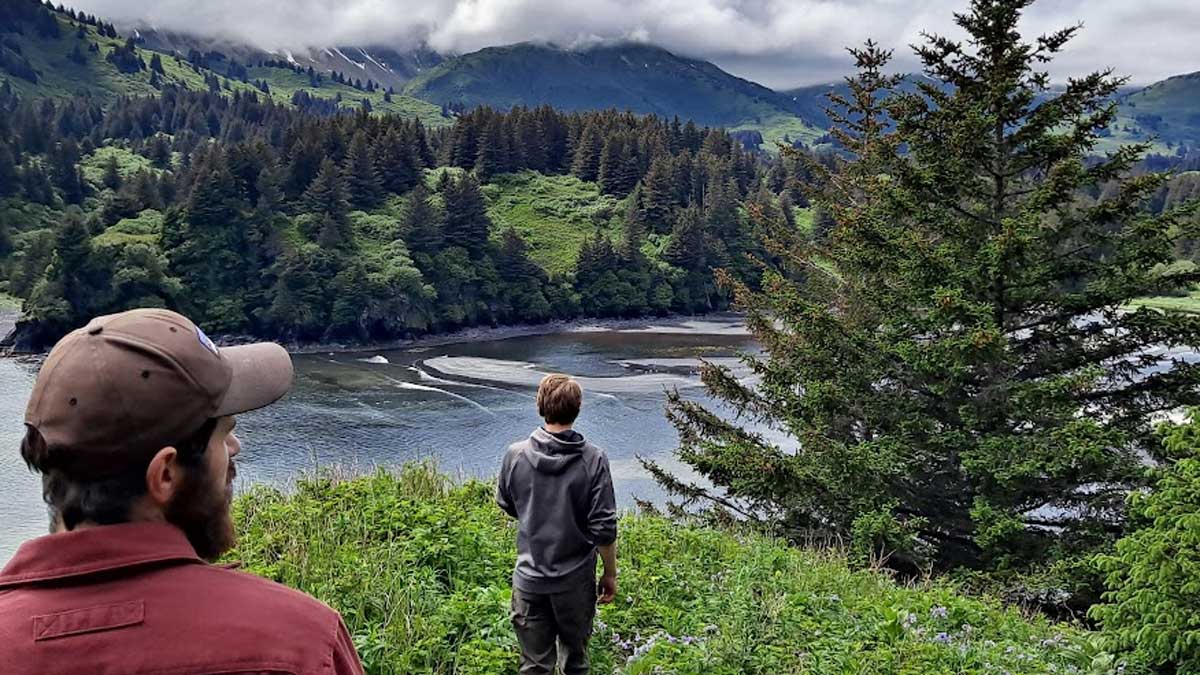
I’m a born-and-raised Alaskan who can help you discover the state’s best places to visit. No matter your travel style, there’s a destination on this list for you.
Places to stay in Alaska range from cities to small towns, all offering plenty of cultural and outdoor attractions. Mountains, glaciers, wildlife, and exciting adventures await, as do fascinating museums, trendy breweries, and cozy cafes. Here’s how to explore Alaska like a local.
Want to jump around?
- Best Places to Visit in Alaska
- Anchorage
- Denali National Park and Preserve
- Kenai Fjords National Park
- Seward
- Fairbanks
- Alyeska Resort
- The Matanuska Glacier
- Talkeetna
- Lake Clark National Park
- Glacier Bay National Park
- Kenai Peninsula
- Prince William Sound
- Whittier
- Valdez
- Homer
- Kodiak Island
- Katmai National Park
- Wrangell-St. Elias National Park
- Kennecott Mines National Historical Landmark
- Gates of the Arctic National Park and Preserve
- Chena Hot Springs
- Utqiagvik (formerly Barrow)
- The Alaska Highway
- Skagway
- Juneau
- Mendenhall Glacier and Nugget Falls
- Inside Passage
- Sitka
- Ketchikan
Best Places to Visit in Alaska
Anchorage
Alaska’s largest city is the perfect hub for exploring the state.

📍 Google Maps | 👉 Browse Anchorage Hotels on Booking
More than likely, this city will be your first stop in Alaska. Rent a car from the airport to easily access places to stay in Anchorage, along with far-reaching areas of the state.
Upon arrival, be greeted by an array of mounted wildlife displays, including a 9’5”-long halibut, the world record! This is one of the best places in Alaska for museums. Learn more about the state at the Anchorage Museum and the Alaska Native Heritage Center. Downtown also has plenty of great restaurants, coffee shops, and breweries, plus hotels with stunning views.
The Alaska Zoo in southern Anchorage is one of the best stops for a family vacation. Get outdoors on the Tony Knowles Coastal Trail and explore great hikes in the mountains outside the city, like Flattop Mountain. For more, check out my guide on what to do in Anchorage.
Denali National Park and Preserve
North America’s highest peak towers over the Alaskan tundra.

📍 Google Maps | 👉 Browse Denali Hotels on Booking
Denali National Park gives you a full taste of Alaska’s natural beauty. Mount Denali towers into the sky, visible from hundreds of miles away. Besides Denali, there are several other majestic peaks in the park.
The tundra surrounding the mountains teems with Alaskan flora and fauna. Keep an eye out for mountain goats scaling the sheerest mountainsides! Dog lovers should be sure to visit the Denali Sled Dog Kennels, where the rangers’ four-footed friends live.
Summer is, by far, the most pleasant time to visit this national park. If you’re willing to brave a little chillier weather, though, the fall colors here are spectacular. While you can drive or even fly to this destination, one of the most memorable ways to visit is via the Alaska Railroad.
Kenai Fjords National Park
Get an up-close look at glaciers, whales, and wildlife.

📍 Google Maps | 👉 Browse Seward Hotels on Booking
Kenai Fjords National Park displays the beauty of coastal Alaska. Massive glaciers wind their way down the ocean from snow-clad peaks. All kinds of wildlife call the area of this park home, from bald eagles to sea otters and several species of whales.
The town of Seward serves as the best jumping-off point for exploring Kenai Fjords National Park. The Alaska Railroad, the Old Seward Highway, and a local airport connect Seward with the rest of the state. The only part of Kenai Fjords National Park accessible by road is the Exit Glacier.
Seward
See sea creatures at Alaska’s premier aquarium.

📍 Google Maps | 👉 Browse Seward Hotels on Booking
Seward is one of the coziest seaside towns in Alaska and home to several noteworthy attractions. A dozen fascinating murals depict aspects of the community and life in Alaska. Seward’s Waterfront Park offers camping spaces and a great place to unwind by the sea.
The Alaska Sealife Center provides visitors a unique glimpse into the lives of Alaska’s diverse marine wildlife. Exhibits include seabirds, fish, invertebrates, and several species of seals and sea lions. It’s a must for families, especially.
Fairbanks
The number one place to see the northern lights in Alaska.

📍 Google Maps | 👉 Browse Fairbanks Hotels on Booking
Fairbanks is one of the best places for northern lights viewing. The further north you are, the better your chances of seeing this natural phenomenon. In the summer months, the days are extra long, so you can stay out and about well into the evening (incidentally, this makes summer the best season to visit Alaska, too).
Alaska’s second-largest city has a rich frontier history, being a boom town for both gold and oil. Downtown Fairbanks boasts the charming Fountainhead Antique Auto Museum. There’s also an array of restaurants and bars.
Another noteworthy attraction is the University of Alaska Museum of the North, which houses over one million artifacts. These include Native Alaskan relics, dinosaur fossils, and whale skeletons!
Alyeska Resort
Ski, snowboard, hike, and bike in Alaska’s premier resort.
📍 Google Maps | 👉 Book a Stay at Alyeska Resort
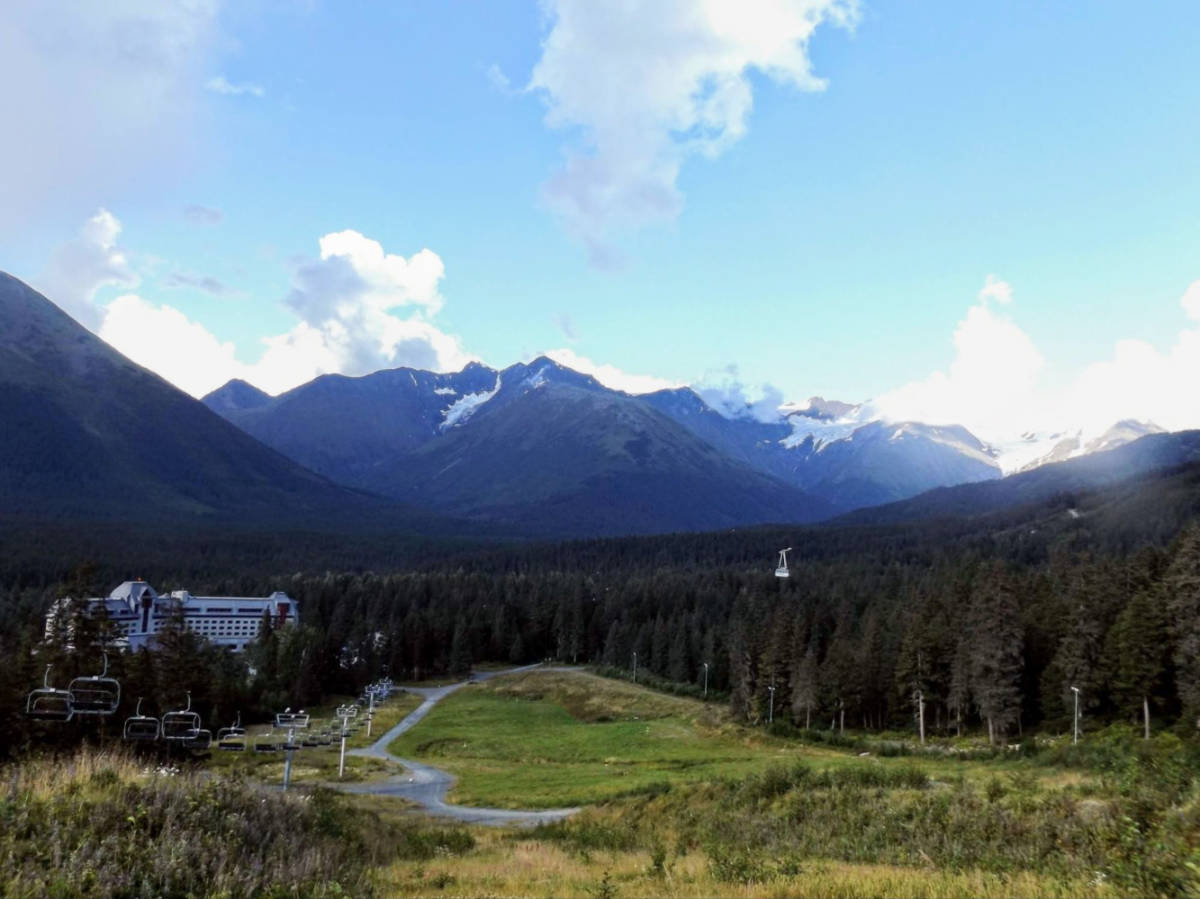
Love skiing, snowboarding, or just staying cozy indoors? Add Alyeska Resort to your itinerary. The aerial tram takes visitors to the top of Mt. Alyeska, offering stunning views along the way. After a great day on the slopes, unwind at the resort’s Nordic spa.
The spa is located inside the Alyeska Resort hotel, one of the best luxury stays in the state. If you’re on a budget, there are plenty of less spendy places back in Anchorage, as well as a few lodging options in between.
Alyeska is also worth a visit in the summer months. The snow has disappeared but, in doing so, exposes several great hiking and mountain biking trails.
The Matanuska Glacier
Alaska’s most accessible glacier is easy to reach from Anchorage.
📍 Google Maps | 👉 Browse Palmer Hotels on Booking
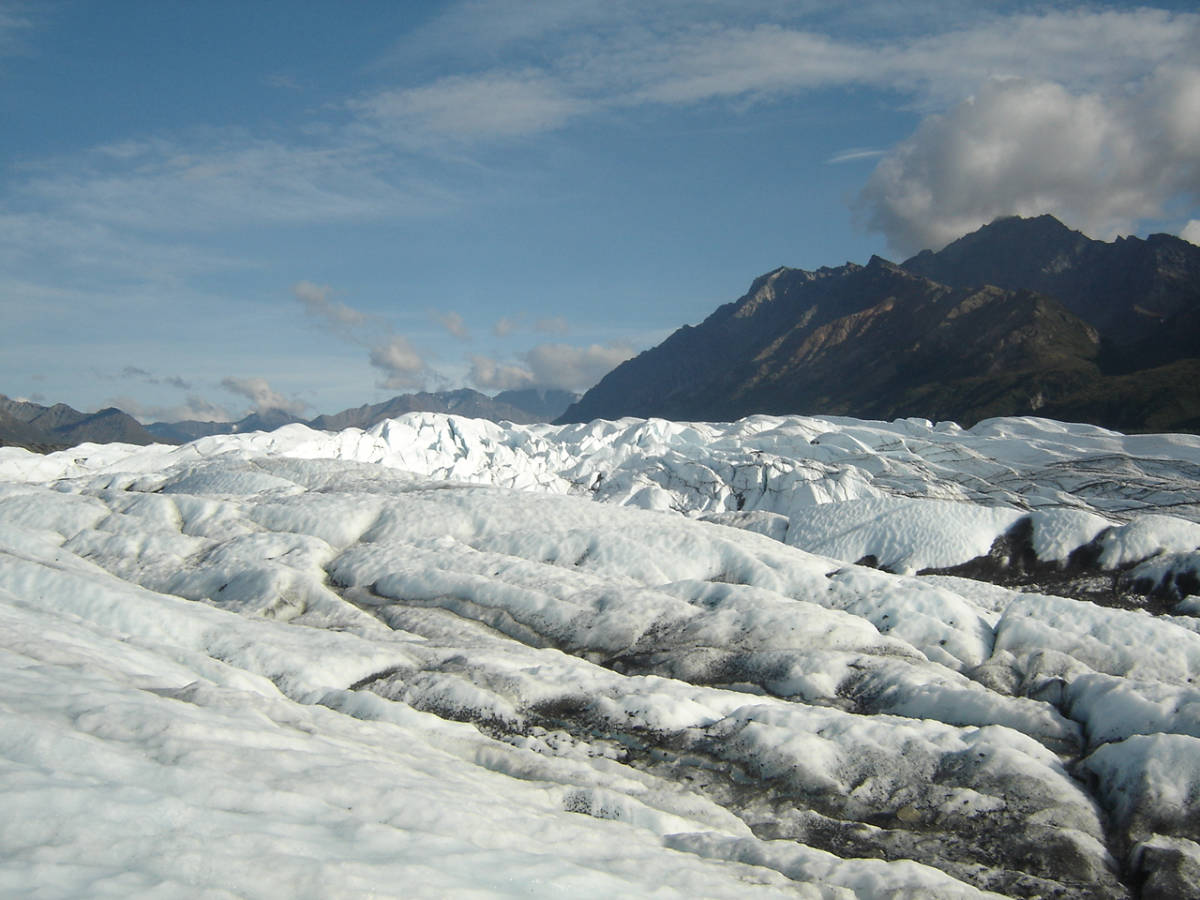
The Matanuska Glacier is one of the best day trips from Anchorage, located 2 hours north of the city. You can walk around the edges of the glacier or book a professionally guided tour to venture further onto the icefield. Glaciers can be very dangerous to walk on, so always exercise caution and follow your guide’s advice.
One unique aspect of a glacier trek is the possibility of filling your water bottle with frigid, pure glacial water. It’s definitely a refreshing draft on a summer day, but watch out for brain freezes!
Although Anchorage is not too far away, you could also consider staying in Palmer or nearby Wasilla, which are the closest towns to the glacier (and a little more laidback than Anchorage).
Talkeetna
A great hub for visiting Denali National Park.

The tiny town of Talkeetna is jam-packed with rustic Alaskan charm. Local restaurants serve hearty grub, and local shops offer artisan crafts and souvenirs. There are also a ton of outdoor activities awaiting visitors year-round.
In summer, the lakes and rivers offer a variety of aquatic activities. There’s also a zip-line course near Talkeetna for thrill seekers. Winter gives way to activities such as cross-country skiing and dog sledding tours. In all seasons, Talkeetna is a great place to use as a hub for visiting Denali National Park.
Lake Clark National Park
A pristine wilderness at the junction between southwest and southcentral Alaska.

Black bears, brown bears, and caribou, along with many other species, call Lake Clark National Park home. The mountains and forests here offer endless opportunities for hiking, camping, and rafting. If you’d rather not rough it, several lodges offer more modern accommodations.
This park is great for getting away from the crowds and experiencing a genuine wilderness. Although located just 100 miles away from Anchorage, the park can only be reached by boat or by plane.
👉 Pro Tip: Stay safe with this bear safety guide from the Alaska Department of Fish and Game.
Glacier Bay National Park
A gigantic park boasting glaciers, forests, and narrow fjords.

Glacier Bay National Park spans 3.3 million acres of glaciers, forests, and fjords. Many cruise lines, both mainline and small-ship, visit this park. One can also go sailing or kayaking on the waters of Glacier Bay National Park. Some tours here last for a week, and, given how huge the park is, only scratch the surface.
Kenai Peninsula
Great fishing and sleepy small towns abound.
📍 Google Maps | 👉 Browse Local Hotels on Booking
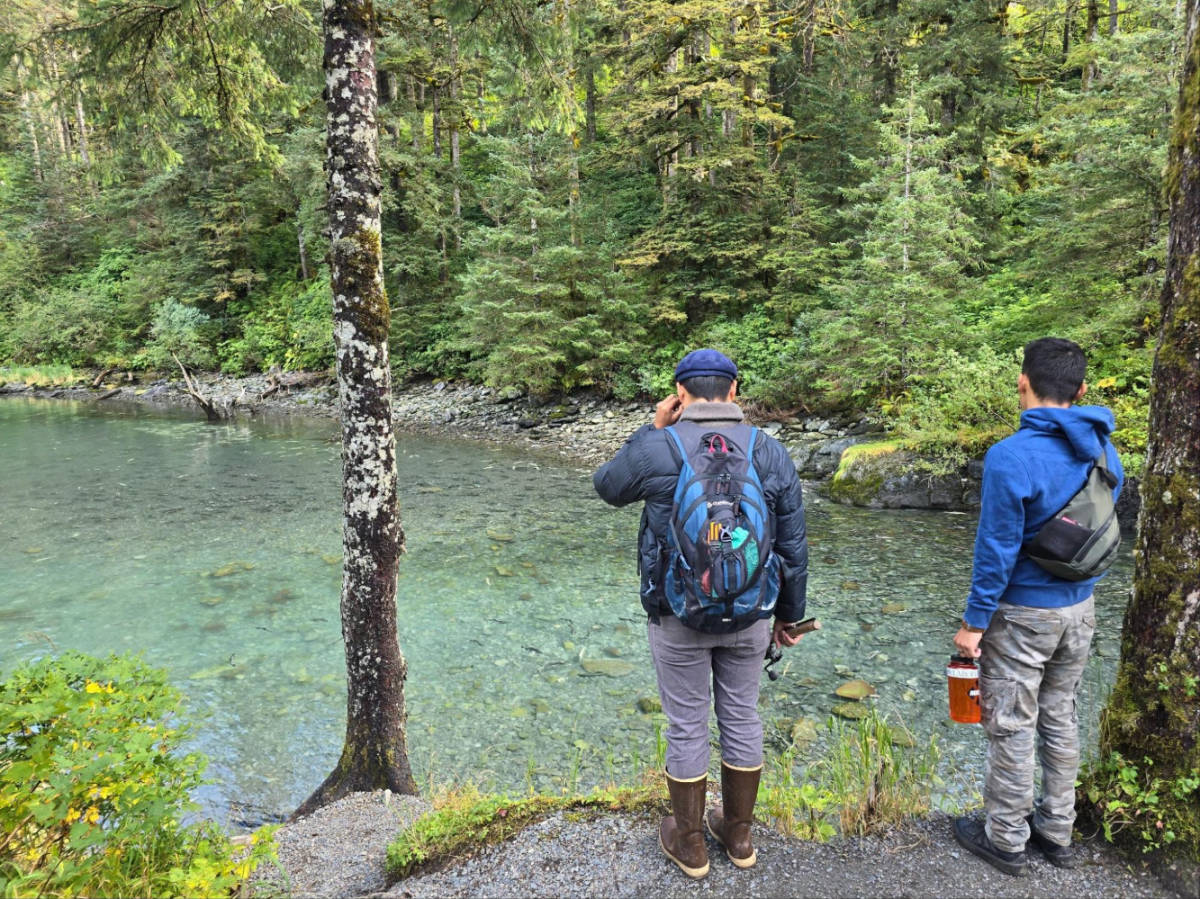
Besides the famous Kenai Fjords National Park, there’s plenty to do and see on the Kenai Peninsula. One can take a mini Alaskan road trip to the town of Homer, stopping at various cozy small towns along the way. The glacial blue waters of the Kenai River offer excellent salmon fishing.
The summer also sees fireweed blossom, punctuating the rolling green hills with vivid magenta flowers. Moose inhabit the peninsula and, as with many places in Alaska, it pays to keep an eye out for them while driving. The massive mammals will put more than a dent in your fender. They are also often aggressive, so always maintain a respectful distance.
The twin towns of Kenai and Soldotna are your best bet for places to stay, eat, and shop. Don’t let that discourage you from exploring the tinier towns along or just off the highway!
Prince William Sound
Take a cruise to take in some of the best glacier viewing in Alaska.
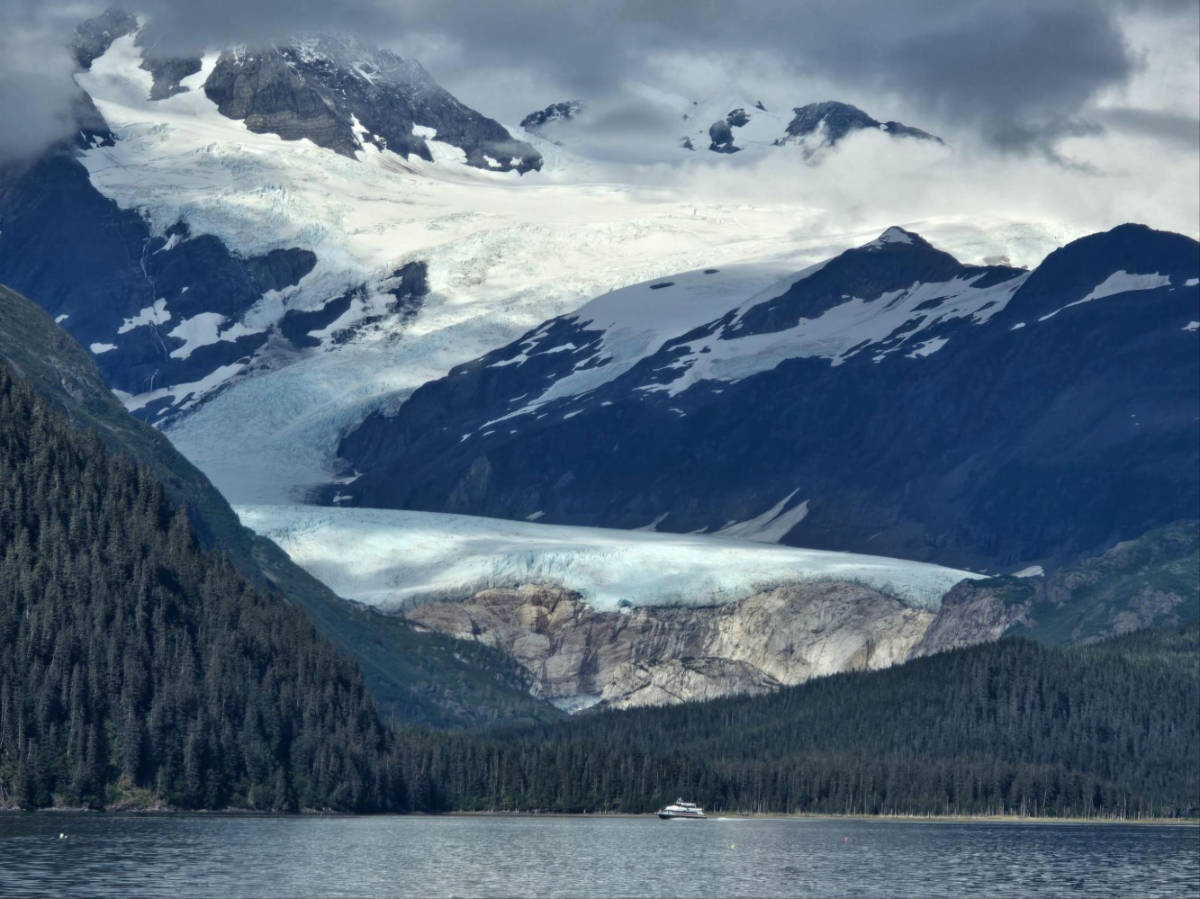
Prince William Sound has more tidewater glaciers than anywhere else in Alaska. It’s one of the best places for catching a glimpse of a glacier “calving” into the sea. Calving is when chunks of ice break off from the glacier, becoming icebergs.
One can still see a wide variety of wildlife here, such as humpback whales, orcas, and puffins. The towns of Whittier and Valdez serve as the best hubs for exploring this area.
Whittier
One of the most one-of-a-kind places in the world.
There are many unique places in Alaska, but none are quite like Whittier. This tiny town of just over 250 people has an unexpected twist: All the locals live in one apartment building!
Besides this peculiar living arrangement, there are breathtaking views, world-class fishing, and winding hiking trails here. Oh, and in order to get to Whittier, you need to either take a ferry, cruise ship, or drive through the longest highway tunnel in North America! The Anton Anderson Memorial Tunnel spans 2.5 miles, connecting Whittier with Alaska’s road system.
I’d suggest just making a day trip of a visit to Whittier. There are very few options for overnight lodging and Anchorage is just over an hour away.
Valdez
The best place for in-depth exploration of Prince William Sound and more.
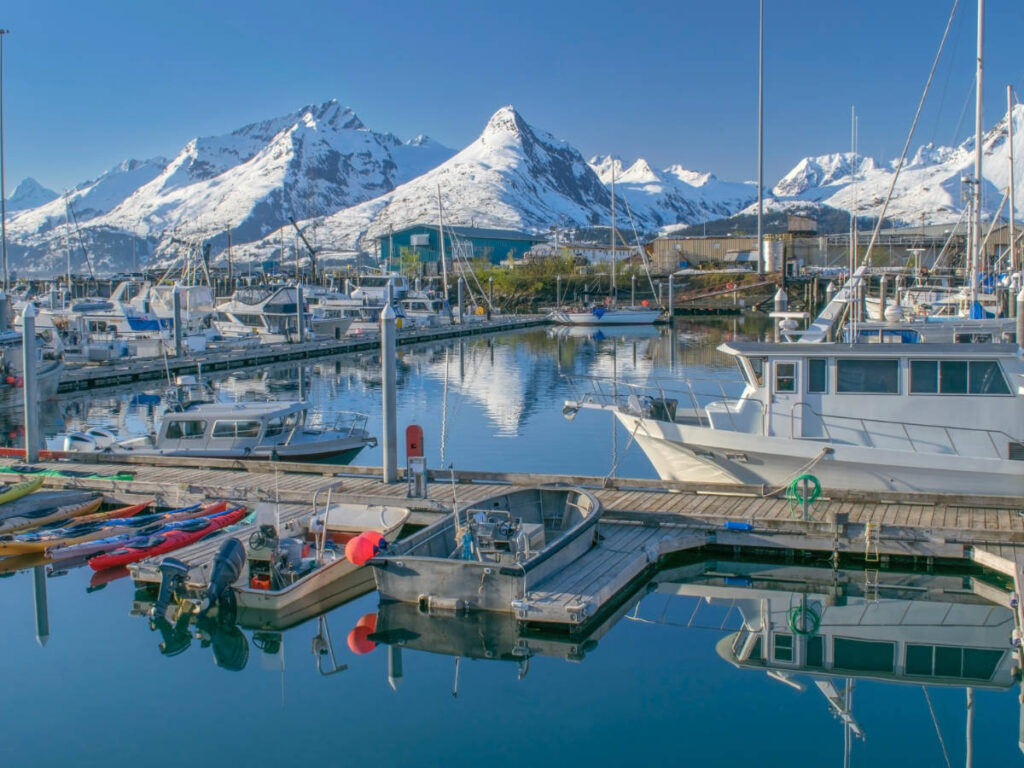
Valdez is another tiny Alaskan town that is big on beauty and charm. The local scenery is so stunning that the town earned the nickname of “Little Switzerland.” Like its namesake, Valdez is a great place for outdoor activities. It’s also a great place to stay if you want to explore Wrangell-St. Elias National Park.
Valdez is home to one of Alaska’s most important ports, being the southern terminus of the Trans-Alaskan Pipeline. Glacier cruises and fishing charters depart from the harbor here. The area is also famous for being at the epicenter of the notorious 1964 Good Friday earthquake that registered a whopping 9.2 on the Richter scale!
Homer
Visit this cozy, quirky small town on the Kenai Peninsula.

📍 Google Maps | 👉 Browse Homer Hotels on Booking
This scenic small town is one of the best saltwater fishing destinations in Alaska. If you’re looking to snag halibut or other deep-sea denizens, look up a local charter. They know the best secret spots! You can also take an airboat tour of the majestic Kachemak Bay if fishing’s not your thing.
You can’t visit Homer without stopping at the Homer Spit, a long, narrow strip of land jutting out into the bay. Here, you can find artsy gift shops, restaurants, hotels, and bars aplenty. Homer’s ferry terminal sits at the end of the strip, connecting Homer with other towns in the area.
Kodiak Island
Alaska’s Emerald Isle abounds with hiking trails and Alaskan wildlife.

📍 Google Maps | 👉 Browse Kodiak Island Hotels on Booking
This island in southern Alaska is a real gem with several great places to stay. It’s famous for its Kodiak brown bears, which are the largest species of bears. Seeing the sea lions lounging about at the Near Island docks is another one of the most popular activities in Kodiak — maybe these were the inspiration for Jabba the Hutt?
Visit the Kodiak Historical Museum to learn about the Native Alaskan, Russian, and Scandinavian heritage of the town. Fort Abercrombie State Park offers extensive hiking trails in a tranquil forest setting. You can also see remnants of World War II bunkers and look-out stations along the cliffs here.
Kodiak National Wildlife Refuge on the southern end of Kodiak Island preserves the habitat of the island’s famous bears. The easiest way to reach the park is by charter plane.
👉 What’s in a name? Grizzlies and brown bears are the same species. Grizzly denotes the bears living inland. Rich food is more plentiful in the coastal areas, which helps these “ordinary” brown bears bulk up more than their landlocked cousins.
Katmai National Park
The Mount St. Helens of Alaska is great for wildlife viewing.

Katmai National Park sits across the sea to the northwest of Kodiak Island. The area gained notoriety in 1912 from the largest volcanic eruption in the 20th century (according to the US Geological Survey). This resulted in the otherworldly Valley of 10,000 Smokes, which was shaped by the ashfall and seismic fallout.
Katmai National Park is also one of the best places to visit in Alaska if you want to get a close-up (but not too close!) look at brown bears. Consider staying at Brooks Camp to explore the area.
Wrangell-St. Elias National Park
America’s largest national park boasts 9 of America’s 16 tallest peaks and an abandoned mine.

📍 Google Maps | 👉 Browse Hotels near Wrangell-St.Elias on Booking
At 13.2 million acres, Wrangell-St. Elias National Park is the largest of America’s national parks. Three mountain ranges converge here, overlooking vast valleys covered by evergreen forests and punctuated by crystal lakes and rivers.
Wilderness trekking is one of the most popular activities here, and there’s no shortage of wilderness to be trekked! A drive from Anchorage takes about 5 hours. This makes it much more accessible than some of Alaska’s other wild places.
Lodging in and around the park is limited to a handful of B&Bs, which are cozy and well-rated by travelers. But your best bet may be to stay in nearby Valdez, where there are a few more options, attractions, and conveniences.
Kennecott Mines National Historical Landmark
Visit Alaska’s most famous ghost town.

Wrangell-St. Elias National Park also has a man-made attraction: the Kennecott Mines. A mining town sprang up here after the discovery of copper in 1900. The copper boom lasted until 1938, when the copper veins finally ran out. A few of the buildings act as a museum, preserving the history of this lonely mining outpost.
Gates of the Arctic National Park and Preserve
“Epic” is an understatement in this remote national park.

Due to its remote location and austere climate, this park is among the least visited of America’s national parks. Spanning 7.5 million acres, it’s also the second-largest national park in the country. Come here if you want to feel the absolute grandeur of Alaska’s remote northern nature.
The park lies well above the Arctic Circle. As such, it starts seeing sub-zero temperatures as early as mid-August. The National Park Service recommends mid-summer as the best time to visit the park. Temperatures warm up in May, but this is the “break-up” season, and the rivers are impassable because of ice flows.
Chena Hot Springs
Take a dip in these natural hot springs outside Fairbanks.

📍 Google Maps | 👉 Book a Stay at Chena Hot Springs Resort
The best months to see the northern lights are in the winter when it’s quite cold outside. A great way to beat the chill or pass the daylight hours is to take a dip in the waters of Chena Hot Springs Resort.
If, on the flip side, you’d like to chill a little in the summer, the grounds of the resort have a year-round ice museum. Other hot springs lie scattered throughout the rest of the state, but Chena Hot Springs is the easiest hot spring to get to in Alaska.
Utqiagvik (formerly Barrow)
America’s northernmost town offers the longest days and nights in the country.

One of the common myths about Alaska is that it stays dark all the time in winter. That doesn’t apply to most of the state, but up here on the shores of the Arctic, it has a ring of truth. “The longest night” lasts from late November to late January here.
On the flip side, midsummer sees a full 24 hours of daylight. This makes Utqiavigvik the place to be if you want to see those legendary long nights and days.
You may even see polar bears wandering around the outskirts (or streets!) of the town. Be warned, though, they will track humans, and it’s part of local law enforcement’s job to keep the bears at bay. The Inupiat Heritage Center preserves the heritage of the local Inupiat people who have braved this remote land for centuries.
The Alaska Highway
Take an epic road trip to or from the Lower 48 on this highway.
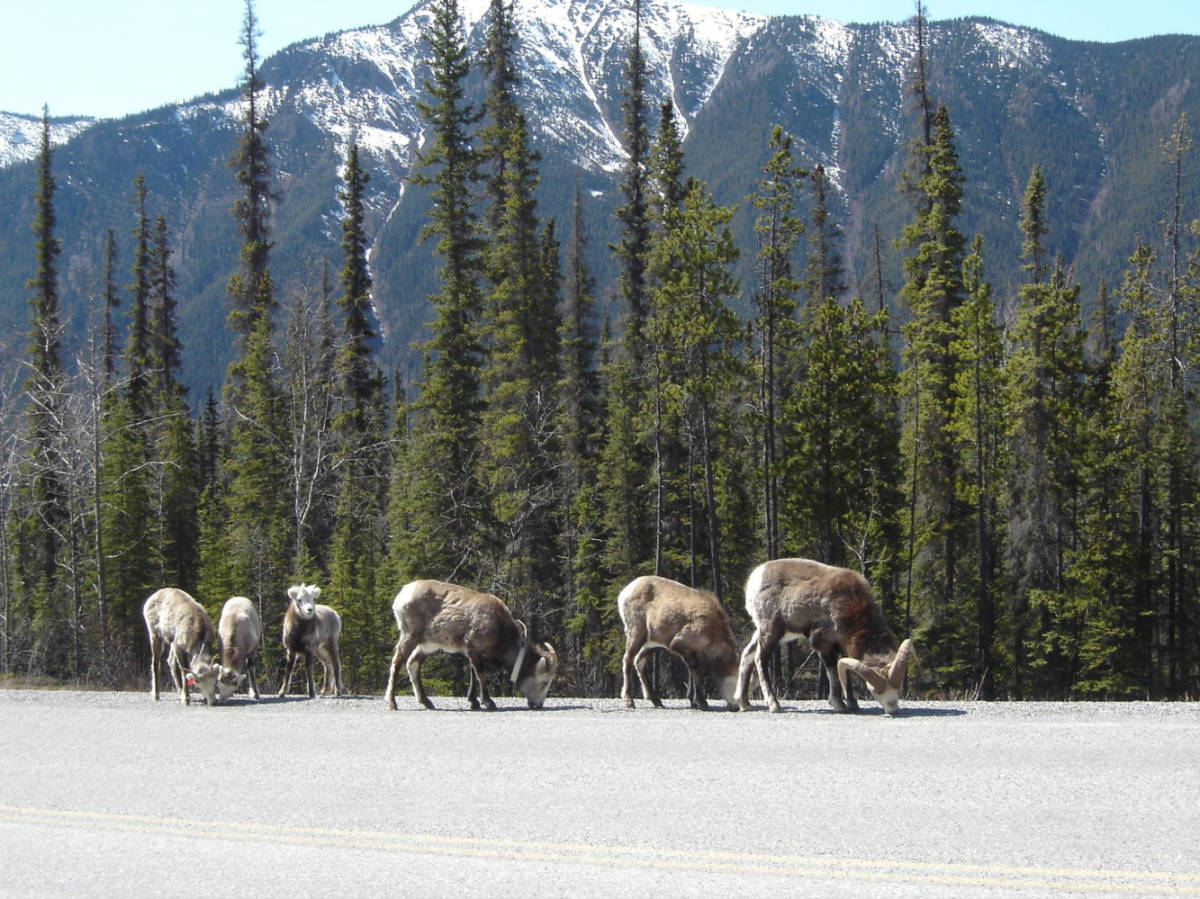
The Alaska Highway has a fascinating history. It was carved through miles upon miles of mostly uninhabited wilderness during World War II to speed up shipping and transportation to the Soviet Union. Today, travelers can retrace this epic feat of engineering.
Tiny towns lie scattered along the road, offering lodging, refreshments, and gas. However, gas stations are few and far between on the Alaska Highway, so it never hurts to fill up whenever you reach one. Warning signs announce the longest stretches with no services.
Chances are good that you will see several species of Alaskan wildlife on your drive down the “Al-Can.” In my journeys up and down the Alaska Highway, I’ve seen black bears, moose, porcupines, coyotes, mountain goats, and much more! Be aware that in the summer months, if you see nothing else, you will see mosquitoes — lots of mosquitoes — so come prepared.
Skagway
Step back in time to the height of Alaska’s gold rush days.

📍 Google Maps | 👉 Browse Skagway Hotels on Booking
This small town in southeast Alaska is a gold mine (pun intended) for anyone interested in Alaska’s gold rush. The historic district has more than 100 buildings dating to that era.
The Skagway Museum preserves a motherlode of information on early Alaskan frontier days. You can also hike along the Chilkoot Trail, retracing the steps that thousands of prospectors took in search of gold. Another fantastic option is to take the train up this pass and cross into Canada. You will need to bring your passport, even if you’re just visiting for a few hours.
👉 Pro Tip: When booking a stay in Skagway, double-check the map. Many platforms also offer options in nearby Haines. However, the two aren’t connected — unless you want to drive several hours up and around through Canada!
Juneau
Stroll the streets of Alaska’s state capitol or take a tramway to view them from above.
📍 Google Maps | 👉 Book Juneau Hotels on Booking
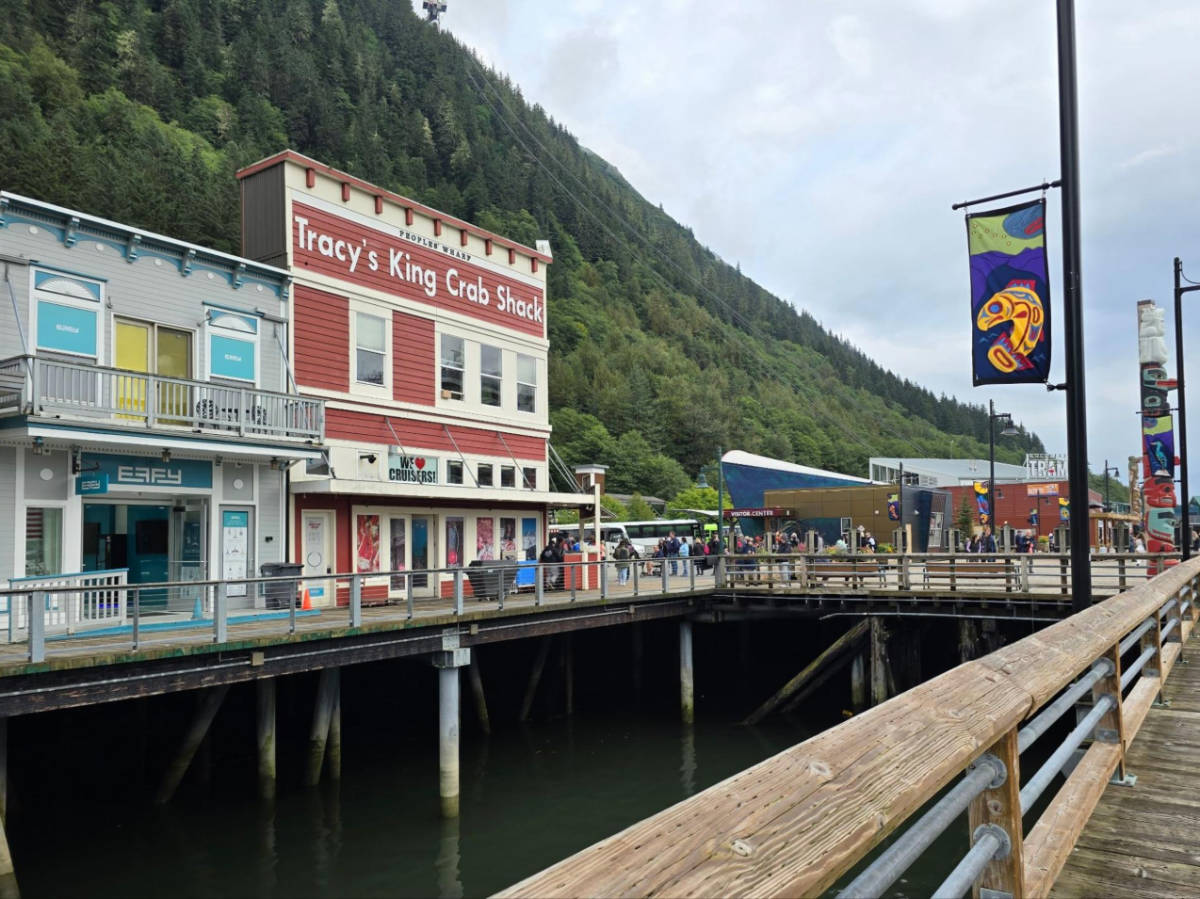
Juneau is the best hub for exploring southeastern Alaska. The state’s third-largest city has plenty of shopping, dining, and lodging options. If you want to get a great view of Juneau, take the Goldbelt Mount Roberts Tramway to the top of Mount Roberts. If you’re looking for hiking trails, the Juneau area has over 60 to choose from!
Visit the Tracy Arm Fjord to see a fine example of the impressive natural beauty of the region. To learn about Juenau’s gold rush days, visit the AJ Mill and Gastineau Mine. Juneau also serves as a great jumping-off point for exploring the Mendenhall Glacier. Get planning with our guide to the best things to do in Juneau.
Mendenhall Glacier and Nugget Falls
Just north of Juneau, a spectacular glacier and waterfall duo plunge into the sea.
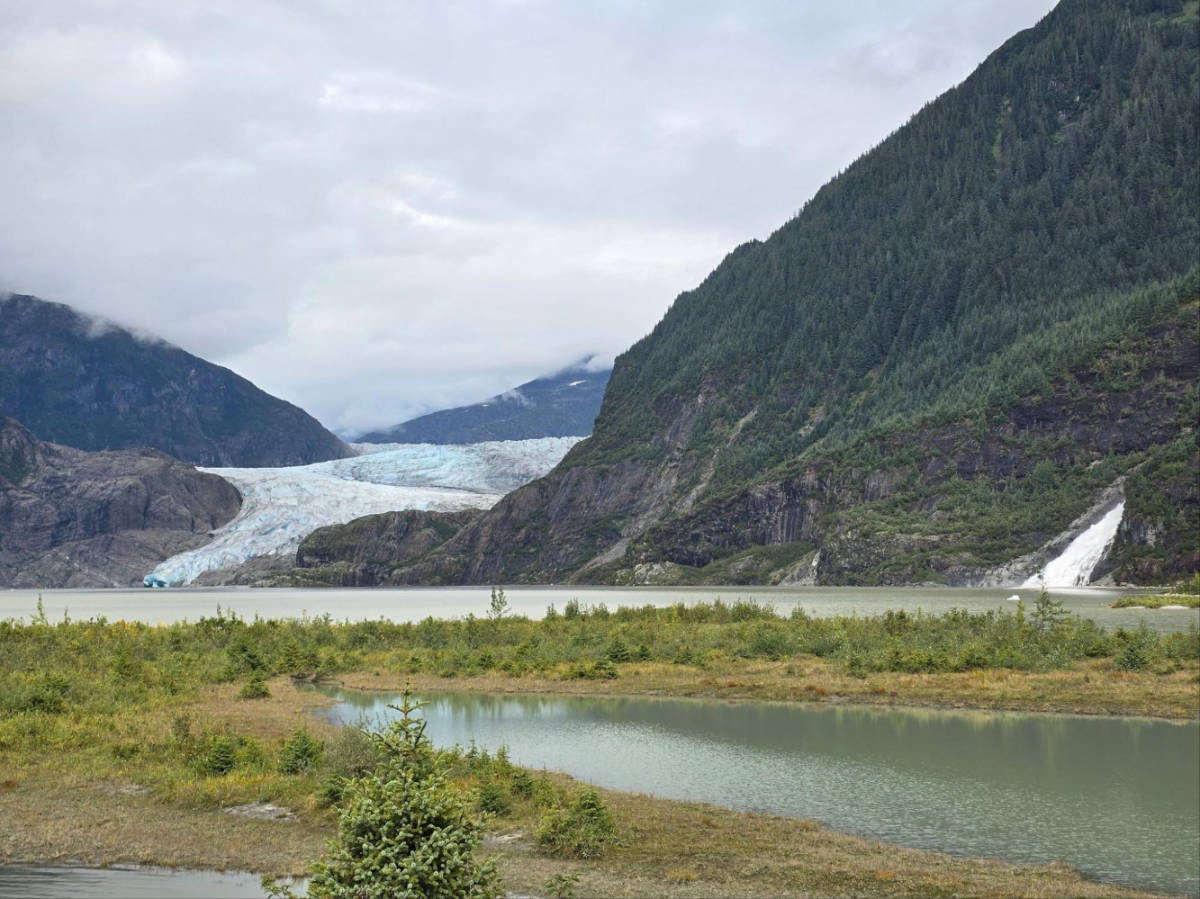
Mendenhall Glacier lies 12 miles north of Juneau and is one of the most popular attractions in Alaska. The gargantuan glacier gets its vivid blue color from how light refracts off the unique structure of its ice crystals. The visitor center offers a wealth of scientific information about the glacier, as well as several viewing platforms.
You can also take in the majestic Nugget Falls plummeting from the mountains above. This cascade differs from many other famous falls because it looks like the water is falling at an angle. On a warm summer day, the spray from the falls is especially refreshing.
Inside Passage
One of the best places to see southern Alaska’s natural beauty.

Hundreds of densely wooded islands rise out of the sheltered waters at the Inside Passage. Whales, bald eagles, and all kinds of wildlife abound. The climate is mild most of the year, too.
Whatever your travel style, the Inside Passage has plenty to see. You can take it all in from the deck of a cruise ship. You could also take a ride on Alaska’s Marine Highway System. Tickets for a several-day journey are more expensive than some cruises and much less luxurious. But in exchange, you will get a much more authentic, local experience.
The ferries are also better for meeting other adventure travelers. Speaking of which, you can also kayak between the islands and go backcountry camping.
💰 Ways to Save: Instead of booking a cabin, pitch a tent on the solarium deck. Or, just bring a sleeping bag and pad to “camp out” in the covered part of the solarium or the larger seating areas. I’ve done this on most of my ferry trips.
Sitka
Delve into Alaskan history in what was once “the Paris of the Pacific.”

📍 Google Maps | 👉 Browse Sitka Hotels on Booking
Sitka is one of the most history-rich cities in Alaska. The town served as the capital of the Russian colonies in America before the U.S. bought Alaska from Russia. Sitka celebrates October 18, the day of the sale, with a special gusto. Historical re-enactments, parades, a period costume ball, and much more mark the festive day.
Situated in southeastern Alaska, the climate here stays mild (for Alaska) year-round. At the Alaska Raptor Center, you can learn all about the state’s birds of prey. Sitka’s Fortress of the Bear provides a similar experience to Alaska’s brown bears. This is a great alternative for anyone nervous about the more “up-close” bear-viewing tours in places like Katmai.
Ketchikan
Visit the salmon capital of the world.

📍 Google Maps | 👉 Browse Ketchikan Hotels on Booking
Ketchikan is famous for the totem poles that keep silent watch over the lush forests outside the city. Ketchikan’s Totem Heritage Center and the Totem Bight State Historical Park offer a wealth of information on the totems and the people who built them.
If you’re itching for fishing, Ketchikan offers several charter-fishing opportunities. The historic Creek Street area in downtown teems with gift shops and restaurants. Other highlights of the area include the Alaska Rainforest Sanctuary and the Misty Fjords National Monument.
***
Though this guide is just the tip of the iceberg, I hope you have gotten some valuable insights into these fantastic destinations! See our Alaska packing list next to further plan for your trip.

you forgot Valdez, we love the Valdez trip.
Valdez will be covered in a future post! Expect to see it in the next few days!