
Affiliate Ad Disclosure: We’re reader-supported. When you buy via our links, we earn commissions. Learn more.
I definitely look like a tourist when I travel. I don’t care.

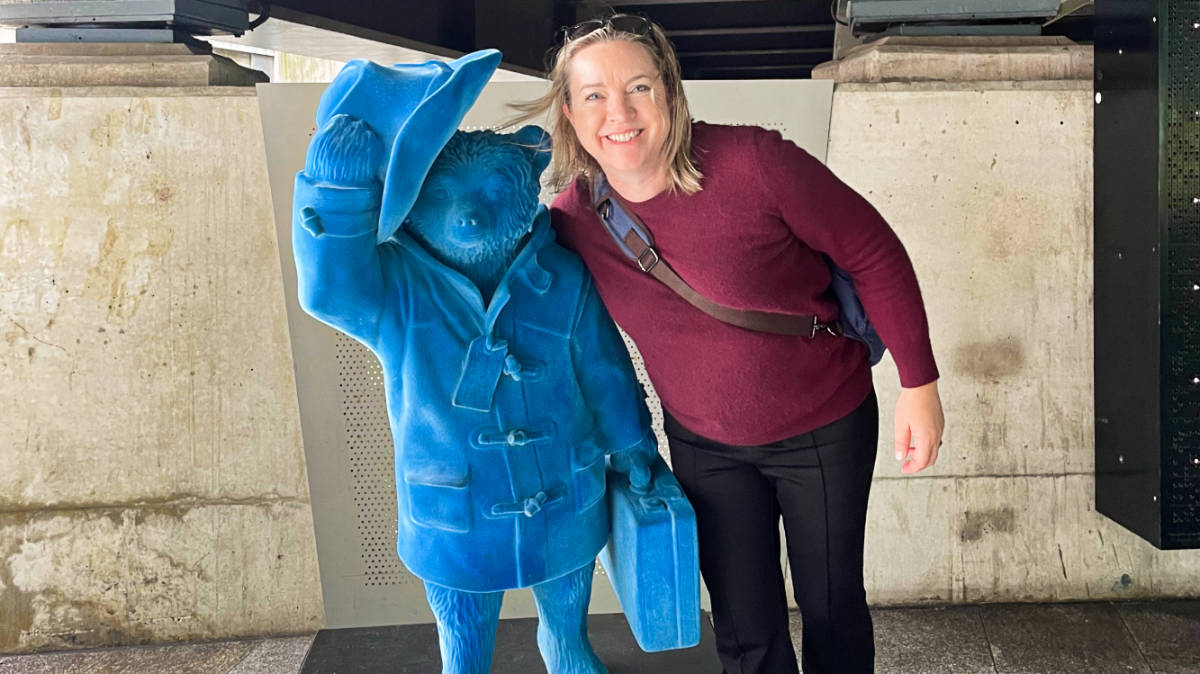
I recently returned from a fantastic trip to London and Iceland. My husband and I spent several months researching what we wanted to do and where we wanted to stay on our trip.
As I read travel sites and watched YouTube vlogs, one topic kept popping up: How to not stand out as an American while abroad.
But that got me thinking…
Why is it so bad to look like a tourist anyway?
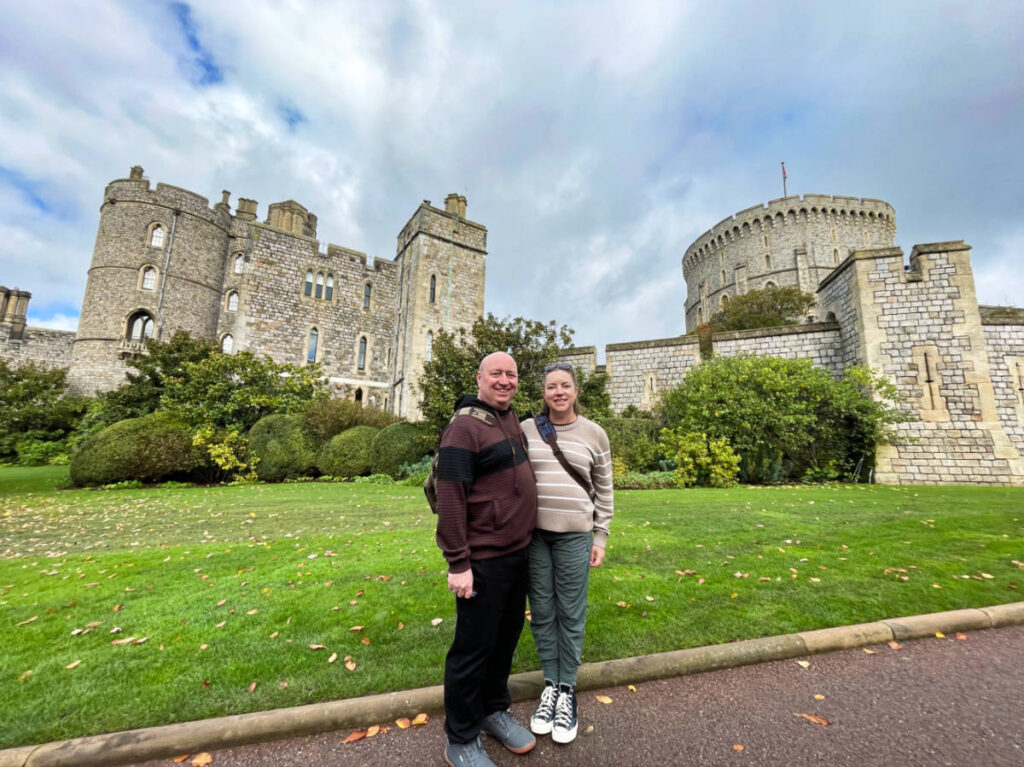
At first, I was intrigued by these articles. I didn’t want to stand out! I wanted to look like a local, like I knew what I was doing around town.
But as I spent more time reading these articles, two things happened:
1) I got exhausted. There were so many rules.
There were long lists of things I was and wasn’t supposed to wear. I was supposed to smile less — first time I’ve heard that! I was supposed to check my habit of leaning on stuff. And… I was supposed to give up my athletic pants. In some fashionable areas, maybe even my comfy shoes?
Along with a new wardrobe, I was going to need to carry a checklist of these rules to consult so I didn’t forget them, making me even more conspicuous.
2) I started getting defensive. What’s so wrong with looking like a tourist anyway?
I’m not going to a business meeting. I’m visiting castles and waterfalls and maybe stopping in at a pub. Most of those places contain lots of tourists!
I saw my fellow travelers wearing everything from jeans to athletic pants. In warmer weather, I suspect I would have seen my fair share of cargo shorts. Does clothing really give away a tourist vs. a traveler vs. a local? Is it possible those articles are a little outdated?
I got annoyed at myself for spending mental energy on something that ultimately didn’t matter. And then I stopped worrying about it.
When people visit my hometown, I’m delighted and flattered.
I began to think about my own attitudes towards tourists when they visit Denver. When I see people visiting the place I live, I’m thrilled. My city is awesome! How clever of you to realize that and plan a trip here!
It reminds me anew that I’m lucky enough to live in a place that people will save up for months to visit. I get to wake up here every morning.
I hope locals who see me wandering helplessly around unfamiliar cities feel the same way. I hope they know I’m fascinated by where they live and what they do and how everything works in their enchanting towns.
And if we all think like that, why try and mask the fact that I’m not a local?
Of course, acting like a tourist doesn’t mean being a jerk.

There’s a big difference between looking a little goofy and out of place, and ignoring a region’s important cultural or religious practices.
I would always wear a head covering and adhere to dress codes in a religious space that required them, for example. I looked up information on gestures that might be considered offensive outside the U.S. I researched whether tipping was a common practice in the countries I visited.
People who criticize — even jokingly — another region’s food, music, or other attributes are not simply standing out as tourists. They’re being rude and horrible.
Along those lines, there was one thing that articles warned against that I tried to keep in check: More than once, people said Americans can be loud or lacking in self-awareness.
Those seem like habits to watch because they’re not just different. They actually affect people around us and make them uncomfortable or keep them from enjoying themselves.
I worry that trying not to look like a tourist can keep us from being vulnerable and curious.
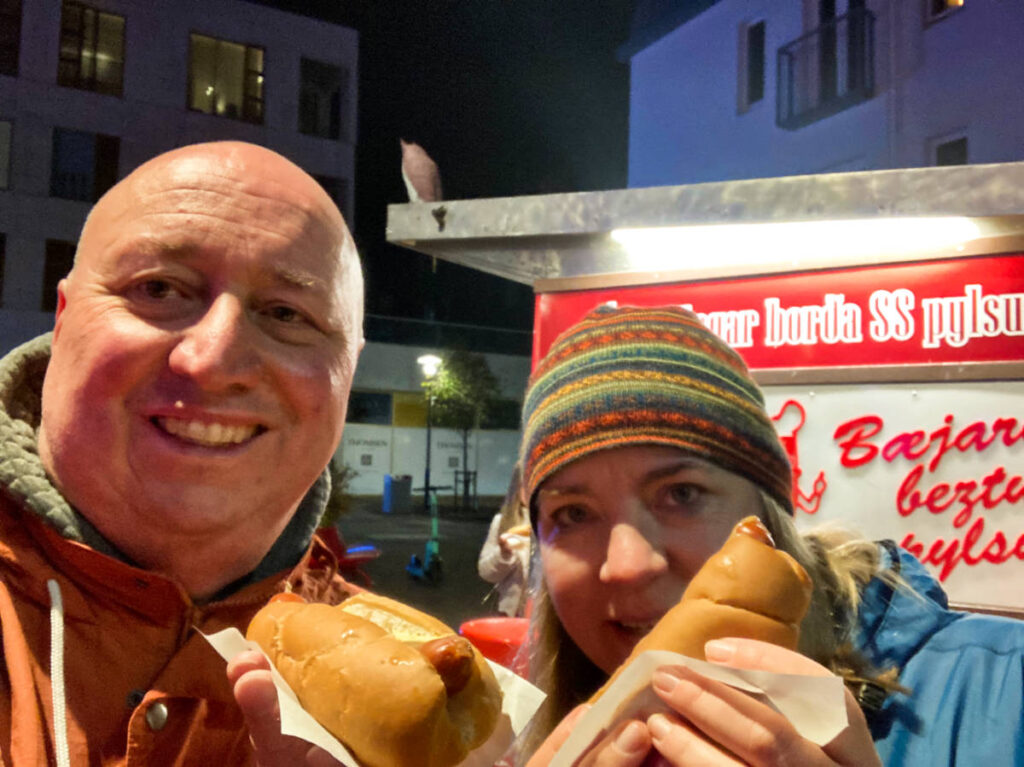
I don’t want to try so hard to look like a local that I don’t ask for help when I need it.
I’m not a suave traveler. I look lost 90% of the time. I am lost 90% of the time. I’m probably going to need some help while abroad, especially if I’m traveling without my partner. And I don’t want to be afraid to ask for it.
Also, admitting that we’re new to a place and asking for suggestions on where to go or what to do can lead to fun, novel experiences when traveling.
I’ve gotten advice on things to see (or skip!), what to eat, bars to visit, and other attractions to check out from people who live in the area. After all, locals know best — and it’s why most Travel Lemming guides are written by locals.
Almost no one knows a destination as well as someone who lives there, and I don’t want to be so proud that I won’t listen to their advice. I’d miss some cool stuff! I’d also miss a chance to meet people with different experiences, which is one of the best parts of traveling.
I also enjoy talking with people about my life as an American. I hope I can be a good representative of this country when I’m abroad. Just as I’m learning about life in other areas, I hope I can help those I meet learn about life in the U.S.
One other thing concerns me: It seems like a quick jump from not wanting to stand out as a tourist to judging others who do.
Being preoccupied with not standing out could easily lead to me feeling superior.
Lots of us humans are susceptible to criticizing people who haven’t adapted as quickly or as well to something as we have. I want to be open and accepting, not judgmental of someone who’s just trying to have their own nice trip.
I also want to meet these fellow travelers and hear their stories. Along with the locals I encounter in new places, travelers have their own experiences to share.
***
I hope to continue traveling for a long time. I’m sure that on some of those trips, I’ll blend in with locals (until I open my mouth, at least). On other trips, I’ll stand out like a ridiculous American tourist.
I hope that no matter what type of traveler I become, I’ll keep an open mind and be eager to learn something new. And I hope that I’ll continue to be met with the funny, understanding, insightful types of people that have so far characterized my trips. I’m certain I will.
More Latest PERSPECTIVES


As an African American, there is NO way I can go anywhere that is not some parts of Africa and the Caribbean and not obviously been seen as a tourist, so I get it. My focus is on dressing appropriately, (not disrespectful of cultural mores), not being targeted for crime, comfort, having what I need with me, and a certain amount of personal style. But clearly if I’m in a cold place and everyone is used to it but me, I’m going to be warm. I do leave message T shirts at home and heels, unless I have some gala event, and even then they may be kitten heels or a stylish flat. But I do research colors – like colors normally worn in mourning, or funerals, or if I need headcoverings particularly in Muslim countries, or if entering religious places in Italy. Overall, I agree with your article. Being polite and respectful and appreciating the opportunity to learn something new is the best way to be a tourist.
That’s a very thoughtful way to approach dressing while you travel! I like your point about leaving message T-shirts at home and researching colors that might be symbolic in another culture. There are so many aspects to how we dress that I didn’t consider until I began traveling to other places.