
Affiliate Ad Disclosure: We’re reader-supported. When you buy via our links, we earn commissions. Learn more.
My Thoughts on the “Traveler” vs. “Tourist” Debate


Picture two people—
One is a young, 20 to 30-something wearing a huge backpack. They’re outfitted with outdoorsy, almost bohemian clothing from head to toe—hiking shoes and earthy tones. There might even be a subtle layer of dirt covering their belongings. They stay in hostels, eat street food, and have carefree energy that leads them off the beaten path.
This is the image most people associate with a “traveler.”
Now imagine an older individual wearing cargo shorts and a money belt. This person wears a headphone set and follows a guide up ahead, walking with the pack that is their tour group. They stay in hotels and rarely stray from their itinerary. To them, traveling means having a plan to maximize their experience and minimize any hassle.
This is what most people associate with a “tourist.”
There’s a sprinkle of truth in both of these made-up characters. However, I don’t think the traveler vs. tourist distinction is quite that simple.
What’s the Difference Between a Traveler and a Tourist?

By definition, a traveler is “one that travels” and a tourist is “one that makes a tour for pleasure or culture,” according to Merriam-Webster.
These are fair enough definitions, but they leave a lot out.
I’ve done a significant amount of domestic and international travel over the last 10 years, often traveling for weeks or months at a time. My experiences have taught me a lot about travel, myself, and the world, but I’ve also learned a lot about how people travel.
Despite there being nuance to the traveler vs. tourist debate, there are a handful of undeniable habits, characteristics, and distinctions of each one.
Being A Traveler
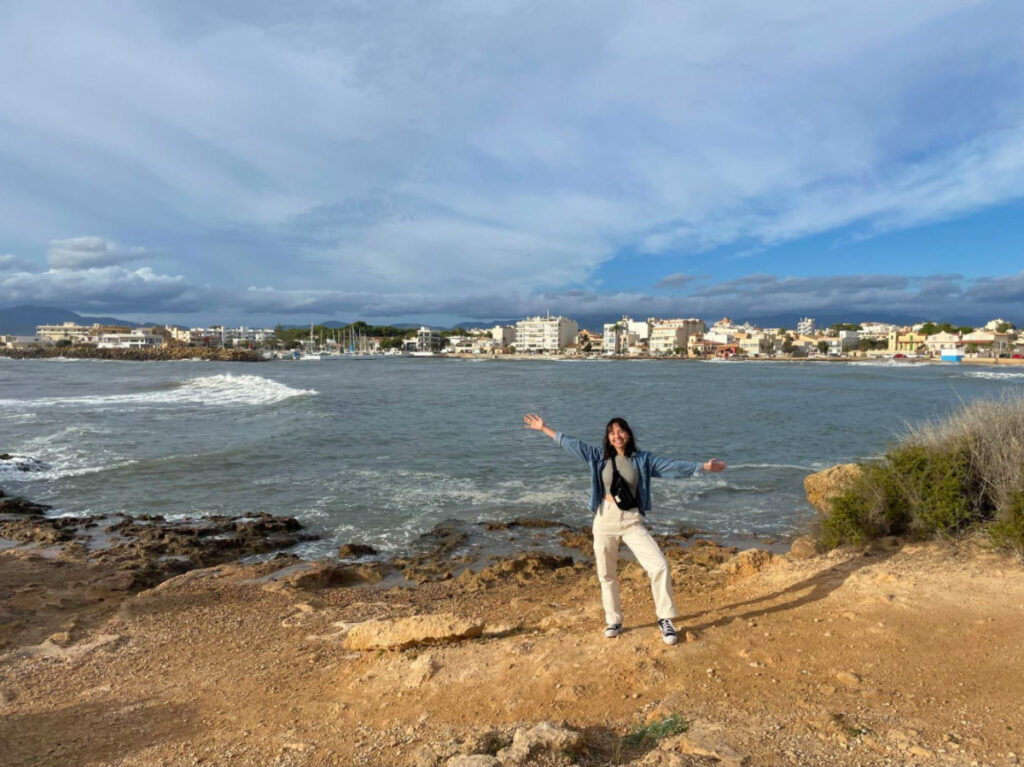
Looks, backpacks, age, and outfits aside, I believe what makes someone a true “traveler” is one’s ability to embrace what’s around them, regardless of any discomfort or unfamiliarity with another place or culture.
What does it matter if you’re living out of a backpack and staying in a hostel if you’re unwilling to talk to locals, or even stray from an itinerary?
By the same token, what does it matter if you are willing to connect with locals and other travelers, but unwilling to truly listen and cast your own assumptions aside?
A true traveler is someone who approaches a place with openness for the sake of learning, making memories, and experiencing something new. This includes everything from people to food, attractions, and more.
I’ve met people of all ages who look, dress and plan their trips differently. Yet, they all embody the same idea: to travel is to learn.
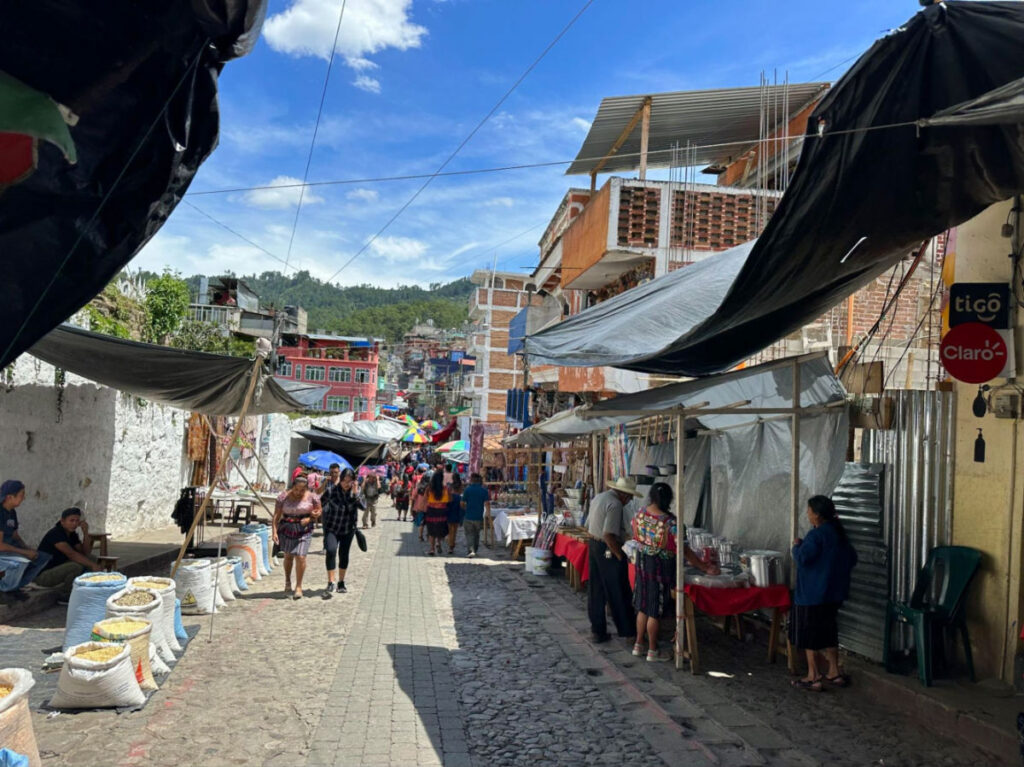
I think of this couple I met in the Philippines who, in their 70s, spent consecutive months living out of a few carry-on bags and traversing corners of the world they’d never seen before.
At one point, the husband had gotten lost in the SM Mall of Asia looking for a SIM card. But when his group found him, he said, “I wasn’t worried. I would’ve figured it out.”
I think of the girl I met in Spain from Lithuania who told me she was on her first solo trip. Although nervous, she signed herself up for dance lessons and joined a walking tour by herself, which is how we became friends. It didn’t matter that she was a newbie to solo travel—what mattered was the fact that she was open to the experience.
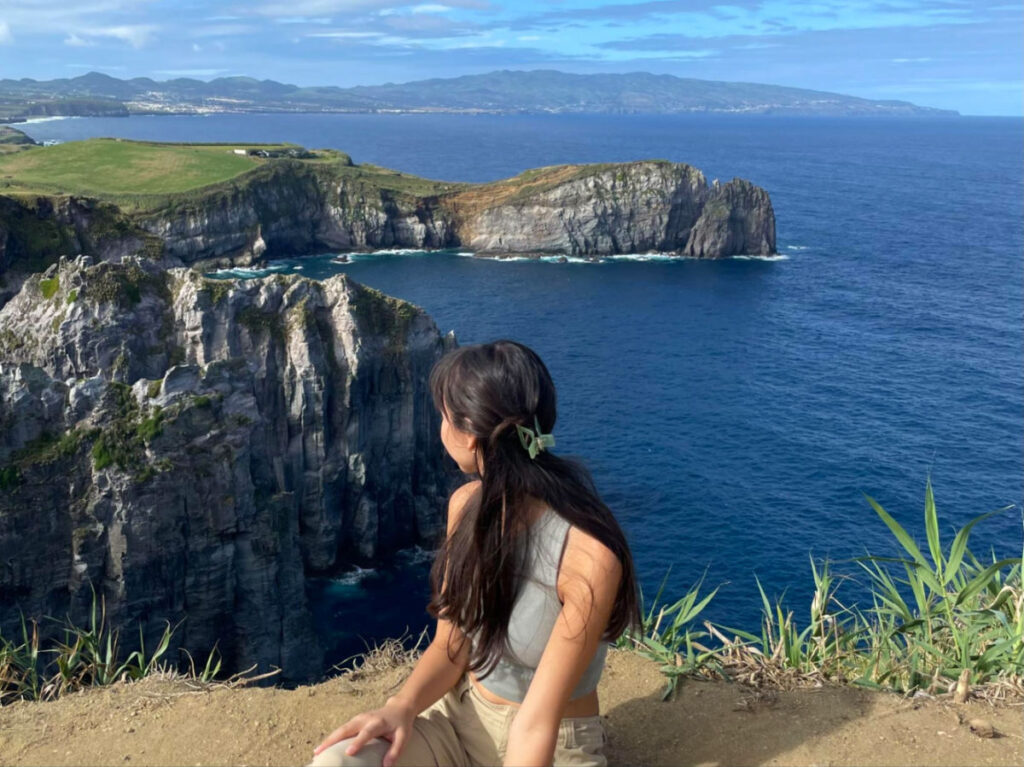
Travel is meant to push you out of your comfort zone and make you look at the world differently if you let it.
By embracing new people, things, experiences, and even your mistakes, you allow yourself to discover a place on a deeper and often more meaningful level.
I find this way of traveling feels more real. In my opinion, half the beauty and enjoyment of traveling is making memories and learning lessons that push you to grow and think in new ways.
You never know who you might meet, what you might discover, and what you might see. The unexpected can be exciting. If this sounds like a criticism of those who take a more regimented approach to travel, it’s not…
Being A Tourist
Being a “tourist” often gets a negative connotation. That’s why you hear the phrase “be a traveler, not a tourist.”
I think there’s some truth to this sentiment. However, shaming people for doing “touristy” things is a little unfair, in my opinion.
Most of us travel to see something new and just because a thing is popular and “touristy” doesn’t mean it’s not worth seeing or trying altogether at least once.


If being a “tourist” means you get to see some of the world’s most famous attractions and landmarks up close, then so be it. There is a sense of satisfaction from checking things off your bucket list.
For example, seeing the Eiffel Tower light up at night might be “touristy” but I think it would be a bigger shame to visit Paris for the first time and not see the Eiffel Tower at all. These activities are iconic for a reason.
I’ve noticed over the years that people will get defensive when they talk about doing what’s “touristy,” saying things like “I know it’s a tourist trap but…”
Never let the judgments of others stop you from experiencing what you want to see while you travel.
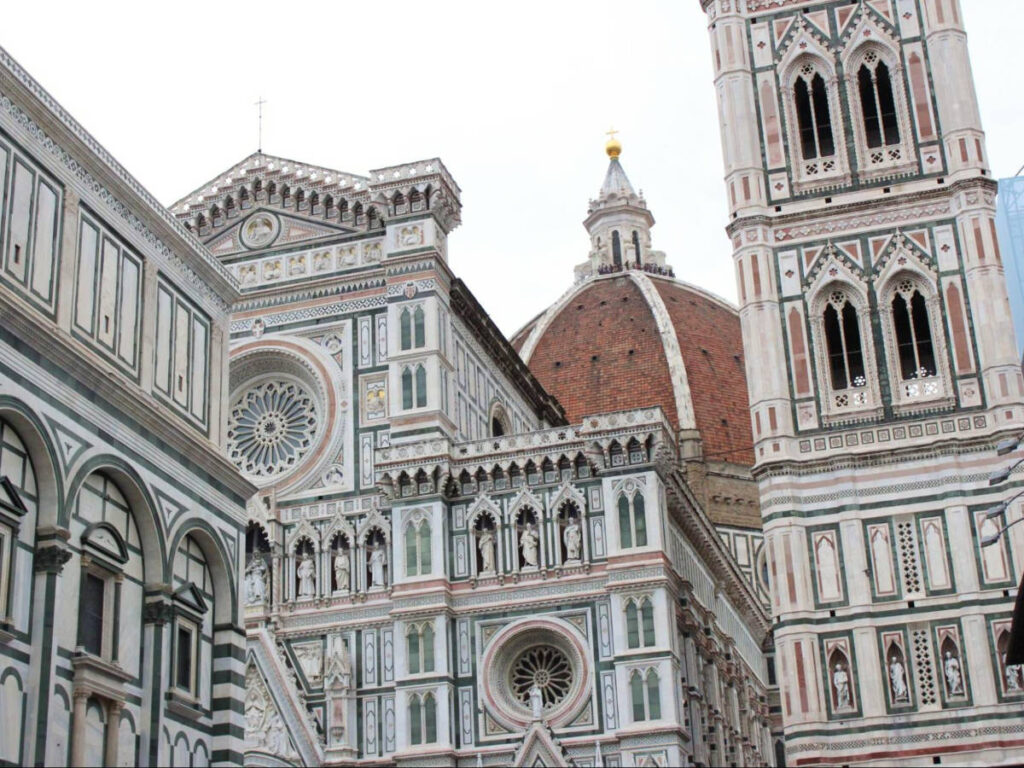
When I lived in Florence, Italy, I made a point to always walk past the famous Duomo. So many of my peers would avoid that piazza at all costs because of the crowds, but I never stopped finding Florence’s most famous landmark beautiful. It was meant to be marveled at.
Doing touristy things doesn’t make you a tourist. What makes you a “tourist” is if you are unwilling to interact with and understand locals, or explore a destination outside of your immediate surroundings and comfort zones.
As long as you are willing to try other things apart from the obvious, that’s all that matters.
Besides, anyone who travels to a different city or country is a “tourist” at the end of the day.
Do These Definitions Even Matter?

In my opinion, yes and no.
Being a traveler over a tourist matters when it comes to respecting local customs and traditions.
Oftentimes, folks (consciously or subconsciously) will project their cultural norms and assumptions on those around them when they travel, believing that how people from other cultures live their lives is strange or inherently wrong.
It boils down to expecting locals to bend to you, the outsider when you’re the person who is traveling and should be adaptable.
You wouldn’t visit a new friend’s home and immediately start behaving as if it’s yours. It’s best to practice the same level of respect when traveling. There are unspoken rules and ways of being in that place that existed long before you arrived. So, be mindful.
This isn’t to say that you can’t be yourself or that you should hide the habits that make you, you when you travel.
But it is to say that you should pay attention to your own habits, impulses, and assumptions.
Travel should make you question these things about yourself and those around you.
On the other hand, being a traveler vs a tourist doesn’t matter when it comes to simply enjoying yourself.
As a long-time traveler, I’m eager to encourage others to incorporate spontaneity and room for wandering into their itineraries. But I also realize that’s not doable for every person.
Again, if what makes you happy is sticking to a carefully planned, detailed itinerary and only seeing the top landmarks and museums, by all means, do it.
If doing things like seeing Broadway plays in New York City and “The Bean” in Chicago sound unappealing, that’s okay, too. Throw your itinerary to the wind and see what there is to discover.
At the end of the day, both travelers and tourists have achieved the part most people get stuck on anyway: actually booking the trip.
The Best Way to Travel Is to Be a Tourist and a Traveler
Don’t deny yourself the pleasure of seeing famous landmarks or attractions you’ve always dreamed of. But by the same token, don’t limit yourself to the beaten path. Veer off it. Ask for or research local recommendations, try something different, and make a few mistakes.
Travel is meant to bring you new experiences, whether that’s as simple as trying new foods, seeing new sights, or making new friends. Embrace this newness in whatever way makes sense to you. As long as you keep an open mind, you’re doing it right.
Just like this whole “traveler vs tourist” debate, travel is an inherently imperfect thing. So, why make it be? As long as you travel openly, you can be both.
***
Leave a comment with your thoughts below.
Next up, read Sky’s article to discover the type of traveler you are.
More Latest PERSPECTIVES


