
Affiliate Ad Disclosure: We’re reader-supported. When you buy via our links, we earn commissions. Learn more.
The Best Times of Year to Go to Death Valley

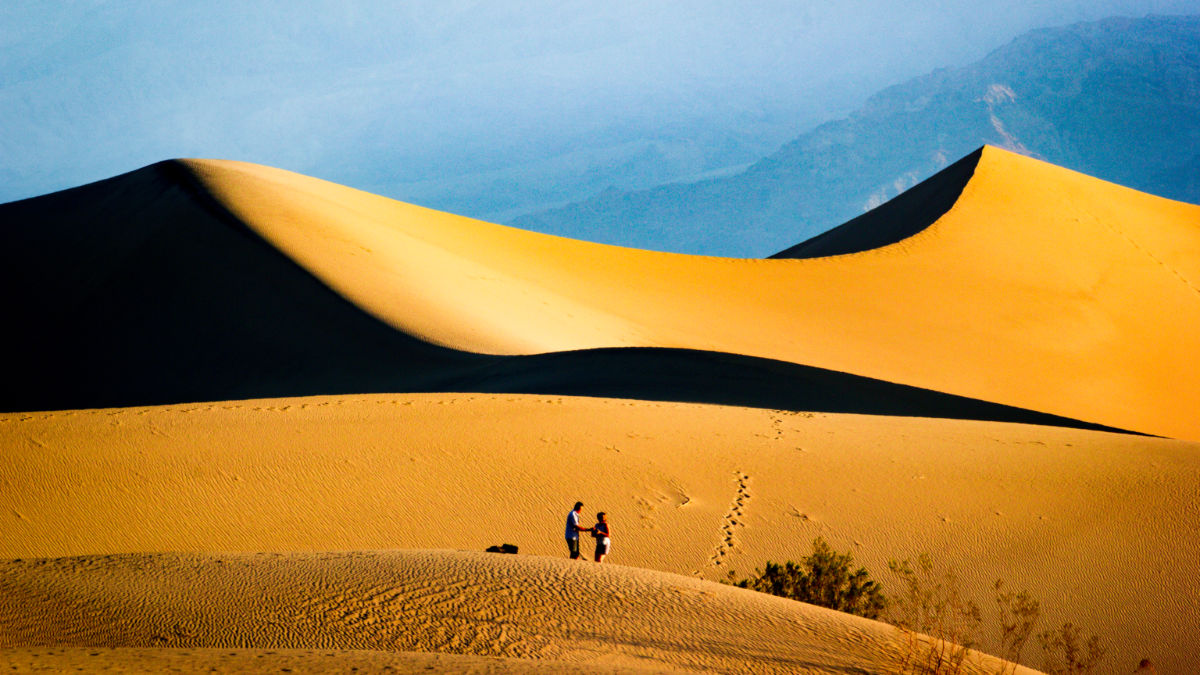
👉 Jump to: Best Time to Visit Death Valley | Travel Seasons | Weather & Climate | Tips | FAQs
The overall best time to visit Death Valley is from October to April when scorching summer temperatures have subsided and the park becomes more bearable. These are the best months to visit the desert park for hiking, camping, stargazing, and exploring the attractions.
I’m a California local who grew up only three hours from Death Valley, one of the hottest places on Earth. Hot as it may be, the beauty of the changing landscapes is undeniable.
Even George Lucas recognized the park’s potential by filming Star Wars episodes IV and VI inside the barren desertscape. Exploring the same trails as R2-D2 is impossible, however, if you visit outside of late fall, winter, or early spring.
When you choose to visit Death Valley National Park depends on a variety of factors. Let’s get right into it!
When is the Best Time of Year to Visit Death Valley?
The late winter and early spring months are the best times to visit Death Valley National Park for pleasant weather and active wildlife. This California National Park is one of the driest places in the country, yet its sweeping solitude brings over a million annual visitors.
When you visit Death Valley, it isn’t a linear choice, though. Late fall is the best time to visit for campers but spring brings prime weather for hiking.
Most people avoid Death Valley in the summer due to extreme temperatures. But this is also the best time to find budget deals.
When you visit just depends on what you want to do in the park. Here are some top considerations:
When to Visit for Good Weather
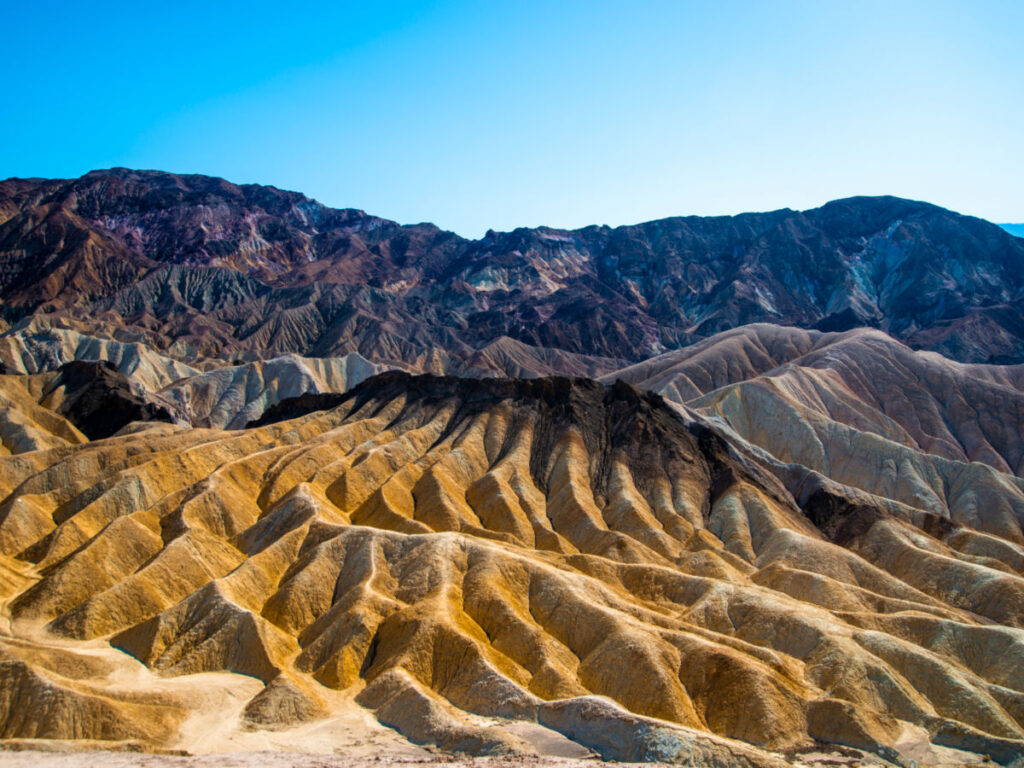
October to April brings the best weather in Death Valley National Park. Temperatures average 65-80 degrees with lows dropping considerably to 39-50 degrees. There’s a chance of precipitation in the winter, but I wouldn’t bet on it.
The Death Valley floor is relatively flat, but the surrounding Amargosa and Paramint Mountains give the national park a 3D definition. These high mountain tops promise a few degrees of cooler temps when the park is experiencing 3-digit heat.
More than 1,000 plant species decorate the Death Valley floor, a desert landscape that’s far from barren. The floor is where most of the heat is trapped in the park year-round.
You can expect hot, sweaty days at low-elevation attractions like Badwater Basin and the Mesquite Sand Dunes even in the dead of winter.
When to Visit for Cheap Prices
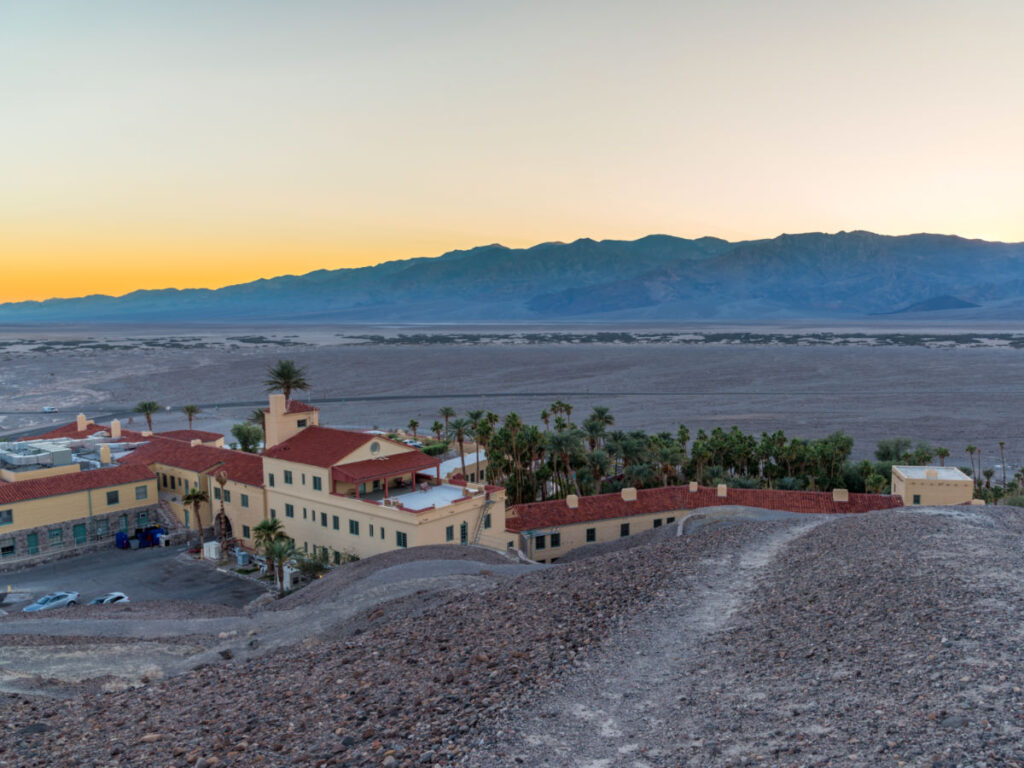
The Furnace Creek Resort, DV
The best time to visit for cheaper prices is summer (but this is far from the ideal season to visit this park). That said, Death Valley usually isn’t that expensive, even in the peak season.
Besides the $30 per car entrance fee and a $14-36 camping fee, you can experience the rest of the park on little to no budget. All of the attractions in Death Valley are free of charge, including the surrounding ghost towns.
National park restaurants may be on the more expensive side, but you can get around this by bringing your own food. The real Death Valley expenses come from park lodging. Lodges inside the park like The Inn at Death Valley and Stovepipe Wells Village Hotel average about $250 per night.
You can find cheaper prices for the in-park accommodation in the summer. What you save in pocket change, however, you’ll pay for in severe weather.
When to Visit for Stargazing
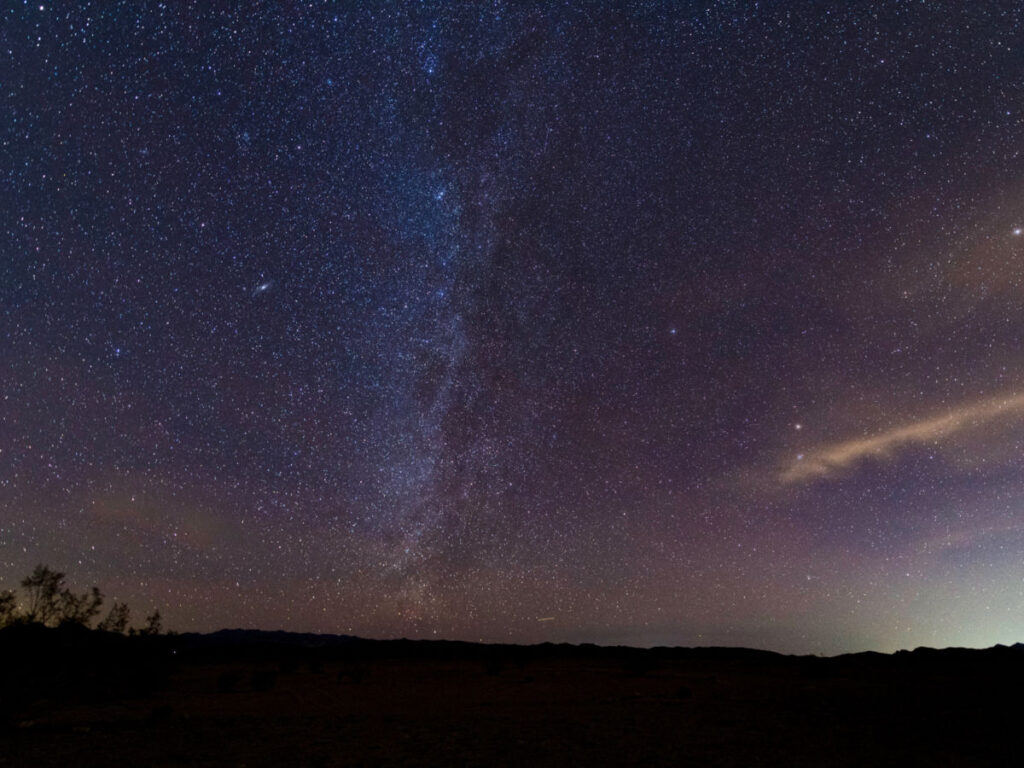
October to March are the best times to visit Death Valley for stargazing. Nights are one hour longer during this time thanks to daylight savings, meaning there’s more time to observe and photograph the astronomical amount of Death Valley stars.
Death Valley is an international dark sky park on the highest level. It’s far from cities and carefully protected to maintain its darkness. This results in night sky views unlike anywhere else in the world.
The National Park Service recommends visiting the park for stargazing during a new moon. With no light from the moon, the sky will be even darker, maximizing your long exposure shots of the Milky Way.
Death Valley even has stargazing ranger programs like moonwalks and ranger-led astronomy talks. Check the calendar for specific sky programs.
When to Visit for Families and Kids
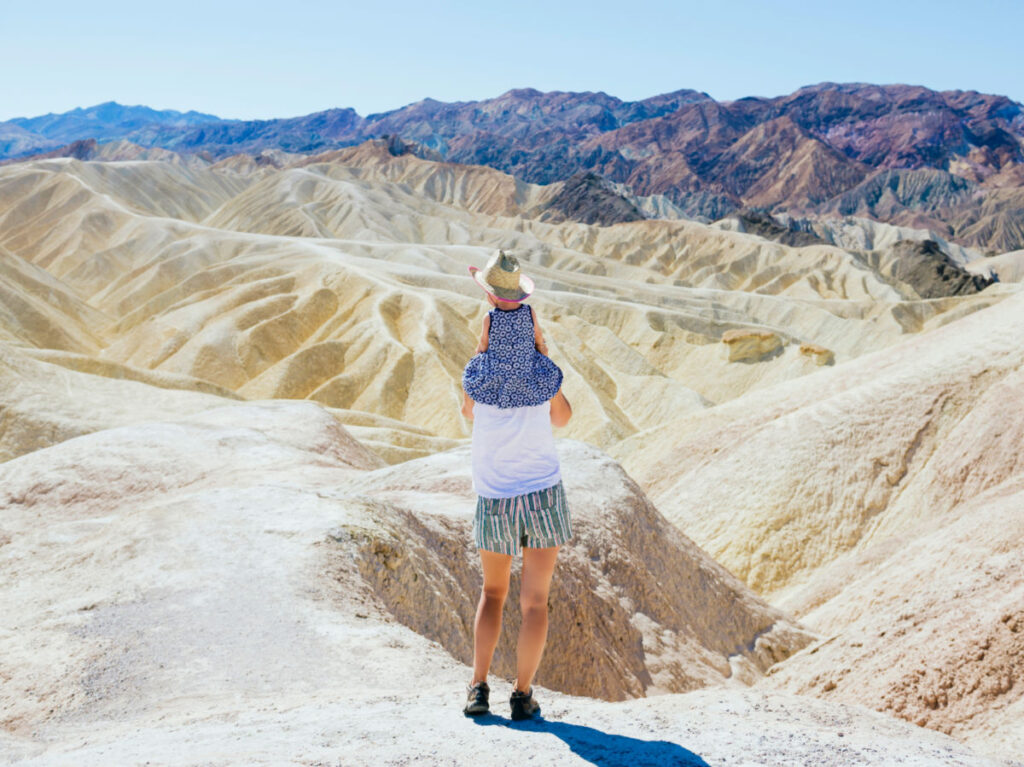
Death Valley is one of the most underrated California national parks. Contrary to its name, the park is teeming with life and activity.
The fall and spring months are the best times to visit the park for families due to good weather and fun ranger-led programs.
Families can participate in fun events like sand dune walks, ranger-led hikes, ghost town exploration, and a nighttime moonwalk with a professional ranger.
Keep in mind, however, that most campgrounds don’t open for the season until October. They often fill to capacity fairly quickly, so spring may be a slightly better time to visit the park with kids if camping is a high priority.
When to Visit to Avoid Crowds
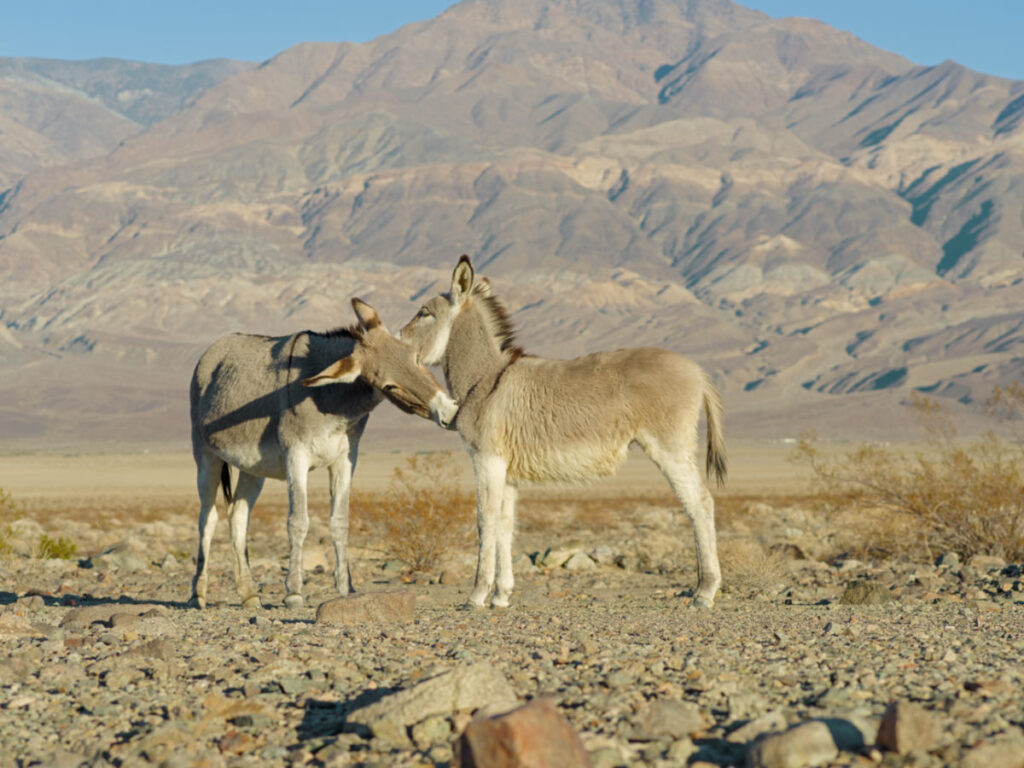
December to February is the best time to go to avoid crowds. Most of the country is busy celebrating the holidays with family or off on a tropical vacation.
Despite Death Valley’s reputation as a blistering basin, winters cool down considerably, often into the 30s at night. Additionally, Death Valley experiences snow during this time, deterring even more park visitors.
Just know you may have to alter plans because of winter conditions – I was once prevented from reaching the Charcoal Kilns trailhead in the winter due to heavy snow on the road.
Winter is the best time to experience solitude in the park. Popular attractions like Zabriskie Point and Mesquite Sand Dunes will be less crowded and more enjoyable in the winter.
When to Visit for Hiking
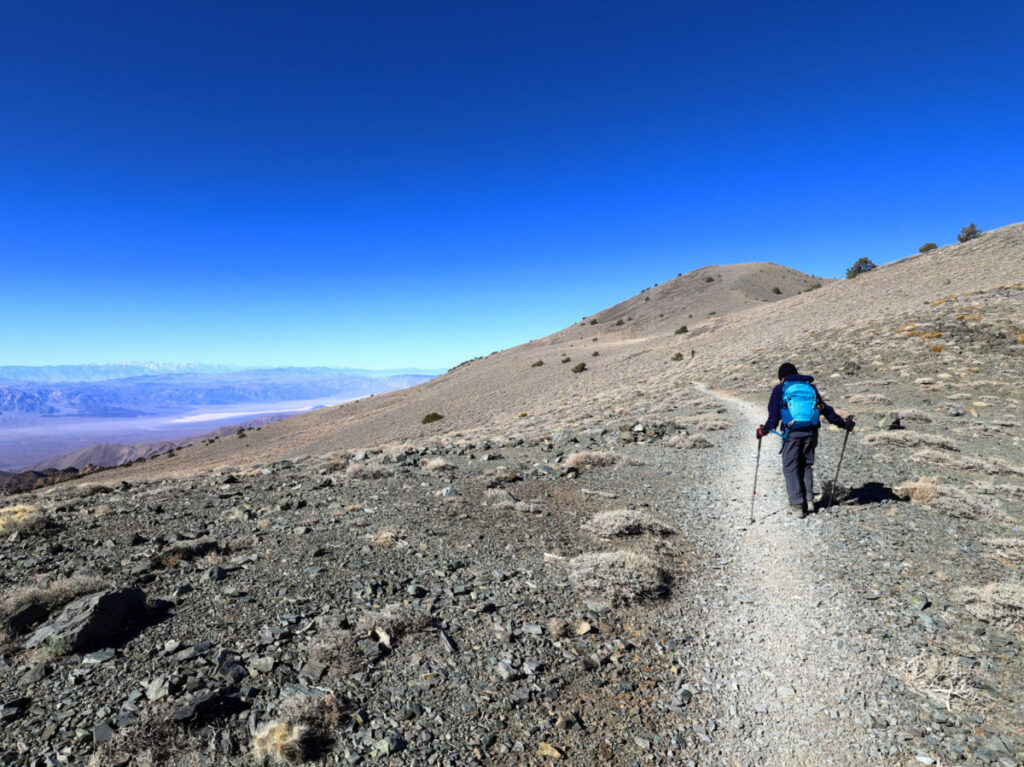
Do not, under any circumstances, attempt to hike in Death Valley during the summer. Even with the biggest sun hat and plenty of water, it’s dangerous to attempt a hike during the hottest time of the year in the hottest place in the country.
November to March is an ideal time to hit the hiking trails in Death Valley. I’ve hiked even in the dead of winter in Death Valley before and broke a sweat under the afternoon sun.
Telescope Peak, the highest peak in the park, is one of the best California hikes. It may be closed due to snow at this time, but there are still plenty of other cool trails to choose from.
Golden Canyon (6.4 miles), Mosaic Canyon Trail (3.5 miles), and the Badwater Basin Salt Flats Trail (1.9 miles) are all great hikes to tackle at this time.
When to Visit for Camping
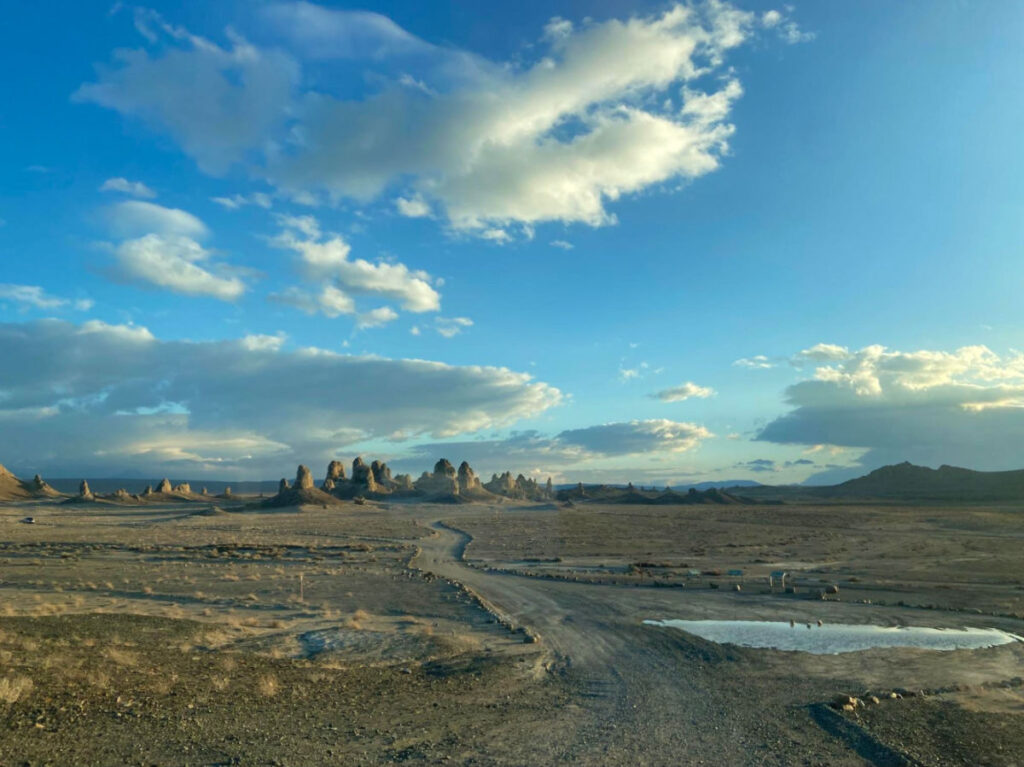
Late fall is the best season to camp in Death Valley.
There are nine developed campgrounds in Death Valley and five primitive campgrounds. There are also a few places for dispersed camping like Echo Canyon Rd and Hole in the Wall Rd.
Some developed campgrounds have restrooms and potable water but most do not. Be prepared with enough food, water, and utensils before heading out for an overnighter in the park.
One night is enough but more time spent in Death Valley is always merrier. Camping in Death Valley is the best option for optimizing daylight hours spent in the park and getting a chance to witness the dark sky in all its glory.
Campers also have first access to all the hiking trails and photography spots in the park.
Death Valley by Season
Fall
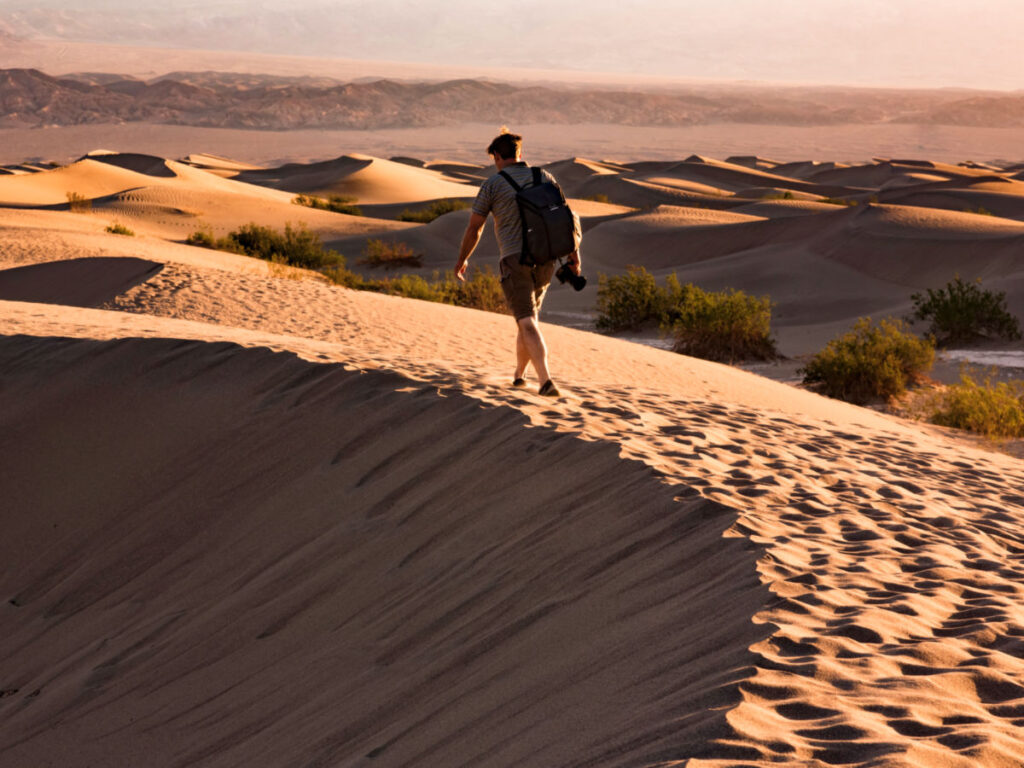
Late fall is ideal for visiting Death Valley National Park. The park’s nine campgrounds open in late October and the deathly summer temperatures are finally beginning to cool down.
While there is slightly more of a crowd at this time compared to the empty summer months, you’ll seldom run into foot traffic in the 3.4-million-acre park.
Temperatures can still reach 90 degrees in October, but nights cool down to 48-70 degrees.
Winter
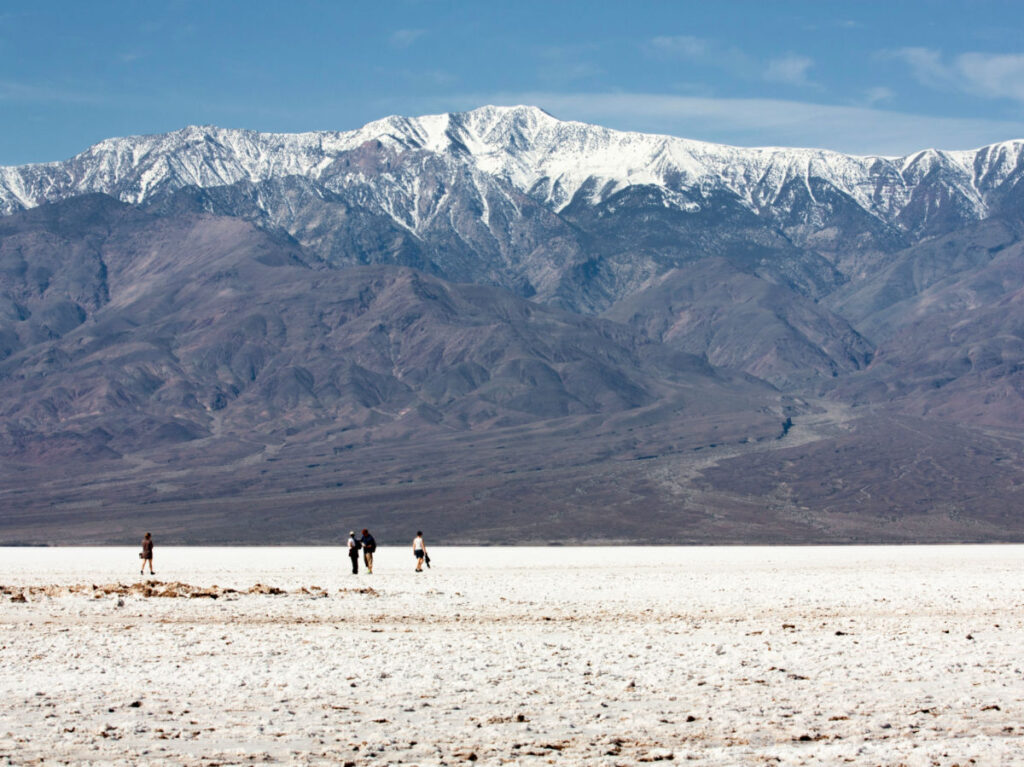
December to March is the best time to go to the national park to avoid crowds. Death Valley averages 65-80 degrees in the winter and receives its fair share of snowfall in the higher portions of the park.
Winter is one of the high seasons in the desert national park, but precipitation at this time may block off road access. View the most up-to-date road conditions here.
Spring

Spring is the peak season for visiting Death Valley. Spring in Death Valley means ideal weather, although some high-elevation trails like Telescope Peak still have snow at this time.
Wildflowers bloom in late March in wetter years (which can also bring denser crowds).
The Death Valley Dark Sky Festival is in early March. This fun seasonal event includes auditorium talks, an Exploration Fair, astrophotography meetups, and scientist-led talks around the park.
Summer
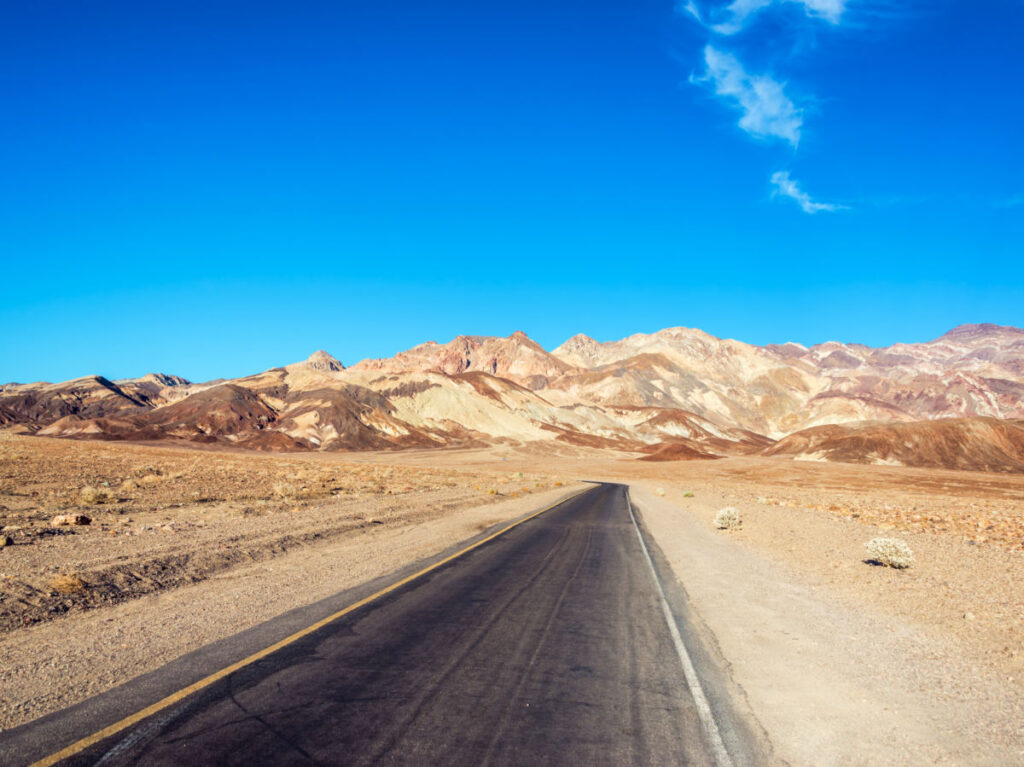
Summer is by far the hottest time in Death Valley. I highly recommend avoiding the park at this time due to extreme summer temperatures.
The hottest air temperature ever recorded took place in Death Valley – a staggering 134 degrees.
I recommend staying by the resort pool during the day before going for a dusk photography session if you do visit in the summer.
Weather and Climate
Death Valley has a quintessential desert climate.
Summers are extremely hot and dry, the winters are mild, and there is little rainfall year-round. Severe heat contributes to the drought-like climate, even during winter days. Evenings can get to chilly temperatures in the 30s.
The park’s depth greatly influences its hot climate and contributes to repetitive summer days over 100 degrees.
Tips for Visiting
Avoid Summer Travel
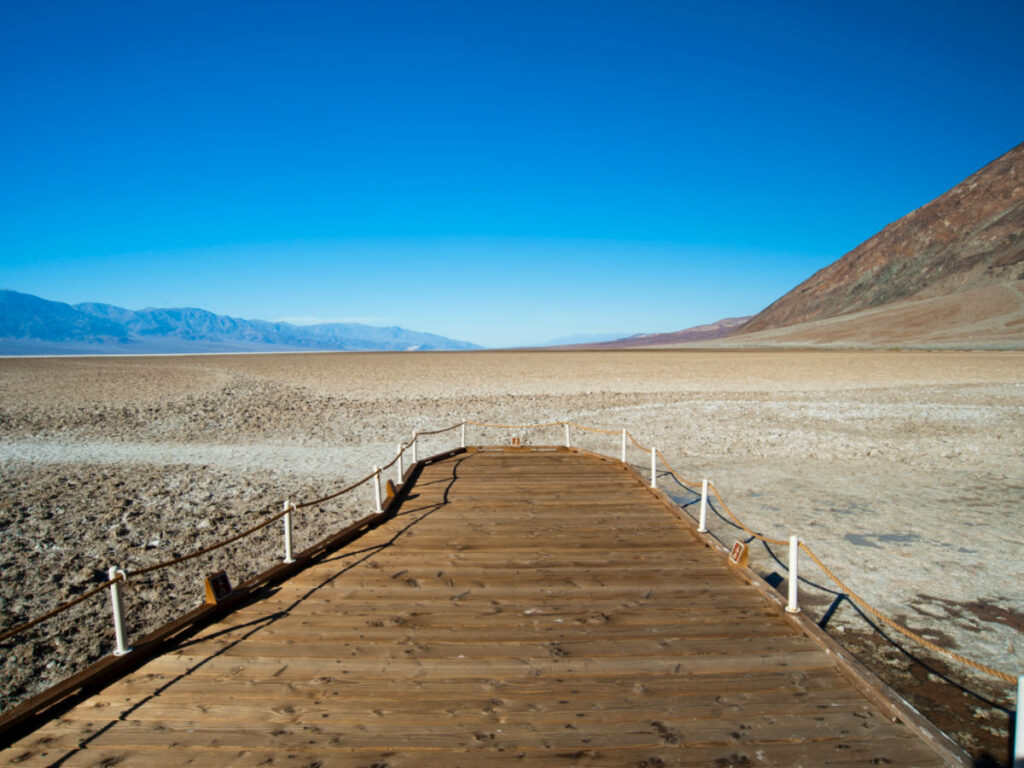
Avoid visiting Death Valley during the summer months if you plan on hiking or exploring in the park. The desert park receives few brave travelers at this time but temperatures are so hot (well over 100 degrees), that hiking is out of the question.
Plan Out Your Hiking Routes
With over 3 million acres of protected wilderness area, it’s more than easy to get lost in Death Valley. Plan out your hiking route in advance to avoid a search and rescue expedition, especially if you’re hiking alone.
Download an offline map via Gaia GPS or AllTrails and pick up a paper map of the park at the visitor center.
Bring Enough Water, Even in Winter
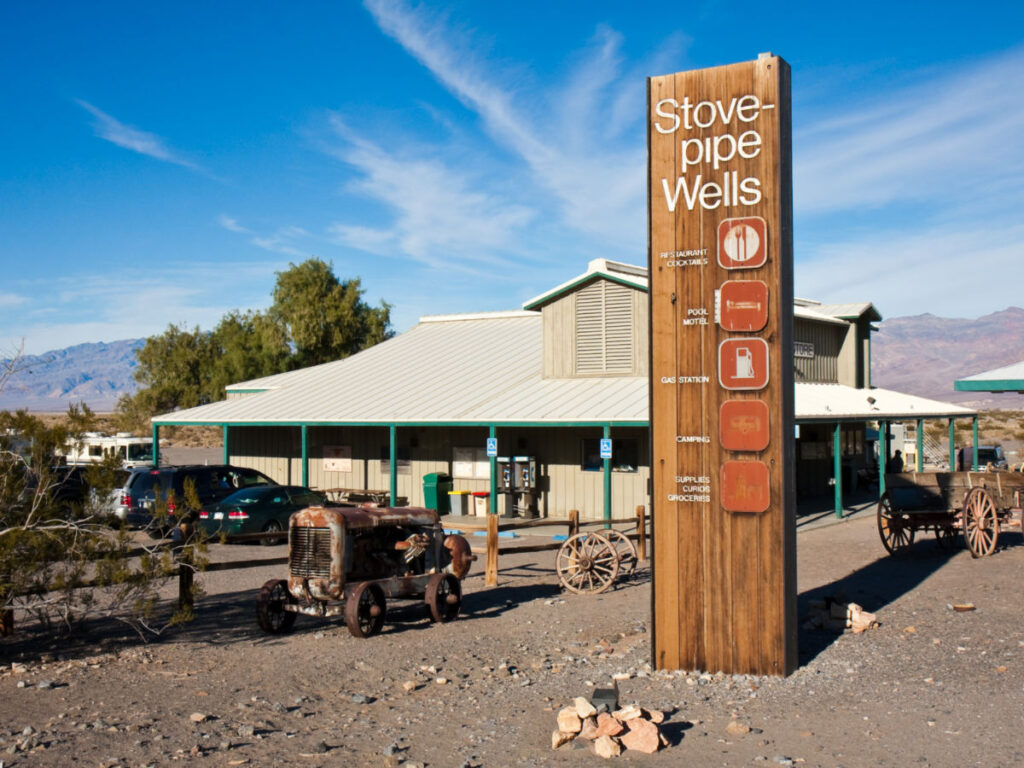
Hydration is key in Death Valley, even in the wintertime. Make sure you always have at least three liters of water per person per day to avoid dehydration.
The Stovepipe Wells and Furnace Creek general stores sell plenty of water in case you run out midway into your Death Valley adventure.
Camp in the Park
Experience the magic of Death Valley after dusk with an overnight adventure in the park. Death Valley is an international sky park, meaning there’s very little light pollution around.
Camp in one of the park’s nine campgrounds to experience a brilliant explosion of stars above the barren desert.
Visit A Park Saloon
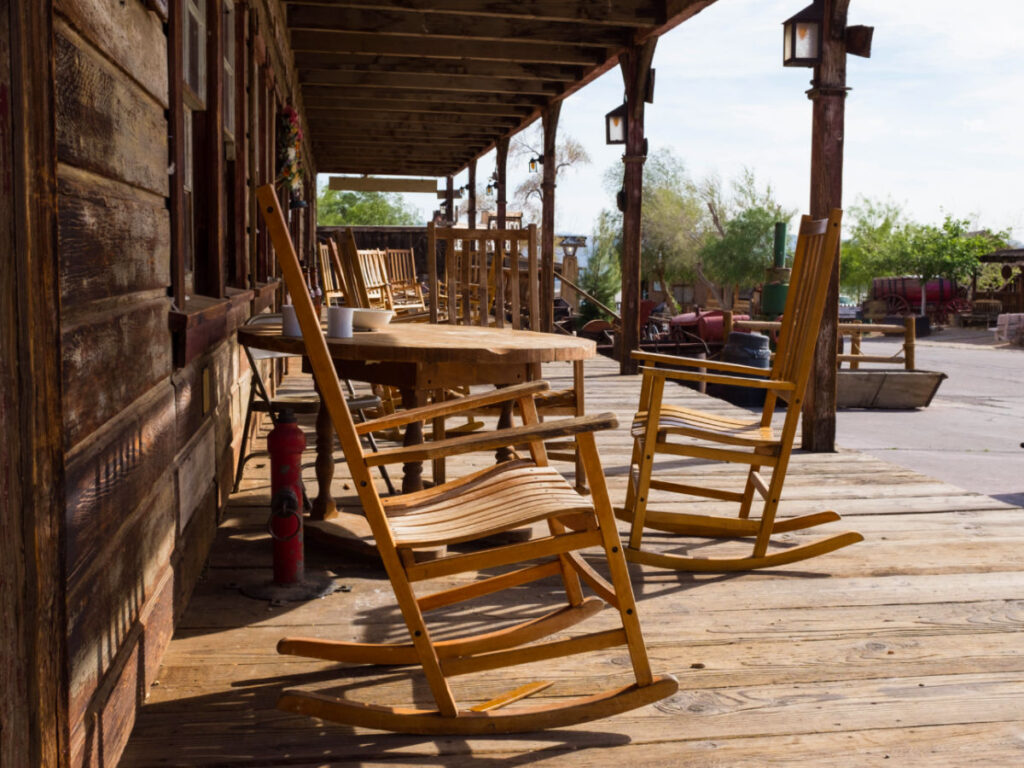
Visit one of the park’s Western-style saloons like Badwater Saloon or The Last Kind Words Saloon at The Ranch Death Valley. Cool off with a refreshing iced cocktail or take a dip in the pool at the Inn’s poolside bar.
Pack Your Camera
You won’t want to miss the photo opportunities that await in Death Valley National Park. Sand dunes, steep valley walls, resident wildlife: Death Valley is photogenic in every corner.
Set up long exposure and take one of the best starry night skies in your portfolio
Check Out the Ghost Towns
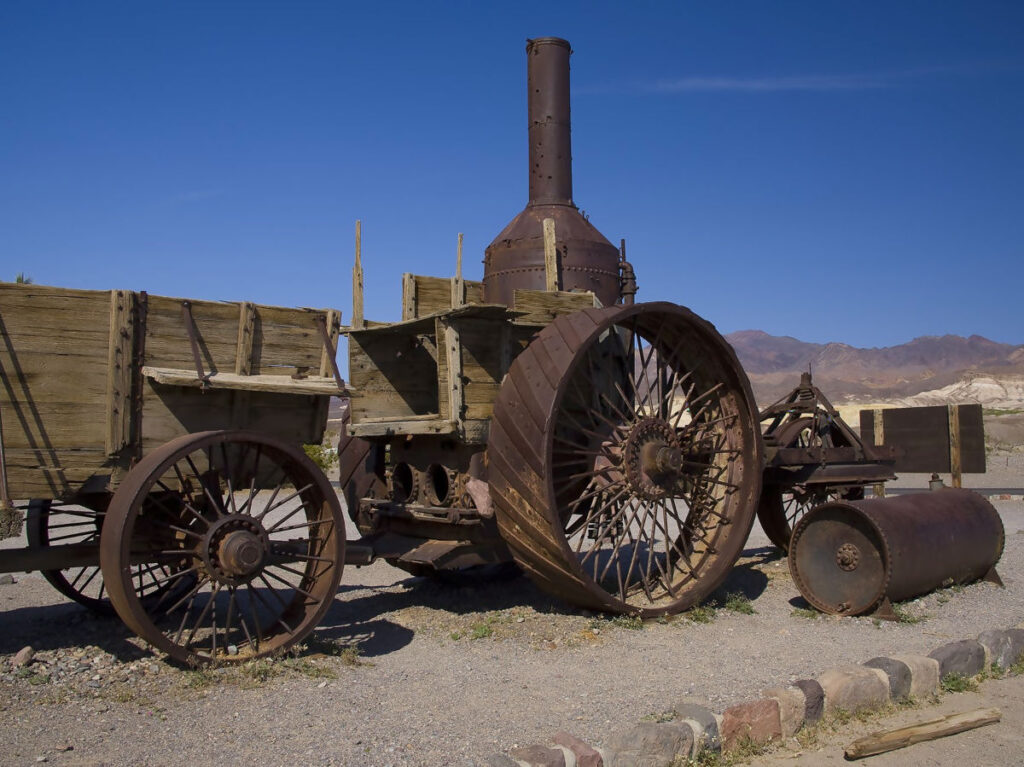
An abandoned steam tractor in the park
Death Valley is surrounded by ghost towns. Eight abandoned mining towns are close to the park. They were established amid high hopes of striking gold.
Some of the top ghost towns to visit include Rhyolite, Death Valley Junction, Panamint City, and Ballarat.
📚 Read Next: Death Valley vs Joshua Tree
FAQs
When should I go for the best weather?
October to April is the best time to visit Death Valley for good weather. Temperatures are mild at this time, park crowds are moderate, wildlife is more active, and campgrounds are open.
When is the best time for hiking?
October and November are the best times to hike in Death Valley. Hiking is also popular during the winter and early spring months but the trails may be under snow at this time.
How many days do you need?
One night and two days is enough time to explore Death Valley. Spending the night in the park allows visitors to experience the breadth of the starry night sky. Two full days give visitors enough time to hit top attractions like Badwater Basin and the Mesquite Sand Dunes.
What city is closest to Death Valley?
Death Valley Junction, Beatty Nevada, Trona, and Lone Pine are the closest cities to Death Valley. Your best bet for amenities is either Beatty or Trona.
***
I hope you found this guide on when to go to Death Valley helpful! Still have more planning to do? Before you go, bookmark my where to stay near Death Valley guide for more helpful info.
Happy traveling!
