
Affiliate Ad Disclosure: We’re reader-supported. When you buy via our links, we earn commissions. Learn more.
Seoul’s Best Hotels & Areas (My Guide for 2026)

👉 Jump to: Best Places to Stay in Seoul | Neighborhoods & Areas | Tips | FAQ
Seoul has been my home-away-from-home for over five years now. So, needless to say, I’ve stayed in and explored most parts of the city. That’s why I’m here to share the best places to stay in Seoul, no matter your interests and travel style.
If you’re a first-time visitor to Seoul, I will always recommend Myeongdong as the best area to stay. With its central location, easy access to major attractions, and extremely useful tourist information centres, Myeongdong will help any traveller find their feet in Seoul, even if you don’t speak Korean.
There are countless hotels in Myeongdong suitable for all price ranges, but I highly recommend The Nine Tree by Parnas – it’s a comfortable, modern hotel with access to the subway line and airport bus whilst being surrounded by shops, street food stalls, and everything Myeongdong has to offer.
But Seoul is far more than just its central tourist hub. Whether you’re looking for a family-friendly area, vibrant nightlife, gentle cafe-hopping, or bustling shopping districts, Seoul has it all, and I’ll tell you exactly where you need to go.

Best Places to Stay in Seoul
If you’re short on time, these are my top hotel picks:
- 🏆 Best Overall Hotel – The Nine Tree by Parnas
- 📍 Best Location – The Nine Tree by Parnas
- 💎 Best Luxury – Grand Hyatt Seoul
- ❤️ Best for Couples – L’Escape
- 👪 Best for Families – Lotte Hotel World or The Splaisir Seoul Myeongdong
- 🎒 Best for Backpackers – H Hostel
- 🛏️ Best Traditional Stay – Hanok Hotel DAAM
- 🏨 Best Budget – Amare Hotel
- 🔑 Apartments – Search Airbnb rentals in my #1 neighborhood
Ok, now scroll down for a deep dive into the pros (and cons) of each area of Seoul:
8 Best Neighborhoods & Areas to Stay in Seoul
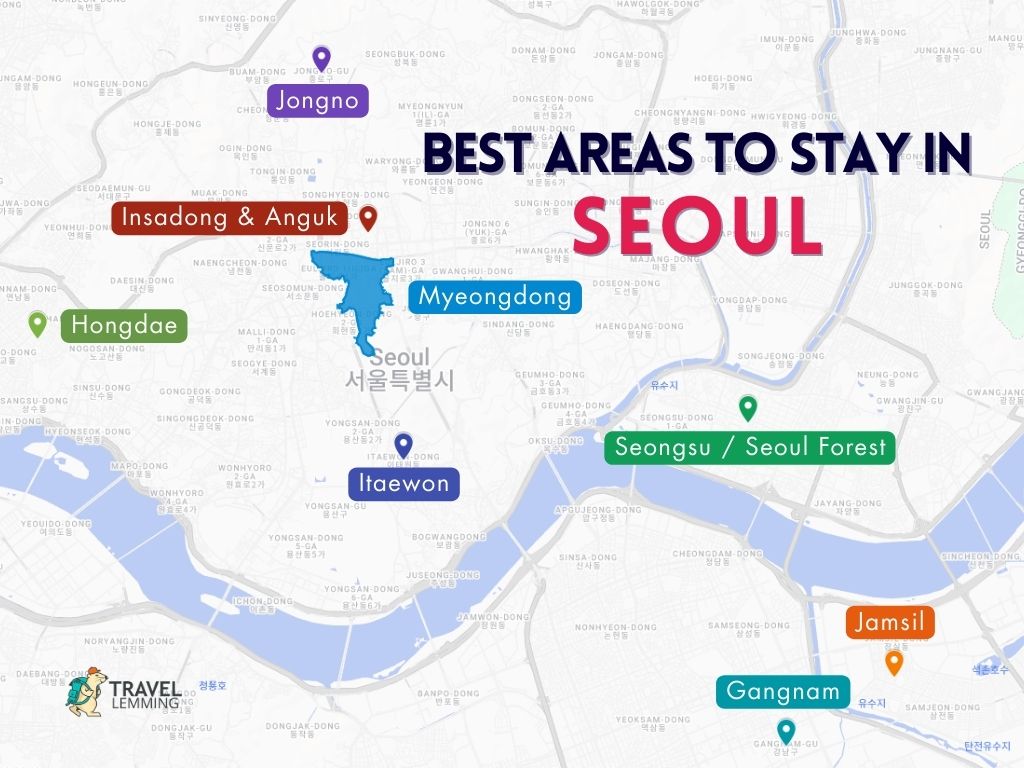
Seoul is centred around the Han River, with more touristy, trendy, and cultural areas on the north side and more upscale neighbourhoods and business areas on the south side. Thanks to Seoul’s fantastic public transportation system, it’s easy to travel between areas.
Major districts for first-time visitors include Mapo-gu, Yongsan-gu, Jongno-gu, Jung-gu, Seongdong-gu, Gangnam-gu, and Songpa-gu, each home to a variety of neighbourhoods catering to all kinds of travellers.
Myeongdong
👉 Best Area For First Timers | ✨ Best Myeongdong Hotels: The Nine Tree by Parnas • The Splaisir • L’Escape • L7 Myeongdong
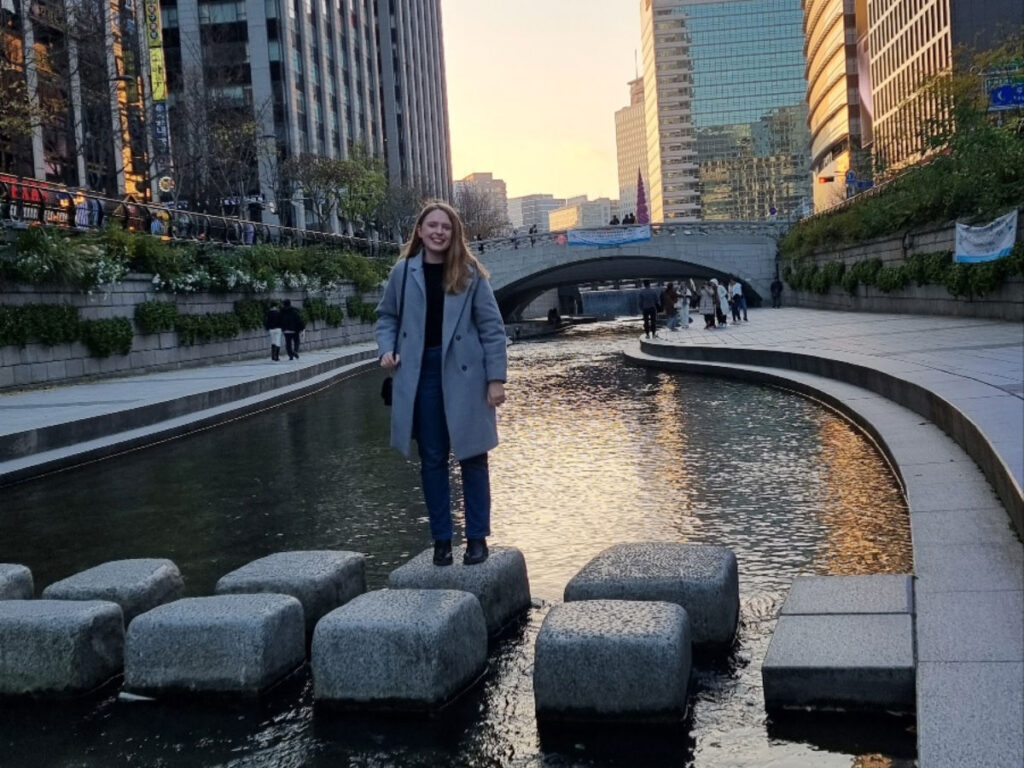
Myeongdong in Jung-gu is the shopping hub of Seoul. And with its central location, easy subway connections, and concentration of affordable hotels, it’s the best area to stay for first-time visitors.
Stores supply endless Korean fashion, cosmetics, and snacks at discounted prices for tourists, and there’s a range of street food to sample. Almost all shop workers speak multiple languages, including English, and the tourist information centres can help you kickstart your Seoul adventure.
The cable car to N-Seoul Tower, Seoul’s most famous landmark, is nearby, as are other major attractions like Gyeongbokgung Palace and Dongdaemun Design Plaza.
My favorite hotel in Myeongdong is The Nine Tree by Parnas – it’s modern, affordable, and caters to first-time visitors, from storage lockers to transport card vending machines.
For something more unique, The Splaisir has spacious rooms, Japanese-style bathtubs, and a floor of character-themed rooms that are perfect for a family stay.
Pros of Staying in Myeongdong:
- Central location
- Best shopping location for tourists
- Close to major attractions
Cons of Staying in Myeongdong:
- Gets crowded, especially at weekends
- Restaurants can be overpriced
- Tourist-centred, less authentic than other areas
📚 Myeongdong Mini Guide 📚
Best Area to Stay for First Time Visitors
Google Map
✨ Best Hotels – The Nine Tree by Parnas • The Splaisir • L’Escape • L7 Myeongdong
🏠 Apartments – Browse Rentals on VRBO in Myeongdong (or Browse Airbnb rentals)
🍽️ Where to Eat – Myeongdong Kyoja ($$), Wangbijip ($$), Bistro 74 ($$)
🍸 Where to Drink – Cafe the Fabulous, Urban Plant, The Roof Seoul, C’s Home
🎟️ Top Attractions – N-Seoul Tower, Myeongdong Cathedral, Dongdaemun Design Plaza, Cheonggyecheon Stream
Insadong & Anguk
👉 Best Area For Culture & History | ✨ Best Insadong & Anguk Hotels: Hanok Hotel DAAM • Nostalgia Hanok Hotel • Hotel Sunbee
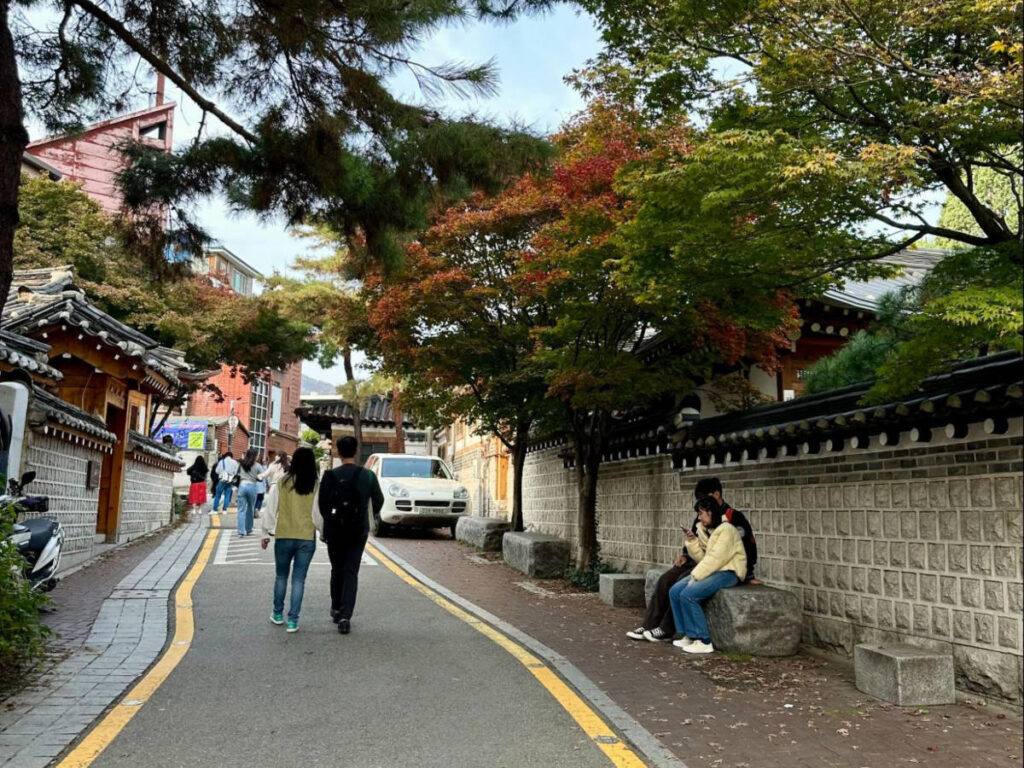
Insadong in Jongno-gu is the best area to experience Korean culture and history. It’s here that you can purchase cultural souvenirs such as fans, ceramics, and hanbok (traditional Korean clothing).
It’s home to my favorite Korean vegetarian restaurant in Seoul, Osegyehyang, as well as Ssamzigil, an outdoor shopping complex where you can buy crafts from independent artists and even do some yourself.
Further north is the Anguk area, nestled between Gyeongbokgung and Changdeokgung palaces. Here, you can explore Bukchon Hanok Village, a neighbourhood of traditional Korean houses with spectacular views. You can even stay in a hanok yourself at Hanok Hotel DAAM (if on a budget) or Nostalgia Hanok Hotel (for a luxury stay).
It’s an area with unique cafes, restaurants, tea houses, art galleries, and museums. All five of Seoul’s palaces are easily reachable from this area, as well as historically significant landmarks such as Gwanghwamun Square and Jongmyo Shrine.
Pros of Staying in Insadong:
- Experience traditional neighbourhoods
- Easy access to Seoul’s palaces
- Stay in a hanok-style hotel
Cons of Staying in Insadong:
- Busy tourist crowds
- Lack of nightlife
- High price of hanok hotels
📚 Insadong & Anguk Mini Guide 📚
Best Area to Stay for Culture and History
Google Map
✨ Best Hotels – Hanok Hotel DAAM • Nostalgia Hanok Hotel • Hotel Sunbee
🏠 Apartments – Browse Rentals on VRBO in Insadong & Anguk (or Browse Airbnb rentals)
🍽️ Where to Eat – Koo Table ($$$), Osegyehyang ($$), The Hanok Smith Likes ($$), GOD EAT ($$), Downtowner Anguk ($)
🍸 Where to Drink – Cafe Onion, Dotori Garden, O’sulloc Tea House, Hanok Tea House (한옥찻집), HUNGRY SEOUL
🎟️ Top Attractions – Gyeongbokgung Palace, Bukchon Hanok Village, Ssamzigil, Gwanghwamun Square, National Museum of Modern and Contemporary Art
Hongdae
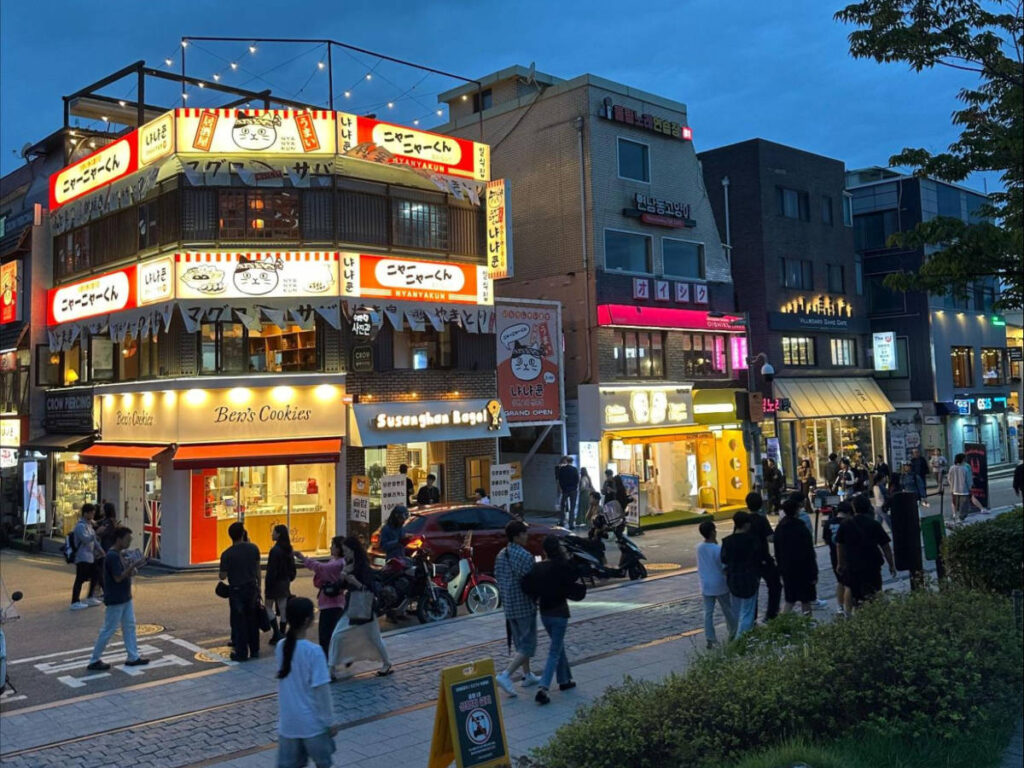
👉 Best Area For Students & Budget Travellers | ✨ Best Hongdae Hotels: Hi There Guesthouse • Hongdae Style Guesthouse • 9 Brick Hotel • RYSE
Hongdae is a youthful student neighbourhood located next to Hongik University, Seoul’s number one arts university. It’s known for its street performances, vibrant nightlife, and cheap but delicious cafes and restaurants. This is the best area for backpackers, students, and travellers on a budget. My favorite hostel, Hi There Guesthouse, is located here.
Take a stroll along Gyeonghui Line Park, go shopping along Hongdae Fashion Street, or dance the night away at one of Hongdae’s many famous clubs. Or if you want a calmer atmosphere, hit up a wine bar in the trendy Yeonnam area.
Pros of Staying in Hongdae:
- Lively nightlife
- Hotels are on the cheaper side
- Many cafes, restaurants, shops, and entertainment
Cons of Staying in Hongdae:
- Noisy at night
- Gets crowded at peak times
- Have to travel to the central attractions
📚 Hongdae Mini Guide 📚
Best Area to Stay for Students & Budget Travellers
Google Map
✨ Best Hotels –Hi There Guesthouse • Hongdae Style Guesthouse • 9 Brick Hotel • RYSE
🏠 Apartments – Browse Rentals on VRBO in Hongdae (or Browse Airbnb rentals)
🍽️ Where to Eat – Itsumo Ramen ($$), Plant ($$), Jangin Dakgalbi ($$), Ginza Ryoko ($$), Burgerry ($)
🍸 Where to Drink – Hey Jude, Malic, The Five Alls, Unplugged, Carousel Bar
🎟️ Top Attractions – Hongdae Red Road, Hongdae Fashion Street, Gyeonghui Line Forest Park, Mangwon Market, Seonyudo Park
Gangnam
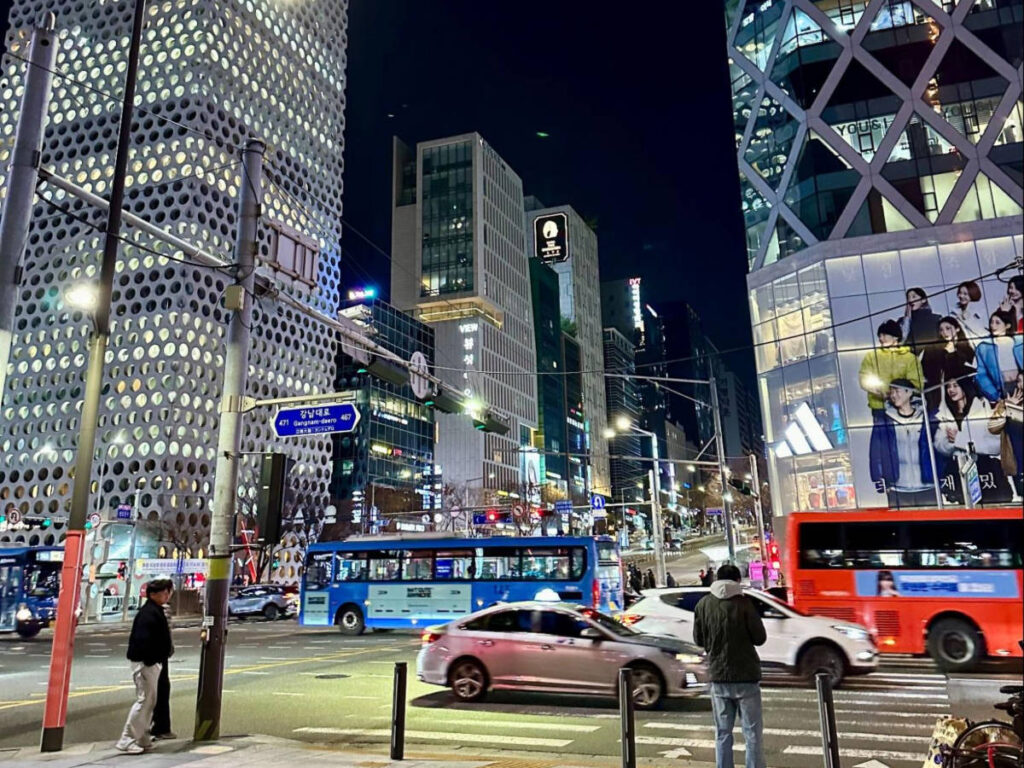
👉 Best Area For Luxury | ✨ Best Gangnam Hotels: Grand InterContinental • Josun Palace • Aloft Seoul Gangnam • Aiden
Gangnam is a neighbourhood that represents Seoul’s modern side with skyscrapers, luxury malls, and stylish cafes. It’s also home to some of the more luxurious hotels, such as the Grand InterContinental (attached to COEX Mall) and Josun Palace.
Gangnam is the perfect place to spend your trip, relaxing in one of Seoul’s richest neighbourhoods. Head over to Gangnam Shopping Street, where you can find all your favorite brands, experience fine dining in Cheongdam, shop luxury brands in Garosu-gil, or dance all night in Apgujeong, known for its hip-hop clubs. Or, maybe aesthetic cafe-hopping is more your thing; Sinsa is perfect for that.
Gangnam is also home to the COEX Mall, featuring a stunning library and aquarium, which makes for a great indoor day out.
Pros of Staying in Gangnam:
- Upscale hotels, shopping, and dining
- Clean, modern, and great public transport
- Wider, less crowded streets
Cons of Staying in Gangnam:
- Far from historical sites
- A large neighbourhood means attractions are spread out
- Accommodation can be expensive
📚 Gangnam Mini Guide 📚
Best Area to Stay for Luxury
Google Map
✨ Best Hotels – Grand InterContinental • Josun Palace • Aloft Seoul Gangnam • Aiden
🏠 Apartments – Browse Rentals on VRBO in Gangnam (or Browse Airbnb rentals)
🍽️ Where to Eat – Schedule ($$), Monday to Sunday ($$), Masa Tacos ($$)
🍸 Where to Drink – Goshen, Ceci Cela
🎟️ Top Attractions – COEX Mall, Bongeunsa Temple, Seonjeongneung, Garosu-gil, Apgujeong Rodeo Street
Jamsil
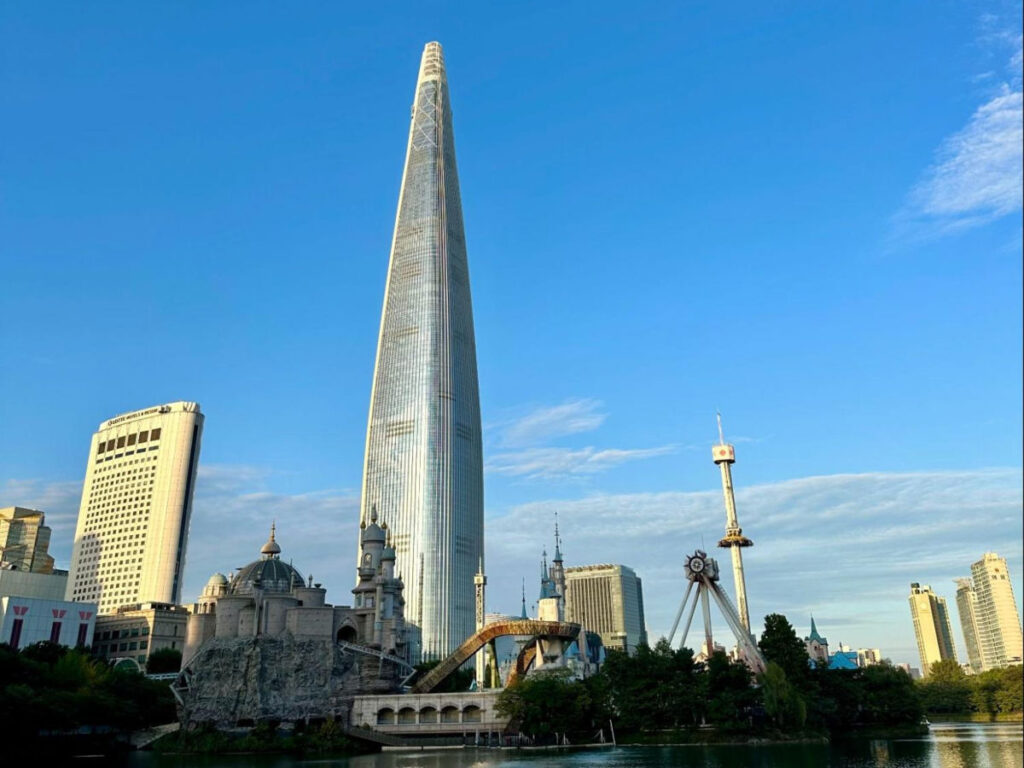
👉 Best Area For Families and Events | ✨ Best Jamsil Hotels: Signiel Seoul • Lotte Hotel World • Jamsil Orosie Hotel • Seoul Olympic Parktel
Jamsil is one of the most family-friendly neighbourhoods in Seoul. It’s cleaner, quieter, and more spacious than neighbourhoods like Myeongdong and Hongdae. And, it’s in proximity to some major family-based attractions.
Jamsil is home to Lotte World, Seoul’s indoor theme park, as well as Lotte World Tower, which includes a shopping mall, many modern dining options, and the Seoul Sky observation deck, as well as one of the most luxurious hotels in Seoul, the Signiel Seoul.
There are other family-friendly attractions just a short subway ride away, including COEX Aquarium and Children’s Grand Park. Families will also enjoy walking around the nearby Seokchon Lake.
Jamsil is also Seoul’s main event hub, so if you want to catch a K-pop concert, music festival, or baseball game, Jamsil is the place to stay. Consider Seoul Olympic Parktel for easy stadium access.
Pros of Staying in Jamsil:
- Modern attractions like malls and theme parks
- Quiet, clean, and family-friendly
- Ideal for event-goers
Cons of Staying in Jamsil:
- Proximity to Gangnam makes it pricier
- Gets crowded during events
- Lack of ‘traditional Seoul’ vibe
📚 Jamsil Mini Guide 📚
Best Area to Stay for Families and Events
Google Map
✨ Best Hotels – Signiel Seoul • Lotte Hotel World • Jamsil Orosie Hotel • Seoul Olympic Parktel
🏠 Apartments – Browse Rentals on VRBO in Jamsil (or Browse Airbnb rentals)
🍽️ Where to Eat – The Italian Club ($$$), Mongchon Dakgalbi ($$)
🍸 Where to Drink – My Seoul Bites, Bar 81, Monstars Pub
🎟️ Top Attractions – Lotte World, Lotte Tower, Seokchon Lake, Olympic Park & Seoul Sports Complex, Children’s Grand Park
Jongno
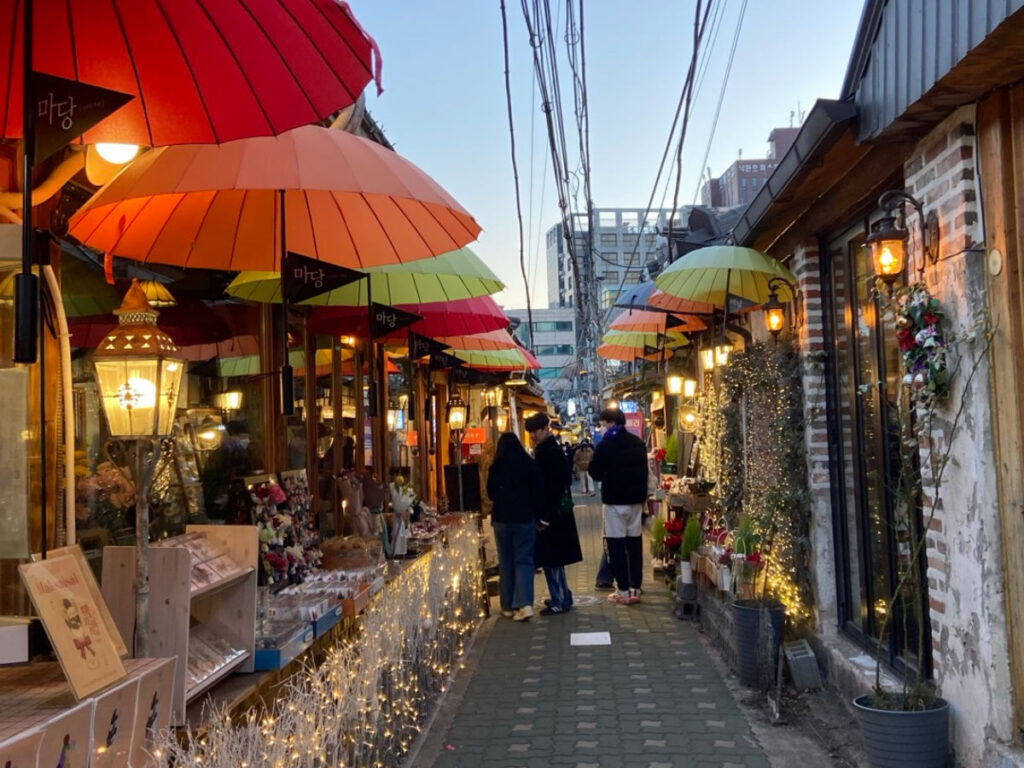
👉 Best Area For Traditional Local Atmosphere | ✨ Best Jongno Hotels: Urbanstay Boutique Ikseon • Moxy Seoul Insadong • Rian Hotel • Amare Hotel
Jongno is the best area to go to experience Seoul beyond the skyscrapers. It’s here you can find traditional markets like Namdaemun Market and Gwangjang Food Market for an old-school shopping experience.
Jongno is also known for its sul-jip streets; retro-style alleyways filled with bars and neon signage. Head to Jongno Pocha Street to experience traditional Korean tent bars and outdoor street food stands selling dishes meant to be paired with alcohol (known as ‘anju’).
If cafes are more your thing, take a wander through Ikseon-dong, a neighbourhood filled with hanok-style cafes and boutiques, and hotels that mix modern with traditional, such as Urbanstay Boutique Ikseon.
Jongno is also where you can find the Cheonggyecheon Stream, a culturally significant landmark that was rebuilt after the Korean War. It blends old-school architecture with digital art.
Pros of Staying in Jongno:
- The best street food and markets
- Central location with multiple subway lines
- Authentic local life
Cons of Staying in Jongno:
- Bar-heavy areas are noisy at night
- Markets can feel hectic
- Accommodation is older, less modern
📚 Jongno Mini Guide 📚
Best Area to Stay for Traditional Local Atmosphere
Google Map
✨ Best Hotels – Urbanstay Boutique Ikseon • Moxy Seoul Insadong • Rian Hotel • Amare Hotel
🏠 Apartments – Browse Rentals on VRBO in Jongno (or Browse Airbnb rentals)
🍽️ Where to Eat – Banjoo ($$$), Ikseon Aetteut ($$), Hoho Restaurant Ikseon ($$), Mooin 24 Hours Ramen Convenience Store ($)
🍸 Where to Drink – Sul 24, Seoul 88 Beer, Nakwon Station Cafe, Rain Report
🎟️ Top Attractions – Gwangjang Market, Namdaemun Market, Cheonggyecheon Stream, Jongno Pocha Street, Jongmyo Shrine
Itaewon
👉 Best Area For Foodies | ✨ Best Itaewon Hotels: Grand Hyatt Seoul • Mondrian • H Hostel
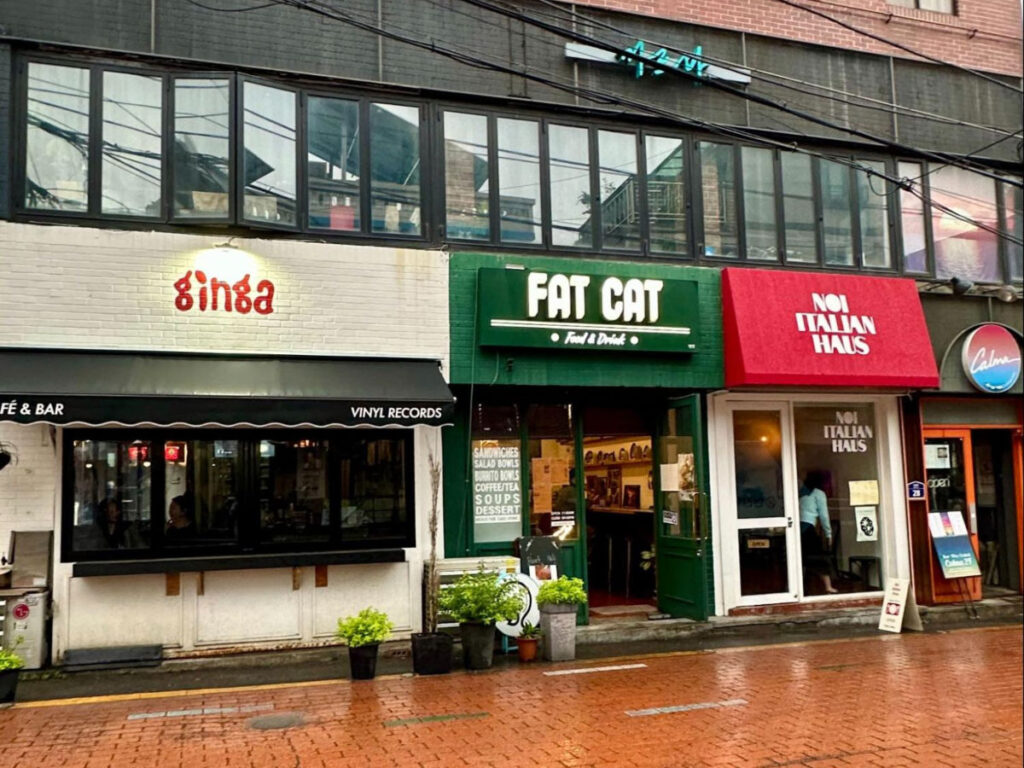
Itaewon is the international neighbourhood of Seoul. You can find restaurants showcasing cuisine from all around the world. It’s the best place to find a range of global cuisine as well as vegan/vegetarian and halal restaurants. It’s also home to the best Western-style pubs, bars, and clubs.
The nearby Haebangchon (HBC) area is a trendy street on the slope leading up to Namsan Mountain, filled with bars and restaurants with fantastic city views. Hannam, on the opposite side, is an upscale neighbourhood featuring fine dining and multiple Blue Ribbon restaurants (an award given to the city’s most beloved restaurants, similar to a Michelin Star).
This makes Itaewon the number one place to stay for foodies wanting to try the city’s best cuisine. H Hostel in central Itaewon is the perfect place to stay (and it’s one of the nicest hostels I’ve ever stayed in!)
Pros of Staying in Itaewon:
- The international scene is easy to navigate for travellers
- Fantastic nightlife
- Proximity to other trendy neighbourhoods
Cons of Staying in Itaewon:
- Lack of hotels
- Less ‘Korean vibe’ than other areas
- Noisy at night
📚 Itaewon Mini Guide 📚
Best Area to Stay for Foodies
Google Map
✨ Best Hotels – Grand Hyatt Seoul • Mondrian • H Hostel
🏠 Apartments – Browse Rentals on VRBO in Itaewon (or Browse Airbnb rentals)
🍽️ Where to Eat – Petra ($$), Nekkid Wings ($$), Coreanos ($$), Cheeze Flo ($$), Casablanca ($)
🍸 Where to Drink – Jack’s Bar, SAUCE, All That Jazz, Sowol Samgakji, One in a Million
🎟️ Top Attractions – N-Seoul Tower, War Memorial of Korea, National Museum of Korea, Seoul Central Mosque, Leeum Museum of Art
Seongsu / Seoul Forest
👉 Best Area For Trendy Cafes and Youthful Vibe | ✨ Best Seongsu Hotels: Pullman Ambassador Seoul Eastpole • Aloft • Little Forest Ttukseom • Anook Hotel & Spa
Seongsu is known as “The Brooklyn of Seoul” due to its converted warehouses and industrial but creative atmosphere. It’s considered one of Seoul’s trendiest neighbourhoods, featuring independent cafes, stylish fashion brands, and fun pop-up stores.
Little Forest Ttukseom allows you to live there like a local in a modern Korean-style apartment, making you feel right at home.
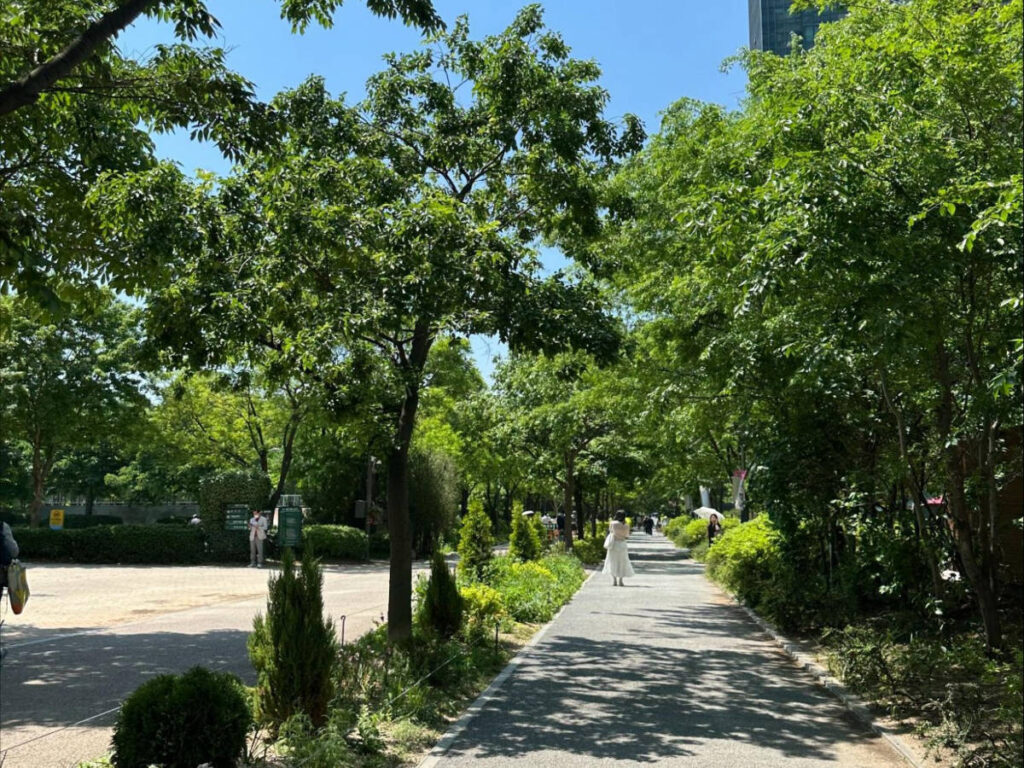
Nearby is Seoul Forest, Seoul’s most famous park, known for its seasonal flowers and deer garden, as well as Cafe Alley, home to some of the prettiest cafes in Seoul. You can also enjoy Ttukseom Hangang Park for cycling, Han River for walks, and the seasonal Ttukseom drone show.
On the opposite side of Seongsu is the Konkuk University area, with streets filled with affordable fashion stores, restaurants, and bars, as well as the trendy Common Ground shopping complex. Seongsu is the perfect spot for young travellers who enjoy shopping, cafe-hopping, and being outdoors.
Pros of Staying in Seongsu:
- Trendy neighbourhood with local vibes
- Access to the river and green space
- Close to the Gangnam area
Cons of Staying in Seongsu:
- Limited hotel options
- Less touristy, harder to navigate
- Far from most major attractions
📚 Seongsu Mini Guide 📚
Best Area to Stay for Trendy Cafes and Youthful Vibe
Google Map
✨ Best Hotels – Pullman Ambassador Seoul Eastpole • Aloft • Little Forest Ttukseom • Anook Hotel & Spa
🏠 Apartments – Browse Rentals on VRBO in Seongsu (or Browse Airbnb rentals)
🍽️ Where to Eat – Friends and Yard ($$), Glow Seongsu ($$), Maple Top Pancake Club ($$), Paper Plate ($), Songhwa Lamb Skewers ($$), HaiDiLao Kondae Branch ($$)
🍸 Where to Drink – Maengmundong Pub, Blue Bottle, Rivoli, Cafe Onion, Clementine
🎟️ Top Attractions – Seoul Forest, Ttukseom Hangang Park, Seongsu Cafe Street, Common Ground, Seoul Children’s Grand Park
Tips for Staying in Seoul
Get a T-Money Card
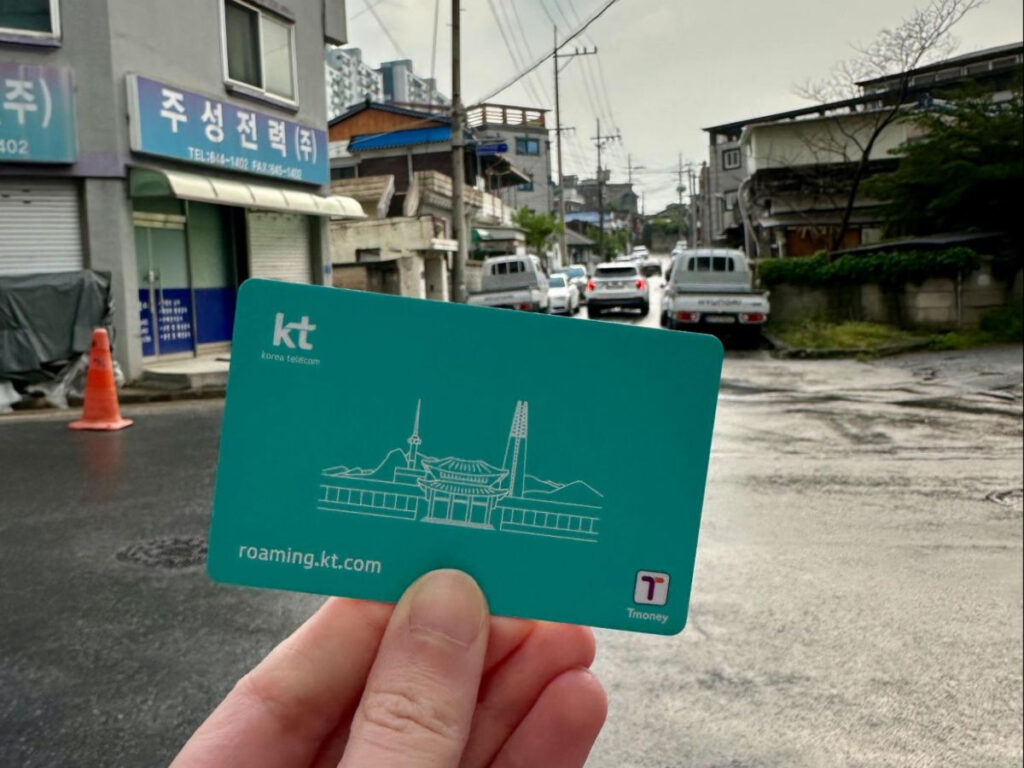
When using public transport in Seoul, a rechargeable T-Money travel card is simpler than buying tickets. You can grab one from any convenience store or specialized vending machines in the airport. Top them up with cash and tap to pay for buses, subways, and taxis.
Use Naver Map or Kakao Map Instead of Google Maps
Google Maps works in Korea, but is much more limited than these domestic map apps. Use these for accurate directions, real-time public transport timetables, and establishment opening hours.
In my experience, Naver Map is best for Seoul, while Kakao Map works better when travelling outside of Seoul.
Wear Comfy Shoes
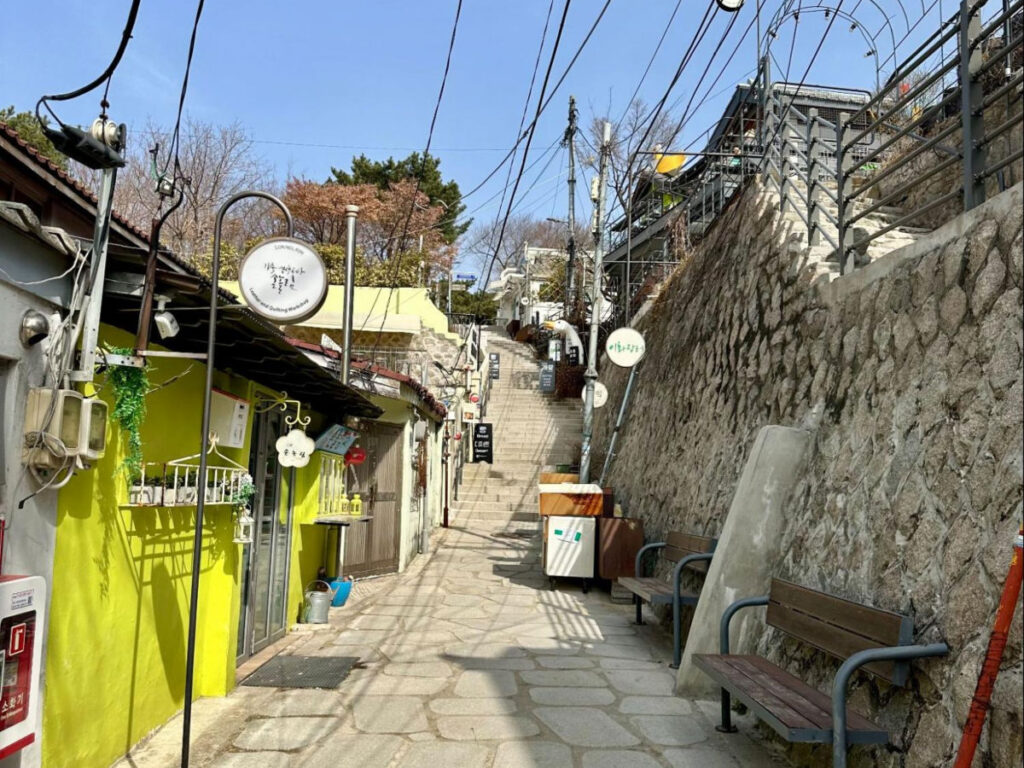
Seoul is built on uneven ground, so you’ll encounter plenty of hills out and about – not to mention the subway stairs! You may also have to remove your shoes in some cafes, restaurants, temples, and people’s homes. So, choose shoes that are easy to slip on and off. Read my South Korea packing list for more ideas on what to bring.
Learn Some Basic Korean Phrases
A bit of “survival Korean” can go a long way. Locals appreciate it when you try to speak their language. It’s not only respectful, but everyday Korean, such as ordering food or asking for a bag at the convenience store, will help you travel with more confidence.
Book a Hotel Near a Subway Station or Airport Bus Stop
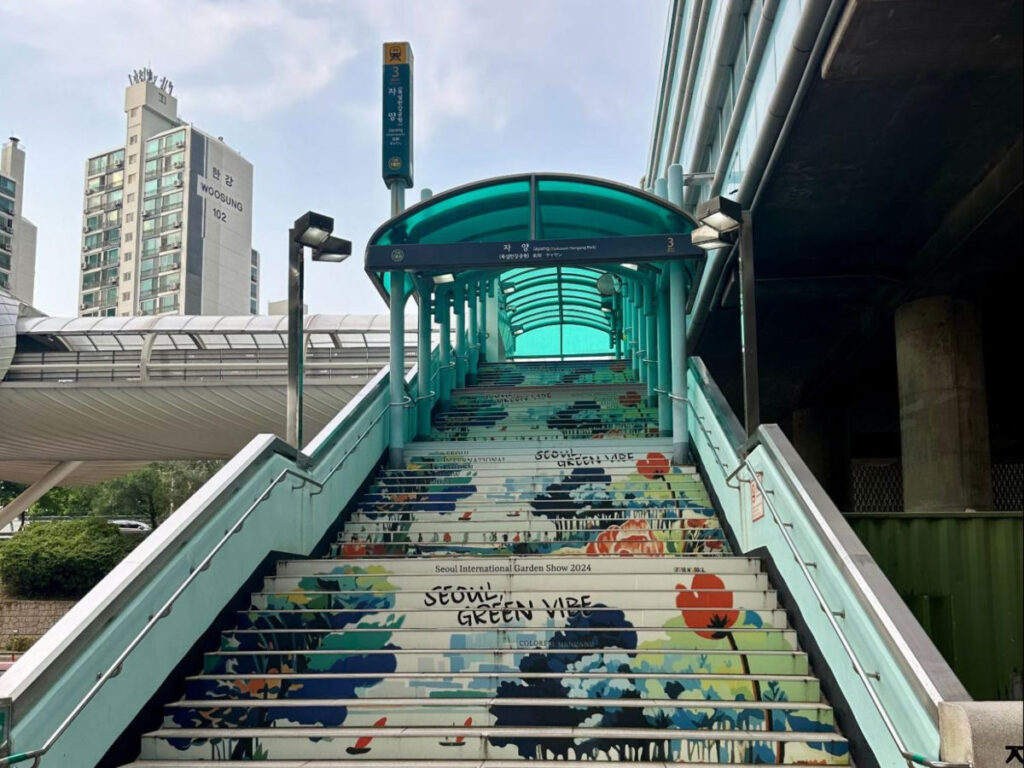
Subways tend to be easier for first-time visitors than local buses, especially when moving luggage. There’s also an Airport Bus that leaves directly from Incheon, with stops in major tourist spots, so booking a hotel near one of these bus stops is also a good idea.
Carry Both Cash and Card
Cash is essential for topping up T-Money cards and for use at markets – you can even get discounts for paying in cash in areas like Hongdae Fashion Street. On the other hand, many cafes and restaurants have become card-only, using kiosks. Make sure you have both while out and about.
Don’t be Afraid to Explore Outside of Tourist Areas
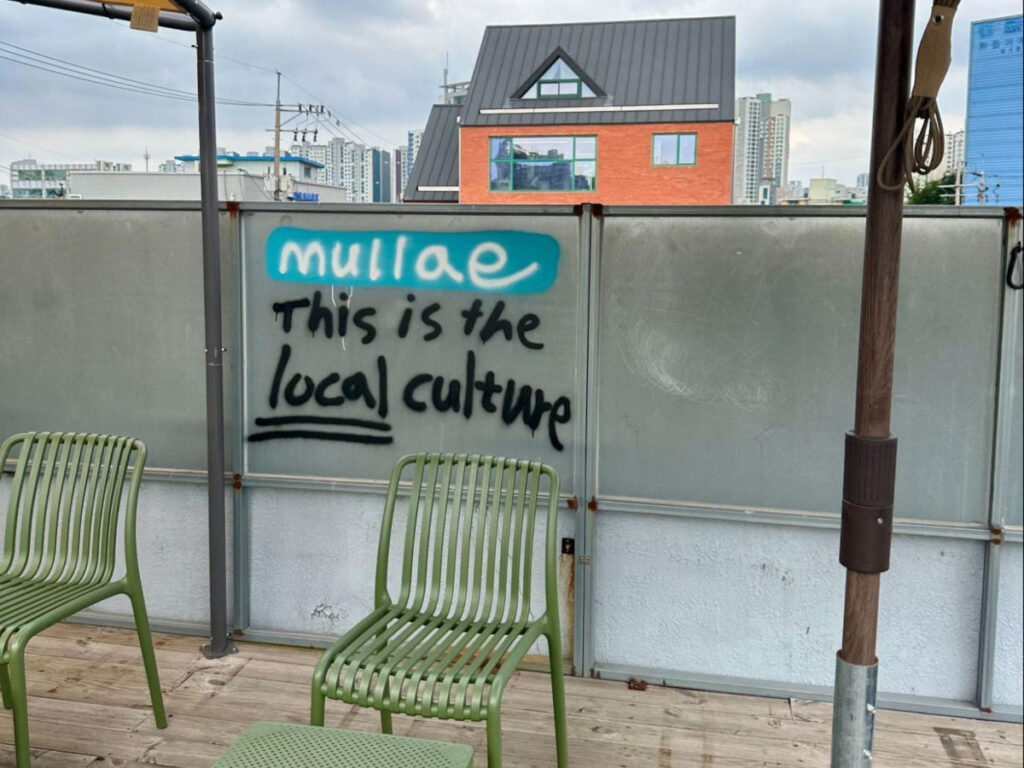
Most neighbourhoods in Seoul are pleasant and safe, so don’t be afraid to wander off the beaten path. English may be limited outside of tourist zones, but with translation apps, you can navigate them with ease. Some of my favorite neighbourhoods, like Mullae, Hyehwa, and Sadang, fall into this category.
Don’t Tip!
This is a major cultural difference tourists often don’t realise. Leaving a tip at a Korean restaurant can cause offence (as it’s seen as charity). If you enjoyed your meal, let the owner know if you can – you may even receive something extra for free (known as ‘service’ in Korea).
Take a Day Trip Outside of Seoul
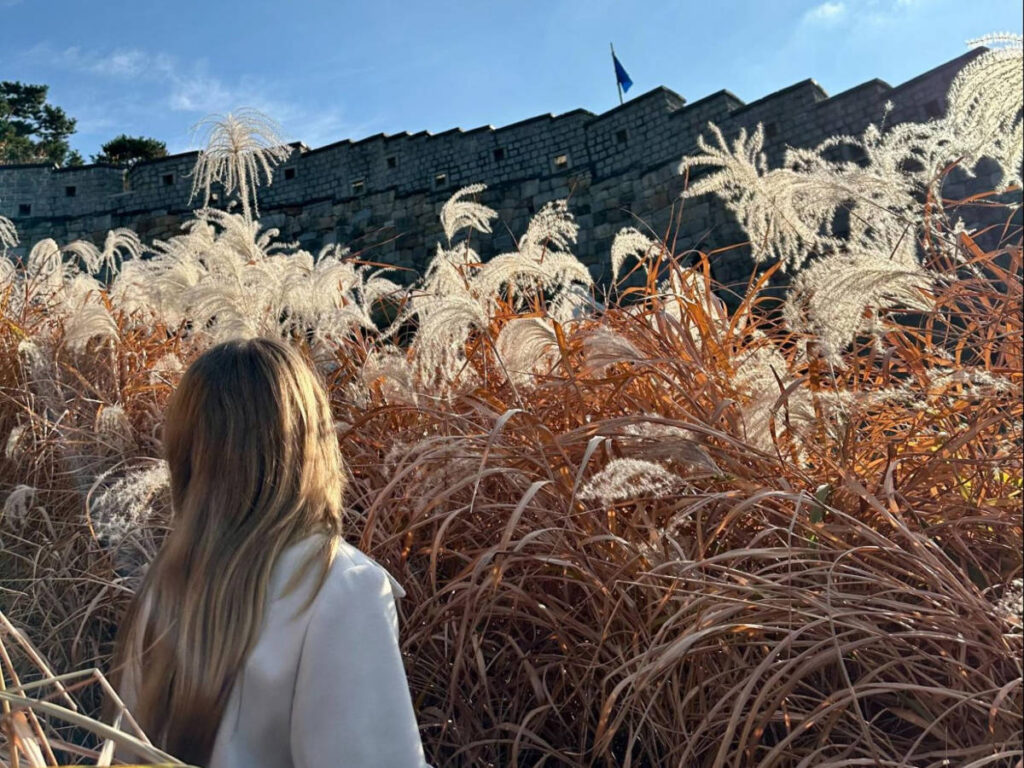
Using inter-city buses or the Korail trainline, you can get almost anywhere in Korea from Seoul. But even just using the subway, you can visit other amazing cities like Incheon, Suwon, and Paju. Especially if you’re a returning visitor, I recommend a day trip to experience more than just Seoul.
Try Local Food
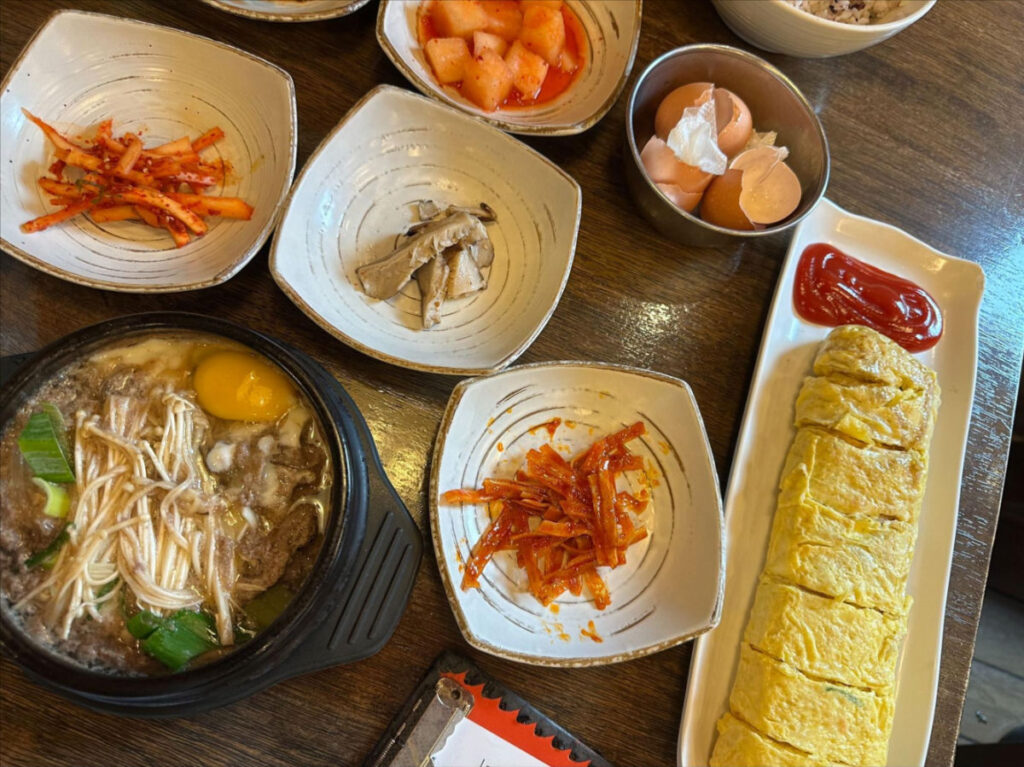
Ordering Korean food might feel overwhelming at first if you don’t know Korean dishes, but it won’t disappoint. It’s also cheaper than Western food, perfect if you’re travelling on a budget. Bibimbap, bulgogi, and jeon are tourist favorites, but order kimchi jjigae or jeyuk bokkeum if you like spicy food!
FAQs about Seoul
How many days is enough for Seoul?
If you’re combining a trip to Seoul with other cities and areas during your Korea trip, 4-5 days is enough to hit all the tourist highlights. If you want to visit multiple neighbourhoods, enjoy museums or events, or add in day trips like Suwon, Everland, or the DMZ, you’ll want at least a week.
I personally recommend two weeks if possible – this gives you some slow, cafe-hopping or Han River relaxing days in between tourist attractions to help you overcome jetlag or take it easy after enjoying Seoul’s nightlife. Some slower-paced days also help you become immersed in local life, which you may miss if you stick to tourist highlights only.
What areas of Seoul should I avoid staying in?
Most areas of Seoul are very safe, but there are a few that are less enjoyable, tourist-friendly, or convenient than others.
Major districts for first-time visitors include Mapo-gu, Yongsan-gu, Jongno-gu, Jung-gu, Seongdong-gu, Gangnam-gu, and Songpa-gu, all of which include the neighbourhoods featured in this article. Any neighbourhoods outside of this tend to be more residential or far from major attractions.
It’s also important to note that the further outside of central Seoul you stay, the more it will cost to travel there. There is a range of hotels for all kinds of travellers in central Seoul, so it’s easy to stay central, even on a budget.
Where is the best part of Seoul to stay for a long trip?
If you’re visiting Seoul for a long time, Mapo-gu, aka Hongdae and the surrounding area (including Yeonnam, Sinchon, Ehwa, Hapjeong, and Gongdeok), tends to be the best area to stay. This area offers plenty of restaurants, cafes, entertainment, and shopping, making it the perfect place to settle into everyday life in Seoul, while still having easy access to tourist-friendly establishments and information centres if necessary.
Hongdae and neighbouring Sinchon are a student hub, meaning cheap accommodation options, and it’s a good place to find rentals catered to non-Koreans due to the four surrounding universities. Meanwhile, Hapjeong and Yeonnam offer quieter neighborhoods with residential vibes, or opt to stay in Gongdeok for something slightly more upscale.
Hongik University Station and Gongdeok Station are both on the Airport Railroad subway line, making this area an easy place to travel to and from the airport – especially important if you’re transporting a lot of luggage.
How do I get to and from the airport?
There are two airports near Seoul – Gimpo Airport and Incheon International Airport. From Incheon Airport, the easiest way to get into Seoul is using the Airport Limousine Bus, which has bus stops all across Seoul, or the AREX train to Seoul Station. There is also the option to use the regular subway (the airport line stops at major stations like Hongik University Station and Seoul Station). You can also take a taxi, although this will be more expensive than the other options.
If arriving at Gimpo Airport, both taxis and local buses are available, as well as multiple subway lines, including the airport line.
You’ll most likely be arriving at Incheon International Airport, but if you are travelling within Korea or from a neighbouring country like Japan, you may fly into Gimpo Airport, so remember to double-check your flight details.
📚 Read Next: Where to Stay in Busan (10 Best Places & Areas)
***
Where you choose to stay in Seoul depends on your interests and travel style. I hope my guide helped you plan your visit. If you have any questions, leave me a comment below. Next, check out my guide to the best things to do in Seoul to get started on your itinerary.