
Affiliate Ad Disclosure: We’re reader-supported. When you buy via our links, we earn commissions. Learn more.
Where to Stay in Busan (10 Best Places & Areas)

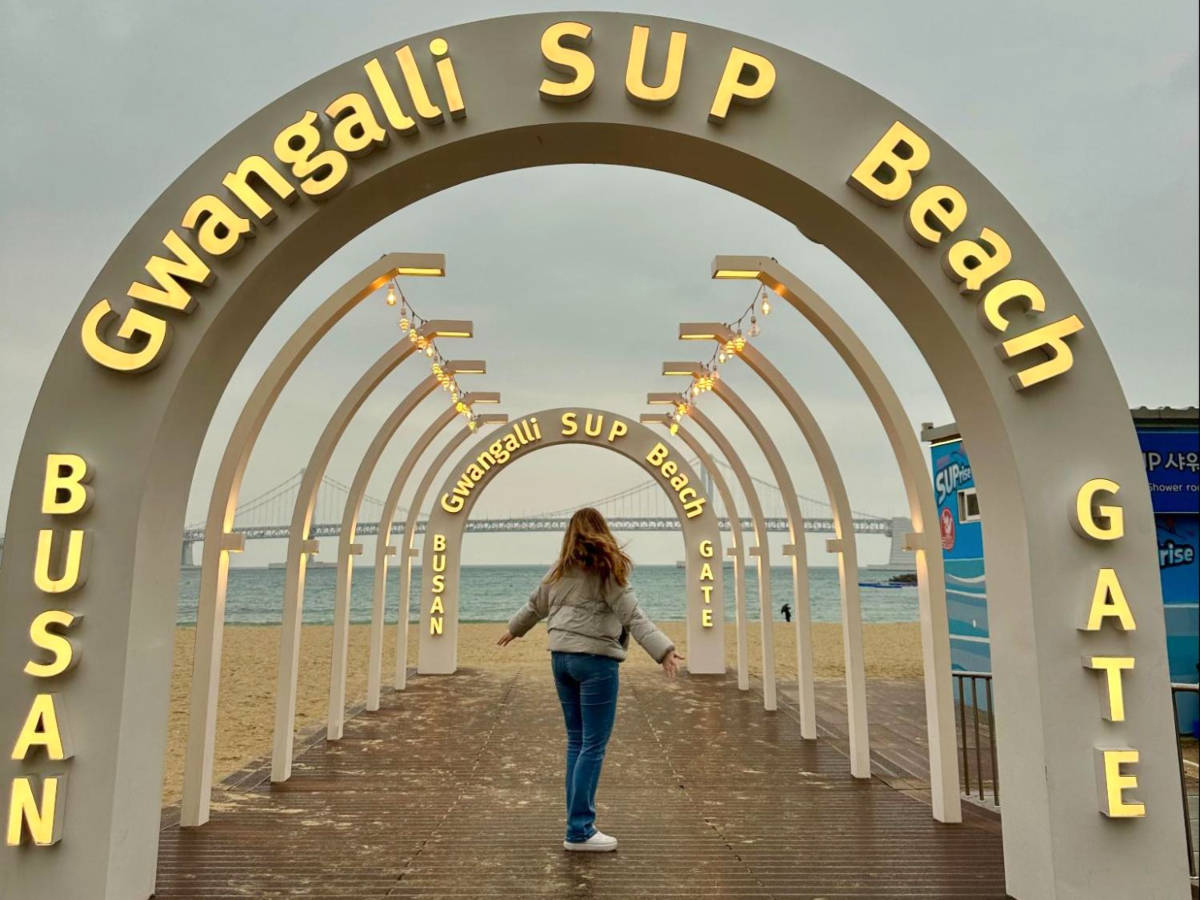
👉 Jump to: Best Places to Stay in Busan | Neighborhoods & Areas | Tips | FAQ
I’ve visited South Korea’s second-largest city countless times over the years and stayed in neighborhoods all across the city. I’ve learnt that where you stay can shape your entire trip, which is why I’m here to help you find the best place to stay in Busan, no matter your interests and travel style.
If you’re visiting Busan for the first time, I almost always recommend staying in Haeundae. It’s home to Busan’s most famous beach, and the Haeundae district combines excellent transport links, a range of hotel options, and easy access to multiple attractions.
There are hotels here for every budget, but I recommend the L7 Haeundae by LOTTE thanks to its convenient location and excellent facilities.
But Busan is more than just its famous beaches. Whether you’re looking for traditional markets, family-friendly activities, delicious local food, or exciting nightlife, there’s a neighborhood to suit you in Busan.
Let me help you find the perfect place to stay, starting with an overview of the best hotels.

Best Places to Stay in Busan
If you’re short on time, these are my top hotel picks:
- 🏆 Best Overall Hotel – L7 Haeundae by LOTTE
- 📍 Best Location – Lotte Hotel Busan
- 💎 Best Luxury – The Westin Josun Busan
- ❤️ Best for Couples – Gwanganli The Club Hotel
- 👪 Best for Families – Paradise Hotel Busan
- 🛎️ Best Boutique – Commodore Hotel
- 🌊 Best Ocean View – Ananti at Busan Cove
- 🛏️ Best Budget – Aventree Hotel Busan
Ok, now scroll down for a deep dive into the pros (and cons) of each area of Busan:
10 Best Neighborhoods & Areas to Stay in Busan
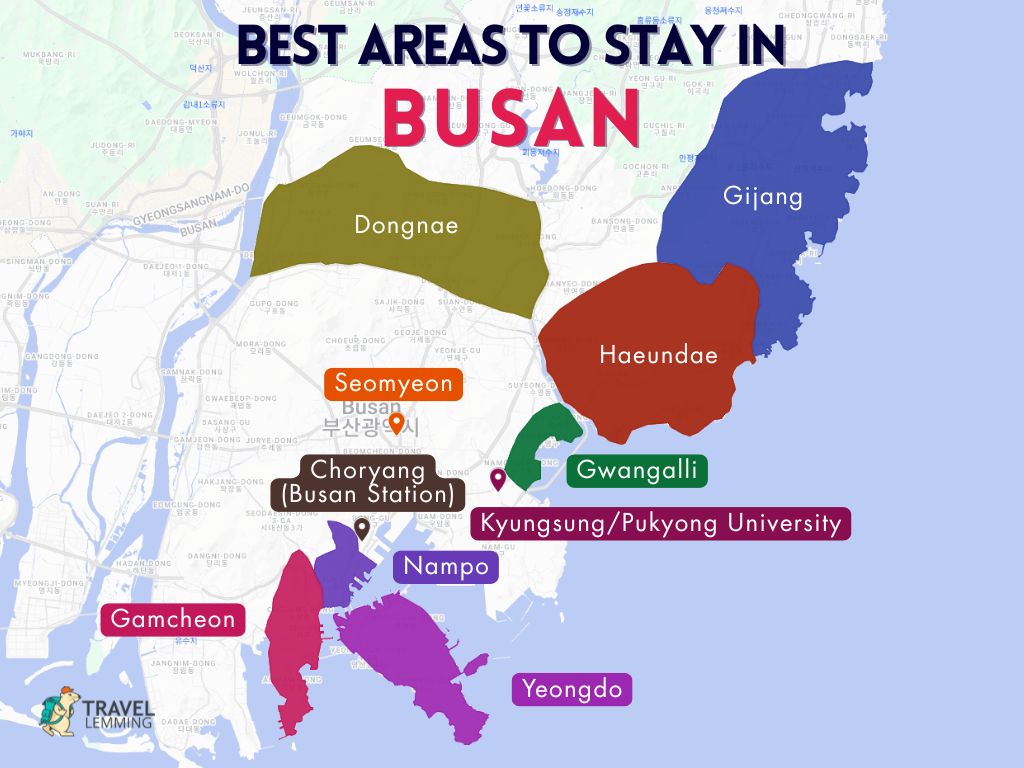
Busan is a port city stretching along the coast, with many of its most popular attractions spread between beaches, mountains, and the historic downtown area. Although the city has excellent public transportation, choosing the right neighborhood can save you a lot of travel time and make a huge difference to your trip.
The main areas tourists tend to visit include Haeundae, Gwangalli, Seomyeon, Nampo and Yeongdo, with each offering different attractions and atmospheres.
Haeundae
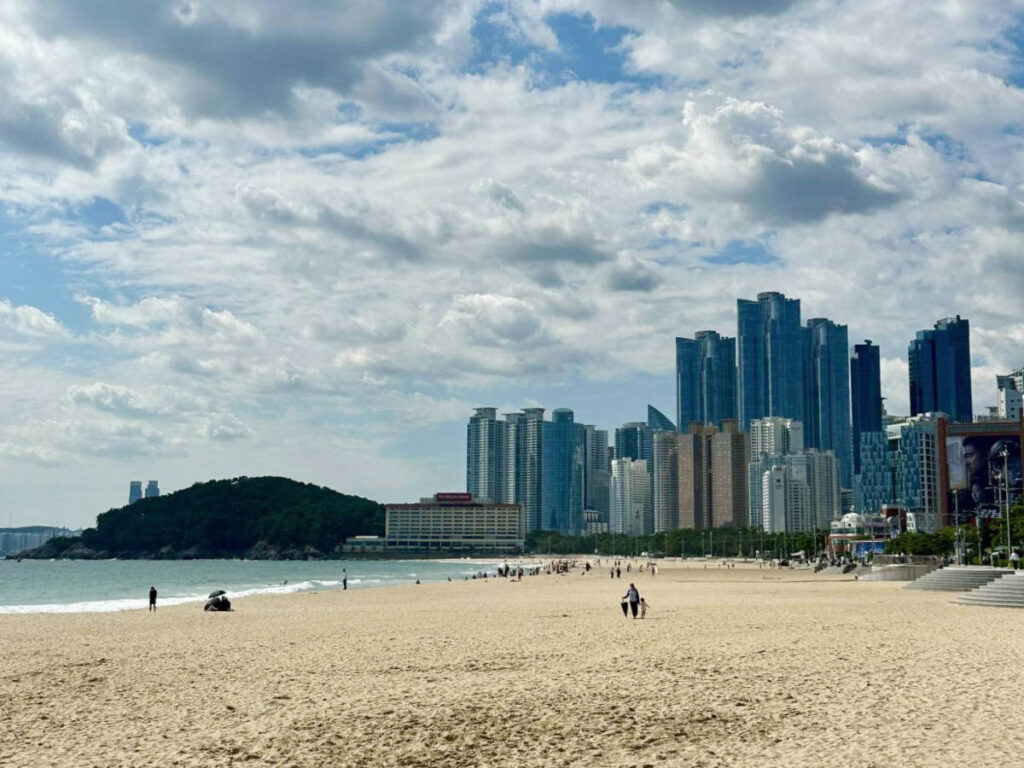
👉 Best Area For First-Timers and Families | ✨ Best Haeundae Hotels: The Westin Josun Busan • Paradise Hotel Busan • L7 Haeundae by LOTTE • Raviens
Haeundae is Busan’s most famous beach district, and the area I recommend most often to first-time visitors.
Haeundae has everything you need for a perfect stay in Busan. Its sandy beach hosts numerous festivals throughout the year, and it has great transportation links and an abundance of restaurants and cafes.
There are many top attractions nearby, including Haeundae Blueline Park, Club D Oasis, and Haeundae Street Food Market. This is also an area favored by families due to its safe, walkable beachfront and family-friendly attractions like Busan X The Sky and SEA LIFE Busan Aquarium.
There are so many hotels to choose from in Haeundae, but my top recommendation is L7 Haeundae by LOTTE because of its fantastic beachfront location and comfortable, modern rooms. The Paradise Hotel Busan is also a great choice, particularly for families, with its multiple pools and direct access to the beach.
Pros of Staying in Haeundae:
- Close to major attractions
- Huge variety of hotels and restaurants
- Easy beach access
Cons of Staying in Haeundae:
- Busy at weekends and in summer
- Far from Busan Station
- Hotels can be pricier
📚 Haeundae Mini Guide 📚
Best Area to Stay for First-Timers and Families
Google Map
✨ Best Hotels – The Westin Josun Busan • Paradise Hotel Busan • L7 Haeundae by LOTTE • Raviens
🏠 Apartments – Browse Top Rentals in Haeundae
🍽️ Where to Eat – Sky 99 ($$$), The Myeongpum Haemultang ($$), Obok Dwaeji Gukbap ($), Goraesa Eomuk Fishcakes ($)
🍸 Where to Drink – The Back Room (TBR), Haeundae Ogtap Rooftop, Fuzzy Navel, Cafe Rooftop
🎟️ Top Attractions – Haeundae Beach, Busan X The Sky, Haeundae Blueline Park, SEALIFE Busan Aquarium, Club D Oasis
Seomyeon
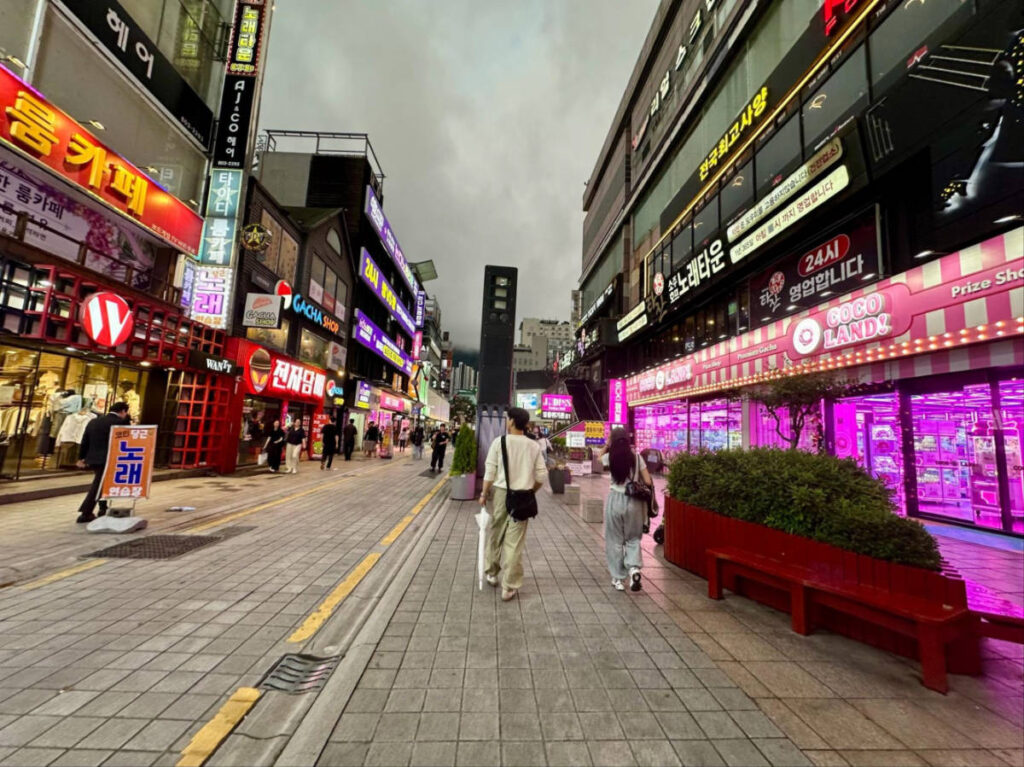
👉 Best Area For Shopping and Convenience | ✨ Best Seomyeon Hotels: Lotte Hotel Busan • Arban Hotel • Busan H Avenue Hotel Seomyeon • Queens Hotel Seomyeon
Seomyeon is where Busan’s two main subway lines intersect, making it one of the best areas to stay if you want to explore the entire city. It’s also a commercial hub, with major shopping streets and malls such as Lotte Department Store and Seomyeon’s famous Underground Shopping Mall.
You can also enjoy a range of restaurants here. Seomyeon’s own food market and a variety of bars and clubs, make this one of the most convenient areas to stay in Busan.
My top pick for a hotel in Seomyeon would be Lotte Hotel Busan, which is conveniently connected to the department store and offers excellent rooms and facilities. If you’re looking for something more affordable, Busan H Avenue Hotel Seomyeon is a great choice in the heart of Seomyeon.
Pros of Staying in Seomyeon:
- Best transport connections
- Food, shopping and nightlife
- Convenient location for exploring the city
Cons of Staying in Seomyeon:
- Less scenic than Busan’s coast
- No beach access
- Can get busy, especially at weekends
📚 Seomyeon Mini Guide 📚
Best Area to Stay for Shopping and Convenience
Google Map
✨ Best Hotels – Lotte Hotel Busan • Arban Hotel • Busan H Avenue Hotel Seomyeon • Queens Hotel Seomyeon
🏠 Apartments – Browse Top Rentals in Seomyeon
🍽️ Where to Eat – BAO HAUS ($$$), Matchandeul Wang Sogeum Gui BBQ ($$), Lee Jae Mo Pizza ($$), Songjeong Samdae Gukbap ($)
🍸 Where to Drink – AC, SKOLL Gastro Beer Pub, Seomyeon Pojangmacha Street, Vintage 38, Knockout
🎟️ Top Attractions – Seomyeon Food Market, Seomyeon Underground Shopping Mall, Jeonpo Cafe Street, Busan Citizens Park
Gwangalli
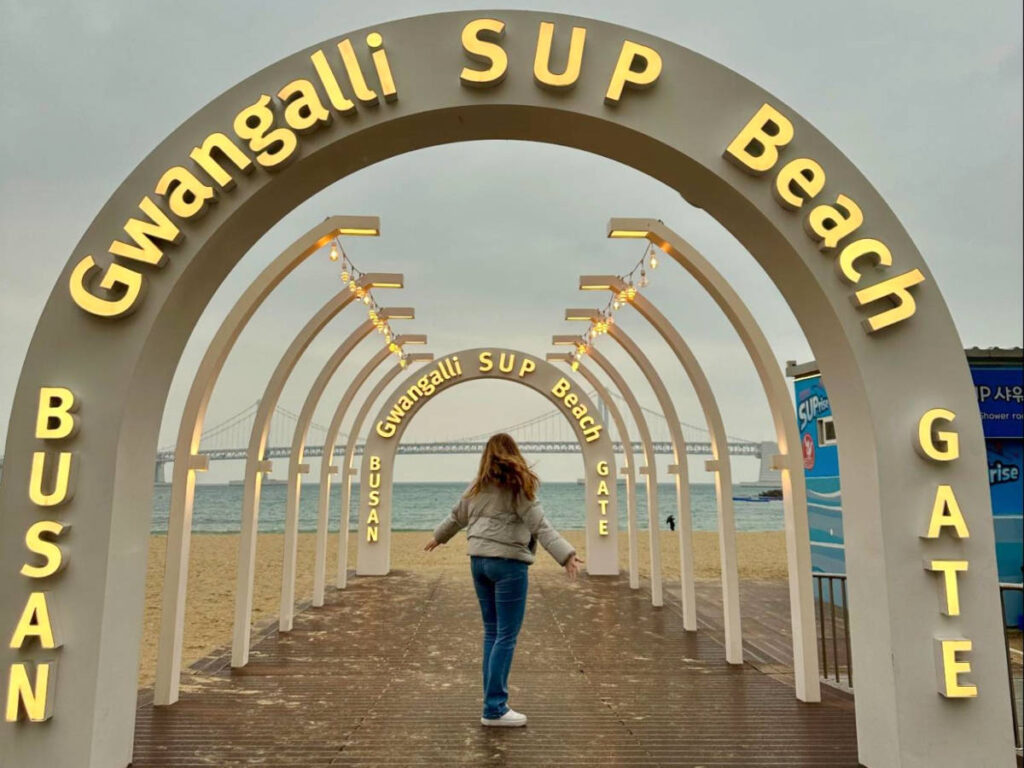
👉 Best Area For Couples and Return Visitors | ✨ Best Gwangalli Hotels: Gwanganli The Club Hotel • The Wave Pension • Hotel Central Bay • Gwangalli Planet 16
Gwangalli is a beachfront neighborhood known for its stunning views of the Gwangan Bridge, as well as its trendy cafe and restaurant scene.
Most first-timers head to Haeundae, but Gwangalli offers a more local feel and slightly calmer atmosphere. It also has a variety of restaurants, bars, and fun entertainment facilities like photobooths and arcades.
A walk along the beach promenade while watching the Gwangan Bridge light up in the evening is the highlight of this neighborhood. There’s also a spectacular drone show every Saturday. Gwangalli is known as a date spot amongst locals, making it the perfect area for couples or anyone who enjoys picturesque, romantic scenery.
When it comes to hotels, Gwanganli The Club Hotel offers incredible sea views and excellent facilities. Private vacation apartments known as pensions are popular in this area, too. Try The Wave Pension for families or Gwangalli Planet 16 for a private, comfortable stay.
Pros of Staying in Gwangalli:
- Beautiful views and a relaxed beach
- Great cafes and nightlife
- Less touristy than nearby Haeundae
Cons of Staying in Gwangalli:
- Fewer hotels than Haeundae
- Can get busy at sunset and on weekends
- Most attractions require travel
📚 Gwangalli Mini Guide 📚
Best Area to Stay for Couples and Return Visitors
Google Map
✨ Best Hotels – Gwanganli The Club Hotel • The Wave Pension • Hotel Central Bay • Gwangalli Planet 16
🏠 Apartments – Browse Top Rentals in Gwangalli
🍽️ Where to Eat – Jogaedaepyo Gwangan ($$$), Jamae Gukbap ($$), Millac The Market ($$), Yongkangzzie ($$)
🍸 Where to Drink – HQ Gwangan, Bar di.lan, CUP&CUP, Casa Busano, BCBL Coffee Roasters
🎟️ Top Attractions – Gwangalli Beach, Gwangan Bridge, Gwangalli Drone Show, Millak Alley Market
Nampo
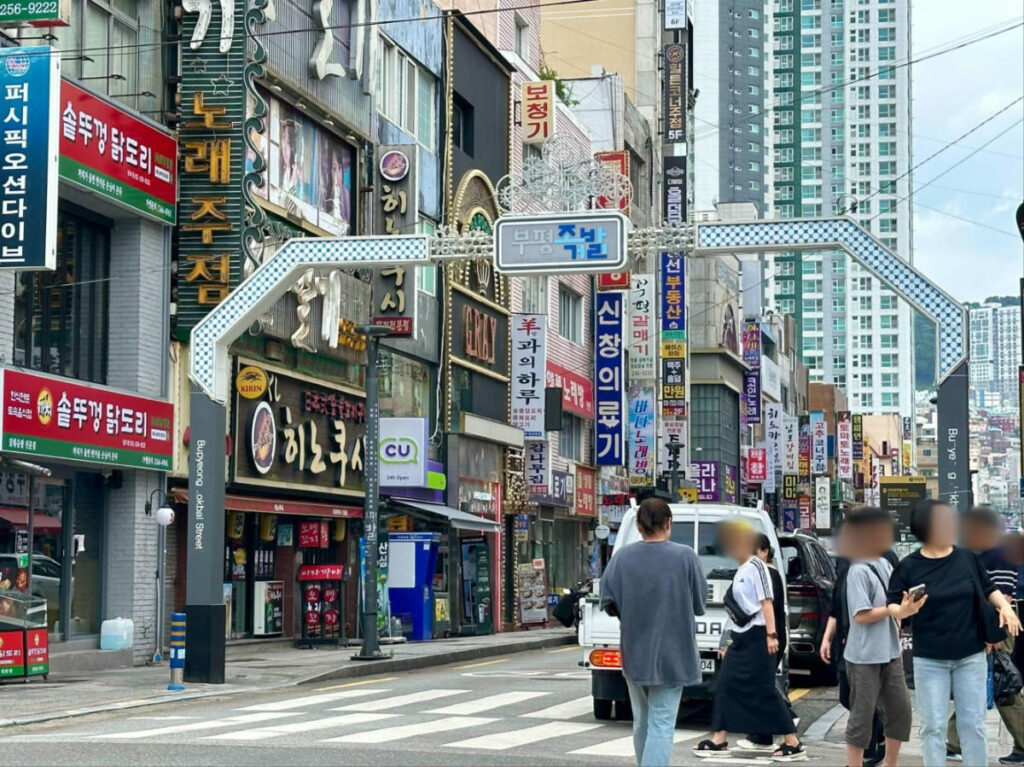
👉 Best Area For History & Culture and Budget Travelers | ✨ Best Nampo Hotels: Stanford Hotel Busan • Nampo Ocean2Heaven Hotel & Spa • Aventree Hotel Busan • Paramion Hotel
Nampo is the historic downtown of Busan, and is the ideal area for anybody interested in history, culture, and local food. It showcases Busan’s past through attractions like Gukje Market, Busan’s largest traditional market, and Jalgachi Fish Market, a remnant of Busan’s historic seafood culture.
It’s not all traditional here, though; you can find major shopping streets, as well as a lively, tourist-friendly food market in BIFF Square. The abundance of traditional markets, eateries and street food stalls make Nampo one of the most affordable areas to stay in Busan, so budget travelers should set their sights on this area.
My number one hotel recommendation for Nampo is Stanford Hotel Busan, which is located within walking distance of Nampo’s main attractions. I also recommend Nampo Ocean2Heaven Hotel & Spa for its traditional bathhouse spa facilities.
For an excellent budget stay, try Aventree Hotel Busan. It’s affordable while still conveniently placed in the heart of the area.
Pros of Staying in Nampo:
- Best area for culture and history
- Street food and traditional markets
- Affordable accommodation
Cons of Staying in Nampo:
- Far from the main beaches
- Less modern than newer districts
- Limited nightlife
📚 Nampo Mini Guide 📚
Best Area to Stay for History & Culture and Budget Travelers
Google Map
✨ Best Hotels – Stanford Hotel Busan • Nampo Ocean2Heaven Hotel & Spa • Aventree Hotel Busan • Paramion Hotel
🏠 Apartments – Browse Top Rentals in Nampo
🍽️ Where to Eat – Lee Jae Mo Pizza ($$), Busan Jokbal ($$), Seojinseop Pork Soup ($$), Gukje Market Food Alley ($)
🍸 Where to Drink – Sunset Lounge, Regular House, Gwangbokdong 12 o’clock, Madam Madam
🎟️ Top Attractions – Gukje Market, Jagalchi Fish Market, BIFF Square, Busan Contemporary History Museum, Busan Tower
Gamcheon
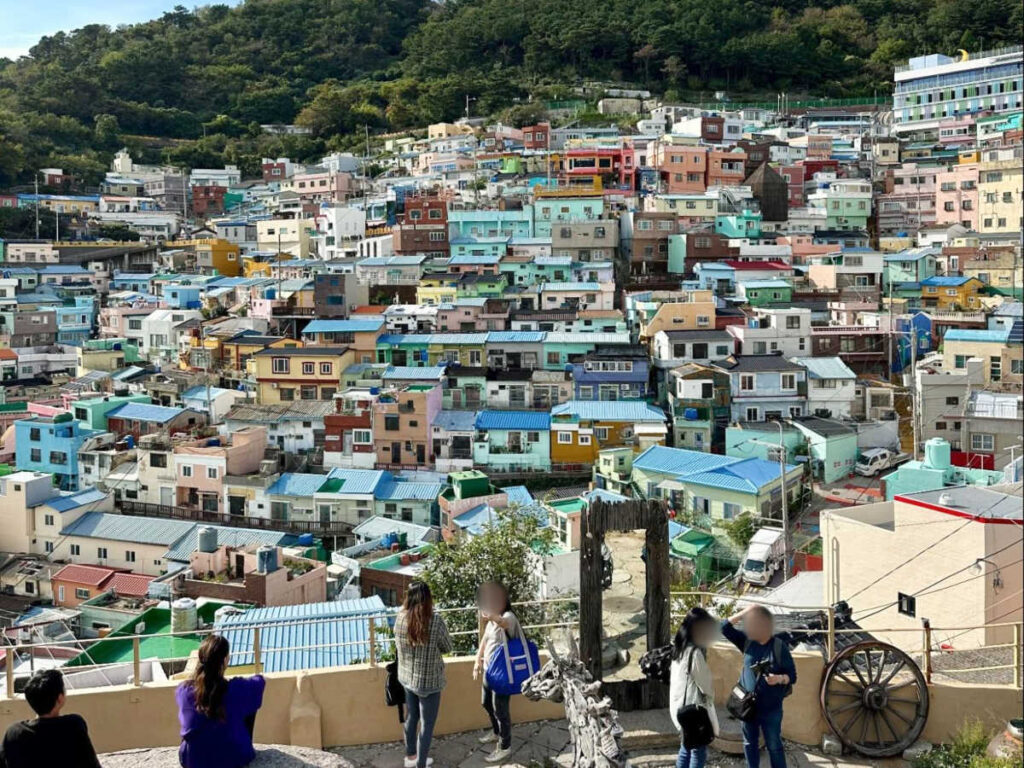
👉 Best Area For Photographers and Creatives | ✨ Best Gamcheon Hotels: Wyndham Grand Busan • Aloha Green Gamcheon • Busan Beach Hotel Songdo
Known as the “Machu Picchu of Busan,” Gamcheon Culture Village is one of the city’s most unique neighborhoods. It’s famous for its steep, winding alleys, mural artwork, and colorful houses built into the hillside.
Photographers and artistic travelers will find staying in this area the best way to beat the crowds. It’s also located near Songdo Beach, which has fantastic views from the Cloud Walk and Cable Car.
While it’s not very convenient for accessing the rest of Busan, Gamcheon is ideal for a short trip or weekend getaway. My top hotel recommendation for this area is Wyndham Grand Busan, which offers modern rooms and facilities while being in close proximity to the village.
For a unique, more memorable stay, try an apartment like Aloha Green Gamcheon or any other of the guesthouses in the village, which offer fantastic views of the hillside.
Pros of Staying in Gamcheon:
- Access to the village before crowds
- Unique atmosphere and scenery
- Ideal for a short trip
Cons of Staying in Gamcheon:
- Inconvenient if exploring the city
- Limited hotel choice
- Steep hills difficult with luggage
📚 Gamcheon Mini Guide 📚
Best Area to Stay for Photographers and Creatives
Google Map
✨ Best Hotels – Wyndham Grand Busan • Aloha Green Gamcheon • Busan Beach Hotel Songdo
🏠 Apartments – Browse Top Rentals in Gamcheon
🍽️ Where to Eat – Songdo Kitchen ($$$), The Plate ($$), Unnamed Island ($$), Arirang Kimbap ($)
🍸 Where to Drink – Bluehouse on the Stairs, DUF Coffee, YAO
🎟️ Top Attractions – Gamcheon Culture Village, Songdo Beach, Songdo Cable Car, Songdo Cloud Walk
Dongnae
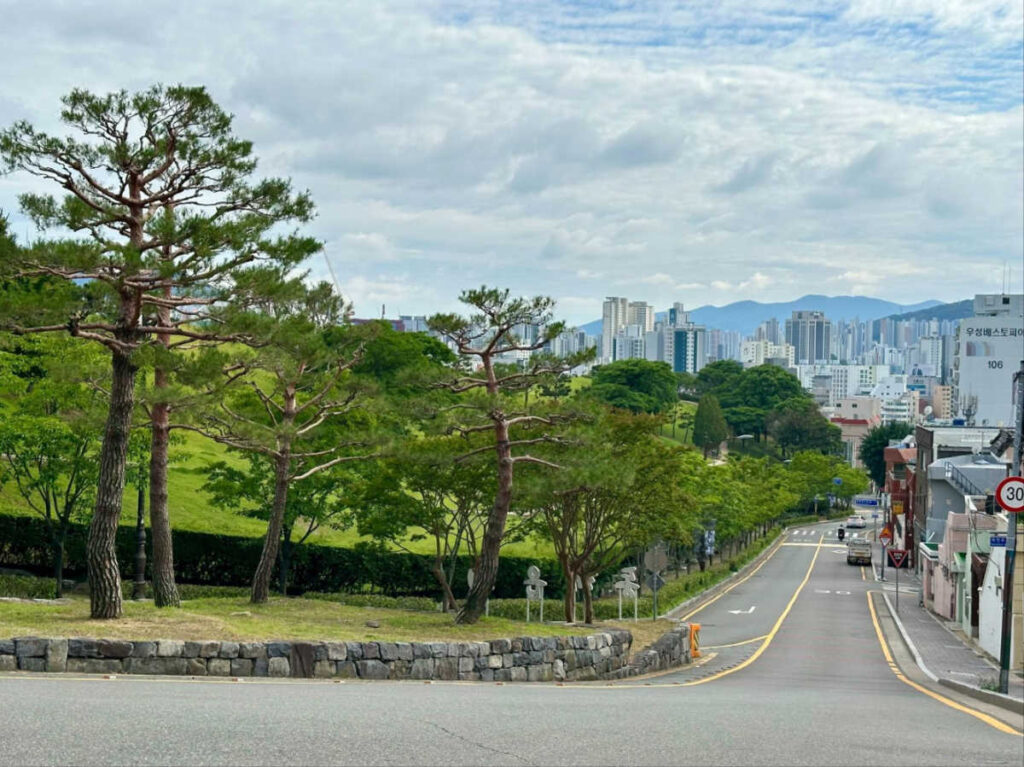
👉 Best Area For Nature Lovers and A Local Stay | ✨ Best Dongnae Hotels: Nongshim Hotel • Urbanstay Busan City Hall • Brown Dot Hotel Yeonsan
A stay in mountainous Dongnae is a completely different experience to the rest of Busan. Known for its historic sites, hot springs and green spaces, Dongnae has a small-town vibe that’s difficult to find elsewhere in the city.
Nearby attractions such as Dongnae Eupseong Fortress and Beomeosa Temple make Dongnae the perfect neighborhood for travelers wanting to experience a mixture of history, nature, and local life. It’s also home to several decades-old restaurants serving Busan-style cuisine that locals travel to from all over the city.
If you decide to stay in Dongnae, you must stay at the Nongshim Hotel, which is famous for its retro-luxury aesthetic and traditional hot springs.
A more budget-friendly option would be Brown Dot Hotel Yeonsan, located near Yeonsan Station. The area has more of a city feel than the rest of Dongnae, but transportation options are much better here. It’s also close to the Ocheoncheon Stream, another relaxing green space in Busan.
Pros of Staying in Dongnae:
- Small-town atmosphere
- Access to hiking trails, historic sites, and hot springs
- Less touristy, more local
Cons of Staying in Dongnae:
- Less reliable public transport
- Far from beaches
- Few tourist-focused hotels and attractions
📚 Dongnae Mini Guide 📚
Best Area to Stay for Nature Lovers and A Local Stay
Google Map
✨ Best Hotels – Nongshim Hotel • Urbanstay Busan City Hall • Brown Dot Hotel Yeonsan
🏠 Apartments – Browse Top Rentals in Dongnae
🍽️ Where to Eat – Park Haeyoon Tongyeong ($$$), Dongnae Halmae Pajeon ($$), Dongnae Samgyetang ($$), Dongnae Milmyeon ($$)
🍸 Where to Drink – Gotaeg, C27, Boamere, Bake U
🎟️ Top Attractions – Eupseong Fortress, Beomeosa Temple, Dongnae Market, Ocheoncheon Stream, Bokcheon Museum
Gijang
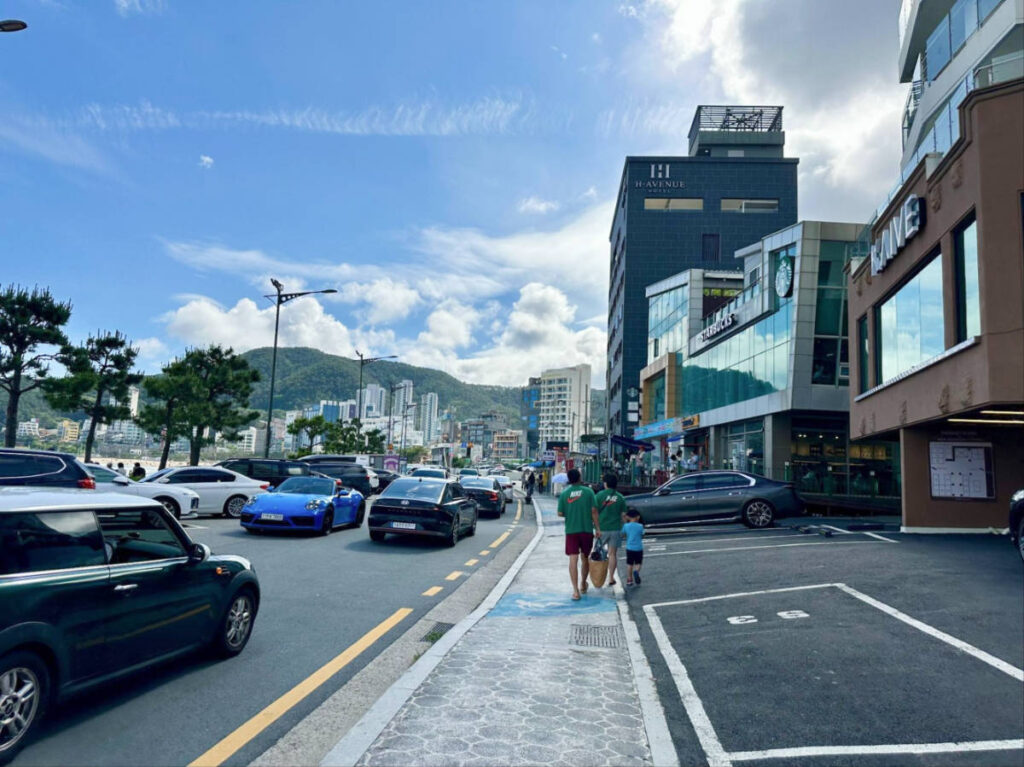
👉 Best Area For Laidback Families and A Luxury Stay | ✨ Best Gijang Hotels: Ananti at Busan Cove • Elmomento Osiria • H Moment Hotel Songjeong • The First Ocean Songjeong
There are two sides to Gijang, and both are equally worth exploring. It’s ultimately a residential area with a relaxed atmosphere.
Songjeong Beach, Busan’s number one surfing beach, is where locals go for a beach day, and the Gijang coastal roads are lined with beautiful ocean-view cafes mostly unknown to tourists. Haedong Yonggungsa, Busan’s most famous oceanside temple, is also found here.
On the other hand, Gijang is home to Osiria Tourism Complex, which includes several resorts and pensions like Elmomento Osiria, as well as Lotte World Busan theme park and Lotte Premium Outlet Mall.
This area is perfect for families or anybody wanting a resort-style stay without traveling around the city. It’s also easy to visit nearby Haeundae from here, so there’s access to plenty of attractions.
My top pick for a hotel in Gijang is Ananti at Busan Cove. It’s a luxurious resort with incredible coastal views unlike anywhere else in Busan.
Pros of Staying in Gijang:
- Mix of local and modern attractions
- Resort complexes
- Family-friendly attractions
Cons of Staying in Gijang:
- Far from central Busan
- Less convenient transport than nearby Haeundae
- Best explored by car
📚 Gijang Mini Guide 📚
Best Area to Stay for Laidback Families and A Luxury Stay
Google Map
✨ Best Hotels – Ananti at Busan Cove • Elmomento Osiria • H Moment Hotel Songjeong • The First Ocean Songjeong
🏠 Apartments – Browse Top Rentals in Gijang
🍽️ Where to Eat – Songjeong Haenyeo House Osiria Branch ($$$), Gijanghon Gukbo Miyeok ($$), Songjeongjip ($$), Nakbuljip ($$), Bao Burger ($)
🍸 Where to Drink – off.o, BELLA.B, Cafe Leaf, Suwol Gyeonghwa, Bar Railside
🎟️ Top Attractions – Haedong Yonggungsa Temple, Songjeong Beach, Lotte World Busan, Lotte Premium Outlets Dongbusan, Haeundae Blueline Park
Yeongdo
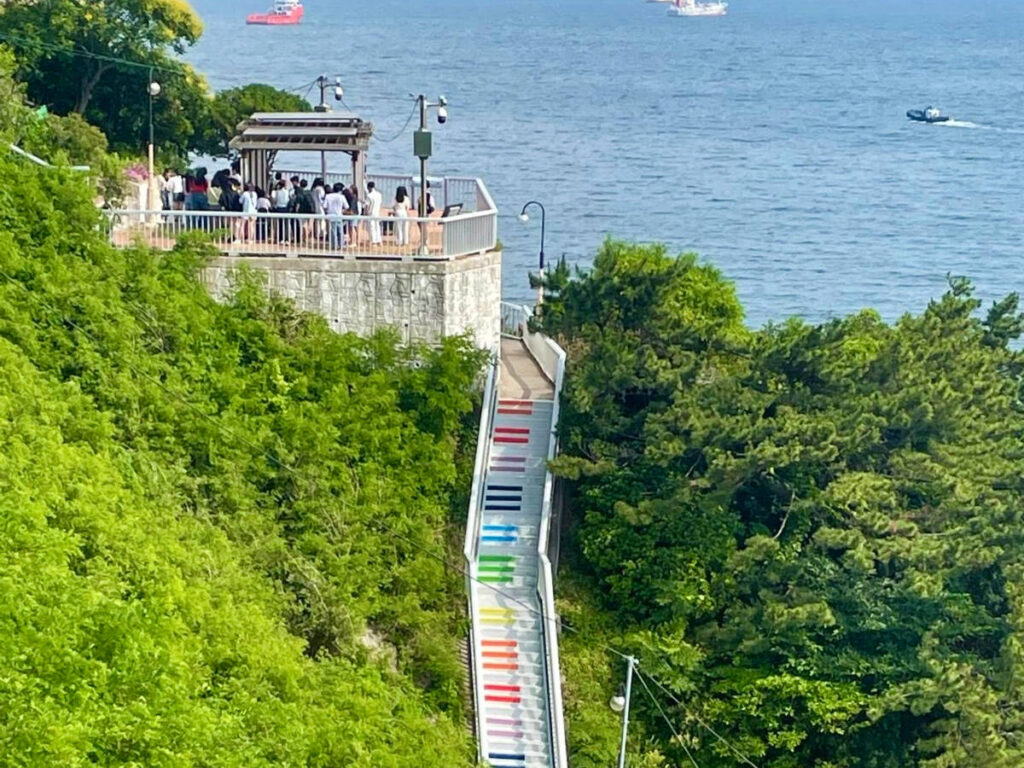
👉 Best Area For Off-the-Beaten-Path Travelers and Hikers | ✨ Best Yeongdo Hotels: Citadines Connect Hari Busan • YeoulHyang and Dam • Yeongdo Grandbern Hotel
Yeongdo Island is a great area for travelers wanting to get off the beaten path and enjoy the relaxing coastal towns and hiking trails.
It’s home to Huinnyeoul Culture Village, a smaller, less touristy cousin to Gamcheon Culture Village, as well as dramatic coastal views and hiking trails around Taejeongdae Resort Park. The island is located just south of Nampo city centre, so it’s well connected to the city, despite feeling more rural.
If staying in Yeongdo, I highly recommend Citadines Connect Hari Busan for its excellent facilities and harbour views. Or stay at a pension in the culture village, such as YeoulHyang and Dam, for unique ocean views and immersion into local life.
Pros of Staying in Yeongdo:
- Hiking trails and coastal walks
- Local, less touristy atmosphere
- Scenic viewpoints
Cons of Staying in Yeongdo:
- Fewer hotel and restaurant options
- Inconvenient for first-time visitors
- Slightly limited public transport around the island
📚 Yeongdo Mini Guide 📚
Best Area to Stay for Off-the-Beaten-Path Travelers and Hikers
Google Map
✨ Best Hotels – Citadines Connect Hari Busan • YeoulHyang and Dam • Yeongdo Grandbern Hotel
🏠 Apartments – Browse Top Rentals in Yeongdo
🍽️ Where to Eat – Arp Kitchen ($$$), Taejeongdae Jjampong ($$), Yeongdo Haenyeochon ($)
🍸 Where to Drink – Thrill on the Mug, Miffy Cafe, Lisboa, Momo’s Coffee, Yeongdo Pocha Street (Bongnaenaru-ro)
🎟️ Top Attractions – Huinnyeoul Culture Village, Taejeongdae Resort Park, Arte Museum, Yeongdo Lighthouse
Choryang (Busan Station)
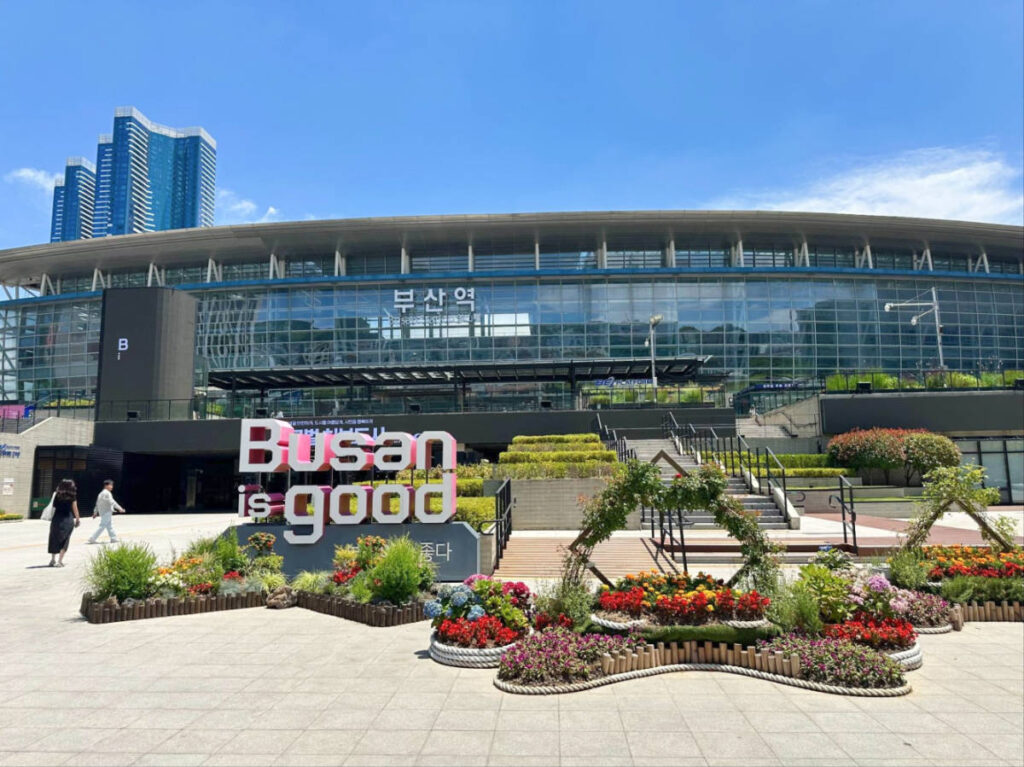
👉 Best Area For Day Trippers and Affordable Accommodation | ✨ Best Choryang (Busan Station) Hotels: Commodore Hotel • Toyoko Inn Busan Station • Hound Hotel Busan Station • Almond Hotel
The Choryang (Busan Station) area is convenient due to its transport links and affordable hotels. It’s the city’s main transport hub, with easy access to the KTX, local buses, and the ferry terminal. If you’re planning day trips to nearby cities such as Gyeongju, Jinhae, or even Jeju Island, Choryang is the best area to stay.
What the area lacks in beaches, culture, and nightlife, it makes up for in affordable accommodation. Toyoko Inn Busan Station is a favorite amongst visitors to Busan for its reliable, comfortable rooms.
But there are some highlights to staying here, too. My all-time favorite dwaeji gukbap restaurant is here, as well as Choryang Chinatown and Shanghai Street, home to some amazing Chinese restaurants.
It’s also in Choryang that you can find the unique Commodore Hotel, known for its traditional Korean architecture and harbour views. It’s become a landmark in itself in central Busan.
Pros of Staying in Choryang (Busan Station) Neighborhood:
- Best transport connections
- Affordable hotels
- Proximity to central Busan
Cons of Staying in Choryang (Busan Station) Neighborhood:
- Limited entertainment
- Less character than other neighborhoods
- Far from beaches
📚 Choryang (Busan Station) Mini Guide 📚
Best Area to Stay for Day Trippers and Affordable Accommodation
Google Map
✨ Best Hotels – Commodore Hotel • Tokyoko Inn Busan Station • Hound Hotel Busan Station • Almond Hotel
🏠 Apartments – Browse Top Rentals in Choryang (Busan Station)
🍽️ Where to Eat – HaiDiLao ($$), Bojeon Dwaeji Gukbap ($$), Choryang Milmyeon ($), Pyeongsanok ($), Shinbalwon ($)
🍸 Where to Drink – ZM-illenial, Brown Hands Baekje Cafe, Cherry Basement, Suljan
🎟️ Top Attractions – Choryang Chinatown, Busan Harbour, Democracy Park, Busan Tower
Kyungsung/Pukyong University
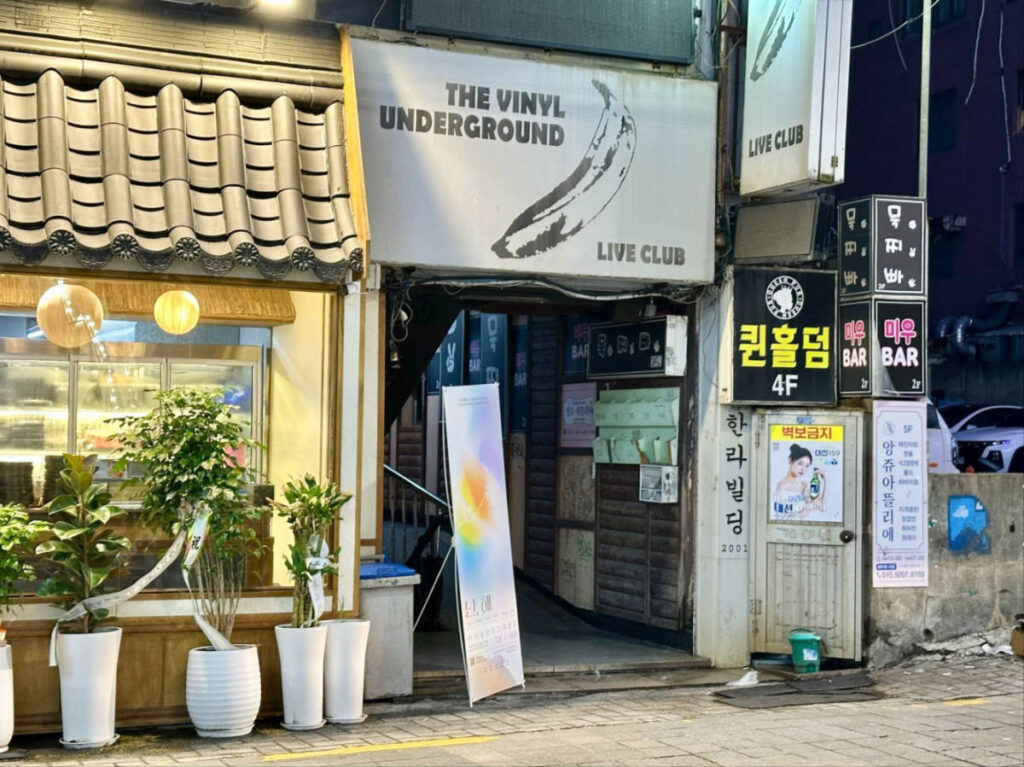
👉 Best Area For Nightlife | ✨ Best Kyungsung/ Pukyong University Hotels: Wave On You • Grand Moment Hotel • After Chapter Hotel Gwangalli
The area surrounding the neighboring Kyungsung University and Pukyong National University is one of the best for Busan’s nightlife, as well as exploring the city’s youthful energy. The area is packed with popular restaurants, bars, karaoke rooms, and late-night food spots, making it a popular neighborhood for students and night owls.
The prices tend to be lower here than in other student-friendly areas like Haeundae and Seomyeon. If you want plenty of food and entertainment on your doorstep while avoiding tourist prices, this is the ideal place to stay.
Hotels tend to be very affordable in this area. It’s also well connected to both Seomyeon and Gwangalli Beach, so it’s a good base for exploring the city. I’d recommend staying at Wave On You, an apartment in the heart of the university district.
Or book a stay at the Grand Moment Hotel, which offers quality rooms for an affordable price. It’s in between the university area and Gwangalli Beach, giving you the best of both worlds.
Pros of Staying in Kyungsung/Pukyong University:
- Nightlife and student atmosphere
- Affordable accommodation and restaurants
- Convenient access to Seomyeon and Gwangalli
Cons of Staying in Kyungsung/Pukyong University:
- Can be noisy at night
- Few attractions within walking distance
- Less touristy than other areas
📚 Kyungsung/Pukyong University Mini Guide 📚
Best Area to Stay for Nightlife
Google Map
✨ Best Hotels – Wave On You • Grand Moment Hotel • After Chapter Hotel Gwangalli
🏠 Apartments – Browse Top Rentals in Kyungsung/Pukyong University
🍽️ Where to Eat – Daebong Jjimdak ($$), Hash ($$), Raeyok ($$), Jung Jae Jib ($$)
🍸 Where to Drink – The Vinyl Underground, Market Openers, Wayd Bar, Cafe With, odod cafe
🎟️ Top Attractions – Gwangalli Beach, Gwangan Bridge, Seomyeon Shopping Streets
Tips for Staying in Busan
Get a T-Money Card
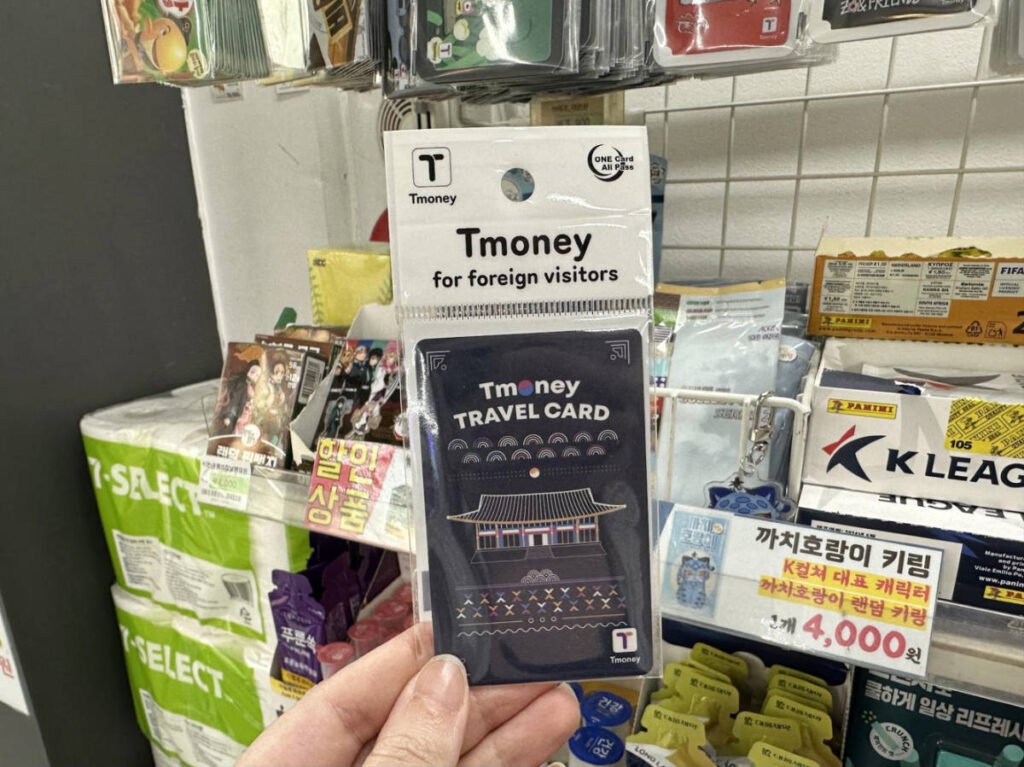
Busan is a large, widespread city, and you will have to travel if you want to explore various attractions. A T-Money card lets you use Busan’s public transport without having to buy individual tickets. You can recharge them with cash at any subway station or convenience store.
Use Naver Map or Kakao Map instead of Google Maps
Google Maps works in Korea, but it’s much less reliable than its domestic counterparts. Naver Map and Kakao Map both offer up-to-date transport and business information, and more accurate directions.
I prefer Naver Map in Busan, but both will make navigating simpler, especially when traveling between neighborhoods.
Wear Comfortable Shoes
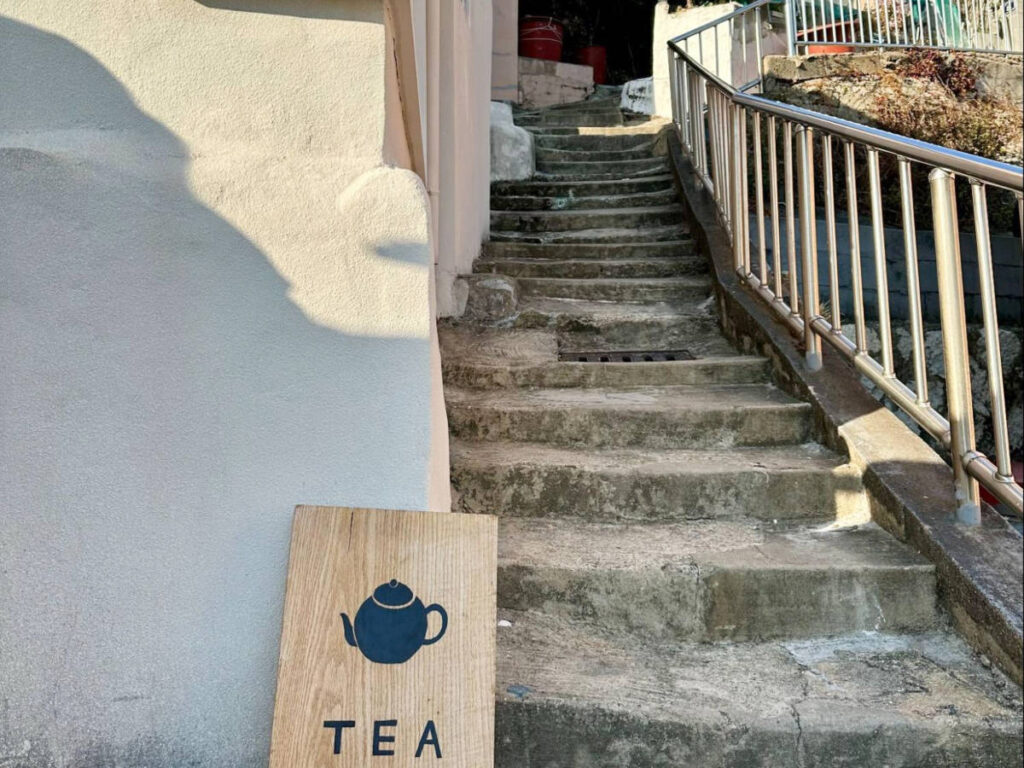
Busan is built on hills, and many areas, including Gamcheon, Dongnae, and Yeongdo, involve steep streets and uneven paths. And that’s not to mention the subway station stairs!
If you want to explore more than Busan’s beaches, pack comfortable shoes. For more ideas for what to bring, take a look at my South Korea packing list.
Carry both Cash and Card
Most hotels, restaurants, and cafes accept cards, but cash is still necessary at some traditional markets such as Gukje or Dongnae Market. You’ll also need cash to top up your T-Money card. Keep cash on you to save yourself the hassle of finding an ATM.
Stay Near a Subway Station
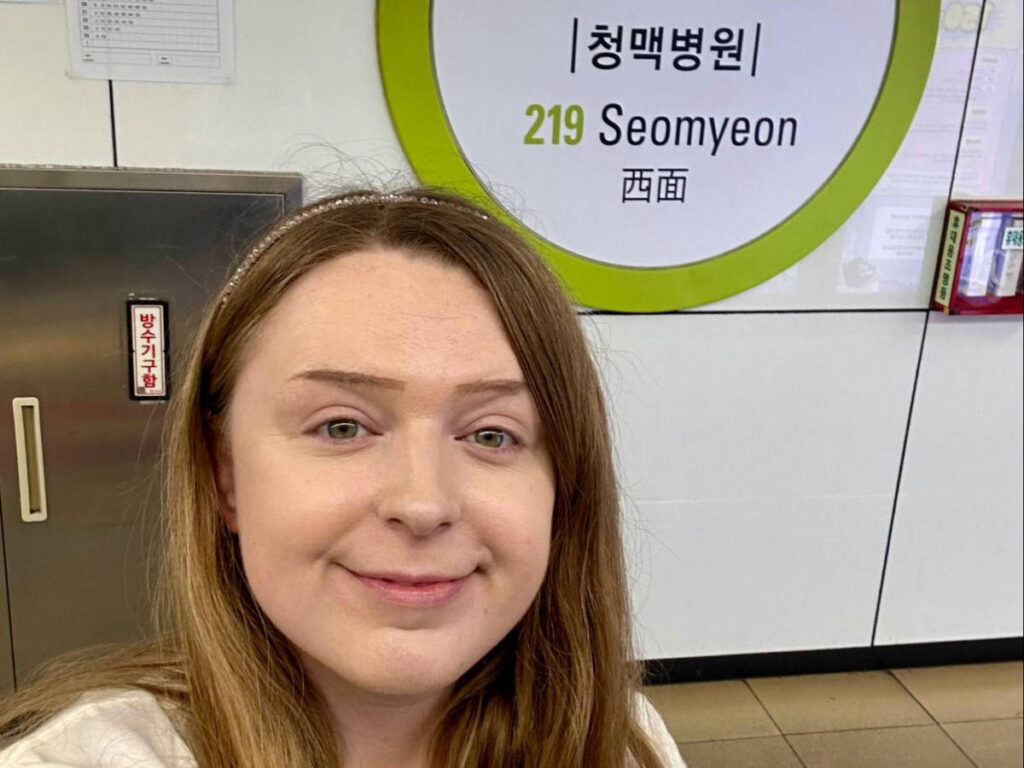
Busan spreads along the coastline so transport is necessary if you want to move between neighborhoods. Choosing accommodation near a subway station or bus stop will make your trip so much easier if you’re visiting multiple areas in the city.
Don’t Try to See Everything
Busan is huge and spread out. Decide what you’re going to do beforehand so you can choose the best place to stay and optimize your travel time. Grouping attractions by neighborhood means you’ll spend less time on transport and more time actually enjoying the city.
Explore Beyond Haeundae
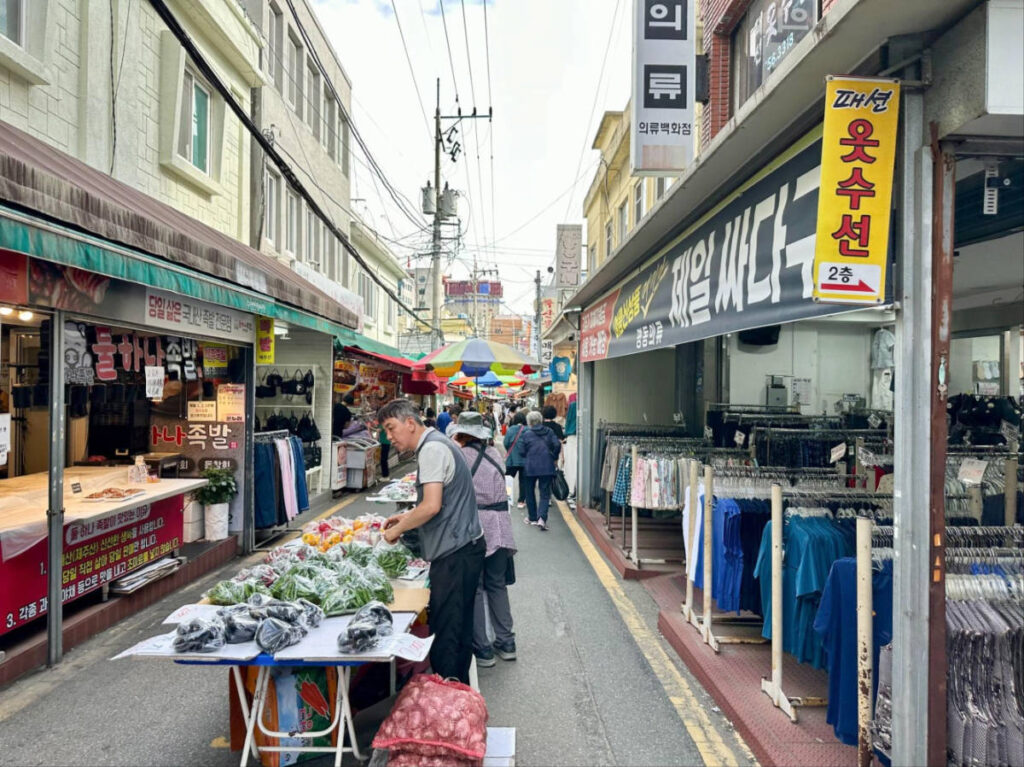
Haeundae is perfect for first-time visitors, but there’s more to Busan than its most famous beach. Some of my favorite Busan experiences have come from exploring less touristy areas such as Yeongdo, Dongnae, and Gijang. Get to truly know this amazing city by straying off the beaten path.
Don’t Tip!
Tipping is not required in South Korea, and it can actually be seen as rude if you do so. If you’ve had a particularly good experience in a restaurant, cafe, or taxi, a thank you is more than enough (even better if you thank them in Korean!).
Try Busan’s Seafood
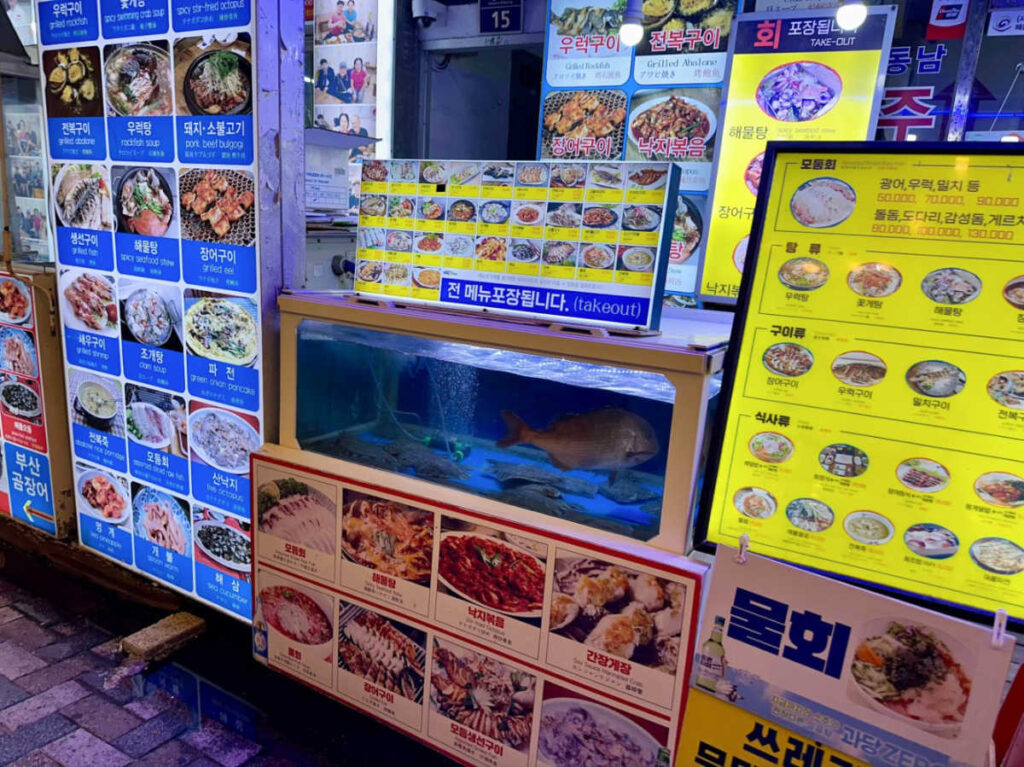
Busan is a port city famous for its seafood; it’s one of the best ways to experience the city. Even if you’re not a seafood lover like me, give it a try and you might be converted! Mild-flavored Busan fishcakes are a great first step into Busan-style seafood cuisine.
FAQs about Busan
How many days is enough for Busan?
If you’re visiting Busan as part of a wider South Korea itinerary, 3-4 days is enough to cover the highlights, including Haeundae Beach, Gamcheon Culture Village, Jagalchi Fish Market, and Haedong Yonggungsa Temple.
However, Busan is a huge city. To explore it fully, you need at least a week. This would give you time to visit multiple beaches and spend time at major attractions like Busan X The Sky, Gukje Market, and Spa Land.
You could also enjoy some excursions that need a bit more time, such as spending a day in the Dongnae neighborhood or taking a day trip to nearby Gyeongju. Busan is best enjoyed at a slow pace to truly enjoy the beaches, nature, and markets it’s most known for.
What areas of Busan should I avoid staying in?
Busan is extremely safe, so there are very few areas to avoid. The most important aspect when choosing where to stay is convenience, especially if you’re relying on public transport.
Outer residential areas not mentioned in this article may have more limited public transport, or be located far from major attractions which will cost you valuable time traveling to and from areas. They may also have fewer hotel options and less support for tourists.
Because Busan is such a widespread city, choose the area that best suits your needs, or stick to central areas like Nampo or Seomyeon if you want to explore the entire city.
Where is the best part of Busan to stay for a long trip?
If you’re staying in Busan for a week or more, Seomyeon would be the best choice due to its central location and excellent transport links. It also has some of the city’s best restaurants, nightlife, and shopping, making it an easy area to spend time in daily.
If you want a more relaxed, slower paced trip, Yeongdo or Dongnae are a great choice, while long-term visitors and expats tend to favor Gwangalli and the Kyungsung/ Pukyong University area for their cafe culture, residential atmosphere and youthful energy.
Is the Busan Pass worth it?
The Busan Pass, which allows free or discounted entry to certain attractions for a fixed price, can be worth it if you’re doing a tourist attraction tour of Busan. However, many of Busan’s biggest attractions, such as Haeundae Beach, Haedong Yonggungsa Temple and Gamcheon Culture Village, are free to enter.
Busan is best enjoyed slowly, without squeezing in as many attractions as possible. But if you have a set plan that includes many expensive attractions (such as Lotte World Busan) and you know you won’t stray from your itinerary, then I would consider buying a Busan Pass.
How do I get to and from the airport?
If you’re flying into Busan you’ll most likely arrive at Gimhae International Airport, which is to the west of the city centre. The easiest way to reach Busan from here is to take the Light Transit Rail (LTR), which then connects to the subway. Or take the airport limousine bus which stops at major destinations like Haeundae and Seomyeon.
If you’re traveling from Seoul by KTX, you’ll arrive at Busan Station, which is already well connected to the subway and bus network.
👉 Read Next: Where to Stay in Seoul (8 Best Areas & Places)
***
I hope I’ve helped you decide where to stay in Busan! The city has a range of distinct neighborhoods for all kinds of travelers, from bustling beach districts to busy shopping streets and quieter local areas. Still unsure where to stay? Leave me a comment with any questions, and I’ll be happy to help you out.
Trying to decide what to do on your trip? Up next, check out my guide on the best things to do in Busan!
We are two older touring cyclists. We arrive in Busan from Japan by ferry. We hope to take our bikes on a bus to Jeongseojin from Busan central Nus Terminal.
Is there bike friendly accommodation near the Terminal?