
Affiliate Ad Disclosure: We’re reader-supported. When you buy via our links, we earn commissions. Learn more.
Where to Stay in Mumbai (6 Best Places & Areas)

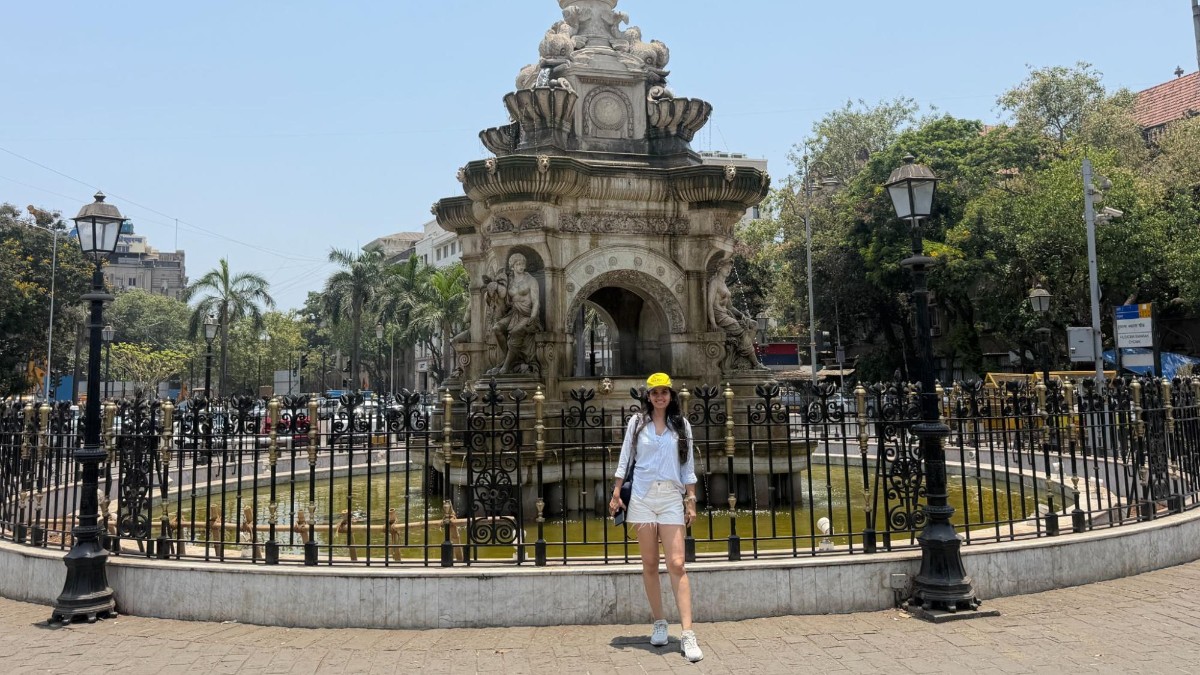
👉 Jump to: Best Places to Stay in Mumbai | Neighborhoods & Areas | Tips | FAQs
Having spent more than three decades of my life in Mumbai, I’m well-versed with its neighborhoods and districts. In this guide, I’ll help you choose a convenient base for your visit.
If this is your first time in Mumbai, I recommend staying in South Mumbai – fondly known as SoBo – which makes up the city’s commercial, cultural, and heritage hub. It includes prime areas like Fort and Colaba, which allow convenient access to the city’s major attractions and beautiful heritage spots.
My #1 pick for accommodation in this area is The Taj Mahal Palace Hotel, a stunning waterfront property facing the bay — and a historic one at that — instantly immersing you in an unforgettable “Bombay” vibe.
That being said, Mumbai is home to other vibrant neighborhoods that cater to diverse tastes and travel preferences. I’ll walk you through them in detail while breaking down the pros and cons of each.

Best Places to Stay in Mumbai
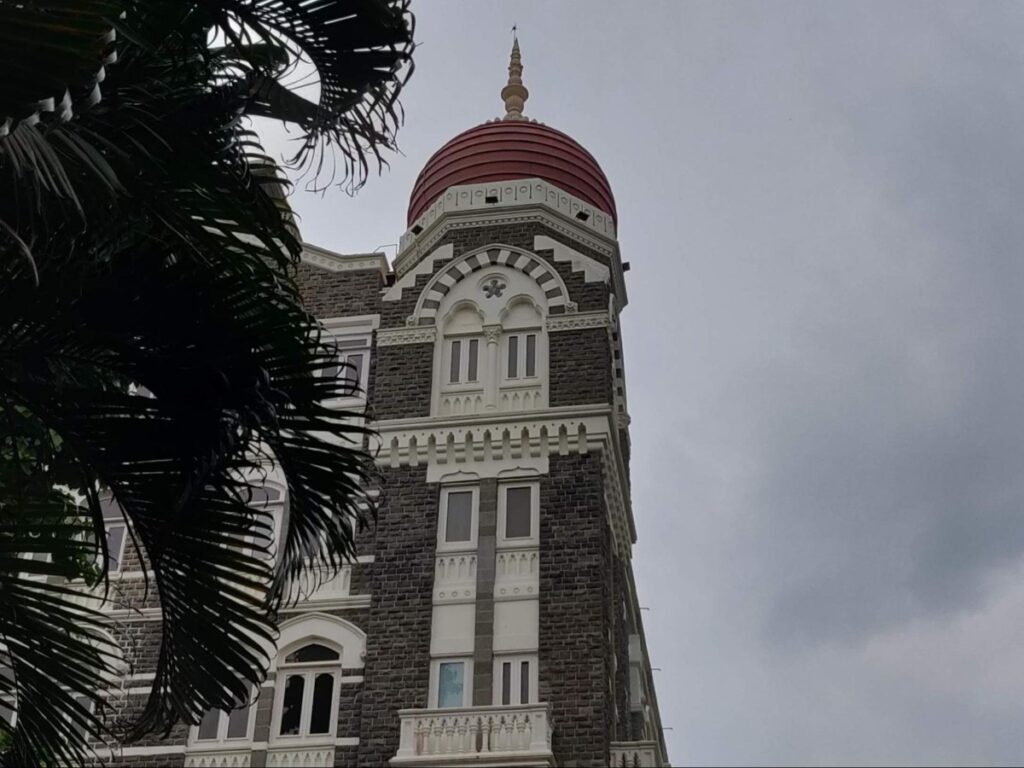
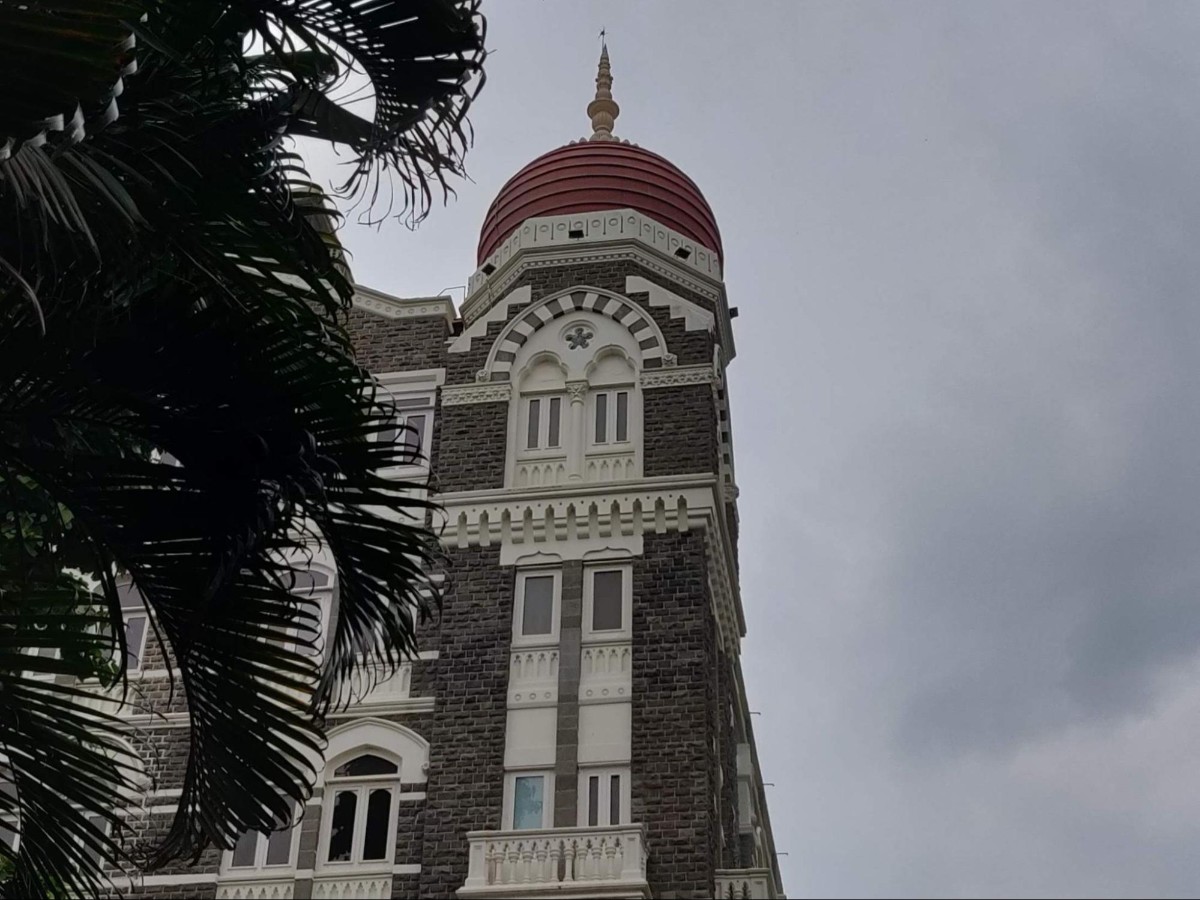
The stone facade of the historic Taj Mahal Palace located in Colaba, South Mumbai 
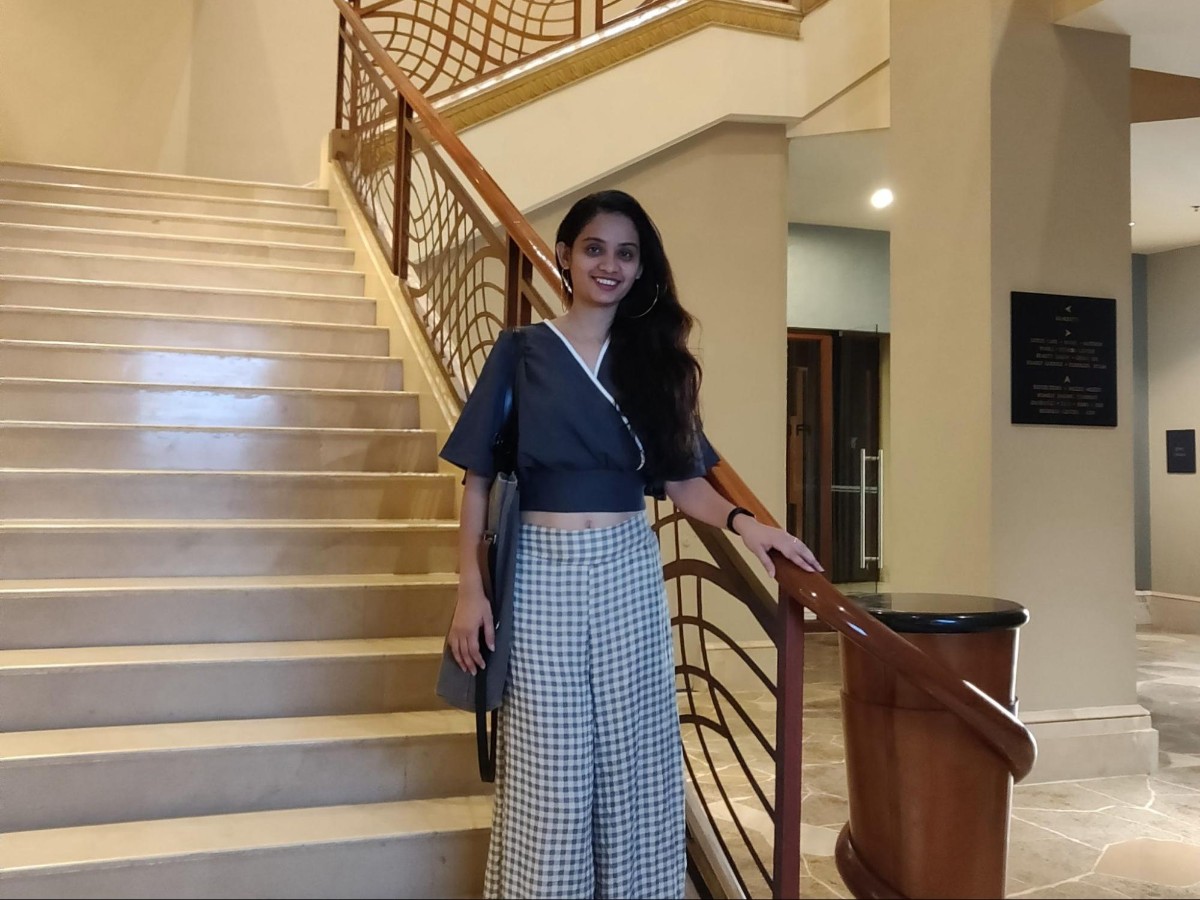
Me at The JW Marriott Hotel after a rejuvenating spa session
If you’re short on time, these are my top hotel picks:
- 🏆 Best Overall Hotel – The Taj Mahal Palace, Mumbai
- 📍 Best Location – The Taj Mahal Palace or InterContinental Marine Drive
- 💎 Best Luxury – The Oberoi, Mumbai
- ❤️ Best for Couples – Four Seasons Hotel Mumbai
- 🌊 Best Hotel For Views – The St. Regis Mumbai or JW Marriott Mumbai
- 🛎️ Best Boutique – Abode Bombay
- 🛏️ Best Budget – Moxy Mumbai Andheri West
- 💼 Best for Business Travelers – Sofitel Mumbai BKC or The Westin Mumbai Garden City
Ok, now scroll down for a deep dive into the pros (and cons) of each area of Mumbai:
6 Best Neighborhoods & Areas to Stay in Mumbai
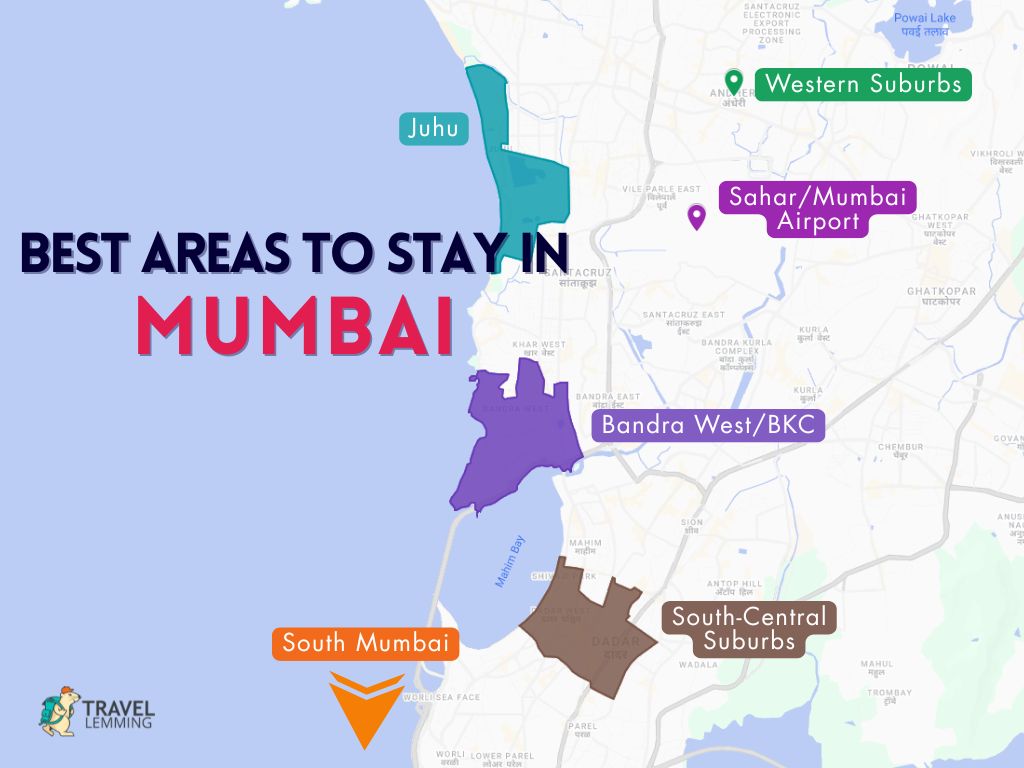
Historically, Mumbai was made up of seven distinct islands that eventually merged after years of land reclamation projects. Today, the city sits on a peninsula that stretches from the north to the south, surrounded by the Arabian Sea.
Mumbai doesn’t exactly have an official “city center.” The Fort area in South Mumbai is historically considered its main economic and commercial nucleus. It is home to colonial buildings, headquarters, government offices, and landmarks.
From there, the city extends to the south-central suburbs that form the heart of the city. Made up of areas like Dadar, Lower Parel, Worli, and Prabhadevi, you’ll find a mix of historic landmarks, refurbished mill complexes, and residential units here.
The western and northern suburbs, which include areas from Bandra to Andheri and beyond, comprise a major part of the city’s residential population. The Eastern Suburbs occupy Mumbai’s harborside stretch, and are largely made up of heavy industrial zones and high-density residential pockets.
South Mumbai (Fort/Colaba/Marine Drive)
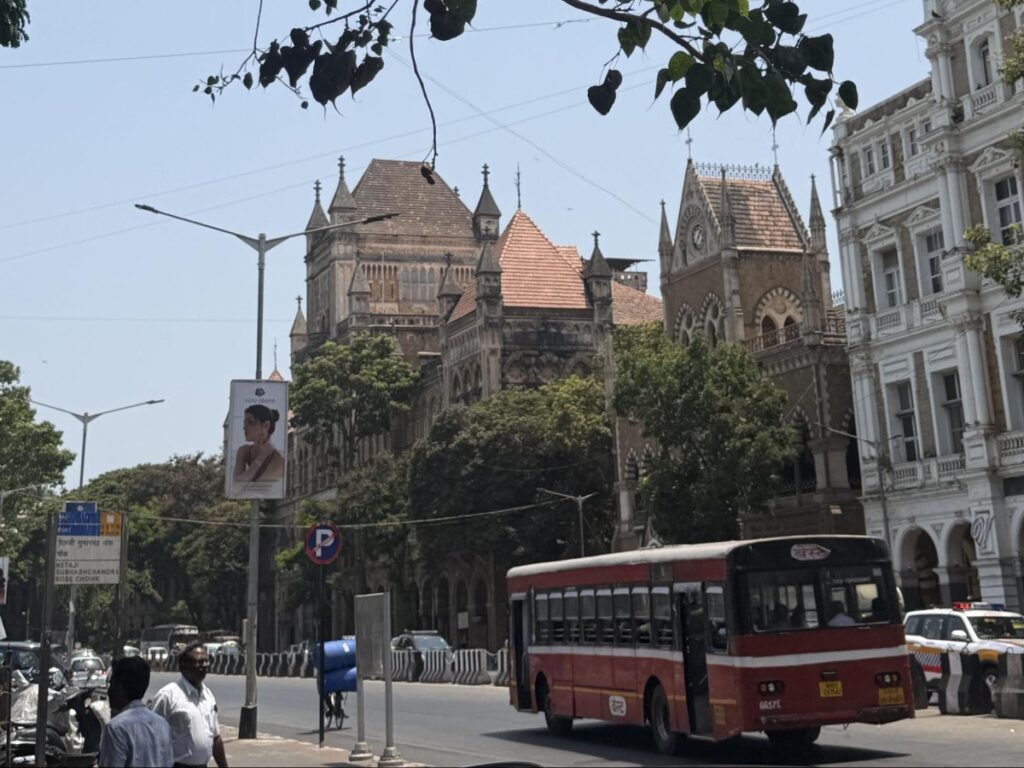
👉 Best Area For First-Time Visitors | ✨ Best Fort/Colaba/Marine Drive (South Mumbai) Hotels: Taj Mahal Palace Mumbai • Abode Bombay • The Oberoi Mumbai • Trident Nariman Point
If you want a taste of Mumbai as it once was, base yourself in South Mumbai, particularly in the heritage Fort precinct. Around nearly every corner, you’ll find colonial buildings with interesting backstories that have now been converted into banks, studios, shops, or cafes.
Stay at the Residency Hotel Fort, a well-placed budget hotel with modern rooms located just a few meters away from the 139-year-old Chhatrapati Shivaji Maharaj Terminus (CSMT) station. Major landmarks like Flora Fountain and the CSMVS (formerly Prince of Wales Museum) are a short walk away.
Another mid-range option is the Astoria Hotel, located a short walk away from Churchgate Station and the beautiful Marine Drive promenade. Other top choices along Marine Drive include Trident Nariman Point and The Oberoi Mumbai, which offer remarkable views of the city’s bay and skyline.
Colaba is home to Mumbai’s scenic waterfront, where you’ll also find Mumbai’s most iconic and historic hotel (and my top recommendation for staying in this area): the Taj Mahal Palace. Designed in 1903, this luxurious hotel features regal rooms overlooking the bay, along with ample options for fine dining and shopping.
Adjacent to the original hotel is the Taj Mahal Tower, a connecting hotel that offers more contemporary rooms at slightly lower rates. For a cozier, more bespoke feel, stay at the Abode Bombay, housed in a 1910 heritage-listed building with a view of Colaba’s pretty streets.
Many streets in South Mumbai’s Fort and Colaba areas are tree-lined and consist of covered walkways, providing an escape from the city’s heat. They also provide good connectivity to the city’s south-central, western, and northern suburbs via Western Railway (local trains) and the Aqua Line metro.
Pros of Staying in Fort/Colaba/Marine Drive (South Mumbai) Neighborhood:
- Scenic and historic
- Walkable with good connectivity
- Full of nostalgic landmarks and preserved heritage buildings
- Authentic “old Bombay” vibes
Cons of Staying in Fort/Colaba/Marine Drive (South Mumbai) Neighborhood:
- Pricey accommodation compared to other areas
- Some areas can be touristy and crowded
- Quieter nightlife than other suburbs
📚 Fort/Colaba/Marine Drive (South Mumbai) Mini Guide 📚
Best Area to Stay for First-Time Visitors
Google Map
✨ Best Hotels – Taj Mahal Palace Mumbai • Abode Bombay • The Oberoi Mumbai • Trident Nariman Point
🏠 Apartments – Browse Top Rentals in Fort/Colaba/Marine Drive (South Mumbai)
🍽️ Where to Eat – Shamiana ($$$), Ling’s Pavilion ($$), Gaylord ($$), Bademiya Colaba ($$)
🍸 Where to Drink – Colaba SOCIAL, Cafe Mondegar, Gokul, Effingut
🎟️ Top Attractions – Gateway of India, Colaba Causeway, Kala Ghoda, CSMVS Museum
Bandra West/BKC
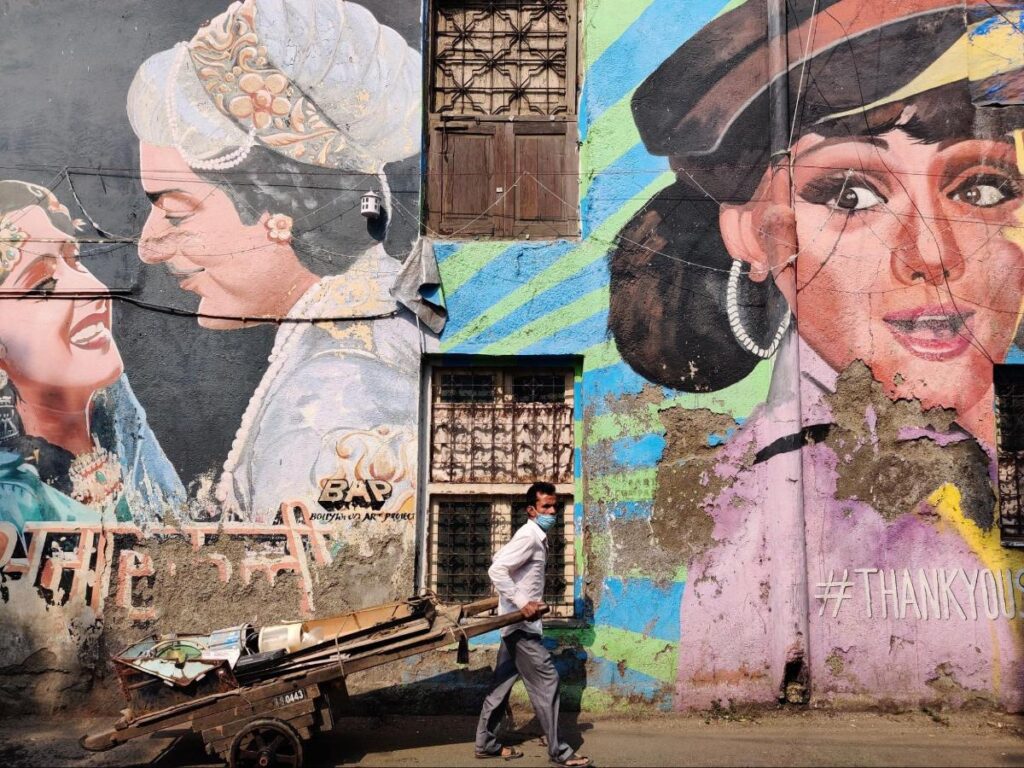
👉 Best Area For Nightlife & Cafe Culture | ✨ Best Bandra West/BKC Hotels: Taj Lands End • Trident Bandra Kurla • Sofitel Mumbai BKC
Bandra West has always been a hip suburb, thanks to its prolific collection of trendy restaurants, Instagrammable cafes, fashion boutiques, and scenic streets lined with celebrity homes and heritage bungalows.
Its coastline-adjacent Carter Road has a high concentration of cafes and premium restaurants. At the far end of the road where the promenade gives way to the sea, stands Taj Lands End, Bandra’s oldest 5-star hotel. Book a room here facing the Arabian Sea for enviable sunset views.
For budget stays, the Bloom Boutique in Bandra’s lovely (and leafy) Pali Hill area is a wonderful choice. They have elegant rooms, a restaurant, a cafe on-site, and luggage storage facilities.
While Bandra West is a chic suburban haven, its eastern counterpart is home to one of Mumbai’s biggest business districts and lifestyle destinations, known as the Bandra Kurla Complex (BKC). Equipped with excellent infrastructure, BKC is also home to world-class malls like the Jio World Drive, the NMACC cultural center, and global restaurants and bars.
This suburb provides good connectivity to South Mumbai’s major attractions via the Sea Link and Coastal Road. My top recommendation for staying in this area is the Trident Bandra Kurla, which features 5-star rooms, a spa, and a swimming pool.
Sofitel Mumbai BKC is another fine choice; a pet-friendly hotel with luxurious rooms and award-winning restaurants.
Pros of Staying in Bandra West/BKC Neighborhood:
- Great nightlife
- Cool culinary spots and cafes
- Plenty of shopping options
- Relaxed, leisurely vibes
- Easy connectivity to both suburbs and downtown via the Bandra-Worli Sea Link
Cons of Staying in Bandra West/BKC Neighborhood:
- Premium accommodations and fewer budget options
- Prone to traffic and crowded areas
📚 Bandra West/BKC Mini Guide 📚
Best Area to Stay for Nightlife & Cafe Culture
Google Map
✨ Best Hotels – Taj Lands End • Trident Bandra Kurla • Sofitel Mumbai BKC
🏠 Apartments – Browse Top Rentals in Bandra West/BKC
🍽️ Where to Eat – Veronica’s ($$), Candies ($$), Yauatcha ($$$), Izumi Bandra ($$$)
🍸 Where to Drink – Yacht, Punchline, Boojee Cafe, Escobar, Toto’s Garage
🎟️ Top Attractions – Mount St. Mary Church, Bandra Fort, Ranwar Village, Carter Road, Hill Road, Bandstand Promenade, Jio World Drive, Nita Mukesh Ambani Cultural Centre (NMACC)
Juhu
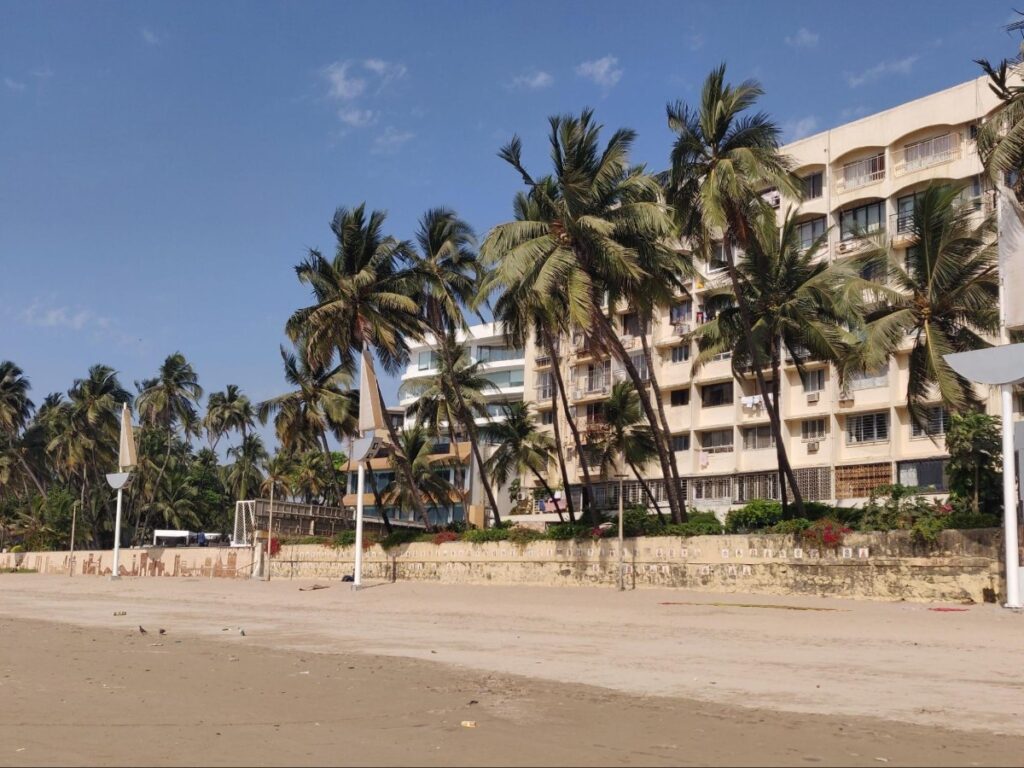
👉 Best Area For Waterfront Views | ✨ Best Juhu Hotels: JW Marriott • Hyatt Centric Juhu • Bawa Continental • Soho House
Juhu is often likened to a low-key version of Beverly Hills, thanks to its frequent celebrity sightings and concentration of lavish Bollywood homes. Much of Juhu’s charm is concentrated around the prominent Juhu Tara Road, part of which runs parallel to the famous Juhu Beach.
It’s also here that you’ll find a ton of elite hotels, restaurants, and bars. The JW Marriott Juhu is among the top-notch hotels in this area, sprawled alongside a pretty section of the beach. The rooms are spacious and overlook the sea. Guests can enjoy 24-hour room service and amenities like a swimming pool and a fitness center.
Similar luxurious choices along this stretch include the Soho House Mumbai, which frequently hosts high-profile guests, and the Hyatt Centric Juhu, another sea-facing property.
More mid-range options are Bawa Continental and Ramada Plaza by Wyndham Palm Grove.
As you wander away from the beach, you’ll find pretty local parks, boutiques, restaurants, and cafes scattered across its quiet leafy lanes. Catch a play at the longstanding Prithvi Theatre, or enjoy seasonal ice creams at Natural’s, a neighborhood favorite.
Pros of Staying in Juhu Neighborhood:
- Hotels with sea views
- Relaxed, leisurely vibe
- Many premium dining options
- Bollywood celeb sightings
Cons of Staying in Juhu Neighborhood:
- Far from South Mumbai’s historic landmarks
- Beaches can be crowded and dirty
- Hotels can be pricey
📚 Juhu Mini Guide 📚
Best Area to Stay for Waterfront Views
Google Map
✨ Best Hotels – JW Marriott • Hyatt Centric Juhu • Bawa Continental • Soho House
🏠 Apartments – Browse Top Rentals in Juhu
🍽️ Where to Eat – Bayroute Juhu ($$), Tanatan Juhu ($$$), Mahesh Lunch Home ($$), Prithvi Cafe ($$), Sharma Chat Bhandar ($)
🍸 Where to Drink – Gadda Da Vida, Bora Bora, Yeda Republic
🎟️ Top Attractions – Juhu Beach, ISKCON Temple, Prithvi Theatre, Kaifi Azmi Park
Western Suburbs
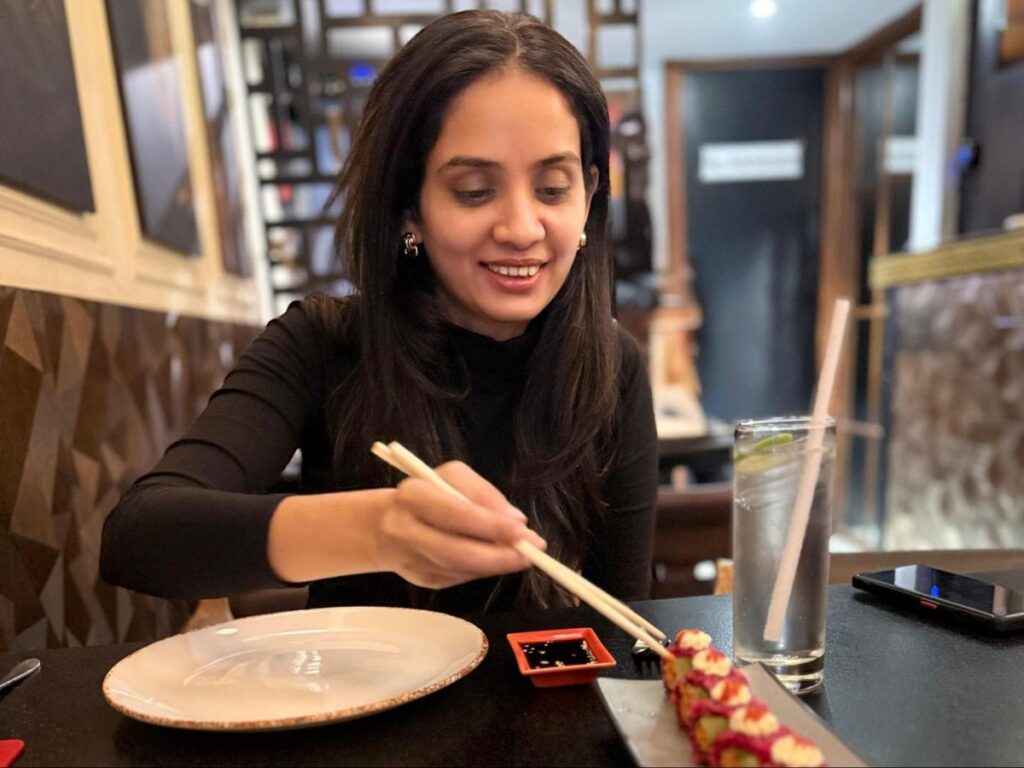
👉 Best Area For Business Travelers | ✨ Best Western Suburbs Hotels: Tunga International • Moxy Mumbai Andheri West • The Westin Mumbai Garden City • Radisson Mumbai Goregaon
Over the last few decades, Western Suburbs such as Andheri (both West and East), Goregaon, and parts of Malad have developed into business parks, IT hubs, and corporate complexes.
You’ll find sprawling malls here, such as Oberoi Mall in Goregaon, Infiniti I in Andheri West, and Infiniti II in Malad West. Most of these suburbs are well-connected via public transport, via Metro Lines 1, 7, and parts of Line 2A, as well as Western Railway trains.
Business travelers can stay in Andheri, which is home to a number of corporate and industrial offices like SEEPZ and MIDC. The station of the same name functions as a major transit hub along the Western Railway Line, offering easy connectivity (via fast and slow trains) to both northern and southern districts.
The Tunga International Hotel near MIDC in Andheri East offers comfortable, air-conditioned rooms. It has laundry service and foreign exchange facilities on site.
For longer stays, business travelers can consider the Dragonfly Hotel located opposite Solitaire Corporate Park, which offers serviced apartments. For a trendier and more youthful vibe, the boutique Moxy Mumbai hotel in Andheri West is an excellent pick.
If you’re staying in Goregaon or Malad suburbs, the Westin Mumbai Garden City is your best bet. Located right on the Western Express Highway next to the popular Oberoi Mall, this chic hotel offers good connectivity via road to various parts of the city.
The Radisson Mumbai Goregaon is another great option in the vicinity. It has a spa and wellness center on site and offers a convenient airport shuttle.
Pros of Staying in Western Suburbs Neighborhood:
- Easy connectivity to IT hubs and industrial areas
- Plenty of malls and culinary options
- Affordable accommodations
- Easy connectivity around the city via Metro and local trains
Cons of Staying in Western Suburbs Neighborhood:
- Narrower roads prone to traffic congestion
- Far from main sights and attractions
- More residential than tourist-oriented
- Lacks Mumbai’s heritage and historic vibe
- Can get loud, busy, and crowded
📚 Western Suburbs Mini Guide 📚
Best Area to Stay for Business Travelers
Google Map
✨ Best Hotels – Tunga International • Moxy Mumbai Andheri West • The Westin Mumbai Garden City • Radisson Mumbai Goregaon
🏠 Apartments – Browse Top Rentals in Western Suburbs
🍽️ Where to Eat – The Tanjore Tiffin Room Andheri ($$), Maharaja Bhog Malad ($$), Foo NESCO ($$), Red Turtle ($$)
🍸 Where to Drink – The Irish House Malad, Doolally Taproom, Effingut NESCO
🎟️ Top Attractions – Global Vipassana Pagoda, Kanheri Caves, Marve Beach, Infiniti Mall Malad
South-Central Suburbs (Dadar/Worli/Prabhadevi)
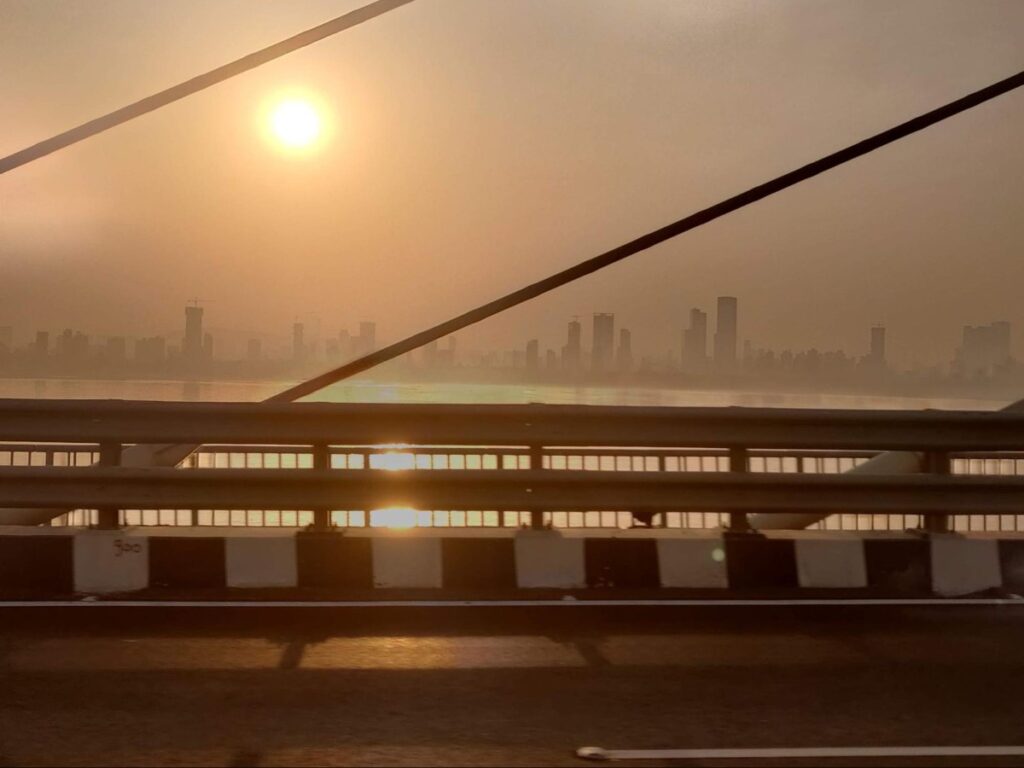
👉 Best Area For Repeat Visitors | ✨ Best Dadar/Worli/Prabhadevi Hotels: Four Seasons Hotel Mumbai • The St. Regis Mumbai • The Kin Hotel • ITC Grand Central
Mumbai’s south-central suburbs, which form the heart of the city, make for an excellent base for repeat visitors looking to experience everyday life in Mumbai.
Dadar is especially well-suited for people-watching. It’s traditionally home to some of the oldest Maharashtrian (a term pertaining to people/places from the state of Maharashtra, where Mumbai is located) neighborhoods and cultural landmarks.
Watch Dadar’s storied flower market come to life at dawn, roam around the historic Shivaji Park area, or enjoy roasted peanuts on the waterfront promenade at Dadar Chowpatty. The Kin Hotel, a boutique hotel off Cadel Road, is a lovely property to base yourself in this area. It has pretty sunlit rooms, a 24-hour concept store, and a vintage vinyl “listening spot” perfect for unwinding.
Prabhadevi and Worli are both affluent, quiet neighborhoods home to high-rise buildings, elite hotels, and restaurants. One of Mumbai’s prominent religious landmarks, the Shree Siddhivinayak Temple, dedicated to the Hindu deity Ganesha, is located here.
Sprawled along the coast, these suburbs offer lovely views of the Arabian Sea and the Bandra-Worli Sea Link. This area also provides good (and swifter) connectivity via the newly built Coastal Road, allowing convenient access to many of Mumbai’s main sights in South Mumbai.
The Four Seasons Hotel is a relaxed choice in the area, offering stunning city views and a celebrated rooftop bar, Aer. You can also consider staying at the St. Regis Mumbai or the ITC Grand Central, both landmark hotels located a few minutes away in the Lower Parel area.
Pros of Staying in Dadar/Worli/Prabhadevi Neighborhood:
- Fairly central
- Convenient access to both northern and southern areas
- Easy access to authentic Maharashtrian eateries
- Full of vibrant local culture
- Strategic location for experiencing major festive celebrations like Ganesh Chaturthi
Cons of Staying in Dadar/Worli/Prabhadevi Neighborhood:
- Gets super busy and crowded on most days
- Major residential hub, therefore not too tourist-friendly
- Fewer upscale accommodation options
📚 Dadar/Worli/Prabhadevi Mini Guide 📚
Best Area to Stay for Repeat Visitors
Google Map
✨ Best Hotels – Four Seasons Hotel Mumbai • The St. Regis Mumbai • The Kin Hotel • ITC Grand Central
🏠 Apartments – Browse Top Rentals in Dadar/Worli/Prabhadevi
🍽️ Where to Eat – Aaswad Dadar ($$), Bastian At The Top Dadar ($$$), Bombay Canteen ($$$), Copper Chimney Worli ($$)
🍸 Where to Drink – AER at Four Seasons, Lord of The Drinks Worli, The Bar Stock Exchange Lower Parel
🎟️ Top Attractions – Dadar Chowpatty Beach, Bandra Worli Sea Link, Worli Promenade, Dadar Flower Market, Shree Siddhivinayak Temple, Nehru Planetarium, Dhobi Ghat, Kamala Mills Complex, Lalbaug Spice Market
Sahar/Mumbai Airport
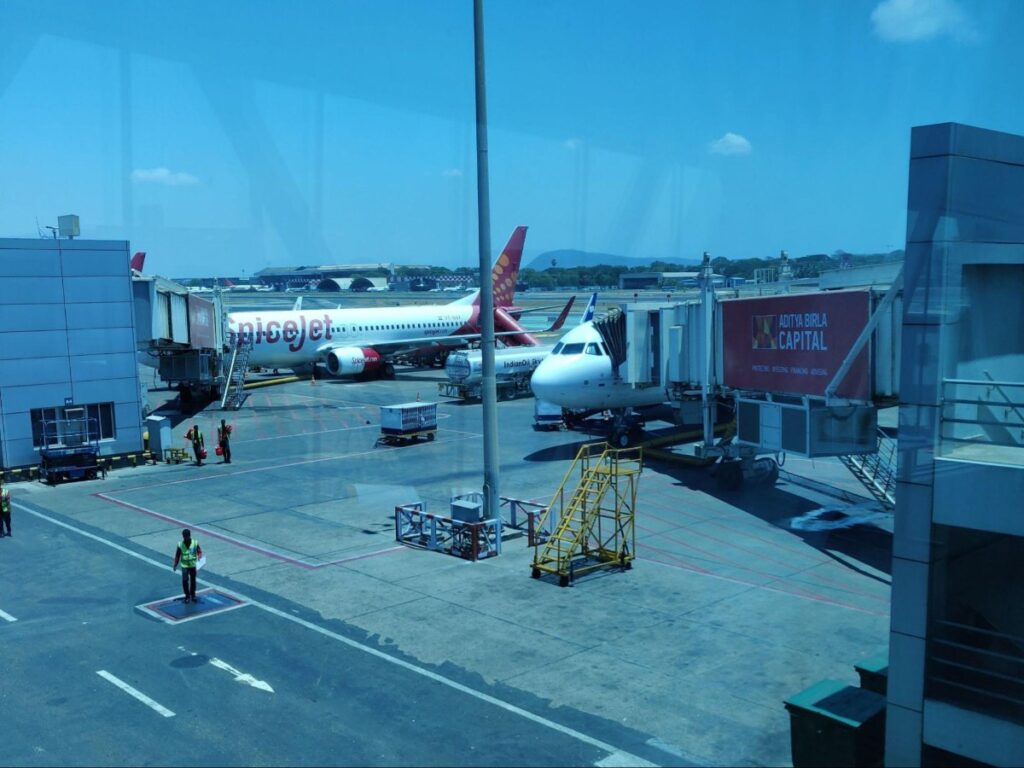
👉 Best Area For Transit Stays | ✨ Best Sahar/Mumbai Airport Hotels: Roswyn, A Morgans Original Hotel • Fairmont Mumbai • Radisson Blu Mumbai International Airport • The Hosteller Mumbai, International Airport
The area near Mumbai Airport, locally known as Sahar, is home to some of the highest concentrations of hotels in the city. You’ll find a range of hotels here, from budget properties with basic amenities to splurge-worthy 5-star stays.
I recommend staying here only if you have a logistical reason to do so, such as a delayed flight or a long layover. There are a few tourist attractions in the area and little in the way of scenic views; however, you’ll find a handful of restaurants and local malls nearby.
That being said, Sahar offers decent connectivity to the rest of the city, so major attractions can be accessed within an hour, depending on traffic.
Roswyn, A Morgans Original Hotel, is a luxurious choice in Sahar, replete with lavish suites and wellness spaces. Fairmont Mumbai is another stunning property that offers luxurious yet affordable city view rooms.
A couple of kilometers from Mumbai’s Terminal 2 is The Hosteller, a budget-friendly, adults-only property that offers both dorm-style and private rooms.
Pros of Staying in Sahar/Mumbai Airport Neighborhood:
- Convenient for short stays and layovers
- Diverse hotel options
- Well-connected to the city via the Western Express Highway
Cons of Staying in Sahar/Mumbai Airport Neighborhood:
- Far from the main sights and attractions
- Prone to traffic, especially during peak hours
- Not much to do in the area
📚 Sahar/Mumbai Airport Mini Guide 📚
Best Area to Stay for Transit Stays
Google Map
✨ Best Hotels – Roswyn, A Morgans Original Hotel • Fairmont Mumbai • Radisson Blu Mumbai International Airport • The Hosteller Mumbai, International Airport
🏠 Apartments – Browse Top Rentals in Sahar/Mumbai Airport
🍽️ Where to Eat – Peshwa Pavilion ($$$), JW Cafe ($$$), Namak ($$$$)
🍸 Where to Drink – Tiqri Bar & Lounge, Opa! Bar & Cafe, The Stables
🎟️ Top Attractions – Juhu Beach, ISKCON Temple
Tips for Staying in Mumbai
Get around town easily using Mumbai’s affordable public transport
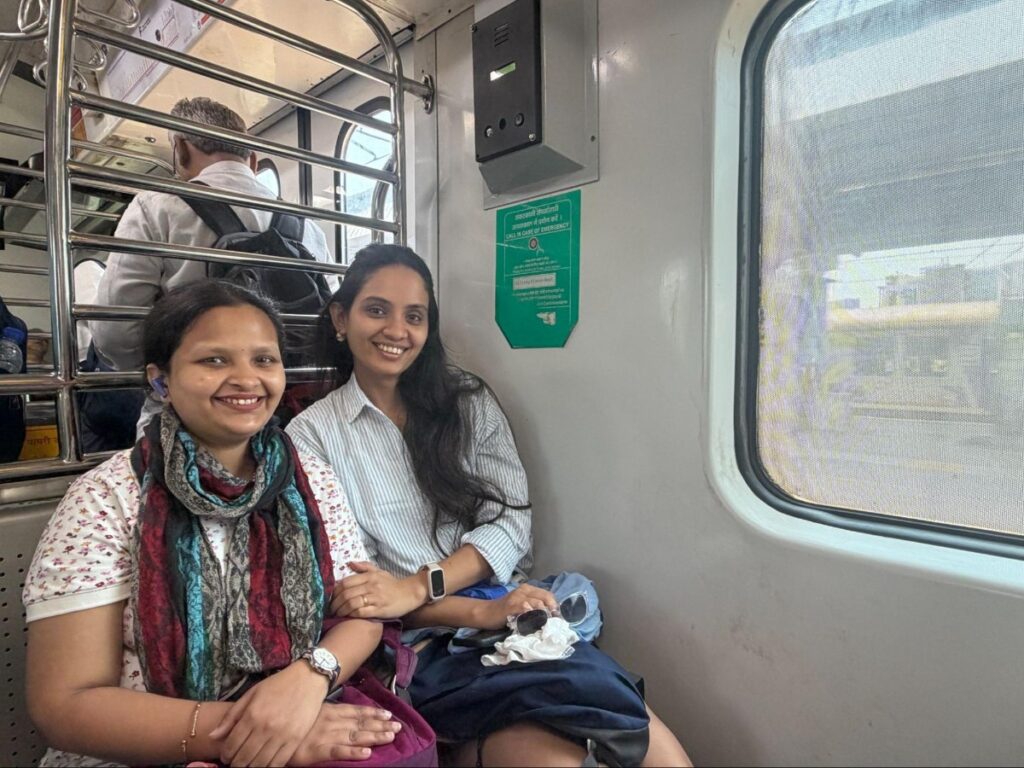
Mumbai has some of the best public transport systems in India, consisting of local trains that operate along the Western, Central, and Harbour Lines, BEST local buses, metered auto-rickshaws (tuk-tuks), cabs, and the recently laid-out Metro network.
These forms of transport are affordable and widely available across various parts of the city, making it fairly easy to get around. Ride-based apps like Ola and Uber are also available and widely used for convenience.
However, keep in mind that wait times for cabs may increase during peak hours (typically 7 am – 10 am and 5 pm – 8 pm). Trains and buses can be immensely crowded, auto-rickshaws run full, and there may be traffic on the road.
Neighborhoods are often divided into East and West sections
You’ll often hear locals referring to neighborhoods as “east” or “west.” For example, Bandra West, or Andheri East. This geographic division refers to the areas on either side of Mumbai’s Western, Central, and Harbour railway lines, which serve as informal boundaries that split many suburbs into two halves.
This directional split is so ingrained that it’s made its way into Mumbai’s postal address format. It can easily help you identify which side of the railway station you’ll need to exit for a certain destination. The good news is that most railway stations offer clear signposts for travelers to find their way.
Try the amazing street food, but with caution
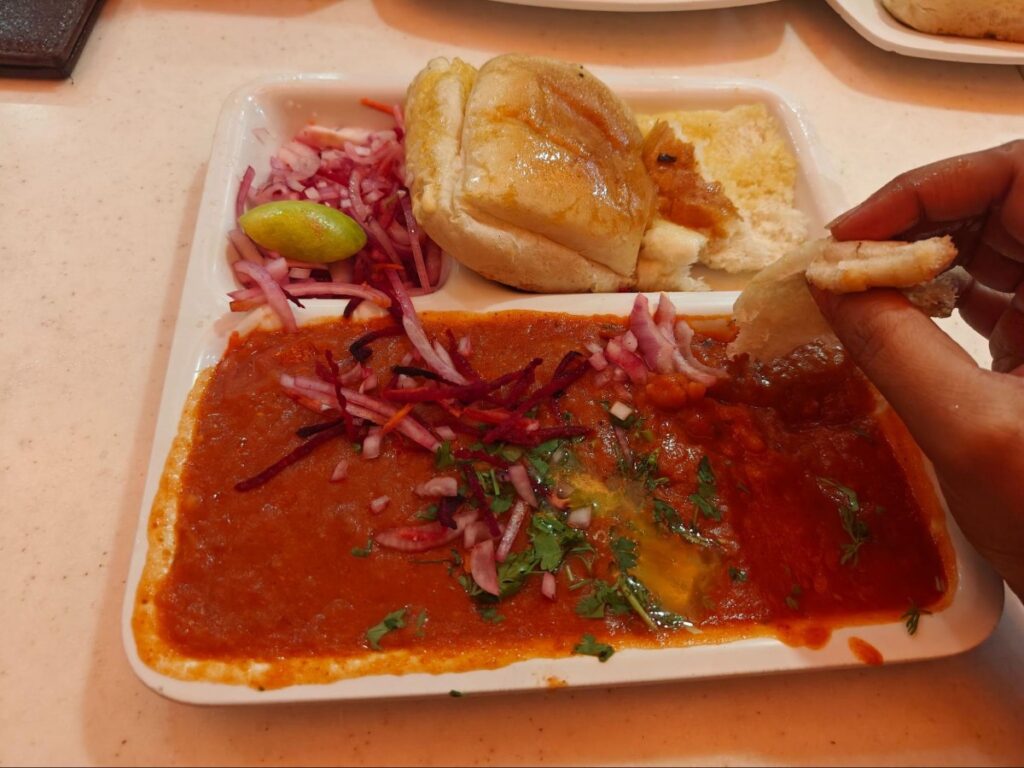
Mumbai’s resilient working class routinely relies on its countless street food stalls for replenishment. Most of these stalls serve fresh and fast-moving food items, from the ubiquitous and mass-favorite vada pav (Mumbai’s version of a burger) to pav bhaji (a mixed veg curry served with buttered buns), “Bombay-style” grilled sandwiches, and chaat (a collective term for spicy, tangy snacks like sev puri and pani puri).
You can get your fix of these popular snacks anywhere, but some top (and safe) recommendations include Amar Juice Centre for Pav Bhaji, Elco Pani Puri Centre in Bandra, Ashok Vada Pav in Dadar, and the Zaveri Bazaar Khau Galli, which consists of an entire stretch of street food stalls.
Stay on the lookout for freshly prepared food. The general rule of thumb is that if it’s hot, it’s safe. Avoid eating raw, uncooked food, and drink only bottled or filtered water where possible to avoid contamination and tummy issues.
Mumbai is a safe city, but stay alert for pickpockets and scams
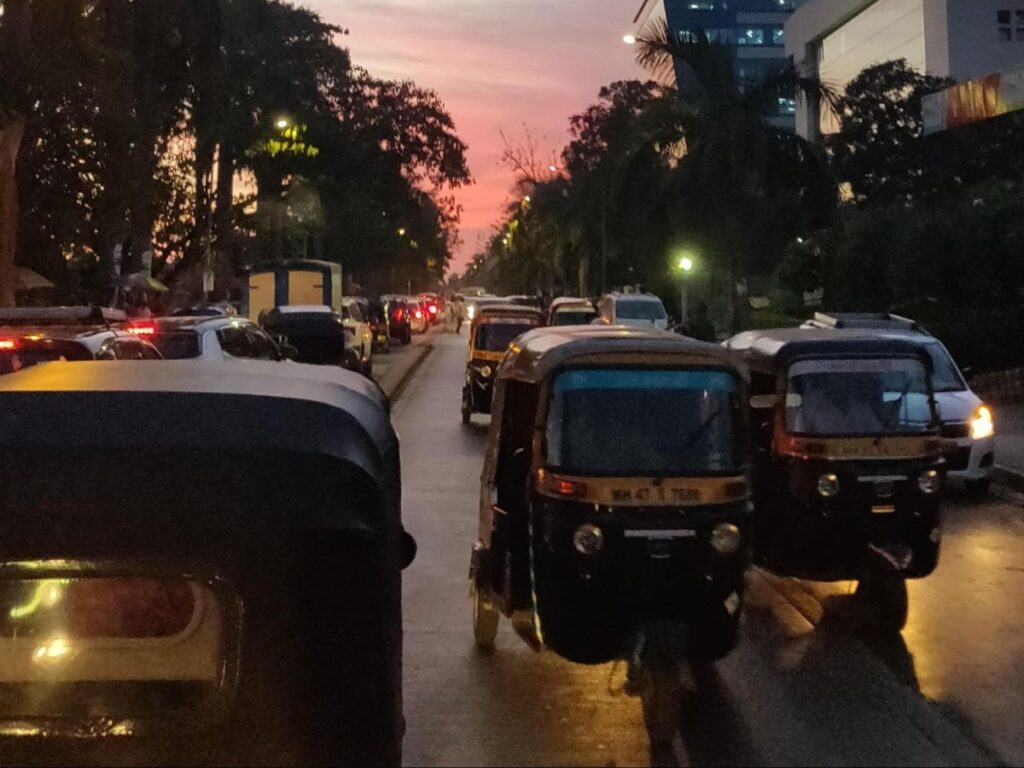
Mumbai is considered one of India’s safest metropolitan cities, and its “city-never-sleeps” culture means that most public spaces stay active and fairly crowded well into the night. Many public spaces and tourist areas are also regularly patrolled by the police, so you’re unlikely to encounter any serious issues during your visit.
That said, it’s wise to stay alert, as the city has its share of pickpocketing and chain-snatching incidents. When commuting by public transport or navigating crowded areas or markets, keep your belongings close. For example, wear your backpack on your front like a baby carrier instead of leaving it unguarded on your back.
Avoid wearing expensive jewelry during sightseeing and steer clear of deserted lanes and alleyways at night. If you’re a solo woman traveling by train at night, use the ladies-only train compartments that often deploy railway security personnel for added safety.
Prepare for uncomfortable weather
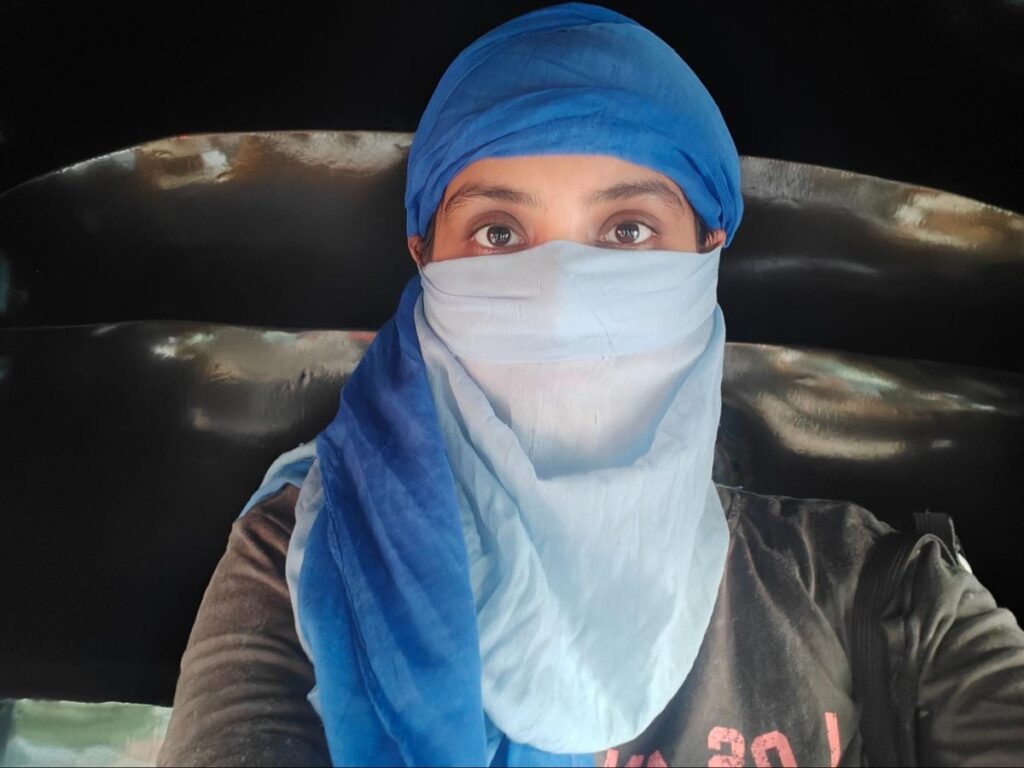
Mumbai’s summer months are characterized by scorching, humid weather. And it can leave you feeling drained in minutes. I recommend carrying a portable fan, slapping on lots of sunscreen, and staying hydrated during sightseeing. Pollution and dust is common in busy areas, so it’s worth keeping a mask handy.
The city experiences its monsoon season from June to September, and heavy rains can put a damper on your plans. Low-lying areas tend to flood quickly, and train services often get temporarily disrupted or delayed, so plan accordingly.
The best time to visit Mumbai is from November to February, when the weather is generally pleasant and cool, devoid of oppressive heat and torrential monsoon rains.
📚 Related Reading: Ultimate India Packing List
Explore Mumbai beyond the tourist areas
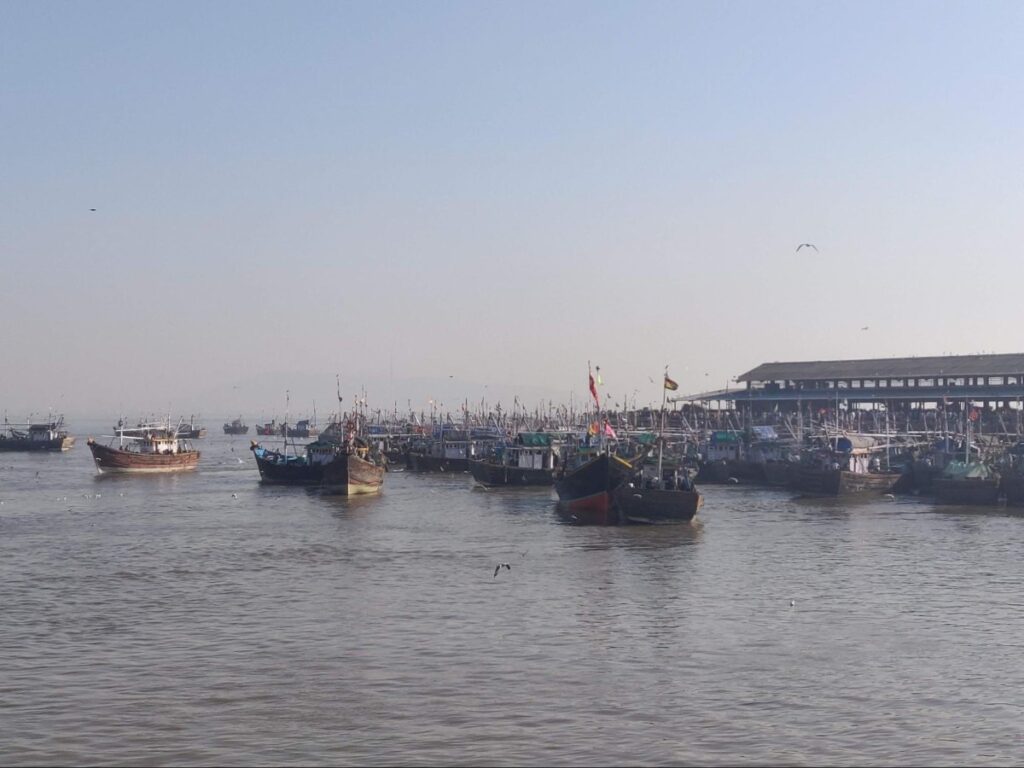
Many tourists stick almost exclusively to South Mumbai, but there are several parts of the city worth exploring. Suburbs like Bandra, Juhu, and Andheri have a distinctly cultural vibe. You’ll find glimpses of Mumbai’s famous Bollywood influence here, with many celebrity homes located along this stretch.
Among the northern suburbs, Vasai is a lovely coastal gem known for its Portuguese history and laidback, quaint atmosphere. If you have more time, you can take exciting day trips to Elephanta Caves (accessible via a short ferry ride from Mumbai’s waterfront), Gorai, or even Alibaug for a bit of coastal fun.
FAQs about Mumbai
How many days is enough for Mumbai?
You can easily explore Mumbai’s major sights in four to five days. Mumbai’s public transport connectivity makes it easy to get around, so you can group nearby attractions into a day. Set aside a couple of extra days if you prefer a more relaxed pace or wish to venture beyond the city’s main highlights and cover some of its lesser-known gems.
What areas of Mumbai should I avoid staying in?
As a tourist, it’s best to avoid staying in Mumbai’s eastern and far northern suburbs (Borivali and beyond). While the northern suburbs are generally safe, they’re largely residential and located far from Mumbai’s main tourist areas. Eastern suburbs like Mankhurd and Govandi are less convenient for sightseeing and not recommended for visitors.
What are the best parts of Mumbai to stay for a weekend?
If you’re in Mumbai for a short weekend, I suggest staying in Bandra West. This suburb is fairly central when it comes to connectivity, providing a convenient commute to the city’s main attractions as well as the airport via both public transport and cabs. It’s one of Mumbai’s trendiest areas, with ample nightlife, cool cafes, and good accommodation options.
Alternatively, if you want to experience Mumbai’s oldest heritage areas during your short stay, Colaba or Fort neighborhoods in South Mumbai are your best bet.
How do I travel to and from Mumbai International Airport?
Mumbai’s CSMIA airport is located in Sahar – part of the city’s Andheri East neighborhood – and requires a bit of a journey to reach downtown areas. If you’re traveling with luggage, ride-hailing apps such as Uber and Ola are among the most convenient options. They have designated pick-up and drop-off zones at the airport.
Alternatively, you can book a prepaid taxi to your destination from one of the official kiosks at Mumbai airport. The recently launched Aqua Metro Line serves Terminal 2 at CSMIA and provides easy connectivity to the city’s western and southern areas. If traveling by road, ensure you allow plenty of extra time, as Mumbai’s notorious traffic can cause serious delays.
***
Thanks for reading! Mumbai is a happening and diverse city where you’ll always find something to do. Whether you choose to stay in a quiet heritage enclave, a waterfront suburb where the sea lulls you to sleep, or a busy neighborhood where the night never ends.
Next, see my list of the best things to do in Mumbai.