
Affiliate Ad Disclosure: We’re reader-supported. When you buy via our links, we earn commissions. Learn more.
23 Washington State Travel Tips to Know (By a Local)

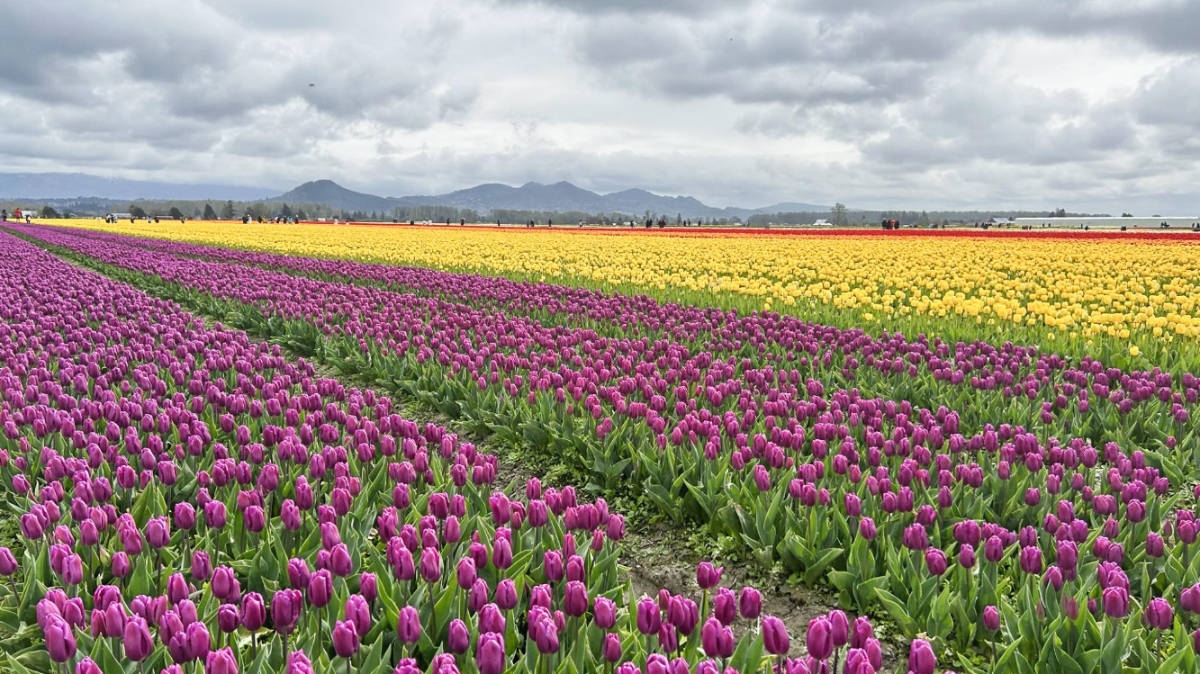
Read these Washington State travel tips before you visit — they’ll ensure your trip runs as smoothly as possible.
I’ve called Washington home for over a decade and learned some of these tips the hard way, but you don’t have to. I’ve filled this guide with tips that will help every kind of visitor, whether you want to hike, find the best wine, go on small-town excursions, or try a mix of classic Washington activities.
Let’s dive in!
Want to jump around?
- 23 Travel Tips for Washington State
- #1 – Don’t Expect All of the Evergreen State to Be Forested
- #2 – Pack Differently for Eastern vs. Western Washington
- #3 – But Always Pack Layers
- #4 – Go to the National Parks
- #5 – Go Beyond The Big Cities
- #6 – Bring the Right Rain Gear
- #7 – Rent a Car to See the Best Stuff
- #8 – Check the Washington Trails Association Website Before Hiking
- #9 – Visit between April and October
- #10 – Book Campsites Early
- #11 – Visit the Waterfalls
- #12 – Know the Laws Regarding Weed
- # 13 – Get Great Coffee (It’s Everywhere)
- #14 – Don’t Skip Out On the Fresh Seafood Either
- #15 – Use Sunscreen Even When It’s Cloudy
- #16 – Visit Walla Walla If You Love Wine
- #17 – Bring Your Hiking Boots to the Coastal Beaches
- #18 – Know How to Handle a Bear Encounter
- #19 – Plan Ahead When Visiting the San Juan Islands
- #20 – Travel by Train if You’ve Got the Time
- #21 – Find the Flowers
- #22 – Decide Which Part of the Olympic National Park You Want to Visit
- #23 – Go to Pike Place Market (It’s Actually Worth It)
23 Travel Tips for Washington State
#1 – Don’t Expect All of the Evergreen State to Be Forested
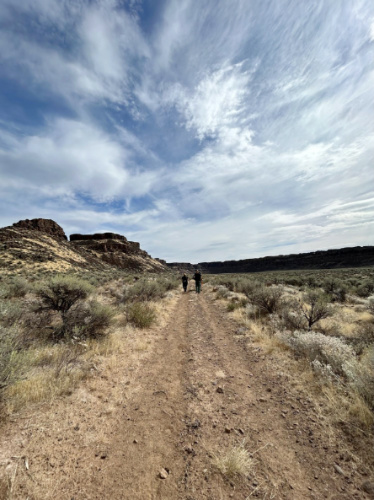
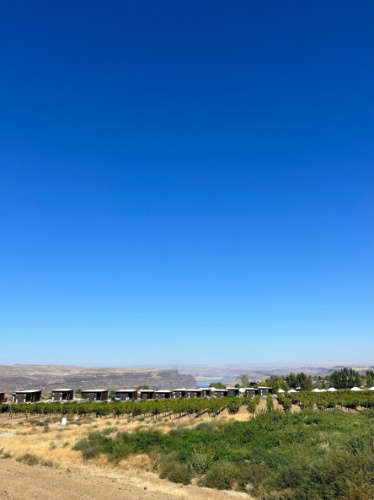
Washington is nicknamed the Evergreen State because of its abundant forests, but its landscape is much more diverse than most visitors realize. Go east of the Cascade Mountains or to the southeast corner of the state, and you’ll find desert-like landscapes!
Places like the Palouse region, Yakima Valley, and central Washington are drier and less green than western Washington. You’ll find coulees, canyons, buttes, and farmland perfect for growing grapes, hops, and other produce in the eastern part of the state.
#2 – Pack Differently for Eastern vs. Western Washington
Western and eastern Washington have different climates, so pack accordingly to ensure your comfort on your visit. For the most part, the west is wetter and milder in temperature while the east is drier with more extreme heat and cold.
You’ll want to pack some good rain gear if you’re visiting Seattle in winter. However, winter visits to Spokane necessitate a warm coat and snow boots. Hiking west of the Cascade Mountains in the summertime is a pleasant experience. But pack tons of water, plenty of sunscreen, and protective clothing for a summertime hike out east.
#3 – But Always Pack Layers

Want packing advice that applies to any part of the state? Bring layers. Layering your clothing will prevent you from overheating or getting too cold in both cities and towns or up in the mountains.
Bring gloves, scarves, and hats if you’re prone to cold. Three layering pieces I find are best to have in the Pacific Northwest are a warm fleece, a light jacket (preferably with a hood), and a cozy vest.
#4 – Go to the National Parks

Washington State is lucky enough to have three national parks, which are all incredible in their own way.
Washington State is lucky enough to have three national parks, which are all incredible in their own way. The Olympic and the North Cascades are in the top 10 of Travel Lemming’s list of best national parks in the United States!
Admire mountains, meadows, and waterfalls at Mount Rainier National Park. Explore mossy rainforests and coastal beaches at the Olympic National Park. Hike and camp among the jagged mountain peaks and turquoise waters of the North Cascades National Park.
Whether or not you’re an avid hiker, make an effort to visit Washington’s national parks. This state is known for its nature, and these parks prove why.
#5 – Go Beyond The Big Cities

While the cities are great, Washington State’s many small towns are just as appealing and offer a more well-rounded picture of what life is like in the Evergreen State.
Visit laidback and artsy Langley on Whidbey Island or go further east to the Wild West-style town of Winthrop.
Leavenworth is probably the most popular small town in the state, especially during Oktoberfest. And all the tiny towns on the Long Beach Peninsula are perfect for relaxing getaways. Don’t miss the opportunity to experience all the small-town charm the state has to offer.
#6 – Bring the Right Rain Gear

If you’re visiting western Washington anytime in fall through spring, you’ll need to be prepared for the rain. Bring a good rain jacket and a nice pair of waterproof boots or shoes (I learned this the hard way after moving here from California!).
For outdoor excursions, bring hiking boots you don’t mind getting muddy. While Washington doesn’t always get the intense downpours that make an umbrella a necessity, it’s a good idea to have a small one on hand just in case.
#7 – Rent a Car to See the Best Stuff

If you’re staying in one of the major cities like Seattle, you probably won’t have a difficult time getting around the city. But you’ll want a car to explore the national parks, remote towns, or go on epic road trips to amazing places around the state.
Discover Cars is a great website to book a car rental. The booking experience is seamless, the interface is user-friendly, and the prices are great for budgeters. In addition, if you need to cancel, you’ll be fully refunded via booking credit or on your card if you cancel at least 48 hours in advance.
#8 – Check the Washington Trails Association Website Before Hiking

I always check the trail guides and trip reports on the Washington Trails Association before I go on a hike. This state-wide non-profit is a wonderful, free online resource. In addition to maintaining the trails, the WTA makes detailed guides for nearly every trail in the state.
These guides detail what to expect on the trail, and cover difficulty levels and directions. Updated trail reports left by community members can also help you plan for unexpected or atypical trail conditions. You’ll be prepared for things like downed trees, annoying bugs, snow, and more.
📚Related Reading: For some of my favorite hikes in the state, check out my guide to the 17 Best Hikes near Seattle!
#9 – Visit between April and October

In general, the best time to visit Washington is between mid-April through October. This applies to all parts of the state.
Appreciate blooming flowers, gushing waterfalls, and more daylight in spring and early summer. Summers are great for hiking and camping, attending festivals, and getting out on the water.
September and October’s cooler temps, gorgeous fall foliage, and quieter crowds make them some of the most relaxed times to visit. These are the best months to come if you want a fun but less touristy time to explore the state.
#10 – Book Campsites Early

Camping is one of the most popular Washington activities… so you’ll have to be smart about booking campsites, especially if you’re camping during the high season of June through August.
I suggest making camping reservations at least three months in advance to guarantee you get the spots at the campgrounds you want. You may want to book even earlier if you’re eyeing popular campsites like Kalaloch in the Olympic National Park or Cougar Rock Campground in Mount Rainier National Park. This is particularly true for weekend camping.
👉 Read Next: 33 Fun Facts About Washington
#11 – Visit the Waterfalls

Washington has over 3,000 named waterfalls, the most of any state in the country. They’re one of the state’s best natural wonders, and I highly recommend seeking them out on a visit.
Many of the best Washington waterfalls don’t require long hikes and are accessible to people of all ages and abilities.
Check out the most iconic and widely recognized waterfall, Snoqualmie Falls. Or visit Palouse Falls, Washington’s state waterfall. Mount Rainier National Park also boasts some of the best waterfalls, including Myrtle Falls, Spray Falls, and Narada Falls.
#12 – Know the Laws Regarding Weed
Weed has been legal in Washington state since 2012. You can find dispensaries all over the state if you’re interested in purchasing and partaking.
However, make sure you know the laws regarding marijuana. You must be 21+ to buy and use weed, and you cannot smoke it in public. You should bring cash with you to buy it from dispensaries, although most have ATMs inside if you forget.
# 13 – Get Great Coffee (It’s Everywhere)

Most people consider Seattle the place to get coffee because of all the incredible coffee shops in Washington’s biggest city. However, you’ll find great coffee in cities and towns all over the state.
Visit local coffee shops in places like Olympia or Bellingham. Take a chance on the smaller coffee stands you see on the way to hiking trails. Make sure to venture beyond Starbucks because there are fantastic local roasters in the state.
One sip, and you’ll understand why everyone is so obsessed with this drink. As a bonus, coffee beans are a great souvenir to take home.
#14 – Don’t Skip Out On the Fresh Seafood Either

Seafood in Washington is phenomenal, especially if you’re close to the water. Sample salmon, oysters, Dungeness crab, geoduck, and octopus. It’s guaranteed to be some of the freshest you’ll try.
Some of the best spots for seafood are in various cities and towns on Puget Sound. Go to Whidbey Island, Olympia, and the San Juan Islands to find delicious choices. Don’t skip the Hood Canal, either. It’s the perfect place for oyster harvesting!
📚 Related Reading: Are you a big foodie? Bookmark my article on the must-try Seattle foods so you know just what to order when taking a food tour through the Emerald City!
#15 – Use Sunscreen Even When It’s Cloudy

Don’t let the gray and cloudy Washington days trick you. Even when the sun isn’t a bright beacon in the sky, UV rays can still penetrate the clouds. This can lead to some nasty burns. Make sure you apply sunscreen as you usually would when exploring the wild and hanging around outdoors, especially if you burn easily!
#16 – Visit Walla Walla If You Love Wine

Washington wine is some of the best in the country! Luckily for wine lovers, there are quite a few fantastic areas to sample the best varieties. Visit Walla Walla for the best Washington wine experience.
This large city in southeast Washington is one of the best places to visit in Washington state. It has tons of tasting rooms, and there are surrounding vineyards where you can also take a tour. If you’re looking for great wine (reds in particular), Walla Walla will keep you busy.
👉 Bonus Tip: Walla Walla is the best spot for wine, but the city is a bit out of the way. If you want some good wine, but you’re unable to commit to staying in that area, plan a day trip to Woodinville, Washington instead. This is another Washington city known for its great wine-tasting rooms.
#17 – Bring Your Hiking Boots to the Coastal Beaches
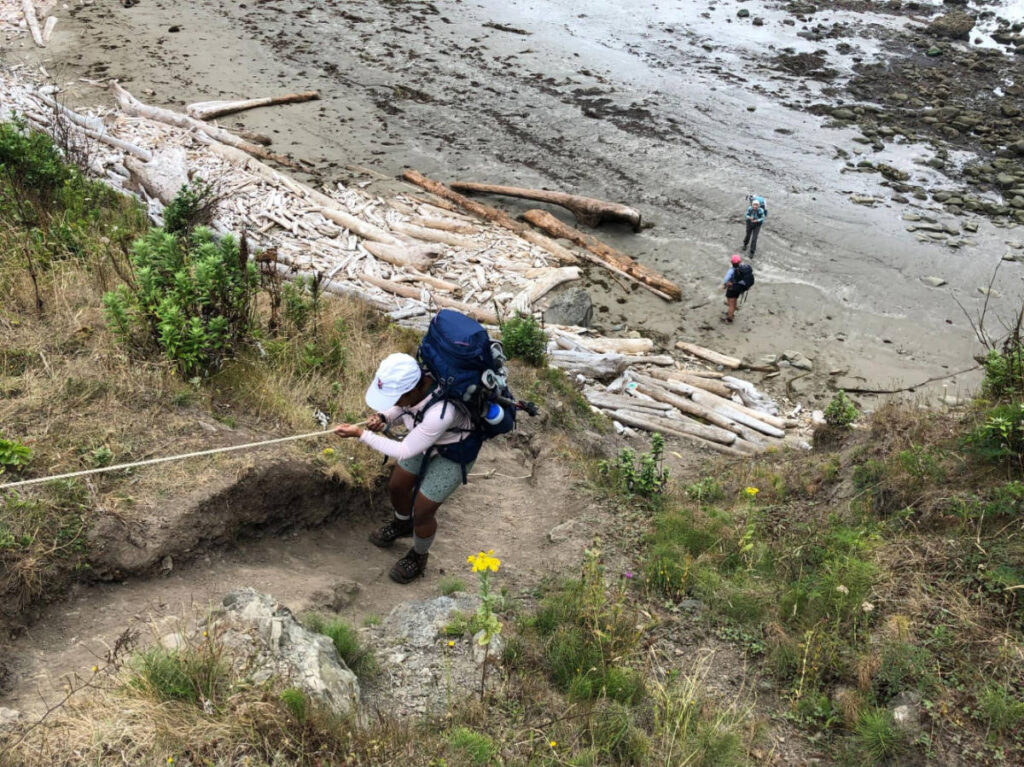
If you want to explore the wild beaches on the Washington coast, make sure you bring some hiking boots. Washington does have some sandy beaches, particularly in the Long Beach Peninsula. But the ones around the Olympic Peninsula are more pebbly and rocky.
Hiking boots are essential for backpacking or hiking around the beaches of the Olympic National Park. Coastal hikes can include crossing rocky headlands or traversing slippery seaweed-covered rocks. And when you’re hiking over large piles of driftwood on pebbly beaches, you’ll be happy you have some sturdy footing.
#18 – Know How to Handle a Bear Encounter

When you’re on hiking trails in national parks, forests, and up in the mountains, be prepared for possible wildlife encounters with a variety of animals like elk, mountain goats, and bears.
There are few grizzly bears in Washington (though they’re gradually being reintroduced in the North Cascades). However, there are many black bears in the state.
The chances of an encounter are low. However, if you do come across one, remember to stay calm, don’t run, and try not to startle it. Check out the Washington State Department of Fish and Wildlife’s guide to preventing conflict with black bears for more info.
#19 – Plan Ahead When Visiting the San Juan Islands

Me waiting outside the car on the beach near the ferry terminal when visiting the San Juan Islands for the first time
The San Juan Islands are a beautiful and secluded spot for whale watching, romantic weekend getaways, hiking, and farm-fresh food. However, they’re hardly a secret.
Book your lodging and make a ferry reservation ahead of time if you want to visit San Juan Island, Orcas Island, or Lopez Island. This is especially important for summer visits. Waiting until the last minute can lead to frustrating delays and way fewer hotel options.
#20 – Travel by Train if You’ve Got the Time

Taking an extended trip through Washington? I recommend exploring some of it via train.
The Amtrak Cascades runs from Eugene, Oregon to Vancouver British Columbia. It has stops in twelve Washington cities along the way. Check out Olympia, Seattle, and Bellingham among other awesome cities and towns if you go on this peaceful and scenic train ride.
Or book a ride on the Amtrak Empire Builder. It goes all the way from Seattle to Chicago, but some of its popular Washington stops are in Leavenworth, Wenatchee, and Spokane.
📚 Related Reading: 28 Best Things to Do in Olympia, WA
#21 – Find the Flowers

Some of the prettiest events to occur in Washington state are the official (and unofficial) flower festivals.
The most well-known of these is the Skagit Valley Tulip Festival in spring. However, you should also check out the cherry blossoms in early spring. The University of Washington campus in Seattle is the most well-known place to see these. You can also go on a walk through various Seattle neighborhoods and you’ll find even more.
Are you more interested in wildflower meadows? Then don’t miss the meadows of Mount Rainier and around the Columbia River Gorge in late spring through summer.
#22 – Decide Which Part of the Olympic National Park You Want to Visit

The Olympic National Park is Washington’s most unique national park. It has mountains, rainforests, and coastal beaches and encompasses almost the entirety of the Olympic Peninsula. It’s impossible to experience everything it has to offer in a single day.
Before visiting, decide which part of the park you want to explore most. Go camping and relax in hot springs in the rainforest. Hike up Hurricane Ridge or take a peaceful trek to Marymere Falls. Or take a road trip along Highway 101 to stop at beaches with stunning Pacific Ocean views.
#23 – Go to Pike Place Market (It’s Actually Worth It)

Out of all the tourist attractions in Washington, Pike Place Market is perhaps the most well-known. Sometimes attractions lose their charm when they become overrun and crowded. That’s not the case here.
If you only do one “big tourist thing” while visiting Washington, I suggest making it Seattle’s Pike Place Market. The market is nearly always buzzing with activity, so it can be overwhelming if you don’t know what to expect. To figure out how to approach this attraction and have the best experience, take a peek at my Pike Place Market guide before your visit.
***
These Washington State travel tips should make your visit much easier, whether it’s your first trip or your fifth.
Coming to Seattle? Make sure you read up on my Seattle travel tips before you visit to get the most out of your trip!
