
Affiliate Ad Disclosure: We’re reader-supported. When you buy via our links, we earn commissions. Learn more.
25 Best Things to Do in Salzburg (By a Local)

👉 Jump to: Best Things to Do in Salzburg | Sites & Attractions | Outdoor Activities | Food, Drinks, & Shops | Seasonal
I was first introduced to Salzburg as a six-year-old girl when The Sound of Music screened at my boarding school. Now, I’ve lived in Austria for three years and have spent much of my time exploring Salzburg and discovering that there’s so much more to the city than The Sound of Music.
I’ve created this guide to share everything I know about the best things to do in Salzburg with you. It includes the best sites and attractions, outdoor gems, places to eat and shop, and seasonal activities to watch out for.
Along with my guide on where to stay in Salzburg, this article will give you everything you need to plan your visit.
25 Best Things to Do in Salzburg
The Altstadt
Explore the 2000-year-old Old Town of Salzburg, a UNESCO World Heritage site.
📍Google Maps | 👉 Book a Walking Tour Through the Old Town of Salzburg on Get Your Guide
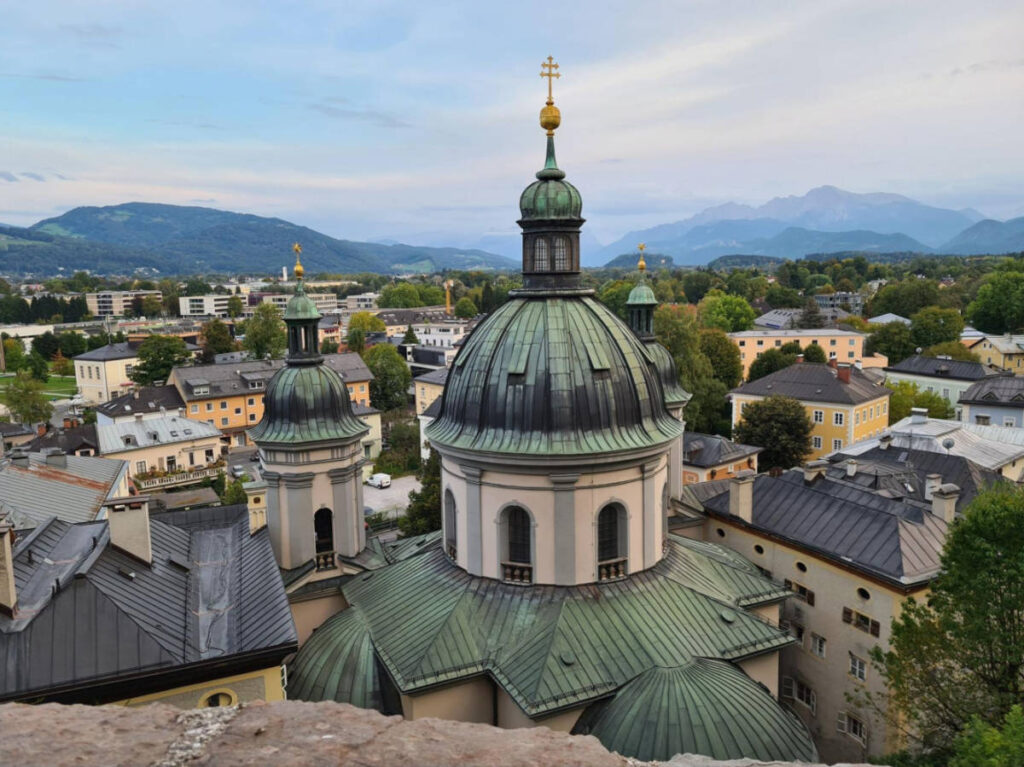
One of the best ways to experience the spirit of Salzburg is to spend a leisurely morning in Altstadt, the Salzburg Old Town. Its cobbled streets have the flavor of a typical European old town, but it’s still quintessentially Austrian.
Give yourself the time to walk through its nooks and corners or even take a pony ride. You will stumble across traditional cuisine, handmade Austrian dolls and puppets in shop windows, and forgotten history. In the evening, you can walk to the elevated parts of the town in the hills, and catch a glimpse of the skyline that makes Salzburg unique.
A walking tour with a local guide is a good way to get your bearings and learn about the best places to visit in the Old Town. And if you’re visiting during the summer, make sure you’re wearing comfortable shoes and carrying plenty of water along.
The Hohensalzburg Fortress
Step into the fortress of one of medieval Europe’s most powerful cities.
📍Google Maps | Phone: +43 66284 2430 | Website | Hours: 9:30 am – 5 pm Daily (Jan–Apr, Oct–Dec), 8:30 am – 8 pm Daily (May–Sep) | Entrance: From 12 €, adults, €4.90 youth (6-14 years) | 👉Purchase Hohensalzburg Fortress Entry Ticket with Funicular Ride on Viator
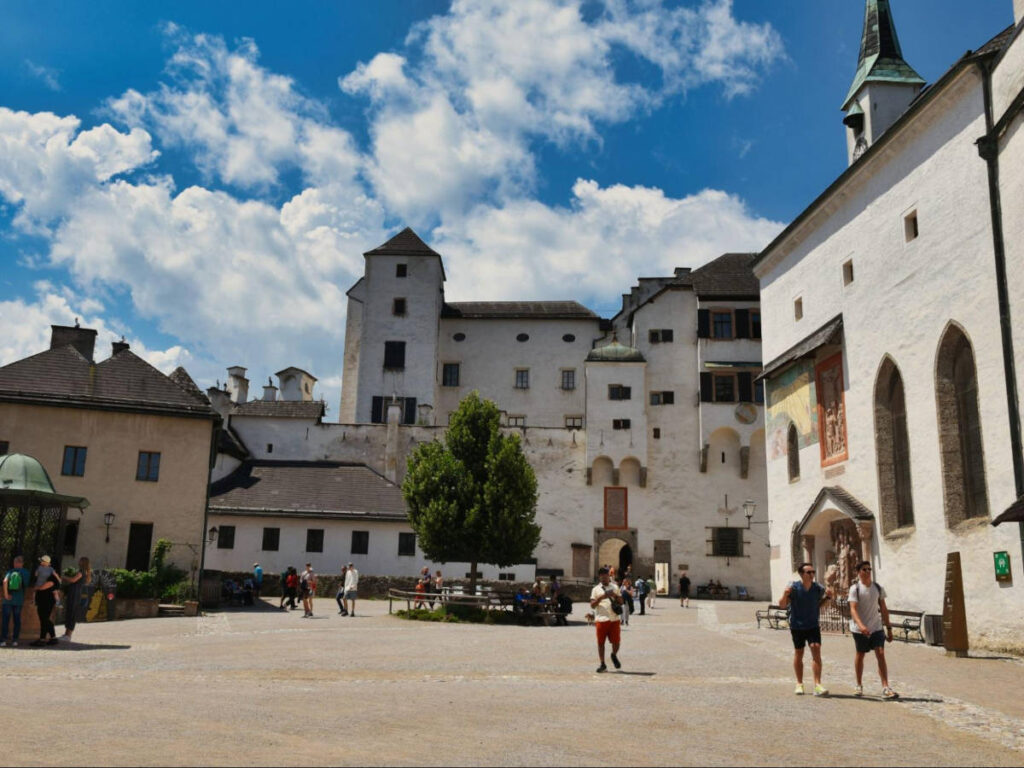
The Hohensalzburg Fortress, or the High Salzburg Fortress, is the architectural feature that defines the town. Wherever you may be in the city, you can’t miss it towering over the rest of Salzburg.
In medieval times, it was the seat of the prince-archbishops of Salzburg and a visible symbol of power. But today, its 13 themed rooms have multiple museums, including the Fortress Museum, the Great Armory, the Rainermuseum, and the Puppet Museum.
Each chronicles the city’s history and are testaments to its influence. The Golden Room, once a part of the prince-archbishops’ chambers and known for its gold-embossed leather tapestry, is particularly stunning.
I recommend walking to the top if you feel fit. Otherwise, ride the funicular up to Festungsbahn. Both lead to stunning views from the top, but if you are making your way up on foot, a visit to the Hohensalzburg Fortress is a half-day activity.
The Mozart Museums
Visit Mozart’s residence and his birthplace.
📍 Google Maps (Mozart’s Wohnhaus), Google Maps (Mozart’s Geburtshaus) | Website | Hours: 9 am – 5:30 pm Daily | Entrance: €23 (combined ticket), adults, €6 youth (6-14 years)
As the seat of the prince-archbishop, Salzburg was an important cultural center. While important political maneuvers were made here, most Austrians and music lovers around the world revere this as the town where Amadeus Wolfgang Mozart was born and thrived under the patronage of the powerful Archbishop of Salzburg.
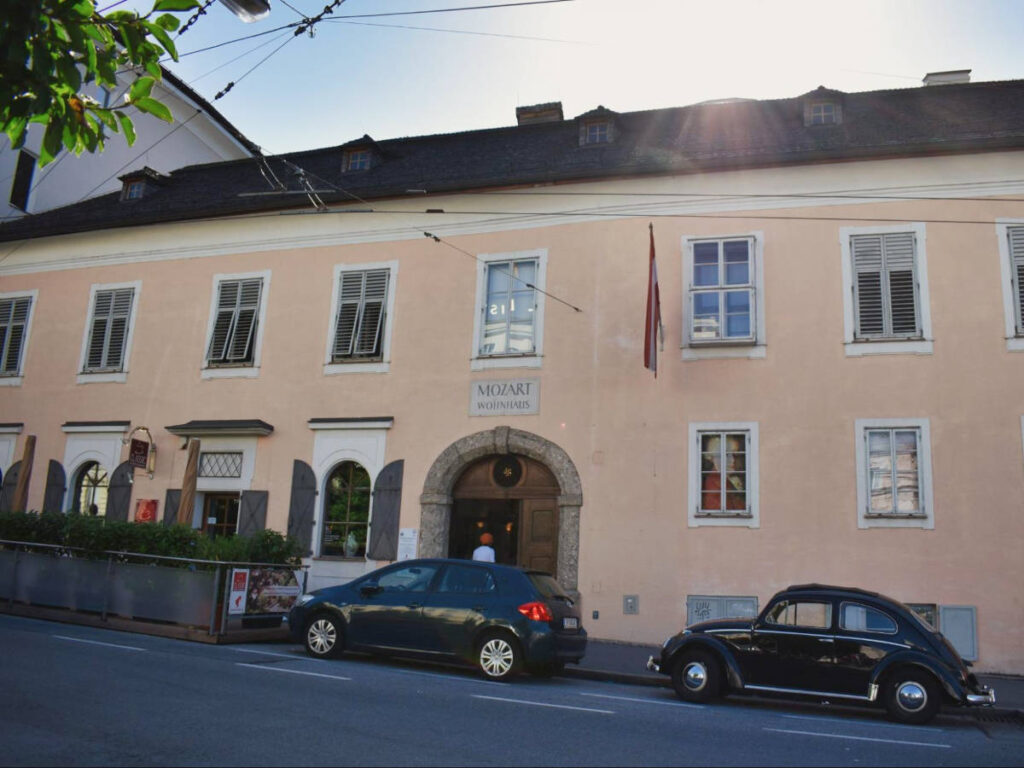
You can visit the house where Mozart was born in Getreidegasse (Mozarts Geburtshaus) and the one where he lived with his family (Mozart Wohnhaus) in the New Town (Neustadt). Both have now been converted into museums, where you even gain access to clips from Mozart’s sound collection.
Another high point is attending a Mozart concert in the halls where he lived and played. Watch out for the exhibitions and concerts always running here.
👉 Pro Tip: The museums at the Hohensalzburg Fortress, Mozart’s Geburtshaus, and Mozart Wohnhaus can replace a visit to the Salzburg Museum if you have limited time.
The Salzburg Cathedral
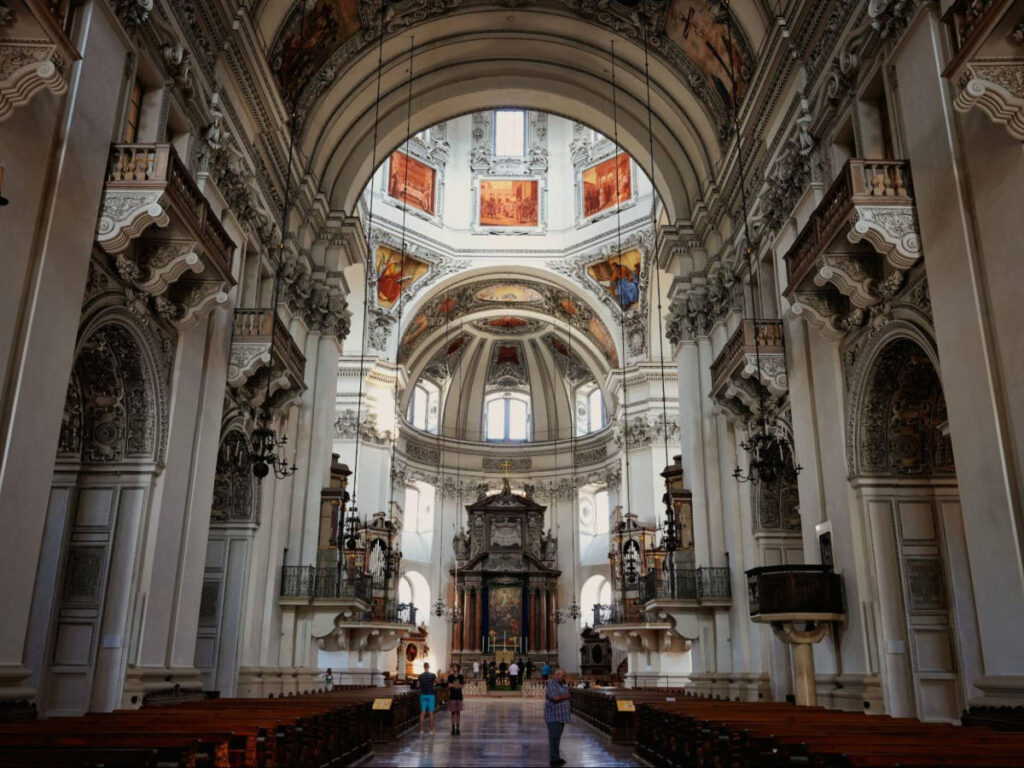
Enter the 400-year-old baroque cathedral that represents the city’s liturgical art.
📍 Google Maps | Phone: +43 662 8047 6640 | Website | Hours: 9 am – 6 pm Monday-Saturday, 1 pm – 6 pm Sundays | Entrance: 5 €, adults, free for children under 18
Salzburg is a city of cathedrals and abbeys, evidenced by its skyline of charming spires and the sound of chiming church bells. The most famous of these is the Salzburg Cathedral. It is a great example of the ecclesiastical art for which the city was renowned in medieval times.
The two-tower façade of the cathedral still dominates the Altstadt today. But it is stepping into the cathedral that is a truly breathtaking experience.
With origins that go back to 774 AD, the cathedral was preceded by two medieval churches. Both were destroyed by devastating fires. The cornerstone of the current baroque façade was laid in 1614. Since then, it continues to hold sway over the town’s cultural life as many of Salzburg’s most important festivals begin at the entrance to the cathedral.
👉 Pro Tip: Using an audio guide adds more richness to your experience. Also, make it a point to visit the crypt and the cathedral museum. Watch out for special concerts running at the cathedral during your visit.
Salzkammergut
Discover Austria’s lake district.
📍 Google Maps | Website
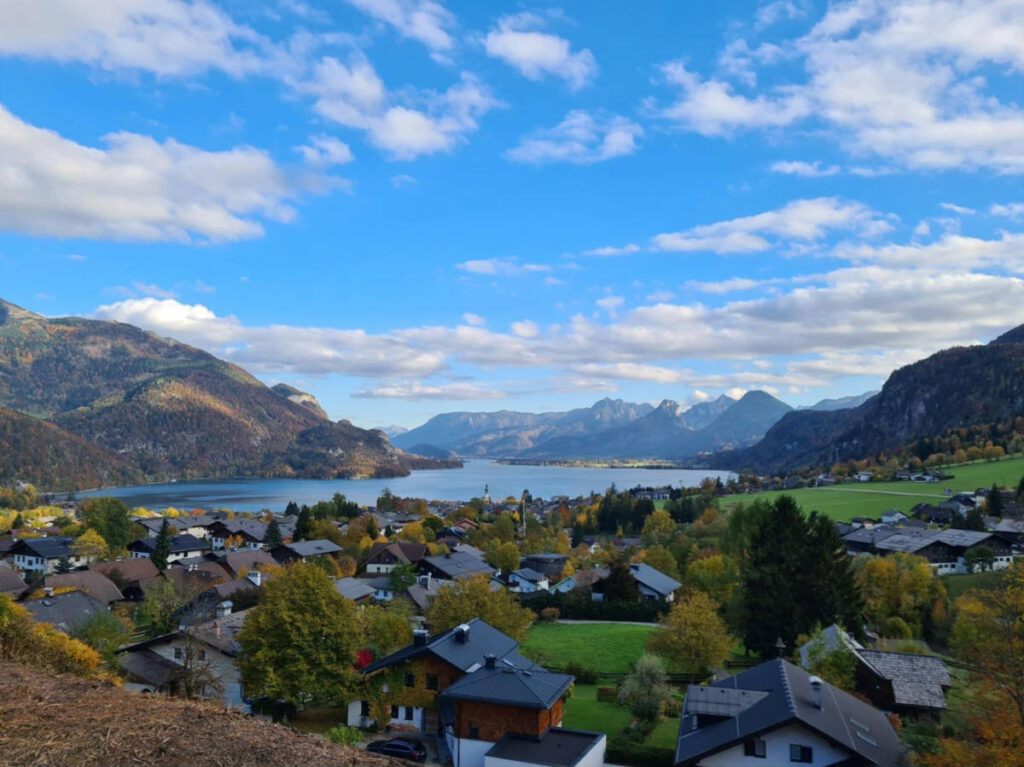
Stepping outside Salzburg takes you into the Salzkammergut region. This area, also called Austria’s lake district, literally means salt domain. Like the city of Salzburg itself, it traditionally gets its name from the salt mines that dominated the economy of this region.
Today, the 70 lakes scattered across the landscape, combined with its UNESCO World Heritage status, give the region an untouched rustic beauty. It’s perfect for hikes through the mountains and cultural explorations throughout the year.
It’s true to say that you have not experienced Austria until you have explored the Salzkammergut region and witnessed its spectacular natural beauty.
Salzburg Sites & Attractions
Mirabell Gardens
Stroll through Salzburg’s 400-year-old gardens.
📍 Google Maps | Website | Hours: 8 am – 6 pm Daily (Jan–Apr, Oct–Dec), 8 am – 9 pm Daily (May–Sep)
The Mirabell Gardens are among Salzburg’s most visited landmarks in the summer, spring, and autumn months.
Prince-Archbishop Wolf Dietrich von Raitenau infamously built the palace in 1609 for his mistress, Salome, and their 15 children. The palace was later reshaped, and the baroque garden that came up around it almost a century later, in 1690, was immortalized in The Sound of Music.
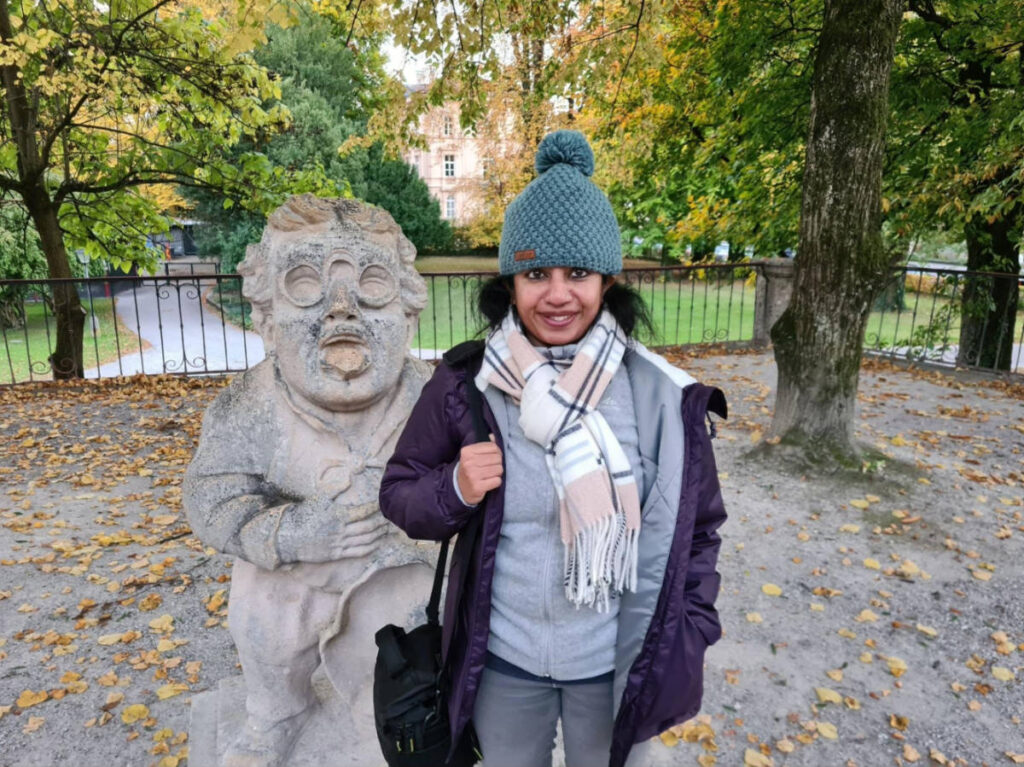
Today, travelers from around the world are drawn to the garden’s natural beauty and its history, whether they’ve seen the film or not. When I visited with my husband, we particularly enjoyed our time in the dwarf garden, which is the oldest such garden in Europe. You might also enjoy the exotic plants, palms, and parakeets in the park’s Orangery.
Schloss Hellbrunn
Walk through the expansive grounds of this 17th-century palace.
📍Google Maps | Phone: +43 662820 3720 | Website | Hours: Opens at 9:30 am (March 28 to Nov 1), Closing time varies based on season | Entrance: From 16.50 €, adults, €6.50 (4-18 years) | 👉Book a River Cruise to Hellbrunn, Palace & Trick Fountains on Viator
The Schloss Hellbrunn is another medieval palace known for its splendid grounds. Like several of Salzburg’s best-known monuments, it exists because of a Salzburg prince-archbishop.
This palace was built by Markus Sittikus von Hohenems in the 17th century as a place of entertainment. This is what gave it some of its best-known features, like the trick fountains that use hydraulic technology to surprise guests with hidden jets of water.
While it is now home to the Folklore Museum (Volkskunde Museum), its extensive gardens have given it the status of a protected monument, and it’s a great place to spend an evening.
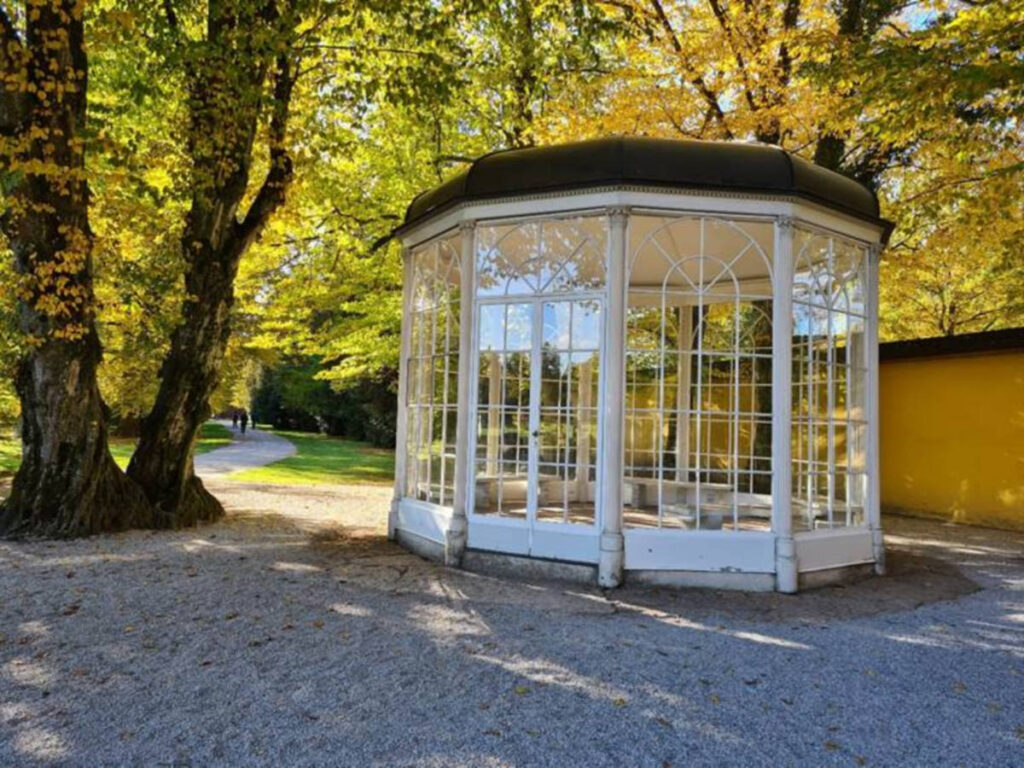
When exploring the grounds, watch out for the Sound of Music pavilion. This is an actual set from the movie, where the song “Sixteen Going on Seventeen” was filmed. Though initially located at Hotel Schloss Leopoldskron, the gazebo was given a final resting place at Hellbrunn to give fans easier access to the set and as a tribute to the film that took Salzburg across the world in the 20th century.
Residenz Palace
See the 16th-century home of the Salzburg Prince-Archbishop.
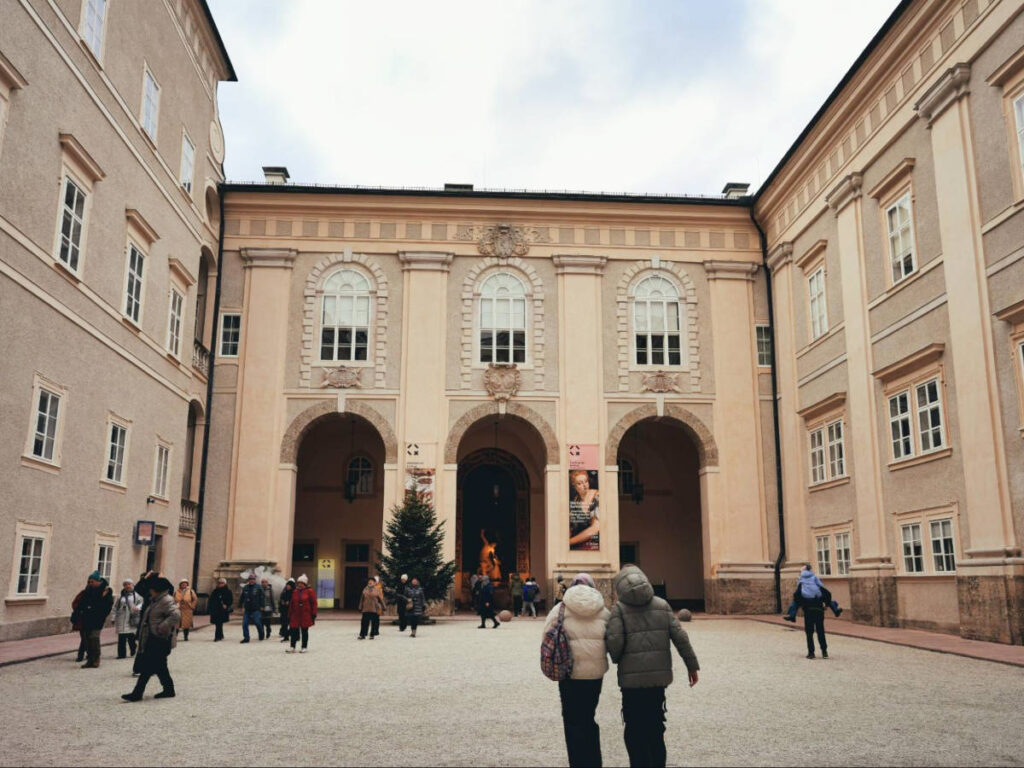
📍Google Maps | Website | Hours: 10 am – 5 pm daily, Closed Tuesdays | Entrance: From 15€, adults, €5, Youth (7-25 years)
Salzburg is a city that was shaped by the Salzburg prince-archbishops, and their official residence gradually moved from the Hohensalzburg Fortress to the Residenz Palace.
Between 1588 and 1612, Prince-Archbishop Wolf Dietrich von Raitenau undertook major reconstruction here. Eventually, the Residenz Palace became the new center of power where the Salzburg rulers held their events of state. It emerged as a modern symbol of luxury. The young Mozart’s first performance as a child prodigy was held in the Conference Room here, as were his later performances.
Visiting the Residenz Palace in the heart of the Altstadt is a reminder of how Salzburg’s prince-bishops lived. But it’s also become a venue for everything from theater and opera performances to banquets.
Watch out for any Mozart concerts that could be playing while you are here. You won’t forget the experience of listening to his compositions in the rooms where he first played them to win the approval of his royal patron.
Domplatz
Experience the Spirit of Salzburg at its central square.
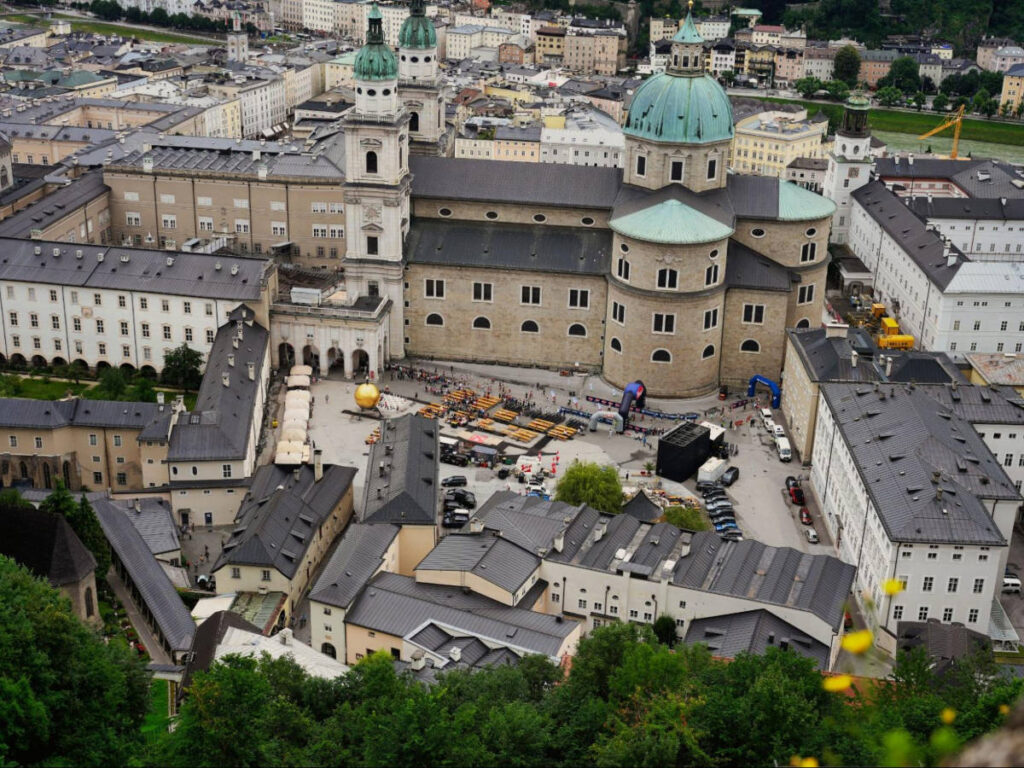
Like the Residenz Palace, the spirit of Salzburg is alive at the Domplatz. This central square, just outside the Salzburg Cathedral, is buzzing with activity from the warm summer days in May to July and the cold winter months in December and January. The Domplatz never sleeps.
It also always wears the colors of the season that morph endlessly through the year. You can always expect to discover the flavor of the day or the month just by walking down to this central square in Salzburg’s old town.
St Peter’s Monastery
Spend time in Austria’s oldest monastery.
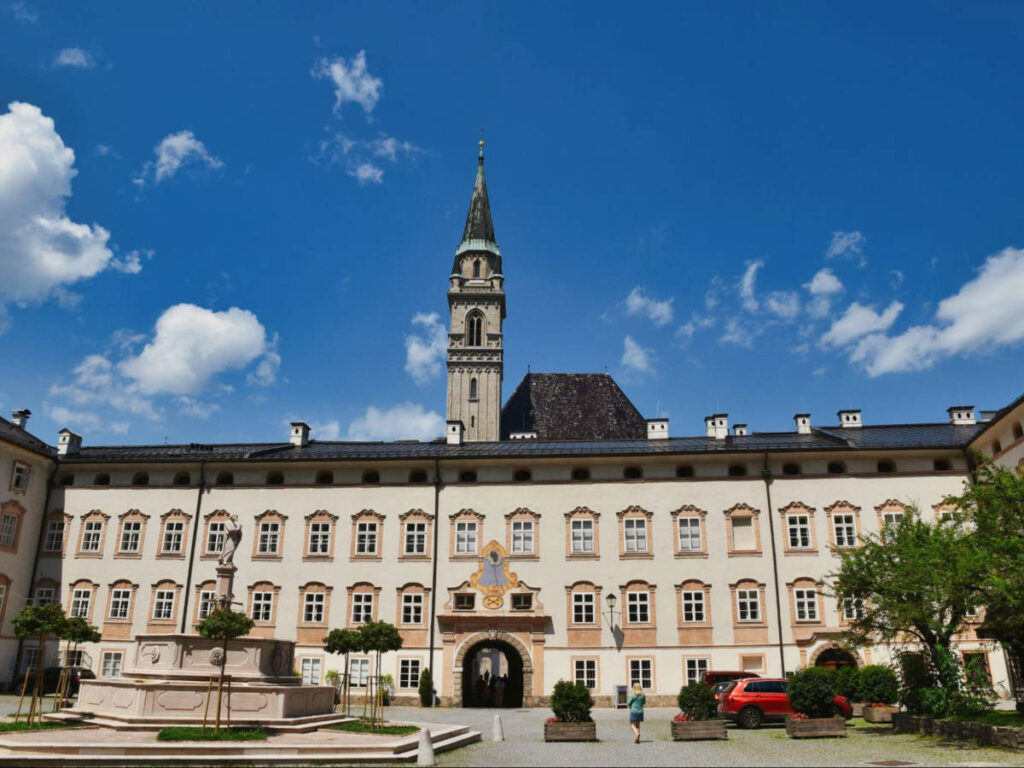
📍 Google Maps | Phone: +43 66284 4576 | Website | Hours: 10 am – 12:30 pm, 1 pm – 6 pm Monday-Friday (May–Sep), 10 am – 12:30 pm, 1 pm – 5 pm Monday-Friday (Oct– Apr), Closed Saturday and Sunday
St Peter’s Monastery is the oldest monastery in the German-speaking world. First established in the 7th century AD, it was later rebuilt in the 11th century.
Guided tours of the monastery are possible, but if you are short on time, you can simply step into St Peter’s Abbey for a glimpse into its history. It is as old as the monastery and reflects the same rich history.
The abbey is also one of the few churches in the city that is a confluence of Gothic, Romanesque, Baroque, Renaissance, and Rococo styles. You might find St Peter’s Museum to be a fascinating stop as well. It is a step back in time, but also deepens your understanding of the monastery and the abbey.
St Peter’s Cemetery
Experience the unusual beauty of an ancient Austrian grave.
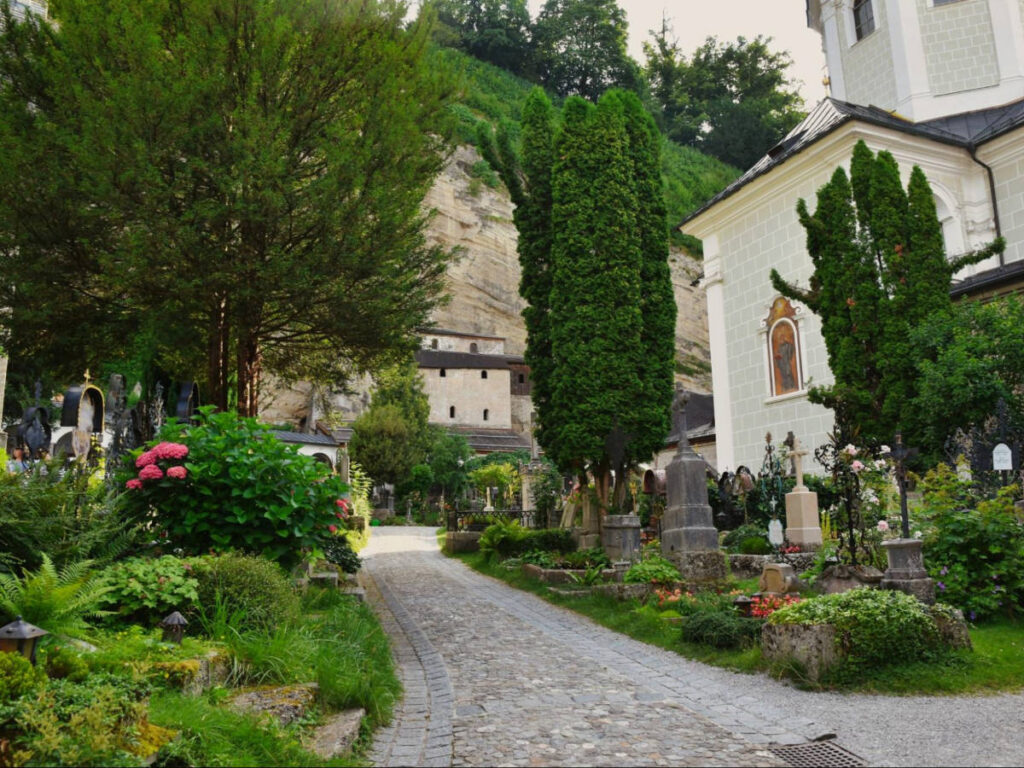
📍 Google Maps | Phone: +43 66284 4576 | Hours: 6:30 am – 8 pm Mon-Fri (Apr–Sep), 6:30 am – 6 pm Mon-Fri (Oct– Mar), Closed Sat & Sun | Entrance (Catacombs): From 2€, adults, €1.50 (6-18 years)
Austrian cemeteries can be stunningly beautiful, and you can experience this firsthand at St. Peter’s Cemetery. So don’t just stop at the abbey. Make sure you visit the cemetery as well.
Once you are down here, the catacombs are a fascinating experience, too. Though the cemetery is open till dusk, the catacombs are only open from 10:00 am – 12:30 pm and 1:00 pm – 6:00 pm. So, make sure you visit the catacombs before you spend time in the cemetery.
Nonnberg Abbey
Visit Austria’s oldest nunnery.
📍 Google Maps | Phone: +43 66284 1607 | Hours: 6:45 am – until nightfall (6 pm in summer)
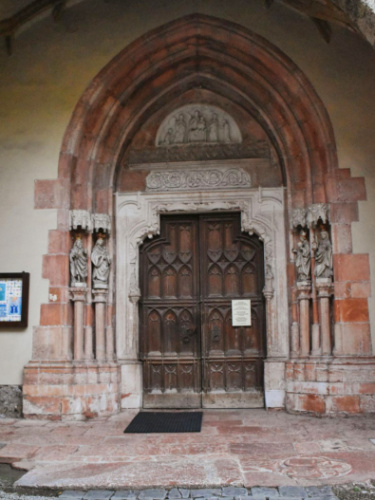
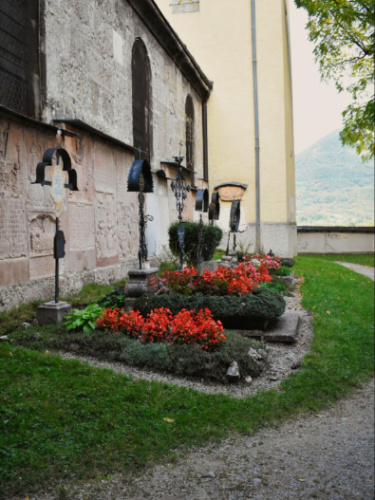
The Nonnberg Abbey is the oldest continuously existing nunnery in the German-speaking world. Founded in the 8th century, the abbey was built in a Gothic style and holds treasured paintings from the 12th century.
It is also the abbey in The Sound of Music. The real Maria von Trapp, on whom the film was based, was a member of this convent, which appears briefly in the film.
While the abbey is not a part of larger tours, as it does not encourage tourists, you can still visit it on your own. It is an experience to be there when it opens at 6:45 am when you can hear the singing of the nun’s choir. But at other times of the day, the abbey is usually empty. The stillness of the experience lingers on, long after you have left the abbey.
Outdoor Activities in Salzburg
Salzach River
Walk, cycle, or cruise along the river that gives Salzburg its name.
📍 Google Maps | 👉 Book a River Cruise, Dinner, and Fortress Concert on Get Your Guide
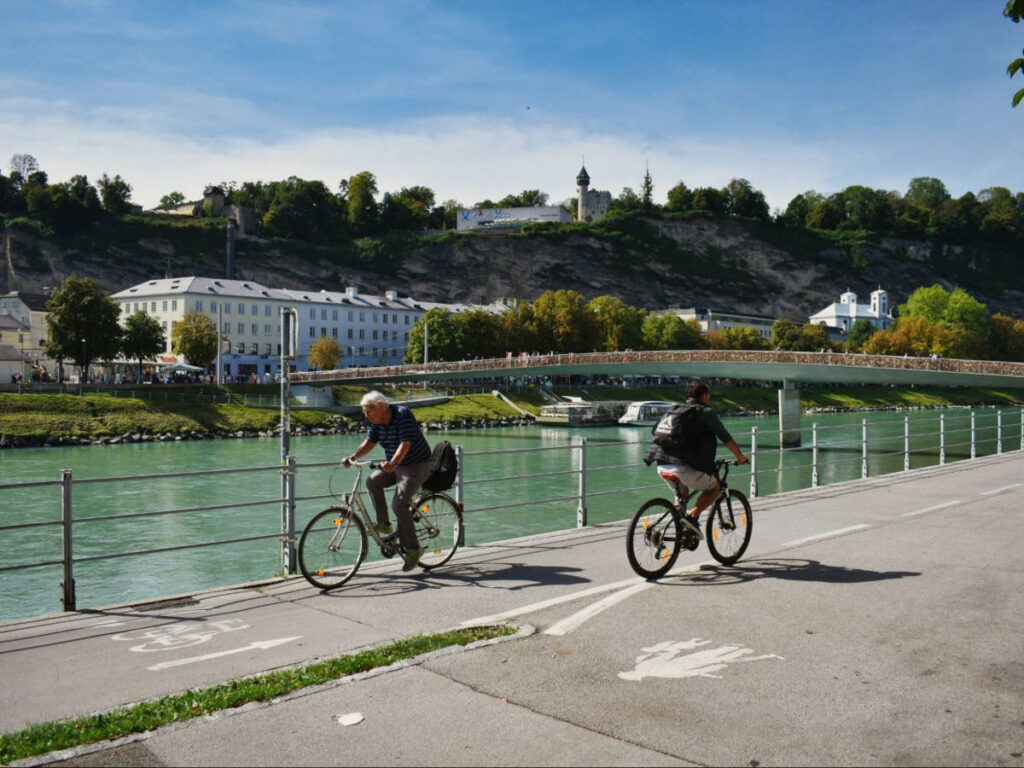
One of the most picturesque parts of the city is the winding path along the Salzach River, crisscrossed by the town’s iconic bridges. Benches and restaurants that line the path make this a great place to stop for a while and relax by the river.
In the old days, boats laden with salt made their way down the river, driving the region’s economy forward and giving the town its name. Today, you can make your way along the river by foot, cycle, or even by boat to explore the city.
Mondsee
Take a day trip to a medieval town in Salzburg’s lake district.
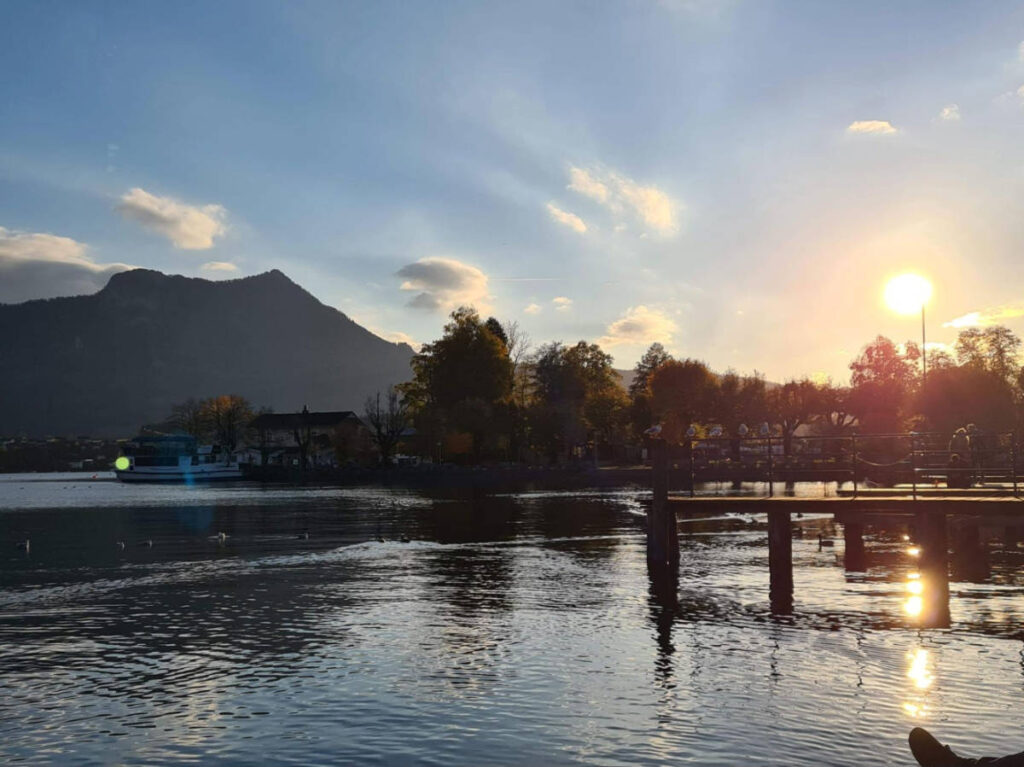
One way to experience Austria’s lake district is to drive down to Mondsee, one of the many stunning lakes (“see” in German) that dot this region. This is also your chance to visit the landmark sites this little town is known for, like the 15th-century Gothic and Baroque St. Michael’s Church, which also featured in The Sound of Music. It was the church where Maria marries Captain von Trapp.
But this is about a lot more than The Sound of Music. Coming here gives you a chance to experience Austria’s lake district over a half-day activity. It is especially memorable if you’re there around sunset.
Watch out for Red Bull’s corporate office on the ride to Mondsee. As the glorious day of the prince-archbishops of Salzburg fades, this energy drink has been Salzburg’s most famous export to the world in the 20th century.
Attersee
Hike around the largest lake of the Salzkammergut region.
📍Google Maps | 👉 Book an Attersee Sunset Hike to Großer Schoberstein with Guide
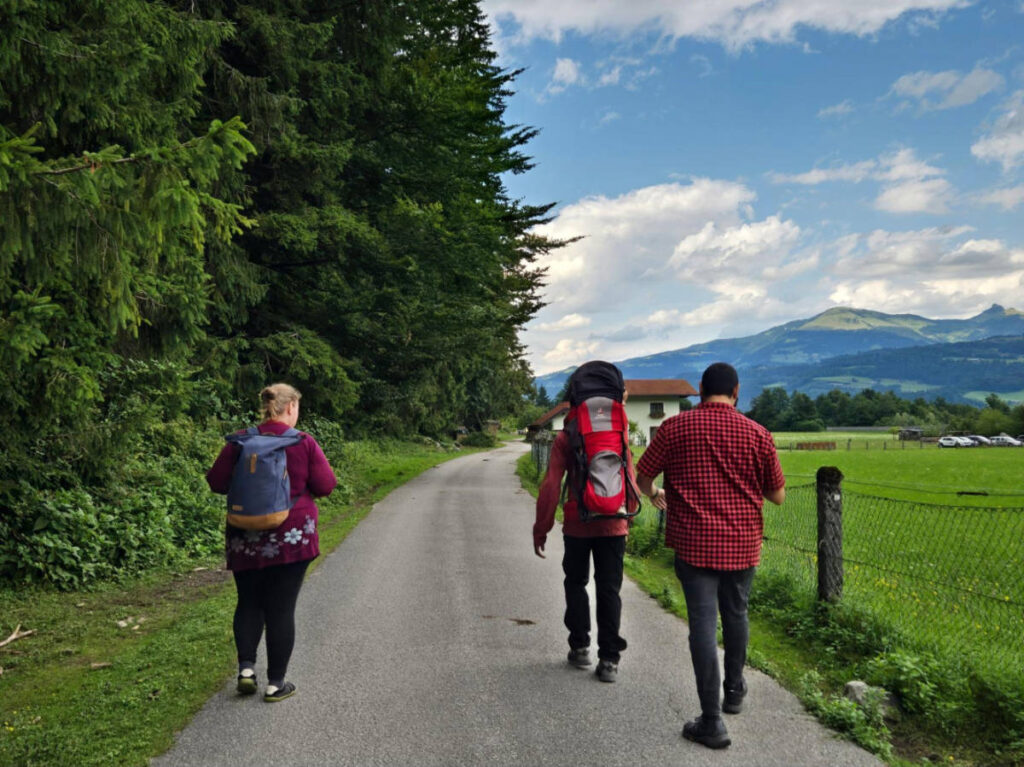
Prefer a day hike to get to know Salzburg’s lake district? I recommend making your way to Attersee, also known as Kammersee. This is the largest lake in the Salzkammergut region and the third largest in the country.
Attersee represents Austria’s natural beauty at its finest. It’s where locals go to experience Salzburg’s lake district, and it is not as crowded as the more popular tourist trails. The path here is lined with meadows, waterfalls, small grottos, and the lake that gives the region its name.
You can pick a trail that suits you best, while leaving the maddening crowds behind for a day. To keep things simple, you can also book a guided sunset hike with a local.
Hallstatt
See Europe’s prettiest fairytale town.
📍Google Maps | 👉 Book a Hallstatt Half-Day Tour from Salzburg
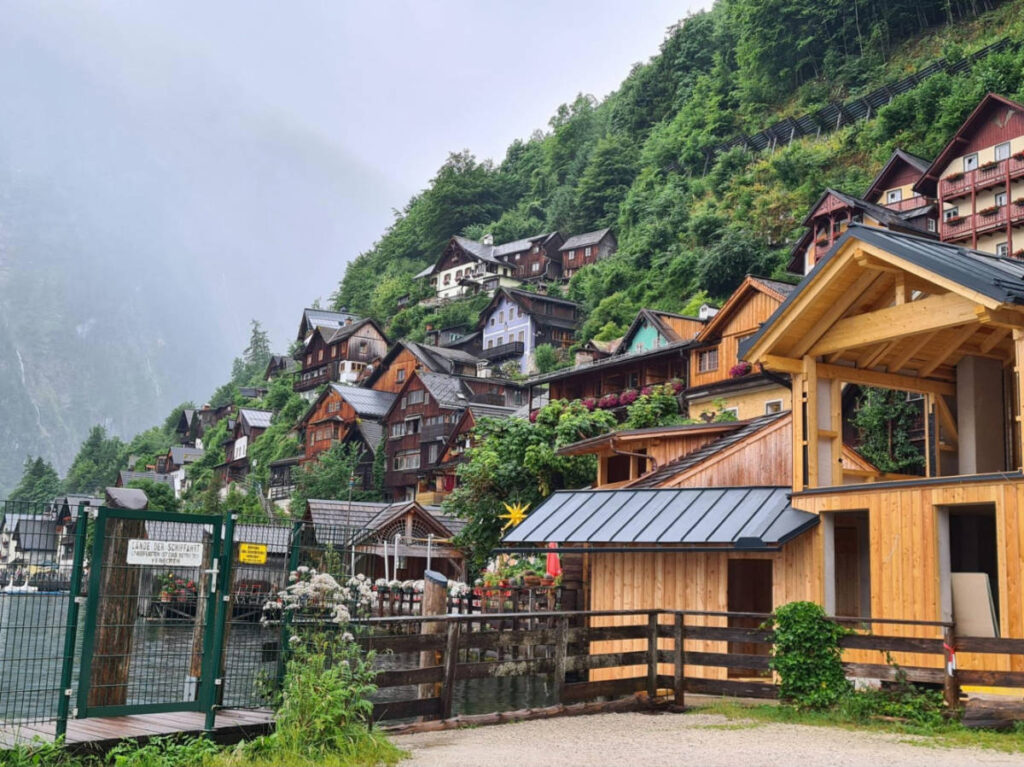
Salzburg is just a short train ride away from the picturesque postcard-like setting of Austria’s fairytale town, Hallstatt. It has often been called one of the prettiest towns in Europe, which is why travelers often combine a trip to Salzburg with a day trip to Hallstatt.
This UNESCO heritage site also has the oldest salt mines in the world, which comes with one of the best tours I’ve ever experienced. I’d highly recommend doing a tour that includes a visit to the salt mines, like this Hallstatt and salt mines small-group tour.
The town’s Altstadt, old churches, bone house, and skywalk also give you more glimpses into the unique culture of the Salzkammergut region. But while you may escape the crowds at Attersee, you will find that you always keep them close to you at Hallstatt. It is one of Austria’s most popular tourist destinations at all times of the year.
Sound of Music Tour
Go on a tour in tribute to the well-loved musical.
📍Google Maps | 👉 Book the Original Sound of Music Tour in Salzburg
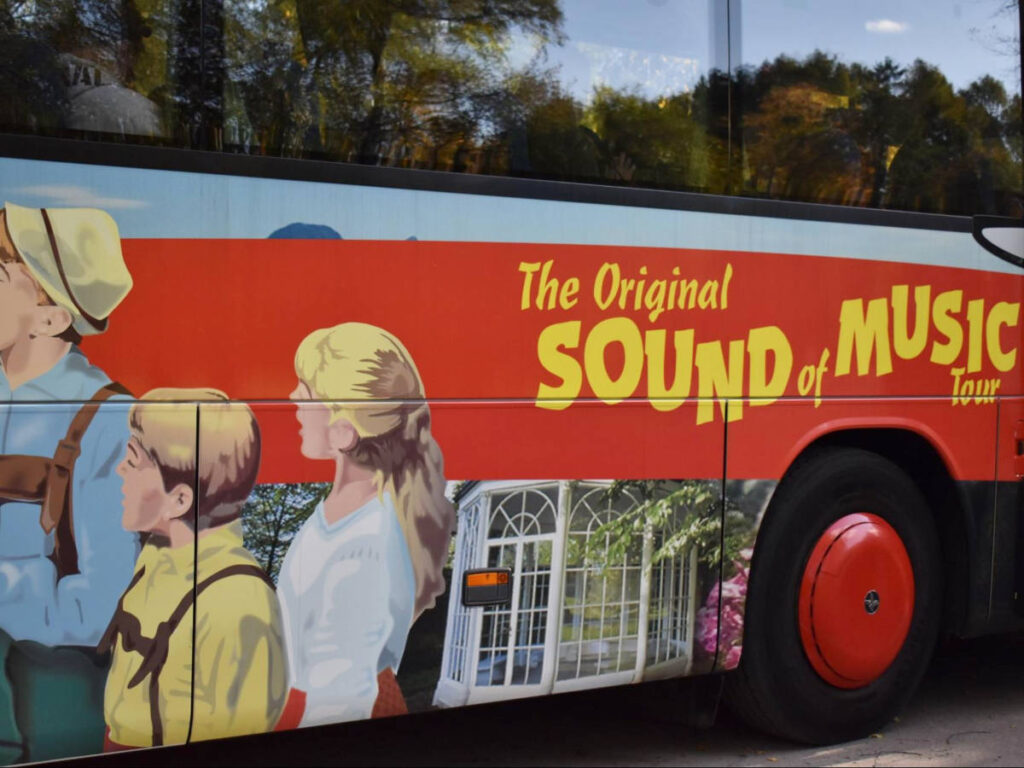
Another fun activity to try if you are a fan of the movie, is a Sound of Music tour. While you can visit many of the locations on your own, some, like the Nonnberg Abbey, are better done this way. There is nothing like a tour that ties all the stories, lore, and history together.
The Original Sound of Music Tour is also a great way to visit faraway locations that aren’t easily accessible, like the St. Michael’s Church at Mondsee. The tour can also help you pinpoint the exact spot connected to a well-known story, like the pavilion at Schloss Hellbrunn.
There’s something a bit magical about a busload of fans riding down the mountain while singing a well-loved song from the movie. While these tours are of varying lengths, the best Sound of Music tours that we have attended are half-day activities.
Salzburg Food, Drinks, and Shops
Getreidegasse
Walk down Salzburg’s most famous shopping street.
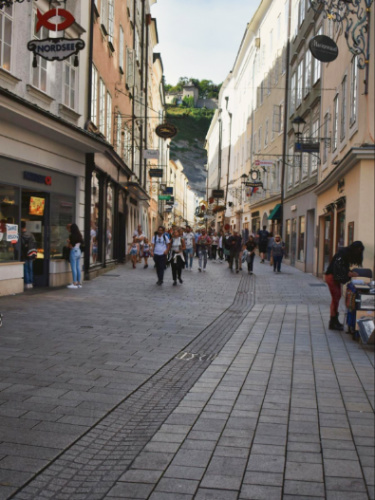
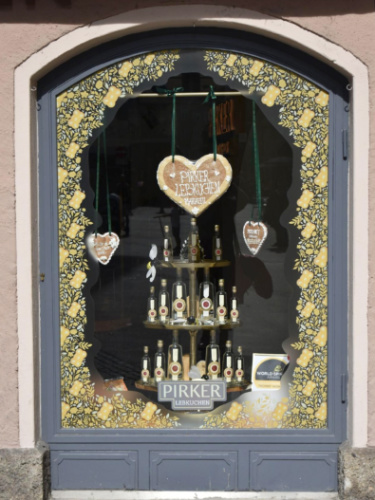
Getreidegasse is Salzburg’s most famous shopping street, and it’s also where you’ll find Mozart’s Geburtshaus, or the house where he was born. Walking down these cobbled streets has always been our gateway to all the city has to offer.
Come here to find the best local cafes to grab a quick Wiener schnitzel or an Apfelstrudel. Besides traditional fare, you will also find local favorites, like Nordsee fish or experiments with African and Indian cuisine.
But when in Salzburg, I think it’s best to choose the local cuisine to explore the many flavors of the city. Watch for the lebkuchen (traditional German gingerbread cookies) in shop windows, if you want to try something typically Austrian.
Mozart Kugel
Sample Salzburg’s 135-year-old chocolate confectionery.
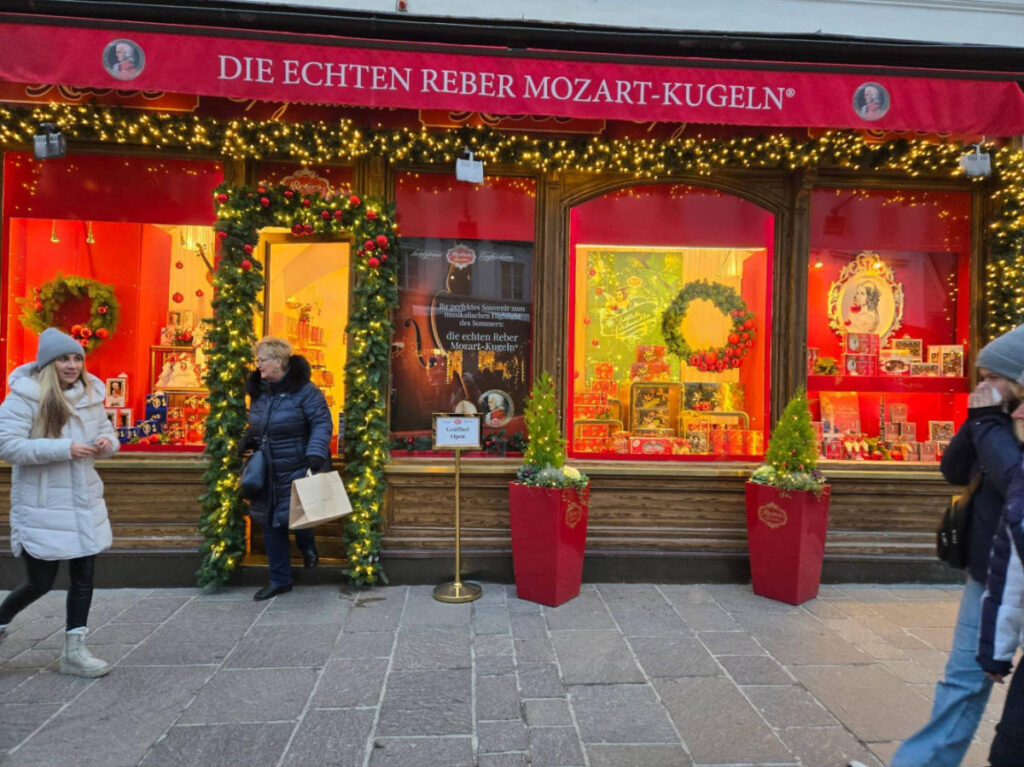
📍 Google Maps (Cafe Konditorei Fürst) | Phone: +43 66288 1077 | Website | Hours: 9 am – 7 pm Mon-Sat, 10 am – 5 pm Sun
Searching for a confectionery associated with the city? Try the Mozart Kugeln or the Mozart balls. These are chocolates with a pistachio-marzipan filling, coated with hazelnut nougat and dark chocolate.
They were first made by the Salzburg confectioner Paul Fürst and called Mozart Kugeln either as a smart marketing strategy or as a tribute to Salzburg’s most famous resident. Only Fürst’s “Original Salzburg Mozartkugel” is still handmade. The rest are factory-produced today.
The handmade variety, distinguished by its silver-and-blue foil, is a perfect takeaway from Salzburg if you are looking for gifts to take back home from your travels. But others, like the Reber Kugeln, are good alternatives as well.
Sachertorte
Try Austria’s most famous cake at the historic Café Sacher Salzburg.
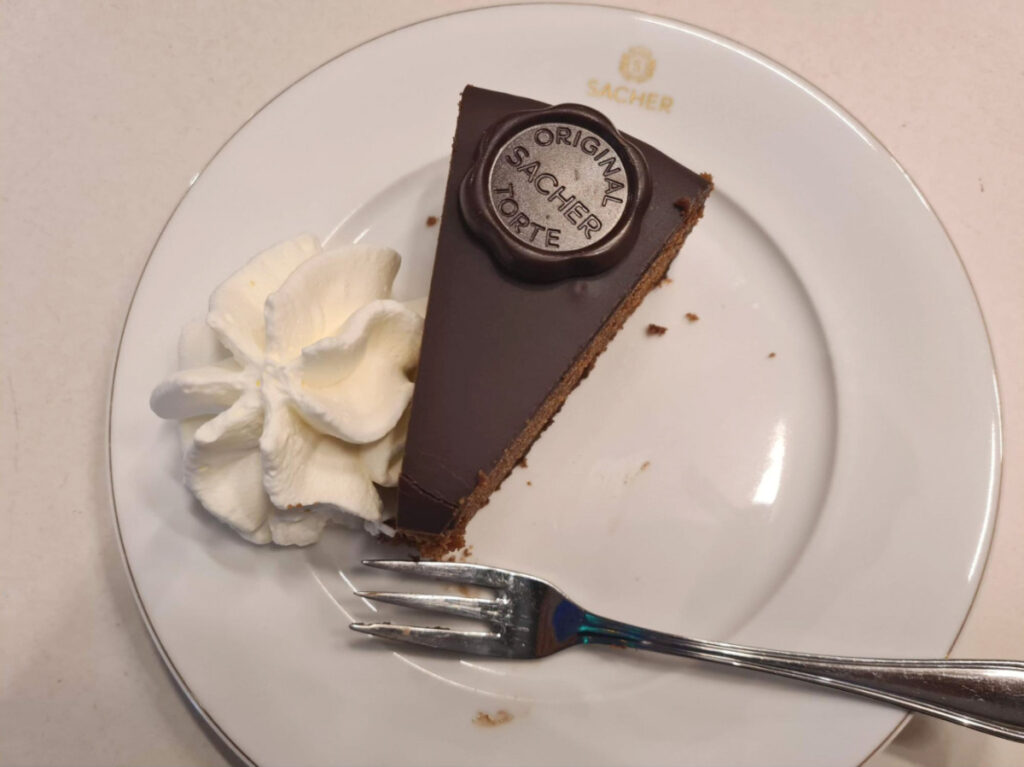
📍 Google Maps | Phone: +43 66288 9770 | Website | Hours: 8:30 am – 10 pm, daily
Another favorite Austrian dessert you can try in Salzburg is the Sacher Torte. The pastry was originally created by Franz Sacher in Vienna for the court of Prince Metternich of Austria. For two hundred years, that recipe has been carefully passed on and preserved. It is still painstakingly made by hand at both Café Sacher in Vienna and Salzburg.
Just make sure you book your table in advance. Most restaurants in Salzburg have long wait times, and you should expect the queues in celebrated cafes like this one to be even longer.
Seasonal Things to Do in Salzburg
Dress in the Dirndl and the Lederhosen
Wear Austria’s traditional national costume.
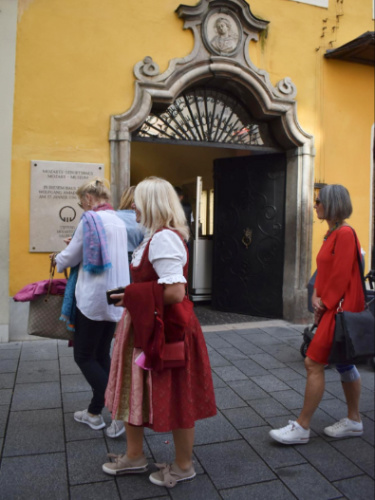
📍 Google Maps | Phone: +43 66284 4110 | Website | Hours: 10 am – 6 pm daily, Closed Mondays
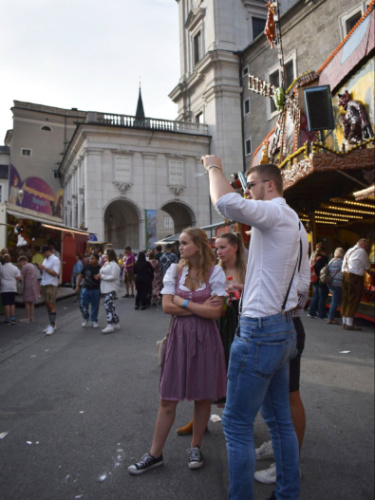
If you’ve ever wanted to try the Austrian dirndl and the lederhosen, you will feel quite at home wearing them during the spring, summer, and autumn in Salzburg. Few Austrian cities embrace their traditional national costume like Salzburg does through the warmer months.
Both locals and visitors can often be seen using their visit to Salzburg to sport the Tracht (regional, traditional clothing) of Austria, as these are called. So, you will never be out of place here in the dirndl and the lederhosen. Just make sure you wear comfortable shoes, so you can make your way down the old town’s cobbled streets.
The Salzburg Festival
Join Salzburg’s famous month-long celebration of music.
📍 Google Maps (House for Mozart) | Phone: +43 662 8045 500 | Website | Dates: July – August
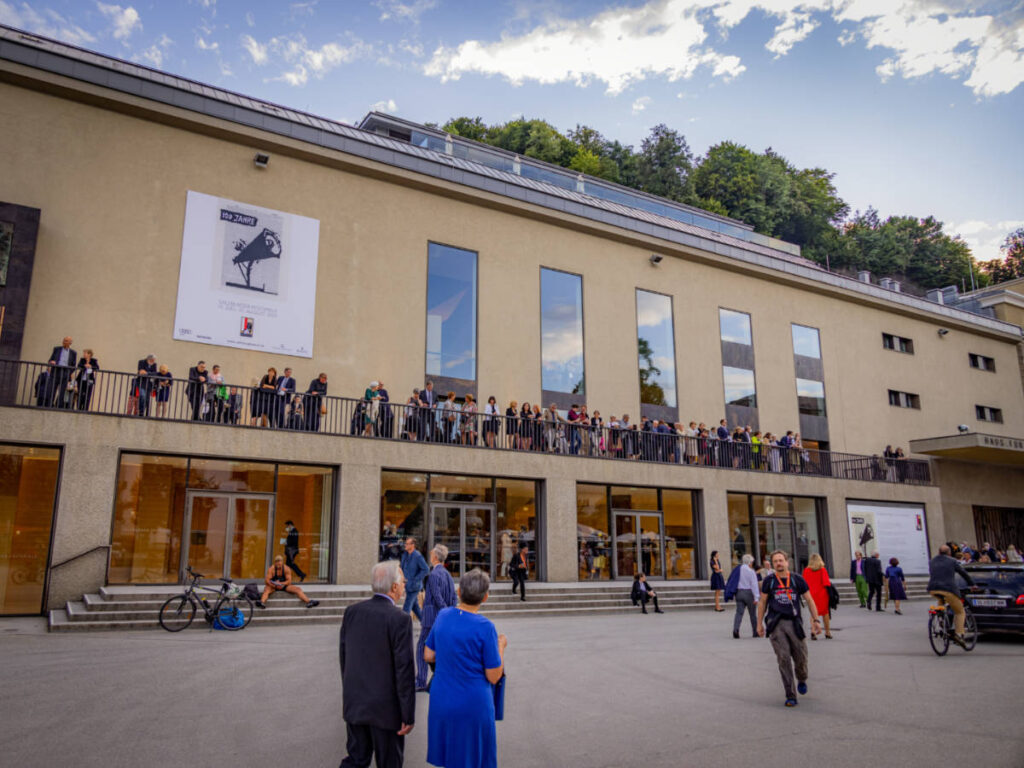
Summer is also the time when the Salzburg Festival of music and drama comes to the city. The festival was introduced to the city over a hundred years ago, and it begins the last week of July and continues for the next five weeks, into August.
Mozart’s music has remained a focal point of the festival. Another old tradition is the performance of the German play Jedermann (Everyman) at the entrance steps to the Salzburg Cathedral.
While the Large Festival Hall and the House for Mozart are some of the typical venues for the festival, it also spills over into the larger city, with old churches like the Collegiate Church and St Peter’s Abbey acting as the venues for some of the performances.
Autumn in Salzburg
Witness Austria’s golden foliage emerge.
📍 Google Maps (Mirabell Gardens) | Dates: September and October
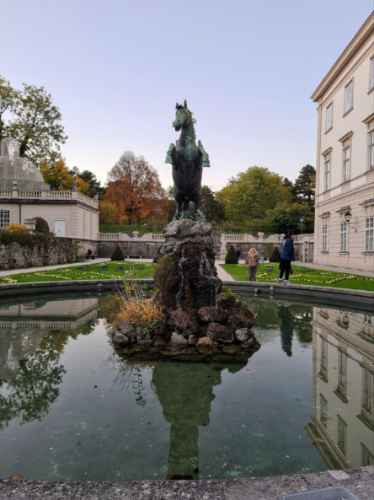
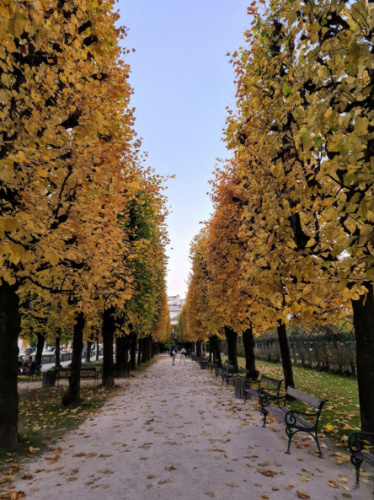
Every season in Salzburg is unique and has a special beauty, but during fall, you can watch the parks and the lake district gradually shift from a deep green to a dazzling golden orange. This is the golden foliage, or the traditional autumn and fall colors that Austria and Salzburg are known for.
While the Austrian fall can be seen in all its glory within Salzburg’s parks, it is even more pronounced in the Salzkammergut region outside the main town.
The Perchtenlauf
See the Perchten run at the oldest Christmas market in the Alps.
📍 Google Maps | Website | Date: December 21 (though the Christmas market is between November 19 and January 1)
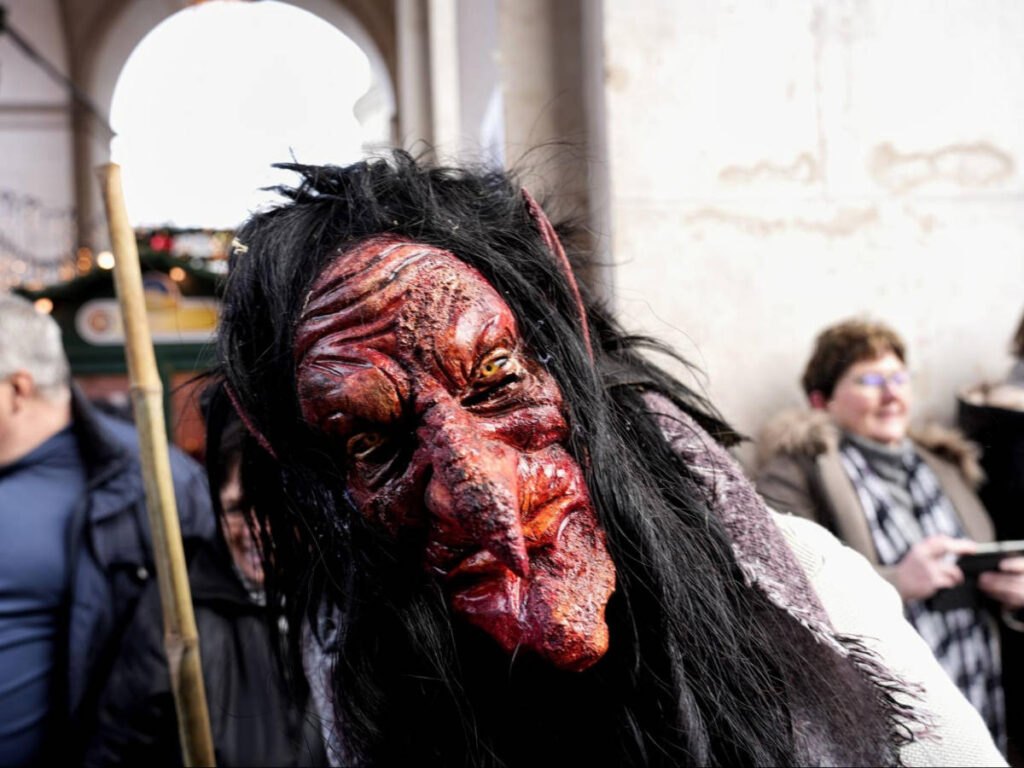
December doesn’t just mark the arrival of winter in Salzburg, it also signals the coming of the Christmas markets. The Weihnachtsmarkt (Christmas market) at the Salzburg Cathedral has been held continuously for the last fifty years, but it has a history that goes back to the 15th century. It’s one of the oldest such markets in the Alps.
Most Austrian Christmas markets have their own traditions. An unusual feature of the Salzburg Christmas markets is the coming of the Perchten or pagan spirits, drawn from old Alpine traditions. Their role is to chase away the winter spirits and bring in the new year.
Dressed in heavy costumes and masks, actors dressed as Perchten participate in a parade through the market. This is the Perchtenlauf or the Perchten run, and is a unique part of the Salzburg Christmas experience.
Wolfgangsee
Ride Austria’s oldest steam cog railway.
📍 Google Maps | Phone: +43 662 88849700 | Website | Hours: Weather dependent, check the SchafbergBahn timetable for up-to-date operating times | Entrance (Two- Way Tickets): € 61, adults, € 18.40, child
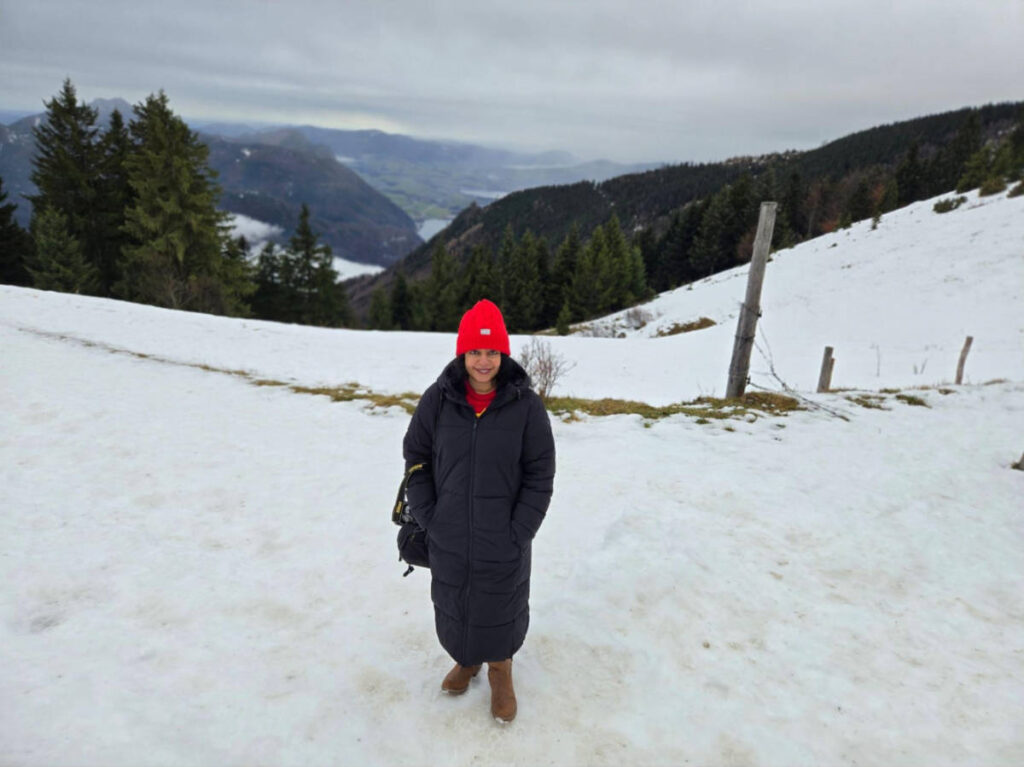
Want to try your hand at skiing in Austria during the winter? Wolfgangsee is a lesser-known gem. The slopes here are better suited to both beginners and families. It’s also less crowded than many other Alpine resorts and just an hour by bus from Salzburg.
Wolfgangsee is where locals go – not just to ski, but to extend their winter experience. A favorite activity here is taking Austria’s oldest and steepest cog railway, the SchafbergBahn, up the 1783m peak on the Schafberg Mountain (literally the Sheep Mountain!) to get a panoramic view of the thirteen lakes in the region.
The Christmas market in Wolfgangsee is another vintage small-town experience, full of unique local traditions.
***
I hope that I have been able to show you the many things to do in Salzburg and why there is so much more to this beautiful city than The Sound of Music.
There is never a wrong time to visit Salzburg – it remains wonderfully in season throughout the year. Leave me a comment if you have a question, and I’ll be happy to help you!