
Affiliate Ad Disclosure: We’re reader-supported. When you buy via our links, we earn commissions. Learn more.
45 Best Things to Do in Kyoto

👉 Jump to: Best Things to Do in Kyoto | Shrines & Temples | Unique | Food & Drink | Seasonal | Day Trips
Even though Tokyo is my home, Kyoto is somewhere I return to without fail every year for both work and pleasure.
Kyoto offers a quintessential Japanese experience filled with arts, culture, history, nature, and delicious food that will make one’s visit memorable. It’s one of the country’s most popular cities to visit for both locals and tourists alike.
Enjoy reading my favourite things to do below, with some personal tips so you can keep exploring even with potential crowds. Use this and Travel Lemming’s guide to where to stay in Kyoto to plan the perfect trip.
45 Best Things to Do in Kyoto
Arashiyama Bamboo Forest
Breathe in the forest and embrace the spirit of Japan’s shinrin-yoku philosophy.
📍 Google Maps | Website | Hours: 24 hours (advised not to visit at night unless there’s an illumination event)
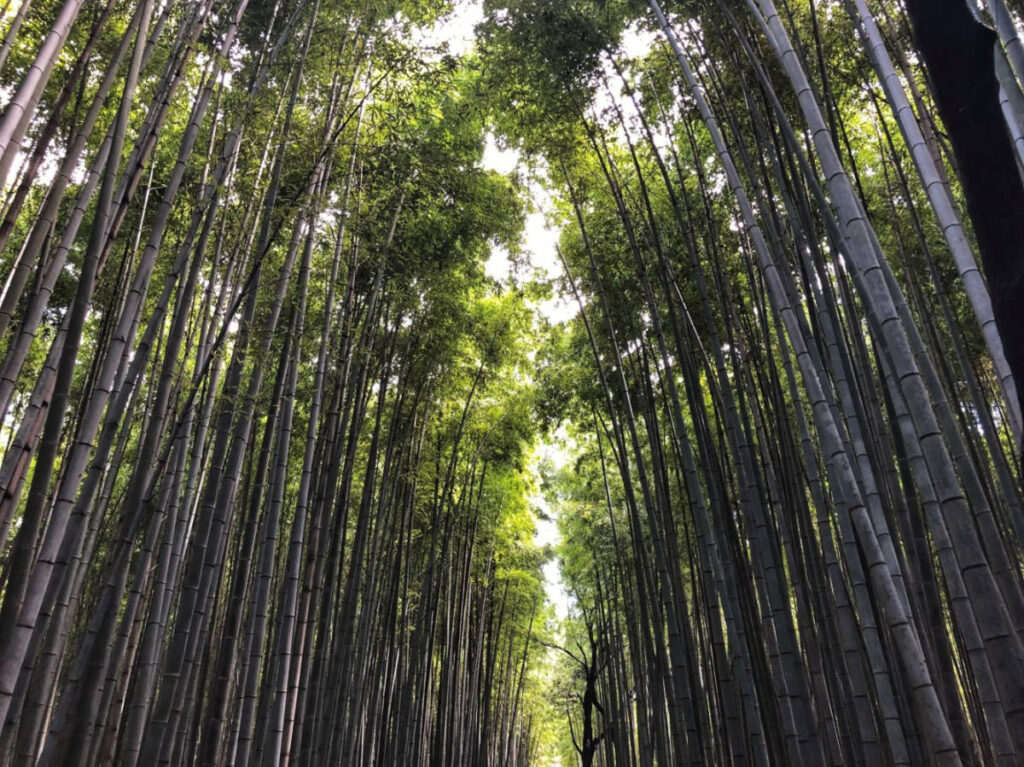
The image of this famed bamboo forest in Arashiyama has become an iconic symbol of Kyoto. Though only a short grove, it’s revered as a sacred, spiritual ground. Its popularity has soared, though, so make sure to visit early in the morning and on weekdays.
Stay in Arashiyama for a night to enjoy its serenity as dawn breaks and before the crowd arrives as it’s a little away from the central Kyoto hub. Take the time to wander further up through the forest to visit Nonomiya Shrine and meander along the Hozugawa and Katsuragawa rivers (more on that below).
Remember, this grove is sacred. Do not touch, graffiti, or vandalise the bamboo!
Fushimi Inari Taisha
Explore the thousands of red torii gates winding up Mt Inari.
📍 Google Maps | Phone: (075) 641-7331 | Website | Hours: 24 hours | 👉 Book Viator’s Kyoto Fushimi Inari Night Walking Tour
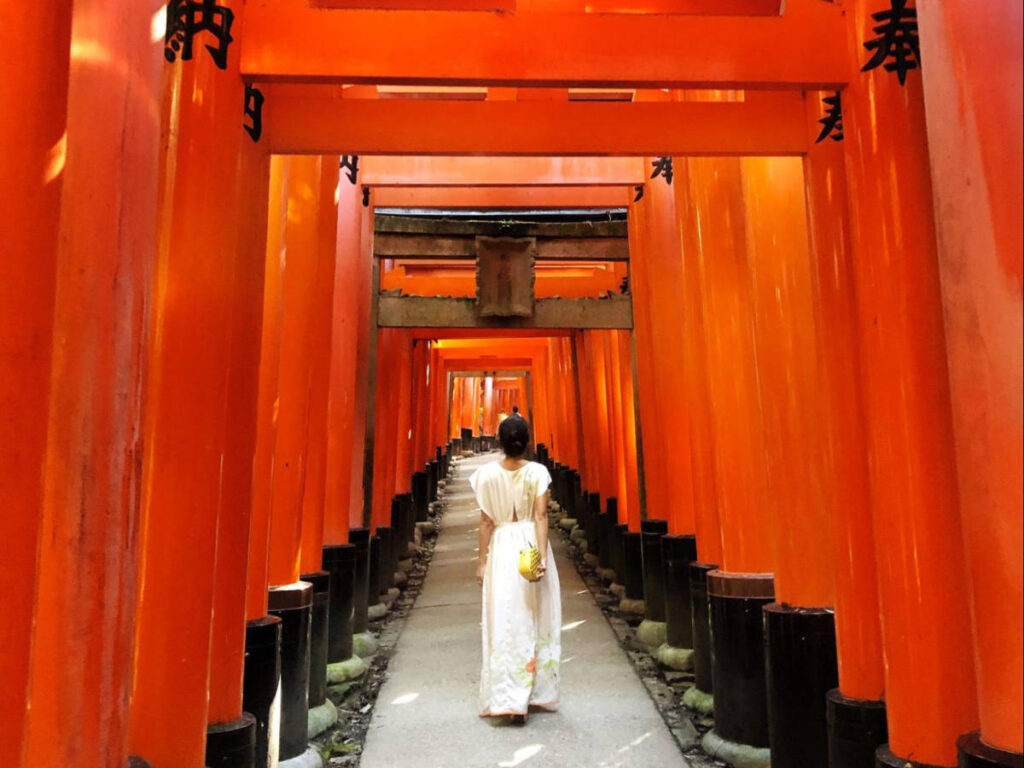
Home to the deity Inari (the fox god), Fushimi Inari Shrine is the head shrine of all Inari Shrines throughout Japan. The thousands of bright vermillion torii gates donated by various companies are another legendary sight.
For visitors who only want to capture the iconic gates, expect the torii paths around the entrance to be busy.
For those who enjoy a bit of a hike – explore the entire route to the main shrine and beyond. The paths will lead you to quieter sections of the mountain where more weathered and worn torii gates stand. It’s very much worth it for those who wish to have a more peaceful experience. Stumble upon white fox messenger statues protecting the gates and charming local cats playing amidst the grounds.
Kinkakuji
Visit one of Japan’s most spectacular and beloved temples.
📍 Google Maps | Phone: (075) 461-0013 | Website | Hours: 9 am – 5 pm daily | Entrance: 500JPY adults, 300JPY primary & middle school students
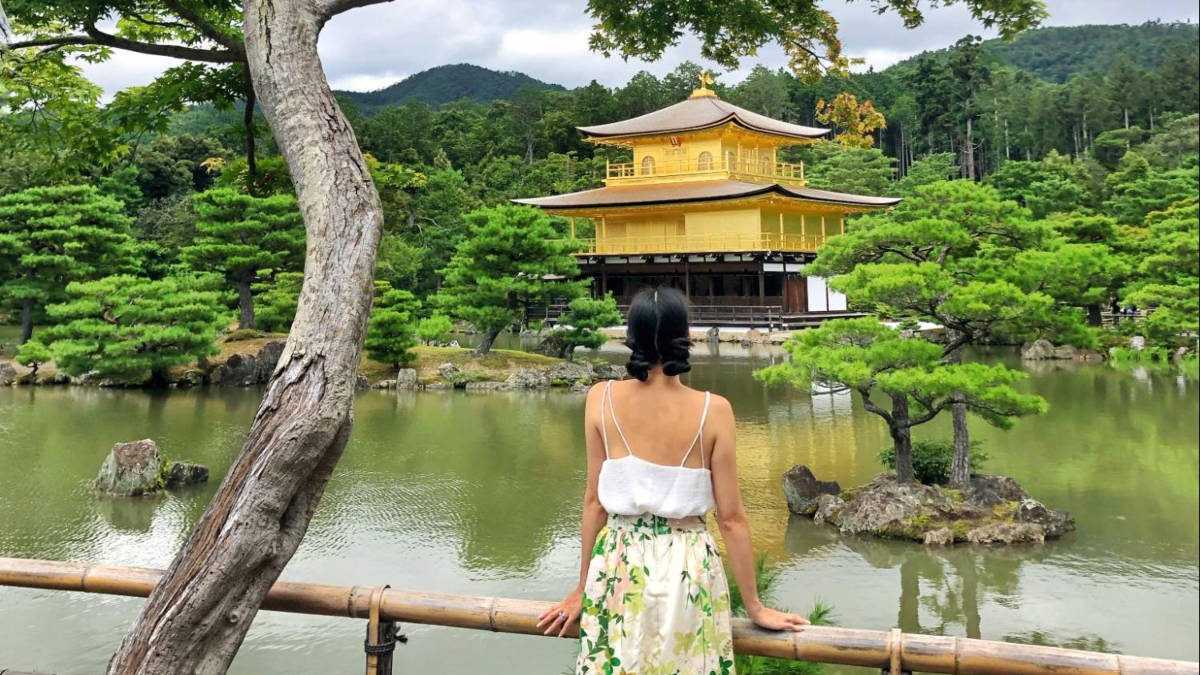
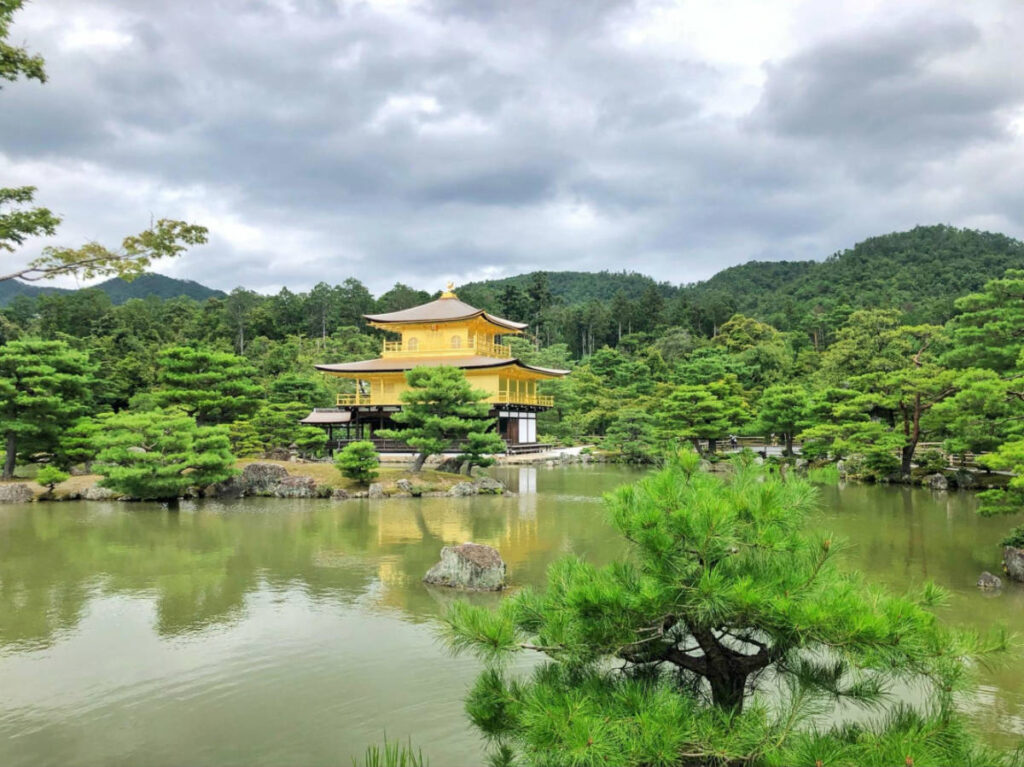
Otherwise known as the Golden Pavilion, this three-story temple is another famous Kyoto landmark. Its official name is Rokuon-ji. Though it is popular, it’s still a destination I adore even as a long-time resident. It’s especially worth visiting if you’re interested in Japan’s architecture and rich cultural history.
On a clear day when sunlight hits the temple’s walls covered in real gold, the sight is breathtaking, even more so when the temple is reflected back from the mirror pond.
Designated as a UNESCO World Heritage Site, this Zen-Buddhist temple is still a place of faith, so please act respectfully. Remember to explore the grounds, where one can find the White Snake Pagoda and keep an eye out for the glittering phoenix statue which adorns the temple top.
Kiyomizu Dera
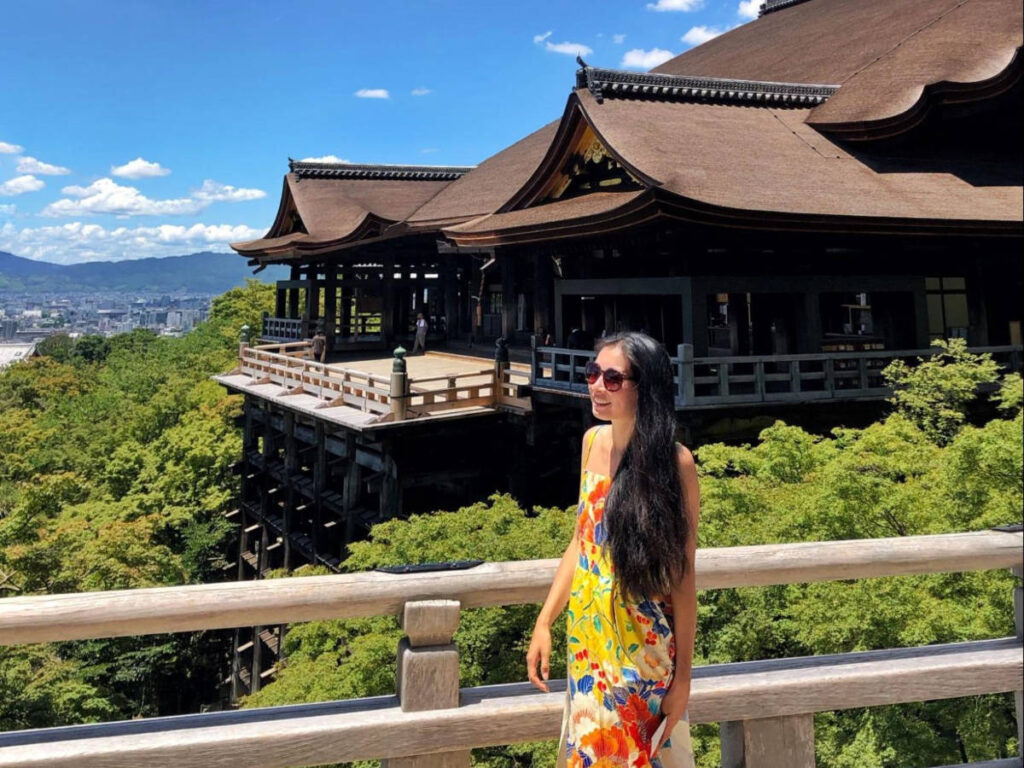
Take in the stunning views of Kyoto from this ancient temple’s wide veranda.
📍 Google Maps | Phone: (075) 551-1234 | Website | Hours: 6 am – 6 pm daily (depending on season) | Entrance: 500JPY adults, 200JPY primary & middle school students
Within the foothills of Mt Otowa lies Kiyomizu-dera, one of Kyoto’s most renowned sites. It’s steeped in mystery and legend. Housing numerous national treasures and valued cultural properties, the temple is another designated UNESCO World Heritage Site.
Architecture lovers and history enthusiasts will stand in awe and appreciation of the kakezuri craftsmanship involved, where not a single nail was used in its construction. A favourite to visit in autumn when the foliage turns red, the temple is still beautiful all year round and if one’s lucky – to see it when rare snow falls in winter.
The walk up to the temple’s entrance is a little steep but lined with cute little cafes and shops, perfect to pick up some souvenirs. It’s still one of my favourite places to visit in Kyoto.
Ninenzaka and Sannenzaka
Slowly meander up these historic stone paved sloped streets that lead to Kiyomizu-dera.
📍 Google Maps (Sannenzaka), Google Maps (Ninenzaka) | Website
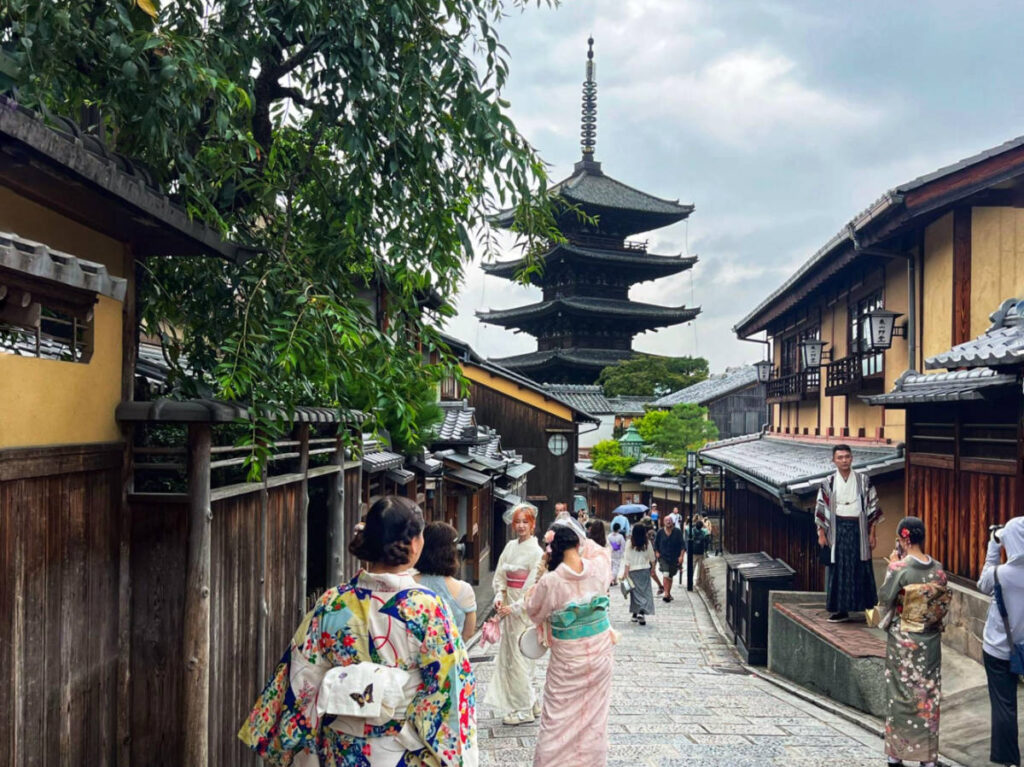
Ninenzaka and Sannenzaka are two pedestrian only, sloping streets lined with local little boutiques, cafes, and artisan crafts housed within traditional wooden buildings. One will see many locals and visitors dressed in yukata or kimono taking photos against its traditional backdrop.
Sannenzaka is particularly famous for its view of Yasaka Pagoda framed by the wooden townhouses. It does become quite crowded, so if you want photos with lesser crowds, make sure to wake up early or wait till twilight hits. Definitely avoid weekends and public holidays.
Note that the steep slope, many steps, and uneven nature of stone paving does make it difficult for strollers, wheelchairs, and anyone uncomfortable walking such an incline.
Yasaka Shrine
Walk from Kiyomizu-dera, stopping at Yasaka Shrine on the way to Gion.
📍 Google Maps | Phone: (075) 561-6155 | Website | Hours: 24 hours
Once called Gion Shrine, Yasaka Shrine is home to perhaps Kyoto’s most famous summer matsuri; Gion Matsuri where large floats and hundreds participate in a festival throughout the city’s streets.
Centrally located, this shrine is easy to fit into one’s Kyoto itinerary as it lies between the Higashiyama and Gion districts. It’s perfect for the traveller who is tight on time and wishes to fit in some traditional history and architecture of Kyoto, yet can’t travel to the outskirts of the city.
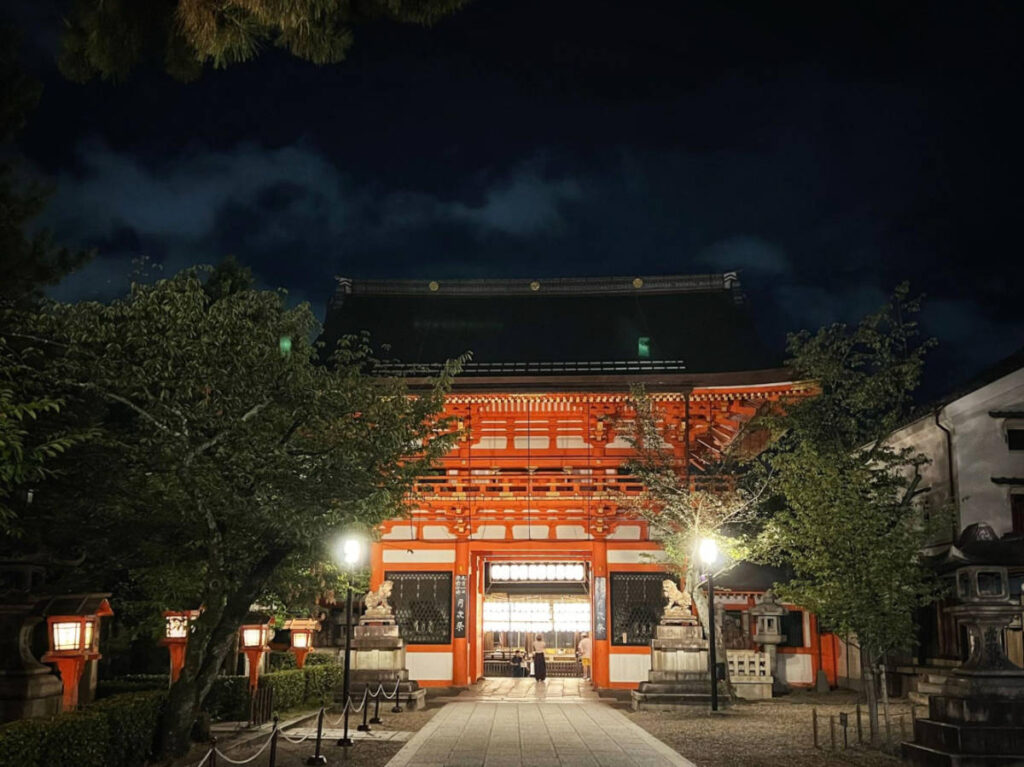
I particularly like walking through Yasaka-Shrine at night when it’s all illuminated and aglow, which makes it a must-stop for those who love to practice night photography.
Gion
Stroll down these historic cobblestone streets of yesteryear Kyoto.
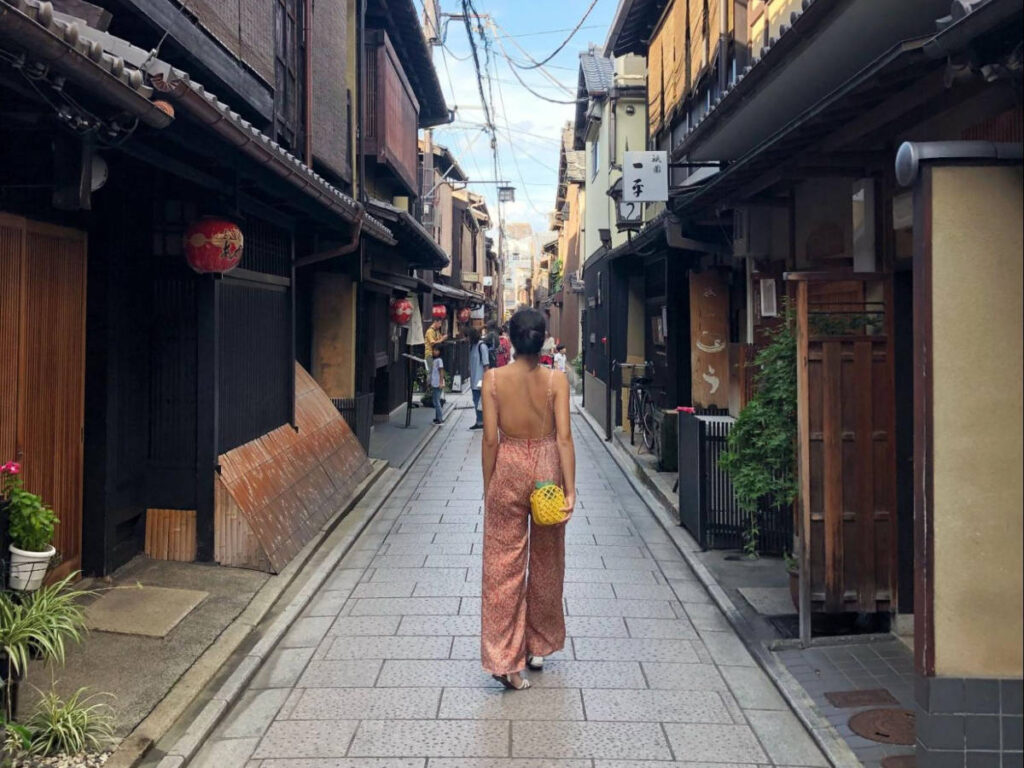
Cross the Kamo River from the Kawaramachi area, and one will find themselves entering Kyoto’s renowned entertainment district – Gion.
Quiet wooden teahouses, restaurants, and local homes line the cobblestone paths where many visitors hope to catch a glimpse of the elusive Geisha and Maiko on their way to work. The most popular street is Hanami-koji, where one can dine and taste the seasonal delicacies of Kyoto’s haute cuisine Kaiseki. Reservations are highly recommended.
It’s important to remember that Gion is a local neighbourhood and a place of business. Do not enter private streets or residential properties (there are now numerous warning signs, and financial penalties will incur if one trespasses). And DO NOT disturb, touch, or take a photo of a maiko/geisha on their daily business, especially without their permission.
Shirakawa Canal
Wander the quieter willow-lined canal street of Gion.
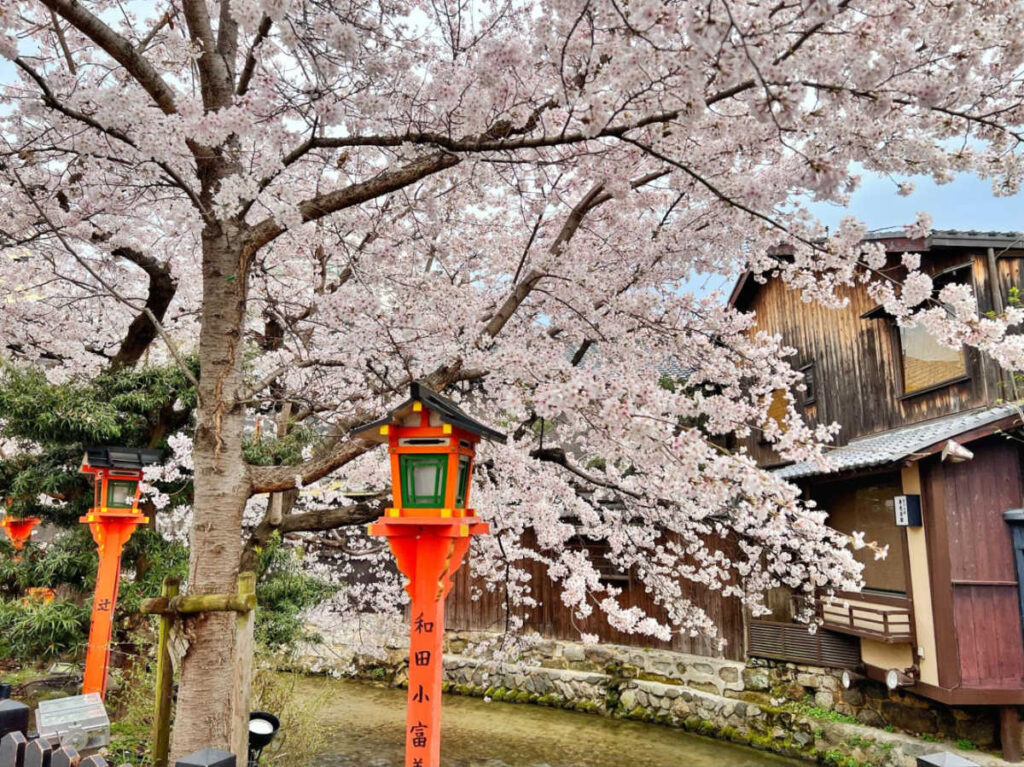
Adjacent to Hanami-koji is Shirakawa Canal, a picturesque area of Gion bordered with traditional lanterns, swaying willow tree branches, and numerous cherry blossom trees; making it a very pretty sight during sakura season.
Numerous high-end ryotei restaurants and casual little cafes are housed within the traditional wooden townhouses, along with boutique accommodation – it’s a perfect place to have a little breather on a busy day. Don’t be surprised if you see couples having wedding photos taken in traditional kimonos.
Remember, for many of the high-end restaurants, reservations are required. And if one is on a budget, try to reserve for lunch as there are often very well-priced lunch options.
Philosopher’s Path
Follow the footsteps of the founding father of the Japanese philosophical movement “Kyoto School” and his protege.
📍 Google Maps | Website
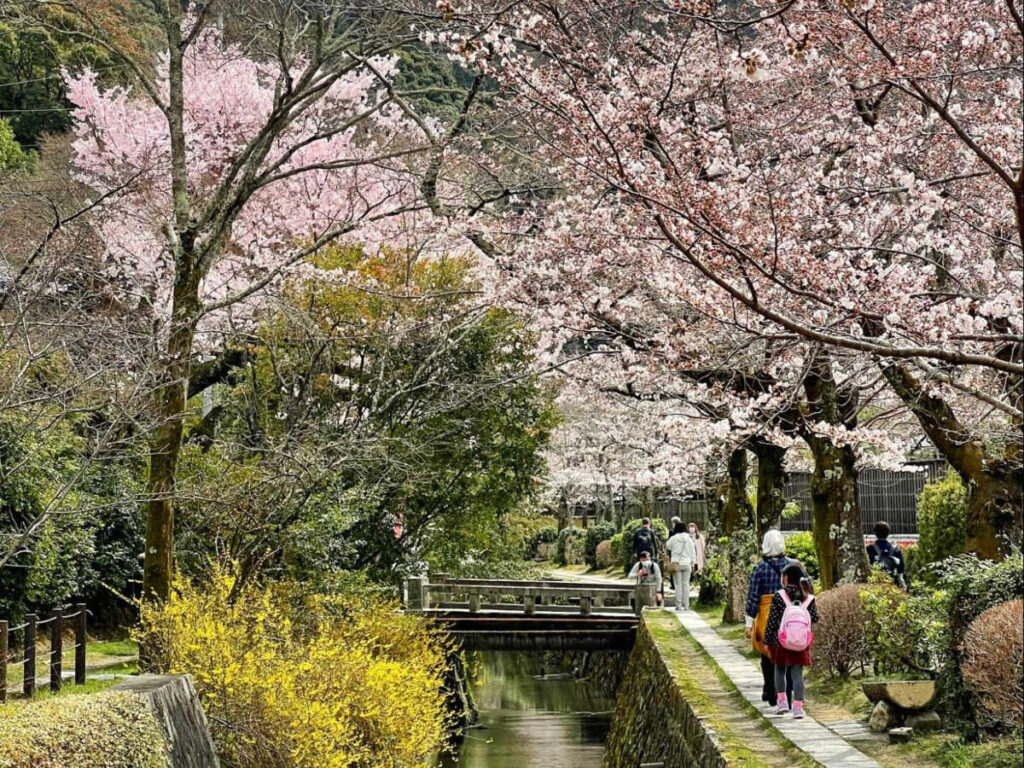
Between the two temples Kinkakuji and Nanzenji, lies a peaceful small pathway lined with cherry blossom trees. It’s said to be the place where philosophers Nishida Kitaro (friend of Kanazawa’s esteemed D.T Suzuki) and Hajime Tanabe embarked on daily walks – the narrow pathway traverses the flowing irrigation line of the Lake Biwa Canal System.
Though not a long walk (achievable in roughly 30-40 mins), many linger longer to appreciate the quiet serenity and beauty of the area whilst stopping in at the few small boutiques, local temples, and eateries located on the path. Make sure to reserve a spot at Monk Pizza.
Overall, this is one of my favourite Kyoto walks, though I tend to favour the route starting from Keage Incline finishing at the Philosopher’s Path.
Keage Incline
Visit during spring to see one of Kyoto’s loveliest sakura destinations.
📍 Google Maps | Website
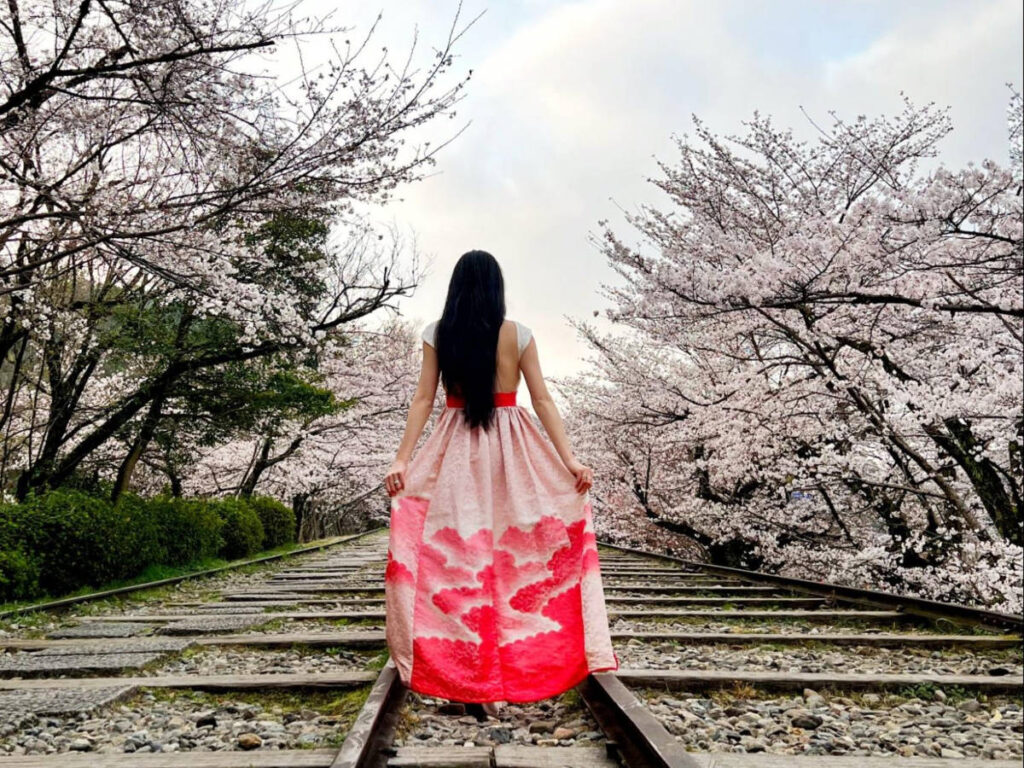
Once the longest incline railway in the world (at its inception), the Keage Incline is part of Shiga’s Lake Biwa Canal system. Today, it sits abandoned as a working railway, but beloved as one of Kyoto’s most striking sakura spots.
Spring sees nearly a hundred sakura trees bloom on both sides of the railway tracks, creating an almost ethereal view. The location has become more well-known over the years, so make sure to visit early in the morning if you wish to capture the scene with minimal people. Serious photographers are there before dawn even rises.
Explore beyond the incline and you will reach Nanzenji Temple and its impressive aqueduct built as part of the canal system, which then continues on to the Philosopher’s Path.
Nishiki Market
Taste your way through Kyoto’s Kitchen.
📍 Google Maps | Phone: (075) 211-3882 | Website | Hours: Varies by shop | 👉 Book Viator’s Nishiki Market Food and Culture Walking Tour
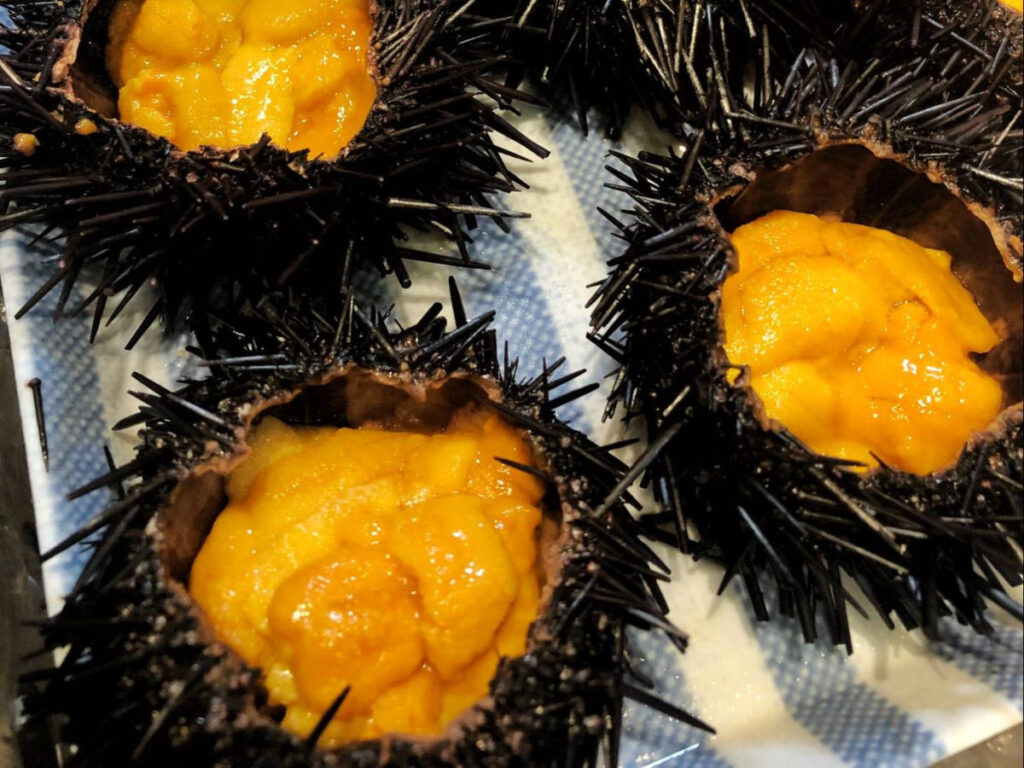
In the heart of Kyoto central, lies a narrow covered walkway for five blocks lined with local sellers and small eateries of fresh seafood, other local produce and seasonal Kyoto delicacies. Though it has increased in fame over the years, Nishiki Market is still a favourite for people to come and try many of Kyoto’s favourite flavours and tastes whilst picking up a souvenir or two.
Originally a wholesale fish market, many of the original families still run the stalls. Be aware that the few eateries are small, and some may only have a few stools to sit upon. Remember as well, do not eat and walk, as it’s considered rude and troublesome. Eat within if it’s an eatery, otherwise, think of it as takeaway.
Kyoto Shrines & Temples
Nanzenji Temple
Roam the expansive grounds of this historic Zen-buddhist temple, gorgeous in autumn.
📍 Google Maps | Phone: (075) 771-0365 | Website | Hours: 8:40 am – 4:30 pm daily | Entrance: starts from 300JPY, building dependent
Once the Imperial villa of the Emperor Kameyama, Nanzenji Temple is the head temple in Japan of the Rinzai sect. Its vast grounds are mainly free to enter (entry fee required for the Abbot’s Quarters and the smaller subtemples).
It’s perfect for those who want a quieter locale and leisurely exploration. Discover aspects of Japan’s history and culture, merged with Western design as it began to influence the country.
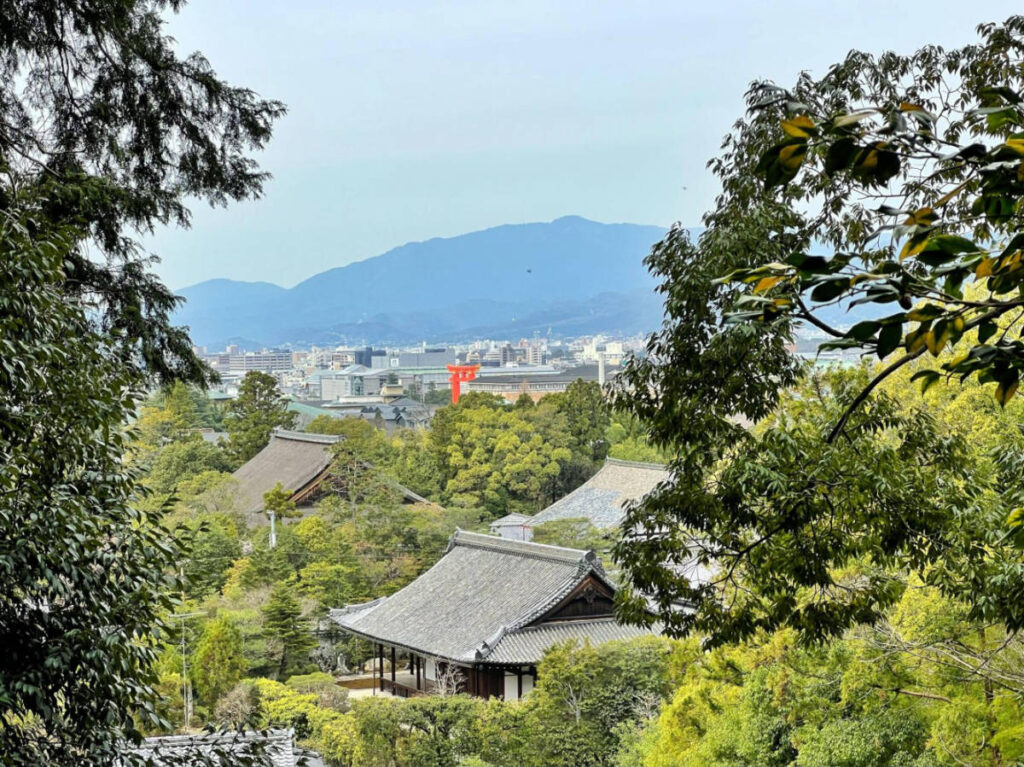
Highlights include the quintessential traditional tea room, the Japanese garden, and period architecture. One can view the grounds of Nanzenji from above, via the Philosopher’s Path, and spot the vibrant giant Torii gate of Heian Shrine in the distance. Its Western influence can be seen in the giant red brick Aqueduct found on the temple’s grounds.
Suriokaku Aqueduct
Feel transported to an otherworldly world reminiscent of a Studio Ghibli movie.
📍 Google Maps | Phone: (075) 771-0365 | Website | Hours: 8:40 am – 4:30 pm daily
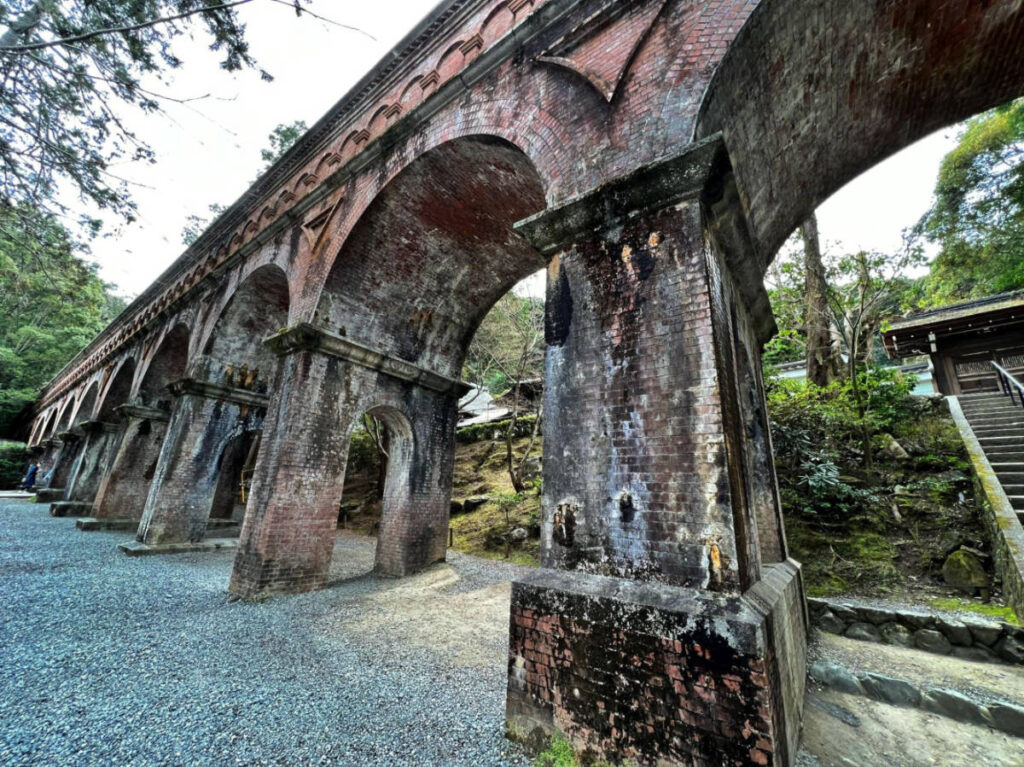
Finished in 1890, this European-style Aqueduct took nine years to complete. A conduit connecting Kyoto City to Shiga’s Lake Biwa, this imposing red brick construction is a wonderful example of the early influence of Western engineering paired with the elements of Japanese traditional design.
With a background of the above-mentioned Nanzenji wooden architecture and multiple momiji-trees, the area is a must-see. Especially for those who love the seasonal beauty of autumn leaves, contrasting with two different architectural styles in one locale.
For many who visit, there is something mystical and magical in the air. Many visitors compare its atmosphere to scenes from a Hayao Miyazaki film.
Heian Jingu Shrine
Walk the expansive grounds of Kyoto’s “newest” shrine.
📍 Google Maps | Phone: (075) 761-0221 | Website | Hours: 6 am – 5 pm daily | Entrance: 600JPY adults, 300JPY children (for Shin-en Garden)
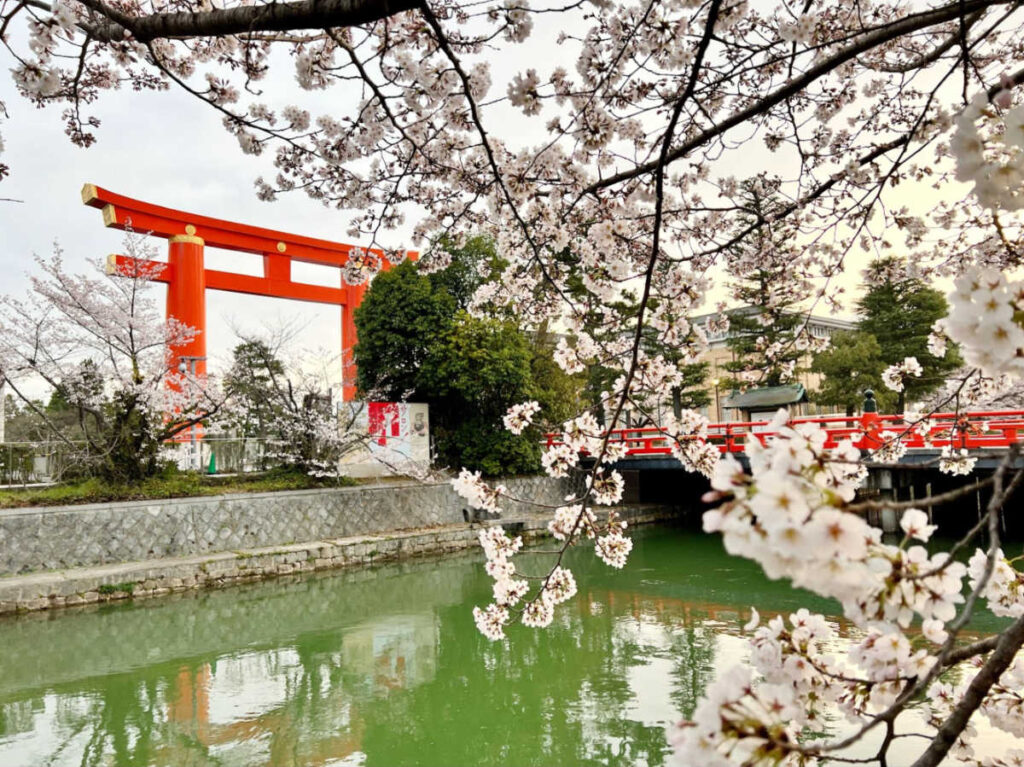
Heian Jingu is the youngest out of all of Kyoto’s shrines, with a history of only 131 years. It was built in celebration of the 1,100th anniversary of Kyoto’s former status as the founding capital of Japan. Its brilliant vermillion red architecture is representative of the Heian Period architecture.
The impressive main red Torii gate is one of the largest in all of Japan and the tallest in Kyoto. It is an iconic landmark view. If you happen to visit in October, time your travels to coincide with the Jidai Matsuri (Festival of the Ages), one of Kyoto’s most important festival celebrations.
For lovers of nature and wildlife, ensure you wander the Shrine’s beautiful Shin’en Gardens which took two decades to complete.
Nonomiya Shrine
Discover this small auspicious shrine mentioned in Murasaki Shikibu’s The Tale of Genji.
📍 Google Maps | Website | Hours: 24 hours
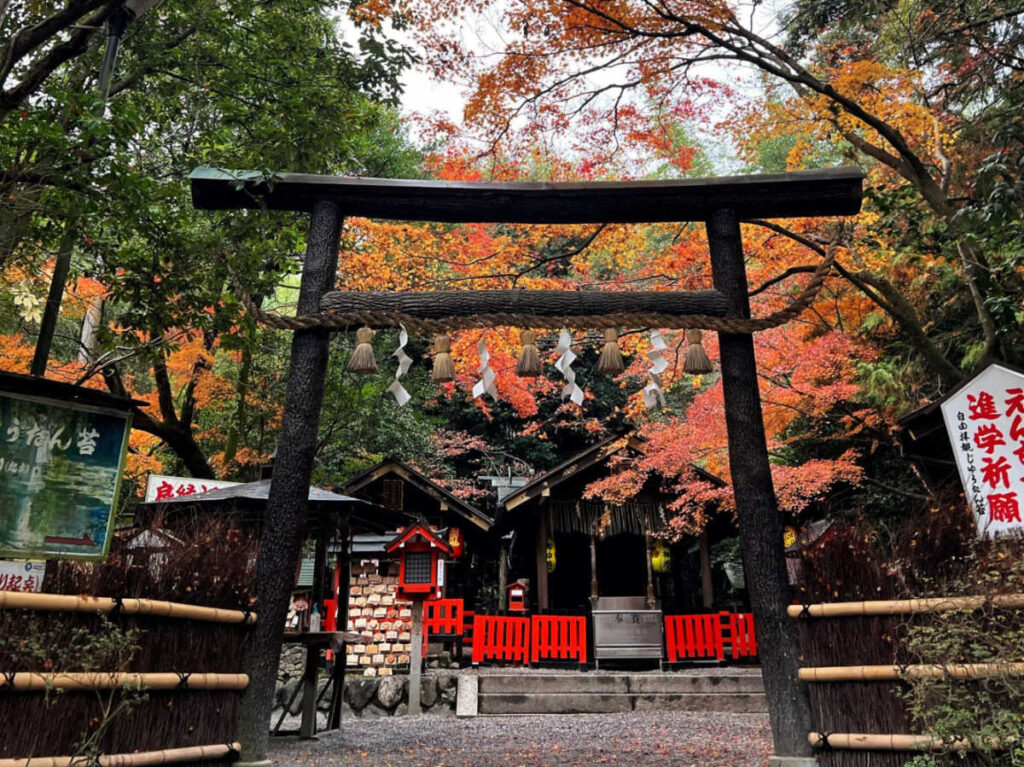
Just beyond Arashiyama’s Bamboo Forest lies a quiet shrine surrounded by ancient nature and steeped in historical importance. There is something bewitching about the shrine, marked by the rare Kuroki (black) Torii gate. Wander a little further to rub your hand against the Kami Ishi (turtle/divine rock) and make a wish, where folklore claims it will come true within a year.
Centuries ago, Nonomiya Shrine was used for the purification of Imperial Princesses. They would be appointed as priestesses to Japan’s Ise Jingu, the country’s most important shrine, dedicated to Amaterasu Omikami, the sun goddess. Legend states that the Imperial House of Japan holds her bloodline through her grandson Ninigi.
Many never see this serene shrine, determined to quickly capture the bamboo forest and leave.
Matsunoo Taisha
Explore one of Kyoto’s oldest Shrines and its beautiful Japanese garden.
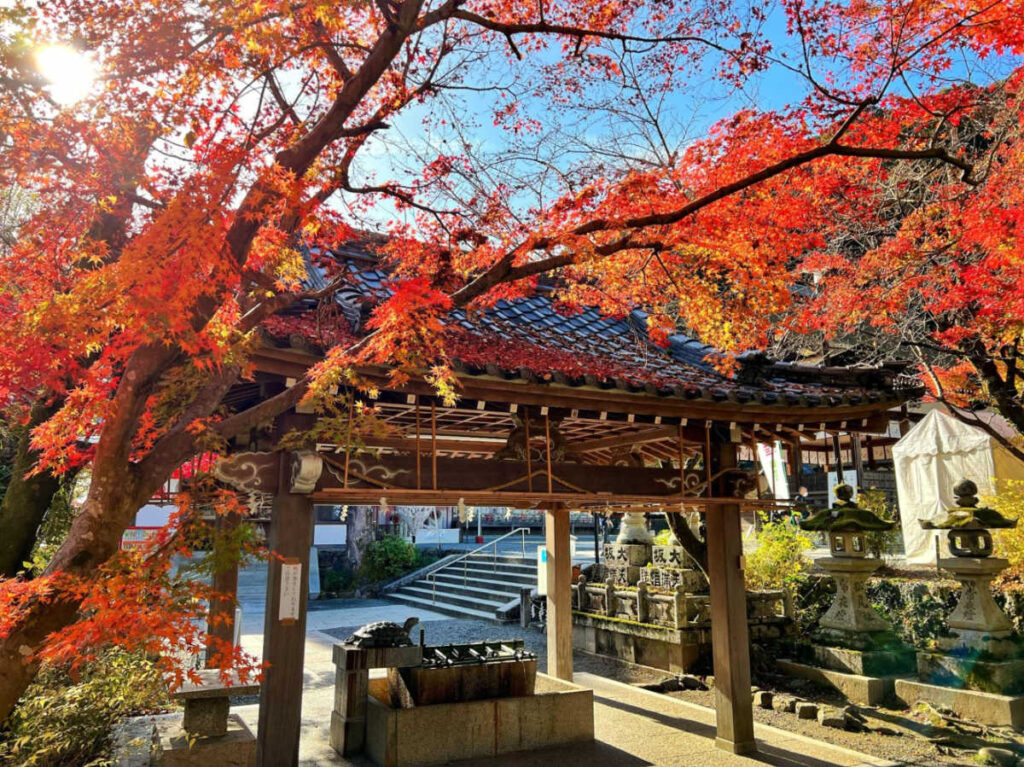
📍 Google Maps | Phone: (075) 871-5016 | Website | Hours: 9 am – 4:30 pm daily | Entrance: 500JPY adults, 400JPY students, 300JPY children (Shofuen Gardens)
Matsunoo Taisha is an ancient shrine located at a quieter end of Arashiyama, in the opposite direction of the Arashiyama Bamboo Forest. Cross the Togetsukyo Bridge and keep walking through small residential streets and you will gradually come across this shrine.
The shrine’s treasures are three of the oldest wood carvings depicting images of the enshrined deities along with the Shofuen Gardens. The gardens are a rarity in the country as they are landscaped to reflect three different time periods of Japan: Ancient, Heian, and Kamakura periods.
I love visiting here if I’m in Arashiyama to escape the crowds and to see the autumn leaves changing. If you happen to visit on New Year’s Day to celebrate Hatsumode, they serve sake with gold leaf.
Mikane Jinja
Pray for financial success and luck at this local golden shrine.
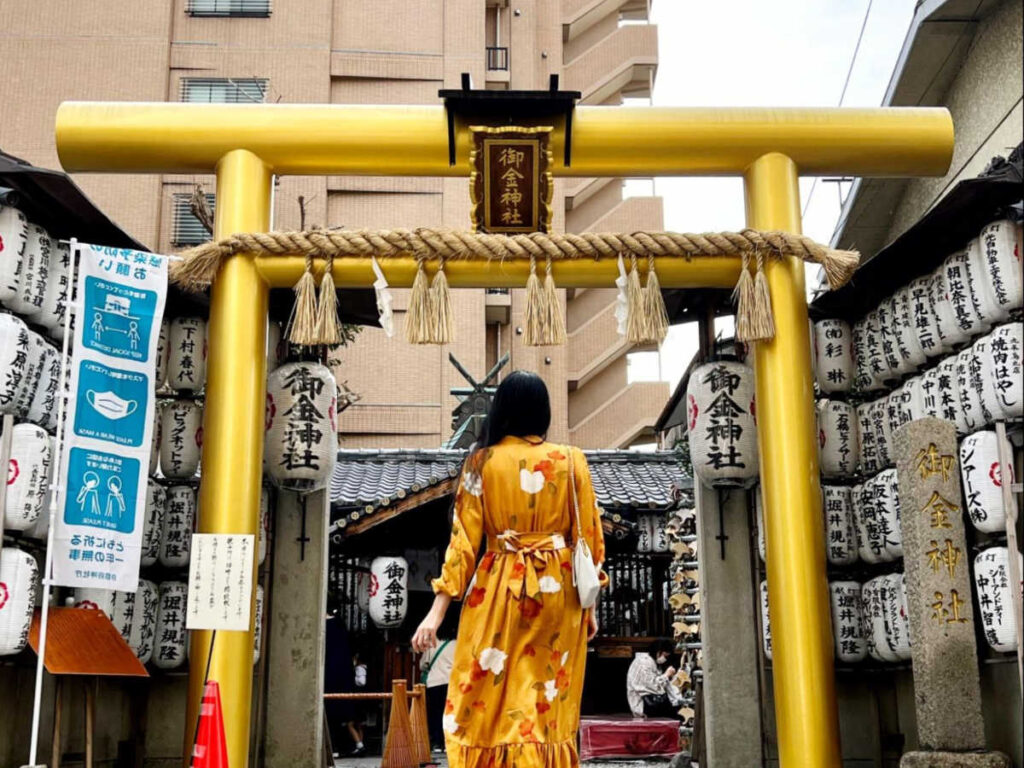
📍 Google Maps | Phone: (075) 222-2062 | Website | Hours: 10 am – 4 pm daily
Mikane Jinja is a neighbourhood shrine that has become a favourite for locals and tourists alike. It’s down a small street in one of my favourite Kyoto local suburbs, Karasuma-Oike (also my favourite area to stay).
Covered in gold-leaf, the golden Torii gate marks the entrance to this unassuming shrine where historically, metal artisans came to ask for help in their work.
Today, many come to pray for success in areas of finance, money, and wealth across all industries. One of the most beautiful times to visit is in autumn when the shrine’s 200-year-old Gingko trees’ leaves have turned bright yellow, a long-held Asian “symbol of prosperity, growth and longevity.” (source)
Yasaka Koshindo Temple
Hang a colourful kukurizaru with your wish written upon it.
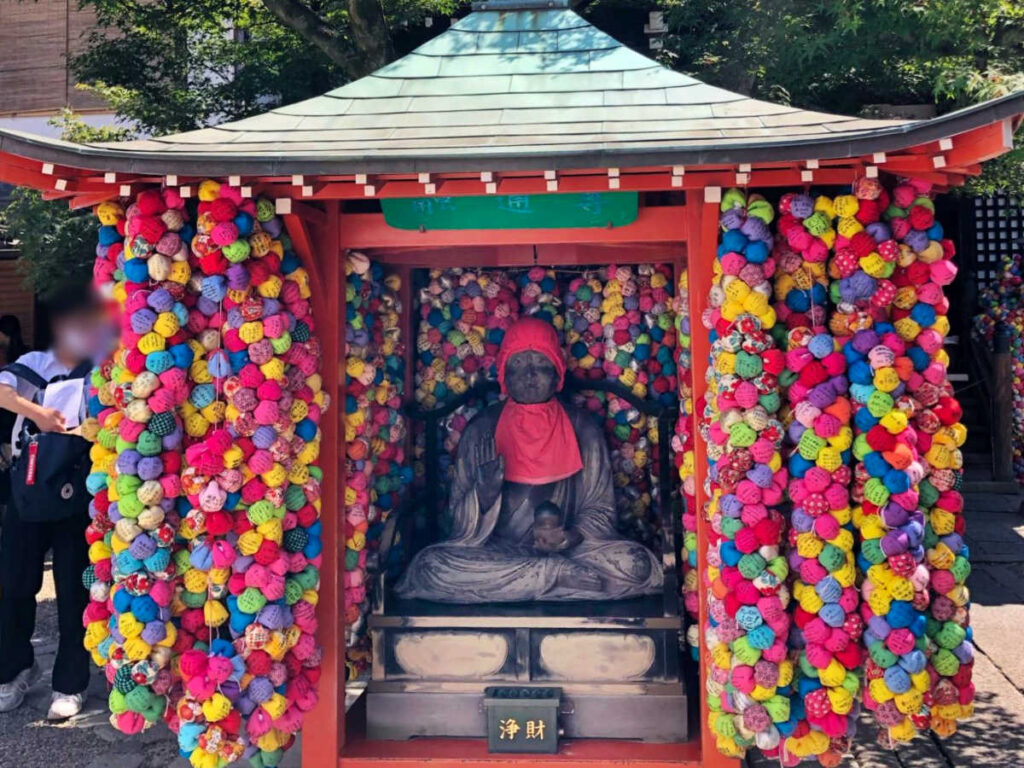
📍 Google Maps | Phone: (075) 541-2565 | Website | Hours: 9 am – 5 pm daily
Along the walk to Kiyomizudera, many will come across this small temple bursting with colour. Though not a particularly important historical temple, it’s become beloved for the carvings of the “Three Wise Monkeys” and for the vibrant ‘kukurizaru’ (hanging monkey) fabric talismans that visitors write their wishes upon and hang (instead of the traditional wooden ema).
The temple is unusual in its “wish granting” as it follows the ancient Japanese belief Daikoku-san Kongō-ji Kōshin-dō (黒 山 寺 庚申 堂), where in order for a wish to be fulfilled, you must give one up [source]. Essentially, the wish you write down will be given up in favour of another to be granted. Many love to visit whilst wearing yukata or kimono throughout the year, to capture colorful photos.
Horinji-Dera
Quietly spend the morning at this local temple filled with Daruma dolls.
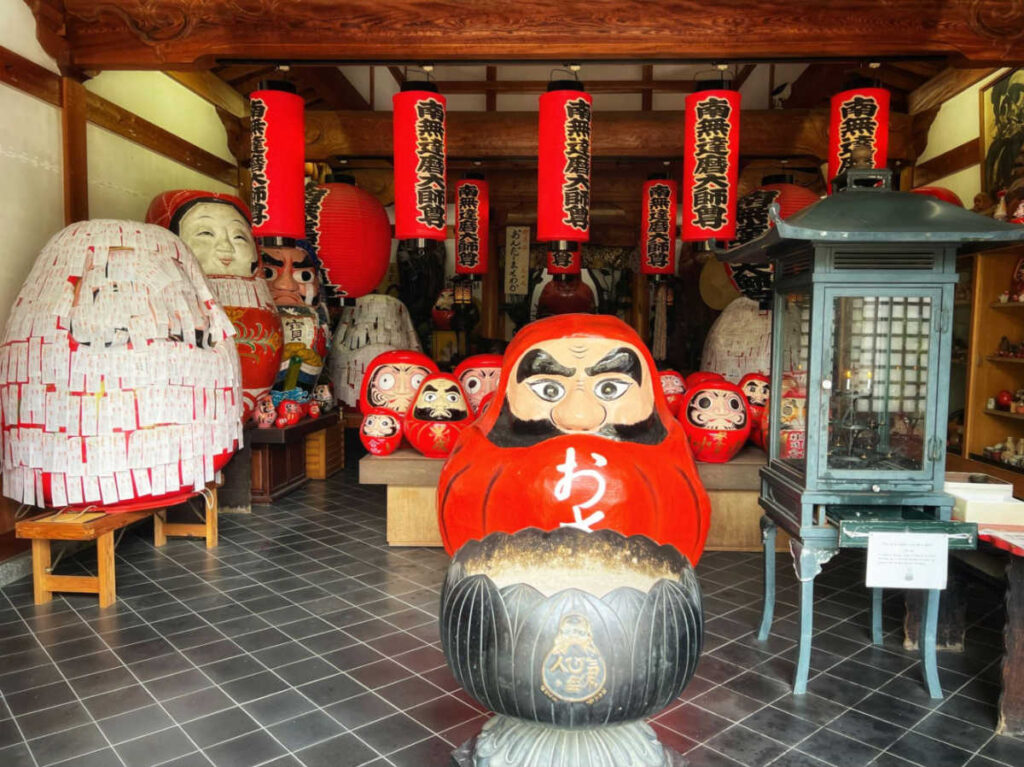
📍 Google Maps | Phone: (075) 841-7878 | Website | Hours: 9 am – 4:30 pm daily | Entrance: 300JPY adults, 200JPY middle school students, 100JPY primary school students
If you don’t have the time to visit Osaka’s breathtaking Katsuo-ji Daruma temple (but I highly recommend that you make the time!), then this neighbourhood Kyoto temple is a sweet little alternative.
Located in the residential backstreets, roughly 8,000 Daruma dolls can be found. These were donated by the temple’s parishioners from all over Japan.
What makes Horin-ji different from Katsuo-ji is the type of Daruma displayed. The range of Daruma is outstanding. Expect to see modern styles, vintage dolls, tiny to nearly life-sized dolls, and specific regional designs.
Take a moment to relax in the temple’s small zen garden, Mujin-tei (Garden of Infinity). Time it for autumn to see the leaves change colour.
Unique Things to Do in Kyoto
Kamo River
Relax by the river after a hectic day exploring.
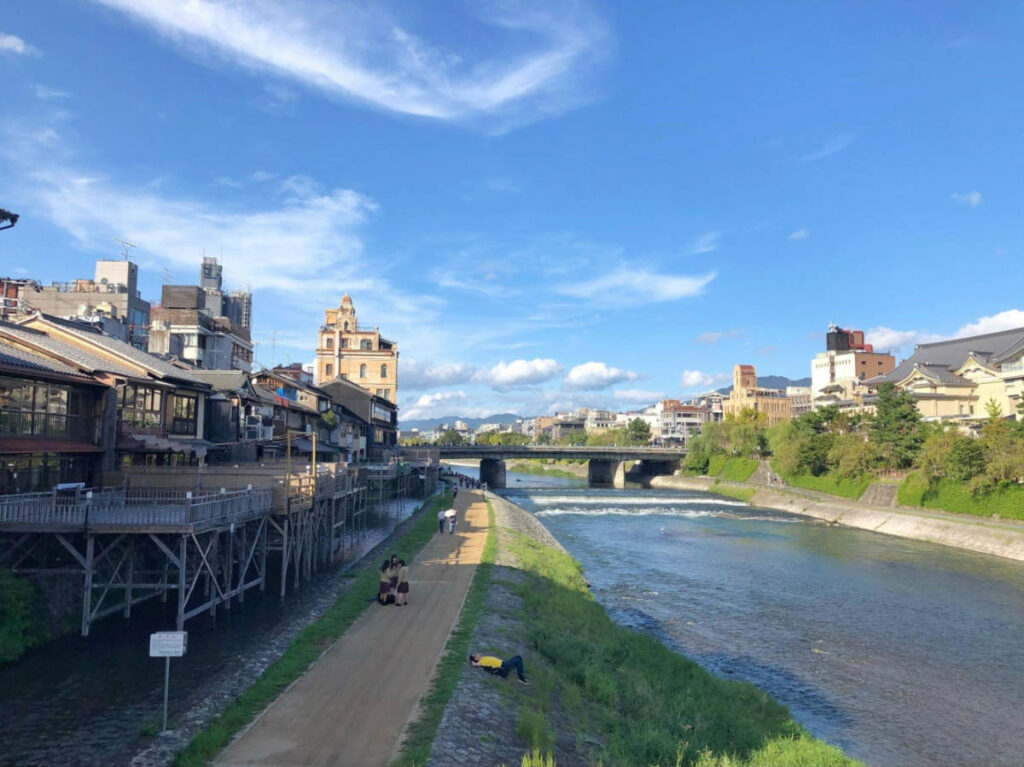
As someone who returns to Kyoto regularly, I always save a day (or more) for just lazing by the Kamo River, people watching, reading a book, or eating a bento I’ve picked up from a local store. The river stretches for nearly 31 km (19 miles). Roughly half of it flows through the center of Kyoto, making it a perfect place to rest and recharge for locals and tourists alike.
Spring will see cherry blossoms bloom, and hanami picnics start to take place. Summer will have people cooling their feet in the cool river waters (no swimming, fine for light wading). Or, children will chase dragonflies in the summer and early autumn months. Walks are pleasant in winter before the sun goes down and the chill sets in.
Hozugawa, Katsuragawa & the Togetsukyo Bridge
Cross the impressive stone Moon Crossing Bridge which marks these two iconic rivers.
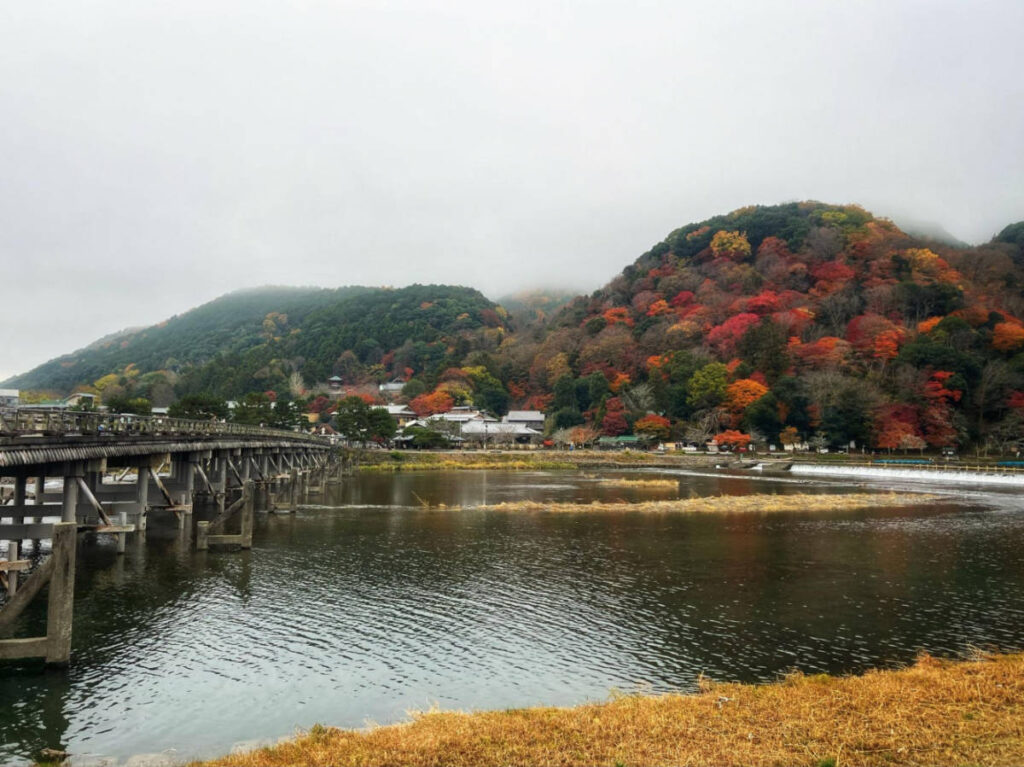
Several ancient legends surround the flowing rivers known as Hozugawa and Katsuragawa. Beginning at the mountains of the Kameoka region, the Hozugawa (upper part of the Katsuragawa river) flows steadily down where it reaches the Togetsukyo Bridge. From the other side of the bridge, the river becomes more widely known as Katsuragawa.
Popular Hozugawa rafting expeditions take place in the Hozukyo Gorge, allowing people to view the rich changing autumn leaves or the wild mountain sakura. Many will also use the opportunity to hop aboard the Sagano Romantic Train to reach the rafting expedition’s starting point.
Even if you have limited time – have a little walk across the riverfront by Togetsukyo Bridge to see the autumn leaves or stop in at a local cafe.
Kyoto Gyeon National Garden
Take a break here after visiting Kyoto’s Imperial Palace.
📍 Google Maps | | Phone: (075) 211-6348 | Website | Hours: 24 hours | 9 am – 4:20 pm, closed Mondays (Imperial Palace)
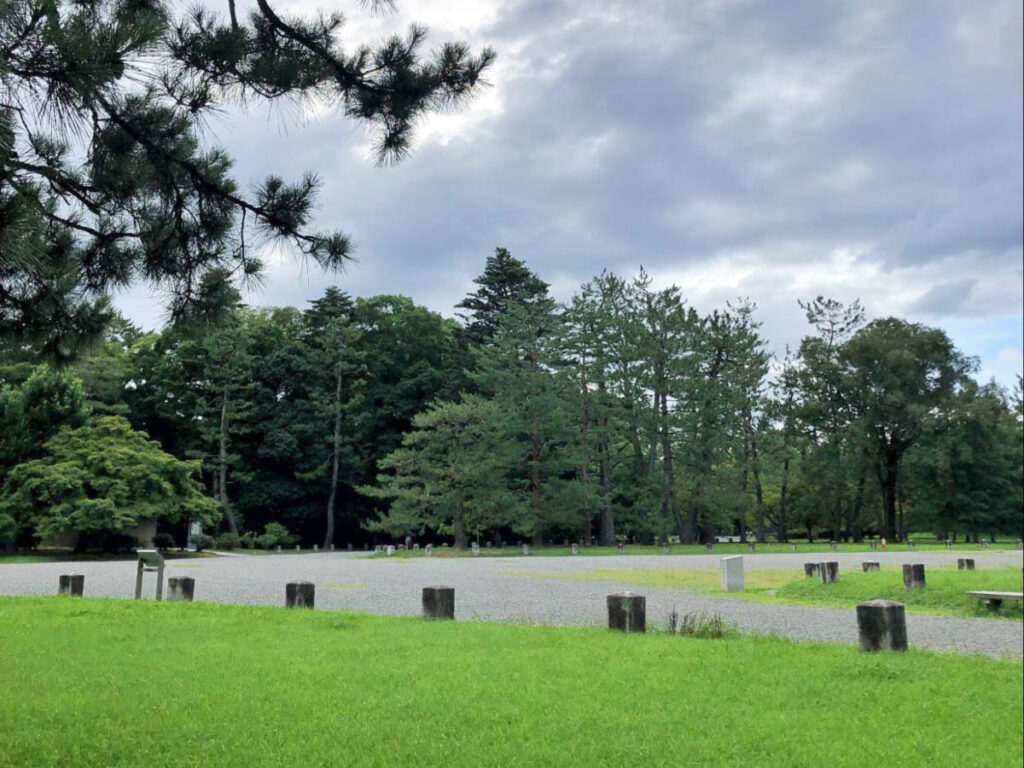
Kyoto Gyeon National Garden is a vast 65-hectare garden that surrounds the Imperial Palace, and is a lovely place to have a slow day in Kyoto. With free admission (the Palace is free too!). The gardens feature thousands of different types of trees making it a great destination to stop by in any season.
Feel like a local as you watch other locals go about their daily lives. From morning walks and runs to family picnics, along with salarymen and women taking a much-deserved lunch break.
If you’re thinking of visiting and stopping by the Imperial Palace, remember the Palace is normally closed on Mondays. If Monday is a public holiday, the Palace will be closed the following Tuesday.
Maruyama Park
Visit the heart of Kyoto’s cherry blossom viewing.
📍 Google Maps | Phone: (075) 561-1778 | Website | Hours: 24 hours
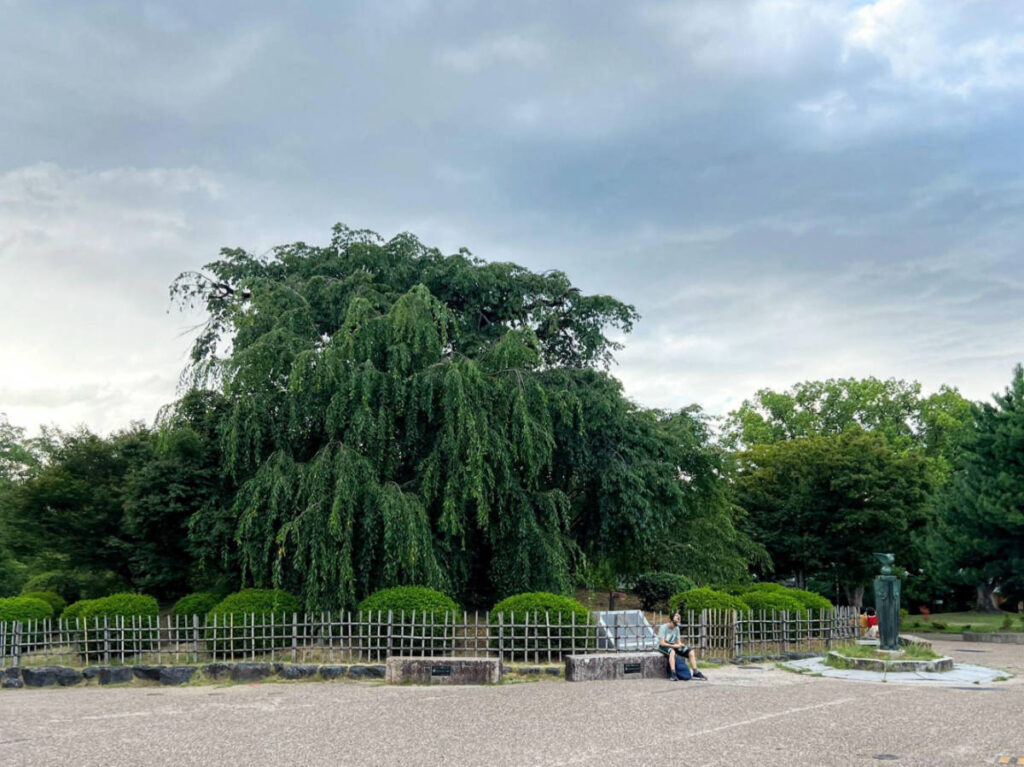
Maruyama Park is the oldest park in all of Kyoto. It is found in Gion district by Yasaka Shrine. It is particularly renowned for its sakura trees, especially its iconic Shidarezakura (weeping cherry blossom) tree.
Centered around a Hyotan (bottle gourd-shaped) pond, this popular and well-loved Japanese garden still offers a peaceful respite from the central Kyoto hub. Its backdrop of the Higashiyama Mountain range provides picturesque scenery, complementing the garden throughout the seasons.
Many people will visit the park along their route to Yasaka Shrine and Kiyomizu-dera. Several high end ryotei restaurants, charming cafes, and historical sites can be visited nearby. Make time to pop into Chourakukan.
Weekend Markets
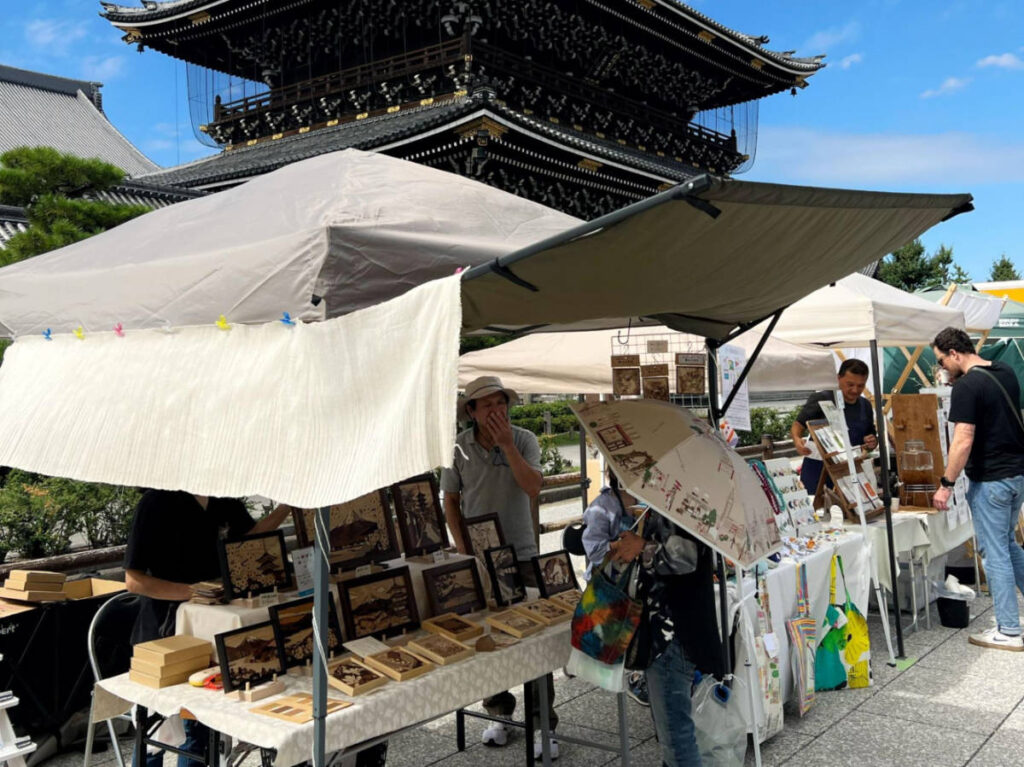
Spend hours browsing through antique, craft, and flea markets on the weekends.
🌐 Website | Hours: Vary
Kyoto has an ever-rotating, changing schedule of weekend markets near shrines, temples, or local parks that are always a delight to stumble upon, but can be a little hard to plan for. If you manage to fit one in, or simply happen upon one during your travels, spend a bit of time browsing. You will probably find some great souvenirs like antiques, pottery, and various bric-a-brac.
Kyoto also holds small craft/boutique markets where young sellers and small independent creative artists/shops sell their wares. Check this website to have a look at the potential markets that may be scheduled. Be aware that there are irregular holidays, and markets may be cancelled if there’s bad weather.
The Face House
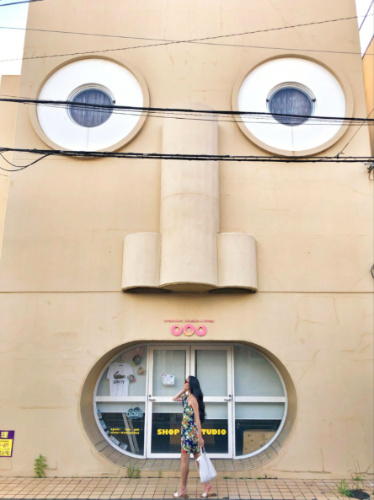
Discover an unexpected face in the quiet Kyoto streets.
📍 Google Maps | Phone: (090) 5590-8236 | Website | Shop Hours: 10 am – 5 pm daily, Closed Sundays & Mondays
In Nakagyo ward (another favourite ward I like to stay in), one may suddenly stop in their tracks. Hidden in plain sight, nestled between other residential buildings, is “Kao no Ie,” also known as “The Face House.”
Built in 1974 by architect Kazumasa Yamashita, the house’s playful design was “commissioned by the house’s first owner, who ran a graphic design studio” [source]. Today, it is a lifestyle shop, offering a range of products like stationery, household items, and other quirky paraphernalia.
A visit to “The Face House” is perfect for any who enjoy modern architecture, design, and places with interesting character.
Kyoto Book Swap
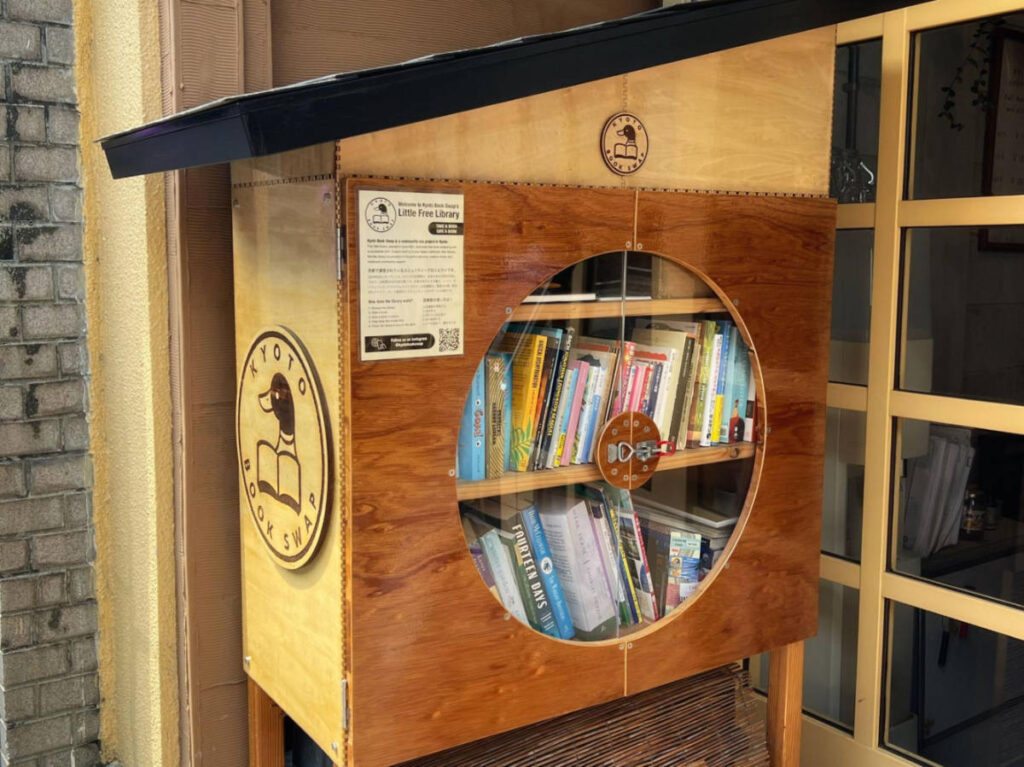
Wanting a new read on your holiday travels? drop by this free book swap initiative.
📍 Google Maps | Website | Hours: 24 hours
Inspired by the Free Little Libraries she discovered in Brooklyn and saddened by the books she had to let go of when she moved from Kyoto, Mayuko Nakamura was inspired to create Kyoto Book Swap as a community project. Launched in September 2024, this Free Little Library can be found down a Gion’s quiet side street, and has an ever-changing rotation of English and Japanese books.
Following the general rule, “take a book, give a book.” I’ve left quite a few books I’ve read and am willing to part with, though I didn’t end up taking any. For the travelling bookworm, Kyoto Book Swap also holds book events every other month along with a book club meet-up in English. Keep up to date with them, via their Instagram.
Ride in a Rickshaw
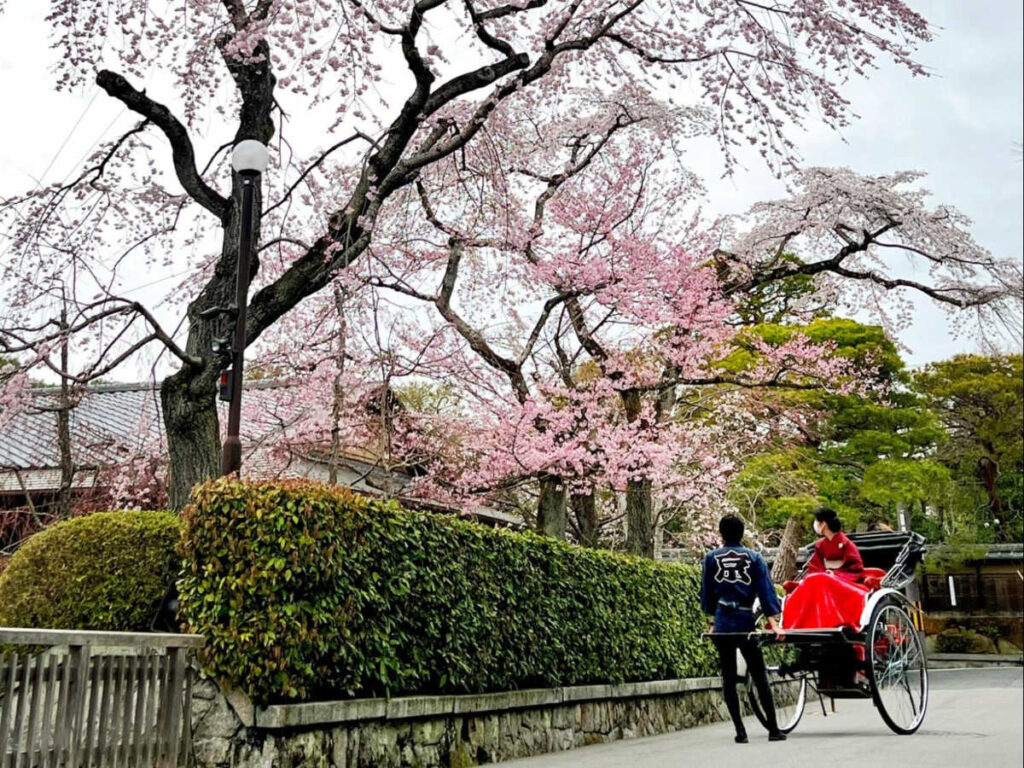
Tired of walking? Explore Kyoto via a traditional rickshaw experience.
📍 Multiple Locations | Website | Hours: Starts from 9:30 am | Cost: Starts from 4000JPY for 12 mins, 1 passenger | 👉 Book Viator’s Kyoto Rickshaw Tour
Kyoto and its many sights are generally easily accessible by the city’s public transport service. Alternatively, Kyoto is quite a walkable city for the most part (which I prefer to do whenever possible). Bicycle rental has also become increasingly popular.
However, if you’re tired of walking and don’t want to cycle, a great way to explore an area slowly is via a traditional rickshaw. The drivers are often fantastic tour guides. They provide their guests with informative historical information and local tales and stories, whilst also knowing all the picturesque spots for photos. The most well-known rickshaw company is Ebisuya.
There’s something nostalgic about spotting a rickshaw driver, pulling their passengers dressed in kimono — a throwback to past Japan.
Food & Drink in Kyoto
Tousuirou
Sample one of Kyoto’s specialty dishes, tofu yuba, in a traditional restaurant by the river.
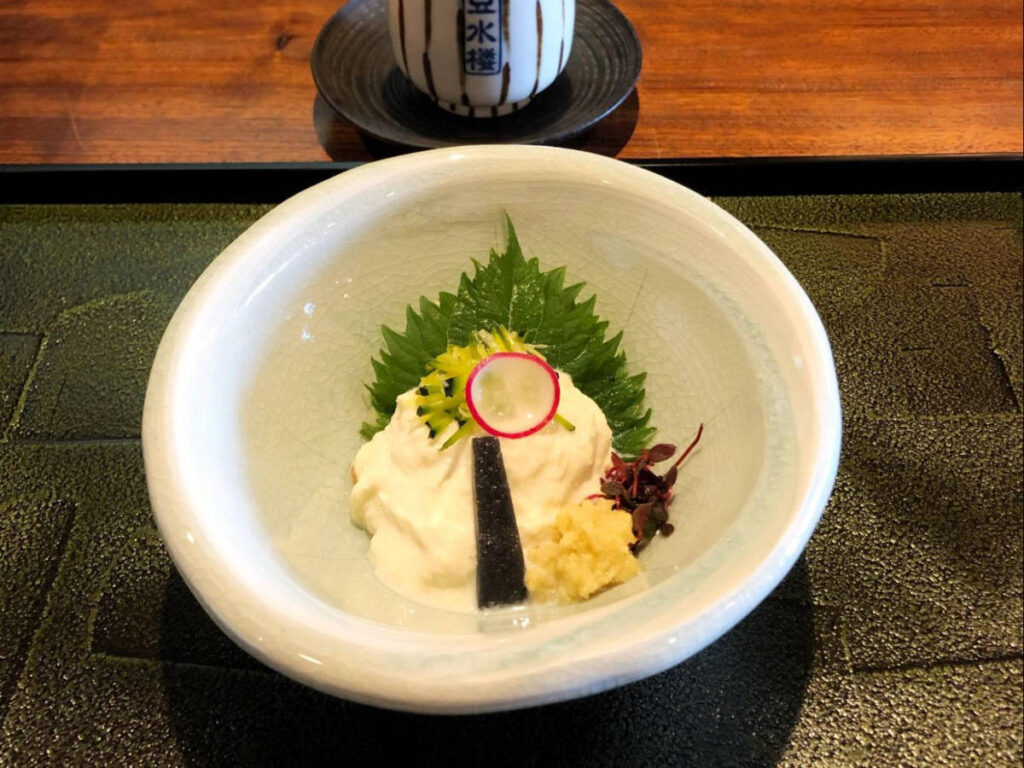
📍 Google Maps (Kiyamachi Honten) | Phone: (075) 251-1600 | Website | Hours: 11:30 am – 2 pm & 5 pm – 8 pm daily, Closed New Years
People often ask what I do since I visit Kyoto so often. The answer is food… mainly. Having done the popular sightseeing spots many times over, I tend to visit one or two smaller spots but spend most of my time eating. One thing I will always eat is “Yuba,” the delicate skin of the tofu Kyoto has created so well for centuries.
For the uninitiated, there are plenty of restaurants which serve “Tofu” and “Yuba” as accompaniments. If you want to go a step further, try a “Yuba” or a “Tofu” kaiseki restaurant which serves the produce in varying forms.
Tousuirou is a well-loved traditional tofu kaiseki restaurant, with the Kiyamachi Honten branch sitting by the Kamo River. The other is in Gion. Reservations recommended.
Bees Knees Bar
Sip a cheeky cocktail at this beloved speakeasy.
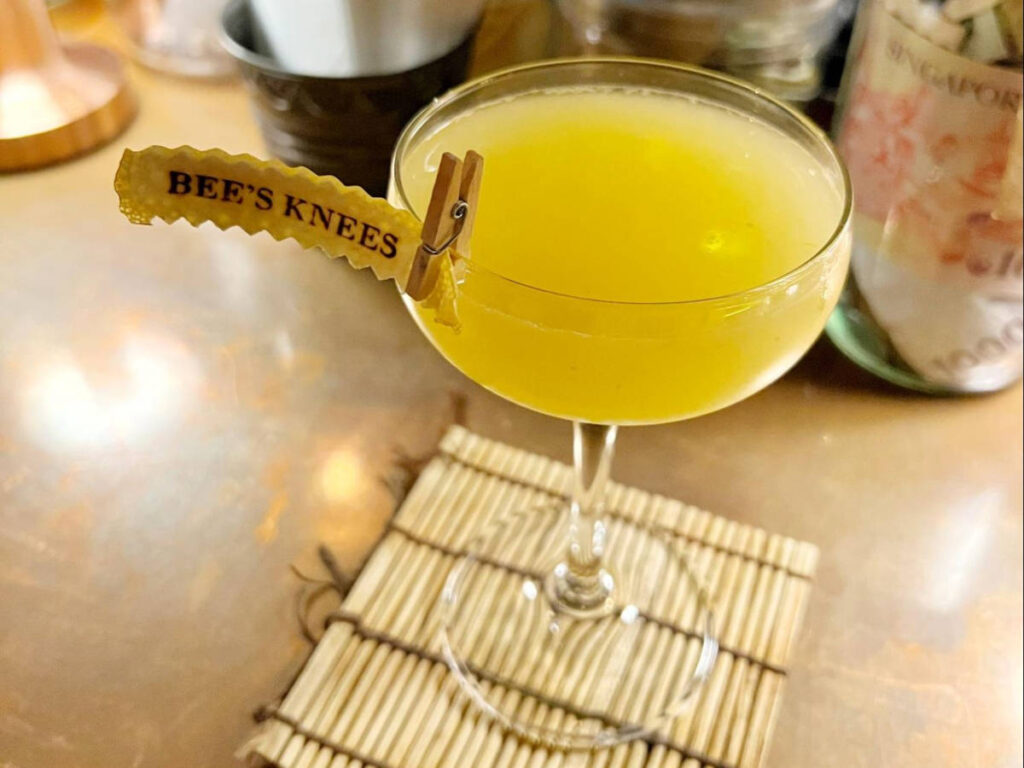
📍 Google Maps | Phone: (075) 585-5595 | Website | Hours: 6 pm – 1 am daily, closed Sundays & occasional holidays
Once a hidden secret when speakeasy bars were a new rage in Japan, the Bees Knees Bar has grown in popularity especially after being named one of the World’s 50 Best Bars, twice. Now, it can have long lines waiting even before opening time on popular nights. But if I’m in the area and can fit it in, I still like to pop in on a quiet night to have a fresh cocktail at the start of my evening.
Like all speakeasy bars, the entrance is misleading. Look for a bright yellow door with “The Bookstore’ printed upon it along with a subtle bee symbol. The bar is small, so it’s best to go in small groups of three people or less.
Omen Udon
Slurp up delicious udon noodles at this traditional restaurant.
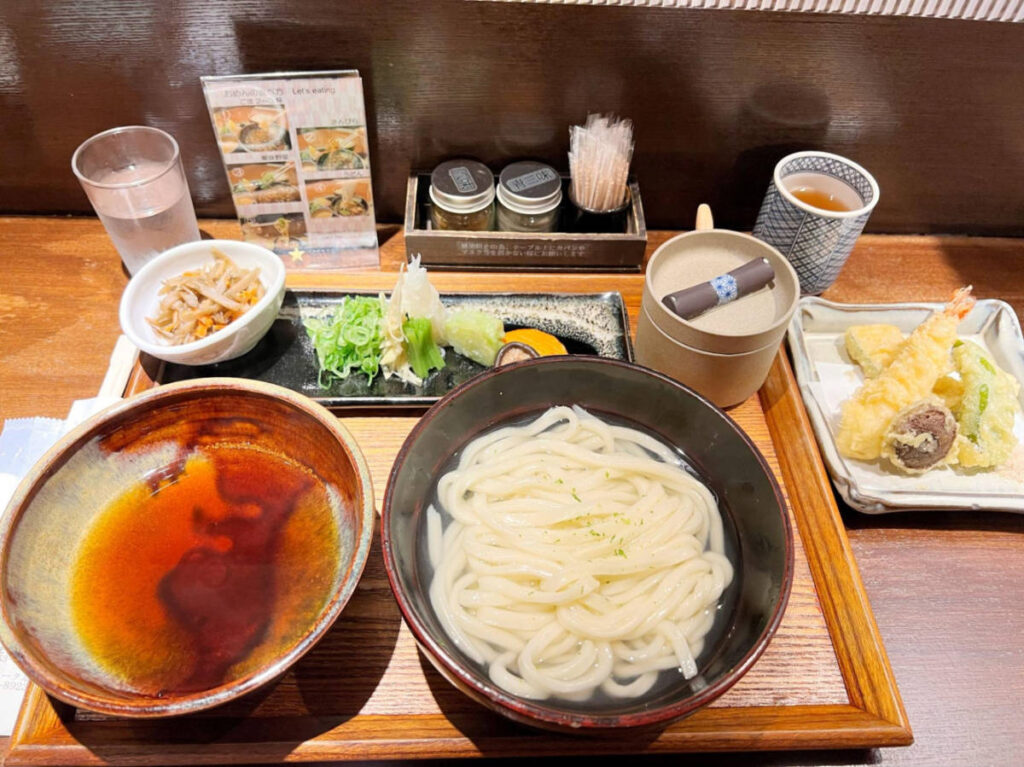
📍 Google Maps (Ginkakuji Honten) | Phone: (075) 771-8994 | Website | Hours: Check website, store dependent
Close to Ginkakuji and the Philosopher’s Path is the honten store (main flagship) of Omen Udon. Renowned for their noodles’ delicious texture and flavourful broth, one will have trouble choosing which set to go for. Hot or cold udon? A side dish of tempura? Or, perhaps mackerel sushi?
Expect lines during peak cherry blossom and momiji season, as it’s a popular place for locals and tourists alike. This family-run business began over 50 years ago when Kyoto-native Tomi Shinagawa was taught by her mother-in-law the regional Gunma noodle dish “Omen” during the war years.
Today, there are three branches: Ginkakuji, Shijo Pontocho, and one in New York City on 113 Thompson Street.
Monk Pizza
Taste the flavours of seasonal kaiseki through an inspirational pizza dining experience.
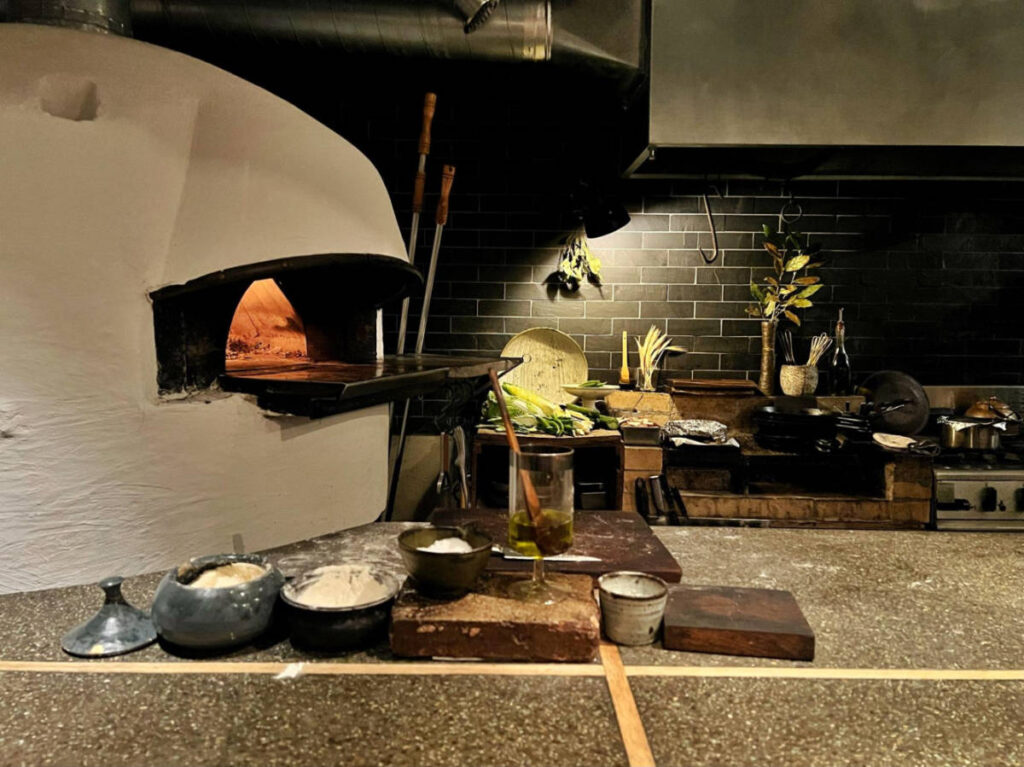
📍 Google Maps | Website | Hours: Two sittings at 5 pm (table), 5:30 pm (bar) or 8 pm (table) 8:30 pm (bar)
Nestled in a little alcove along the Philosopher’s Path is the unassuming restaurant, Monk Pizza. Small and intimate, the restaurant is a celebration of local ingredients and flavours paired through the medium of wood-fired oven pizza that’s inspired by the Japanese haute cuisine of kaiseki.
A seven-dish seasonal tasting course is decided upon on the day, depending on the local produce sourced. The main dish is pizza paired with Japanese flavours.
The restaurant may ring a bell. Its chef, Yoshihiro Imai, was featured on Netflix’s Chef’s Table: Pizza series. Reservations open two months to the day on their official website and are very much required. Try and reserve a counter seat to enjoy the front row dining experience.
Tempura Endo Yasaka
Splurge on a Kyoto-style tempura kaiseki course at this revered Gion restaurant.
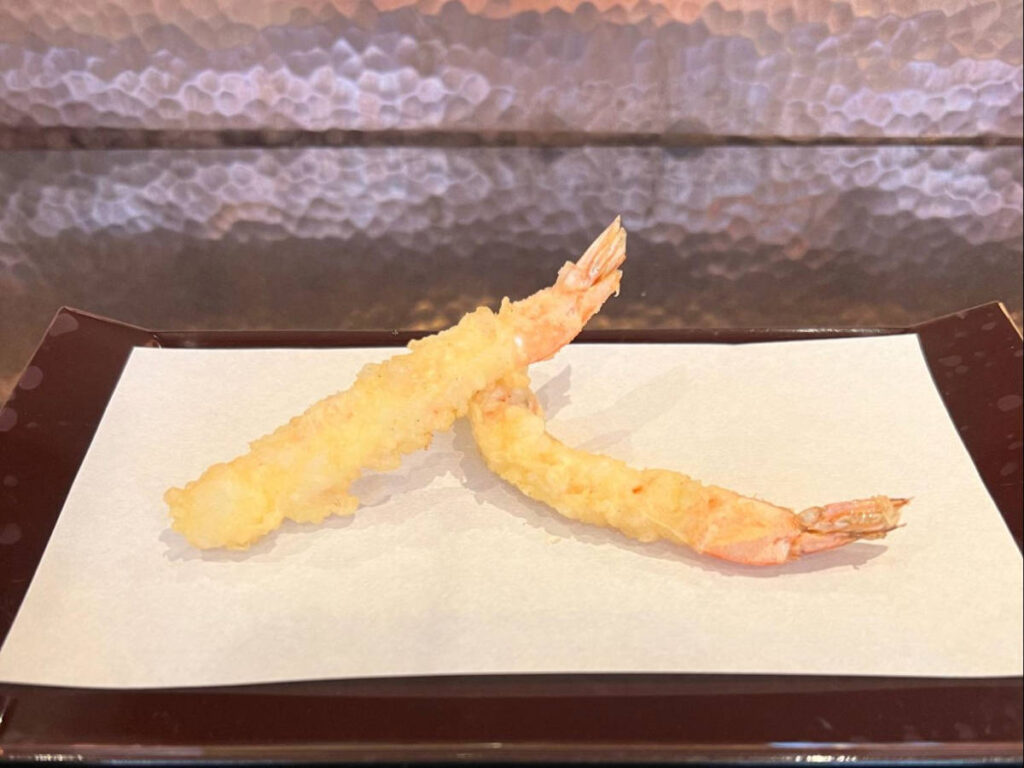
📍 Google Maps (multiple locations) | Website | Hours: Varies by location
Originally beginning life as a “geisha teahouse,” Tempura Endo Yasaka is a sublime dining experience tucked away on Gion’s quiet Yasaka-dori. For nearly 150 years, the Endo family have been stewards and leaders in bringing Kyoto’s tempura dining scene forward whilst maintaining past traditions and values.
Fluttering, Japanese noren curtains or sliding wooden doors mark the entrances to their restaurants. Zen garden pathways and kimono-clad ladies will then lead guests to the traditional interiors of the teahouses. This is where one samples the light and divine flavours of a tempura course.
Take note whether you have reserved Tempura Endo Yasaka North/West/Okazaki or one of the others, as they are all in slightly different locations with individual entrances. Reservations required. Lunch courses are more affordable for those on a budget.
Sushi Sanshi
Treat yourself to a delicious sushi omakase meal in this quiet street of Gion.
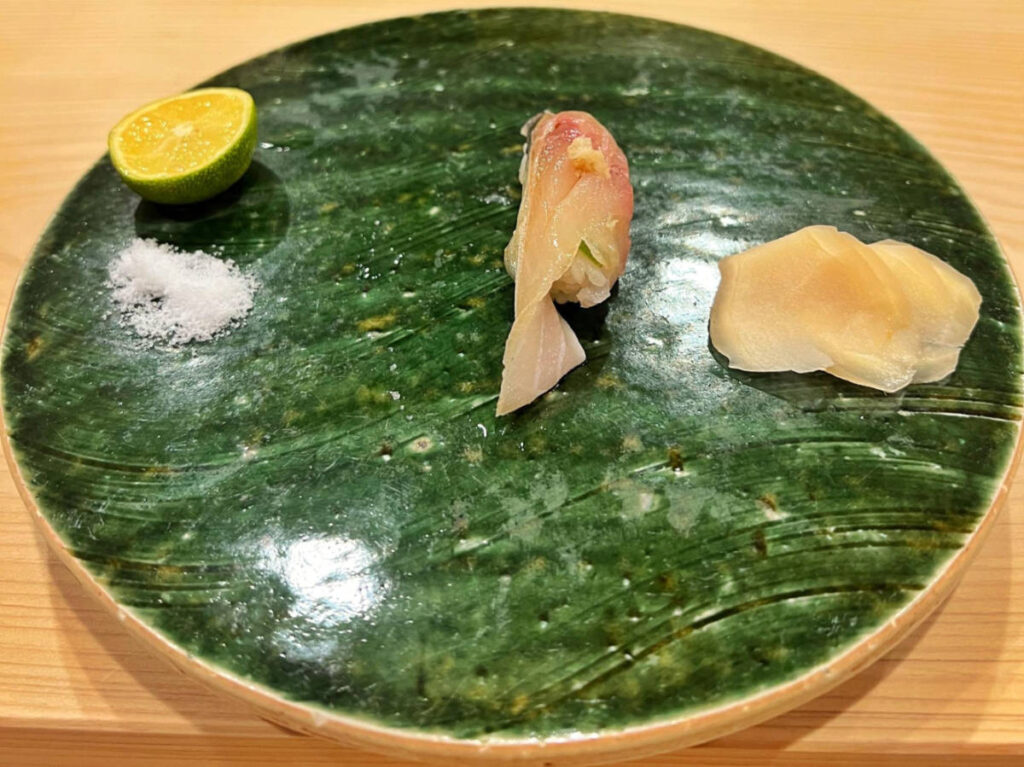
📍 Google Maps | Phone: (075) 551-6439 | Website | Hours: Refer to website
Sushi Omakase (and well, sushi in general) is my all-time favourite of Japanese cuisine. Whenever I travel around Japan (except for mountainous regions), one of my meals will be sushi. Whether it be a small local sushi restaurant, a quick fix of a standing sushi bar, or treating myself to a fancier omakase meal.
Kyoto has a plethora of good fine dining sushi omakase restaurants. So, the problem won’t be finding one, but rather, deciding upon one.
Sushi Sanshi is a quiet and unassuming restaurant tucked away in the outer streets of Gion. The chef is young and welcoming, and his wife, Shiori, speaks English well and is able to help explain dishes for visitors. With only eight counter seats, one can enjoy a very intimate, private dining experience. Reservations recommended.
Cafe Bibliotic Hello!
Cozy up with a good book, a cup of coffee, and a sweet treat when you need a quiet Kyoto day.
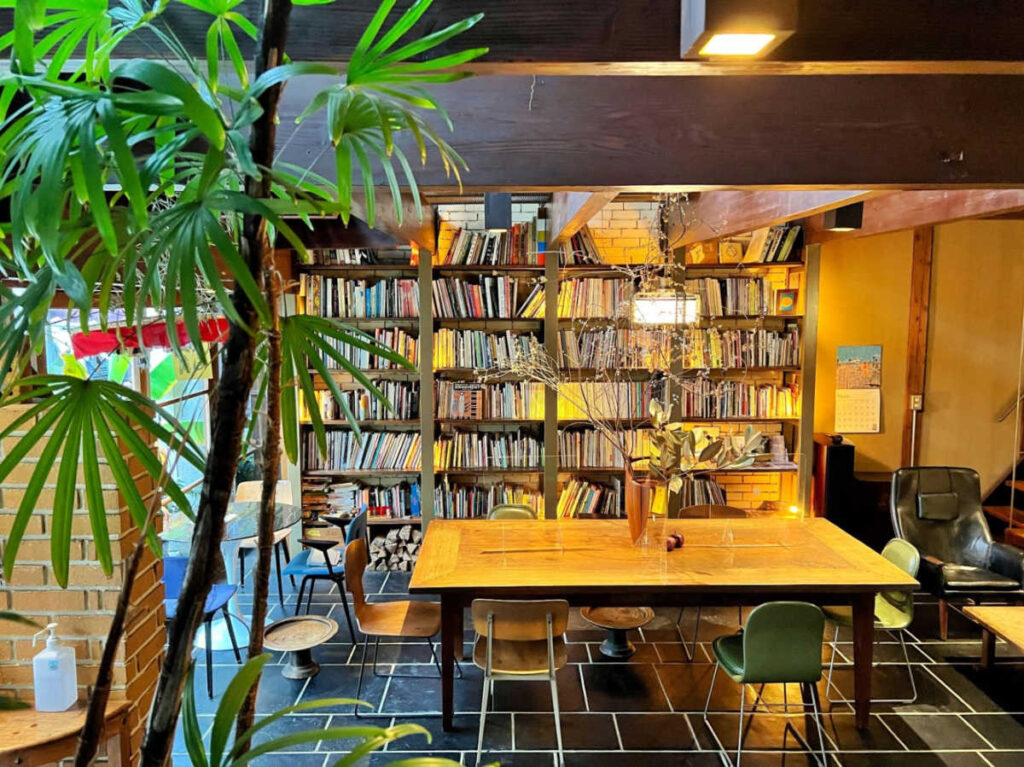
📍 Google Maps | Phone: (075) 231-8625 | Website | Hours: 11:30 am – midnight daily, Closed Mondays
Cafe Bibliotic Hello! is a charming book cafe which has been an institution amidst the locals and Kyoto youth for the last 20 years. It’s in my favourite Kyoto neighbourhood: Nakagyo ward, where I normally base myself.
The cafe is housed within a renovated 130-year old traditional Machiya. Bookshelves line the walls and loft space with warm wooden furniture, vintage chairs, and cozy armchairs.
This is the perfect place for any traveller who just wants to have some quiet time, perhaps with a good book (you’re free to browse the books on the shelves), have a coffee, tea, lunch set or sweet dessert. Some days are extremely busy, so don’t overstay if you see people waiting, otherwise, you can slowly wile away some time.
Mumokuteki Cafe
Delicious vegetarian and vegan teishoku lunches can be found here.
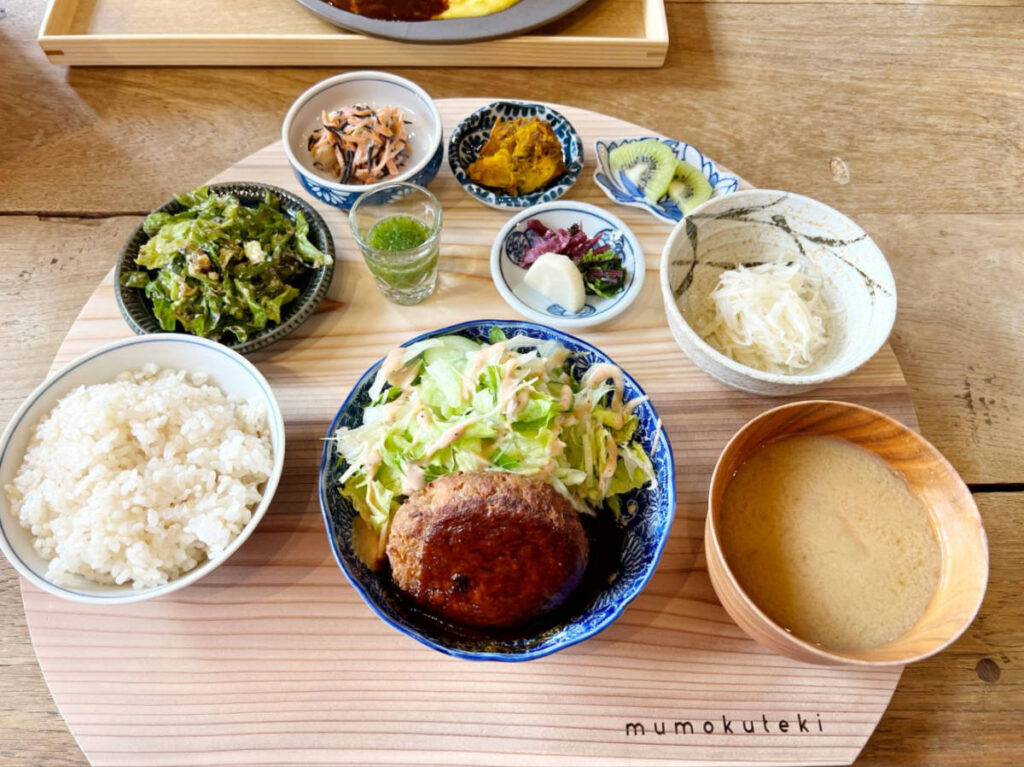
📍 Google Maps | Phone: (050) 3164-9733 | Website | Hours: 11:30 am – 10 pm daily, closed Wednesdays & irregular holidays
On the 2nd floor of the Teramachi Shopping Arcade is the airy and bright Mumokuteki Cafe. It serves delicious vegan and vegetarian teishoku lunch sets. There are several lunch options, but my favourite is always the simple “tofu hamburger” set. If you’re hungrier, there are larger sets available, with more ingredients.
Downstairs is their lifestyle food and gift shop. Here, one can browse and pick up charming local trinkets, clothing woven from natural fabric, organic teas, and coffees. There are also some interesting antique and vintage furniture/household decor pieces.
I would recommend making a reservation via their website, especially if you plan on visiting during lunchtime on a weekend or public holiday. Otherwise, try for a late lunch outside peak lunch hours.
Le Chine at Chourakukan
Treat yourself to a memorable stay or luxurious dinner at this historic boutique hotel.
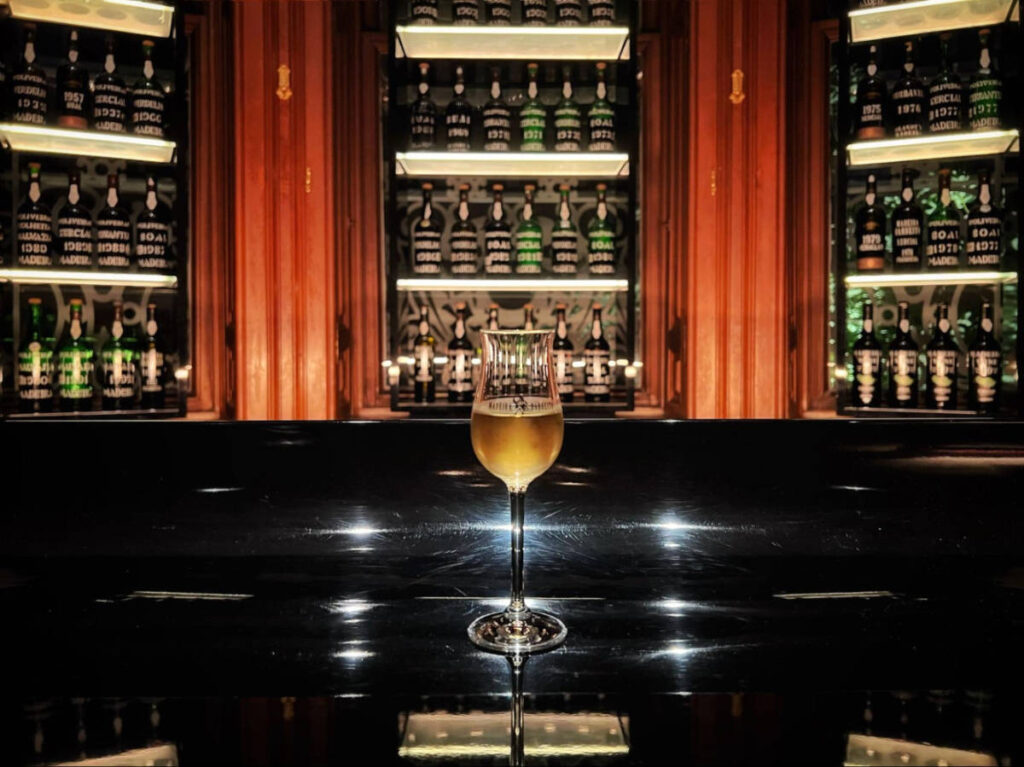
📍 Google Maps | Phone: (075) 051-0001 | Website | Hours: Lunch: 11:30 am – 3:30 pm | Dinner: 5:30 pm – 10 pm
By Maruyama Park lies Hotel Chourakukan, an elegant 1909 mansion that feels reminiscent of Europe. It’s the former home of Japan’s tobacco magnate, Kichibe Murai, who adored European culture and created his own coat of arms.
The hotel was recently designated a National Important Cultural Property. Chourakukan is magnificent as it hearkens back to the romantic, opulent times of Japan’s Taisho-Roman era, with countless historical treasures. It celebrates both European and Japanese architectural elements, ranging from “Renaissance, Rococo, Art Nouveau, and Chinese to Japanese Shoin-zukuri residential architecture” [source].
Hotel Chourakukan has only six rooms. Try to stay a night if you can (it’s worth it!). Otherwise, book lunch or dinner at their Le Chine restaurant for a special treat of French-style cooking with Japanese ingredients.
Dusit Thani: Maiko Performance and Tea Ceremony
Have a once-in-a-lifetime experience one weekend in Kyoto, at an affordable price.
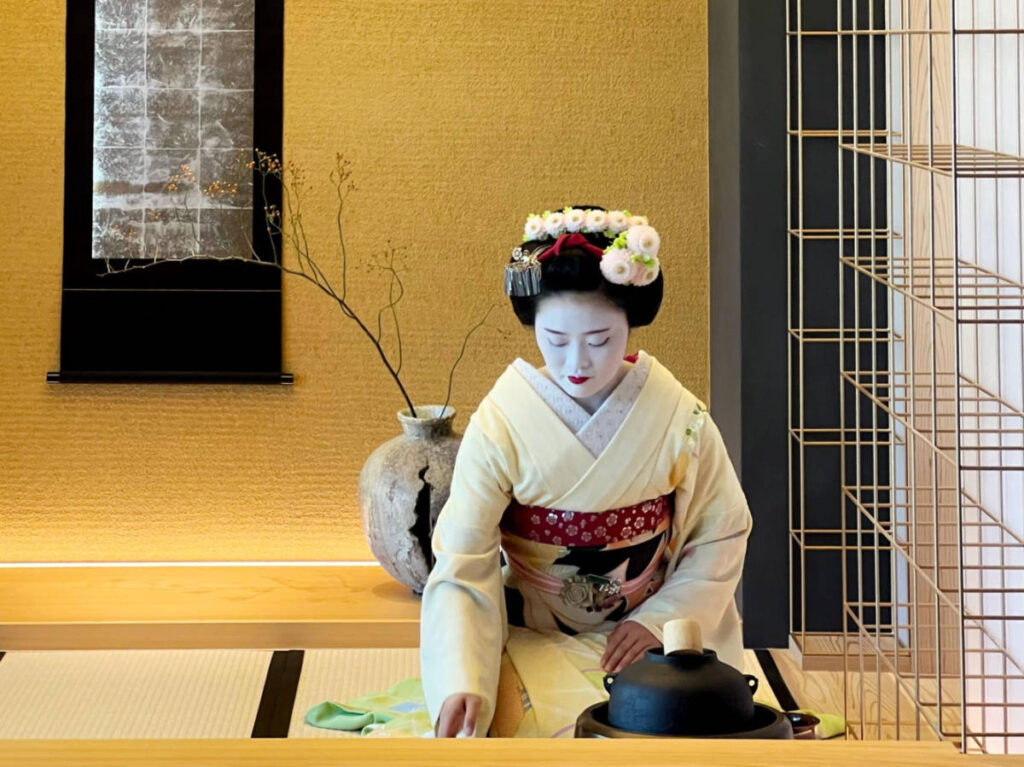
📍 Google Maps | Phone: (075) 343-7150 | Website | Hours: 2:25 pm & 3:25 pm, Saturdays only | Cost: 3500JPY
A short walk from Kyoto Station is Dusit Thani Kyoto, a modern and luxurious hotel with spacious rooms and suites. The hotel celebrates Kyoto’s rich artisanal heritage through contemporary touches whilst pairing the flavours of Thailand in its main restaurant with local Kyoto produce.
Their other restaurants pay homage to Japan, with their Tea Salon on the first floor being a wonderful introductory experience. Every Saturday, guests and the public can enjoy a Maiko performance at the Tea Salon. To partake in the tea ceremony, advance reservations are required via the hotel’s website as there are limited spaces.
Dusit Thani can also help arrange private dinner performances if you wish to splurge. Definitely a highlight of my recent stay in Kyoto.
Seasonal Things to Do in Kyoto
Cherry Blossom Blooming
A dream season for visitors who want to experience the fleeting, unpredictable magic of these blooming trees.
🗓️ When: March – May
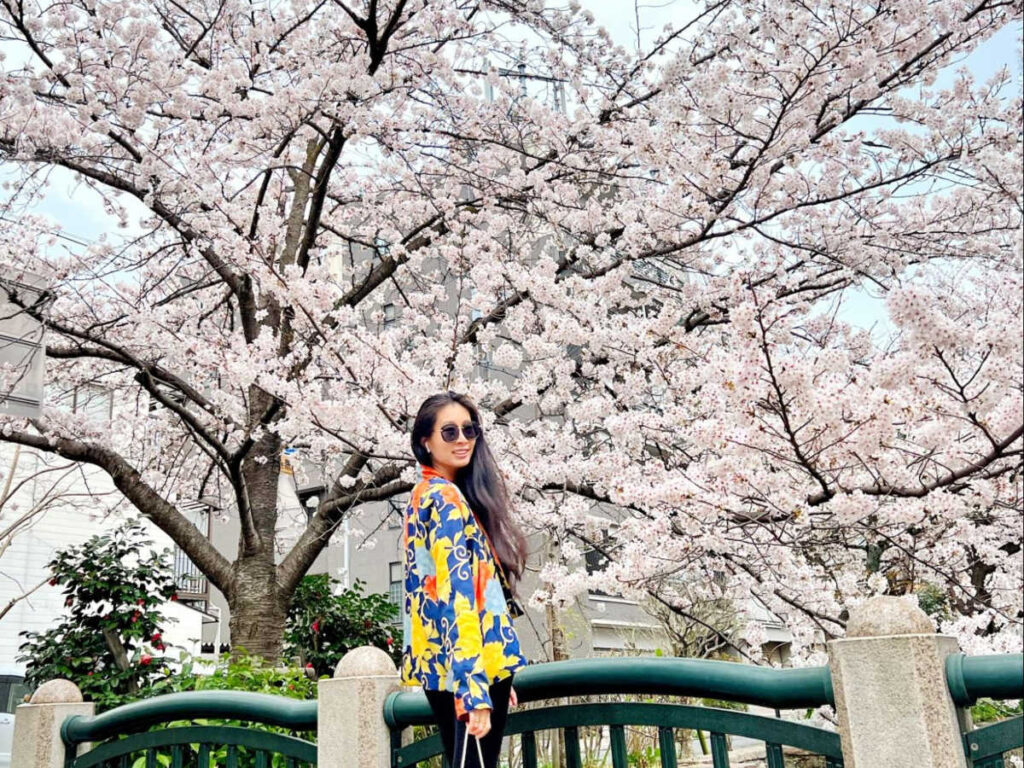
One should visit Kyoto at least once in the spring. For the vision of Kyoto awash in soft pinks and whites set amidst a backdrop of traditional Japan is enchanting.
The season also sees specialised dishes, drinks, and events occur. Kyoto has many famous spots to view the sakura blossoms. However, if you can time it right, walk down quieter streets even in the central city hub and you will come across streets lined with cherry blossoms.
Many people forget the Kamo River and several local streets are lined with sakura trees, as they rush off to tick off the sights and then get disheartened by the crowds. Remember, visiting in spring means peak prices.
Autumn Leaves Changing
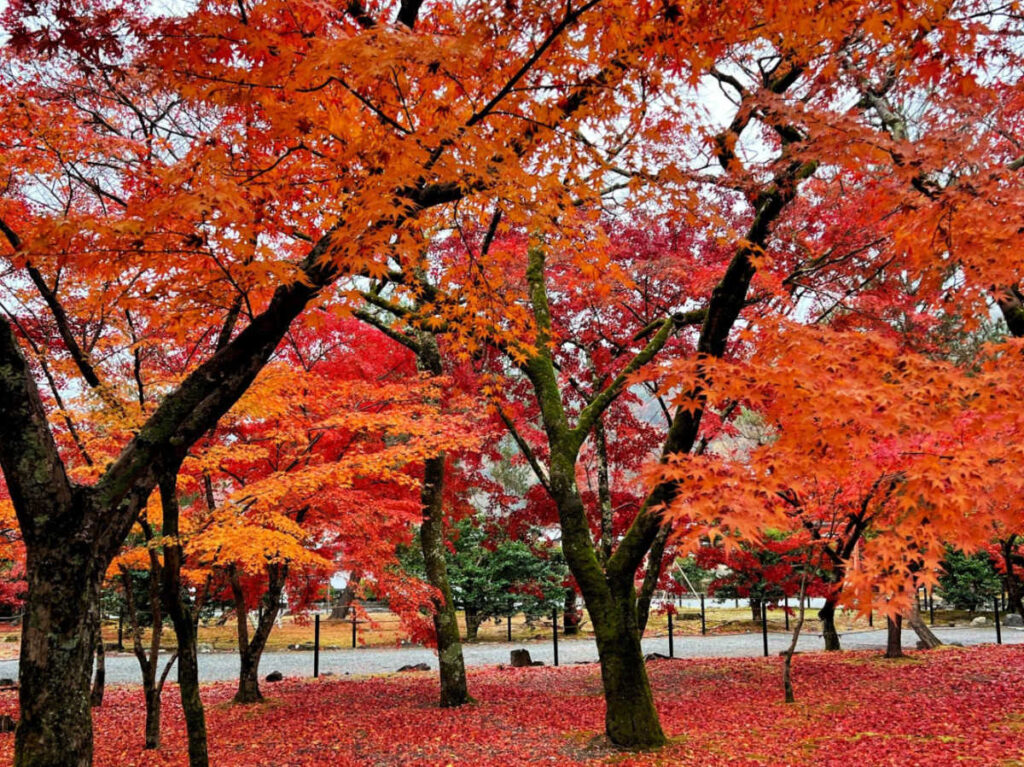
Another bucket-list time to visit, when Kyoto is drenched in vibrant red, orange and golden hues.
🗓️ When: October & November
For many, it’s hard to decide which season of Kyoto they love more, Sakura (spring) or Momiji (autumn). Both are visually stunning and see many visitors descend upon the city to experience its seasonal beauty.
If you are able, try to visit Japan during both times of the year. For you won’t be disappointed. The landscapes and scenery one perhaps fell in love with during the spring are made even more special with the contrast of autumn’s vivid colours.
Just like spring, some of the best parts of Kyoto in autumn are seen in aspects of local daily life from walking local streets, relaxing by the Katsuragawa riverside, or stepping into Kyoto Gyeon National Garden.
Summer Heat and Matsuris
Take advantage of the summer heat and visit a quieter Kyoto.
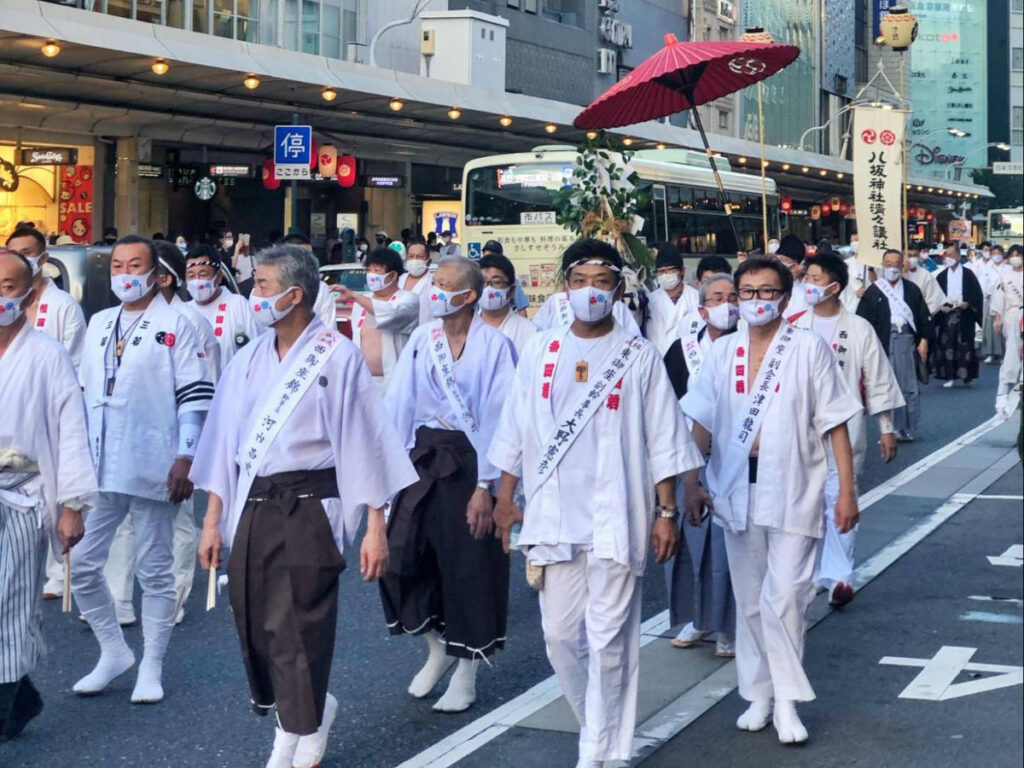
🗓️ When: July – August
Japan’s summers are notoriously hot, humid, and not for the faint-hearted. Kyoto in summer is the least busy season. Even locals avoid heading outside. However, if you can weather the intense heat (stay hydrated) and humidity, summer is one of my favourite times to visit (I love the heat).
Prices are lower, there are fewer crowds, and there’s a vivid, colorful hue to the city, where foliage is at its greenest and most verdant.
Most travellers will try to do their sightseeing in the early morning or late afternoon to avoid the stifling heat. I tend to visit at midday and often have an even quieter experience. Summer is also when Japan’s matsuri festivals are held across the country, which offers a unique cultural experience for visitors.
Day Trips from Kyoto
Uji
Travel to the birthplace of Japan’s matcha tea, a must for all green tea lovers.
📍 Google Maps | Website
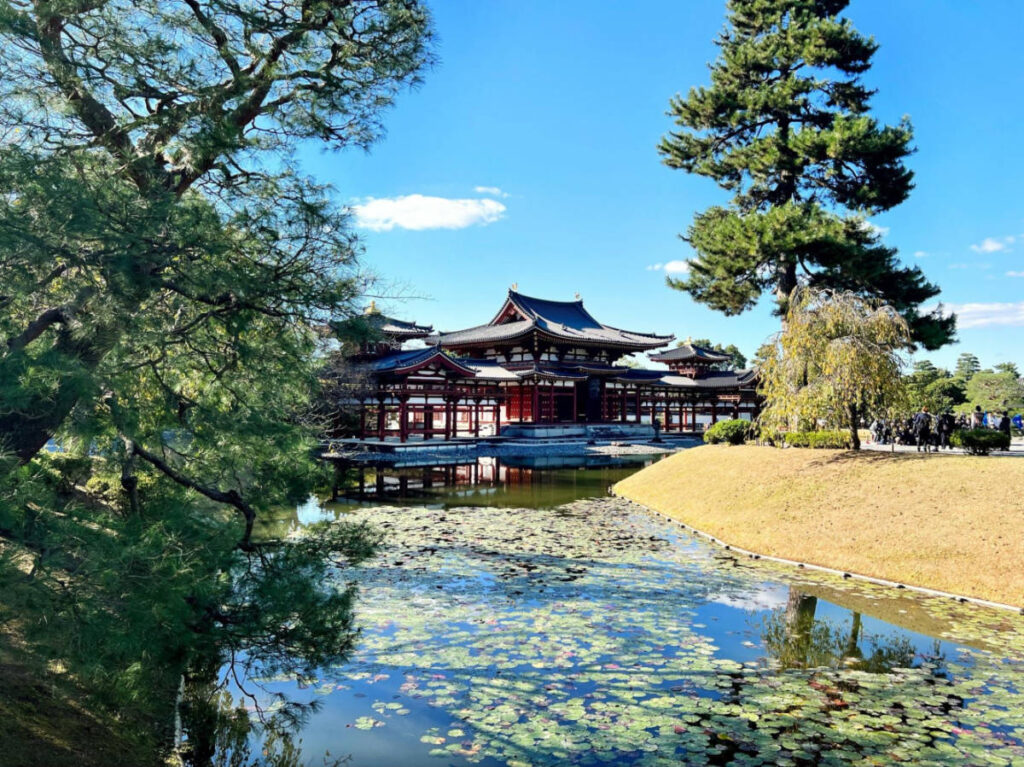
A short train ride from Kyoto Station is the town of Uji. Small, quaint, and charming, it’s a must-stop for anyone who loves Japanese green tea and matcha. Both locals and visitors love to visit Uji to stock up on their favourite matcha powder.
Due to its popularity, people are restricted in buying only a limited quantity (number depending per store, generally 1-2 tins for premium matcha). Spend the day in Uji browsing the tea shops and their two UNESCO World Heritage Sites: Byodo-in Temple and Ujigami Shrine.
If you visit during July to September, you can also see traditional Cormorant Fishing on Uji river. It’s a perfect little day trip for returning visitors to Kyoto who have seen the other major sites.
Shiga
Have a quiet day exploring Shiga prefecture and Japan’s largest lake.
📍 Google Maps | Website
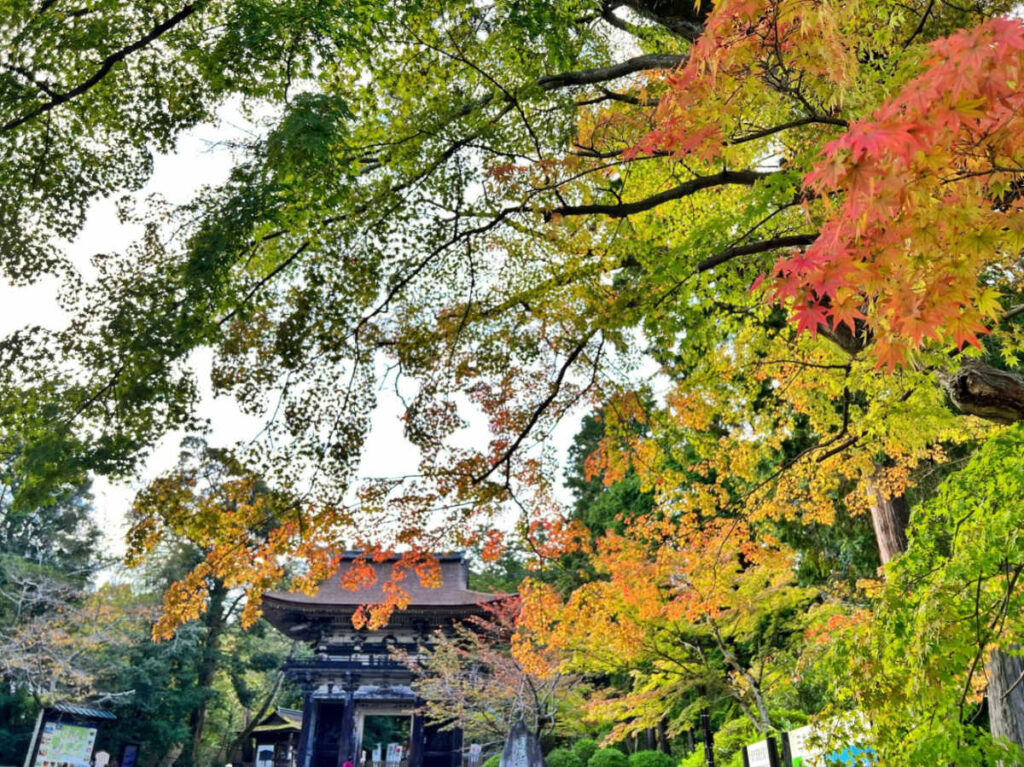
In as little as 10 minutes from Kyoto Station, one can arrive at Otsu Station in Shiga. Explore this quieter prefecture, away from the main tourist crowds. Renowned for Lake Biwa, this sweet town offers a peaceful respite after a hectic time sightseeing.
Time your visit to view less crowded cherry blossoms and autumn leaves spots. Rent a bike near the tourist center and cycle around the lake, stopping at lesser known shrines, temples, and nature areas.
Serious cycle enthusiasts can cycle around Lake Biwa in a day. But if you’re like me and get distracted, just take your time. More time? Stay for a day or two to cycle more leisurely and spend the night at a nearby Ogoto onsen town.
Nara
Hop on a local train to visit the majestic deer of Nara.
📍 Google Maps | Website
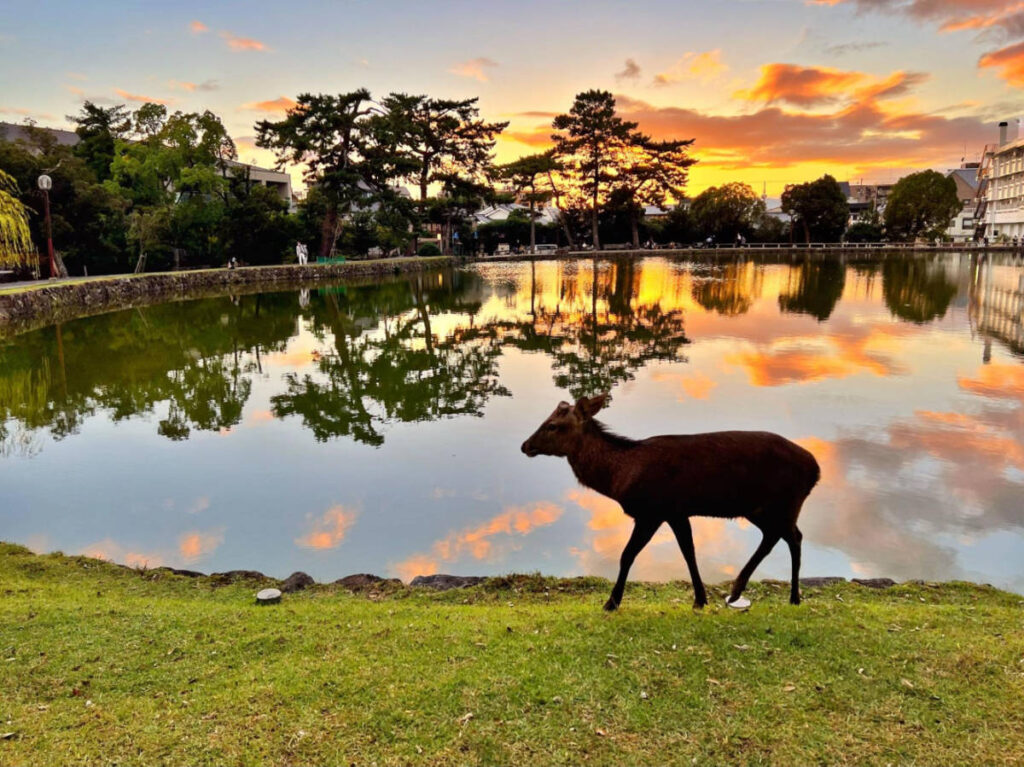
Board the local Kintetsu Nara Line bound for Nara Station. In roughly 30 minutes, you will have left Kyoto and arrived at Nara Park, home to the majestic deer that roam this former capital of Japan.
Though most famous for its deer, this smaller prefecture is also home to several impressive shrines and temples. And its mountain onsen towns are a must-visit if you are able to stay a night or two.
One can take the JR train to arrive at JR Nara Station, but that station is a little further away from the central sightseeing spots. Taking the Kintetsu train has you arrive right in the heart of things. And for train lovers, it’s a lovely and quaint train line.
Osaka
Immerse yourself in the hustle and bustle of one of Japan’s most vibrant cities.
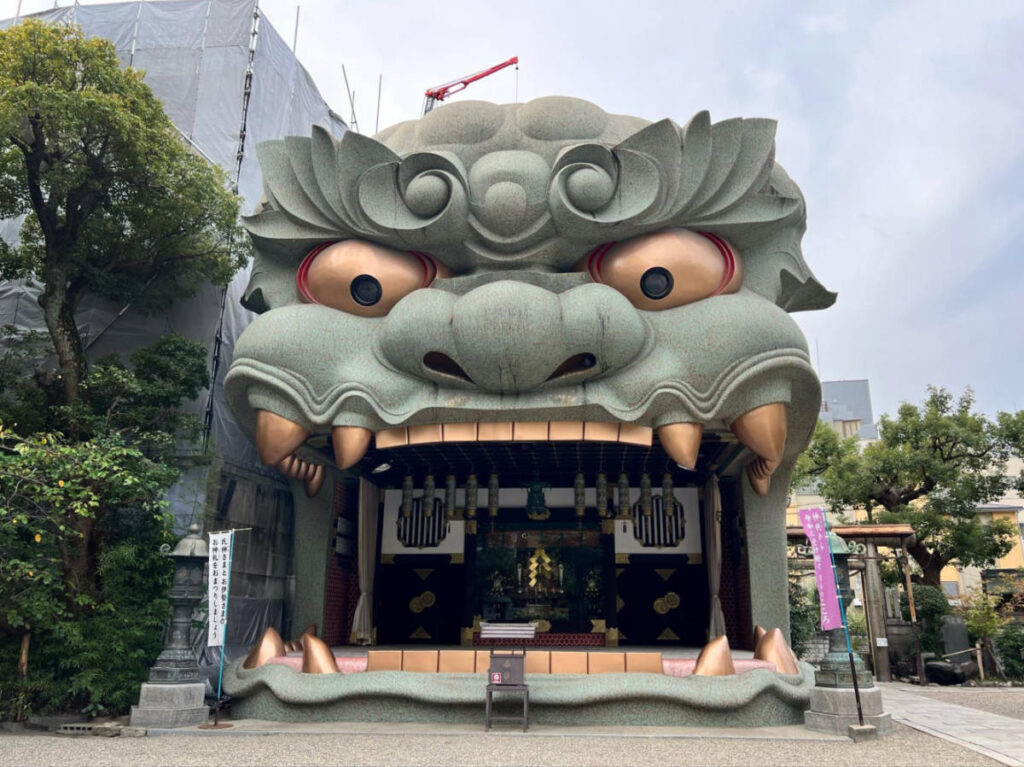
📍 Google Maps | Website
No first trip to Japan is complete without staying in Osaka. Colourful, loud, and vibrant, the center of Osaka offers a completely different experience to the serenity of Kyoto.
Head on over to Osaka if you want a bit of fun nightlife, street eats, and the citylife. Osaka is also a great hub to reach other destinations in Japan with its international and domestic airports, to continue on one’s travels.
Depending on what type of traveller you are and your time limits, base yourself in Kyoto and do a couple day trips to Osaka, or do the opposite.
Kinosaki Onsen
Spend a night or two in Japan’s most tattoo-friendly onsen town.
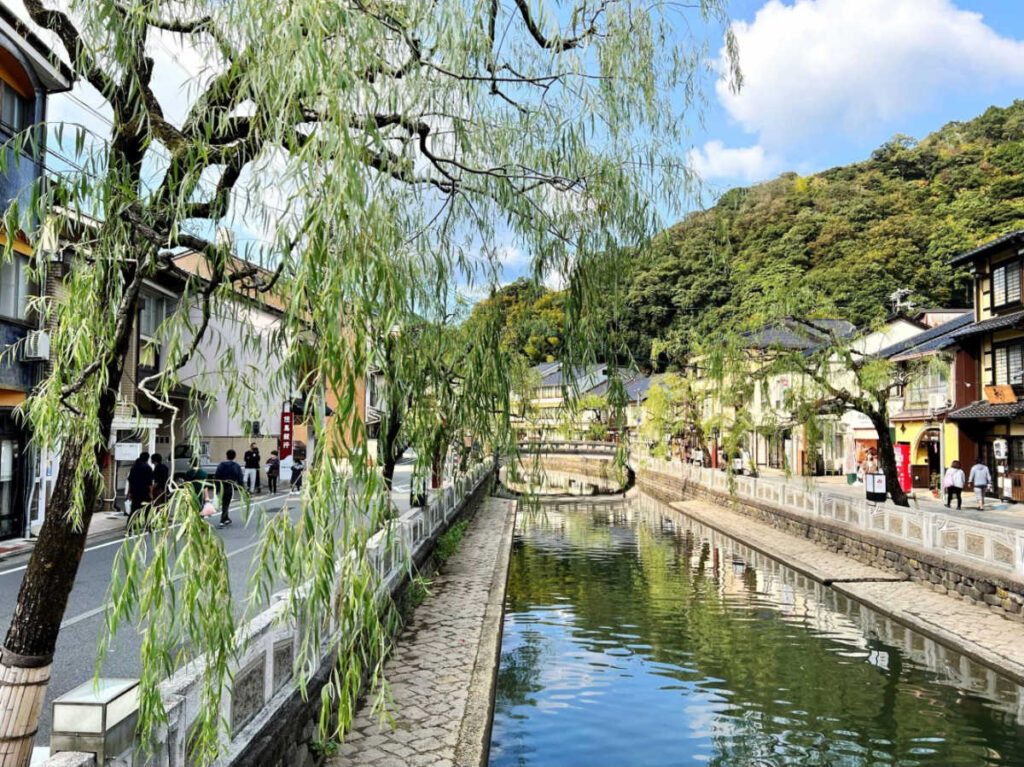
📍 Google Maps | Website
Look no further than the picturesque Kinosaki Onsen town if you’re a traveler wishing to include an onsen experience or traditional onsen ryokan to your Japan itinerary. Easily accessible via Limited Express train from Kyoto (and Osaka), this historic onsen town is rare in that it is renowned for how tattoo-friendly it is.
Built up around seven public onsen baths (all tattoo-friendly), visitors can experience a day onsen easily by visiting one of the seven baths (yes, you will be fully naked with strangers). If you wish to relax more and take it slower, book a stay at one of the onsen ryokan in town. Some offer private onsen if you’re shy about bathing with others.
***
For anyone who’s dreamt of visiting Japan, Kyoto should be on your list. Fill your travels with art, history, culture, and stunning scenery. But plan some slower days where you can appreciate the pace of local Kyoto. It’ll be a city you will fall in love with just as I have.
Traveling beyond Kyoto? See Travel Lemming’s other guides to Japan: