
Affiliate Ad Disclosure: We’re reader-supported. When you buy via our links, we earn commissions. Learn more.
60 Best Things to Do in Tokyo (By a Local)

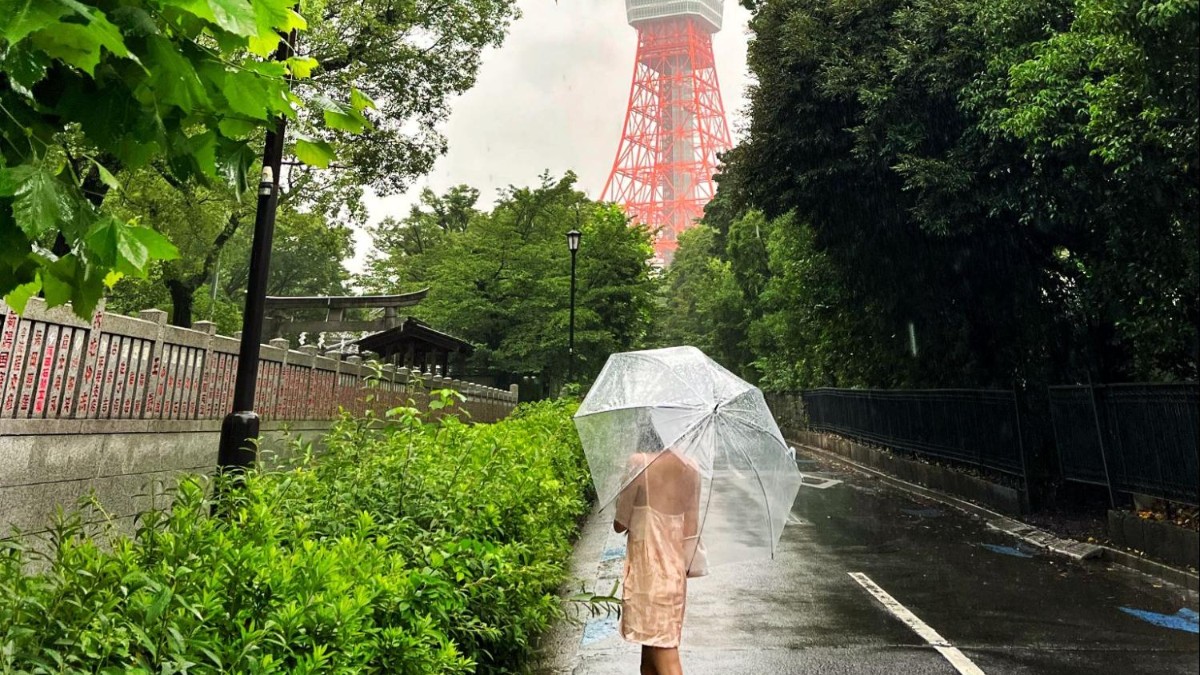
👉 Jump to: Best Things to Do | Temples & Shrines | Slow Days | Cultural & Unique Experiences | Neighbourhoods | Shopping | Food & Drink | Day Trips Within Greater Tokyo | Day Trips Near Tokyo
As a Tokyo local of 15+ years, I know the charms of this city. And I’m here to help you decide what to do while you’re here.
Whether you’ve booked Tokyo Disney and Disney Sea, scrambled to get a slot at Shibuya Sky, the new PokePark Kanto, or the beloved Ghibli Museum, there are truly infinite things to do here. And maybe now, you’re trying to figure out which Team Lab experience you should visit and what to do off the beaten path.
Use this list and our guide to where to stay in Tokyo to start planning. Now, read on to discover all the top attractions as well as more local spots I recommend.
60 Best Things to Do in Tokyo
Tokyo Tower
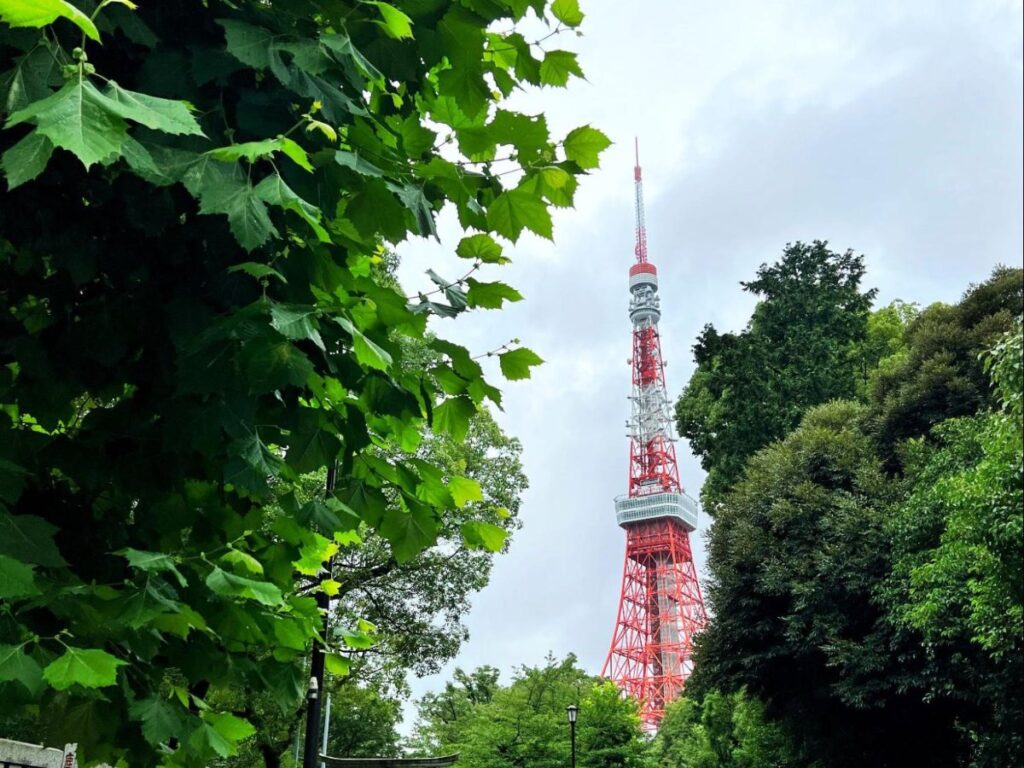
No visit to Tokyo is complete without a glimpse of the iconic Tokyo Tower.
📍 Google Maps | Phone: (03) 3433-5111 | Website | Hours: 9 am – 11 pm daily (last entry 10:15 pm Top Deck, 10:30 pm Main deck) | Entrance: 1500-7000JPY adults, 600 – 6500JPY children | 👉 Buy Tokyo Tower Admission Tickets on Get Your Guide
Tokyo Tower is one of the city’s most iconic landmarks. This radio tower was once the tallest building in Japan until the Skytree was erected. Inspired by Paris’ Eiffel Tower, Tokyo Tower has long been ingrained in Japanese subculture, with it featuring in numerous anime, manga, movies, photographs, and more.
The Tokyo Tower “lights up” and is always a sight to behold, especially when different colours are used to commemorate or celebrate special occasions. For those who love capturing city views, head to the two Main Decks or the Top Deck to see Tokyo in all its glory. Visitors can take the two elevators or hike up the 600-step open-air staircase.
Check the website for special events and pop-ups.
Skytree
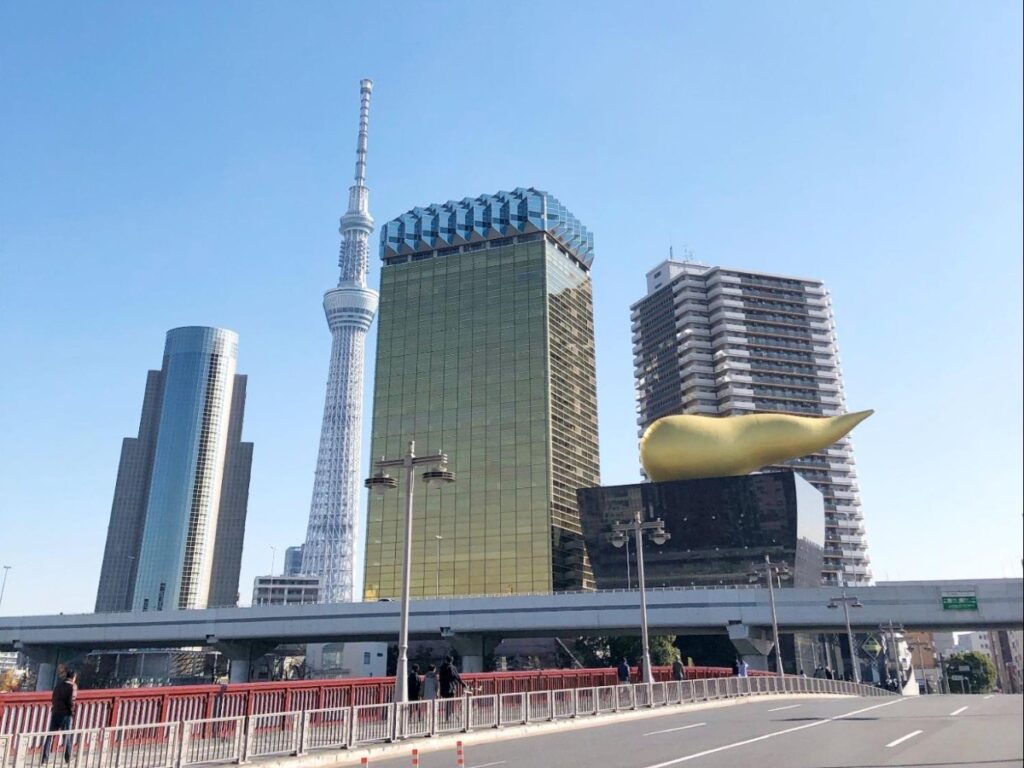
Enjoy the scenic views from Japan’s tallest building.
📍 Google Maps | Phone: 0570-550-634 | Website | Hours: 10 am – 10 pm weekdays, 9 am – 10 pm weekends | Entrance: 1400JPY-3000JPY adults, 700JPY-1500JPY ages 6-1, free under 5 yrs old. Special event/combo ticket prices vary | 👉 Buy Tokyo Skytree Admission Tickets on Get Your Guide
Located in Sumida-ku, Tokyo Skytree is now the tallest building across Japan’s skyline and the world’s tallest freestanding broadcasting tower. It was once the tallest building in the world until it was eclipsed by Dubai’s Burj Khalifa.
Two main viewing areas can be enjoyed – the Tembo Deck and the Tembo Galleria. The lower Tembo Deck is where visitors can sit and have lunch at the cafe/restaurant whilst appreciating the views. Boutique shops can be found on the lower floors. It’s a perfect place to spend a rainy Tokyo day.
TeamLab Planets
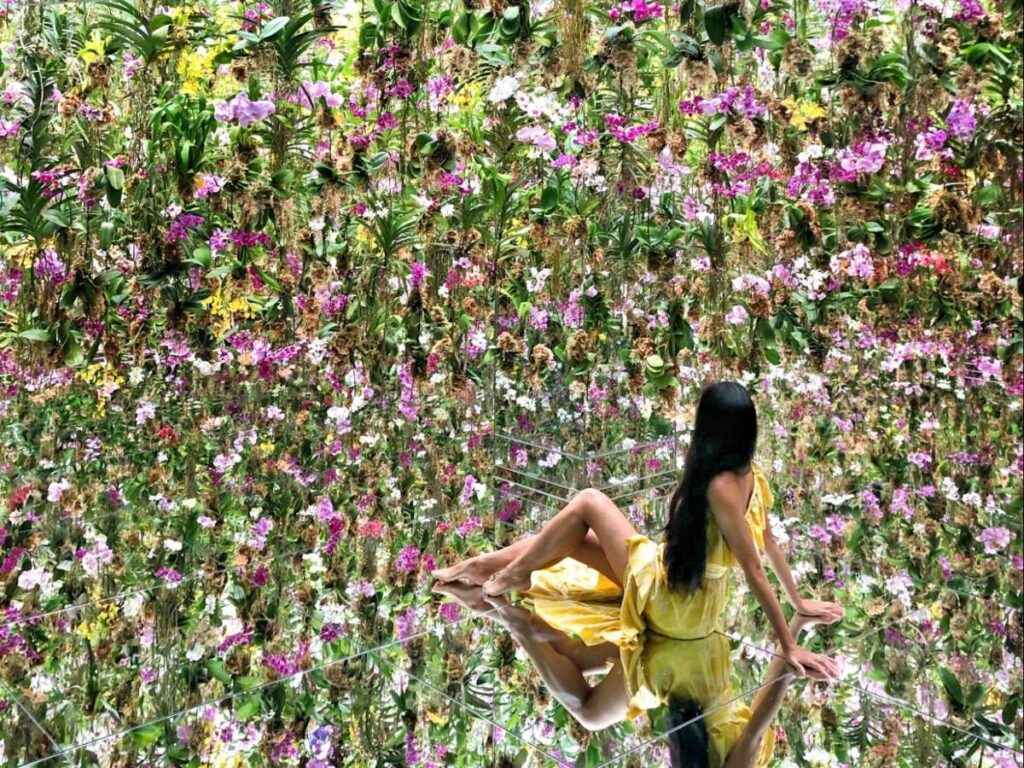
Walk through water in this immersive world of art, light, and senses.
📍 Google Maps | Website | Hours: 8:30 am – 10 pm daily | Entrance: 3800JPY+ adults, 1500JPY+ children, free under 3 yrs old, 1800JPY disability | 👉 Buy teamLab Planets Digital Art Museum Entry Tickets on Get Your Guide
There are two TeamLab installations in Tokyo: Toyosu’s Planets and Azabudai’s Borderless. Planets is technically not permanent (estimated closing date is the end of 2027, but they’ve extended multiple times), whilst Borderless is permanent.
Out of the two, I have always enjoyed Planets more. Its unique water installations add a more textural, immersive element. For those with kids, I would definitely recommend Planets. Borderless is more accessible if using a wheelchair, but it feels more like walking around a moving museum.
Important tips for visiting Planets: Wear shoes that are easy to remove, pants that roll up, or shorts. If wearing a skirt/dress, wear shorts/bloomers underneath, as there are mirrored floors. Also, have a hair tie/clip to easily secure your skirt/dress above the knee in the water installations.
Tokyo Temples & Shrines
👉 Note: All Japanese shrines and temples are sacred. Do not graffiti or desecrate any part of the buildings, decorations, or grounds. Do not climb the Torii gates or any structure, or use them for exercise. You could be fined and potentially arrested/deported.
Meiji Jingu Shrine
Tokyo’s most iconic Shrine, located in the heart of Yoyogi Park.
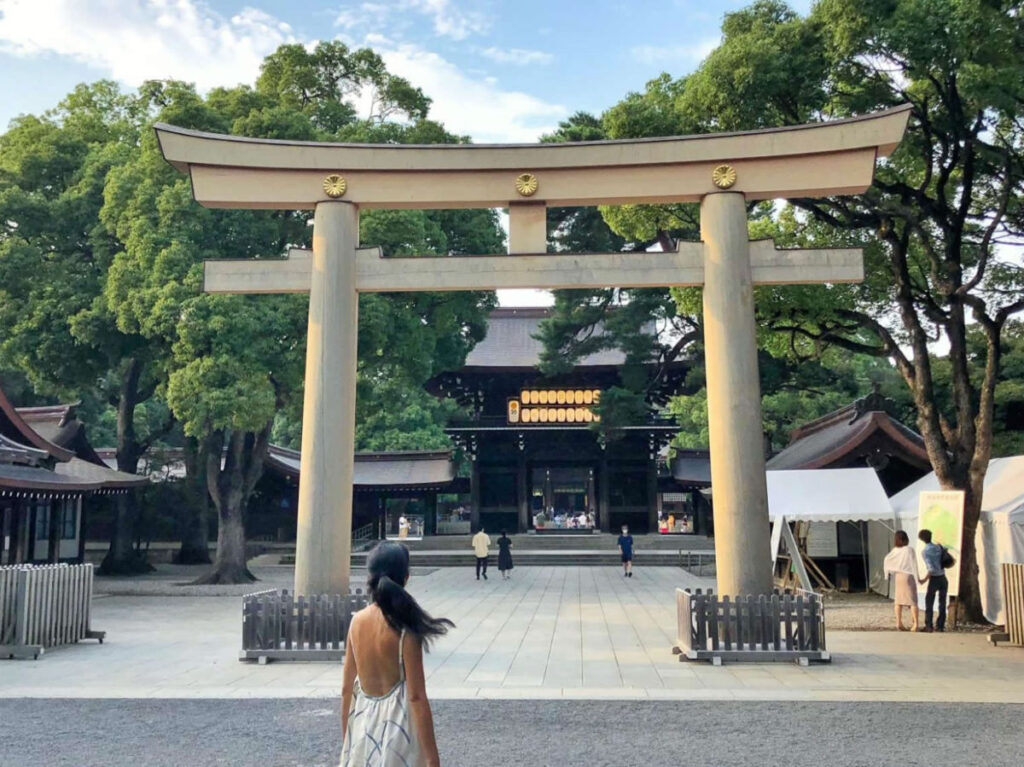
📍 Google Maps | Phone: (03) 3379-5511 | Website | Hours: Sunrise – sunset daily
No visit to Tokyo is complete without a walk to Meiji Jingu Shrine. This historic shrine is set within the leafy grounds of Yoyogi Park and offers a cultural insight into Japan’s Shinto beliefs.
With a history spanning over 100 years, many festivals, ceremonies, rituals, and special events are still held at the Shrine. If you’re lucky, you may even see a traditional Japanese wedding taking place.
If you don’t mind crowds, one of the most iconic times to visit is during the Japanese New Year: Oshogatsu, where many Japanese will travel to Meiji Jingu for their first Shrine visit of the year.
Sensoji Temple & Asakusa Shrine
Visit two of Tokyo’s most celebrated temples and shrines in the heart of Asakusa ward.
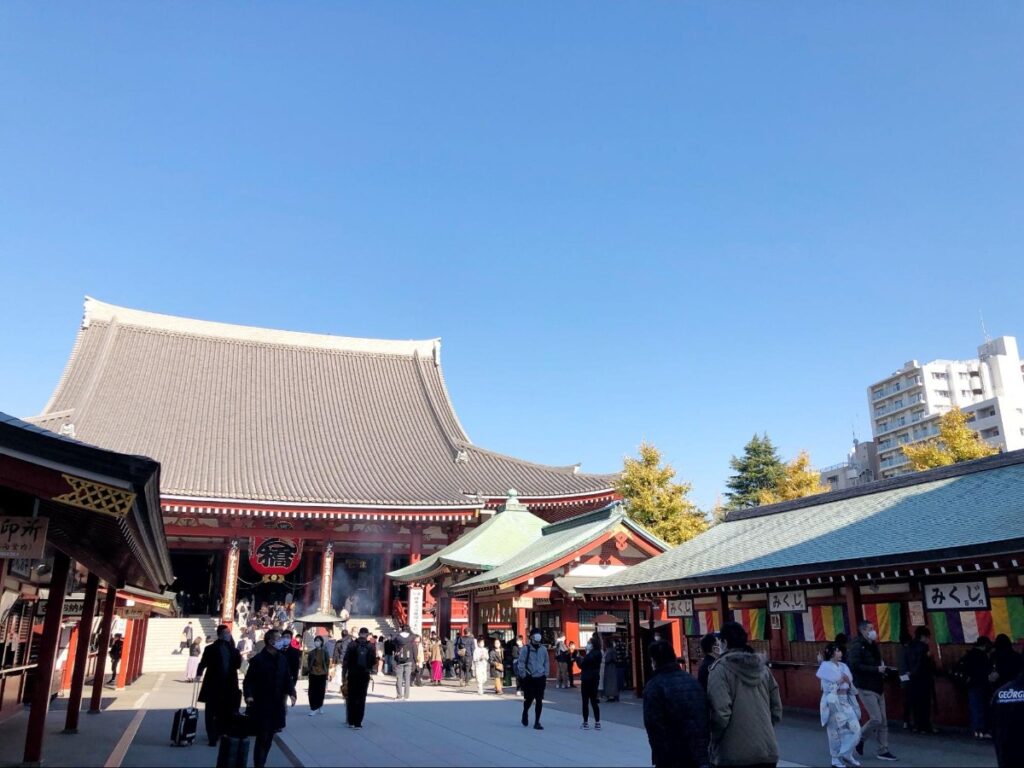
📍 Google Maps | Website (Asakusa Shrine), Website (Sensoji Temple) | 👉 Book an Asakusa Senso-ji Temple and Old Tokyo Walking Tour on Viator
Sensoji Temple and Asakusa Shrine are located next to each other and are often just grouped together as Sensoji. Sensoji Temple is Tokyo’s oldest Buddhist temple, whilst the neighbouring quiet Asakusa shrine was built to honour the two fishermen brothers and the wealthy landlord who built Sensoji.
The bright red Kaminarimon Gate and giant Chochin red lanterns are iconic symbols of Sensoji and a must-see for those interested in traditional Japanese culture and heritage. You can learn about them from a local on this guided walking tour.
If you can, time your travels to coincide with some of Tokyo’s biggest festivals and events held at Sensoji. February sees Setsubun, while April and November host the Shirasagi no Mai (White Heron Dance). Finally, May hosts one of Tokyo’s “Three Great Shinto Festivals” – the Sanja Matsuri, which is an event not to be missed.
Gotokuji Temple
Visit this local temple, beloved for its collection of Japan’s lucky cats – maneki-neko.
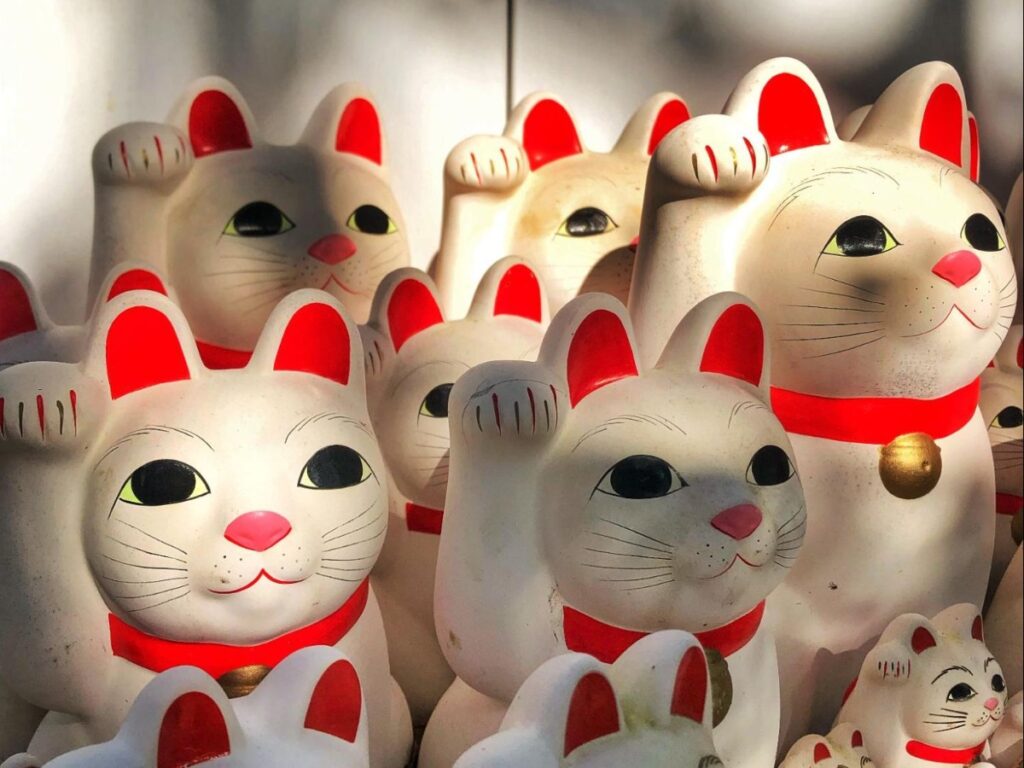
📍 Google Maps | Phone: (03) 3426-1437 | Website | Hours: 6 am – 5 pm daily | 👉 Book a Shibuya, Hachiko & Gotokuji Temple Tour on Get Your Guide
In the quiet neighbourhood of Gotokuji lies this picturesque Buddhist temple, said to be the birthplace of Japan’s iconic lucky cat figurine. Many visitors buy a figurine from the temple’s office to make a wish and place it around the temple, whilst others take it home as a souvenir.
The temple’s grounds also hold a striking pagoda where elderly volunteers love to have a chat and share the history of the temple and its architecture.
The Maneki-neko figurines are located in a set area of the temple, and this is where most visitors will head first. However, the rest of the grounds are also lovely to explore throughout the seasons.
Due to recent poor behaviour, though, the cemetery area is closed off. It’s only accessible for families visiting their deceased loved ones.
Setagaya Hachimangu Shrine
Take a quiet walk at this local shrine, known as the guardian shrine of Setagaya-ku.
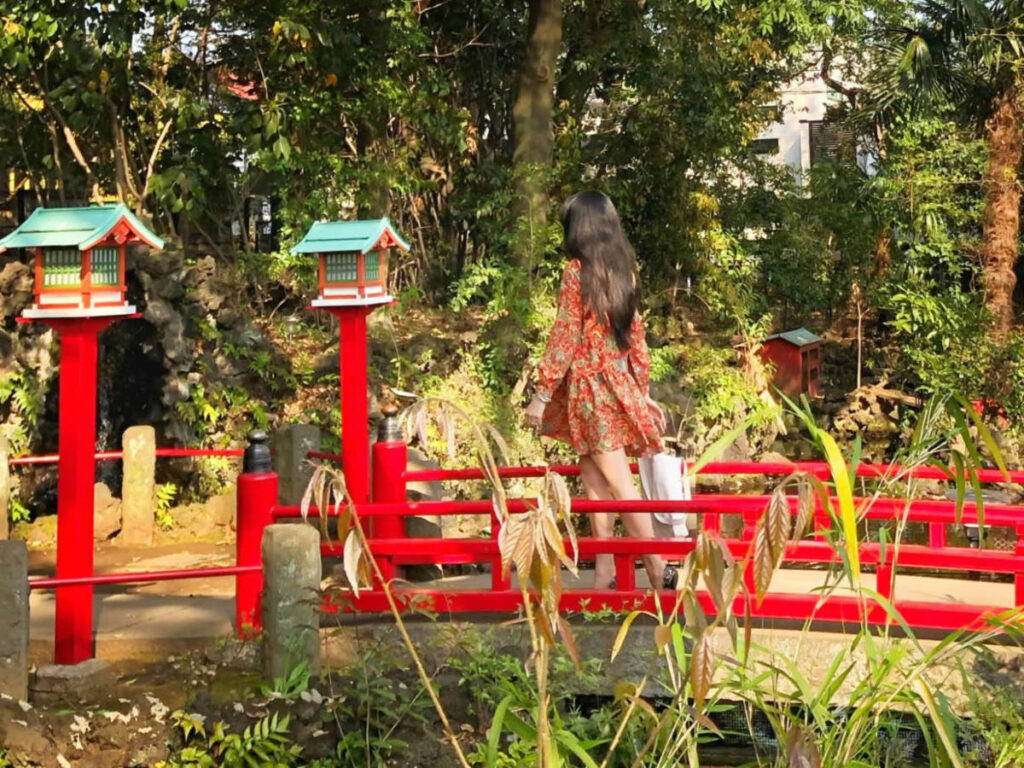
📍 Google Maps | Phone: (03) 3429-1732 | Website | Goshuin Office Hours: 9:30 am – 4 pm daily
Setagaya Hachimangu Shrine is located practically next door to Gotokuji Temple. It is marked by two large stone Torii gates, where stairs lead up to the main building.
This tranquil shrine is dedicated to the deity Hachiman (god of archery and war). Three other smaller shrines can be found on the grounds, with a charming red bridge over a koi pond for one of them. It’s my favourite local Tokyo shrine.
An unusual feature of Setagaya Hachimangu Shrine is the historic earthen Dohyo Sumo Wrestling ground, where sumo matches between young wrestlers are still held every September during the Autumn festival (dates are confirmed closer to the time).
Azabu Hikawa Shrine
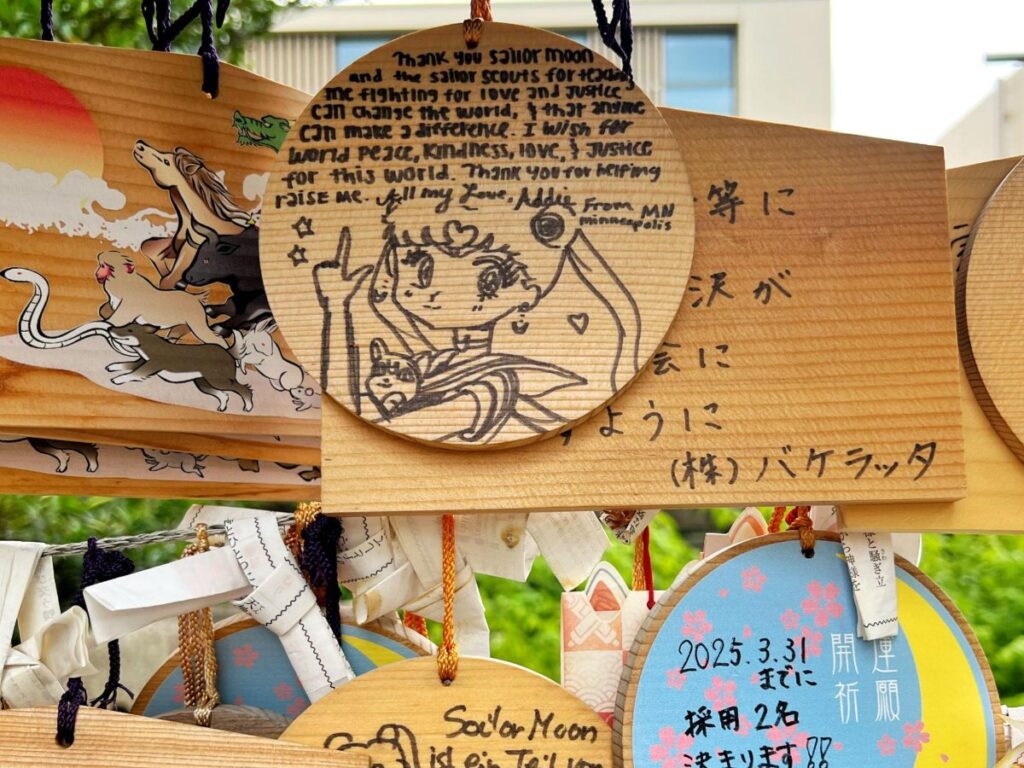
For lovers of the shoujo anime Sailor Moon, this local shrine should be on your itinerary.
📍 Google Maps | Website | Hours: 9 am – 4 pm daily
Just a short walk from Azabu Juuban Station lies Azabu Hikawa Shrine. This local shrine is said to be the inspiration for the Hikawa Shrine in manga artist Naoko Takeuchi’s beloved Sailor Moon manga and anime.
Sailor Moon’s fictional Tokyo life is set mainly in the Azabu Juuban district. And so this little shrine has become a stopping point for its fans, both local and international. Many have bought the shrine’s wooden ema to hang, and left sentimental messages and sweet drawings of thanks upon them.
Several shrines and temples have become even more popular after being featured in anime/manga. Read below about one in Koenji.
Slow Days in Tokyo
Designer Manholes
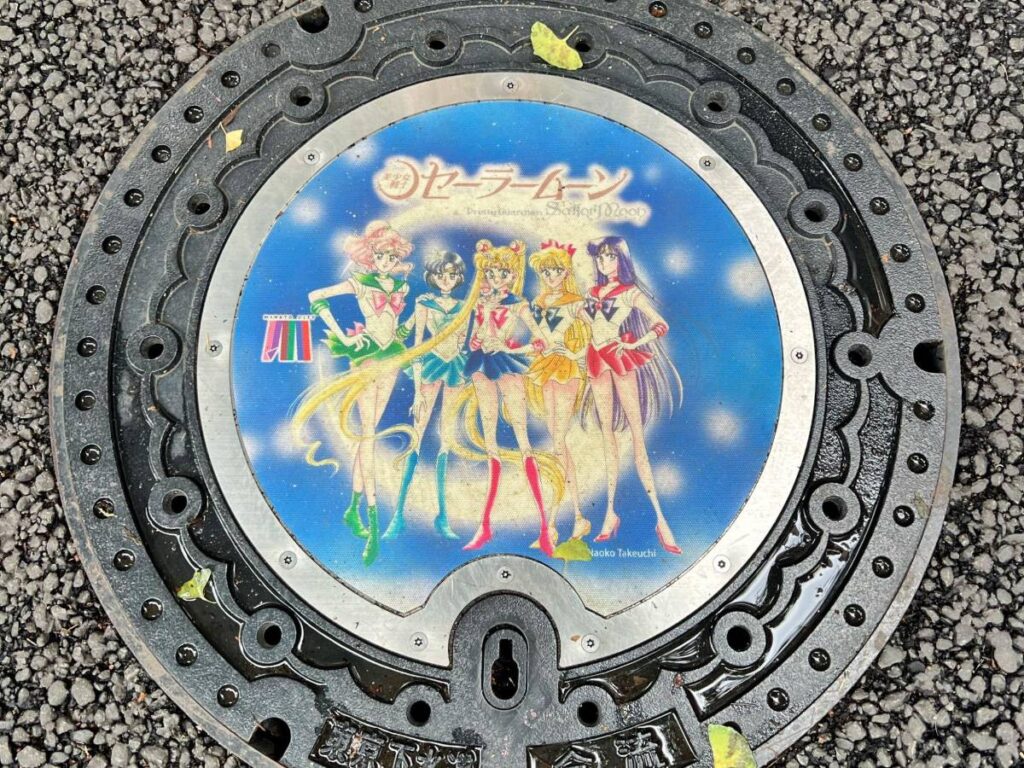
Remember to look down whilst you walk, or you may miss a fun designer manhole.
📍 Multiple locations around Tokyo
All around Japan, there are sewer manholes with different patterns, depending on the city, prefecture, and region you’re in. However, the country took it one step further and began to commission special “designer” coloured manholes that celebrated niche interests of each area.
For example, in Tokyo, Azabu Juuban has five Sailor Moon manholes scattered throughout the town. Each one features a different iconic manga picture. Shinjuku has a Godzilla manhole. There are 10 PokeLids (Pokemon manholes) in Tokyo and the Greater Tokyo area: Ueno, Machida, and the Ogasawara Islands. Even more are scattered around the country.
Japanese Castle Towns normally have their own coloured manholes. Osaka has many celebrating the recent Osaka Expo. There are always things to discover when you travel around Japan.
Kinuta Park
Have a spring picnic under the sakura blossoms at this beloved neighbourhood park.
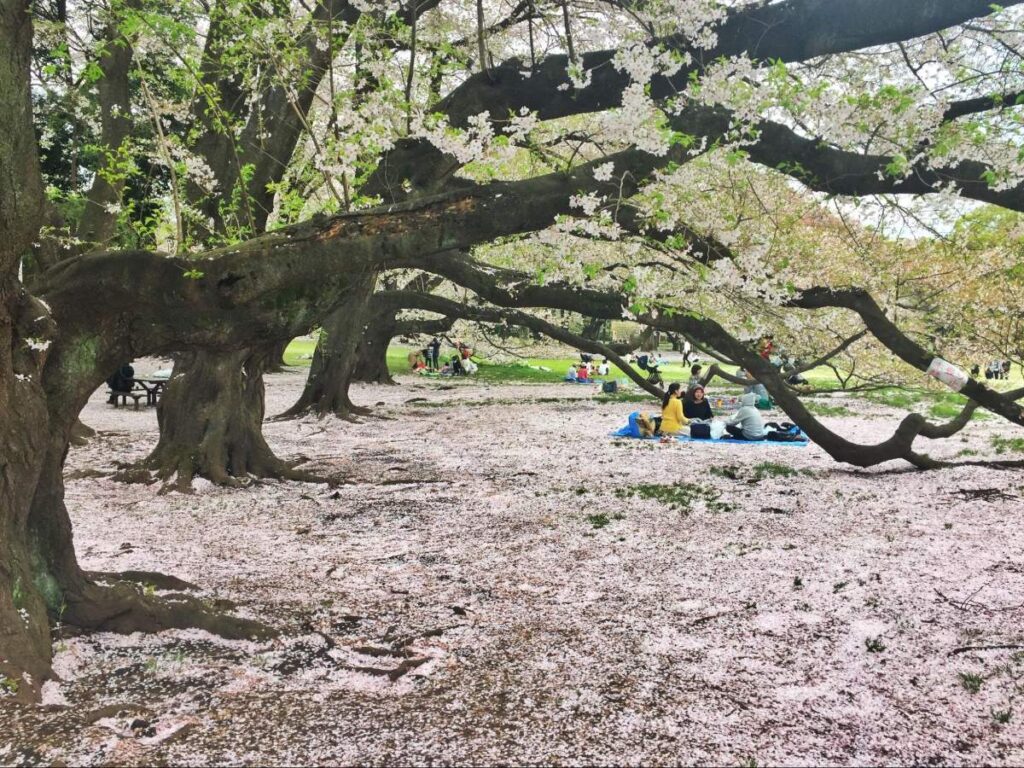
Away from the centre of Tokyo’s hustle and bustle is this large park in the heart of Setagaya-ku (the largest of Tokyo’s 23 wards). Roughly totalling 39 hectares, the park is loved by families, local Japanese, and long-term foreign residents. It’s especially popular when the over 800 cherry blossom trees bloom. I much prefer it to Yoyogi Park if I wish to do hanami (flower viewing).
This park is also unique because there is so much open green space where visitors are allowed to sit, and children can play games. It was conceived as a park that families could enjoy, rather than being a landscaped garden like Shinjuku Gyoen. There are playground facilities along with a cycling course, suspension bridge, and a bird sanctuary.
Kichijoji: Inokashira Park
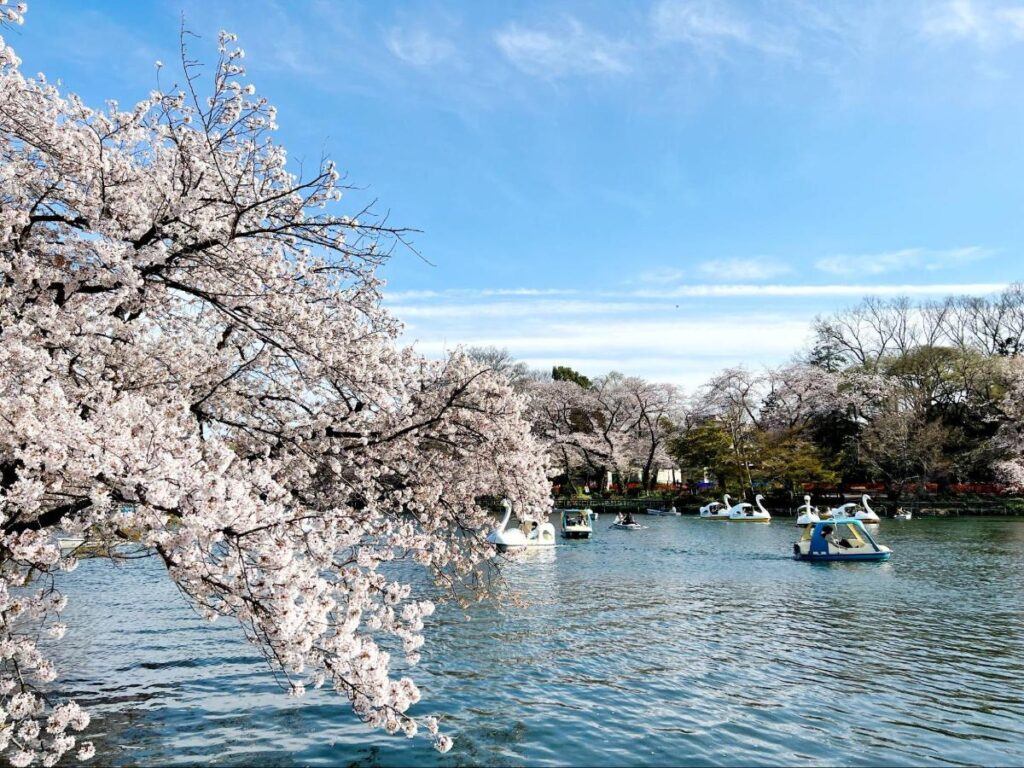
Take a slow day in the charming town of Kichijoji, where spring is one of the prettiest times to visit.
📍 Google Maps | 👉 Book a Kichijoji Walking Tour on Get Your Guide
The city of Kichijoji is loved for its brand-name shops (without the crowds of Shinjuku and Shibuya) as well as its streets filled with independent boutiques, bars, and cafes. It’s easily accessible from both Shinjuku and Shibuya stations.
Inokashira Park is located a short walk from Kichijoji Station. Beautiful all year round, it’s especially breathtaking in spring when the sakura (cherry blossom trees) bloom. Long lines will occur for the swan boats and paddle boats on the pond. Half the fun is the people watching.
There’s also a small zoo, which is popular with small children (think 5 years and under). Walk a bit further through the park, and you can reach the Ghibli Museum. This local-led Kichikoji walking tour includes tickets to the museum.
Cultural & Unique Experiences
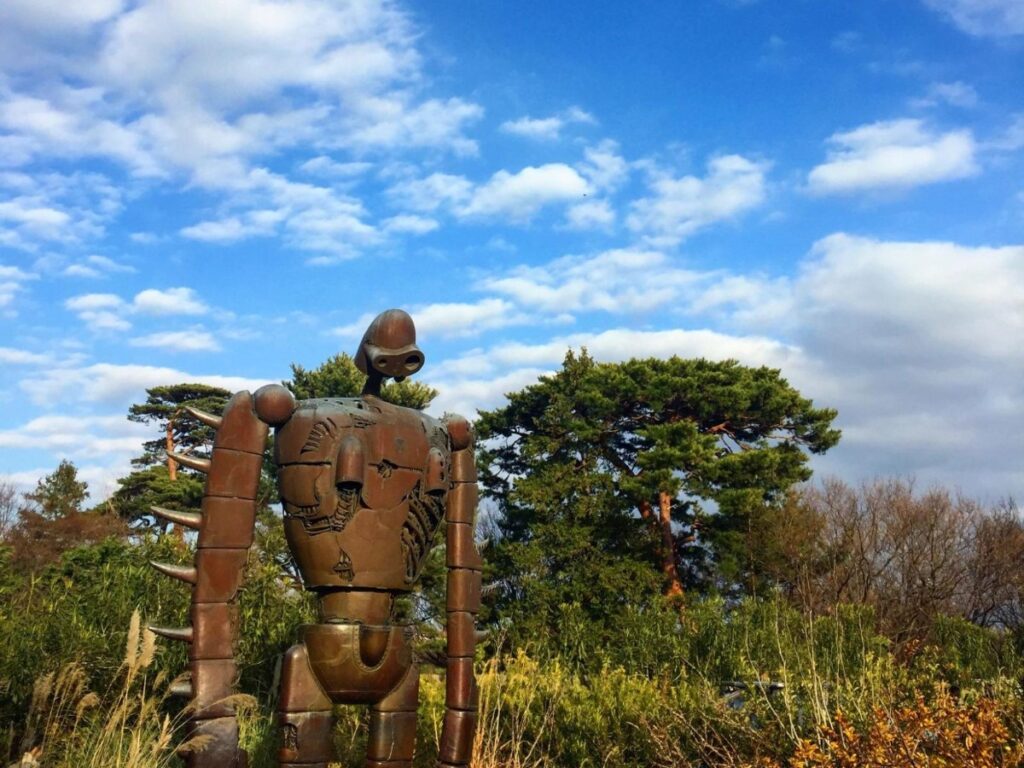
Ghibli Museum
Indulge in your inner child as you enter the world of Hayao Miyazaki’s Studio Ghibli.
📍 Google Maps | Website | Hours: 10 am – 6 pm daily, closed Tuesdays | Entrance: 1000JPY adults, 400JPY-700JPY students, 100JPY under 4 yrs old | 👉 Book a Studio Ghibli Origins Walking Tour on Get Your Guide
No matter how many times I go, I still enjoy revisiting the Ghibli Museum. For anyone who’s fallen in love with the works of Hayao Miyazaki’s Studio Ghibli films, this little museum tucked away in Inokashira Park should be on your list. It will delight the inner child in you.
Spend at least a couple of hours here. Inside, you can watch exclusive anime short films, see behind-the-scenes of Miyazaki’s work process, pick up exclusive souvenirs at the Mamma Aiuto gift shop, and children can play on the life-sized Neko-bus from Totoro.
Remember to duck your head when visiting. The museum was constructed with the viewpoint “through the eyes of a child,” so the ceilings can be low to create a playful, child’s toyhouse atmosphere.
Tickets are only available online through their Japanese website. They are available on the 10th of every month for the following month. They sell out quickly, especially on weekends and public holidays.
If you are unable to get tickets to the museum, I recommend taking this Ghibli Origins walking tour, where you’ll still get to see must-visit spots from the beloved films.
Azabu Juuban Matsuri
One of Tokyo’s most famous summer matsuri festivals, where everyone can join in.
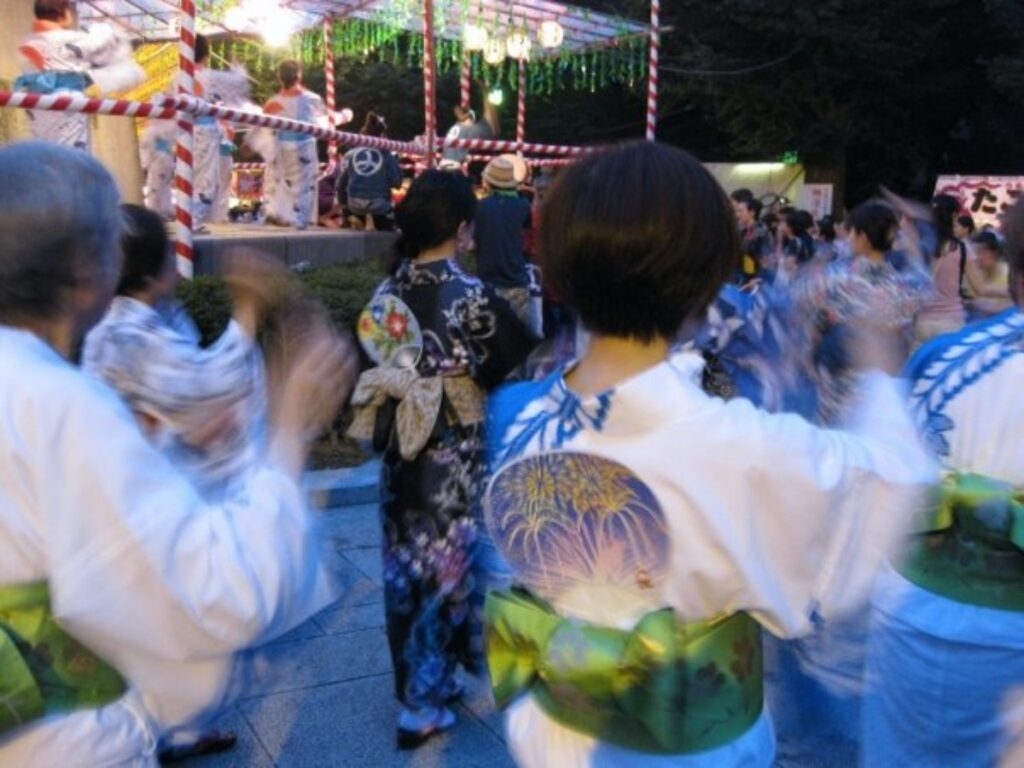
Every summer, Japan celebrates the season with festivals known as matsuris. In Tokyo, one of the most popular (and crowded) is the Azabu Juuban Matsuri.
The festival is held towards the end of August (generally the last weekend). People dress in pretty cotton yukata, food yatai stalls are set up, and children play Showa retro games. Everyone enjoys the fun, lively atmosphere.
Azabu Juuban Matsuri is also popular because as the performers dance the traditional “Bon Odori” dance upon the stage, you will see locals and children begin to join in on the ground. It’s truly a quintessential summer experience in Japan.
Kanamara Matsuri
One of Japan’s most unique festivals that celebrates fertility, safe childbirth, and protection.
📍 Google Maps | Website
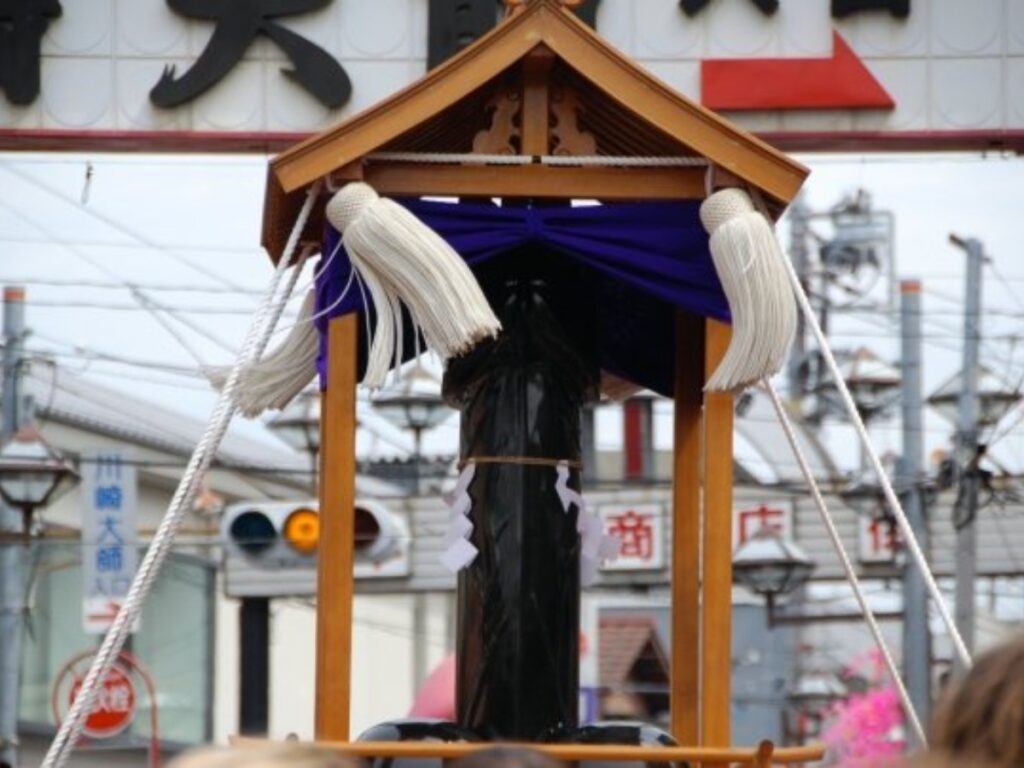
For nearly 50 years, the Kanayama Shrine in Kawasaki has been hosting the Kanamara Matsuri (festival) on the first Sunday of April. You’ll witness three main mikoshi shrines (portable shrines), each with an iron phallus being carried around the area.
Enshrined within Kanayama are the god Kanayama-hiko and the goddess Kanayama-hime. Both deities are the gods of metalsmithing and metalwork. Visitors come to pray for easy childbirth, fertility, and a good marriage. Hence, the iron phallus.
Like many matsuris, there are food yatai stalls. Though some of the sweets and food sold are decidedly phallus-shaped. The festival is also used to help raise money for HIV research.
Tokyo Supercars
Live your Fast and Furious dreams with a supercar driving experience through Tokyo.

🌐 Website | 👉 Book Tokyo Supercars Tour on Viator
For anyone who loves supercars or is simply infatuated with Japan’s driving subculture (Fast and Furious: Tokyo Drift ring a bell?) – Tokyo doesn’t disappoint.
Tokyo Supercars were the first to offer a supercar experience through the streets of Tokyo over iconic sights like the Rainbow Bridge. Now, they offer a range of experiences, including the famous Daikoku Car Meet, a Tokyo Drift Experience, Fuji Speedway, Tantra Burlesque Club, and other bespoke options.
Drivers must have a valid Japanese driver’s license. Or, overseas license holders must bring their valid driver’s license along with their international driving license/JAF Translation. This is required.
Tokyo Neighbourhoods to Explore
Shinjuku
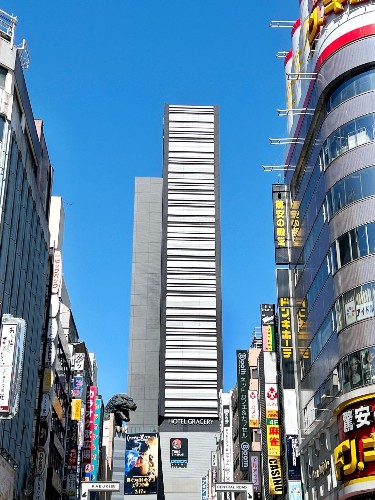
Explore the hustle and bustle of one of Tokyo’s most popular and central neighbourhoods.
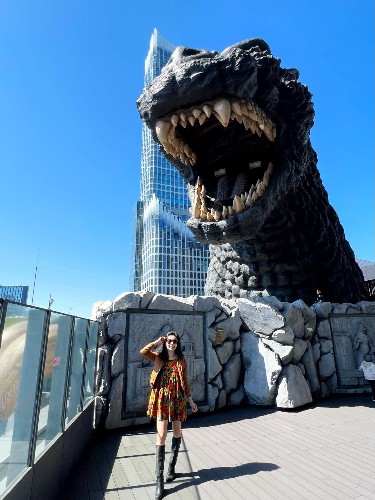
📍Google Maps | 👉 Book a Shinjuku Food Tour on Viator
Speak to any Tokyo local and, undoubtedly, they will be either a Shibuya person or a Shinjuku person. I am definitely a Shinjuku person.
Each neighbourhood has its charms. Shibuya is home to areas like Harajuku and nearby Sangenjaya. Meanwhile, Shinjuku leans towards underground, offbeat vibes of neighbourhoods like Koenji, Nakano, and Ogikubo.
From both Shibuya and Shinjuku, you can reach the charming areas of Aoyama, Daikanyama, Ginza, Kichijoji, Omotesando, Shimokitazawa, and Yoyogi. Both also feature many of the same fashion stores, brand names, and popular shops and restaurants.
Shinjuku, however, doesn’t have the crazy crowds of Shibuya Crossing or Harajuku Takeshita-dori shopping street (which, nowadays, barely has any of the unique fashion it became famous for).
Generally, Shinjuku attracts a slightly slower-paced, more mature traveller, which I prefer. A good way to experience it is through its food scene, and this Shinjuku food tour includes plenty of tastings at some of the best spots.
Daikanyama
Meander through this pretty and quiet suburb full of lovely eateries, cafes, bars, and pops of greenery.
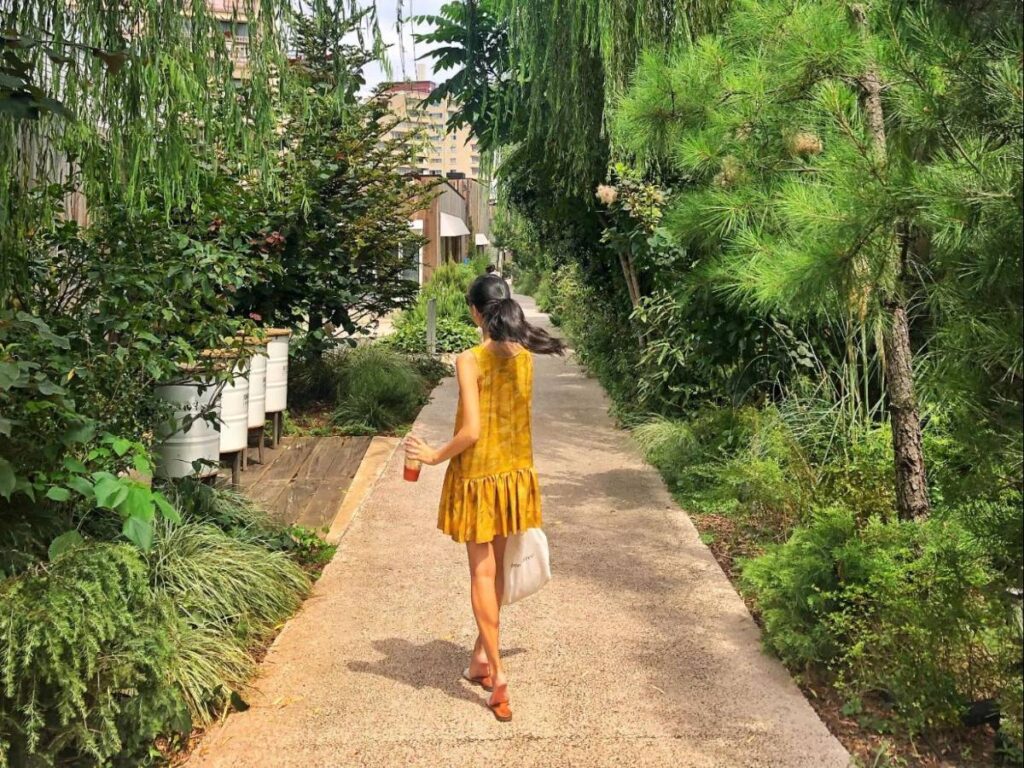
Daikanyama is for travellers who love a stylish neighbourhood filled with independent boutiques, fine eateries, cozy, relaxed cafes, and opportunities for people and dog watching. It’s perfect for visitors who wish to embrace local Tokyo-ite life and take a break from the tourist crowds.
Spend the day browsing boutique vintage shops like Maison de Vii. Take an art lesson at ArtBar Tokyo. Make sure to stop by Daikanyama T-site for the large Tsutaya Book Store if you love books and architecture. Book a lunch at Ivy Place and dine al fresco.
Many people enjoy the walk to Saikanyama from Shibuya or Ebisu station, approx 20 minutes, where you will often pass cute independent stores. If you don’t want to walk, try cycling.
Train-wise, you will need to hop on the Tokyu-Toyoko Line (from Shibuya Station) or the Fukutoshin Line (from Shinjuku-Sanchome Station).
Ginza
Spend time shopping and eating in one of Tokyo’s most high-end neighbourhoods.
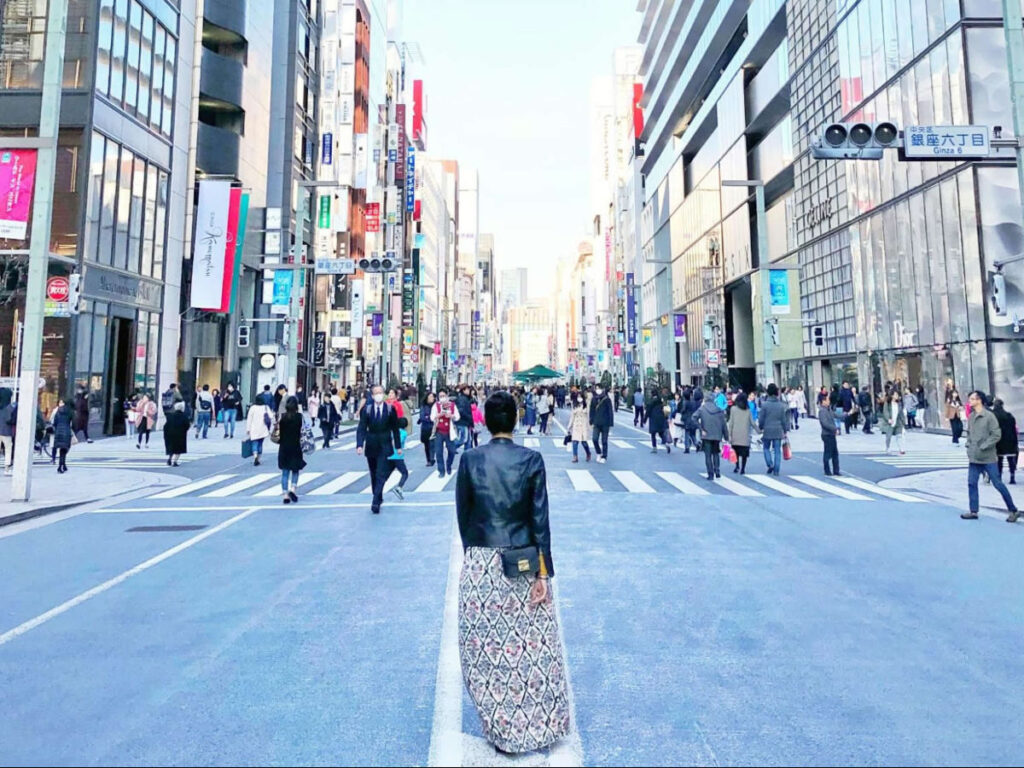
📍 Google Maps | 👉 Book a Ginza Chopstick Making Workshop on Viator
If you’re someone who enjoys the finer things in life, then head to Ginza. This is where the many flagship stores of international designer brands like Chanel, Gucci, and Dior reside, along with the flagship stores of Japanese brands like Uniqlo and Itoya.
For architecture lovers, Ginza is a treat – many of the buildings have been designed by famed architects and are truly eye-catching. If you feel inspired by all of the designs, you might consider taking this chopstick making workshop to try your hand at crafting a unique souvenir.
Foodies will be delighted by the range of high-end cuisines to splurge on, with many of the fashion brands offering their own private dining experience on the store’s rooftops or within.
If you prefer a little more cozy atmosphere, head down to Omotesando instead. Weekends see the main street in Ginza closed to traffic so one can freely stroll.
Sangenjaya
Stroll through this local neighbourhood, beloved for its independent dining culture and chill vibes.
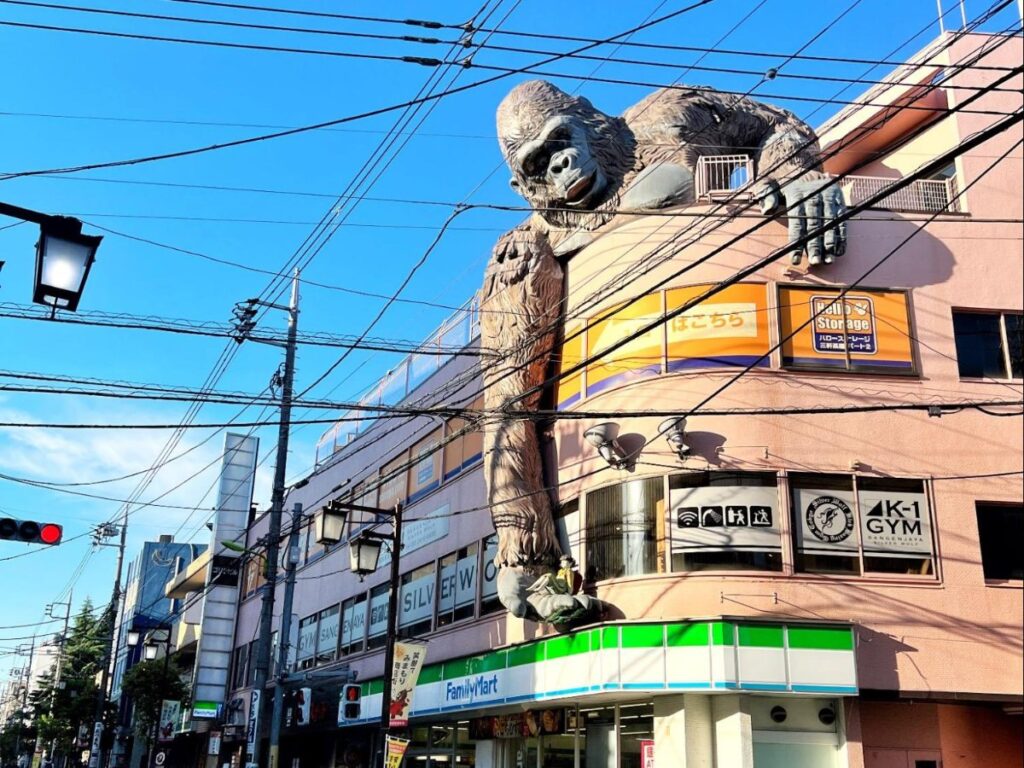
📍 Google Maps | 👉 Book a Sangenjaya Back Alleys Private Food and Drink Tour on Viator
Affectionately known as “Sancha” to the locals, Sangenjaya is one of the neighbourhoods in Tokyo that is central enough to get to other places. But it’s still removed enough that even after all these years, it still feels like a local Tokyo neighbourhood.
Popular with younger Japanese, local families, and long-term foreigners, there are plenty of cool cafes, restaurants, and bars for one to enjoy a chill weekend meal. You can try out a lot of them on this local-led food and drink tour.
If you like to walk, stroll down the Kamakura-dori or Chazawa-dori, and you will reach another beloved Tokyo neighbourhood: Shimokitazawa. The walk will take you past more charming shops and cafes, including some vintage gems. It’s a walk I’ve done many times when I lived near both areas.
Shimokitazawa
Explore this quirky university town, which is loved for its cheap eats, vintage stores, and all-around atmosphere.
📍 Google Maps | 👉 Book a Vintage, Music & Food Tour in Shimokitazawa with a Local on Viator
Shimokitazawa is home to independent bookstores, vintage clothing stores, vintage vinyl records, and other little boutiques. Plus, you’ll find plenty of fun eateries, cocktail bars, and small brewpubs. This bohemian neighbourhood is a favourite with the Tokyo youth and long-term foreign residents.
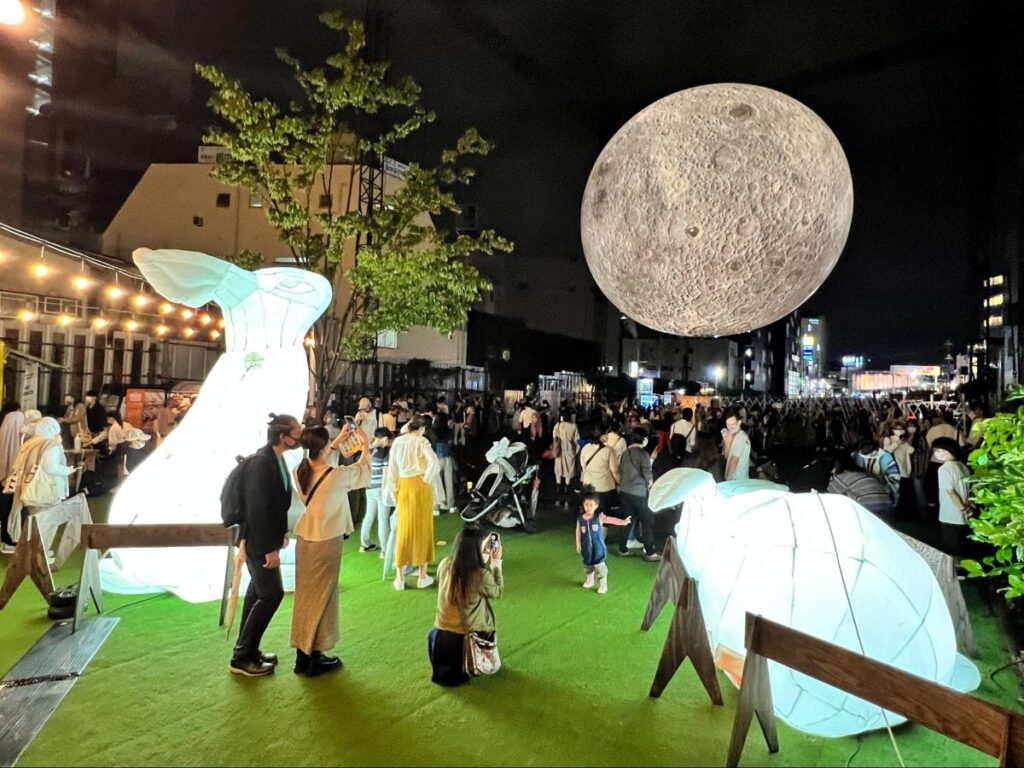
Its quirkiness is part of its charm. It has narrow, winding streets, graffiti artwork, and various pop-up events throughout the year. If you visit in September, make time for the Moon Art Night, a more recent festival that has now become a regular staple.
Shimokitazawa is a neighbourhood I return to often, either for a solo day or to meet up with friends. If you want to experience Tokyo like a local, Shimokitazawa is the place to do it. This vintage clothing, music, and food tour is a good place to start.
Koenji
A local neighbourhood that still retains a more traditional Showa Retro atmosphere.
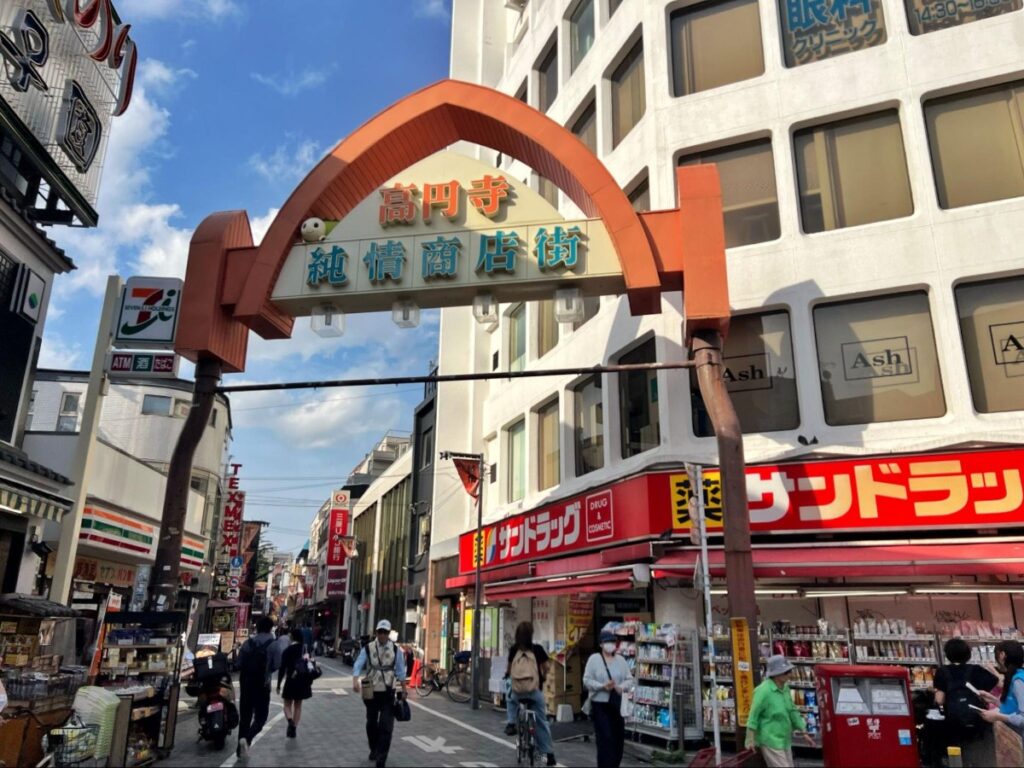
A few stops from Shinjuku station is Koenji, a neighbourhood loved for its Showa Retro feel. It’s a must stop if you’re a traveller who loves a local live music scene, especially small jazz bars. Probably the most famous are After Hours and Live Music JIROKICHI. If you want to see more well-known artists, head to Blue Note Tokyo (more below).
For lovers of Makoto Shinkai’s anime, Weathering with You, Koenji Hikawa Shrine is said to be one of the inspirations for the shrine featured in the film.
Vintage lovers will also enjoy discovering the quaint vintage stores in the area. Visit in August for one of the most popular summer festivals held throughout Tokyo: Koenji Awa Odori. It’s a must-see.
Nakano
Lovers of vintage designer watches, anime, manga, and other items need to visit here.
📍 Google Maps | 👉 Book a Manga Lesson with a Professional Manga Artist in Nakano on Viator
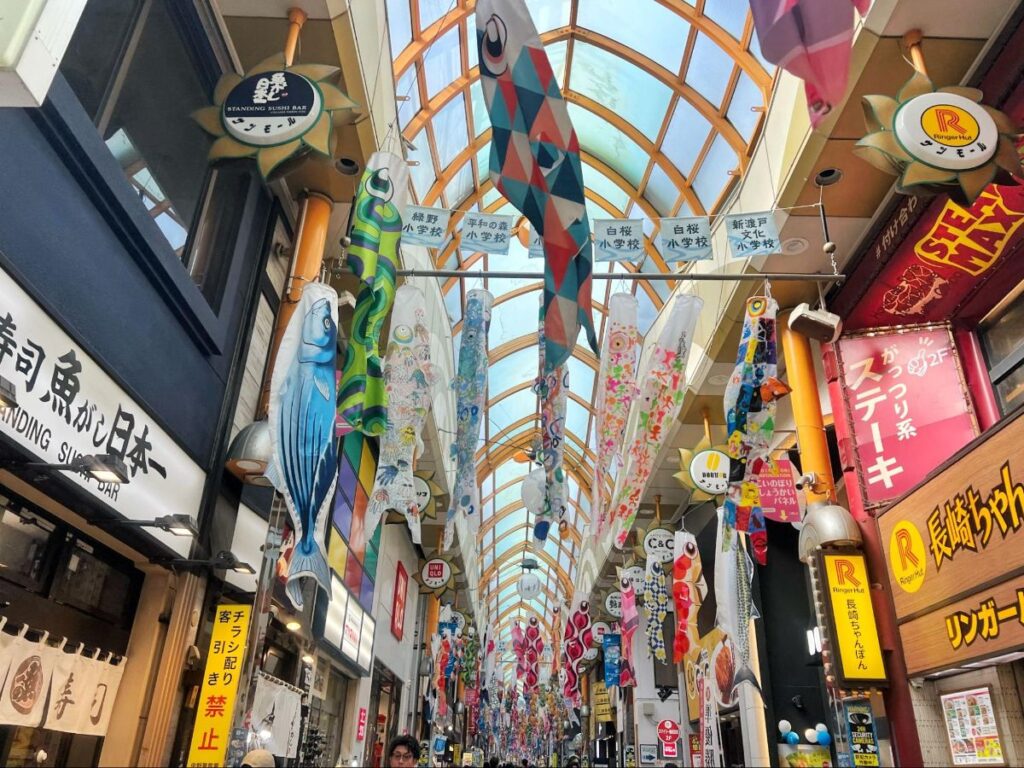
Nakano is a bustling local neighbourhood, one stop away from Shinjuku Station. This is actually where I lived for the first five-ish years of my Tokyo life. I adored it. Like Koenji, Shimokitazawa, and Sangenjaya, Nakano is a little bit quirky and unusual. This is reflected in the well-loved Nakano Broadway, which was initially a luxury shopping complex.
Today, Nakano Broadway is still an indoor shopping area attached to the main shotengai (shopping area). It’s filled with specialist shops from vintage designer watches (think Omega or Rolex) and occasional designer handbags to niche stores specializing in rare anime goods, manga, figurines, and other collectibles.
For those who love remnants of Japan’s Showa era, Nakano should be visited.
Shopping in Tokyo
Recycle Kimono Miyoshiya
Browse through hundreds of vintage and antique kimonos for a memorable souvenir.
📍 Google Maps | Phone: (090) 4257-2432 | Hours: 10 am – 8 pm daily | 👉 Book a Miu Kimono Rental and Optional Photoshoot on Get Your Guide
One of the most beautiful traditional Japanese items is the kimono. Today, it’s mainly worn for special occasions. Although there are many people who are helping to make kimono-wearing an everyday norm again.
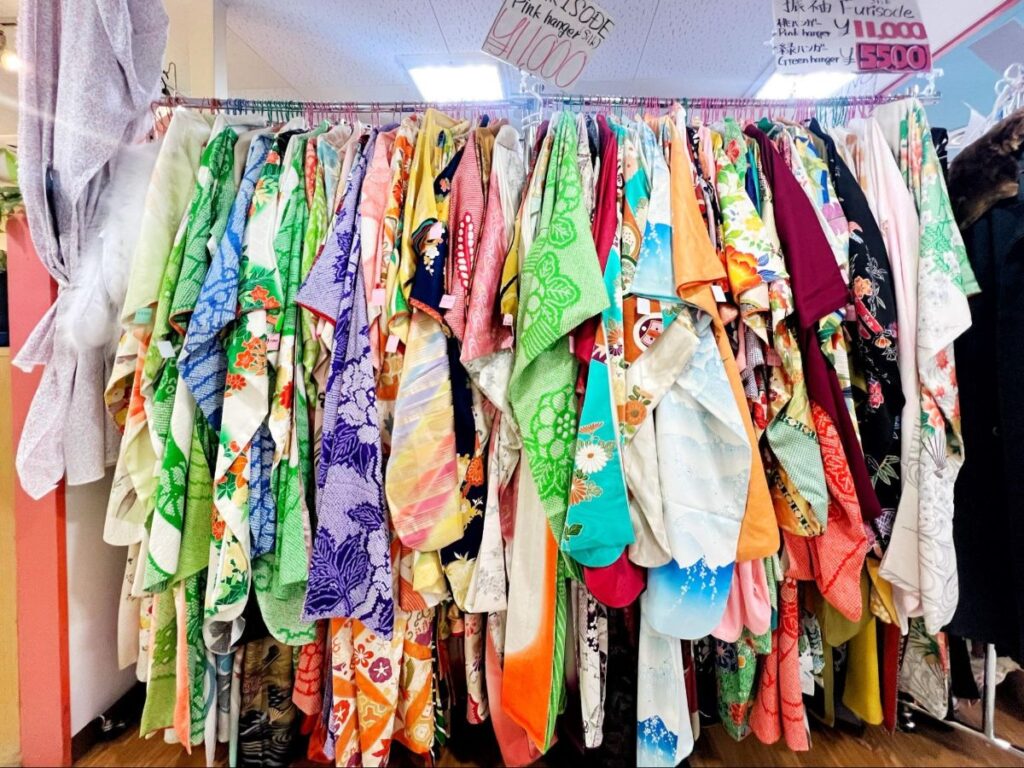
For visitors who would love a kimono as a memento of their trip, head to Recycle Kimono Miyoshiya. It’s a popular vintage reseller on Nakano Broadway.
Perhaps you want to hang one as an interior decoration or reuse it by remaking it into something else. Regardless, one can find antique/vintage kimonos at a fraction of the price of a brand new one here. Weekend markets are another good place to look.
But if you just prefer to wear one on your visit, I’d recommend booking this kimono rental for a seamless experience.
Oedo Antique Market
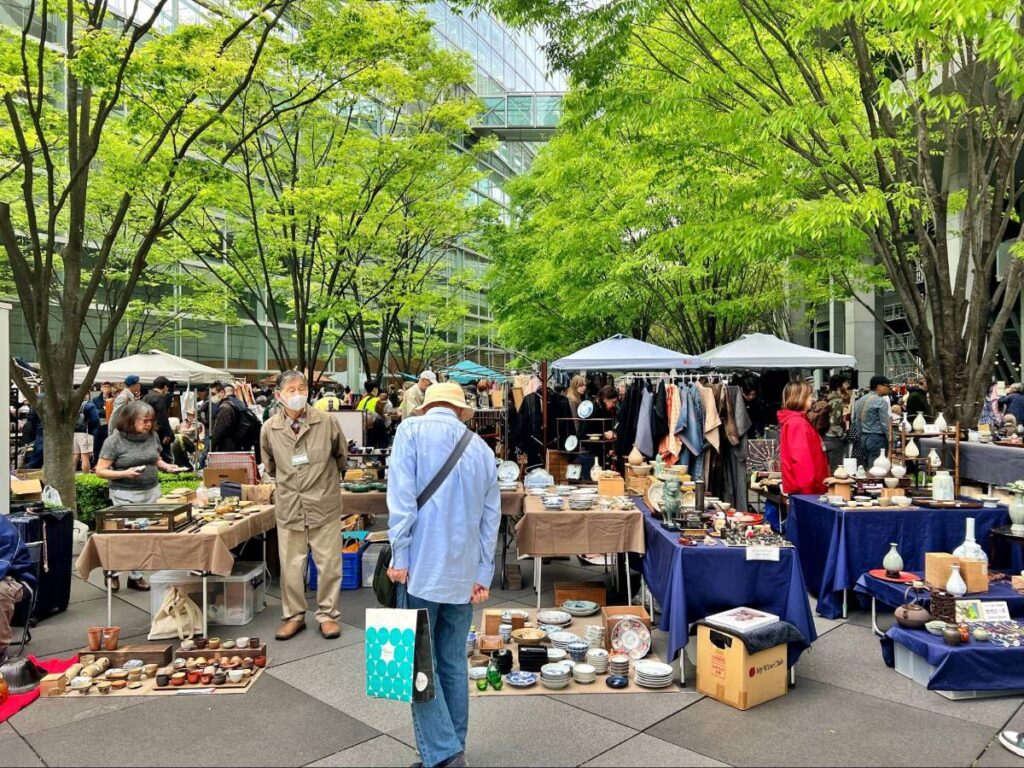
Take a leisurely stroll through this popular weekend market to find some antique treasures.
📍 Google Maps | Website | Hours: 9 am – 4 pm, irregular dates
Just outside the Tokyo International Forum, the Oedo Antique Market is generally held twice a month. It used to be every other Saturday/Sunday. But now, the dates vary, so always check the website. It will be cancelled in bad weather, and doesn’t run in August due to the summer heat.
For visitors who love Japanese antiques, pottery, kimono, tansu chests, kokeshi dolls, and ukiyo-e prints, this will be your heaven. Take time to browse, and be aware that some vendors don’t allow photos.
Bargain lightly if buying multiple items. Either round it down to a round figure or offer a maximum 10% off. Japan is not a bartering country. Though some sellers now offer credit card machine payment, do have cash readily available.
Kappabashi: Kitchen Town
Find your dream kitchen items in this dedicated kitchen town.
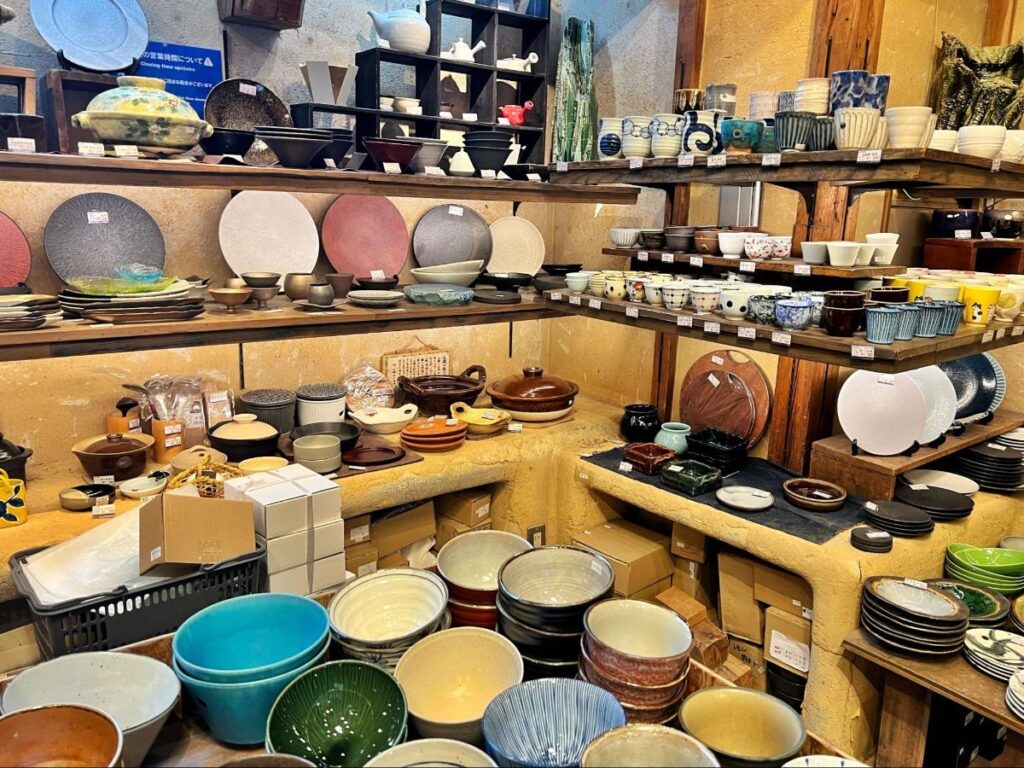
Are you someone who’s dreamt of owning an artisan Japanese kitchen knife or preparing your meals in beautiful Japanese pottery? Maybe you want to pour your matcha into a traditional chawan bowl? You need to make a stop at Kappabashi.
This district is famed for its suppliers of kitchen products. This is where Japanese restaurateurs visit to stock their own restaurants and get the best of the best at industry prices. There are somewhere around 150 shops to browse on the main shopping street and on the side streets.
Most shops open from 10 am – 5 pm and are closed on Sundays and public holidays.
Jimbocho Book Town
Explore one of the world’s most historic book towns.
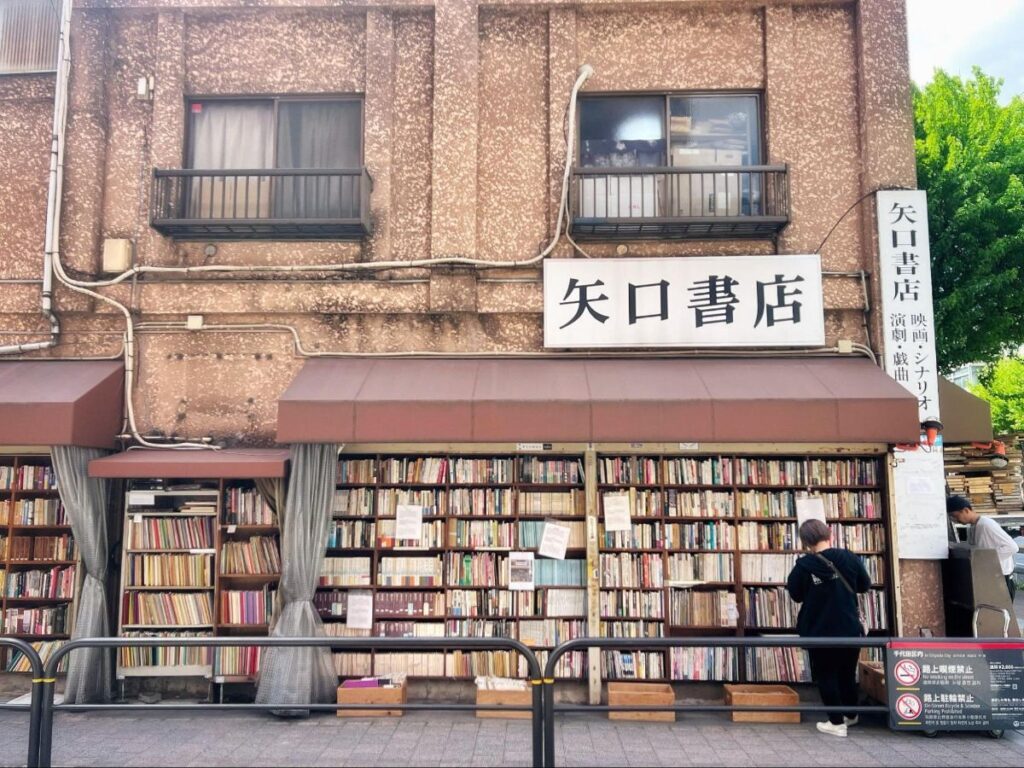
Every bibliophile needs to visit Jimbocho Book Town (Kanda Book Town). Nearly 200 bookstores can be found here, along with several of Japan’s major publishing houses.
Many of the shops are vintage Japanese book specialists in a range of genres, selling rare and unique books and manuscripts. My favourite sells original Ukiyo-e artwork (think hundreds into the thousands of dollars) along with reprints and rare, fragile Japanese manuscripts. No photos are allowed within many of the rare bookstores.
Several stores sell secondhand English historical texts and novels, but the majority of books are written in Japanese. Be respectful and quiet whilst browsing, as many local booklovers love the serenity and peace of the stores. Take care not to linger too long if you’re only taking photos. Do not get in the way of actual customers.
Bumpodo
Pick up some cute trinkets at this historic stationery, art supplies, and gift store.
📍 Google Maps | Phone: (03) 3291-3442 | Website | Hours: 10 am – 6:30 pm daily
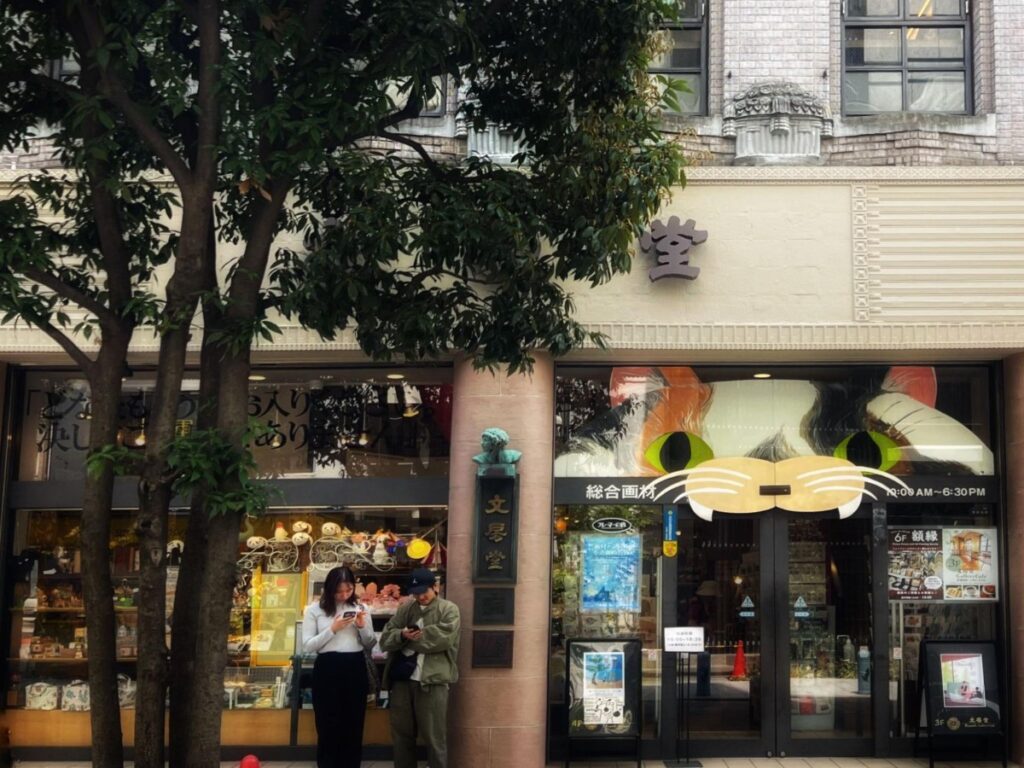
Lovers of stationery must stop by the historic Bumpodo store in Jimbocho. For over 130 years, Bumpodo has been a landmark. The building even withstood the Great Kanto Earthquake due to its iron reinforcement (rare at the time).
Originally an oil pigment specialist, Bumpodo was the first company to develop domestic oil pigments. They were also the first to create Japanese writing papers, and many clients were famed Japanese writers.
Bumpodo has seven floors. The 3rd floor holds its charming kissaten cafe, and the 4th floor is its rental gallery. The 5th and 7th floors hold art and workshop lessons, whilst the 6th floor is for framing.
Itoya
Browse the mecca of Japan’s modern stationery stores.
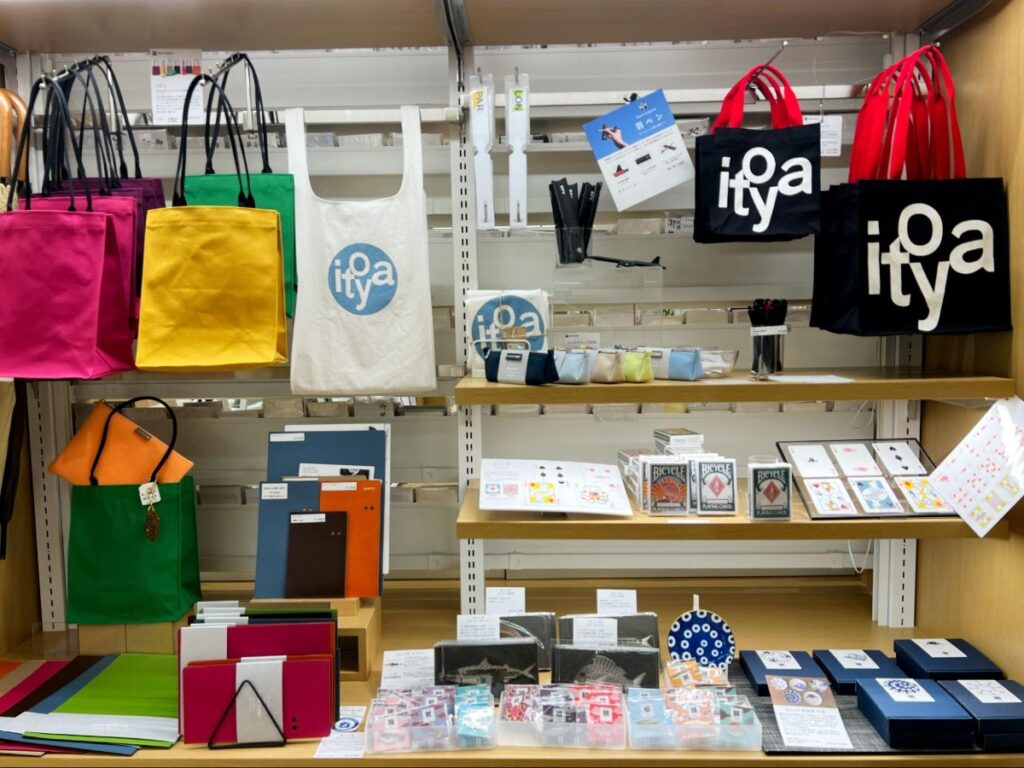
📍 Google Maps (Ginza Flagship) | Phone: (03) 3561-8311 | Website | Hours: 10 am – 8 pm daily, 10 am – 7 pm Sundays
Spread over two buildings, Itoya’s Ginza flagship store is heaven for stationery lovers. It’s filled with everything and anything one might need, plus many items one didn’t even realise they wanted!
With over 100 years of history, Itoya has become a global legend in the stationery world. Make a day of it and enjoy lunch at their cafe restaurant, vegetable factory, and drink bar.
The Ginza flagship store also hosts events and pop-ups to inspire its clientele. If the 18 floors of stationery are overwhelming, they have smaller branches around Tokyo and Japan, including satellite shops in department stores.
Rainbowholic Stationary Cafe
Shop at an independent stationery cafe stocking independent artists and creatives.
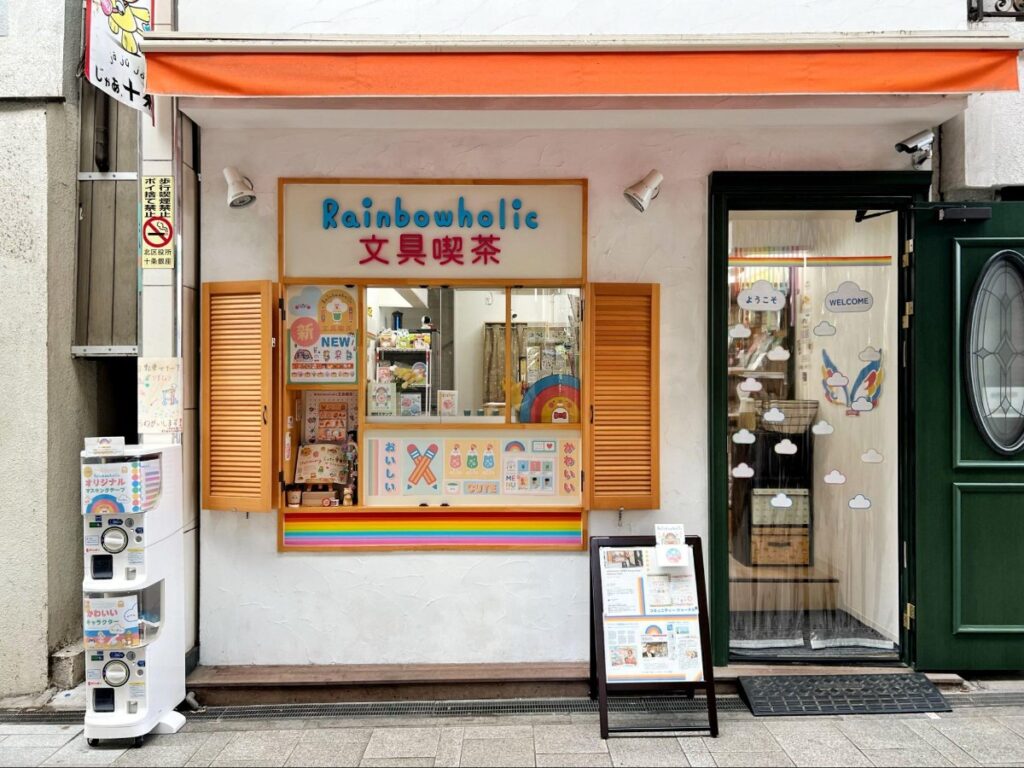
📍 Google Maps | Website | Hours: 10:30 am – 5:30 pm daily, Closed Mondays
Rainbowholic Stationary Cafe is the dream of creator and entrepreneur, Kaila Ocampo. This adorable stationery kissaten cafe became a reality a few years ago. Along with her co-founder, Akiyasu Ito, they found the perfect location in a quiet Shotengai shopping arcade in Jujo, just north of Ikebukuro.
Combining her love of stationery, journaling, and kawaii (cuteness) culture, this small stationery shop has hundreds of thousands of loyal followers and customers across the globe.
Step in and browse all their cute stationery products. Many are created by independent artists. Sit down, scribble in their journal corner with free journaling items, and order yourself an ice cream soda float to support this small, independent business.
FUTO
Write a letter to your future self. What would you say?
📍 Google Maps | Phone: (070) 8957-1727 | Website | Hours: 1 pm – 6 pm weekdays, 10 am – 8 pm weekends, closed Tuesdays
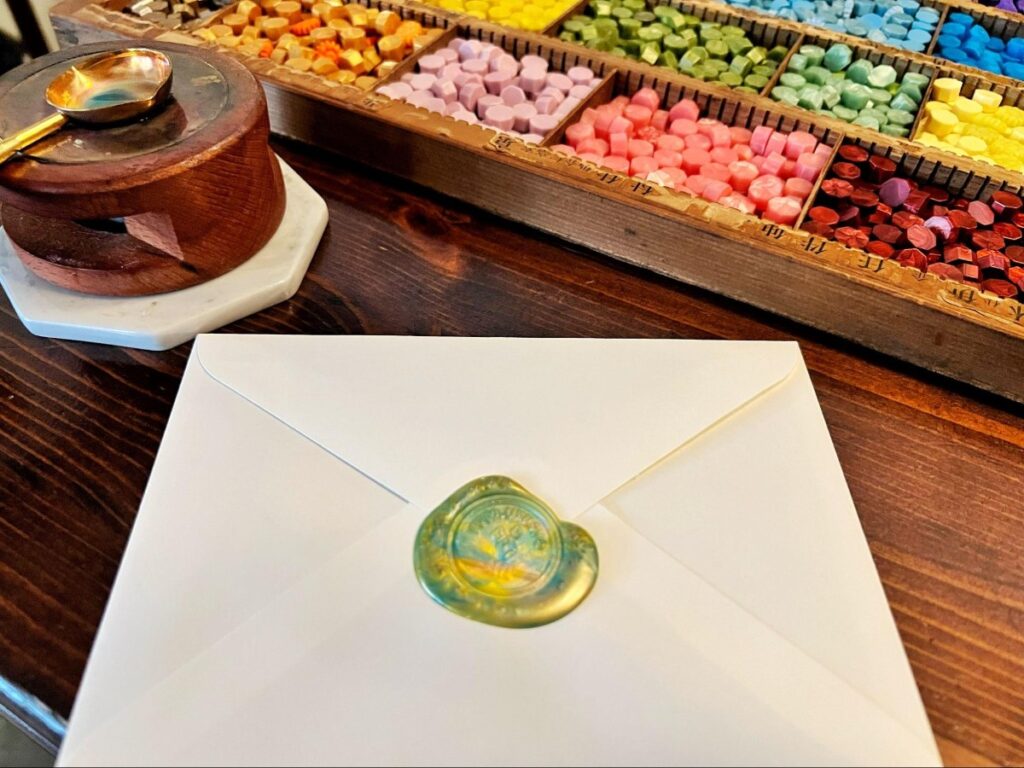
With the craziness of the current social media-driven world, there are places in Tokyo that are determined to slow down. Book yourself a little session at this letter cafe, where you can write yourself a postcard that will be sent to your future self, one year later.
Sit and enjoy a drink and a sweet treat as you contemplate the words you want to write to yourself. You can also write another postcard to someone (or keep it as a souvenir of the shop).
They will post the “future” letter and/or the postcard for an additional fee, which makes it a lovely keepsake to remind you of your Japan trip after you’ve left. Reservations are recommended. If full, try their sister store JIYUCHO.
Artbar Tokyo
Spend a fun afternoon sipping wine and painting a keepsake of your Japan travels to take home with you.
📍 Google Maps | Website | Hours: 2 pm – 8 pm weekdays, 12 pm – 8 pm weekends, private reservation available
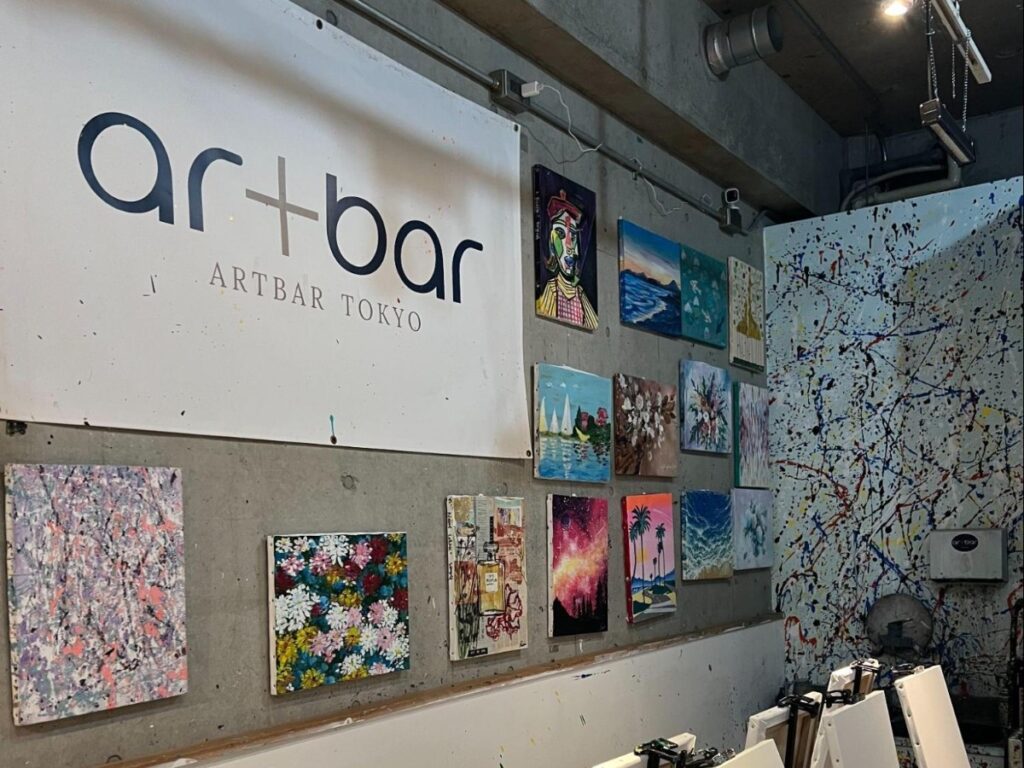
Inspired by the Paint & Sip events in other countries, Artbar Tokyo brought the concept over to Japan. With three locations in Tokyo (Daikanyama, “Cat Street” Harajuku, and Ginza) and one in Yokohama, the experience is a great way to create your own personal souvenir of Japan.
There are family-friendly/kid-friendly sessions with classes specifically designed to create more Japanese-inspired works of art. Some themes being Mt Fuji, Tokyo Tower, Skytree, and sakura. If you’re a bigger group, don’t hesitate to email them to book a private reservation.
Food & Drink in Tokyo
Shirohige Cream Puff Factory
Lovers of sweet treats and Studio Ghibli’s Totoro will need to taste this cute morsel.
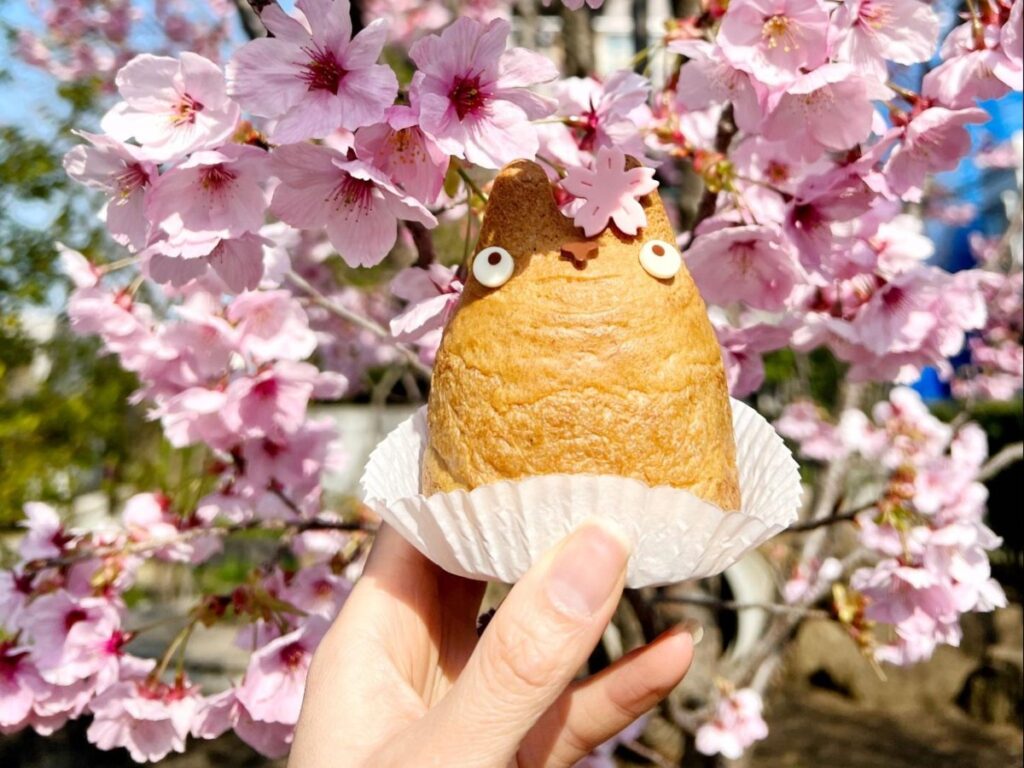
📍 Google Maps | Phone: (03) 5787-6221 | Website | Hours: 10:30 am – 6 pm daily, closed Tuesdays
In the leafy suburbs of Shin-Daita, a short walk from Shimokitazawa, is where one can find the adorably tasty Totoro Cream Puff. This quaint bakery is owned by Shiro Miyazaki (younger brother of Studio Ghibli’s Hayao Miyazaki) and his wife, Kyoko.
It is the only place in the world allowed to sell Totoro and Studio Ghibli-themed pastry items. People often visit multiple times to try all the seasonal cream flavours and other treats.
Upstairs in the house is the separate TOLO BAKERY & CAFE (different owner). You can enjoy your Totoro cream puffs here. However, I prefer to have lunch at TOLO with its homemade pasta and bread upstairs first. Then, get my cream puff as a takeaway.
Misaki Sushi
Pop into one of the Misaki Sushi branches to fix your sushi craving at an affordable price.
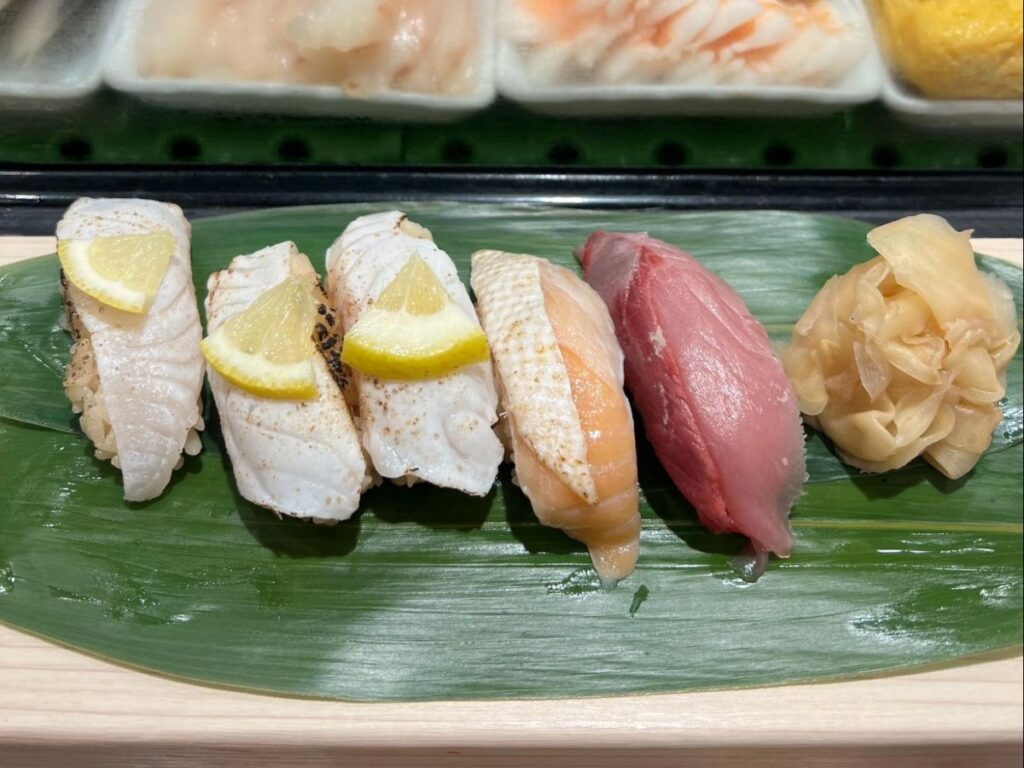
📍 Multiple Locations | Website | Hours: Varies by location | 👉 Book an Authentic Sushi Making Class on Viator
There are many affordable sushi chains around Tokyo and Japan. One I keep going back to is the Misaki Sushi group. The majority of their restaurants are of the conveyor belt sushi type, which is always good fun. I particularly like their sushi standing restaurant, which is found in Shinjuku’s Keio Underground Shopping Mall.
Expect affordable prices, delicious fresh fish, and an easy-to-use menu (QR scanned) with English available. They are also deliberately positioned within short walking distances from train stations, which makes eating here efficient if you’re in a rush.
There are over 30 branches in Tokyo alone. If you can’t find one, other popular affordable sushi chains are Sushiro, Kura, and Hamazushi.
Tokyo Sushi Ten
An affordable sushi omakase experience, perfect for a first-timer.
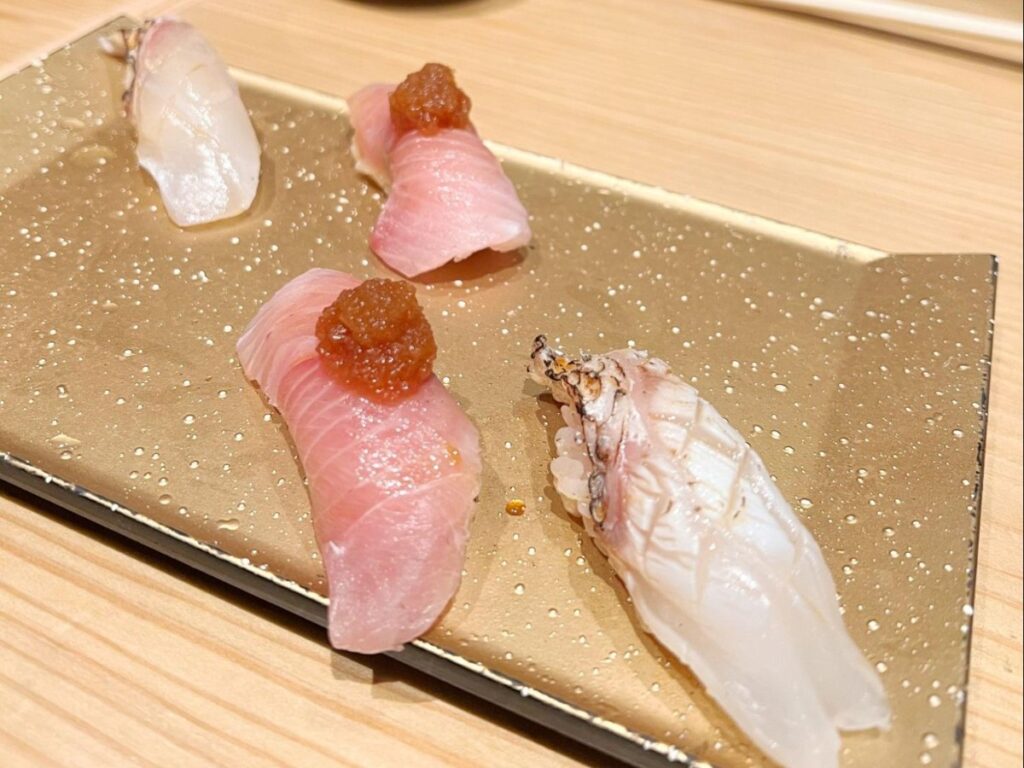
📍 Multiple Locations | Website | Hours: Varies by location
I love sushi, and sushi omakase is my favourite meal. However, for first-timers, a full-on sushi omakase may be a little intimidating – especially as some of the top-end restaurants start from 30,000JPY+ onwards per person.
Instead, try Sushi Tokyo Ten. It’s a great introductory omakase experience, especially for a beginner’s sushi palate.
Their basic dinner omakase starts from 9900JPY per person, with an all-inclusive drink option at 13200JPY per person. If you’re on a budget and want a slightly lighter option with a focus more on nigiri, then book lunch at the very affordable price of 5500JPY per person.
Note: Prices are accurate as of May 2026. Reserve online through their website.
Ootoya
Have a satisfying Japanese teishoku lunch at this affordable restaurant chain.
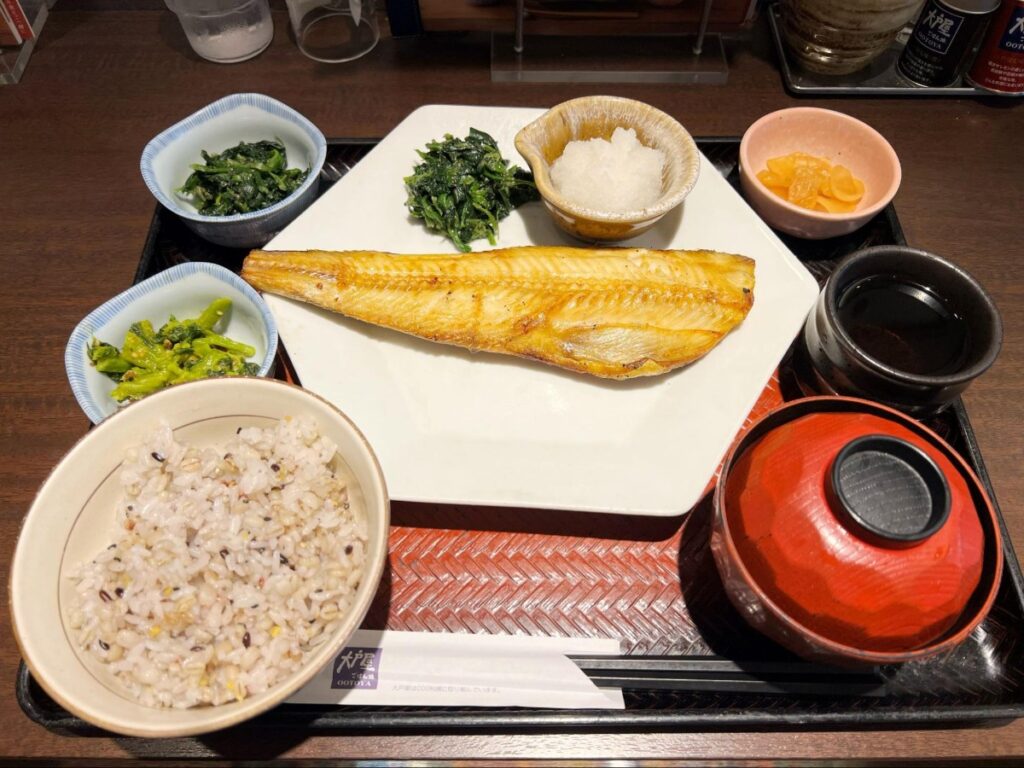
📍 Mulitple Locations | Website | Hours: Varies by location
Whilst in Japan, one will probably see restaurants offering a multi-set meal for good value, especially during lunch. This is known as teishoku. It often consists of a main dish, rice, miso soup, and other small accompaniments like seasonal vegetables. Teishoku is a popular, generally well-balanced, and healthy meal option reminiscent of Japanese home cooking.
My go-to fallback if I’m not sure what I want for lunch is always a teishoku meal, whether from an independent eatery or a chain. Ootoya is a popular teishoku chain restaurant that has hundreds of locations across Japan in major cities. One can choose dishes like tonkatsu, kara-age, grilled fish, etc. as their main dish. It’s quick, healthy, tasty, and filling.
5 am Ramen
Ramen lovers, this is a food tour that needs to be on your itinerary.
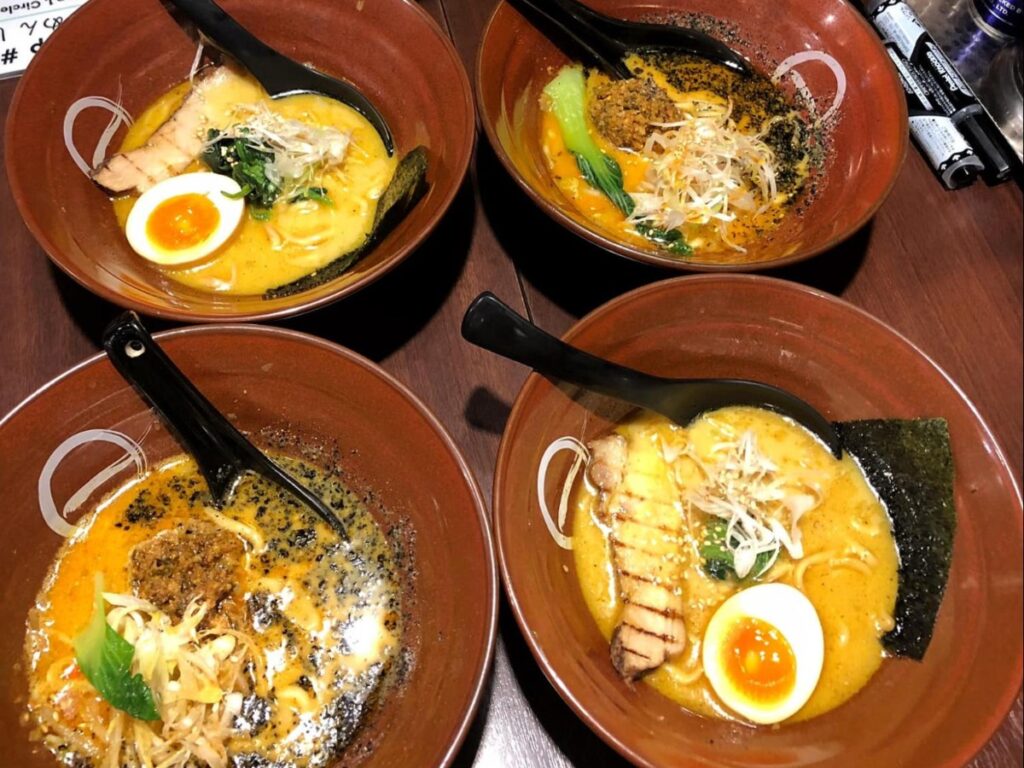
🌐 Website | 👉Book a Tokyo Ramen Tasting Tour with 6 Mini Bowls at 3 Ramen Shops
5 am Ramen was started by a man named Frank, who is Filipino-American, but born and raised in Tokyo. And he absolutely loves ramen to the nth degree. This passion led him to delve deeper into the flavour profiles of ramen and region-specific ingredients, as well as the history and the craft. He’s a man who easily eats ramen every day for multiple meals.
Frank created ramen tours by establishing relationships with some of the best ramen restaurants in Tokyo, where guests will try six different bowls of ramen. It is a lot!
Along with the original Ultimate Ramen Tour in Tokyo, there is a Vegan Ramen Tour and a Breakfast Ramen Tour. There is also a Kyoto Ramen Tour.
Baba Ramen
Learn how to make your own ramen and gyoza at this fun cooking class in Meguro.
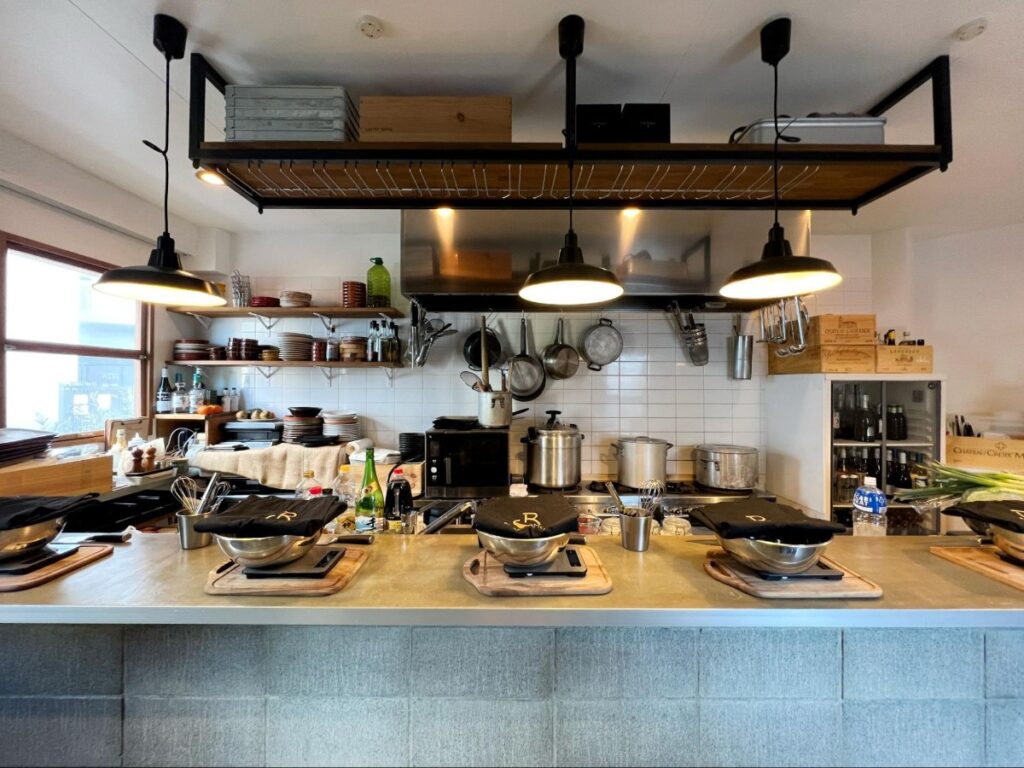
📍 Google Maps | Phone: (070) 1516-4015 | Website | 👉 Book a Professional Ramen & Gyoza with Ramen Chef
Chef Andrew Baba returned to Japan four years ago, where he reignited his love of ramen in memory of his Japanese grandfather. Determined to learn the culinary secrets of ramen and further his own experience, he attended a professional ramen school and worked in two ramen restaurants across Japan.
Now, wishing to share the joy of ramen, he decided to open Baba Ramen Cooking Class to share those learnings with others. This is a perfect experience for any foodie who loves to cook.
You will learn how to make ramen noodles from scratch, two types of broth, the perfect ramen egg, and more. Chef Baba also created a vegetarian alternative. It’s hard work, but the deliciousness created makes it so worth it.
Morimi’s Home Kitchen
Try your hand at traditional Japanese home cooking in the comfort of Morimi’s home.
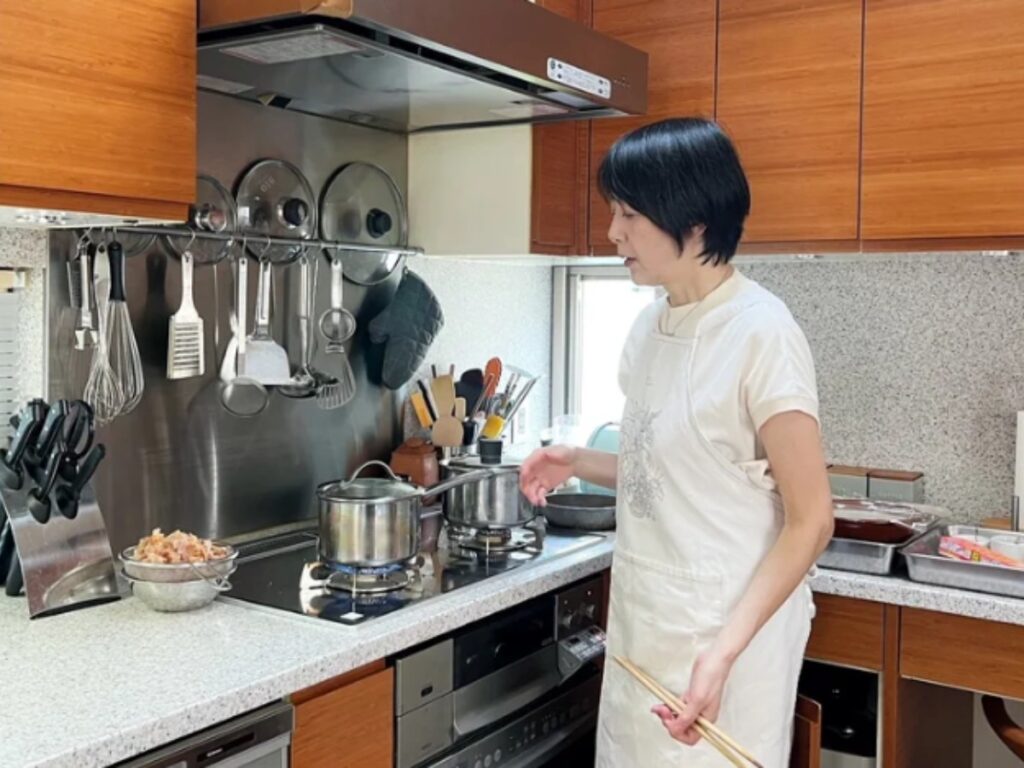
📍 Google Maps | Website | 👉 Book a Class at Mormi’s Home Kitchen in Tokyo
In a quiet Tokyo suburb in Setagaya-ku lives Morimi-san, a cooking teacher of 15+ years. She opened her home kitchen to teach visiting foreigners the delights of traditional Japanese home cooking, explaining key basic ingredients that form the cornerstone of the cuisine.
She specializes in teaching gluten-free and celiac-friendly dishes that retain the deliciousness of traditional Japanese cooking.
I took one of her cooking classes myself, and the weekend was spent making a flavoursome tofu course and pairing it with some wonderful Japanese sake. This is a great experience for those who love experiencing local cooking classes when they travel. It’s also perfect for anyone moving to Japan and wanting to learn the fundamentals.
Sake Bar Kagura Ueno
Sip over 100 different Japanese sake at this popular Izakaya.
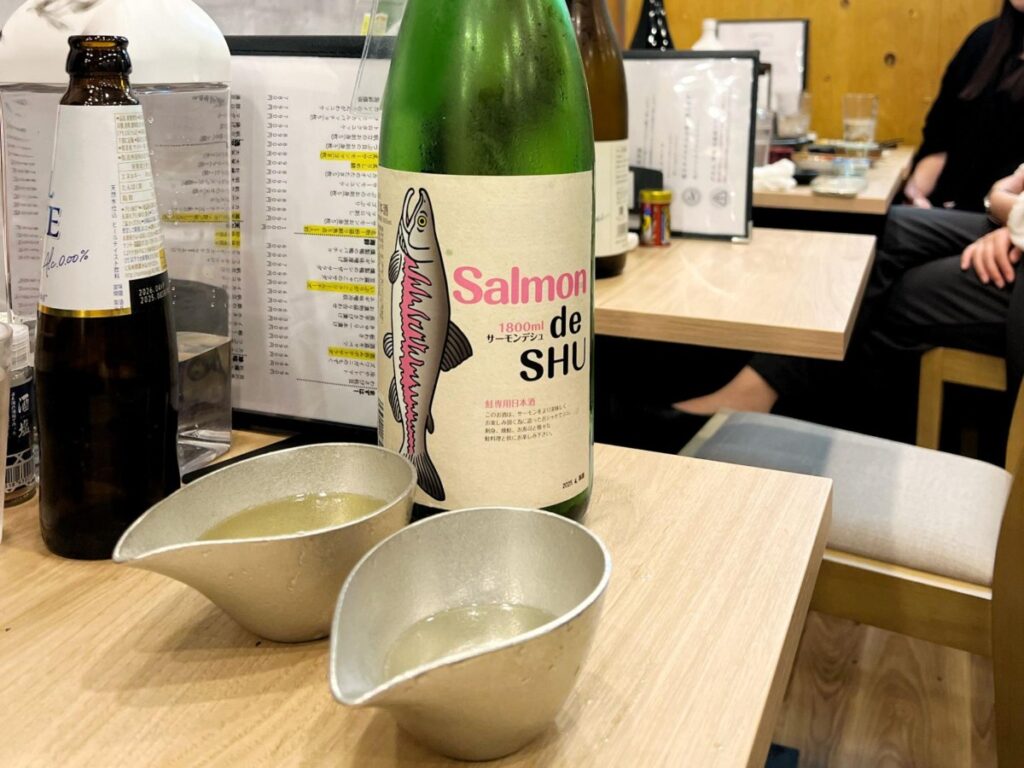
📍 Google Maps | Phone: (050) 1721-8477 | Website | Hours: 4 pm – 11 pm weekdays, 2 pm – 11 pm Saturdays, 2 pm – 10 pm Sundays | 👉 Book a Guided Sake Omakase Tasting by Certified Sommeliers on Viator
Tokyo’s Ueno district is a busy bar and restaurant area. Here, head up a flight of stairs to enter this fun sake bar izakaya. With over 100 different types of Japanese sake to try from all across the country, this izakaya is a great way to start learning and figuring out what kind of sake you like. Prices start from an affordable 500JPY per cup/glass.
This spot is popular with Japanese locals and the salarymen crowd after work. Come here, and you will experience the fun of an izakaya environment within a simpler, modern setting.
Dishes are tasty, but a little on the small side if you’re a big eater. I definitely recommend coming here for a pre-dinner drink with some snacks before heading on to dinner.
Gomei Akita Beef Teppanyaki
Splurge on a mouthwatering teppanyaki course of melt-in-your-mouth Akita beef.
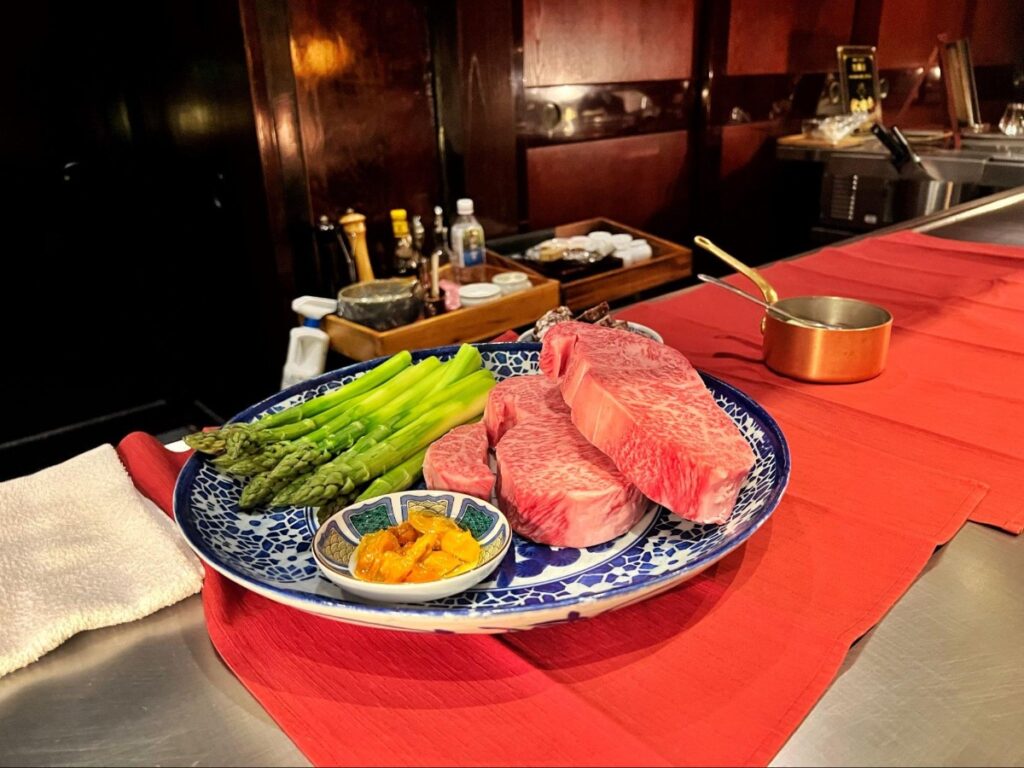
📍 Google Maps | Phone: (03) 6891-7711 | Website | Hours: 12 pm – 2 pm & 5 pm – 9:30 pm daily
Down a basement on a quiet side street in Tokyo’s Ginza district, enter a door where you’ll be transported back in time to Japan’s Showa Era. Deep, dark wood, low ceilings, romantic Taisho Roman fittings, and a chef’s private teppanyaki table await at Gomei Akita Beef Teppanyaki.
This quiet and refined restaurant has transported and transplanted a traditional akiya kominka (unoccupied traditional home) into a restaurant.
For Japan foodie lovers, the teppanyaki course celebrates the sumptuous flavours of local Akita rice and their famed Akita beef. It’s perfect for a special occasion. The final touches of the traditional dorayaki dessert and freshly whisked matcha tea add a delightful ending to the meal.
Ginza Rokusantei
Treat yourself to a quintessential Japanese kaiseki at the Iron Chef’s restaurant.
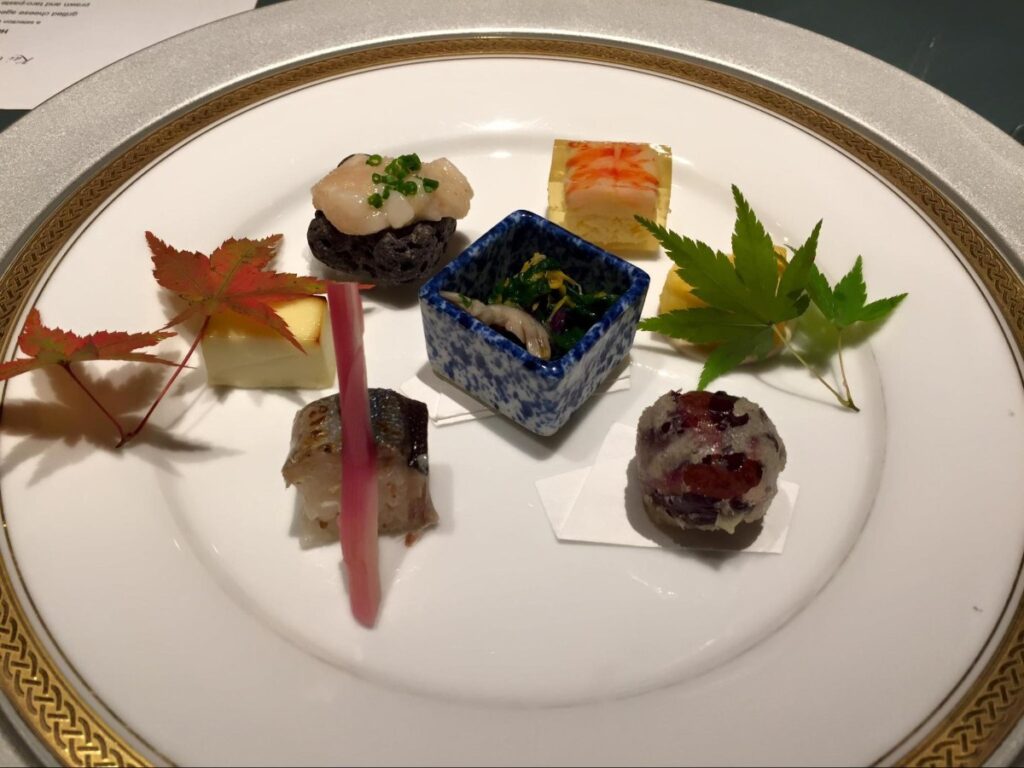
📍 Google Maps | Phone: (03) 5537-6300 | Website | Hours: 11:30 am – 3 pm lunch & 5:30 pm – 9:30 pm dinner daily, closed Mondays
Foodies will remember the Japanese television series, Iron Chef, which was a popular cooking show hosted by the flamboyant “Chairman Kaga.” On the show, guest chefs competed against one of the three great chefs who specialised in either Japanese, French, or Chinese cuisine. The inaugural Japanese chef was Rokusaburo Michiba until his retirement.
Chef Michiba’s restaurants in Ginza were legendary. One restaurant, Ginza Rokusantei, still exists, whilst Kaishoku Michiba moved to Chiba prefecture to introduce a more casual style of kaiseki (traditional multi-course meal). For those looking for a special traditional kaiseki meal during their time in Tokyo, look no further than Ginza Rokusantei.
Some of my fondest memories of Japanese kaiseki are from there. If you can, dine during autumn when the Matsutake mushroom is in season.
Tir Na Nog
Drop into this Ginza basement bar, where the cocktail drinks are fun and adventurous.
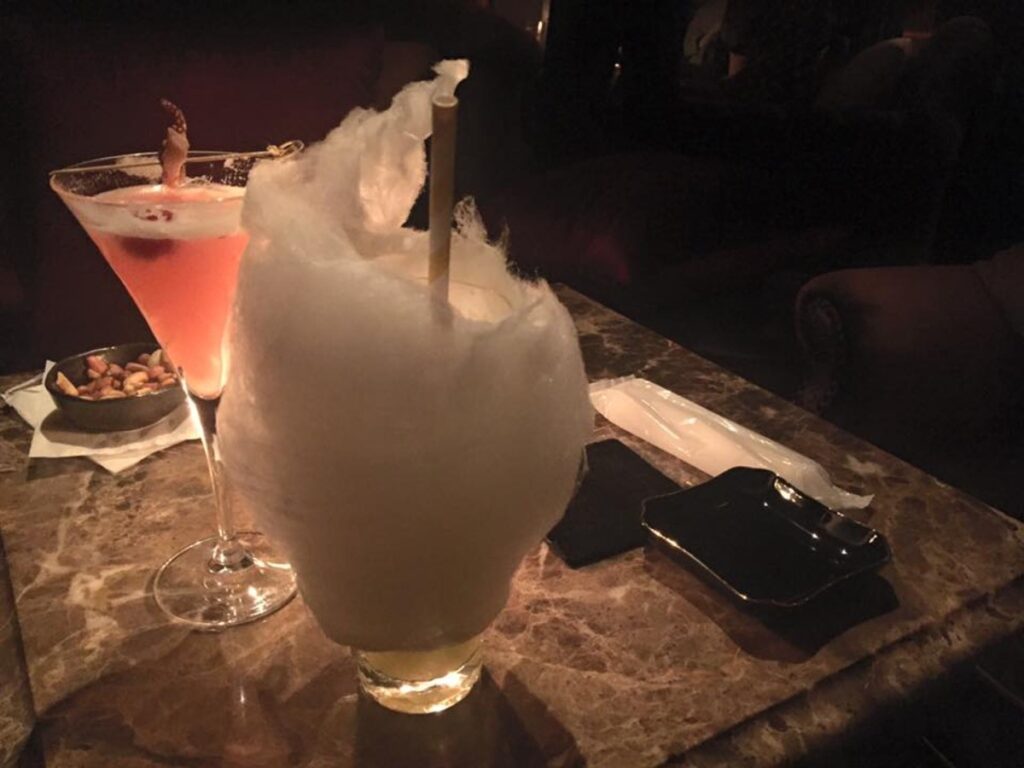
📍 Google Maps | Phone: (03) 6274-6416 | Website | Hours: 11 am – 4 am daily, Closed Mondays
During the day, Tir Na Nog is a cafe. But from 5 pm onwards, it turns into a bar. I have only ever visited at night, but it’s still one of my favourite Tokyo bars in the Ginza area if I’m looking for creative, fun cocktails and a bar with ambiance.
Descending into the dimly lit bar, cozy, plush armchairs are surrounded by tiny bottles of glitter and floating butterflies, creating a fairytale atmosphere. The long bar stretches on either side and is perfect for small groups of friends.
My favourite cocktails to order are Pink Tako, Heaven Lonely Flows, Butterflies in Her Stomach, and For Whom the Spell Tolls.
Two Rooms Bar Omotesando
Relax on their wide open terrace whilst sipping delicious cocktails or a glass of wine.
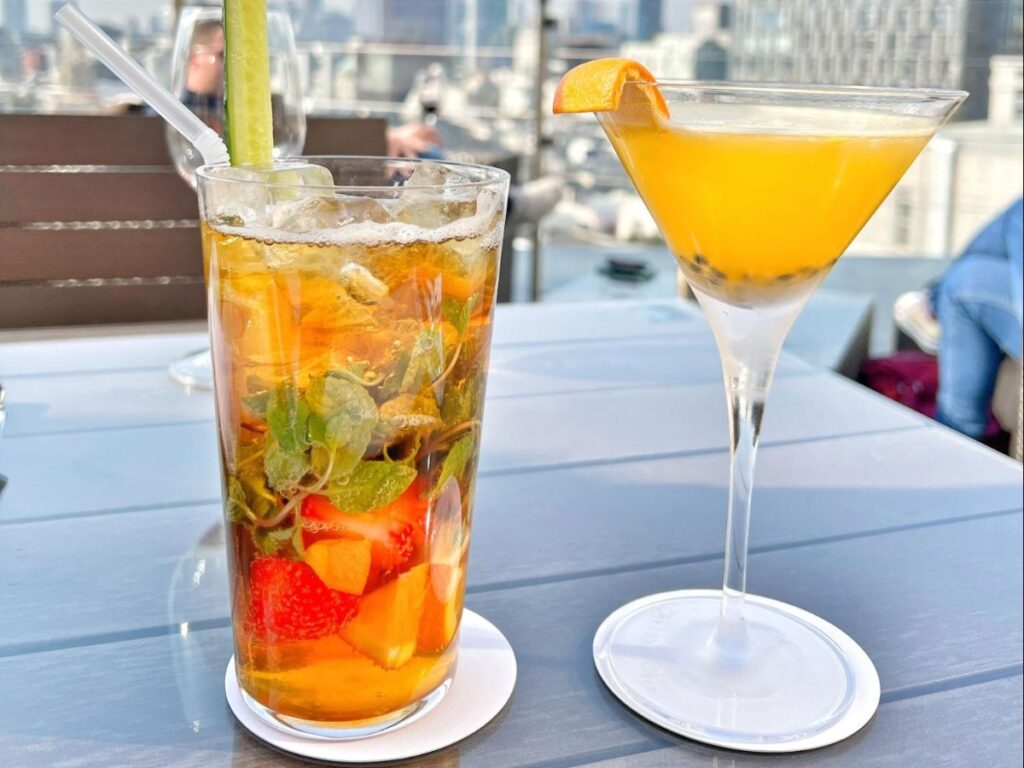
📍 Google Maps | Phone: (03) 3498-0002 | Website | Hours: 11:30 am – 2 am daily
In the nearly two decades since Two Rooms opened, it’s become a favourite of locals and the expat community. It was the first restaurant-bar that popularised the concept of an outdoor terrace (unheard of at the time); a feature dearly missed by Tokyo’s international residents, including yours truly.
Two Rooms set the standards for future modern Tokyo cocktail bars to follow. At a time when other bars thought of a “gin and tonic” as a cocktail, Two Rooms allowed more creativity to come to the forefront.
With its sweeping terrace overlooking the Omotesando neighbourhood, this restaurant-bar has some of the best sunset views in Tokyo and is one of the best places to chill with friends on a sunny day.
Virtu
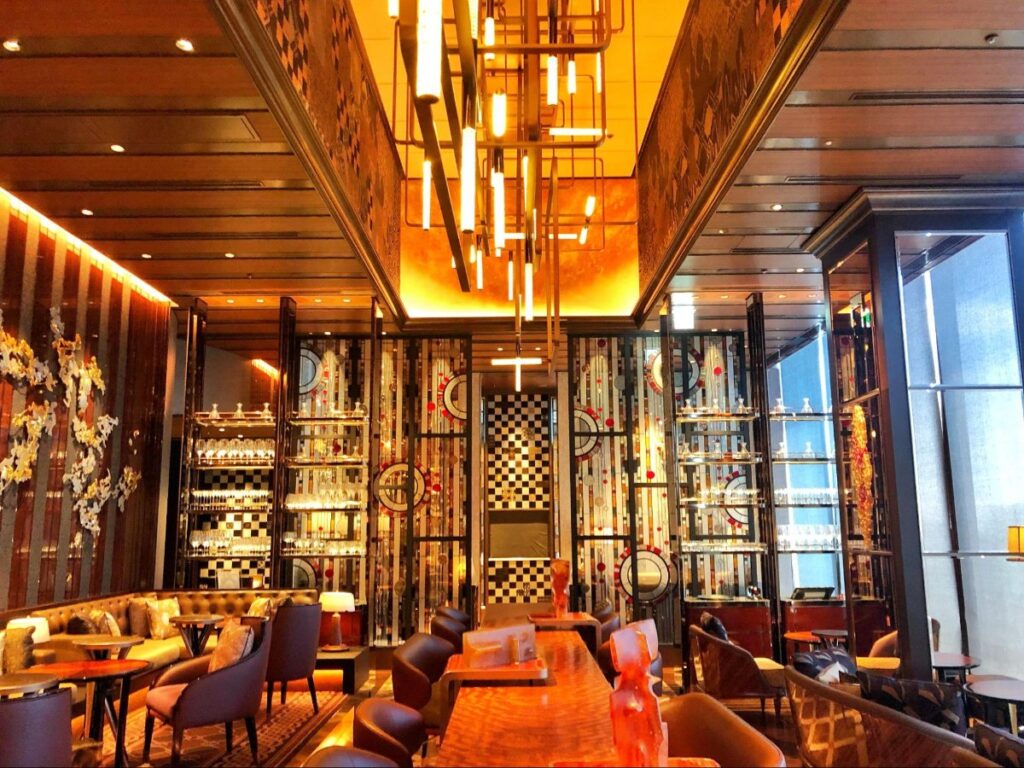
Indulge in an aperitif in this chic cocktail lounge at the Four Seasons Otemachi.
📍 Google Maps | Phone: (03) 6810-0655 | Website | Hours: 5 pm – 12 am daily
Tokyo’s luxury hotel scene is booming rapidly. And with that comes some wonderfully epic cocktail bars and lounges. However, out of all the newer hotels to grace the capital, none have topped the Four Seasons Otemachi’s Virtu. It was also named in Asia’s 50 Best Bars. [source]
Specialising as a cocktail bar and cognac lounge, they have focused on featuring lesser-known Japanese spirits and liqueurs (aged and smoked) to create some truly decadent drinks. Dress up, relax, and have a wonderful pre-dinner or after-dinner aperitif to finish off your Japan trip.
DJ Bar Oath
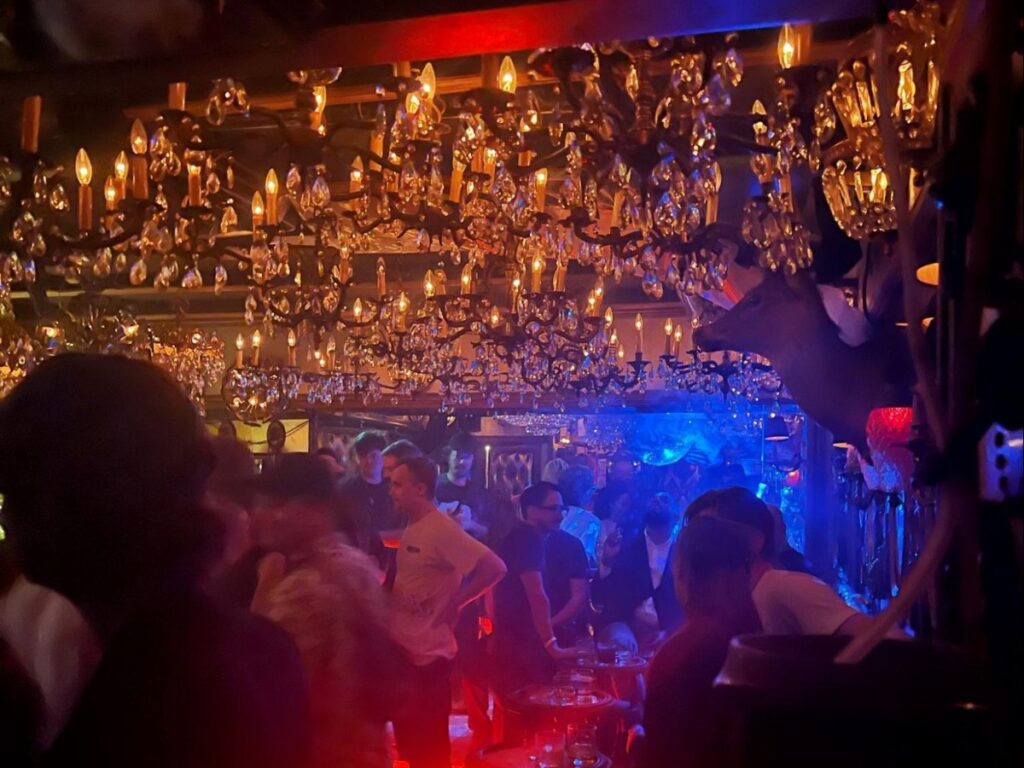
Dance the night away at this iconic underground music club, which is one of the last remaining institutions of Tokyo’s club scene.
📍 Google Maps | Phone: (03) 3461-1225 | Website | Hours: 9 pm – 6 am, event dependent | Entrance: Varies
Tokyo’s house, electronic, and underground music scene was legendary worldwide for music lovers. Intimate hidden venues and famous clubs like Ageha, Air, Aoyama Tunnel, Le Baron, Oath, Red Bar, Womb, and Yellow hosted nights that will live on in legend.
Today, however, only four remain. As buildings were demolished, rules changed, and big-name Vegas clubs like 1Oak, Singapore’s Zouk Club, and Ce La Vi entered the scene.
If you’re someone who wishes to experience the true Tokyo music scene and dance the night away into the early morning, head to Oath. Glittering chandeliers reflected in walls covered in mirrors create an otherworldly atmosphere. Grab a whisky highball as you mingle with locals and long-term foreign residents.
Check their website and social media to see which artists are performing.
Blue Note Tokyo
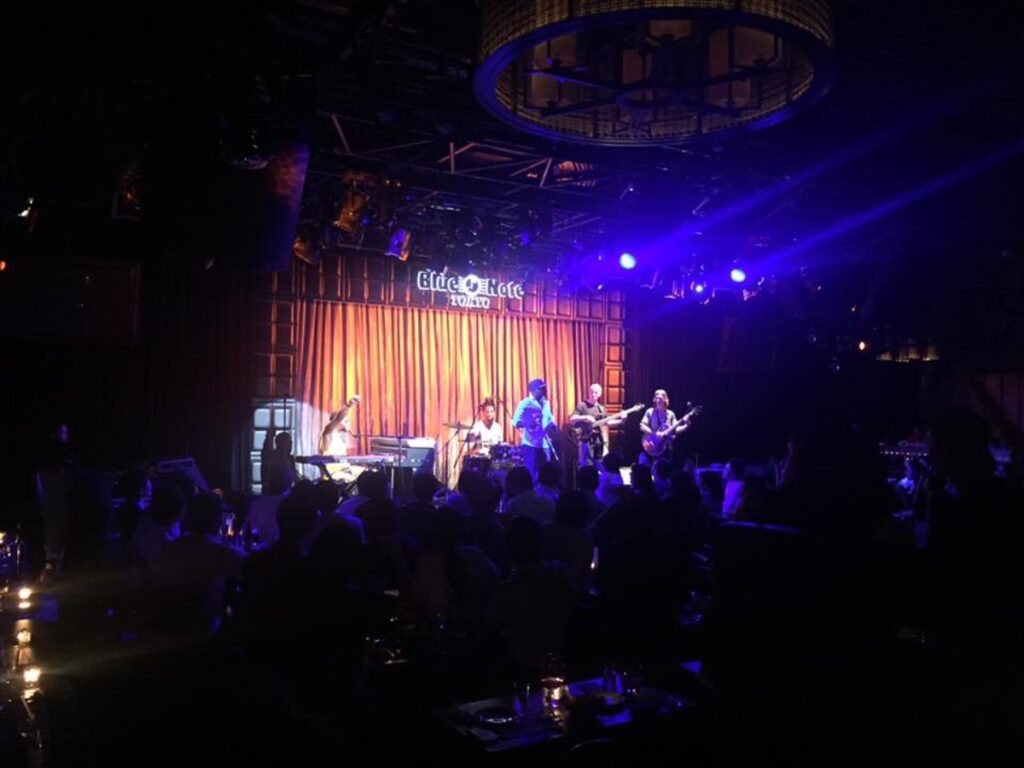
Spend a night listening to soulful jazz and other live music acts at this iconic jazz club.
📍 Google Maps | Phone: (03) 5485-0088 | Website | Hours: 4:30 pm – 10:30 pm weekdays, 3:30 pm – 9:30 pm weekends | Entrance: Varies
The sister jazz club to New York City’s famed Blue Note, Blue Note Tokyo is perfect for visitors who want to experience a bit of Tokyo’s jazz and live music scene in an iconic club.
Located down a quiet street in Aoyama, you’ll be in for a night of good tunes, elegance, and fun. Remember to check their website for the artist’s schedule, as tickets can sell out fast.
Their second venue is Cotton Club in Marunouchi, and the newest one opened up in Ebisu Garden Place – aptly named Blue Note Place.
Blue Note Place is also open during the day and is a great spot to have lunch or an afternoon drink, even if you’re not planning to see a live act.
Day Trips Within Greater Tokyo
Todoroki Valley
Within Tokyo’s 23 wards, discover this peaceful sanctuary of nature and water.
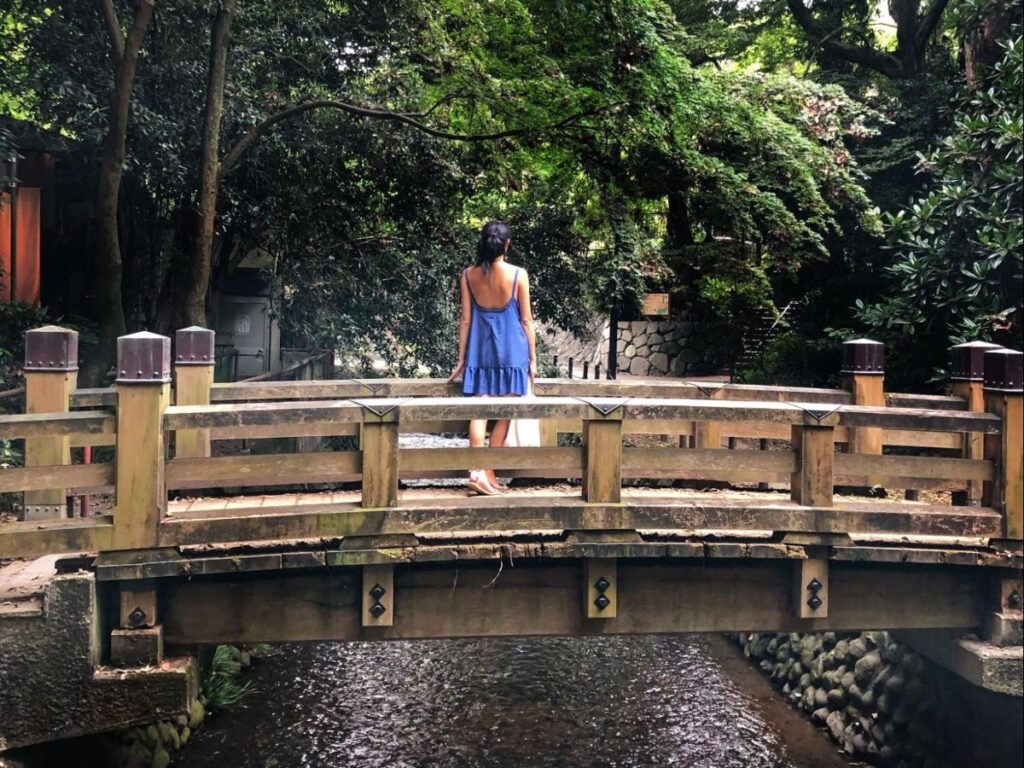
Nestled quietly in the largest of Tokyo’s 23 wards, Setagaya-ku, Todoroki Valley is this unexpected oasis away from the heavy concrete and towering skyscrapers. It is the only valley in Tokyo.
Stretching for 1 km, this peaceful refuge has a narrow walking path along the Tazawa River, which leads to a small bamboo forest and the Todoroki Fudosan Temple. There is also a traditional teahouse where one can stop and enjoy some Japanese sweets and matcha. The area is particularly pretty during autumn when the momiji (maple trees) leaves turn red.
If you need a quiet respite, take the Tokyu Oimachi Line to Todoroki Station, and it’s a short walk from there.
Kiyose Sunflower Festival
Walk through local farmers’ fields, abloom with giant sunflowers.
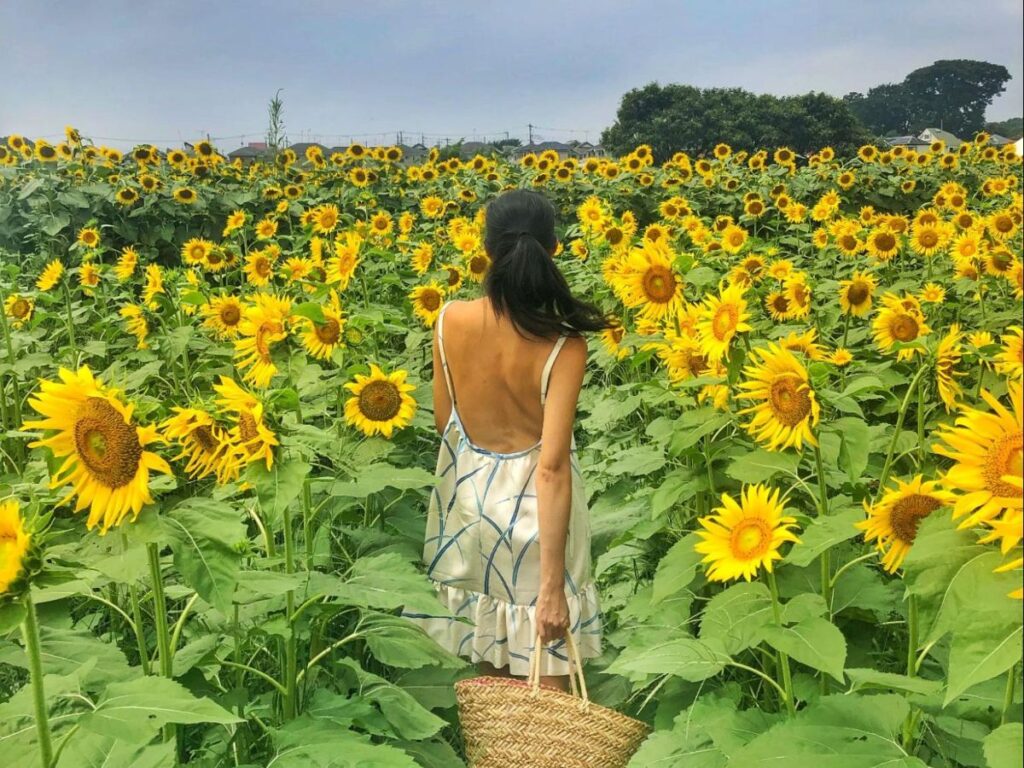
📍 Google Maps | Website | When: July 18th – July 26th 2026
People don’t often realise that there is more to Tokyo outside of its 23 wards: Greater Tokyo. Within Greater Tokyo, one can find pockets of nature and rural living that contrast greatly with the urban city life of central Tokyo.
Roughly 30 minutes from the Ikebukuro district is Kiyose. Every summer, the local farmers and community band together to grow breathtaking fields of sunflowers for people to enjoy for free during the Kiyose Sunflower Festival. Visitors can support the local farmers by purchasing cut sunflowers or the local vegetables grown.
This is active farmland, so don’t wear open-toed shoes and ensure adequate sun protection and hydration because Japan’s full summer sun is intense. If you miss the sunflowers, head to Hana Biyori, a large nursery with an ever-changing flower display.
Okutama
Escape Tokyo’s concrete jungle in this lush mountainous town.
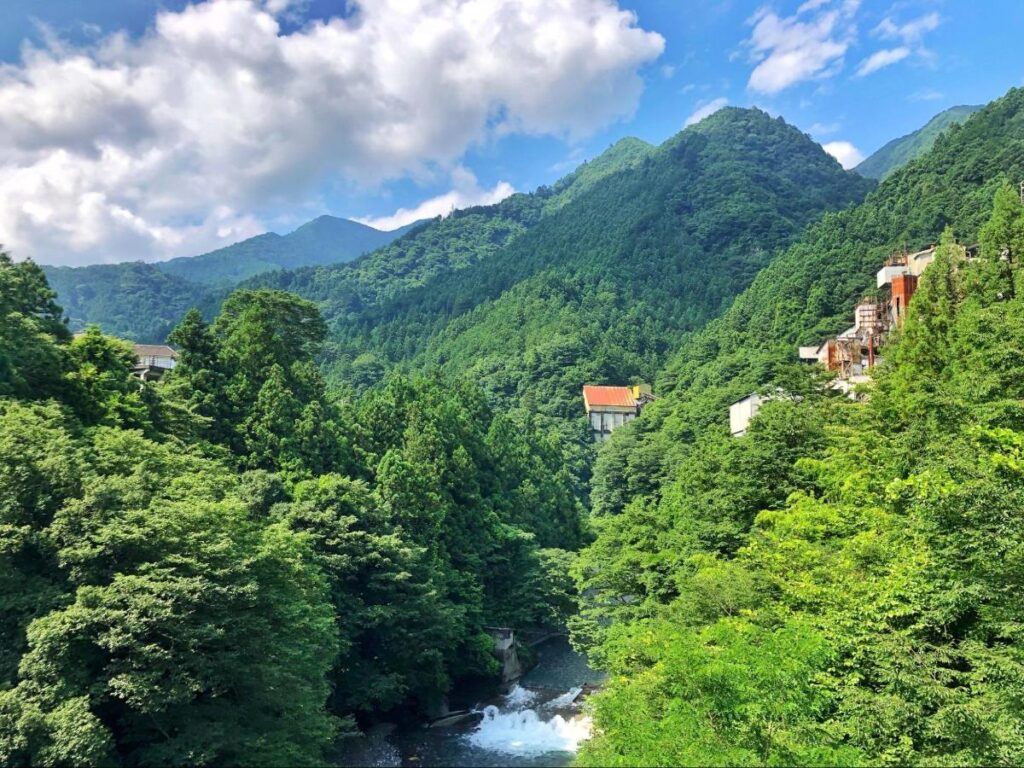
📍 Google Maps | Website | 👉 Book a Okutama Day Trip Tour from Tokyo on Viator
Around 2 hours from Tokyo’s Shinjuku Station on the western border of Greater Tokyo lies Okutama, a pristine mountain town oasis. Here, one can hike across mountain ranges to Lake Okutama, cool down in the fresh, clear emerald river waters, or soak away in healing onsen and eat delicious handmade mountain soba noodles.
Many Tokyo-ites love to travel to Okutama in the peak of summer to escape the stifling heat, at least for the day. If you have the time, spend a night or two to fully immerse yourself and leisurely explore. I stayed three nights one summer, and it was the perfect slow trip.
Only have one day? Book this Okutama day trip tour to make the most of your time there.
Sawanoi Shuzo
Visit Tokyo’s oldest Japanese sake brewery and enjoy a little sake tasting.
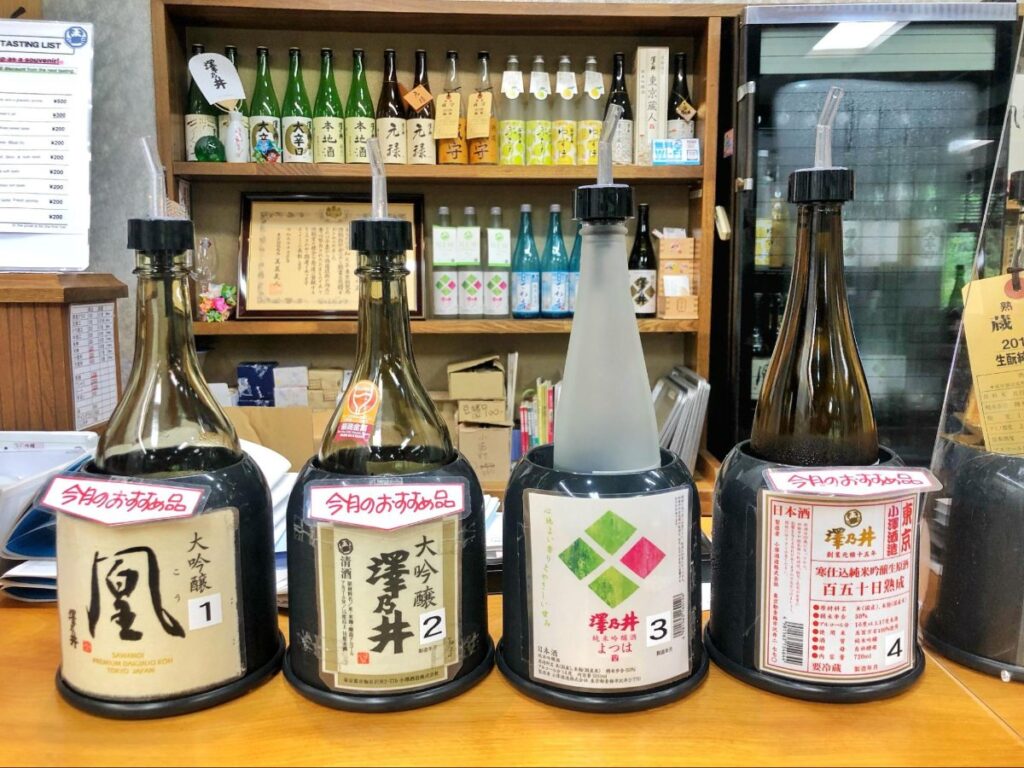
📍 Google Maps | Phone: (04) 2878-8215 | Website | Hours: 10 am – 5 pm daily, Closed Mondays
Plan your Okutama trip to stopover at Sawai station, which is home to Tokyo’s oldest sake brewery. Perfect for visitors who wish to learn about Japanese sake and indulge in a little tasting.
Sawanoi offers brewery tours (reservations required) at 700JPY per person. Just note that tours are in Japanese only (although English brochures are provided). For some, it’s fascinating to simply witness the process.
Across from the brewery is Sawanoi-en garden, where one can relax and cross the suspension bridge to Kanzanji Temple. On the 2nd floor of their souvenir shop, try cups of sake from 300JPY – 600JPY.
Where there’s fresh and clean mountain water, sake, soba, wasabi, and tofu can be created. Stop and have lunch at one of the two tofu specialty restaurants within the garden.
Nii-jima Island
Hop on a high-speed boat to one of Tokyo’s Izu islands to enjoy a bit of beach life.
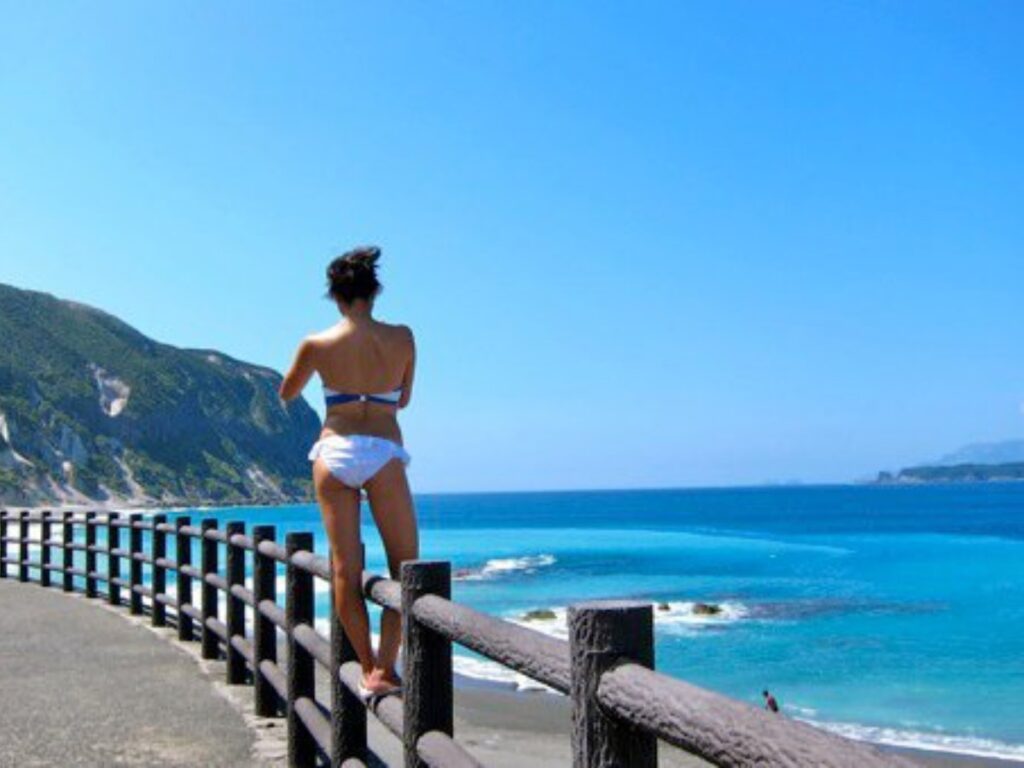
📍 Google Maps | Website
Some of the loveliest beaches in Japan belong to Tokyo’s Seven Izu Islands.
Of all the islands, the 3rd island, Niijima, is the most popular and beloved by surfing enthusiasts. Niijima is a wonderful island getaway for those who love the outdoors and pristine beaches and want to experience local island life.
There are various small inns situated around the main port, but many choose to camp overnight at Habushiura Camping Grounds right by Habushiura beach. A favourite pastime of many visitors is to soak in the free, giant rotenburo (open-air hot spring bath), Yunohama Roten Onsen, at sunset.
The 7th island, Aogashima, has Japan’s smallest village (population: 170) and rests within an active volcano crater. It can only be reached by boat or helicopter from the 6th island, Hachijojima.
Day Trips Near Tokyo
Totoro’s Forest
Head into the forest and see if you can find Totoro.
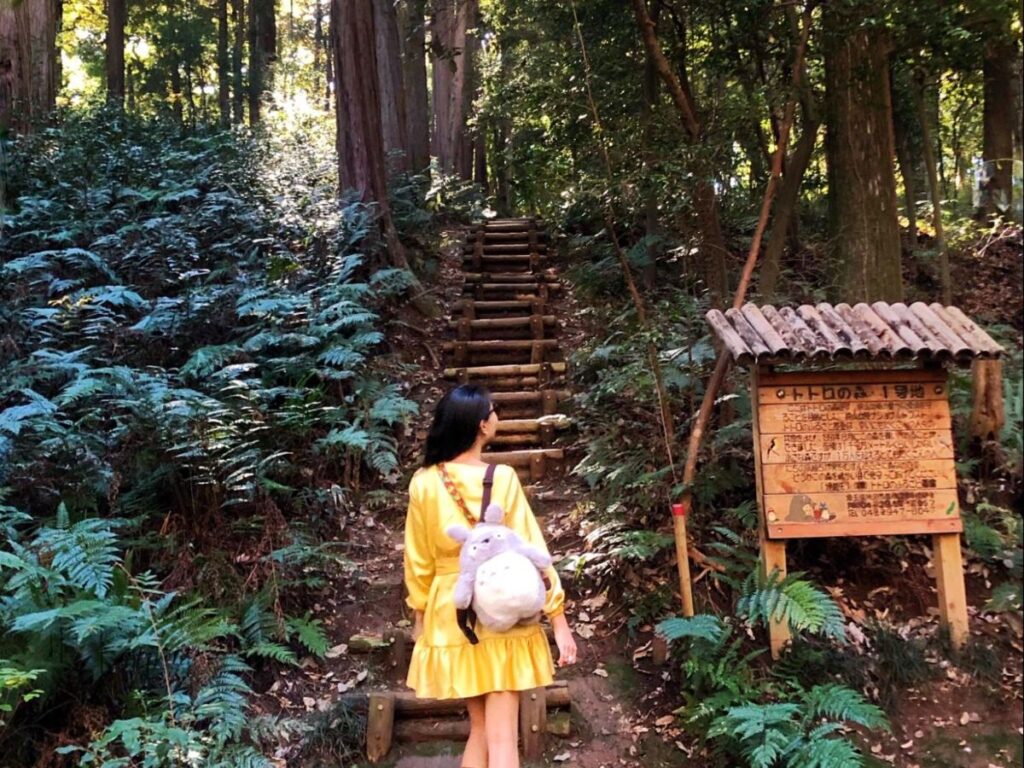
📍 Google Maps | Phone: (04) 2497-6047 | Website | 👉 Book a Totoro-Inspired Forest, Lake Sayama & Tea Walk on Get Your Guide
Across Tokyo and neighbouring Saitama Prefecture are what’s known as the Sayama Hills. The region within Saitama is said to be one of the main setting inspirations for Studio Ghibli’s Totoro.
Over the past three decades, the Totoro Fund has been gathering donations and slowly purchasing small plots of the forest for preservation and protection for the future. Access is only possible via public transport in order to minimize any damage to the forest.
For bird and nature lovers as well as travellers who love a good hike and need a break from Tokyo, a day trip here will refresh and inspire the soul. One can also make a reservation (cost: 500JPY) to visit Kurosuke’s House, where a giant Totoro awaits you.
Tove Jansson Akebono Children’s Forest Park
Stumble into a magical forest setting inspired by Scandinavian fairytales and Moomin.
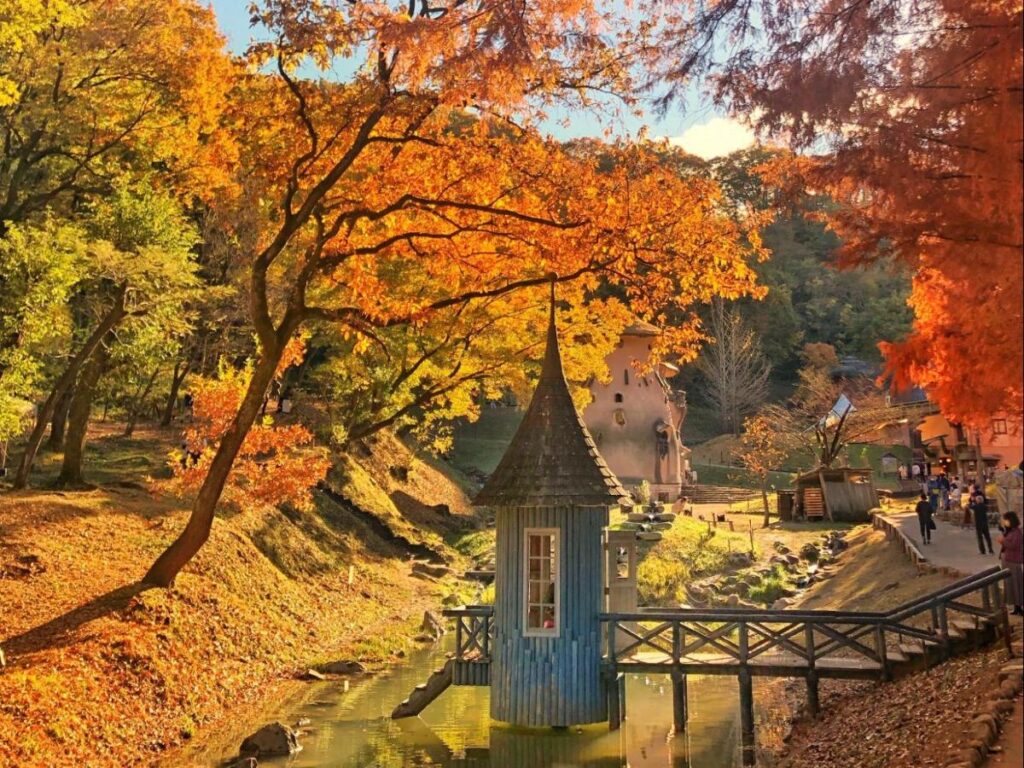
📍 Google Maps | Phone: (04) 2972-7711 | Website | Hours: 9 am – 5 pm daily, Closed Mondays
Tove Jansson Akebono Children’s Forest Park is a children’s park where families can visit freely to be immersed in nature and excite their imagination. The park was partly inspired by Scandinavian author Tove Jansson’s fictional Moomins.
Fantastical buildings, cozy structures, and Moomin characters dot the park, surrounded by towering pine trees and foliage. Autumn is truly the best season to visit, especially as the sunlight hits. Relax and have a lovely lunch at Cafe Puitso or pack your own. The weekends are busy.
It used to be fondly known as “Moomin Valley,” but with the creation of nearby official theme parks “Moomin Valley Park” & “Metsa Village,” it now uses the formal name “Tove Jansson Akebono Children’s Forest Park.”
Hakone Open Air Museum
Be inspired by this immersive open-air museum of art and sculpture.
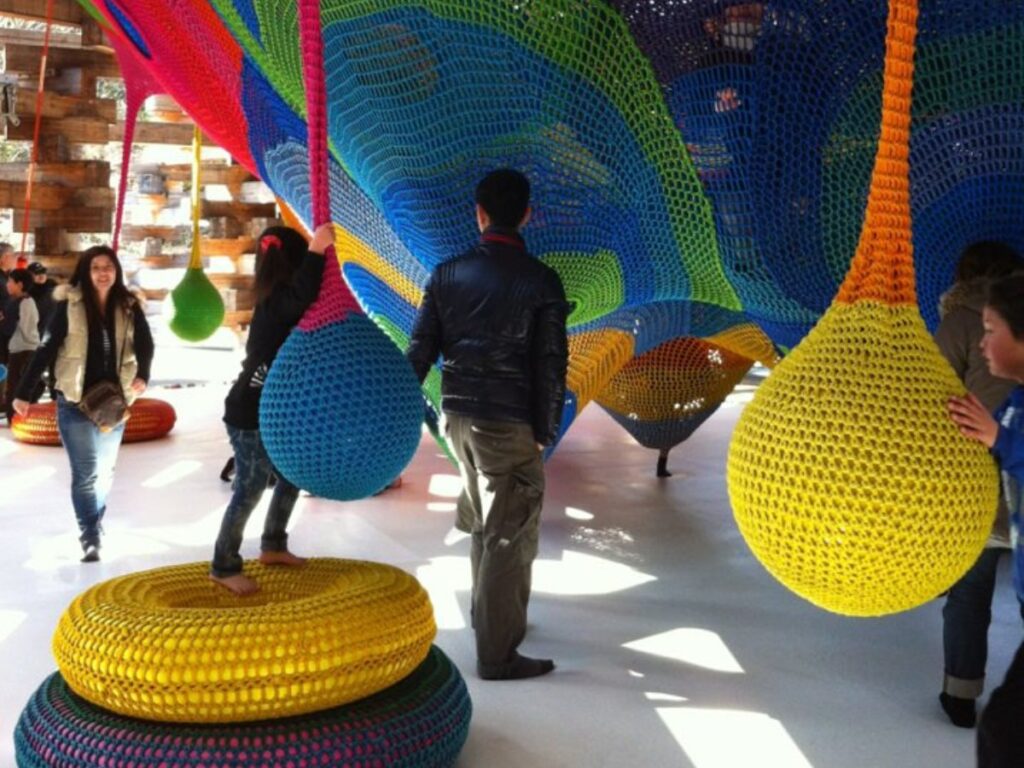
📍 Google Maps | Phone: (04) 6082-1161 | Website | Hours: 9 am – 5 pm daily | Entrance: 2000JPY adults, 800JPY-1600JPY students | 👉 Buy Hakone Open Air Museum Tickets on Klook
Many first-time visitors travel to Hakone in Kanagawa prefecture as a little onsen ryokan getaway from Tokyo due to its accessibility. The area is famous for its mountains, Lake Ashi, its Torii gate in the water, and possible views of Mt Fuji.
Whenever I visit Hakone, a stop by the Hakone Open Air Museum is always in the cards if the weather is good. For art and nature lovers, it should be on your list.
There are over 100 permanent exhibitions (including works by Picasso, Rodin, and others) and 1000 sculptures spread over the museum’s vast grounds, both indoor and outdoor. Come here for an immersive, fun day out for both children and adults. Soak your feet in the onsen footbath when you need a rest.
Yugawara Onsen
A quiet retro onsen town perfect for an easy overnight getaway from Tokyo without the Hakone crowds.
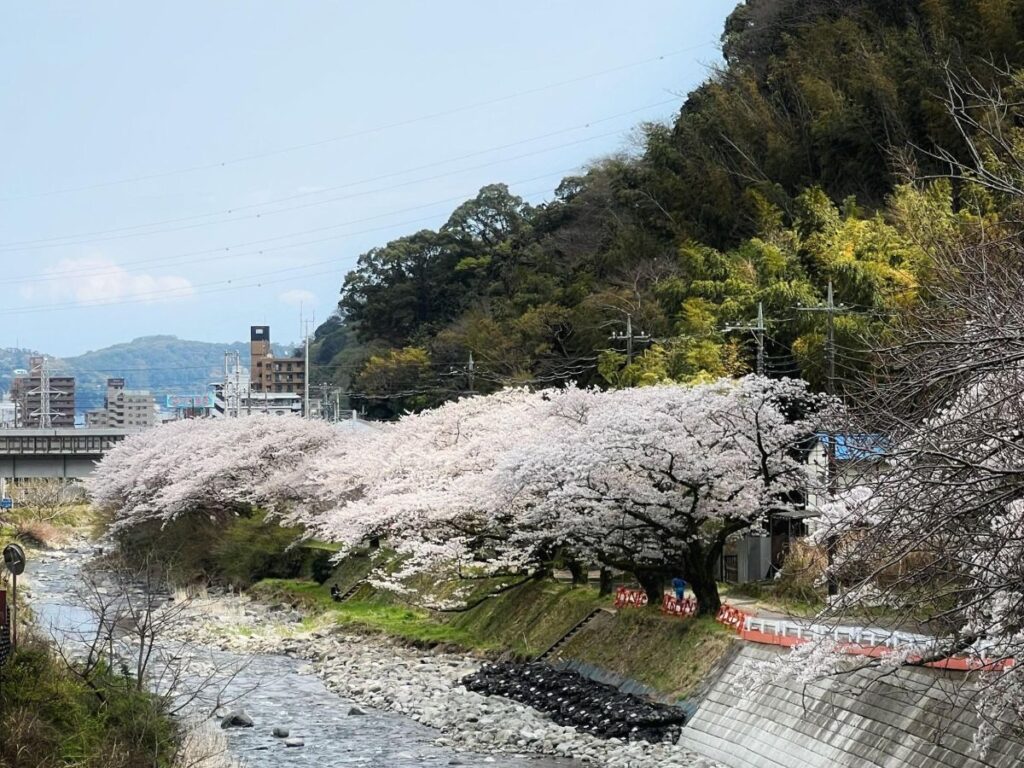
📍 Google Maps | Phone: (+81) 04 6564 1234 | Website
Easily accessible from Tokyo station, this charming onsen town is perfect for an overnight/ weekend getaway for those who wish to experience the charms of Japan’s traditional onsen ryokan culture. Enjoy exploring the local shrines and temples, Fudo Waterfall, and being immersed in nature at Yugawara.
Historically beloved by Japanese writers and poets alike, Yugawara is one of the six onsen towns mentioned in the Man’yoshu – the oldest collection of Japanese poetry in existence.
Time your visit in spring to have a quieter sakura season. Travel from Tokyo station to Yugawara station, where you can choose either the Shinkansen (then change to a local train) – approx 60 mins. Or take the scenic Odoriko train (direct – approx 1hr 15mins), or the local direct train (1.5 hrs and the cheapest option).
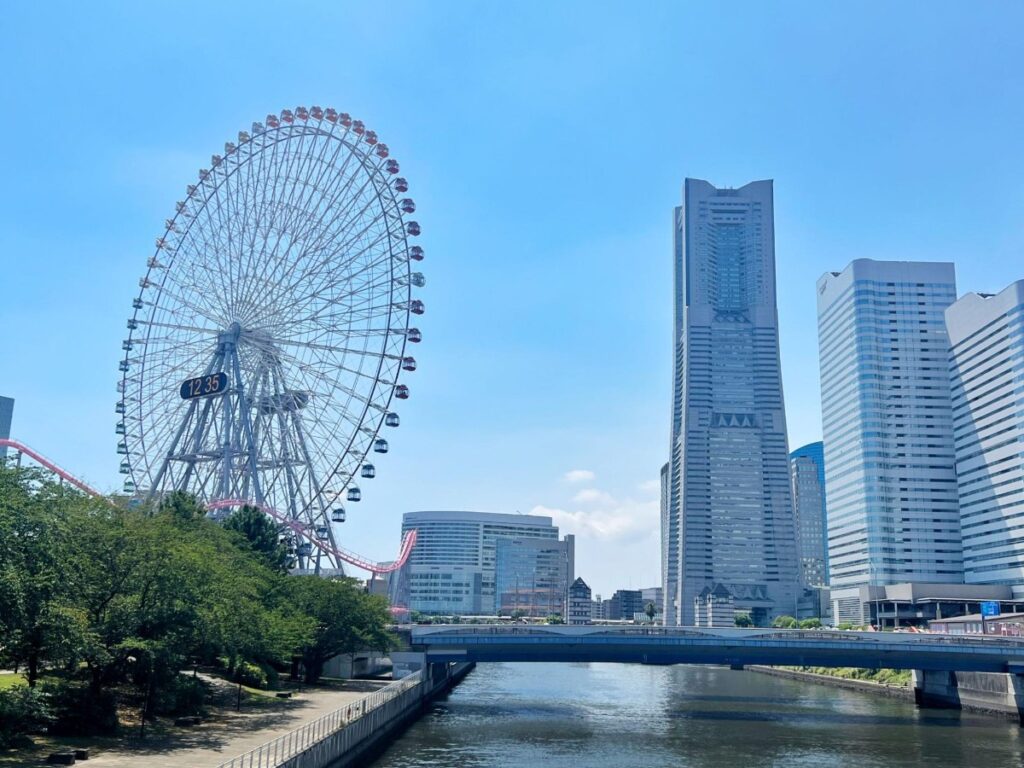
Yokohama
Visit this historic port town just outside Tokyo for a change of scenery.
📍 Google Maps | Website | 👉 Book a Yokohama Half Day Walking Tour on Viator
Roughly 30 minutes from central Tokyo is Yokohama, Japan’s second-largest city. The city historically was one of the first port towns to open up to foreign trade after Japan’s period of self-isolation.
Today, this bustling city hub by the water is perfect for travellers looking for a day trip scenery change or an overnight getaway. The city has Japan’s largest Chinatown, well-preserved historic Western buildings, and, of course, shopping. You can see and explore all of the above on this Yokohama half day walking tour.
Many enjoy visiting the Cup Noodles Museum, the Ramen Museum, and the Kirin Beer Factory. Yokohama’s various beer festivals are also extremely popular during the year.
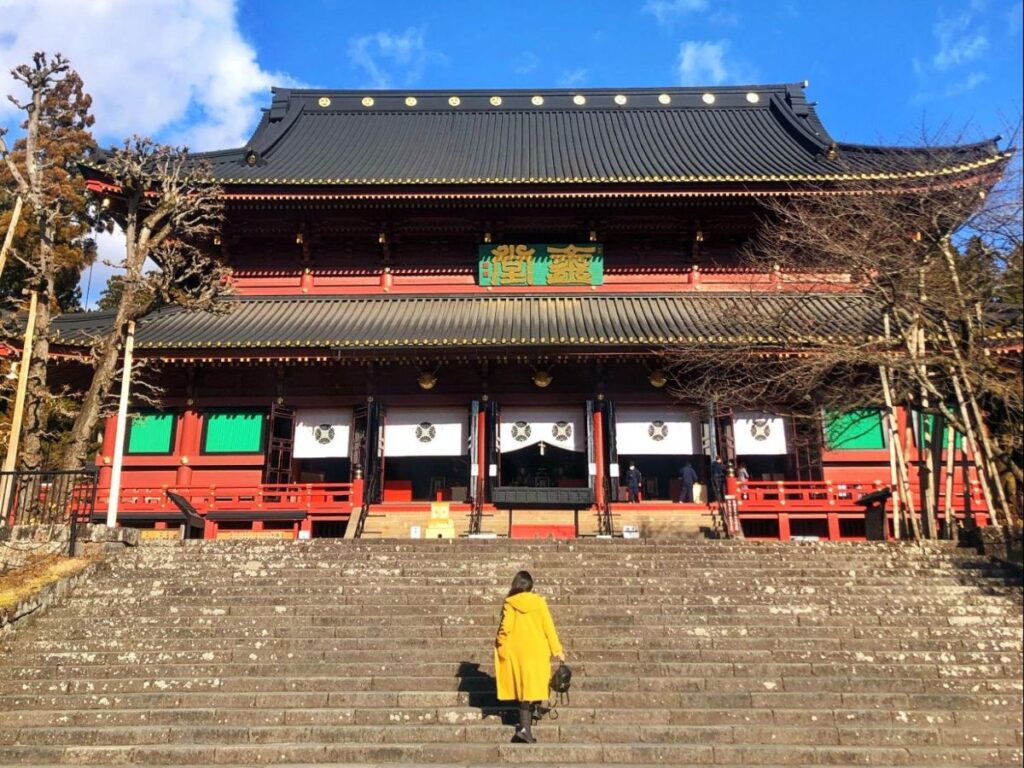
Nikko
Explore some of Japan’s most famous World Heritage Sites close to Tokyo.
📍 Google Maps | Website | 👉 Book a Nikko World Heritage One Day Tour from Tokyo on Viator
Two hours from Tokyo’s Asakusa station is the quiet, small mountain city of Nikko in Tochigi prefecture. Beloved for its natural beauty, quaint onsen towns, and cultural UNESCO World Heritage sites, the city is a wonderful alternative looking to explore more of Japan without having to travel too far.
Nikko, the surrounding Okunikko area, and Lake Chuzenji are famous for their hikes and stunning autumn foliage that occur from October to December. It’s home to Toshogu Shrine, perhaps Japan’s most opulently decorated and magnificent shrine, which is the resting place of Tokugawa Ieyasu.
One can see the major shrines and temples on a guided day tour, but if you want to explore further and more slowly, give yourself a couple of nights at least.
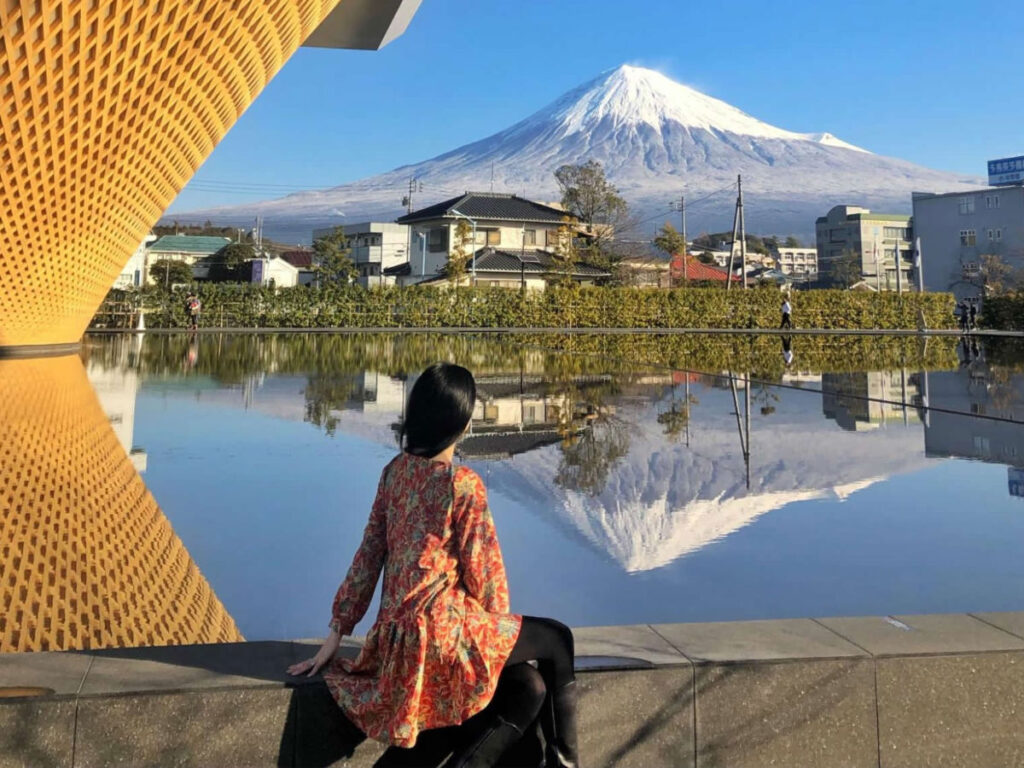
Mt Fuji World Heritage Centre
View Japan’s majestic Mt Fuji from the quieter Shizuoka prefecture.
📍 Google Maps | 👉 Browse Mt Fuji Day Tours from Tokyo on Viator
Many travellers dream of seeing majestic Mt Fuji in all her glory with her snow-capped top. The Yamanashi prefecture side of Mt Fuji is more popular and crowded, especially in spring.
If you wish to see Mt Fuji and avoid the crowds, head to the Shizuoka side of the mountain. JR Fujinomiya Station is the easiest to access, and nearby is the Mt Fuji World Heritage Centre, which is a museum dedicated to Mt Fuji and its history.
Hire a car to go exploring to discover more Mt Fuji viewpoints. Remember, her snow-capped peak is generally from October to late Spring. It’s best to view her on a cool, dry day.
📚 Related Reading: This full-day Mount Fuji tour was my favorite part of my Japan trip
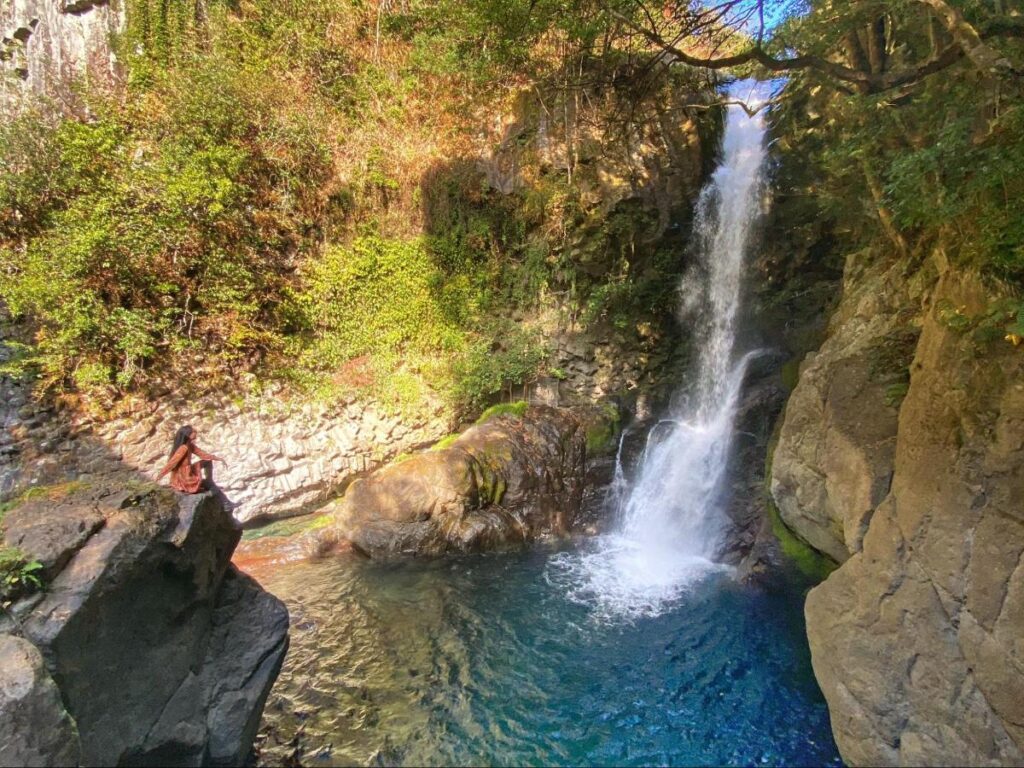
Kawazu Nanadaru Waterfalls
Return to nature in this beautiful walking trail across seven stunning waterfalls.
📍 Google Maps | Website | 👉 Book a Kawazu Seven Falls Guided Tour on Viator
Above Kawazu town in the Izu Peninsula, is this popular walking trail, only about 1.3 km long (one way), where visitors will come across seven waterfalls (hence the name) of differing sizes and heights.
You can do this on a day trip. The Odoriko Express train goes directly to Kawazu station from Tokyo/Shinjuku, then take a bus to reach the start of the walking trail.
Many like to include it as a little getaway so you can relax overnight in an onsen and dine on the Izu Peninsula’s delicious seafood. Or book this guided tour, so a local can share info about the area’s history with you.
The walking trail is popular in autumn. Remember to keep an eye out for the Seven Lucky Gods statues along the trail.
Odaru Onsen
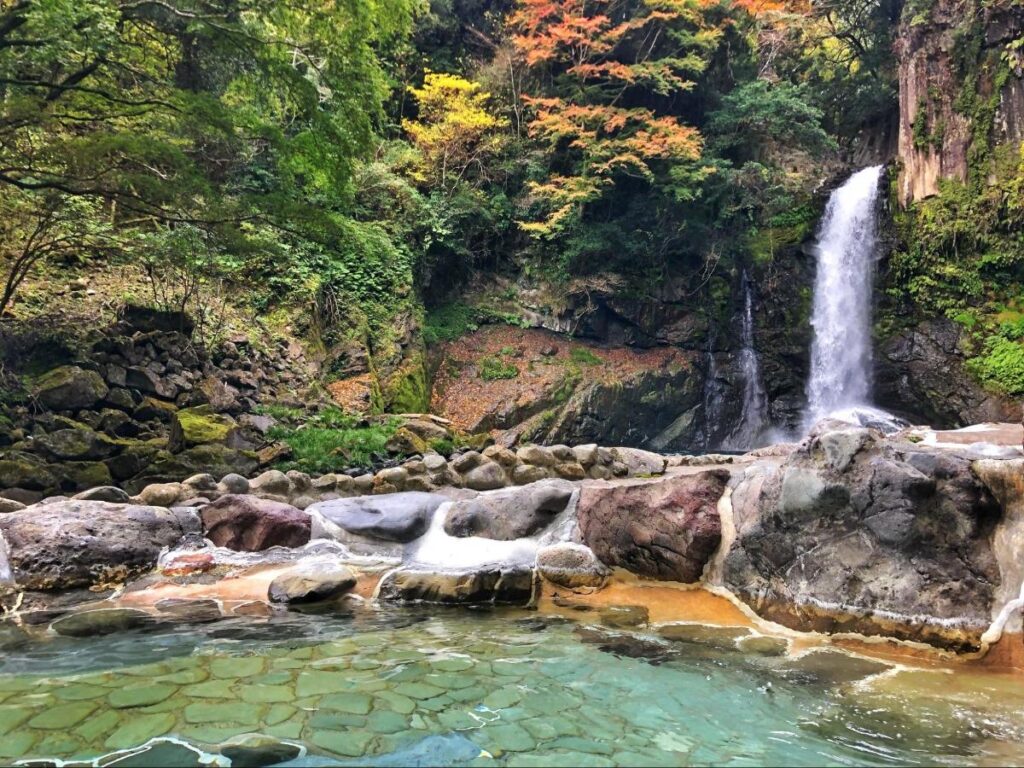
Soak in the stunning open-air onsen baths at Odaru Waterfall.
📍 Google Maps | Website | Entrance: 1000JPY adults, 500JPY children
The highest waterfall of the Nanadaru Seven Waterfalls is Odaru-taki (Odaru Waterfall). Many choose to end their walk here, as the 30m high waterfall thunders down into a spectacular freshwater pool. It’s the perfect spot to cool off in during the summer months.
However, what most people come for are the multiple public open-air onsen baths situated by the waterfall and riverside (including a cave onsen) to relax after walking. It’s one of my favourite public onsen. It’s also known as “Nanadaru Onsen”.
This onsen is perfect for visitors who are shy about nudity in other public onsen. You must wear a swimsuit. So remember to pack your swimsuit, bring a towel, a bottle of water, and some cash to pay for entry.
📚 Related Reading: Ultimate Japan Packing List
***
Tokyo is a city where there’s always something new to discover, no matter how long you stay or how many times you visit. Each neighbourhood has its own individual charms worth exploring. Hopefully, this guide will help you enjoy Tokyo and beyond.
Next, discover my favourite things to do in Kyoto.