
Affiliate Ad Disclosure: We’re reader-supported. When you buy via our links, we earn commissions. Learn more.
37 Things to Do in Cairo (By a Local)

👉 Jump to: Best Things | Cool & Unusual | Food & Drink | Art & Culture | Outdoors | Things to Do At Night | Areas to Explore
Egypt was my final destination after I spent a year backpacking and hitchhiking around Africa. I was enamored, so I kept coming back, and now I’ve been living in Cairo full-time for three years! Needless to say, I know that there are endless things to do here.
Cairo is a city of both beauty and chaos, where 5,000 years of history collide with industrial urbanization. Though famous for its pharaonic monuments, Cairo has infinitely more to offer. Don’t get me wrong: the pyramids are incredible, but there’s so much to explore beyond them.
From medieval markets to jazz clubs, let me introduce you to the many sides of Cairo that tourists often skip. Bookmark this list and my guide to where to stay in Cairo to plan an unforgettable trip.
37 Things to Do in Cairo
Tahrir Square
Walk through history at the site of the country’s largest protest movement.
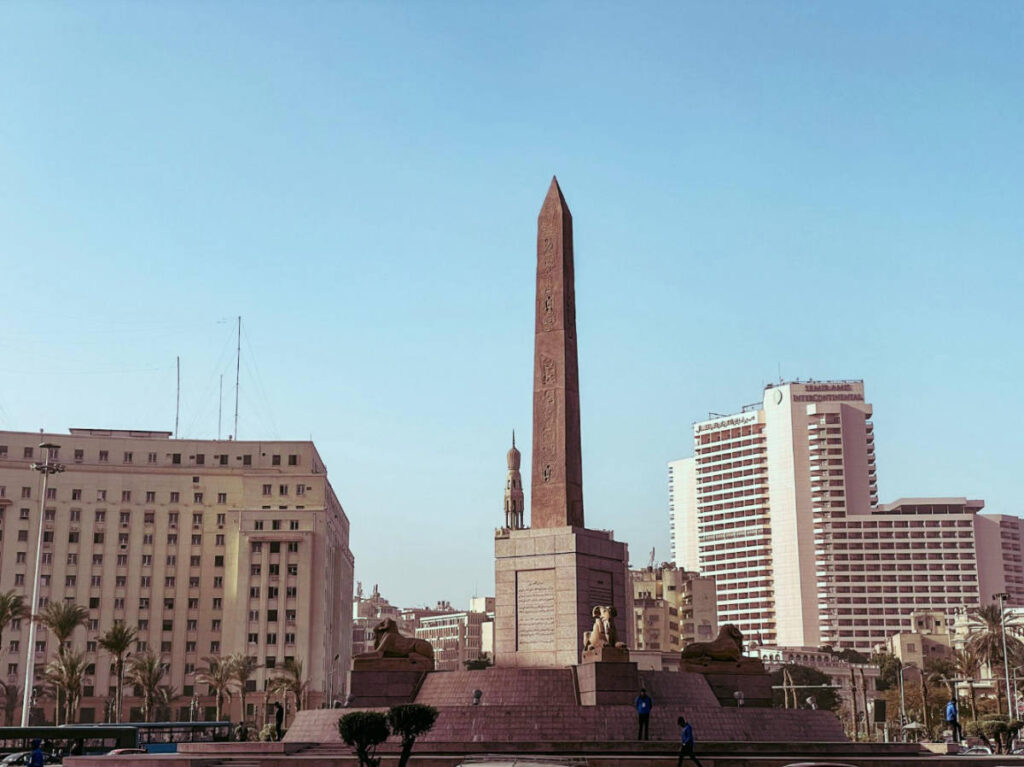
While Egypt is perhaps most renowned for the ancient civilization that spanned three millennia, the nation’s modern history should also be on your radar. Tahrir Square offers a handy starting point for understanding Egypt today.
In January 2011, the public square was the site of monumental protests against former president Hosni Mubarak. The youth-led protest movement set off a wave of other revolutions across the Arab world.
Today, visitors can walk through the site where tens of thousands of Egyptians gathered only 15 years ago, demanding a better future for their country. There’s also a 3,000-year-old obelisk in the square from the time of Ramses II.
Situated in the heart of downtown, Tahrir Square is easily accessible by Uber or the Sadat Metro Station.
Explore Khan-el-Khalili
The ancient marketplace is ideal for shopping and exploring Egyptian culture.
📍 Google Maps | Website | Hours: 11 am – 11 pm daily
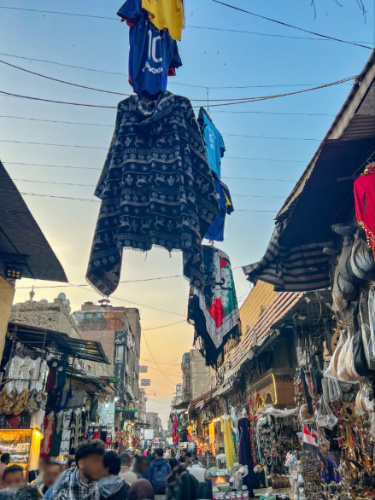
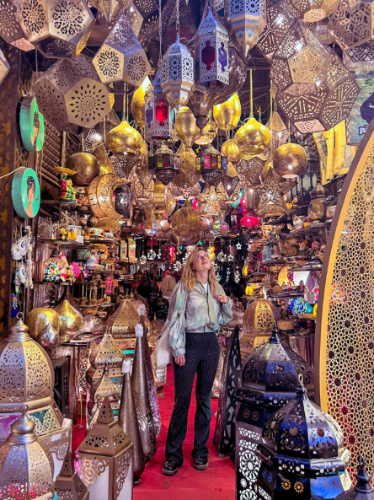
The ancient Khan-el-Khalili bazaar was established during the Mamluk era, an Islamic dynasty that ruled the region from Egypt to Syria between the 13th and 16th centuries. Today, it’s a sprawling market ideal for purchasing luxurious and kitschy souvenirs alike – think camel keychains, but also baroque oriental rugs and lamps – lots of lamps.
It’s easy to get lost in the many narrow alleys of the marketplace. This spot is ideal for a full day of exploration without a destination. Yet it’s also very crowded (especially the entrance due to security checks) and can be a touch overstimulating. I wouldn’t recommend bringing young children.
The Grand Egyptian Museum
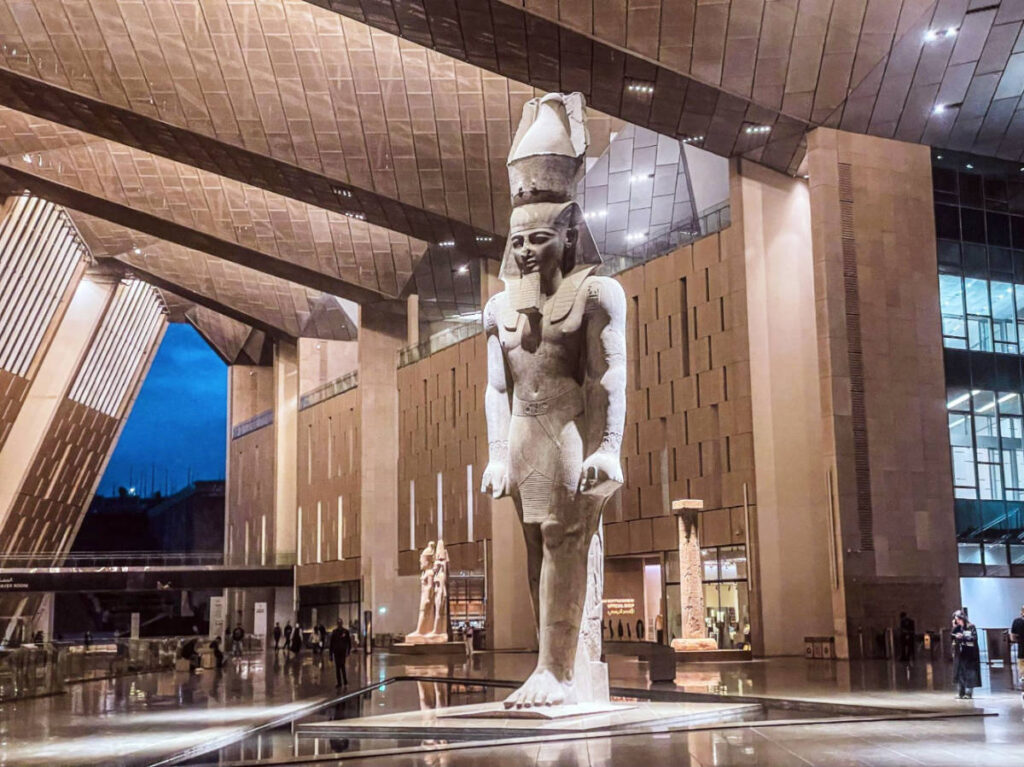
The largest archaeological museum in the world dedicated to a single civilization, the Grand Egyptian Museum is awe-inspiring.
📍 Google Maps | Phone: +20 10 90322259 | Website | Hours: 9 am – 6 pm daily | Entrance: EGP 1,450 for foreign adults, 750 for children, free under 6 | 👉 Book a Private Tour of the Grand Egyptian Museum on Viator
Let me introduce you to the crème de la crème of Cairo: the crown jewel of Egypt. After over 20 years in development, the Grand Egyptian Museum finally opened its doors this year. The museum boasts over 100,000 artifacts, making it the largest archeological museum in the world dedicated to a single civilization. You can spend a whole day here, multiple even. The building itself is also an incredible work of art.
King Tutankhamun’s galleries are a highlight, featuring a comprehensive collection of the boy king’s burial treasures. Artifacts on display include his legendary golden funeral mask and his sarcophagus.
You can book a ticket online or buy a ticket at the entrance — but in peak periods, it may sell out. And if you feel overwhelmed by just how much there is to see here, you can also book a private tour with a professional Egyptologist guide.
The National Museum of Civilization
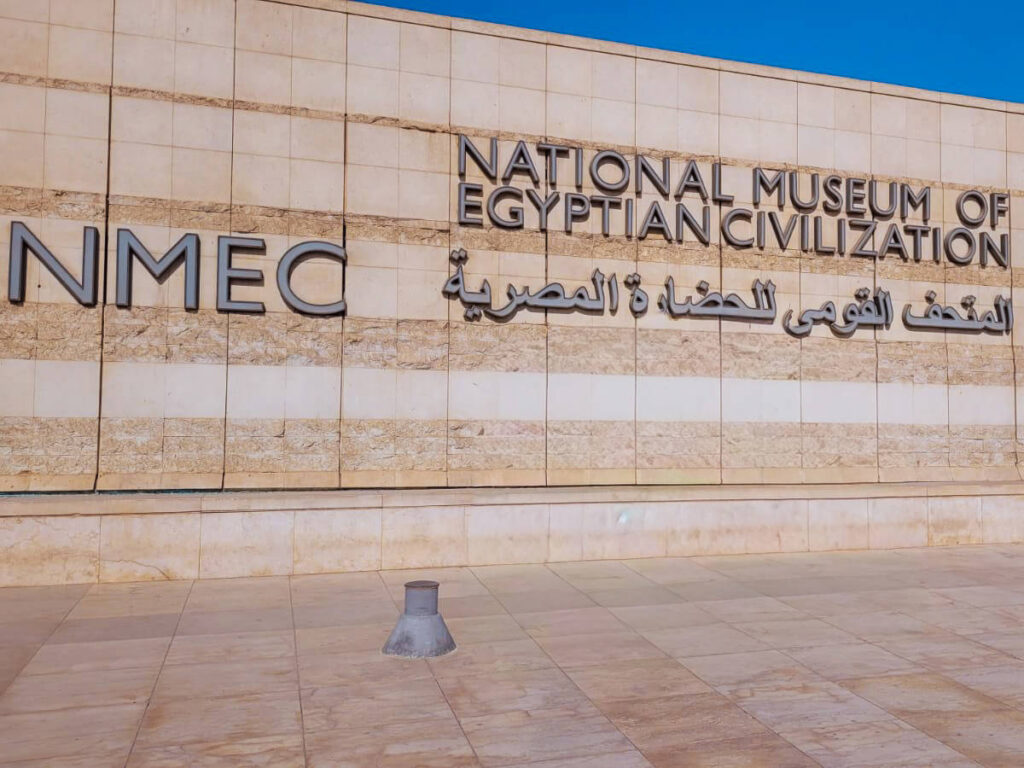
The NMEC explores the long course of Egypt’s history and features the largest collection of royal mummies.
📍 Google Maps | Phone: +20 2 35317344 | Website | Hours: 9 am – 5 pm daily | Entrance: EGP 500 foreigners, 80 for Egyptians | 👉 Book a Private Tour of the National Museum of Egyptian Civilization on Viator
With the Grand Egyptian Museum in the headlines, it’s easy to overlook the smaller National Museum of Egyptian Civilization. That’s a mistake, especially if you’re interested in mummies. In the basement, the Royal Mummies Gallery displays the remains of 17 kings and 3 queens of Egypt: the world’s largest collection of royal mummies. To preserve the mummies’ integrity, no photos are allowed – so you’ll have to visit to see them for yourself.
This museum is small but has a broad purview of Egyptian civilization: tracing the lineage of the nation from Ancient Egypt to the Greek and Roman periods to Islamic Egypt and finally the Arab Republic established in 1953. Booking a private tour with a professional guide is a great way to deepen your understanding of this history.
The Pyramids of Giza and the Sphinx
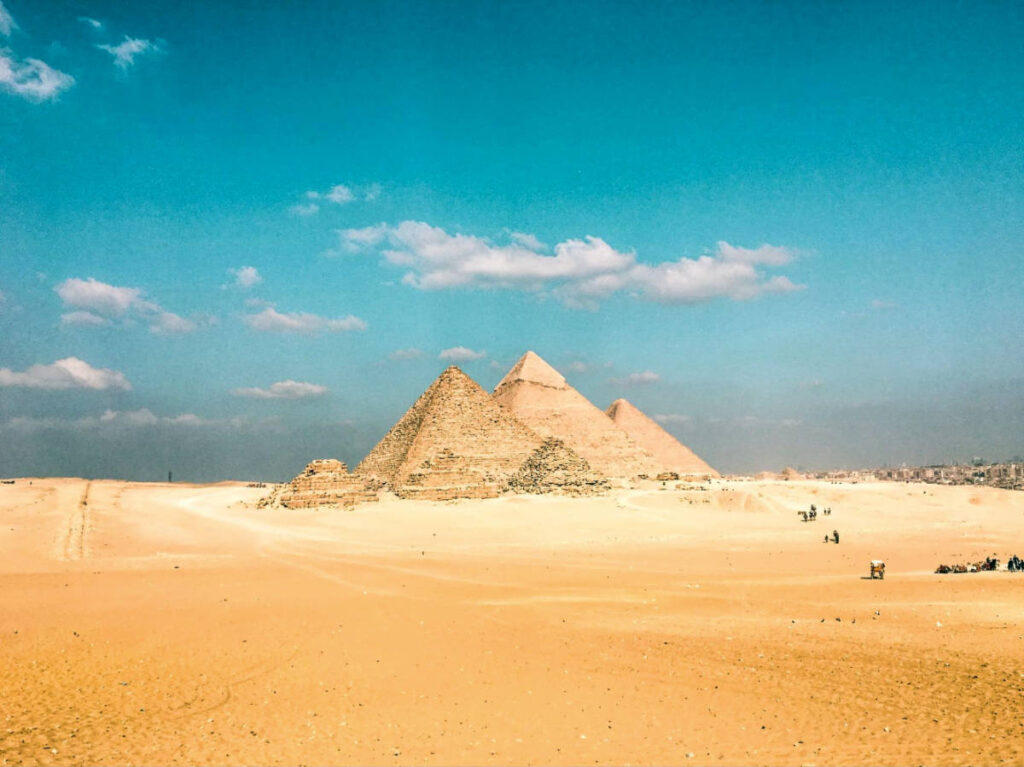
The last remaining wonder of the Ancient World, the Pyramids of Giza and the Sphinx will exceed your wildest expectations.
📍 Google Maps | Website | Hours: 9 am – 5 pm daily | Entrance: EGP 700 | 👉 Browse Pyramids of Giza Tours on Viator
A place that needs no introduction. Naturally, the Pyramids of Giza and the Sphinx are a must see when in Cairo. The three iconic pyramids of the Giza Plateau were built in succession by subsequent pharaohs who wanted their own immortal monument – and a means to reach the afterlife. The pyramids are the only remaining wonder of the ancient world, so safe to say they succeeded.
To visit, prepare for a bit of chaos: long unorganized queues, hawkers selling souvenirs, and no shortage of voracious offers for a camel or horse ride. While not required, I highly recommend hiring a guide on a highly-rated tour for the day to streamline the experience, which can be overwhelming. It’s also great to get information about the history of the site to improve your experience!
Saqqara Necropolis
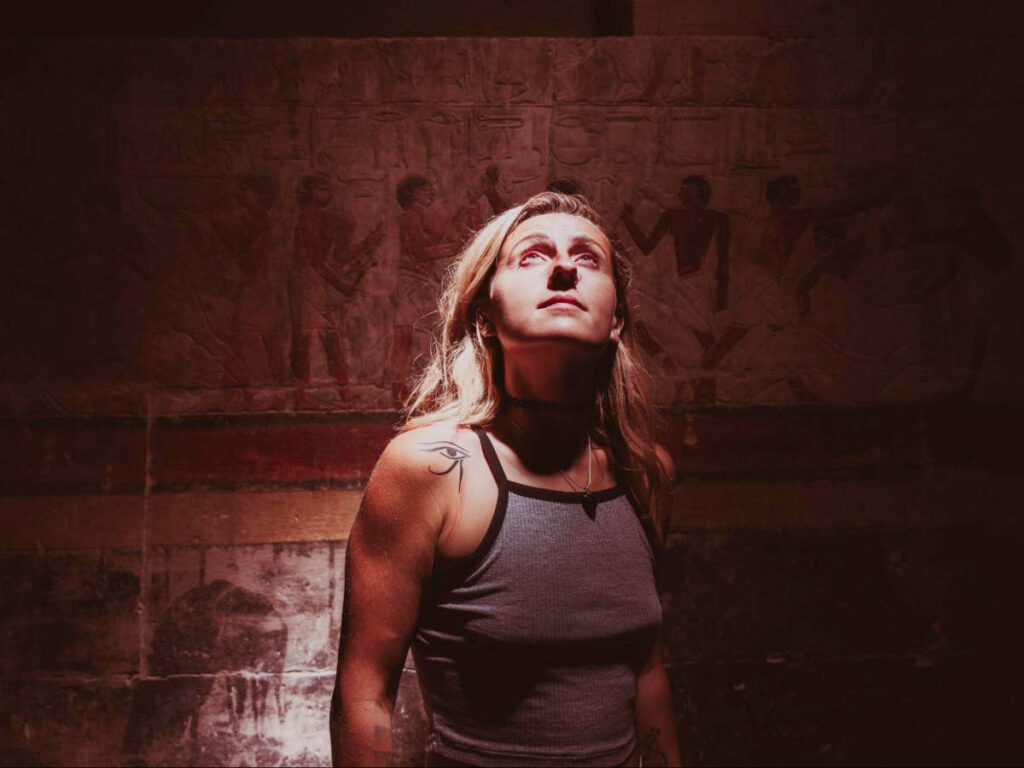
Less famous than the Giza Plateau, the Saqqara Necropolis has incredible tombs and pyramids to explore without the crowds.
📍 Google Maps | Website | Hours: 8 am – 4 pm daily | Entrance: EGP 1000 for an all-inclusive ticket | 👉 Browse Saqqara Tours on Viator
Imagine ancient tombs without the crowds that you can explore at your leisure. You will find such an anomaly at Saqqara Necropolis.
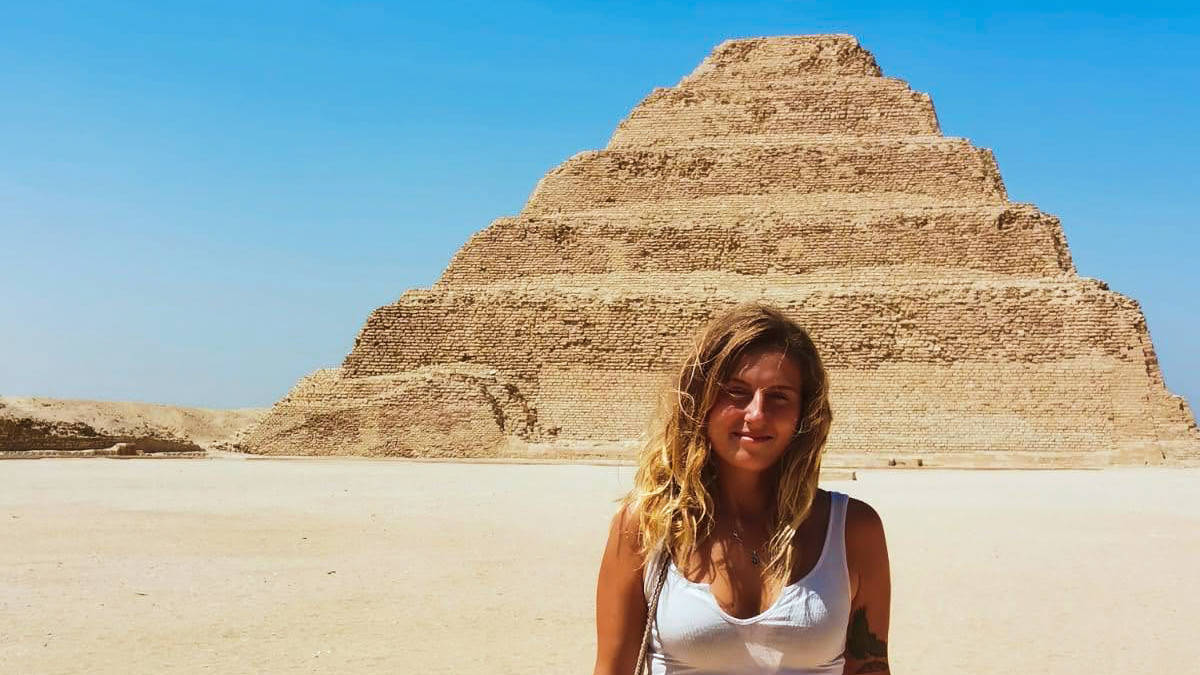
Archeologists believe the Step Pyramid at Saqqara was a blueprint for the slightly newer and more famous Pyramids of Giza. The architect Imhotep was testing how to build a pyramid – it was built a few decades before construction began at Giza.
Saqqara is around a one to two hour’s drive from Cairo, depending on your driver’s interpretation of speed limits. You can go independently or book a tour. I highly recommend the latter because the site itself is massive, with 20+ tombs and temples to explore, and you need to drive across the desert to reach them all. Some tours combine Saqqara with Giza, but I really recommend you dedicate one day to each!
The Cairo Citadel
Explore Islamic-era fortifications against the Crusaders.
📍 Google Maps | Phone: +20 02 25121735 | Website | Hours: 8 am – 4 pm daily | Entrance: EGP 550 foreign adults, 275 foreign students
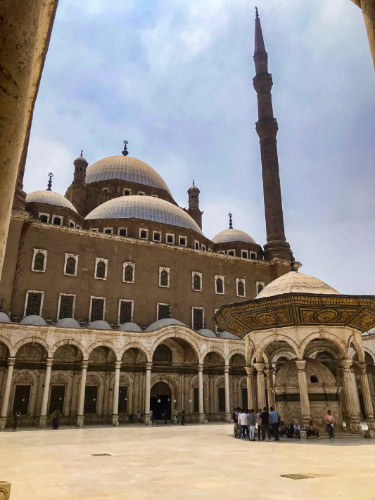
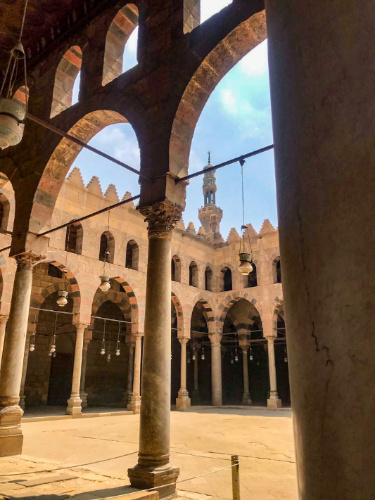
The Cairo Citadel has witnessed the steady procession of history. Built in 1176 AD, the 900-year-old structure is the most iconic feature of Cairo’s skyline. It was ordered to be constructed by Salah ad-Din (Saladin) as a defense against the Crusaders. Approximately 600 years later, Muhammad Ali ordered a mosque to be built within the citadel.
In the 19th century, the British Army occupied the citadel in its conquest of Egypt. Finally, in 1983, the Egyptian government opened the citadel to the public as a national monument. It’s now a UNESCO World Heritage Site.
I recommend spending one to two hours strolling through the complex, admiring the architecture here and perusing the El-Gawhara palace museum.
Cool & Unusual Things to Do in Cairo
Ski Egypt
Strap on your skis at a winter wonderland in the Sahara Desert.

📍 Google Maps | Phone: +20 01 000257509 | Website | Hours: 10 am – 10 pm daily | Entrance: EGP 700
Egypt is not exactly famous for its winter sports, therefore visitors may be surprised to discover the existence of Ski Egypt. It is a ski resort inside the Mall of Egypt, featuring an impressively large slope for the confines of a shopping complex. The resort has a standing chairlift, ski jumps, a bunny slope for beginners, and even live penguins waddling about the ice.
It’s a great family-friendly activity or for those looking to beat the heat. The resort also offers ski and snowboarding lessons – ideal for those who never tried before and decided the Sahara is a perfect place to start.
After catching some air and drinking hot chocolate in the snow, you can go shopping in the mall.
Go Bird Watching
Get to know local ecology on a birdwatching tour.
📍 Google Maps | 👉 Book a Birdwatching Tour in Fayoum
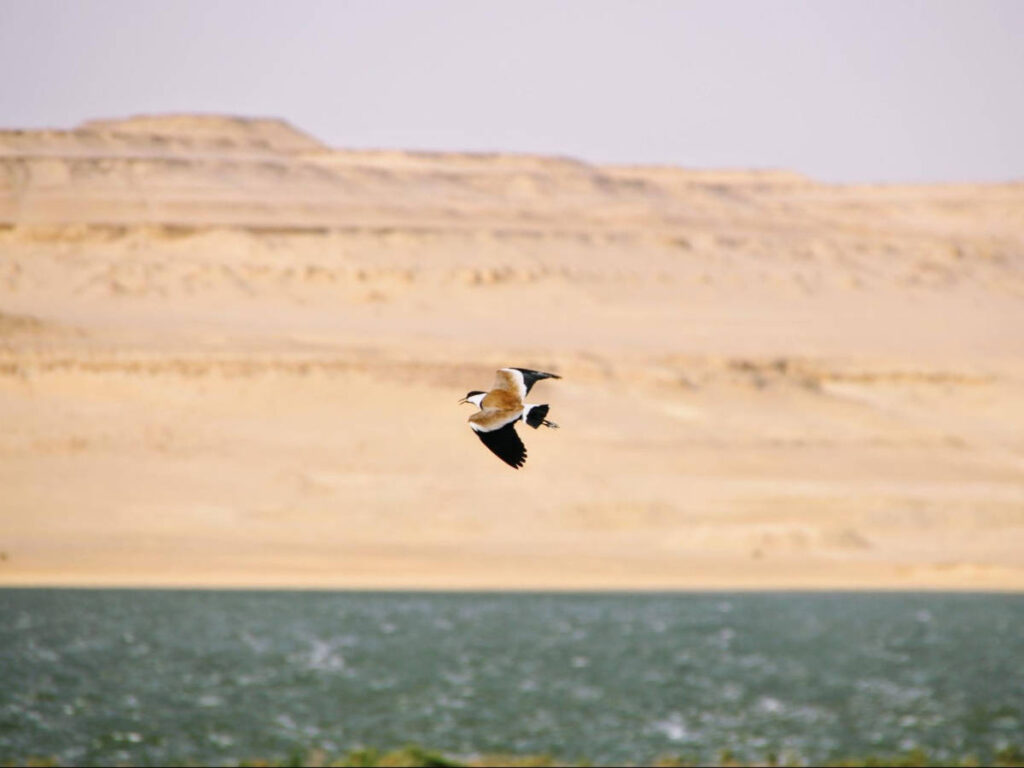
Bird watching may seem unconventional in a concrete jungle, but Cairo is actually an important stopover for many migratory birds on their journey between Africa and Europe.
The urban islands in the Nile offer ample opportunities, but the real spectacle is Fayoum Oasis – a fertile basin around 90 minutes from the busy capital. Along the shores of Lake Quran, a natural saltwater lake at the northern end of the basin, you can even spot flamingos.
But if you don’t wish to travel to Fayoum, you can simply grab a pair of binoculars and head out to Geziret al-Dahab (Golden Island) – a car–free pastoral island a five minute boat ride from downtown Cairo, with plenty of wading birds.
Dream Park
Get ready to scream and shout at Egypt’s biggest theme park.
📍 Google Maps | Phone: +20 02 38553191 | Website | Hours: 3 pm – 11 pm Sunday to Thursday; 1 pm – 11 pm Friday and Saturday | Entrance: EGP 275
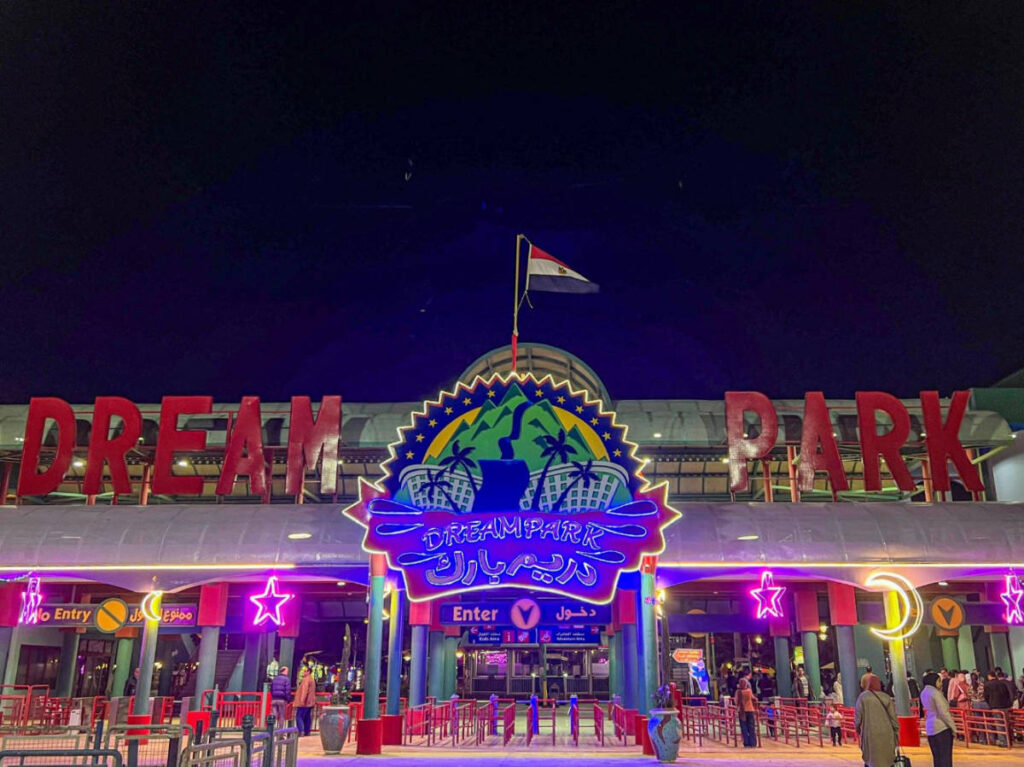
One of the largest amusement parks in the Middle East, Dream Park has something for all ages and interests. The park boasts three rollercoasters, arcades with VR, swings, and plenty of fun for the whole family.
Dream Park is in the 6th October neighborhood, which tends to be quite far from where most tourists stay. However, Uber provides an easy and cheap way to get around Cairo – just brace for the traffic!
Note the official hours are not always abided by. Like many businesses in Egypt, Dream Park opens and closes inconsistently. Best to call ahead.
Garbage City
An informal recycling system that gives a look at the reality of life in Egypt.
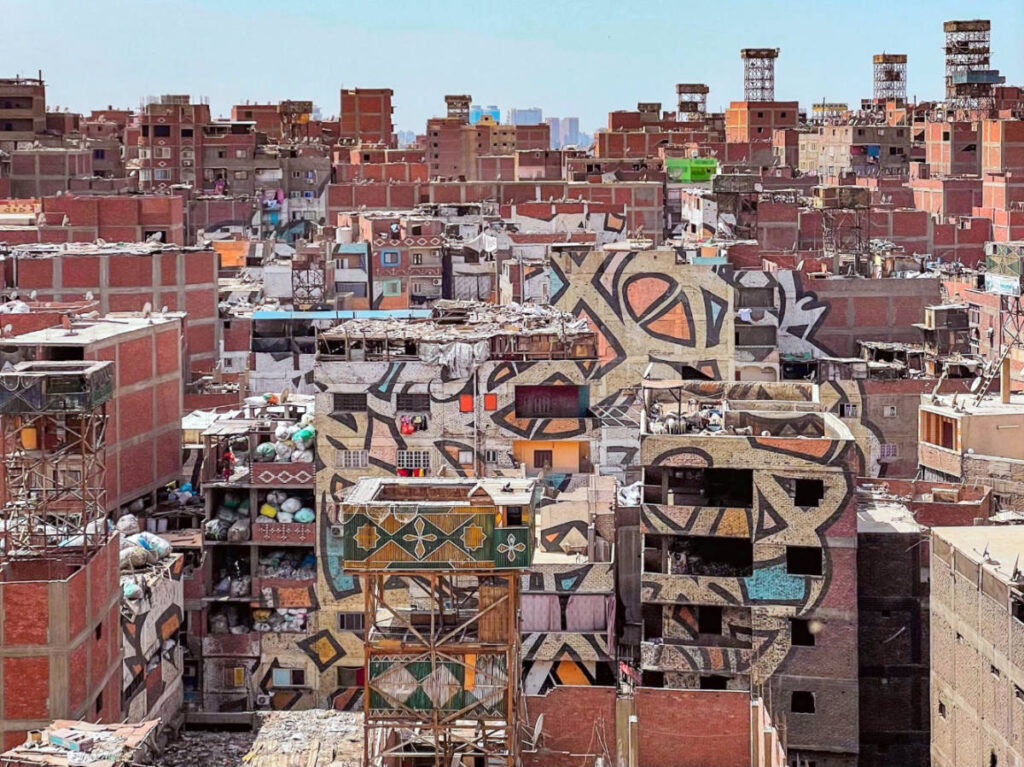
Cairo’s infamous Garbage City offers a less glistening look into the reality of life in Egypt. Here, the city’s impoverished Coptic Christian community sorts garbage by hand, operating an ad-hoc recycling system that is decently efficient. But garbage lines the streets and fills homes, creating hazardous health conditions for the residents. The smell is hard to ignore.
The neighborhood is a graffiti destination and attracts Egyptian artists to create murals. As tourists, it’s good to pay a visit and spend money, as the community here is isolated from the rest of the city. Most tours will drive you through the area without stopping, so it’s best to visit with a local guide.
The Nilometer on Rawda Island
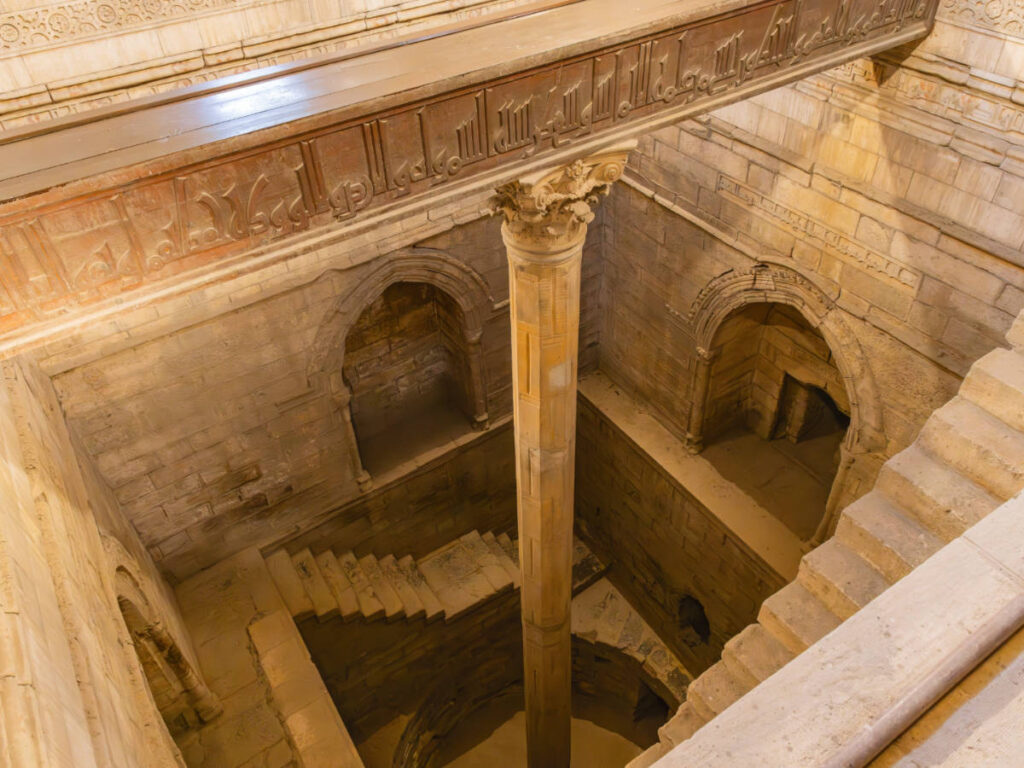
Descend into a 9th-century stone well that once determined Egypt’s taxes and prosperity.
📍 Google Maps | Website | Hours: 9 am – 4 pm daily | Entrance: EGP 120
Located in the heart of the Nile, the Nilometer on Rawda Island once measured the river’s annual flood levels, which directly determined the success of the harvest and thus taxation. The marble column marked precise measurements used for centuries.
Though small, the Nilometer is historically significant and rarely crowded. It’s great for those interested in ancient administration and engineering. Rawda Island itself is also relatively unknown and makes for a pleasant visit. It’s just a short drive from downtown Cairo via the Manial Bridge.
The Helwan Wax Museum
Pose with some iconic characters.
📍 Google Maps | Hours: 10 am – 2 pm, closed Fridays | Entrance: EGP 500 for foreigners
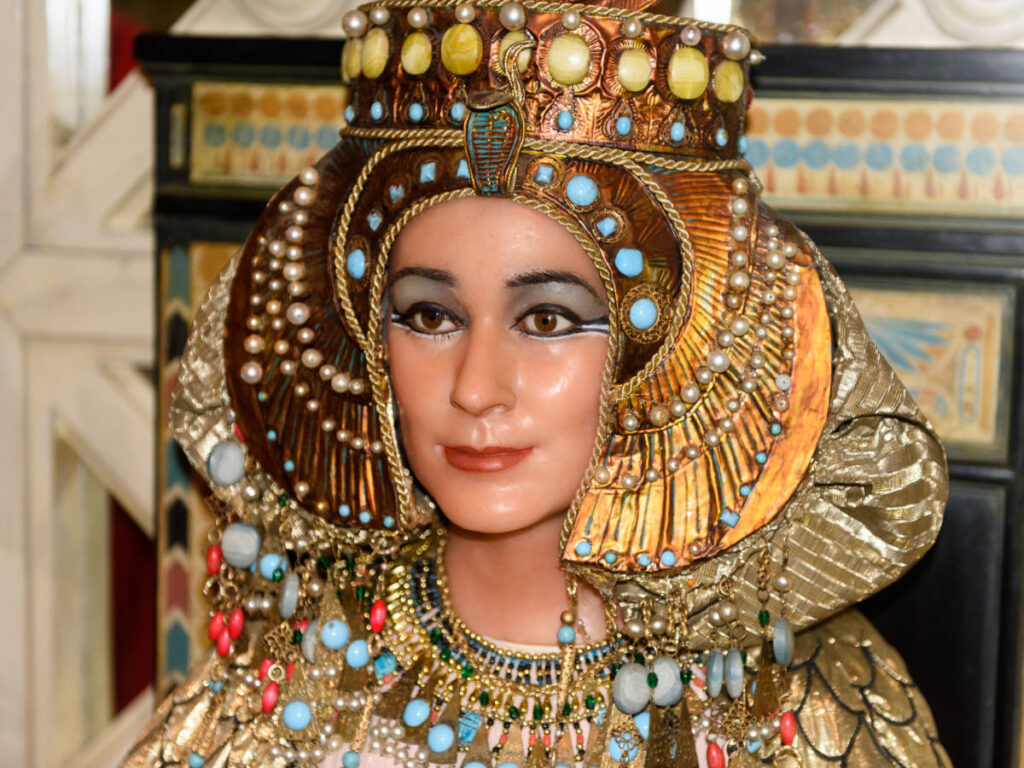
Think Madame Tussauds, but North African. At the Helwan Wax Museum, you’ll find over 100 wax figures on display depicting famous characters from Egypt: from pharaonic times to the Roman occupation. If this sounds like something you’d enjoy, you’re in luck: the museum was closed for renovations for 16 years and only just reopened in January 2026. The curators are working towards a larger plan of cultural revival in Egypt.
📚 Read Next: Here’s How to Visit Egypt Independently
Food & Drink in Cairo
Rooftop Zamalek
The iconic bar in Zamalek is a haven for locals.
📍 Google Maps | Phone: +20 2 27351846 | Website | Hours: 12 pm – 12 am daily
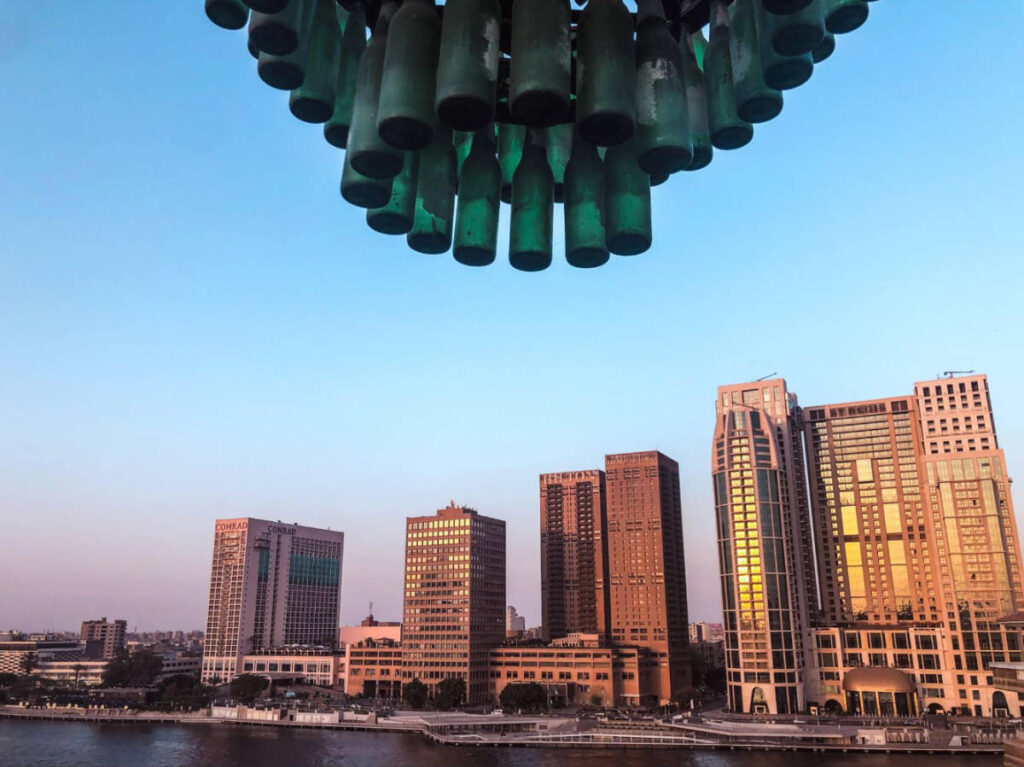
Zamalek, an upscale island neighborhood in the Nile, is known for its leafy streets, elegant foreign embassies, and some of Cairo’s best rooftop bars. And Rooftop Zamalek is one of the most beloved. It serves Egyptian beers on tap and simple cocktails alongside panoramic views of the Nile.
Despite the setting, it’s unfussy. Don’t expect luxury! Cheap chairs, relaxed service, and a local crowd give it an easygoing charm. It’s best at sunset when warm hues cast over the Nile.
Khufu’s Restaurant
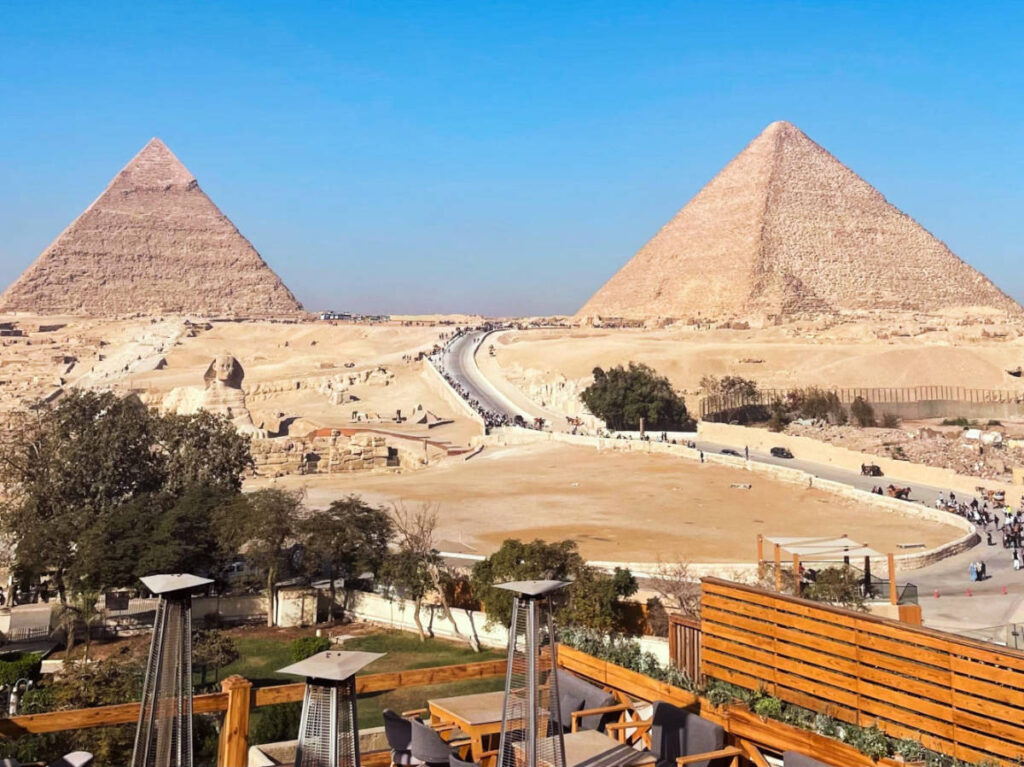
Eat your eggs with the most legendary view in the world.
📍 Google Maps | Phone: +20 010 80058888 | Website | Hours: 9 am – 4 pm daily
Khufu’s Restaurant is open for breakfast and lunch everyday and provides clear views of the Giza Plateau. It offers traditional Egyptian cuisine like ful and falafel with added elegance. The chef aims to elevate Egyptian cuisine to the international stage.
This year, Khufu’s was named the best restaurant in the Middle East and North Africa. Naturally, you must now book in advance.
Marriott Mena House
Choose between three luxury restaurants and dine in the courtyard at the Marriott Mena House.
📍 Google Maps | Phone: +20 02 33773222 | Website
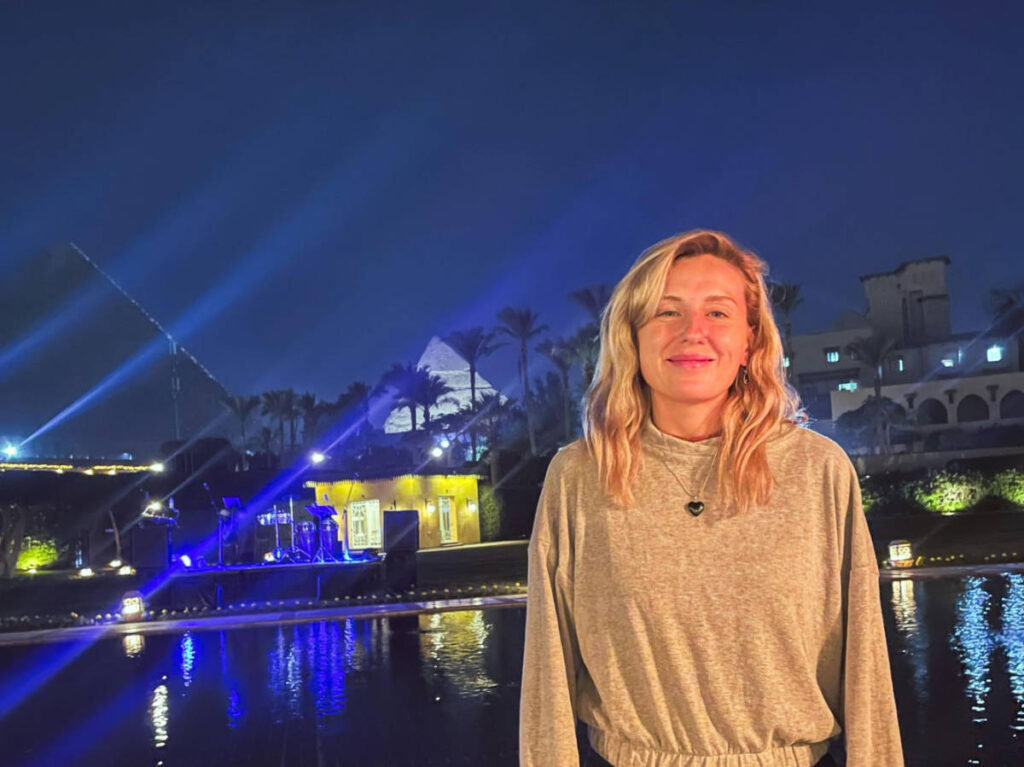
The historic Marriott Mena House sits at the base of the pyramids and houses three upscale restaurants: 139 Pavilion, Alfredo Italian Restaurant, and Moghul Room (Indian cuisine). The outdoor courtyard is the highlight – a rare opportunity to dine with a clear, unobstructed pyramid view at night.
Reservations are recommended, especially for outdoor seating. Expect luxury pricing and attentive service. It’s ideal for romantic dinners, anniversaries, or travelers seeking a refined experience near the Giza Plateau.
Eat Koshary at Abou Tarek
Sample Egyptian street food at this downtown staple beloved by locals.
📍 Google Maps | Phone: +20 0225775935 | Website | Hours: 7 am – 12 am daily
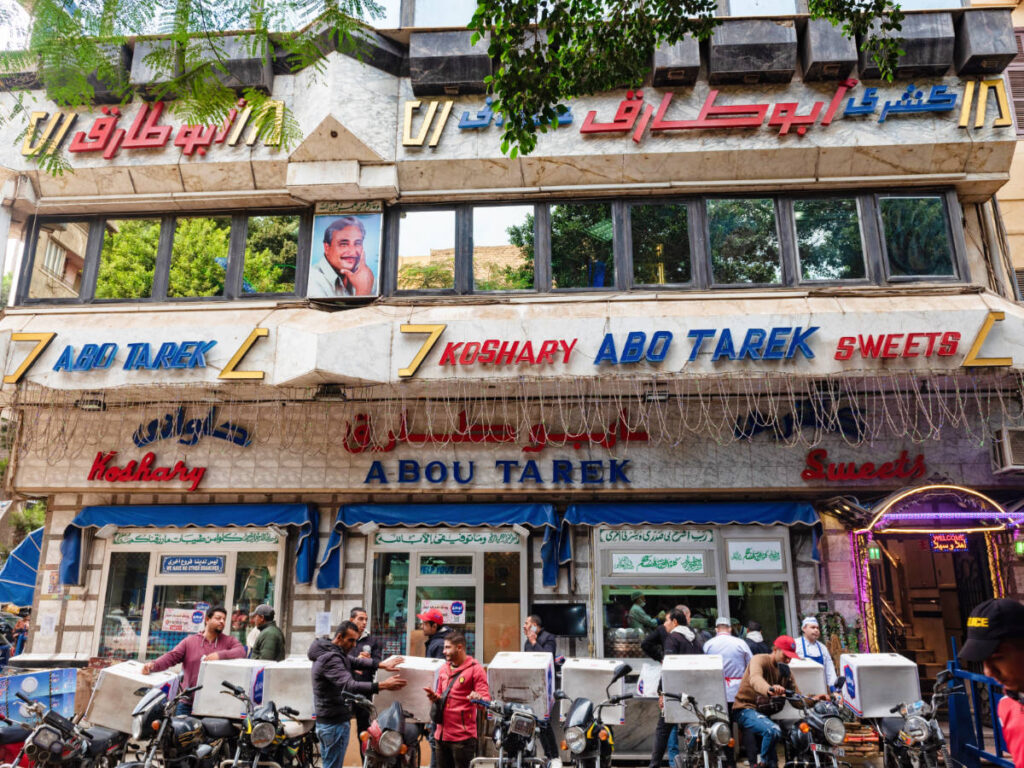
Koshary, an Egyptian streetfood staple, was originally conceived as a dish for the poor. It combines the leftovers from other dishes to make a cheap, high-carb, and delicious meal: rice, pasta, lentils, chickpeas, crispy onions and tomato sauce. Koshary is the most common street food in Egypt, but Abou Tarek does it better than anyone.
Being an Egyptian favorite, the quick-service restaurant has multiple locations – but I recommend hitting the original in downtown Cairo near Tahrir Square. It has over 42,000 reviews on Google!
Art & Culture in Cairo
The Whirling Dervishes at Wekalet El-Ghouri
Follow these Sufi practitioners in a hypnotic performance.
📍 Google Maps | 👉 Book Dinner and the Show on Get Your Guide
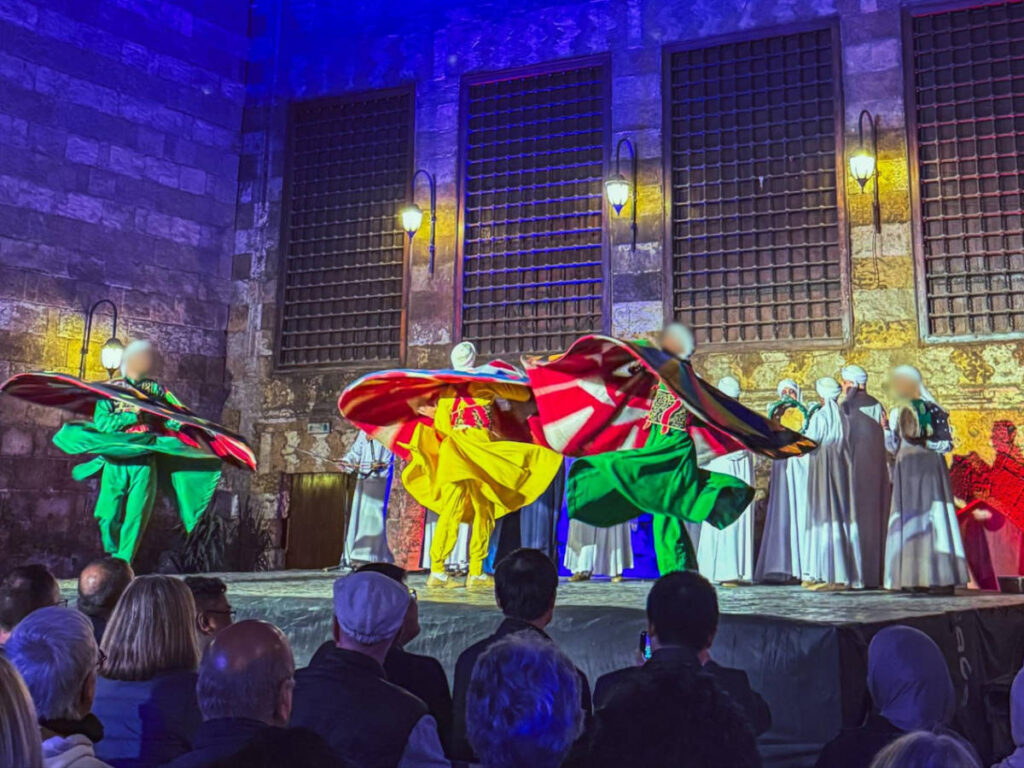
Whirling Dervishes are followers of Sufi Islam who express religious devotion through dance. They spin continuously as a form of moving meditation and prayer.
The best place to watch a whirling dervish performance is at the Wekalet El-Ghouri Arts Center, a restored 16th-century trader’s inn in Islamic Cairo. The show combines live instruments, chanting, and dancers spinning in vibrant skirts for extended periods, creating a mesmerizing visual rhythm.
The Museum of Islamic Art
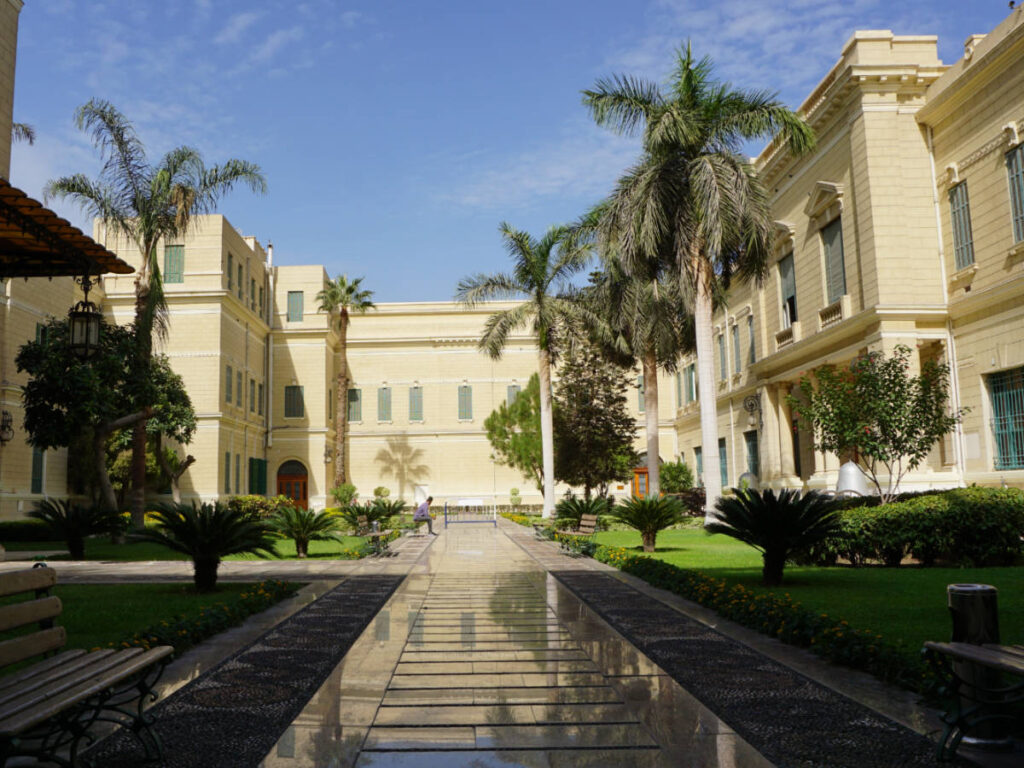
Egypt isn’t all tombs and temples, but also boasts an impressive artistic collection from the Islamic era.
📍 Google Maps | Website | Hours: 9 am – 5 pm daily, closed during Friday afternoon prayer | Entrance: EGP 340
As the name suggests, the Museum of Islamic Art showcases artifacts and art from across the Islamic world. It’s often skipped by tourists, but the expansive collection of textiles and ceramics are guaranteed to delight.
The museum is spacious, modern, and far less crowded than Cairo’s pharaonic institutions. Plan for 1-2 hours. This museum is ideal for art lovers, historians, and anyone wanting deeper context for the Islamic monuments seen throughout the city.
Manial Palace
Explore the palace of the former prince of Egypt.
📍 Google Maps | Phone: +20 02 23687495 | Website | Hours: 9 am – 5 pm daily | Entrance: EGP 220 foreigners, EGP 20 Egyptians
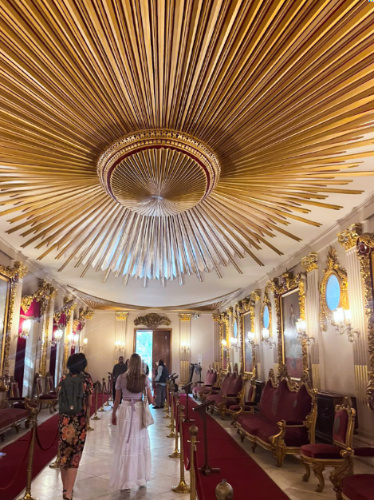
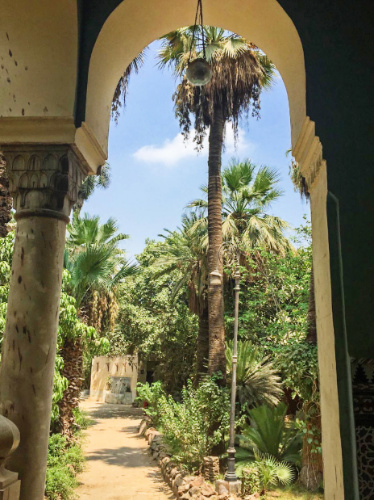
Located on Rawda Island in the Nile, Prince Muhammad Ali’s Palace is certainly still fit for royalty. Constructed in 1899, it’s a wonderfully preserved relic from the Ottoman era of Egypt. Today, it’s a museum open to the public.
Manial Palace is best known for a stunning architectural design, showcasing Persian, Ottoman, Moroccan, and Andalusian design elements. The building displays a magnificent fusion of Islamic art, and the golden throne hall is a highlight. The museum also hosts rotating temporary art exhibitions.
The Street of the Tentmakers (Sharia Khayamiya)
Artisans hold onto tradition in a city divided between the past and future.
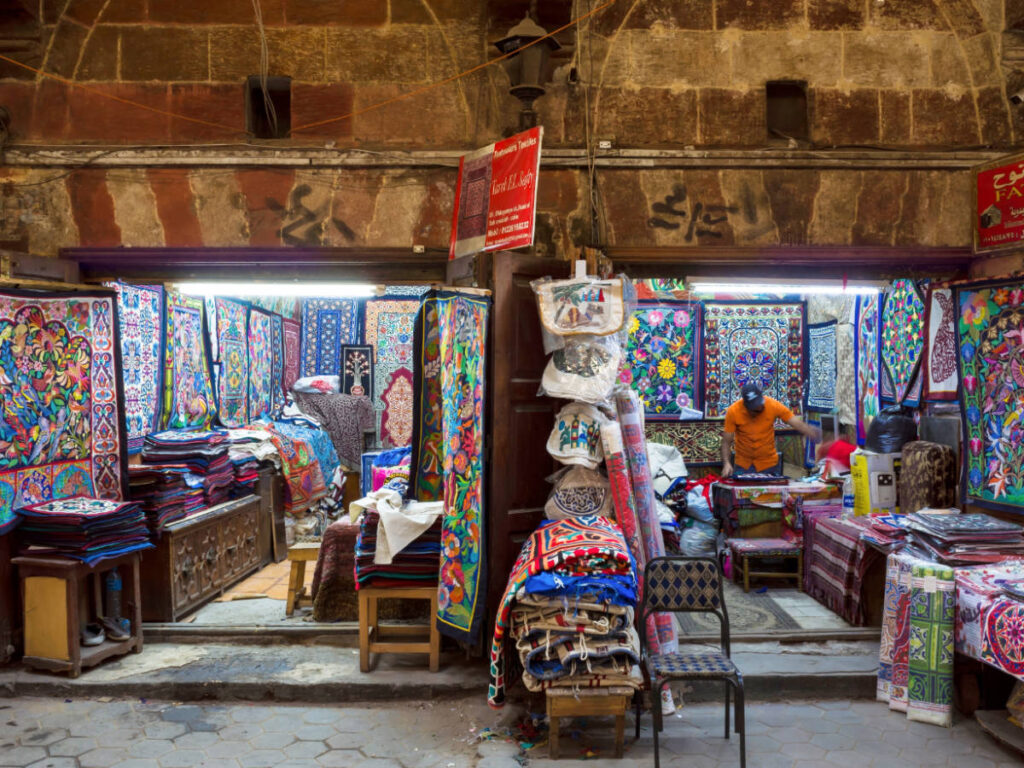
Sharia Khayamiya, one of Cairo’s few remaining covered markets, is home to some of the city’s last artisans. Here, they stitch fabric by hand to make striking wall coverings, cushions, and tents. This is an authentic look into an ancient crafts tradition, and the street is rarely visited by tourists. It’s certainly less touristy than Khan-el-Khalili, but both markets have their charm.
The street is roughly a hundred meters in length and begins across from the Bab Zuwayla Gate. It’s filled with shops that open early and close late.
Take an Arabic Class
Participate in formal structured programs or one-off lessons.

📍 Google Maps | Phone: +20 111 670 4021 | Website
Looking to expand your repertoire of languages? Cairo is a wonderful setting to take an Arabic class. If you’re staying for longer, you may wish to enroll in an intensive program, as many study abroad students do.
The American University of Cairo offers intensive programs in both formal Arabic and Egyptian Arabic. If you’re looking to only take a lesson or two, you can enroll in part-time classes at the Arab Academy for $13/hour.
Note that Arabic in Egypt is extremely different from the language spoken in other Arab nations, so be aware of which dialect you’re practicing!
Outdoor Activities in Cairo
Kayaking in the Nile
Grab a paddle – don’t worry about the crocodiles.
📍 Google Maps | Phone: +20 01229117114 | Website
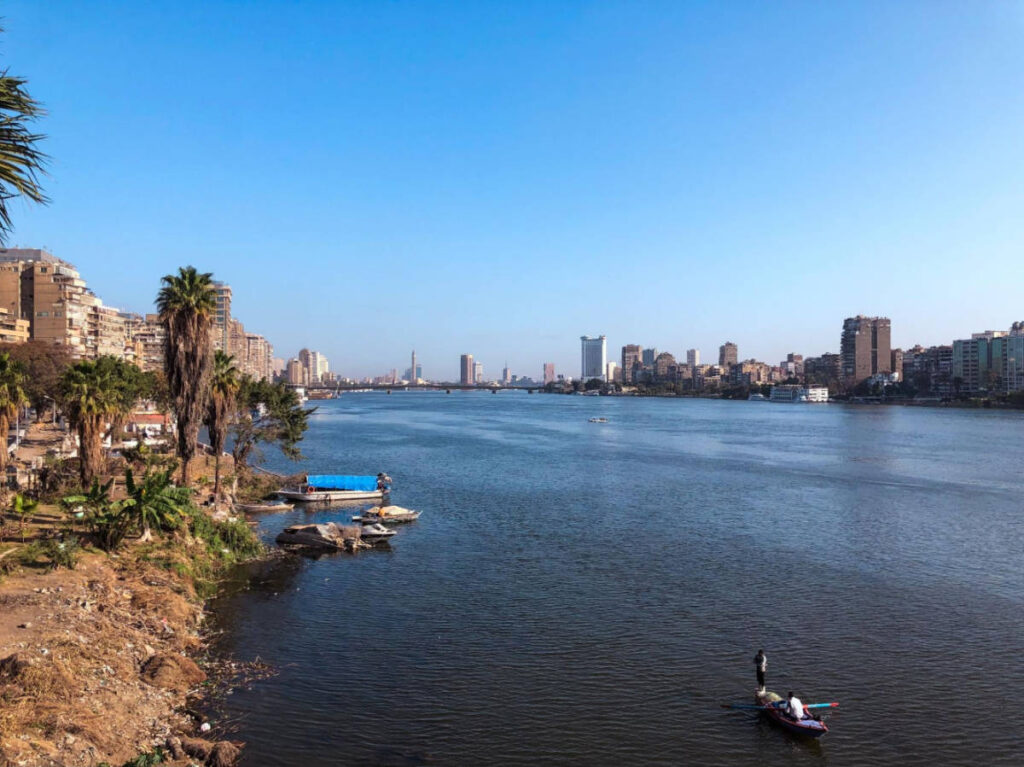
Leave the hustle and bustle of Cairo behind. Grab a paddle and escape to the Nile River to kayak. Most kayak rentals operate from Zamalek. Alternatively, check out the Nile Kayak Club for a schedule of group trips. Early morning and sunset are the best times to go, when temperatures are cooler and the sunlight illuminates the skyline.
Despite the jokes, there are no crocodiles in this stretch of the Nile (anymore) – they live far to the south. Yet, the water isn’t exactly the cleanest, so I’d recommend trying not to flip! Expect passing feluccas and plenty of wading birds.
Al Azhar Park
Bask in this 72-acre green refuge from city life.
📍 Google Maps | Website | Hours: 9 am – 10 pm daily | Entrance: EGP 150 for non-residents on weekdays, EGP 200 on weekends
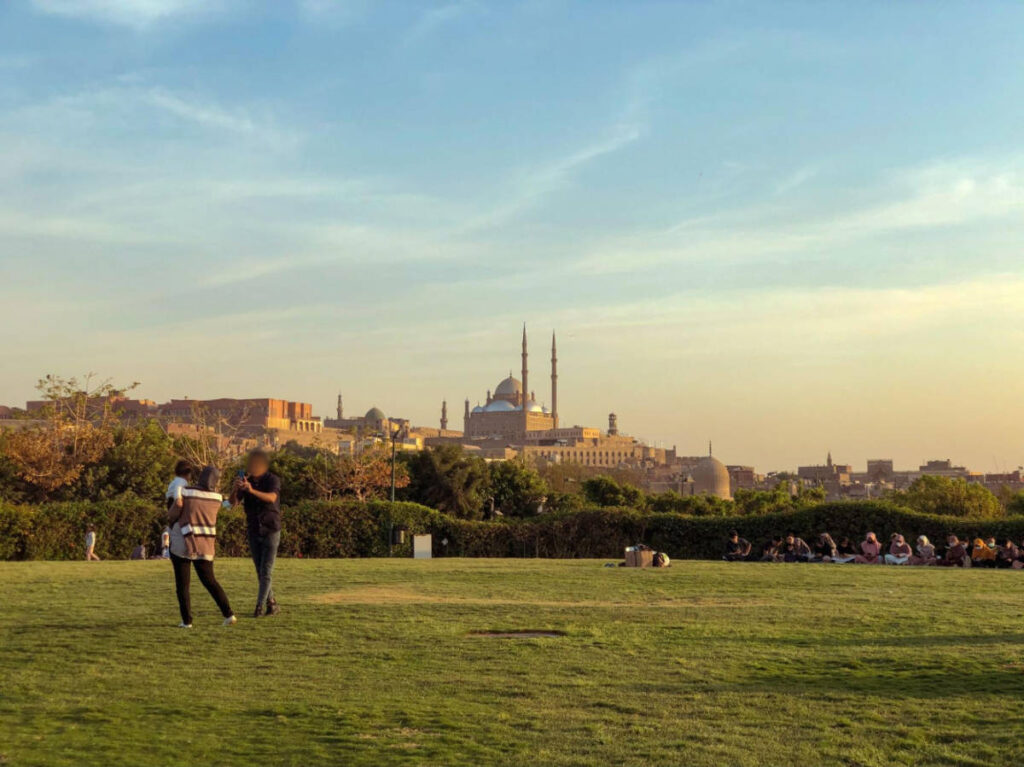
After spending some time in Cairo, it’s easy to forget what a plant looks like – and the color green. The city certainly has a lot of sand and cement, dust and dirt. But Al Azhar park is the largest green space in Cairo, and arguably the most beautiful, offering sweeping views of the Cairo Citadel among the flowers. You can spend an afternoon in the grass people-watching or reading a book.
Unfortunately, the park is not public and visitors must pay an entrance ticket.
Visit a Horse Sanctuary
Embrace ethical animal tourism.

📍 Google Maps | Phone: +20 01011335445 | Website | Hours: 9 am – 11 am daily
Many of the horses and donkeys in Egypt perform hard labor and are severely neglected. Visiting a reputable sanctuary offers a way to engage with animals responsibly while supporting meaningful local work.
Egypt Equine Aid provides free veterinary care to working horses and donkeys and also attempts to rescue animals when possible. Visitors can tour the facility, learn about animal welfare challenges in Egypt, and see firsthand how proper care transforms these animals’ lives.
It’s a sobering but worthwhile experience. If you plan to ride horses or camels anywhere in Egypt, spending time here provides valuable context about responsible tourism. Donations directly support feed, medicine, and treatment.
Wadi Degla
It’s hard to believe this wild gem is still within Cairo.
📍 Google Maps | Website | Hours: Sunrise to sunset, daily | Entrance: EGP 50
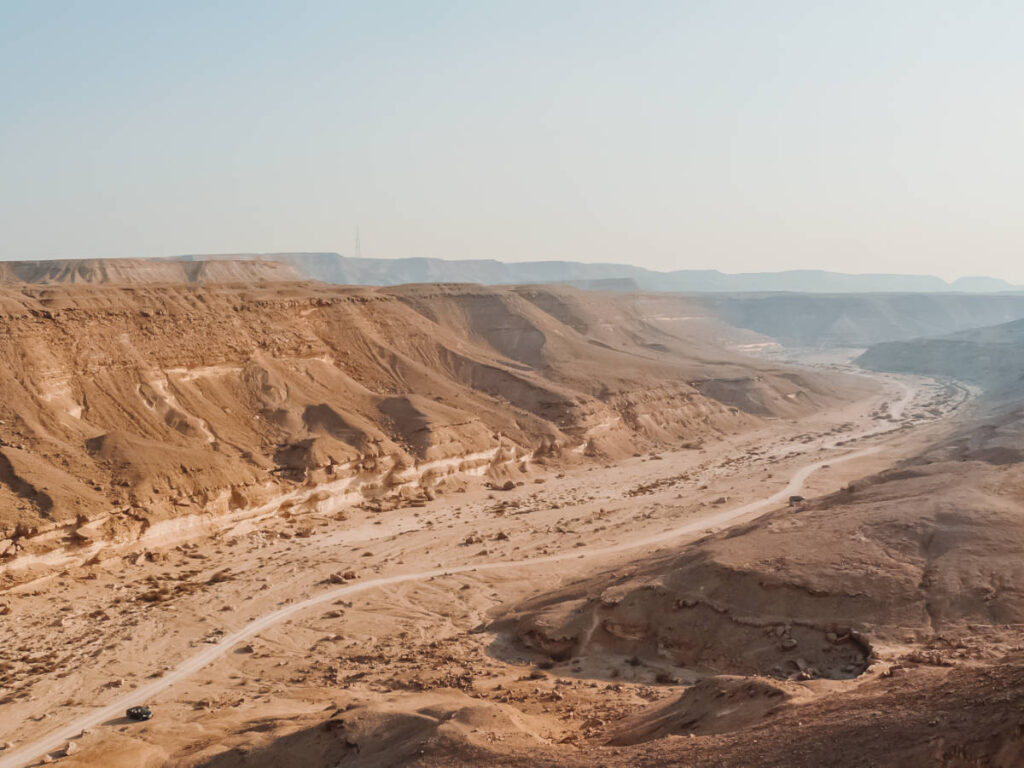
When hiking in the Wadi Degla nature preserve, it’s hard to imagine you’re still within the confines of a major metropolis. The nature preserve includes a vast desert canyon that stretches for nearly 12 kilometers, featuring limestone cliffs, fossil beds, and wide gravel trails perfect for hiking.
It’s located only a 15-minute drive from the Maadi neighborhood, and is easily accessible by renting a car or taking an Uber. You can visit for the day or buy a camping ticket and pitch your own tent.
Zipline at the Cave Church
Race through history carved in stone.
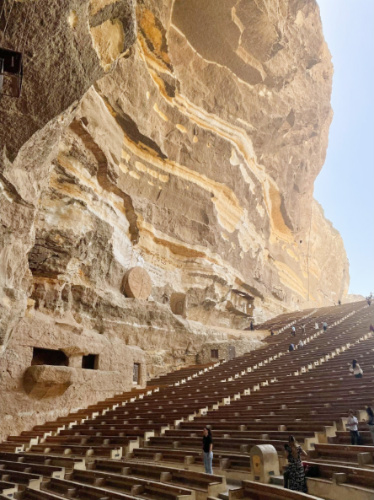
📍 Google Maps | Hours: 9 am – 5 pm daily | Entrance: Free entrance to the church, EGP 200 for zipline
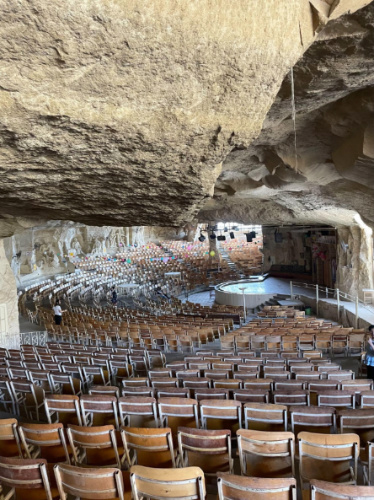
Near Garbage City, The Cave Church of Saint Simon is carved deep into the rock. It’s an impressive archaeological feat: a giant amphitheater sculpted out of limestone, with numerous chapels hidden in the stone.
The church is a remarkable blend of history and archeology: it’s believed that Saint Simon moved the Mokattam mountain to demonstrate his faith, and the church was later built to honor the miracle.
While it’s a popular site for pilgrims, the cave church is certainly an interesting visit for all. The site also offers a 200m zipline above the cave.
Things to Do in Cairo At Night
Cairo Tower
Your plate revolves around Cairo at this spinning restaurant.
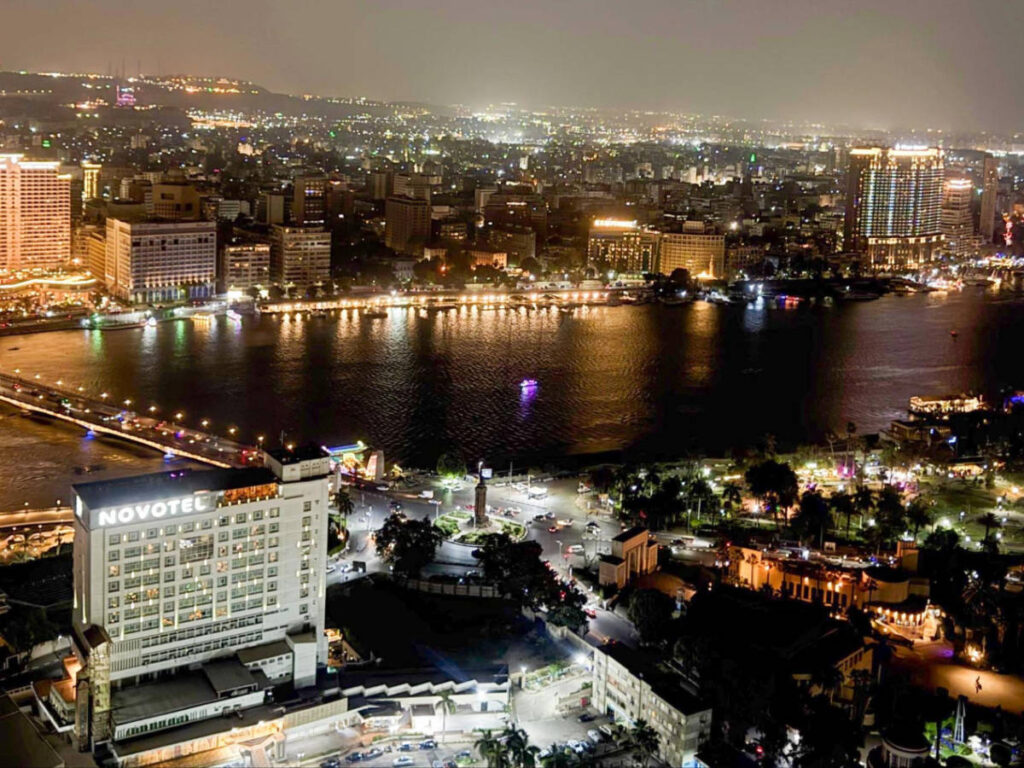
📍 Google Maps | Phone:+20 02 27365112 | Website | Hours: 9 am – 1 am daily | Entrance: EGP 350
Designed with lotus flowers in mind, Cairo Tower was the tallest building in Egypt until 1998. Today, it has a revolving restaurant on the 14th floor: the ground slowly spins 360 degrees, taking you and your table for a ride. The food isn’t spectacular, but the experience certainly is.
You don’t have to eat dinner at the restaurant to enter – you can simply buy a ticket granting access to the 360 observation desk.
The Cairo Opera House
Spend an evening with the classics.

📍 Google Maps | Website | Entrance: Price varies depending on the show
Located in Zamalek along the Nile, the Cairo Opera House is Egypt’s premier performing arts venue. The complex hosts ballet, opera, orchestral concerts, Arabic music nights, and visiting international productions.
The modern building contrasts beautifully with Cairo’s historic sites, offering a refined cultural escape after a day of sightseeing. Ticket prices are generally affordable compared to major European opera houses, though popular performances sell out quickly.
Dress is smart casual, and performances typically begin around 8 pm. It’s a sophisticated way to see Cairo’s contemporary arts scene in action.
Cairo Jazz Club
Drink and unwind to the sounds of saxophones.
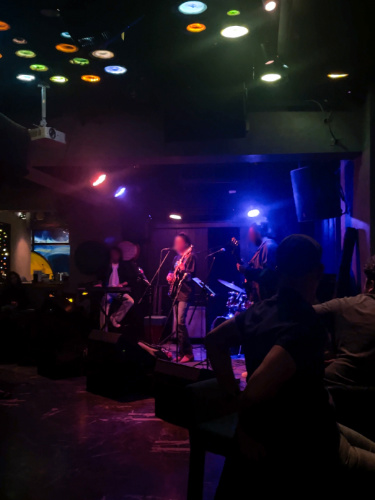

📍 Google Maps | Phone: +20 01068804764 | Website | Hours: 8 pm – 2 am daily | Entrance: EGP 200
After a long day of pyramids and museums, it’s time for a cocktail. While alcohol is legal in Egypt, the standard varies. But Cairo Jazz Club consistently delivers supreme drinks and lively musicians. It’s one of the most dependable and luxurious venues in a city where quality is often inconsistent.
There are two locations, but I prefer the one in Agouza close to the Nile for a more intimate setting. Bookings are required to enter.
Play a Game of Tawla (Backgammon)
The stakes are high in Cairo cafes.
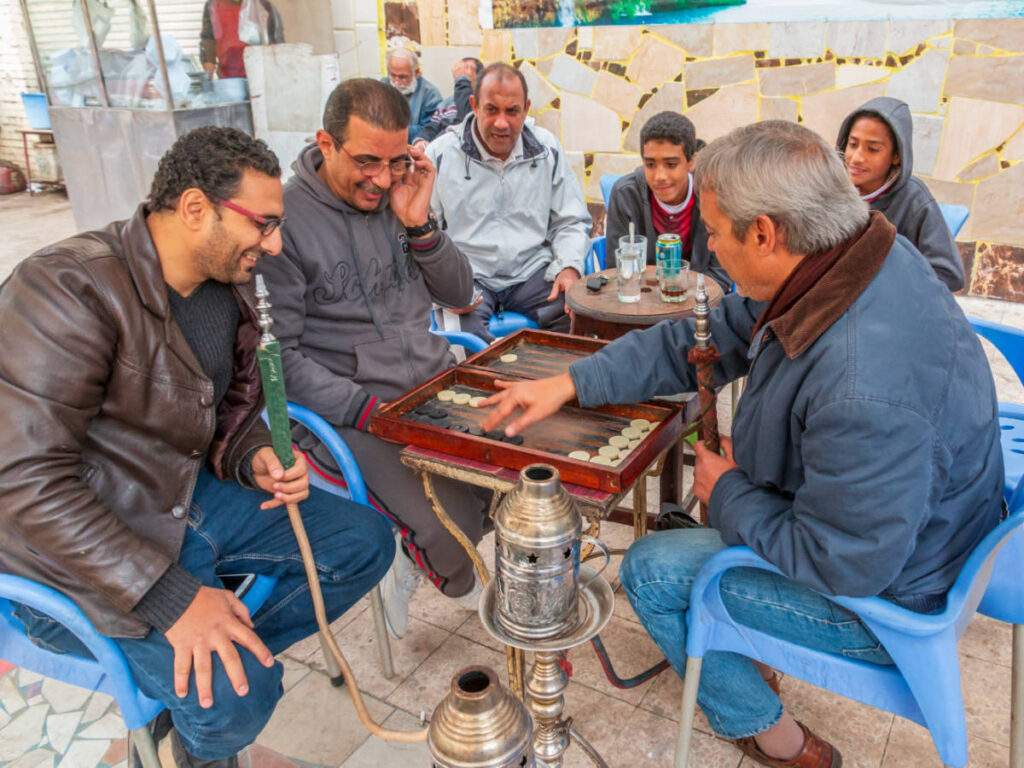
Backgammon, or tawla as it’s called in Arabic, is immensely popular in Egypt. At night, traditional cafes in Cairo come alive with the sounds of clinking checkers and angry shouts of defeat. Local ahwas (cafes) tend to offer only three things: tea/coffee, tawla boards, and shisha (hookah).
I would recommend visiting the historic El Fishawy cafe in Khan-el-Khalili for an authentic experience. Expect cigarette smoke inside and loud noise. If you’re brave, challenge a local to a game.
Felucca Ride
Sail on a traditional boat down the Nile.
📍 Google Maps | Entrance: Negotiable, around EGP 1,500 – 2,000 per hour
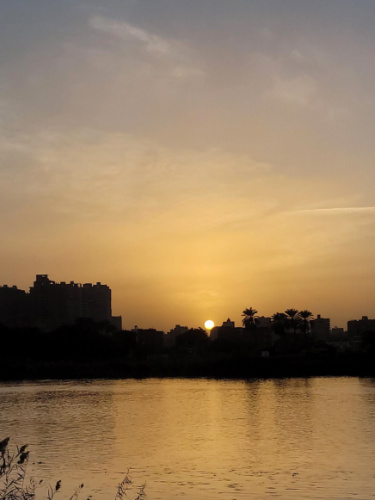
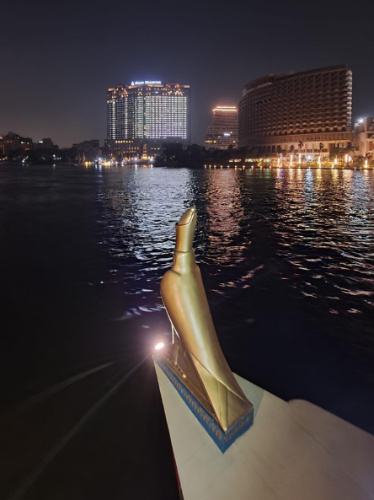
Riding on a felucca, a traditional Nile sailboat, is popular year-round for panoramic sunset views. Yet it’s even better during Ramadan. During the month, Muslims cannot eat or drink from sunrise to sunset – but as soon as the sun goes down, a feast awaits at Iftar (the first meal of the day). Many Egyptians like to enjoy Iftar on a felucca as the sun sets.
You can hire a boat at docks in Zamalek or Maadi. Prices are usually negotiated per boat rather than per person. Bring food, drinks (non-alcoholic during Ramadan!), and good company for the best experience. Or book a ride with Cafelluca Maadi, which comes with dinner and offers set prices.
The Egyptian Premier League
Experience Egypt’s rowdy sports atmosphere.
📍Google Maps (venue varies) | Website
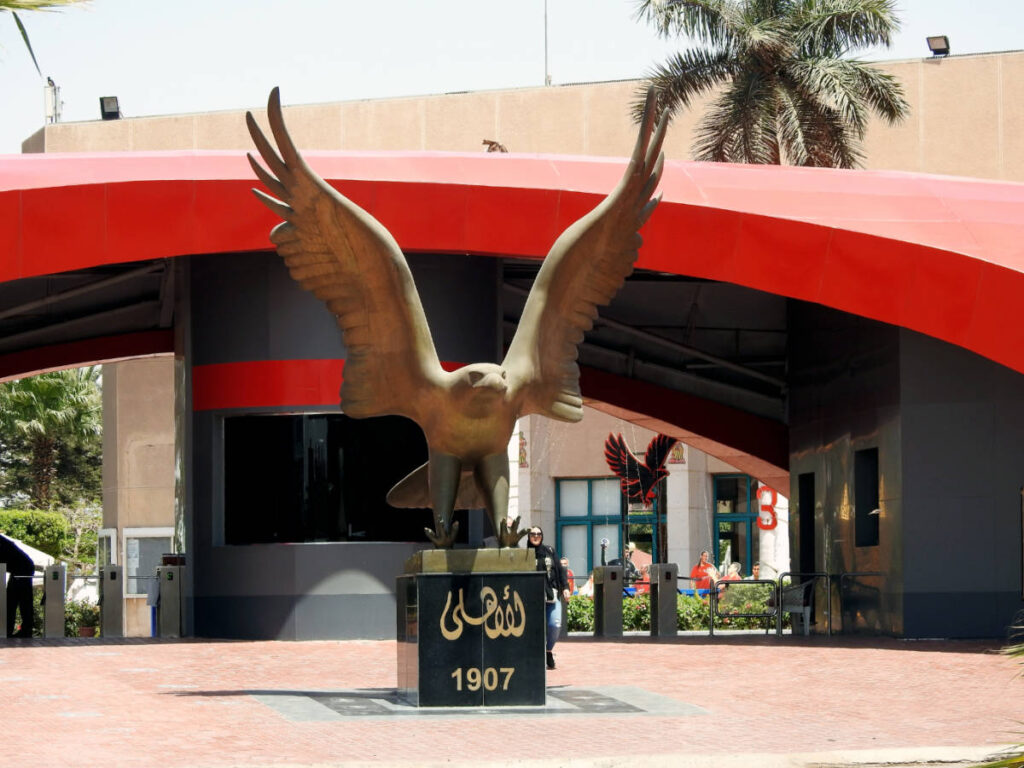
Football, or soccer, is serious business in Egypt. So much so that matches are often not broadcast on television because they cause too many fights amongst the populace. But it’s possible to get tickets to see a match live, with Al Ahly at Cairo International Stadium being the most popular and decorated team.
To get tickets, you must make an account on Tazkarti and verify your identity. Expect intense security procedures when registering for tickets and attending in-person.
Areas to Explore in Cairo
Walk Like an Egyptian
Take a walking tour of the different neighborhoods of Cairo.
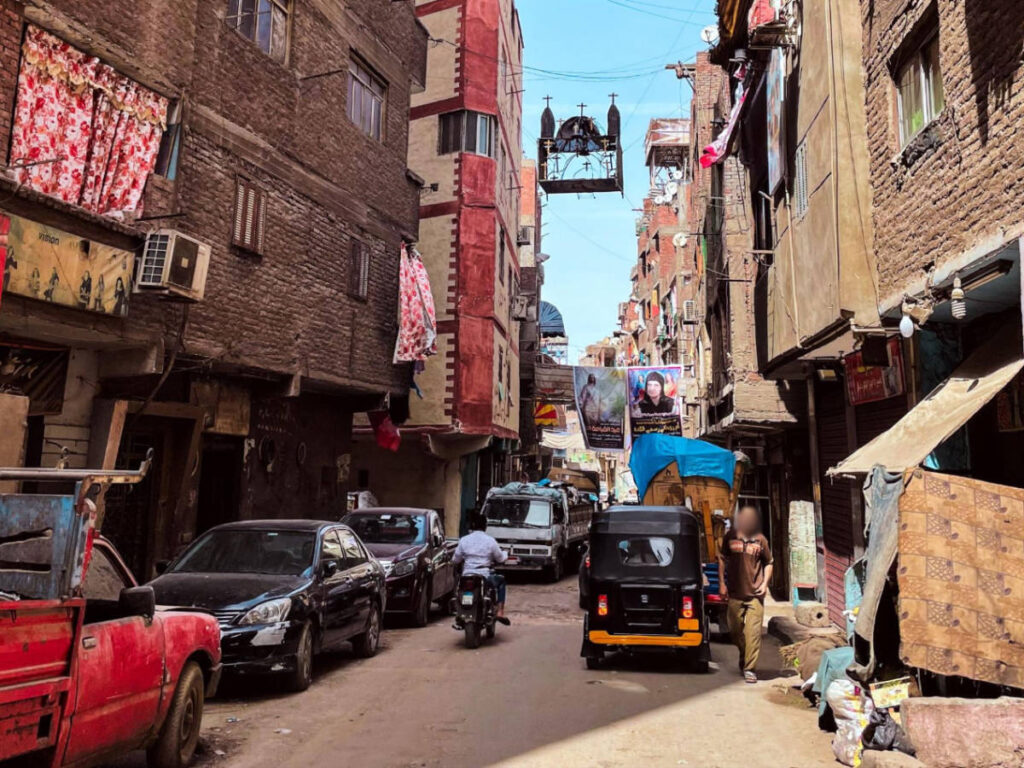
To be frank, Cairo is not the most walkable city in the world. Sidewalks disappear without explanation after a few steps, if one even exists at all. And the driving culture in Cairo is chaotic, to put it mildly.
That being said, walking tours are always the best way to see a city, even if traffic hazards abound. The Egyptian-owned Walk Like An Egyptian tour company offers walking tours of different districts of Cairo.
Coptic Cairo
Stroll through the city’s Coptic Christian neighborhood, which has a unique architectural flair.
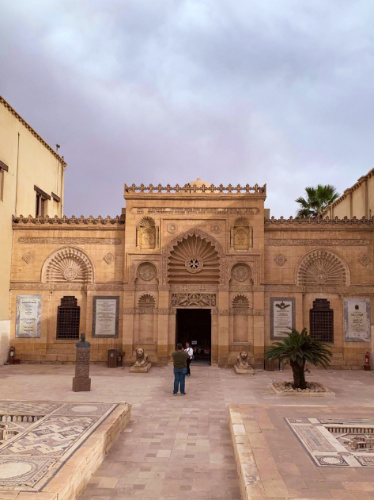
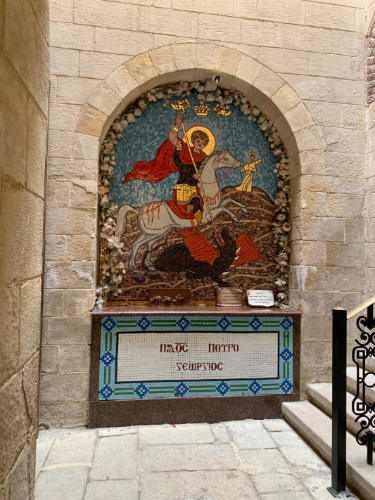
Coptic Cairo is one of Cairo’s most atmospheric districts. It features a peaceful pocket of narrow lanes and ancient churches built atop Roman ruins. This is the heart of Egypt’s Christian heritage. According to legend, the Holy Family hid in this district during their three year refuge in Egypt.
Visit the Hanging Church, explore the Coptic Cairo Museum, and step inside the Church of St. Sergius, believed to be built over the cave where the Holy Family once resided. The area is compact, easy to explore on foot, and offers a contrast to the bustle elsewhere in the city.
Islamic Cairo
Listen as the mosques call to prayer at sunset.
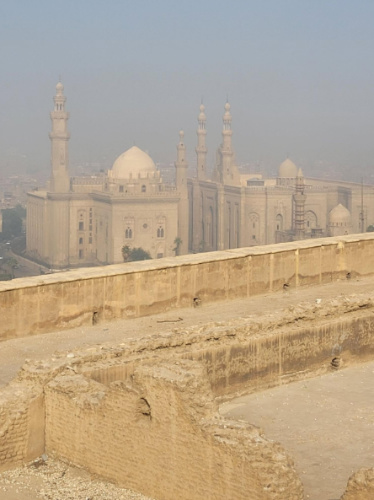
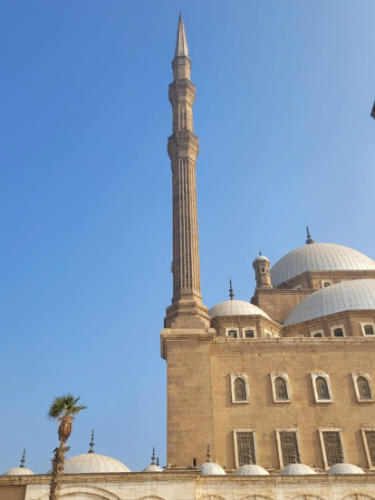
This UNESCO-listed Islamic Cairo district is a maze of medieval streets, hidden courtyards, souqs (traditional Islamic marketplaces), and mosques dating back to the Fatimid, Mamluk, and Ottoman eras.
Start along Al-Muizz Street, one of the oldest streets in the Islamic world, often called an “open-air museum of Islamic architecture.” The street originates from the time of Cairo’s founding in the 10th century.
Come at golden hour, when the mosques’ call to prayer echoes across the city in harmony.
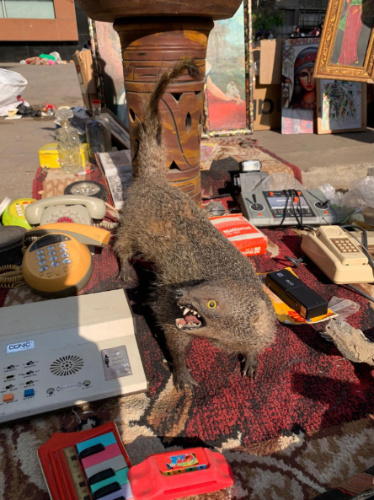
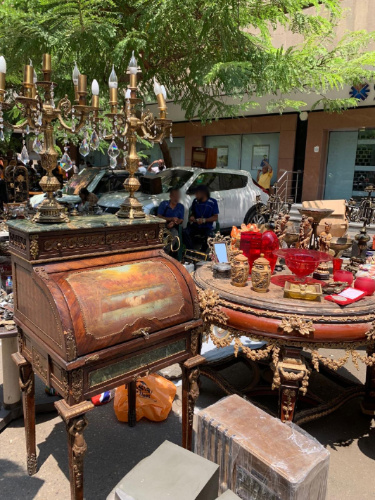
Souq Diana
Hunt for treasures at Cairo’s Saturday flea market.
📍 Google Maps | Hours: 9:00 am – 4:00 pm Saturdays, closed rest of the week
Every Saturday morning, Souq Diana pops up in the streets of downtown Cairo. It’s charming and unpredictable. Vendors spread their goods directly on the pavement: antique furniture, dusty books, film posters, occasional war memorabilia, and a lot of questionable taxidermy.
Arrive early for the best finds, bring small bills, and be prepared to dig. It’s ideal for photographers, collectors, and anyone who loves a good rummage.
👉 Read Next: 20 Essentials to Pack for Egypt
***
Cairo is a city made for exploration. The traffic can be overwhelming, and the streets crowded and noisy, but that restless energy is part of the city’s charm – and challenge. Where else can you journey through 5,000 years of history simply by crossing the street? Just remember to look both ways, twice.
Want to explore beyond Cairo? See my epic 10-day Egypt itinerary next.