
Affiliate Ad Disclosure: We’re reader-supported. When you buy via our links, we earn commissions. Learn more.
The Perfect 10 Day Egypt Itinerary, Planned By a Local

👉 Jump to: Days 1 – 3 | Day 4 | Days 5 – 8 | Days 8 – 10 | More Than 10 Days | Map | Getting Around | Tips | FAQ | Get Printable Version
Egypt is a vast country of contrasts: the Sahara Desert, the fertile Nile River Valley, the Red Sea, and the Sinai Mountains. Planning a trip through its many regions and historical sites can be overwhelming. But as a local, I’ve crafted what I think is a great itinerary for first-timers.
Below, you’ll find an itinerary to squeeze many of Egypt’s archeological highlights into 10 days. We’ll start by exploring the many sites and attractions in Cairo, journey to slower-paced Aswan, cruise along the Nile River, and soar over one of the most incredible parts of Ancient Egypt in a hot air balloon.
But there’s abundantly more to do in the country, so you’ll find extra suggestions to extend your trip below. Remember, no single itinerary can do it all – you will just have to keep coming back, like I did!
🖨️ Get a free, printable version of this itinerary!
10 Day Egypt Itinerary
Cairo (Days 1 – 3)
📍 Google Maps | Where to Stay in Cairo
🛎️ Where to Stay: Marriott Mena House ($$$$, high end luxury and incredible pyramid views) • Sofitel Cairo Nile El Gezirah ($$$, centrally located on the Nile) • Villa Bella Epoque ($$$, classic boutique charm in a quiet neighborhood) • The Home Boutique Hotel Pyramids Inn ($$, great value with pyramid views)
Day 1 – Islamic Cairo, The Citadel, and Khan el Khalili
Before diving into Ancient Egypt, we’re going to ease our way into the country by exploring Islamic Cairo. The Arab conquest of Egypt began around 640 AD, and Islam was introduced during this period. Today, Islamic Cairo (also known as Old Cairo) is peppered with stunning Islamic architecture, mosques, and outdoor bazaars.
Start the day by visiting Al-Azhar Park, the most prominent green space in Cairo with stunning views of the citadel and ancient mosques surrounding the park. In the park, have breakfast at Granita atop a tranquil lake.
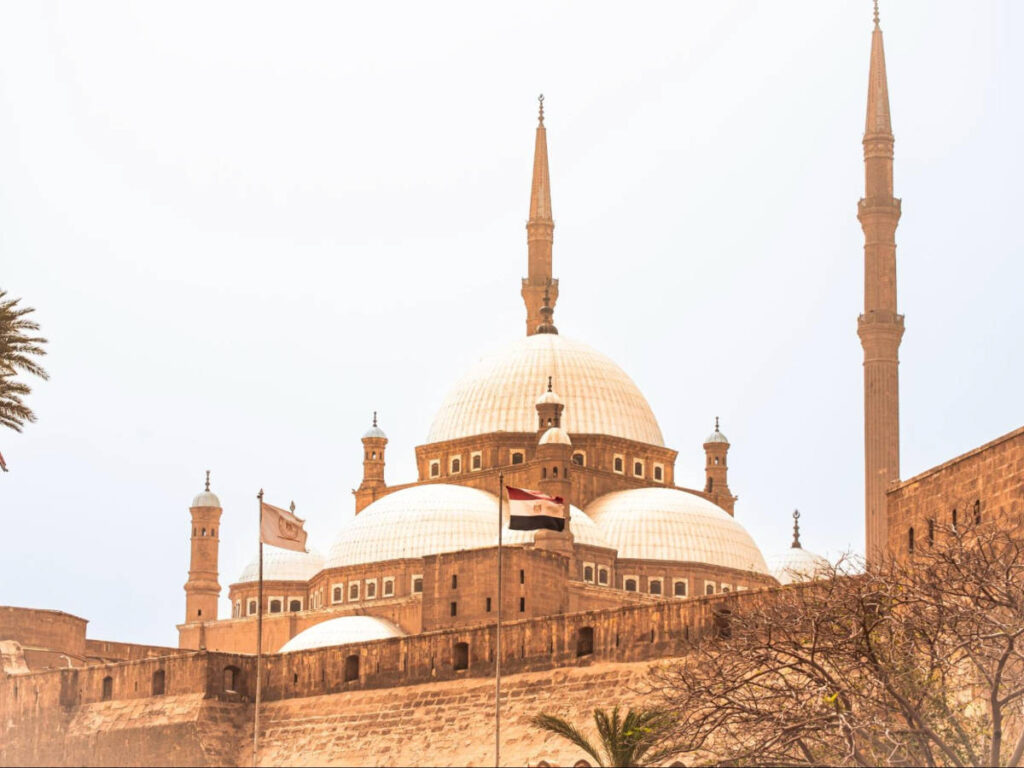
After eating alongside the symphonies of chirping birds, exit the park and head towards the Cairo Citadel. It’s close, but take an Uber because you have to cross a major highway. Tour the citadel, which was built as a defense against the Crusaders, and the Mosque of Mohammad Ali inside the complex.
Next, head down the road to Islamic Cairo for an “open-air museum” of Islamic architecture. Start at Bab Zuwayla, one of the last remaining ancient gates to the city. I highly recommend taking an Old Cairo Walking Tour, because the area is local, crowded, and can be overwhelming. A tour will last around two to four hours.
Then, shop the night away at nearby Khan El Khalili. The Medieval market comes alive at night, with hundreds of stalls selling souvenirs, fabrics, lamps, and any good you can imagine. It’s not necessarily a tourist trap; plenty of locals also shop here. But beware of pickpockets.
Have dinner inside the market at Zeeyara Moez for your first authentic Egyptian meal in Cairo.
Day 2 – Grand Egyptian Museum & Pyramids of Giza

Today is the reason you traveled to Egypt: to visit the only remaining wonder of the Ancient World. Start early because it’s going to be a long but incredible day.
Begin with a visit to the Pyramids of Giza and the Sphinx; get there before 9 am, ideally even earlier. You can go independently by buying a ticket at the Great Gate (the main entrance point) or book an organized tour. I recommend hiring a tour guide in order to get details about the site and navigate the mayhem: camels, donkeys, long queues, and everyone trying to sell you something.
You can spend two to four hours here, depending on your interests. Decide if you simply wish to visit panoramic viewpoints across the site, or pay extra to enter the pyramids and explore inside. But tomb raiders did significant damage, and the tombs are actually pretty empty.
When you’re done, feast on a spectacular lunch spread at the foot of the pyramids at Breadfast or Khufu’s Restaurant.
Then head to the Grand Egyptian Museum down the road. You can easily spend the rest of the day here. The sprawling museum complex is the largest museum in the world dedicated to a single civilization, and there are over 100,000 objects on display. Thankfully, there are plenty of cafes inside to take a break and recharge.
To conclude your day in Ancient Egypt, have dinner at one of three restaurants at the Marriott Mena House – which offers, you guessed it, an incredible view of the pyramids.
Day 3 – Day Trip to Fayoum
It’s time to get out of the city and enjoy a taste of rural Egyptian life: farmers, fishermen, and potters. So we’re heading to the Fayoum Oasis, a desert basin with a vast lake and the charming Tunis Village, an ecovillage famous for pottery.
Begin the day with a two-hour drive from Cairo. Book a private car or go with an organized tour. When you arrive, start with a late morning brunch at Ibis Restaurant & Cooking School. Sit on the terrace overlooking the fields and ease into the peaceful day with a full Egyptian spread.
Then explore Tunis Village on foot. Walk the quiet streets lined with mudbrick houses, and browse the pottery studios that define the village. Join a pottery class at one of the local studios. Even a quick session offers a glimpse into the craft that put Tunis Village on the map.
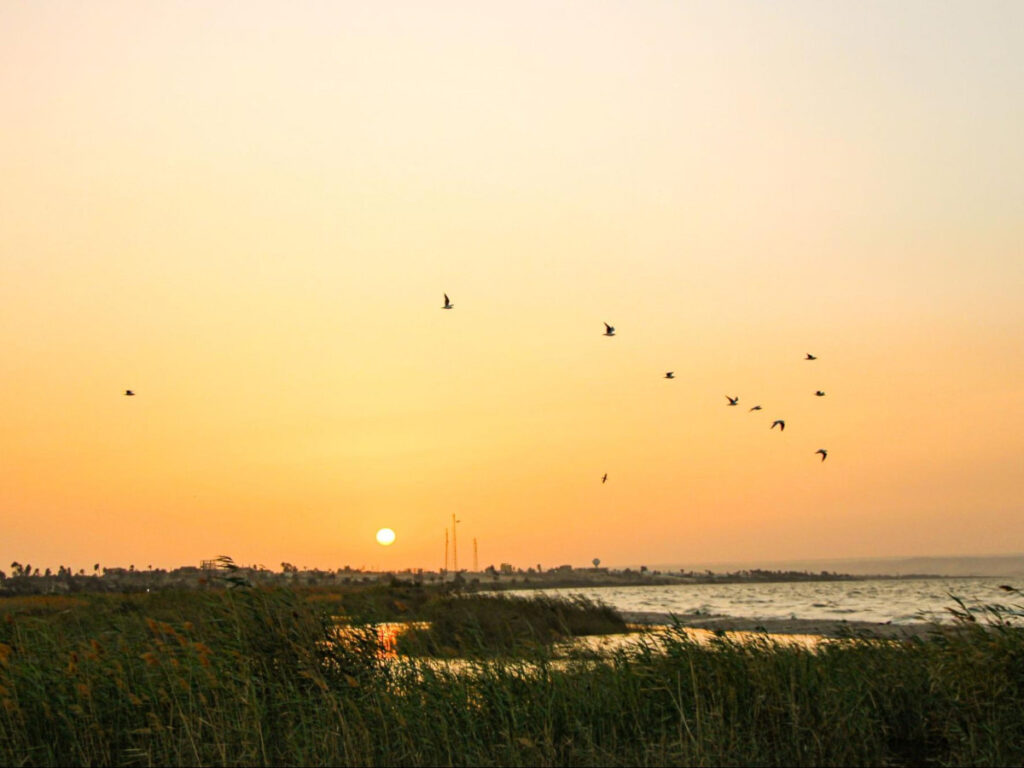
In the afternoon, head to Lake Qarun. Hire a small local boat – simple wooden feluccas or motorboats are usually available along the shore – and head out onto the water. The desert reflects across the lake, and the scene is pure tranquility. It’s also ideal for birdwatching.
Later, take a tuktuk to the impressive Qasr Qarun Temple, a rarely visited Egyptian temple dating back to the Ptolemaic (Greek) era. Return to Cairo in the evening.
📚 Cairo Mini Guide 📚
Book for Days 1 – 3
✨ Best Hotels – Marriott Mena House ($$$$) • Villa Bella Epoque ($$$) • The Home Boutique Hotel Pyramids Inn ($$) • Sofitel Cairo Nile El Gezirah ($$$)
🏠 Apartments – Browse Top Rentals in Cairo
🍽️ Where to Eat – La Zisa Cairo ($$$), Crimson Bar & Grill ($$$), Zeeyara Moez ($$), Ratio’s Bakery ($)
🍸 Where to Drink – Rooftop Kempinski, Cairo Jazz Club, Bar’Oro, Cairo Cellar
🎟️ Top Attractions – Pyramids of Giza, The Grand Egyptian Museum, Cairo Citadel, Khan El Khalili, Fayoum Oasis
Aswan (Day 4)
🛎️ Where to Stay: Old Cataract Aswan ($$$$, historic luxury) • Kafana Guest House Nile View ($$, laidback island vibes) • Dolty Kato Nubian House ($$, Nubian charm with a wellness focus)
Day 4 – Fly to Aswan and Explore
Take an early morning flight from Cairo to Aswan (around 1.5 hours), where Egypt slows down. This city is close to the border with Sudan; and life here takes on a distinctly Nubian rhythm.
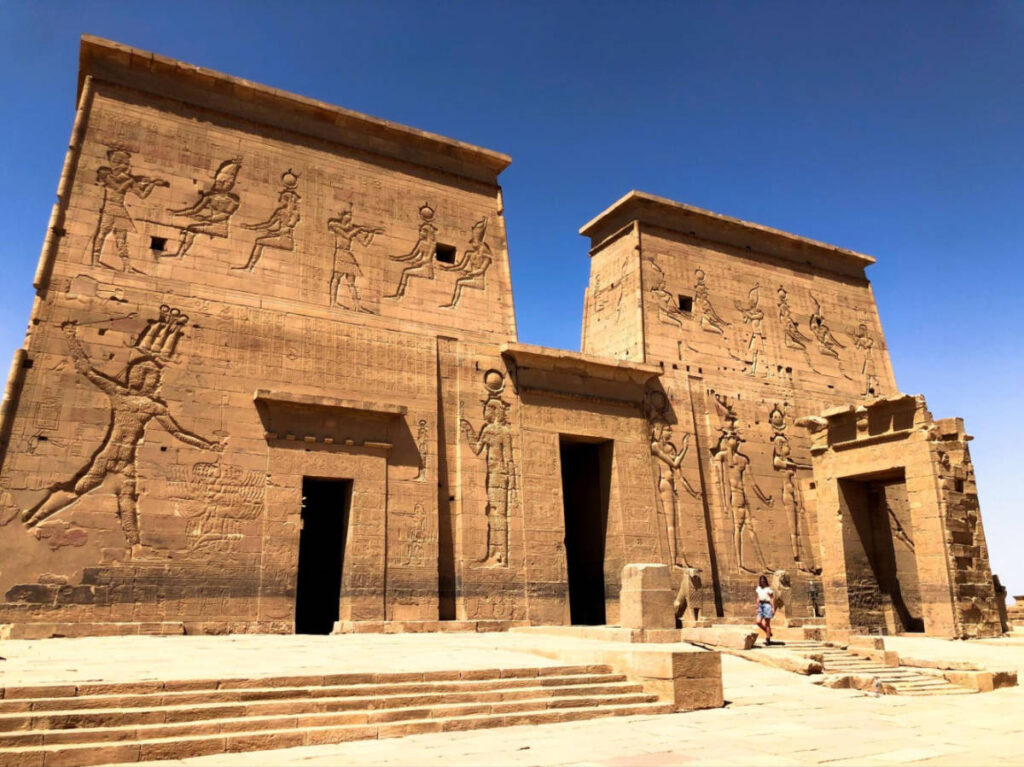
After landing, make a visit to Philae Temple, perched on Agilkia Island and accessed via a short boat road across the Nile. Take a taxi from Aswan to the Marina Philae Temple, from where you can hire a boat. The temple complex, dedicated to Isis, is one of Egypt’s most incredible archeological sites.
In the afternoon, visit the traditional Nubian village on Elephantine Island, accessed by boat from the bank of the Nile. Walk through brightly painted homes, meet local families, and learn about Nubian culture.
Enjoy sunset drinks and dinner on the terrace at the historic Old Cataract Aswan, where numerous world-renowned authors stayed during the 20th century. Agatha Christie penned her famous Death on the Nile novel from here.
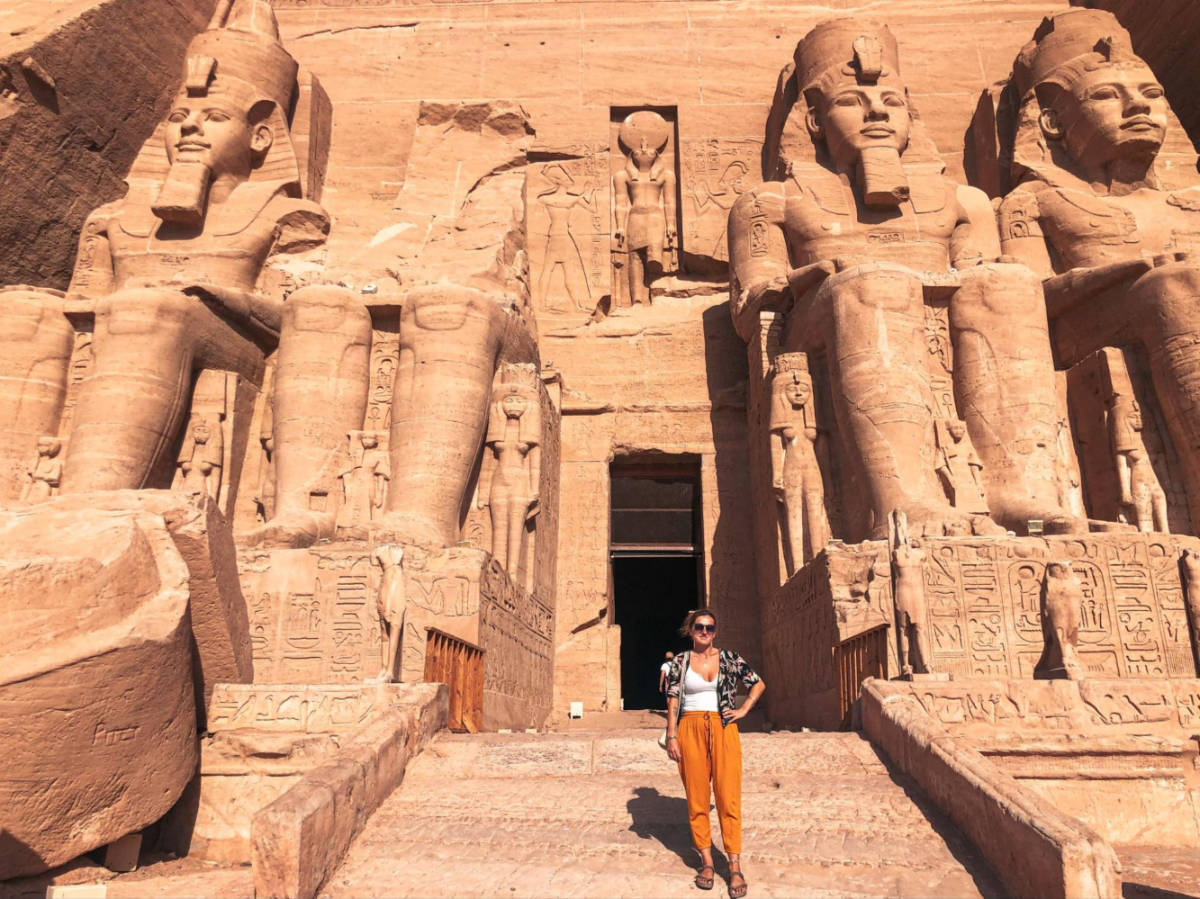
Note: If you decide to skip the next days’ Nile Cruise, be sure to visit Abu Simbel while in Aswan. Following the Aswan Dam’s construction in the 1950s, this enormous ancient temple was physically moved piece by piece to rescue it from the Nile’s floodwaters.
📚 Aswan Mini Guide 📚
Book for Day 4
✨ Best Hotels – Old Cataract Aswan ($$$$) • Kafana Guest House Nile View ($$) • Dolty Kato Nubian House ($$)
🏠 Apartments – Browse Top Rentals in Aswan
🍽️ Where to Eat – Juzoor Restaurant ($$$), Nuba Waidi Restaurant & Cafe ($)
🍸 Where to Drink – The Terrace in the Old Cataract
🎟️ Top Attractions – Philae Temple, Elphantine Island, Nubian Museum, Abu Simbel Temple
Nile Cruise (Days 5 – 8)
🛎️ Where to Stay: Sonesta St. George Nile Cruise ($$$$, all-around luxury), Steigenberger Legacy Nile Cruise ($$, exceptional staff and comfortable rooms), Mody Egypt Tours ($$, great food, excellent excursions)
Day 5 – 8 – Sail From Aswan to Luxor
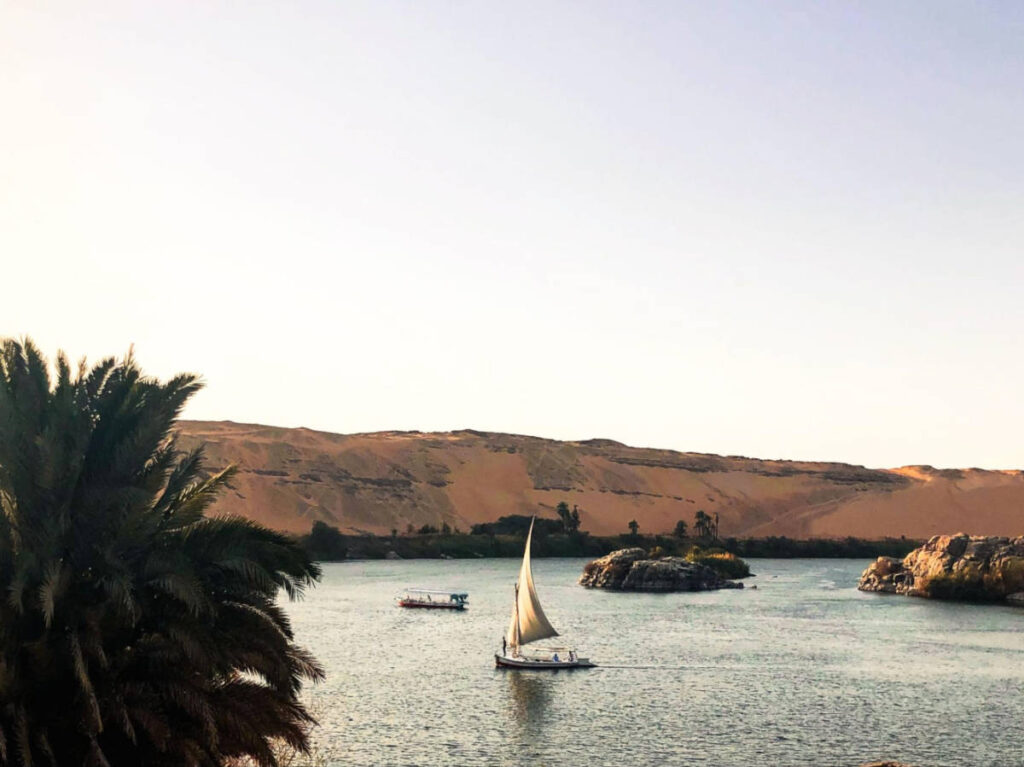
We’re setting sail down the Nile. The iconic journey unfolds over four days and three nights as you drift from Aswan to Luxor. The irony: The Nile actually flows south to north, so you’re heading north but sailing with the flow of the ancient current.
This is one of the most relaxed parts of the trip. You unpack and let the river do the moving. Days are shaped by a rhythm of sailing, guided excursions, and long, unhurried stretches on deck watching rural Egypt pass by. You’ll see palm groves, mudbrick villages, fishermen in wooden boats, and children waving from the riverbanks.
Depending on your cruise package (budget-friendly options start around $250 all-inclusive, while luxury offerings can exceed $2000), your itinerary will include guided stops at some of Egypt’s most important temple sites: Abu Simbel, Kom Ombo Temple, and Edfu Temple.
Evenings typically include dinner onboard and optional entertainment, but the real highlight is being on the river itself and slowly passing ancient sites in rural areas that are rarely visited.
By Day 8, you arrive in Luxor, ready for the final chapter of Ancient Egypt.
📚 Nile Cruise Mini Guide 📚
Book for Days 5 – 8
✨ Best Cruises – Sonesta St. George Nile Cruise ($$$$) • Steigenberger Legacy Nile Cruise ($$) • Mody Egypt Tours ($$)
🍽️ Where to Eat – Onboard dining included (buffet lunches, multi-course dinners, local Egyptian & international cuisine)
🍸 Where to Drink – Cruise bar lounge, sundeck cocktails, evening tea service
🎟️ Top Attractions – Abu Simbel, Kom Ombo Temple, Edfu Temple
Luxor (Days 8 – 10)
🛎️ Where to Stay: Saray El-Omda ($$$, old world charm) • Sofitel Winter Palace ($$$$, classic luxury) • El Juneina Villas ($$, basic but elegant)
Day 8 – Explore the East Bank
Most Nile cruises arrive in the morning or early afternoon, leaving you with time to explore on Day 8.
It’s time to get your land legs back because we have a lot of walking to do. The Nile River cuts through Luxor, so we will divide the days here between the West Bank and the East Bank. (I recommend booking a hotel on the West Bank, which is more tranquil. The East Bank is a classic Egyptian city: crowded and chaotic).
After docking in Luxor, spend the rest of the day exploring the East Bank: the ancient urban side of the Nile, where temples were dedicated to the living instead of the dead.
Start at Karnak Temple Complex. This complex was expanded over centuries by multiple pharaohs and is one of the largest religious sites ever built. It’s simply incredible.
If you have time and energy, stroll down the Avenue of Sphinxes, the restored processional road that once connected Karnak to Luxor Temple.
In the evening, visit Luxor Temple after dark when it’s illuminated and far less crowded.
Later, have dinner at the nearby Sofra Restaurant for an authentic Egyptian meal.
Day 9 – Tour the West Bank: Valley of the Kings & Temple of Hatshepsut
Today we’re exploring the Nile’s West Bank, dedicated to the departed. The activities today depend on the itinerary of your Nile cruise, as many boats will have stopped at some of the famous sites before docking. But now you have a whole day for exploration. Be prepared, it’s hot!
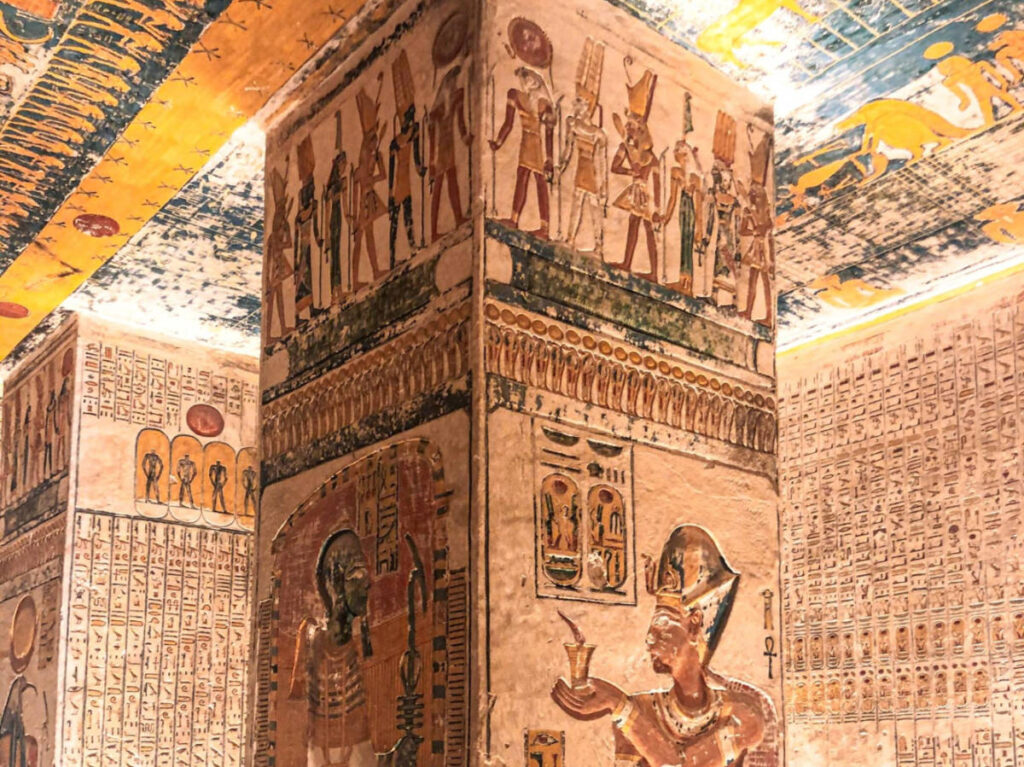
Begin at Valley of the Kings, where approximately 65 pharaohs were buried in lavish tombs beneath the desert sands. A standard ticket grants admittance into three tombs of your choosing, but you should pay extra to enter King Tutankhamun’s tomb. His mummy is still visible inside the tomb, his final resting place undisturbed.
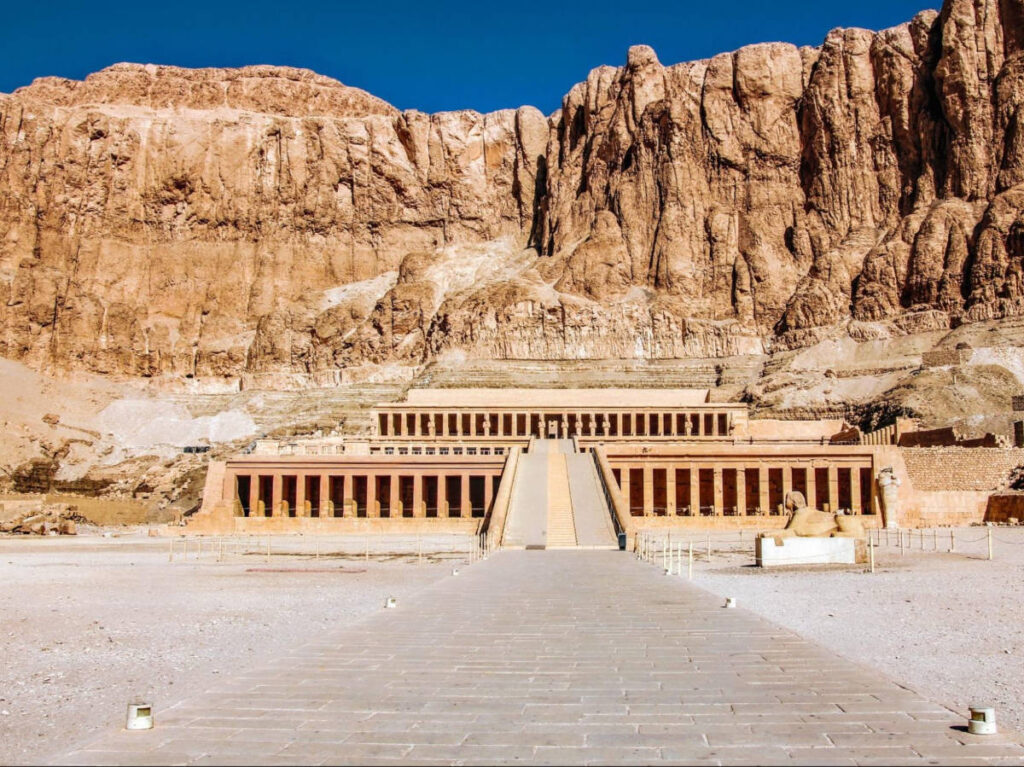
Continue to the Temple of Hatshepsut, one of Egypt’s most striking temples, built into limestone cliffs. Hatshepsut was one of the few ruling queens of Ancient Egypt.
Afterwards, visit Deir el-Medina (Valley of the Workers) for a less crowded experience. This site is home to the tombs of the craftsmen and artisans of Ancient Egypt. It’s rarely visited but one of my favorite spots.
Stop briefly at the Colossi of Memnon on the way back for photos if you still have energy.
Enjoy dinner at Al Sahaby Lane Restaurant.
Day 10 – Fly Home
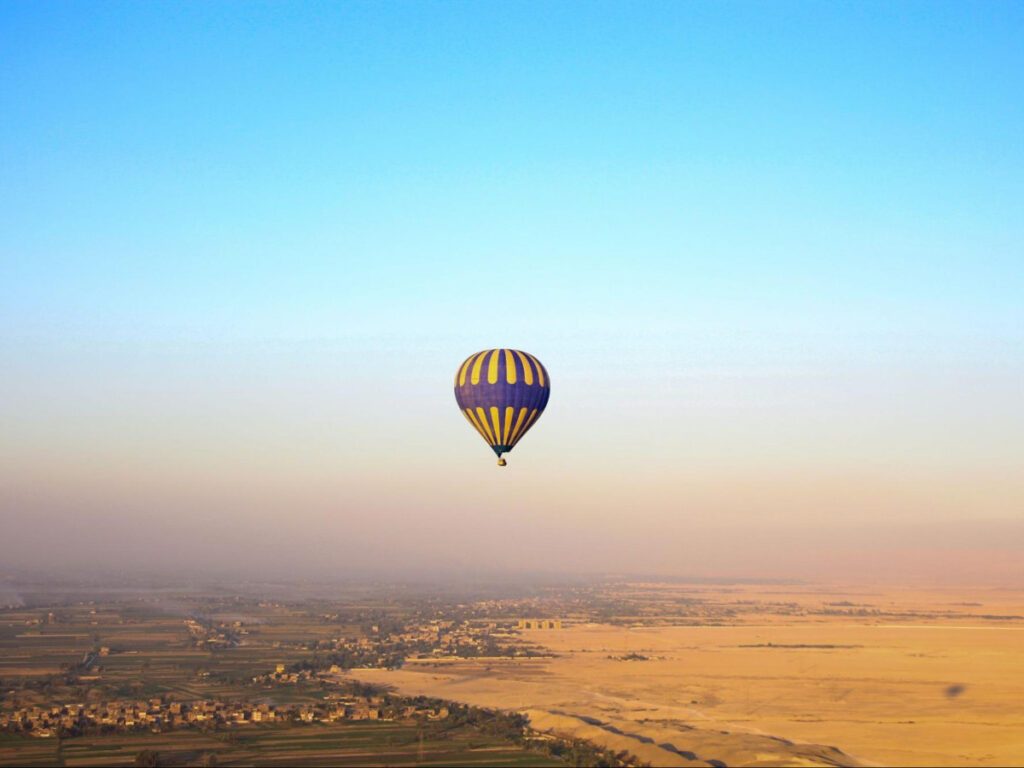
To conclude your trip through Ancient Egypt, take a sunrise hot air balloon ride over the Valley of the Kings. Pickup is usually around 3:30 am, leaving you enough time to soar the skies open-air before hopping on a plane back home.
If you have time before your flight, I would also recommend a quick stop at the Mummification Museum or the Luxor Museum.
Luxor is home to Luxor International Airport, so there’s no need to travel back to Cairo.
📚 Luxor Mini Guide 📚
Book for Days 8-10
✨ Best Hotels – Saray El-Omda ($$$) • Sofitel Winter Palace ($$$$) • El Juneina Villas ($$)
🏠 Apartments – Browse Top Rentals in Luxor
🍽️ Where to Eat – Casa Di Napoli ($$$), Al Sahaby Lane Restaurant ($$), Sofra Restaurant ($$)
🍸 Where to Drink – The King’s Head Pub, Nile Bar & Lounge
🎟️ Top Attractions – Valley of the Kings, Karnak Temple, Luxor Temple, Temple of Hatshepsut, Deir el-Medina
Have More Than 10 Days?
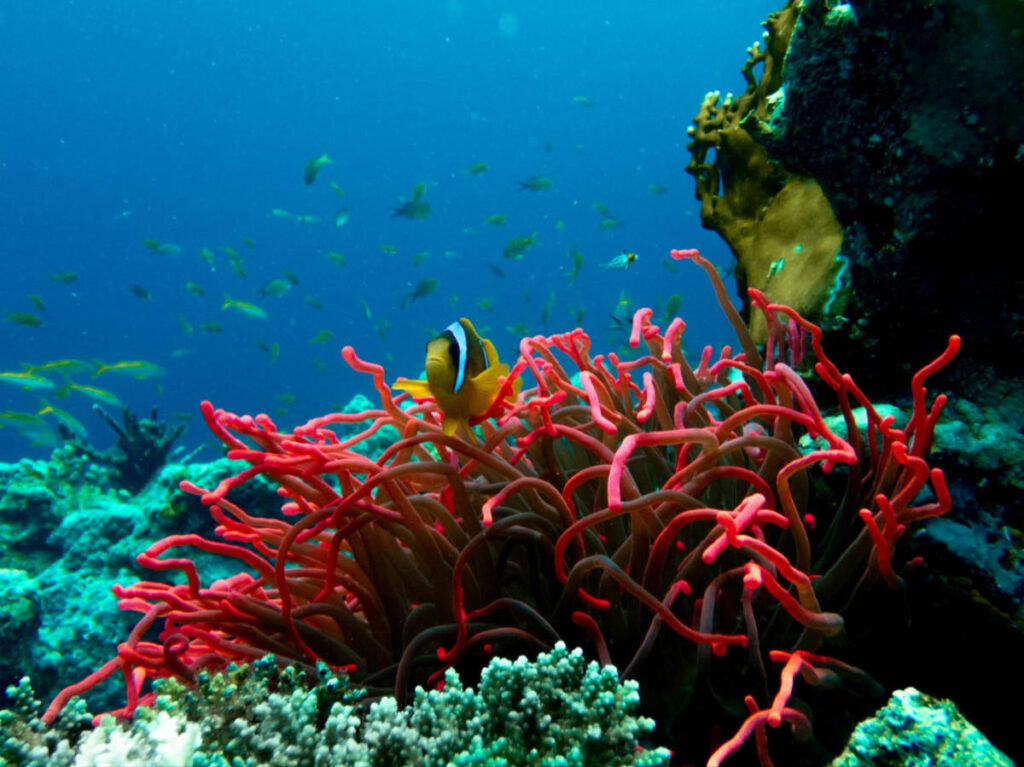
If you have more than 10 days, I would recommend exploring some of Egypt’s incredible landscapes and outdoor activities. But first, decide: Do you want to enjoy a relaxed beach vacation along a spectacular coastline or focus on an adventure like hiking and climbing through the desert?
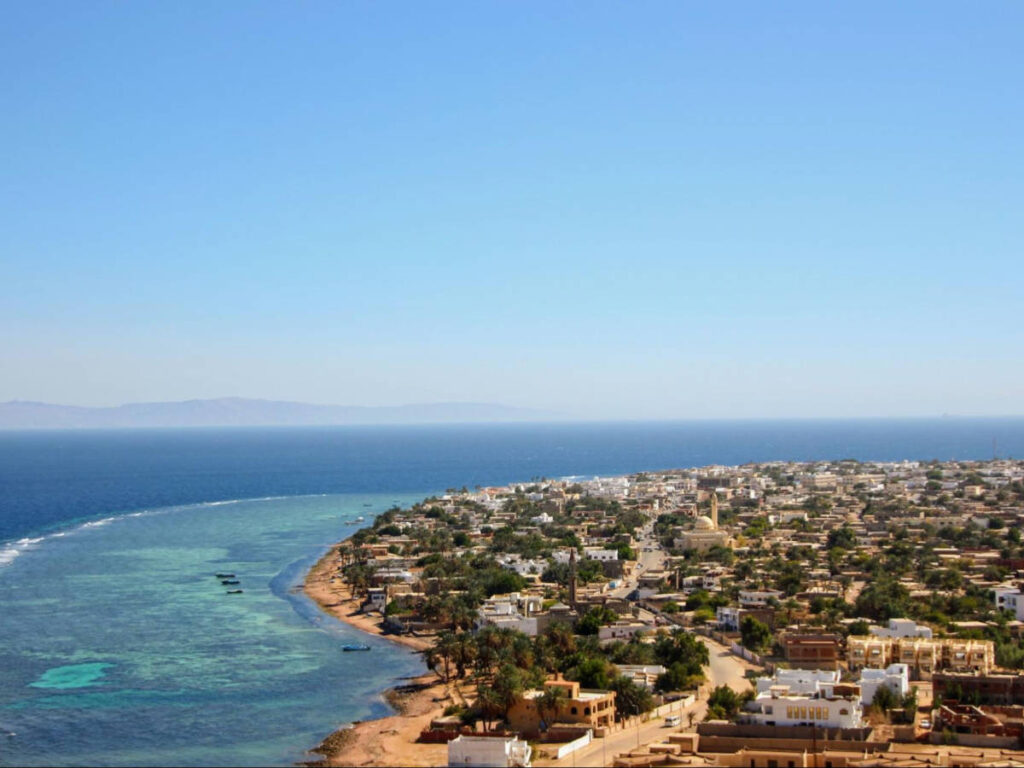
- Sinai Peninsula – If you have an extra few days, either drive or fly to the Sinai Peninsula to explore spectacular beaches, pristine coral reefs, and awe-inspiring desert landscapes ideal for hiking and rock climbing. Stay in Dahab for a bohemian small town vibe, or Sharm El Sheikh for all-inclusive resorts.
- Siwa – Siwa is an isolated desert oasis with saltwater pools, close to the Libyan border. The landscapes are otherworldly, but it’s hard to reach. However, it’s worth a trip from Cairo if you have more time.
- Marsa Alam – If you enjoy scuba diving, the waters in this resort town are teeming with dolphins, dugongs, turtles, and sharks.
Map of Places Mentioned
Here is a map of all the places mentioned in this itinerary:
How to Get Around in Egypt
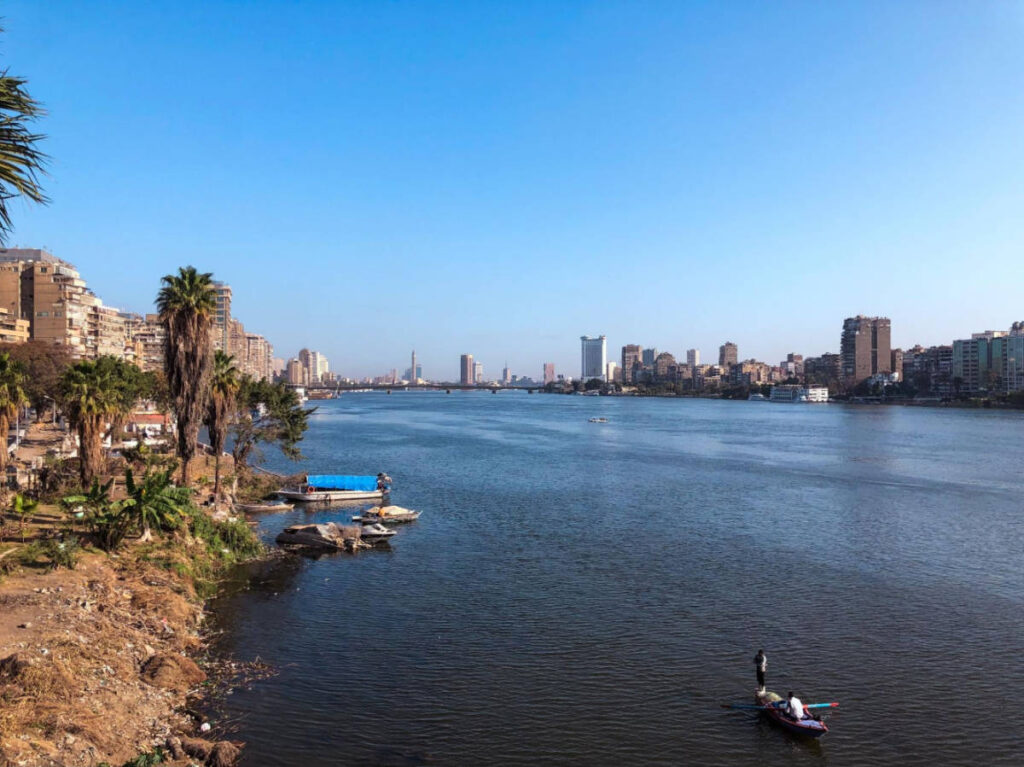
In Cairo, getting around is easy. Uber is reliable, affordable, and avoids the hassle of negotiating fares.
In Luxor and Aswan, Uber is not available, so you’ll mostly rely on taxis. Agree on a price before getting in, or ask your hotel to arrange a driver for the day.
For longer distances, domestic flights are frequent, cheap, and the fastest way to move between cities. You can go from Cairo to Aswan or from Cairo to Luxor in about one hour. There are also long-distance buses like We Bus and Go Bus.
If you want something more adventurous, take the overnight sleeper train from Cairo to Luxor. It’s not luxurious, but it’s a memorable way to travel: fall asleep in the capital and wake up along the wheat fields of the Nile Valley.
Itinerary Planning Tips
Tip #1 – Hire a Tour Guide
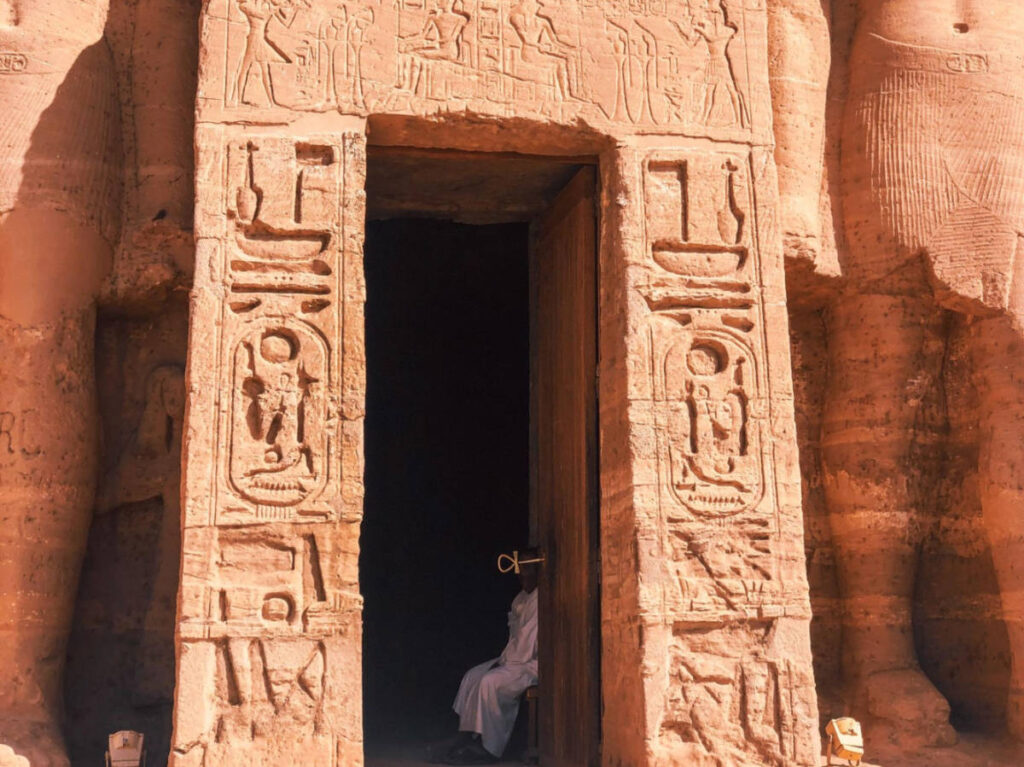
It is possible to travel to Egypt independently and without an organized tour, but I recommend you hire a private tour guide for different destinations. This gives you flexibility with your itinerary while ensuring you’ll get crucial information about sites.
I would definitely recommend taking a tour guide with you to the Pyramids of Giza, and to also hire a separate guide for touring Luxor. Be sure to hire a local certified guide who is a licensed Egyptologist.
Tip #2 – Be Aware of Hawkers
In Egypt, everyone everywhere is trying to sell you something, and this often gives the country an unfair reputation. Keep in mind the monthly minimum wage in Egypt is around $150, and people are simply trying to make a living. All you have to do is politely say “Shukron” (no thank you) and move on.
In Valley of the Kings, locals will show you around tombs without asking but then later request a tip. Either decline their help or give them a few dollars.
Tip #3 – Book Separate Arrival/Departure Flights
In order to make the most of your Egypt adventure, I recommend booking separate arrival/departure flights – that way, you don’t have to circle back to your starting point. For instance, fly into Cairo but depart from Luxor. Or fly into Sharm el Sheikh and depart from Cairo.
FAQ About Planning an Itinerary for Egypt
How many days is enough for Egypt?
10 days minimum are needed to experience the country’s famous archeological sites, but this still excludes so many other activities! If you have more time, you can add visiting beaches, snorkelling and scuba diving, racing ATVs in the desert, and much more to your itinerary.
What is the best month to visit Egypt?
October through March is the best time to visit Egypt, because the summer is unbearably hot. But if you’re wishing for a tropical vacation, the winter months can be a bit chilly. October is the sweet spot when it’s still hot but not uncomfortably so.
How can I extend this itinerary to two weeks?
Between Cairo and Luxor, there are numerous beach towns with phenomenal coral reefs. If you want to extend this itinerary to two weeks, consider stopping in Marsa Alam, Hurghada, or El Gouna. Hurghada also has its own airport.
🖨️ Get a free, printable version of this itinerary!
***
That’s a wrap on your Egypt itinerary, folks! Enjoy your trip through 5,000 years of myth, legend, and fact. Let me know if you have any questions in the comments below, or begin planning with my full guide to where to stay in Cairo!