
Affiliate Ad Disclosure: We’re reader-supported. When you buy via our links, we earn commissions. Learn more.
The Perfect 10-Day Peru Itinerary for First-Timers (No Trekking)

👉 Jump to: YouTube Video | Lima (Days 1-2), The Sacred Valley (Days 3-5), Aguas Calientes (Day 6), Machu Picchu (Day 7), Cusco (Days 8-10) | If You Want to Extend | Map | Transport | Tips | FAQs | Get Printable Version
If you’re planning your first trip to Peru and wondering where to start, I’ve got you covered. After my latest trip to Peru, I carefully crafted what I think is the perfect 10-day itinerary for most first-timers.
This itinerary will take you to all the Peru classics at a realistic pace. It’s a modified version of the route I personally followed (but with a few tweaks to help you avoid my mistakes!).
Note that there is no trekking involved, so this itinerary works for all ages.
I’ve done most of the work for you, including day by day suggestions for exactly where to stay and what to do. Just follow along, amend to your liking, and drop a comment if you have questions.
10 Day Peru Itinerary
🖨️ Get a printable version of this itinerary

Lima (Days 1 & 2)
📍 Google Maps | My Guide to Where to Stay in Lima
🛎️ Where to Stay: Casa Andina Standard Benavides ($$, perfect location in Miraflores) • Sonesta Hotel El Olivar ($$, beautiful rooftop overlooking an olive garden in San Isidro) • ibis budget Lima Miraflores ($, affordable & central location) • Hilton Lima ($$$, great rooftop pool, see my review) • Pullman Lima Miraflores ($$$$, 5 stars, ideal for couples)
Day 1 – Arrival in Lima, Miraflores Malecon, & Pucllana Pyramid
Arrive at Lima’s Jorge Chávez International Airport and take a taxi or Uber to your hotel. Other itineraries often skip Lima, but watch my Lima YouTube video to understand why it’s worth a couple of days.
I recommend staying in the neighborhood of Miraflores, which is definitely the best area for first timers (here are top hotels there on Booking and top rentals on Airbnb). I’ve also got a full guide to staying in Lima with more hotel and area advice.
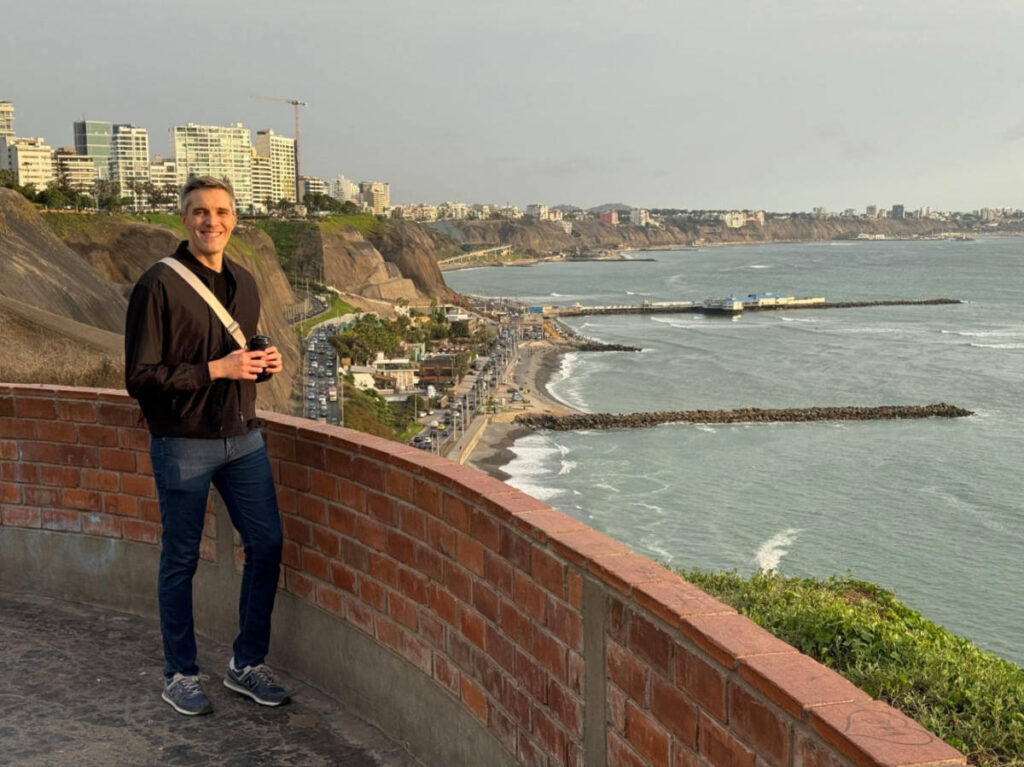
If you arrive before sunset, take a stroll along the Miraflores Malecón. This boardwalk is set atop the cliffs that run alongside the coast. It’s my favorite thing to do in Lima and it makes for a great sunset walk. Be sure to watch the surfers below and the paragliders above, and pass through Love Park along the way.
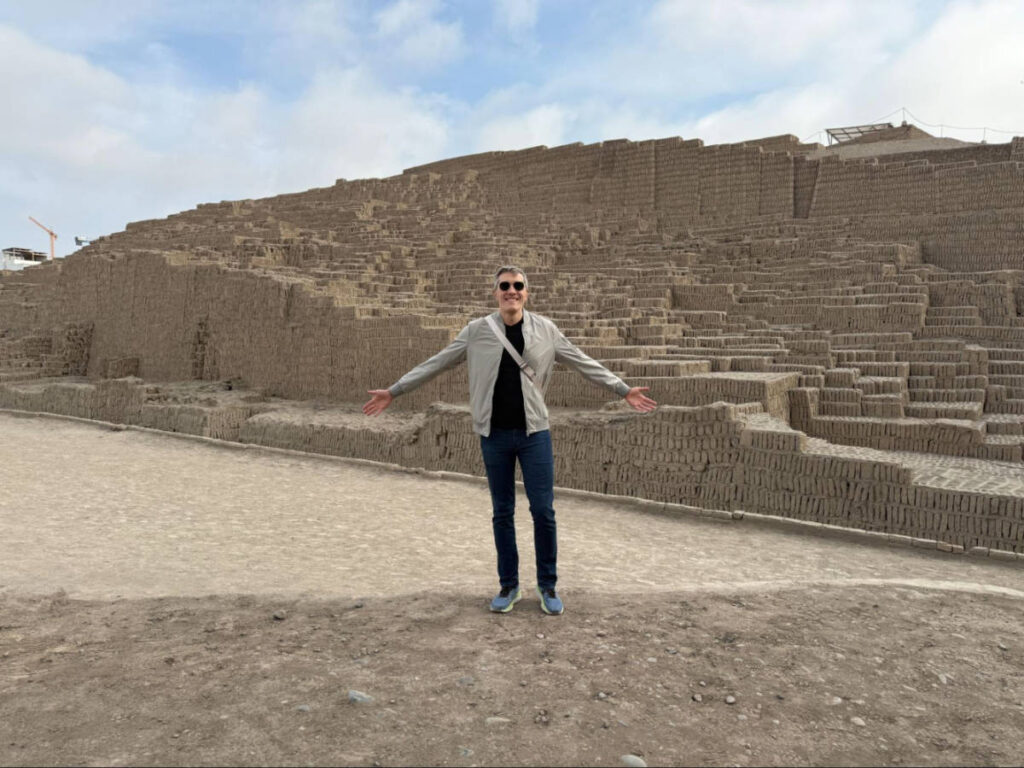
Then, go for the night tour at Huaca Pucllana, an impressive ancient adobe pyramid that’s surrounded by the modern buildings of Miraflores. End the night with a seafood dinner, including your first ceviche, at Punto Azul (if you have dietary restrictions, instead eat at Asianica Vegan).
Day 2 – Highlights of Lima
Wake up early and lace up your walking shoes. We’ve got a lot to cover today.
Start by walking south from Miraflores and crossing the Puente de la Paz footbridge (which has a glass center) to the small bohemian neighborhood of Barranco.
In Barranco, visit the Bridge of Sighs, a century-old wooden footbridge overlooking cafes and street artists below. Next, meander the two blocks to explore Barranco’s main square, the Parque Municipal. If you need a coffee break, try Café Ancestral.
Next, hop in a taxi or Uber for a 30-minute ride to the Museo Oro del Perú y Armas del Mundo. It’s worth the detour to spend an hour perusing this museum’s incredible collection of global military paraphernalia and Peruvian gold artifacts and jewelry (plus a couple mummies).
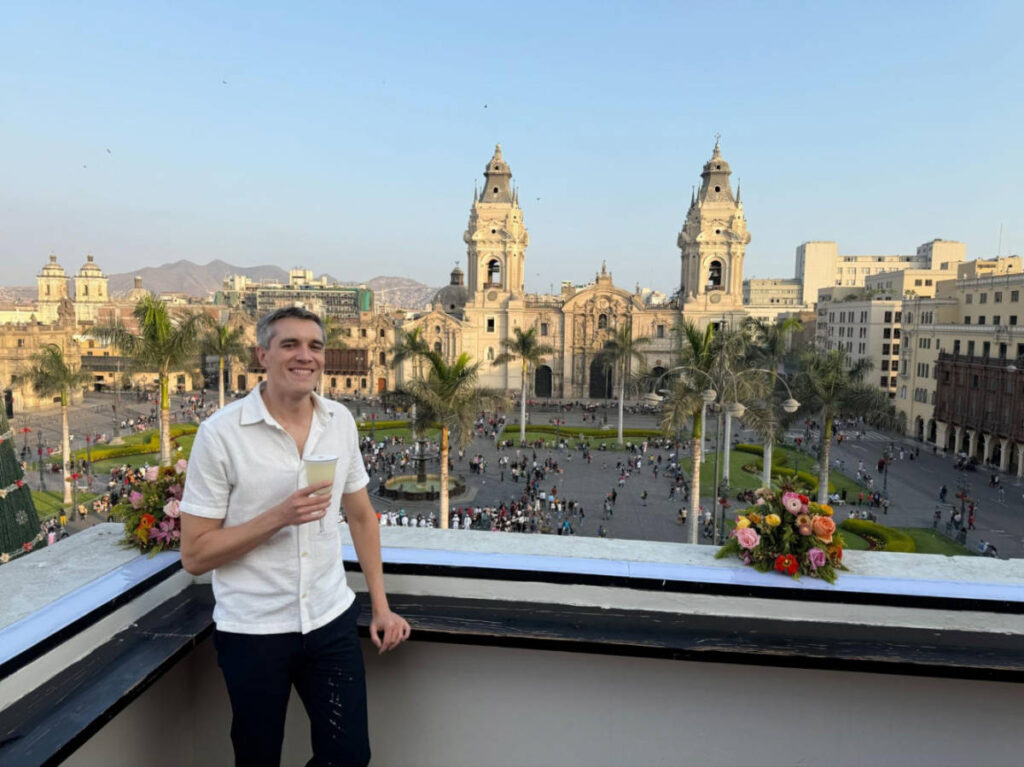
Uber to the Centro Histórico, Lima’s historic area. Grab a quick Peruvian lunch at Restaurant El Pacífico, then explore Plaza Mayor, Lima’s central square that’s home to several impressive cathedrals and government buildings.
Visit the Convento de San Francisco and take a tour of its catacombs below. Then, quickly pop into the Peruvian House of Literature for 5 minutes to take photos of the library’s beautiful stained-glass ceiling.
If you have time for a drink and don’t mind the somewhat inflated prices, grab a Pisco sour on the terrace of the Terraza Lima Club, which offers incredible views over the square (note: they have a dress code after 4 pm).
Before 5 pm you should be getting in an Uber to the Larco Museum (which closes at 7 pm). Of the many museums in Lima, this is my favorite. It’s set in a small but gorgeous building, and the Pre-Colombian artifacts on display are some of Peru’s best. Browse their impressive storage area and the eye-popping erotic exhibit.
For dinner, try the museum’s on-site restaurant or one of my recommendations in the mini guide below. If you didn’t get a chance to visit Huaca Pucllana the day before, you might still have a chance to catch the last tour at 8 pm. Otherwise, grab a nightcap at Ritual Virtual.
📚 Lima Mini Guide 📚
Book for Nights 1 & 2
Google Map
🛎️ Where to Stay – Casa Andina Standard Benavides ($$, perfect location in Miraflores) • Sonesta Hotel El Olivar ($$, beautiful rooftop overlooking an olive garden in San Isidro) • ibis budget Lima Miraflores ($, affordable & central location) • Hilton Lima ($$$, great rooftop pool, see my review) • Pullman Lima Miraflores ($$$$, 5 stars, ideal for couples)
🏠 Apartments – Browse Rentals in Lima on Booking or browse Airbnb rentals
🍽️ Where to Eat – Rafael ($$$), Punto Azul ($$), La Rosa Náutica ($$$), Asianica Vegan ($$), Lugares Sandwicheria ($), Avelino Restaurante ($$); Mérito ($$$$); Pan Sal Aire ($$), Casa Tambo Restaurant ($$$), LIMANÁ ($$$)
🍺 Where to Drink – Terraza Lima Club (“elegant” dress code, no jeans), Ritual Virtual, Bijou Bar, La Cachina Bar, Lúpulo Draft Bar, Bar Inglés, Carnaval
🎟️ Attractions – Miraflores Boardwalk, Love Park, Pucllana Pyramid, Puente de la Paz, Bridge of Sighs, Parque Municipal de Barranco, Plaza Mayor de Lima, Basílica Catedral de Lima, Casa de la Literatura Peruana, Museo del Convento de San Francisco y Catacumbas, Larco Museum, Museo Oro del Perú y Armas del Mundo
The Sacred Valley (Days 3-5)
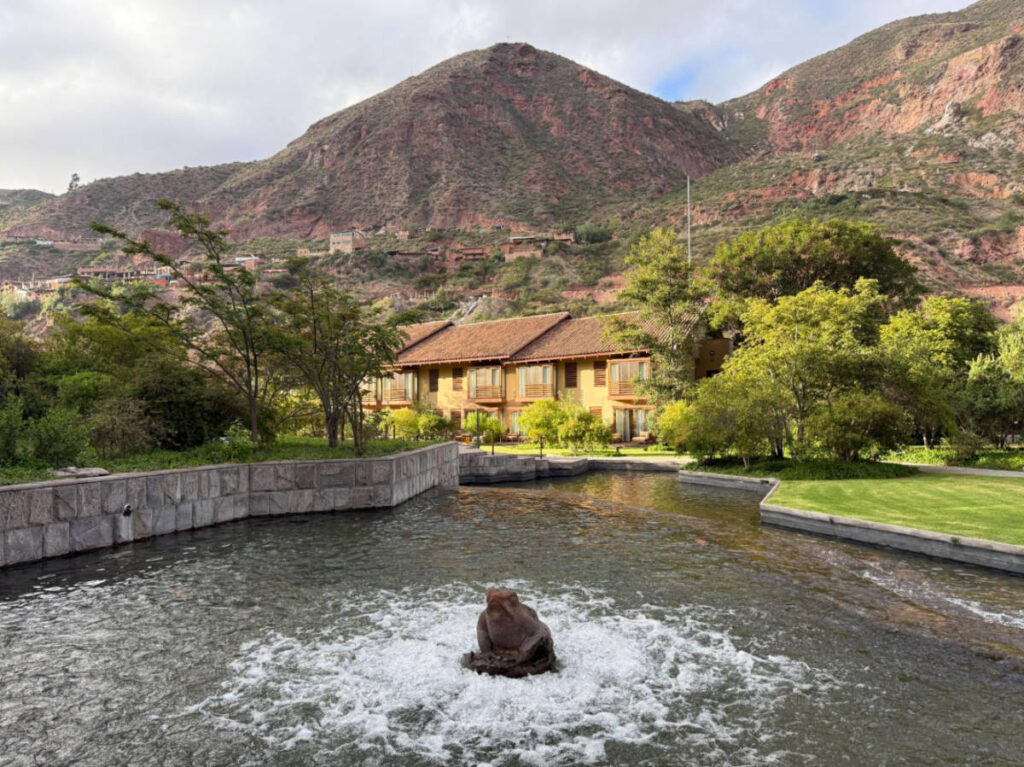
🛎️ Where to Stay: Tambo del Inka, a Luxury Collection Hotel ($$$$, Peru’s top 5-star hotel with private Machu Picchu train – see my review) • Hotel Tierra Inka Sacred Valley ($$$, luxury & nature in Ollantaytambo) • Picaflor Tambo Guest House ($$, mid-range in Ollantaytambo) • Casa Inka B&B ($, Ollantaytambo) • Aranwa Sacred Valley Hotel & Wellness ($$, mid-range but Instagram-worthy in Urubamba)
Day 3 – Fly to Cusco, Drive to the Sacred Valley
Today, you’ll fly 1.5 hours from Lima to Cusco, which sits at 11,150 feet (3,400 meters) above sea level. You might be tempted to stay in Cusco at this point in the itinerary. But I did that on my last trip and got smacked with elevation sickness.
So, instead, you’re going to immediately leave Cusco to descend into the Sacred Valley (~9,000 feet) so you can acclimate, tackle Machu Picchu (~8,000 feet), and then return to Cusco to end your itinerary.
To get to the Sacred Valley from Cusco airport, pre-book your transfer in advance or try to hire a taxi at the airport (Uber is also a possibility, though availability may vary for such a long trip).
You have two choices for where to stay in the Sacred Valley:
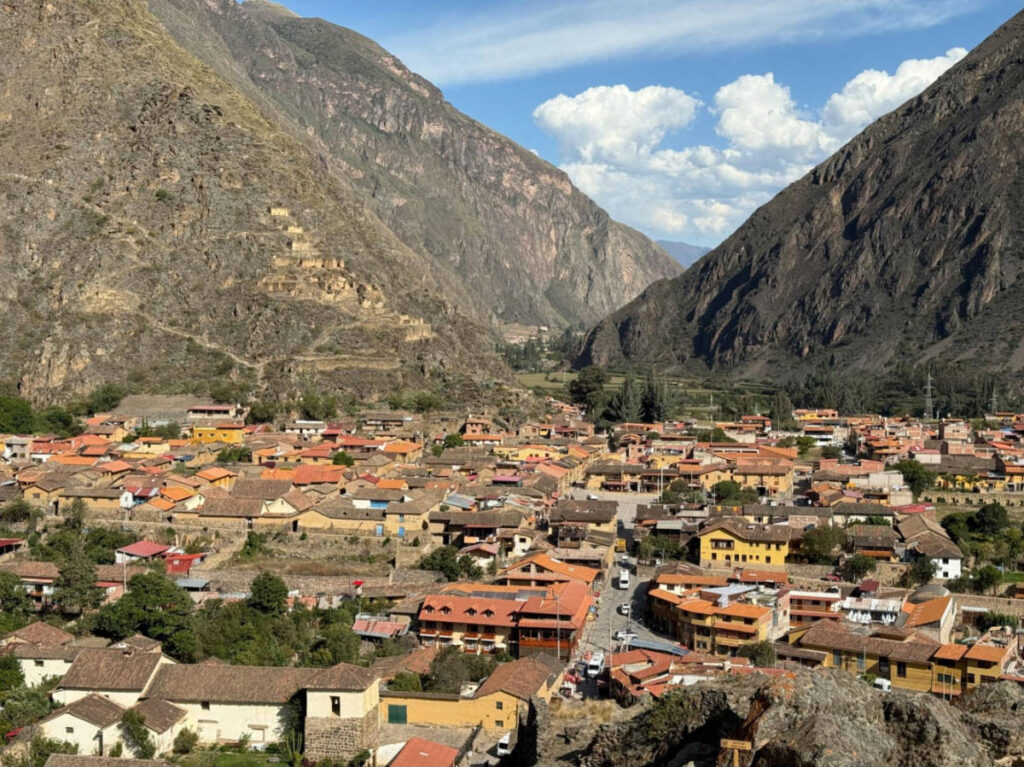
- Option 1: Ollantaytambo (search hotels on Booking) – A picturesque mountain town with cobblestone streets and impressive Inca ruins running up alongside a mountain. This is also where most trains leave for Machu Picchu Town.
- Option 2: Urubamba (search hotels on Booking) – Another small town along the Urubamba River. For luxury travelers, stay at Peru’s top 5-star hotel, Tambo del Inka, which conveniently has a private train station for Machu Picchu (watch my video of our stay at this amazing property).
If your transport is private, ask them if you can work in a stop along the way in Chinchero to visit your first set of Inca ruins. Be sure to bring your passport and purchase a 10-day “Boleto Turistico” (a punchcard tourist ticket you’ll need to enter many of the sites in the Sacred Valley).
After arriving, settle into your accommodation and go for a light stroll to explore your chosen base town before sunset. For dinner, see the mini guide below Day 5 for restaurants.
Day 4 – Rest, Relaxation, & Acclimation in the Sacred Valley
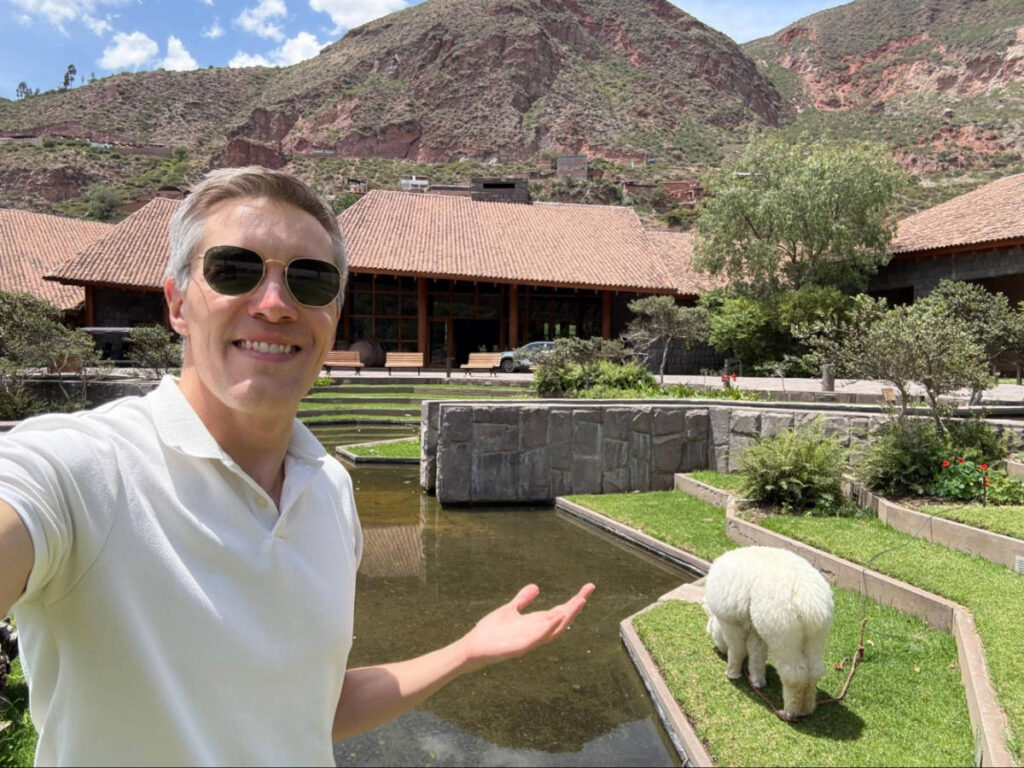
Today is a rest day. You need time to acclimate to the elevation.
I know some of you will resist that idea and want to pack in as much as possible. I get it. Look, nothing is stopping you from cutting this day out. But, having suffered through altitude sickness before, I’d really recommend taking an easy day to relax. Thankfully, the shadows of the Andes mountains are the perfect place for a chill day.
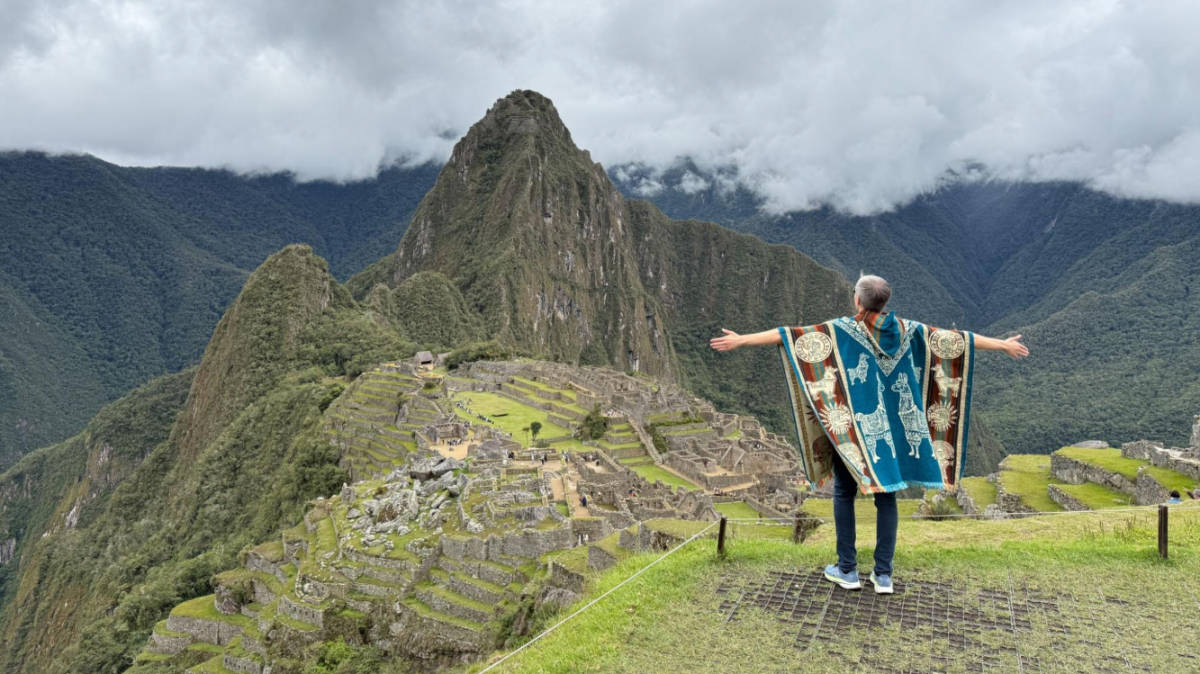
To occupy yourself, you can do some shopping. You’ll find lots of local vendors in the Sacred Valley offering all kinds of alpaca textiles. You might want to pick out a nice piece of flair for your upcoming photos at Machu Picchu.
This is also a good day to sample some of the regional cuisine. If you dare, try “cuy al horno” (grilled guinea pig). For a special experience, pre-book this local cooking class in Ollantaytambo. Or try this chocolate-tasting workshop, where you can learn about the history of cocoa in Peru.
This is also a good day to try one of the many spas or massage centers available. If you’re staying at Tambo del Inka in Urubamba, they have one of the highest rated spas in Peru. And if you’re staying in that hotel, trust me, you’re going to want a day just to enjoy all the amazing on-site amenities anyway.
Day 5 – The Core Sacred Valley Sites: Moray, Ollantaytambo, & Salineras de Maras
Today you’re going to be exploring the main sites of the Sacred Valley. Since they are spread out, you’ll need transportation. Pre-book this highly-rated private tour that goes to all the sites below. Or, talk with your hotel about hiring a private driver.
Start your morning ascending the ruins at the Ollantaytambo Archaeological Park. This site consists of impressive stone staircases that go up the side of the mountain. If you can, climb to the top for some epic views of the valley. When you’re done, say hi to the llamas grazing in the field at the base.
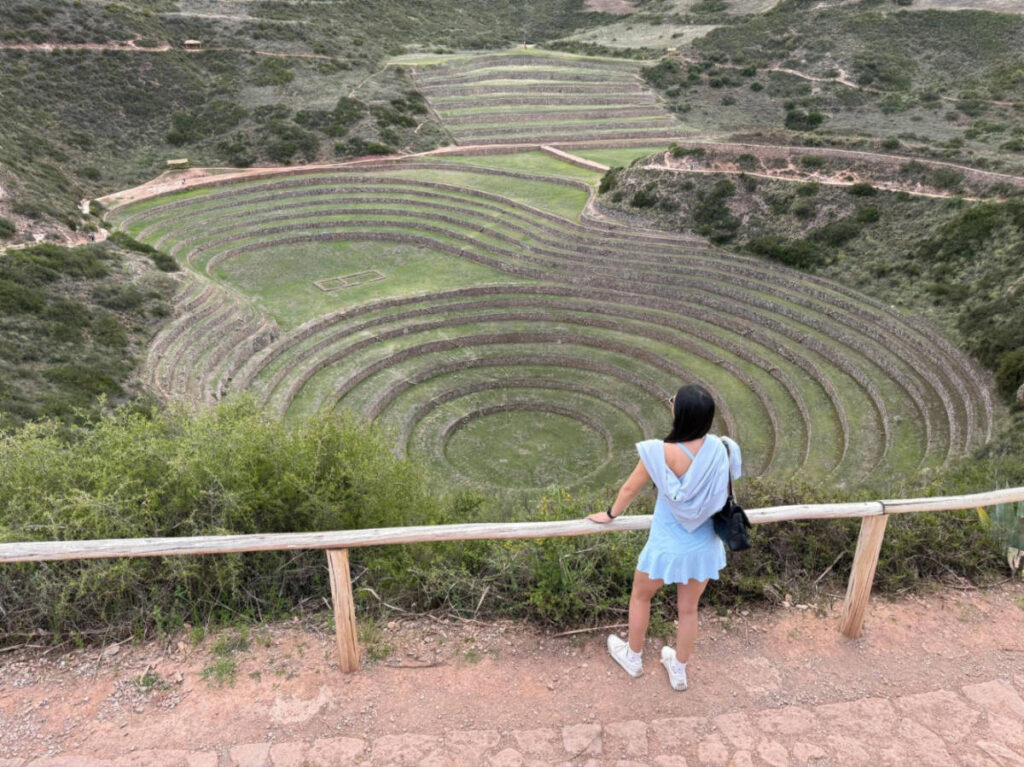
Next, you’ll drive for about an hour to the Moray, where you can look down at giant circular terraces that the Incas used to cultivate crops. You can also go down and walk around inside the ruins.
A short drive away is the Salineras de Maras, where local families harvest ancient Andean sea salt in a series of evaporating pools that look unreal. You’ll need a separate ticket. It’s not on the Bolleto Turistico because it’s a private site, but I think it’s a must-see anyway.
If you haven’t already visited Chinchero on your ride from Cusco, you can go now (though, in my opinion, the ruins are a little less impressive when visited as a follow-on act to Moray and Ollantaytambo).
Enjoy a dinner at Inka Nato Restaurante (if staying in Ollantaytambo) or at Native Peruvian Restaurant (if staying in Urubamba).
📚 Sacred Valley Mini Guide 📚
Book for Nights 3, 4, & 5
Google Map
🛎️ Where to Stay – Tambo del Inka, a Luxury Collection Hotel ($$$$, Peru’s top 5-star hotel with private Machu Picchu train – see my review) • Hotel Tierra Inka Sacred Valley ($$$, luxury & nature in Ollantaytambo) • Picaflor Tambo Guest House ($$, mid-range in Ollantaytambo) • Casa Inka B&B ($, Ollantaytambo) • Aranwa Sacred Valley Hotel & Wellness ($$, mid-range but Instagram-worthy in Urubamba)
🏠 Apartments – Browse Rentals in the Sacred Valley on Booking or browse Airbnb rentals
🍽️ Where to Eat – Inka Nato Restaurante ($$, Ollantaytambo), Koricancha ($$, Ollantaytambo), Native Peruvian Restaurant ($$$, Urubamba), Pakakuna Restaurante ($$, Urubamba)
🍺 Where to Drink – DE ELLAS – Resto Bar (Ollantaytambo), Antes de Cristo – TapRoom (Urubamba)
🎟️ Top Attractions – Ollantaytambo Archeological Site, Zona Arqueologica Moray, Salt Mine of Maras, Centro Arqueológico de Chinchero
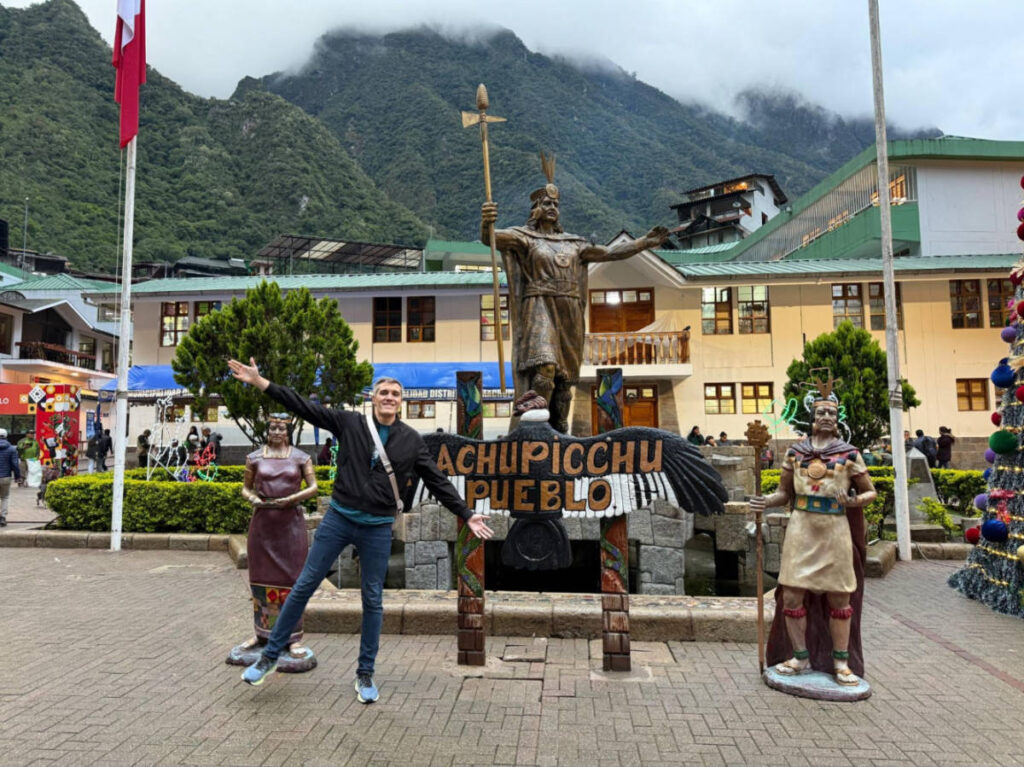
Aguas Calientes, aka “Machu Picchu Town” (Day 6)
📍 Google Maps | Where to Stay for Machu Picchu
🛎️ Where to Stay: Jaya Machu Picchu Boutique Hotel ($$, modern & central; see my review) • Casa del Sol ($$$, stunning boutique) • Inkas Land ($, budget-friendly, great reviews) • Inkaterra Machu Picchu Pueblo Hotel ($$$$, luxury property set in nature) • Sanctuary Lodge, a Belmond Hotel ($$$$, 5 stars, only hotel at Machu Picchu itself)
Today, we’ll take a scenic train journey to Aguas Calientes, which is also known as Machu Picchu Pueblo (town). Staying here will make tomorrow’s big visit more convenient. Optionally, you could instead stay another night in the Sacred Valley and take the train early tomorrow morning (particularly for luxury travelers staying at Tambo del Inka, which has its own train station).
You’ll need to purchase train tickets well in advance for the 1.5-hour journey from Ollantaytambo Station to Aguas Calientes.
Two Peruvian rail companies run this route: Peru Rail and Inca Rail. I’ve taken both and they are very similar. Both offer different classes of service. Be aware that only small bags are allowed on the trains, so you’ll need to store large luggage in Ollantaytambo or at your hotel.
Arrive in Aguas Calientes and continue to your hotel on foot.
For most travelers, I recommend staying at Jaya Machu Picchu Boutique Hotel. I stayed here on my most recent visit, and I think it’s the best mid-range option in town. It’s clean, modern, and just steps from both the train station and the buses to Machu Picchu. The rooftop breakfast is also great. You can read my full review or watch my video review for more.
Alternatively, for luxury travelers, Inkaterra Machu Picchu Pueblo Hotel is a stunning property set at the bottom of town inside the forest. If you really want to splash out, Sanctuary Lodge, a Belmond Hotel is the only hotel up the mountain actually at the entrance to Machu Picchu itself.
If you’re on a budget, check out Inkas Land.
The first thing you’ll want to do after checking in is to consider if you want to buy any of the 1,000 next-day tickets available in the offices of the Ministry of Culture in Aguas Calientes (map link here).
You should have already bought your Machu Picchu tickets many months in advance on the official website. But, as I cover in my Machu Picchu YouTube video, you may want to buy an additional circuit as a backup plan in case of fog or if you wanted to, for example, summit one of the mountain circuits. Staying in Aguas Calientes tonight gives you the chance to do that.
Aguas Calientes is a small town that does not have cars. You can visit the market by the train station to buy any last minute gear (I recommend a rain poncho during the rainy season). Spend an hour walking around the town and soak in the beautiful natural setting. Pop into one of the many cafes or bars for a drink.
If you have time and want an activity, you can hike down to the Machu Picchu Hot Springs (though travelers give it mixed reviews). You can also hike about a half hour to see the small waterfall Cascadas Alcamayo (it’s more impressive during the rainy season).
At some point during the day, try to stop by the Consettur bus ticket office by the river, and pre-purchase your bus tickets to ascend to Machu Picchu the next day. They are good for any bus (there is no set time). But buying the day before will save you time tomorrow. Note that you’ll need your passport.
Grab dinner at one of the restaurants recommended below in the mini guide. And get to bed early, because tomorrow is the biggest day of your itinerary.
📚 Aguas Calientes Mini Guide 📚
Book for Night 6
Google Map
✨ Best Hotels – Jaya Machu Picchu Boutique Hotel ($$, modern & central; see my full review) • Casa del Sol ($$$, stunning boutique) • Inkas Land ($, budget-friendly, great reviews) • Inkaterra Machu Picchu Pueblo Hotel ($$$$, luxury property set in nature) • Sanctuary Lodge, a Belmond Hotel ($$$$, 5 stars, only hotel at Machu Picchu itself)
🏠 Apartments – Browse Top Rentals in Aguas Calientes
🍽️ Where to Eat – Tao Dulce Salado ($), Chullos Machupicchu Restaurant ($$), Mapacho Craft Beer Restaurant ($$)
🍸 Where to Drink – Inka Happiness Lounge Bar
☕ Cafes – La Rivera Coffee Center, La Chuta café
🎟️ Top Attractions – Machu Picchu Historic Site, Machu Picchu Hot Springs, Butterfly Zoo, Cascadas Alcamayo
Machu Picchu & Cusco (Day 7)
🛎️ Where to Stay: You’ll spend this night in Cusco (see next section for hotels & mini guide)
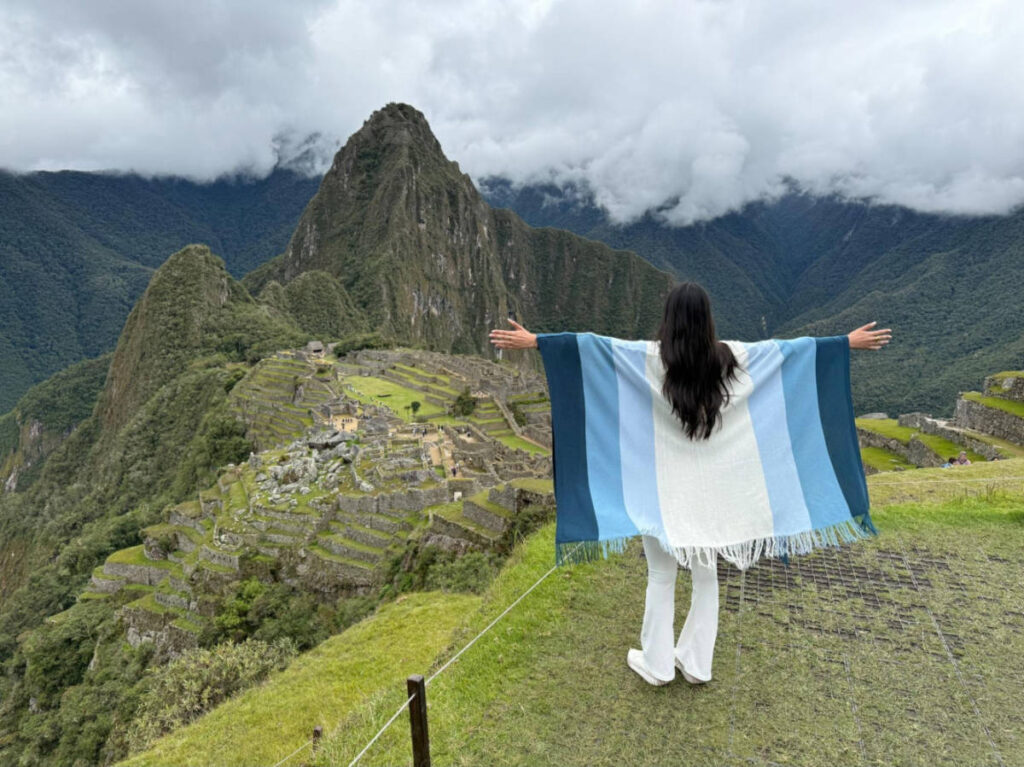
Today you will ascend to Machu Picchu, visit the archaeological site, and then return to Cusco afterwards.
A few things to remember in advance of your visit to Machu Picchu:
- You’ll need to have pre-purchased timed-entry tickets for Machu Picchu (official website here). Tickets often sell out many months in advance.
- There are 10 circuits and routes to choose from.
- For most travelers, I recommend booking Circuit 2-B because it’s the only circuit that includes both a viewpoint and a visit to the ruins themselves. If that’s full, 2-A is almost identical but just technically doesn’t include the lower terrace (though I don’t think they check tickets there).
- You can book multiple circuits (just space your entries by ~3 hours so you have time to leave the site and re-enter).
- Circuit 1-B is a good second ticket if you need a backup in case of fog, or if you want the best photos. It’s just a large terrace with a viewpoint (and does not actually enter the ruins), but it’s the best photo spot.
- You MUST enter at your set time. They are very strict about this and only allow a 30 minute grace period (sometimes 45 minutes during high season).
- In Aguas Calientes, the Consettur buses leave for Machu Picchu on a rolling basis from the bottom of the town near the river. There will be a line, which can get long in the high season. It’s recommended to get in line for the buses at least an hour before your entry time.
- You must bring your passport with you, as they check at the entrance to make sure your name matches your passport.
- Machu Picchu has a long list of prohibited items, including tripods, umbrellas, food, and selfie-sticks.
- There are no bathrooms inside Machu Picchu (the last ones are at the entrance, and cost 2 sol).
- All circuits are one-way only (once you pass a viewpoint, you can’t go back).
- Do NOT touch the ancient stones or structures.
Yes, there are a lot of rules at Machu Picchu. But, remember, they are there to manage the heavy visitor flow and protect the site for future generations.
To be best prepared for your visit, watch my Machu Picchu YouTube video guide for essential information and tips.
After you explore Machu Picchu, return to Aguas Calientes via the same bus you rode up. Grab a quick lunch and then head to the train station.
To return to Cusco, both rail companies will sell you a “bimodal” ticket that takes you to Ollantaytambo via train, then connects you on a shuttle bus to your Cusco hotel. Alternatively, you could just book the train portion and pre-book a private transfer from Ollantaytambo to Cusco.
You’ll get to Cusco pretty tired, but hopefully happy after having visited one of the most incredible sites in the world. And by now, you should be acclimated to the elevation and ready to take on Cusco with energy!
For dinner and hotel recommendations in Cusco, see the next section’s mini guide (at the bottom of Day 10).
Cusco (Days 8-10)
📍 Google Maps | Where to Stay in Cusco
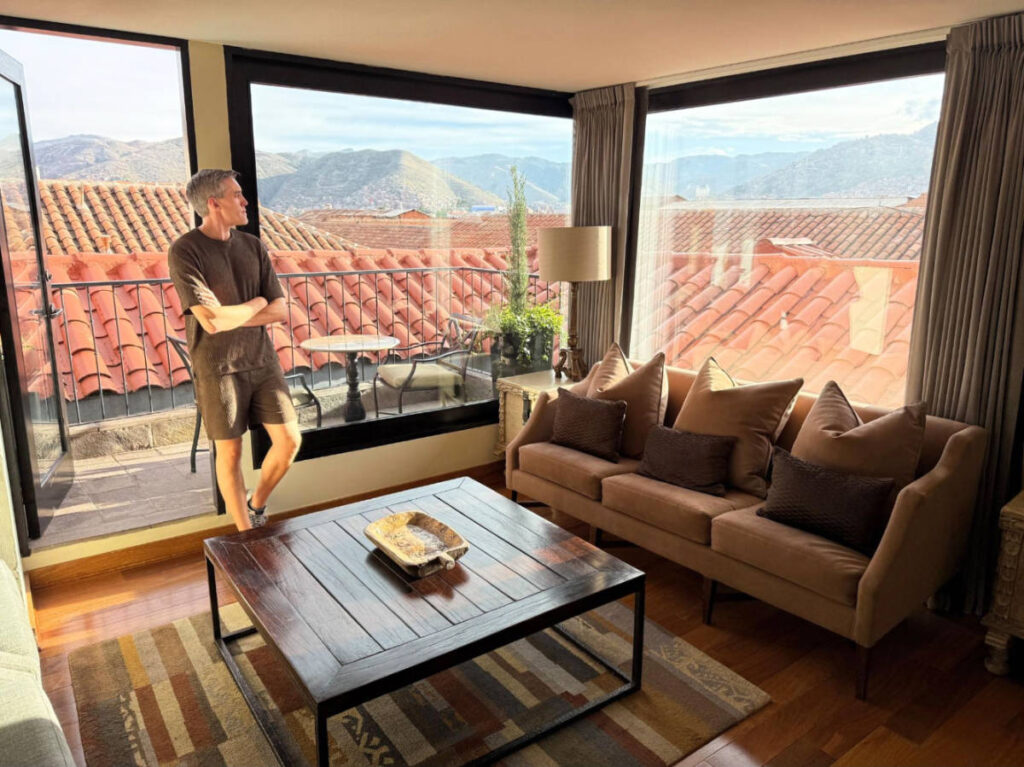
🛎️ Where to Stay: Palacio del Inka, a Luxury Collection Hotel ($$$$, incredible history & luxury – see my review) • JW Marriott El Convento Cusco ($$$$, family-friendly, located in a convent – see my review) • Wyndham Costa del Sol Cusco ($$, stellar location and value for money) • Casa Andina Premium Cusco ($$, mid-range local brand) • Pariwana Hostel Cusco ($, best hostel) • Quechua Hotel ($, best budget hotel)
Day 8 – Cusco’s Core Attractions
To pick your Cusco accommodation, refer to my full guide to where to stay in Cusco. The short version is that you should stay in the Historic Center.
For couples and luxury travelers, Palacio del Inka is my favorite hotel in Cusco. It’s located in a former Inca palace. See my full review here. I can’t recommend it enough. I also liked our stay at the JW Marriott Cusco (review here). Or, for a mid-range pick, the Wyndham Costa del Sol has the perfect location.
Start off your day visiting the Plaza de Armas, the central square of Cusco. Admire Cusco Cathedral and the other churches bordering the square.
Next, walk a couple of blocks to very quickly check out the famous Twelve Angled Stone. The Incas were really impressive with their stonework, cutting the stones so perfectly that they fit tightly even without mortar.
Then, visit the Mercado Central de San Pedro, a large market featuring everything from textiles to butcher shops. Head to the food court area and grab lunch or a snack at one of the many stalls (maybe try “chifa,” a popular Peruvian rice dish derived from Cantonese cuisine).
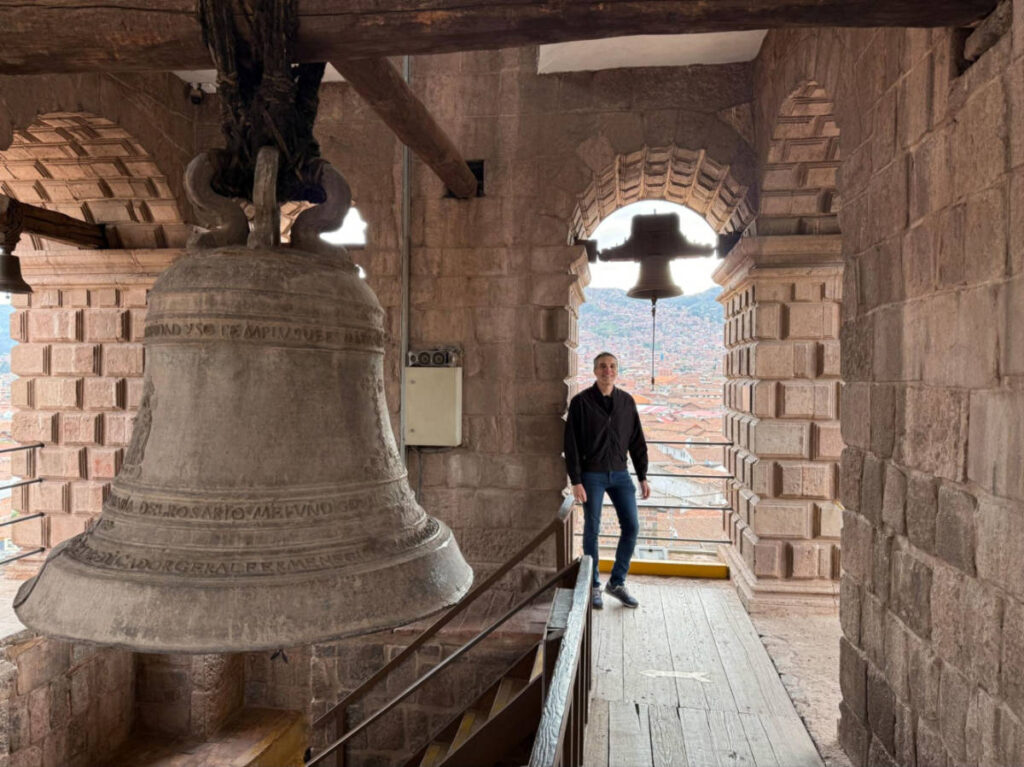
In the early afternoon, spend a couple hours at Qorikancha and the Church of Santo Domingo. This is probably the most important historical site in Cusco, as Qorikancha was the Incas’ Temple to the Sun before later being razed by the Spanish to build a church. You can still see some original Inca walls.
It’s worth paying the 5 soles ($2) to ascend the bell tower for epic views of Cusco. Then go around back to explore the green area in front and take some photos.
Note that Qorikancha itself is not included in the Cusco tourist ticket (Boleto Turistico), but a museum nearby is included. That museum is small and honestly unimpressive but it might be worth popping in to see the mummies on display.
In the late afternoon, visit Plaza San Blas then ascend to the Mirador de San Blas, where you’ll get epic views over Cusco.
That evening, I recommend having dinner at Oculto, a small wine-bar style restaurant (and my favorite place to eat in Cusco).
For a nightcap, head to OQRE, the fanciest cocktail bar in town. It’s located inside the Monasterio Belmond Hotel, which is perhaps the highest-end 5-star hotel in Cusco. Drinks are pricey but worth it. For something more mid-range, the Museo del Pisco usually has live music in the evenings.
Day 9 – Cusco & Saqsaywaman Historical Sites
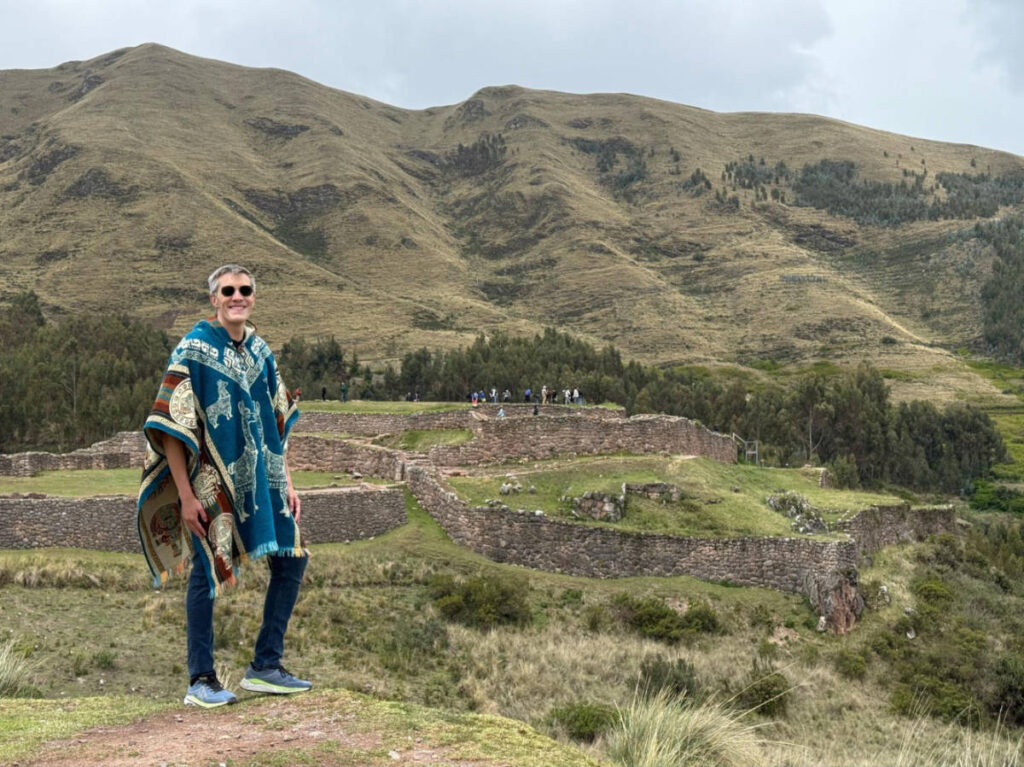
Spend your first half of the day exploring the four main ancient ruins that together form the Saqsaywaman archaeological zone (which are included on the Boleto Turistico):
- Saqsaywaman – The main ruins area, spread out over a huge field overlooking the city. Keep an eye out for llamas.
- Q’enqo – My favorite of the ruins because of the narrow passageways you can walk between boulders. Also offers incredible views over the city.
- Puka Pukara – An ancient fortress on the side of a hill.
- Tambomachay – Smaller ruins featuring a small water fountain fashioned from a creek.
The first two of these sites are located just outside the Historic Center, close enough that you could hike to a couple of the sites if you wanted. Visiting the second two is best done with transport.
However, I’d recommend pre-booking this highly-rated tour to all four sites if you want a guide to help bring out the history of the sites. Alternatively, you could hire a driver or even take an Uber between the sites.
Come back to the Historic Center and grab lunch (see mini guide below).
In the afternoon, spend an hour at the Regional Historic Museum of Cusco. It has several interesting exhibits that will help you learn about the complex history of the city.
In the evening, catch the 7 pm showing of the cultural show at the Centro Qosqo de Arte Nativo. It’s a one-hour-long dance and music show featuring local performers. It’s included in the Boleto Turistico. You’ll want to go a little early to grab a seat.
End the night with your final dinner in Cusco (I’d recommend Green Point Vegan Restaurant even if you aren’t vegan). Grab one last Pisco sour at the Museo del Pisco or another bar, and settle into bed.
Day 10 – Depart Cusco
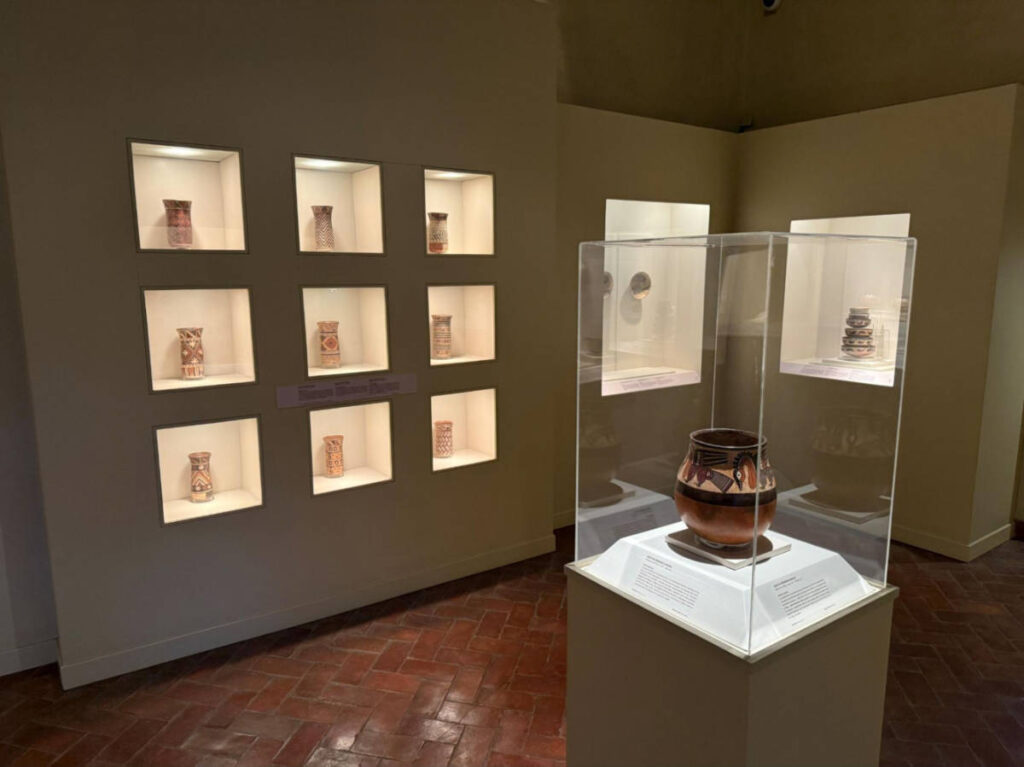
If you have time before your flight out, spend the morning checking out the Museo de Art Precolombiano, which has a lot of really interesting pre-Colombian artifacts.
Head to the Cusco Airport for your flight out. Be aware that the airport is small and doesn’t have a lot of offerings past security.
This will mark the end of your Peru itinerary. But keep reading for more important planning info and tips.
📚 Cusco Mini Guide 📚
Book for Nights 7, 8, 9, & 10
Google Map
✨ Where to Stay – Palacio del Inka, a Luxury Collection Hotel ($$$$, incredible history & luxury – see my review) • JW Marriott El Convento Cusco ($$$$, family-friendly, located in a convent – see my review) • Wyndham Costa del Sol Cusco ($$, stellar location and value for money) • Casa Andina Premium Cusco ($$, mid-range local brand) • Pariwana Hostel Cusco ($, best hostel) • Quechua Hotel ($, best budget hotel)
🏠 Apartments – Browse Rentals in Cusco on Booking or browse Airbnb rentals.
🍽️ Where to Eat – Oculto ($$$), KUSYKAY Peruvian Craft Food ($$), Morena Peruvian Kitchen ($$$), Mercado Central de San Pedro ($), Green Point Vegan Restaurant ($$)
🍸 Where to Drink – OQRE, Museo del Pisco, Molly’s Irish Bar
🎟️ Top Attractions – Qorikancha & The Church of Santo Domingo, Plaza de Armas, Saqsaywaman ruins, 12 Angled Stone, San Blas Viewpoint, Museo de Arte Precolombino Larco, Regional Historical Museum of Cusco
📺 Want More Cusco Tips? – Watch my Cusco YouTube video.
Have More Than 10 Days in Peru?
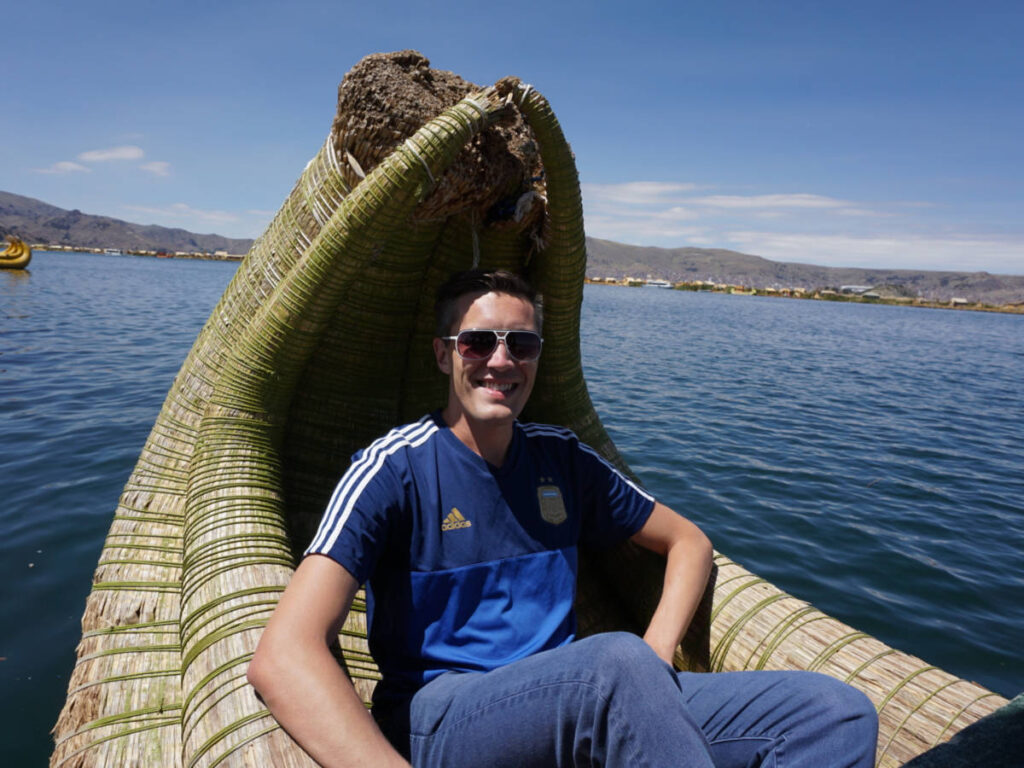
The above itinerary takes in the core of Peru, but there is a lot more to see. If you have additional days, consider adding one or more of the following to your itinerary:
- Puno & Lake Titicaca – Called the highest navigable lake in the world. On my last Peru trip, I went here and did a homestay with a local family on an island.
- Arequipa – Peru’s second-most populous city, reachable by train or bus from Cusco.
- Puerto Maldonado – Located in the Amazon basin, it’s a base for taking journeys to the jungle.
- Vinicunca Rainbow Mountain – A famous multi-colored mountain. It requires a pretty serious hike at high elevation.
- Huacachina – A desert oasis in southwestern Peru, reachable from Lima.
- Paracas & The Ballestas Islands – A small desert beach area south of Lima, famed for its sea lions.
- Colca Canyon – One of the world’s deepest canyons.
- Nazca – Book an airplane tour to see the famous lines from above.
Ok, now keep reading for a few essential tips you’ll need to safely navigate Peru.
Map of Places Mentioned
Here is a Google Map with all the stop, attractions, and hotels mentioned in this post.
How to Get Around in Peru
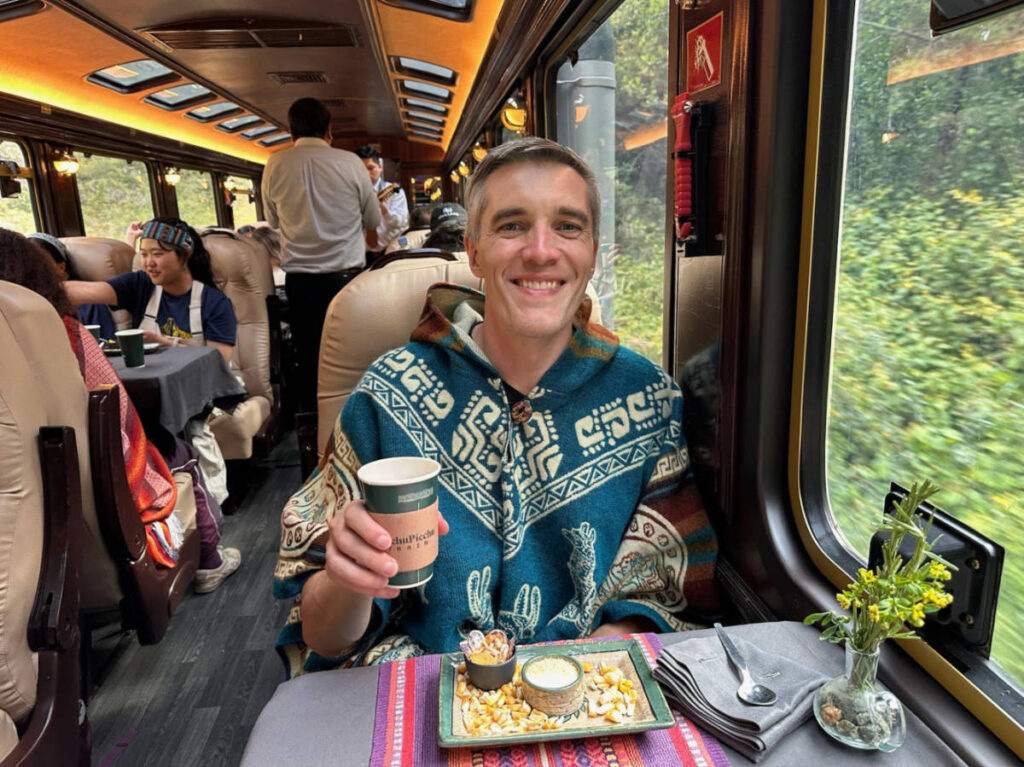
Peru has a pretty well developed transportation network that offers a lot of options for getting around:
- ✈️ Flights – The quickest way to move around, particularly between Lima and Cusco. LATAM is the largest carrier. JetSmart and Sky are regional budget carriers.
- 🚞 Train – A scenic way to get around the Andes. The two biggest companies are Inca Rail and Peru Rail.
- 🚌 Bus – Backpackers will tell you this is the best way to get around Peru. It’s certainly the cheapest. Some buses even have business-class style seating. Use BusBud to find routes. Peru Hop is also a popular service, especially for longer trips where you value flexibility.
- 🚘 Private Driver – Hiring a taxi or private driver can often be done for $70-100/day, depending on where you are. This is especially a good option for getting around the Sacred Valley.
Remember: Peru is massive and distances are bigger than you think because it’s near the equator. Don’t let those Mercator projection maps fool you!
Itinerary Planning Tips
Tip #1 – Consider Elevation When Planning Your Route Through Peru
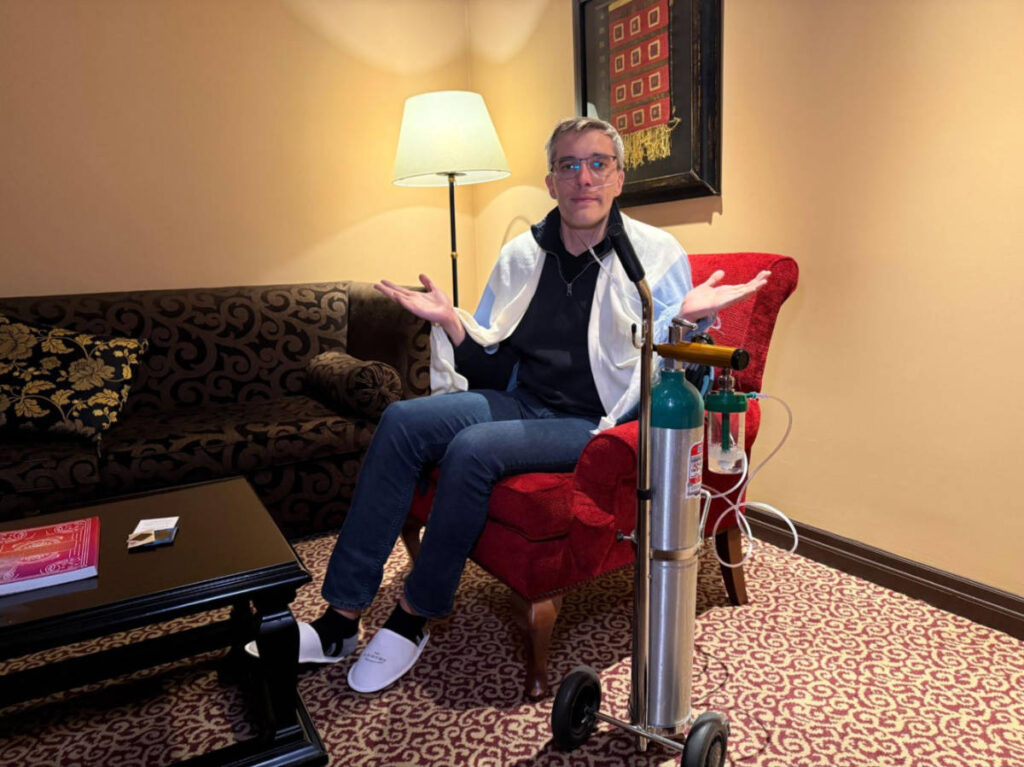
Altitude sickness is quite common in the Peruvian Andes, especially in Cusco, which sits at a whopping 11,150 feet above sea level. That’s why one of my top Peru travel tips is to take a day or so to acclimate when you reach the Andes. I think it’s better to acclimate in the Sacred Valley, which sits at only around ~9,000 feet, which is why I structured the above itinerary with Cusco last on the route.
Tip #2 – You Need to Make Reservations Months in Advance
Tickets, trains, and hotels can all book up months in advance in Peru. It’s best to decide on your itinerary as soon as you can and secure those items before it’s too late. I recommend securing your Machu Picchu tickets first (official website here), then building the rest of your itinerary around that.
Tip #3 – Carefully Choose Where You Stay the Night Before Machu Picchu
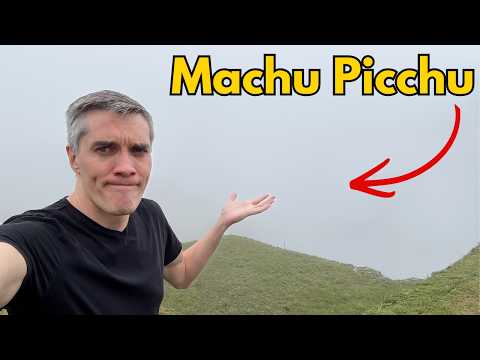
Yes, Cusco is the closest city to Machu Picchu. And, yes, you can visit Machu Picchu as a day trip (and many do). But I don’t recommend it because it makes for an incredibly long day.
Instead, stay in the Sacred Valley or in Aguas Calientes.
See my full guide to where to stay in Machu Picchu for much more (or watch the YouTube video above).
Tip #4 – Peru is Generally Quite Safe for Tourists
I know a lot of readers worry about safety in South America, and I understand why. But I’ve been all over the continent, and can confidently say that Peru is quite safe for travel.
The country has an important tourist industry, and invests to protect it. You’ll see a heavy police presence almost anywhere you’re likely to go as a tourist. That said, pickpockets and petty theft can happen anywhere, so use common sense and stay alert.
FAQ About Planning an Itinerary for Peru
How many days is enough to visit Peru?
10 days is an ideal amount of time for a classic trip to Peru taking in Lima, Cusco, the Sacred Valley, and Machu Picchu. The above itinerary covers all these sites in 10 days at a realistic pace. However, Peru is very large and you can easily spend many weeks exploring the country if you have more time.
What is the best month to visit Peru?
May to September is the dry season in Peru, and thus the most popular time to visit. Less rain means less of a chance of fog on Machu Picchu, and more pleasant conditions for hiking and trekking. February, meanwhile, is the wettest month of the year. That said, Peru can be visited every month, and even during the rainy season it does not rain all day.
Which circuit should I book for Machu Picchu?
I recommend most tourists book Circuit 2-B, which is the only route that includes both a viewpoint and a visit to the lower ruins. However, there are 10 circuits to consider, and you can book multiple circuits. Watch my YouTube video for much more advice on this.
***
That’s it for my 10 day Peru itinerary! Thanks for following along. Keep planning with my guide to where to stay for Machu Picchu next.

I like your 10day Peru Itinerary, but will it be possible to squeeze it to 8day? Thank you
Hi Cheryl – You could cut a day in Cusco and a day in the Sacred Valley. But just consider if you’ll have enough time to acclimate, particularly if doing any physical activity.
Hi – Thank you so much for your very comprehensive day by day Itinerary on visiting Machu Picchu. My husband and I are going this May to celebrate my 60th Birthday. Anyway, we are flying from Los Angeles and staying in Lima for 2 nights. And then we plan to fly to Cusco and go directly to Aguas Calientes. Per your recommendation, it is better to stay in Cusco after we go to Machu Picchu. Only question I have is you indicated that the train from Ollantaytambo to Aguas Calientes do not allow for a big luggage. Do you know of a place where we could pay and store it in Ollantaytambo? Thank you 🙂
Hi Marita – Both Peru Rail (policies here) and Inca Rail (policy here) offer luggage storage at their Ollantaytambo stations. Thank you for watching!
I’m trying to download the itinerary but it just says submitting. How can I get it?
Thank you!
Hi Shannon – I’m on the road, but I’ll have my team email it to you shortly!
What are your thoughts on an AirBNB in Lima for a family of five? Looks like there are some good options. Thanks!
I’d suggest an Airbnb in Miraflores (see here) if you’re looking for a vacation rental. It’s definitely the safest and best area for a family, and there are lots of apartments to choose from.
Nate, very helpful and useful info here. I’m starting to plan my trip and immediately discovered how complex and fraught-with-pitfalls it seems. Your suggested 10-day itinerary looks like a reasonable basis to use as a starting point for my planning, so thanks. But…I think we will have 11 days (not 10). “Day 1” would be the arrival (so really just a partial day), “Day 11” would be an early morning departure (so not usable time).
Since we would have one more day than your itinerary includes, I’m wondering how to spend that additional day. Two possibilities occur to me: 1) Spend a second full day at Machu Picchu (we are determined to get clear photos and/or maybe hike up the mountain behind it, Huayna Picchu, aka Wayna Picchu or Wayna Pikchu – though I’m not sure we can manage that); OR 2) Add another day to the Sacred Valley (I think there are many more worthwhile sites around the valley than those you list and it would give us one more “acclimation” day). Both sound worthwhile, but I know you can’t do it all on a short trip, so a tough call.
I am currently planning (as of April 2026) for our trip in April 2027 – hoping to get lucky with weather (but planning to include backups/a Plan B and Plan C to improve our chances). Trying to time it to hit the sweet spot (good-enough weather, but before the dry-season crowds peak). Mid-April 2027?
Your thoughts? Which option would you lean towards for our “extra day”? Thank you!
Hi David – both are reasonable. I would start by asking how important it is to you to see Machu Picchu twice. You could get two tickets even in the same day and do it. That’s true even if you want to hike Wayna Pikchu, but some people do space it out over multiple days. And of course that hedges a bit since more likely one of those days is clear. April is the end of the rainy season so hopefully will be clear, but there is still a risk of fog.
If you wanted to stay in the Sacred Valley, my Cusco YouTube video talks about many of the sites in the Sacred Valley. There is certainly plenty to do there as well.
Remember, you can’t do it all – so just go with your gut and feel confident in your decision. I think you’ll enjoy Peru!
Thank you for all you help! we are going to loosely follow your plan! I don’t understand how to get from Cusco to Aquas Calientes. how does
Ollantaytambo Archaeological Park come into play and where is it?
Hi Toby – You might find the map a bit down the page on my other guide here to be helpful.
The only way into Aguas Calientes is train or hiking (most people use the train).
From Cusco to Aguas Calientes, Peru Rail and Inca Rail both sell transfers. Most trains leave from the train station in the town of Ollantaytambo (during high season, there are a few from other stations, but that’s the most popular still). If you buy a “bimodal” ticket (both companies sell them), a shuttle will pick you up in Cusco, take you to Ollantaytambo, and walk you through the transfer to the train. That’s the easiest way. Or you could stay over in Ollantaytambo or elsewhere in the surrounding Sacred Valley on your way (worth it if you have time).
The Ollantaytambo Archaeological Park is a set of ruins located on the hillside inside the town of Ollantaytambo. I definitely recommend seeing it.
What to pack for Peru in April
Lima and Machu Pichu area
Layers because you’ll experience several climates (desert coastal in Lima, cool in Cusco in the evenings, hot in the day). Comfortable walking shoes (if you’re not trekking, no need for hiking shoes, but you’ll still be on your feet a lot).
Hey Nate:
I just consumed most of your videos on Peru and they are so thorough and helpful. I hava question for you. I may be travelling solo. In your opinion, is this journey doable as a solo woman or would you make any changes to the itenerary?
Hi Jeanne – yes, there are many solo female travelers along this route as these are all popular destinations. Peru is generally safe, especially Cusco/Sacred Valley/Machu Picchu. In Lima you will also be fine, but be careful when visiting the Centro Historico (go during daylight and should be just fine).
Hi, the information has been super helpful in planning my trip to Peru this coming July. Thanks! I am trying to decide whether to do 2 1/2 days in Lima and then just 1 1/2 days in ollataytambo. Or do 1 1/2 days in Lima and then 2 1/2 days in ollataytambo to acclimate. I would use the extra day in lima to do Huacachina but then that means I would be traveling to machu pichu early on 7/2 to make 11am entrance from Oallataytambo. I am traveling with my dad who is 73 years old and ma need time to acclimate but also don’t want to take a break from all the traveling the first day, which we arrive at 5am.
Hi Brenda –
I wouldn’t underestimate the altitude if you’re coming from sea level, especially given your father is in his 70s. The last thing you want is altitude sickness the day of your ascent to Machu Picchu, given the tickets are timed and you can’t really change them.
Also there is a lot to do around Ollantaytambo! Not sure what the rest of your itinerary looks like, but if you have energy on the first day in Ollantaytambo, you can use that to visit the Sacred Valley sites (Ollantaytambo ruins, Moray ruins, Salineras de Maras), which are all very worth it. Then if you’re also visiting Cusco after, there are more sites like Pisaq to the south that you could visit if you’re feeling up to it.
I hope you enjoy Peru and thank you for reading Travel Lemming!
-Nate