
Affiliate Ad Disclosure: We’re reader-supported. When you buy via our links, we earn commissions. Learn more.
How my first trip to South America changed me: a love letter to Colombia

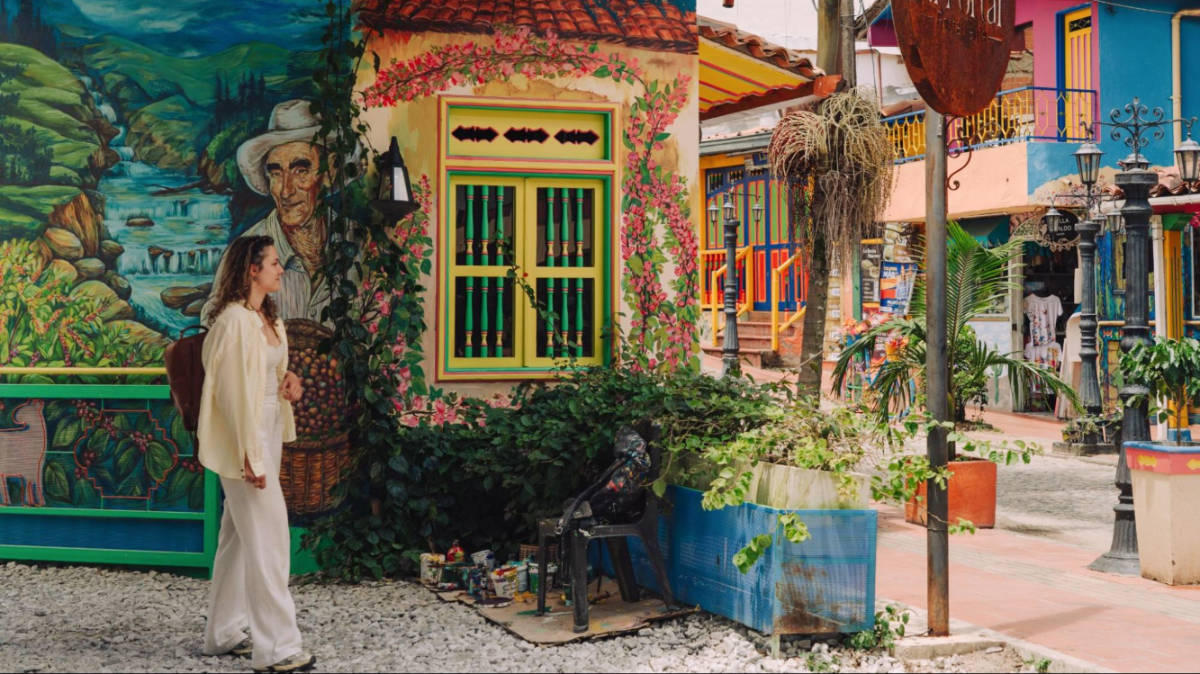
My first trip to South America turned out to be a life-changing experience.
In May, I embarked on my first multi-day sponsored photography trip. The destination? Colombia! While I want to visit every country in the world, like most travel writers, I had never seriously considered visiting this particular country. As the trip was planned during a hectic period, I chose to do some research, but also decided to let myself be surprised.
And what a surprise! What started as an exciting photo and video assignment evolved into a case study on the transformative nature of travel. During my two weeks in the country, I discovered a side of myself I didn’t know existed. A side I completely fell in love with, as much as I fell in love with Colombia.
Want to know how Bogotan cycling tours and salsa nights in Salento can change a person and how ‘finding yourself’ might be a well-founded cliché? Then scroll down to read the rest of the story.
How It All Started
“Sometimes you gotta do bad things to catch bad people,” Javier Peña says to Steve Murphy as they steal important documents from the police.
It’s a rainy winter evening in Amsterdam, which means my boyfriend and I are binging the TV show, Narcos. With a cup of tea and a warm blanket, we’re finally winding down for the night. But when Murphy’s voiceover kicks in with a “and sometimes bad people help you do good things,” my phone lights up. The email pop-up on my screen shows something like the following:
Re: Travel photographer and videographer application for famous Dutch travel blog Travellust.nl – “I loved your application! Let’s schedule a call for tomorrow?”
My heart starts to race, and I feel as much adrenaline as Peña and Murphy during a drug raid. I’ve been anxiously waiting for a reply for over two weeks. The opportunity to go on pre-planned trips to shoot content is a travel photographer’s dream, especially when it’s for one of your favorite travel bloggers.
Fast forward to the interview the next day. Everything seems to be going well, and after an hour, she asks me if I’m available to join a two-week group trip to Colombia in May. A tour operator will sponsor the journey, and I’ll document the trip through photos and video. Without a doubt, I say yes.
But after my heart has spoken and has let it plan my trip, my brain takes over. The common anxieties enter my mind: Will I be good enough? Will they actually like my photos? Although I have done photography assignments before, this is the first multi-day one with major deliverables. Having struggled with homesickness in the past as well, I worried it might come back and influence my work.
While a healthy dose of nerves helped me stay focused, scenes from Narcos also followed me throughout the weeks leading up to the trip.
The number one question my family asked me was whether Colombia was safe.
I always retorted with: “They wouldn’t let me go on this trip if it wasn’t.” But I also wondered whether my expensive camera gear would make me an easy target.
Five years ago, I promised myself not to live in fear, though. Instead, I see fear as courage made manifest. So, there was only one thing for me to do, and that was to go and experience Colombia for myself.
A Different Sense of Time
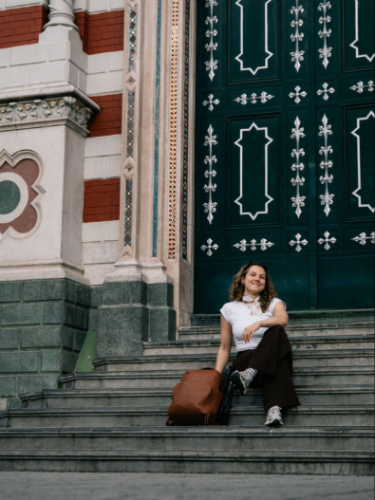
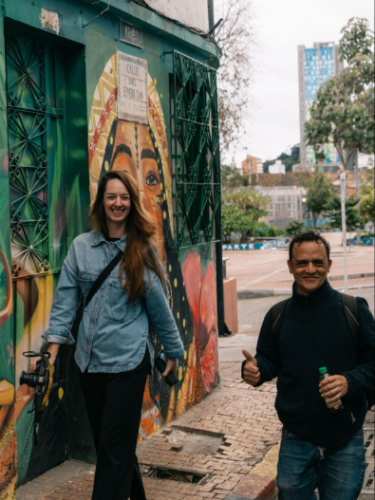
On May 16th, it was time to hop on the plane. Sixteen hours, three movies, and many conversations later, the group and I finally land in Bogotá. Our trip leader, Santiago, meets us at the arrival gate and leads us to our bus. It’s dark, and our surroundings are unfamiliar, but my anxiety has finally made way for curiosity.
“There’s one word you need to know when traveling through Colombia,” Santiago says before we leave, “And that’s tranquilo.”
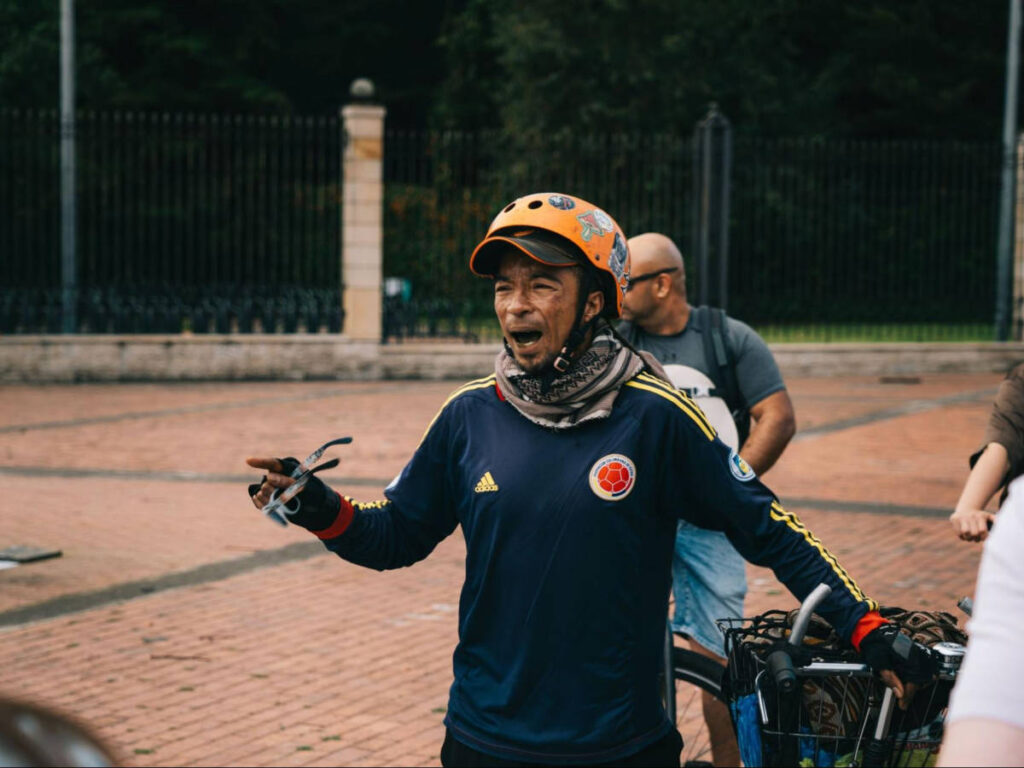
During our bike tour the next day, I get to experience the cultural breadth of ‘tranquilo.’ Our guides, Juan and Hernán, are on time, but everything takes a little longer than planned, turning our four-hour tour into six hours, scrambling our afternoon plans.
While you could say our guides are merely relaxed, it goes deeper than that. Instead, ‘tranquilo’ seems to have permeated the country’s sense of time. Taking things as they come, enjoying the moment, and not worrying too much about the foreseeable future are all ways in which this becomes evident.
Coming from a culture that sees punctuality and rigid schedules as cardinal traits, I’m used to rushing from one thing to the next. Not having my cortisol spike while riding a bicycle is a breath of fresh air. Seeing time as something fluid and light, rather than fixed and rigid, unlocked a new type of happiness that I am eager to explore.
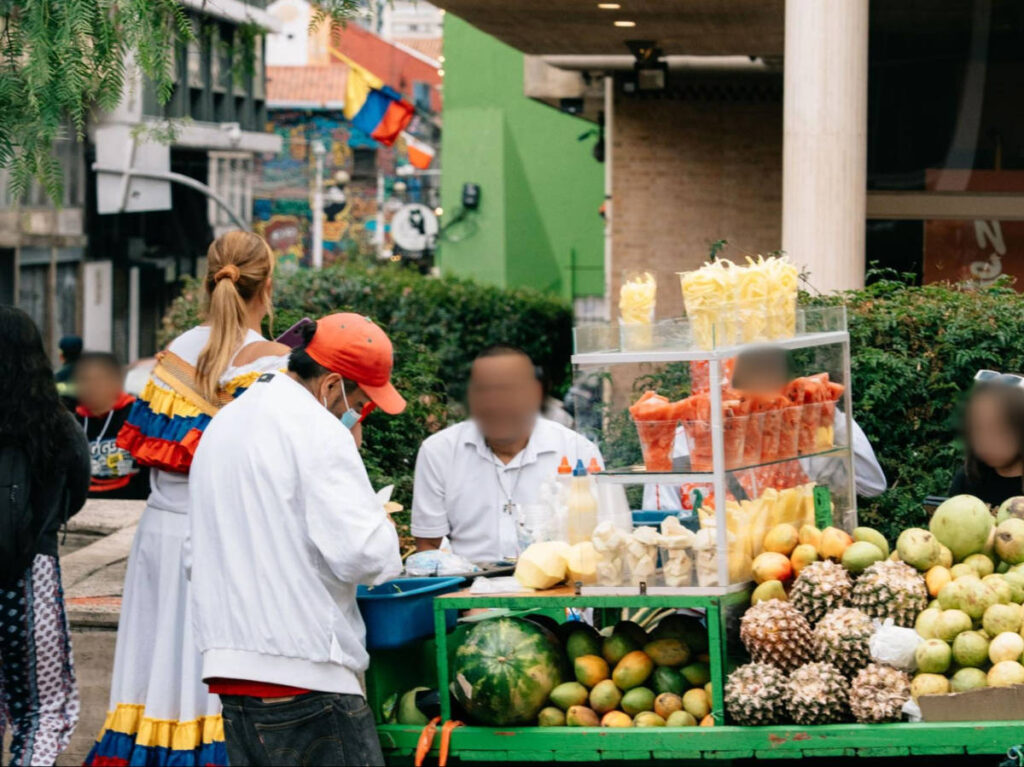
And if you’re thinking: “Amber, isn’t this just poor time management?” Then I’m here to tell you: “No, it’s not.” It’s Juan and Hernán’s enthusiasm, love, and pride for Bogotá and Colombia, as well as a profound joy for life. They wanted to show us more than they initially planned, taking us along to their favorite places.
Through them, we met many residents of Bogotá, who all shared the same level of openness and joy to be alive. This happiness persists despite Colombia’s tumultuous history, or perhaps because of it. Whatever has instilled it, it is infectious.
It also made me wonder: why do I always worry about not having enough time, when I can just enjoy life in every moment?
Life is Meant to be Celebrated
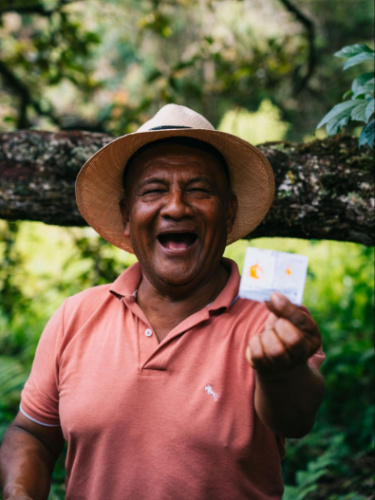
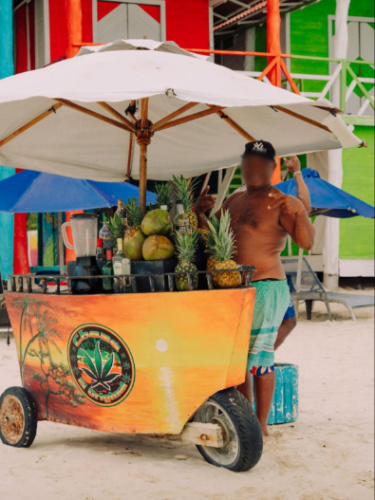
If it wasn’t clear from the above, life in Colombia is meant to be celebrated. Joy is not a mere fleeting feeling; it is ingrained in everything.
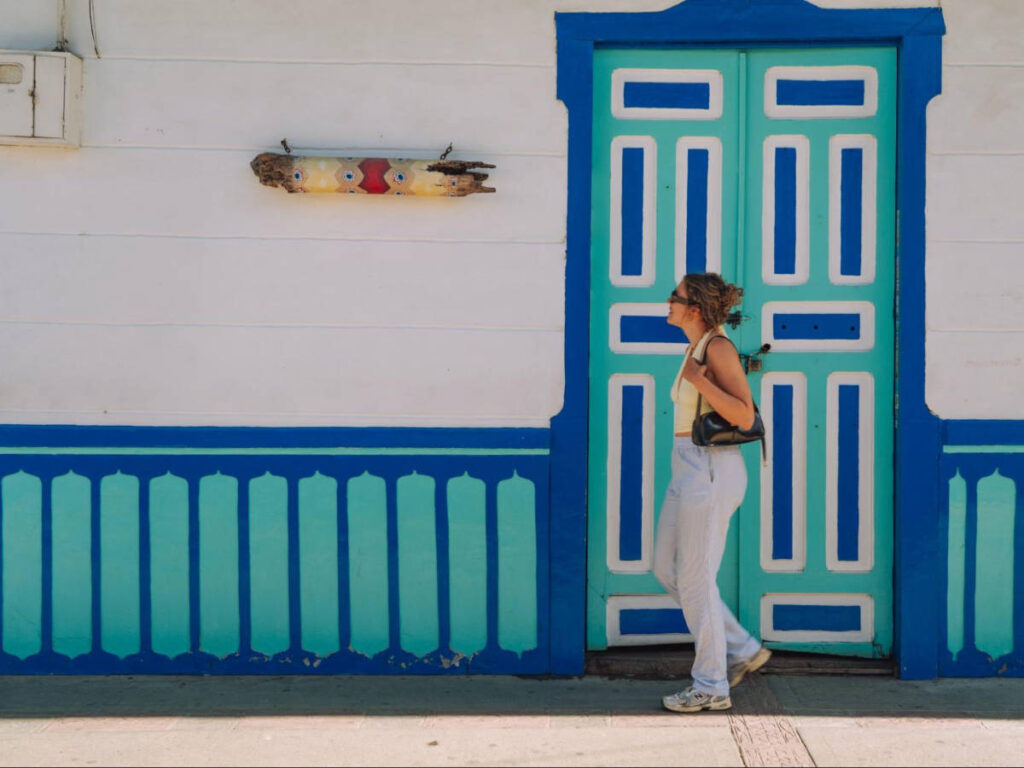
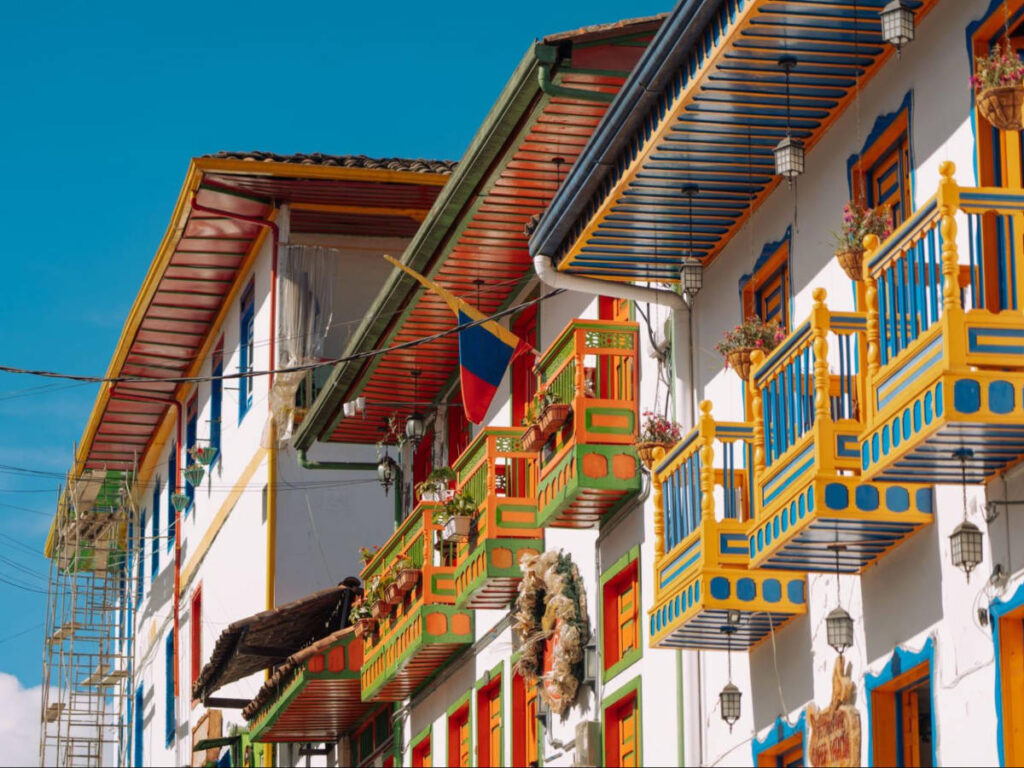
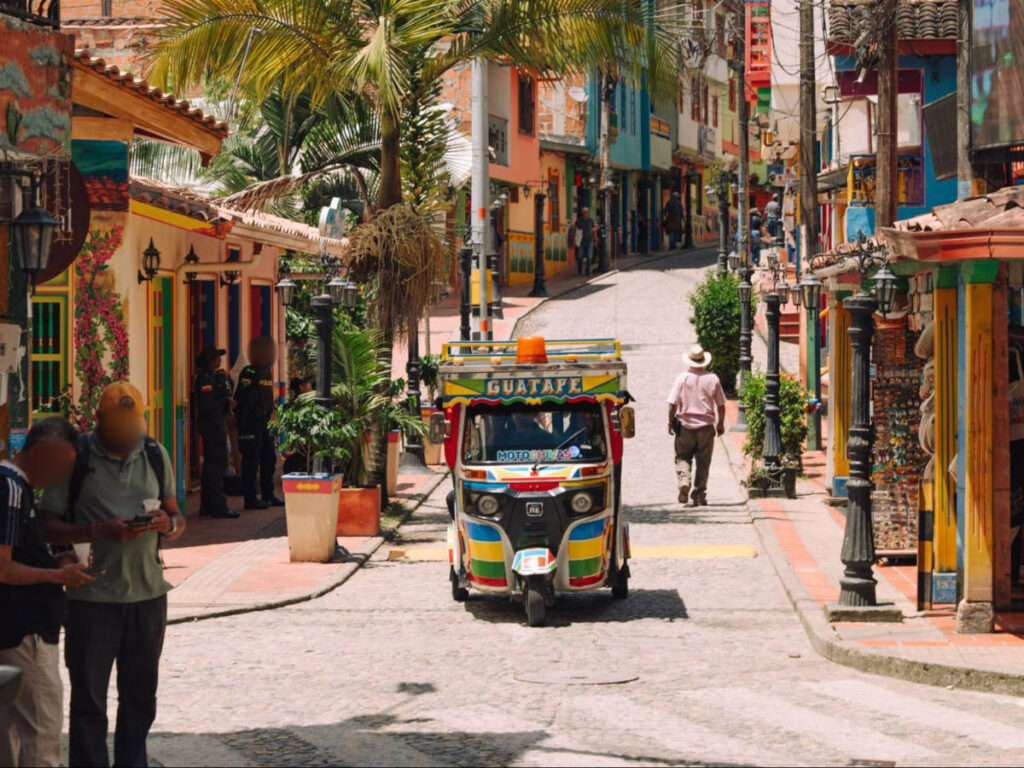
This zest for life bled through into the rest of my trip. From the live music in Salento and dancefloors in Medellín, to the colorful homes of Guatapé, and jolly pineapple juice salesmen in Isla Barú. Even nature showed its vibrancy through the diverse bird and flower populations.
Everywhere we went, joy was meant to be shared, with friends, family, and even the occasional tourist. Because this feeling is not for show, nor a tourist attraction. It was both intimate, to be shared among loved ones, and something public and deeply social. We were fortunate to be invited into multiple spaces that let us experience this feeling for ourselves.
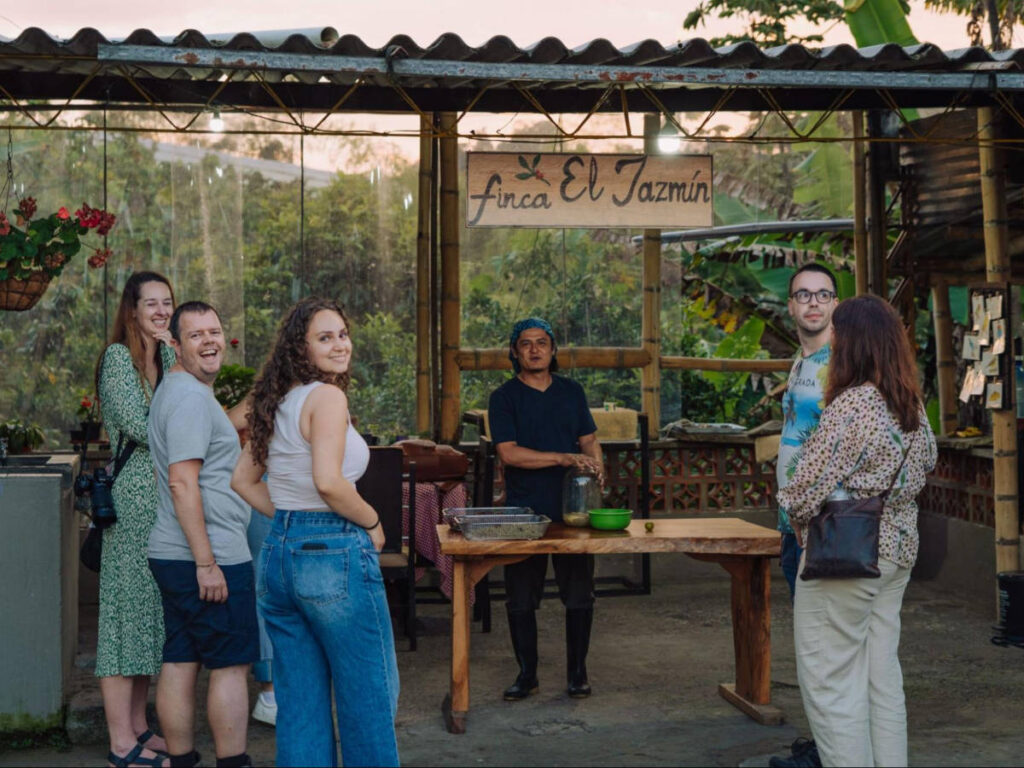
And while this celebration of life has not been created for tourists, it is helping Colombia become a major tourist destination. The Narcos image I had before the trip wasn’t unique to me: many people choose destinations like Peru or Mexico over Colombia out of fear.
Colombia is actively ridding itself of these negative connotations instilled by fear. While its violent history is still palpable, Colombia’s joy for life outshines everything. Couple that with some stellar marketing, and you become one of the fastest-growing tourism destinations and the third most-visited country in South America in 2025.
The Elephant in the Room: On Violence and Safety
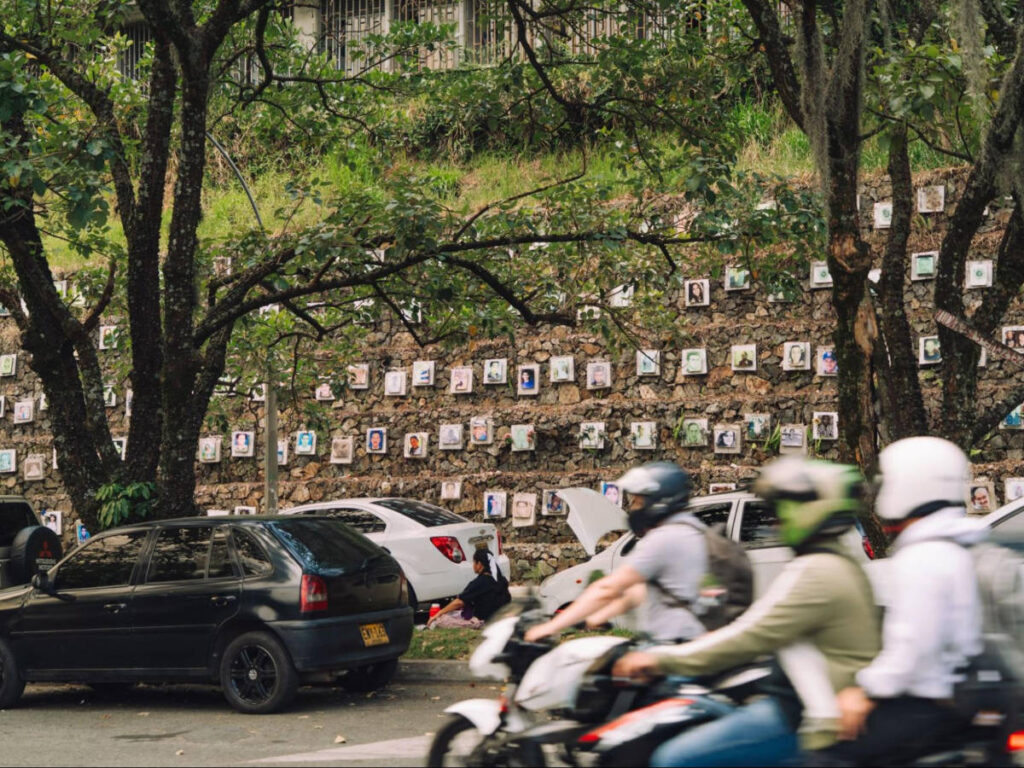
Towards the end of the trip, Santiago leads us through Medellín. After visiting Comuna 13, a commune that has turned its violent past into a colorful and vibrant community, we are on our way to the cable car. About halfway, Santiago stops us and points to a closed park and wall filled with picture frames.
“During the Colombian internal armed conflict,” Santiago says, “former president Álvaro Uribe Vélez offered money and other rewards for soldiers who killed guerrilla fighters.
Instead of catching actual members, many of these soldiers kidnapped innocent boys, killed them, and clad them in guerrilla uniforms. The park is a graveyard for the boys who were found, while the wall depicts those who are still missing.”
Here, Santiago refers to the ‘False-positives scandal’, a period of extrajudicial killing that lasted over 20 years. The war crimes came to light in 2008, when a group of mothers (the Madres de Soacha) wouldn’t accept the disappearances of their sons and started a resistance movement. Although it’s been nearly 20 years, investigations and trials are still ongoing.
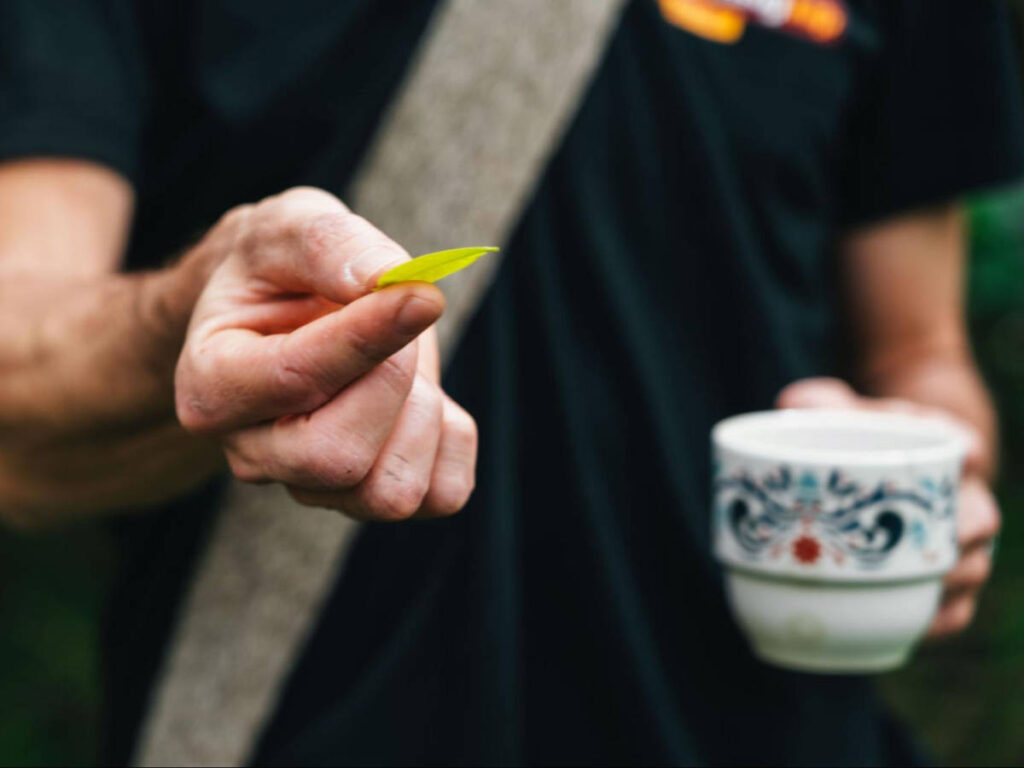
Unfortunately, such stories are not uncommon in Colombia and must be acknowledged when visiting. While the Colombian conflict is not at its former height, it has never ended. Areas like Catatumbo and the Colombia-Panama border greatly suffer from guerrilla violence. Additionally, global cocaine production and export are at a record high, much of it coming from Colombia.
Many Colombians have to suffer the threat of violence daily, especially in the countryside. The country’s major tourism destinations are much safer, though. This is largely because the 2016 Peace Accord has made sustainable tourism a tool for improving Colombia’s economy and internal safety. Therefore, as a tourist, you won’t notice much of the political and violent reality.
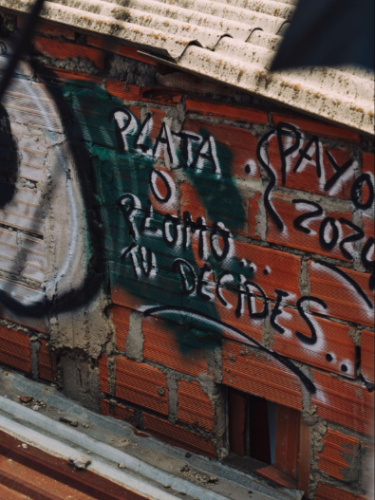
Personally, I didn’t notice much of it! During the trip, I felt incredibly safe. While this was largely due to traveling with a local tour leader and a large group, I also found walking around Salento solo to be fine.
👉 Important Note: While walking the streets of Salento by yourself is safe, walking through its countryside is not, especially as a woman. Terrible incidents do happen there, so always stick to the well-traveled paths.
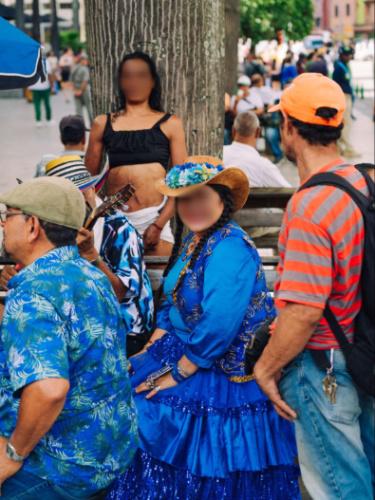
Medellín was the only city in which I felt unsafe. As we reached Botéro Square downtown, I was immediately drawn to a group of musicians clad in blue. The sun was setting, and they looked lovely in their azure robes. Of course, this scene begged for a picture! So, after snapping away, I tried to tip the street performers as a thank you for letting me photograph them.
But as soon as I had some pesos in my hand, a lady appeared and begged for money. After telling her no, she tried to grab my wallet and became aggressive. Luckily, there were plenty of bystanders who came to the rescue. Although shaken, I was unharmed, and the care that these strangers showed me made me feel relatively safe.
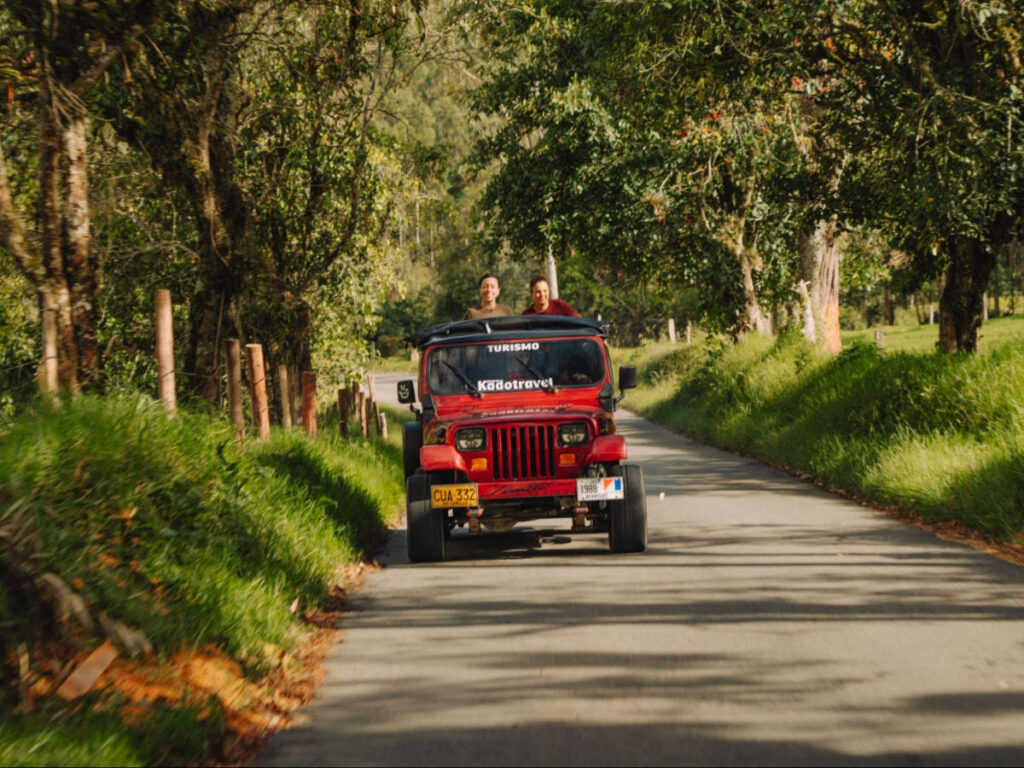
This doesn’t mean that petty crime is the only crime in Medellín, Bogotá, or even Salento.
When you’re not attuned to the comings and goings of a place, violence can happen right under your nose. Colombia is not Europe, where you can flaunt your valuable possessions and hike from village to village without a guide. Staying on well-trodden paths and researching unsafe areas will help you avoid getting mugged or worse.
But don’t let the fear of something bad happening be the reason not to visit Colombia. The country’s joie de vivre outweighs it all! And with some precautions, the well-traveled areas are perfectly safe.
Salsa and the Transformative Nature of Travel
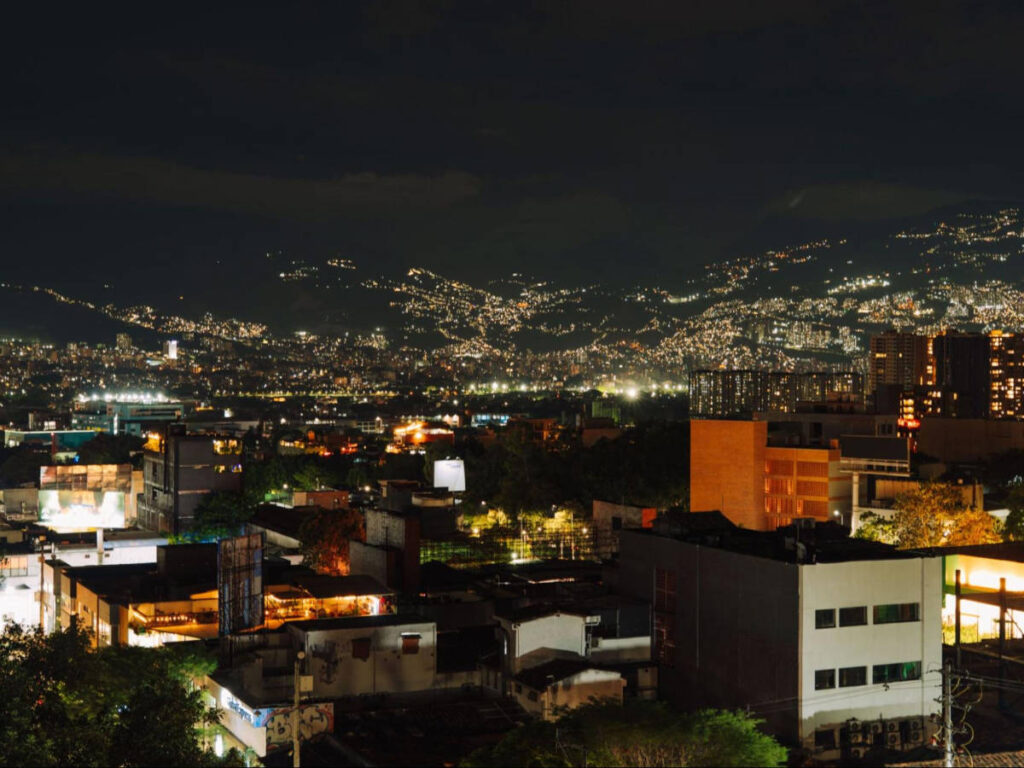
It turns out the only crime I witnessed in Colombia was the unraveling of my own fear, though.
I’ve always claimed to be a terrible dancer. At 5 ft 11 in (182cm), I never felt particularly feminine when moving on the dance floor. What should I do with these long arms of mine? My stiff hips? Every movement feels so big and clunky; I tend to keep it minimalistic, even though the music makes me want to let it all out.
But as I took my first salsa steps in Salento, I figured out I had been lying to myself. I was no longer stomping to techno beats, but dancing to music full of life and passion. Even though I didn’t get the steps at first, I didn’t care what my moves looked like. Dancing, as it turned out to be, was not an individual sport, but a social activity that was meant to be fun.
Salsa, cumbia, merengue, bachata, reggaeton: all of it’s part of Colombia’s cultural fabric and forms the heart of its nightlife. The upbeat music, combined with everyone dancing with everyone else, allowed me to tap into the country’s joie de vivre. But most importantly, it let me fall in love with a version of myself I didn’t know existed.
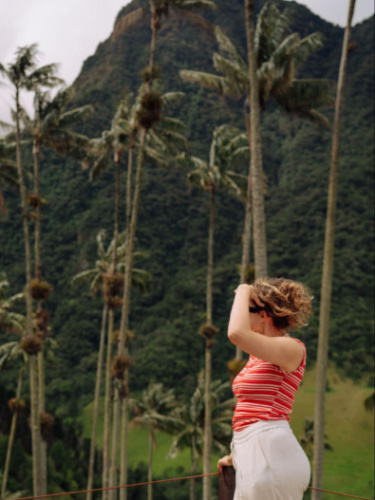
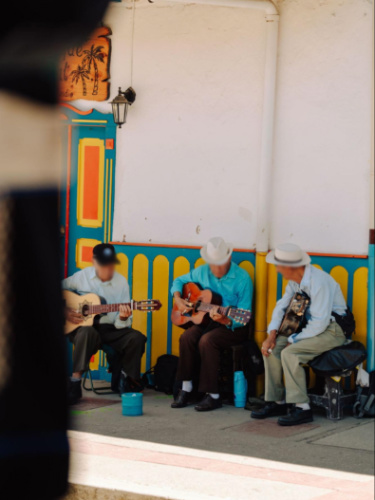
I don’t believe in ‘finding yourself’ while traveling, but I do believe that travel is transformative. You can discover new aspects of yourself or change through experiences. It all makes sense when you think about it: going outside of your comfort zone forces your identity, behavior, and attitude to adapt, leaving a revamped you in its place.
The ‘new me’ I found is more tranquila, takes life a little less seriously, finds it easier to let things go, leaves room for spontaneity, and lets her inner joy shine through. In the process of changing, my love for life reached new heights. Probably because in Colombia I had the best tutors I could wish for.
Gratitude and My Happy Place
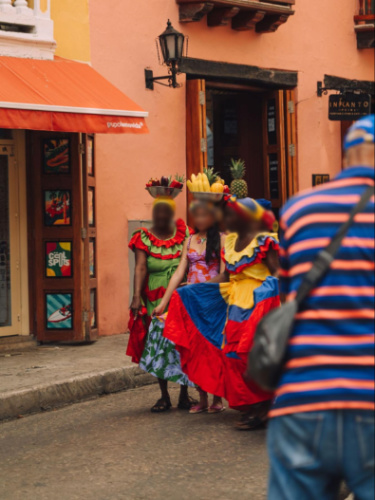
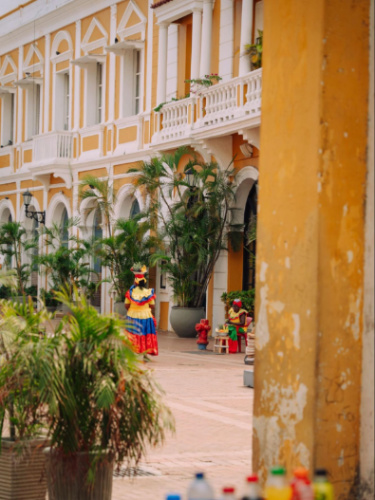
I’ve only been back a month, but I’m already planning a long trip through South and Central America. In Amsterdam, I’m taking salsa and Spanish classes in preparation, which has introduced me to new communities.
Colombia has become my favorite place in the world. Partly because of what I learned about myself, but also because of the people, the music, the colors, the nature, and not to forget: the dancing. Being there and feeling as free as I did instilled a deep sense of gratitude; for finding this version of myself, and my incredible job, life, partner, friends, and family.
As travel has the potential to transform us, it has the potential to transform the world. Let that change be a positive one.
***
So, ready to book that ticket to Colombia? Taylor has put together the ultimate Colombia packing list with everything you need for an unforgettable adventure.
More Latest PERSPECTIVES


