
Affiliate Ad Disclosure: We’re reader-supported. When you buy via our links, we earn commissions. Learn more.
Can going offline improve your vacation? Here’s what I learned from the digital detox travel trend.


Between work emails, social media and the rise of AI, it seems impossible to escape technology in today’s world. While some tools have obvious benefits, the flood of information and constant distractions have many feeling drained — and needing a vacation from their smartphone.
Several industry publications have recently brought attention to the digital detox travel trend, which promises presence and improved well-being by temporarily forgoing technology. As one who’s hooked on health hacks (and scrolling through viral dog videos), I was intrigued.
So on my recent 10-day road trip, I purged my social media apps, avoided my email inbox, and said goodbye to the search bar. Spoiler: I loved this experiment and would absolutely do it again. Read on to discover what I learned and why the analog vacation is on the rise.
Why Travelers Are Jumping on the Digital Detox Trend
Americans are addicted to their screens

It’s safe to say that the algorithms have gotten really, really good at holding our attention. Many of us are glued to our screens, with the average American spending more than 5 hours on their phone each day in 2026 [Source].
While I try to limit my scrolling, there’s no denying the temptation. Those quick hits of dopamine and countless notifications pull me in constantly. It’s hard to be present with all the beeps and buzzes. In fact, the general user checks their smartphone every 10-12 minutes [Source].
Remote workers also know that, with technology in their back pocket, it’s difficult to ever clock out entirely. In a recent survey, many admitted to checking emails and answering work calls while traveling. What’s worse, almost 60% said that vacations don’t relieve their stress [Source]. But a digital detox just might fix that problem.
A digital detox has science-backed benefits
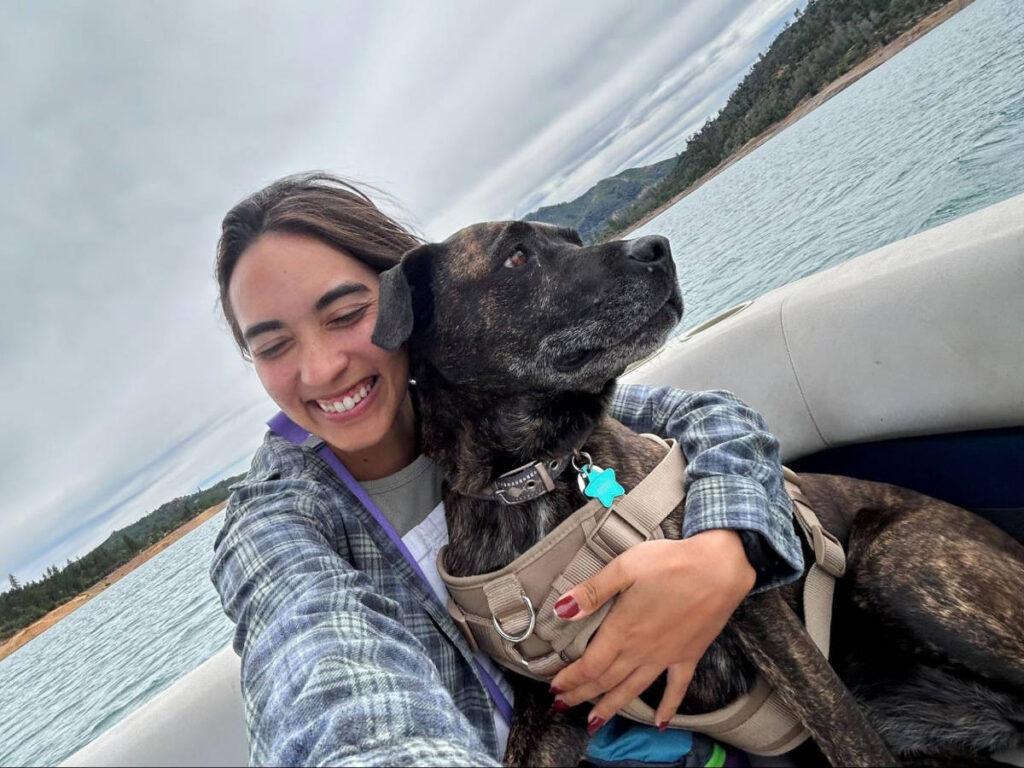
I’ve long been a subscriber to wellness trends, which often intermix with travel. My latest excursions have included a sober retreat, forest bathing, saunas, and cold plunges — if it’s supposedly good for me, sign me up.
Naturally, a digital detox (which some call an analog vacation or deadzoning) intrigued me. Recent studies found that limiting screen time and pausing social media may reduce symptoms of depression, better sleep quality, and improve well-being [Source, Source].
After testing this travel trend, I believe it also promotes a greater sense of presence. It’s easier to connect with yourself and those around you, as well as nature and a new culture, without constant distraction.
Additionally, a digital detox on vacation offers a true break from work, the news cycle, and day-to-day stress. It may even change your relationship with technology back home.
Types of digital detox retreats

These purported benefits have sparked the interest of many travelers worldwide. In one recent survey from travel agency WeRoad, 61% of respondents said that they have either tried or are planning a digital detox [Source].
Several luxury resorts have taken note of the trend. For example, guests arriving to the Maldives InterContinental surrender their devices, then ground themselves with yoga, meditation, and wellness mentorship.
Meanwhile, at remote places like Postcard Cabins Eastern Catskills, spotty wifi and cell service are labeled as an amenity rather than an inconvenience. Phone lock boxes further help limit the temptation to log on.
While these guarantee great stays, one of the best parts of this travel trend is that it doesn’t have to cost you an extra dime. My 10-day digital detox took place in campgrounds, rustic cabins, and while road tripping across the West.
It was one of the most peaceful, memorable getaways I’ve ever experienced — but not free of a few hiccups. Here’s what to do (and what not to do) to make your offline adventure a success.
6 Key Takeaways From My Offline Road Trip
Worried about safety? A digital detox doesn’t have to be restrictive

Some argue that the digital detox travel trend poses unnecessary risks. What if you get lost or need to call for help in an emergency? I completely agree that a cell phone is an important safety device and in my opinion, there’s no need to put yourself in potential danger to gain the benefits of a digital detox.
Keep the apps that serve you. If traveling internationally, I would highly recommend having a translation tool downloaded. On my recent 3,000-mile road trip, I used Google Maps plenty, as well as AllTrails to track my location on hikes.
I also had music, podcasts, and audiobooks downloaded on Spotify, along with the Seek app to identify local flora and fauna. Additionally, I texted a few updates to family and close friends here and there throughout the trip.
Meaningful connections, intentional entertainment, and safety tools all deserve a pass in my digital detox book. Because ultimately, my hope for this experiment was to be more present and at peace when traveling. Avoiding all my social media apps, Google search, and email had that effect for me — and you should feel at liberty to make your own rules, too.
Communicate your absence and itinerary


Just a few hours into our road trip from Denver to California, I realized that I hadn’t set an automated out-of-office email message. Not communicating my 10-day absence to clients and colleagues would have, undoubtedly, created unnecessary stress for everyone involved. So, I logged on (just for a moment!) to take care of that oversight.
Make sure to craft a simple work email reply before your departure that clearly communicates your return. Here’s an example: “Thanks for your message! I’m currently out of office without cell service, but will be back on [date] and look forward to connecting then.”
I also recommend sharing your itinerary with an emergency contact in advance, especially if you’re heading somewhere with limited or no signal.
Finally, if you’re traveling with friends or family, be sure to communicate your digital detox intentions. On my recent trip, my husband did not take a break from his cell phone — totally fine. But I asked him to avoid looping me in on the latest news, which I decided to hold off on until post-vacation.
Download travel documents, maps and media in advance

While some are all-in on the analog trend, I did not break out a paper map for my recent road trip… but maybe I should have. Because I made the mistake of not downloading offline directions on Google Maps in advance. Turns out, there’s very limited signal in the mountains of Northern California.
Fortunately, I had a general understanding of our route and we followed road signs to major towns. But after a couple of lucky guesses, I downloaded offline maps for the remainder of the trip and recommend doing the same if you’re traveling somewhere remote.
I also suggest printing or screenshotting important documents like your itinerary, accommodation reservations, and insurance information.
Additionally, if you take a digital detox like mine, you may want to download music, podcasts, and audiobooks in advance. My library was made up of light, inspirational content — heavy topics could wait until after our trip.
Plan activities and pack your favorite hobbies


I am a Type A traveler with plans on a color-coded spreadsheet. While that’s not everyone’s style, I do recommend having some level of structure for a digital detox trip. Set activities will limit boredom and the temptation to mindlessly scroll.
This is especially important first thing in the morning. One survey found that as many as 65% of adults look at their phone within five minutes of waking up [Source]. With this in mind, I set a new morning routine on my recent road trip which involved making instant coffee, walking my dogs around camp, and picking something out of my activity bag.
For a digital detox trip, always pack a few analog activities. I brought along my watercolor set, a cross-stitch craft, a book, and board games which all kept me entertained — and more calm than social media ever could.
There’s less pressure to see every highlight

This takeaway may be more personal but when traveling previously, I felt a certain pressure to post something “likeable” each day. For example, I’d look up the most scenic hike that would appear best in photos.
I am a creator by profession and am sure not everyone can relate to this feeling. But perhaps some can. The great thing about a digital detox is that there’s no one to please but your honest self — not the algorithm, not your followers, and not your like-chasing ego.
On our recent trip, we had planned to visit Lake Tahoe. I just had to photograph the lupines. But we were staying 90 minutes north at a cabin along Lake Davis and were exhausted after two days of driving. Why not just explore the area we were in, even if not as Instagrammable?
That day at Lake Davis turned out to be one of my favorites of the trip. We had a remote beach to ourselves and didn’t see a soul on the trail — other than the black bear we came across! Lesson learned: Don’t let social media dictate your itinerary.
A digital detox when traveling can lead to a lifestyle change

I’m a firm believer that travel can leave a lasting impact on one’s everyday habits. For example, my recent sober retreat has completely changed my relationship with alcohol. Other trips have kickstarted early morning wake-up routines and 10,000-step streaks.
It’s too early to tell if this digital detox trip has more permanently altered my relationship with my smartphone. But one week post-vacation, I’ve yet to re-download any social media apps. Though I do miss the cute dog videos.
***
Leave a comment on your thoughts about digital detox vacations! And for insights into another travel trend, read Laura’s perspective on planning trips around sporting events next.
More Latest PERSPECTIVES


