
Affiliate Ad Disclosure: We’re reader-supported. When you buy via our links, we earn commissions. Learn more.
A Guide to Picking When to Visit Sequoia National Park

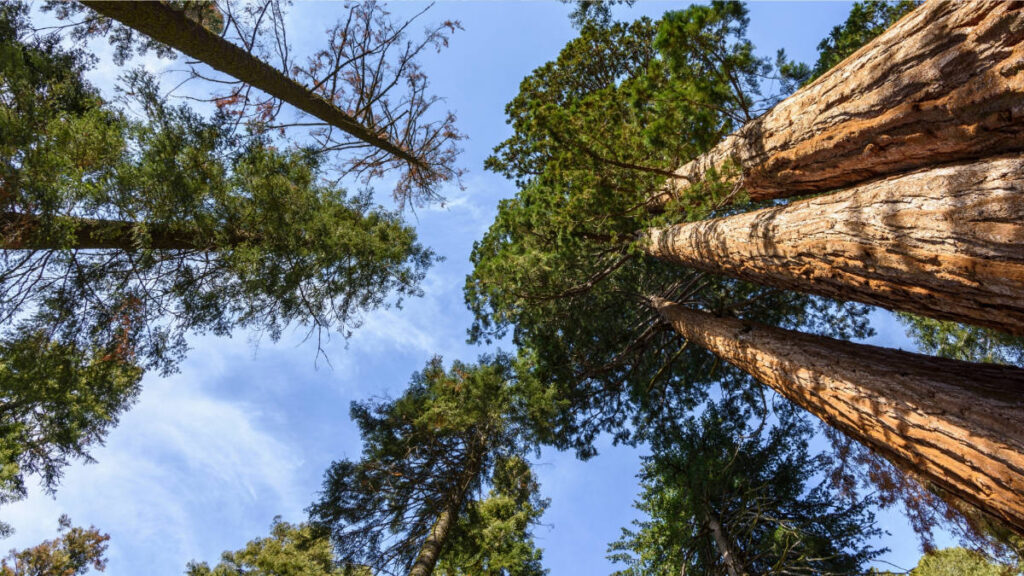
July to September is the overall best time to visit Sequoia National Park for comfortable weather. Summer is the peak season in Sequoia. It experiences scant rainfall and all the park campgrounds are back open for business.
Mid-June to August is busy, but temperatures are the warmest at this time, with averages in the mid-70s. Summer is also a good season to visit the park’s main attraction, the General Sherman Tree.
However, depending on what you want to experience, it might be better to visit this California national park in a different season!
I’m a California local, and I’ve been to Sequoia National Park in almost every season. I’ll break down what I’ve learned to help you determine when is the right time of year for your trip.
Want to jump around?
When is the Best Time to Visit Sequoia National Park?
The overall best time to visit is in the summer. The summer months are packed with activities like wildlife viewing, hiking, camping, stargazing, and ranger programs.
Sequoia National Park is open year-round, however. The shoulder seasons are typically filled with snow, which equates to fun snowshoeing opportunities and fewer crowds. Winter and spring can bring challenges with navigating through deep snow and ice, however.
But when you should visit may differ depending on your travel style and goals. For example, families with small children will probably choose a different time to visit than travelers looking for cheap prices.
All right, now let’s get into all of these considerations.
When to Visit for Good Weather
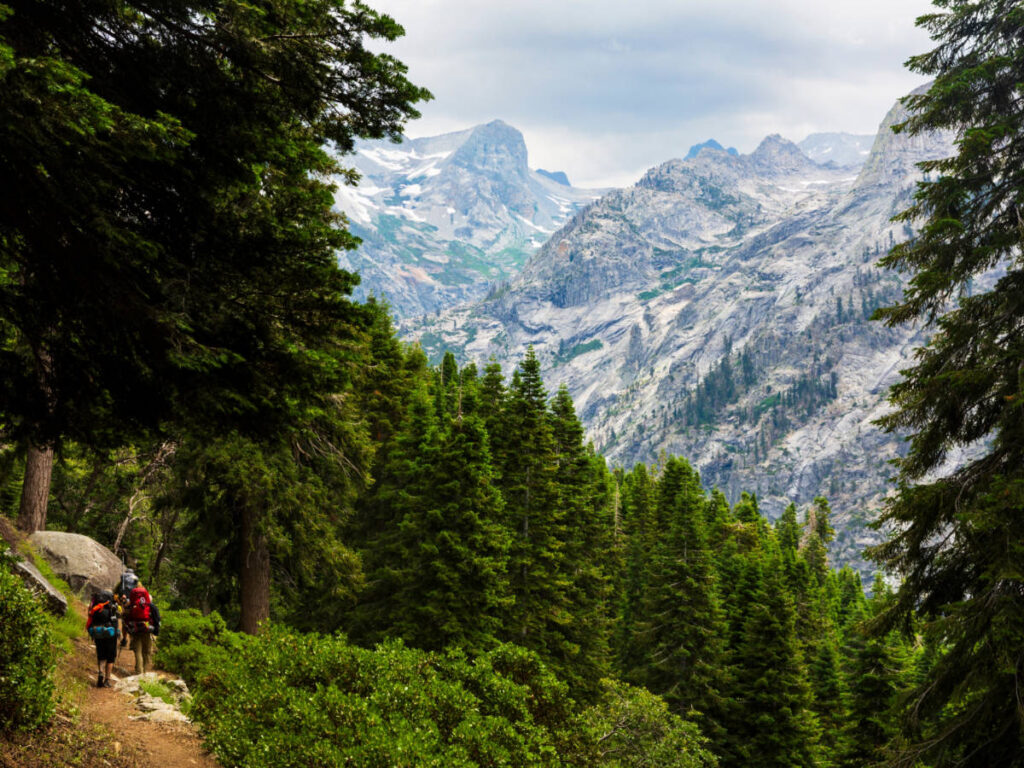
Late June to late September offers agreeable weather.
Sequoia is in the heart of the Sierra Nevada Mountains with elevations ranging from 3,500 feet to 13,000 feet. Its mountainous environment means it can experience extremely cold winter conditions. Winter sees many road and trail closures due to snow and ice.
Mid-summer is the only time to experience the park free of snow and below-freezing temps. Average summer temperatures rarely surpass 70°F, though summer evenings still cool down considerably. Be sure to still pack warm clothes if visiting Sequoia and Kings Canyon National Park in the summer.
When to Visit for Cheap Prices
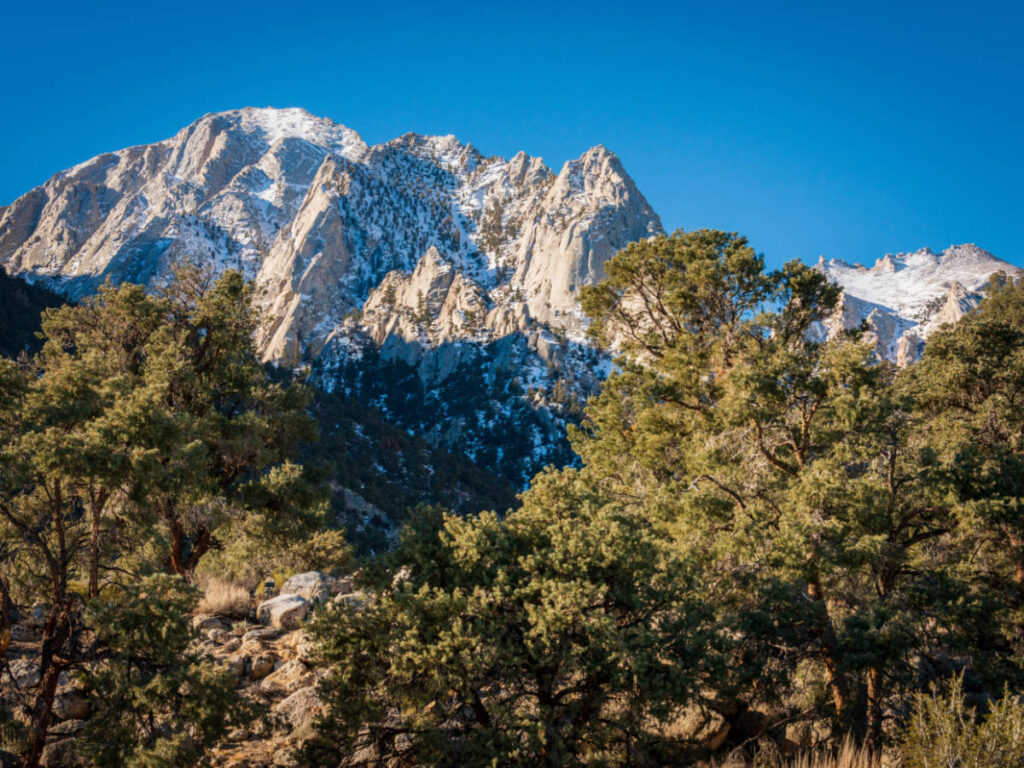
It’s possible to enjoy Sequoia National Park cheaply, but the season you visit the park determines the prices you pay. Prices for lodging and sometimes food are raised during the summer peak seasons.
Entrance fees are standard year-round, although there are 6 days a year when U.S. national parks are fee-free. In 2024, all national parks are free on these days:
- January 15: Martin Luther King Jr. Day
- April 20: First day of National Park Week
- June 19: Juneteenth
- August 4: Great American Outdoors Day
- September 28: National Public Lands Day
- November 11: Veterans Day
I recommend visiting Sequoia and Kings Canyon National Parks during either Martin Luther King Jr. Day or Veterans Day. Since both days are in the off-season, you’ll be pleased to find both free entry and more affordable park lodging at these times.
When to Visit for Families and Kids
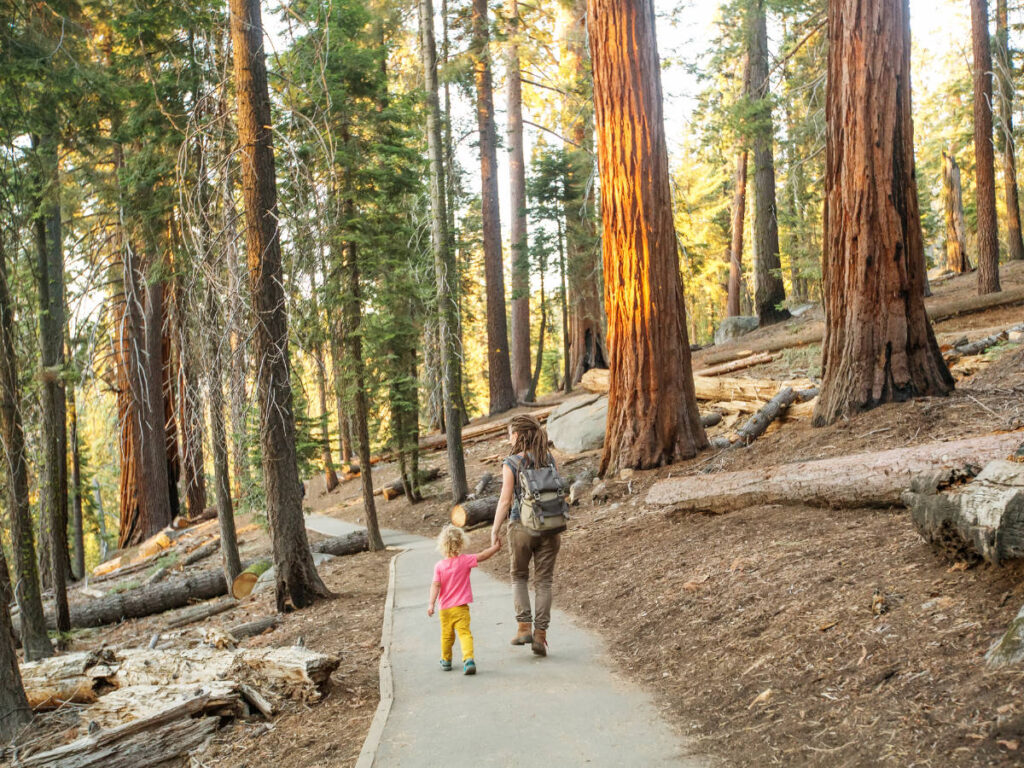
Families with kids have the most fun in Sequoia National Park during the summer. The park’s family-friendly activities and amenities are open in the summer. These include hiking trails, National Park Service ranger-led programs, and the Sequoia shuttle.
July and August are the hottest months in the park and are the most comfortable time to visit with small children. Some fun family-friendly attractions include driving through the General Sherman Tree, climbing Moro Rock, and visiting the Giant Forest Museum.
All campgrounds are open at this time too, but I recommend staying in the Wuksachi Lodge with little ones. The lodge is centrally located near attractions like Big Trees Trail and the Lodgepole Visitor and Market Center, which are both hits with kids
When to Visit to Avoid Crowds
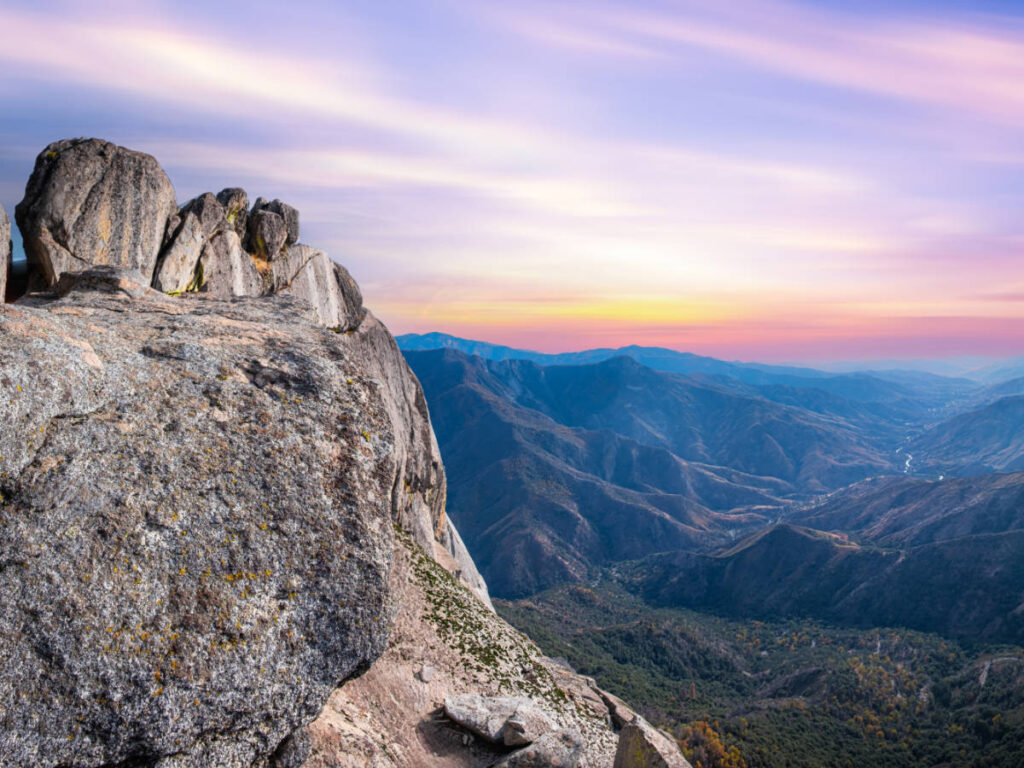
Sequoia National Park has a somewhat small window for its peak season. Most visitors enjoy the park between June and September when the weather is at its warmest and the driest.
The months of October to May are good for travelers hoping to avoid the bulk of national park crowds. No reservation is required to enter the national park, meaning you can just pop on by any day of the year.
That said, more and more national parks have started to require reservations and this could change in the future. Check out Abigail’s article on Why More National Parks Should Require Reservations in 2024 to get an idea of why some parks are heading in this direction.
Winter is hands down the best season to visit the national park for virtually no crowds. I recommend checking road and trail conditions before your winter wonderland excursion, however. Many roads and trails will be covered in snow at this time.
When to Visit for Hiking
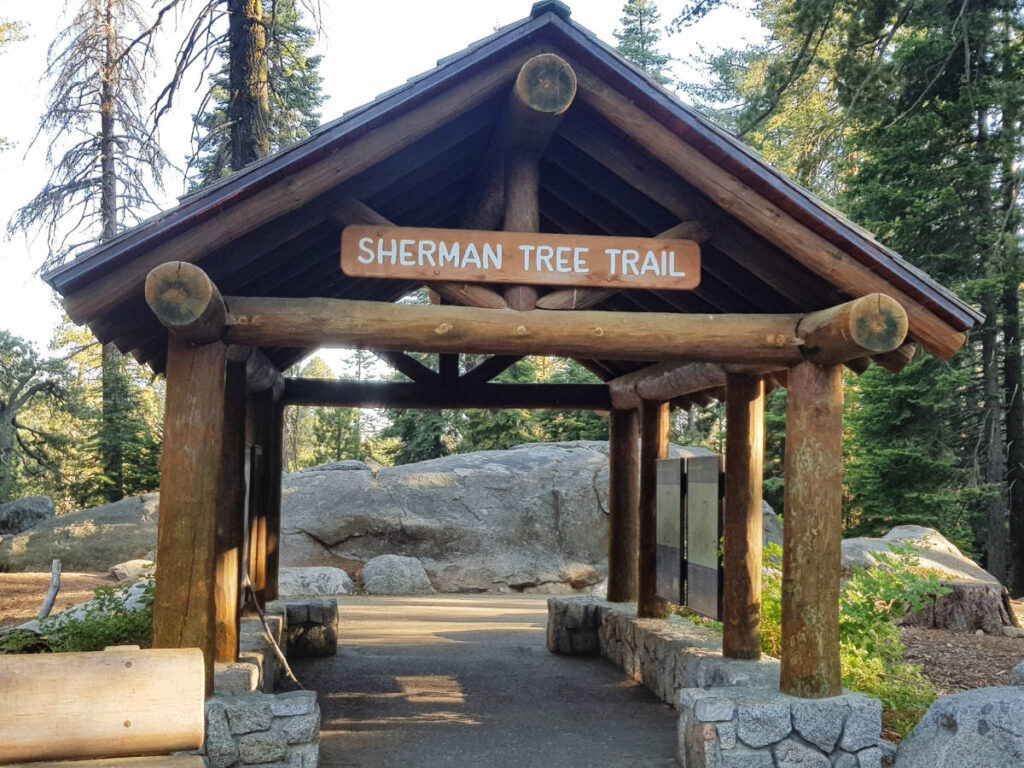
July, August, and September are the best times to visit Sequoia and Kings Canyon parks for hiking. All of the snow is usually melted by this time, leaving the trails dry and safe for even the most unseasoned hiker.
Choosing where to hike is one of the most challenging tasks you’re likely to face in the park. There are fun trails in the foothills (the hottest area of the park) like Marble Falls Trail and LadyBug Trail.
Hikes in the Giant Forest and Lodgepole areas include the General Sherman Tree, Congress Trail, and the Moro Rock hike.
You’ll find the Big Stump Loop Trail in the Grant Grove area and the Roaring River Falls hike in the Cedar Grove area. Crystal Lake is another fun hiking trail in the Mineral King area, as well as the Monarch Lakes Trail.
When to Visit for Camping
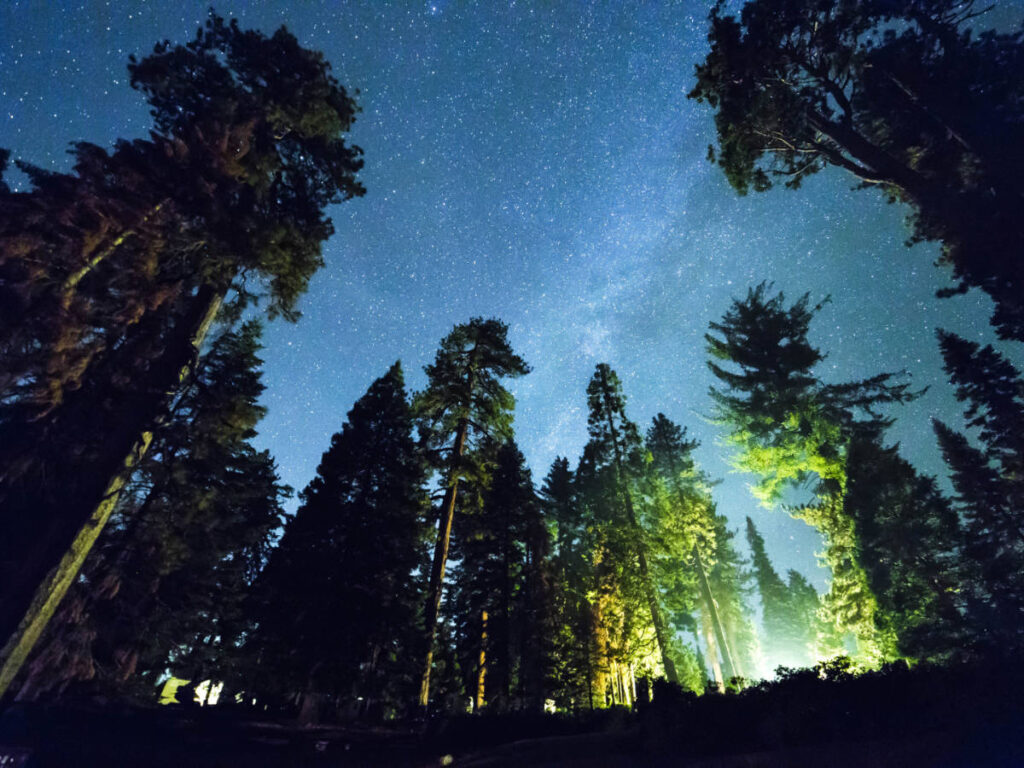
Summer is ideal for camping, as some campgrounds are closed in the winter due to snow. The only campgrounds open in the winter are Azalea and Potwisha.
All 14 official campgrounds open in the summer beginning in late June. Most campgrounds are available only with a reservation, which can be made at Recreation.gov. Campsites can hold up to six people and each has a picnic table, a fire ring with a grill, and a food storage box.
When to Visit for Wildlife Spotting
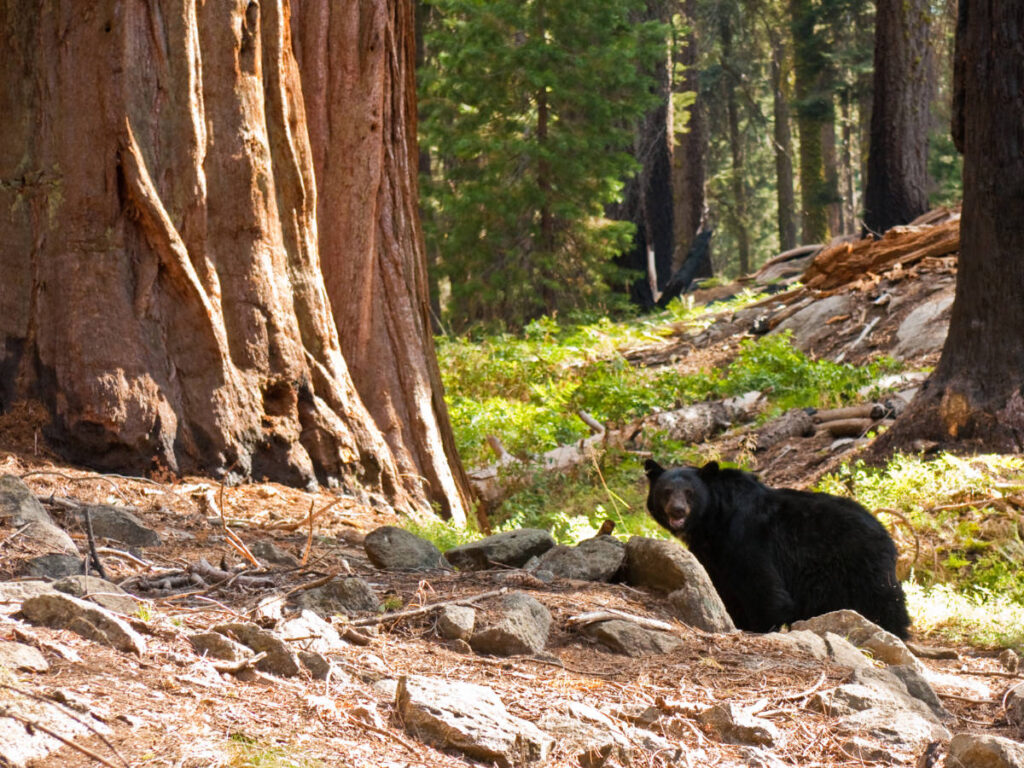
Visit Sequoia and Kings Canyon in the late spring or early summer for the best chance possible to spot the local wildlife. Animals to look for include black bears, bighorn sheep, marmots, mule deer, pika, and mountain lions.
You can spot wildlife in Sequoia National Park year-round, however. When I was last in the park, a ranger told me that some black bears in the park don’t fully hibernate! You may be able to spot some through the winter.
Sequoia Travel Seasons
Summer

🌲 General Sherman Tree – Visiting the largest redwood tree is the easiest in the summer when ice has thawed from the General Sherman is the biggest tree in the world by volume, meaning it has more wood in its trunk than any other tree on Earth.
🌲 Giant Forest Museum – Get to know the forest around you at the Giant Forest Museum, which is only open in the summertime. Learn more about how to identify trees and differentiate redwoods from sequoias.
🐴 Horseback Riding – Summer is the best time to saddle up and hit the equestrian trails, weaving in and out of towering Sequoias. Three stables are available in Sequoia & Kings Canyon to take parkgoers on a day, overnight, or multi-day trip.
Fall

💫 Dark Sky Festival – The Sequoia Field Institute hosts the Dark Sky Festival each September. The festival features educational activities with astronomers and astronauts.
🌊 Hume Lake – Take a dip in the nearby Hume Lake before it’s too cold to dip a toe in. Relax on the sandy beaches and coves of the alpine lake or test your arm muscles with a canoe rental.
🧗 Rock Climbing – From bouldering to top rope and sport climbing, Sequoia & Kings Canyon National Parks have it all. Highlights include the Obelisk, Grand Sentinel, and Chimney Rock routes.
Winter
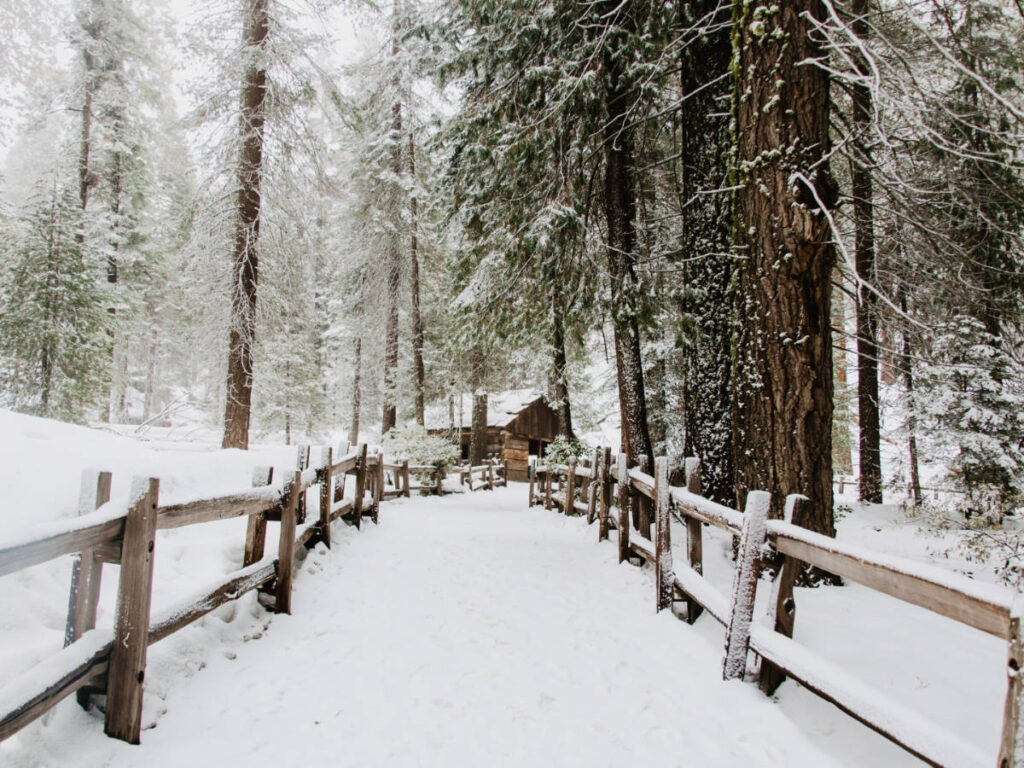
🐻 Wildlife Viewing – Fewer tourists in the winter encourage the wildlife to roam without restrictions. Contrary to popular belief, some California black bears don’t fully hibernate in the winter, so you could even see them at this time.
❄ ️ Backcountry Snowshoeing – Snowshoe in a blanket of white for a quintessential winter adventure in Sequoia. Ranger-led snowshoeing adventures take place from the Visitor Center.
🎿 Cross-Country Skiing – Take advantage of over 800 miles of cross-country skiable terrain in Sequoia & Kings Canyon National Parks. Most skiers use Wuksachi Lodge as a base for their adventures.
Spring
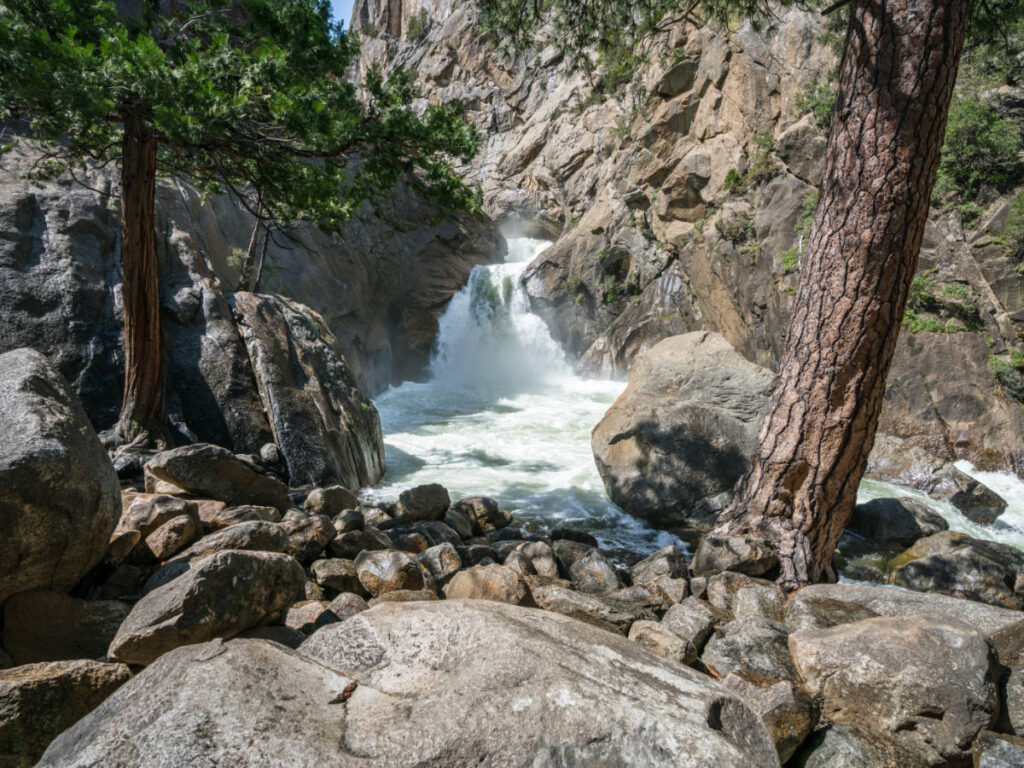
🚰 Roaring River Falls – This roaring waterfall is located in the Kings Canyon Valley off Highway 180. The falls exhibit the deepest belly roar all spring long thanks to winter snowmelt. This dramatic cascade crashes 40 feet through a narrow granite gap and is among the top waterfalls in the park.
📷 Photography – Late March is the ideal time to visit Sequoia NP for springtime photography. There will likely still be snow at this time and fewer crowds, making it the perfect environment for capturing a good photo.
🐟 Fishing – Fishing is permitted in most areas of the park but fishers are required to have a California fishing license. Possible catches include rainbow trout, Sacramento sucker, Kern rainbow, and CA roach fish.
Sequoia National Park Weather and Climate
Weather is known to change quickly in Sequoia National Park. Park areas range from 3,500 feet to 7,000 feet and can vary as much as 20-30 degrees on the same day in the park.
Sequoia encompasses both Tundra and Mediterranean climates, decreasing in precipitation with higher elevation.
📚 Related Reading: Sequoia vs Yosemite Honestly Compared
11 Tips for Visiting Sequoia National Park
Bring a Bear Box
California black bears are alive and well in Sequoia National Park. Be sure to bring a bear box if you plan on hiking or camping in the backcountry.
Most campsites have on-site bear box lockers. Campers should 100% take advantage of these to avoid a spontaneous rendezvous with a carnivorous local.
Camp at Least One Night
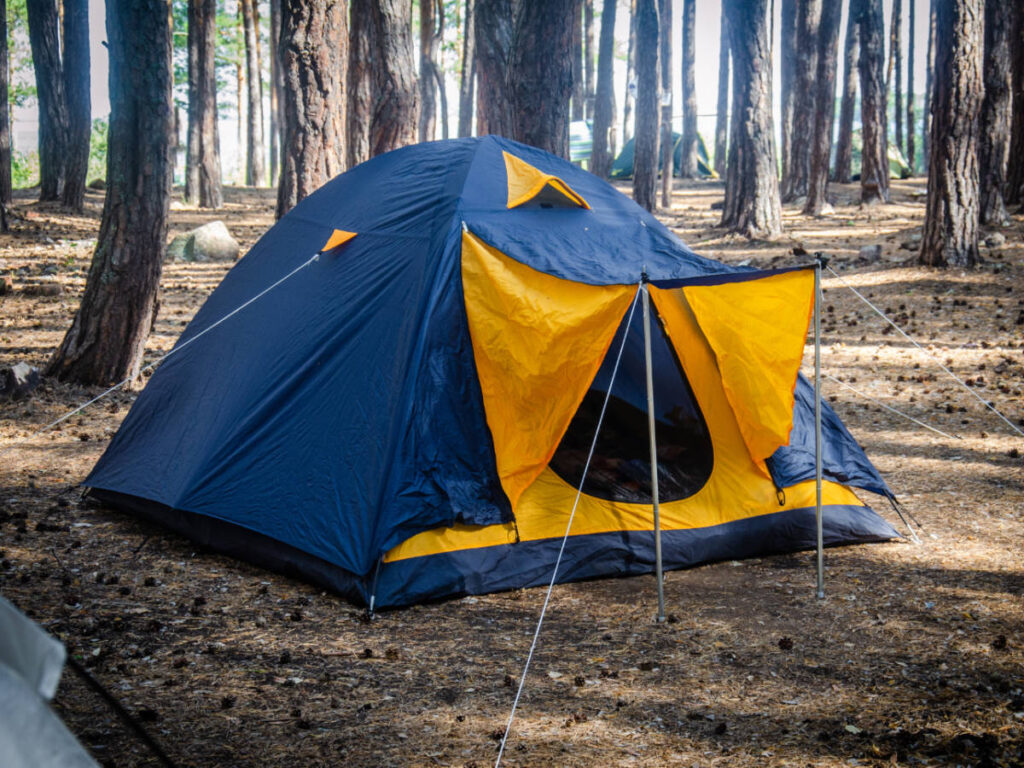
Camp for at least one night in Sequoia National Park for the full park experience. Sequoia isn’t near any major city, giving it a more than impressive view of the starry night sky.
There are over ten campgrounds to choose from, with standard campsites priced at $32. Azalea and Potwisha Campground are open year-round and allow campfires.
Don’t Forget the Hiking Essentials
Hiking is one of the top activities to do in Sequoia National Park, so make sure you have the hiking essentials packed before your trip.
You will need proper hiking shoes or boots, a water hydration system like a bladder, sunscreen, a hat, sunglasses, and a 15+ liter backpack for summer hikes. Check out our guide to winter hiking essentials if you plan to visit the giant Sequoia trees in the winter.
Buy a Park Pass
Consider buying an America the Beautiful National Park Pass for unlimited annual access to all the U.S. national parks. It costs $80, and you can purchase the pass from the USGS store, REI, or at the entrance of Sequoia or Kings Canyon National Park.
Pick Up a Map
Stop by the Sequoia National Park Visitor Center to purchase a map of the park. The map highlights most of the roads, campgrounds, and hiking trails in the park, as well as native flora and fauna.
Paper maps are one of the top 10 hiking essentials and when paired with a compass, both can save you in an off-trail bind.
Reserve Your Campsite Early
While it is possible to luck out and reserve a campsite the day of your park arrival, it’s far more secure to reserve your site ahead of time. Campgrounds fill to capacity, especially during the summer months. Be sure to reserve your site at least 6 months ahead of time via Recreation.gov.
Build Fires Only in Designated Rings
Campfires are allowed in designated campsites only. Additionally, it’s prohibited to build your own fire ring in Sequoia National Park. Most campsites have their fire rings. If not, campfires are likely prohibited at the campsite.
Download the Free Park App
Download offline content on the National Parks App to have information on trails, campgrounds, visitor centers, directions, weather, and more. Cell service is extremely limited in the park so an offline app like this can save you in a pinch.
Take Caution in Rivers
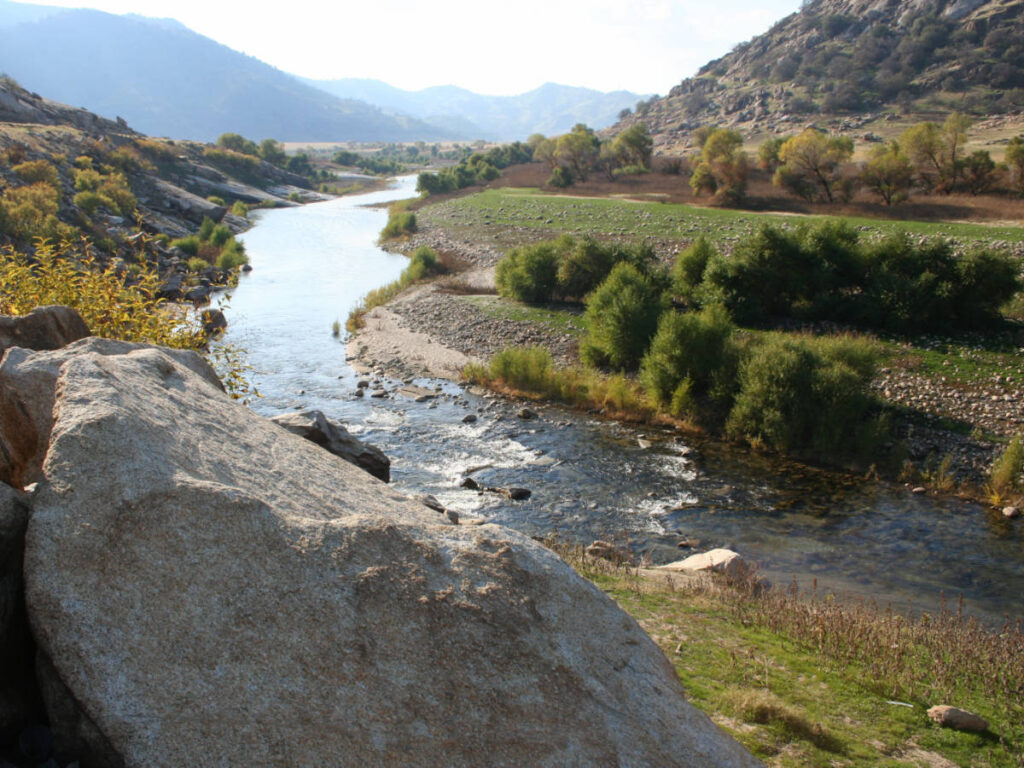
According to the national park website, drowning is the most common cause of fatalities in the park. Come springtime, the snowmelt that drains into the nearby rivers is rushing at double its normal speed. Take caution in the rivers surrounding Sequoia National Park and assume that all rivers in the park are potentially dangerous.
Keep Wildlife at a Distance
While it may be tempting to pet the fluffy wildlife, please refrain from physical contact. Remember, wildlife is just that, wild. As a general rule of thumb, keep at least 25 yards between you and non-apex predators. Additionally, keep at least 50 yards away from apex predators (black bears and mountain lions).
Venture Off the Beaten Path
Sequoia National Park has more to offer than meets the eye. While General Sherman Tree and Moro Rock are musts for first-time park visitors, they attract some of the largest crowds in the park.
Experience the backcountry of Sequoia National Park and bypass heavy park crowds. My favorite less-popular trails include the Sugar Pine Trail and the Willow Meadow to Twin Lakes Trail.
***
Thank you for reading. All that’s left to do is prepare for your trip.
Check out our national park packing list for ideas on what to bring!
