
Affiliate Ad Disclosure: We’re reader-supported. When you buy via our links, we earn commissions. Learn more.
A Guide to When to Visit Scotland (By a Local)

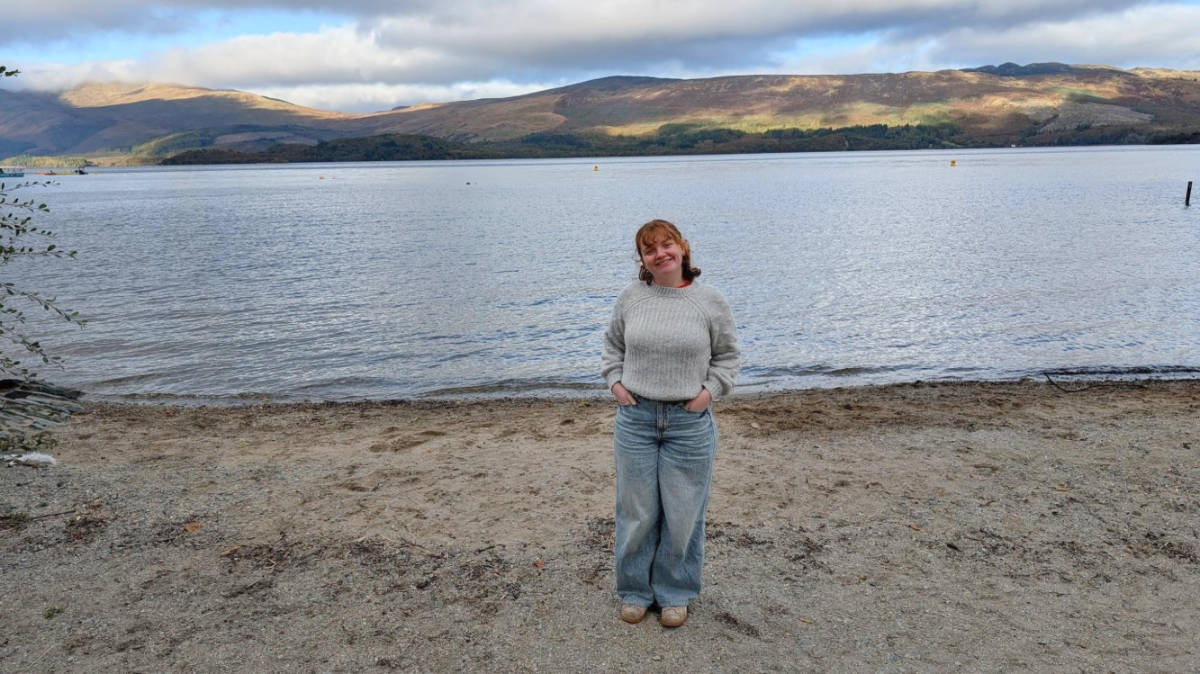
👉 Jump to: Best Time to Visit Scotland | Travel Seasons | Weather & Climate | FAQ
The best time of year to visit Scotland is the late spring and early summer months of April, May and June. The days are long and the tourist attractions open up, while there are smaller crowds and lower accommodation costs.
Scotland has its charm year-round, though, from the Edinburgh festivals throughout August to the Christmas markets in December. But, while I can never guarantee good weather, spring is guaranteed to come with crucial daylight – up to 19 hours daily in the far north. Spring is a great time to visit any of Scotland’s popular destinations.
I’ve lived in Scotland for most of my life, and I always recommend visiting in April to June, before the crowds become overwhelming. Now, I’m here to explain each season in Scotland so you can decide when is the best time for your trip.
When is the Best Time to Visit Scotland
Scotland can be beautiful year-round, but the weather can also be unpleasant at any time. Spring is guaranteed to have longer days without the massive tourist crowds, making it the ideal time to visit.
Spring is hands down one of the best times of year in Scotland, but choosing a season can depend on your circumstances. Your budget, flexibility, and the things you want to do in Scotland – these all come into consideration.
Here’s a breakdown of what time of year is best in all circumstances:
When to Visit Scotland for Good Weather
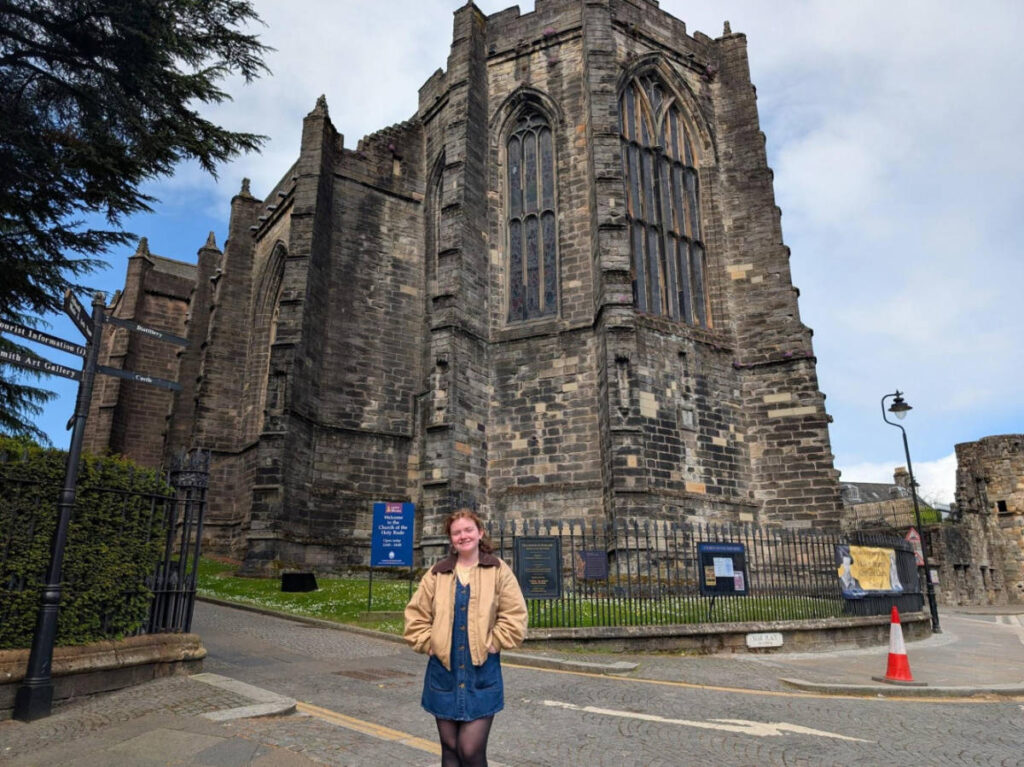
The short answer to this – nobody knows. The weather in Scotland is infamously unpredictable, and you are never guaranteed to have a trip here without some rain.
There has been snow in April and glorious sunshine in December. However, you’re more likely to see some sun in the summer months of June to August.
When to Visit Scotland for the Edinburgh Festival Fringe

August is festival month in Edinburgh. If you’d like to visit the Edinburgh Festival Fringe, the world’s largest performing arts festival, you have to come in August.
Other festivals are playing simultaneously this month, including the Edinburgh International Festival, the Edinburgh International Book Festival, the Military Tattoo, the Edinburgh Art Festival, and the Edinburgh International Film Festival.
This is by far the busiest time of year in the city, but it is a hugely exciting time to visit. And outside of the festivals, there are endless things to do in Edinburgh to keep you busy.
When to Visit Scotland for Cheap Prices
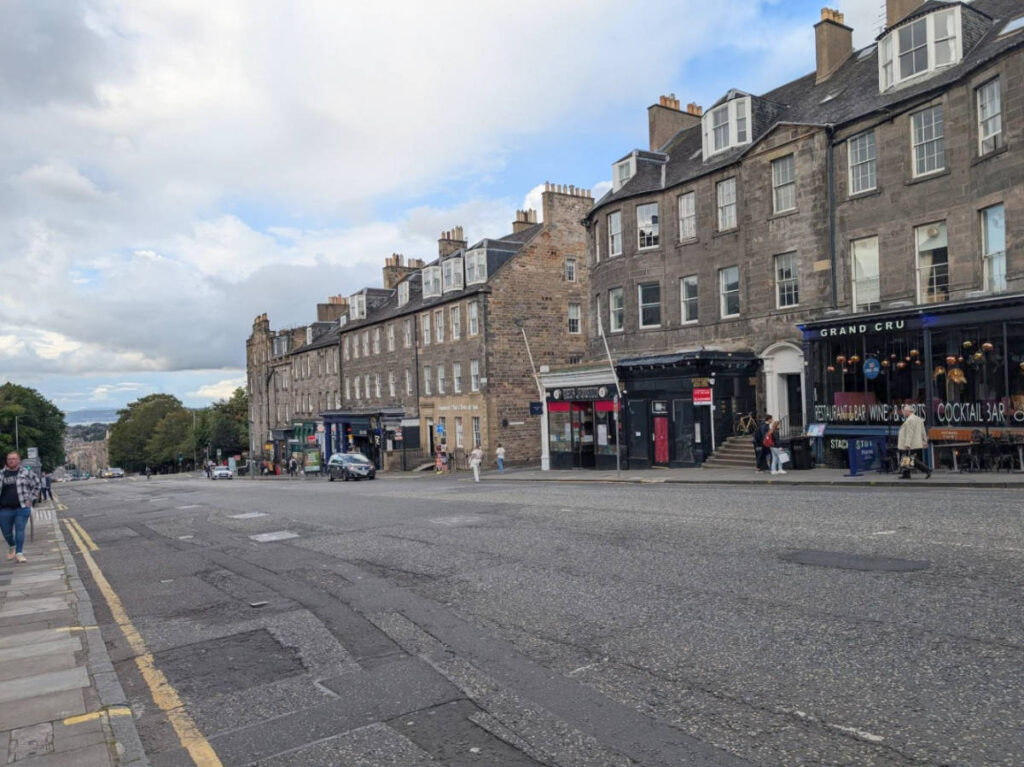
Scotland can be a relatively expensive place to visit, but it is possible to see it on a budget. That’s easier to do outside of the busy summer months, when accommodation prices soar, particularly in Edinburgh.
If you’re on a budget, visit in the quieter months of January to May or October to November when it will be easier to find more affordable places to stay. Check out my guides to visiting Edinburgh on a budget and Glasgow on a budget for more ideas for how to save money and keep your expenses low.
New Year’s Eve – or Hogmanay in Scotland – is a huge event in the country. Prices are significantly higher over Christmas and the holiday period, so avoid these times if possible.
When to Visit Scotland to Avoid Crowds
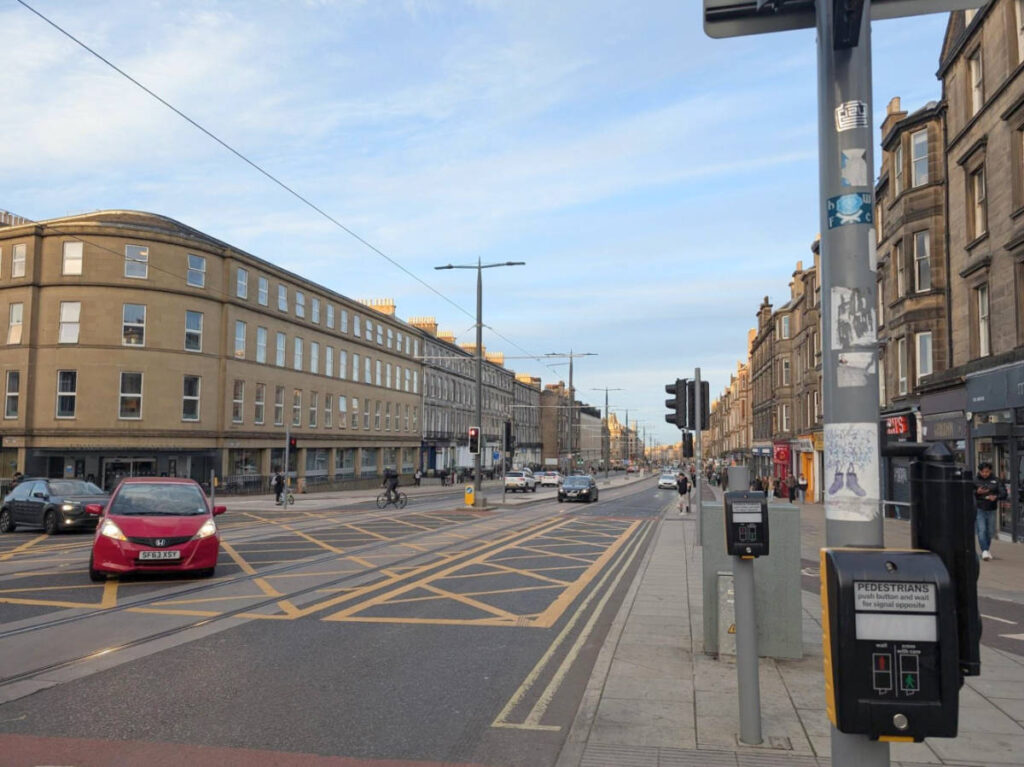
Visit Scotland at the start of the year, between January and March if you are willing to risk some poor weather for a quieter trip. There are also fewer crowds in November. However, be aware that the risk of travel disruption is higher in these months due to stormy weather.
April, May and September see some more visitors, but the weather is better, and this could be a good compromise.
Scotland Travel Seasons
Spring (March – May)
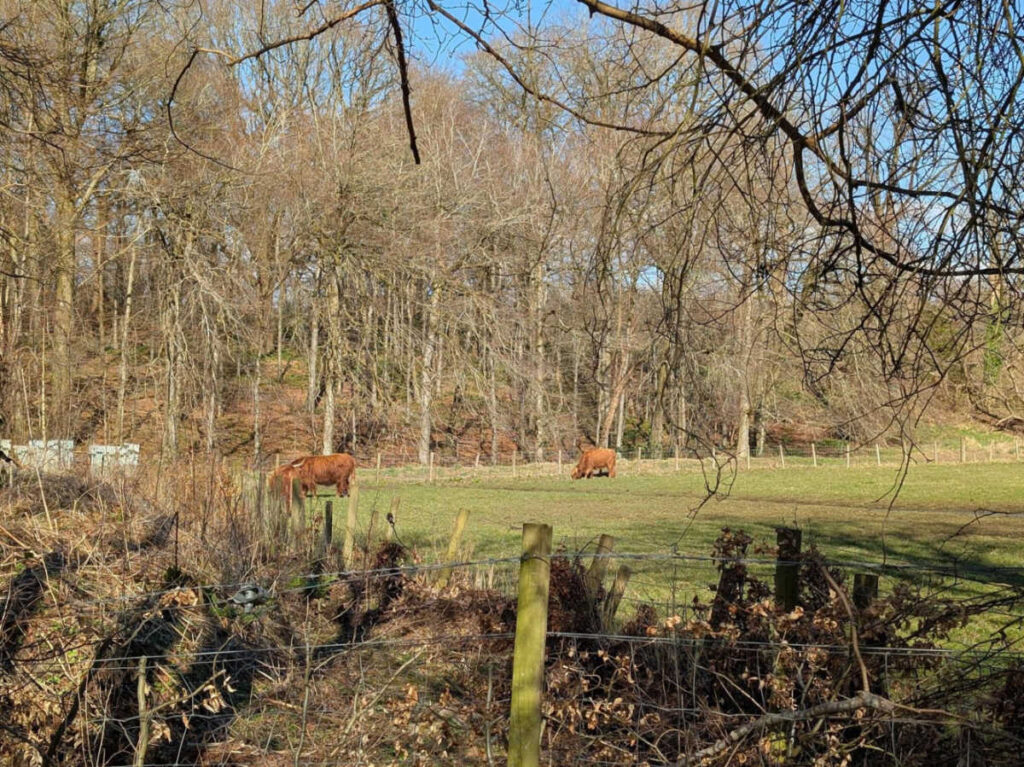
Spring is my absolute favourite time in Scotland. The days quickly grow longer but you don’t yet see the summer crowds. The tourist attractions that close over winter will reopen, and nature comes to life.
It’s not generally warm, with average high temperatures reaching 13°C (55°F) in May, so make sure your Scotland packing list includes layers. There are also frequent spring showers and occasional snow. But the rain is what makes the country so green.
Summer (June – August)
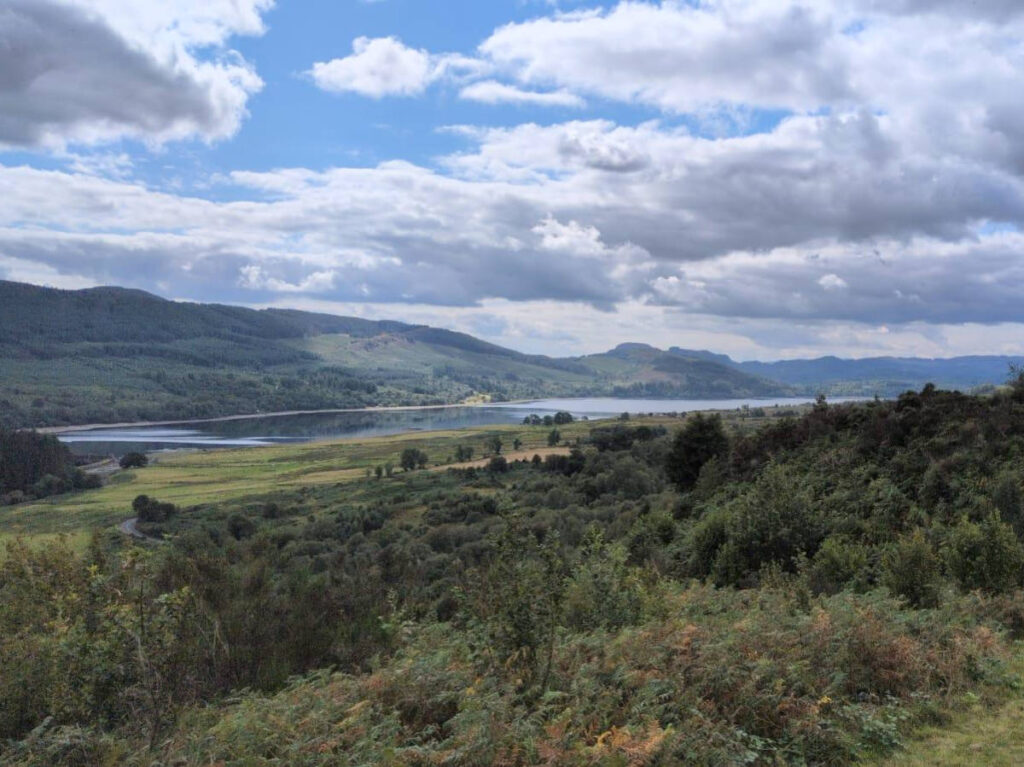
Summer in Scotland is beautiful, and there can be a few weeks of genuinely hot weather. This is the busiest time of year and I highly recommend booking accommodation far in advance, particularly if you’re planning on visiting the islands or rural areas.
It will be crowded in tourist hotspots, like the Isle of Skye and Edinburgh. This also means it’s the most expensive time of year to book accommodation.
My guides to where to stay in Glasgow and where to stay in Edinburgh overview a variety of hotels and areas, including affordable spots. So read those for ideas for inexpensive places to stay, even in peak season.
Autumn (September – November)
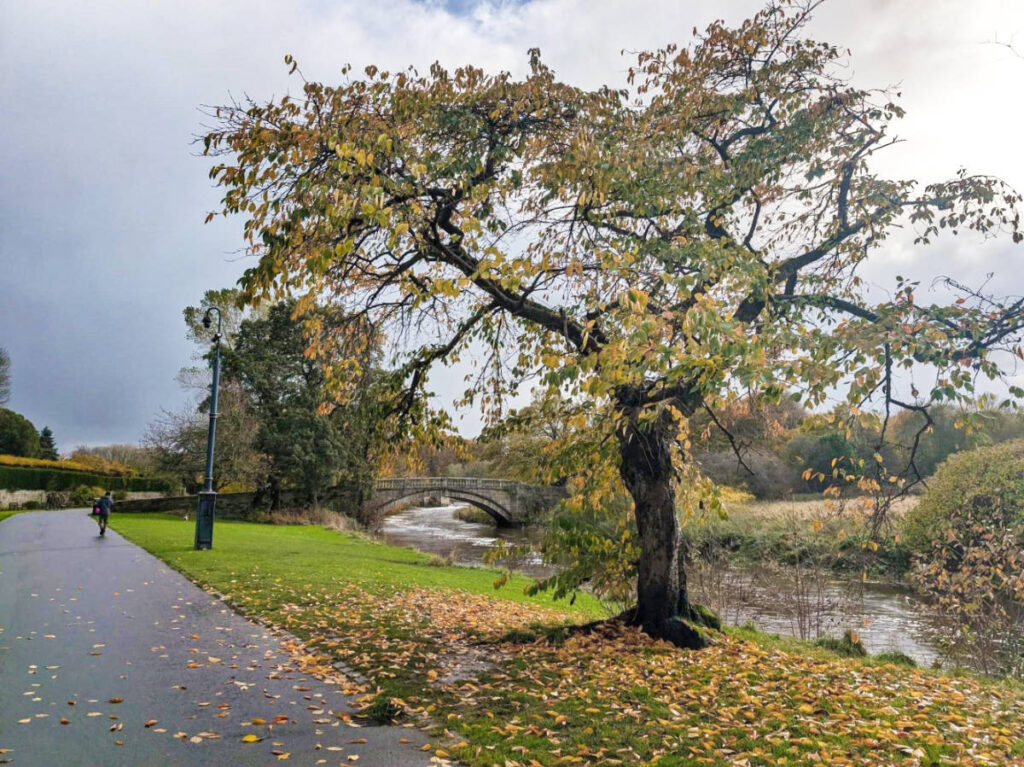
The crowds start to dwindle slowly in September as the days shorten. The weather this time of year can still be pleasant, as the leaves start to change colour, or there can be sudden cold snaps.
Halloween is celebrated on the 31st of October, except in the town of Kilmarnock, which has “Killieween” on the last Friday in October. Children go trick-or-treating, or guising as it is traditionally known, and are expected to perform a song or joke in exchange for their sweets. Some adults also dress up and go out drinking.
If you are in Scotland on 5th November, then chances are that you’ll see fireworks. This is bonfire night, where we mark Guy Fawkes’ 17th-century attempt to assassinate the British King. Morbid, I know.
Winter (December – February)
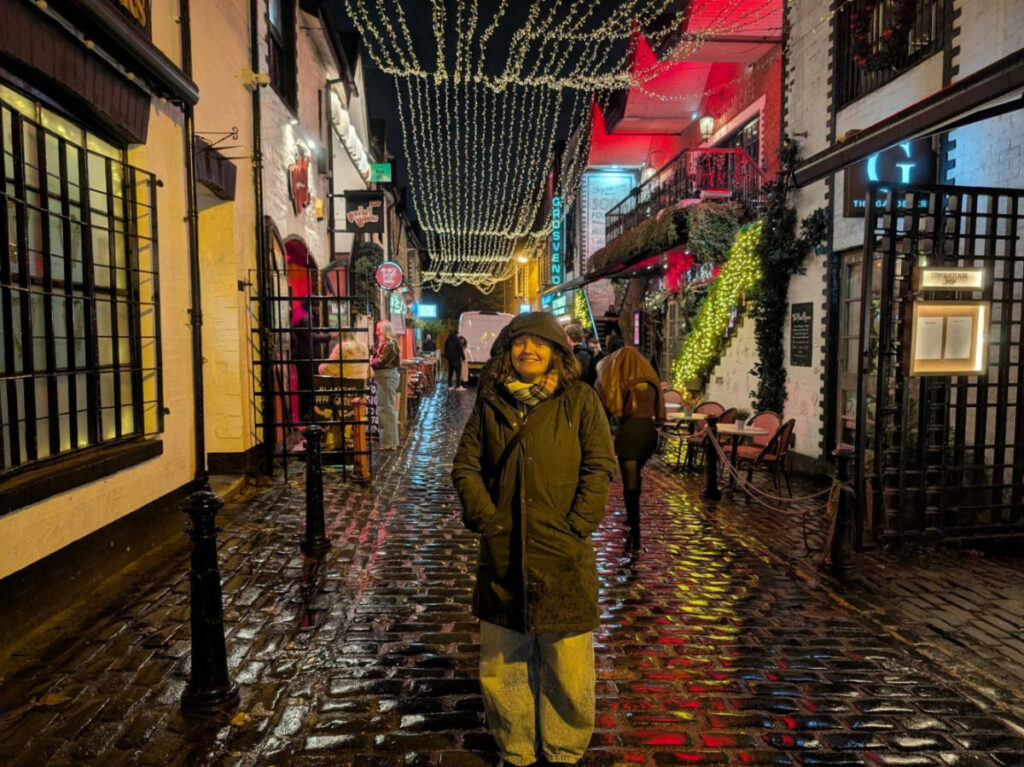
Winter in Scotland is the perfect time to get cosy in a pub. There may be snow, especially in the Highlands, and there will definitely be rain. This can often mean disruption on the roads and train tracks. Many rural attractions, such as castles, close during these months, although there are winter sports available.
Almost everything closes on Christmas Day, except for emergency services and some pubs or restaurants, which should be booked far in advance. The same is true for New Year’s Day.
New Year’s Eve, or Hogmanay, is a huge event in Scotland, and people will party late into the next day. There is an annual Christmas market in Edinburgh and usually one or two in Glasgow.
👉 Safety Tip: Only hike in the winter if you are an experienced climber, with the appropriate safety gear, adequate supplies and awareness of what to do in an emergency. Always follow weather warnings and safety guidance. People can and do get into serious danger climbing in Scotland.
Scotland Weather and Climate
Scotland is a rainy country, in all regions, most of the year. However, there are significant differences in the weather across the country.
Highlands
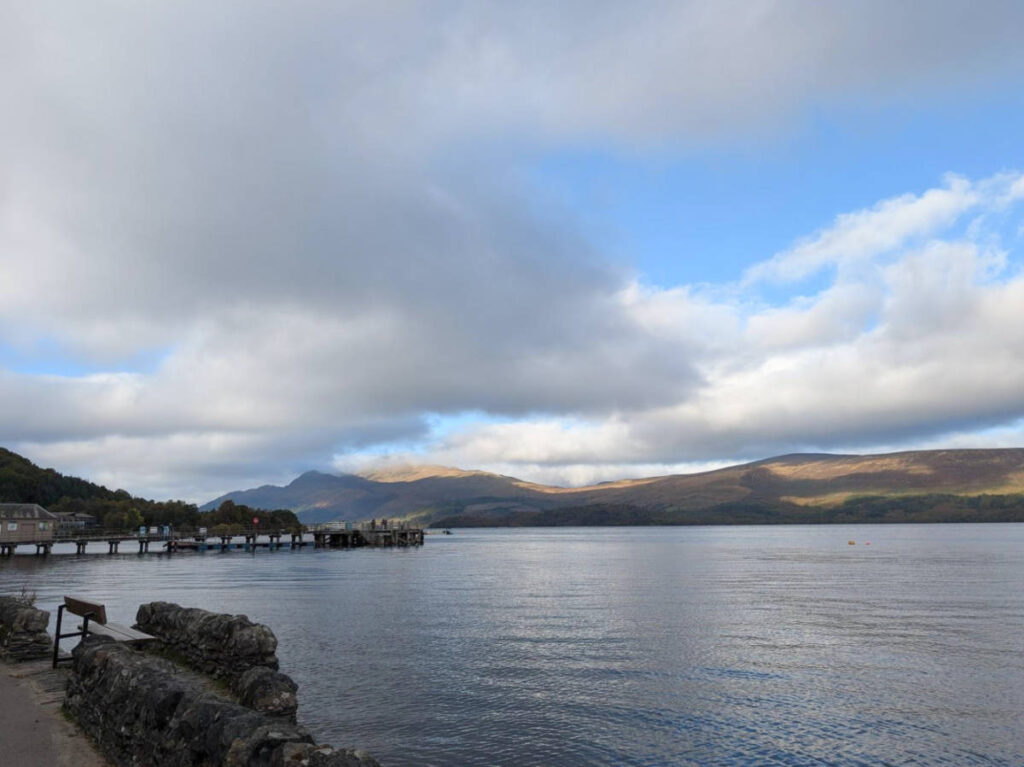
The Highlands is one of the most beautiful areas of Scotland – partly due to the rainfall. The western Highlands is one of the wettest regions in all of Europe. This is true even in summer, although there can be some warm days in July or August.
In winter, the mountains and hills of the Highlands are covered in snow, and this is often the coldest place in the UK. It’s a wet cold, due to the high humidity, so it feels chillier than the temperature might suggest. Average temperatures from December to February hover around freezing and can drop below -10°C (9°F).
Lowlands
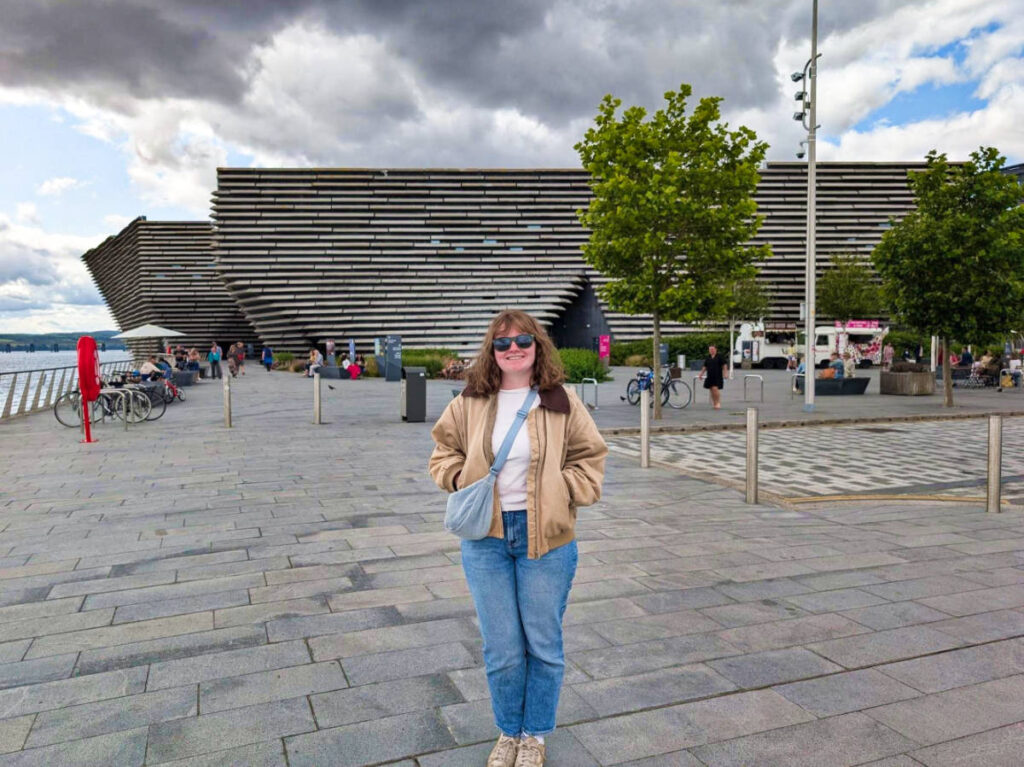
The weather in the lowlands of Scotland varies from coast to coast. In the west, Atlantic streams bring more rain. It’s windier along the east coast, with more sunshine.
The city of Dundee on the east coast has been described as the sunniest city in Scotland. It’s one of the best places to stay in Scotland if you’re craving some sun on your visit.
Maximum summer temperatures here average around 17°C (62°F), although it has been known to hit 30°C (86°F) during heatwaves, which are becoming far more common with the climate emergency.
Islands
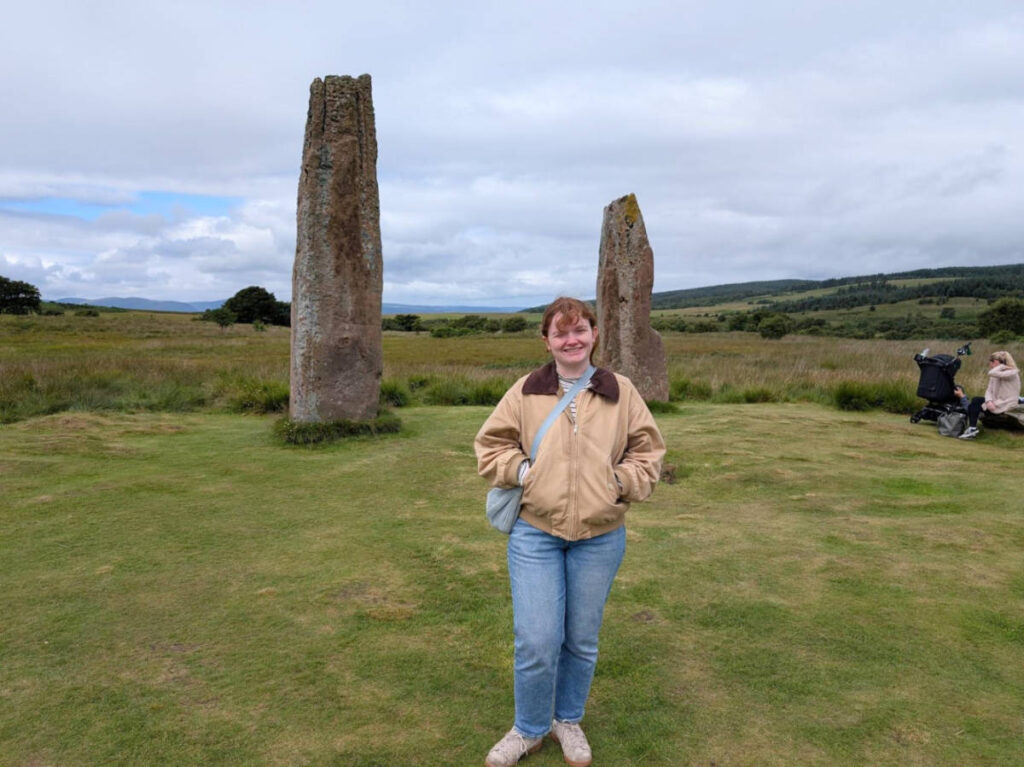
The weather on the islands to the west and north of the Scottish mainland differ significantly, but generally these areas are windier as they are more exposed to storms from the Atlantic.
The Shetland Islands, the most northerly part of Scotland, see near perpetual sunlight around the summer solstice.
📚 Related Reading: Is Scotland Safe?
FAQs About When to Visit Scotland
When is the high season in Scotland?
The high season in Scotland is from mid-June to the end of August. There are festivals and major events in August, particularly in Edinburgh, which draw large numbers. Plus, the school holidays in Scotland and England mean more local people flock to attractions and visit different parts of the country.
What is the best month to go to Scotland?
May is the best month to visit Scotland. This is just before the tourist crowds start to boom, but there are plenty of things to do and plenty of daylight hours to do them in.
How many days are enough to visit Scotland?
If you’d like to visit a few places in Scotland, 10 days are enough to get a good feel for the place. To get started on planning your trip, check out my essential 10-day itinerary for Scotland.
***
Thanks for reading my recommendations on the best time to visit Scotland. Got thoughts about when you want to come to Scotland? Let me know in the comments!
And if you’d like to continue prepping for your trip, take a look at my must-know Scotland travel tips next.
