
Affiliate Ad Disclosure: We’re reader-supported. When you buy via our links, we earn commissions. Learn more.
When to Visit Canada – A Practical Guide

👉 Jump to: Best Time to Visit Canada | Travel Seasons | Weather by Region
The best time to visit Canada is between June and October when the weather is generally warm. Spring and winter can still be good times to visit, but it depends upon the activities you want to do and where you want to go.
Canada is a huge country (the second largest in the world), and when you visit is just as important as what places you visit in Canada. That’s why I’m here to help! I’m a born and raised Canadian, I’ve lived in four provinces, and I have traveled to almost every province. I have an excellent birds-eye view of when you should plan your visit.
When Is the Best Time to Visit Canada?
Generally, Canada experiences its best weather from June through October. The summer months are typically the peak tourism season in Canada, though some areas like Banff National Park can also be popular in the winter months.
Of course, when you choose to visit Canada isn’t quite that simple, so let’s break it down:
When to Visit Canada For Good Weather
In general, June through August are the warmest months in Canada. Temperatures regularly hit 30°C/86°F and above in the south. Going into autumn, the temperatures tend to get a bit cooler but are still comfortable for travel.
In my opinion, Summer and Fall are the best times to visit for outdoor activities. Much of Quebec, Ontario, and British Columbia experience beautiful fall foliage and there are fall festivals galore.
When to Visit Canada on a Budget
If you’re looking to visit Canada on a budget, then note that the summer months of July and August are peak season and the most expensive. Many of the national parks fill up with visitors, accommodations book up well in advance, and you’ll have to pay a pretty penny for most experiences.
To experience the best Canadian temperatures while going easy on your wallet, I recommend visiting in May-June or September-October. You’ll also find great deals in winter, though I’d only recommend visiting at this time if you have a specific purpose such as attending an event or doing some winter sports.
Not to mention, driving in the Canadian winter means knowing how to handle icy conditions and winterizing your vehicle.
The Best Time to Go to Canada for Families and Kids

Families traveling with kids should visit Canada in either June, July, August, or September.
However, summers in southern Canada can get very hot and unfortunately, wildfires are becoming more and more common. Smoky air has been a recurring theme in July-August for the past few years.
For comfortable temperatures and good air quality, late spring and early autumn are your best bets.
The Best Time to Go to Canada for Avoiding Crowds

Canada is a huge country with a population of roughly 40 million — meaning avoiding crowds is easily done. Still, the national parks do tend to get swarmed in the summertime (Banff, Jasper, and Waterton especially), so plan your visit in the shoulder seasons if crowds are an issue for you.
Also important to note is that Canada is a country that operates in all seasons — Canadians don’t just quit life in the wintertime despite insanely frigid temperatures. As such, there are tons of festivals year-round.
Do some research on your specific destination to see whether you should expect event crowds or not.
When to Travel to Canada for Sightseeing

Overall, May through October is a great time to visit for sightseeing. There won’t be any snow on the ground in the south, getting around is easy, and there are a ton of things to do and see.
Just remember that if you visit in November – March you’ll have to winterize your vehicle.
Canada Travel Seasons
Visiting Canada in January through March
- 🎭 Carnaval de Quebec, Quebec City – Known as the largest winter festival in the world, the Quebec Winter Carnival has been a February staple in the city for over 100 years. You can expect night parades, concerts, live theatre, snow and ice sculptures, and skating.
- ⛷️ Skiing & Snowboarding – Ski resorts are popular all over Canada, but the mountainous regions of Alberta and British Columbia are undoubtedly the most famous slopes. In particular, Whistler Blackcomb (near Vancouver) and Fernie (south of Banff) are two of the top resorts in the world.
- ⛄ Festival du Voyageur, Winnipeg – A family-friendly event in Winnipeg, Manitoba, Festival du Voyageur is a 10-day experience that features concerts, snow sculptures, parades, settlers re-enactments, kids shows, sleigh rides, and more. It’s one of the top activities in Winnipeg!
Visiting Canada in April & May
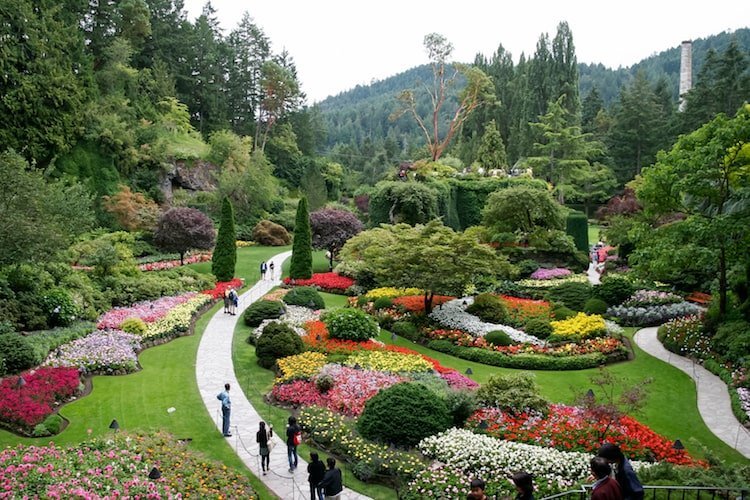
- 🐳 Whale Watching – The best months to go whale watching in Canada vary by region and species, but April through October are generally regarded as the best months. Whale-watching trips are offered on the east coast, west coast, and in the Hudson Bay area. In particular, whale watching in Victoria, BC, is a popular day trip.
- ❄️ Toonik Tyme, Iqaluit – For a more northerly trip to Canada, check out the Toonik Type Fest in Iqaluit. An annual celebration of spring and Inuit traditions, Toonik Tyme was founded in 1965 and features traditional throat singing, dancing, igloo building, dog sledding, workshops, and feasts.
- 🌷 Canadian Tulip Festival – Every May, tulips descend upon Canada’s Ottawa – Gatineau region in the form of Canadian Tulip Fest. Millions of tulips are planted each year, and the event also features food trucks, historical displays, crafts, and shopping.
- 🌸 Vancouver Cherry Blossom Festival – Also known as “Canada Blooms”, Vancouver’s blossom festival is an annual spring affair that celebrates the cherry trees in Vancouver. There are a ton of city-wide viewing opportunities, events, musical shows, crafts, and workshops.
Visiting Canada in June through August
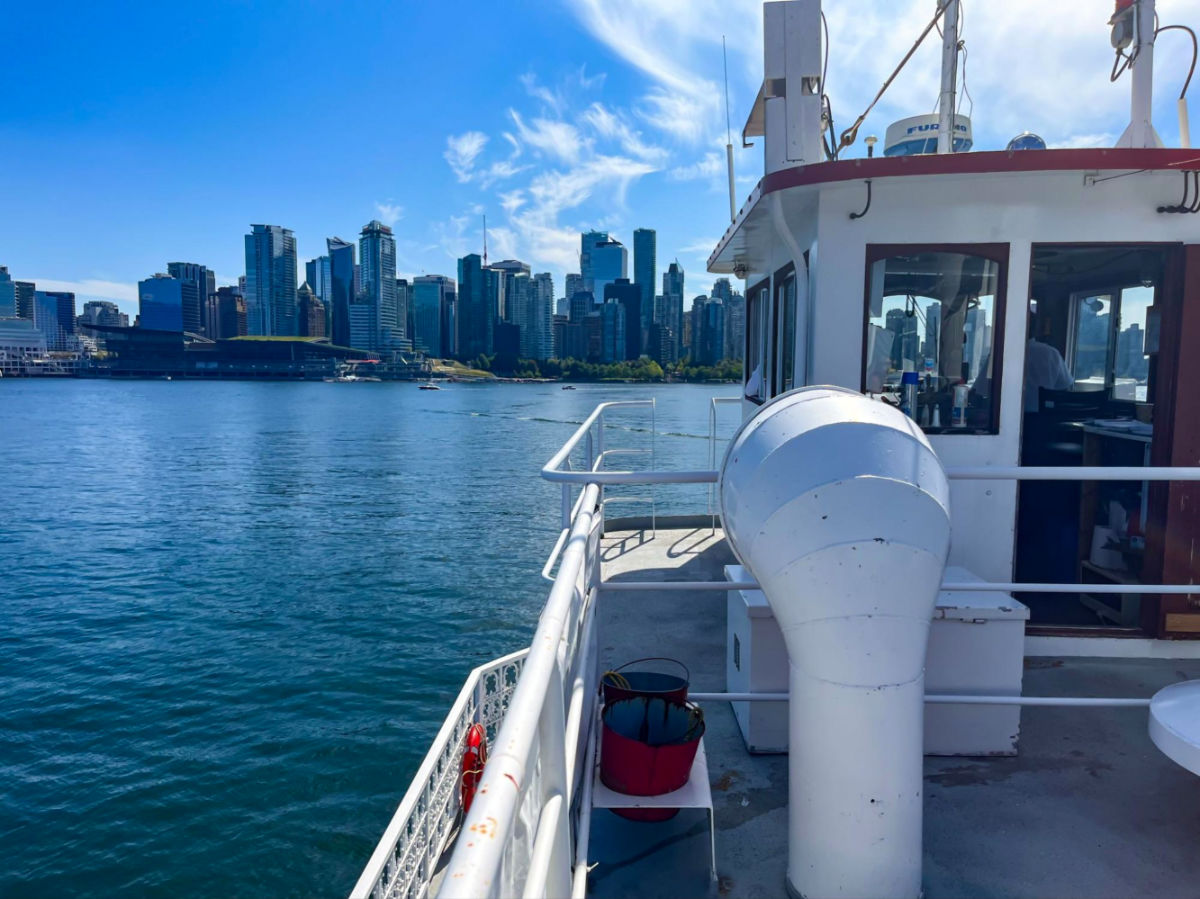
- 🎷 Festival de Jazz de Montreal – The world’s largest jazz fest, Festival de Jazz de Montreal happens every June/July in Montreal, Quebec, and features over 3,000 musicians from over 30 countries. Drawing in over 2 million visitors, a large chunk of downtown Montreal is closed off to cars and becomes pedestrian-only.
- 🏇 Calgary Stampede – The Calgary Stampede happens every July in Calgary, Alberta, and draws in over 1 million visitors. One of the best cultural events in the province, the Stampede is part rodeo, part exhibition, and part fair, and features parades, concerts, chuckwagon races, agricultural exhibitions, food trucks, and rides.
- 👒 Folk Festivals – Summer is folk fest season in Canada with events scattered across the country. Some of the most famous events happen in Winnipeg, Regina, Halifax, Calgary, Edmonton, and Vancouver with live music at center stage.
Visiting Canada in September & October

- 🐟 British Columbia Salmon Run – One of the most awe-inspiring migrations in the world, autumn on the west coast is home to the Salmon Run — where millions of sockeye salmon swim up rivers to spawn. Some of the best places to see the Salmon Run include Victoria, Port Alberni, Vancouver (and the Sunshine Coast), and the Lower Mainland.
- 🍷 Okanagan Wine Festival – If you love great wine, sprawling vineyards, fall foliage, and a great atmosphere, then the Fall Okanagan Wine Fest in October is your perfect Canadian destination. Located in BC, the Okanagan Valley is known for its amazing wineries, events, chic hotels, and fruit orchards.
- ❄️ Polar Bears – Canada is known for its wintertime Polar Bear experiences, particularly in Churchill, Manitoba. Located on the Hudson Bay, a polar bear trip to Churchill comes complete with northern lights viewings, museum trips, and bird-watching.
- 📽️ Toronto International Film Festival – For something a little more artistic, the Toronto International Film Festival (TIFF) is one of the world’s premiere film festivals and attracts half a million people annually. It happens every September — the perfect time of year to visit Toronto.
Visiting Canada in November & December

- 🎅🏽 Toronto Santa Claus Parade – An annual parade happening on the third Sunday of November, the Santa Claus Parade has been kicking off the holiday season in the city for over a century. The parade hosts half a million people and features dozens of floats and bands.
- 🎄 Winter Festival of Lights, Niagara Falls – Though summer is the most popular season for visiting Niagara Falls, the most enchanting is easily the holiday season. Every November and December, the Festival of Lights illuminates the Niagara Parkway, Dufferin Islands, and the falls with over 3 million lights. It’s Canada’s largest free outdoor lights fest.
- 🛍️ Christmas Markets – A tradition passed down through generations, Canada’s Christmas markets are every bit as jovial and awe-inspiring as their European counterparts. In particular, Toronto, ON, Banff National Park, AB, Quebec City, QC, Montreal, QC, and Vancouver, BC have the best Christmas markets in the country.
Weather by Region
British Columbia Weather
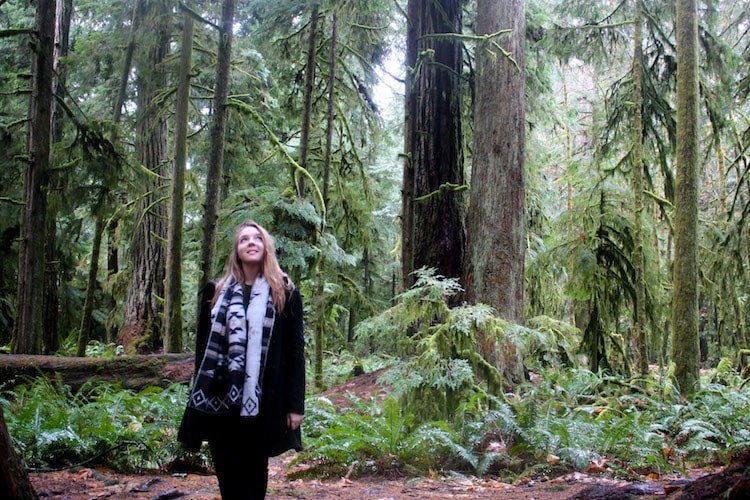
British Columbia is one of the most consistently warm regions in Canada. The interior regions of the province have hot summer months, often reaching 30°C (86°F) or more, while the winters are cold, easily reaching below -20°C (-4°F).
Of course, the weather will depend on what places you visit in BC. However, being a coastal province, the western regions of British Columbia are generally much more moderate with summers hovering around 20°C (68°F) and winters becoming rainy and rarely dipping below 0°C (32°F).
👉 Related Reading: make sure you check out my British Columbia road trip guide before you go — there are a ton of juicy insider tips!
Alberta Weather
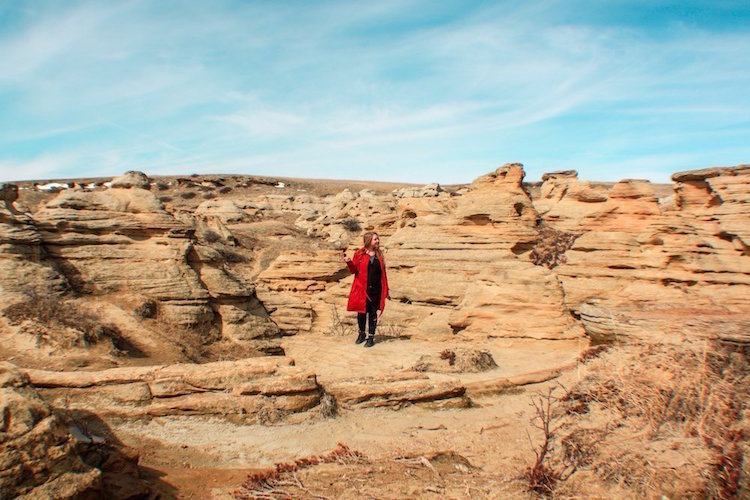
Boasting the most days of sun out of any province, a lot of Alberta has a continental climate where the summers are very hot and the winters are frigidly cold. However, winter chinook winds (pacific air that blows over the mountains) are common and quickly raise temperatures. Snow is common in the mountain regions while the rest of Alberta stays fairly dry in the winter.
In the winter, temperatures often dip down to -20°C (-4°F) (or even colder), and summers often reach 30°C (86°F).
👉 Related Reading: How to Plan an Alberta Road Trip.
Saskatchewan and Manitoba Weather

Being prairie provinces, both Saskatchewan and Manitoba have a continental climate with warm summers and very cold winters. With no dry season, winter temperatures often dip below -30°C (-22°F) (and even -40°C/F), and summers can skyrocket above 30°C (86°F). Both provinces experience dramatic seasonal temperature changes.
👉 Related Reading: Featuring spots like Churchill and Riding Mountain National Park, check out my picks for the best places to visit in Manitoba.
Ontario and Quebec Weather
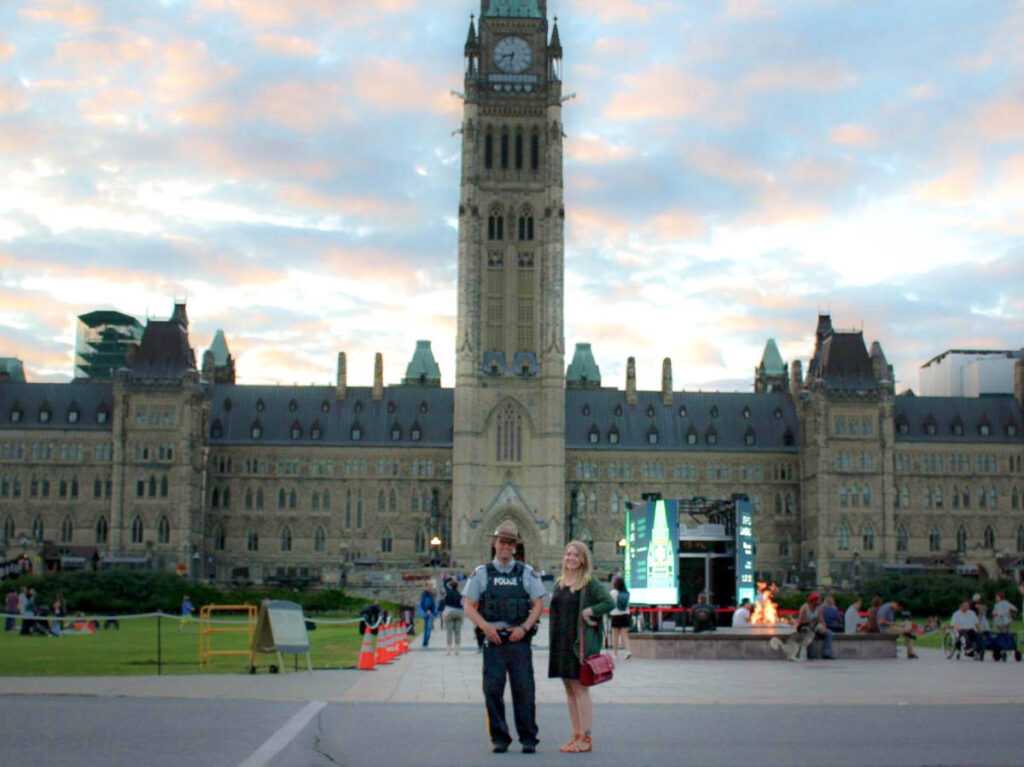
Like the prairies, Ontario and Quebec often experience the extremes of hot and cold temperatures. With many of the tourist hotspots being near large bodies of water, Southern Ontario and Quebec are known for humid summers and snow-filled winters.
Temperatures in both Ontario and Quebec dip below -20°C (-4°F) in the winter and above 20°C (68°F) in the summer.
Maritimes Weather (Nova Scotia, Prince Edward Island, New Brunswick, Newfoundland & Labrador)
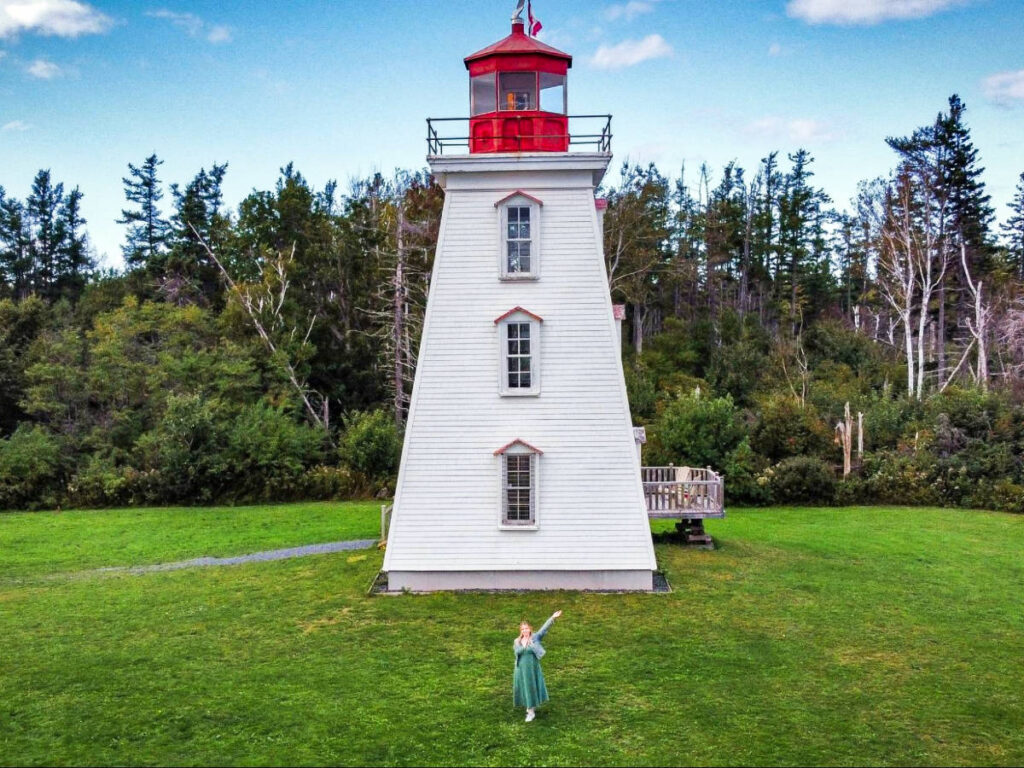
Laying claim to a slightly continental, but mostly coastal, climate, eastern Canada is familiar with snowy winters and warm, rainy, summers. In the winter, temperatures often drop to below -15°C (5°F), and summers are short with an average high of 20°C (68°F).
For these reasons, June through September, and especially the summer months of July and August, are the most popular picks for when to visit Prince Edward Island and the other Maritimes. Visiting outside this season is possible, but be prepared for many closures of attractions and hotels.
👉 This Nova Scotia road trip itinerary will outline everything you need to know before you visit all the best stuff to do in this maritime province — written by a local!
Territories Weather (Yukon, Northwest Territory, Nunavut)

In the Northern region of Canada, the climate of the Territories is arctic and subarctic. Temperatures in the summer rarely breach 20°C (68°F) and winters plunge deep — often colder than -40°C/F.
Being so close to the arctic circle (and much of it above), winters in the Territories mean enduring months of darkness while the sun doesn’t set most of the summer.
***
I hope you enjoyed my guide! Canada is truly a super diverse country and when to go wholly depends on what you plan to see and do. Next up, see my packing list for Canada.

Very informative. Thank you. I recently heard that PEI shuts down in September. Is this true? Was thinking of doing Confederation Trail this fall.
Excellent & very informative coverage of tourist destinations of Canada.Congrats!
An excellent overview. Thank you!
So interesting..I want tour such places..mostly Niagara river