
Affiliate Ad Disclosure: We’re reader-supported. When you buy via our links, we earn commissions. Learn more.
Where to Stay in Kuala Lumpur (6 Best Places & Areas)

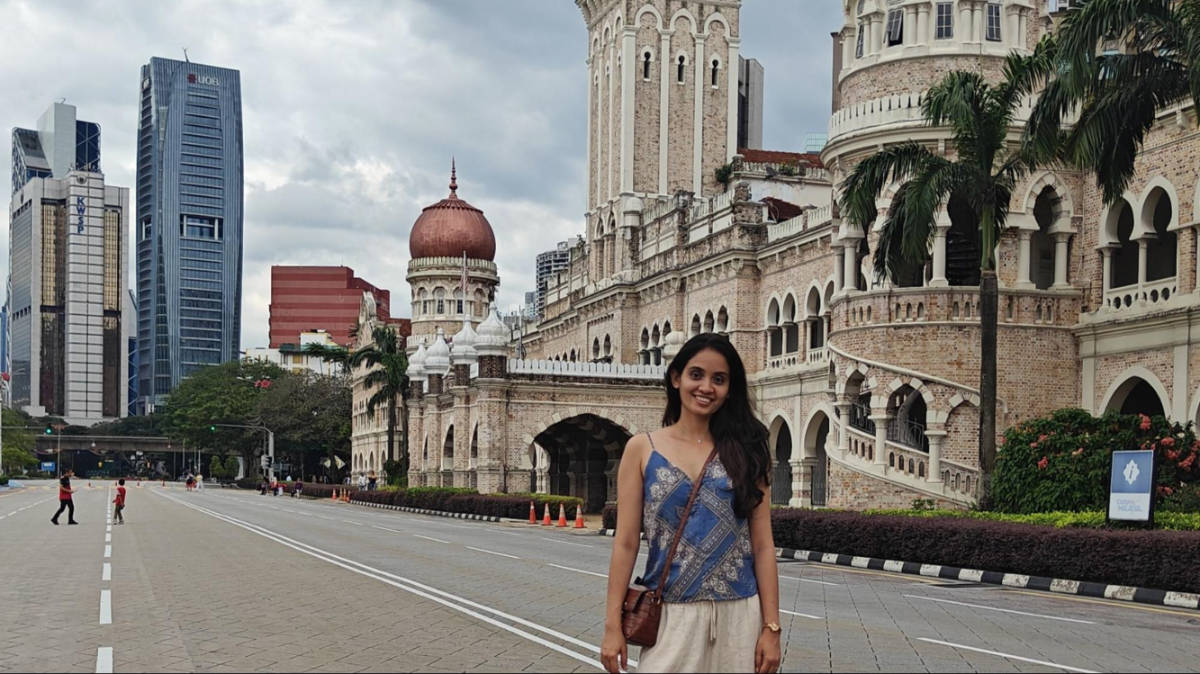
👉 Jump to: Best Places to Stay in Kuala Lumpur | Neighborhoods & Areas | Tips | FAQ
As a regular traveler to Kuala Lumpur, I’ve spent a fair amount of time exploring this city and its lively neighborhoods.
I highly recommend staying in Bukit Bintang if you’re traveling to Kuala Lumpur for the first time and don’t want to miss out on the stellar energy and action this city has to offer. A major upside of staying in Bukit Bintang – besides its spirited vibe and access to round-the-clock entertainment – is its easy walkability to many of Kuala Lumpur’s main sights, including its stylish city center.
You can reach most attractions on foot, although traveling via public transport or hailing a cab is just as convenient, thanks to its excellent connectivity. Bukit Bintang has a wide range of hotels across varying price points, but JW Marriott Hotel Kuala Lumpur gets my vote for comfort, location, and value. But keep reading for more hotel and area recommendations.
Best Places to Stay in Kuala Lumpur
If you’re short on time, these are my top hotel picks:
- 🏆 Best Overall Hotel – JW Marriott Hotel Kuala Lumpur
- 📍 Best Location – Pavilion Hotel Kuala Lumpur
- 💎 Best Luxury – The Four Seasons Kuala Lumpur
- ❤️ Best for Couples – The Four Seasons Kuala Lumpur
- 👪 Best for Families – St. Regis Kuala Lumpur
- 👪 Best Boutique – The Chow Kit – An Ormond Hotel
- 🛎️ Best for Business Travelers – Aloft Kuala Lumpur
- 🛏️ Best Budget – lyf Chinatown Kuala Lumpur
- 🔑 Apartments – Search Airbnb rentals in my #1 neighborhood
Ok, now scroll down for a deep dive into the pros (and cons) of each area of Kuala Lumpur:

6 Best Neighborhoods & Areas to Stay in Kuala Lumpur
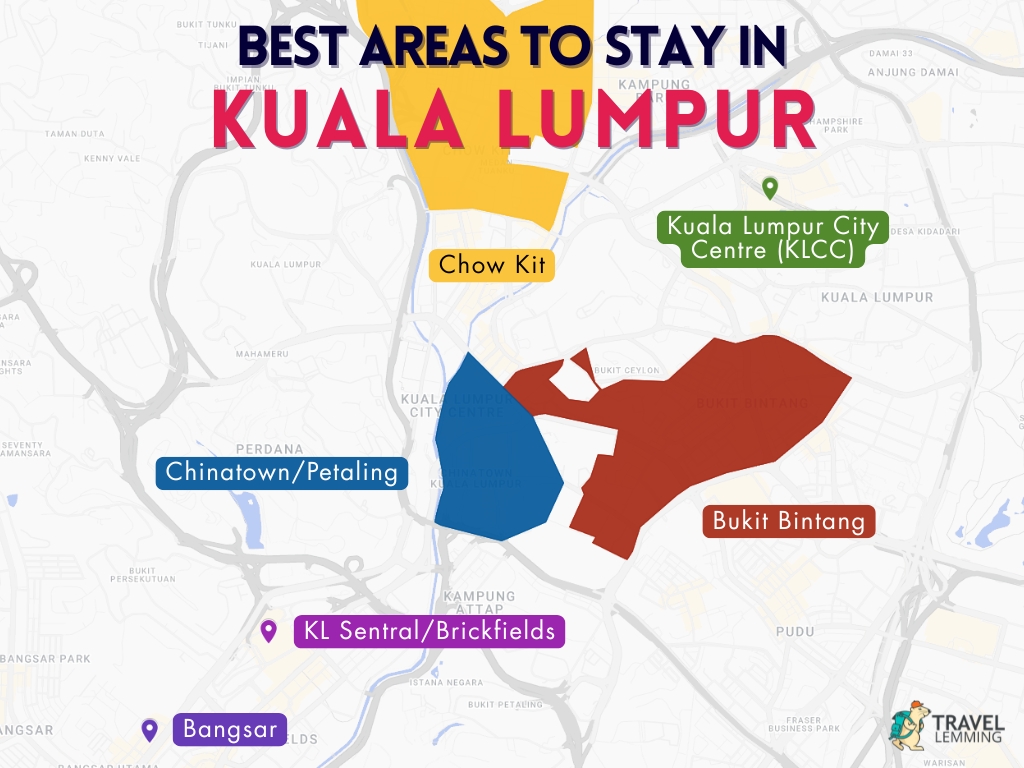
Kuala Lumpur is home to diverse neighborhoods that balance historic vibes and urban living. While it doesn’t have a single official business district, much of its tourist and commercial activity is centered around the “Golden Triangle,” a core area consisting of KLCC, Bukit Bintang, and surrounding areas.
Outside of this central area, you’ll find historic hotspots like Chow Kit and Chinatown, which feature shophouses and low-rise colonial-era buildings. From here, the city expands into suburban residential areas like Bangsar, Mont Kiara, and Damansara, which are typically occupied by expats and long-term residents. To the southwest is KL Sentral, the city’s main transit hub.
Bukit Bintang

👉 Best Area For First Time Visitors | ✨ Best Bukit Bintang Hotels: JW Marriott Kuala Lumpur • Pavilion Hotel KL • WOLO Kuala Lumpur
Bukit Bintang embodies the best of what Kuala Lumpur has to offer, especially to first-timers who want to be in the thick of the action. Enjoy the thriving nightlife at the Changkat strip, or roam around popular malls like Pavilion and Berjaya Times Square.
Staying in this area allows you easy access to the rest of the city via bus and train, as most hotels are located close to the Bukit Bintang MRT and Monorail stations. This area is also pedestrian-friendly, connecting you to the city center through a safe and sheltered walkway.
There are several luxury hotels in this area, but the JW Marriott Kuala Lumpur is my #1 hotel pick overall. This hotel is ideal for both business and family-friendly travelers. It has an outdoor pool and four restaurants on-site, besides featuring ample amenities for relaxation.
The Pavilion Hotel KL is another fine choice, offering guests direct access to the Pavilion shopping mall. You can also access KLCC through an air-conditioned pedestrian walkway from the building.
If you’re looking for something with more character, I recommend the WOLO Kuala Lumpur, a vibrant stay located right around the corner of Jalan Bukit Bintang. It is surrounded by malls and kopitiams (local eateries), and is super accessible from Bukit Bintang’s MRT and Monorail stations.
Pros of Staying in Bukit Bintang Neighborhood:
- Trendy, atmospheric vibe
- Excellent connectivity to main tourist sights
- Lots of shopping, dining, and drinking options
- Ideal for first-time visitors
Cons of Staying in Bukit Bintang Neighborhood:
- Can get noisy and chaotic on weekends
- Prone to traffic congestion
- Can feel crowded and touristy
📚 Bukit Bintang Mini Guide 📚
Best Area to Stay for First Time Visitors
Google Map
✨ Best Hotels – JW Marriott Kuala Lumpur • PARKROYAL Collection Kuala Lumpur • Pavilion Hotel KL • WOLO Kuala Lumpur
🏠 Apartments – Browse Rentals on VRBO in Bukit Bintang (or Browse Airbnb rentals)
🍽️ Where to Eat – Damascus ($$), Cielo Rooftop Dining ($$$), The Tokyo Restaurant ($$)
🍸 Where to Drink – The Whisky Bar, Heli Lounge Bar, Feeka Coffee Roasters
🎟️ Top Attractions – Changkat, Pavilion Kuala Lumpur, Berjaya Times Square, Jalan Alor Food Market
Kuala Lumpur City Centre (KLCC)
👉 Best Area For Polished Stays | ✨ Best KLCC Hotels: Four Seasons Kuala Lumpur • Mandarin Oriental Kuala Lumpur • Grand Hyatt Kuala Lumpur • Traders Hotel
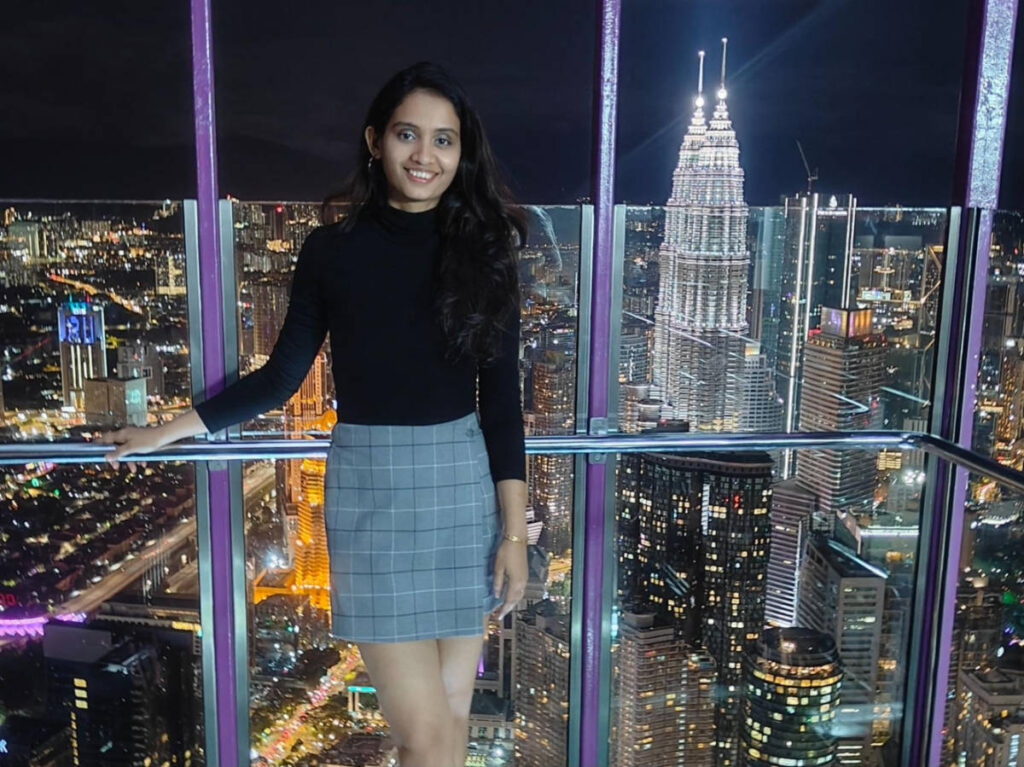
KLCC is the glittering crown jewel of Kuala Lumpur, the city’s primary tourist hub where you’ll find the majority of its attractions and landmarks. This area is home to the Petronas Twin Towers, the lush KLCC Park, and luxury malls like Suria KLCC. It is walkable and offers good connectivity via the KLCC LRT station. This location is ideal for family-friendly travelers who prioritize safety and convenience.
Given its upscale vibe and central location, accommodations here can be quite expensive. The Four Seasons Hotel is one of its most premier addresses, located right next to the Petronas Twin Towers. Rooms at the hotel afford sweeping views of KLCC park and the city’s skyline.
Mandarin Oriental is yet another splurge-worthy hotel in the heart of the city, notable for its multiple wellness spaces and gorgeous city-view rooms. You can also enjoy KLCC’s high-end aura and enviable city views at the Traders Hotel, a more affordable option in the area.
Those seeking longer stays with quieter surroundings away from tourist crowds should consider staying along Jalan Ampang, also known as Embassy Row. This sub-district, home to embassy offices, has many serviced apartments and suites ideal for long-term stays and business travelers.
While the KLCC area offers a ton of shopping and dining options, it may feel quiet and not-so-vibrant at night, when the crowds have retreated to their hotels. For a taste of local nightlife, I recommend walking over to the neighboring Bukit Bintang area.
Pros of Staying in KLCC Neighborhood:
- Polished, high-end atmosphere
- Offers easy access to main sights
- City and skyline views
- Safe and well-kept area
Cons of Staying in KLCC Neighborhood:
- Accommodations are expensive
- A bit detached from local atmosphere
📚 KLCC Mini Guide 📚
Best Area to Stay for Polished Stays
Google Map
✨ Best Hotels – Four Seasons Kuala Lumpur • Mandarin Oriental Kuala Lumpur • Grand Hyatt Kuala Lumpur • Traders Hotel
🏠 Apartments – Browse Rentals on VRBO in KLCC (or Browse Airbnb rentals)
🍽️ Where to Eat – Food Hall @ Intermark Mall ($), Serai @ KLCC ($$), Alva KL ($$$)
🍸 Where to Drink – Penrose KL, Vertigo, Bacha Coffee @ Suria KLCC, Canopy Lounge Rooftop Bar KL
🎟️ Top Attractions – Petronas Twin Towers, KL Tower, Aquaria KLCC, Suria KLCC
Chinatown/Petaling
👉 Best Area For Local Culture | ✨ Best Chinatown Hotels: Four Points by Sheraton Kuala Lumpur • lyf Chinatown • Moxy Kuala Lumpur
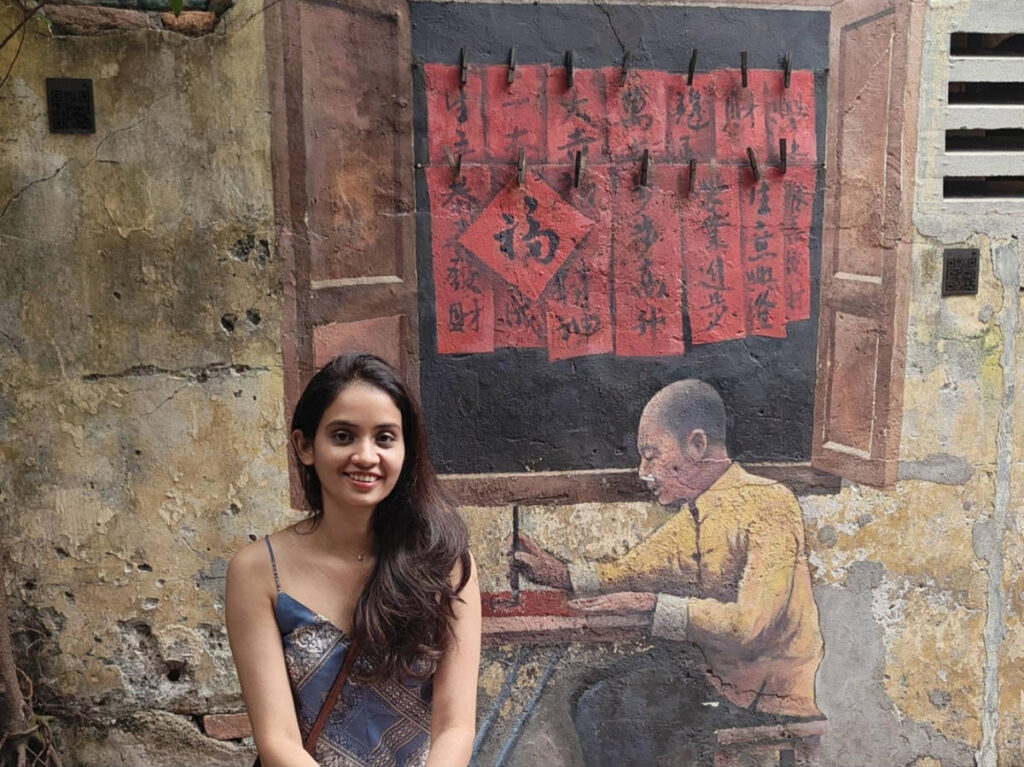
Away from Kuala Lumpur’s polished areas, Chinatown and its main thoroughfare, Jalan Petaling, are infused with a rich, colorful local vibe that’s worth experiencing. One of the city’s best cultural and historic hubs, this busy area is brimming with underrated spots like REX KL, the Kwai Chai Hong Alley, and many Taoist temples and shrines.
Since it’s located close to the city center, it’s a great area to soak in the local atmosphere without losing access to the city’s heart and soul.
You’ll spot a good mix of mid-range to budget hotels in this area. If you’re staying here with family, Four Points by Sheraton offers lovely, spacious rooms with skyline views, as well as a hearty breakfast spread.
Else Kuala Lumpur is another great choice — albeit slightly more expensive — for those looking for more upscale options. Alternatively, Moxy Kuala Lumpur and lyf Chinatown are other budget-friendly yet stylish options.
Pros of Staying in Chinatown/Petaling Neighborhood:
- Rich in culture and local character
- Excellent local food options
- Affordable stays and shopping
Cons of Staying in Chinatown/Petaling Neighborhood:
- Busy and crowded
- Can seem less polished compared to core central areas
📚 Chinatown/Petaling Mini Guide 📚
Best Area to Stay for Local Culture
Google Map
✨ Best Hotels – Four Points by Sheraton Kuala Lumpur • lyf Chinatown • Else Kuala Lumpur • Moxy Chinatown
🏠 Apartments – Browse Rentals on VRBO in Chinatown (or Browse Airbnb rentals)
🍽️ Where to Eat – Bun Choon Restaurant ($), Lai Foong Lala Noodles ($$), Nam Heong Chicken Rice ($)
🍸 Where to Drink – Da Bao Restobar, Baijiu KL, Stellar Coffee KL
🎟️ Top Attractions – Kwai Chai Hong, Guan Di Temple, Petaling Street Market, REX KL
Bangsar/Mid Valley
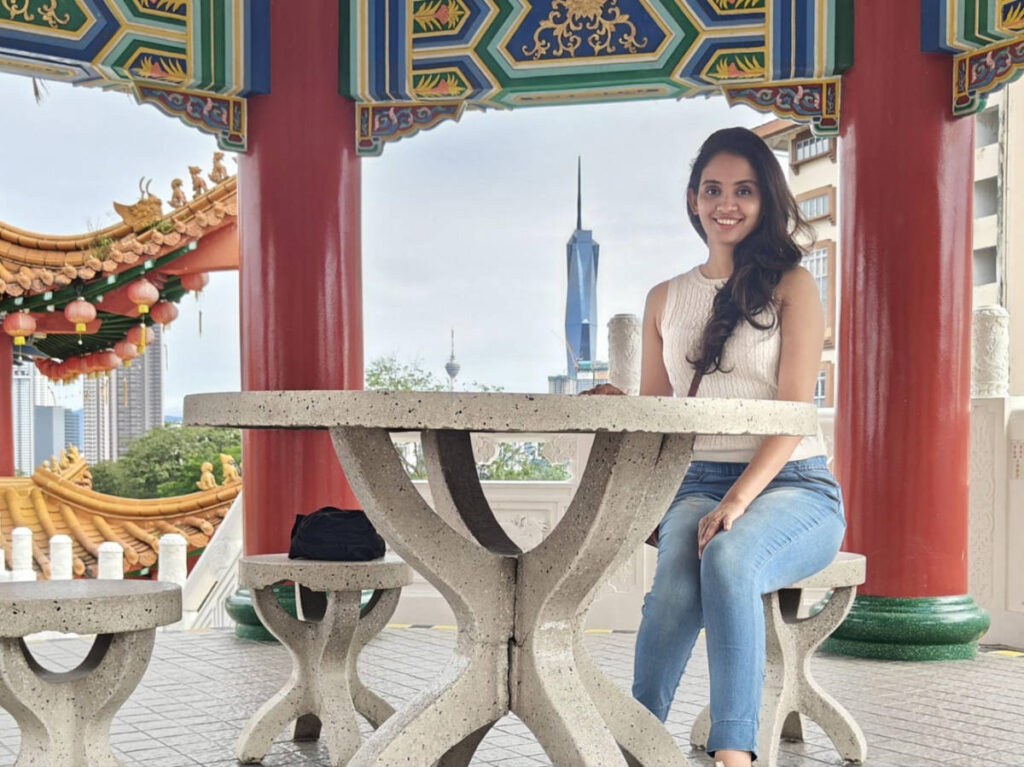
👉 Best Area For Repeat Visitors | ✨ Best Bangsar/Mid Valley Hotels: Alila Bangsar • Holiday Inn Bangsar • Amari Kuala Lumpur
Located southwest of KLCC, Bangsar and adjacent Mid Valley are largely residential suburbs. This neighborhood is home to several hotels located along Jalan Bangsar, which separates this area from neighboring Brickfields.
Bangsar has an upscale, trendy vibe concentrated heavily around Bangsar Village, a shopping precinct home to two neighborhood malls – Bangsar Village I & II (also known as BV I & II). You’ll find several indie cafes, restaurants serving regional Malay and Chinese cuisines, and lifestyle stores here. Mid Valley City, a shopping hub, is home to the eponymous Mid Valley Megamall and The Gardens Mall.
The Alila Bangsar, a trendy minimalist-inspired retreat along Jalan Ang Seng, offers elegant accommodations in Bangsar. If you’re looking for a more affordable option in this area, the Holiday Inn offers lovely stays with amenities like a skyline pool and fitness center.
I don’t recommend this area for first-time visitors to Kuala Lumpur, as it has a hyperlocal vibe that can feel detached from the city’s atmospheric center. However, if you’re a repeat visitor and want to explore more of the city’s underrated neighborhoods, this is a good place to be. If you ever miss the city’s energetic vibe, KLCC and Bukit Bintang are just a 20-minute taxi ride away.
Pros of Staying in Bangsar/Mid Valley Neighborhood:
- Upscale and trendy
- Numerous food and shopping options
- Good connectivity with LRT stations
Cons of Staying in Bangsar/Mid Valley Neighborhood:
- Less walkable compared to other city areas
- Overlaps with residential areas
- Fairly far from city center
📚 Bangsar/Mid Valley Mini Guide 📚
Best Area to Stay for Repeat Visitors
Google Map
✨ Best Hotels – Alila Bangsar • Holiday Inn Bangsar • Amari Kuala Lumpur
🏠 Apartments – Browse Rentals on VRBO in Bangsar (or Browse Airbnb rentals)
🍽️ Where to Eat – Roots Bistro Bangsar ($$), Luca BSC ($$$), NALE – The Nasi Lemak Company ($$)
🍸 Where to Drink – Coley, Mantra Bar KL, Naj & Belle Cafe Bangsar, Antipodean
🎟️ Top Attractions – Thean Hou Temple, Bangsar Village, Mid Valley Megamall
KL Sentral/Brickfields
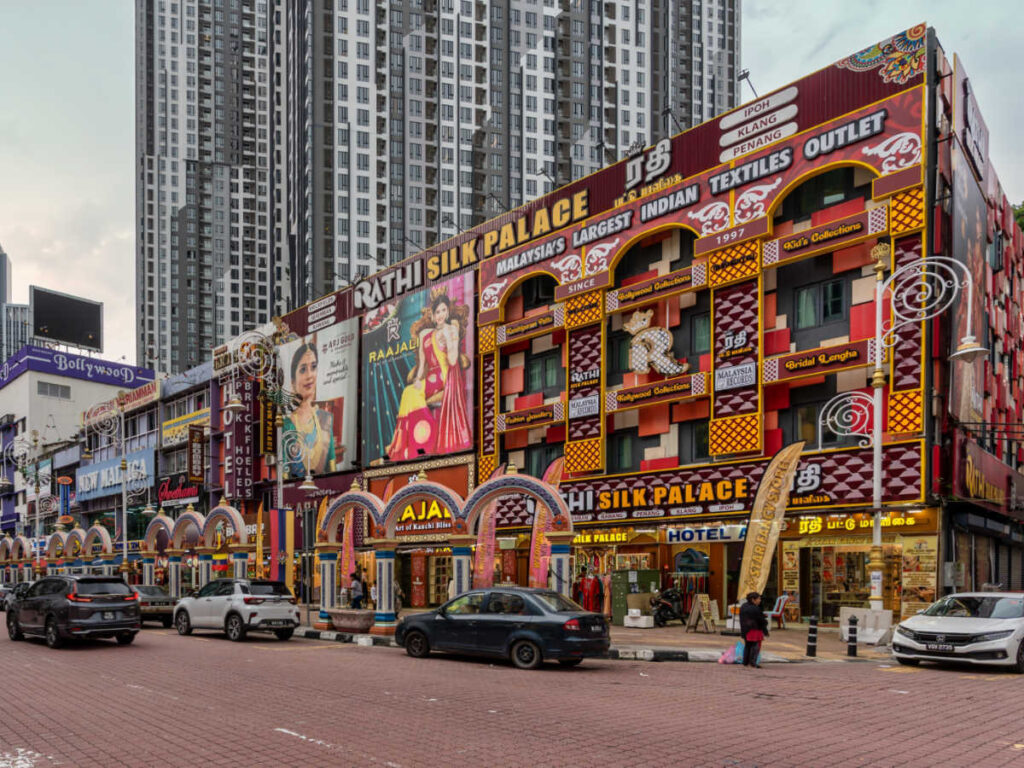
👉 Best Area For Short Stays and Connectivity | ✨ Best KL Sentral/Brickfields Hotels: Aloft Kuala Lumpur Sentral • Le Meredien Kuala Lumpur • St. Regis Kuala Lumpur
If convenience and connectivity are your topmost priorities while touring Kuala Lumpur, there’s no better place to stay than KL Sentral. Located adjacent to Brickfields, this area is the city’s largest transportation hub.
It integrates the city’s main rail systems like LRT, MRT, and Monorail, providing you easy access from Kuala Lumpur International Airport (KLIA) to the city center and surrounding suburbs. A few buses and long-distance coaches also operate from KL Sentral, offering access to the airport, as well as destinations such as Genting Highlands, Ipoh, and Penang.
Steps away from KL Sentral is Brickfields. This is the city’s little Indian quarter that houses silk saree and textile shops and jewelry stores, with a bunch of South Indian restaurants scattered across its dense sprawl.
You’ll also find a handful of dining and shopping options at Nu Sentral Mall. The area offers easy accessibility to KLCC and Bukit Bintang areas via public transport or Grab.
Aloft Kuala Lumpur Sentral is a 4-star stay in the area providing excellent value for money, with comfortable and well-designed rooms and multiple on-site dining options. Alternatively, stay at the family-friendly St. Regis, which has a Kids Club and an outdoor swimming pool with city views.
Pros of Staying in KL Sentral/Brickfields Neighborhood:
- Fantastic connectivity
- Ideal for transit and short-term stays
- Practical choice for business travelers
Cons of Staying in KL Sentral/Brickfields Neighborhood:
- Can get crowded on weekends and public holidays
- Heavy traffic during peak hours
📚 KL Sentral/Brickfields Mini Guide 📚
Best Area to Stay for Short Stays and Connectivity
Google Map
✨ Best Hotels – Aloft Kuala Lumpur Sentral • Le Meredien Kuala Lumpur • St. Regis Kuala Lumpur
🏠 Apartments – Browse Rentals on VRBO in KL Sentral/Brickfields (or Browse Airbnb rentals)
🍽️ Where to Eat – Dolly Dim Sum ($$), Sami’s Corner Brickfields ($), Nook at Aloft KL ($$), Iketeru ($$$)
🍸 Where to Drink – Astor Bar, Mai Bar, Rawr Coffee, Oh Yeah Heaven
🎟️ Top Attractions – NU Sentral Mall, Old KL Railway Station, Sri Kandaswamy Temple, Little India Brickfields
Chow Kit
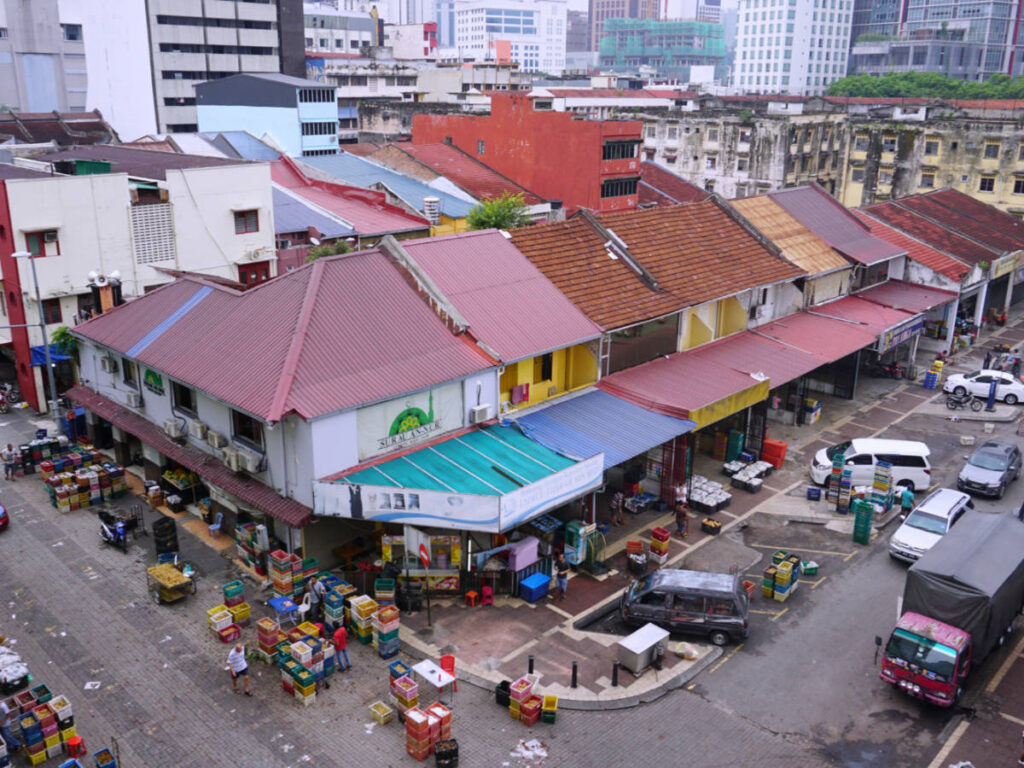
👉 Best Area For Historic Atmosphere | ✨ Best Chow Kit Hotels: The Chow Kit – An Ormond Hotel • Boutech Hotel KL Chow Kit (formerly STEG Kuala Lumpur) • Hotel Stripes Kuala Lumpur
Not too far from the dazzle of the city center, Chow Kit is slowly coming into its own after years of carrying an unfavorable reputation tied to its red-light past. Historically, it has been home to the city’s largest wet market — a traditional open-air hub for fish, meat, and sundries.
However, visitors to this area today can spot flashes of its beauty and charm in the pre-war shophouses lining Jalan Doraisamy. Many of these have now been revitalized into hip cafes along what is now known as Row KL [source]. While in Chow Kit, grab brunch at the stunning Tapestry cafe, or soak in the delightfully chaotic atmosphere of the historic Chow Kit Market.
The Chow Kit hotel is your best bet in this neighborhood. A lovely ode to design and style inspired by the neighborhood itself, its rooms are named after historic “gambling dens.” Another option is the Boutech Hotel (formerly STEG), which features well-appointed rooms overlooking the streets of Chow Kit.
Despite its slow yet steady gentrification, Chow Kit can still feel a bit rough around the edges, especially at night — something to keep in mind if you’re planning to stay here.
Pros of Staying in Chow Kit Neighborhood:
- Vibrant and historic atmosphere
- Diverse shopping and dining options
- Cool and offbeat
Cons of Staying in Chow Kit Neighborhood:
- Grittier and less safe than the rest of KL
- Parts of the area can be untidy/dirty
📚 Chow Kit Mini Guide 📚
Best Area to Stay for Historic Atmosphere
Google Map
✨ Best Hotels – The Chow Kit – An Ormond Hotel • Boutech Hotel KL Chow Kit (formerly STEG Kuala Lumpur) • Hotel Stripes Kuala Lumpur
🏠 Apartments – Browse Rentals on VRBO in Chow Kit (or Browse Airbnb rentals)
🍽️ Where to Eat – Bricks and Bread KL ($$), Joloko ($$), Hamdan’s Roti Canai ($)
🍸 Where to Drink – Rooftop 25 Bar & Lounge, The Chow Kit Kitchen & Bar
🎟️ Top Attractions – The Row KL, Chow Kit Market
Tips for Staying in Kuala Lumpur
Take Grab or jump aboard local transport to get around the city

Kuala Lumpur has a well-connected urban rail network known as the Light Rail Transit (LRT) system that you can easily use to get around most parts of the city. The Mass Rapid Transit (MRT) system offers convenient access to several city center attractions and major malls, whereas the Monorail connects key tourist spots in the city center.
Get yourself a Touch ‘n Go card with pre-loaded credit to get around town easily. These are widely available at metro station counters or convenience stores like 7-Eleven and KK Mart. While public transport is a great way to avoid Kuala Lumpur’s infamous traffic, the commute can take longer. Thankfully, Grab — a ride-hailing app — is a quick and super affordable option to get around the city.
Follow and respect cultural etiquettes and rules
Kuala Lumpur is a modern metropolis, however, it’s worth noting that Malaysia is a Muslim-majority country that follows certain cultural norms around modesty. As such, visitors should dress respectfully while visiting mosques, temples, and other religious attractions. It’s best to keep public displays of affection to a minimum as well.
Wear comfortable clothing to combat the humidity
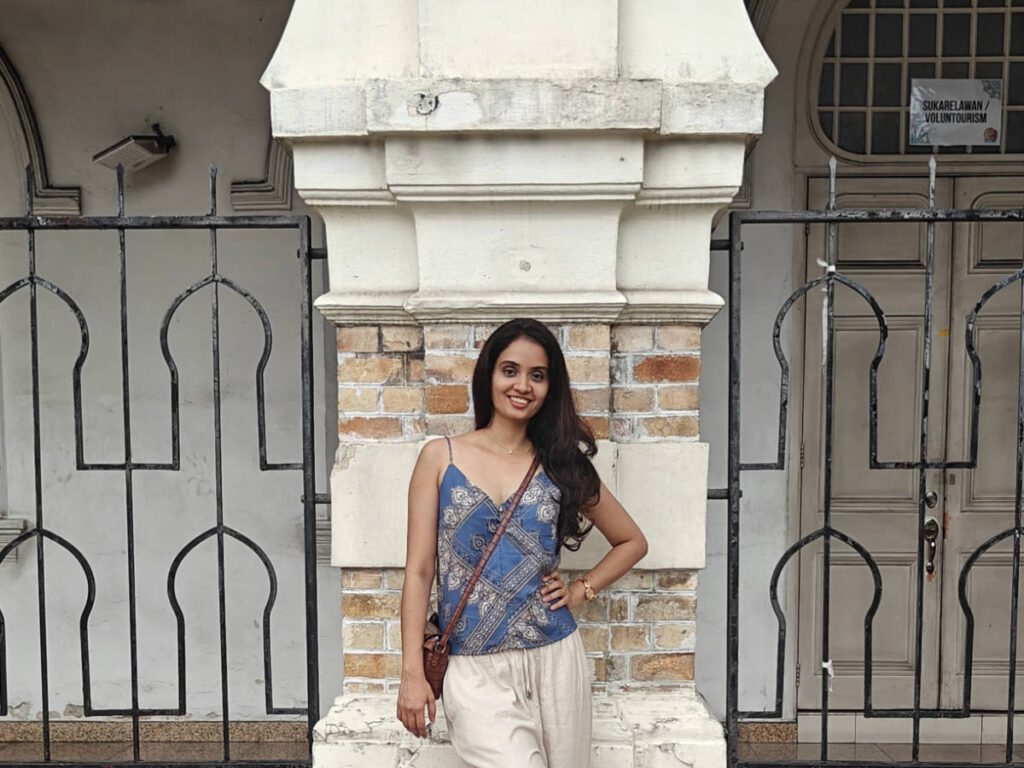
Kuala Lumpur is typically hot around the year, with humidity levels often reaching 80%. As such, make sure you wear light clothing and drink plenty of fluids while exploring the city. Avoid open-air excursions during noon. The city’s many air-conditioned and ubiquitous malls provide the perfect escape to beat the heat and cool down with refreshing drinks. It’s also recommended to carry a portable fan and a UV-resistant umbrella.
Don’t be afraid to talk to the locals
Malaysians are generally a friendly and helpful lot, and it’s common for taxi or Grab drivers to chat you up during your ride. My suggestion? Lean into it! You can learn so much about the city by talking to the locals who are quite open and honest about sharing their experiences and recommendations. Since the city is a multicultural capital, there is no language barrier as English is widely spoken in social and business settings.
Keep an open mind and try the amazing food here
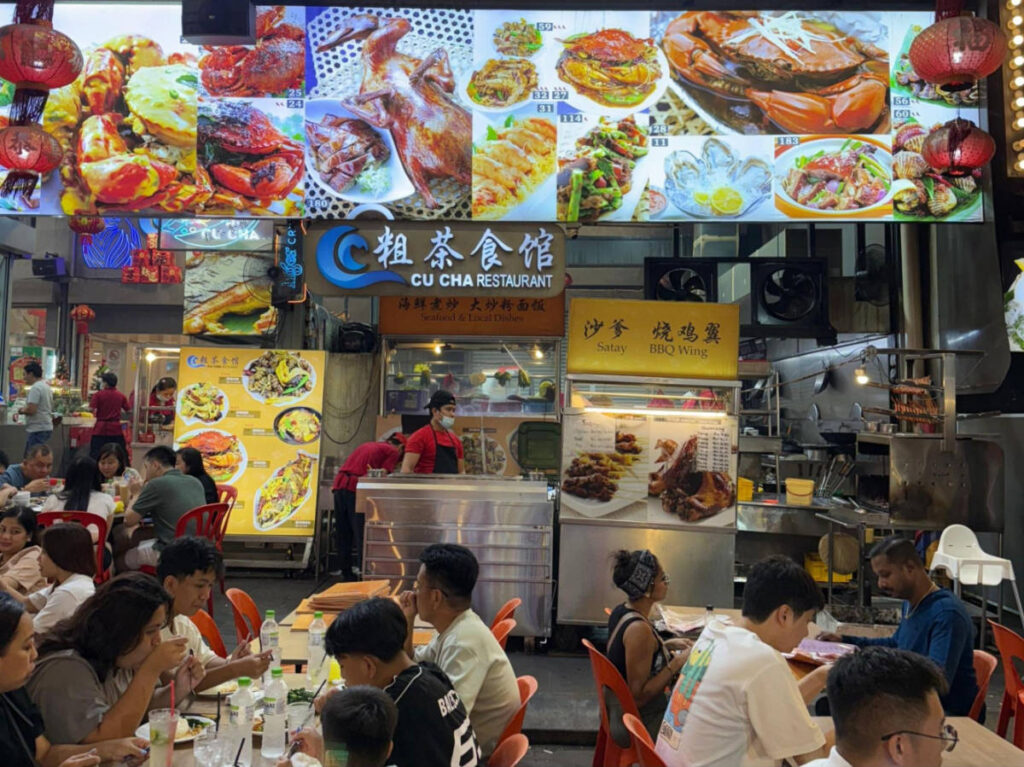
Malaysia has some of the most delicious food in Southeast Asia, and as the country’s capital, Kuala Lumpur offers an impressive mix of regional cuisines. Much of the best food can be found at hawker stalls and local food courts in busy neighborhoods.
That being said, KL also has incredible upscale food establishments if you need a break from cheap eats. Try a bit of everything, whether it is roti canai for breakfast at mamak (street-style) stalls, spicy mala, or some good old Nasi Lemak — Malaysia’s national dish.
Explore surrounding cities if you have time
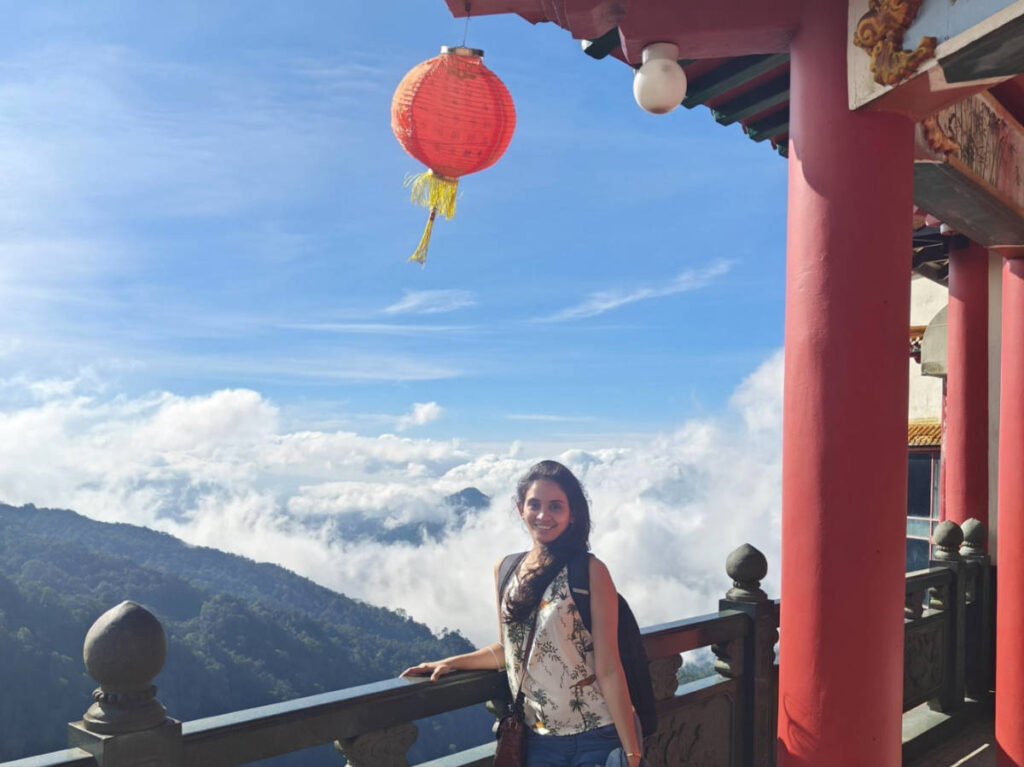
Kuala Lumpur is a fantastic regional hub that allows you to explore neighboring towns and cities within Malaysia. With a little planning, you can undertake exciting day trips to surrounding towns such as Genting Highlands (pictured above), Cameron Highlands, Putrajaya, Ipoh, or Melaka.
Buses to these towns regularly ply from the city’s many bus terminals, including KL Sentral, Terminal Bersepadu Selatan (TBS), or Pudu Sentral.
FAQs about Kuala Lumpur
How many days is enough for Kuala Lumpur?
Three to five days is plenty of time to cover Kuala Lumpur’s key tourist areas and central neighborhoods such as KLCC, Bukit Bintang, and Chinatown. If you can spare a few more days, it’s recommended to spend some time exploring the city’s lesser-known spots and local neighborhoods, such as Chow Kit and Bangsar.
What areas of Kuala Lumpur should I avoid staying in?
Most central parts of Kuala Lumpur are generally safe. However, certain neighborhoods, including former red-light districts such as Chow Kit and Pudu require extra caution at night. I’d also recommend keeping your belongings close while wandering around crowded areas or busy streets, as snatch thefts and pickpocketing are common. Avoid passing through alleyways at night.
What are the best parts of Kuala Lumpur to stay on a budget?
Though Kuala Lumpur is known for its elite hotel scene, it also offers plenty of affordable stays and areas that cater to budget-friendly travelers. Bukit Bintang is one such area where you can experience the best of the city without overspending. For example, the WOLO Kuala Lumpur offers comfy and stylish rooms at wallet-friendly rates.
Drinks at bars along the Changkat strip are mostly reasonably priced, whereas Jalan Alor serves up a range of delicious hawker-style treats. Chinatown is another great area for budget stays, with several hostels, boutique hotels, and affordable dining spots packed into its busy sprawl.
What is the best time to visit Kuala Lumpur?
I love visiting Kuala Lumpur between December to February, when the weather is relatively cooler and drier. The atmosphere is also more festive around Christmas and Chinese New Year, although the main attractions will see lots of crowds during this time. June to August is also considered a good time to visit. You may want to skip a visit during April-May or September if you’re looking to avoid hot weather and frequent rainfall.
***
Kuala Lumpur is a wonderful city, blending modernity with rich cultural heritage. Its neighborhoods reflect this diversity, making your time here both adventurous and delightfully immersive. To continue planning your trip, see my guide to the best things to do in Kuala Lumpur.
What a fabulous article! Most helpful. My husband I want to take our 16 and 20 year olds for about 8 nights to KL, in December. We want to stay in one place for the time [some places we’d have to book 2x rooms and we don’t want that], in a family type room. Really just want to wander the city, do the odd day trip, eat and drink and lounge by the pool. Definitely a hotel rather than apartment. Do you have any top recommendations? Thkyou!
Hello
I want to ask you if you know any residence or hotel that can fit the following amenities that we require.
we stay for a whole month when we travel and we try to find the most appropriate hotel that can accommodate us, the list is also follows:
– 5 star hotel or residence.
– Should be near a mall or grocery store for basic food supplies.
– A personal washing and dryer machine.
– Daily housekeeping
– Daily Breakfast
– 3 bedroom (1 master , 1 regular , and 1 regular with 2 beds for twins)
Hello Ben ,thanks for your question! A whole month in Kuala Lumpur sounds awesome. Given your travel plans, I think a five-star service apartment might be your best bet, as these typically feature the facilities you’re looking for.
I think you’ll find the following options well-suited to your preferences:
Pan Pacific Serviced Suites KL
Ascott Star KLCC Kuala Lumpur
Hyatt Regency Kuala Lumpur at KL Midtown
Park Royal Serviced Suites Kuala Lumpur
Most of these are located close to the main sights, malls, and eateries. Hope this is helpful, and have a wonderful time in KL!
First time visitor. Female solo traveler 70 years old. Bukit bintang is my choice to stay. Any other hotels that are safe n fairly comfortable you can recommend. I’m looking for slightly cheaper than WOLO.
Hello Mystica, thank you for your question! Great choice staying in Bukit Bintang, you’ll be right where the action is. Here are a few recommendations in the area that I think you’ll find quite comfortable and cheaper than WOLO:
MOV Hotel has clean rooms and is within walking distance of some of KL’s main sights. Also close to eateries and malls in Bukit Bintang.
Hotel Imperial – a bit old, but very close to the food street Jalan Alor. Safe and clean.
Hotel Capitol has good, comfortable rooms overlooking the city. It’s within a short walking distance of metro stations, and also close to many eateries and malls.
Hope you’ll find these options helpful. Enjoy your trip!