
Affiliate Ad Disclosure: We’re reader-supported. When you buy via our links, we earn commissions. Learn more.
Where to Stay in Kanazawa (5 Best Areas & Places)

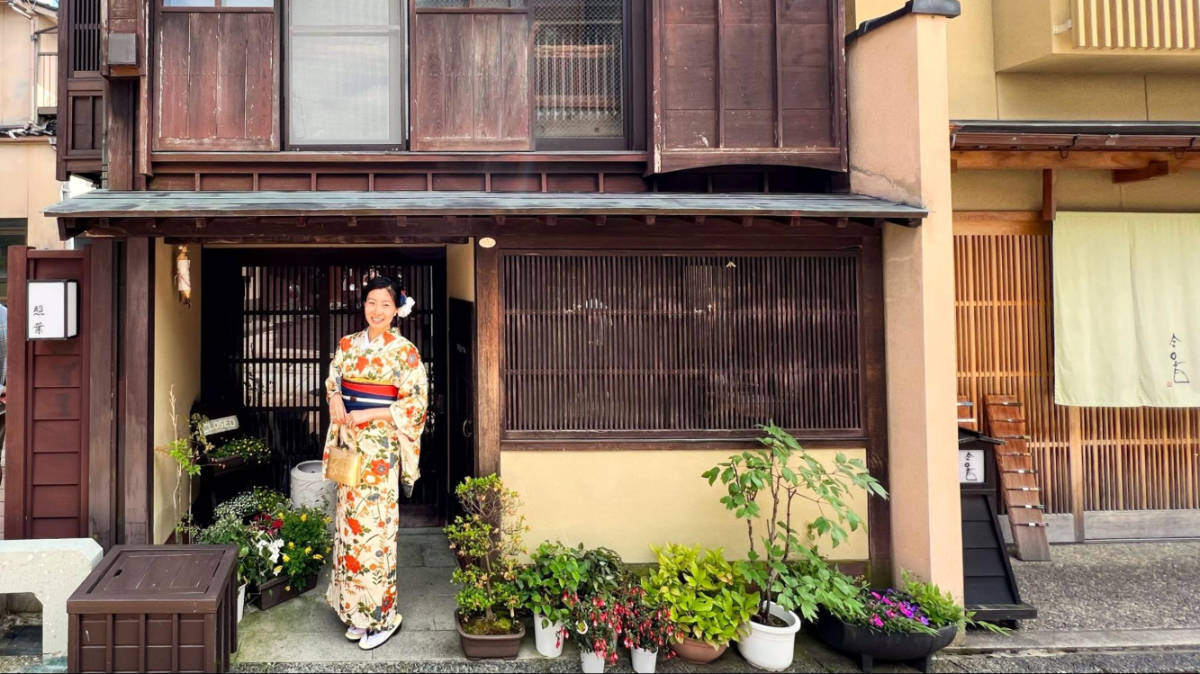
👉 Jump to: Best Places to Stay in Kanazawa | Neighborhoods & Areas | Tips | FAQ
Kanazawa in Ishikawa Prefecture is one of my favourite cities in Japan. It’s renowned for its fresh seafood, rich history of traditional arts and crafts, and advocation of contemporary art.
First time visitors – I’d suggest staying in the Korinbo & Katamachi District for its central location within walking distance of Kanazawa Castle, Kenroku-en Gardens, and the contemporary art scene. To make your stay memorable, book Korinkyo Kanazawa or experience a traditional machiya home.
Kanazawa is very walkable with a great public transport system, so it’s easy to get around to see the sights. Now, scroll down to my favourite places to stay and their pros and cons.

Best Places to Stay in Kanazawa
If you’re short on time, these are my top hotel picks:
- 🏆 Best Overall Hotel – Korinkyo Kanazawa
- 📍 Best Location – Korinkyo Kanazawa
- 💎 Best Luxury – Korinkyo Kanazawa (modern) or Kinjohro (traditional)
- ❤️ Best for Couples – Onyado Nono Kanazawa
- 👪 Best for Families – Hotori Machiya or Hyatt House Kanazawa
- 🛎️ Best Boutique – Korinkyo Kanazawa or UAN Kanazawa
- 🚅 Best near the Station – Hyatt Centric Kanazawa
- 🛏️ Best Budget – Hotel Forza Kanazawa or the square hotel Kanazawa
Ok, now scroll down for a deep dive into the pros (and cons) of each area of Kanazawa:
5 Best Neighborhoods & Areas to Stay in Kanazawa
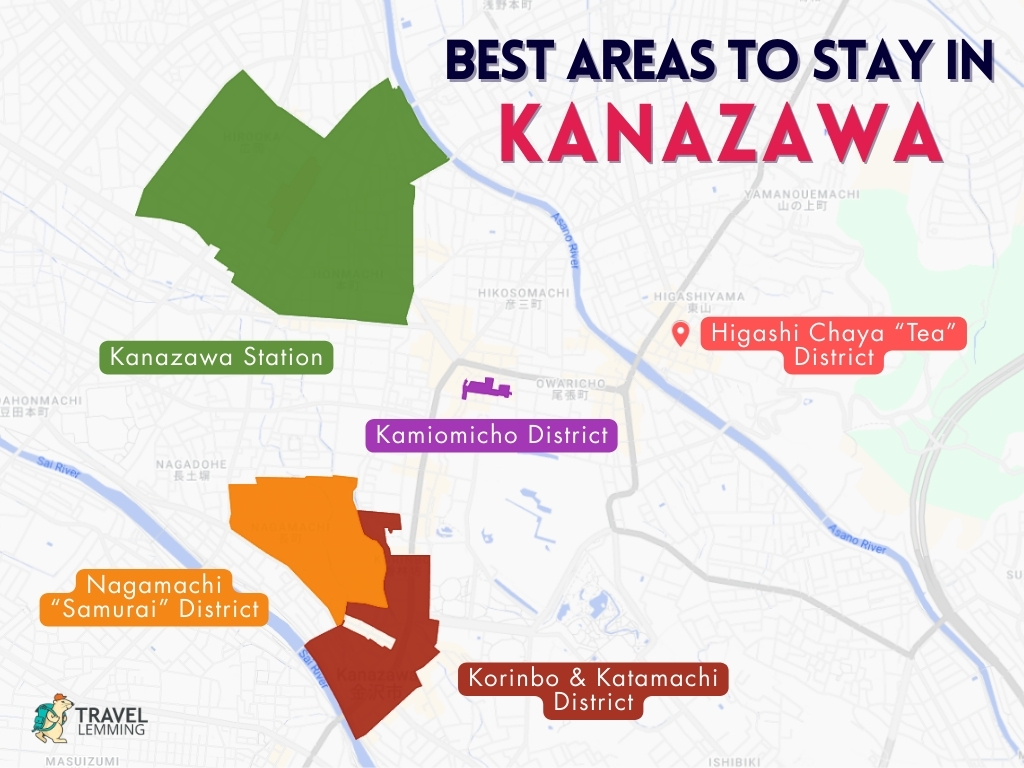
Think of Kanazawa like a T-Junction. It begins at Kanazawa station where one can walk up to the famed Omicho food market in around 15 minutes. Continue on for another 15 minutes to reach the end of the T-Junction at Kenroku-en Gardens/Kanazawa Castle. Branching off to the left is the beloved Higashi Chaya “Tea” district, whilst to the right leads to the Nagamachi “Samurai” district, both roughly a 20-minute walk from the castle and the gardens.
Kanazawa’s compact size means it’s relatively easy to see the major sites in a short trip. Walking allows the discovery of little local gems and contemporary art installations scattered around the city.
Korinbo & Katamachi District
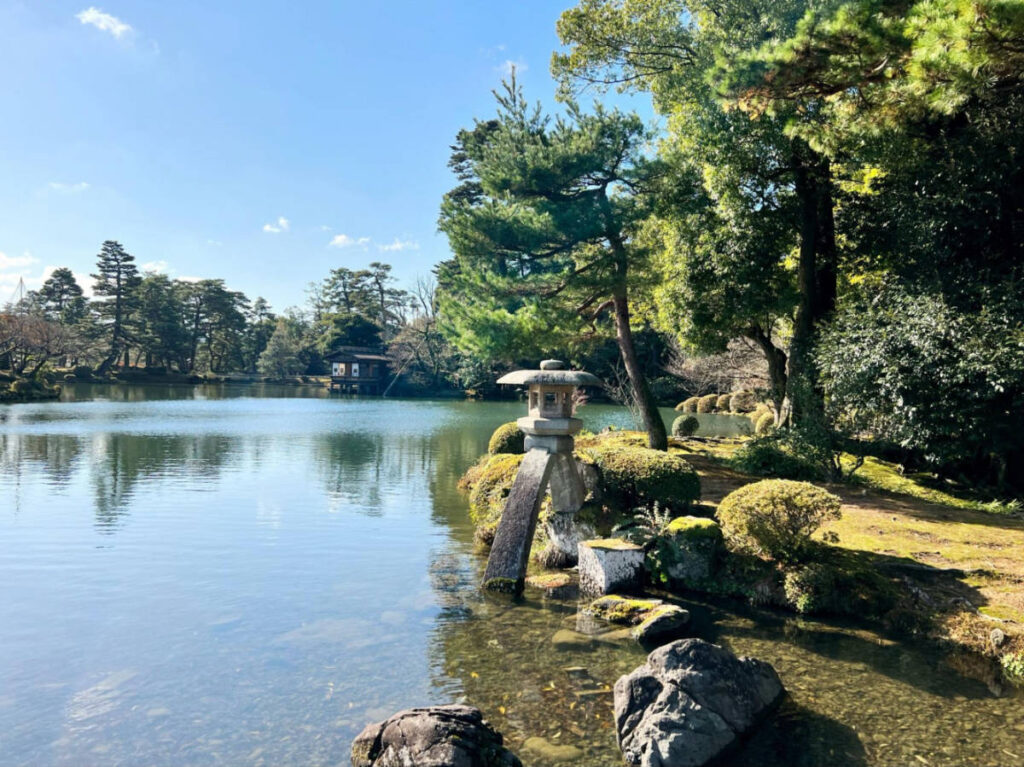
👉 Best Area For Central Location | ✨ Best Korinbo/Katamachi Hotels: Korinkyo Kanazawa • Hotori Machiya • OMO5 Kanazawa Katamachi by Hoshino Resorts
Kanazawa’s modern downtown comprises two districts – Korinbo and Katamachi which border one side of Kenroku-en and Kanazawa Castle. Base yourself here if you want to be in the center of everything celebrating the city’s historic and traditional cultural arts alongside its considerable contemporary art scene.
The 21st Century Museum of Modern Art along with the D.T Suzuki museum are within walking distance. And many aesthetic eateries, bars, fine dining establishments, cozy cafes and boutiques can be discovered here (all with delicious food, it’s not just Instagrammable).
Splurge on a stay at Korinkyo Kanazawa, where this former art gallery with distinctive high arched glass windows has been renovated into an 18-room boutique hotel complete with Aroma distillery. If you’re a bigger group, Hotori Machiya is a gorgeous Machiya that has been given new life as a private luxury rental home complete with stunning hinoki bath. Both of my stays here were memorable.
Pros of Staying in Korinbo/Katamachi Neighborhood:
- A great, chill nightlife
- Many cozy boutiques, independent restaurants and bars
- Easy walking distance to popular sights, especially the contemporary art scene.
Cons of Staying in Korinbo/Katamachi Neighborhood:
- Accommodation may be pricier
- A little noisier
📚 Korinbo/Katamachi Mini Guide 📚
Best Area For Central Location
Google Map
✨ Best Hotels – Korinkyo Kanazawa • Hotori Machiya • OMO5 Kanazawa Katamachi by Hoshino Resorts
🏠 Apartments – Browse Top Rentals in Korinbo/Katamachi
🍽️ Where to Eat – A___RESTAURANT ($$$), Otome Sushi ($$$), Ramen Uguisu ($)
🍸 Where to Drink – Craft Beer Bar & Pub Tatemachi CHE, Kanazawa Music Bar, THE HIDEOUT, Japanese Sake Bar 粋酔
🎟️ Top Attractions – Kenroku-en Gardens, Kanazawa Castle, 21st Century Museum of Contemporary Art, KAMU Kanazawa, D.T. Suzuki Museum, Ishikawa Prefectural Museum of Art, Nagamachi “Samurai District”
Kanazawa Station
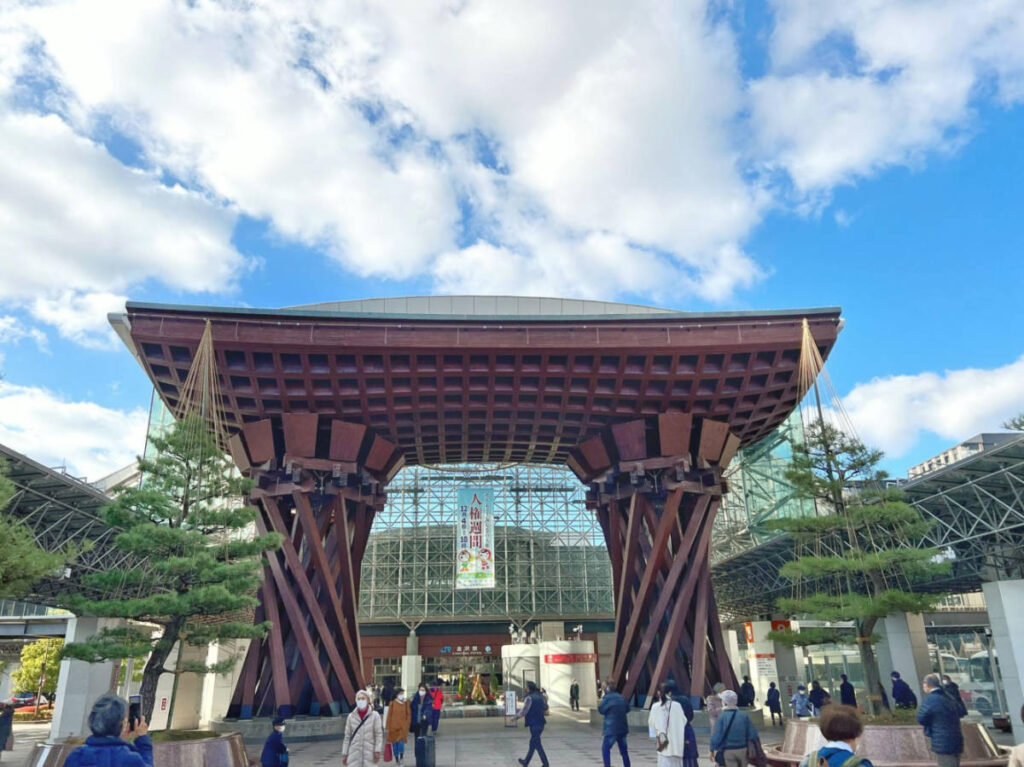
👉 Best Area For Short Visits | ✨ Best Kanazawa Station Hotels: Hyatt Centric Kanazawa • Daiwa Roynet Hotel Kanazawa Miyabi • Hotel Torifito Kanazawa • Hyatt House Kanazawa
Kanazawa Station is known as the gateway to the Hokuriku region, and is marked by the impressive modern structure of the Tsuzumimon Gate. Busy travellers who have planned shorter visits often choose to stay close to Kanazawa Station so they can easily catch their connecting trains and shinkansen to the next destination.
Many well known Japanese food and shopping brands can be found nearby in the shopping mall and surrounding the station, which is great for travellers who want familiar comforts.
Bigger hotel names like Hyatt Centric Kanazawa and Hyatt House are situated nearby, as well as larger, popular Japanese hotel chains like Daiwa Roynet Hotel Kanazawa Miyabi (which is always a personal favourite for good, solid consistency at reasonable prices across the country).
I would definitely advise staying close to the station if you’re arriving late and tired or you have to check out super early to travel on.
Pros of Staying in Kanazawa Station Neighborhood:
- Easy to catch train connections
- About 15-minute walk to Omicho food market
- Shopping mall adjacent with all the mainstream Japan food/shopping brands
Cons of Staying in Kanazawa Station Neighborhood:
- About 30-minute walk to Higashi Chaya, Nagamachi districts, Kenroku-en and Kanazawa Castle
- More mainstream eating spots rather than local gems
📚 Kanazawa Station Mini Guide 📚
Best Area to Stay for Short Visits
Google Map
✨ Best Hotels – Hyatt Centric Kanazawa • Daiwa Roynet Hotel Kanazawa Miyabi • Hotel Torifito Kanazawa • Hyatt House Kanazawa
🏠 Apartments – Browse Top Rentals in Kanazawa Station
🍽️ Where to Eat – Tile ($$), 炉端とおでん 呼炉凪来 金沢駅前店 ($$), Maimon Sushi Kanazawa Station ($$)
🍸 Where to Drink – SAKE Standing Bar by Naohiko Noguchi SAKE Institute, RoofTerrace Bar (Hyatt Centric)
🎟️ Top Attractions – Tsuzumi-mon Gate, Yasue Hachimangu Shrine, Omicho Food Market
Kamiomicho District
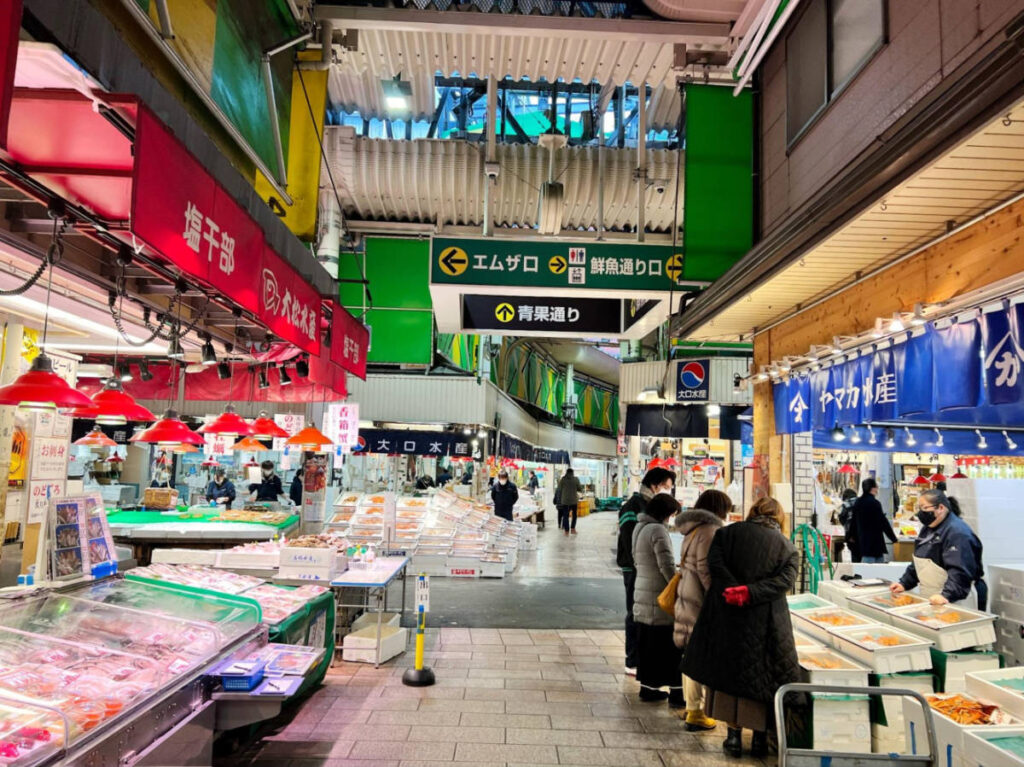
👉 Best Area For Food & Drink | ✨ Best Kamiomicho Hotels: Hotel Forza Kanazawa • the square hotel Kanazawa • Onyado Nono Kanazawa • Hotel Integrate Kanazawa
Base yourself in the Kamiomicho District, around Omicho Market if food is your main reason to travel. You won’t be disappointed. Omicho Market is known affectionately as “Kanazawa’s Kitchen.”
Leisurely meander through local market stalls full of fresh seafood and other delicacies during the early morning hours and throughout the day. Feast on plentiful rice bowls topped with sashimi slices after waiting in line with all the other eager food lovers.
Walk a little further around to discover smaller, independent eateries and bars. It’s a great midway point between the station and Kanazawa’s other sights.
Affordable stays of the newer Japan chain business hotels can be found in this area. Think clean, modern rooms of decent size (for Japan), often with a good Japanese breakfast included.
Hotel Forza Kanazawa, the square hotel Kanazawa, and Onyado Nono Kanazawa, along with Hotel Integrate Kanazawa, are all hotel brands that I’ve stayed in across Japan because of their reasonable prices for a comfortable stay. They are, in many ways, interchangeable. I will book any of them depending on availability. Whichever is slightly cheaper, or if I want a public onsen (Onyado Nono).
Pros of Staying in Kamiomicho Neighborhood:
- Kanazawa’s famed Omicho “kitchen” market at your fingertips
- Lots of great small restaurants and local bars
- Midway point to most of Kanazawa’s sightseeing spots
Cons of Staying in Kamiomicho Neighborhood:
- The market can get quite busy and crowded
- Long lines/wait times to eat at popular restaurants in the market
📚 Kamiomicho Mini Guide 📚
Best Area to Stay for Food & Drink
Google Map
✨ Best Hotels – Hotel Forza Kanazawa • the square hotel Kanazawa • Onyado Nono Kanazawa • Hotel Integrate Kanazawa
🏠 Apartments – Browse Top Rentals in Kamiomicho
🍽️ Where to Eat – Mori Mori Sushi Omicho ($$), Kanazawa Temakizushi Coil ($$), Omicho Market ($)
🍸 Where to Drink – 袋町 Owls Hoot, Beer Stand Fukuromachi, BUDOKAN 金澤本店
🎟️ Top Attractions – Omicho Food Market, Yasue Hachimangu Shrine, Tsuzumi-mon Gate, Kanazawa Castle, Kenroku-en, Oyama Jinja Shrine, etc
Nagamachi “Samurai” District
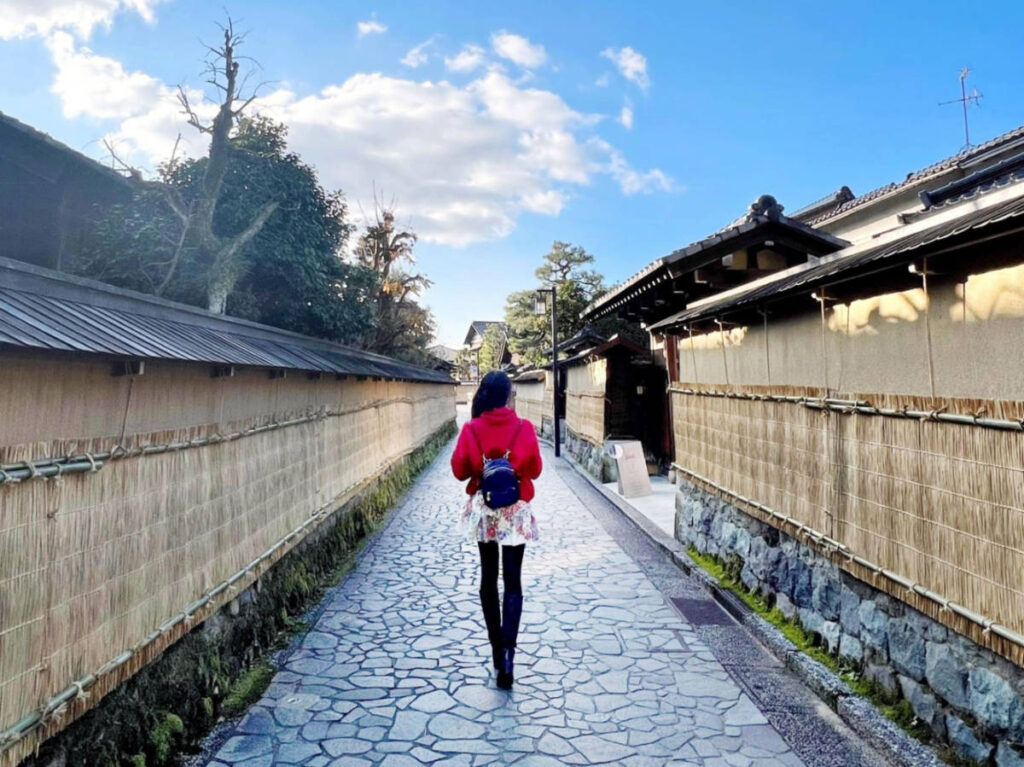
👉 Best Area For Quiet Exploration | ✨ Best Nagamachi Hotels: Hanatsume Machiya • Shiori Machiya • Kanazawa Tokyu Hotel
One of the few remaining, well preserved Samurai areas in Japan is Kanazawa’s Nagamachi district. Here, one can walk the cobblestone streets lined with traditional straw thatched walls protecting historical kominka samurai homes.
This area is perfect for travellers who like to explore slowly, prefer to be a little away from the hustle and bustle of the central downtown, and really feel like they’ve been transported back to ancient Japan.
It’s not unsurprising to see a local young sumo walking down these streets, or women in silk kimonos softly padding along.
Most of the accommodation surrounding Nagamachi is on its outskirts, either bordering Korinbo/Katamachi areas or in the quieter suburbs. I personally prefer staying in traditional Machiya like Hanatsume Machiya or Shiori Machiya where you can really have the comforts of home and feel like you’re living in Kanazawa like a local.
Pros of Staying in Nagamachi “Samurai” District Neighborhood:
- Lots of pottery stores, great for souvenir shopping
- Perfect for those who want to learn about the samurai history
- Sweet cafes to sit down and relax
Cons of Staying in Nagamachi “Samurai” District Neighborhood:
- A little further away from everything
- Not as many accommodation and dining options
📚 Nagamachi “Samurai” District Mini Guide 📚
Best Area to Stay for Quiet Exploration
Google Map
✨ Best Hotels – Hanatsume Machiya • Shiori Machiya • Kanazawa Tokyu Hotel
🏠 Apartments – Browse Top Rentals in Nagamachi “Samurai” District
🍽️ Where to Eat – Seigetsu Kanazawa ($$$), 魚園 ($$), Oishii Ippuku Kaburaki ($)
🍸 Where to Drink – Machiya Cafe Kurinoki, Cafe Murakami Nagaya-Mon Shop, MORON CAFE
🎟️ Top Attractions – Nagamachi “Samurai” District, Matsunoyu Sento, Kenroku-en Gardens, Kanazawa Castle, 21st Century Museum of Contemporary Art
Higashi Chaya “Tea” District
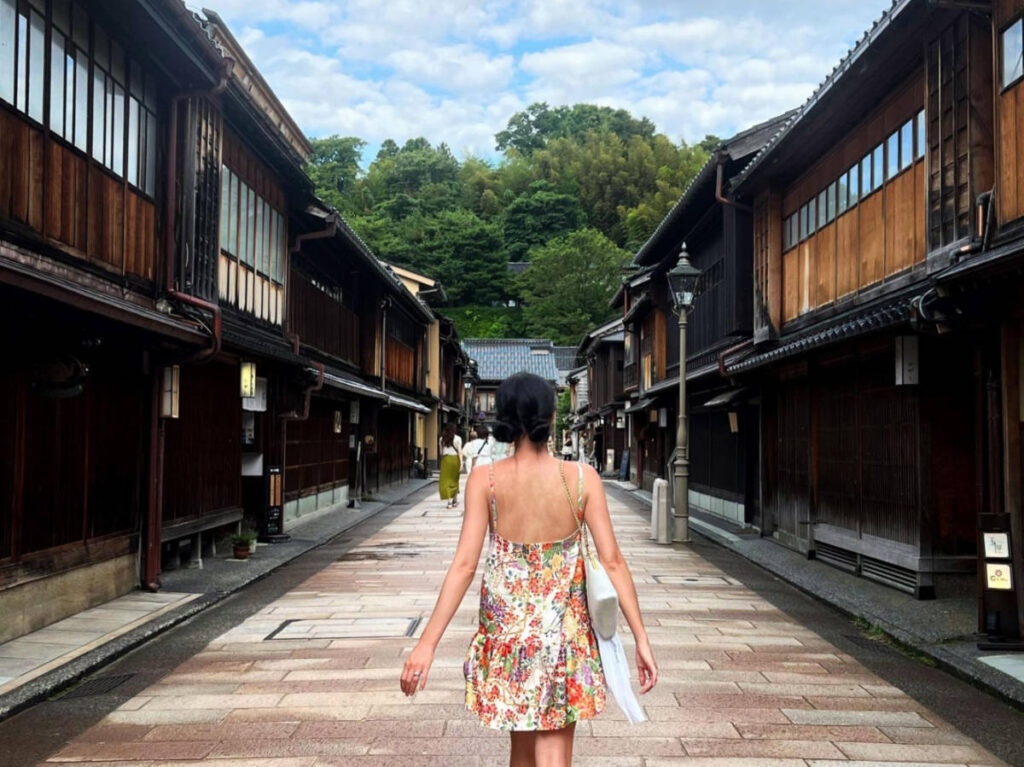
👉 Best Area For Cultural Experiences | ✨ Best Higashi Chaya Hotels: Kinjohro • Matsunoma Machiya • Utaimachi
Kanazawa has three tea districts, with Higashi Chaya being the most famous. Its quaint streets are lined with traditional two-story wooden houses. The tea districts were once bustling entertainment areas for the merchant and noble classes. Today, many of the buildings have been converted into cafes, restaurants, and boutique shops selling various famed local products, like gold leaf and Kutani pottery.
A few of the houses are still home to establishments where one can meet and interact with the local Geiko (Kanazawa’s term for Geisha). This is the place to stay for those who want to have a once-in-a-lifetime experience.
The fewer accommodations in this area reflect its prestigious history. Kinjohro is one of the oldest traditional ryokan in the city. With over 130 years of history, a stay here is truly a sublime experience of the highest level of Japan’s omotenashi.
Pros of Staying in Higashi Chaya “Tea” District Neighborhood:
- Perfect area to try cultural craft experiences
- Picturesque, traditional quiet setting similar to Kyoto’s Gion district (but smaller)
- Private Geiko/Geisha experiences can be arranged (advance booking required)
Cons of Staying in Higashi Chaya “Tea” District Neighborhood:
- Accommodation is few and pricier
- Farthest away from other Kanazawa sights
- The area generally shuts down around 5 pm
📚 Higashi Chaya “Tea” District Mini Guide 📚
Best Area to Stay for Cultural Experiences
Google Map
✨ Best Hotels – Kinjohro • Matsunoma Machiya • Utaimachi
🏠 Apartments – Browse Top Rentals in Higashi Chaya “Tea” District
🍽️ Where to Eat – Kinjohro ($$$), 主計町 鮨 むかい川 ($$$), Ichirin ($$)
🍸 Where to Drink – Oriental Brewing, 八しげ
🎟️ Top Attractions – Higashi Chaya “Tea” District, Kenroku-en, Kanazawa Castle
Tips for Staying in Kanazawa
Stay in a Traditional Machiya House
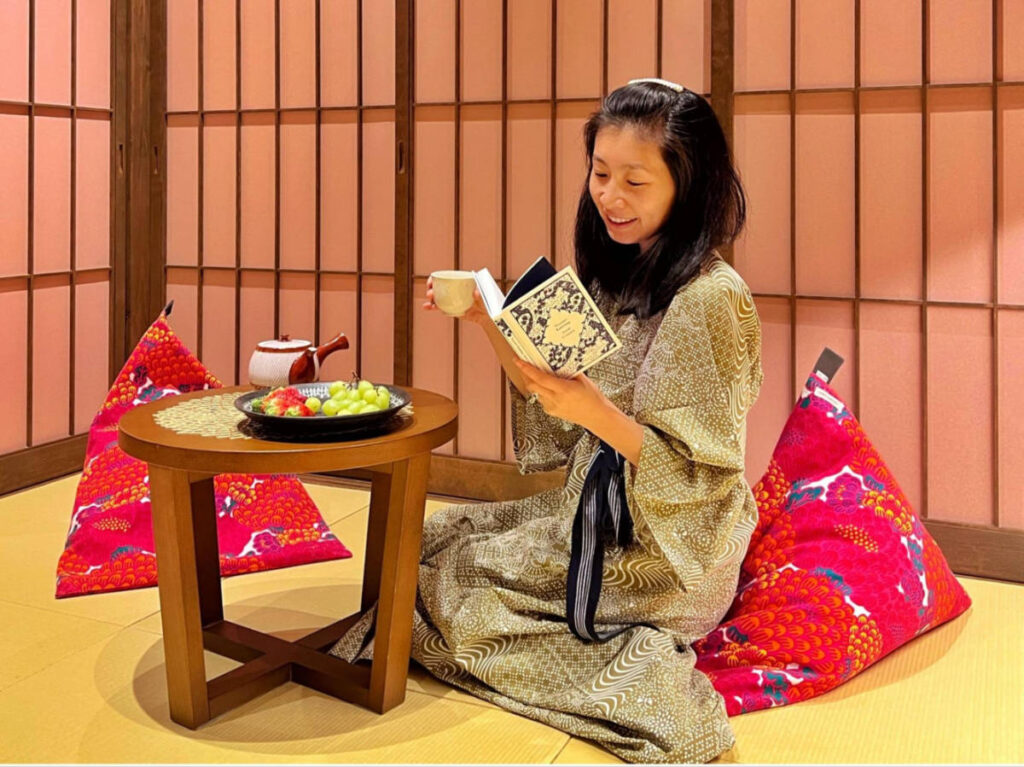
Only a few cities in Japan are home to Machiya, the former residences of artisans and merchants which offer a unique accommodation experience of traditional architecture. Many that were left abandoned have been renovated with modern comforts while preserving the historical features and details. Perfect for families and groups of friends.
Machiya Inns & Hotels is one of my favorite places to search for Machiya, as it features renovated machiya in multiple locations around Kanazawa. But you can also find Machiya accommodation on Booking.com.
Wear Comfortable Walking Shoes
Kanazawa is a walkable city. Most visitors prefer to explore by foot to not only see the most famous sights, but also to stumble upon local hidden gems. So definitely wear shoes you’re comfortable spending the whole day walking in. You will easily hit over 10,000 steps.
Pack an Umbrella and a Light Raincoat
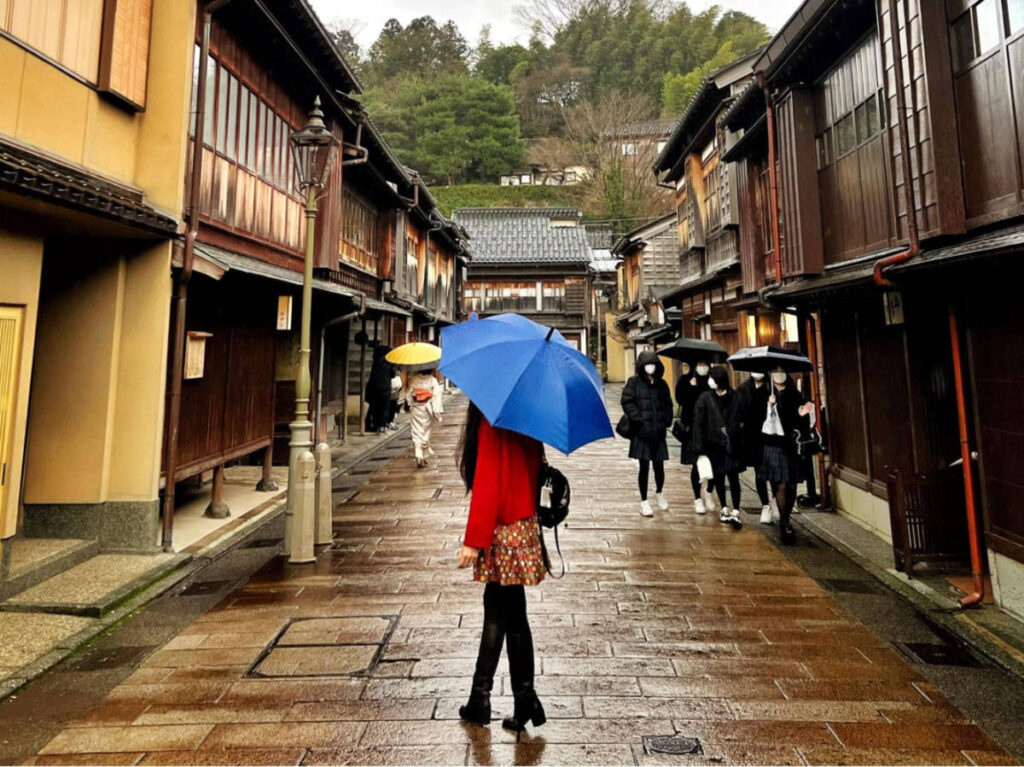
Kanazawa is known as one of Japan’s wettest and least sunny cities. There’s an old local saying of “forget your lunch but not your umbrella” and another that “it rains 300 days out of the year.” The yearly average is about 185-193 rainy days. So, pack a small umbrella and a light raincoat.
Carry Some Water, Snacks, and a Small Plastic Rubbish Bag on You
A lot of visitors tend to constantly move throughout the day to fit everything in, skipping lunch. Keeping hydrated with water and calming hunger pangs with small snacks is key to exploring comfortably. There are few public rubbish bins around Kanazawa, so have your own small plastic bag ready and dispose of it back at your accommodation.
Book a Cultural Experience (Geiko Tea Ceremony, Craft Workshop, etc.)
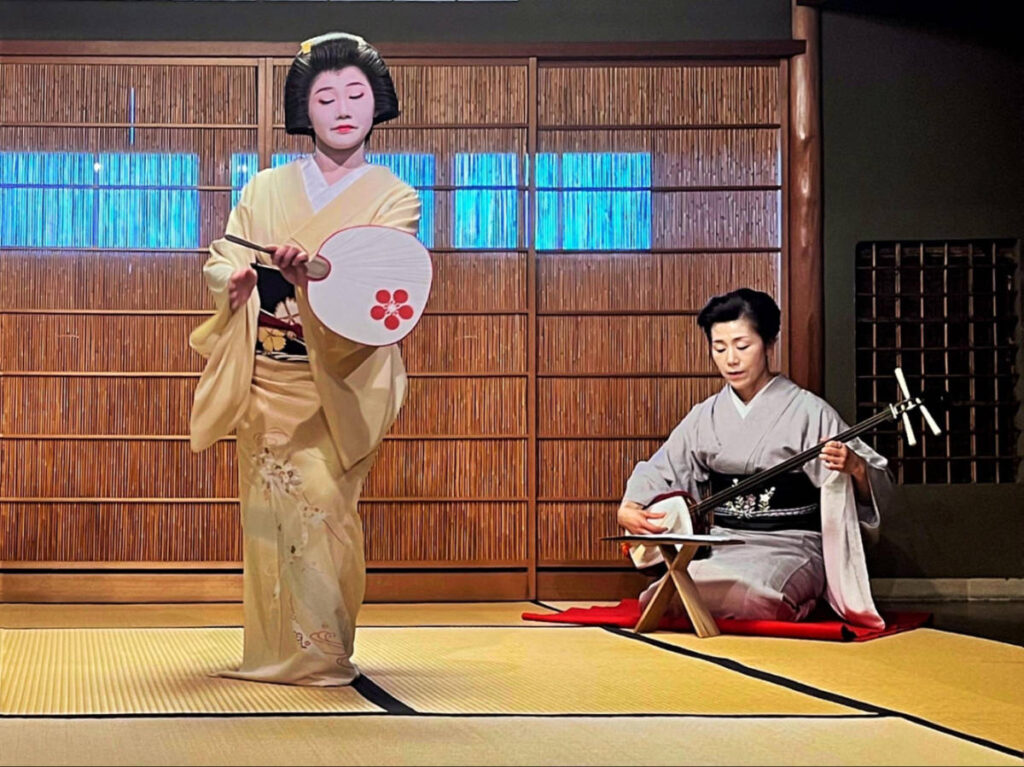
Kanazawa is an officially designated UNESCO City of Crafts and Folk Art within the Creative Cities Network. The city protects, preserves, and advocates more traditional Japanese kogei (arts and crafts) than Kyoto. It is the perfect place to try your hand at various craft workshops or experience traditional ceremonies.
Remember, if You See a Geiko Walking on the Streets – DO NOT DISTURB THEM!
It’s very disrespectful to interrupt a Geiko whilst they’re travelling to and from work, especially to try and take a photo. Locals have been outraged by the poor treatment of Kyoto’s Geisha and one hopes that won’t happen in Kanazawa. Observe from a distance. If you want to meet a Geisha, book a Geisha experience like this one.
Extend Your Trip – Relax a Couple Nights in Neighboring Onsen Towns
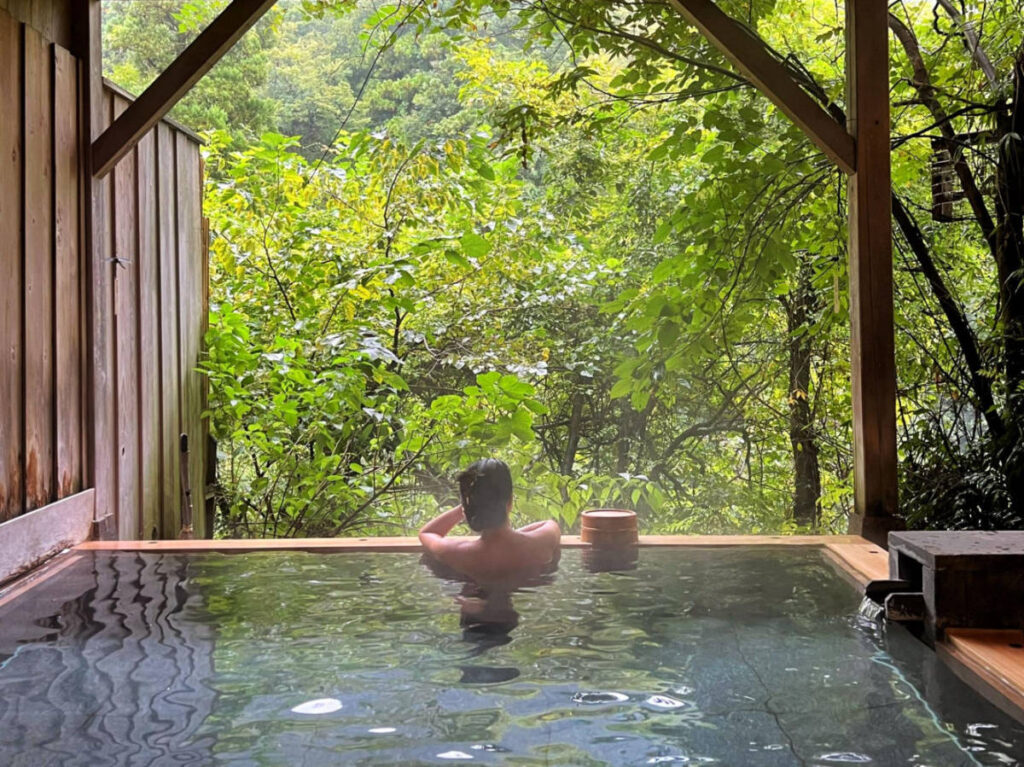
No visit to Japan is complete without a stay at a quintessential Japanese onsen ryokan to experience the delicious flavours of kaiseki and traditional omotenashi.
Three famous onsen towns are easily accessed by train from Kanazawa: Yamashiro Onsen, Yamanaka Onsen, and Yuwaku Onsen in the Kaga Onsen area.
Keep Loose Change and Cash on You
Nowadays, more and more places are card/payment apps only. However, there are still small local restaurants, shops, cafes, and bars that are cash only in Kanazawa. It’s a good rule of thumb to carry some small Japanese change and notes with you.
FAQs about Kanazawa
What area of Kanazawa should first-timers stay?
Base yourself around the Korinbo & Katamachi or Kamiomicho areas, with Kamiomicho being slightly more budget friendly. Since Kanazawa is compact, any area you choose to stay in is still very accessible to the rest of the city especially if you don’t mind walking or taking a local bus.
How many days is enough for Kanazawa?
Personally, I would recommend a minimum 2 nights / 3 days to see the major cultural sights like the castle and gardens along with the contemporary art scene. If you’re someone like me who prefers to travel slower and more intentionally, then 3 nights / 4 days is perfect. For those who want to use Kanazawa as a base for a day trip to Shirakawa-go and Gokayama, then 4-5 nights is good.
Where should families/groups of friends stay in Kanazawa?
Japanese hotels are often not very family/group friendly, resulting in multiple room bookings, which can get expensive. Staying at renovated machiya/kominka is great to have multiple bedrooms for parents and kids or groups of friends. Having a proper kitchen and dining area is a nice alternative to constantly eating out. Often it works out cheaper per person.
How do I reach Kanazawa from Tokyo, Kyoto, and Osaka?
From Tokyo station, the Hokuriku Shinkansen will travel directly to Kanazawa Station. Choose between the Kagayaki Shinkansen ( ~2.5 hours, all seats reserved) and the Hakutaka (~ 3 hours, unreserved seating available).
From Kyoto/Osaka station, take the Limited Thunderbird Express train to Tsuruga station. Change at Tsuruga station for the Hokuriku Shinkansen. The journey takes about 2 hrs. All travel tickets must be booked in advance.
***
Kanazawa should be on everyone’s Japan itinerary who loves good food, art, culture, history and modernity. It is also the perfect gateway to visit the lesser-travelled Hokuriku region and beyond. After you’ve chosen where to stay, make sure to read my guide to the best things to do in Kanazawa.