
Affiliate Ad Disclosure: We’re reader-supported. When you buy via our links, we earn commissions. Learn more.
The 35 Best Places to Visit in Italy

👉 Jump to: Podcast
If I had to pick a favorite country, I’d probably tell you “Italy.”
My Sicilian grandmother had a lot to do with this, but I’ve also spent a significant amount of time in Italy over the years. It’s a place I keep coming back to time after time, and I never get tired of it.
Florence is easily my favorite city, but I’ve been up to the lakes region, down into Sicily, along the Amalfi Coast, and to so many other places. I’ve covered a lot of ground in Italy, but there’s plenty more to discover.
Below, you’ll find my list of the best places to visit in Italy. These are largely based on my personal experiences, plus a few recommendations from local friends.
35 Best Places to Visit in Italy

Rome
Italy’s capital is a captivating city that overflows with history, art, and allure.
📍 Google Maps | 👉 Guide to Where to Stay in Rome
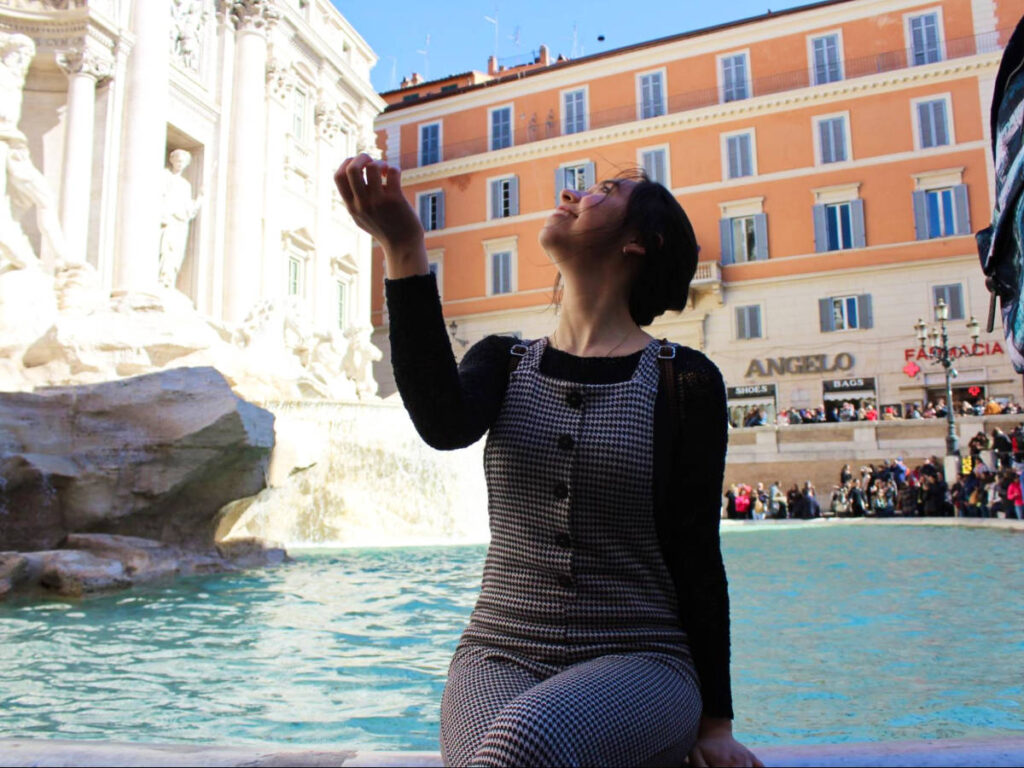
They say that “All roads lead to Rome.” Regardless of whether that’s true or not, your Italy itinerary should definitely include a stop if you’ve never been. The Eternal City is one of the most important historical and religious sites in the world.
Walk through The Colosseum to witness the world of gladiators. Wander through Vatican City museums to see art and artifacts from bygone eras. Look around in awe at the Roman Forum. Get lost down meandering cobblestone streets to discover Rome away from the crowds.
Rome is a sprawling city with much to do. Consider staying for a few nights or more. Many airlines fly directly to Rome, so it’s the perfect place to begin your Italian adventure.
Florence
Head into Tuscany to revel in the beauty of this artistic city, known as “the birthplace of the Renaissance.”
📍 Google Maps | 👉 Guide to Where to Stay in Florence
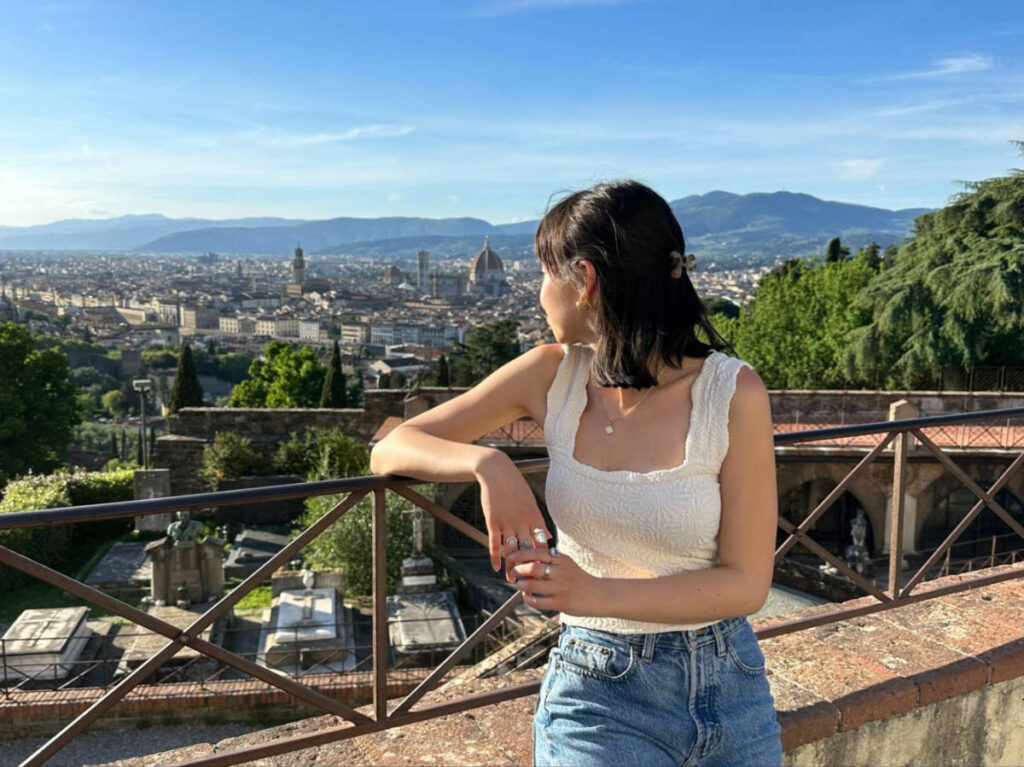
There’s truly nowhere else in Italy — or the world — quite like Florence. The Renaissance era put it on the map, but the city’s beauty continues to stand the test of time.
Everywhere you look, you’ll find art and wonder on every corner. A stroll through the Uffizi Museum will show you Renaissance masterpieces. Meanwhile, the Accademia Gallery is home to Michelangelo’s David.
Climb to the top of Florence’s iconic Duomo to appreciate the city (and cathedral) from a new perspective. End your day at Piazzale Michelangelo for romantic sunset views.
I love Florence for how timeless and classically Italian it is. It isn’t just “another European city.” It’s unique and filled with endless treasures and things to do. Not to mention, Florence’s restaurants and gelato aren’t so bad either.
See Sky’s Florence itinerary to get planning.
📚 Related Reading: Places to Stay in Tuscany & 50 Best Things to Do in Tuscany
Milan
Experience Italy’s past, present, and future in this buzzing fashion capital.
📍 Google Maps | 👉 Guide to Where to Stay in Milan
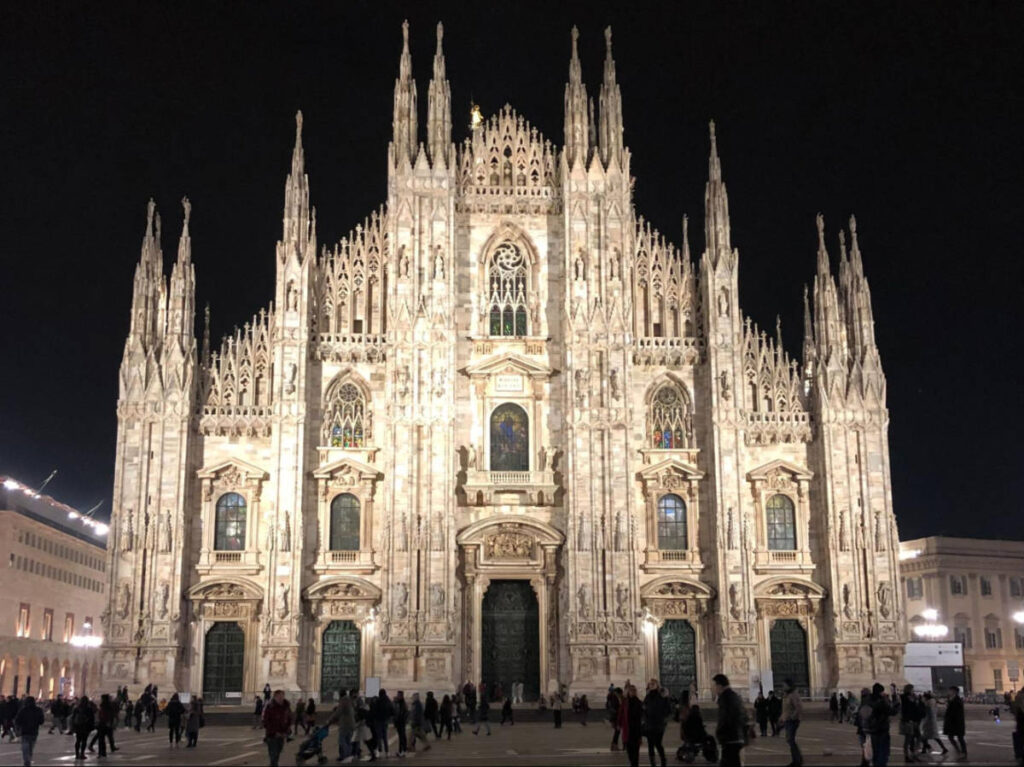
In my opinion, Milan represents everything that’s new and upcoming in Italy. It’s modern, fashion-forward, and abuzz with the energy you’d expect from a metropolitan city. But amid all the modernity is classic Italian grandeur.
Milan centers around its duomo like many Italian cities. And its Gothic cathedral is impressive.
The famous Galleria Vittorio Emanuele II is right next door, filled with luxury shops like Gucci and Chanel. Wandering this area offers a perfect glimpse of the city’s past and present mixing (and it’s the perfect place to splurge).
I’ve been to Milan more than a handful of times. It’s not my favorite city, but Milan’s attractions are worth checking out like Leonardo da Vinci’s The Last Supper.
Plus, you can experience Milanese cuisine at local restaurants and explore nearby destinations like Lake Como and Lake Garda through day trips. Check out our Milan itinerary for more ideas.
Venice
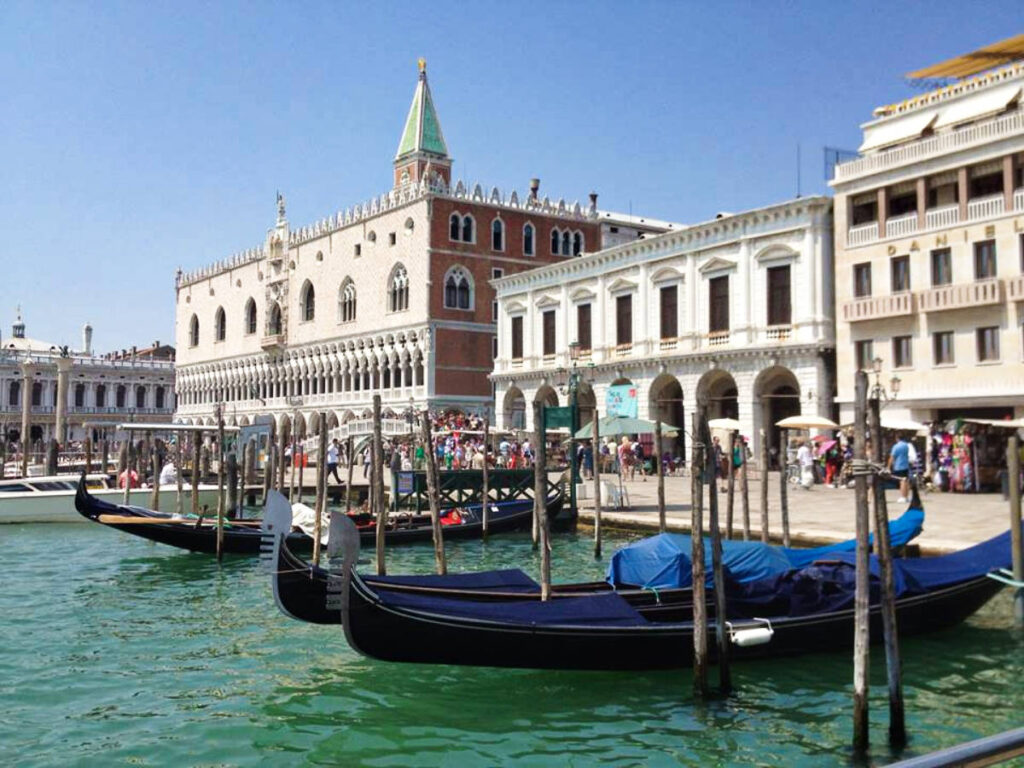
Float along romantic canals and passageways in this dreamy city, which is unlike any other.
📍 Google Maps | 👉 Guide to Where to Stay in Venice
The idea of Venice is utterly romantic. However, it’s a destination for couples, families, and solo travelers alike. Its atmosphere and cityscape are completely unique, which makes it perfect for anyone to explore and enjoy.
My recommendation? Enjoy slow travel around Venice to simply soak up its beauty and architecture. Take a gondola ride. Hop on a boat to nearby Murano Island to see how blown glass is made. Take a self-guided tour of the lavish Teatro la Fenice opera house. Linger for a moment or two at Piazza San Marco.
Venice is definitely touristy, but it’s a dream destination for many. So don’t let it pass you by. If you’re looking for more detailed advice on what to do in Venice, see Taylor’s 3-day itinerary and list of Venice travel tips.
Naples
Eat your weight in pizza and take day trips from this chaotic, albeit charming, coastal destination.

📍 Google Maps | 👉 Guide to Where to Stay in Naples
There’s an old stereotypical image of Italy. It’s one of chaos, cars honking, hand gestures, and talking that seems more like yelling because it’s full of so much gusto. I can confirm that this isn’t totally true… except in Naples.
Naples is a port city along the southwest coast of Italy. It’s only an hour from the enchanting Amalfi Coast, and yet, it’s a world away. The city is a maze of narrow passageways and wide open boulevards. It is mouthwatering pizza and colorful banners that hang above the streets. It’s chaos and confusion that’s somehow charming at the same time.
Naples is a popular base for exploring Pompeii. And many might stop here on their way to the Amalfi Coast. But I recommend spending a couple of days exploring Naples’ attractions, too. Visit places like Castel Sant’Elmo, Naples National Archaeological Museum, and Complesso Monumentale di Santa Chiara. Maybe even take a local tour.
Eat some pizza and keep an eye on your purse, but enjoy the liveliness “Back in old Napoli.”
Pompeii
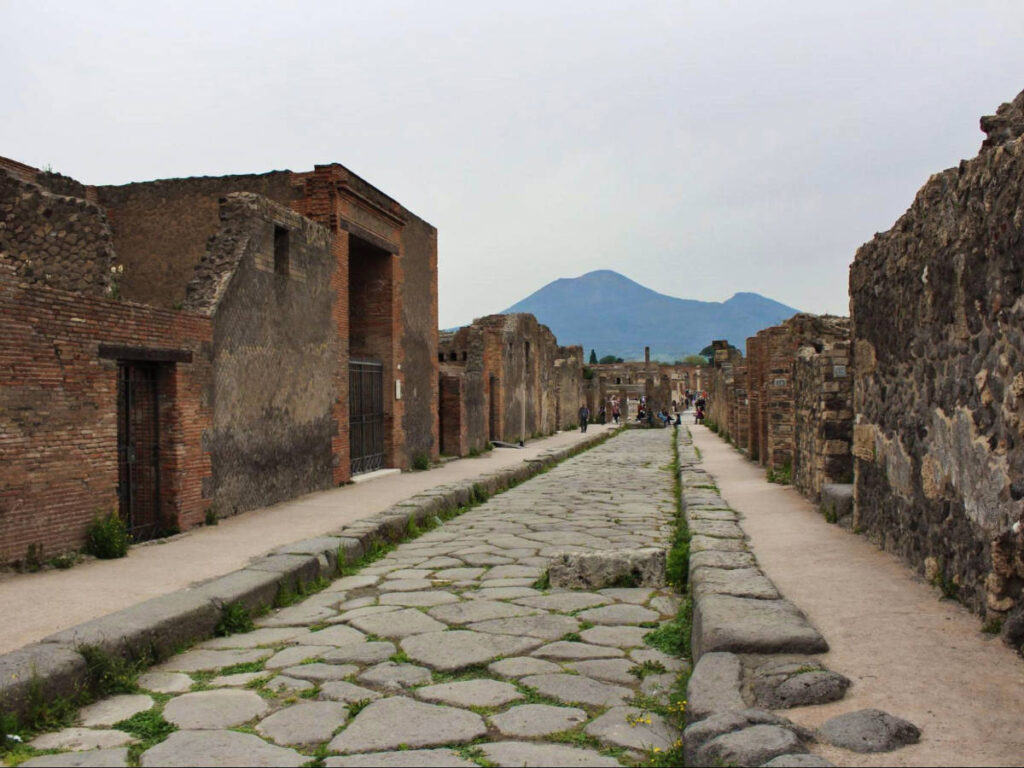
Walk in the footsteps of ancient Romans in this incredibly preserved UNESCO World Heritage Site outside of Naples.
📍 Google Maps | 👉 Browse Pompeii Hotels on Booking
Pompeii was once a city outside of present-day Naples. It was home to around 10,000 to 20,000 residents and was popular with wealthy Romans. In 79 CE, Mount Vesuvius erupted and covered the city in ash, destroying it, and leaving it frozen in time.
Set aside an entire day for visiting the archaeological ruins of Pompeii. This isn’t a site to just peruse over a couple of hours. It’s an ancient civilization turned living history museum. And it’s much larger than you think.
You can easily hop on the train to reach Pompeii from Naples or Sorrento. But I recommend joining a tour to learn about its history and truly appreciate its significance. This combined Pompeii & Mt. Vesuvius tour is good for convenience, while this archaeological Pompeii tour will offer you deeper insights.
Sorrento
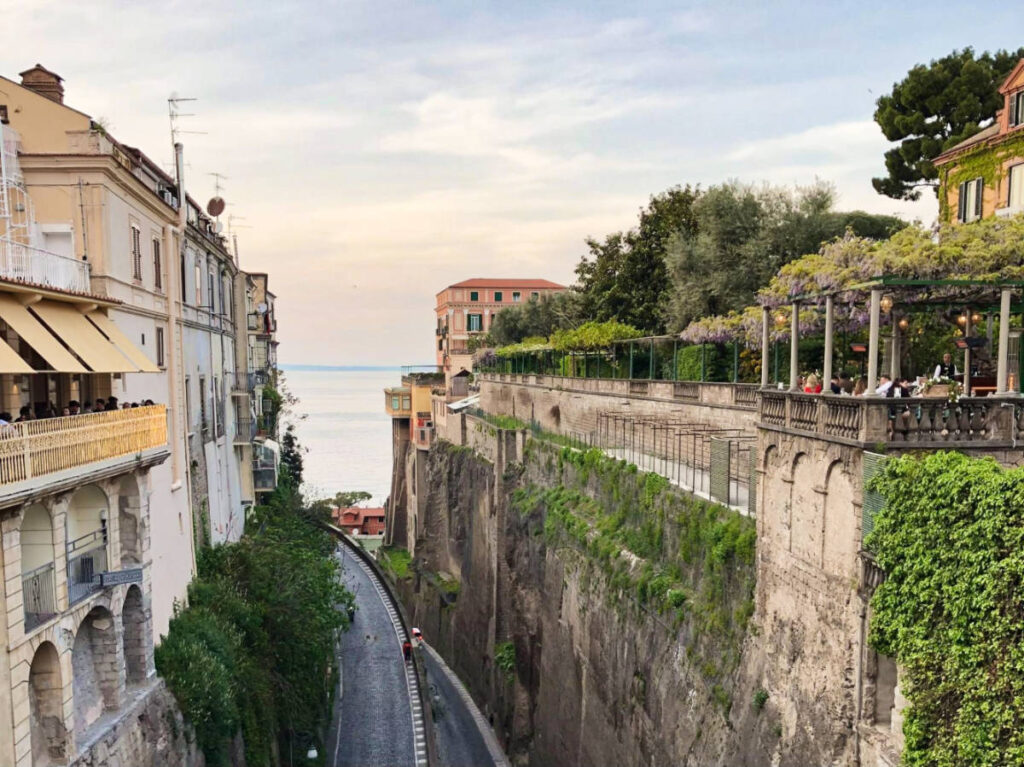
The perfect base for Amalfi Coast adventures.
📍 Google Maps | 👉 Browse Sorrento Hotels on Booking
Many travelers choose to stay in Naples to visit the Amalfi Coast. And although this is doable, Sorrento is a much better home base. Staying here provides more options and convenience.
From Sorrento, you can reach the Amalfi Coast’s towns like Positano, Amalfi, and others by driving along Amalfi Drive, taking a bus, or doing a boat tour. You can also take day trips to Naples, Pompeii, and Capri.
Aside from these nearby adventures, Sorrento has its own appeal. Take a stroll through the Old Town and be sure to pass through Piazza Tasso, the main square. Get a little shopping in, and enjoy a shot of limoncello.
Amalfi Coast
This stunningly scenic coastline of dramatic cliffs, colorful towns, and sunshine is world-famous.

📍 Google Maps | 👉 Browse Amalfi Coast Hotels on Booking
The words “Amalfi Coast” conjure up dreamy images of sun-soaked cliffs, sparkling blue waters, limoncello, and magical towns. The Amalfi Coast is world-famous, and for good reason. It looks like it was plucked out of a Mediterranean fairytale.
The actual Amalfi Coast stretches from Punta Campanella on the Sorrento Peninsula to the city of Salerno. Multiple towns are sprinkled in between, but the most famous are Positano and Amalfi. I won’t lie to you — these towns are extremely touristy. Aside from aesthetics and natural beauty, the towns themselves feel like they’ve lost their authenticity.
Take a stroll around Positano and Amalfi for a few hours if you’re interested, but there are many others worth stopping by. Try Ravello, Maiori, and Minori.
For a truly unique experience, hike the dramatic Path of the Gods trail with a guide. Or take an Amalfi Coast boat tour like I did to see the towns from a unique perspective.
Capri
Spend a day (or longer) exploring the awe-inspiring beauty of this island, its towns, and all its treasures.

📍 Google Maps | 👉 Browse Capri Hotels on Booking
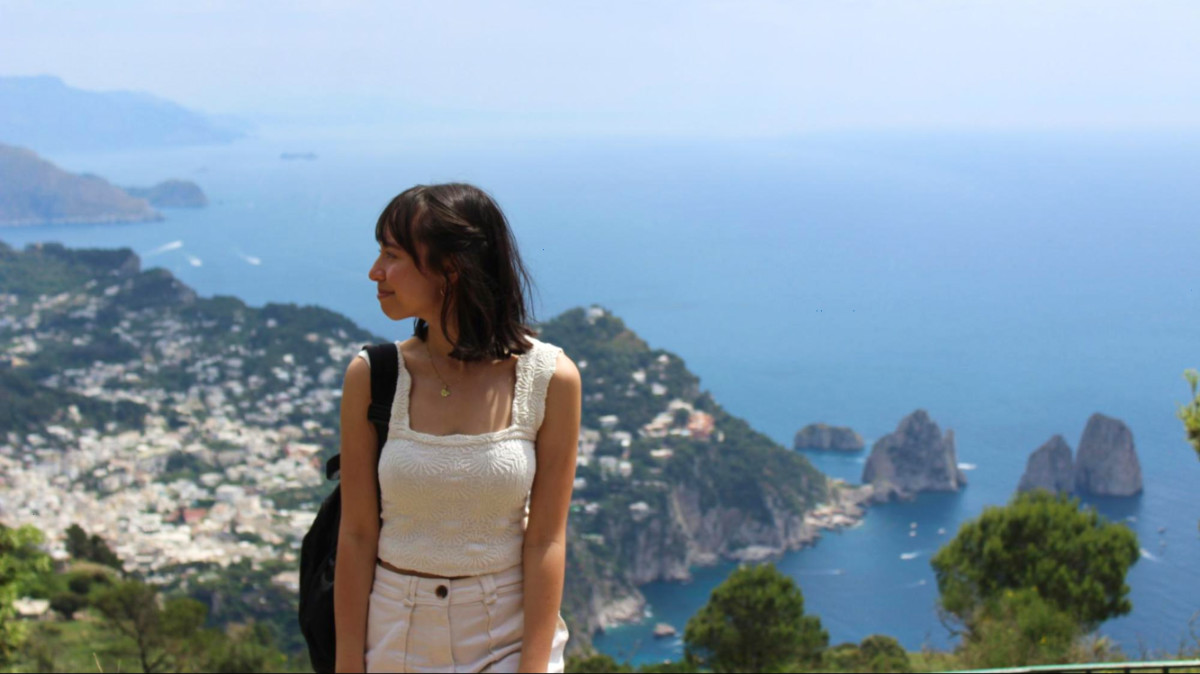
I consider myself extremely lucky to have visited Capri twice. Although it’s very touristy, it’s worth braving the crowds for. This island is like no other in Italy with its iconic rock formations, grottos, and soaring views from the top. It’s otherworldly.
You can take a day trip to Capri via ferry from Naples or Sorrento. However, I recommend staying on the island for a few nights if you can. The very best way to enjoy Capri is by simply slowing down to appreciate its scenery.
My must-do Capri recommendations include shopping in Anacapri, taking the chairlift to Monte Solaro, and doing a Blue Grotto boat tour. If you have more time, stop by Villa San Michele and Church San Michele.
Before you leave the island, pick up a little bell. It’s the symbol of Capri meant for “buona fortuna” or good luck, and it’s a sweet memento to remember beautiful Capri by. I still have mine to this day.
Sardinia
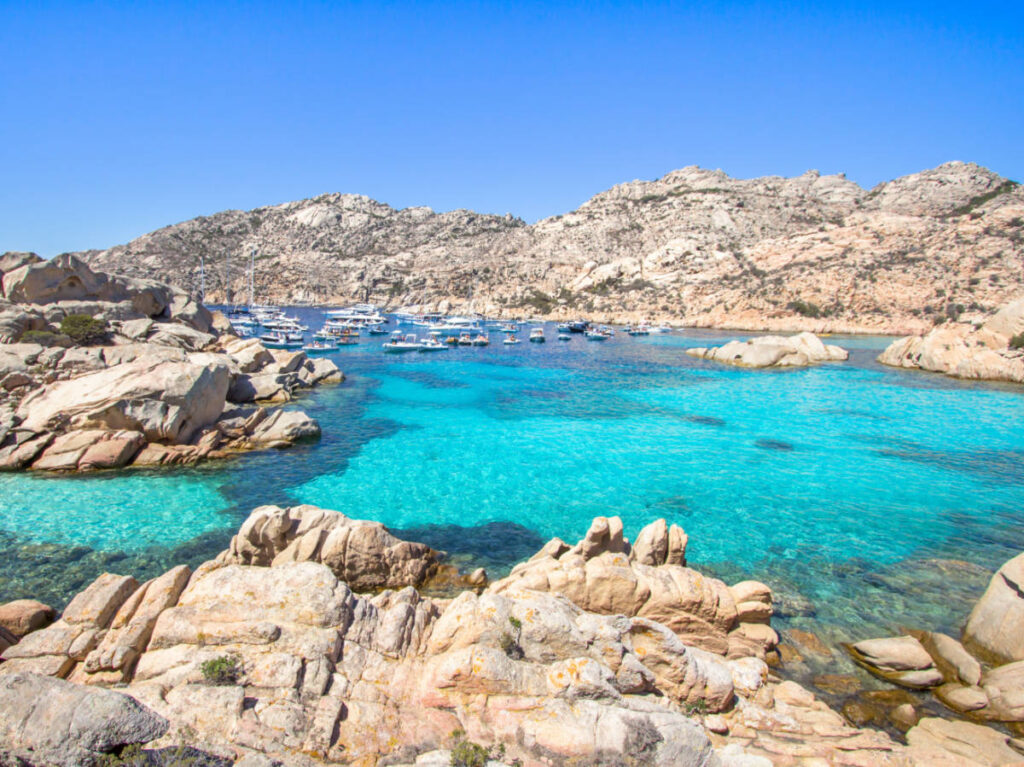
Discover this island’s unspoiled beaches with turquoise waters and a culture that’s unique from the mainland.
📍 Google Maps | 👉 Browse Sardinia Hotels on Booking
Dreamy, unspoiled, and seemingly unknown to tourists is the island of Sardinia. It’s located just off the west coast of mainland Italy in the Tyrrhenian Sea. If you’re on the hunt for a romantic beachy getaway away from crowds, this is the place.
I’ve yet to visit Sardinia for myself, but my good friend Erik has a family home here. He recommends visiting the beaches of the Maddalena Archipelago and seeing the nuraghi (Bronze-Age stone structures) around the island.
Aside from Sardinia’s heavenly coastlines, you’ll also discover a culture that’s distinct from mainland Italy. The dialect is different and local cuisine features things like flatbread, snails, and donkey steaks. The island itself is a Blue Zone, which means that many people here live past 100 years old.
The Dolomites
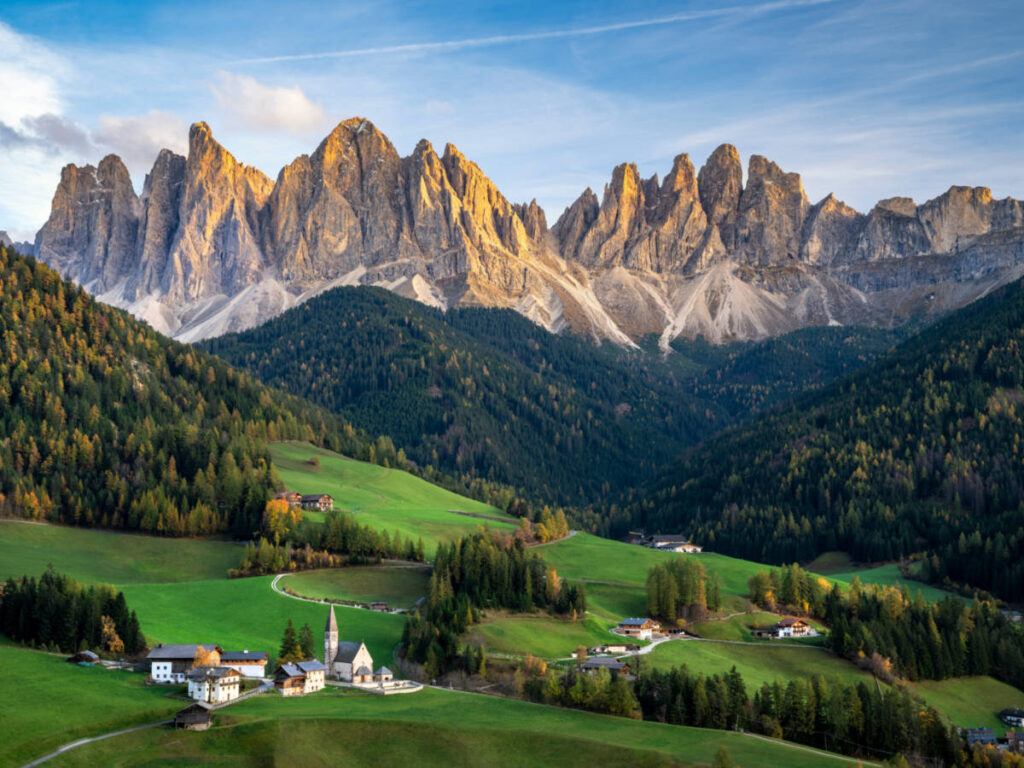
Italy’s northeastern mountain range is filled with dramatic limestone peaks, idyllic forests, glacial lakes, and more.
📍 Google Maps | 👉 Browse Dolomites Hotels on Booking
Italy may have world-famous coastlines, but its Dolomite Mountains are just as impressive. This dramatic limestone mountain range is located in northeastern Italy and makes up a portion of the Alps.
Hikers and outdoor enthusiasts will rejoice in the awe-inspiring scenery and opportunities for adventure in summer. And drivers and bikers will love Sella Pass. During the winter, the Dolomites transform into a skiing dream.
Expect to hear both Italian and German while exploring, as the local culture and architecture is a blend of Italy and Austria. There are many charming towns to stay in and explore while in the Dolomites. Cortina d’Ampezzo and Kastelruth are good choices.
Cinque Terre
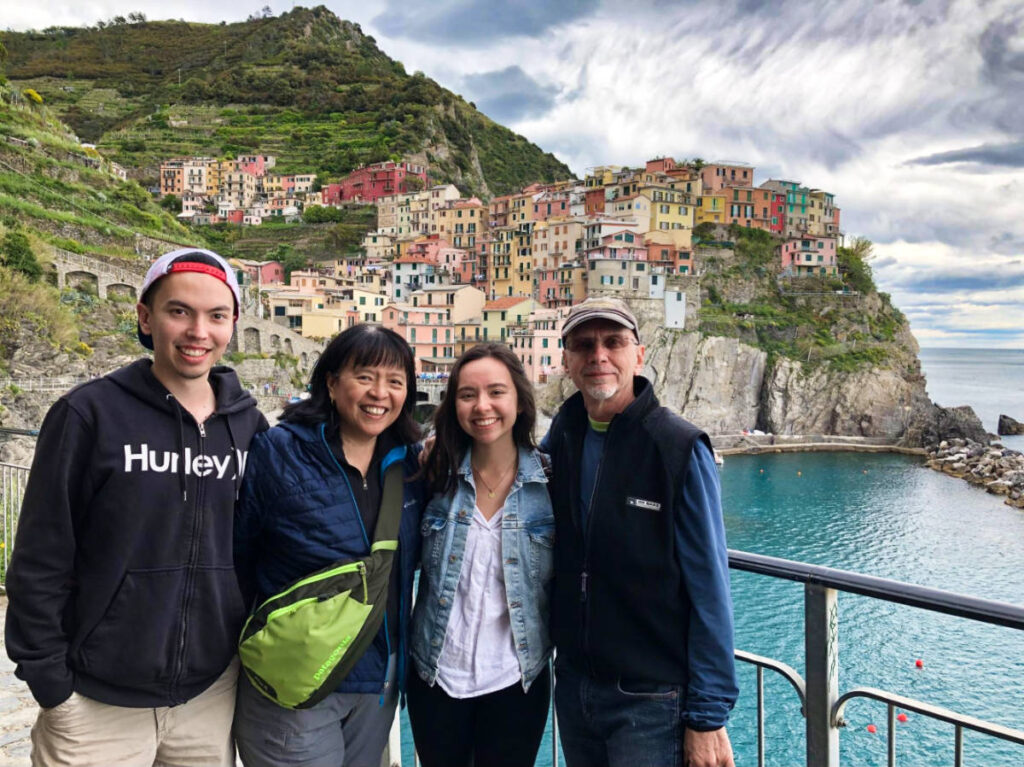
Visit five colorful and picturesque cliffside fishing villages along the Italian Riviera.
📍 Google Maps | 👉 Browse Cinque Terre Hotels on Booking
“Cinque Terre” translates to “five earths” or “five lands” in Italian. This stretch of coastline on the Italian Riviera is made up of five colorful towns. Going north to south they are: Monterosso al Mare, Vernazza, Corniglia, Manarola, and Riomaggiore.
Each town is colorful and scenic. Manarola (pictured above) is the most photographed town, but I personally loved Riomaggiore and Corniglia.
Lace up your hiking boots to explore Sentiero Azzurro, a 7.5-mile trail that connects all five towns. As you’d expect, the scenery is supposed to be magical. It was closed when I visited, but I’d love to try it out one day.
Polignano a Mare
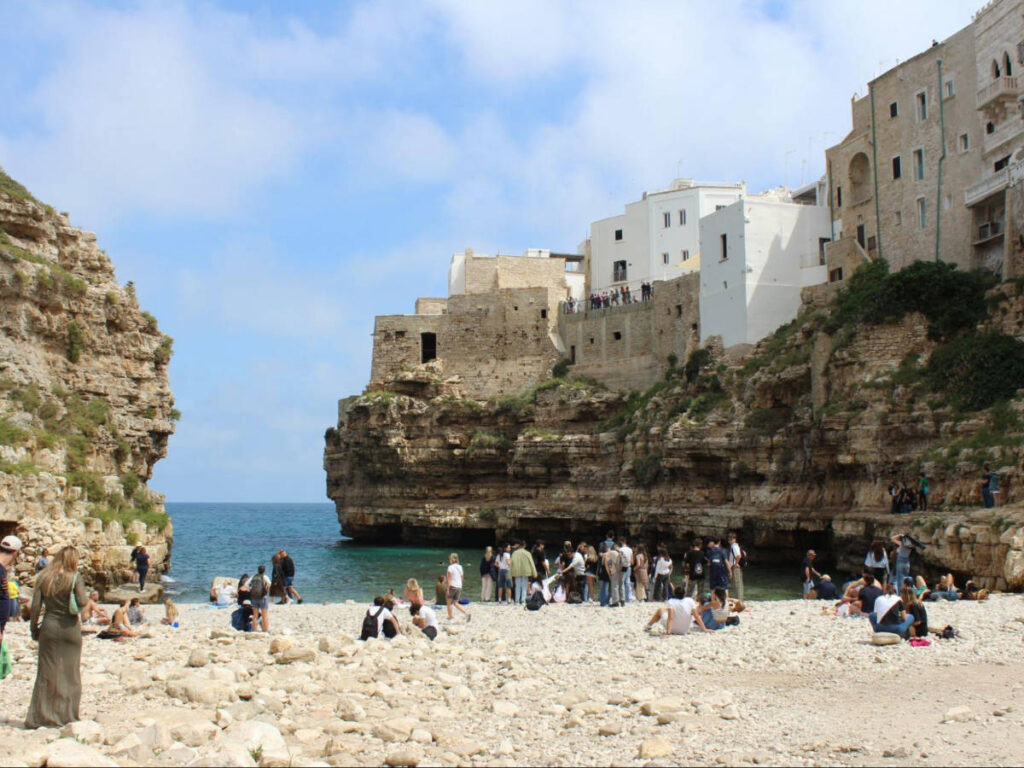
A picturesque town of old whitewashed buildings that sit atop limestone cliffs on Italy’s Adriatic Coast.
📍 Google Maps | 👉 Browse Polignano a Mare Hotels on Booking
You’ve likely seen photos of Polignano a Mare — a tapestry of white and cream-colored buildings perched atop dramatic cliffs that hang above the sea. I’ll tell you a secret: It’s as charming as it looks.
Polignano sits on Italy’s Adriatic coastline. Its Old Town is absolutely adorable with quaint shops selling things like art, ceramics, and linen clothing. Wander aimlessly and you’re sure to stumble upon balconies that overlook the sea. After my recent trip to Italy, my friends and I all agreed that Polignano was one of our favorite stops.
Book a reservation at Polignano’s famous Grotta Palazzese for a truly unique experience. This fine dining restaurant is nestled inside a cave that overlooks the water. Although pricey, it’s sure to create some special memories.
Alberobello
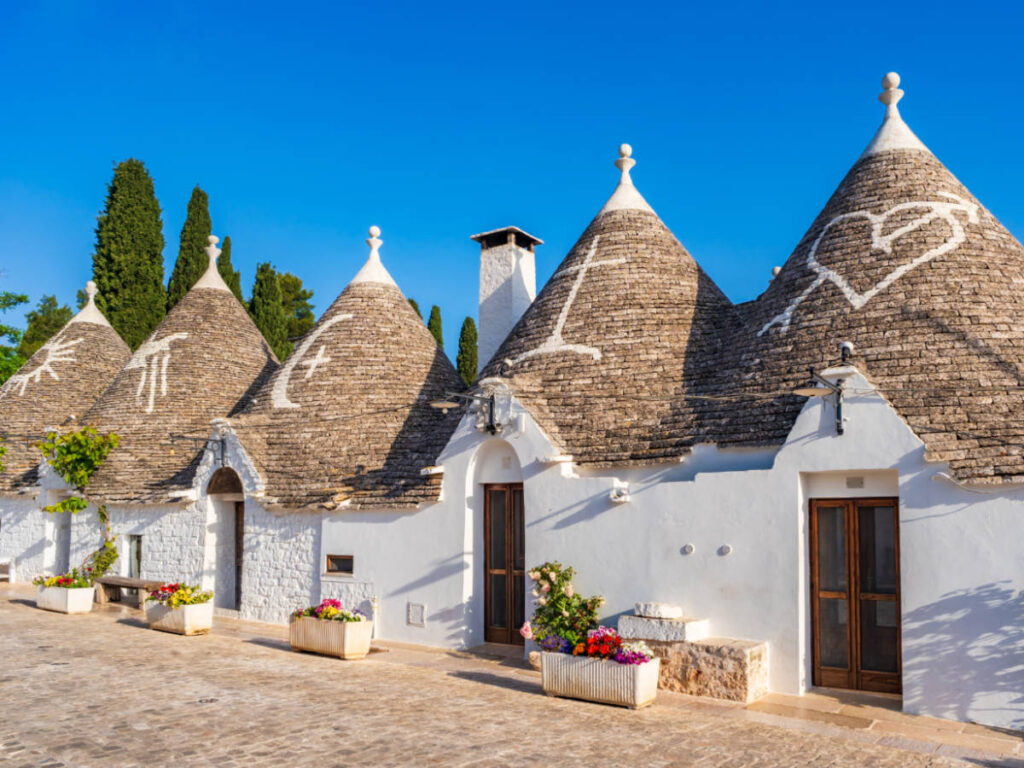
Take a trip to this adorable town in Puglia to see its whimsical Trulli buildings.
📍 Google Maps | 👉 Browse Alberobello Hotels on Booking
The town of Alberobello is one-of-a-kind. It’s located in the Puglia region, only a half-hour drive from Polignano a Mare. Alberobello is best known for its white, whimsical Trulli buildings with conical roofs. They look straight out of a fairytale and are a designated UNESCO World Heritage Site.
The Rione Monti district is where you’ll want to go. Around 1,000 Trulli buildings are located here, making it the perfect place for wandering. Rione Aia Piccola is a smaller residential district where you’ll find even more of the cone-roofed buildings. Spend a day enjoying the local shops and taking in your surroundings.
Pisa
Snap the iconic tourist shot of you holding up the leaning tower of Pisa and visit nearby landmarks.
📍 Google Maps | 👉 Browse Pisa Hotels on Booking
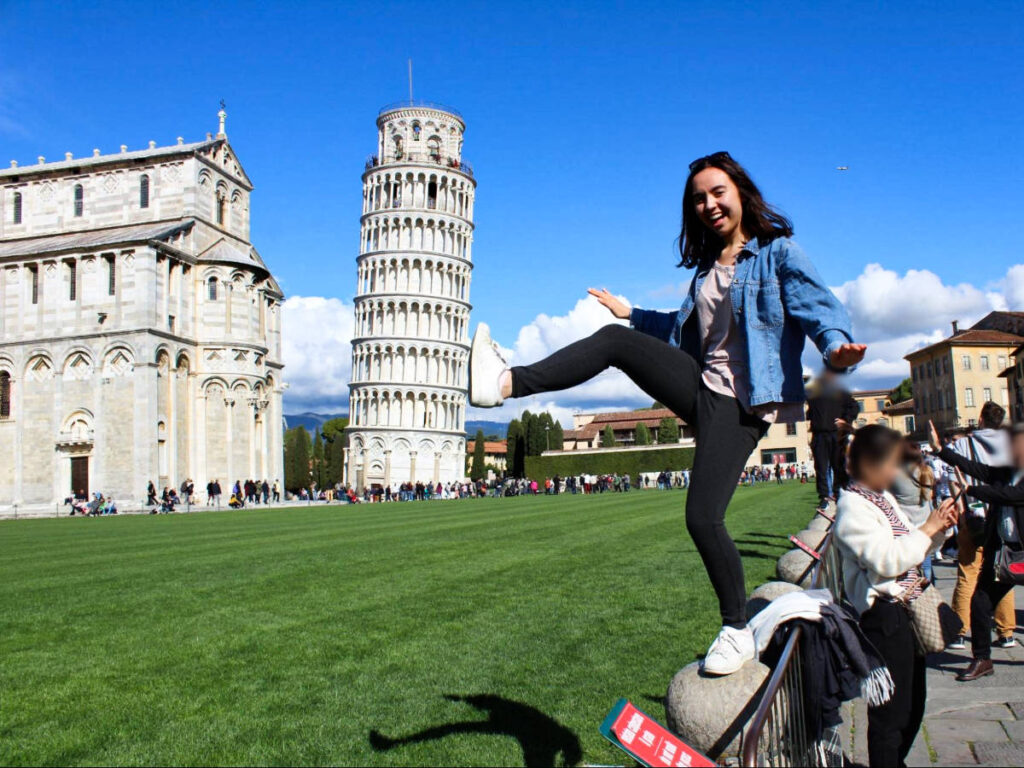
I’ll tell you the truth: The Leaning Tower of Pisa really does lean! Like… significantly.
Pisa itself is a small city in Tuscany. It’s best known for its leaning tower, which was built to be a bell tower in 1173. But at the time of its construction, it began to lean due to the ground’s soft foundation. It’s still standing over 800 years later. Talk about impressive.
The popular thing to do is take a picture of you holding up the tower (like mine above). Yes it’s touristy, but you can’t not do it, ya know? Afterwards, walk around the Piazza dei Miracoli and don’t miss the Cathedral of Pisa and the San Giovanni Baptistery.
Most people visit Pisa as a brief day trip and destination to tick off their Italy bucket list. If you have time, it’s a fun thing to do, but don’t feel too bad if you skip it.
Verona
Wander the streets of this romantic medieval city made famous by Shakespeare’s Romeo and Juliet.
📍 Google Maps | 👉 Guide to Where to Stay in Verona
Romantics have been drawn to “Fair Verona” ever since Shakespeare penned his famous play, Romeo and Juliet, in the late 16th century. Today, that romanticism lingers all around.
The most famous site is La Casa Giulietta, where you can visit a Romeo and Juliet museum, look up to Juliet’s balcony, and place your own lovelorn letters between bricks in the walls. There’s also a statue of Juliet in the courtyard. It’s said that if you touch her right breast, you’ll have luck in love.
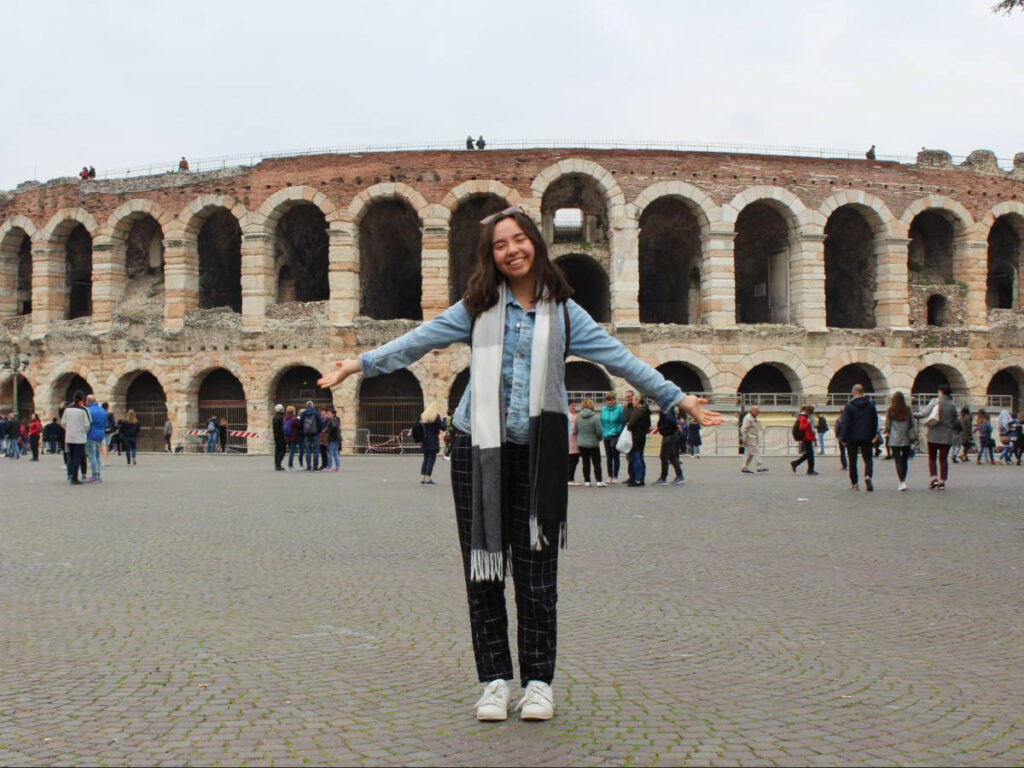
Verona is home to more than just Romeo and Juliet, though. Discover Roman ruins and see a Roman Amphitheater (Arena di Verona) that was built in 30 AD but still hosts events today! Plus, enjoy lovely scenery and architecture along Verona’s Adige River.
See Amber’s list of 30+ things to do in Verona for more ideas.
Lake Como
Italy’s most famous lake is just north of Milan, and home to luxurious villas and irresistible scenery.
📍 Google Maps | 👉 Browse Lake Como Hotels on Booking
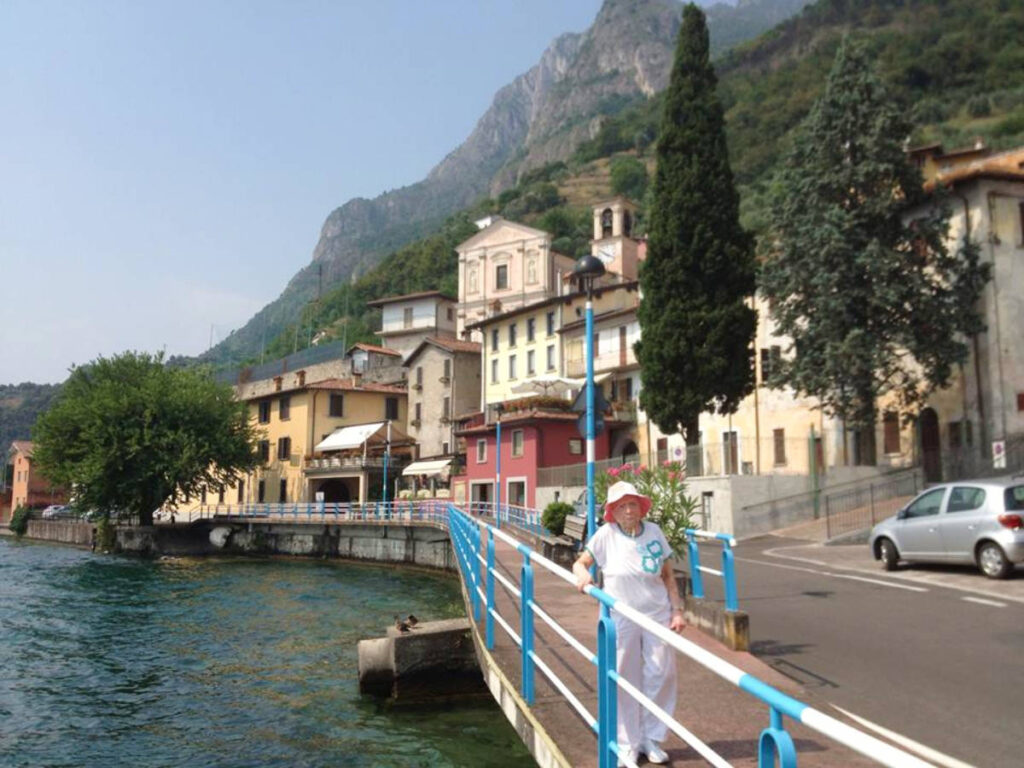
Lake Como sparks a magical image, one of luxurious villas and lapping lake waters. It’s a place that celebrities and the wealthy have been visiting for centuries. Today, Lake Como still has that luxurious atmosphere, but you don’t have to be rich and famous to enjoy it (although it is pricier than other places in Italy).
The enormous lake is named after the town Como, which sits at the southwestern tip. This will likely be your entry point if you take the train from Milan. From here, it’s all up to you and where you want to go! Lake Como offers something for everyone, from honeymooning couples to luxury shoppers and nature lovers.
For town hopping, Varenna and Bellagio are two popular places for their picturesque townscapes along the water. If you’re feeling adventurous, try the hike up to the Voltiano Lighthouse in Brunate. You can also take a funicular up to Brunate if a hike seems too difficult! And of course, you can’t go wrong with a boat ride along Lake Como, or a simple walk along the water.
Lake Garda
The largest lake in Italy has dreamlike backgrounds and charming towns.
📍 Google Maps | 👉 Browse Lake Garda Hotels on Booking
Lake Garda is just as beautiful as nearby Lake Como, but it’s a little less star-studded. However, this makes it more affordable and family-friendly. I spent a week at Lake Garda a decade ago and loved every second of it. I’ve even been back since. I think it’s the perfect place for families to soak up the scenery and make some fun memories.
Desenzano del Garda and Sirmione are the two towns I’ve stayed in along the southern tip. Both are charming with colorful Italian buildings, beautiful scenery, and lots of shops and restaurants. Riva del Garda is a popular home base if you want to be on the lake’s north side.
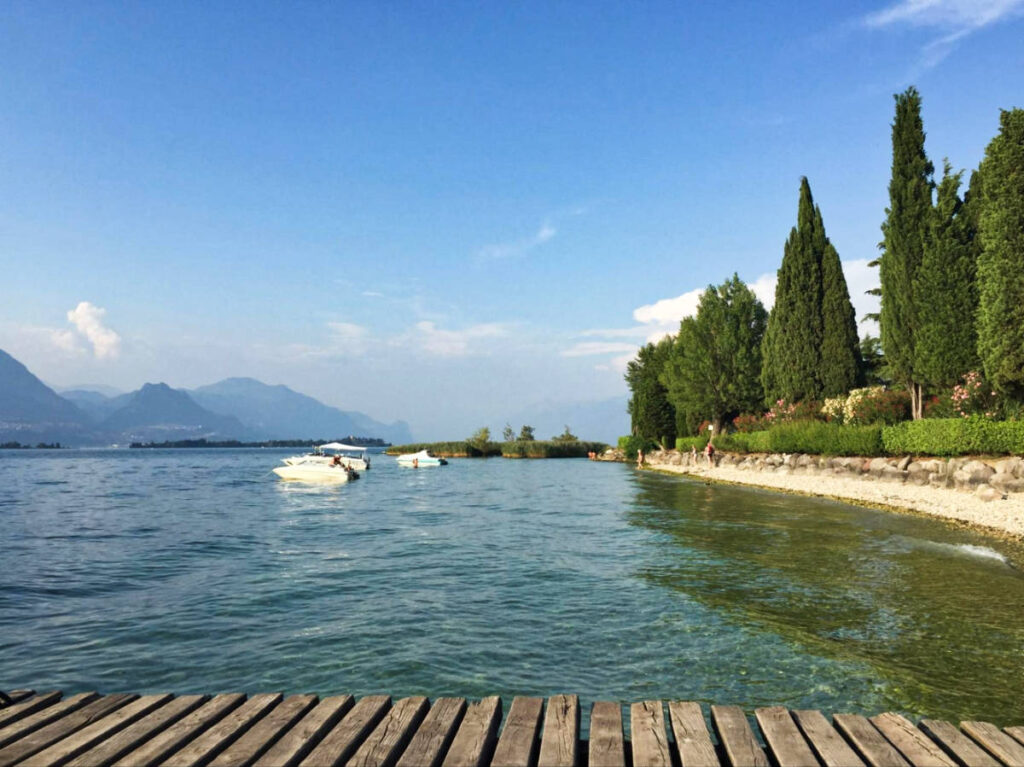
Swimming, town-hopping, and boating are all a given at Lake Garda, but there are endless other activities and attractions. Visit nearby Gardaland for a fun day of rollercoasters and rides. I also recommend a stop at San Biagio Island (pictured above). It’s a small but scenic island that’s home to hundreds of bunnies!
Radda in Chianti
Drive through the rolling Tuscan countryside and along vineyards, and get a taste of the world-famous Chianti wine.
📍 Google Maps | 👉 Browse Chianti Hotels on Booking
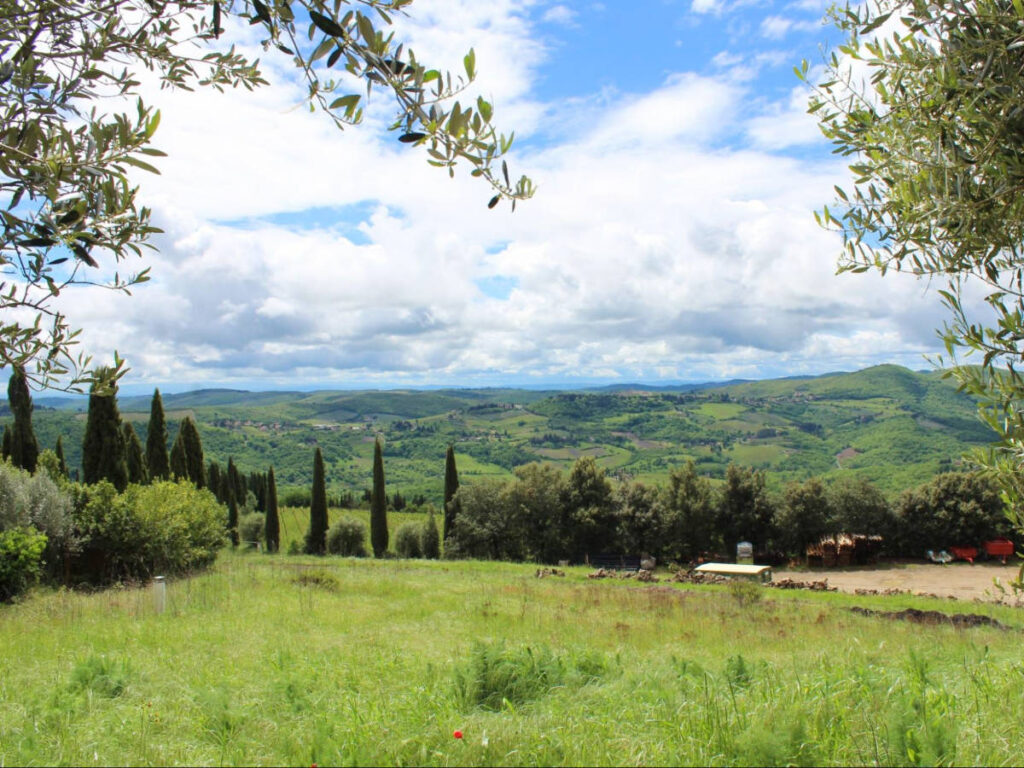
There’s something idyllic and peaceful about the Tuscan countryside. Specifically, Radda in Chianti. This area is home to rolling green hills, medieval-era towns, and vineyards that make the red wine that gives this place its name.
Chianti is the perfect weekend getaway from Florence, or to spend a little longer. Stay in a country villa, rent a car, and hop from town to town, vineyard to vineyard.
I especially loved my visit to Badia a Coltibuono Wine Resort. You can stay at the beautiful property overnight or just visit for the day like I did. Take a tour of the grounds and see the underground wine cellar. They have wine dating back to the early 1900s! Then, enjoy a tasting.
There are plenty of other places to indulge in Chianti wine, though. Try the famous winery, Antinori Chianti Classico or go a little off-the-beaten path somewhere like Azienda Agricola Podere La Madia.
Bologna
A hub of culture and education, home to “the oldest university in the Western world.”
📍 Google Maps | 👉 Browse Bologna Hotels on Booking
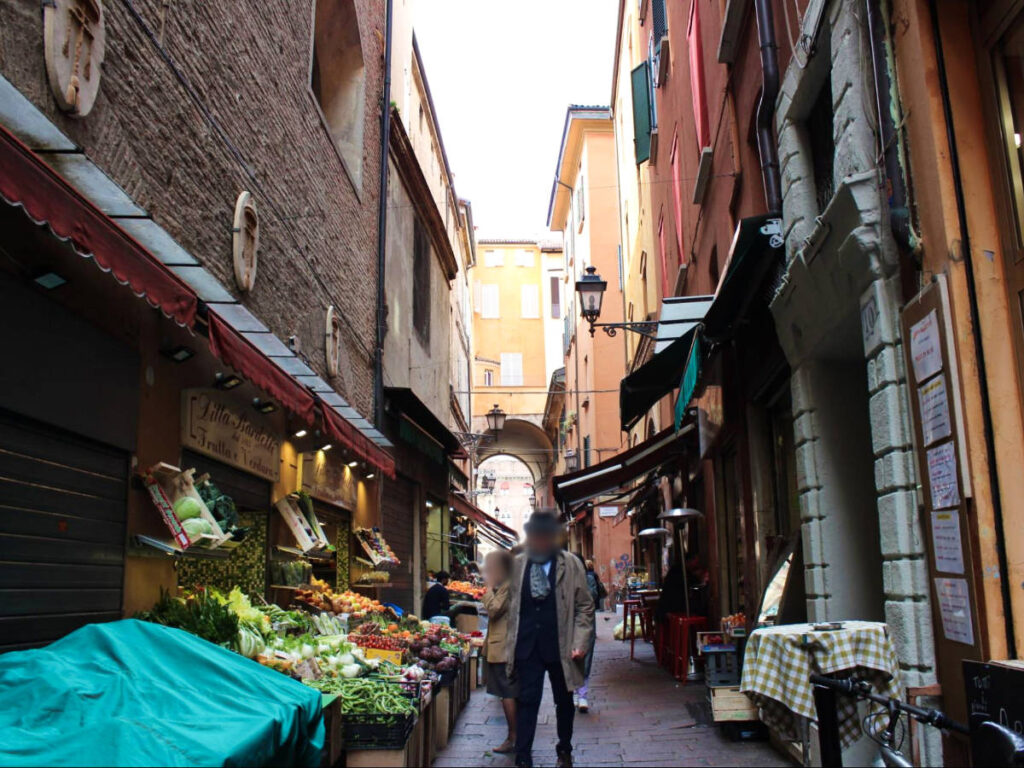
Bologna is a university city with a lively energy. It’s worth visiting as a day trip if you’re coming from Florence or simply exploring the Emilia-Romagna region. Spend your day visiting churches and exploring piazzas, as well as tasting the local tortellini.
Bologna is home to the oldest university in the Western world, the University of Bologna. This focus on education and learning is palpable, as the city is home to over 50 museums. Discover museums about art, history, science, anthropology, music, and other topics. Even gelato! [Source, Source]
Car enthusiasts will especially love the nearby Ducati Museum, Museum Ferrari Maranello, and Lamborghini Automobile Museum.
Siena
Another prominent Tuscan city known for its medieval architecture, military history, and Palio horse races.
📍 Google Maps | 👉 Browse Siena Hotels on Booking
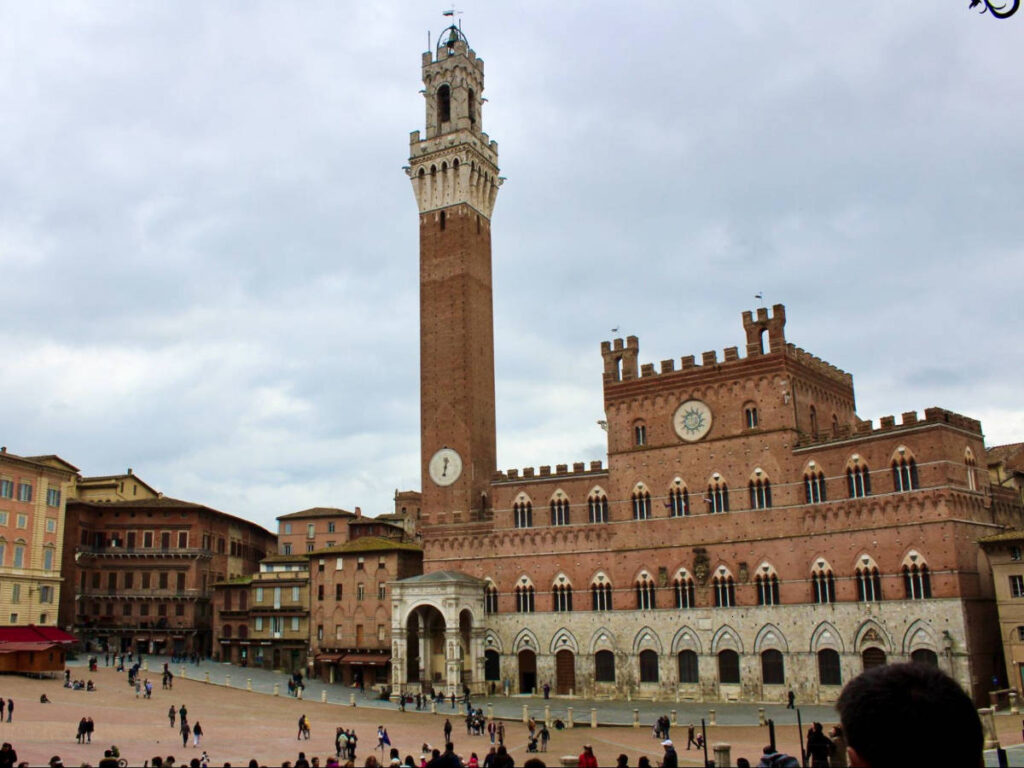
Siena is probably the most popular day trip from Florence. It’s best known for its red-hued medieval buildings and expansive Piazza del Campo (pictured above). Siena also hosts the biannual Palio di Siena horse race which takes place in the main piazza, creating a spectacle unlike any other.
Food lovers can indulge in authentic Tuscan cuisine in Siena. Order a bowl of pici pasta and a glass of Chianti alongside local salami. And don’t forget to order a panforte fruitcake as well.
Lucca
A quaint Tuscan town surrounded by a unique wall which you can walk or bike along.
📍 Google Maps | 👉 Browse Lucca Hotels on Booking
Quaint and peaceful is the town of Lucca. Many Italian towns have been destroyed or damaged throughout history, but Lucca remains perfectly preserved. It sits within the boundaries of its old Renaissance wall, which has now been turned into a tree-lined pathway for recreation.
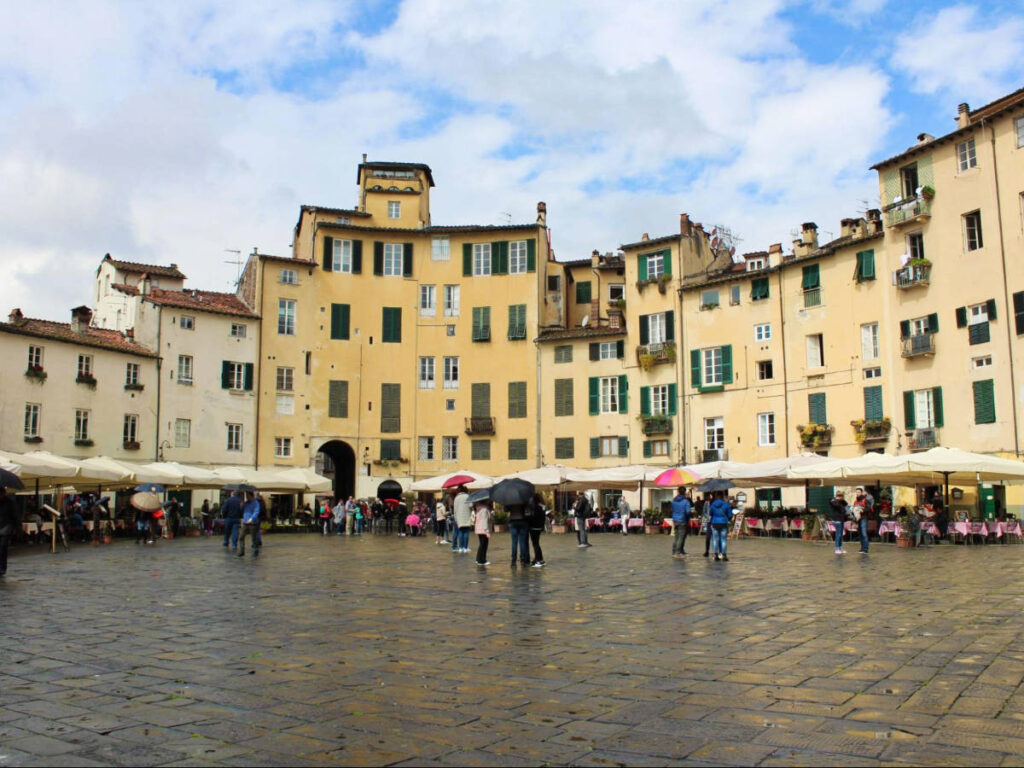
The town itself exudes calmness with its slow pace and car-free streets. In addition to strolling along Lucca’s wall, I recommend visiting Piazza dell’Anfiteatro (pictured above) which used to be an amphitheater. Make a stop at the Romanesque church Chiesa di San Michele in Foro as well. If you walk up to the altar, you’ll see the mummy of Saint Davino Armeno from the 11th century.
Assisi
A beautiful medieval town with an unassuming yet dazzling church. Assisi is best known for being an important religious site.
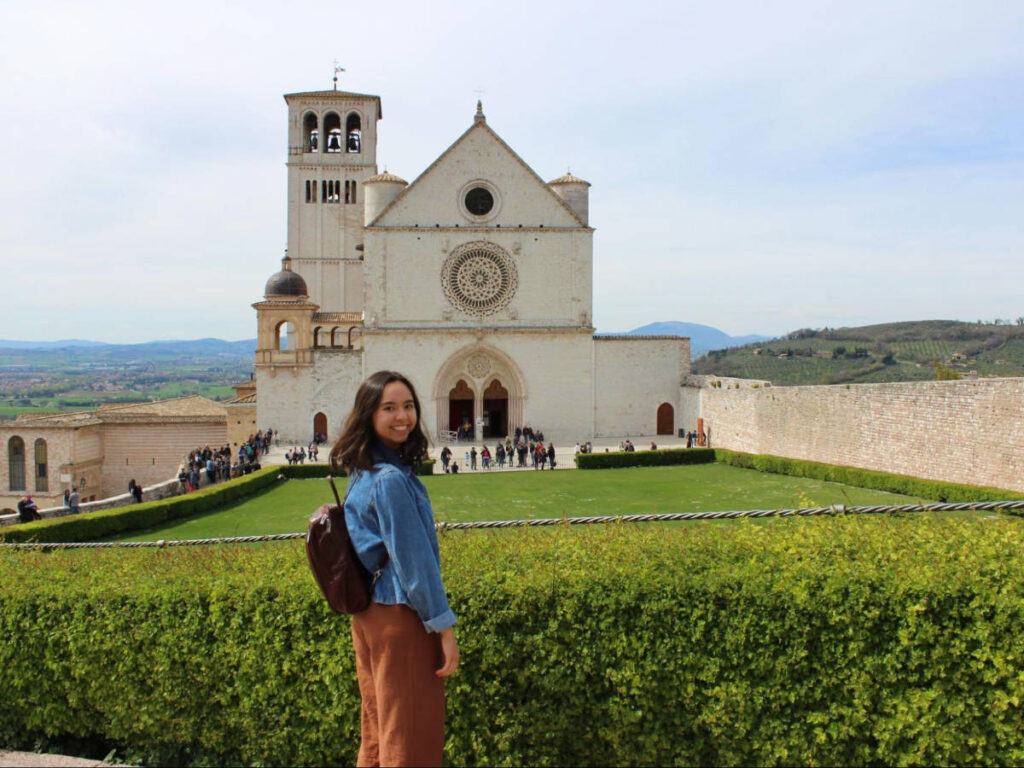
📍 Google Maps | 👉 Browse Assisi Hotels on Booking
I’ve seen a lot of European churches. I mean hundreds. But the Papal Basilica and Sacred Convent of Saint Francis in Assisi will always stand out in my memory. On the outside, the Gothic church appears somewhat simple. But a step inside reveals vivid frescoes of blue, red, and gold, as well as intricate images.
Assisi itself is the birthplace of Saint Francis, one of Italy’s most important patron saints. This makes the town an important religious site. However, I think Assisi is worth visiting whether you’re religious or not. The church is an impressive work of art and the hilltop town is just lovely.
San Gimignano
This walled medieval village is known for its distinctive towers and gelato shop that was once named “the best in the world.”
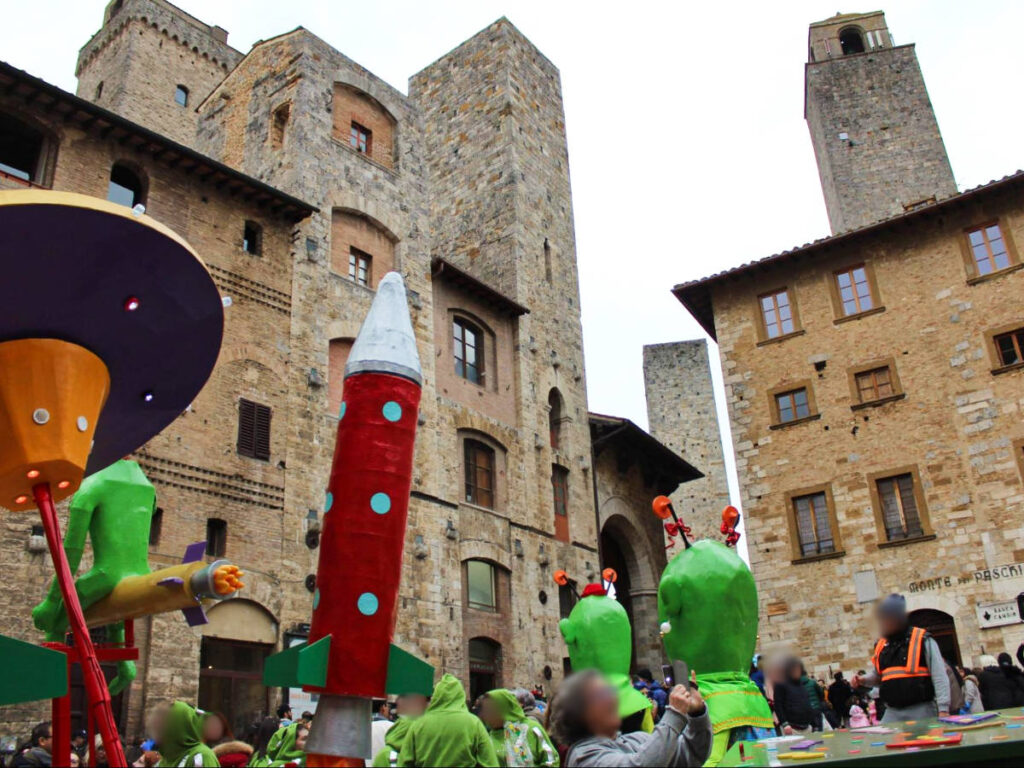
📍 Google Maps | 👉 Browse San Gimignano Hotels on Booking
San Gimignano can be spotted miles away because of its tall, staggered towers. The town is a great example of a medieval village, specifically from the 14th century. Enjoy the old world atmosphere while taking in views of the surrounding vineyards and admiring the local architecture.
San Gimignano is home to a gelato shop called Gelateria Dondoli that’s been dubbed “the best in the world.” The shop is known for its unusual flavor combinations and has won numerous awards. Stop by for delicious, high-quality gelato that incorporates unexpected ingredients like rosemary, olives, saffron, and tea. You can even take a gelato class!
Ravenna
This town along the northeastern coast of Italy is home to remarkable mosaics that date back to the 5th and 6th centuries.
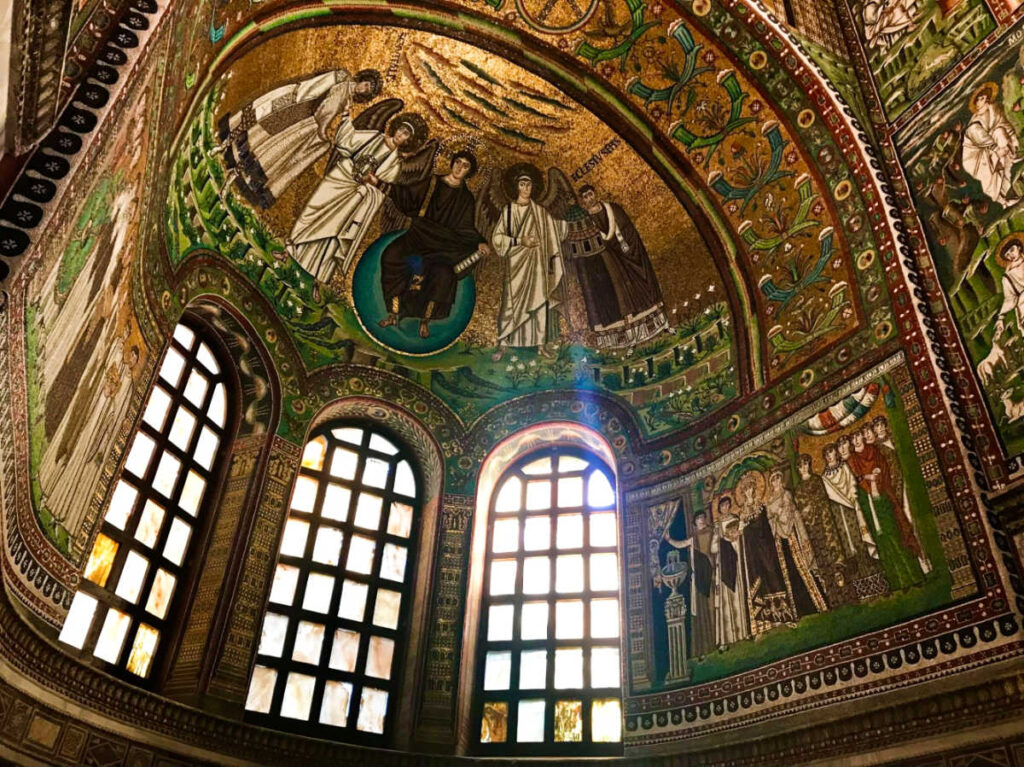
📍 Google Maps | 👉 Browse Ravenna Hotels on Booking
Arts lovers should add a stop in Ravenna to their itineraries. At first glance, Ravenna looks like many other Italian towns. It’s home to colorful buildings, churches, and piazzas. But its churches are hiding a secret: remarkable and vibrant mosaics from the Byzantine era.
The Basilica of San Vitale is home to the most famous mosaic. The church is seemingly plain from the outside. But you’ll be left starstruck as soon as you step inside. From floor to ceiling are tiny colorful mosaics depicting religious imagery. The intricacy and vibrancy will dazzle you.
There are eight prominent buildings with mosaics, which form a UNESCO World Heritage Site. The others include the Mausoleum of Galla Placidia, the Basilica of Sant’Apollinare in Classe, the Neonian Baptistery, the Basilica of Sant’Apollinare Nuovo, the Arian Baptistery, the Archiepiscopal Chapel, and the Mausoleum of Theodoric.
Lastly, Ravenna is home to the poet Dante Alighieri’s tomb.
Palermo
The capital city of Sicily is a crossroads of architecture, culture, and history.
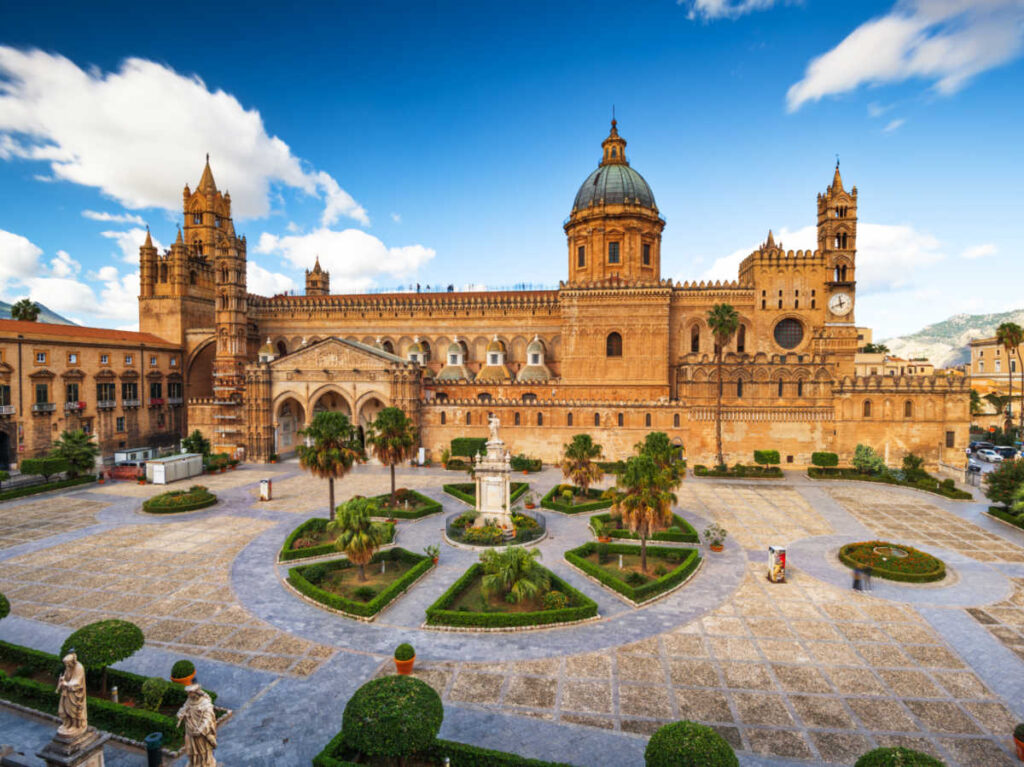
📍 Google Maps | 👉 Browse Palermo Hotels on Booking
Palermo, like much of Sicily, has a complicated past. Being a crossroads in the Mediterranean, it has a long history of being ruled by different groups from the Romans to the Arabs and the French. These blended influences are reflected in Palermo’s architecture, people, food, and culture.
The Palermo Cathedral is one of the crown jewels of the city and evidence of Sicily’s diversity and mix of styles. Stop by Teatro Massimo to see the largest opera house in Italy and admire its stunning Neoclassical design. Step inside the Norman Palace to see dazzling Byzantine mosaics. If you have a taste for the macabre, visit the Catacombe dei Cappuccini.
History aside, Palermo is a lively city and a great place to begin a trip to Sicily. Stop by street markets, indulge in Sicilian treats (like arancini and cannoli), and soak up the unique cultural atmosphere.
Agrigento
Ancient history stands still in this Sicilian city where the Valley of the Temples remains.
📍 Google Maps | 👉 Browse Agrigento Hotels on Booking
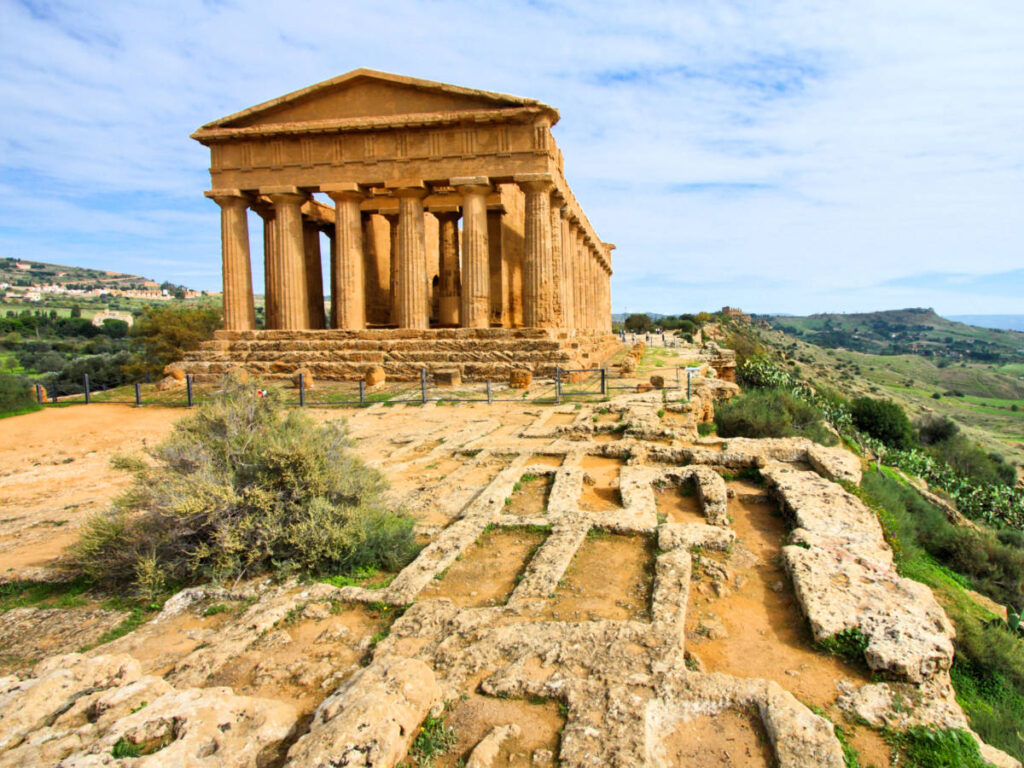
Agrigento is located along Sicily’s south-central coast facing the Mediterranean Sea. It may look like any other Sicilian city today, but it was one of the most important places in the ancient Greek World.
The Greeks built the city’s infamous Valley of the Temples during the 5th century. Funnily, this UNESCO World Heritage Site was actually a string of temples and other structures that line a ridge, not a valley. Today, the Temple of Concordia is the best preserved structure as most of the other temples have been destroyed.
A stop in Agrigento is a must on any Sicilian road trip to help you appreciate the storied history of Sicily. Plus, this is the area my family originates from, so I’m a little biased.
Catania
Sicily’s second-largest city is a gateway to Mt. Etna and scenic Mediterranean day trips.

📍 Google Maps | 👉 Guide to Where to Stay in Catania
Catania is chaotic, historic, and oozes with old world charm. The second largest city in Sicily, Catania is a blend of ancient architectural treasures and crumbling facades. The city is prone to natural disasters from earthquakes to volcanic eruptions from Mount Etna. And yet, Catania pushes forward.
The city’s historic center has beautiful streets worth wandering, especially Via Crociferi. I recommend visiting the Benedictine Monastery of San Nicolò l’Arena for a fascinating look into Baroque architecture and Catania’s history.
Catania is a great base for nearby day trips. From here, you can do a hiking tour of Mount Etna and take a bus to Taormina. You can even visit the theme park Etnaland.
Mount Etna
Climb Europe’s most active volcano just outside of Catania to experience a volcano and landscape unlike any other.

📍 Google Maps | 👉 Browse Mt. Etna Hotels on Booking
I seem to have gained an affinity for conquering volcanoes after hiking Volcano Acatenango in Guatemala. So, when my friends and I were planning a trip to Italy, I knew I had to include Mt. Etna on our itinerary.
Mt. Etna is Europe’s largest and most active volcano. And with such a label, it lives up to its reputation. I don’t know how else to describe Mt. Etna other than that it feels alive. The landscape is one of dramatic contrasts, vivid colors, and otherworldly scenes. It doesn’t feel like you’re in Italy, it feels like you’re on another planet.
A guided hike is the best (and only) way to hike Mt. Etna. This is helpful not only for practical and safety reasons but also so you can understand the history and significance of the volcano itself. If you’re considering a visit, do it. The experience is indescribable.
Messina
This Sicilian port city is located along the island’s northeastern tip and known as “the door to Sicily.”
📍 Google Maps | 👉 Browse Messina Hotels on Booking
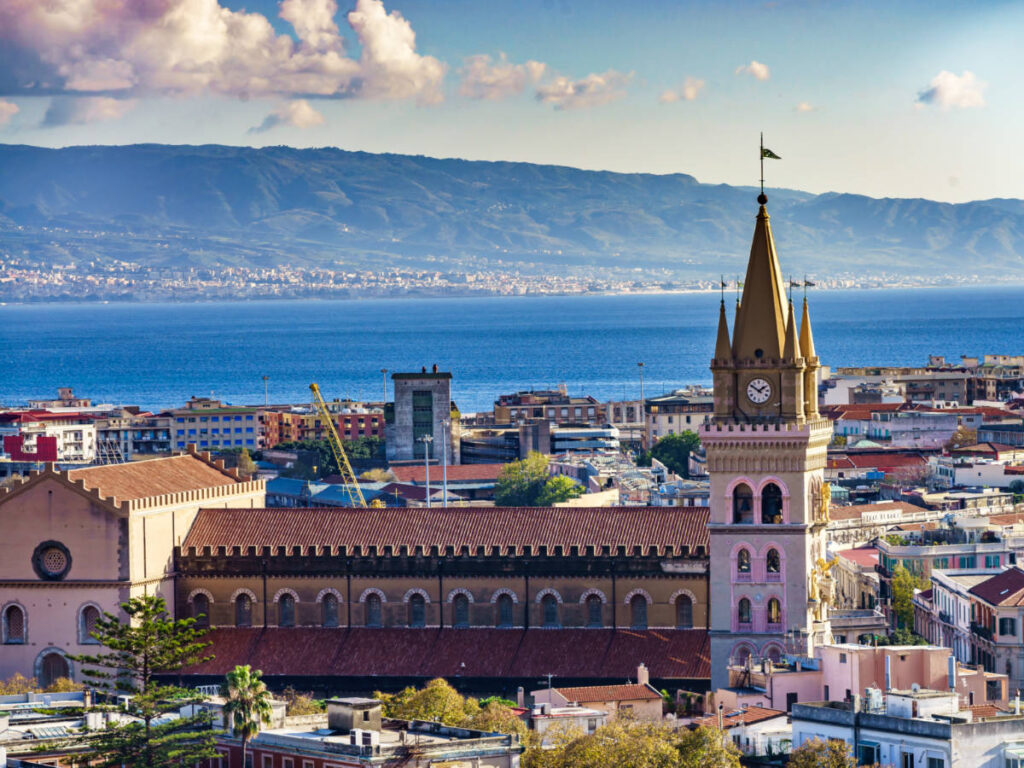
Messina is Sicily’s third largest city located on the island’s northeasternmost tip. Many call Messina “the door to Sicily” as you can see the mainland or “toe” of Italy’s boot from the city.
Head to Piazza Duomo to see Messina’s famous Astronomical Clock. It’s the largest and most complex astronomical clock in the world [Source]. Time your visit so you’re there right at noon, to see the clock come to life. While you’re in the piazza, visit the Duomo and see the Orion Fountain.
Messina is a great city to enjoy slow strolls and shopping. A friend of mine visits almost every year and highly recommends a stop at Pasticceria Irrera 1910 for the best granita. She says it’s her favorite cafe in all of Sicily!
You can also take easy day trips to Taormina and the Aeolian Islands from here.
Taormina
A dreamy clifftop town with sparkling sea views, home to the impressive ruins of an ancient Greek amphitheater.

📍 Google Maps | 👉 Browse Taormina Hotels on Booking
Did you know that Taormina, Sicily made Travel Lemming’s list of the best places to travel in 2025? That’s because despite being a locally loved resort town, Taormina is practically unknown to most travelers.
The stunning town sits atop a cliff overlooking the deep blue Mediterranean Sea. It’s filled with endless passageways of colorful buildings and flowers. It features traditional Sicilian architecture. It’s irresistibly charming.
Taormina’s biggest attraction is its ancient Greek amphitheater, Teatro Antico di Taormina (pictured above). It dates back to the 3rd century BC and is absolutely worth a visit. I also loved Villa Comunale di Taormina. See my 1-day Taormina itinerary for the perfectly planned day.
Genoa
A lesser-visited port city on the Ligurian Sea with an abundance of grand palazzi. This is also where pesto was invented!
📍 Google Maps | 👉 Browse Genoa Hotels on Booking
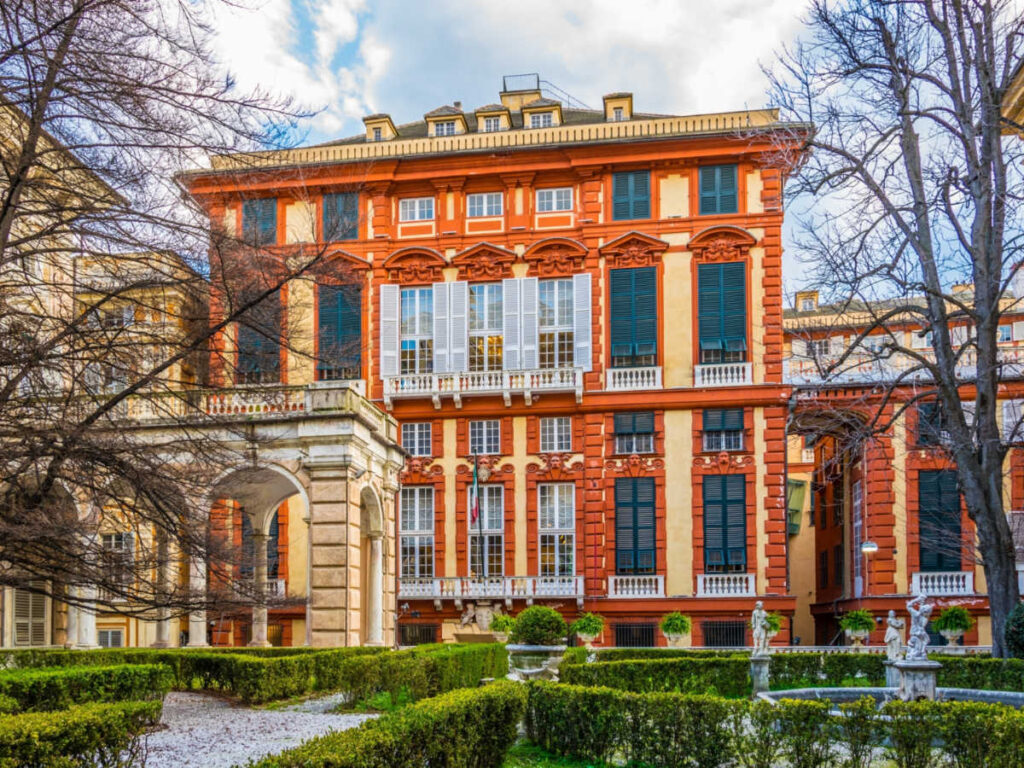
Genoa is a port city that’s tucked into the northwestern corner of Italy, right on the waters of the Ligurian Sea. Genoa doesn’t get as much attention as cities like Milan and Florence, but that doesn’t mean it’s lacking.
Many noble families built lavish palazzi (buildings or palaces) here. In fact, Genoa is home to over 150 of these! 42 palazzi specifically make up a UNESCO Heritage Site called Palazzi dei Rolli. Notable ones include Palazzo Rosso, Palazzo Bianco, Palazzo Reale, and Palazzo Spinola. [Source]
Continue to admire Genoa’s architecture as well as sea views by taking a stroll along the promenade, Corso Italia. And be sure to stop by a local restaurant for a taste of fresh pesto. It was invented here!
Bormio
An alpine town near the border of Switzerland with wonderful hot springs. It’s perfect for skiing in the winter and relaxing in the summer.
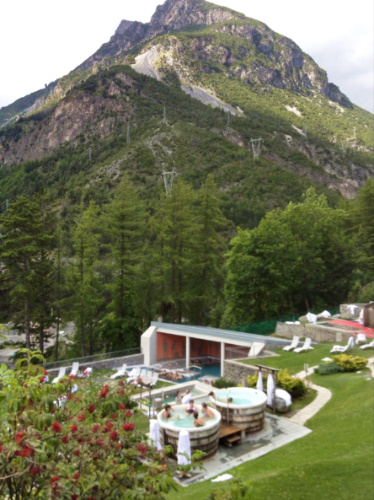
📍 Google Maps | 👉 Browse Bormio Hotels on Booking
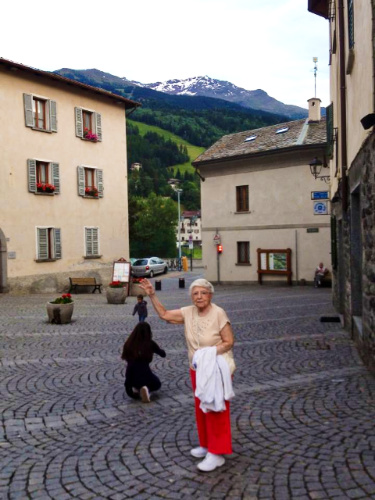
Bormio is a lesser-known town in the Italian Alps. It’s located in northern Italy right near the border of Switzerland, giving it that unique blend of Swiss and Italian culture and architecture. The town itself is cozy and quaint and surrounded by stunning alpine scenery.
Winter is a popular time to visit for world-class skiing (although you can technically ski here year-round). Head to Stelvio National Park to ski in the winter and hike in the summer. Santa Caterina Valfurva, Cima Piazzi Happy Mountain, and Bormio Ski are the big ski resorts.
Find time to relax at Bormio’s lovely hot springs. The town is known for them and a visit would be incomplete without it. I visited the hot springs at Hotel Bagni Vecchi years ago and absolutely loved it. You don’t have to be a hotel guest to enjoy it either, since they offer daily passes. You can also try Bormio Terme and QC Terme Bagni Nuovi.
Matera
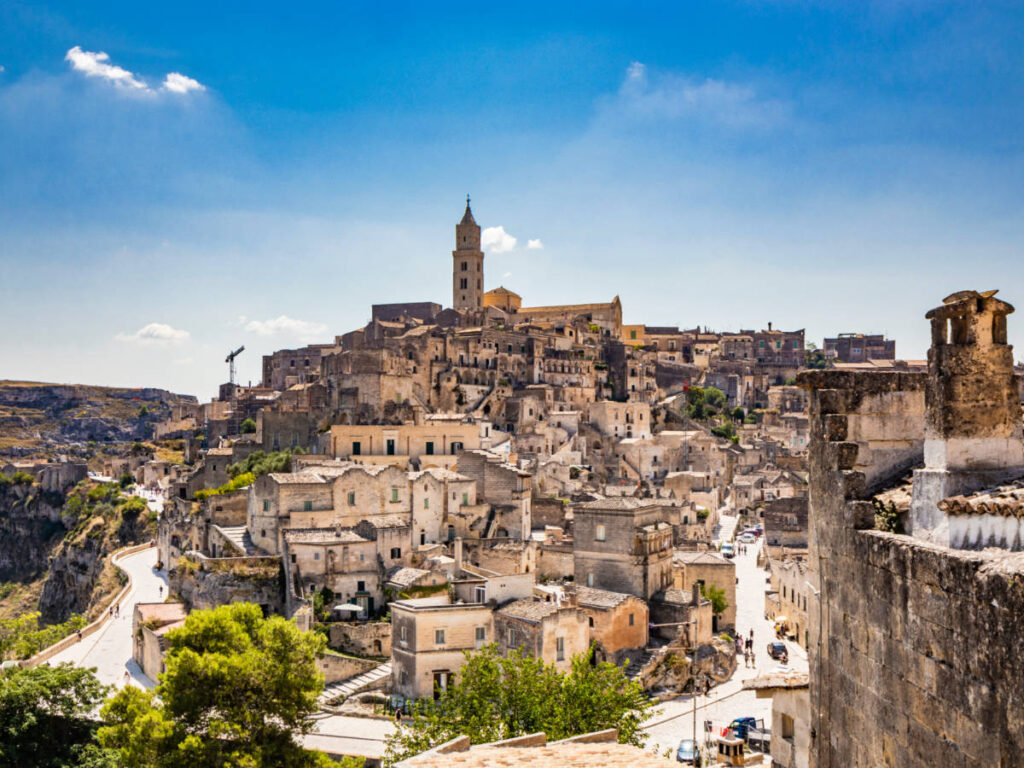
Step back in time in this ancient town, known for its impressive and complex cave dwellings.
📍 Google Maps | 👉 Browse Matera Hotels on Booking
Matera is located in the Basilicata region just between the “heel” and “toe” of Italy’s boot. Here, you’ll be transported back in time. Many ancient Italian towns are distinct in their own ways, but Matera is truly different. It’s considered one of the oldest cities on earth. [Source]
Matera is best known for its Sassi, which are stone dwellings and churches that date back to the Paleolithic era. They’re a UNESCO World Heritage Site, and seeing them is a must. Stroll through the old town to see dwellings, passageways, and scenic lookout points. Simply wandering is the best way to appreciate Matera’s beauty and history.
Make a stop at Casa Noha to learn more about Matera’s history and architecture. Casa Grotta is another fascinating site that shows you how Sassi residents used to live. See our guide to the best things to do in Matera for more ideas.
Turin
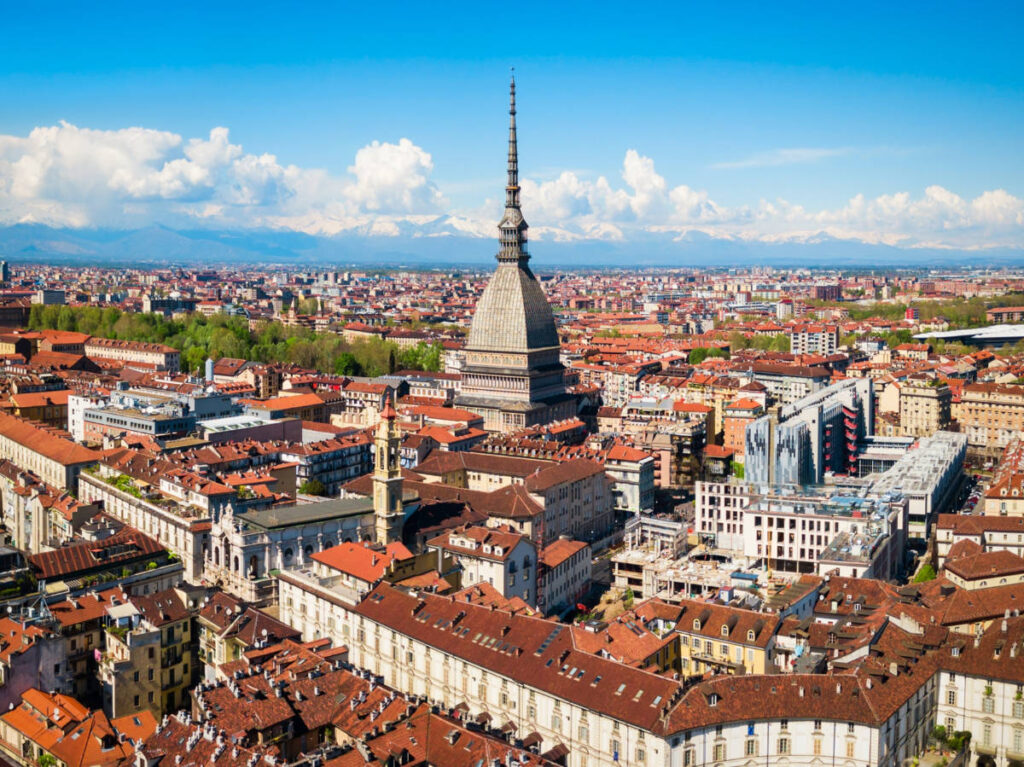
Witness Baroque architecture, grand palaces, and the world’s second-largest Egyptian museum in this former Italian capital.
📍 Google Maps | 👉 Browse Turin Hotels on Booking
Despite being a major city, Turin doesn’t get a lot of fanfare. But this city in the northwest of Italy has loads to offer.
Turin is best known for its Baroque architecture. Many of these buildings were built as royal residences for the Savoy family. Just visit Palazzo Reale di Torino, Carignano Palace, and Venaria Reale, among many others. The city is home to impressive architecture all around, though. Like Mole Antonelliana and The Basilica of Superga.
You’ll also come across the second-largest Egyptian museum in the world, which visitors of all ages will find fascinating. Turin is known for its delicious chocolate as well. So, be sure to sample some (or a lot) of it.
Lastly, Turin is situated right near the border of France. It makes a perfect stop for continuing your trip to the Alps or to the Italian and French Rivieras.
Want More? Listen to My Italy Podcast Episode!

If you liked this post, you’ll love my Italy episode on the Travel Lemming Podcast. It’s available on YouTube, Apple Podcasts, Spotify, or wherever you get your podcasts (just search “Travel Lemming Italy”).
I talk about places to visit in Italy at minute mark 07:04.
The host, Betty, and I also discussed the best things to do in Italy (16:15), how to get around Italy (23:36), Italy travel tips and etiquette (27:20), why more people should visit Italy (03:56) and all the other common questions about travel to Italy.
Download now and remember to listen to the entire episode before you arrive in Italy.
***
I hope you enjoyed my list of the best places to visit around Italy! It’s truly a special country and I hope you have a wonderful trip, wherever your travels take you. Do you have a favorite Italian destination? Are there any places I missed? Let me know in the comments below.
Up next, see my ultimate Italy packing list.

We are planning a trip to Italy for the first time. We only have 10 nights and have already dedicated the following: 2 nights—Venice; 4 nights—Florence & surrounding areas; 2 nights—Rome. We are trying to decide where to spend our last 2 nights—Naples or Amalfi Coast—before flying back to the US from Rome. We’d sincerely appreciate any suggestions and/or tips!
Hi Britt,
What an exciting trip! Your itinerary sounds great for a first trip to Italy (especially extra days in Florence – it’s my favorite city!). For the last two nights in Naples vs. Amalfi Coast, it really depends. Naples is better for museums and pizza and city attractions, while the Amalfi Coast is better for really spending time by the sea and enjoying the scenery of the towns and nature. You can definitely reach the Amalfi Coast from Naples, but if you want to make the most of your trip, I’d actually suggest staying in Sorrento. That way, the Amalfi Coast is closer (Amalfi Coast tours typically leave from Sorrento vs. Naples anyway) and Pompeii is nearby as well. Again, it really depends what your preferences are. You can also reach Capri easily from Sorrento, which is a must in my opinion!
I’m surprised you didn’t mention Cortona or any of the beach cities on the Adriatic side. Rome, Florence, and Naples are all overly crowded.