
Affiliate Ad Disclosure: We’re reader-supported. When you buy via our links, we earn commissions. Learn more.
21 Peru Travel Tips to Know Before You Go

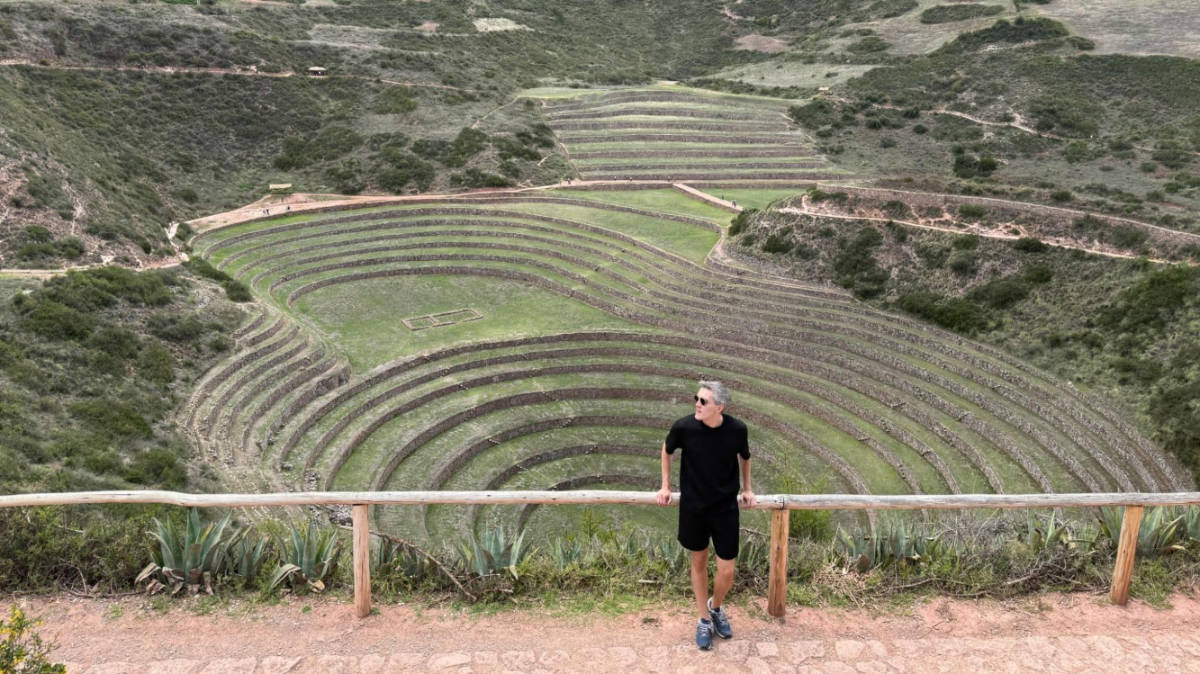
I spent more than a month in Peru recently. Overall, I had an incredible trip. But I also made a few crucial mistakes, including an error that caused me to get sick and another that caused me to almost not see Machu Picchu at all.
To help you avoid my mistakes, I’ve put together this list of 21 tips and things to know before you visit Peru.
Haven’t booked your hotels yet? I’ve also got practical planning guides like where to stay for Machu Picchu, in Cusco, and in Lima. Bookmark them now for when you’re ready to book your stay.
Want to jump around?
- My 21 Travel Tips for Peru
- #1 – Be Prepared for the Elevation in Peru
- #2 – Don’t Rush Your Peru Itinerary
- #3 – Your Liquids Will Spurt Out at Elevation
- #4 – Learn Some Spanish Phrases (But You Can Get By With English)
- #5 – Peru is Generally Quite Safe for Travelers
- #6 – Peru Offers Many Convenient Transportation Options
- #7 – Uber Works Well in Peru
- #8 – You Do NOT Have to Go Trekking to Enjoy Your Visit to Peru
- #9 – You Need to Book Your Machu Picchu Tickets MONTHS in Advance
- #10 – Machu Picchu Has a TON of Rules
- #11 – Have a Backup Plan for Machu Picchu (Especially During the Rainy Season)
- #12 – Machu Picchu Releases 1,000 Last-Minute Tickets the Day Before
- #13 – Peru Doesn’t Have “Traditional Seasons,” It Has a Rainy and Dry Season
- #14 – Dress in Layers (Weather Varies a LOT Through the Day)
- #15 – Leave Room in Your Suitcase Because You’ll Want to Do Some Shopping
- #16 – You Can Negotiate Prices at Many Shops
- #17 – “Baby Alpaca” Wool is NOT From Baby Alpacas
- #18 – Be Prepared for Hills
- #19 – Get the Boleto Turistico in Cusco and The Sacred Valley
- #20 – Don’t Skip Lima!
- #21 – Peru is Too Big for One Trip
My 21 Travel Tips for Peru

#1 – Be Prepared for the Elevation in Peru
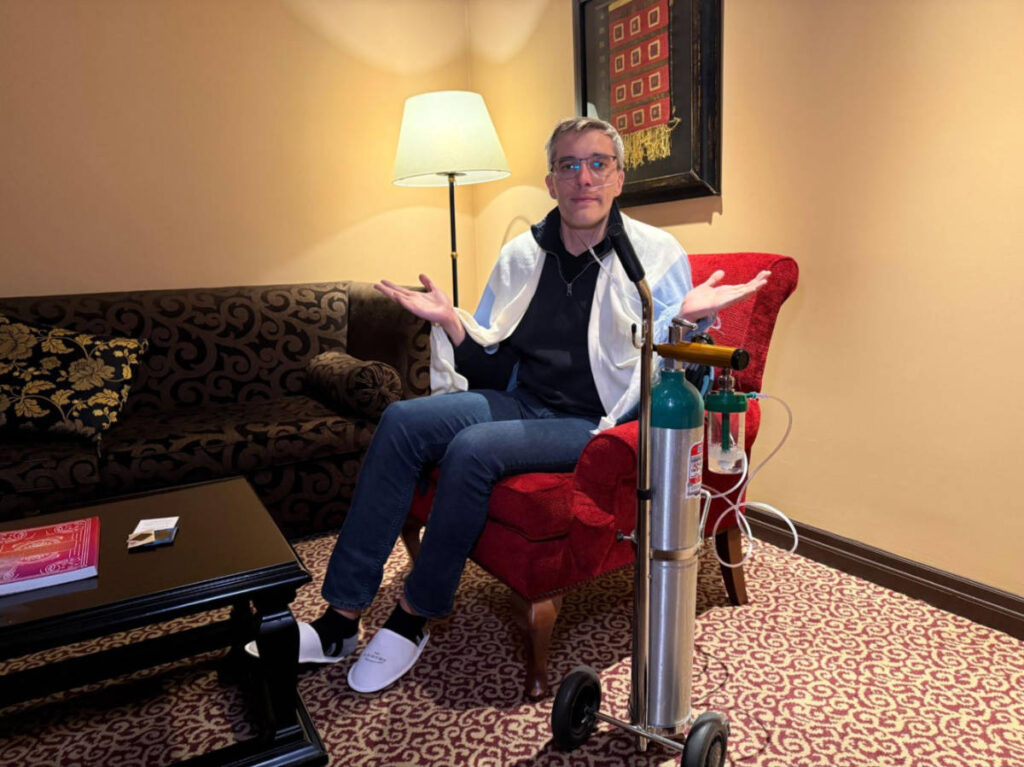
The Andes Mountains, the longest mountain chain in the world, cuts right through Peru. And that means many popular destinations sit at very high elevations.
Cusco in particular is a popular destination that sits at 11,150 feet (3,400 meters), which is an elevation where most people are likely to feel it. Altitude sickness is a very common issue.
Some people use products that claim to help with the effects of the altitude, but consult your doctor on that one. Many of the hotels will give you tea made from coca leaves, a stimulant that is supposed to help with minor effects like headaches.
The most important thing is to be thoughtful about planning your itinerary so you have time to acclimate to the elevation, ideally at a middle elevation range, before strenuous activities like trekking.
If you follow my Peru itinerary planner, this is why I structure it so you spend a day acclimating in the Sacred Valley (~9,000 feet elevation) before later ascending to Cusco.
#2 – Don’t Rush Your Peru Itinerary
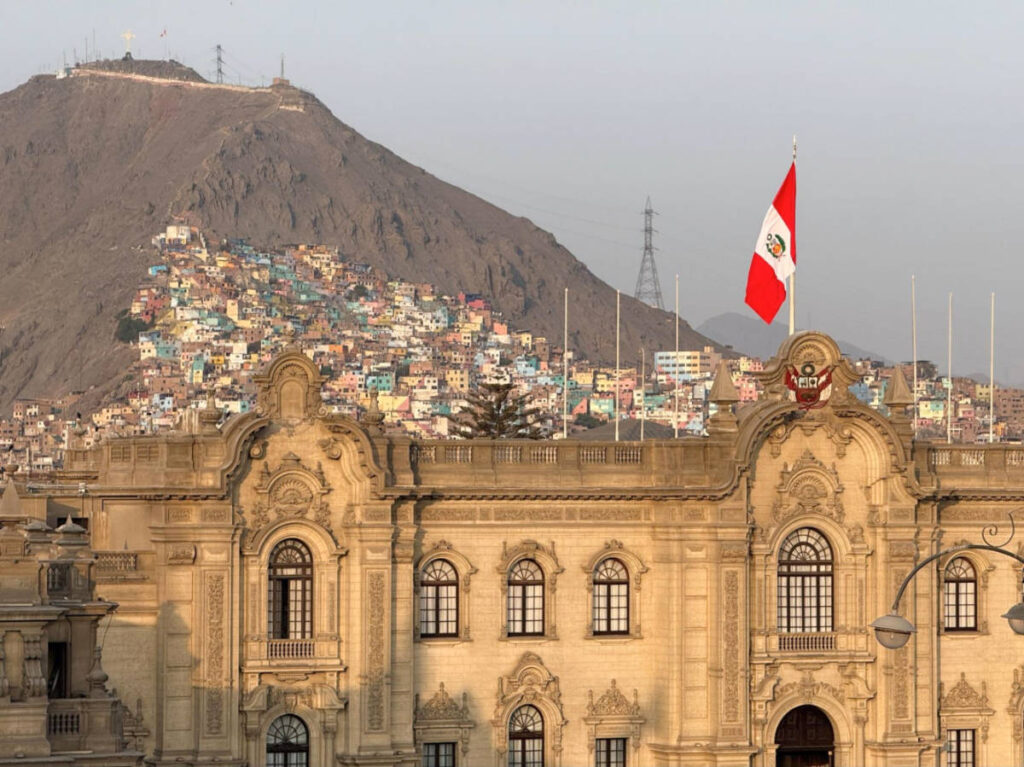
Peru is a massive country. You need a lot of time to get between places, plus time to acclimate to the elevation. If you try to pack too much in, you’ll just end up missing attractions or stressing yourself out.
For a day-by-day route that takes in the classic highlights of Peru at a realistic pace, just follow my 10 Day Peru Itinerary Planner.
#3 – Your Liquids Will Spurt Out at Elevation
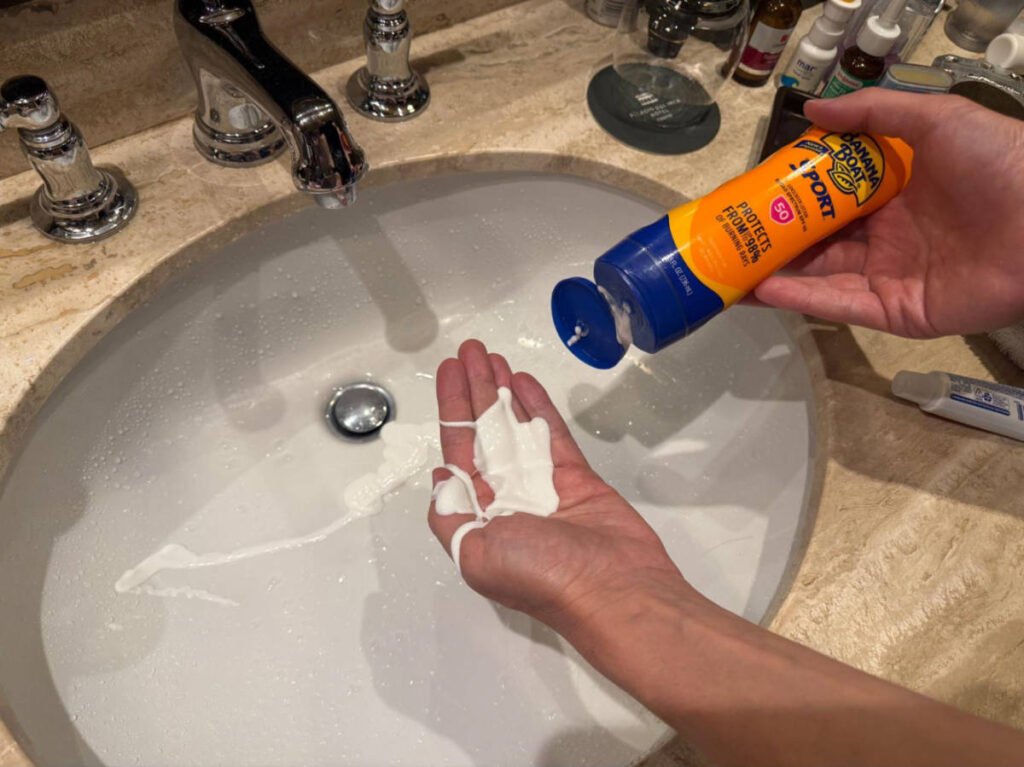
If you’re coming from sea level, watch out when you open any liquids, gels, or creams you brought with you!
The air pressure differential means that liquids will spurt out the first time you open them. We made a mess of our bathroom at our first hotel in Cusco!
#4 – Learn Some Spanish Phrases (But You Can Get By With English)

Fast Talk Latin American Spanish Phrasebook
This handy phrasebook by Lonely Planet offers a good way to enrich your trip by learning a few of the most common phrases travelers will need in Peru.
It’s always good to learn at least a few phrases of the local language in any destination.
Peruvians are very friendly and generally appreciate when foreigners attempt Spanish, even if it is broken. And, as someone who learned Spanish in Argentina (a country known for difficult accents), I can also attest that Peruvian Spanish is much easier to understand and comprehend. So pack a Spanish phrasebook and don’t be afraid to make mistakes.
That said, don’t stress too much about language. Peru has a very developed tourism industry. Hotel workers, tour guides, and servers are generally quite accustomed to dealing with English-speaking tourists. Bring a good attitude and a little patience and you’ll be fine.
#5 – Peru is Generally Quite Safe for Travelers
I know a lot of people are worried about safety in Latin America. And, sure, you definitely do need to stay alert and aware of your surroundings. Violent crime in Peru is statistically slightly higher than the United States, but significantly lower than in Mexico and most other Latin American countries. [Source]
Overall, Peru is quite safe for tourists, particularly the destinations where you’re likely to go as a visitor. Tourism is a big industry in Peru and they invest heavily in protecting it. Cusco and the Sacred Valley are particularly very safe areas. Most visitors are unlikely to feel any safety concerns, even at night.
Much of the crime that does occur in Peru happens in Lima. But you can significantly mitigate your risk by staying in one of the three safe and tourist-friendly neighborhoods I recommend in my Lima guide.
#6 – Peru Offers Many Convenient Transportation Options
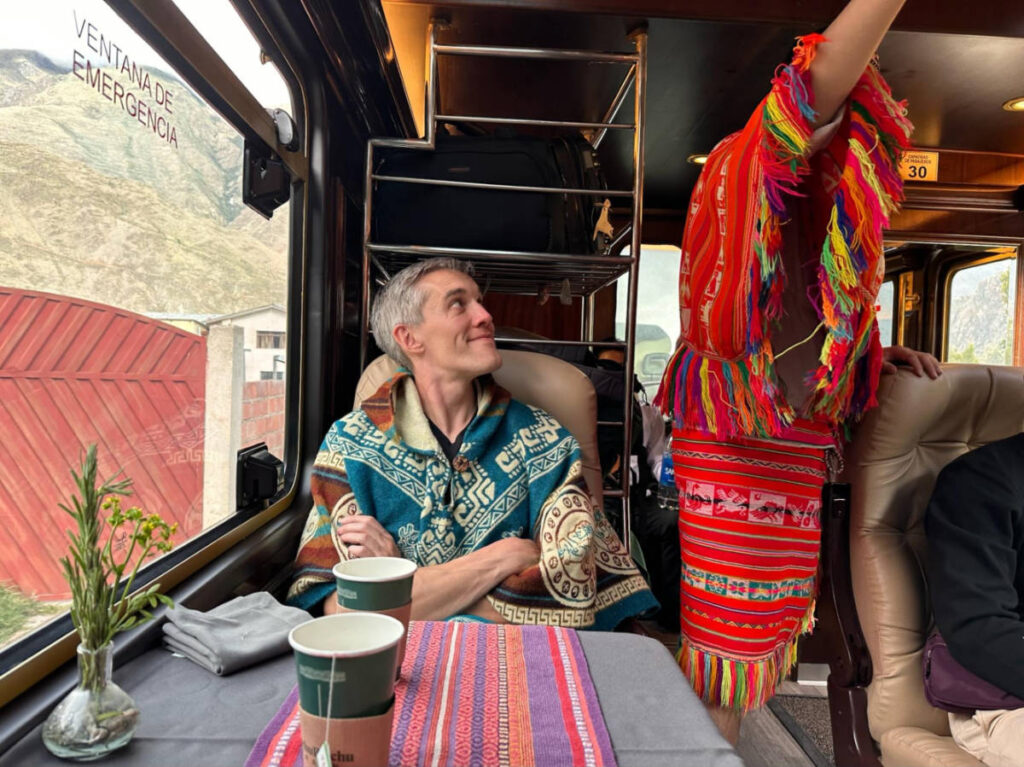
It can be a challenge to navigate Peru given its vast size and challenging terrain. Thankfully, the country has a very well developed transportation network with several options for getting around:
- 🚞 Trains – A scenic way to get around Peru. Most tourists take the train to Machu Picchu, but Peru’s rail network covers many destinations. Check out the route maps for Inca Rail or Peru Rail.
- 🚌 Buses – The most affordable way to get around, and also quite scenic. I’ve been on buses that had business-class style seating. Check out Peru Hop.
- ✈️ Planes – Usually the quickest method, particularly between Lima and the Andes destinations. LATAM is the major carrier, while Jet Smart and Sky are budget carriers.
- 🚘 Private Drivers – For short to mid-range trips, you may find it most convenient to hire a private driver (often possible for less than $100/day).
- 🗺️ Tours – If you want someone else to handle all the planning and logistics of your entire trip, there are many highly-rated organized tours to Peru.
Note that I would not recommend driving a car in the Andes, unless you are quite experienced with mountain driving.
#7 – Uber Works Well in Peru
Be sure to download Uber before your trip. It works very well in the cities, and even has decent coverage for getting around in the Sacred Valley.
#8 – You Do NOT Have to Go Trekking to Enjoy Your Visit to Peru
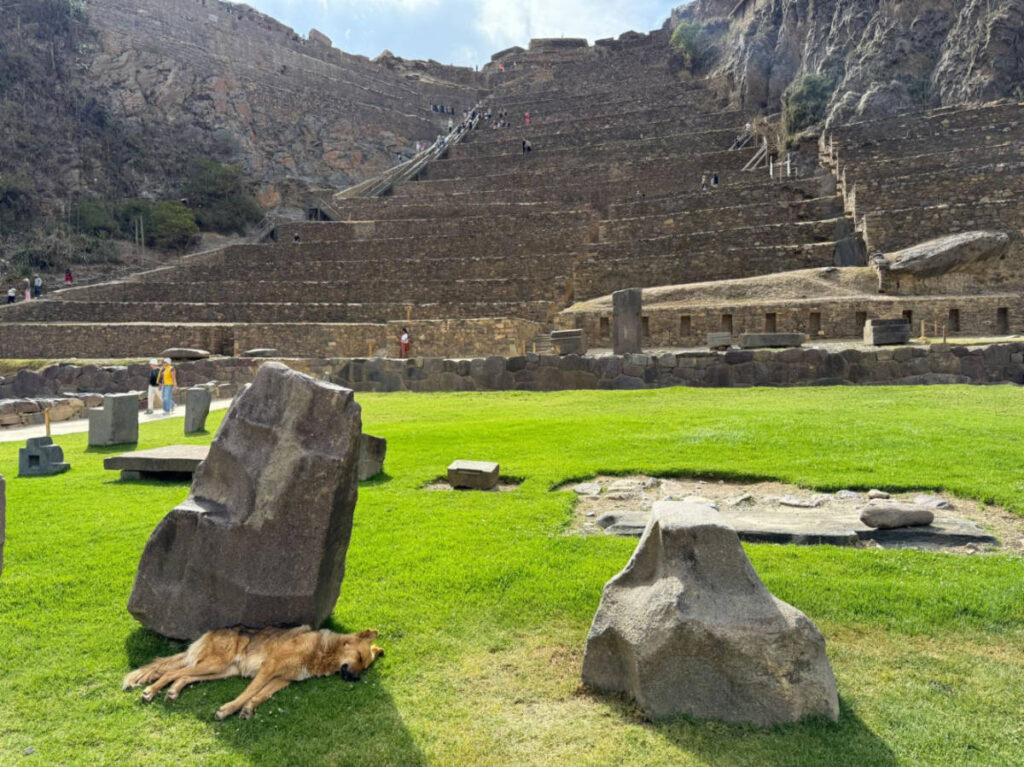
I know a lot of the Peru travel content you see online centers around taking the famous treks like the Inca Trail or the Salkantay Trek. And, yes, there are lots of stunning hikes in Peru if that’s your thing.
Butif hiking does not sound like your version of a vacation, do not worry. It is possible to visit most of the major attractions in Peru – including Machu Picchu – without doing any serious hiking (though one notable exception is Rainbow Mountain, which does require a serious hike).
#9 – You Need to Book Your Machu Picchu Tickets MONTHS in Advance
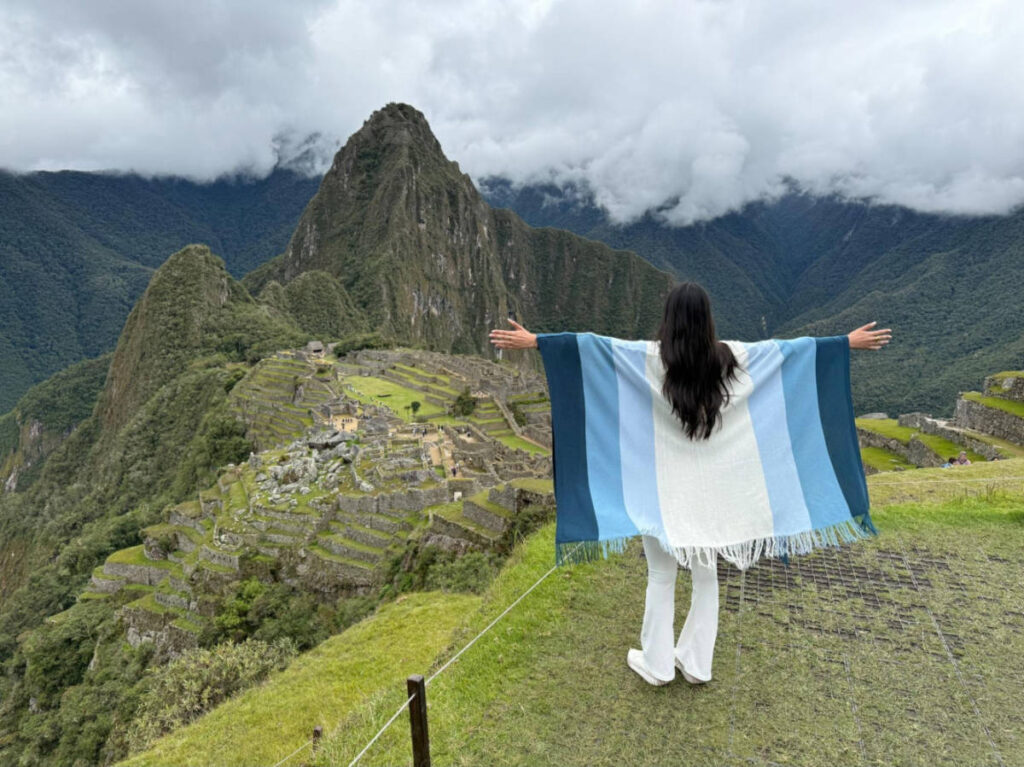
Machu Picchu now operates on a timed-entry system. You have to pre-purchase a ticket on the official website to enter on a set day, at a set time, and on a set circuit (there are 10 to choose from).
Tickets often sell out well in advance, particularly during the dry season (May to October) and for the most popular circuits.
I recommend buying your Machu Picchu ticket as the first thing you do when planning your trip, then building your itinerary around that date. Watch my Machu Picchu YouTube video before you go for more tips.
#10 – Machu Picchu Has a TON of Rules
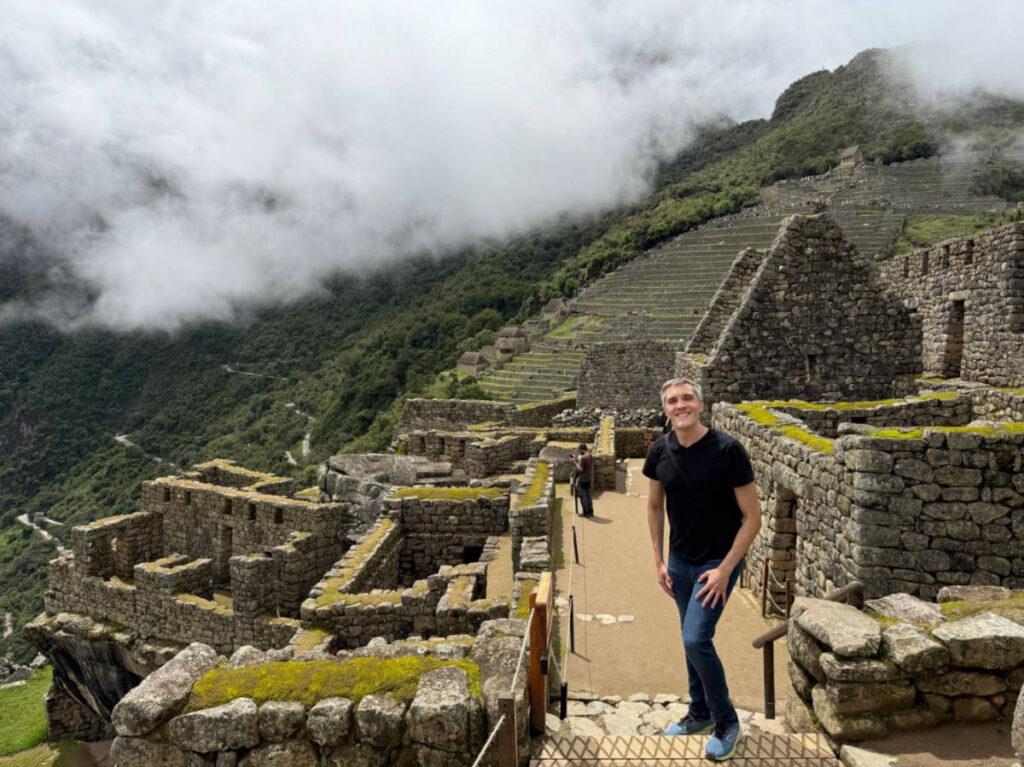
Machu Picchu now has a lot of rules, meant to protect and preserve the site.
A few key rules for Machu Picchu you should know:
- You must enter at your set time (only a 30 minute grace period is allowed, sometimes 45 minutes during high season).
- You must bring your passport, and the name must match that on your ticket.
- Each ticket is for one of the 10 circuits, and you must follow your specific circuit’s route.
- All circuits are one-way only (meaning you can’t go back).
- There are many prohibited items that you cannot bring inside, including tripods, self-sticks, umbrellas, and food.
- There are no bathrooms inside the site (the closest ones are right outside the ticket gates).
The bottom line is that Machu Picchu requires a lot of planning. Which brings me to my next tip…
#11 – Have a Backup Plan for Machu Picchu (Especially During the Rainy Season)
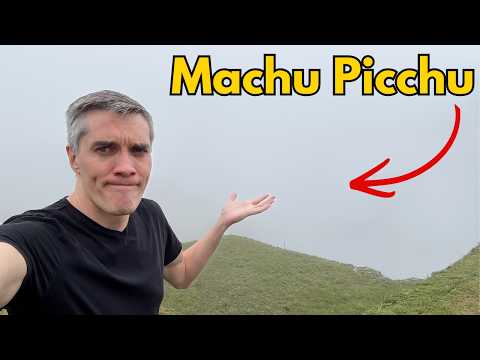
If you watch my YouTube video above, you’ll see that I nearly missed seeing Machu Picchu entirely because it was blocked by fog for hours during my visit.
Thankfully, the night before, I had purchased a backup ticket for another circuit later in the day. And we got lucky and the clouds cleared by the time of that second entrance.
If you are visiting Machu Picchu during the rainy season (November to April), consider reserving a second time-entrance ticket as a backup plan. That also gives you the opportunity to explore a different circuit. We did Circuit 2-B, which is probably the most classic circuit to choose, and then also did Circuit 1-B (which is the best photo spot).
#12 – Machu Picchu Releases 1,000 Last-Minute Tickets the Day Before
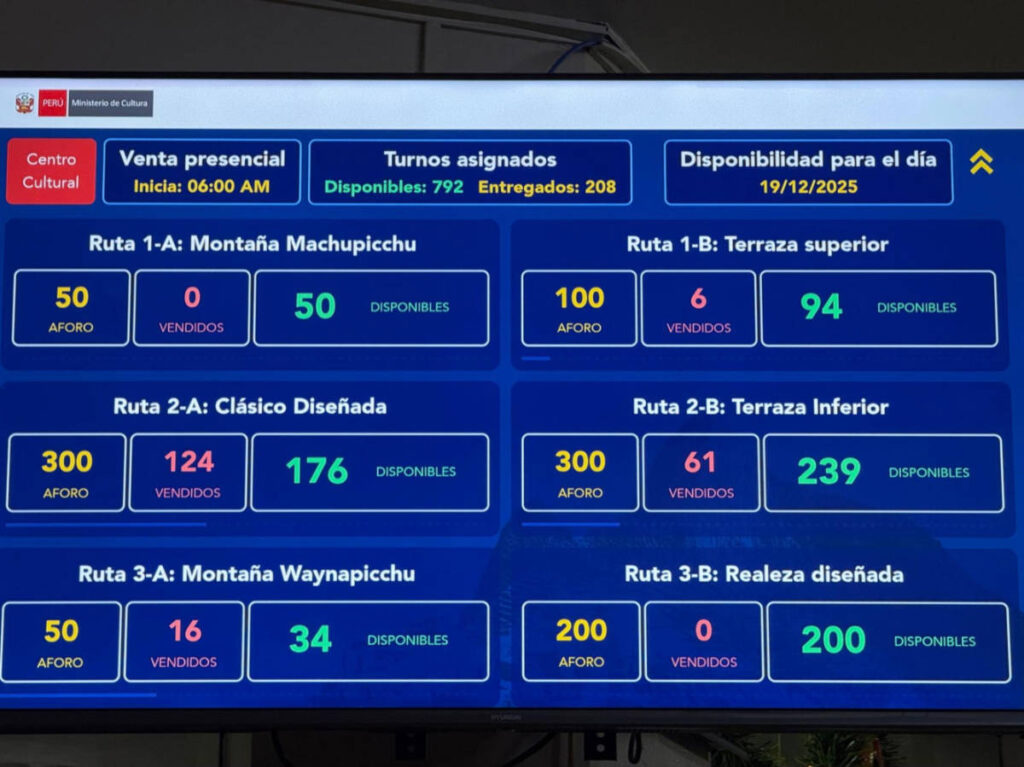
If tickets are already sold out for your dates, know that you still have a chance to buy an additional ticket if you’ve followed my guide and are choosing to stay in Aguas Calientes for visiting Machu Picchu.
1,000 tickets for the following day are released each day in the offices of the Ministry of Culture in Aguas Calientes (map link here) when they open at 6 am.
During the high season, you may need to get there early or they will sell out (I’ve heard a line does form). But, when we visited in the low season, there were still plenty available the evening before.
And even if you can’t make it in person to the office, you might check the official website the morning of your visit just in case, because any unsold tickets are released online that morning.
Also note that the ministry’s website includes a live scoreboard of how many tickets are still left for each circuit the next day, which gives you a sense of current demand.
#13 – Peru Doesn’t Have “Traditional Seasons,” It Has a Rainy and Dry Season
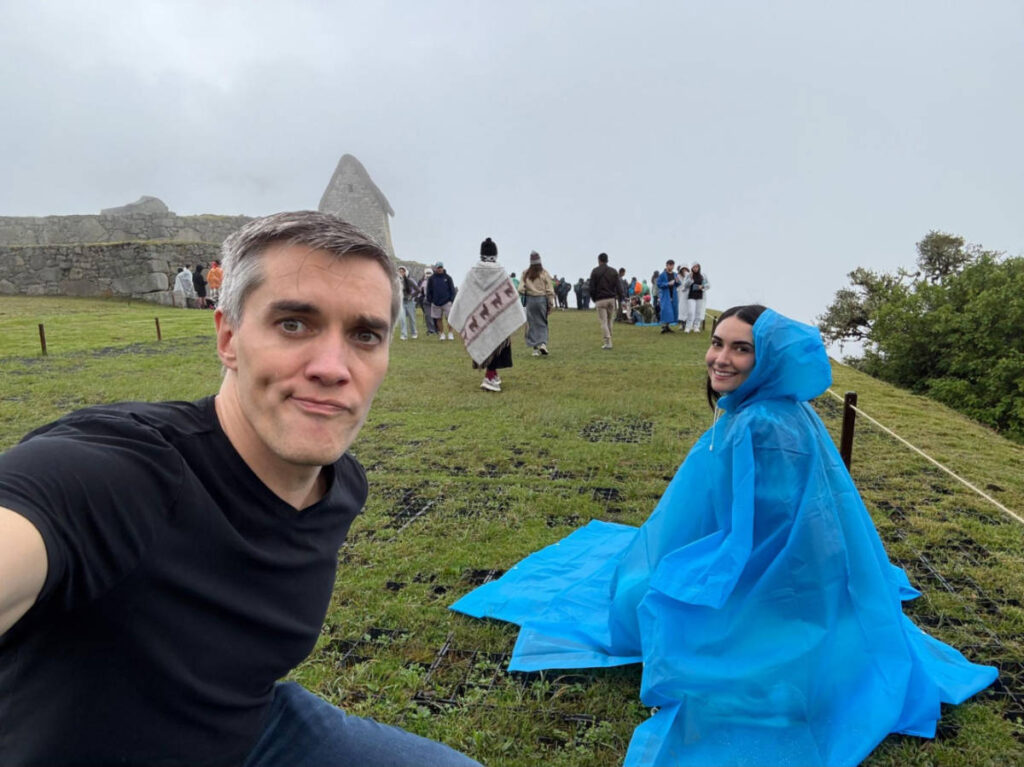
Seasons work a little differently in Peru, thanks to the country’s unique combination of latitude and elevation.
In the Andes, Peru’s “dry season” runs roughly from May through October, and its “wet season” runs from November to April (with February being particularly rainy).
Dry season means better visibility, but also higher prices and limited availability.
I’ve visited Peru twice during the rainy season and, while the fog did cause us issues at Machu Picchu, the weather was otherwise pretty pleasant during our trip. It’s not rainy every day, and it doesn’t rain all day. If that’s when you can go, I don’t think it’s a reason not to visit, you just have to pack appropriately and be prepared.
#14 – Dress in Layers (Weather Varies a LOT Through the Day)

When packing for Peru, it’s a good idea to plan to dress in layers, particularly for the mountains.
Wild temperature swings are common throughout the day in Peru. It can feel so hot during the afternoon that you may want to be in shorts, but so cold in the evening that you’ll need a jacket and a sweater.
#15 – Leave Room in Your Suitcase Because You’ll Want to Do Some Shopping
Peru is a great place for shopping. You’ll find so many local shops and craftspeople selling textiles and other locally-produced goods, including some really unique stuff you won’t find elsewhere.
So leave room in your suitcase when packing for Peru!
#16 – You Can Negotiate Prices at Many Shops
Look, I honestly don’t like haggling and often I don’t follow this tip myself. But you should know that it’s definitely a big part of the culture in Peru’s markets and even for some services. The first price is usually just that: a starting price, so you can negotiate if you’re inclined.
#17 – “Baby Alpaca” Wool is NOT From Baby Alpacas
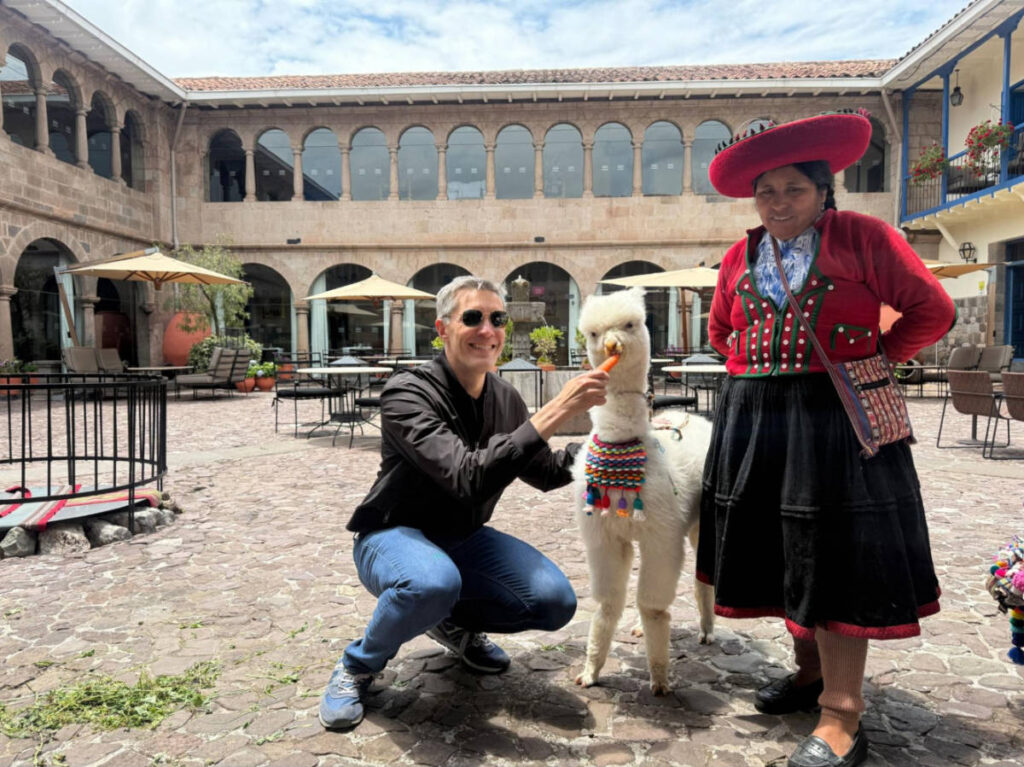
You’ll see a lot of textiles being advertised as made from “baby alpaca” wool. When I first saw that, I thought they were torturing poor baby alpacas!
But actually the term just means the first shear of an alpaca, which happens after they’ve grown. Supposedly, wool from this first shear feels softer to the touch, hence the premium it commands.
#18 – Be Prepared for Hills
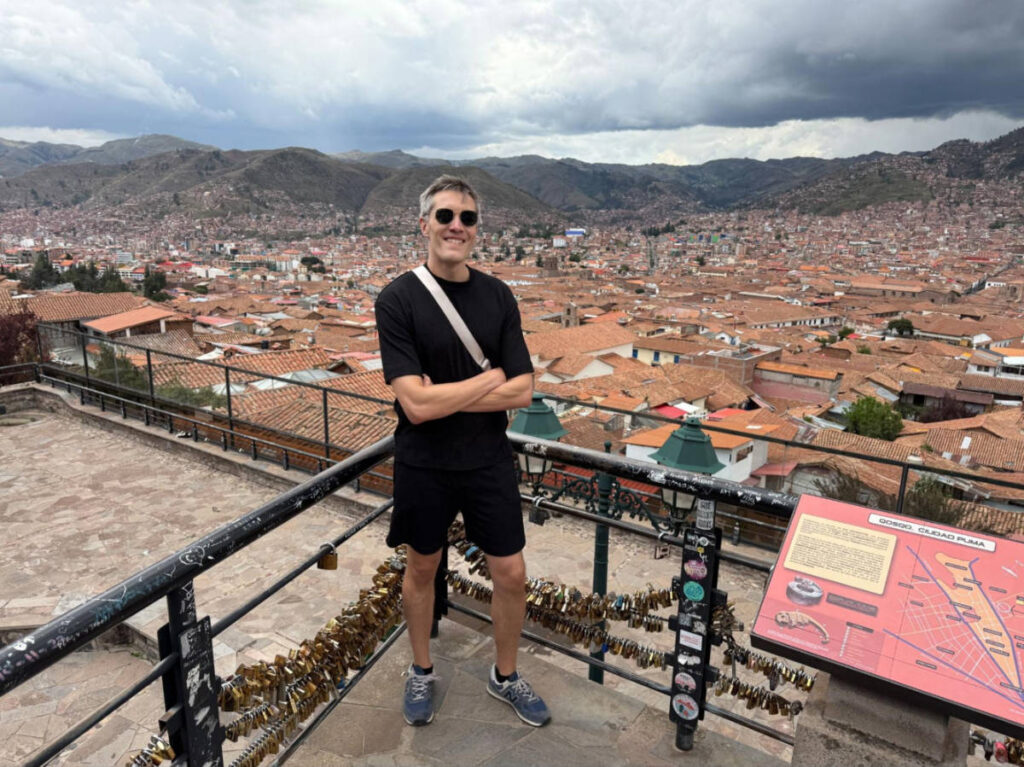
I said earlier that you don’t have to go trekking to visit Peru, and that’s true. But, at the same time, a lot of Peru is built along hillsides. Cusco in particular is a place with a lot of hills within the city. Moreover, going up the hills feels more strenuous due to the altitude.
So, even if you aren’t going trekking, you should pack a good pair of walking shoes.
#19 – Get the Boleto Turistico in Cusco and The Sacred Valley
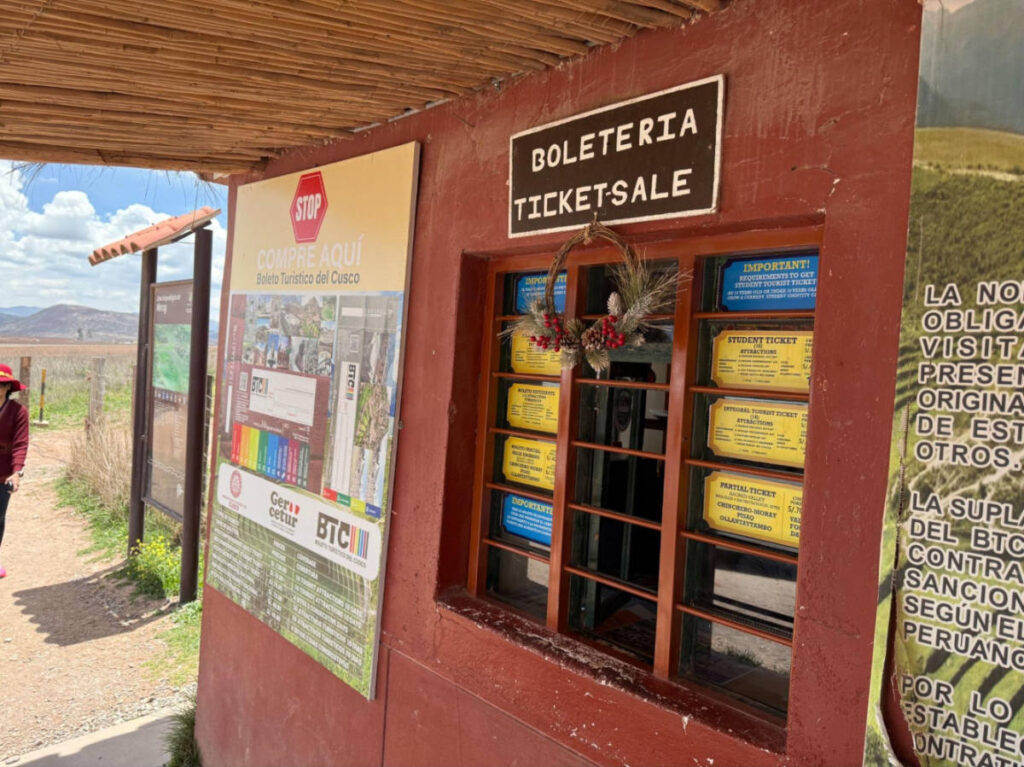
In Cusco and the Sacred Valley, you’ll need a “Boleto Turistico” (tourist ticket) to visit 16 of the major historical attractions in both locations – including must-sees like the ruins at Ollantaytambo, Moray, and Saqsaywaman.
The official website is unfortunately not the most functional, so I’d suggest purchasing it in person at whatever of the first sites you visit (bring your passport). It’s a punch-card-style ticket.
They have several options but the best one for most visits is the 10-day ticket that includes all 16 sites and costs 130 soles (~$38 USD).
Many of the attractions are must-visits, but a few are less interesting. Watch my Cusco YouTube video, where I break down the entire list of 16 attractions and tell you which ones to prioritize.
#20 – Don’t Skip Lima!

A lot of travelers skip Lima on their Peru itinerary. While I understand the urge to spend all your time up in the Andes, I think that’s a mistake.
Lima is a world-class city. By population, it’s roughly the same size as London or Paris. There are so many attractions and neighborhoods to explore. And it offers a very different perspective of Peru compared to what you’ll get up in the Sacred Valley.
To help plan your Lima trip, read my guide to where to stay in Lima or watch my Lima video on YouTube.
#21 – Peru is Too Big for One Trip
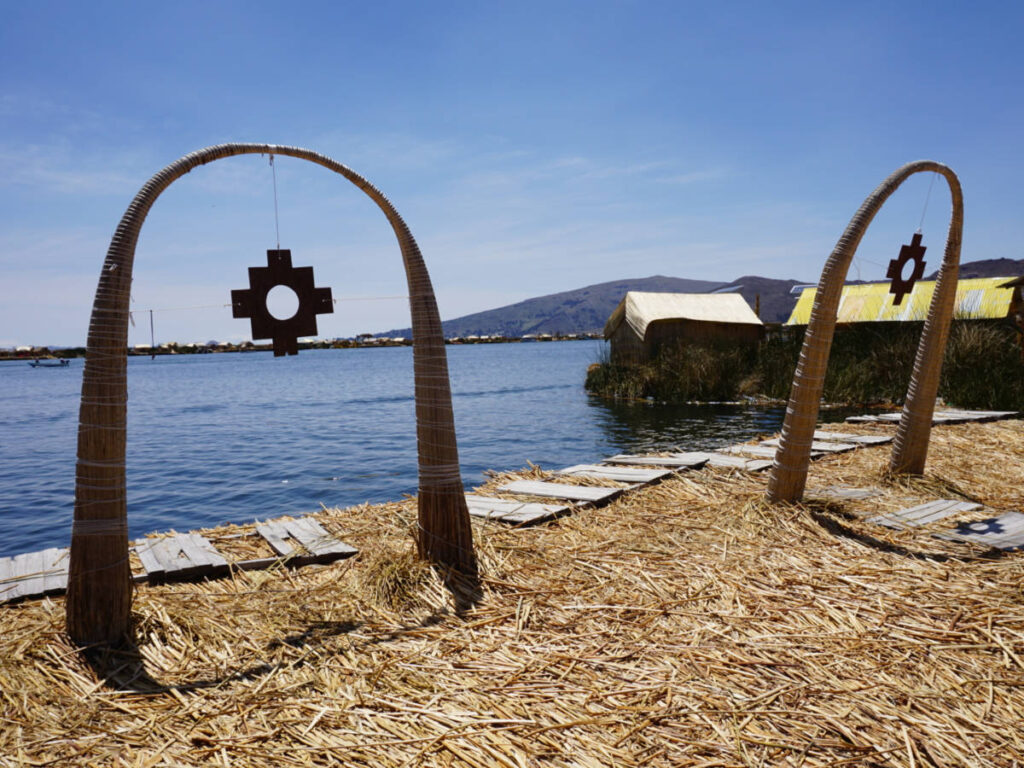
Unless you have multiple months, you’re not going to be able to explore all of Peru in one trip. The country is just too big with too many regions.
If it’s your first time in Peru, I recommend just following my Peru itinerary planner, which lays out the perfect route to see Peru’s most classic sites. Remember, you can always come back!
***
I hope a few of these tips have helped you plan for your trip to Peru.
Next, check out my 10-video series about Peru on YouTube. It’s filled with tons of info to help you plan your trip!

BS that Lima is safe. The tourist beach area is because there are lots of security with machine guns. I stayed at the airport and could see a 20′ wall surrounding it. I tried to get through and couldn’t with a US passport. Took an Uber to the old town where there were also lots of security with weapons. One National Guard soldier asked “what are you doing here?” I said “Exploring”. He responded “this is not a good place to explore!” Cusco, Aguas Calientes, the Sacred Valley and Machu Picchu are safe. Not Lima! Even the Lima police web site says there are 11 muggings PER HOUR in Lima!
Just want to point out this paragraph from the guide you are commenting on:
“Much of the crime that does occur in Peru happens in Lima. But you can significantly mitigate your risk by staying in one of the three safe and tourist-friendly neighborhoods I recommend in my Lima guide.”
And if you read my Lima guide, you’ll see I say not to stay in Lima’s Historic Center.
So not sure where you think the “BS” is ….
This was the perfect introduction to planning a trip to Peru. I can’t wait to watch the other Travel Lemming videos, especially the one with the 10-day itinerary.
Thank you so much Amy!
Hi! I’m turning 50 this summer and going solo to Machu Picchu for a six-day trip in September. I have some arthritis in my knees and extra weight but I’m exercising and walking to prepare for hiking. I know the altitude will be a challenge. If I stay the night at Aguas Calientes then do a circuit of MP with a private guide, would you recommend a second circuit or the HP trail on the same day? I’m not able to afford another day and I’ll also be going to Palcoyo. I’m worried the HP hike will be too difficult/scary for me in addition to a curcuit, but I don’t want to miss something incredible and I can prepare with exercise this summer. What do you suggest? Should I feel regretful if I miss the Huayna Picchu hike?
What about vaccinations and med to take (anti-malarial) for Peru?
Hi Melinda – talk to your doctor to confirm what’s best for you and your trip, but I think usually that’s only something recommended if visiting the Amazon basin. You can see this map on this site for more, but there isn’t risk in the Lima and coastal areas, nor in Cusco / Machu Picchu area (which is at very high elevation).