
Affiliate Ad Disclosure: We’re reader-supported. When you buy via our links, we earn commissions. Learn more.
Stendhal Syndrome in Florence: Why People Keep Passing Out in This Renaissance City


Article Summary:
- Stendhal Syndrome is a psychosomatic condition with symptoms like fainting, disorientation, rapid heartbeat, and even hallucinations. It’s been documented and observed in Florence, Italy specifically.
- The Uffizi Gallery and Accademia Gallery are specific attractions where this phenomenon has occurred.
- Many believe Stendhal Syndrome is really just a series of coincidences causing exhausted travelers to take a turn for the worst. Others believe that Florence’s overwhelming sense of beauty is to blame. In my opinion, the truth probably lies in both.
Is it truly possible for beauty to overwhelm a person so much that physical symptoms emerge? Well, as it turns out, the answer is yes — at least, that’s the case in Florence, Italy.
Beauty is in no short supply in this Renaissance City. Most visitors will find themselves uncovering beauty everywhere, whether inside a local museum, staring up at the famed Duomo, or in the small details of cobblestoned alleys.
There’s evidence of history, art, and astonishing creativity at every turn, and there’s a feeling of romanticism that lingers in the air.
Anyone who visits Florence is sure to recognize and probably appreciate its beauty. But apparently, a number of visitors share another common experience: Stendhal Syndrome.
Stendhal Syndrome is a psychosomatic condition caused by an overwhelming sense of beauty
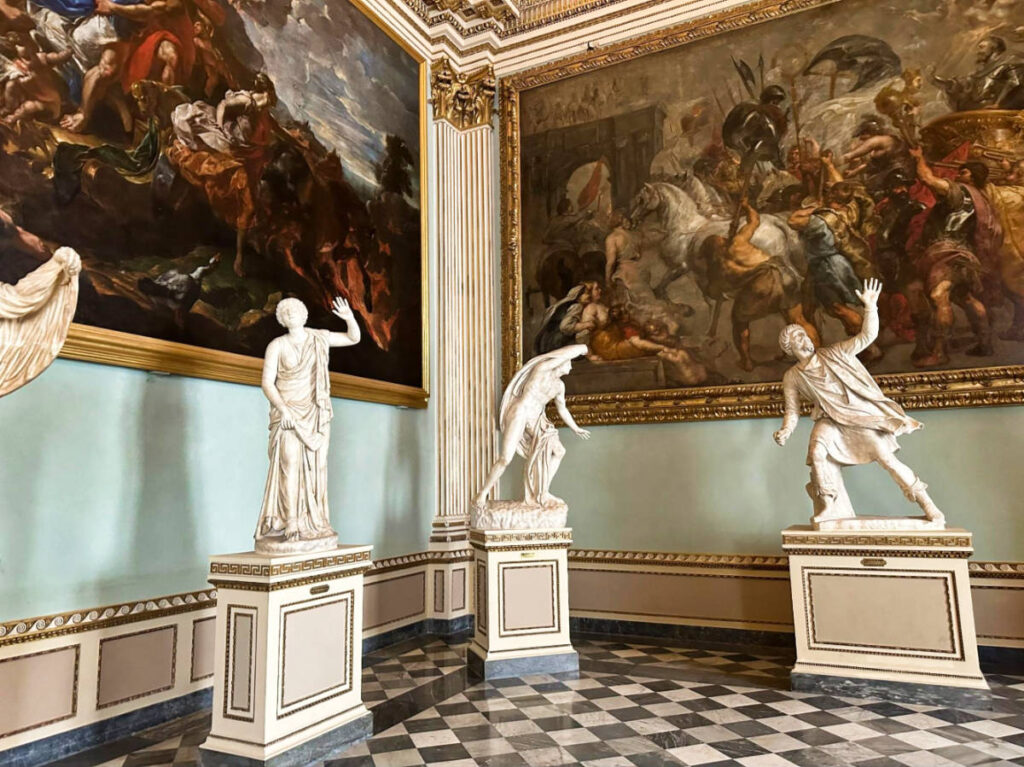
The term “Stendhal Syndrome” was first coined in 1979 but dates back to 1817 when French writer Marie-Henri Beyle, whose pseudonym was “Stendhal,” wrote about Florence’s overwhelming sense of beauty.
He wrote:
“I was in a sort of ecstasy, from the idea of being in Florence, close to the great men whose tombs I had seen. Absorbed in the contemplation of sublime beauty . . . I reached the point where one encounters celestial sensations . . . Everything spoke so vividly to my soul. Ah, if I could only forget. I had palpitations of the heart, what in Berlin they call ‘nerves’. Life was drained from me. I walked with the fear of falling.” [Source]
The psychosomatic experience Stendhal describes didn’t begin and end with him. In fact, to this day, visitors report similar symptoms while visiting Florence every year.
Symptoms of Stendhal Syndrome include feelings of disorientation and confusion, rapid heartbeat, fainting, disassociation, and even hallucinations.
The main culprits: The Uffizi museum and Accademia Gallery
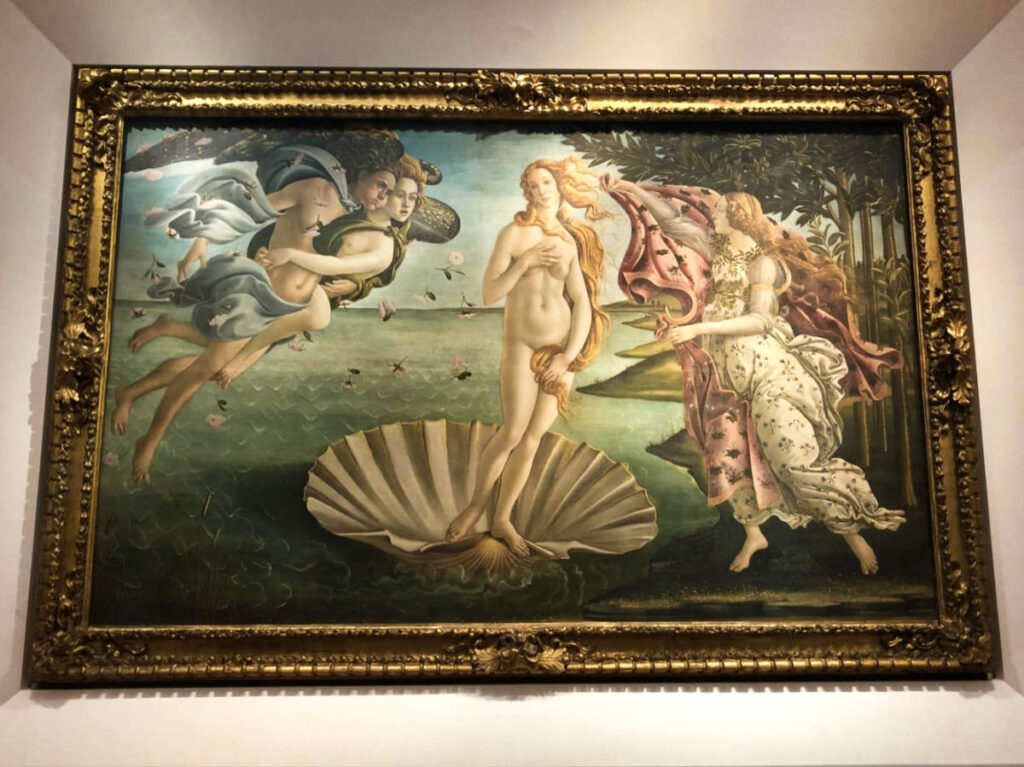
Stendhal Syndrome has been specifically documented at places like the Uffizi Gallery, where Renaissance masterpieces like Botticelli’s The Birth of Venus reside.
This painting has been noted as a trigger when it comes to Stendhal Syndrome. In 2018, an older man even had a heart attack while looking at the painting. This event garnered major news attention, with many outlets citing Stendhal Syndrome as a possible cause. [Source]
Doctors later determined that Stendhal Syndrome was not the cause of the man’s incident. However, the coincidence of his heart attack with this particular painting is interesting, as many other visitors have experienced psychosomatic reactions while seeing it.
The Birth of Venus by Botticelli is just the tip of the iceberg when it comes to everything contained within the Uffizi, though.
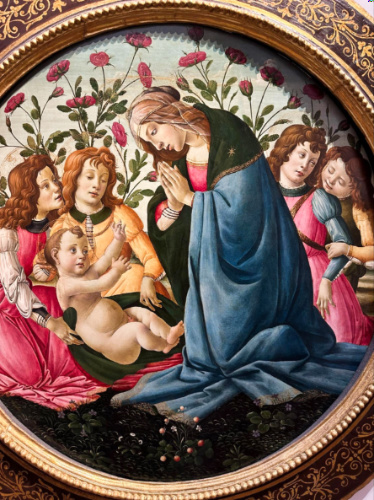
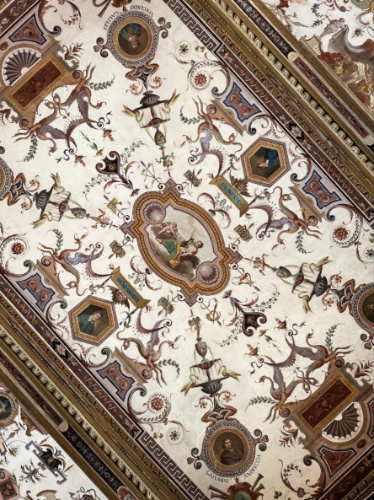
The world’s most renowned collection of Renaissance artwork lives inside the museum. This, coupled with its popularity, makes visiting the Uffizi an overwhelming experience in artwork and crowds alike.
On the one hand, the Uffizi stuns visitors with its never-ending beauty. From the detailed and colorfully frescoed ceilings in the main passageway to the museum’s expressive statues and era-defining paintings, the Uffizi’s collection is extraordinary.
On the other hand, the Uffizi is the most visited museum in Italy and one of the most popular art museums in Europe. As such, the Uffizi attracts huge crowds and long lines all year long. Browsing its gallery rooms is coupled with being elbow-to-elbow with other eager tourists. [Source], [Source]
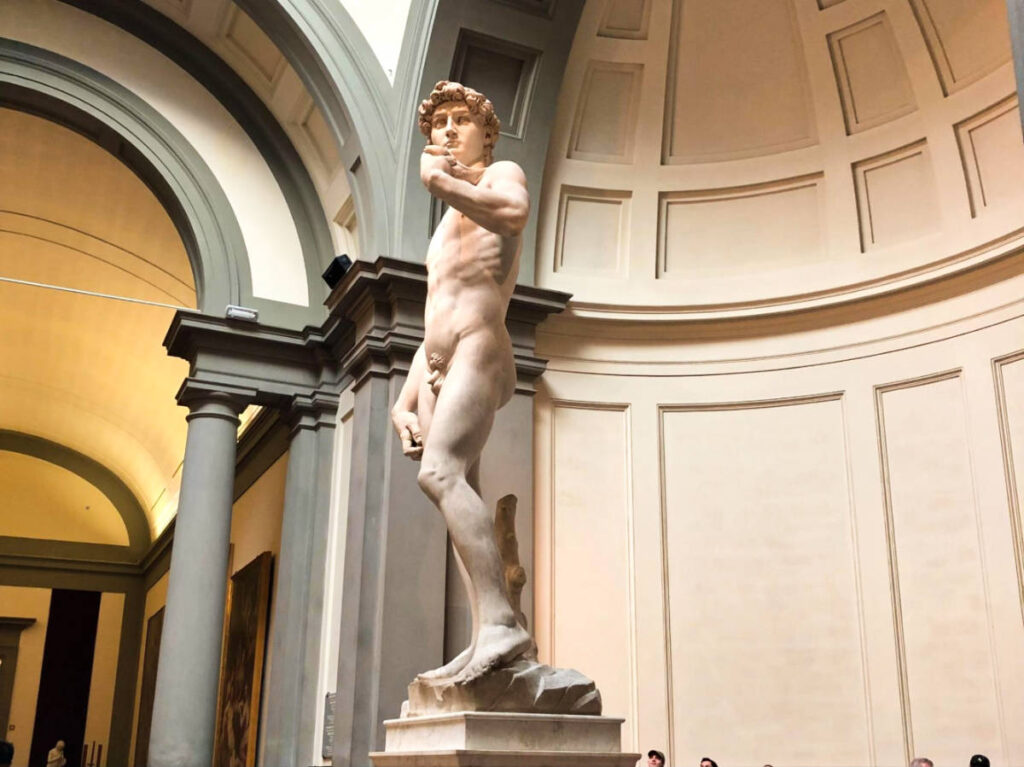
The Accademia Gallery is another Stendhal Syndrome hotspot thanks to its famous Statue of David by Michelangelo.
The Statue of David is one of the most famous sculptures in the world and is one of those works of art that’s hard to fully comprehend upon seeing it in person. Similar to the Uffizi, reports of disorientation and dizzy spells have come from visitors who go to see the famous statue. [Source]
Today, an estimated 10-20 people experience symptoms of the syndrome in Florence every year, according to Simonetta Brandolini d’Addan (president of Friends of Florence), as stated by the BBC.
Florence’s abundance of beauty sets it apart
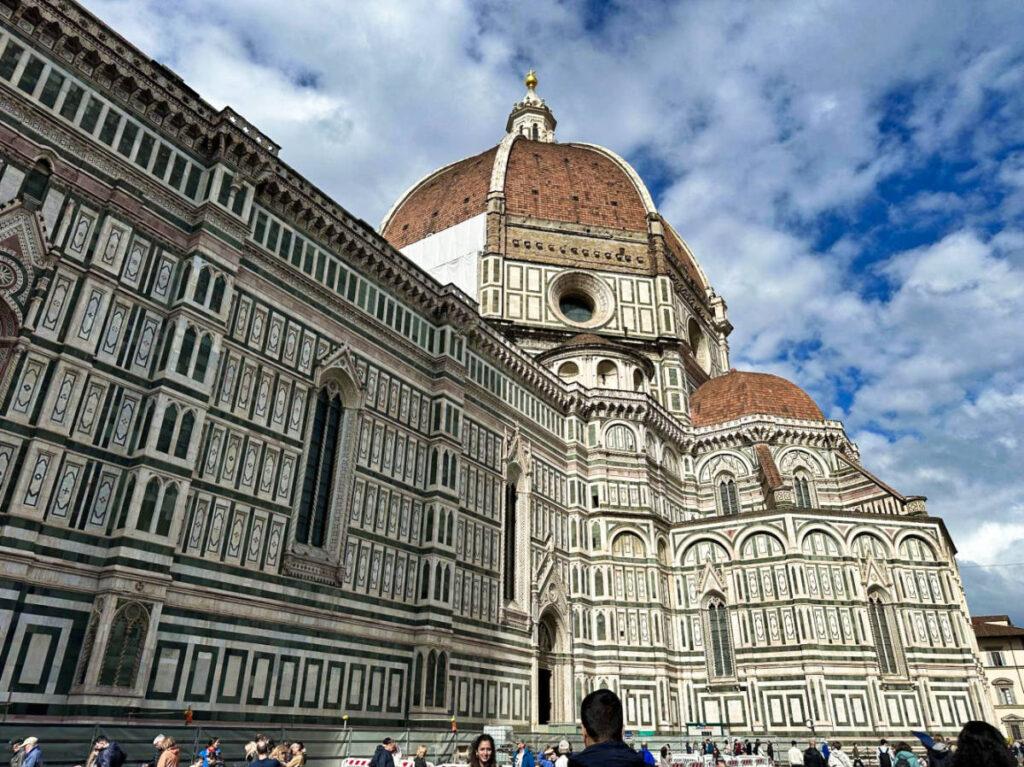
Many people claim that Stendhal Syndrome is just a hoax — that it’s a series of coincidences tied to tired, dehydrated, and overcrowded travelers. Although, I think there’s real truth to this. The artwork and ever-present beauty in Florence is hard to just write off altogether…
Florence is teeming with artwork that’s not only beautiful to the eye, but overwhelmingly influential to the history of art itself. It’s here, in this golden-hued city in Tuscany, that the practice and meaning of art was reborn. They don’t call it “The Renaissance” for nothing.
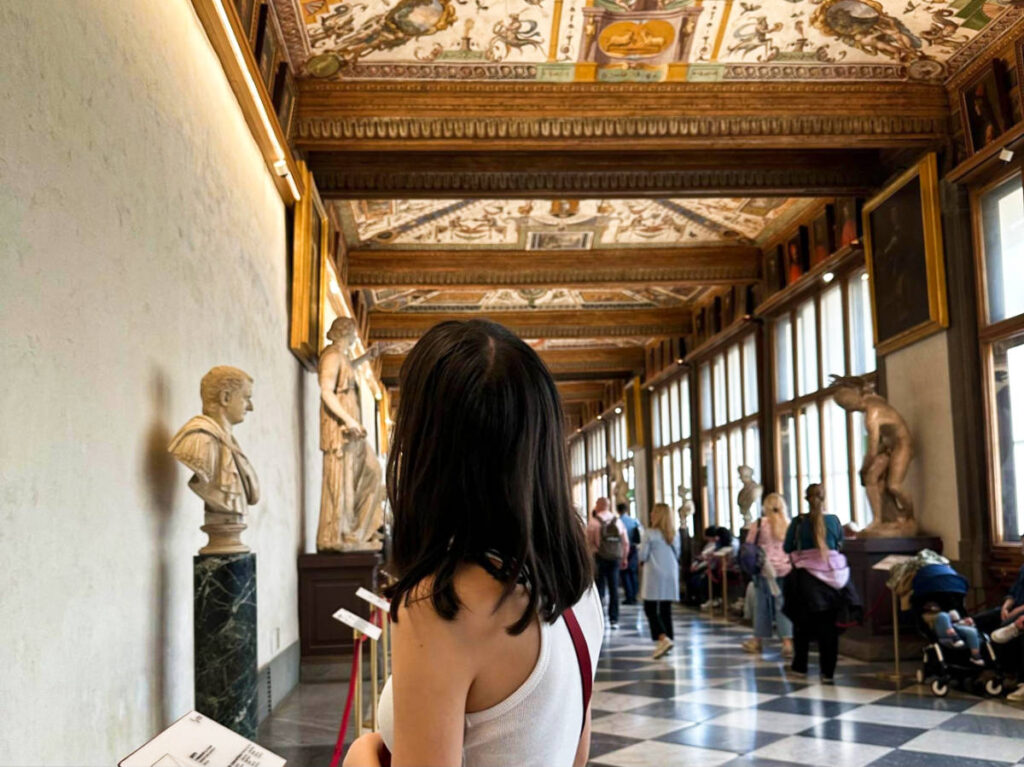
I’ve visited the Uffizi Museum on three separate occasions. Each time, I’ve walked away more impressed than the last. I pondered this idea of Stendhal Syndrome on my recent stay in Florence.
As I walked through the halls of the Uffizi, I was once again struck by how truly unreal it feels to see paintings like those of Botticelli, Da Vinci, and Michelangelo, and actually comprehend them.
On top of that, being exposed to so many masterpieces at one time makes the experience much more overwhelming.
It’s everything from the dreamy scenes of Botticelli’s paintings to the shocking talent set in stone by sculptors. Look too long at any work of art in the Uffizi and you’ll find yourself a little disoriented, too. The beauty and artistry is dizzying.
Managing beauty, exhaustion, and expectations

My opinion and that of many others is that Florence’s Stendhal Syndrome comes from a combination of things: the city’s overwhelming sense of beauty, traveler exhaustion, and the reality of expectations being met, exceeded, or let down.
This being said, I have to agree with the fact that Florence has something different about it. It’s not just that Florence is home to world-renowned art, but the fact that the city’s overall abundance of art and beautiful things is just inescapable altogether.
My advice? Visit Florence with manageable expectations and a good night’s sleep. If not, who knows — you might find yourself coming down with a case of Stendhal Syndrome.
***
Want to hear more about Italy? Read Matthew’s piece about traveling to Rome in August (when you’re “not supposed to”).
More Latest PERSPECTIVES


