
Affiliate Ad Disclosure: We’re reader-supported. When you buy via our links, we earn commissions. Learn more.
Tourists make a lot of faux pas in Scotland. Here’s how to avoid them.

We’ve all been there while on holiday: you’re in an unfamiliar place, saying the wrong thing, doing the wrong thing, and generally being wrong.
Perhaps you were unaware of what’s considered a cultural taboo in Japan. Maybe you were caught off guard by certain French mannerisms. It happens to all of us. As a Scot, I’ve seen it happen countless times in my own country.
With that in mind, I’ve compiled a list of the most common small missteps or faux pas made by tourists when they visit Scotland along with recommendations on what to do instead.
It’s easy to make these mistakes, whether it’s your first time visiting Scotland or your fifth. Consider this a cheat sheet to endear yourselves to the locals, which is always a good thing to do when travelling abroad!
Without further ado, here are things to avoid when visiting Scotland.
Claiming Scottish clan ancestry

Many Scots do not feel particularly connected to people who identify as Scottish because of distant family who emigrated from the country.
Introducing yourself to local people as Scottish when your family has lived in another part of the world for generations is a source of some amusement. Even more so when people claim clan ancestry.
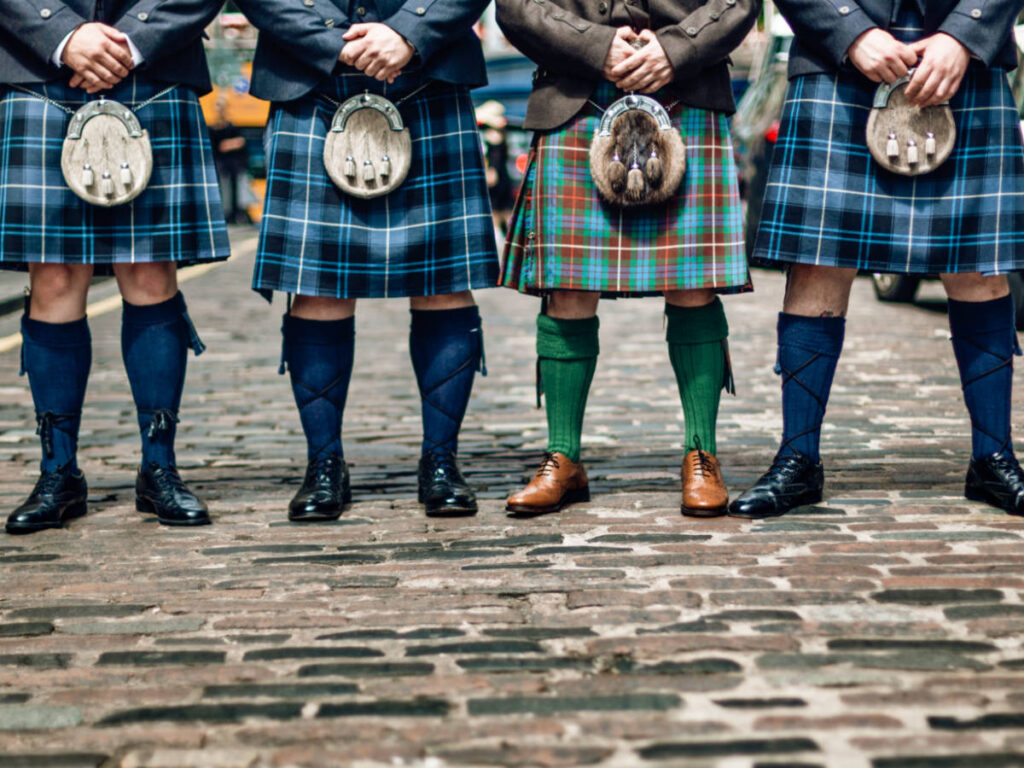
Scottish clans don’t exist like they did 800 years ago. It’s no longer a significant aspect of the vast majority of Scottish people’s identity. It will often only be mentioned when men decide which tartan to choose for a formal kilt. Many Scots don’t have any clan association at all – I don’t!
It’s nearly impossible to trace family trees back until the medieval period in Scotland, and companies suggesting otherwise are often tourist traps.
A popular choice of an ancestor is the warrior king Robert the Bruce, which is possible but not as astonishing as it might sound. It’s estimated around 200 million people may be descended from King Robert so it won’t have much significance to most Scots.
Genealogy trees are a fun hobby — I’ve looked into mine, too. Imagining where your ancestors stepped foot can be an exciting way to connect with a place you’re visiting.
But when visitors claim to be Scottish based on a distant relative, it can leave a bad impression on local people.
Being Scottish is about more than where your great-great-grandfather was born. It’s about your connection with the communities and culture in Scotland today. Plus, many Scots’ ancestors come from all around the world, but this doesn’t make them any less Scottish.
Explore history if that interests you – we have a lot of it! Just be aware that Scottishness is not based on ethnicity or distant ancestry. Scottishness is a civic identity, based on our shared connection to the Scotland of today.
Being unrealistic with your itinerary

Scotland is a small country, right? Well, yes and no.
The population is relatively small and we only have 9 cities, but be wary of overestimating what you can see in a week.
Driving between sites can take a lot longer than you might expect, and that’s without even stopping to take in all the views you’ll pass by on your way.
It’s just not possible to “do” the Highlands in a day. I would recommend either prioritising the key places you want to visit in Scotland or carving out additional free time in your Scotland itinerary.
The time of year of your visit also matters – your daylight hours will be very limited in November and December. The last thing you want is to miss a beautiful view because the sun has already set!
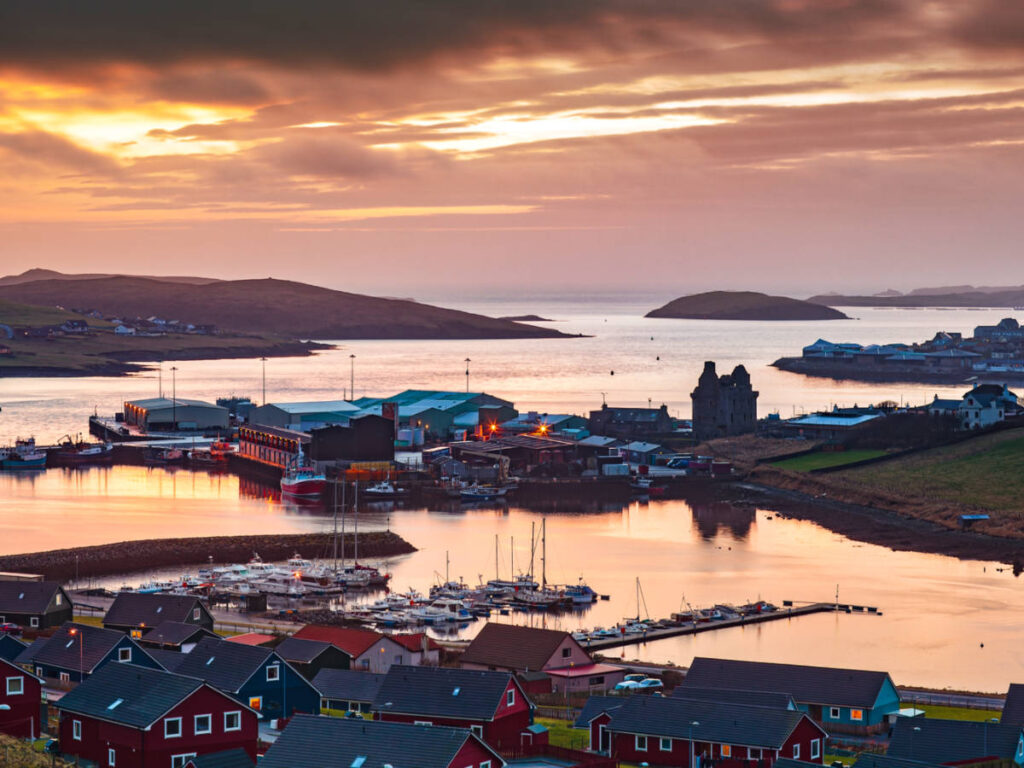
There are beautiful attractions the length and breadth of Scotland – from the Borders in the south to the Shetland Islands in the North Sea. Don’t short-change yourself by not stopping to smell the roses!
This simple tip will help you explore Scotland and the UK like a local.
Treating the country like an amusement park

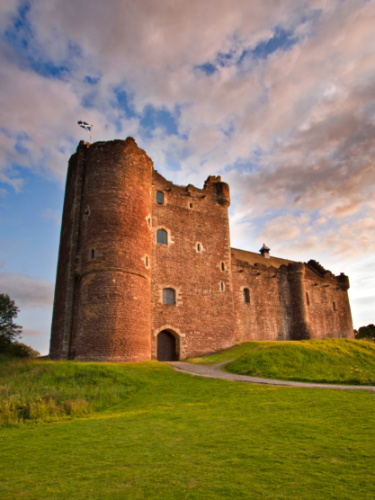
Many people who’ve never visited Scotland before might imagine scenes from films or TV shows like Outlander or Braveheart. That’s not a bad thing in itself, and you’ll be able to find many tours highlighting filming locations or significant landmarks seen in popular culture.
The issue arises when people treat Scotland like a film set. Tourists sometimes expect to see scenes lifted right from the TV screen, but these locations are home to real people.
I once worked in a building used for Outlander filming, and on occasion, tours made it difficult to even enter the front door.

All it takes is a little consideration of how to avoid overcrowding areas where people have to live and go to work daily. This is particularly the case if you stay in Edinburgh in August when crowds make it almost unbearable for locals to go about their days.
That’s not the fault of any individual tourist (and I would still highly recommend a trip to the Fringe). But maybe think twice about silent disco tours which block entire pavements for other pedestrians.
Missing out on local food
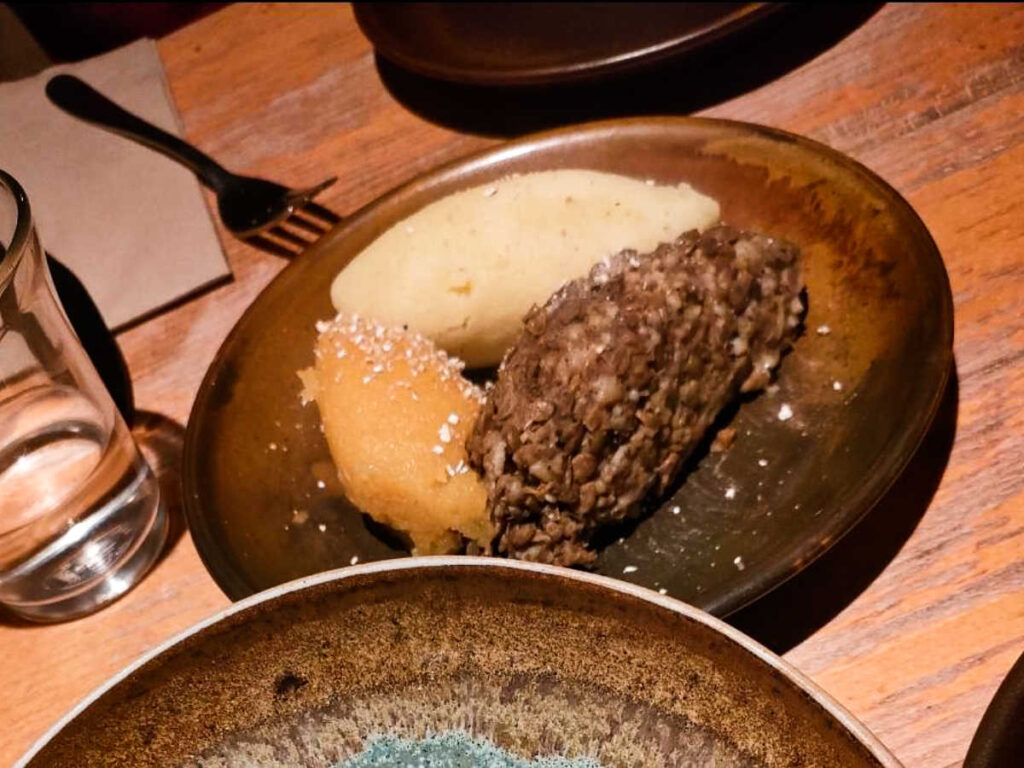
I’ll be the first to admit that Scotland does not have a good reputation internationally for food. That’s fine – food by its nature is never to everyone’s taste.
Where tourists can unintentionally offend, however, is by mocking the food people eat day-to-day.
Take haggis for instance. It might not seem tasty, but it is a local delicacy which many Scots and other people enjoy. The ingredients are no more “disgusting” than what you find in hot dogs.
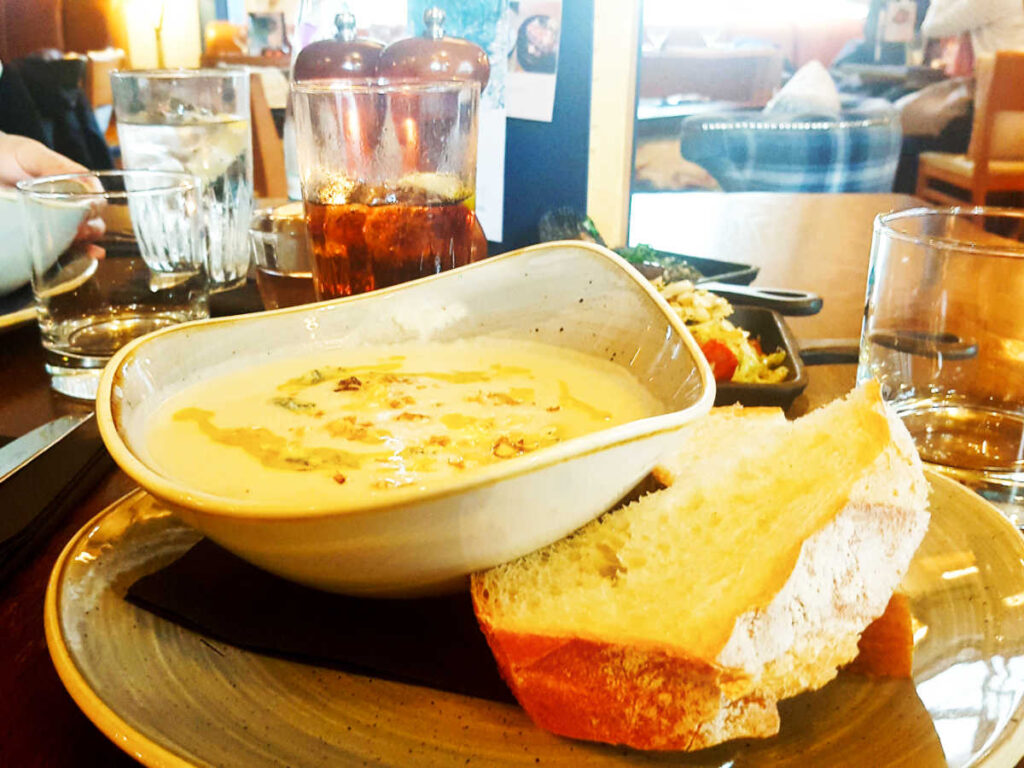
It’s often snubbed by tourists, but you may be surprised if you try it with an open mind. There are many more delicious traditional Scottish dishes, such as Scotch pies or Cullen skink. Don’t knock it until you’ve tried it.
Scottish food might not appeal to you, and that’s fine. There are restaurants offering food from around the world all across Scotland. However, you can endear yourself to locals if you’re willing to give our food a go.
Overwhelming local infrastructure
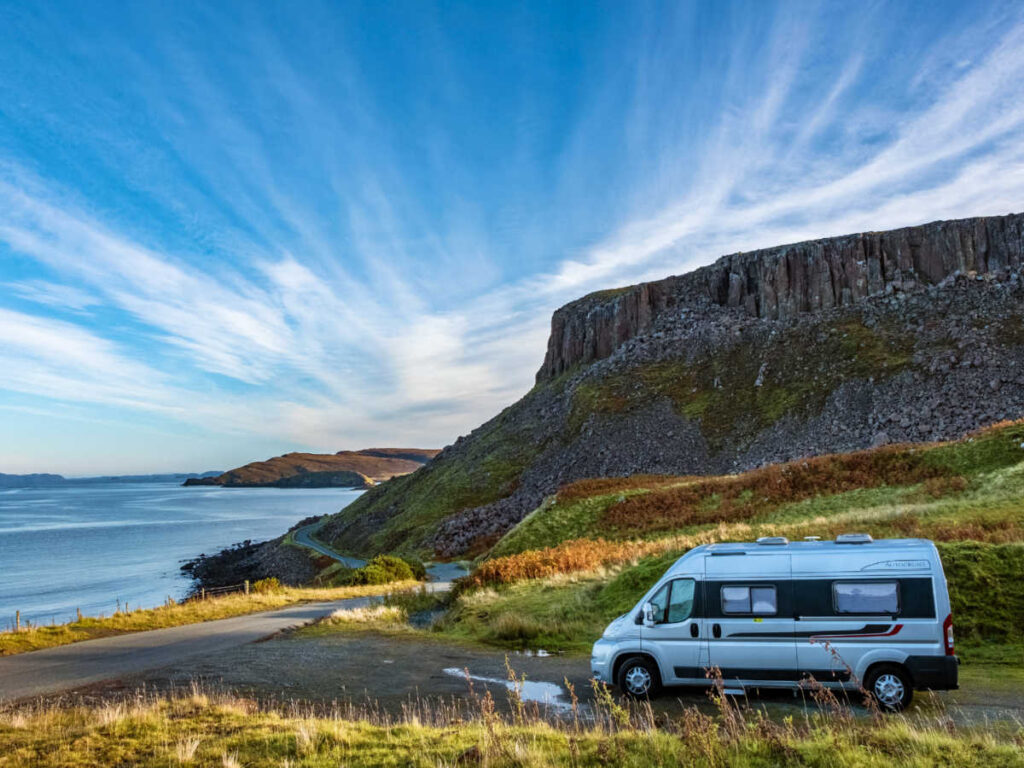
Scotland is known for its incredible scenery, so it’s an obvious choice for outdoor enthusiasts to hire a camper van. These can be great, but only in certain areas.
Road space in many parts of Scotland is limited, making it tricky to drive with a wider-than-normal camper van. Camper vans and similar vehicles can also congest roads, particularly on islands such as Skye.
Interested in visiting the Highlands and islands? It’s worth considering staying in bothies instead. These are free cabins, open to the public year-round. They’re often more convenient, and more cost effective!
Turning to accommodation. Scotland is undergoing a housing emergency, with fewer and fewer affordable accommodation options. This is particularly the case on islands and rural areas, some of which are major tourist draws.
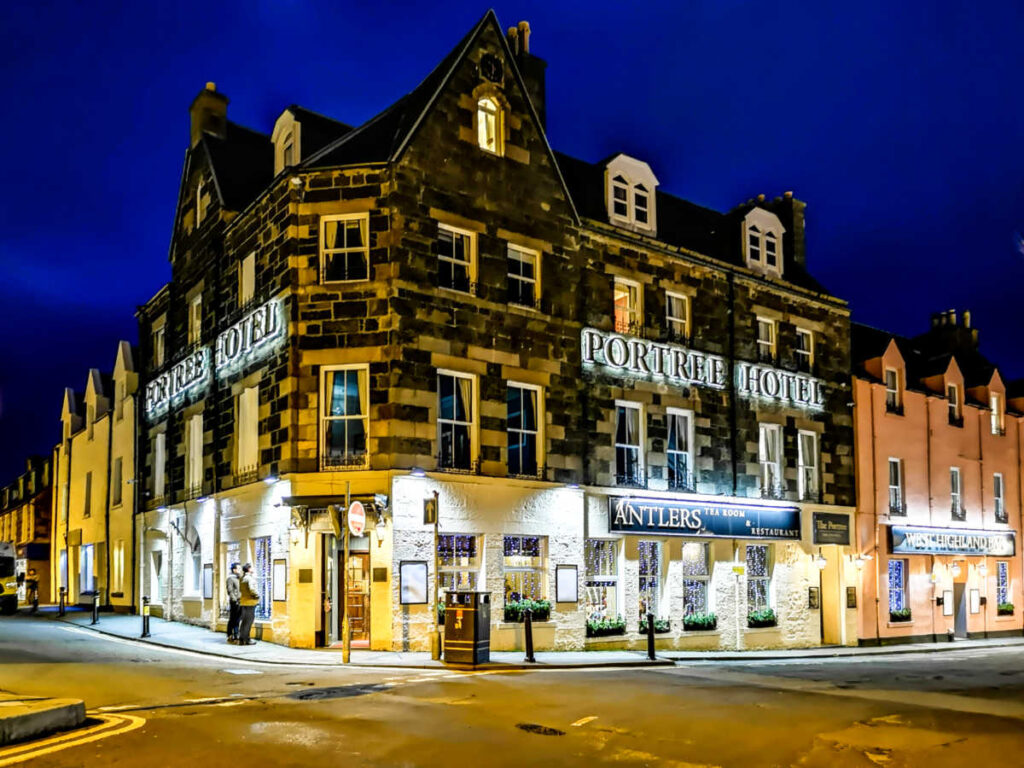
One way to help local communities struggling to find housing is to stick to dedicated hotels, hostels and BnBs when staying in towns and villages throughout Scotland.
Short-term apartment lets can drive up the cost of rent and reduce the housing stock available – meaning more and more people are forced to leave their hometowns. I know hotels are not always the most convenient choice, but they are more sustainable ones.
Without the local communities living in tourist hotspots, there’d be nothing there to support visitors! The only way to continue that is for local people to have affordable housing options.
Bringing inappropriate clothing for the weather
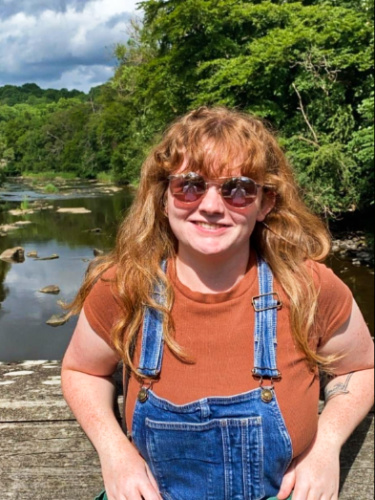
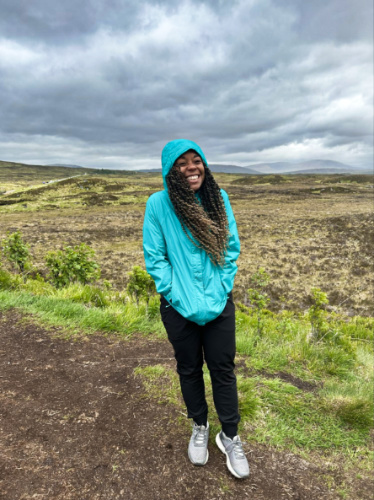
You’ve heard that Scotland’s cold and rainy, and it is! I always recommend bringing enough clothes for layering because the weather can be very unpredictable here – it’s better safe than sorry.
However, remember that we do also get summer sometimes! Visitors are wary of being caught out by poor weather on their trip, and sometimes they can overcompensate for that.
If you’re visiting in June, July or August, you will not need to bring a woolly hat, scarf and pair of gloves. I’ve watched tourists venture out on trips wearing all three in July and be forced to remove them to prevent heatstroke.
The best course of action is to check the weather forecast shortly before traveling, bring outfit options and plan accordingly. For your own sake, leave the thermals at home if you’re visiting in the summer!
Calling us “Scotch”

And lastly, the easiest way to get off on the wrong foot with Scottish people is to call us Scotch!
Save that for whisky and pies.
📚Related Reading: Americans need to know this before visiting the UK
***
I hope these tips on what to do and what to avoid are helpful! So long as you visit Scotland with a willingness to learn about the country, you’ll be sure to find Scottish people are friendly and welcoming.
Want to know more about the differences between the UK and US? Read Sky’s article, next.
More Latest PERSPECTIVES


I’ve been reading through all of your articles. They are all so helpful. I’d love to visit Scotland. Any tips on stays with a large family? There are 7 of us. Two adults and 5 children. I’ll continue reading your other articles and see if I come across additional information.
Saving every penny and seeing if and when it’s possible! In the meantime, your articles have given me great insight on how to prepare and what we should do. Thank you!
Hi Sarah,
Thanks for reading and I’m so glad my guides have been helpful!
Accommodation costs will be cheaper outside the peak tourist months of June – August, so I would recommend visiting at other times of year. April and May are particularly good times to visit as tourist attractions open up for the season and the days are long.
If you’re travelling by train at all, ScotRail’s ‘Kids for a Quid’ scheme will likely be a good option for you. With every adult traveller up to 4 children aged 5-15 can travel for £1 return each – every day, on every ScotRail service. Under 5s travel for free. You can’t buy Kids for a Quid tickets online, so you’ll have to go to a ticket office in a train station to purchase these.
If you want to visit a lot of heritage sites, Historic Environment Scotland has a family Explorer Pass which may save you money. In general, you can eat more cheaply by buying breakfasts and lunches at supermarkets, particularly budget ones like Aldi and Lidl.
I hope these tips are useful and a visit to Scotland is in your future!