
Affiliate Ad Disclosure: We’re reader-supported. When you buy via our links, we earn commissions. Learn more.
I spent 5 magical days in Madeira. Here’s why you should add it to your Portugal itinerary.

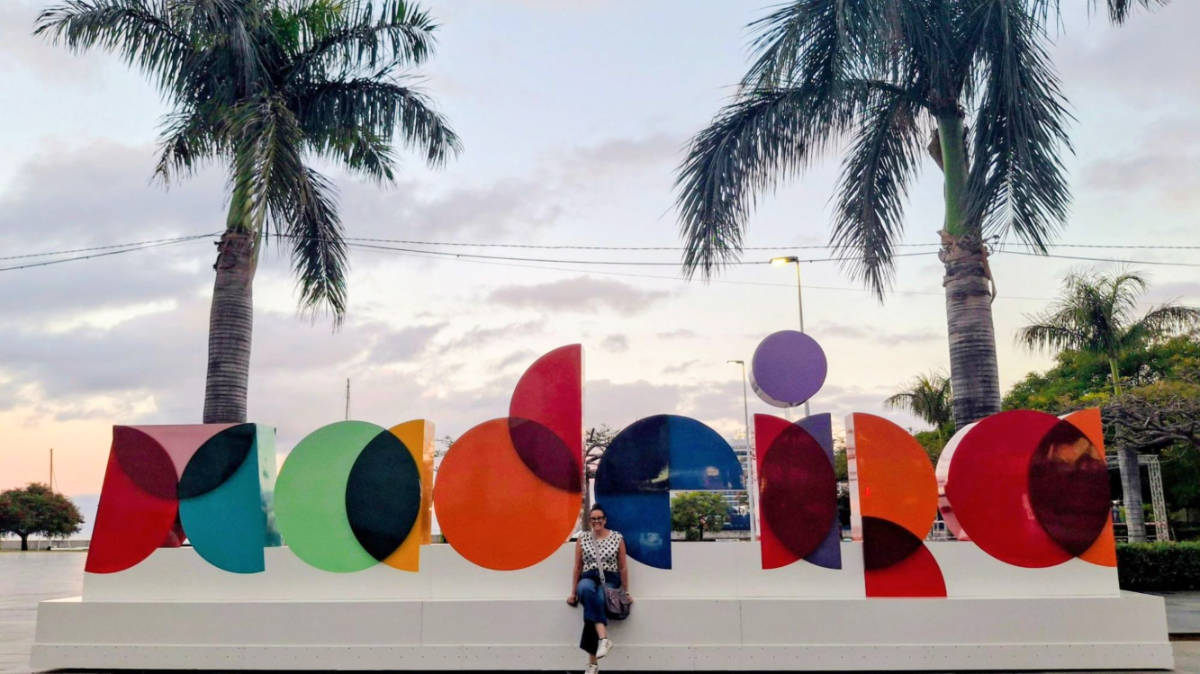
With its historic cities, sun-drenched beaches, delicious food, and refreshing wines, it’s easy to see why Portugal tops every traveler’s wishlist.
It’s always been at the top of my list, too. But I am ashamed to say that for all my time living in and visiting Spain, I never made the quick trip over to Portugal. Either I was short on time or short on money, so it never seemed to work out.
I feel even more embarrassed admitting this since Portugal is a large part of my heritage. My great-grandparents came from there, specifically, the island of Madeira. So, it was about time I visited.
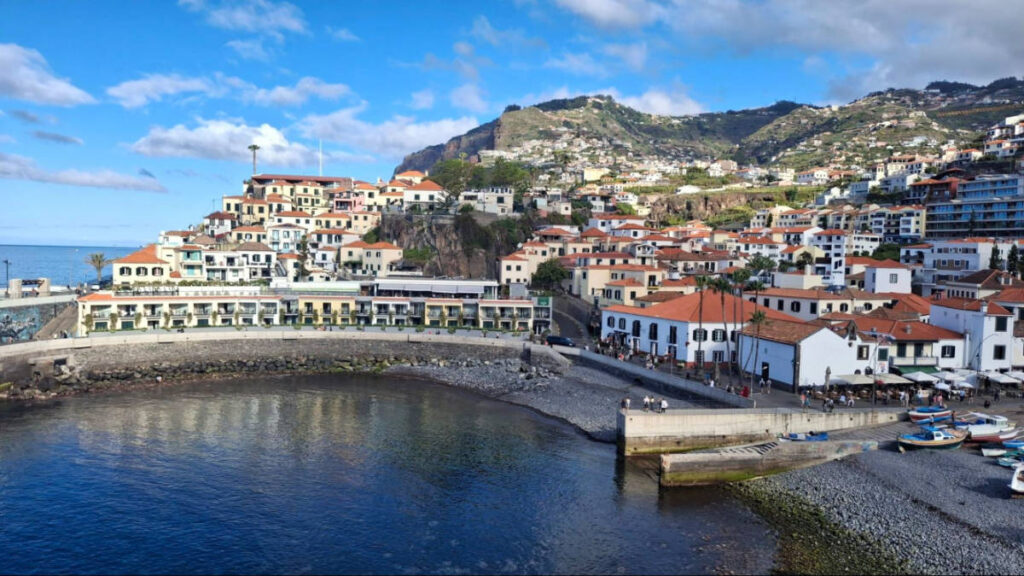
Madeira was one stop on a trip that also included Porto and Madrid, which were amazing, of course. But, driving in from the airport and seeing the breathtaking views as I approached Funchal, I knew immediately that five days wasn’t going to be long enough.
And, it wasn’t.
Generally, I prefer city holidays. Rarely have I traveled to places that are beach and nature-focused. I have always felt like I wouldn’t have enough to do.
But Madeira changed that.
This place had everything. It was the perfect blend of city life, small town charm, and natural wonder. It was like nowhere I’d ever experienced, and I wasn’t bored for a second.
So, if you want to experience a different side of Portugal, or if Madeira is already in your plans, keep reading. I’ll share some of my favorite experiences and discoveries, and show you how I made the most of my short trip.
Madeira is Very Different From the Rest of Portugal
Although Madeira is part of Portugal, it doesn’t really resemble the mainland. In fact, it’s geographically closer to Morocco. This stunning island in the Atlantic Ocean is often called the “Hawaii of Europe” for its lush valleys, volcanic peaks, and black-sand beaches.
You can explore the historic streets and colonial architecture of Funchal, hike the famous levadas, marvel at the breathtaking views from some of Portugal’s highest peaks, swim in natural pools, and enjoy unique cultural activities. Sometimes, I forgot I was in Europe because it was so unlike the Europe I have come to know.
Madeira is Worth the Effort and Anxiety It Takes to Get There
Madeira lies roughly 900 km southwest of mainland Portugal, and you can only reach it by plane. The flight is around 1.5 hours from Porto or Lisbon, and costs €80 to €150 for a round-trip ticket. And popular carriers all fly there. Yes, it’s another flight to consider, which is always a hassle, but it’s so worth it.
After I booked my flight, I was scrolling through Instagram and came upon a reel titled “World’s Most Dangerous Airport.” I cringed as I watched a rather shaky landing unfold online. “Glad I’m not on that flight,” I thought to myself.
When I scrolled down to find out where this stomach-churning landing took place, it read, “Cristiano Ronaldo International Airport, Madeira,” right where I was headed. It was too late to cancel my flight, so I had to find out what I was in for. And what I discovered is that this airport is one of the most unique in the world.
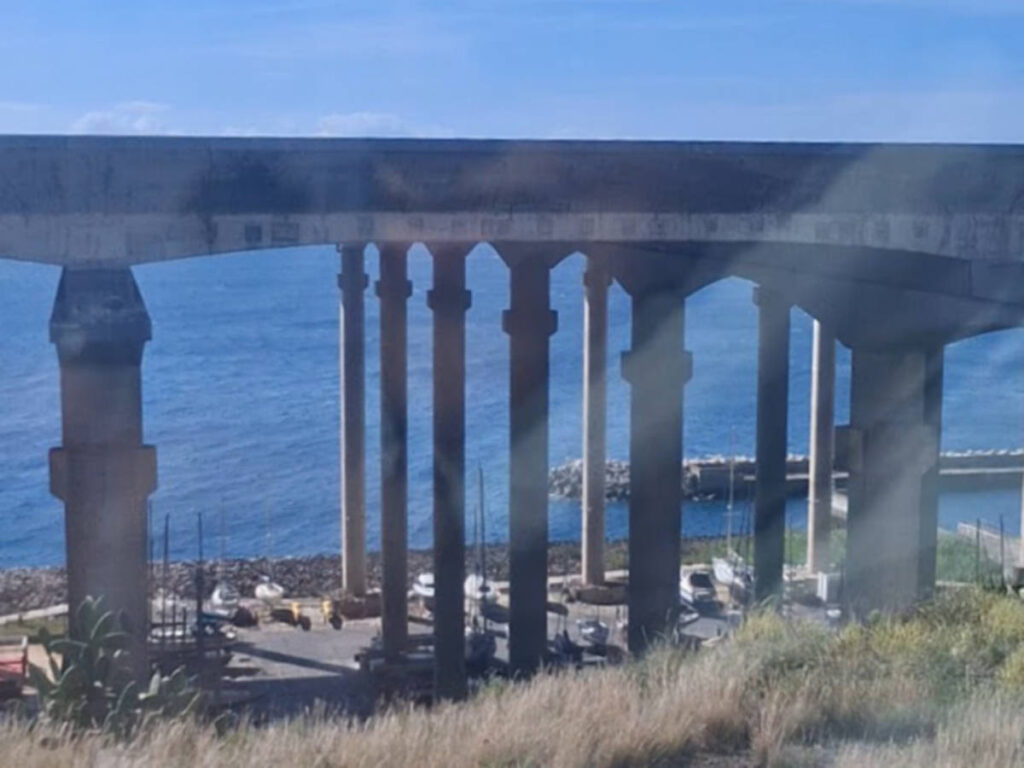
Madeira Airport is famous for its short runway and precarious landing conditions. In fact, flying into this airport requires pilots to have special training and certification.
180 concrete pillars extend the runway over the ocean. And because it’s squeezed between steep mountains and the Atlantic, the winds can be extremely strong and unpredictable.
Pilots often have to line up with the mountains and make a sharp turn to land. And sometimes the winds and visibility are so bad that flights are diverted to nearby Porto Santo to wait it out.
While this may feel exhilarating to some, I didn’t feel the same way. As I boarded the plane, I told the flight attendant that I was scared of the landing. He just chuckled and said, “Why?” I suppose he does this every day.
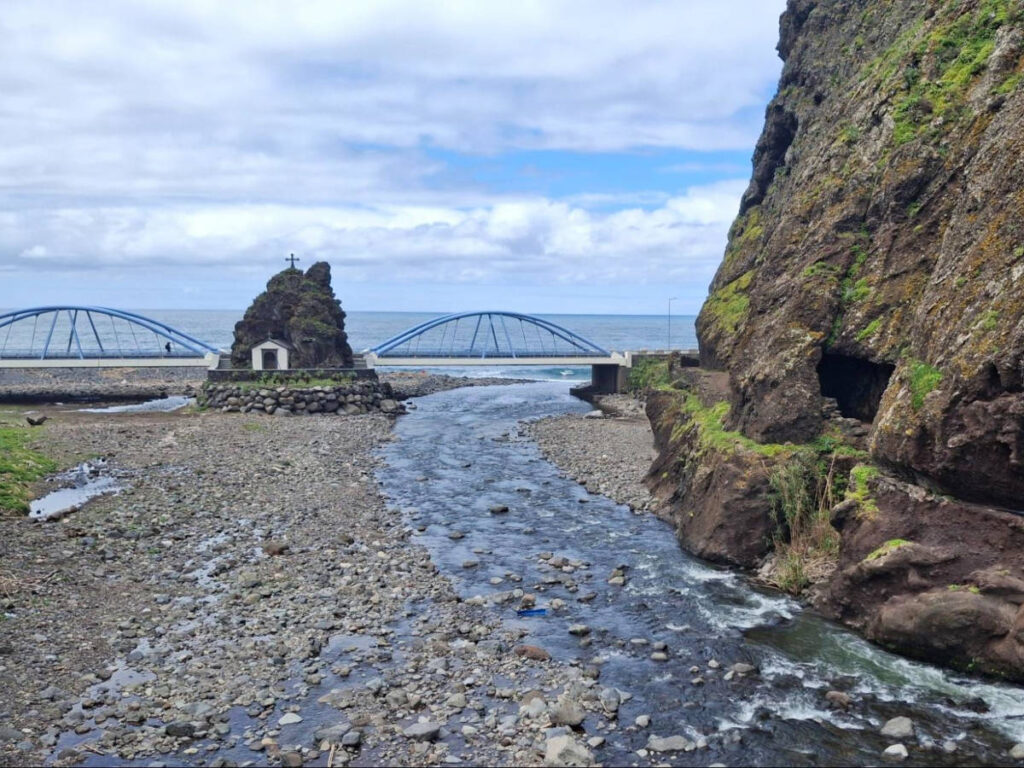
As we began to descend, my stomach tied in knots. It was the only time in my life that I didn’t want a flight to end. Thankfully, the winds were calm as we arrived in Madeira. And the landing felt as normal as any other I’ve experienced; it seemed silly that I worried so much.
Regardless, the entire plane erupted in applause upon landing. Whether you find this tacky or not, clapping for the pilot is a Madeiran tradition, so you have to join in!
Although that Instagram post hailed Madeira Airport as the “World’s Most Dangerous,” there hasn’t been an accident there since 1977, long before the runway was extended, so book that ticket! Because once you exit the airport and see that breathtaking Atlantic Ocean in front of you, you’ll forget all about your flight.
Funchal is One of the Prettiest Capital Cities, Full of Wonderful Attractions
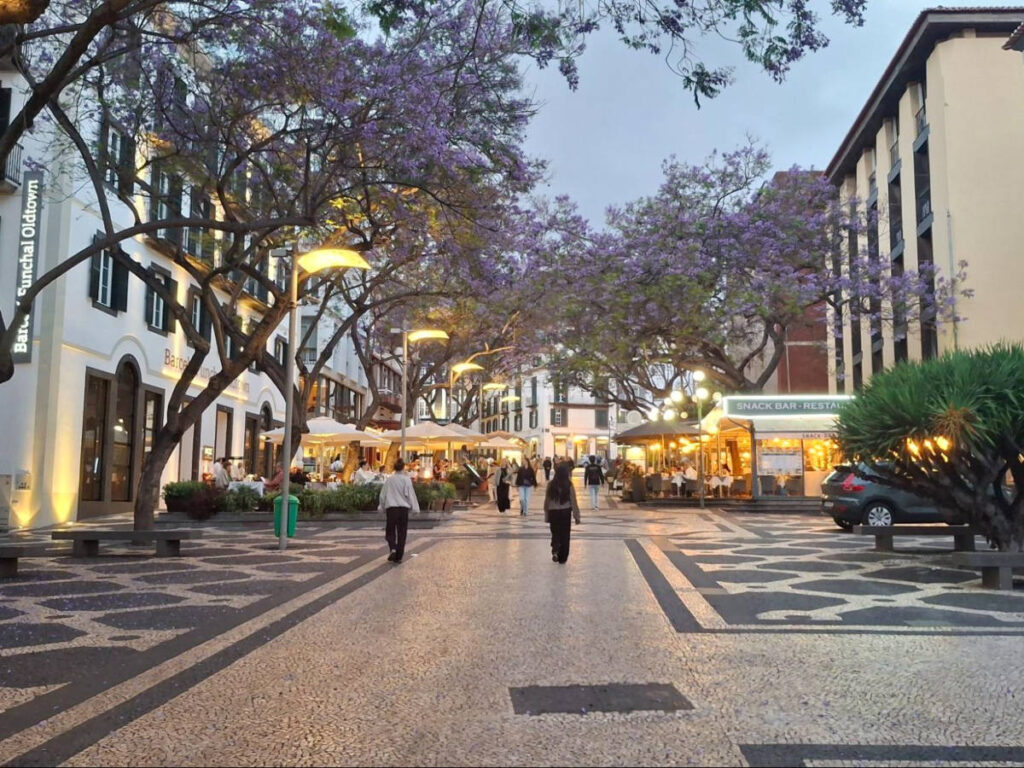
I booked an apartment at Funchal Village Studios, and I couldn’t have asked for a better place to stay. My host communicated everything clearly and check-in was a breeze. The room had a modern design and was equipped with a kitchen, which I appreciated, as it meant I didn’t have to eat out for every meal.
As soon as I stepped out the front door, I was in Praça do Carmo, a charming plaza behind The Church of Our Lady of Carmo, and just off one of the main pedestrian shopping streets, Rua Dr Fernão de Ornelas. It was right in the center of town, and all of the major attractions were a short walk away.
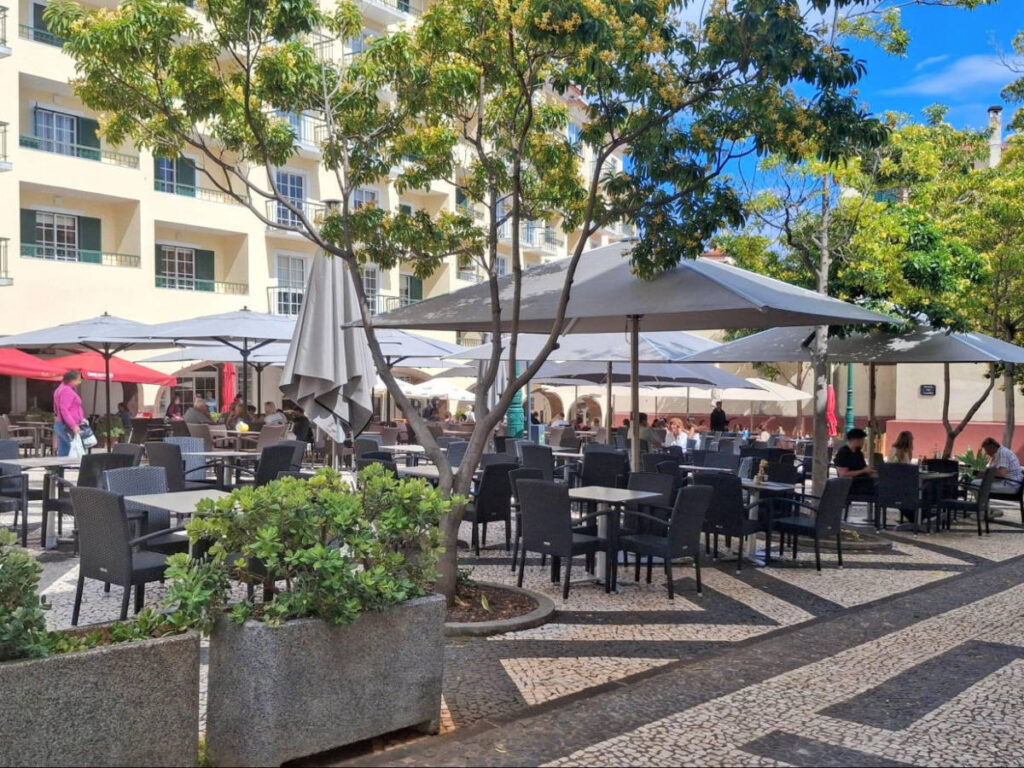
One of the first things I did in Funchal was take this marvelous Old Funchal Walking Tour. My group ended up being super small; just myself and another traveler, so it was really nice to be able to engage a little more with our guide. She explained so much about the city’s history, and shared her personal experiences living there as an expat from France.
Of course, we hit all of the city’s top spots. And for me, it was the best opportunity to get my bearings and put context to everything that I would later return to on my own.
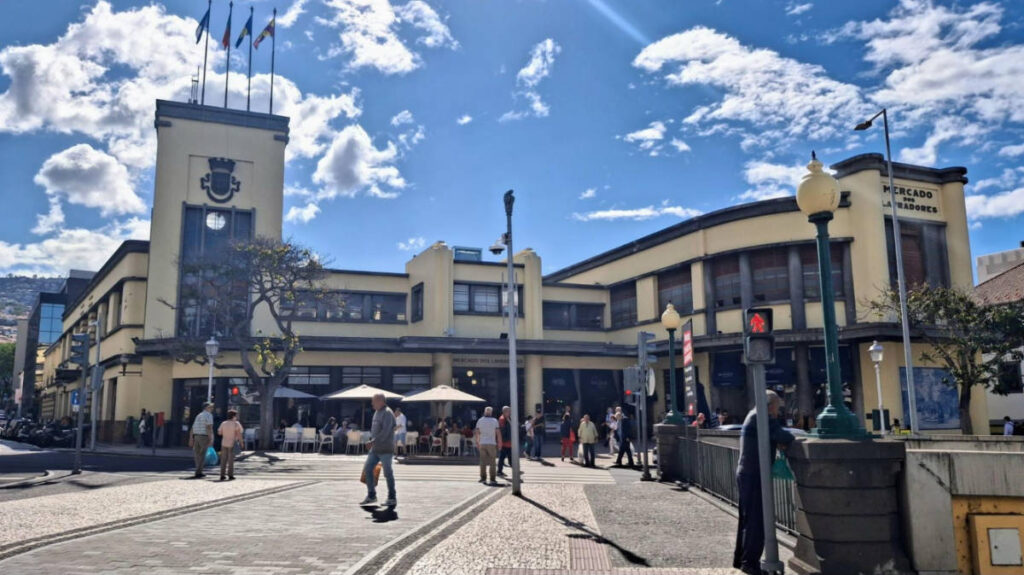
My favorite stop on our tour was Funchal Cathedral, which dates back to the 15th century. Although I’ve seen more impressive exteriors elsewhere in Europe, our guide took us inside to tell us a little bit more about this beautiful building and show us the real highlight!
I’m a huge fan of Mudéjar architecture, which I was introduced to when I lived in Zaragoza. And when she pointed out the ceiling, I was in awe. It was one of the most magnificent examples of this style that I’ve seen.
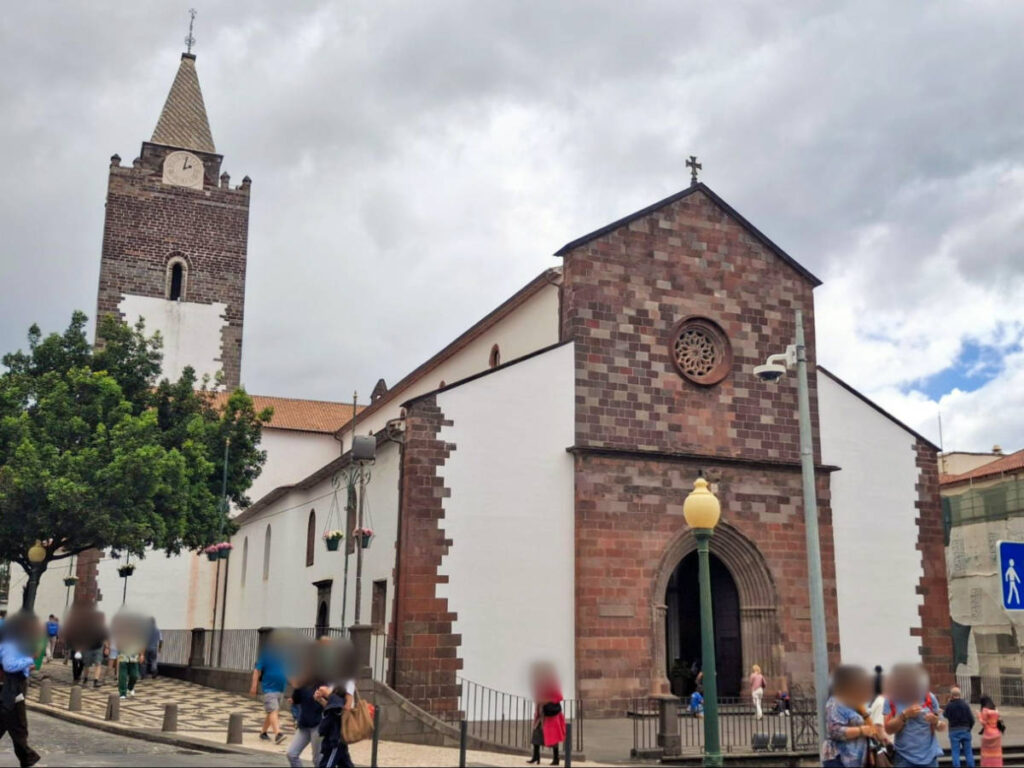
Funchal Cathedral’s ceiling is the largest wooden ceiling in Portugal. And it’s constructed entirely of locally-sourced wood, blending the Christian and Moorish architectural styles. The craftsmanship is impeccable.
Our guide gave us a few minutes to explore on our own. That’s when I saw a sign that noted the hours when the ceiling is illuminated. I returned later for this, and it took my breath away. Seeing it lit up was one of the standout moments of my time in Madeira. So, I highly recommend timing your visit to experience it.
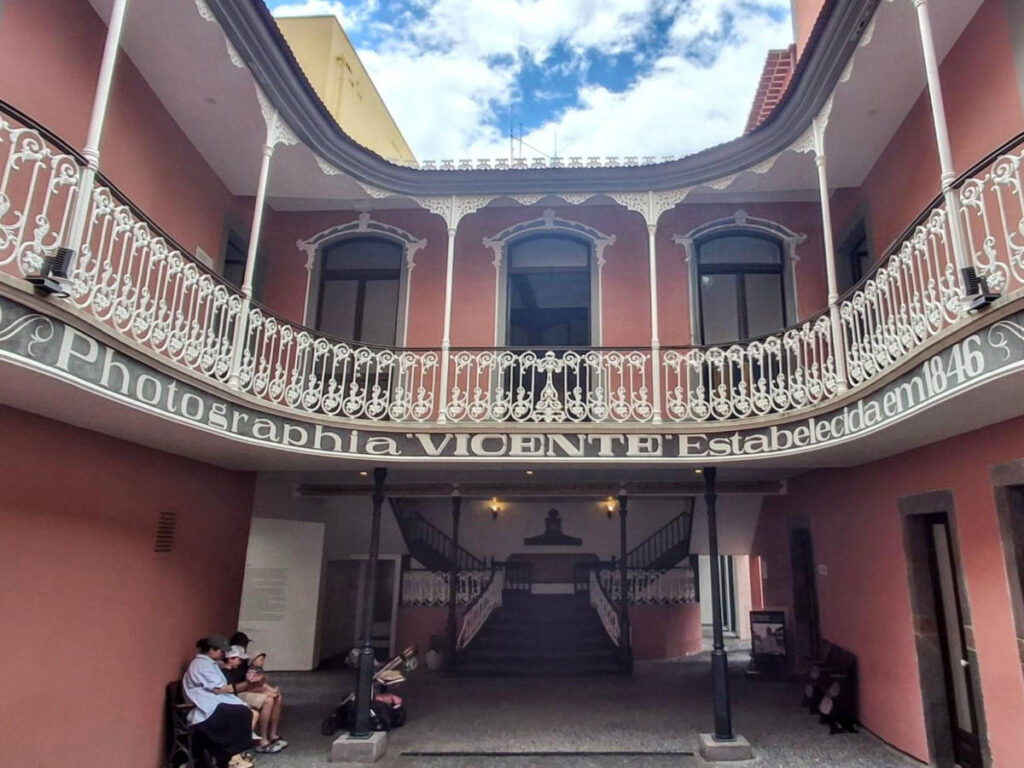
I thought I’d thoroughly researched this trip, but one attraction I seemed to miss was the Madeira Photography Museum. We stopped here on the tour, and our guide mentioned that this was one of her favorite places. She said if we were to go to any museum, make it this one.
I love photography, so I returned right after our tour ended. And her recommendation was spot on. In 1865, local artist and photography pioneer Vicente Gomes da Silva acquired this beautiful building. Although it’s now a museum, it remains the oldest photography studio in the entire country.
I loved seeing the original sets, props, and furniture where the locals and aristocracy once posed. But I most enjoyed browsing the hundreds of photos taken through the decades and seeing how fashion evolved.
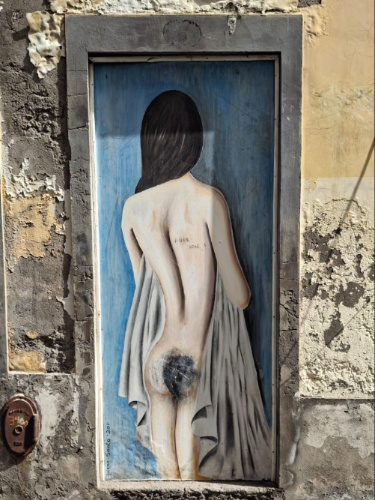
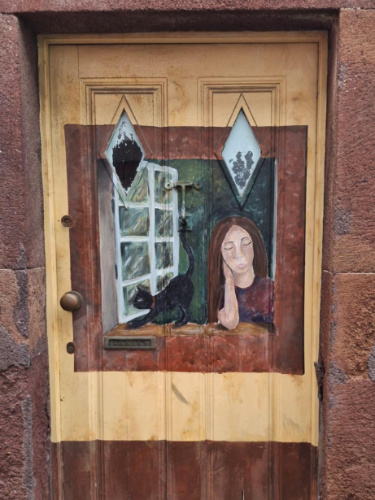
What I was most excited to see in Funchal were the painted doors of Rua Santa Maria in the Old Town. Our guide took us to the area and explained a little bit about the inspiration for this project.
In 2010, tropical storms devastated this neighborhood. The painted doors are a result of The Art of Open Doors initiative, created to revitalize the area, both economically and physically. More than 100 artists donated their time and painted over 200 doors, shutters, and facades. They were given free rein to create, so the styles are eclectic and diverse.
I scoured the area, trying to find as many as I could. It was hard to believe that this neighborhood was once in terrible decline, because today, it is busy and vibrant at all hours. This is a testament to the positive effect that public art had on this community.
👉 Know Before You Go: The best time to visit to see the painted doors is early morning, before lunch. Busy restaurant patios line the streets, and their tables obstruct the view of the doors during mealtimes.
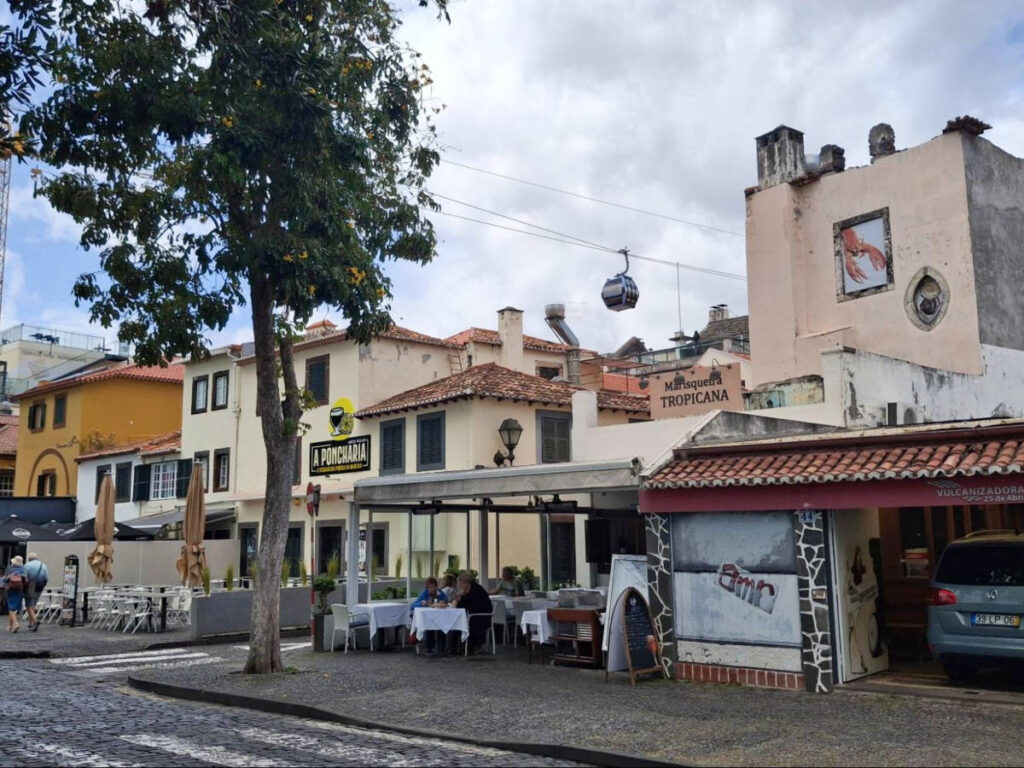
After my tour, Funchal started to make sense, and I was ready to set out on my own. My next stop was my much-anticipated cable car ride to Monte.
Monte is a suburb that sits atop a steep hill overlooking the city. You can get there easily by public bus, rideshare, or, if you’re really adventurous, you can walk. But the most enjoyable way is by the Funchal-Monte Cable Car.
This was also my first experience with Funchal’s temperamental weather. It was beautiful and sunny in town, but I could see the clouds lingering around the top of the mountain. I decided to try and seize the opportunity, hoping that because it was nice by the water, the clouds would soon move on.
I was wrong.
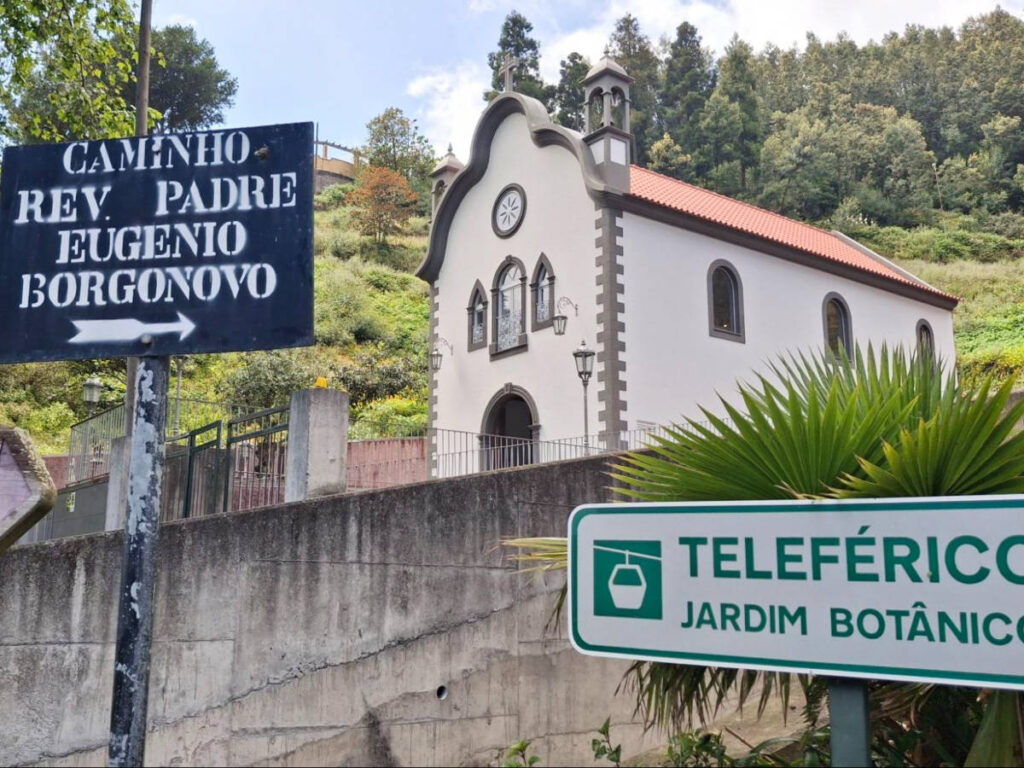
About halfway up, rain began to hit the windows of the cable car, and continued for most of my visit. I was quite keen to see Monte’s famous gardens, the Monte Palace Garden and the Madeira Botanical Garden. But the hefty entrance fees to both (in addition to another cable car ride to the Botanical Garden) didn’t seem worth it, given the weather.
That’s okay. I’ll have something to do next time.
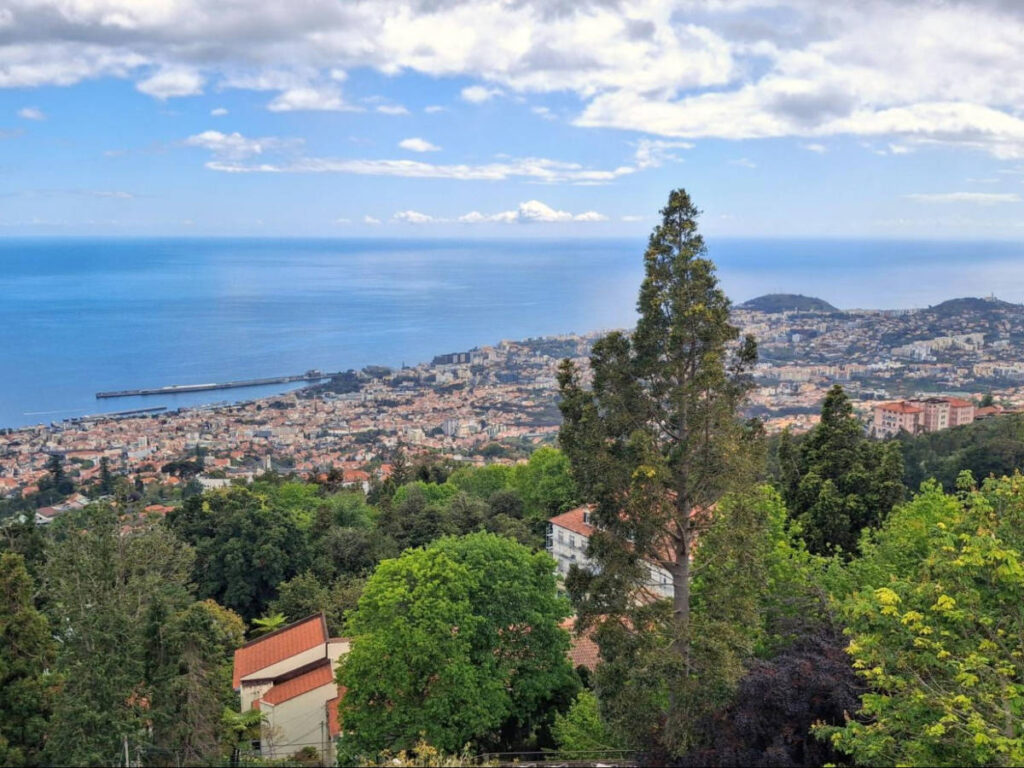
However, I stayed dry and enjoyed two beautiful churches, the Babosas Chapel and the Church of Our Lady of the Mount, where I highly recommend paying €2 to climb up to the roof. The city views are breathtaking!
My last stop in Monte was to see the famous wicker toboggans of Funchal. And at that moment, I regretted buying a return ticket on the cable car. I should have purchased a one-way ticket and ridden one of these down instead. Even so, I still enjoyed watching from the sidelines.
Excited tourists lined up to ride these wicker sleds, first invented in the 1850s as a means to move people, produce, and other goods down the steep hillside.
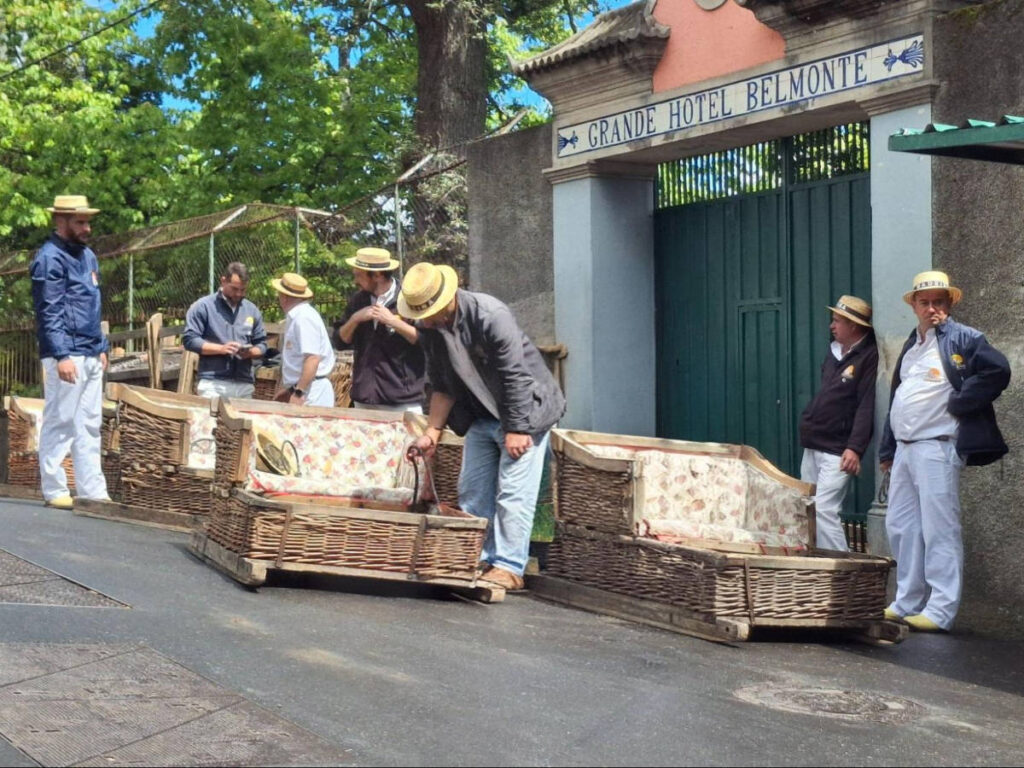
I laughed as the carreiros, dressed in their traditional white and straw boater hats, ran giddy passengers down the two-kilometer hill. But at the same time, I also wondered if I was brave enough to try this. You see, the carros have no steering or brake systems, so the carreiros and their thick rubber-soled boots do the job instead!
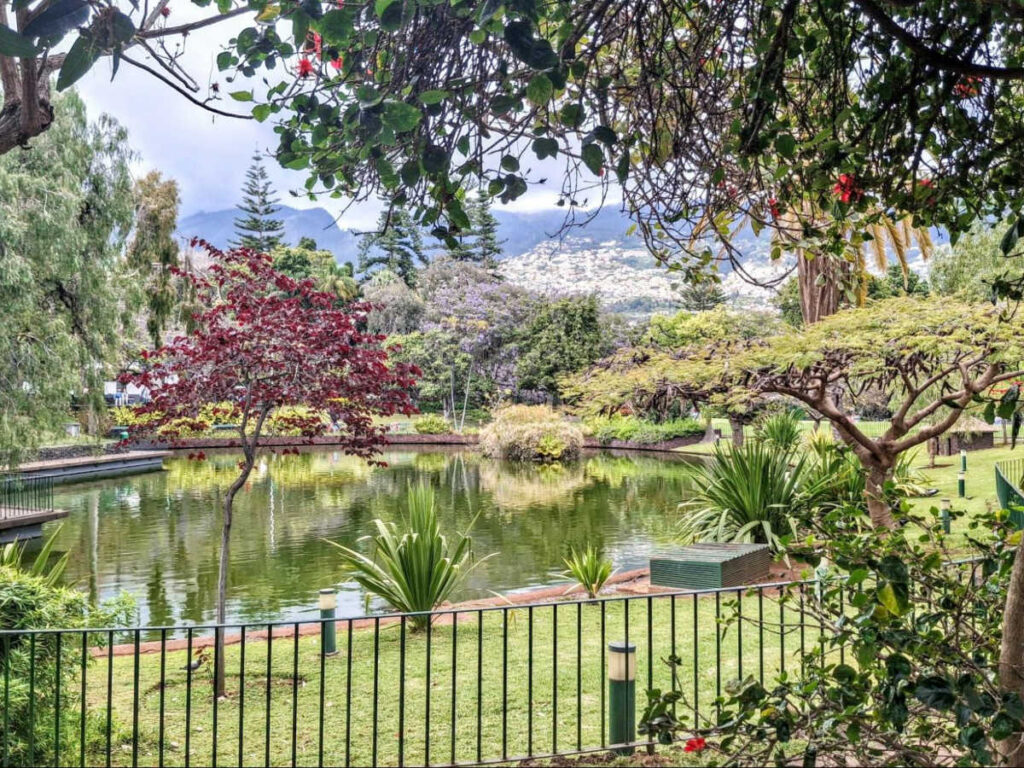
I was disappointed that the weather wasn’t ideal for visiting the gardens in Monte. But the parks in the center made up for it. My favorite was Santa Catarina Park with its tranquil duck pond, tropical plants, and huge green space overlooking the city and the bay. I could have soaked in those views all day!
But if you don’t want to walk uphill to Santa Catarina Park, the Funchal Municipal Garden is an equally great spot in the city center. Built on the site of the 17th-century Convent of São Francisco, this garden is home to several exotic plant species from around the world. It was my favorite place to rest from my sightseeing.
Across the street from the Municipal Garden is Blandy’s Wine Lodge. Dating back to 1811, this is one of the island’s oldest family-run businesses, now in its seventh generation.
Here, you can see historic coins, letters written by Winston Churchill, and a vintage wooden wine press. But of course, your main reason to visit is to have a glass (or flight) of Madeiran wine.
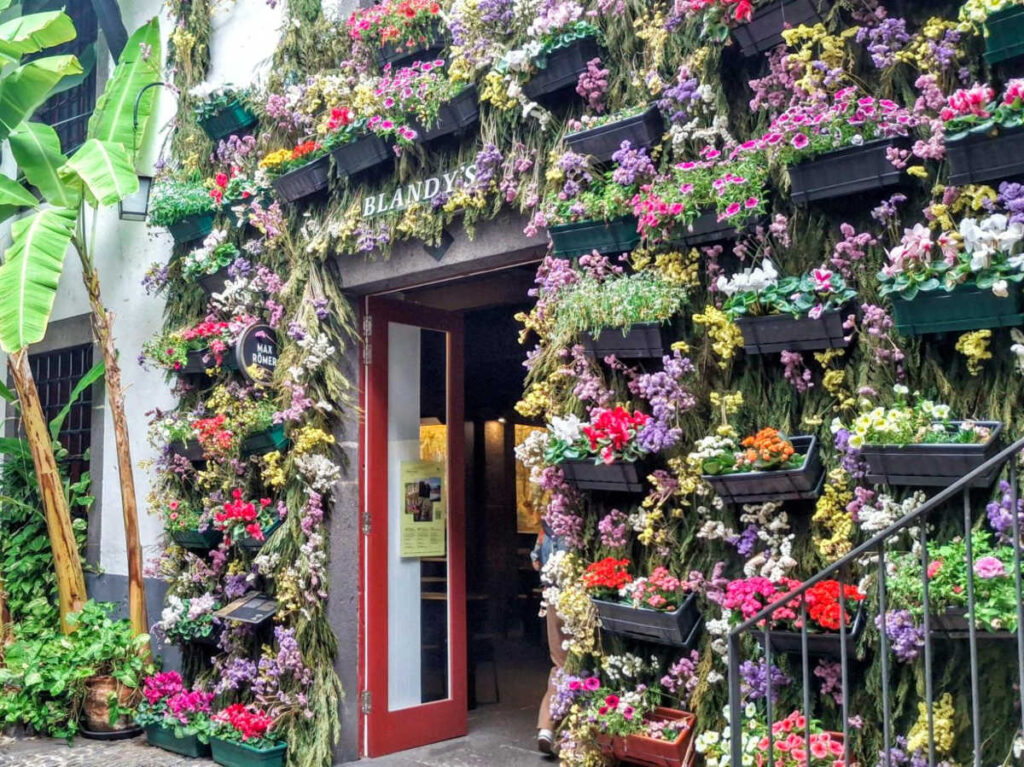
I’m only a casual drinker, and generally like sweeter wines, so I went with a glass of their sweetest option. This wine tasted richer and more robust than what I’m used to. I enjoyed it, but it took me a long time to finish, and one glass was enough. However, I think anyone with a more sophisticated palate will really appreciate these wines.
Funchal is so laid-back and relaxing. And it would have been a joy to stay there for my whole holiday. But Madeira is so much more than its capital. And to see the island’s true natural beauty, you have to leave town.
It’s Easy to Spend 5 Days in Funchal, but There is a Whole Island to Explore
For outdoor adventure, nowhere delivers like Madeira. There are over 3000 kilometers of walking trails along historic irrigation channels, known as levadas. You can hike to the highest mountain peaks. If paragliding, mountain climbing, and canyoning are your thing, you’ll find plenty of opportunities. Or you can hit the water on a whale watching tour.
The levada walks and hiking the PR1 from Pico do Arieiro to Pico Ruivo were of most interest to me, but I didn’t have enough time to do these on top of everything else. And the weather in the mountains ended up being so bad, it was a blessing in disguise.
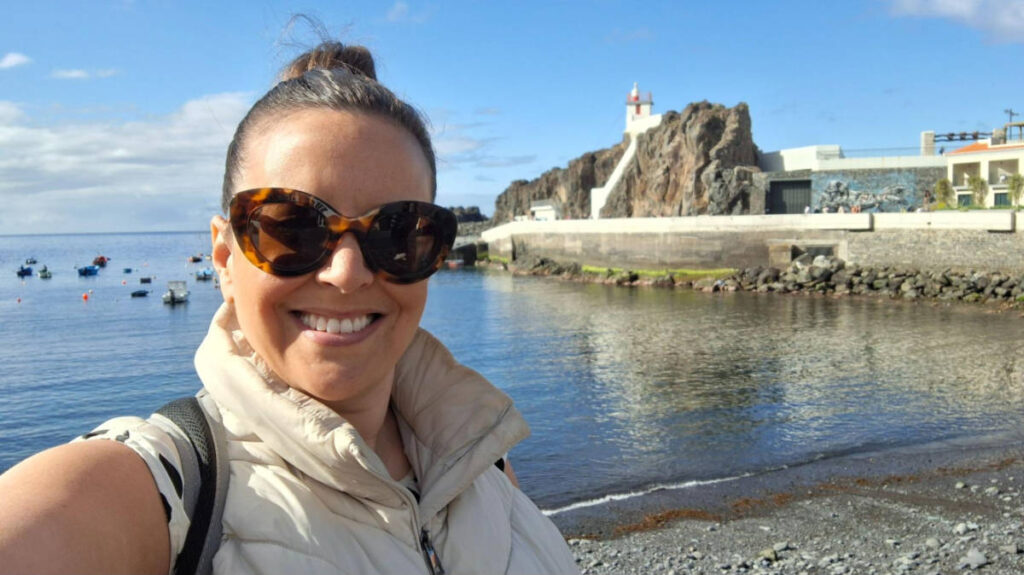
So to make the most of my limited days, I opted for this two-day tour of the island, and it was the perfect choice. Not only did I have an amazing time, but I got a good taste of Madeira and learned so much from my local guides.
Each day was packed with adventure, and everything was so easy and well organized. I was picked up and dropped off in Funchal’s center, a short walk from my apartment. My only responsibility was being at the stop when the bus pulled up.
Our first day took us around the east side of the island. My tourmates were a mix of English and Portuguese speakers. And the tour was conducted in both languages (our guide worked very hard!). The Portuguese, of course, brought the energy, and I had a blast with them even though we couldn’t understand each other.
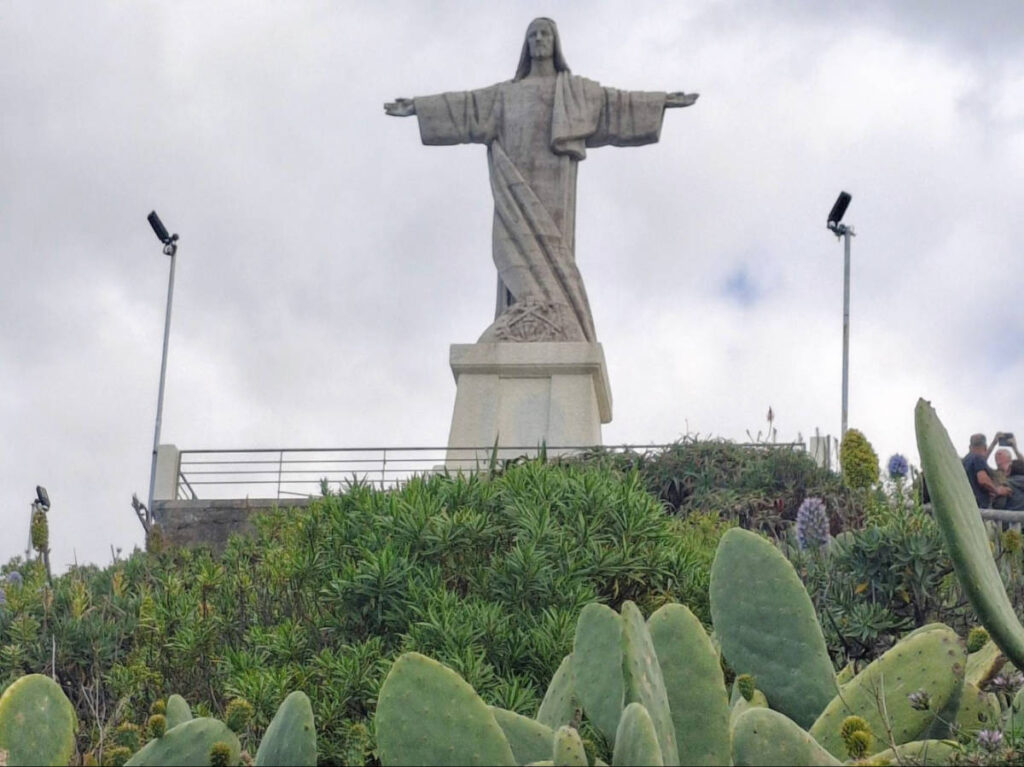
Our first stop was to see the iconic Cristo Rei statue in Garajau. This Art Deco statue of Christ extending his arms over the Atlantic is actually older than the one in Rio de Janeiro. It’s not too far from Funchal, and definitely a must-see.
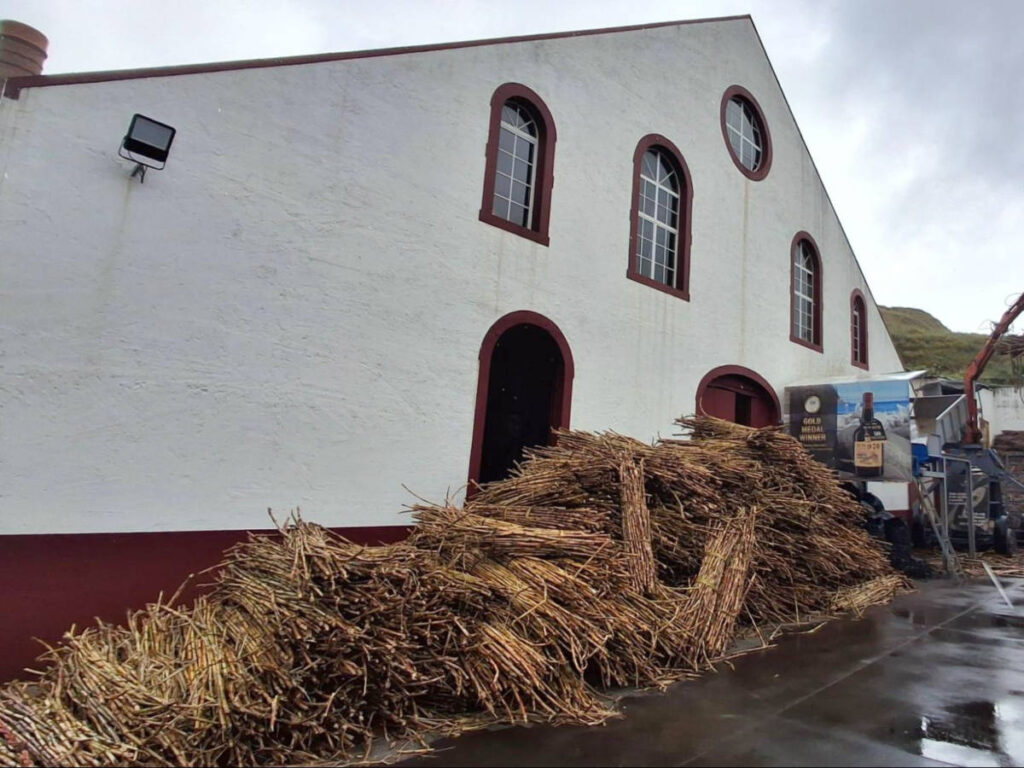
Then we moved on to some of the legendary viewpoints, like the Miradouro da Ponta do Rosto, and visited a rum distillery in Porto da Cruz where we sampled the local specialty.
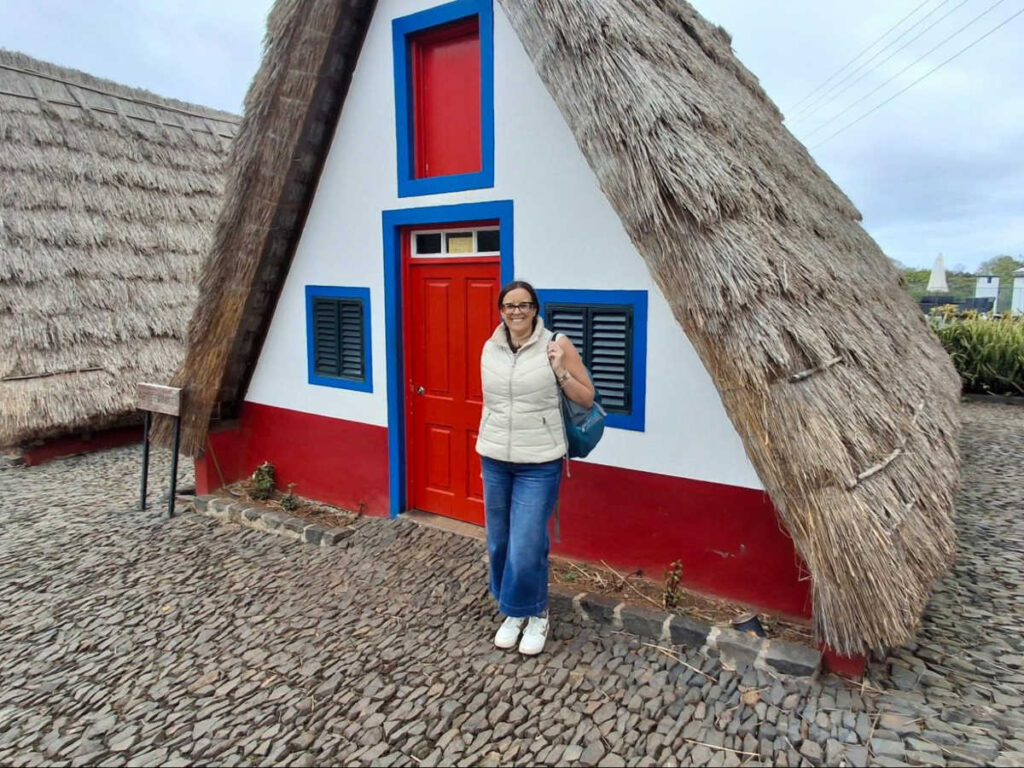
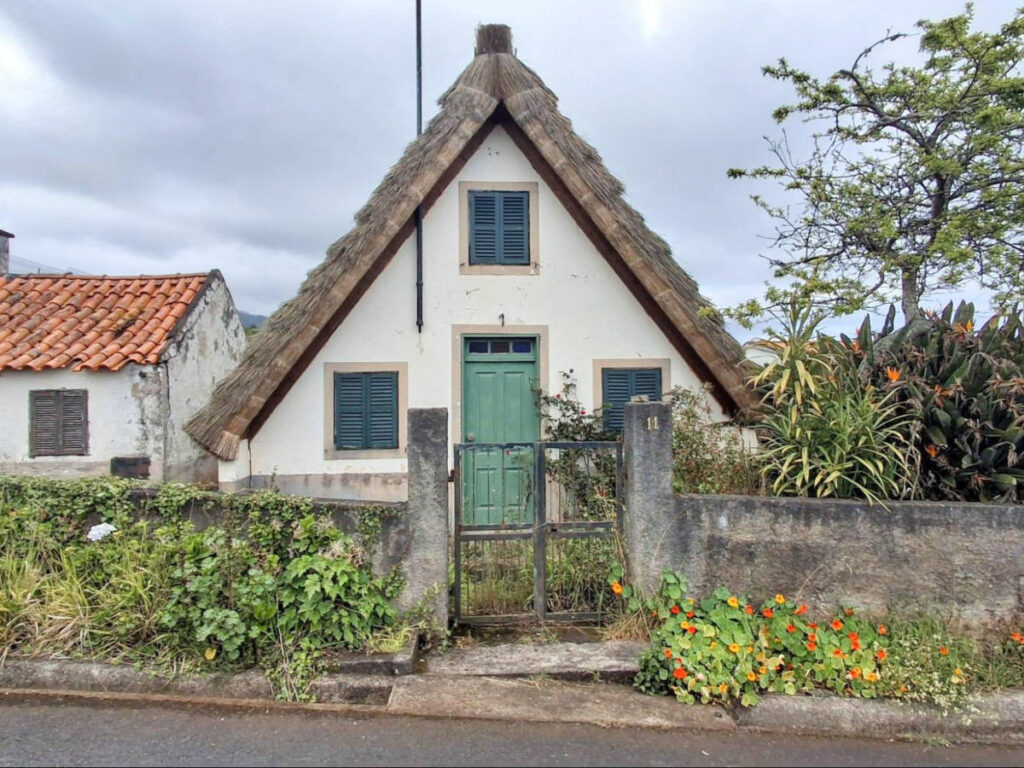
We stopped for lunch in Santana, home to the famous triangular thatched houses. There is a small cluster of them where tourists can take photos and buy souvenirs. As we had a long break here, I had time to wander the neighborhoods, where I found one that was an actual residence. It was gorgeous!
But my romantic visions of living in one someday came crashing down when I found out that these roofs need to be replaced every five to six years at costs that can reach or exceed €20,000! Understandably, you don’t see many of them these days.
After our lunch in Santana, we were off to see the island’s most majestic peaks, including Pico de Ariero, which I was most excited to see. Unfortunately, the weather turned, and as we climbed the mountain, thick fog set in and the temperature dropped. We couldn’t see anything, and it was so cold.
Disappointed, we drove back to Funchal, where the sunshine and warm temperatures greeted us once again. We all thought that maybe tomorrow would be more promising.
The English speakers were on our own for the next day’s tour. I missed my new Portuguese friends, but we were in a much smaller bus, which I preferred. This day took us to several little villages on the west side of the island. I particularly loved Câmara de Lobos and Ribeira Brava, where I wished we’d had more time.
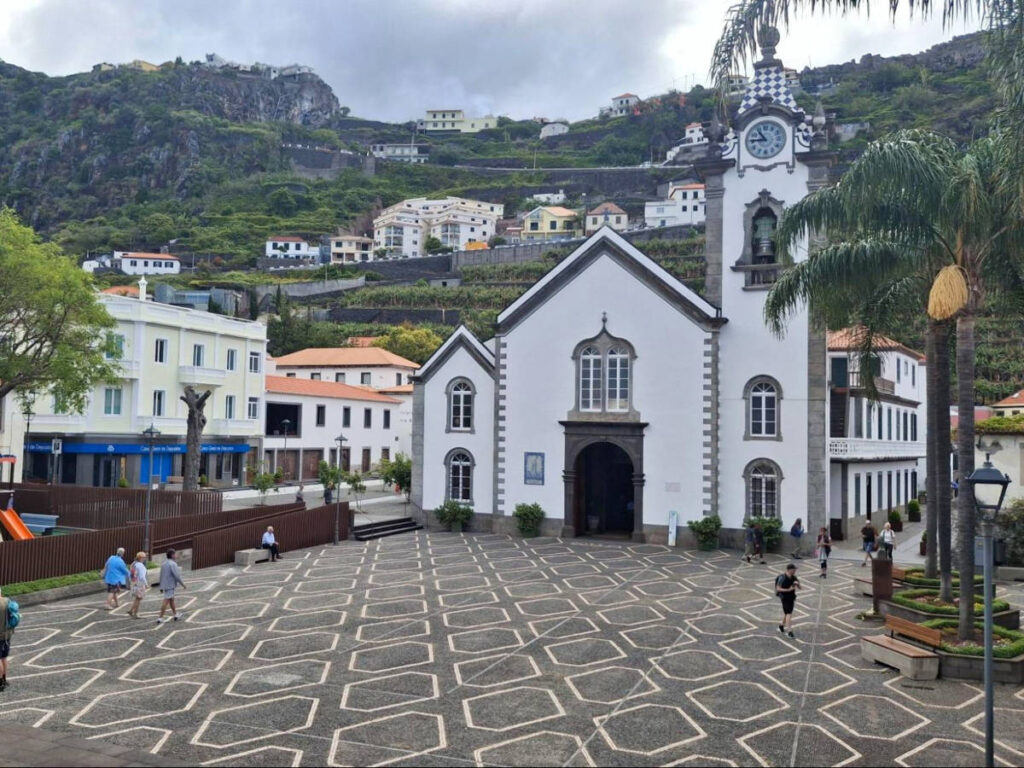
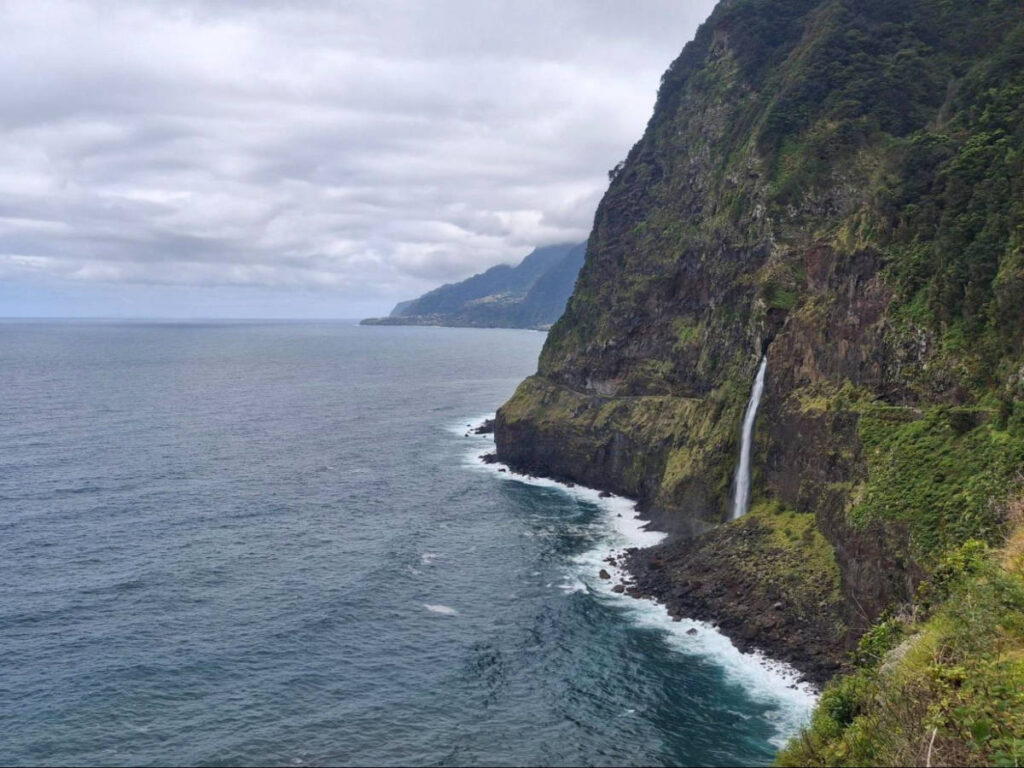
Madeira’s mild climate is ideal for growing a wide variety of fruits and vegetables. And as we travelled around the island, we passed fields filled with strawberries and banana plantations all along the hillsides. We also visited several of Madeira’s renowned beaches and waterfalls, with the Véu de Noiva waterfall being the most impressive.
But Day Two’s weather continued to disappoint, and once again, we were met with thick fog during our visits to the higher points, and we couldn’t see anything of the much-anticipated “Stairway to Heaven.” Our wonderful guide still did her best to explain as much as she could to a bus full of sad faces.
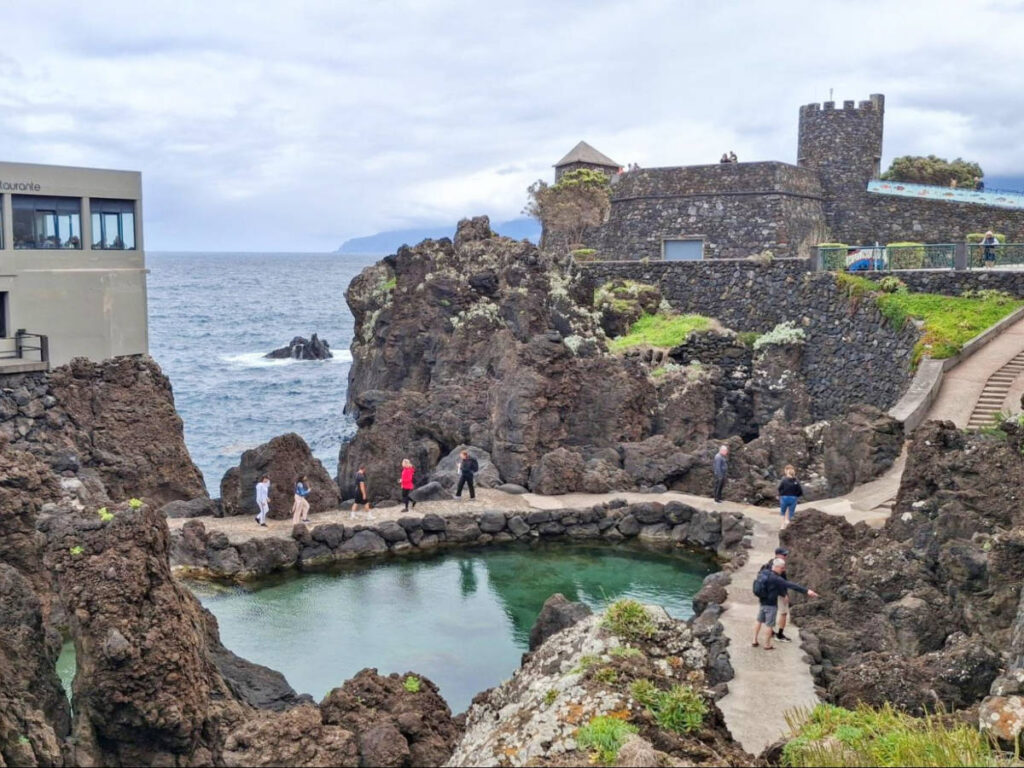
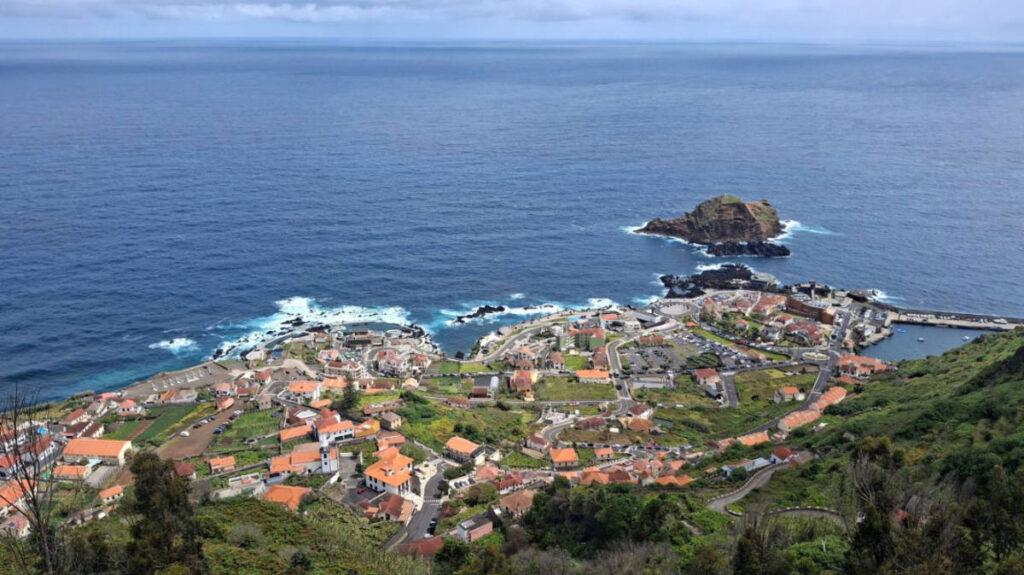
Our lunch stop was in the charming seaside town of Porto Moniz, home to Madeira’s largest volcanic pools. While the pools are the main attraction, the views as we descended toward the village were the highlight for me. Although I didn’t get the chance to swim, I loved watching the waves crashing against the rocks. It was so beautiful.
Our final stop of the day was the viewpoint at Cabo Girão, when, once again, the skies cleared and the sun shone for us to enjoy the stunning views of Funchal before heading home.
Despite the less-than-ideal weather, this tour was wonderful. It was such an easy way to get to know Madeira in a short period of time, and we were able to see so much.
You’ll Eat and Drink Well in Madeira
I fell in love with Portuguese food (hello, pastel de nata!), but there are several dishes unique to Madeira. And these are the few that I still find myself craving.
Espetada is salted beef cubes, skewered onto a fresh laurel branch and grilled. Served vertically, it hangs from a metal hook, with a plate placed underneath to catch the juices as they drip. I had the most delicious one at Sabor Tropical, and eating off that hook was quite the experience, as it looks more like a torture device than a utensil.
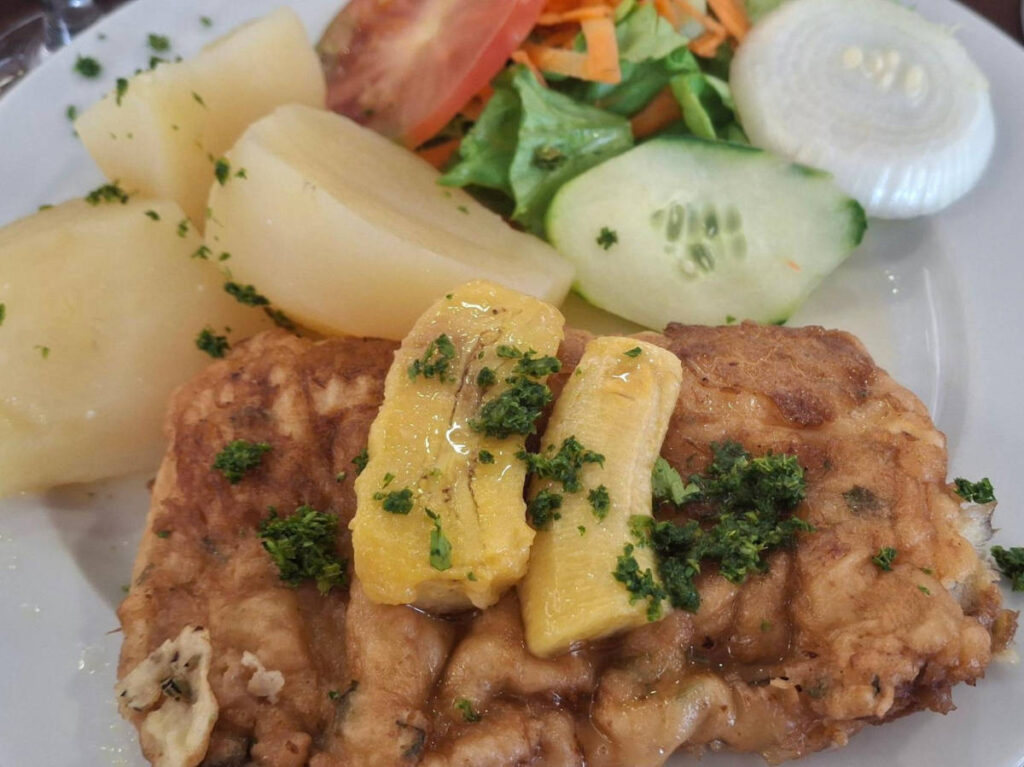
Espada com banana is another traditional Madeiran dish that is a must-try. It is black scabbard fish that is fried and topped with banana. It’s usually served with potatoes and a salad. Go and see the black scabbard in the Mercado dos Lavradores. It’s a really ugly fish, but don’t let that put you off. It tastes delicious.
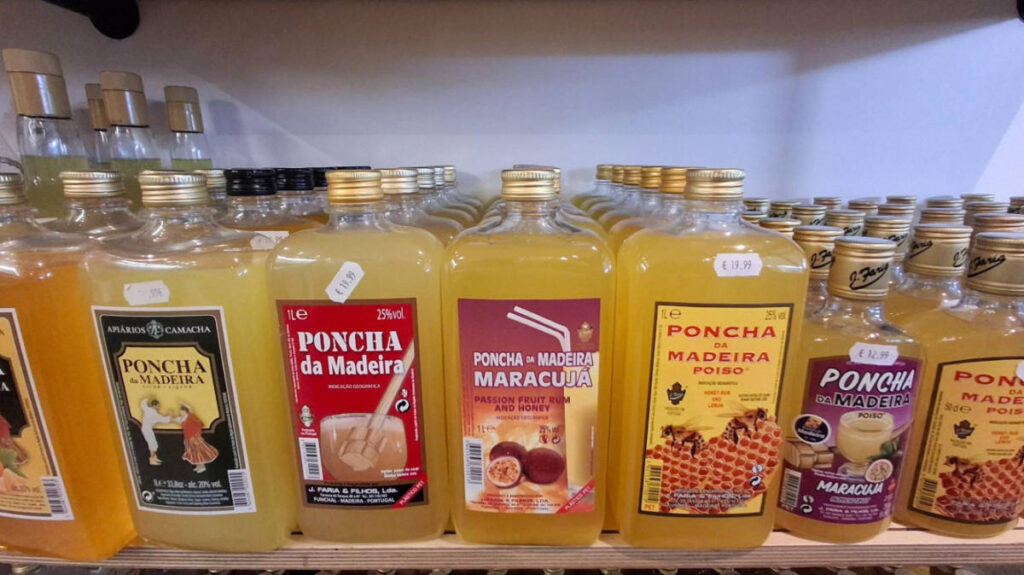
Poncha is a refreshing drink made of sugarcane brandy or rum, honey, sugar, and fruit juice. My favorite was maracujá (passion fruit), but lemon and orange are most typical.
This drink packs a punch, and the alcohol content can reach a whopping 50% in some recipes. I am a bit of a lightweight, and I found that one was more than enough for me!
My favorite place to sip a sweet Poncha and watch the sun set over the Atlantic was Barreirinha Bar. The location was absolutely breathtaking, and the live DJ just added to the beachy vibes. But you can find this drink everywhere.
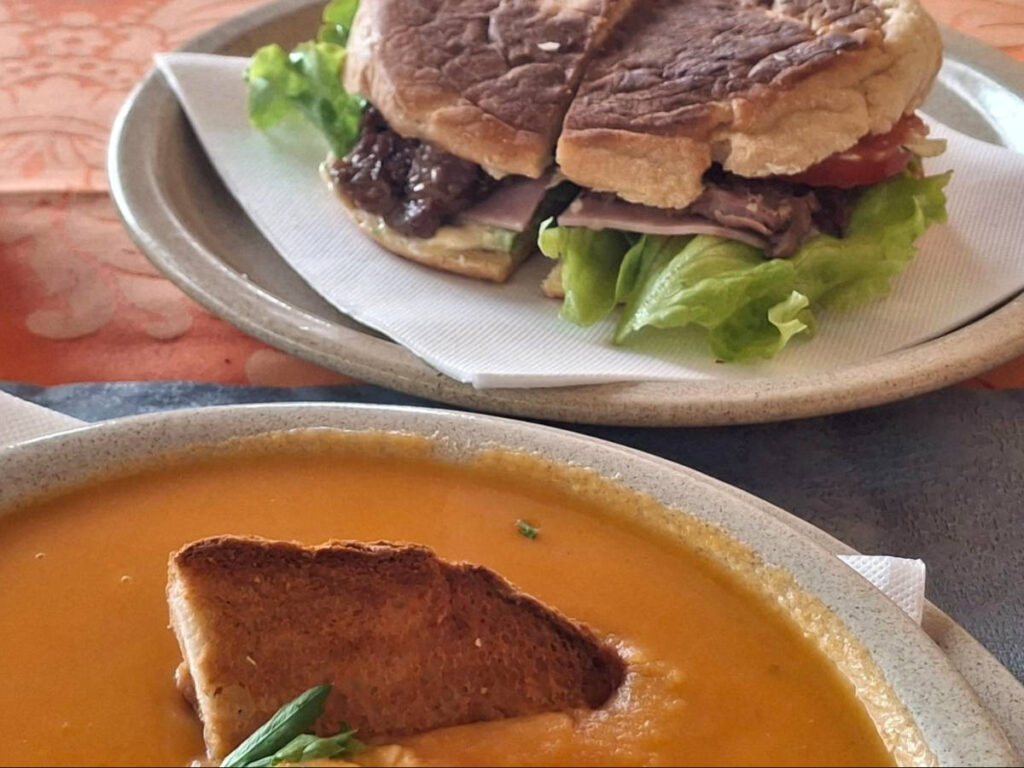
Every place has its signature bread, and Madeira’s is the Bolo do Caco.
Bolo do Caco is a flatbread made with mashed sweet potato. This gives it its signature texture and flavor. It is most commonly served hot, sliced open, with garlic and parsley butter. But it’s also used to make sandwiches or as a side to espetada.
End every meal with a slice of Bolo de Mel, Madeira’s most famous dessert. This cake is made with sugarcane molasses, nuts, and spices like cinnamon and clove, and is dense and sticky. You can also buy it at the historic Fábrica Santo António in Funchal.
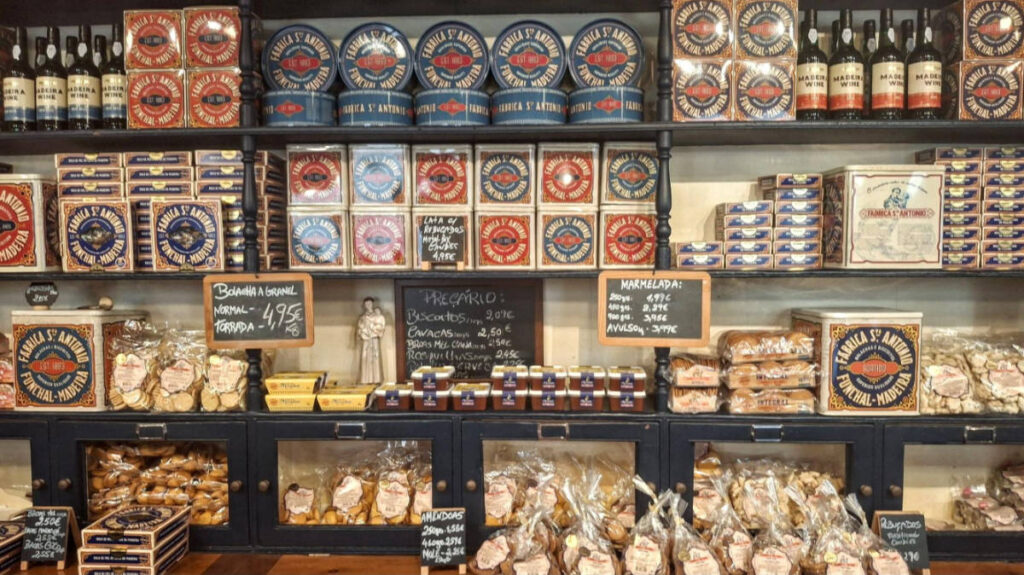
This cake is not sweet enough for me, but what I did love were Broas de Mel. These crisp little cookies are closely related to the cake, but taste like ginger snaps. I bought a bag at the rum distillery, and it didn’t last very long.
Tips for Visiting Madeira
I found Madeira to be one of the easiest places to visit. It’s idyllic, safe, and everyone speaks English (you should still try a few words of Portuguese, though). It’s a unique place, and I discovered a few things that are special to the island. So, here are some of my top tips for a holiday in Madeira.
Funchal’s Historic Center is the most convenient place to stay
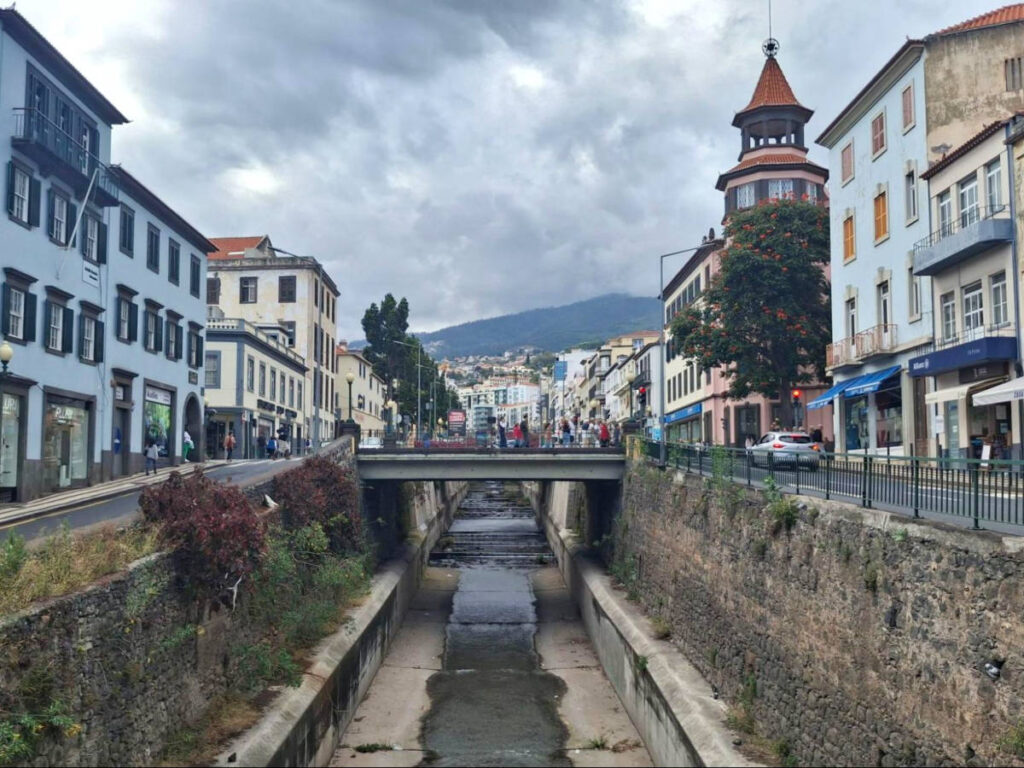
Although Funchal is a small city, its steep, mountainous terrain makes it feel much larger than it appears. All of the action happens in the Historic Center. Here, you’ll find amazing restaurants, top attractions, waterfront promenades, and the cruise port.
As a solo traveler without a car, I wanted to stay somewhere central and walkable. My apartment at Funchal Village Studios couldn’t have been a more perfect location in the center. It didn’t take long to get everywhere on foot. And there were shops and restaurants all around me.
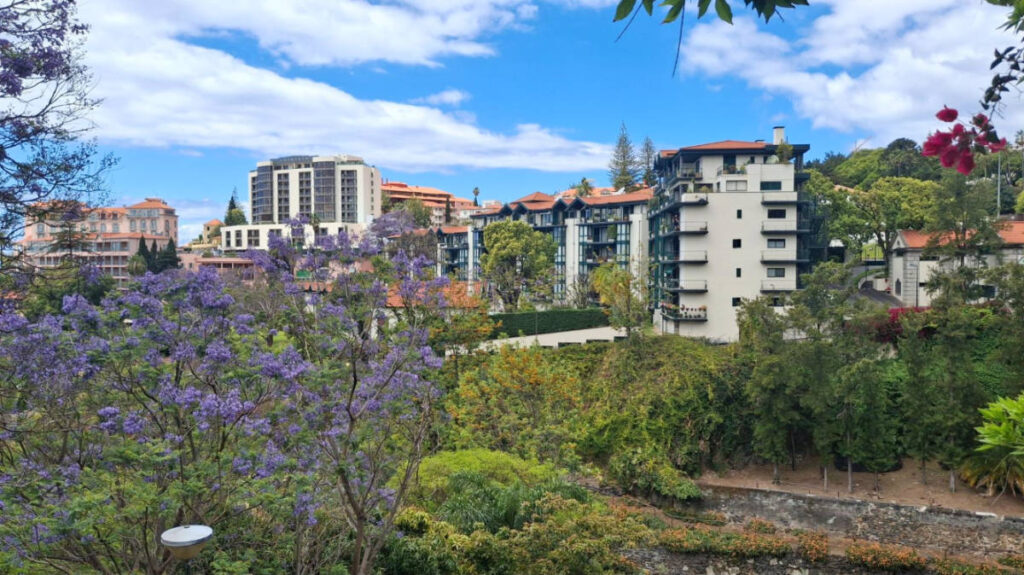
I did walk to some of the more distant areas of the city, where I passed many of the big, luxurious resorts. It would be nice to stay at one someday, but I didn’t find them to be quite as convenient as the center. But if you’re looking for a completely relaxing holiday by the pool, I think these resorts would be amazing.
Only use specific bank machines
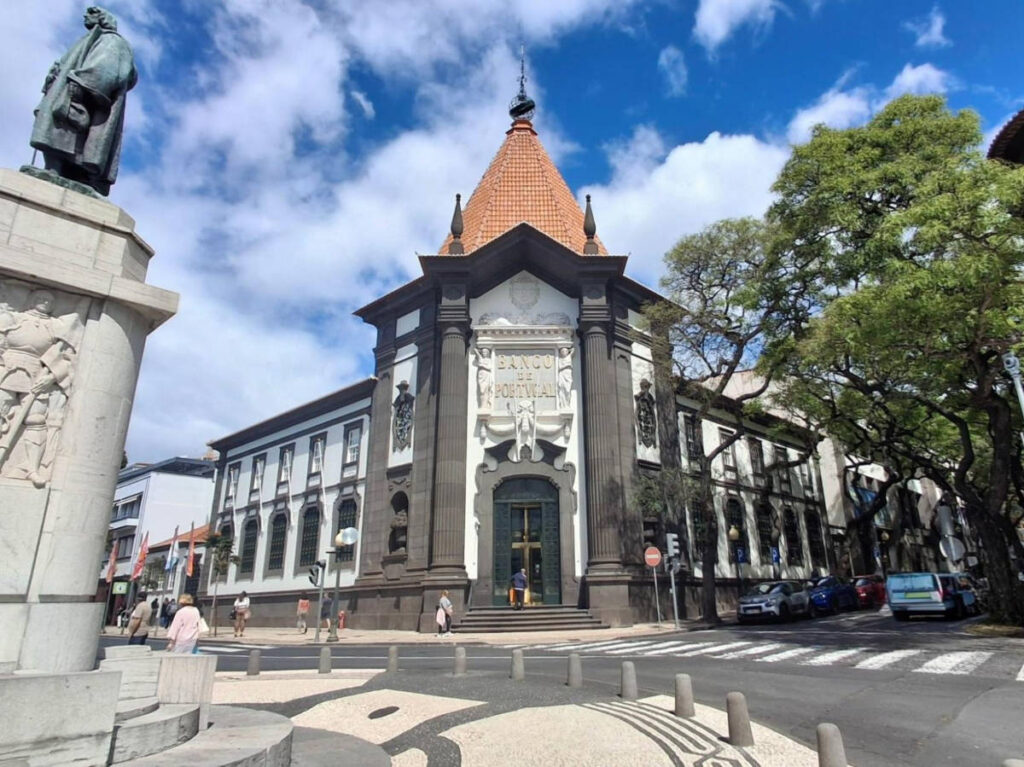
While I was in Porto, someone told me to only withdraw cash from bank machines marked with an “MB” logo. These are ATMs that operate on the national Multibanco network. And they do not charge a fee. You may still incur a fee from your home bank, but using these will help you avoid being charged twice. This logo is on bank machines in Madeira as well.
Don’t buy fruit at the Mercado dos Lavradores
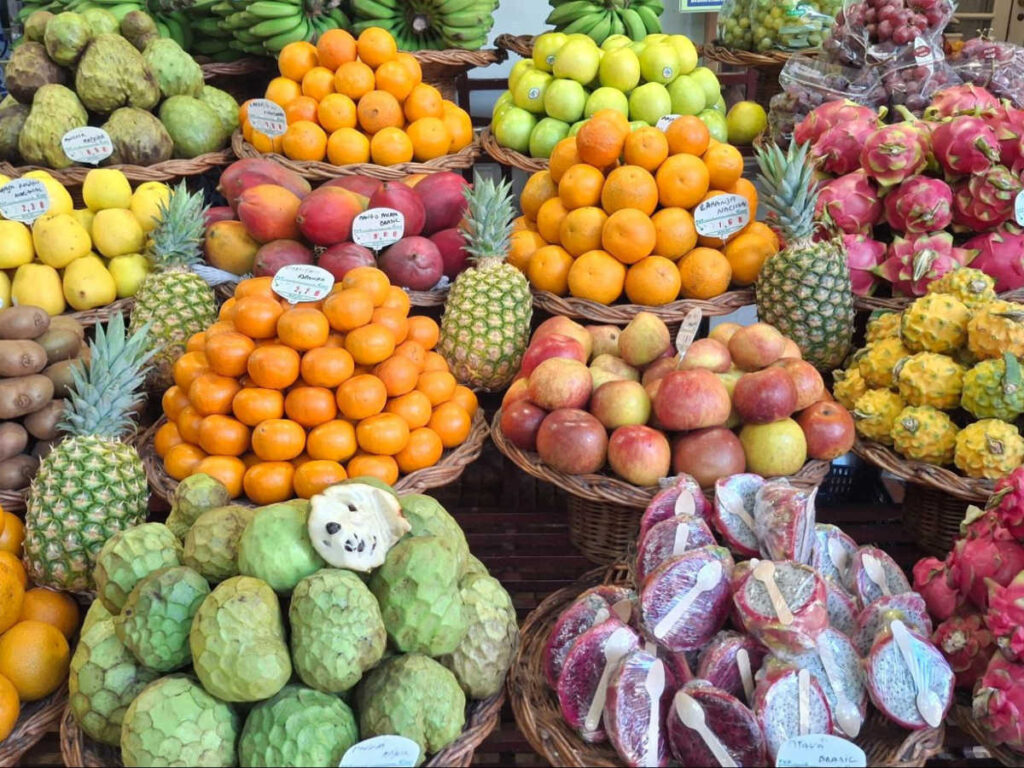
One of the main draws of the Mercado dos Lavradores is the colourful exotic fruit. Vendors will coax you to their stands for a sample, which you should absolutely accept and enjoy. But the prices are heavily inflated for tourists, so stick to the supermarkets if you want to buy anything.
My local guide also warned us that vendors mix the samples with sugar, so any fruit you purchase here will not taste as sweet as what you tried. It is Funchal’s most well-known scam.
Pack layers and an umbrella
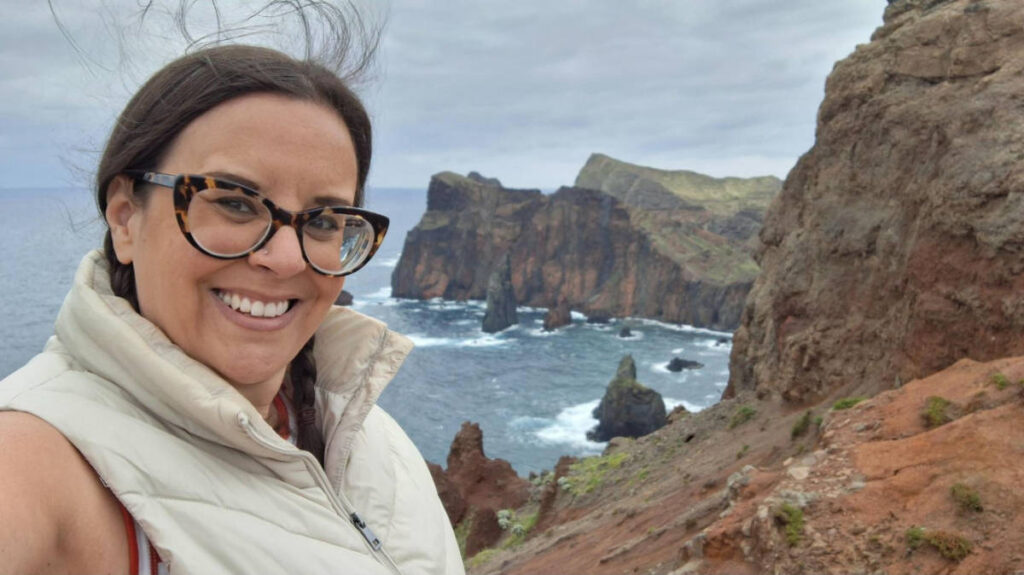
I was expecting sunny skies and hot temperatures for my trip to Madeira in mid-May. Instead, I got a mixed bag of weather and discovered I really needed a few more layers.
It was warm and sunny in Funchal center and towns right along the water. But the weather changed dramatically with the slightest elevation. My afternoon of taking the cable car to Monte was a washout. And my visits to the island’s highest peaks were disappointing due to thick fog, rain, and single-digit temperatures.
The weather also changes rapidly, and the adage about experiencing four seasons in one day certainly rings true for Madeira. Layer your clothing so you can put on and take off easily.
Rent a small to medium-sized car
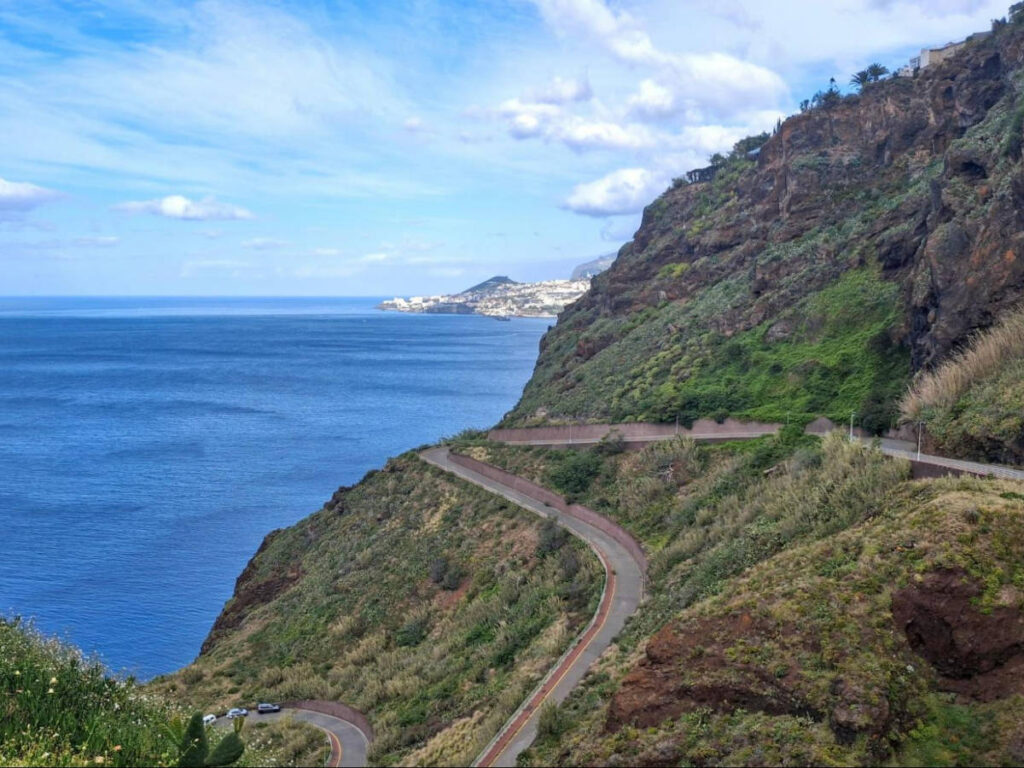
There is so much to explore in Madeira, and some of the most magnificent places are off the beaten path. The highways are fairly new, so the island is full of old roads that lead to places that you wouldn’t get to see by public transportation or on a tour.
Renting a car will really help you make the most of your trip. But make sure to choose something powerful and on the smaller side. The roads are narrow and winding. And Madeira is so mountainous, you’ll have to do a lot of climbing. Because parking is also at a premium, it’s always best to have a small car and arrive early at the popular spots.
Plan your visit around a festival
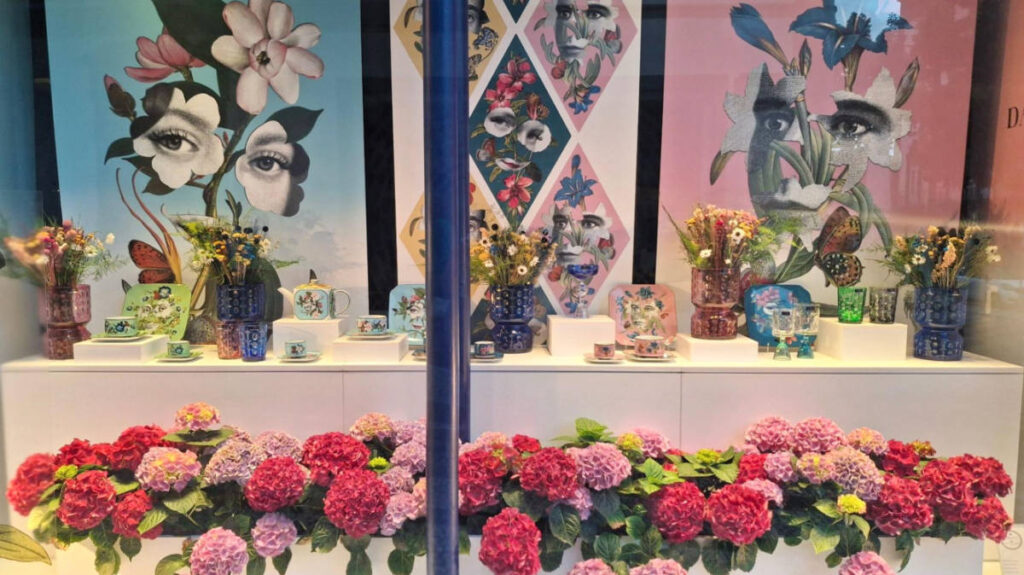
My visit happened to fall during Madeira’s flower festival.
Funchal was decked out with elaborate flower carpets and displays. Locals in their extravagant costumes mingled with visitors in the streets. And markets, concerts, and parades took over the city center.
But you can also visit during Carnival (March), the Atlantic Festival (June), and the Madeira Wine Festival (August/September). But the biggest of all is New Year’s Eve, when Funchal puts on its famous fireworks. Until 2012, Funchal held the Guinness World Record for “Largest Firework Display in the World.”
***
I don’t know if part of it was my familial ties to this land, but Madeira left an impression on me that I’ve rarely experienced elsewhere. It feels like paradise. While the mainland of Portugal is undeniably incredible, if you have the chance to visit Madeira, take it.
Planning a trip to Madeira or have a favourite experience from there that you’d like to share? Be sure to leave me a note in the comments! And be sure to check out all of our Portugal guides before you visit!
More Latest PERSPECTIVES


