
Affiliate Ad Disclosure: We’re reader-supported. When you buy via our links, we earn commissions. Learn more.
Heat + hiking = a dangerous duo. Follow these tips from an Arizona adventurer for safe summer trails.


For some, hiking is the highlight of the summer. In my opinion, it’s a slightly deranged and undesirable way to spend free time.
Don’t get me wrong, I’m an avid hiker and have ventured on some of the best hiking trails near Tucson and Phoenix. But when you live in Arizona, the summer heat is an overwhelming deterrent to an otherwise pleasant pastime.
All you Coloradans, Pacific Northwesterners, and New Englanders are luckier than you know when it comes to “hot” weather. But no matter what climate you live in, there are a few cardinal rules to summer hiking.
Who better to share these rules than a desert bum like me?
The Dangers of Extreme Heat in Places Like Arizona
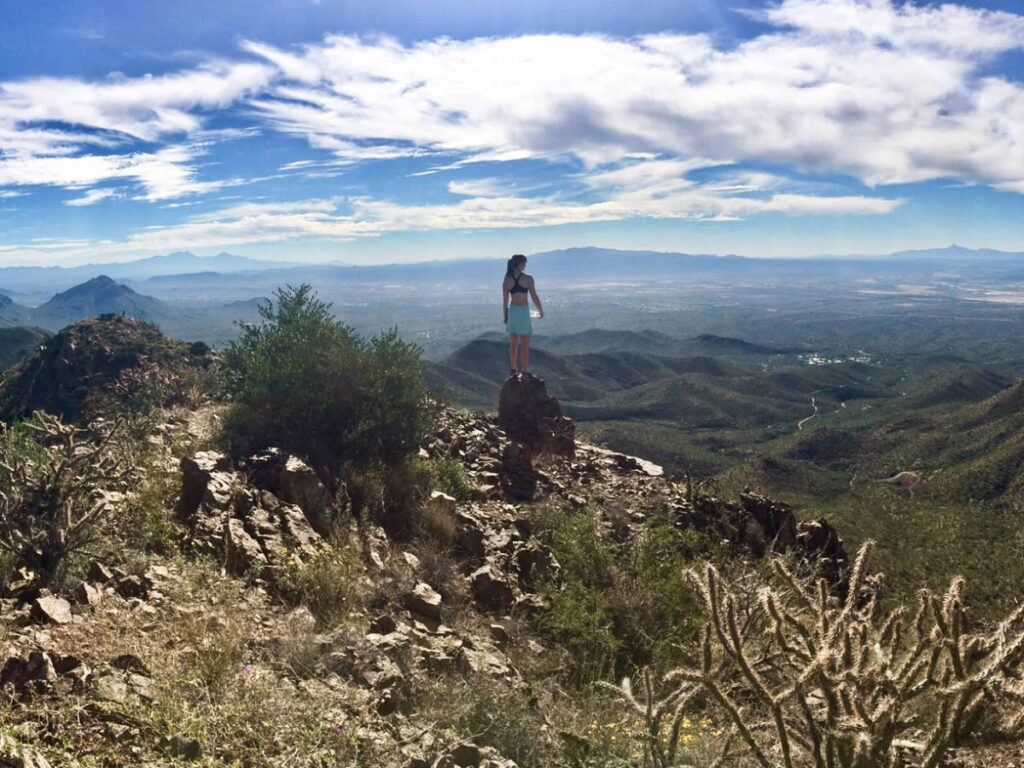
Over 100 people succumbed to the extreme heat by the end of summer last year in Pima and Maricopa County alone (Tucson and Phoenix), according to AZFamily. We braved a record-breaking heat wave of 31 consecutive days over 110°F. It was insufferable, and I barely left the house. Seriously, who would want to be outside in that?
But for reasons I cannot fathom, people still hike in the summer heat. While it’s dangerous and quite frankly a dumb thing to attempt in Arizona, there are things you can do to make it safer.
Things to Consider When Hiking in the Summer Heat
Time of Day
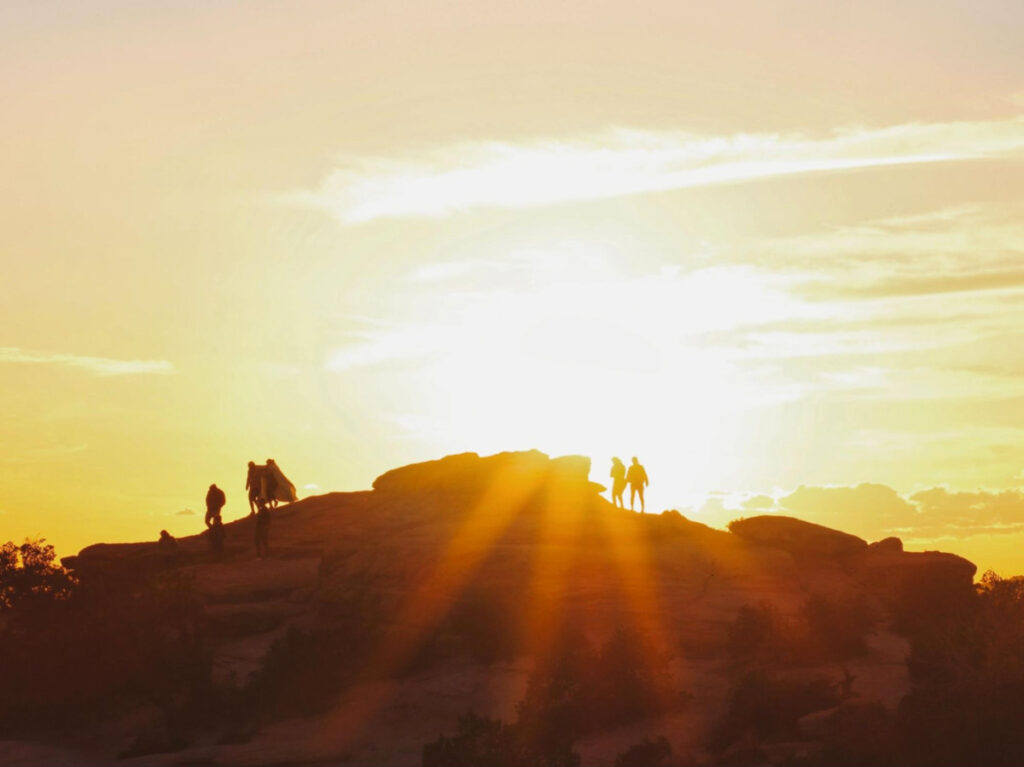
This is the biggest part of summer hiking in Arizona. If you’re committed to a safe trek, you must wake up early.
And I’m not talking about starting at sunrise. You should start your hike well before the break of dawn when the cool of desert nighttime has yet to wear off. When the sun is down, it’s about 20°F cooler.
I’ve sworn to myself many mornings that I would wake up at 3 am for a mid-summer hike. How many times have I actually done that in my entire life? Once. And it was still hot. You can imagine how stifling the heat is in the afternoon.
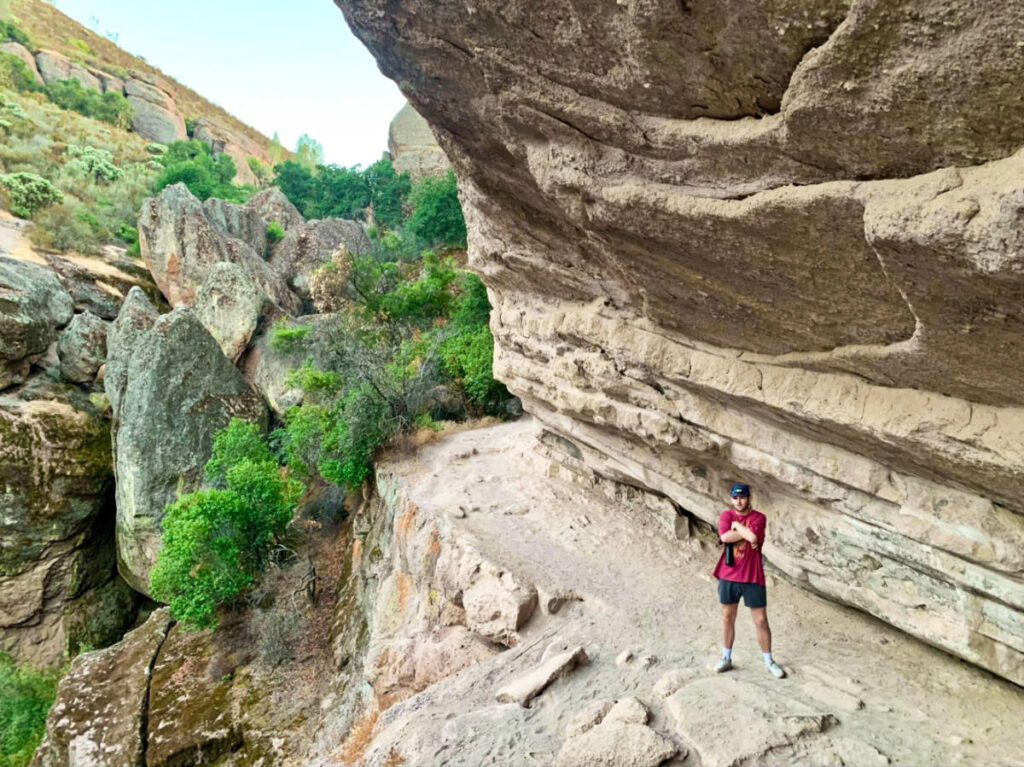
Don’t even attempt to hike when the sun is high June through August. It’s dangerous, and it’s not worth it. I’ve heard of one too many rescue missions for hikers who overheated and had near-death experiences simply because they braved the afternoon sun.
I am not and never will be an early riser. But if you’re up for it (literally), all power to you!
Bring Water, Water, and More Water
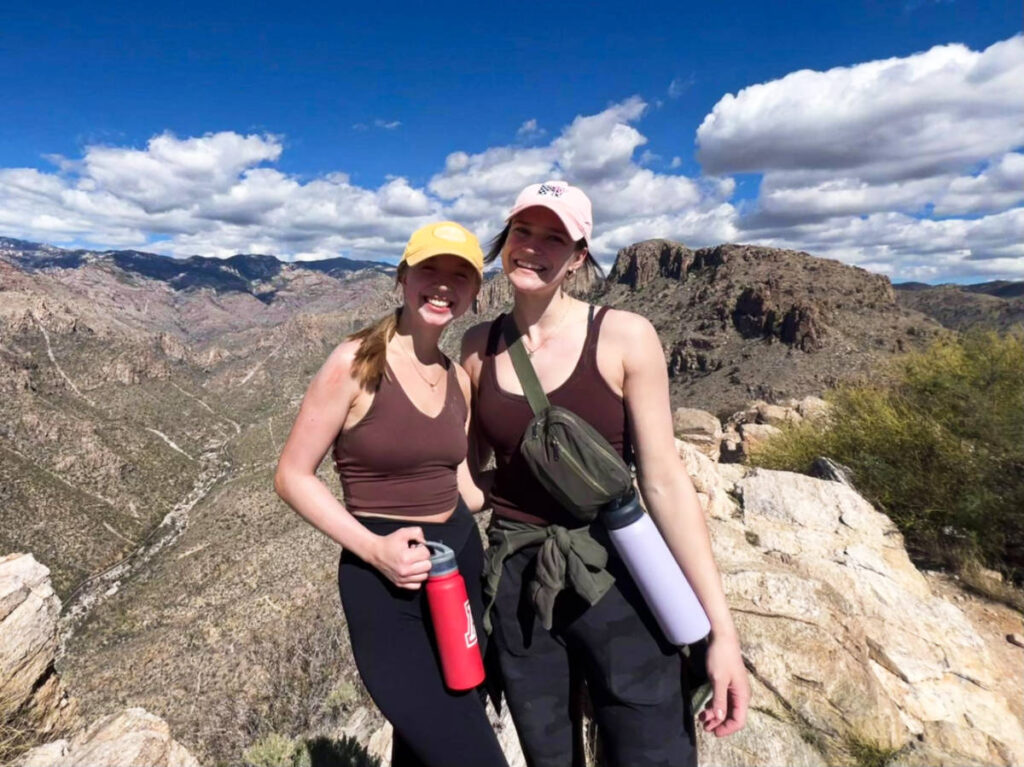
I once took off for an 8-mile group hike at the beginning of June with one single water bottle in my hands. It’s safe to say I ruined the trip for everyone when I had to turn back a mile in because I was already out of water.
If you’re anything like me, you believe you don’t need more than a few cups of water to get through the day. But, if you attempt a summer hike in Arizona, you need double the water you’re used to. I recommend a 100 oz Camelbak backpack for convenience and safety, plus an additional water bottle or two.
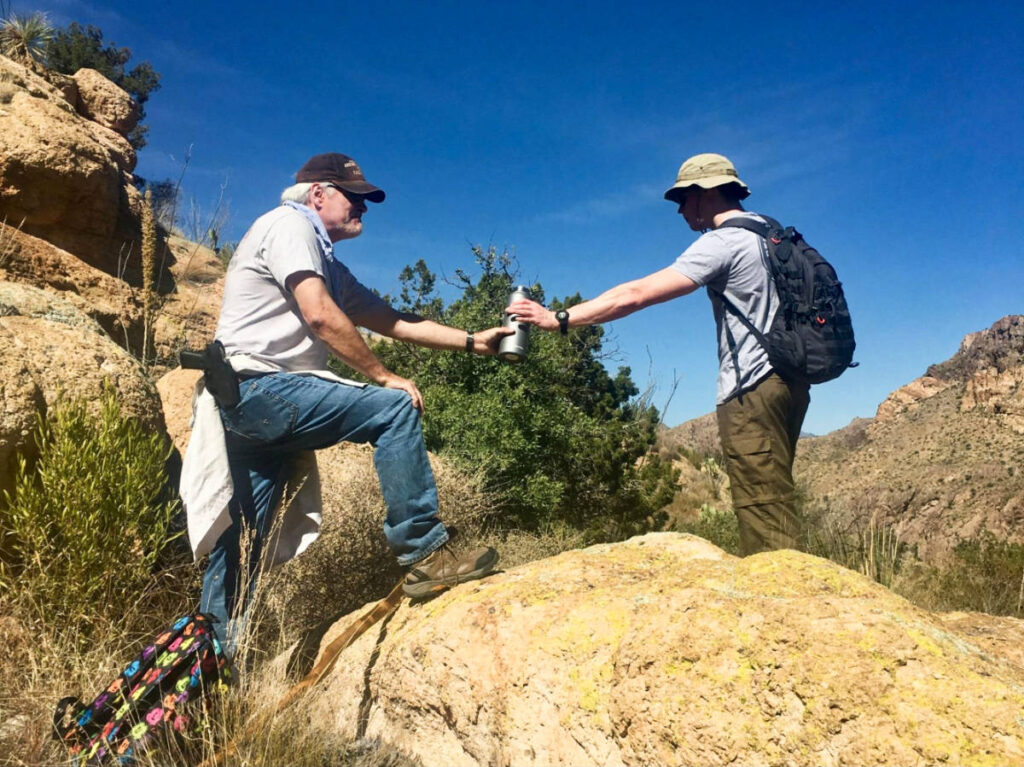
Dehydration is the number one cause of hiking deaths in Arizona. It leads to heat-related illnesses like heat exhaustion and heat stroke, which can be life-threatening. I’ve almost passed out multiple times because I was a dummy about the amount of water I needed.
Don’t put yourself in that position – hydrate before, during, and after your hike.
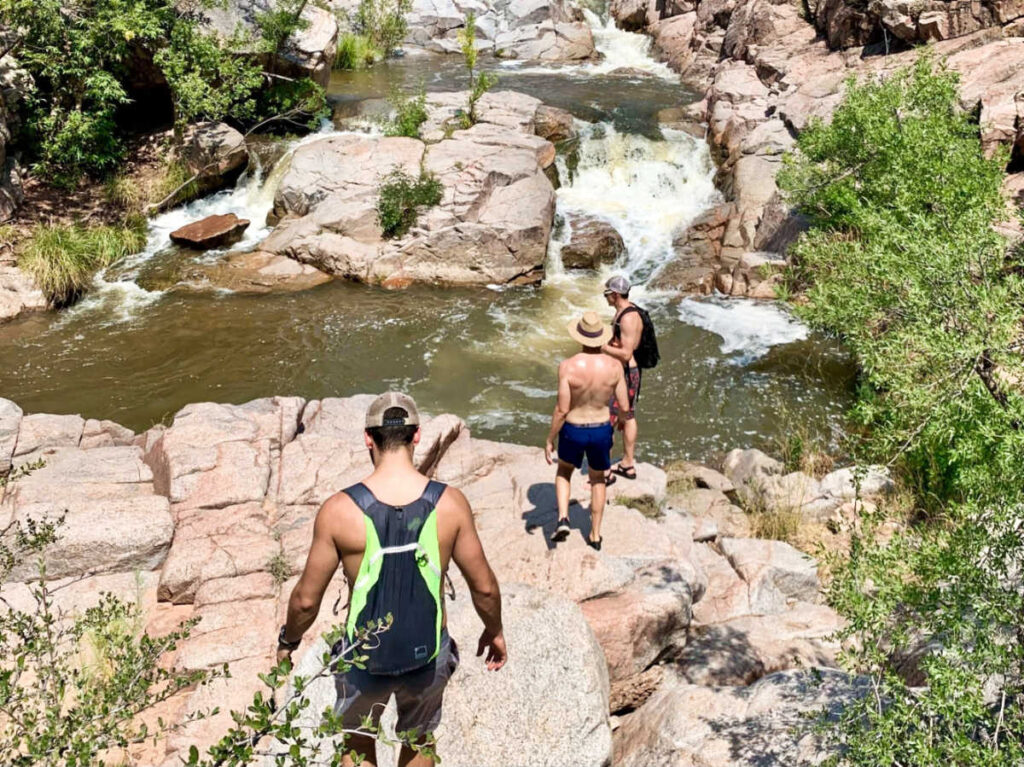
Symptoms of dehydration include dizziness, headache, dry mouth and lips, and muscle cramps. Extreme cases have more severe symptoms, which you can learn from the Mayo Clinic in Phoenix. Listen to your body. If you feel unwell, turn back, drink lots of water, and rest.
Pack the Necessary Gear
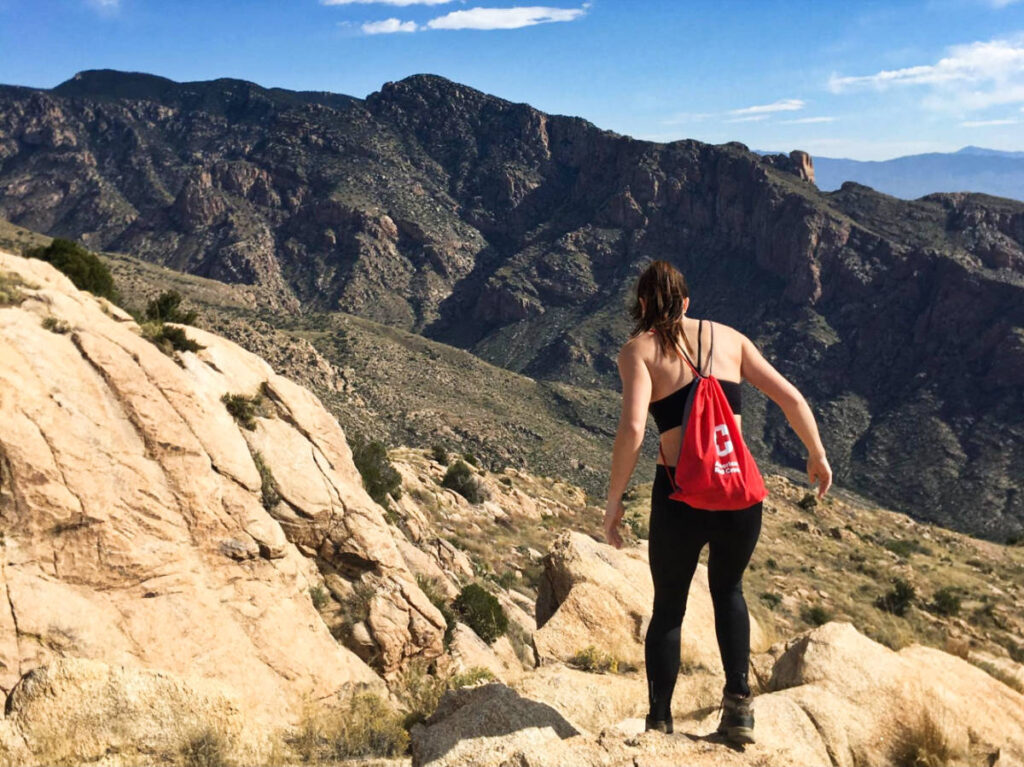
A tank top and shorts might seem like the obvious attire for a hot summer hike. But I can attest that a sunburn is imminent if you dress this way.
I have gotten the worst farmer’s tans of my life because I thought short sleeves were the way to go. I’ve since learned that UV-protective, moisture-wicking shirts are your best friend for summer hikes. They’re cooling and keep you from getting a nasty burn.
A protective hat is necessary. I used to be a diehard ball cap hiker, but now I wear a dorky floppy hat. Fashion is not a concern when hiking in the summertime. Full coverage of your face, head, and neck is all that matters.
Make sure you bring plenty of sunscreen and reapply throughout the trek, too.
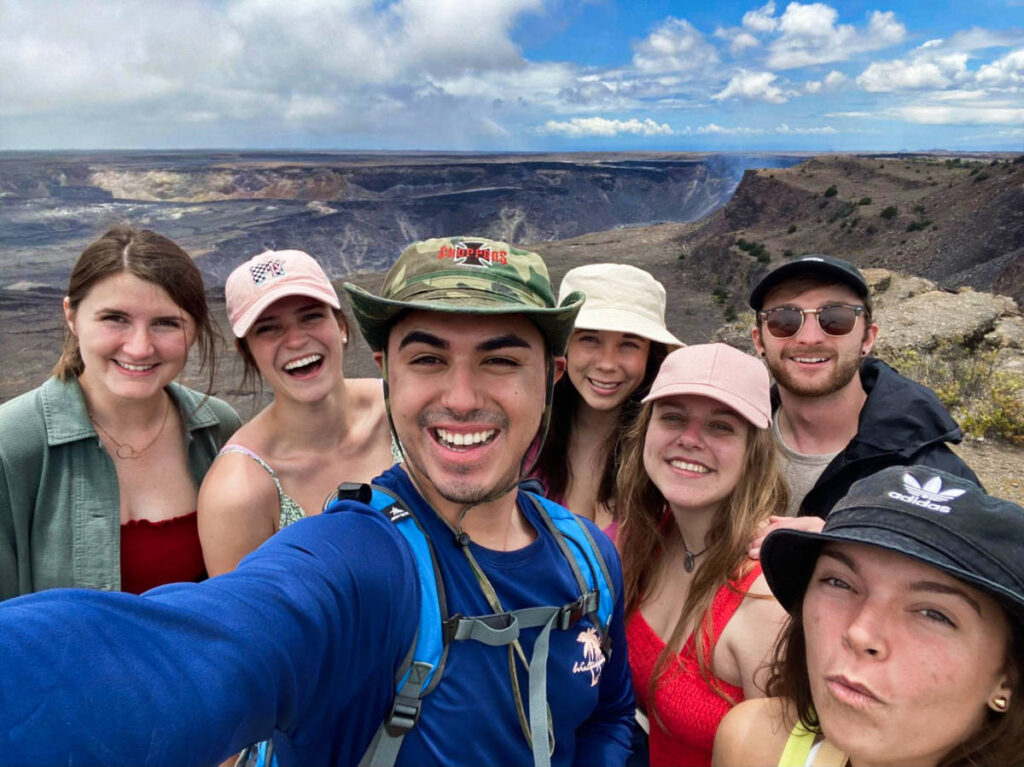
Finally, proper footwear is a must. My friends swear by Chacos (hiking sandals), but I don’t like how they expose my feet. I always get a tough tan line and cactus needles in my feet. They’re great to bring in your backpack for water hikes, though!
I’m a fan of ankle support, so I wear hiking books. They are hotter than hiking sandals, but you can combat the foot sweats with high-quality hiking socks and airy footwear. I wear Columbia boots, which you can find for cheap at any sporting goods store.
Map Out Your Hike
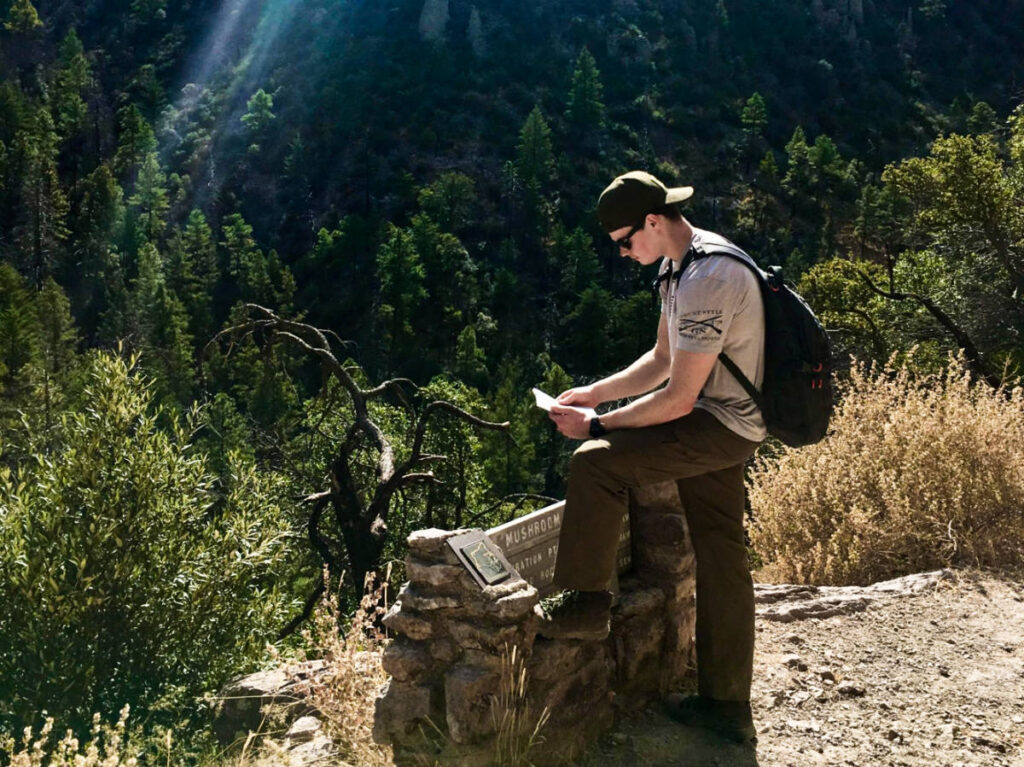
Make sure you know exactly where you’re going before you start hiking. There is little room for error in the summer heat. I download routes on AllTrails before every trip and follow the real-time navigation throughout my treks.
My brother has always been a stickler for printing maps. I used to think he was lame and over-the-top for that until a friend and I found ourselves on an all-day hike near Flagstaff with dead phones and no concept of directions.
We eventually found the right path with the guidance of other hikers, but we could’ve gotten seriously lost if it weren’t for helpful passersby. A printed map gives reassurance and confidence to know where you are and where you’re going at all times.
The Wrath of Monsoons
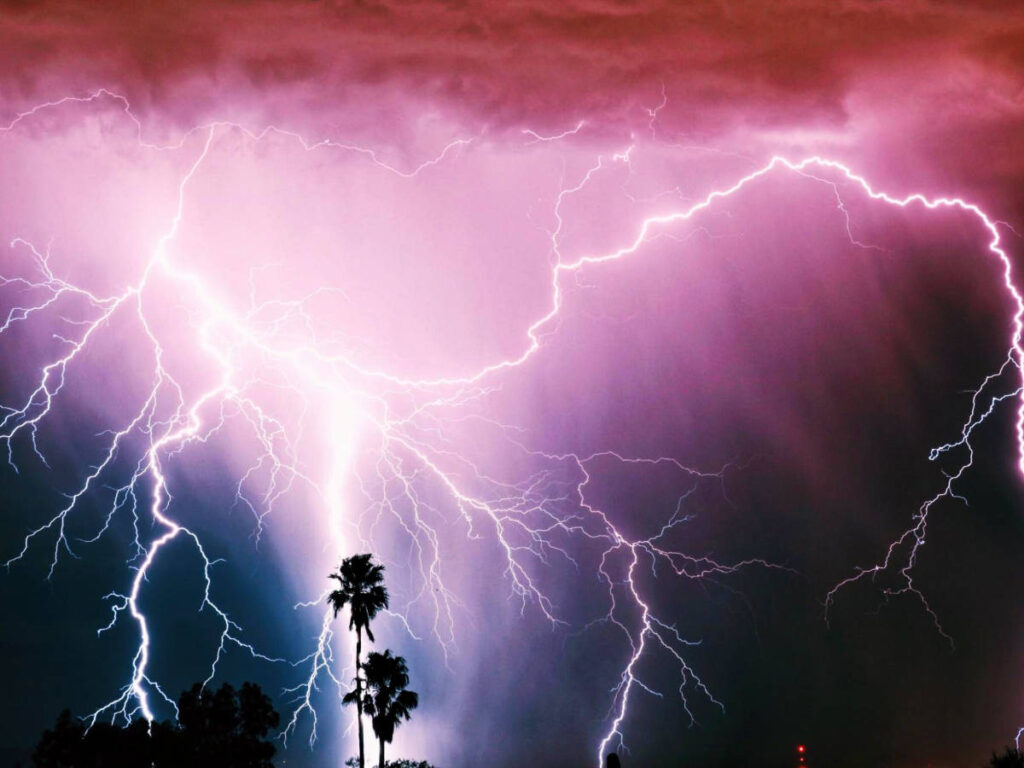
Summer monsoons are spectacular. One moment it’s 110°F and sunny, the next it’s 85°F and pouring rain. You do not want to be on a hike when a monsoon hits. These torrential downpours don’t just come with violent lightning. They also create flash floods strong enough to drag a car miles down the road.
One time I hiked to Seven Falls in Sabino Canyon late in the day when the afternoon shadows made the heat more bearable. Monsoons usually start after 3 pm. The sky looked clear that day, so I thought nothing of it.
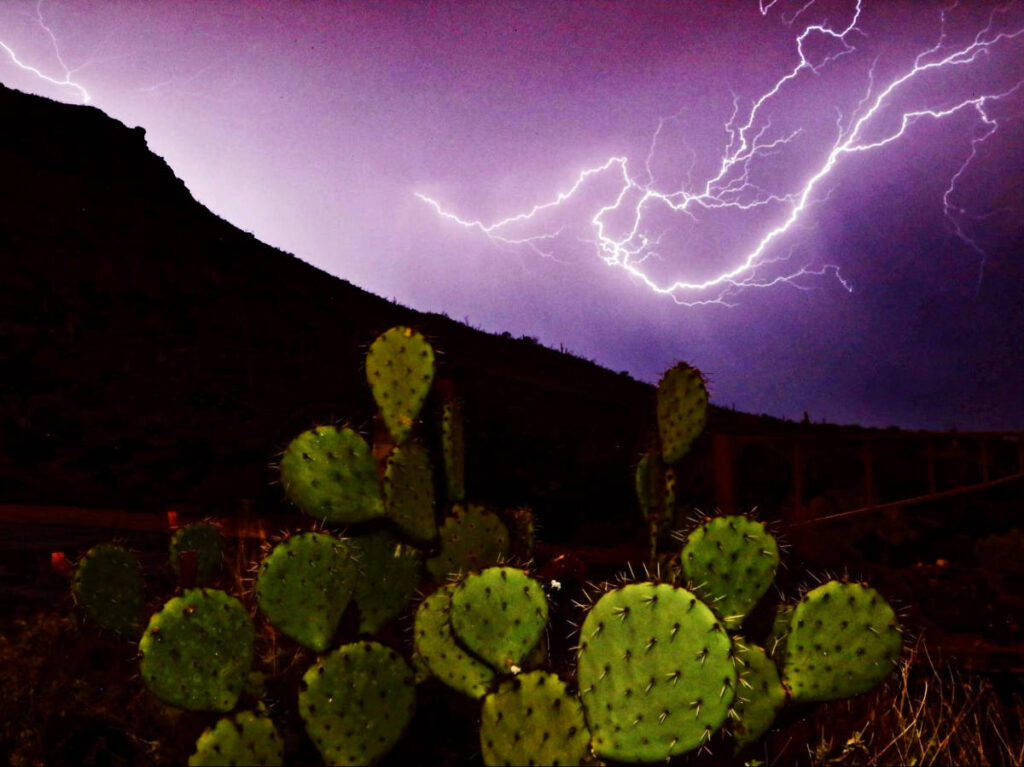
An hour into the hike, the sky turned black and thundercracks rang in every direction. When the rain started, I turned back. I slipped and fell through the mud, fearing I’d get struck by lighting the whole 2-mile trek back to my car.
The trail was blocked for a week after that because the little creek that ran through the beginning section of the trail turned into a raging waterfall overnight. That kind of thing happens all the time during the rainy season in Arizona.
Mother Nature will always win, so don’t try to push the limits when you know a storm’s rolling in.
Tell Somebody Where You’re Going
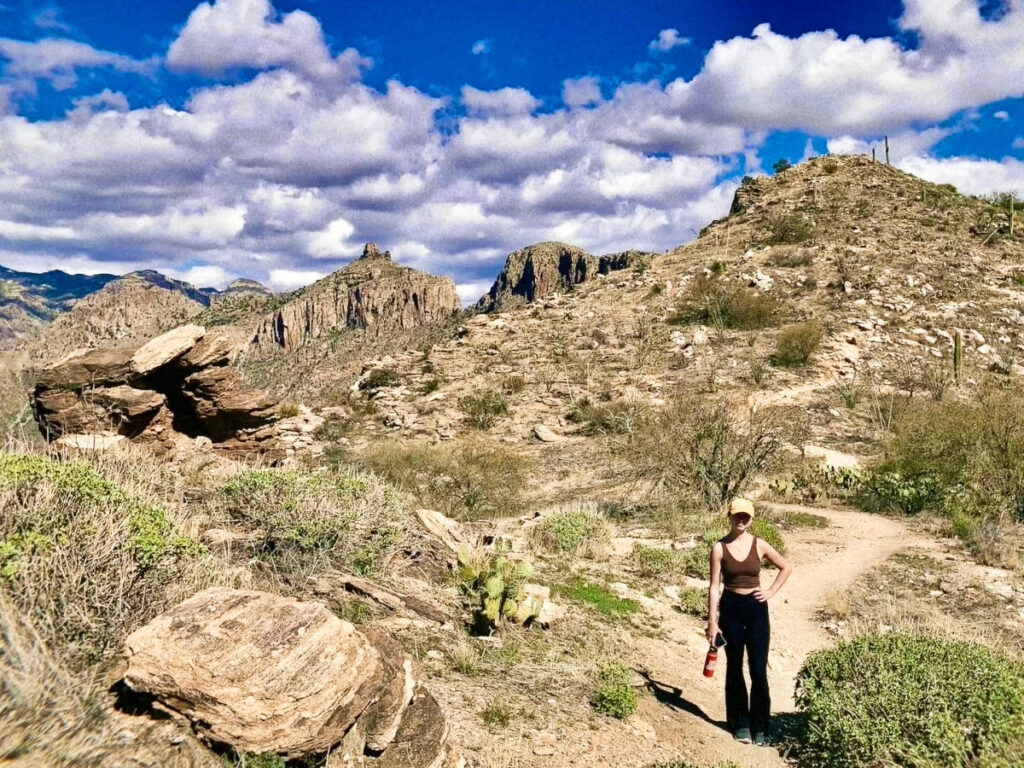
When my brother was in high school, he and a friend went on a night hike near our house. He had told me he was leaving, but my parents knew nothing about his location.
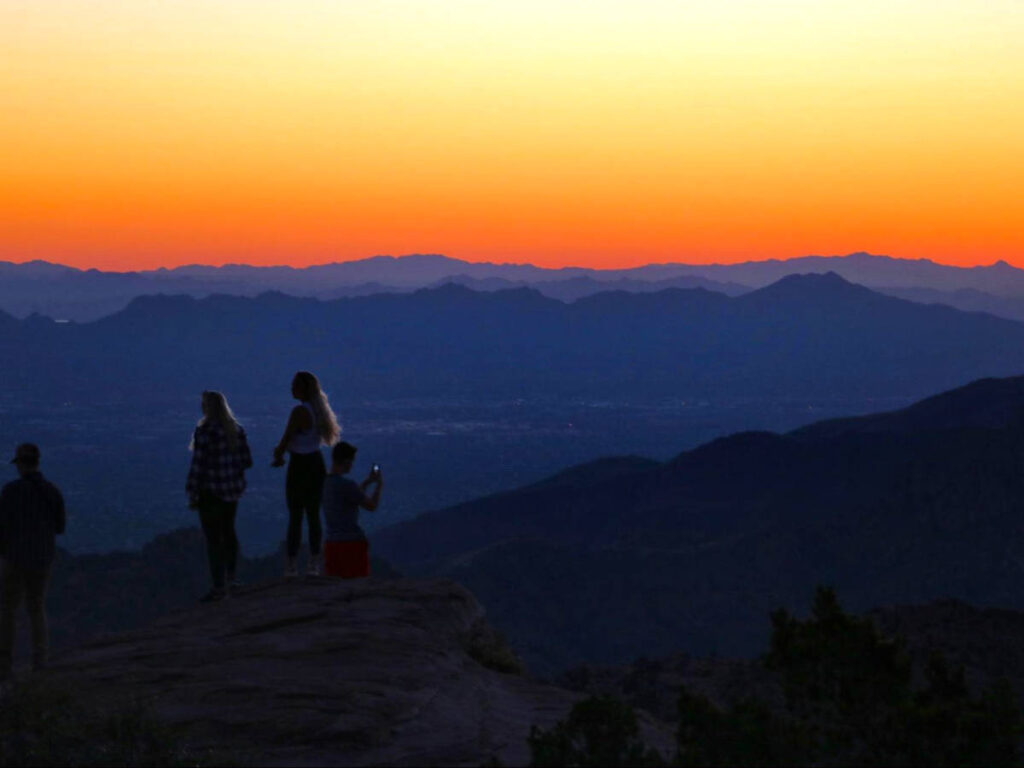
When my parents spotted lanterns on the distant mountainside from our living room window, they wondered aloud the source of the lights. “It’s probably just Paul on his hike,” I said casually. They instantly freaked out because they’d never allowed us to hike after sundown.
It turns out that when we saw their lanterns, my brother and his friend were booking it down the trail because a mountain lion was stalking them. Luckily about halfway down the path, they got service and told us to meet them at the trailhead ASAP. We rushed to the spot with pots and pans to ward off stalking felines.
My best friend’s dad was a search and rescue pilot for the Tucson Sheriff’s Department for two decades. He told me that almost all of his successful rescues were due to prior knowledge of the hikers’ plans. It’s the MIA hikers who get themselves into a major pickle.
This story is a prime example of why you should always tell someone responsible when and where you go hiking in the summertime. If things go wrong, chances of rescue increase tenfold when there’s a general idea of your whereabouts. It also leads me to my next point…
Watch for Wildlife
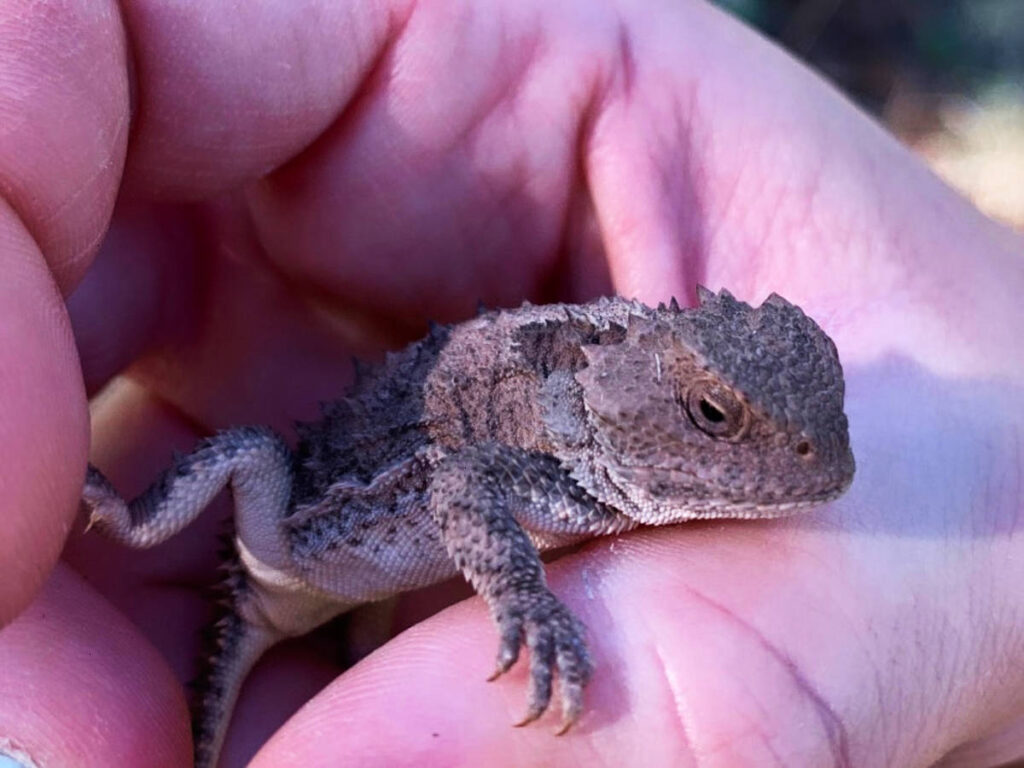
The previous story is pertinent to summer hiking because mountain lions – and most desert creatures – are most active at night during the summer. It’s simply too hot to be out during the day. Rattlesnakes, Gila monsters, bobcats, and all the other deadly natives are no exception.
If the wildlife knows better than to play in the sun, you’d think people would do the same, eh?
So when you venture into the wilderness at night, chances are high that you’ll encounter an irritated local. Many desert residents have fangs and claws, so watch your step. Be aware of your surroundings at all times.
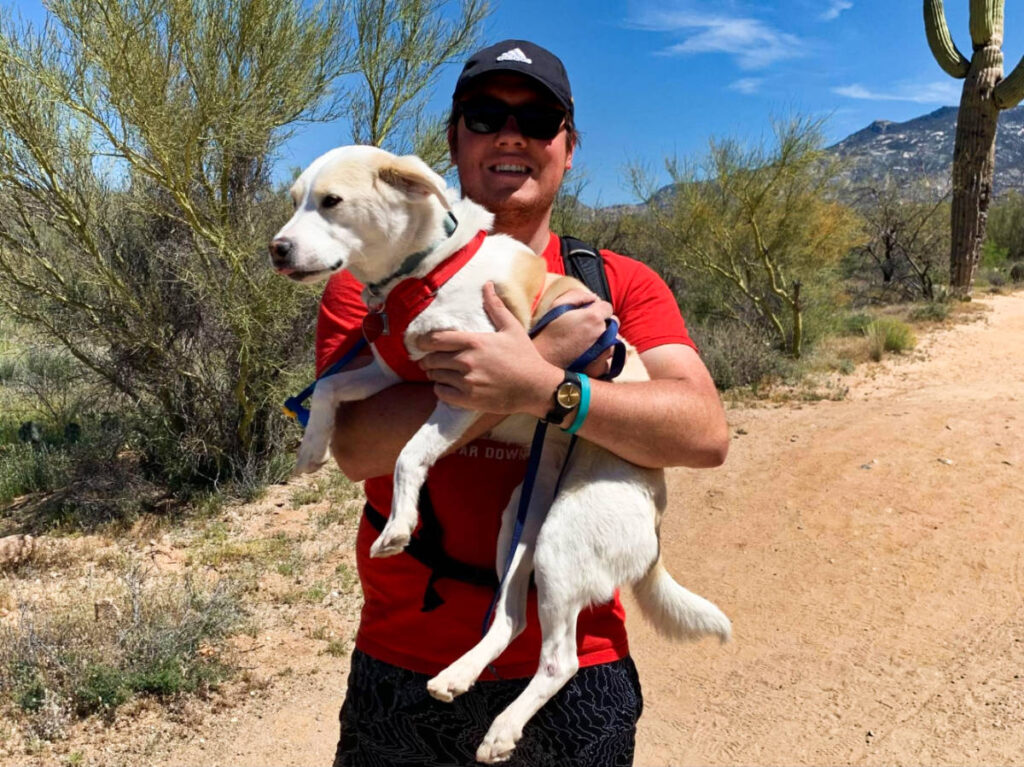
This is especially important if you take your pets hiking. I don’t recommend this at all during the summer in Arizona. But if your pup insists, make sure they wear booties to protect them from the heat and unexpected wildlife underfoot.
Know Your Limits
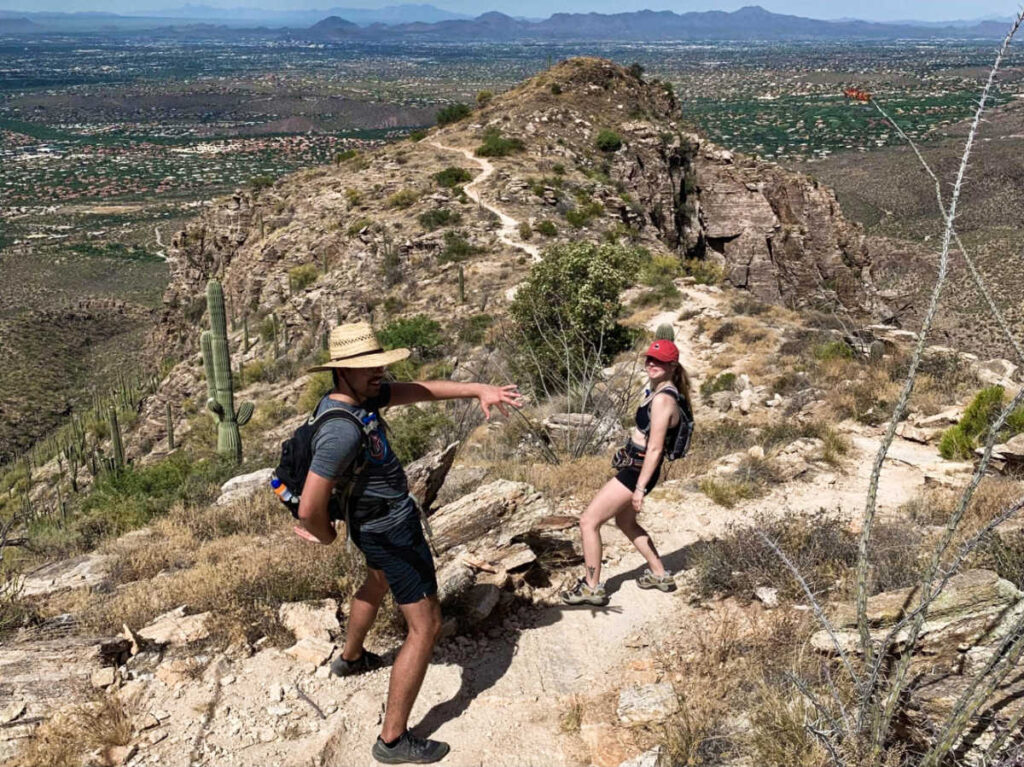
Don’t do anything you’re not sure you can do. I have gotten spur-of-the-moment inspiration to hike massive trails I’ve never tried before in the dead of summer. Why I listen to these erratic thoughts is beyond me, but I still do it.
I tried to hike Mount Wrightson – one of the most challenging peaks in southern Arizona – in the middle of June. I only got to the halfway mark before wheezing back down to the trailhead. I thought I had the physical and mental capacity to complete the trail, but to push myself to my limits in the summer heat would’ve been dangerous and plain stupid.
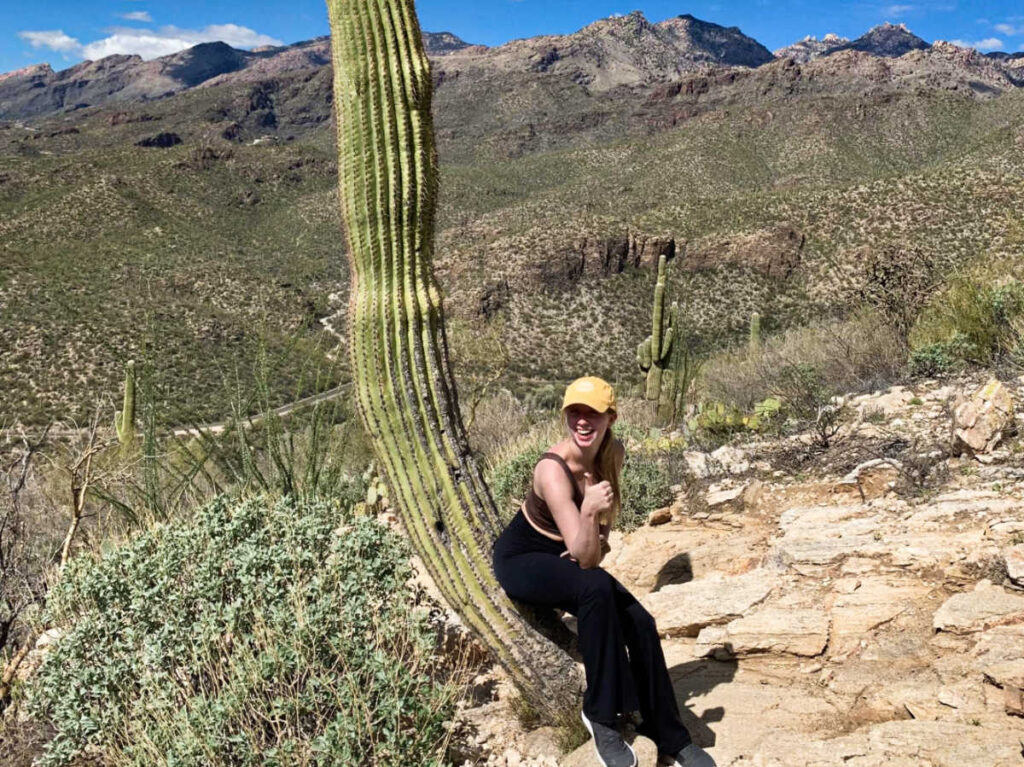
The bottom line is to take it easy when it comes to summer hiking. When the weather is beautiful and you’re feeling spry, challenge your limits as much as you want. But the treacherous Arizona desert in 100°F+ heat is no place to test your agility. Go easy on yourself and be safe. Always.
I’ve made my fair share of mistakes and quickly learned what not to do on the trails. I hope my own poor decisions serve as a helpful lesson to you. This guide to summer hiking should make you feel like less of a dummy.
***
Cheers to another summer of early-morning hikes and constant hydration! Use your head and only venture where you feel safe and comfortable. Just remember to stay safe, rational, informed, and hydrated, and leave me a comment with your favorite hiking trails!
Looking for more outdoor adventures in Arizona? Read about my experience kayaking Horseshoe Bend, next.
More Latest PERSPECTIVES


