
Affiliate Ad Disclosure: We’re reader-supported. When you buy via our links, we earn commissions. Learn more.
New Zealand Packing List (30 Things You Might Forget to Bring)

👉 Jump to: Travel Essentials for New Zealand | Clothing to Pack | Seasonal Items | Hiking and Trekking Items | Packing Tips | Get Printable Version
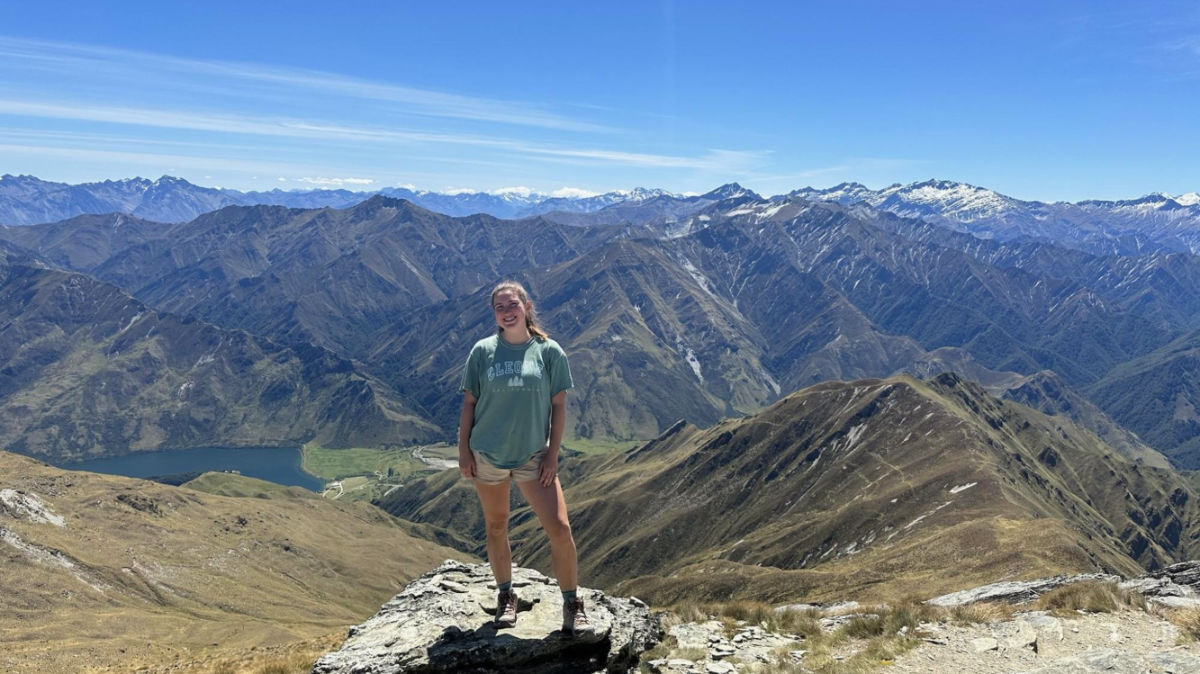
I spent 2 months traveling around New Zealand as part of a larger round-the-world trip. Before my trip, I already had a packing list for one year of travel, but when I got to New Zealand, I realized there was a lot I had accidentally forgotten!
The weather in New Zealand is constantly unpredictable. Even though we visited in early summer, I ended up wearing my cold-weather clothes a lot more than I expected and even had to buy some new items.
Lucky for you, I traveled New Zealand top to bottom and can fill you in on everything you’ll need for the country’s different climates. And if you’re planning on doing any hiking or backcountry trekking in New Zealand (I’d recommend it!), I have a whole section on the gear you’ll need.
Let’s get packing!
Travel Essentials for New Zealand
🖨️ Get a free, printable version of this packing list here
Day Pack

Osprey Ultralight Collapsible Stuff Pack
Osprey is a great brand, and this lightweight day pack can fit a lot without being too heavy.
You’ll want a backpack or day pack in New Zealand. It’s nice to have something large enough to fit a water bottle, rain jacket (more on that in a minute…), and other essential items for long sightseeing days.
I used an Osprey backpack while traveling, and I like the look of this Osprey Collapsible Stuff Pack. If a crossbody sling is more your style, this Waterfly Sling Backpack is a good size.
Raincoat

Outdoor Ventures Packable Rain Jacket
This lightweight raincoat is packable and practical. You can wear it while hiking, walking around cities, or dealing with ocean mist while touring the fantastic fjords in the South Island.
The first thing I bought in New Zealand was a raincoat. I foolishly thought that I wouldn’t need to pack one since we were visiting in the summer! I was very wrong.
New Zealand experiences high rainfall year-round, with the peak occurring in winter (May through September). But I was there in November and December, and I still wore my rain jacket probably 70% of the time.
I’d recommend a raincoat from a trusted outdoor brand, like an Outdoor Ventures raincoat, which comes in both women’s and men’s styles and sizes. It also packs down into a small bag so you can easily put it in your day pack when not wearing it.
Travel Umbrella

Repel Umbrella
Prepare for New Zealand’s rainy climate by bringing along a small travel umbrella.
Just like having a raincoat, a travel umbrella will go a long way in New Zealand’s unpredictable climate. This best-selling Repel Umbrella has excellent reviews and is a good size to travel with.
NZ Power Adapter

Tessan Australia New Zealand Power Adapter
You’ll need an adapter to plug American electronic cords into the wall sockets in New Zealand.
An adapter is one of the first things I pack when traveling to a foreign country, but it can be something that a lot of people forget! You’ll need it to charge your phone, use a hair dryer, or anytime you need to plug into a wall socket with American-style prongs.
Tessan is the leading brand of adapters, and this one works for New Zealand, Australia, and Fiji. If you’re traveling to multiple countries, I’d highly recommend investing in a universal adapter.
Binoculars
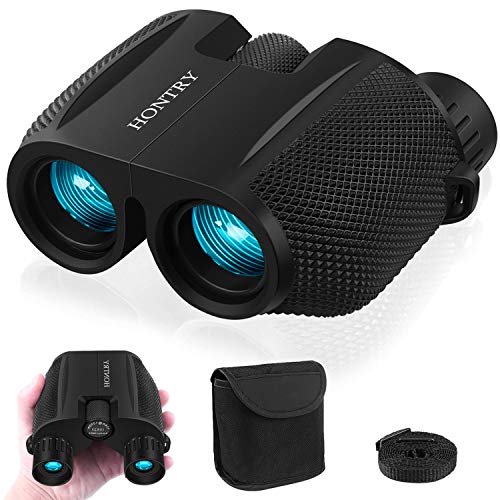
Hontry Binoculars
I used these binoculars for bird-watching and whale-watching in New Zealand. I like how small they are, so they’re easy to slip into my purse or day pack.
New Zealand has some of the rarest birds in the world, and there are tons of conservation areas dedicated to preserving them. Even if you’re not a big bird-watcher (I wasn’t), you can’t miss the opportunity to see an alpine parrot or the elusive kiwi.
I was lucky enough to meet up with a friend in Wellington who took me on a bird-watching walk. Having this pair of Hontry Binoculars was essential to spotting the birds. I also used them for whale watching along the coast later on.
Packing Cubes
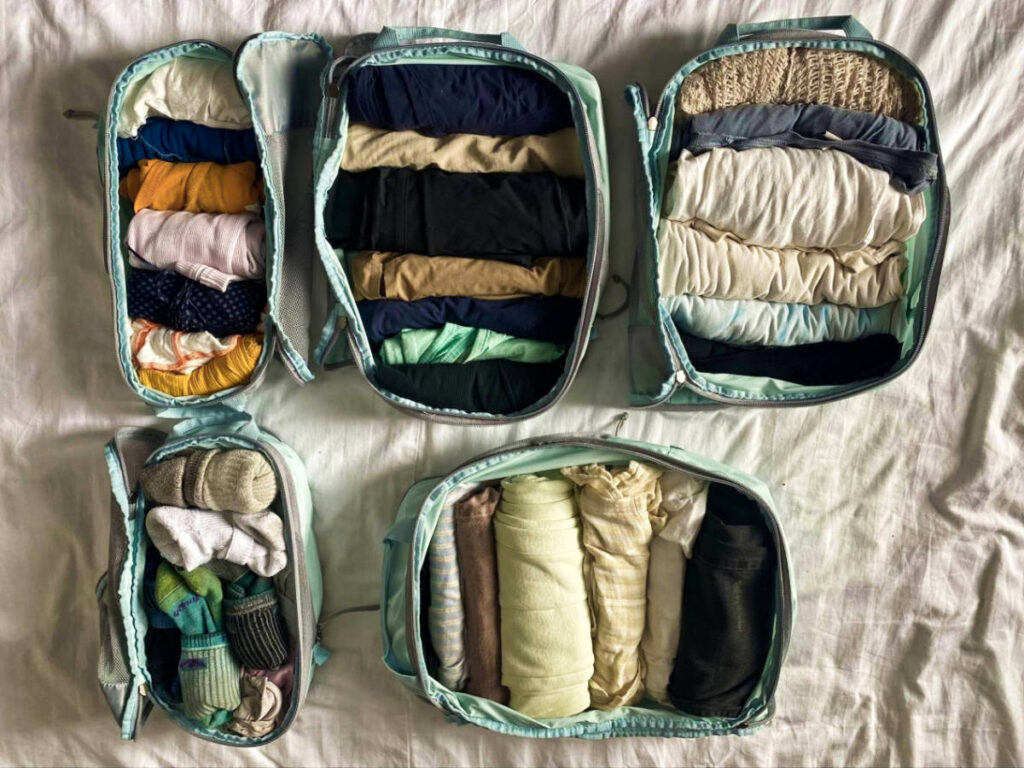
BAGSMART Compression Packing Cubes
Compression packing cubes will help you fit so many more clothes into your bag, and they’ll keep you super organized on long trips.
I know some travelers think packing cubes are unnecessary, but for me, it’s a non-negotiable. I’ve saved so much bag space since I started using packing cubes — not to mention it keeps everything much more organized!
I used these BAGSMART compression packing cubes for a whole year while traveling, and they never broke. I love them.
Reusable Water Bottle

Nalgene Sustain Tritan Water Bottle
I like this Nalgene water bottle because it’s lightweight and won’t leak if you put it on its side.
New Zealand’s tap water is usually quite safe to drink, so you’ll want a reusable bottle to fill up. It’s better for your budget and better for the environment than buying plastic single-use bottles.
On my trip, I took my Nalgene water bottle. I chose this one because it’s lightweight and it won’t leak when put on its side (unlike some water bottles with straws).
Sunscreen

Neutrogena Sport Face Sunscreen SPF 70+
Get sunscreen that is at least 50 SPF to protect against New Zealand’s harsh sun.
New Zealand’s sun is harsh. There’s a thinner ozone layer, and the UV can often be quite high. When the sun does come out, you’ll want sunscreen!
I always trust the Neutrogena brand, and getting a sunscreen that is at least 50 SPF will protect your face the best.
Portable Charger

Portable Charger Power Bank
Having a portable charger will keep your phone fully charged over long days.
My phone was constantly on the brink of death in New Zealand. We would usually spend entire days sightseeing or hiking, and using my phone so much for navigation and photos drained the battery quickly.
Luckily, my partner had this portable charger. It meant that I never had to worry about my phone losing battery while we were out and about.
Checklist of Other New Zealand Essentials to Pack
- Phone
- Passport
- New Zealand travel visas
- Wallet with NZ cash (though almost everywhere takes cards)
- Electronic chargers
- Book or Kindle
- Earplugs (especially for hostels)
- Toiletries
- Headphones
Clothing, Shoes, & Accessories to Pack for New Zealand
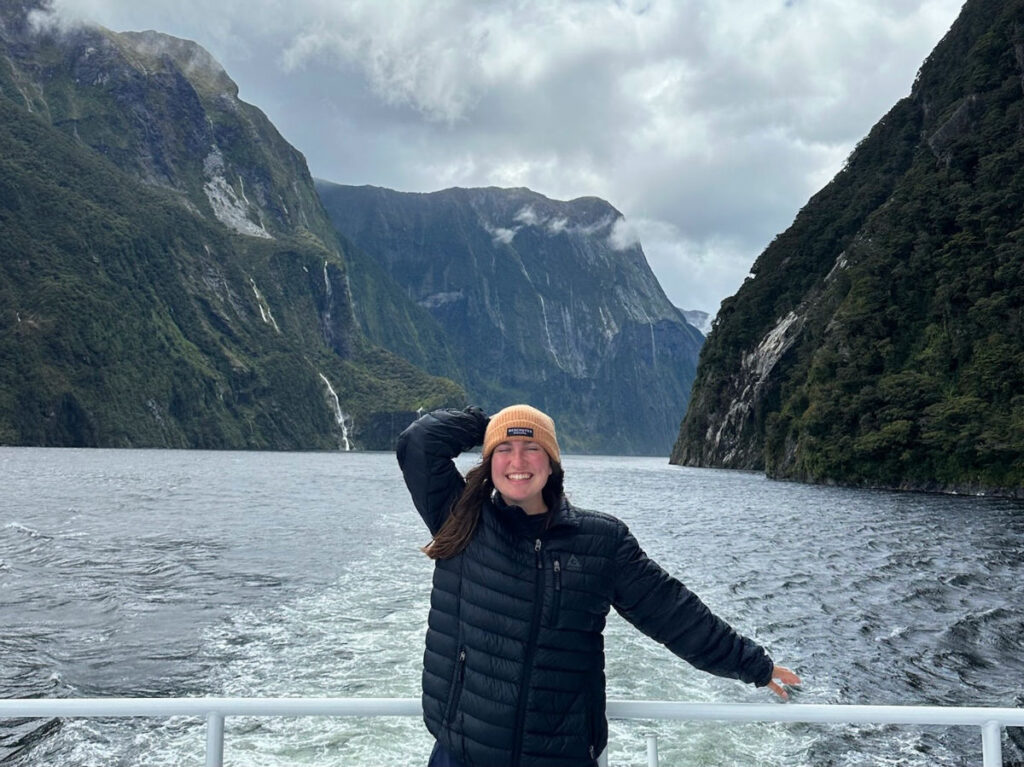
New Zealand fashion is more about practicality and comfort than making a statement. It’s best to have clothing that can be easily layered depending on the weather. It can be raining one second, and warm and sunny the next. You’ll often experience 4 seasons in one day!
Even in the major cities, local style tends to be pretty casual and muted. There aren’t typically any occasions where you would need a fancy outfit. Pack mostly comfortable, versatile clothing that can work in both the city and the countryside.
Hiking Shoes
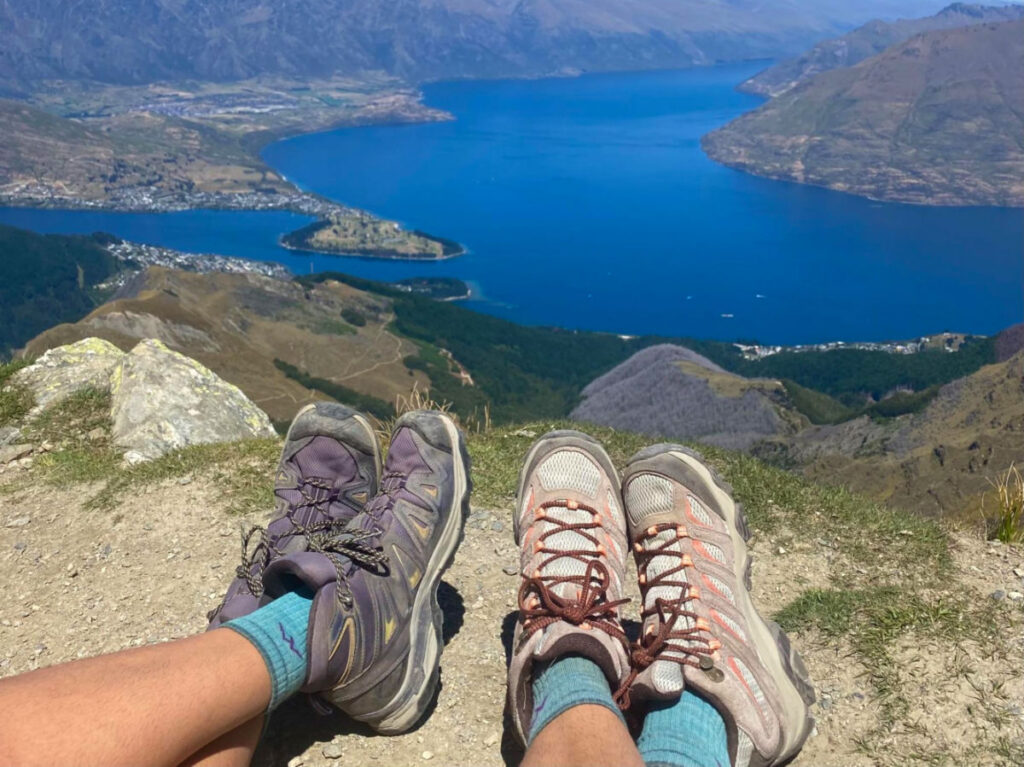
Merrell Hiking Boots
My Merrell hiking boots were perfect for hiking in New Zealand.
New Zealand’s natural scenery is amazing. Even if you’re not planning on summitting any mountains, you should bring hiking boots. There are lots of shorter day hikes that I think are absolute must-dos when you’re in New Zealand!
I packed my Merrell women’s hiking boots (which also come in a men’s version) and found that they were perfect for the level of hiking I was doing. I wore them for day hikes, multi-day backpacking trips, and even when touring hilly sheep stations in the countryside.
Lightweight Puffer Jacket

Outdoor Ventures Packable Lightweight Puffer Jacket
I like this lightweight puffer jacket from Outdoor Ventures because it packs up super small and won’t take up much space in your suitcase. It’s also a great value at an affordable price.
No matter when you visit New Zealand, you should bring a lightweight, insulated puffer jacket or other warm layer. Yes, even in the summertime! New Zealand is mountainous, and most of the alpine regions stay cold year-round.
I wore a jacket very similar to this Outdoor Ventures packable lightweight puffer jacket. You want to find something that can pack up very small so that it doesn’t take up room in your suitcase, but is still warm enough for cold alpine weather. It comes in a men’s version, too.
Sandals

Teva Universal Sandal
These Teva sandals work great for outdoor recreation, hanging out at the beach, or walking around cities on a warm day. They’re lightweight and easy to pack.
New Zealand has lots of rivers, beaches, and beach towns where you’ll want to wear sandals.
My all-time favorite travel sandal is the Teva universal sandal. It comes in women’s and men’s sizes. I wore mine for the water activities we did, like canoeing down the Whanganui River and hanging out at the beach.
Hiking Pants

Toomett Hiking Pants
You’ll want a good pair of long hiking pants for days spent touring New Zealand’s mountains.
I wore long hiking pants in New Zealand all the time, not just while hiking! They’re more comfortable than jeans and work well for tackling all of New Zealand’s outdoor activities.
I like how these Toomett hiking pants look like casual joggers, so they can be used for hiking or simply walking around town. This men’s version has similar features.
Long Socks

Darn Tough Socks
Darn Tough socks became my go-to socks for protecting myself against the ground-dwelling bugs on New Zealand’s beaches.
For any hiking or outdoor experiences you do in New Zealand, I’d recommend wearing long socks. I got bitten by New Zealand’s pesky sandflies any time we were near a body of water, and they would frequently crawl up my ankles. I started wearing long socks to protect myself, and that helped a lot.
My go-to brand of long socks is always Darn Tough. They’re warm and great for hiking or just everyday wear.
Beanie
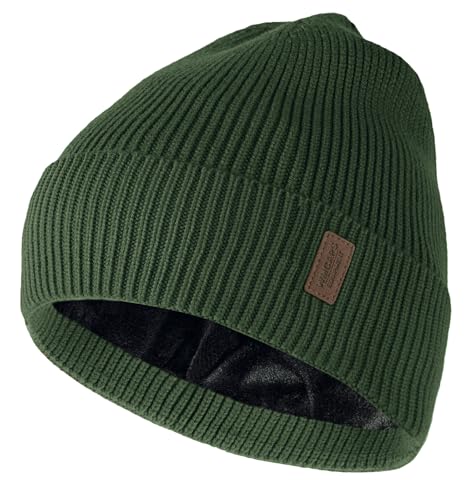
Fleece-Lined Winter Beanie
Pack a beanie to keep your head warm while touring New Zealand’s popular mountain attractions.
My beanie was immensely helpful in New Zealand — again, even in the summer. I wore it when at high altitudes or on chilly evenings. And if you’re planning on touring Milford Sound or the Franz Josef glacier (two of New Zealand’s most popular attractions), you will definitely want one.
I’d recommend getting a fleece-lined beanie like this one.
Sun Hat
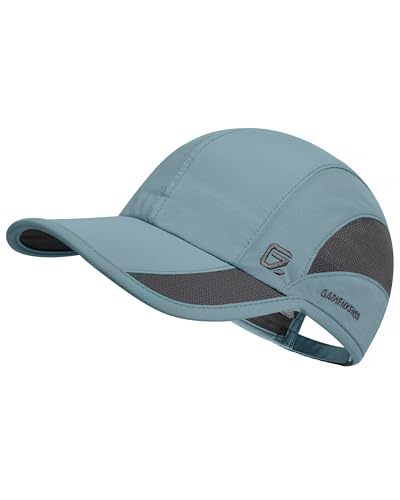
Quick Dry Run Hat
Having a brimmed hat will help protect against the sun and also work for rainy days.
I wore a baseball hat a lot in New Zealand. It was great for protecting against the harsh sun on days when the sun was out. I wore it around cities and also while hiking or doing outdoor activities.
My hat was cotton, but I prefer something like this breathable mesh quick-dry hat. It keeps your head a bit cooler and can dry off quickly in case of rain.
Long-Sleeve Linen Shirt

Toumett Long-Sleeve Safari Shirt
Having a lightweight long-sleeve shirt like this one is great for layering in unpredictable weather.
I know I’m really hammering this information home, but New Zealand’s weather can frequently change. Layering is the key to success here. I layered with a linen long-sleeve shirt, which worked great for days when it was too hot for a fleece jacket but too cold for just a t-shirt.
I’d recommend finding a shirt like this one from Toumett. It works great for both men and women.
Sunglasses

Goodr Sunglasses
I swear by these Goodr sunglasses, which are known for having top-tier quality.
I bring sunglasses everywhere I go, and I definitely used mine in New Zealand. We were outdoors so much — having sunglasses was essential.
I used these Goodr sunglasses. They’re affordable, don’t break easily, and are perfect for outdoor adventure activities as well as city life.
Boots

Blundstone Boots
I wore these Blundstones almost every day in New Zealand.
My Blundstone boots were by far the shoes I wore the most in New Zealand. I wore them for outdoor activities where I didn’t need hiking boots. I also wore them to dinner in cities, because they can easily be dressed up.
They’re incredibly comfortable and easy to walk in. Plus, it’s an Australian brand, so you’ll see a lot of people wearing them!
Other Clothing, Shoes, & Accessories to Pack for New Zealand
So what clothing, shoes, and accessories should you pack for your trip? Here is a quick clothing checklist for New Zealand:
- 1 pair of hiking boots
- 1 pair of sandals
- 1 pair of sneakers, casual boots, or comfortable walking shoes
- 1 lightweight puffer jacket
- 1 lightweight jacket or long-sleeve linen shirt
- 1 pair of jeans or other long pants
- 1-2 pairs of hiking pants
- 1 pair of shorts
- 3-4 t-shirts
- 2-3 long-sleeve shirts
- 7 pairs of underwear
- 7 pairs of socks
- 1 set of pajamas
- 1 beanie
- 1 sun hat or ball cap
- 1 pair of sunglasses
Seasonal Items to Pack for New Zealand
You will need to pack very warm clothes if you’re visiting New Zealand during their winter, which is June to August.
The South Island is colder than the North Island, with average daily temperatures around 40 degrees Fahrenheit in winter. Queenstown in the far south is a popular skiing destination and has several top-notch resorts.
Summertime in New Zealand can bring warm weather to the North Island, with areas like Auckland getting even 80-degree days. The Bay of Islands in the far north is a popular boating, swimming, and water sports area. The South Island can have some warm days too, though they’re fewer and further between.
Here are recommendations for seasonal items or clothing you might need in New Zealand:
Snow Jacket

MOERDENG Ski Jacket
Visiting the South Island in winter? You’ll want a snow jacket for the mountainous areas.
You will want a snow jacket if you’re going to the South Island between May and September, especially in areas near Queenstown or Mt. Cook. New Zealand’s mountains get a lot of snowfall. If you like snow sports, Queenstown is a huge skiing and snowboarding destination.
Something like this MOERDENG waterproof ski jacket will work well for skiing, touring glaciers, or hanging out in the mountain towns. It comes in a men’s version as well.
Snow Boots

Columbia Snow Boots
Columbia is a great outdoor brand, and these women’s snow boots have good traction and a warm interior.
Again, for snowy areas in the South Island, you’ll want to have good snow boots. Many people like to visit the Franz Josef and Fox glaciers on New Zealand’s West Coast. Snow boots are essential for tramping around this area in the winter.
I always buy snow boots from a trusted outdoor brand, like these Columbia Women’s Shorty boots. Columbia also has a good men’s version.
Gloves

ihuan Winter Waterproof Gloves
These winter gloves are good for both skiing and walking around.
For a winter visit, you’ll want winter waterproof gloves. You’ll definitely need them for skiing, but even if you’re not planning on doing snow sports, I’d still bring a pair. They work great for keeping your hands warm while walking around in the 40-degree temps.
Beach Towel

Microfiber Beach Towel
Get a microfiber beach towel — they pack up small in your bag, but still are a good size
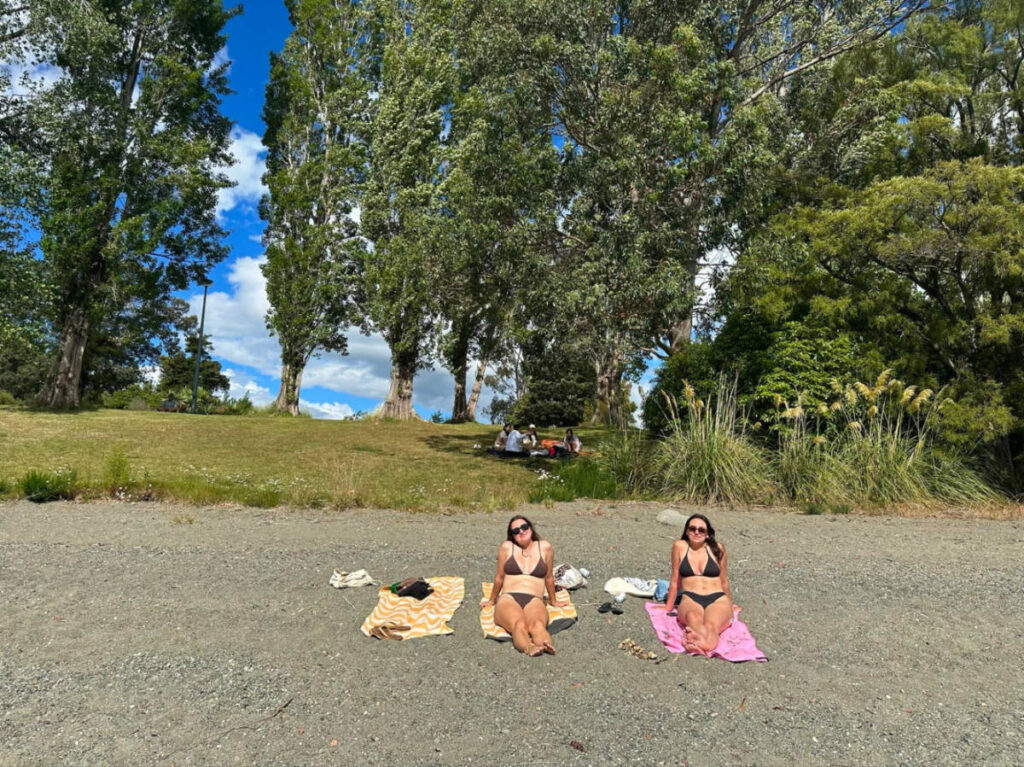
Enough with the cold-weather gear! If you’re visiting New Zealand in the summer (December through February), you’ll likely want to spend some time exploring the beaches. Certain areas of the North Island can be almost tropical.
This microfiber beach towel is perfect for travel. I like how large it is, so it’s comfortable for lounging on the beach. And it still packs up small, so it’s a good travel size.
Other Seasonal Items to Pack for New Zealand
So what other seasonal items might you need to bring to New Zealand? Here is a quick checklist:
🌞 Summer
- 2-3 tank tops
- 1-2 swimsuits
- Beach coverup
- Flip Flops
⛷️ Winter
- Ski gear
- Wool socks
- Thermal wear
- Hand warmers
- Gloves
Hiking and Trekking Items to Pack for New Zealand
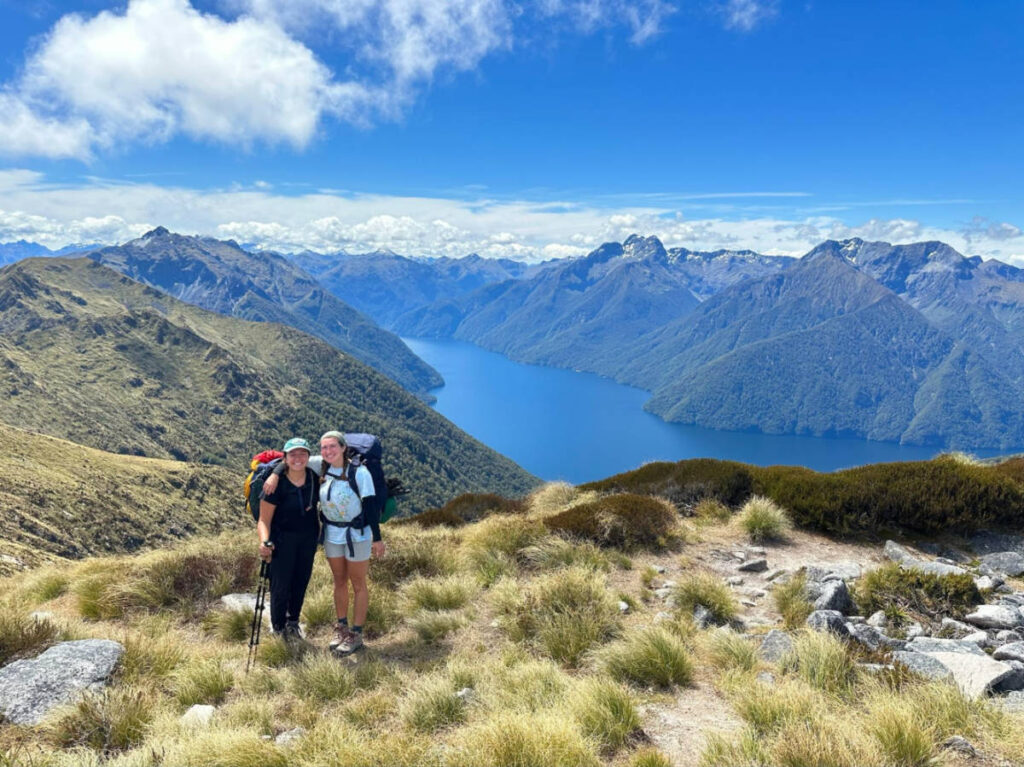
New Zealand has some of the most incredible landscapes on earth, so it’s no wonder many people visit New Zealand specifically to go hiking and backpacking.
You don’t need to pack a ton of gear because New Zealand has a huge network of backcountry huts with bunk beds, sleeping pads, water, and stoves. Many visitors choose to take advantage of these huts’ amenities, leaving the tents and other heavy items at home.
I did 3 of New Zealand’s Great Walks and hiked, biked, and canoed over 100 miles throughout the country.
Here are recommendations for essential hiking and trekking items you will need in New Zealand:
Backpacking Backpack

Osprey Kyte 48L Backpack
I used this Osprey Kyte backpack on all the Great Walks, and it was perfect for hiking and for travel.
If you’re planning on doing any multi-day hiking in New Zealand, I would recommend just bringing a backpacking backpack instead of a suitcase.
I used this Osprey Kyte 48L backpack as my backpack for my whole year-long trip. It was perfect for doing 3-4 day hikes on the Great Walks. When I needed to pack it for my Great Walks, I just put all of my non-hiking gear into my carry-on bag and left that at my accommodation.
Filtration Water Bottle

LifeStraw Water Bottle Filter
You need to filter water while trekking in New Zealand. Having a water bottle that does that naturally will save you a lot of time.
While many New Zealand huts have tap water, you have to treat it before drinking. We boiled our water every day, but it meant we had to fight for stove space anytime we wanted to refill our bottles, and then wait an hour or more for the water to cool.
You can save a lot of time and energy by just using a filtration water bottle, which eliminates the need to boil or treat the water. A girl we met while trekking recommended the LifeStraw series.
Headlamp

Black Diamond Headlamp
I use this Black Diamond headlamp for all my camping trips.
You need a headlamp while hiking or camping in the backcountry. I use this Black Diamond headlamp, and I’ve always been very satisfied with it. It has good battery life and several different brightness settings.
Sleeping Bag

Teton Lightweight Sleeping Bag
My partner uses this sleeping bag for all our backpacking trips. She likes how warm it is for cold nights.
While most New Zealand huts do have bunk beds with mattresses, they don’t have any bedding. You need to carry your sleeping bag with you while doing backcountry camping.
My partner uses this Teton lightweight sleeping bag. She likes how lightweight, easy to carry, and warm it is.
Inflatable Pillow

Sea-to-Summit Travel & Camping Pillow
I used this Sea-to-Summit camping and travel pillow for all our walks. It’s super small and easy to carry.
You’ll also want a pillow for camping. I bought this Sea-to-Summit Travel & Camping Pillow for our trip, and I was very pleased with it. It’s super light and packs down really small, so it’s very easy to take on backpacking trips.
Portable Pot

Sea-to-Summit Collapsible 1-Liter Pot
Sea-to-Summit is my go-to brand for backpacking supplies. We brought this pot with us, and it was perfect for preparing our meals in the backcountry.
You don’t need to bring a stove if you’re staying in huts on the Great Walks (they have them there), but you do need to bring a pot to boil water. We used this Sea-to-Summit Ultralight Collapsible 1-Liter Pot to boil water for all our backpacking meals.
Plate and Utensils Kit

UCO 6-Piece Camping Mess Kit
I like how compact this mess kit is. It comes with a bowl, mug, and spork that all pack inside each other very neatly.
You’ll also need something to eat your meals out of. I used this UCO 6-Piece Camping Mess Kit. It’s lightweight, and everything packs inside each other, so you don’t have a lot of loose pieces lying around in your bag.
Other Hiking and Trekking Items to Pack for New Zealand
I would classify these items as optional. It’s possible to go without them, and very easy to rent them in New Zealand if you only need them for a few days.
- Hiking poles
- First aid kit
- Tent (if not staying in huts)
- Sleeping pad (if not staying in huts)
- Microfiber towel (for hiking near lakes or along the coast)
- Ear plugs
- Card games (I played a LOT of cards with friends I made on the Great Walks)
- Book
New Zealand Packing Tips
Don’t forget a raincoat.
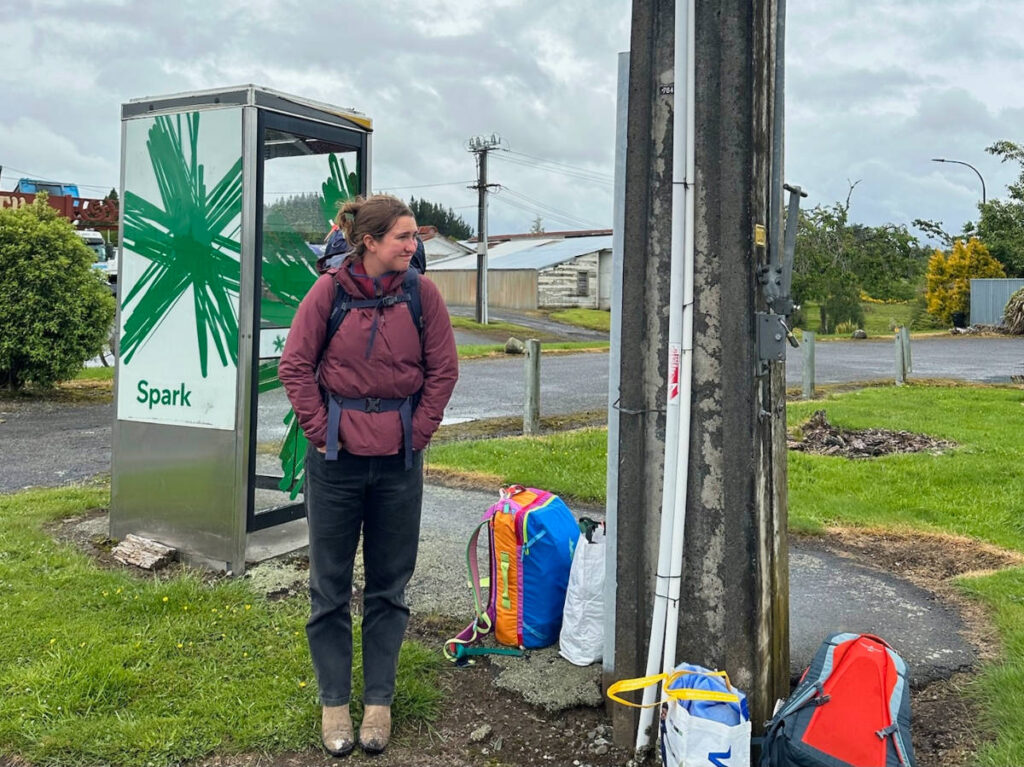
I bought a raincoat 24 hours after landing in New Zealand. I wore it almost every day in the country after that.
Rainfall is pretty steady throughout the year, but is highest from May to August. However, I was there from November to December, and it still rained at least 3x a week. Trust me, you’ll need a rain jacket no matter what time of year you visit!
Only pack for 7 days, then do laundry.
Laundry is widely available in New Zealand. To save room in my suitcase or backpack, I always just pack enough clothes for 7-10 days (depending on the length of my trip). Then, I do laundry once a week.
Bring hiking and outdoorsy clothes.
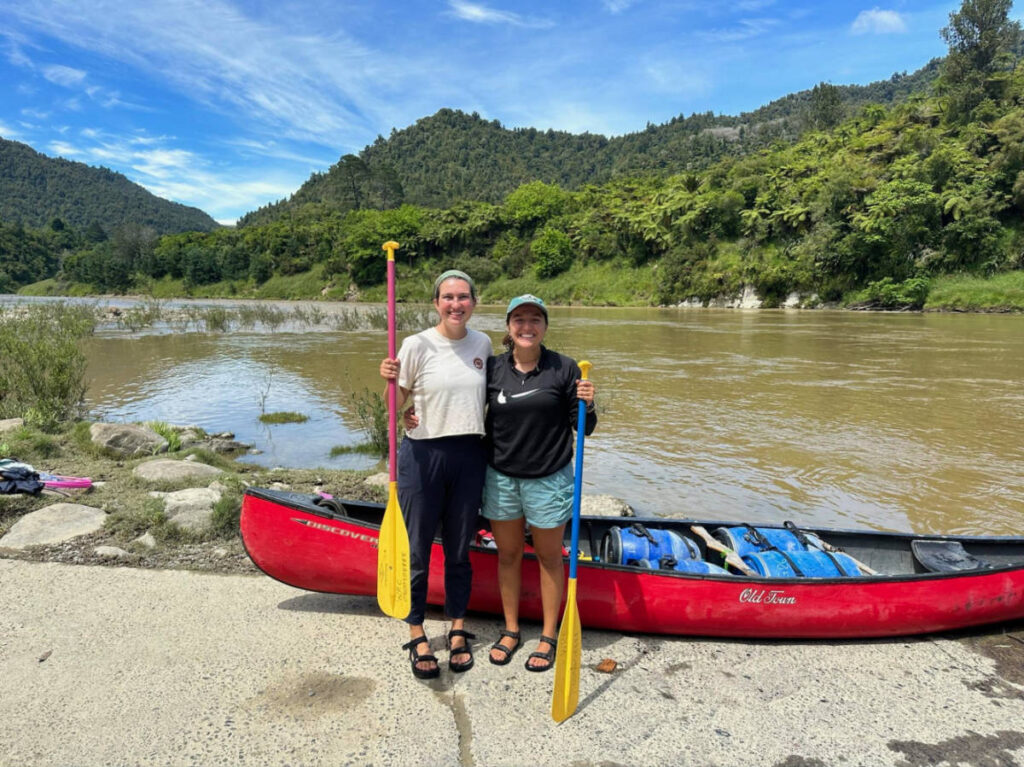
New Zealand is famous for its natural beauty, and so many of the country’s main tourist attractions are outdoorsy, adventurous activities. There’s hiking, camping, bungee jumping, cycling, river rafting, and more. The bulk of your packing list for New Zealand should be outdoor apparel.
Bring sun protection.
Yes, it rains a lot in New Zealand… but the sun also comes out a lot, and it’s strong. The Ozone Layer is thinner down there, so you can get burned a lot easier. Do not skip out on the sunscreen, hat, and sunglasses. You may not think you need it, but you do.
Don’t worry too much about dressing up in cities.
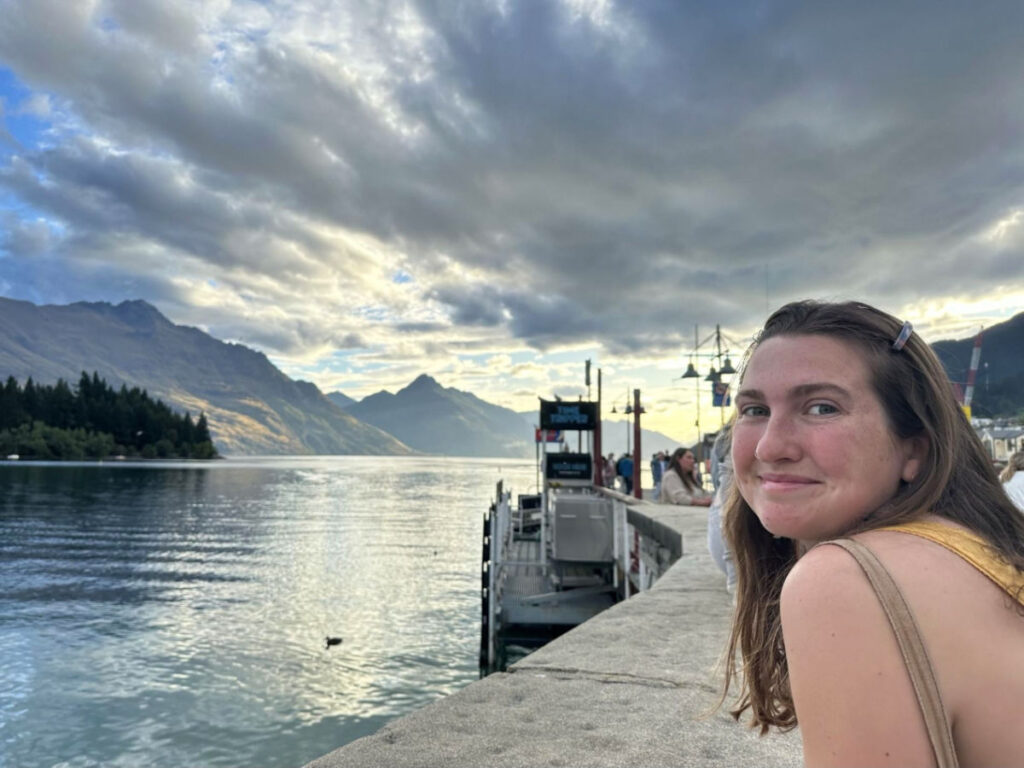
New Zealand’s cities are pretty small and down-to-earth. It’s very different than being in a major city like Sydney, Paris, or New York.
Here, no one will look at you funny if you dress in athletic apparel or casual clothes. If you treat it like a fashion show, you’ll probably get more stares than if you were dressed casually. I mostly wore t-shirts and jeans anytime we were in a city, and I fit right in.
***
🖨️ Get a free, printable version of this packing list here
That’s it for your New Zealand packing list! Have fun down there — it’s one of my favorite places I’ve ever been.
I wrote all about my experiences backpacking around New Zealand and Australia. Check it out for more tips and musings on these fantastic countries!
