Affiliate Ad Disclosure: We’re reader-supported. When you buy via our links, we earn commissions. Learn more.

National Park Packing List (30 Things to Bring)

Updated June 26, 2026
The author McKenna Mobley posing in the Zion National Park Narrows

👉 Jump to: National Park Packing List | Essentials | Clothing to Pack | Packing Tips | Get Printable Checklist

As someone who’s been to nearly half of America’s national parks, I’ve had my fair share of packing mishaps. But after a lot of trial and error, I’ve learned which items are absolute musts and what equipment can be left at home.

This national park packing list will address any gear-related questions for your upcoming trip. Let’s lace up our hiking boots, lather on the high-SPF sunscreen, and start packing for an epic adventure!

National Park Camping Checklist

🖨️ Get a free, printable version of this packing list here!

Reusable Water Bottle

Our Pick
Nalgene Wide-Mouth Water Bottle

You don’t have to worry about running out of water on the park trails with this 1.5-liter bottle.

You need to pack water when you go to any national park, so a water bottle is an obvious necessity. A reusable water bottle like the Nalgene Wide-Mouth Water Bottle is an awesome, eco-friendly option. It can hold up to 1.5 liters of water at a time, minimizing the need to pump extra water.

This wide-mouth bottle is useful year-round, as water bladders can freeze in the wintertime. I recommend carrying two Nalgenes to avoid dehydration, especially if you’re hiking in Joshua Tree during the summer or visiting any other desert parks.

Sunglasses

Our Pick
Sunski Treeline Polarized Sunglasses

Keep your eyes protected from sunburn with highly polarized sunglasses.

Sunglasses are one of the most important pieces of gear to bring to a national park. This is especially true on sunny days, long backpacking trips, or snowy hikes through Yosemite National Park.

The Sunski Treeline Polarized Sunglasses are my top pick for polarized sunglasses. They may be pricey, but the quality makes them worth it. This unisex pair keeps your eyes protected against the sun’s harmful UV rays. It also offers side eye protection, an important feature in areas of high wind.

Map

Our Pick
N/A
National Parks Touring Map & Guide

Avoid getting lost or caught in a dangerous situation by having a detailed paper map that’ll come in handy in areas without phone coverage.

National parks are massive – some comprise over a million acres. You need to ensure you won’t get caught in a dangerous situation if you lose cell service or accidentally wander off the trail. Detailed paper maps are among the most important things you can bring into a national park. 

The National Parks Touring Map & Guide is a handy item to stow away in your hiking backpack and may end up saving you in a pinch if you accidentally go off-trail.

Headlamp

Our Pick
Petzl Tikka Headlamp

This top-of-the-line headlamp has both a regular battery port and a rechargeable battery option, making it ideal for night hikes or multi-day adventures.

Planning to hike before sunrise to beat the crowds? Need to hike back after watching the sunset from an epic viewpoint? A headlamp is a must. As one of the more important hiking essentials, a reliable headlamp can save your life if you’re on the trail after nightfall.

I never hike anywhere without my Petzl Tikka Headlamp. The battery port and rechargeable battery features offer extra security and a longer light guarantee. It also comes with a red light feature to avoid blinding others.

Water Filtration
Our Pick
N/A
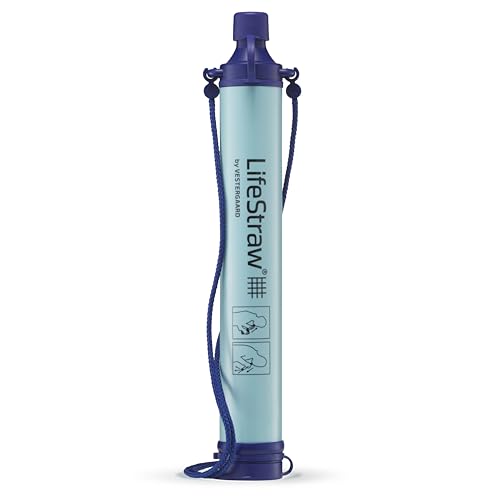
LifeStraw

Filter water on the go from natural water sources with this convenient water filter straw.

You’ll need to bring a way to filter water if you’re planning a backpacking trip through a national park. 

The convenient LifeStraw allows hikers to filter water straight from the source in the backcountry. This is especially handy when hiking in the summer months when the chances of heat stroke are doubled.

Tent

Our Pick
Big Agnes Tiger Wall UL 3 Tent

This ultra-lightweight tent won’t weigh you down when backpacking. Plus, it’s extremely easy to set up.

Day trips are a great way to explore the parks, but with so much to do in every park, camping is the best option to fully explore.

The Big Agnes Tiger Wall UL 3 Tent makes every overnight adventure a comfortable one. At just over two pounds, this two-person tent is easy to carry and spacious. The removable rainfly option makes stargazing possible, too.

Binoculars
Our Pick
N/A
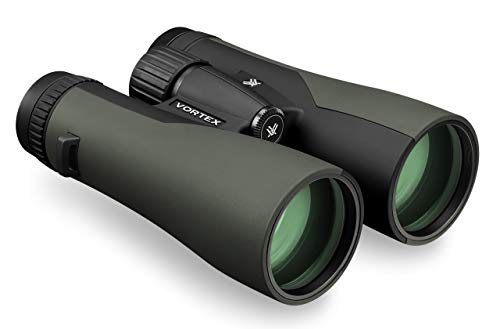
Vortex Optics Crossfire HD Binoculars

The high-quality picture of these binoculars allows parkgoers to witness spectacular wildlife from a new zoomed-in perspective.

Binoculars will come in handy anytime you’re in a national park that’s rich in wildlife, like Yellowstone or Glacier National Park.

See your favorite wildlife up close and personal through the Vortex Optics Crossfire HD Binoculars. The exceptional resolution of these binoculars provides outstanding color and sharpness, making them a top Travel Lemming pick.

Camera
Our Pick
N/A
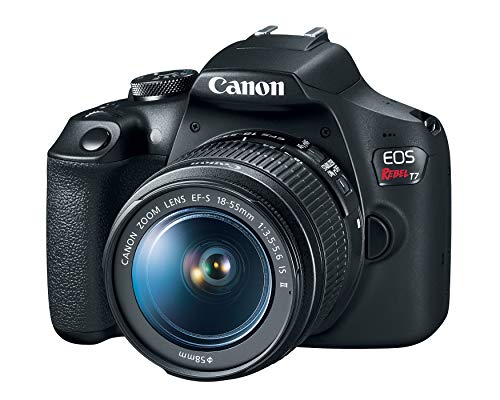
Canon EOS Rebel

This high-quality camera will help you capture National Geographic-quality park photos.

You’ll almost certainly want to capture your trip on camera, and a high-quality camera does the beauty of the national parks justice. 

The Canon EOS Rebel is one of my favorite high-definition cameras. It supports multiple different lenses and has built-in Wifi, plus HD video.

Sun Hat

Our Pick
REI Co-op Vented Trailsmith Hat

This unisex sun hat shields your face, neck, and shoulders from harmful UV rays.

Sun hats are especially important when hiking through the parks during the late spring, summer, or early fall. 

The unisex REI Co-op Vented Trailsmith Hat is the perfect hat to keep you protected. The ventilation feature keeps your head cool, all while shading your head, neck, and shoulders from the sun.

Day Pack

Our Pick
Osprey Daylite

This lightweight backpack makes it easy to carry all the necessary gear while hiking and exploring the parks.

A compact, lightweight day pack is an essential for a national park visit, especially if you’re doing some day hikes. 

The unisex Osprey Daylite is comfortable yet durable. It has enough room to hold snacks, a change of clothes, and other essentials without feeling bulky. This high-quality backpack is another Travel Lemming favorite.

Backpacking Backpack

Our Pick
View of the straps and hydration port at the back side of Osprey Eja Backpack
Osprey Eja / Exos Backpacking Pack

We tested 8 backpacking packs head-to-head and the Osprey Eja / Exos series came out as the winner. Made from 100% recycled materials, this lightweight pack excels at comfort and functionality.

Planning a thru-hike or overnight stay within a national park? You may want to consider investing in a good backpacking pack.

Abigail put several of the top backpacking packs to the test on a five day trek. Of the eight bags she tested, the overall winner was the Osprey Eja backpack (men’s version: Osprey Exos).

Hiking Shoes
Our Pick
N/A
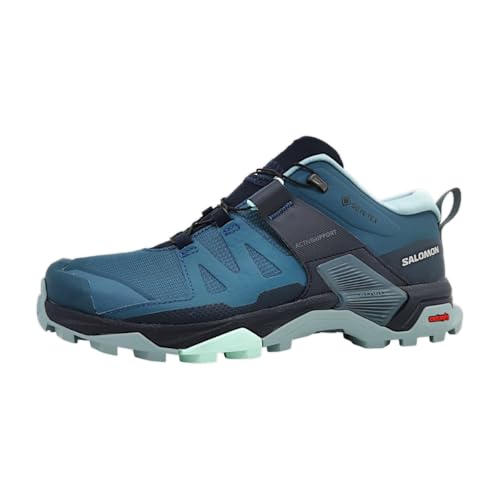
Salomon X Ultra 4 Gore-tex Hiking Shoes

Hike comfortably through any weather with these hiking shoes. Complete with a heavy-duty grip, you’re almost guaranteed not to slip on the trail.

Sturdy hiking shoes will be your best friend on tough hikes with uneven terrain and there are plenty of great options on the market. I’ve hiked in more than 20 national parks wearing my trusty Salomon X Ultra 4 Gore-tex Hiking Shoes, and I highly recommend them. They’re also available in men’s sizes.

These shoes are extremely comfortable and have some of the best traction on the market. They also feature Gore-tex properties, ensuring your feet stay warm and dry in notoriously wet national parks like Crater Lake and Hawai’i Volcanoes National Park.

Sleeping Bag

Our Pick
NEMO Forte 20 Sleeping Bag

This mid-weight, twenty-degree bag is the perfect temperature for exploring most parks during the non-winter months.

A warm, good-quality sleeping bag makes all the difference when camping. Even desert parks can cool down significantly in the evening.

The NEMO Forte 20 Sleeping Bag is ideal for camping overnight and comes in various colors, lengths and widths for both men and women. It’s comfortably rated to get you through most seasons, and you can also pair the bag with a sleeping bag liner for added warmth during the winter months.

Sunscreen

Our Pick
Thinksport Clear Zinc Active Face Sunscreen

A high-SPF sunscreen like this one is needed when exploring America’s outdoor parks.

The alluring magic of the parks makes it easy to hike all day in the outdoors. Be prepared for a full day of sun exposure with one of the most protective sunscreens out there.

Thinksport Clear Zinc Active Face Sunscreen is my go-to sunscreen. The high zinc and SPF content guarantees all-day protection when hiking at 14,000 feet at Mount Rainier National Park or below sea level at Death Valley’s Badwater Basin.

Sleeping Pad

Our Pick
Therm-a-Rest NeoAir XTherm NXT Sleeping Pad

This ultra-lightweight, comfortable, and easy-to-pack sleeping pad is one of the most popular options on the market.

You won’t get a good night’s rest without a comfy sleeping pad. The blow-up and collapsible mattress features of the Therm-a-Rest NeoAir XTherm NXT Sleeping Pad make it easy to pack and extremely comfortable. It also comes in multiple sizes and widths.

Trekking Poles

Our Pick
Leki Khumbu Lite Trekking Poles

Lightweight poles like these are a must for stability on steep inclines.

Having trekking poles will help you a lot, especially if you’re climbing up and down steep mountain paths. It’s also a good idea to bring lightweight poles when backpacking because every ounce matters. 

The Leki Khumbu Lite Trekking Poles weigh in at just over one pound and are one of the lightest trekking poles on the market.

Snacks

Our Pick
Peak 2 Refuel Granola

Dehydrated snacks and meals are essential and easy to use. Just add cold or hot water, and a high-protein meal is ready in just minutes.

You can never be overprepared with too much food while exploring the parks. I always carry extra snacks and meals with me to keep my energy up whether I’m on a day hike or backpacking trip.

I like dehydrated meals like Peak 2 Refuel Granola because they’re super simple to make. Just add hot or cold water depending on the meal, and a high-protein meal will be ready for you in minutes. In addition to breakfast flavors, you can also enjoy some filling lunch or dinner options like this Peak Refuel Chicken Coconut Curry.

Neck Gaiter

Our Pick
Buff CoolNet Multifunctional Neckwear

Use this multifunctional gaiter as a scarf, a bandana, a shield from intense winds, or a hair tie.

Every hiker or outdoor enthusiast should have at least one neck gaiter. They’re multifunctional, and versatile equipment is a must when in the national parks.

The Buff CoolNet Multifunctional Neckwear can be worn in many different ways, but is most commonly used as sun protection. I also like to wrap my buff around my mouth and nose during cold winter hikes. I even use it as a headband, and stretch it to use as a shirt when backpacking.

First Aid Kit

Our Pick
HART Outdoor Day Hike First-Aid Kit

This small but mighty first-aid kit has all the survival essentials you’ll need for an accident in the backcountry.

Anything can happen in the great outdoors and it’s best to be prepared with a handy first-aid kit.

The HART Outdoor Day Hike First-Aid Kit has everything you need for a day hike or shorter backpacking trips. I’ve used this kit for years and can confidently confirm its usefulness. I also like to add my own needle and thread to the mix, for dealing with hiking blisters while out and about.

Camp Stove

Our Pick
Jetboil Flash Cooking System

Have hot water ready in a flash with this camp stove, which is perfect for boiling water to eat a quick meal on the go.

Quick access to warm food is especially important when exploring or hiking in national parks during cooler winter months. The Jetboil Flash Cooking System boils water in no time, giving you warm coffee or hot water for your camp food in a flash.

Camp Pillow

Our Pick
Therm-a-Rest 
Compressible Pillow Cinch
Therm-a-Rest Compressible Pillow

Wake up in the backcountry without a sore neck, thanks to this lightweight, packable camp pillow.

Camping may not be as comfortable as sleeping in your bed at home, but a good camp pillow can make a world of difference in helping you wake up energized instead of sore.

This Therm-a-Rest Compressible Pillow is lightweight and offers excellent support for your neck and head when sleeping. When paired with the hyper-comfortable Therm-a-Rest NeoAir XTherm NXT Sleeping Pad, you’ll be guaranteed a relaxing night of rest.

Checklist of Other National Park Essentials to Pack

  • Fire starter
  • Firewood
  • Cell phone
  • Lightweight jacket
  • Multi-tool 
  • Flip flops
  • Quick-dry towel
  • Insect repellant
  • Camping Chair
  • Garmin Inreach Satellite
  • Emergency shelter
  • Extra food
  • Bear canister
  • Cooler
  • Gloves
  • Beanie 

Clothing to Pack for National Parks

Author Abigail standing at the South Rim with a view of the Grand Canyon in the background
Travel Lemming Editor Abigail along the South Rim in Grand Canyon Village

The best clothing to pack for the American national parks depends on what season you’re visiting in. The best rule of thumb is to layer in every season with short sleeves, long sleeves, pants, and shorts, and to always have a rain jacket on hand. It never hurts to have backup socks and an emergency down jacket too, in case you run into some sour weather.

So what clothing should you pack for the U.S. national parks? Here is a quick clothing checklist for the U.S. parks: 

  • 2 pairs of shorts
  • 2 hiking pants
  • 2 short sleeve shirts
  • 2 long sleeve shirts
  • 1 tank top
  • 1 sundress
  • 1 swimsuit
  • 1 ball cap or sunhat
  • 3 pairs of underwear
  • 3 pairs of hiking socks 
  • 1 pair of hiking or lightweight sandals
  • 1 pair of hiking shoes
  • 1 bandana
  • 1 down jacket
  • 1 rain jacket

Here’s a more in-depth analysis of some of my favorite national park clothes, including flexible hiking shorts, my favorite sundress, and comfy undies.

Hiking Shorts

Our Pick
Patagonia Baggies Shorts

Hiking shorts don’t get more stylish than this colorful pair. They’re also water-resistant and made from recycled fishing nets, a true ecological masterpiece.

The right hiking shorts are key for keeping you cool and mobile while hiking through the parks. 

You can hike in style with these multi-pattern Patagonia Baggies Shorts, also available in men’s styles and sizes. These eco-friendly shorts are made from recycled materials but still allow complete mobility for boulder hopping on the trails.

Zip-off Hiking Pants

Our Pick
REI Co-op Sahara Convertible Hiking Pants

Pack less with these zip-off pants. Equal part pants and shorts, this clothing item is one of the best two-for-one deals on the market.

It’s a good idea to bring zip-off hiking pants to wear in national parks because it means you can pack one less item. 

The two-for-one REI Co-op Sahara Convertible Hiking Pants can be worn as either shorts or pants, depending on the weather. This is especially important when daytime temperatures can be excruciatingly hot but freezing come nightfall. These versatile pants also come in men’s sizes.

Rain Jacket

Our Pick
N/A
Outdoor Research Aspire II Gore-tex Jacket

This Gore-tex rain jacket keeps park visitors dry during even the most intense winter storm.

America’s Pacific Northwest and East Coast national parks are typically the wettest, so a rain jacket is a no-brainer when visiting these parks. But I’d also recommend bringing one to any park where there’s a chance of unexpected rainy weather.

Bring an Outdoor Research Aspire II Gore-tex Jacket to explore parks in these regions in any season. This Gore-tex jacket is both waterproof and windproof, but it has zippers on the sides to ensure you don’t overheat. Parkgoers are guaranteed to stay dry with this high-quality rain jacket. This men’s rain jacket has similar properties.

Short Sleeve Shirt

Our Pick
Patagonia Capilene Cool Trail Shirt

This breathable short sleeve shirt is guaranteed to keep you cool and dry during the hottest summer days.

Short sleeve shirts are always good to bring on sunny days in a national park. The Patagonia Capilene Cool Trail Shirt has sun-protectant properties that can help fend off sunburn. The quick-drying shirt is also available in a men’s style.

Hiking Socks

Our Pick
A pair of hiking socks from REI
Darn Tough Hiking Socks

Leave the blisters behind by wearing these well-cushioned Merino wool hiking socks.

Don’t try hiking long distances in just any socks – you will regret it. Instead, get a solid pair of hiking socks to make your trek more comfortable.

My absolute favorite hiking socks, Darn Tough Hiking Socks, are some of the most comfortable hiking socks available. Thanks to their fine-gauge knitting, I’ve never gotten a blister while hiking in this pair. These socks also come in men’s sizes and mountaineering sock options.

Lightweight Sandals

Our Pick
Teva Hurricane XLT2 Sandals

These waterproof sandals are ideal during a visit to parks in the summertime.

There’s no better feeling than slipping into cushiony sandals after a long day exploring the parks. 

The Teva Hurricane XLT2 Sandals are not only comfy but also water-resistant and stylish, too. Also available in a men’s option, the Teva Hurricanes can function as a lounging sandal at camp, but they can also handle steep terrain on the trails. Trade in heavy hiking boots in the summer for these lightweight, breathable sandals.

Long Sleeve Sun Shirt

Our Pick
REI Co-op Sahara Solid Long-Sleeve Shirt

This UPF-rated sun shirt protects parkgoers from sunburns. The roll-up sleeve option is also an ideal feature in the hot summer months.

Long sleeve shirts aren’t just for keeping warm – they can also help prevent sunburn. 

The REI Co-op Sahara Solid Long-Sleeve Shirt is good for this, with its UPF 50 sun protection property and quick-drying fabric. Both the women’s and men’s styles have buttons for easy sleeve roll-up access and back vents to keep explorers dry and cool.

Underwear

Our Pick
N/A
ExOfficio Give-N-Go 2.0 Sport Underwear

Hike comfortably with this non-slip underwear, a pair so lightweight you’ll hardly notice it’s there.

Comfortable, non-slip underwear is preferable, especially when hiking long trails throughout the U.S. parks. 

I hiked 400 consecutive miles in Arizona, through Saguaro National Park and Arizona state parks wearing the ExOfficio Give-N-Go 2.0 Sport Underwear. They also come in this men’s underwear option.

Down Jacket

Our Pick
Arc’teryx Cerium Lightweight Down Jacket

This  is one of the highest quality down jackets on the market, guaranteed to keep you warm through even the most intense storms.

I highly recommend bringing a packable down jacket with you to the parks, especially if you’re hiking through the mountains. It can get way chillier than you’d expect, even in summer. 

The Arc’teryx Cerium Lightweight Down Jacket is a top-of-the-line down jacket that’s guaranteed to last. This down jacket also packs into its pocket, saving space in your backpack for other essentials. Don’t forget to check out the men’s style, too.

Other Clothing, Shoes, & Accessories to Pack for National Parks

So what clothing, shoes, and accessories should you pack for U.S national parks? Here is a quick clothing checklist:

  • 2 pairs of shorts
  • 2 hiking pants
  • 2 short sleeve shirts
  • 2 long sleeve shirts
  • 1 tank top
  • 1 sundress
  • 1 swimsuit
  • 1 ball cap or sunhat
  • 3 pairs of underwear
  • 3 pairs of hiking socks 
  • 1 pair of hiking or lightweight sandals
  • 1 pair of hiking shoes
  • 1 bandana
  • 1 down jacket
  • 1 rain jacket

National Parks Packing Tips

Consider Making Your Visit an Overnight Trip

A camping tent on the trail in Saguaro National Park at sunset
Camping on the trail in Saguaro NP, Arizona

There’s so much to see in each national park that sometimes a day trip barely even scratches the surface. Consider an overnight stay in the park for more time to hit the top hiking trails or sightseeing attractions. 

Camping is a great option, especially if you want to spend as much time in the park as possible. But if you’re not much of a camper or just want other options, see our popular guides to the best places to stay near the national parks:

Pack Multi-purpose Clothes

Clothes with multiple functions are ideal when narrowing down what to bring for your national park trip. For example, a bandana or buff can be used as sun protective wear, to clean up spills, or as a sweatband. Try to prioritize multi-functional clothing items, especially if you’re trying to pack light.

Buy National Park Guides at the Visitor Center

Closeup look of the map of Death Valley National Park
A map I picked up at a National Park Service visitor center

Buying a map or guide beforehand can be helpful if you want to study hiking routes prior to your trip. Of course, national park guides usually have the best, up-to-date information at the visitor center.

Consider Purchasing a National Parks Pass

Save some money by purchasing an annual national parks pass, good for all 63 U.S. parks. You’ll save some serious cash in the long run if you visit more than one park per year with the America the Beautiful Pass.

Be Prepared With Bear Spray and Bear Cans

Panoramic view of the landscape and snow covered Glacier National Park
Glacier NP is known for frequent grizzly sightings

It’s never a bad idea to carry bear spray with you through national parks known for their bears like Grand Teton or Yellowstone. Also, if you’re camping in a place known for bears, you will absolutely need to bring a bear can.

***

Thanks for reading my national park packing list guide! Think I forgot something or have a question? Leave me a comment to let me know! For more great packing information, check out my camping essentials guide.

🖨️ Get a free, printable version of this packing list here!

How useful was this post?

Click on a star to rate (you can leave feedback after clicking submit)

Help us help you travel better!

Your feedback really helps ...

What did you like about this post? Or how can we improve it to help you travel better?

Leave a Reply

Comments and questions about the topic of this article are welcome. Comments must follow our Community Guidelines. Most importantly be kind & be helpful!

Your email address will not be published. We'll email you when someone replies.