
Affiliate Ad Disclosure: We’re reader-supported. When you buy via our links, we earn commissions. Learn more.
Here’s When to Visit Croatia (And When to Avoid!)


👉 Jump to: Best Time to Visit Croatia | Travel Seasons | Croatia Weather & Climate | Weather Events
The best time to visit Croatia is in May, June, September, or October. These are the months when all the tour operators and hotels are open, the weather is warm and pleasant, and the crowds are manageable.
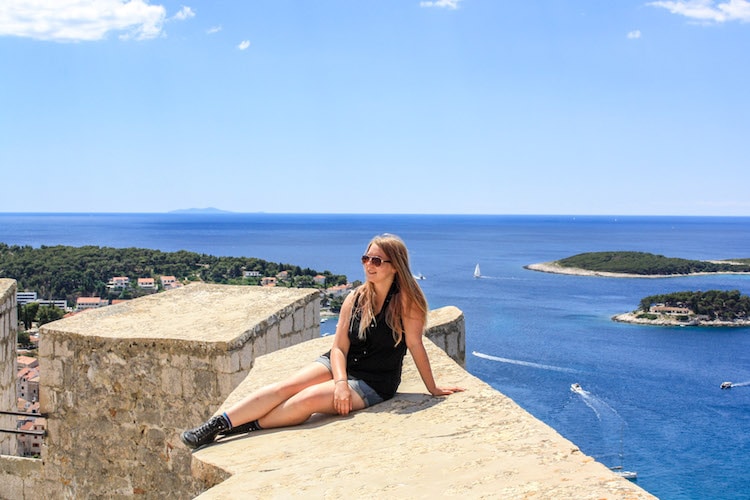
I visited Croatia over the entire month of June and found it the perfect time to travel. The weather was great, the tourist rush of July and August hadn’t hit yet, most of the attractions in Croatia were in full swing, and it was easy on the wallet.
But, what was perfect for me may not be the right choice for you. In this article, I’ll go over all the factors you should consider before booking your trip to Croatia.
When is the Best Time to Visit Croatia?

Alright, let’s cut straight to the chase. You’re planning your visit to Europe and want a simple answer on when to go to Croatia.
The most popular time to visit for international visitors is summer (July-August). However, the shoulder seasons (May-June, September-October) offer milder weather, fewer crowds, and cheaper activities and accommodations.
Croatia’s summer months are full of sunshine and parties but can get unbearably hot. The shoulder seasons tend to be less expensive with more variety for accommodation and activities. Meanwhile, Croatian winters, while decidedly calmer, colder, and wetter, can bring their own unique charm to the table.
Now, a lot depends on your travel preferences and why you are visiting Croatia. So, next, we’ll dive into when to go for different situations. Click these links to jump straight to the section most applicable to you:
- 💰 On a Budget
- ⛵ Water Activities
- 🎉 Partying
- ⛰️ Northern Croatia
- 🌳 National Parks
- 📅 Events and Festivals
When to Visit for Budget Travel
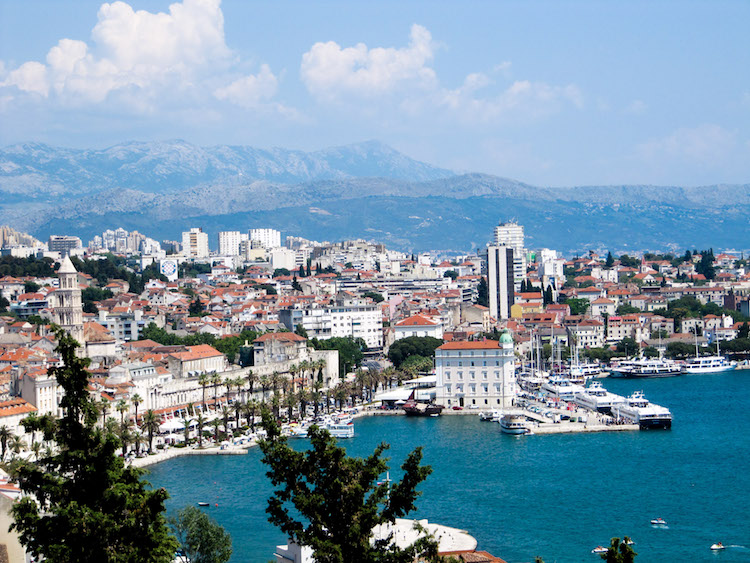
If traveling to Croatia on a shoestring is most important to you, then I recommend visiting in early spring or late fall.
May-June and October-November may not be the peak times of year in Croatia, but they still offer ample amenities and are easy on the wallet. Keep in mind that not all activities, restaurants, and accommodations will be open (especially in October and November) and your options will be slightly limited.
For the record, while I wasn’t on a shoestring budget, I was able to travel to Croatia in June affordably and comfortably. Check out my tips for traveling to Croatia to learn how.
When to Visit for Water Activities
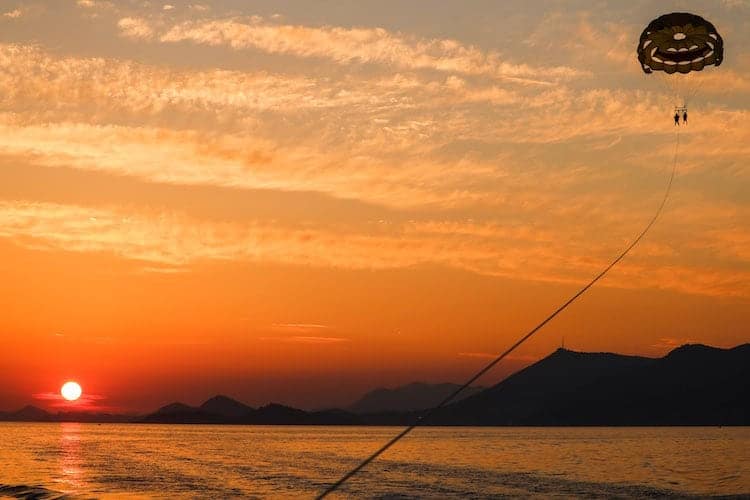
For water-based activities, you should plan your trip during the summer (June – September). This includes swimming, snorkeling, scuba diving, and sailing.
Though accommodations will be more expensive and you’ll have to battle other travelers for activity slots, there’s nothing like spending a warm Croatian summer on the beach or a sailboat.
Of course, if you want to save on cost but still get the sunshine benefit, then the shoulder seasons will be perfect.
When to Visit for Nightlife
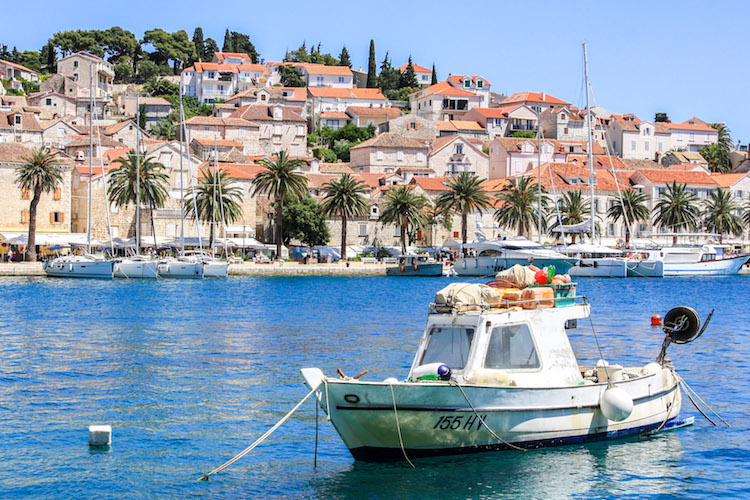
The best time to visit for parties is in the summer. Specifically, the last three weeks in July light up with travelers looking to get their nightlife on. If this sounds like something you’d be interested in, then look up the party scenes in Pag, Hvar, Brac, Dubrovnik, and Split.
When to Visit Northern Croatia

Destinations in northern Croatia experience much more diverse weather than you’ll find on the Adriatic coast. The winter months in this region do tend to get some snow while summer is a few degrees cooler than elsewhere in the country.
If long, sunny days are what you aim for, then the best time to visit Northern Croatia is in the summer. If you don’t mind milder days, then the shoulder seasons are great too.
👉 Pro Tip: Croatia is the perfect road trip destination, but transportation and your Croatia driving itinerary are best figured out ahead of time. To stay safe on the road, check out my 10 tips for driving in Croatia!
When to Visit Croatia’s National Parks
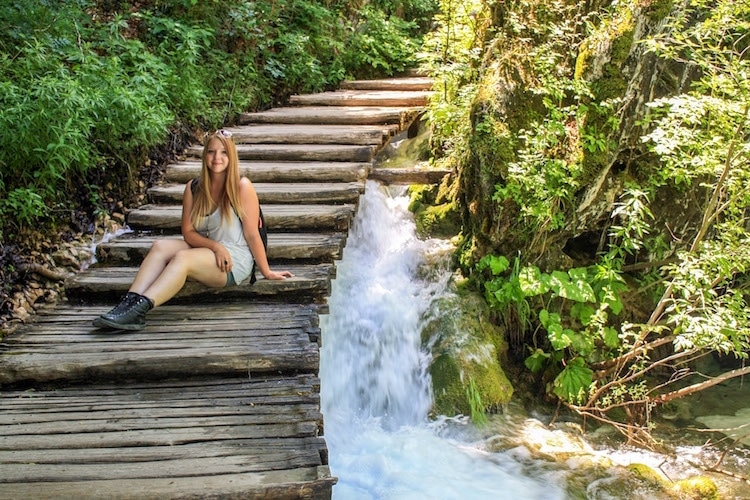
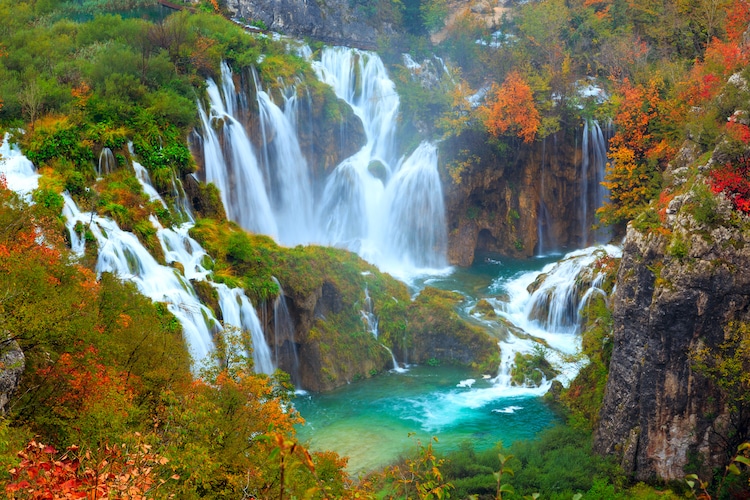
Though beautiful year-round, Spring (May-June) is the best time to go to a Croatian national park. The snow runoff means that the lakes and waterfalls are at their fullest, and because this is outside of Croatia’s peak tourist season, there will be fewer visitors to contend with.
While Croatia is home to many beautiful parks, I recommend you experience Plitvice Lakes, Krka, and Mljet national parks.
When to Visit for Events and Festivals
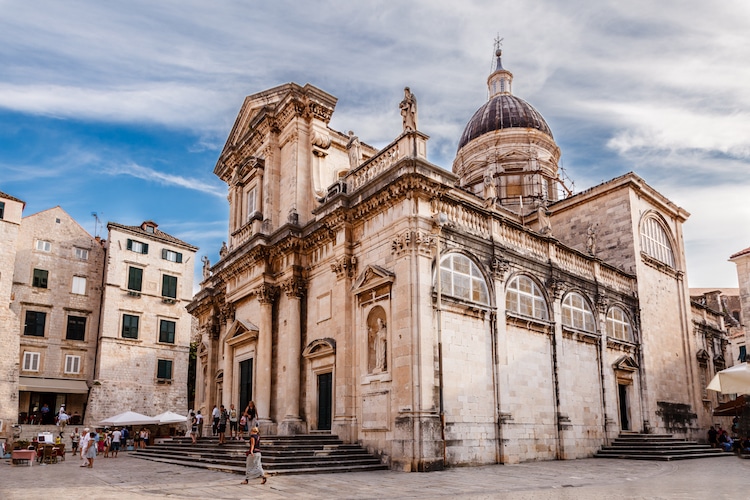
Like every other country, events and festivals happen year-round in Croatia. However, the peak time to experience music, wine, and cultural festivals is from May through September. Look into the Nights of Diocletian, Festival of Flowers, Dubrovnik Summer Festival, and Zagreb Design Week for cultural events.
If you want to experience a Croatian music festival, look into INmusic Festival, Hideout Festival, Sonus Festival, and Outlook Festival.
Croatia’s Travel Seasons
High Season (July – August)
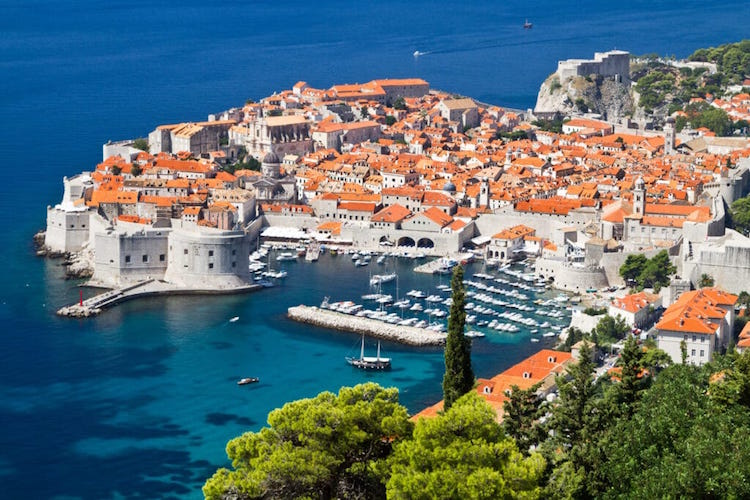
July through August is the height of summer and peak season in Croatia.
Traveling to Croatia in the summer means contending with crowds of other visitors. Because of this, I suggest booking all of your accommodations, activities, and travel as early as possible.
This is when hotel vacancies are at their lowest and access to the top sites may be limited.
If activities such as exploring the national parks, strolling the Old Town of Dubrovnik, and island hopping via ferry are high on your list, then I recommend doing these as early in the day as possible.
Try to beat the afternoon rush, and look up cruise ship schedules so you can avoid the throngs that disembark and flood the sites. In the summer in Dubrovnik, you can expect the temperatures to hover from 25°- 35°C (77°-95°F).
Shoulder Season (May – June, September – October)
Croatia’s shoulder seasons run from early May through mid-June and September through mid-October. These times of year offer up the best of both high season and low.
In my opinion, this is the best time for traveling throughout the country.
During these times, most businesses and activities are open, there are notably fewer visitors than in summer, accommodation is cheaper, the weather is still warm enough for activities, and transportation is easy to come by.
Of course, the shoulder season doesn’t have as consistently beautiful weather, but if you’re looking to beat the crowds, stay on a budget, and still be able to enjoy the Adriatic coast, then this is the time in which to do it.
During this time of year, the temperatures stay around 15°C-27°C (59°F-80°F).
Low Season (November – April)
Low Season in Croatia runs from November through April and sees the least amount of visitors. Due to the drop-off in activity, many businesses close their doors for these months, and options for accommodation, sites, and activities are lacking.
If you plan on going at this time, I recommend doing so with a specific plan in mind or basing your trip around an activity that you can only do in the winter.
Weather-wise, this time tends to be cold and wet with temperatures dipping to below freezing in some areas. Coastal areas receive quite a bit of rain in these months, with 139mm on average over 2 weeks.
In general, the temperatures hover between 5°C – 15°C (41°F – 59°F) although this varies by area.
Weather & Climate
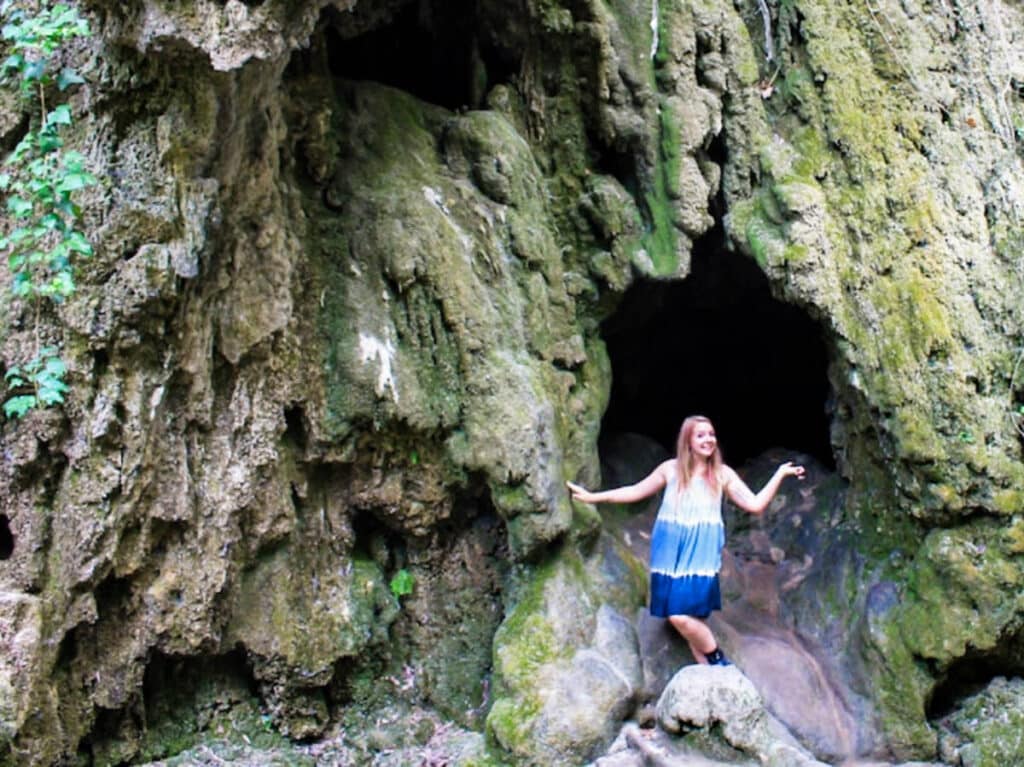
Croatia has two distinct climatic regions, delineated by the Dinaric Mountains. However, there are some variations in climate and weather patterns even within these two areas.
The first climactic region is the coastal area, which has a Mediterranean climate. This region is characterized by hot & dry summers with short winters that are mild with some precipitation. Points of interest within this region are Dubrovnik, Split, and Zadar.
Summertime temperatures in this region range from 20°C (68°F) to 30°C (86°F), while winter temperatures range from 5°C (41°C) to 10°C (50°C).
The second climactic region is the interior area, which has a Continental climate. This region is known for its snowy winters and hot summers. Points of interest within the interior include Osijek, Plitvice Lakes National Park, and Zagreb.
Summertime temperatures in the Continental region range from 17°C (64°F) to 30°C (86°F), while winter temperatures fluctuate between 1°C (33°F) to -7°C (19°F).
Weather Events
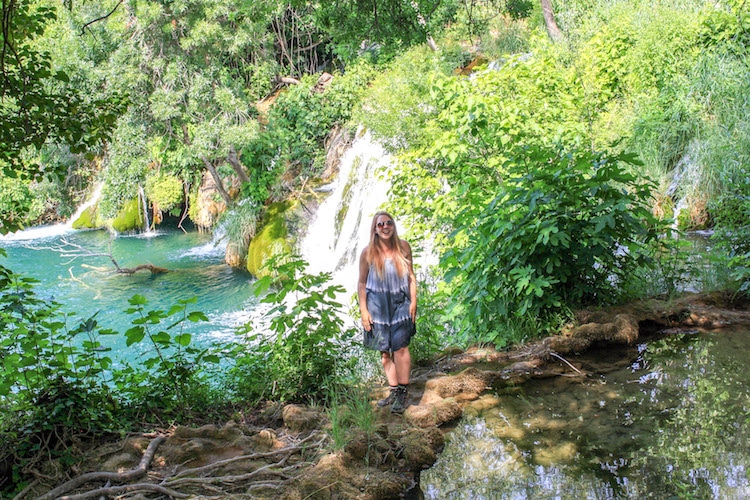
Though Croatia is not a dangerous place to travel, it’s still prone to a few natural weather events, which is one reason many visitors opt to get insurance for their Croatian trip.
Wondering what seasons are most likely for natural disasters? Let’s break it down:
🌍 Earthquakes – Throughout the country, Croatia experiences earthquakes. These small tremors happen several times a month and are mostly without consequence. However, there have been instances of higher-magnitude quakes.
Due to the nature of earthquakes, these can happen any time of year.
🌲 Forest Fires – Most prevalent during summer, forest fires happen yearly in Croatia, and usually during heat waves when the country receives little rainfall. I recommend making a brief note of the weather while you’re in Croatia to see if there are any areas you should avoid.
🌊 Floods – Though Croatia has made the news in recent years for flash floods, they’re generally sporadic and mostly due to mismanaged water systems rather than natural occurrences. As a visitor, this isn’t something you’ll generally have to worry about.
***
That’s it for this guide! Though best visited in the warmer months, Croatia is truly beautiful all year long, and there can be benefits to visiting at any time. Next up, check out my Croatia packing list.

Which is the best Croatian Island to stay for awhile in November and December?
Thanks