
Affiliate Ad Disclosure: We’re reader-supported. When you buy via our links, we earn commissions. Learn more.
Where to Stay in Singapore (10 Best Areas & Places, By a Local)

👉 Jump to: Best Places to Stay in Singapore | Neighborhoods & Areas | Tips | FAQ
I’ve lived in Singapore long enough to be deeply familiar with the city and its neighborhoods – including the ones that are best for travelers. In this guide, I’ll share my recommendations so that you can get the most out of your stay here.
Despite Singapore’s compact size, choosing where to stay in this city-state isn’t as straightforward as it seems. There are multiple neighborhoods to choose from, each with a distinct personality of its own.
If it’s your first trip to Singapore, I recommend staying in the Bugis/Bencoolen area. This vibrant neighborhood is close enough to the city’s downtown core without seeming overly touristy or overpriced. It is well-connected to the city’s main attractions via road, bus, and Mass Rapid Transit (MRT) stations. But more than that, there are a ton of cool things to do within its immediate vicinity!
The Ibis Bencoolen Hotel in Bencoolen offers excellent value for money, and is super accessible from major areas like Marina Bay, Little India, Chinatown, and Bugis Street.
If you don’t mind spending a bit more, the Andaz Singapore by Hyatt in Bugis is a refined choice and my # hotel pick overall. It is connected directly to the Bugis MRT station via a sheltered walkway.
Singapore has many colorful neighborhoods that offer a wide range of stays to choose from. I’ll dive into each one of them in detail below, so you know the pros and cons before making a decision!

Best Places to Stay in Singapore
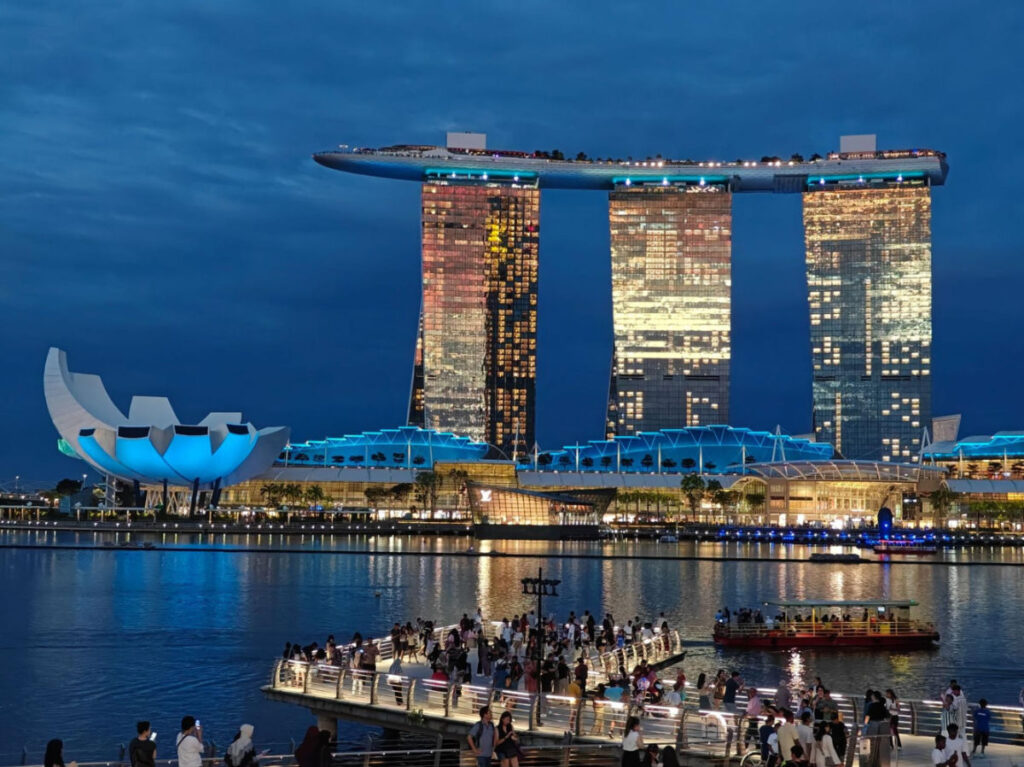
Sunset skies reflected in the glass facade of the legendary Marina Bay Sands Hotel 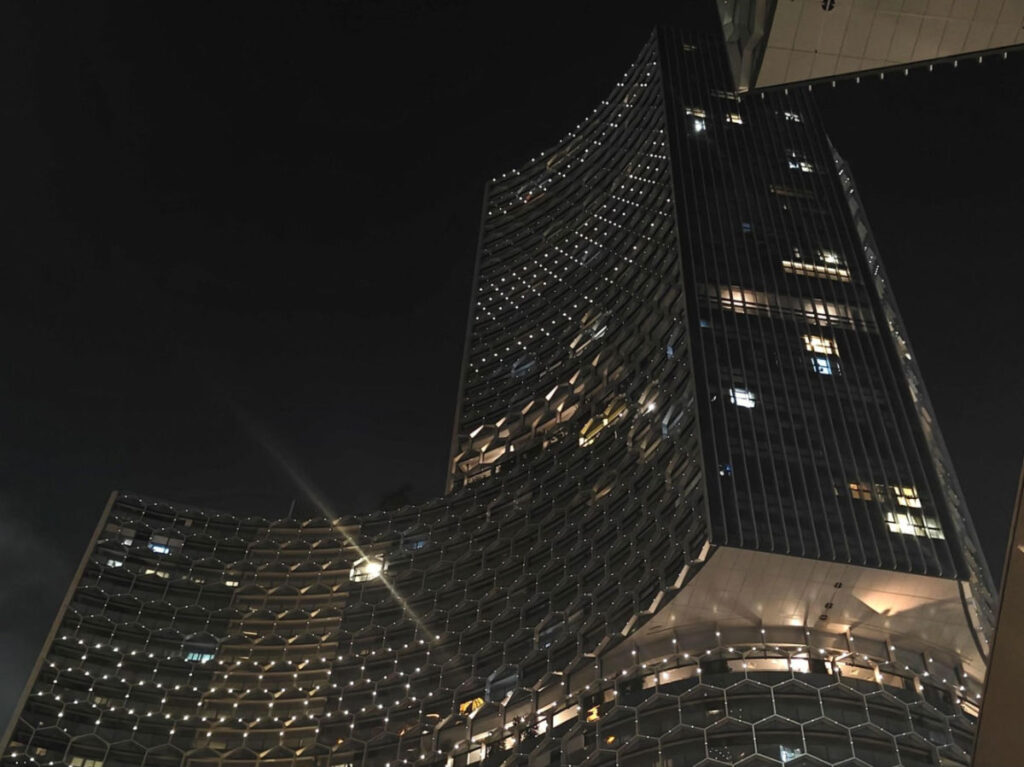
The magnificent facade of Andaz Singapore by Hyatt 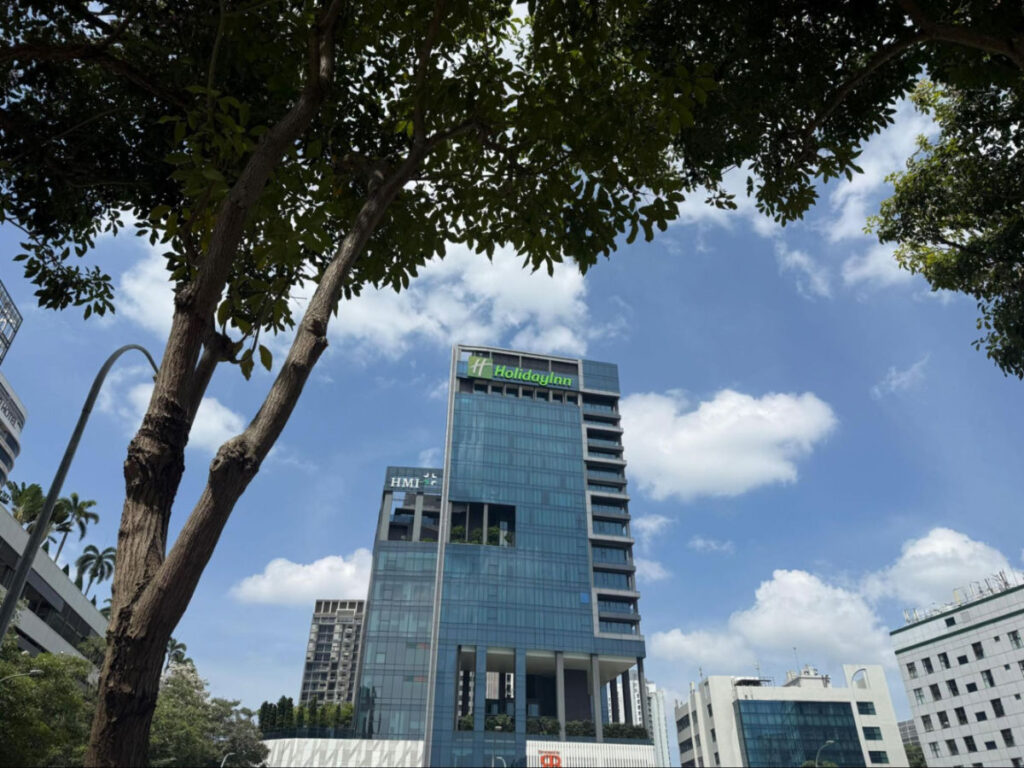
The Holiday Inn Little India, a popular budget accommodation in Little India
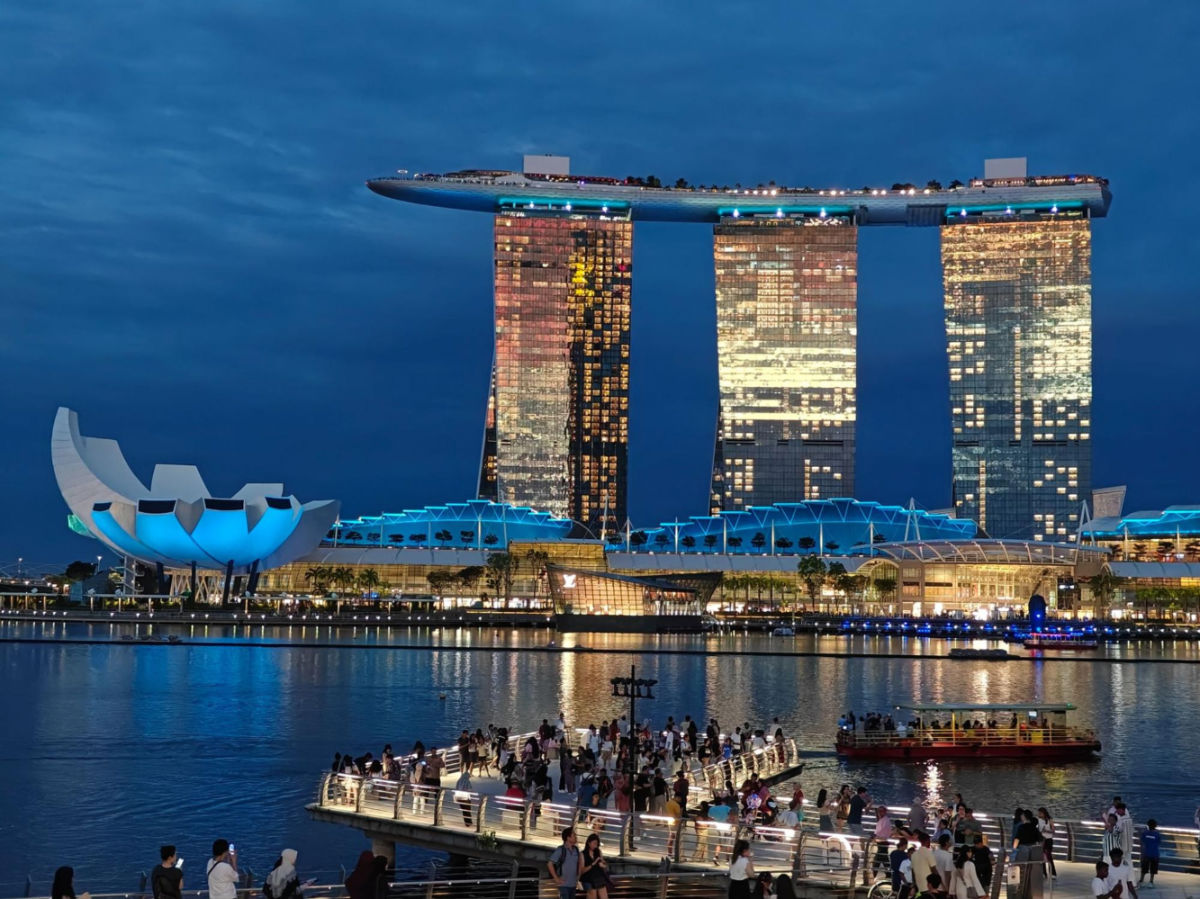
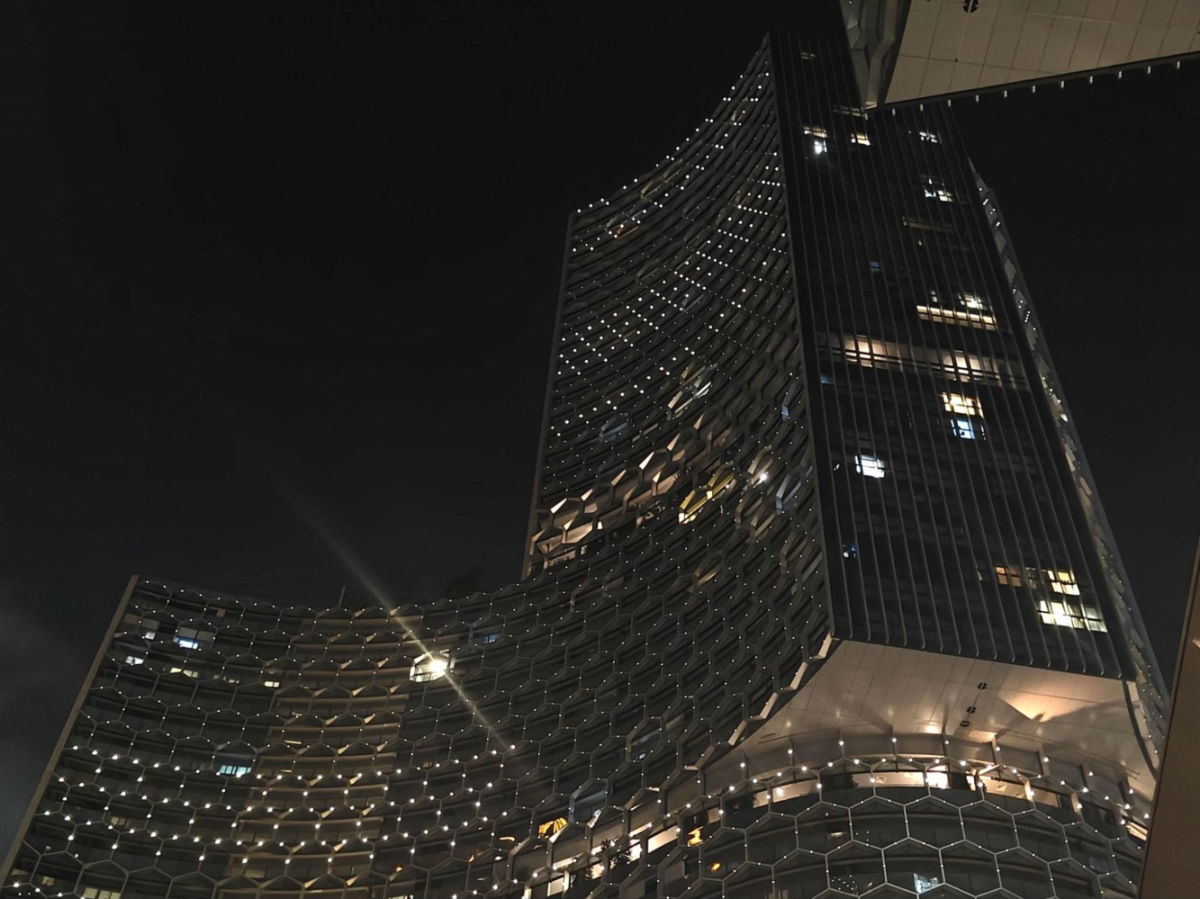
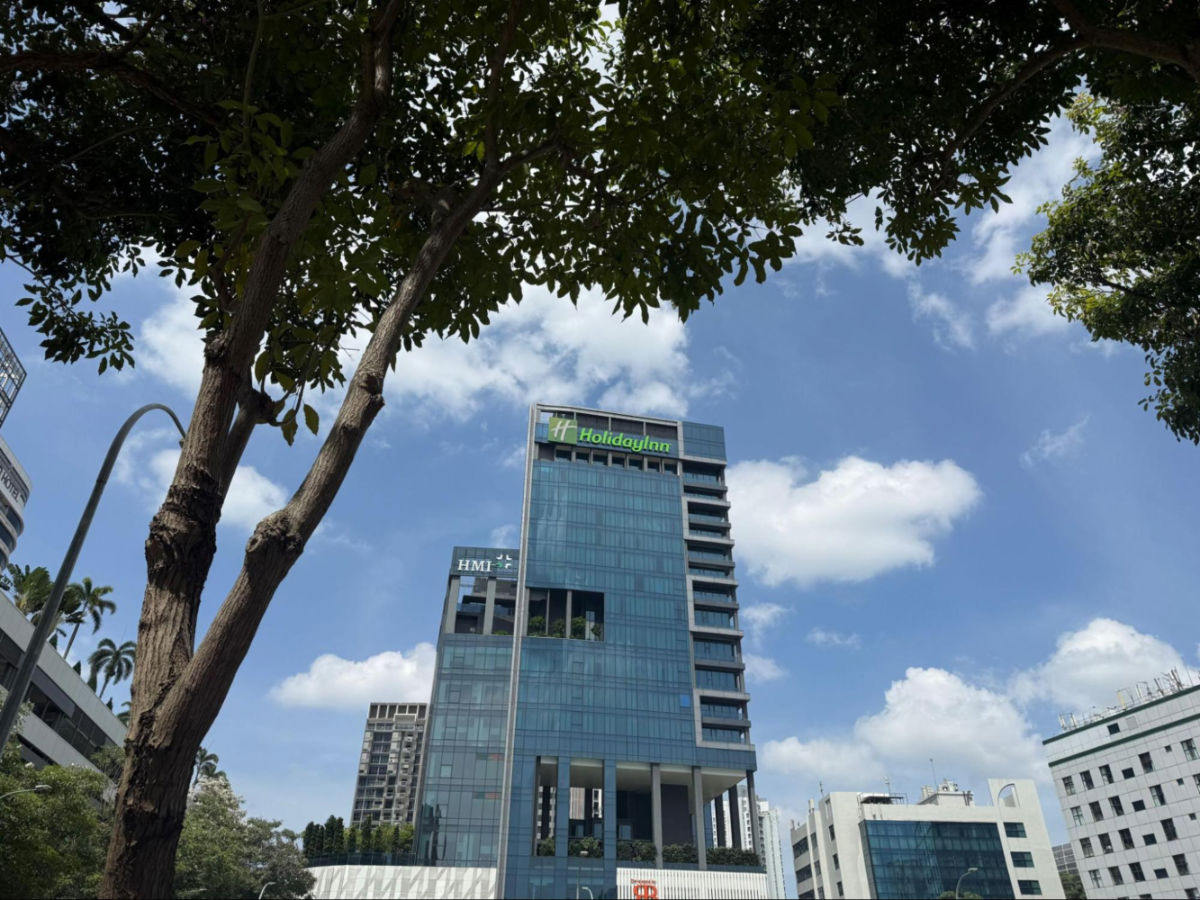
If you’re short on time, these are my top hotel picks:
- 🏆 Best Overall Hotel – Andaz Singapore by Hyatt
- 📍 Best Location – Fullerton Bay Hotel
- 💎 Best Luxury – Capella Singapore
- ❤️ Best for Couples – Raffles Hotel or Marina Bay Sands Hotel
- 👪 Best for Families – Shangri-La Rasa
- 🛎️ Best Boutique – Naumi Hotel
- 🛏️ Best Budget – Holiday Inn Little India
Ok, now scroll down for a deep dive into the pros (and cons) of each area of Singapore:
10 Best Neighborhoods & Areas to Stay in Singapore
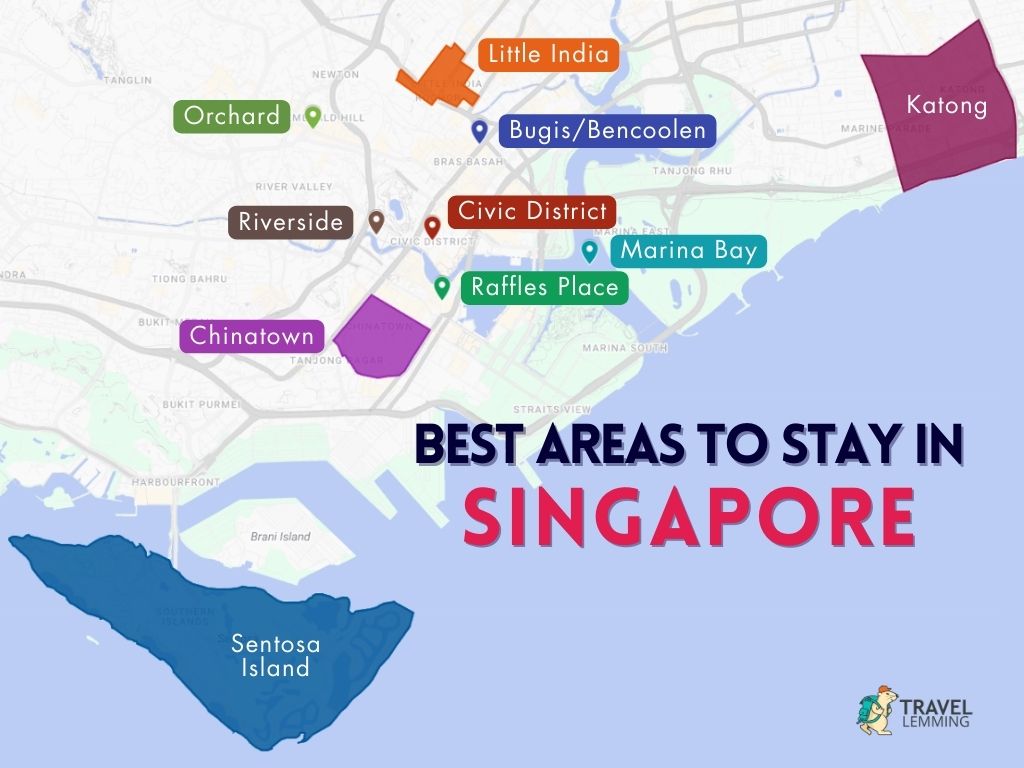
Shaped like a diamond, Singapore is a compact island with distinct Central, East, West, North, and Northeast regions. The Central region, especially Marina Bay, is home to the bulk of the city’s most luxurious hotels.
Adjacent to the central core are districts such as Chinatown, Bugis, and Little India. These areas have a distinct local vibe and are great options to stay in if you wish to experience the city beyond its polished tourist zones. Venturing further afield will lead you to the city’s residential neighborhoods, where tourist activity and the concentration of hotels start to peter out.
To the south is Singapore’s Sentosa Island, home to entertainment attractions, resort-style hotels, and luxury residences.
I’ll walk you through each neighborhood so you can pick the right one to stay in. Let’s start with the main central areas before moving to the surrounding neighborhoods.
Bugis/Bencoolen
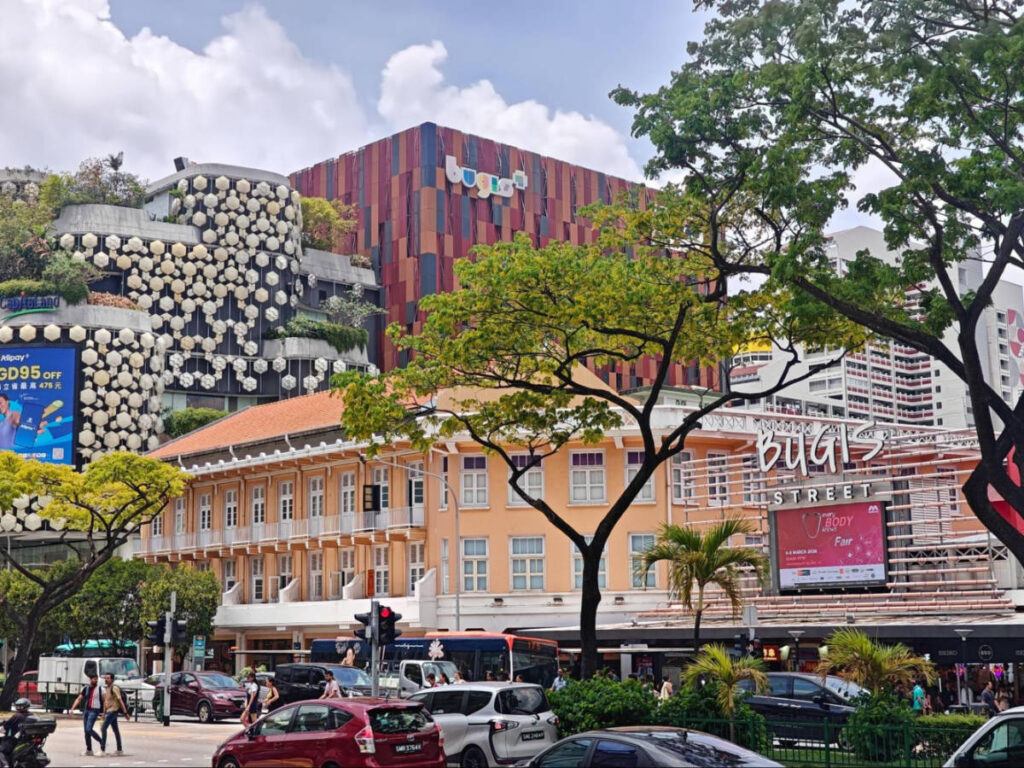
👉 Best Area For First Timers | ✨ Best Bugis/Bencoolen Hotels: Andaz Singapore by Hyatt • Ibis Singapore on Bencoolen • V Hotel Bencoolen • Naumi Hotel
The Bugis/Bencoolen neighborhood offers the best of both worlds — charming vibes plus great accessibility to downtown areas. It is located within a comfortable distance from the city’s more touristy and expensive area, Marina Bay.
Bugis has plenty of its own attractions to offer, such as the Bugis Street market, Bugis Junction, Sultan Mosque, and surrounding lanes, where you’ll find the city come to life after sundown. Bencoolen, one of Singapore’s coolest and creative hubs, is home to a range of art spaces and indie spots worth exploring.
Andaz Singapore by Hyatt is my #1 hotel pick in this area. It has a stunning location with bay views, chic rooms, and free minibar perks. It also offers direct connectivity with Bugis MRT station, so you can reach main tourist attractions within 15 minutes. I also love its rooftop bar, Mr. Stork, which is a great unwinding spot for vacationing couples.
Hotels in Singapore are generally expensive, but Bugis and Bencoolen are home to several mid-range to budget hotel options as well. The Ibis Singapore on Bencoolen is a fantastic find, with easy access to not one, but three MRT stations: Rochor, Bugis, and Bencoolen.
Pros of Staying in Bugis/Bencoolen Neighborhood:
- Well-connected via public transport
- Easy access to multiple tourist areas
- Vibrant and trendy
Cons of Staying in Bugis/Bencoolen Neighborhood:
- Can get noisy at night
- Fewer green spaces
- Home to high-traffic areas
📚 Bugis/Bencoolen Mini Guide 📚
Best Area to Stay for First Timers
Google Map
✨ Best Hotels – Andaz Singapore by Hyatt • Ibis Singapore on Bencoolen • V Hotel Bencoolen • Naumi Hotel
🏠 Apartments – Browse Top Rentals in Bencoolen
🍽️ Where to Eat – Zam Zam Restaurant ($), Victor’s Kitchen ($), Wing Seong Fatty’s ($$), Albert Centre Market & Food Centre ($)
🍸 Where to Drink – The Inn Livehouse, Blu Jaz, SKOSH Cafe
🎟️ Top Attractions – Sultan Mosque, Bugis Street, Parkview Square
Marina Bay
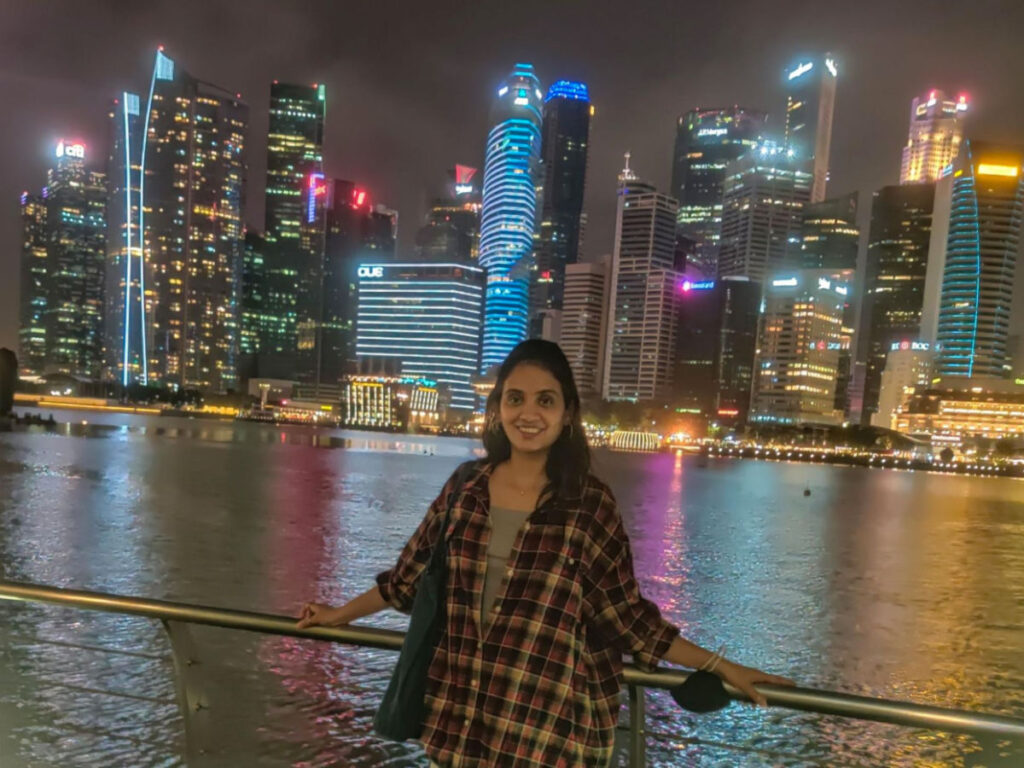
👉 Best Area For Skyline Views | ✨ Best Marina Bay Hotels: Marina Bay Sands Hotel • Fullerton Bay Hotel • PARKROYAL COLLECTION Marina Bay • Pan Pacific Singapore
The Marina Bay area is Singapore’s most iconic and polished district. It is centered around the world-famous Marina Bay Sands Hotel and its neighboring attractions. If you want to experience Singapore in its most modern and futuristic form, you should stay here.
You’ll find a cluster of attractions in this area that are within walking distance of each other, including Gardens By The Bay, ArtScience Museum, and Merlion Park. It’s easy to explore this area in a day or two.
Marina Bay is perennially bustling and filled with tourists. Dining and drinking options here are diverse but typically lean toward the expensive.
There is no shortage of hotels – make that expensive hotels – in this area, given its prime location. The most recognizable one is Marina Bay Sands, where double rooms range between $700 – $1600 a night. The Fullerton Bay Hotel is another premier option notable for its heritage character and waterfront views.
If you want more affordable luxury, the PARKROYAL COLLECTION Marina Bay is an excellent choice with spacious rooms and incredible city views.
Pros of Staying in Marina Bay Neighborhood:
- Amazing skyline views
- Easy access to main attractions
- Upscale dining and drinking scene
- Tons of rooftop bars and restaurants
Cons of Staying in Marina Bay Neighborhood:
- Expensive
- Feels like a concrete jungle
- Limited local vibes
📚 Marina Bay Mini Guide 📚
Best Area to Stay for Skyline Views
Google Map
✨ Best Hotels – Marina Bay Sands Hotel • Fullerton Bay Hotel • PARKROYAL COLLECTION Marina Bay • Pan Pacific Singapore
🏠 Apartments – Browse Top Rentals in Marina Bay
🍽️ Where to Eat – LAVO Italian Restaurant & Rooftop Bar ($$$$), Lau Pa Sat ($), KOMA Singapore ($$$$), Jypsy One Fullerton ($$)
🍸 Where to Drink – CÉ LA VI Marina Bay Sands, Lantern, Bacha Coffee
🎟️ Top Attractions – Marina Bay Sands, Gardens By The Bay, Merlion Park, Singapore Flyer, ArtScience Museum
Raffles Place (Central Business District)
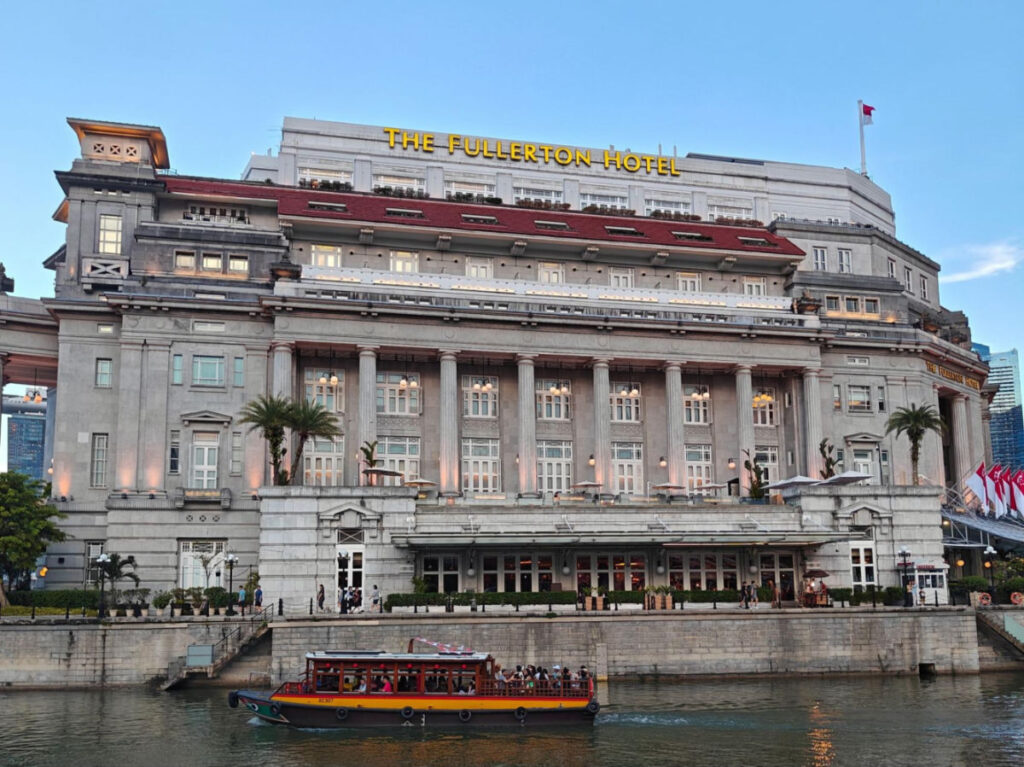
👉 Best Area For Business Travelers | ✨ Best Raffles Place Hotels: The Fullerton Hotel • QT Singapore • Citadines Raffles Place • Ascott Raffles Place
Raffles Place is Singapore’s commercial hub and financial center, packed with official buildings and major businesses. This area expands to the south of Singapore’s river, and accommodates many of the skyscrapers you spot on Singapore’s skyline.
An integral part of the downtown core, it’s no wonder that this neighborhood provides easy access to major attractions and landmarks in Singapore. This makes it a convenient base for business travelers who wish to explore the city in their free time.
Citadines Raffles Place and Ascott Raffles Place are both popular aparthotels in the CBD that are better suited to long-term business stays.
QT Singapore on Robinson Road is a stylish boutique hotel with spacious suites, a rooftop terrace, and meeting spaces. From here, you can walk up to the iconic Lau Pa Sat hawker center in just under 2 minutes to grab meals after work.
If you love historic digs, The Fullerton Hotel, located near the Bank of China building, is highly recommended and a National Monument. It offers easy access to major sights like Merlion Park and Marina Bay areas.
While I love the energetic atmosphere of the CBD, it comes at a price, with hotels being more expensive compared to other areas. The area also winds down at night and comes to a standstill on the weekends as office crowds disappear.
Pros of Staying in Raffles Place Neighborhood:
- Walkable to other downtown areas and major attractions
- Excellent connectivity via public transport
Cons of Staying in Raffles Place Neighborhood:
- Expensive
- Can seem austere and businesslike
- Can feel too quiet outside of working hours
📚 Raffles Place Mini Guide 📚
Best Area to Stay for Business Travelers
Google Map
✨ Best Hotels –The Fullerton Hotel • QT Singapore • Citadines Raffles Place • Ascott Raffles Place
🏠 Apartments – Browse Top Rentals in Raffles Place (CBD)
🍽️ Where to Eat – Lau Pa Sat ($), Brotherbird Bakehouse ($$), Cygnet at QT ($$$)
🍸 Where to Drink – Taki Izakaya Bar, Rooftop at QT, Dungeon by IL Fiore (CIMB Plaza)
🎟️ Top Attractions – Cavenagh Bridge, Lau Pa Sat, One Raffles Place, Sky Garden at Capita Spring
Civic District
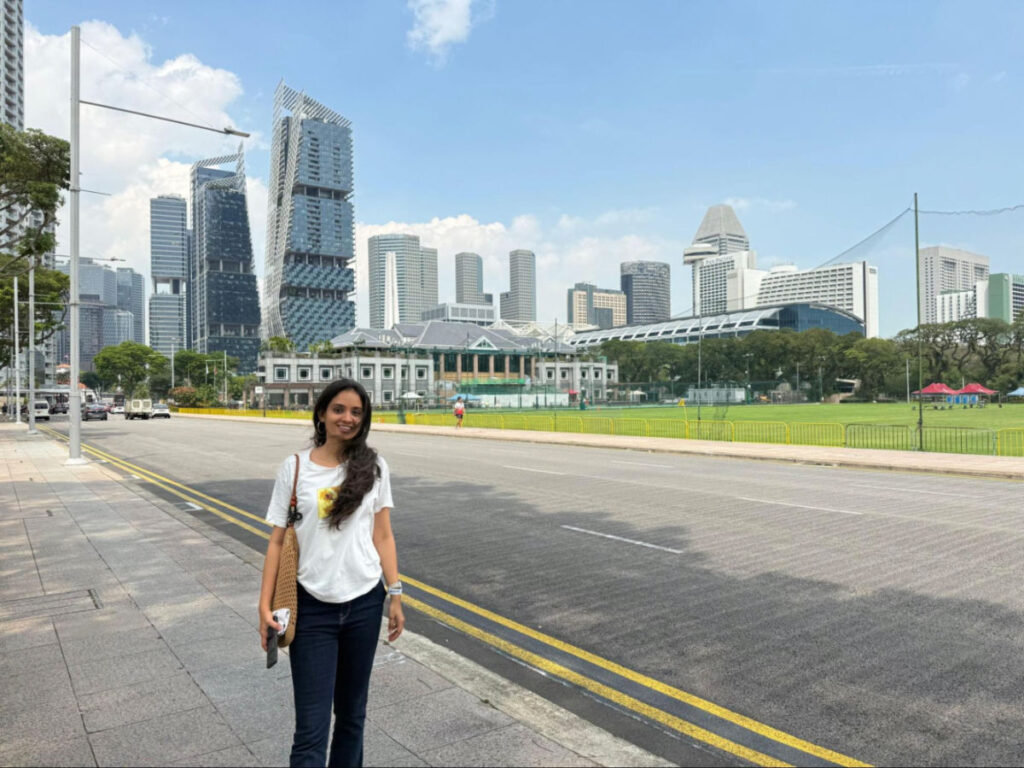
👉 Best Area For Arts & Culture | ✨ Best Civic District Hotels: Raffles Singapore • Swissotel The Stamford • The Capitol Kempinski Hotel • Fairmont Singapore
The Civic District is notably known as “the birthplace of modern Singapore.” Popular with culture-seekers, it is home to cultural landmarks, heritage buildings, and arts centers located within short distances of each other. Major ones include the Singapore National Museum and the National Gallery Singapore.
Along Stamford Road, you’ll spot the historic Capitol Theatre, an icon from the 1930s. Located further along this street is the luxurious Capitol Kempinski hotel, a colonial-era gem with refined rooms and spa amenities like a saltwater relaxation pool.
Along neighboring Victoria Street, you’ll find the picturesque Chijmes complex, centered around a restored 19th-century girls convent. There are diverse dining options within this complex, including Michelin-star restaurants Lei Garden and Whitegrass.
A five-minute walk away is the opulent and historic Raffles Singapore, home to the bar where Singapore’s most iconic drink, Singapore Sling, originated. This hotel is known for its legendary butler service and antique-chic rooms.
Other elevated yet slightly more affordable stays include the Fairmont Singapore and Swissotel, with the latter known for its dramatic city views.
Pros of Staying in Civic District Neighborhood:
- Fantastic arts and culture scene
- Walkable and picturesque
- Lots of great hotel options
- Close to central areas
Cons of Staying in Civic District Neighborhood:
- Hotels are expensive
- Fewer budget-friendly dining options
📚 Civic District Mini Guide 📚
Best Area to Stay for Arts & Culture
Google Map
✨ Best Hotels – Raffles Singapore • Swissotel The Stamford • The Capitol Kempinski Hotel • Fairmont Singapore
🏠 Apartments – Browse Top Rentals in Civic District
🍽️ Where to Eat – Odette ($$$$), Rolling Rice ($$), Sukiya at Funan Mall ($$), Brasserie Astoria ($$$$)
🍸 Where to Drink – Cafe Kitsune, SKAI Bar, Long Bar at Raffles Hotel
🎟️ Top Attractions – National Gallery Singapore, Singapore National Museum, Fort Canning Park, Victoria Theatre and Concert Hall, Esplanade Theatres on the Bay
Riverside
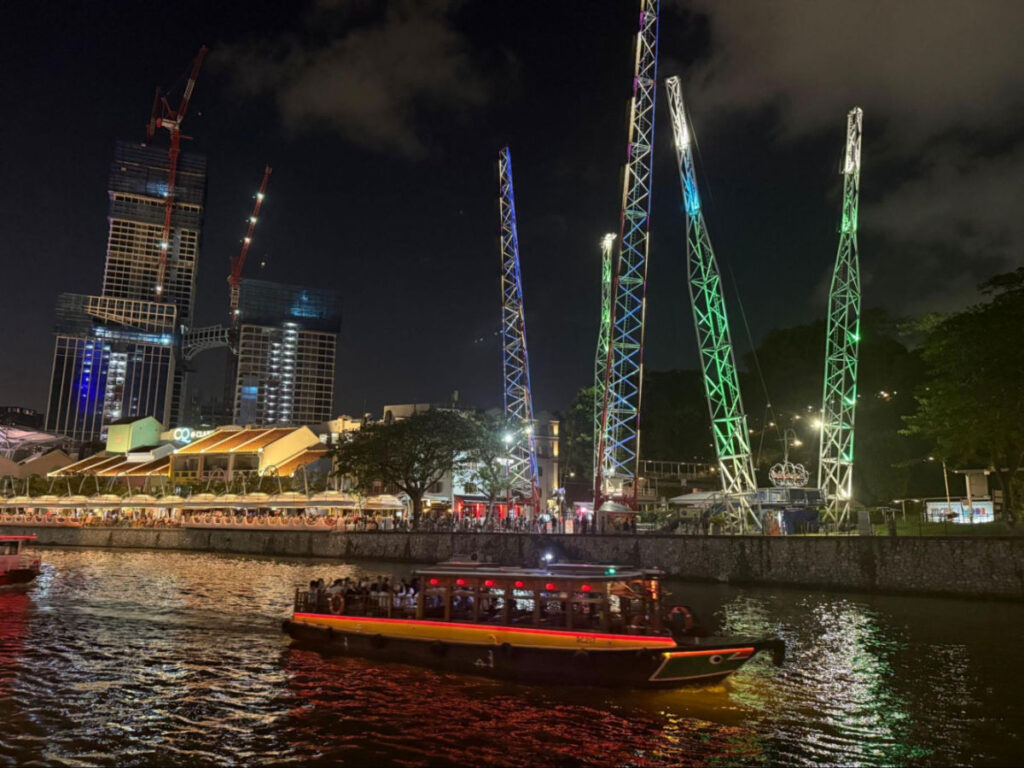
👉 Best Area For Nightlife | ✨ Best Riverside Hotels: Heritage Collection on Boat Quay • Paradox Singapore Merchant Court • Holiday Inn Express Clarke Quay • Park Regis by Prince Singapore
The key to some of the best nightlife experiences in Singapore? The Quays!
Singapore’s riverside area consists of three distinct quays that together form a continuous precinct: Boat Quay, Clarke Quay, and Robertson Quay. Historically, these were used as trading hubs, but have since been revitalized to serve modern-day lifestyle needs.
At Boat Quay, you’ll find a wide range of bars and restaurants set within old shophouses – from seafood to cuisines like Indian and Mexican. Some of the shophouses also host accommodations, such as the Heritage Collection on Boat Quay – Quayside Wing. The rooms here offer river views, with exciting nightlife options just a few steps away.
Further downstream in Clarke Quay, you’ll find a string of bars and nightclubs lining the riverside. A wonderful mid-range accommodation option here is the Paradox Singapore Merchant Court. It has spacious rooms with amenities like a spa and pool, and is located just a few steps away from Clarke Quay MRT.
Robertson Quay can feel comparatively quieter in comparison to the high energy of Boat and Clarke Quays. It caters more to the residential crowd and is home to service apartments and condos.
Pros of Staying in Riverside Neighborhood:
- Diverse nightlife and dining options
- More mid-range accommodation options compared to Marina Bay and the CBD areas
- Scenic riverside views
Cons of Staying in Riverside Neighborhood:
- Can get noisy at night
- Crowded on weekends
📚 Riverside Mini Guide 📚
Best Area to Stay for Nightlife
Google Map
✨ Best Hotels – Heritage Collection on Boat Quay • Paradox Singapore Merchant Court • Holiday Inn Express Clarke Quay • Park Regis by Prince Singapore
🏠 Apartments – Browse Top Rentals in Clarke Quay
🍽️ Where to Eat – Malayan Settlement ($$), JUMBO Seafood – The Riverwalk ($$), Dallas Restaurant & Bar ($$), Song Fa Bak Kut Teh ($$)
🍸 Where to Drink – Southbridge, Here Kitty Kitty, Gabbar, Blu Jaz Cafe
🎟️ Top Attractions – River Cruise, Clarke Quay Central, Slingshot Singapore, Old Hill Street Police Station, Cavenagh Bridge
Chinatown
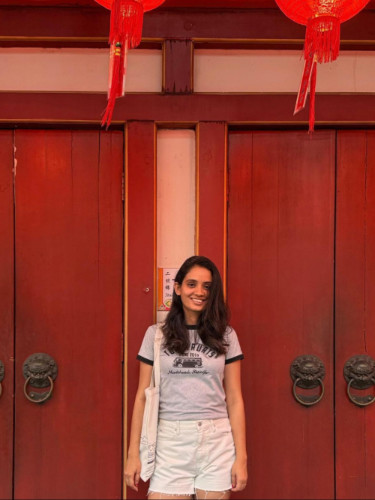
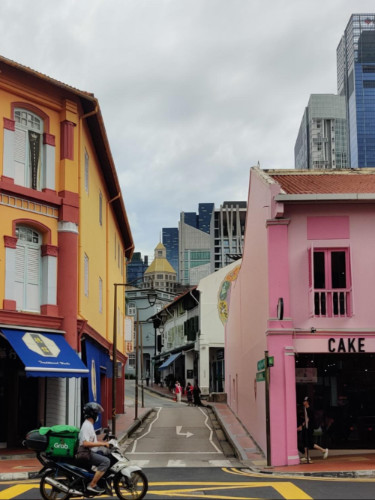
👉 Best Area For Local History & Culture | ✨ Best Chinatown Hotels: KēSa House • Ann Siang House by Ascott • Duxton Reserve Singapore • KINN Studios
Visitors seeking more local experiences in Singapore will love the historic atmosphere that pulses through Chinatown. Each of its streets is a sensory treat.
Much of this neighborhood’s charm revolves around the Kreta Ayer area, also known as the heart of Chinatown. Some of its biggest attractions can be found here, such as the Buddha Tooth Relic Temple and Pagoda Street, notable for its assembly of colorful and historic shophouses.
KēSa House, a 1920s restored shophouse-turned-hotel, lets you experience the charm of living in one. It is one of the best budget-friendly stays in this area.
Chinatown is also home to more refined pockets like Ann Siang Hill, a trendy area with hip bars and boutique hotels lining the street. Ann Siang House, another heritage hotel with 20 chic guestrooms, is my recommended hotel for staying in this area.
A short distance away in the Tanjong Pagar area, the Duxton Reserve makes for a more elevated choice, with boldly designed rooms and themed elegance.
If you’re staying in Chinatown, don’t sleep on its fantastic food offerings, especially hawker center picks at Chinatown Complex and Maxwell Food Center.
Pros of Staying in Chinatown Neighborhood:
- Close to hawker centres
- Great nightlife
- Incredible local vibe
- Has a wide range of dining and drinking options
Cons of Staying in Chinatown Neighborhood:
- Can get super crowded and noisy during holidays and festivals
- Touristy
📚 Chinatown Mini Guide 📚
Best Area to Stay for Local History & Culture
Google Map
✨ Best Hotels – KēSa House • Ann Siang House by Ascott • Duxton Reserve Singapore • KINN Studios
🏠 Apartments – Licensed apartment rentals aren’t widely available in Chinatown
🍽️ Where to Eat – Song Fa Bak Kut Teh Chinatown Point ($$), Maxwell Food Centre ($), Merci Marcel Club Street ($$$), Fortune Garden ($$), Chinatown Complex ($)
🍸 Where to Drink – The Elephant Room, The Coup, Nanyang Old Coffee, Starbucks Smith Street
🎟️ Top Attractions – Buddha Tooth Relic Temple and Museum, Pagoda Street, Sri Mariamman Temple, Chinatown Street Market, Ann Siang Hill Park, Keong Saik Road
Little India
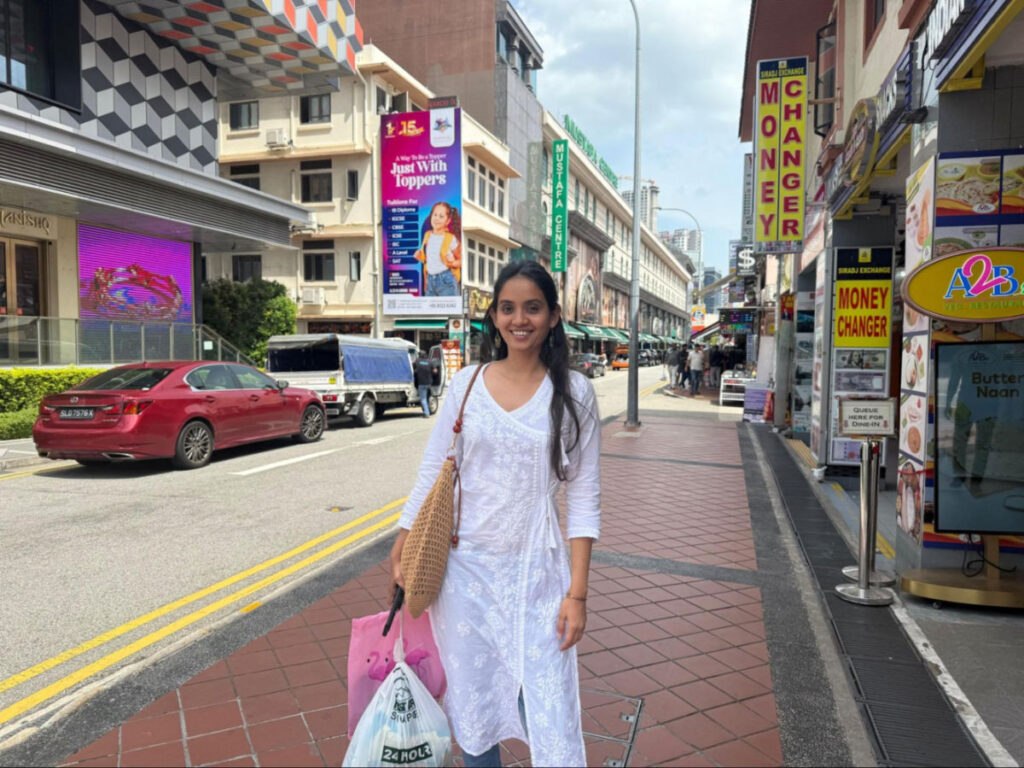
👉 Best Area For Budget Travelers | ✨ Best Little India Hotels: Hilton Garden Inn • Holiday Inn Little India • Wanderlust, The Unlimited Collection by Ascott • Citadines Rochor Singapore
Little India is one of Singapore’s ethnic districts, and perhaps its most colorful. The main artery, Serangoon Road, is where you’ll find most of the action, from silk saree shops to temples and souvenir stores lining the street. If you’re hunting for a hotel bargain, this is the place to be.
Since this enclave is also home to residential buildings, it has a higher population density than other parts of Singapore — meaning it gets frequently crowded. You’ll want to keep this in mind if you decide to stay here.
That said, staying in Little India provides convenient access to central areas such as Marina Bay, Chinatown, and Bugis via the Downtown MRT Line.
The Hilton Garden Inn, located off Serangoon Road, is a popular choice, offering spacious family rooms and city views. The Little India MRT and Mustafa Centre, a 24-hour department store, are both a short walk away from this hotel.
A 10-minute walk away, the Holiday Inn Little India is yet another excellent option that’s easy on the wallet. It offers direct access to the Farrer Park MRT through Exit A.
Pros of Staying in Little India Neighborhood:
- Cost-effective hotel options
- 24-hour shopping access to Mustafa Centre
- Plenty of Indian food options
- Good connectivity to downtown areas
Cons of Staying in Little India Neighborhood:
- Can get crowded and noisy
- Feels less polished and more chaotic compared to the rest of Singapore
📚 Little India Mini Guide 📚
Best Area to Stay for Budget Travelers
Google Map
✨ Best Hotels – Hilton Garden Inn • Holiday Inn Little India • Wanderlust, The Unlimited Collection by Ascott • Citadines Rochor Singapore
🏠 Apartments – Licensed apartment rentals aren’t widely available in Little India
🍽️ Where to Eat – Tekka Market Hawker Centre ($), Komala Vilas ($$), Khansama Restaurant ($$), The Black Sheep Cafe ($$$), Bismillah Biryani Dunlop Street ($$)
🍸 Where to Drink – The Countryside Cafe, Apartment Coffee, Whiskey Library & Jazz Club
🎟️ Top Attractions – House of Tan Teng Niah, Sri Veerakaliamman Temple, Mustafa Centre, Tekka Market, Little India Arcade
Sentosa Island
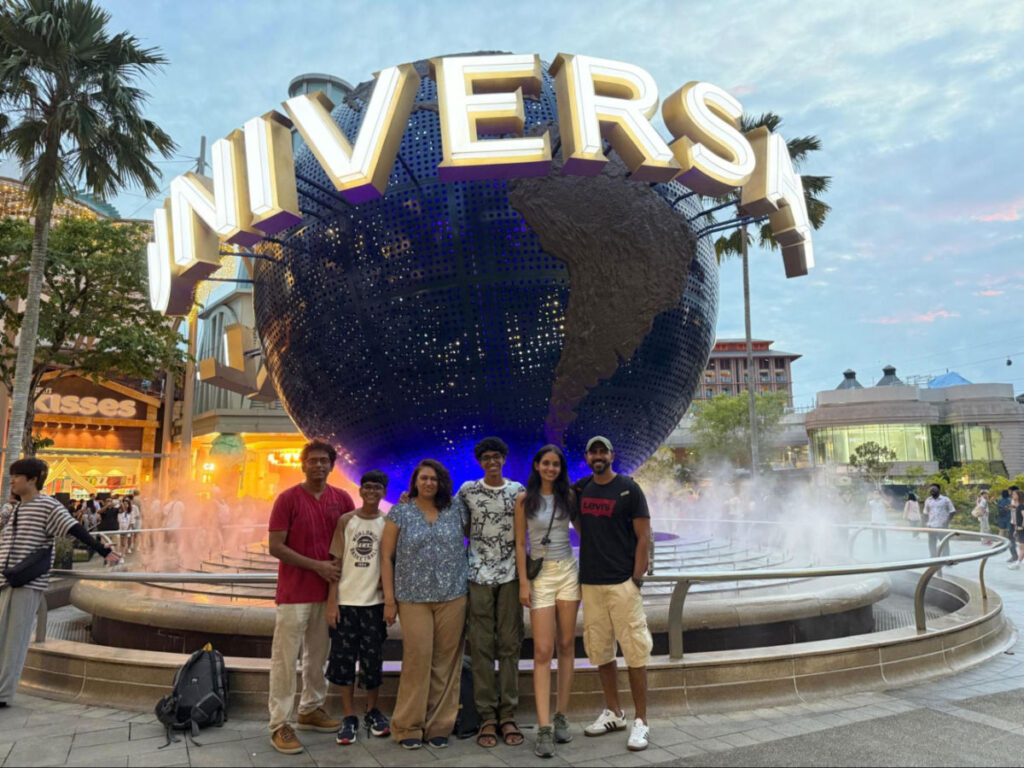
👉 Best Area For Families | ✨ Best Sentosa Island Hotels: Shangri-La Rasa • Capella Singapore • Resorts World Sentosa – Hotel Michael
Sentosa Island is a big, sun-soaked playground for kids and adults alike. There are countless things to do on this little island, from beach-lazing and thrilling Luge rides to an all-day trip to Universal Studios Singapore.
Many hotels in Sentosa are built for families who want all-day fun and a resort-style atmosphere. The Shangri-La Rasa provides a super fun stay for families with kids. They have a Cool Zone Kids Club to keep little ones thoroughly engaged, whereas adults can soak in the adults-only pool.
Those who wish to splurge can take it up a notch at Capella Singapore, a former colonial estate-turned-luxury hotel rumored to have hosted A-list celebs like Taylor Swift and Madonna. More down-to-earth options include the Resorts World Sentosa – Hotel Michael, which provides convenient access to attractions like Adventure Cove Waterpark and the Singapore Oceanarium.
Honestly, Sentosa Island can be plenty exhausting, considering the plethora of entertainment and lifestyle options here. I recommend staying here only if you have pure family fun and adventure on the agenda. Otherwise, its resort-style vibe can feel a bit disconnected from the main city.
Pros of Staying in Sentosa Island Neighborhood:
- Easy access to major entertainment venues
- Close to scenic beach views
- Leisurely vibe
Cons of Staying in Sentosa Island Neighborhood:
- Can feel a bit isolated from the city center
- Lacks local vibe
📚 Sentosa Island Mini Guide 📚
Best Area to Stay for Families
Google Map
✨ Best Hotels – Shangri-La Rasa • Capella Singapore • Resorts World Sentosa – Hotel Michael
🏠 Apartments – Licensed apartment rentals aren’t widely available on Sentosa Island
🍽️ Where to Eat – Coastes ($$), FOC By The Beach ($$$), Trapizza ($$)
🍸 Where to Drink – Bikini Bar, Luckin Coffee, Tanjong Beach Club
🎟️ Top Attractions – Singapore Oceanarium, Universal Studios Singapore, Siloso Beach, Palawan Beach, Adventure Cove Waterpark
Orchard
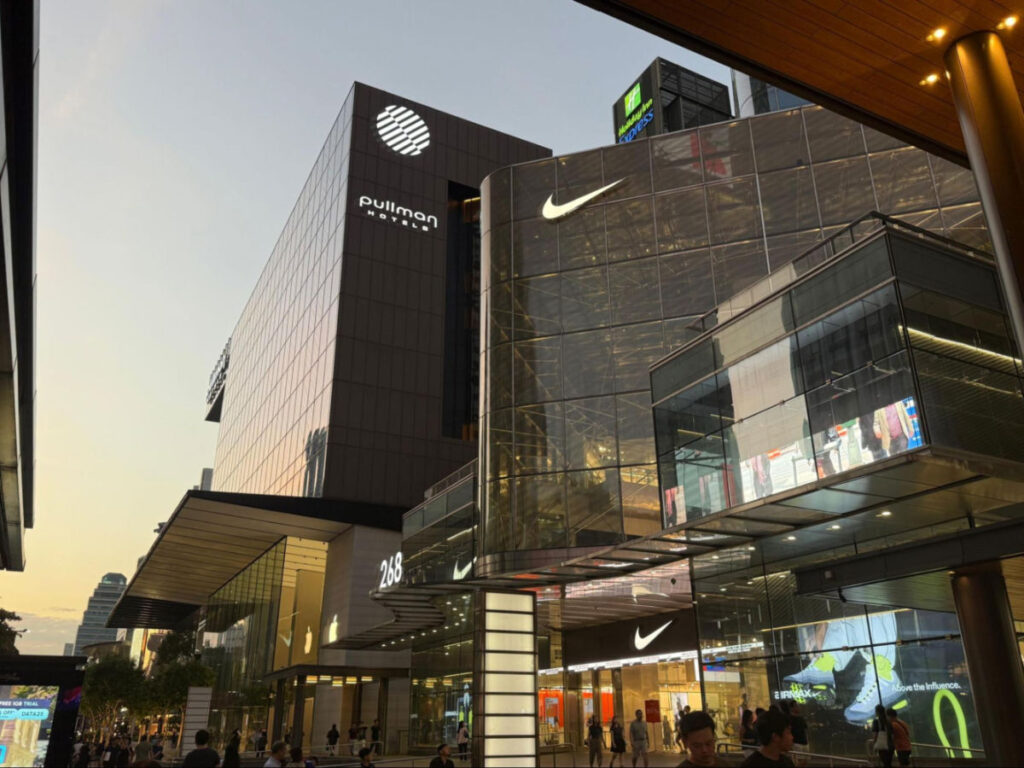
👉 Best Area For Shopping & Entertainment | ✨ Best Orchard Road Hotels: Hilton Singapore Orchard • COMO Metropolitan • Pullman Singapore Orchard • Quincy Hotel Singapore
Singapore’s Orchard area is mostly centered around the lengthy Orchard Road. This road is Singapore’s exciting entertainment and shopping belt, spanning over 1.2 miles and comprising more than 20 malls and countless dining options.
The great thing about staying in Orchard is that it is well-connected to the city’s main pockets via MRT stations like Orchard, Somerset, and Dhoby Ghaut MRT. This makes it super easy to get around if you have some sightseeing planned.
There are a ton of hotels surrounding Orchard’s main shopping stretch, but Hilton Orchard is hands-down the best pick. The largest Hilton in Asia Pacific, this stunning hotel sits in the heart of Orchard Road, providing seamless access to the area’s shopping and dining spaces.
Pullman Singapore Orchard is a trendy hotel on the same stretch known for its excellent breakfast and proximity to MRT stations.
Near the quieter Emerald Hill enclave off Orchard, you’ll find that the COMO Metropolitan offers a tranquil escape from Orchard Road’s eternal bustle. It is located just a short walk away from the Orchard MRT station.
While Orchard is a great place to stay, it can feel a bit too commercial and constantly “on” at times. If you don’t mind the mall fatigue, it makes for a convenient base to explore the city.
Pros of Staying in Orchard Neighborhood:
- Convenient access to shopping malls
- Excellent connectivity
- Upscale dining options
Cons of Staying in Orchard Neighborhood:
- Limited local atmosphere
- Fewer hawker centers
- High traffic and crowds on weekends
📚 Orchard Mini Guide 📚
Best Area to Stay for Shopping & Entertainment
Google Map
✨ Best Hotels – Hilton Singapore Orchard • COMO Metropolitan • Pullman Singapore Orchard • Quincy Hotel Singapore
🏠 Apartments – Browse Top Rentals in Orchard
🍽️ Where to Eat – Quiec by Olivia ($$$), il Cielo ($$$$), Lucky Chicken Rice ($), Don Don Donki ($$)
🍸 Where to Drink – Manhattan Orchard, Helen’s Bar @Orchard Central, Armoury Steakhouse & Craft Beer Bar
🎟️ Top Attractions – ION Sky Observatory, Emerald Hill, ION Orchard, Takashimaya
Katong
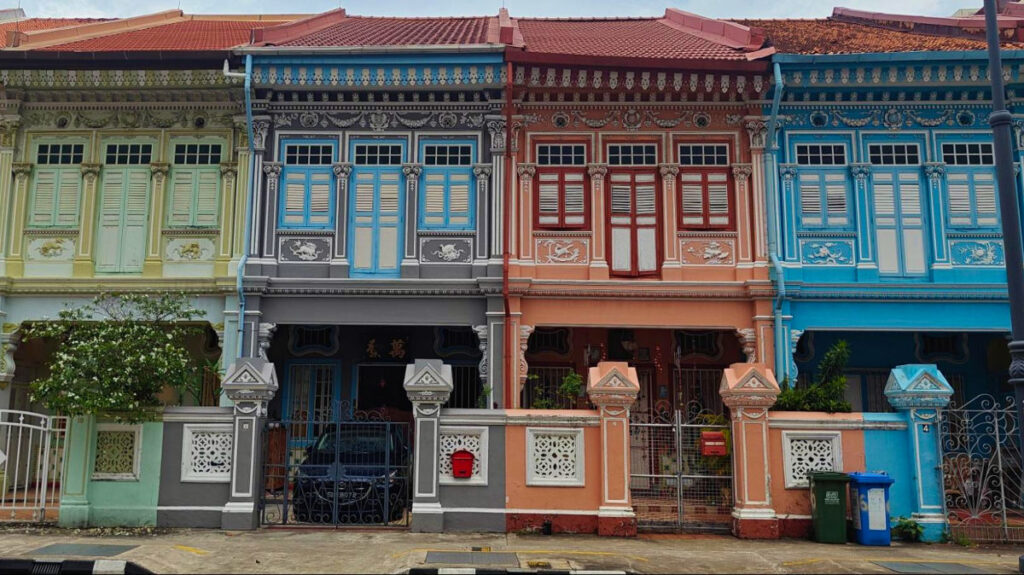
👉 Best Area For Repeat Visitors | ✨ Best Katong Hotels: Hotel Indigo Singapore Katong • Santa Grand Hotel East Coast • Village Hotel Katong by Far East Hospitality • Holiday Inn Express Singapore Katong
If you wish to experience Singapore away from its bustling city center, the Katong area in the island’s eastern fringes is a great choice to stay in. I’d recommend this area to travelers who have already seen the city’s biggest attractions and want to enjoy a more local atmosphere the second time around.
Although primarily a residential neighborhood, this area is also home to a mix of mid-range hotels and boutique stays. It features pockets of Peranakan culture (a blend of Malay and Chinese influences), which is manifested in gems like Joo Chiat Road and Koon Seng Road.
One of the best places to experience a slice of Singapore’s Peranakan heritage is at the Santa Grand Hotel East Coast. It is a refurbished heritage hotel in Marine Parade with cozy rooms and a swimming pool on-site.
Hotel Indigo Singapore in Katong makes for a more polished stay, with design-focused rooms and rooftop city views adding to its charm.
Despite being removed from the city center, this neighborhood offers excellent connectivity to central areas – thanks in part to the new Thomson-East Coast line, which allows you to easily access main regions like Marina Bay, Gardens By The Bay, and Maxwell (Chinatown).
Pros of Staying in Katong Neighborhood:
- Charming streets and relaxed vibe
- Diverse food options
- Quieter and away from city buzz
- Has mid-range to budget-friendly accommodation options
- Easy access to beach areas and airport
Cons of Staying in Katong Neighborhood:
- Longer commute to central areas
- Can feel remote
- Not ideal for first-time visitors
📚Katong Mini Guide 📚
Best Area to Stay for Repeat Visitors
Google Map
✨ Best Hotels – Hotel Indigo Singapore Katong • Santa Grand Hotel East Coast • Village Hotel Katong by Far East Hospitality • Holiday Inn Express Singapore Katong
🏠 Apartments – Licensed apartment rentals aren’t widely available in Katong
🍽️ Where to Eat – Guan Hoe Soon ($$), Janggut Laksa @ Roxy Square ($$), Mr & Mrs Mohgan Super Crispy Roti Prata ($$), Awfully Chocolate Katong ($$), Birds of Paradise Gelato Boutique ($$)
🍸 Where to Drink – AlibabaR The Hawker Bar, Neptune, Mooloolabar
🎟️ Top Attractions – Koon Seng Road Peranakan Shophouses, East Coast Park, The Intan, Cat Socrates
Tips for Staying in Singapore
Singapore Law Prohibits Short-Term Stays and Airbnb-Style Accommodations
Singapore’s Urban Redevelopment Authority (URA) has strict laws about renting unlicensed or private residences for short-term tourist stays (under 3 months). It’s advisable to steer clear of such unlicensed offerings to avoid getting into trouble. Be sure to use regular hotels, hostels, or only licensed service apartments or aparthotels available on major booking sites while planning your stay here.
Use Singapore’s Mass Rapid Transit (MRT) system and Buses To Get Around Easily (And Economically)
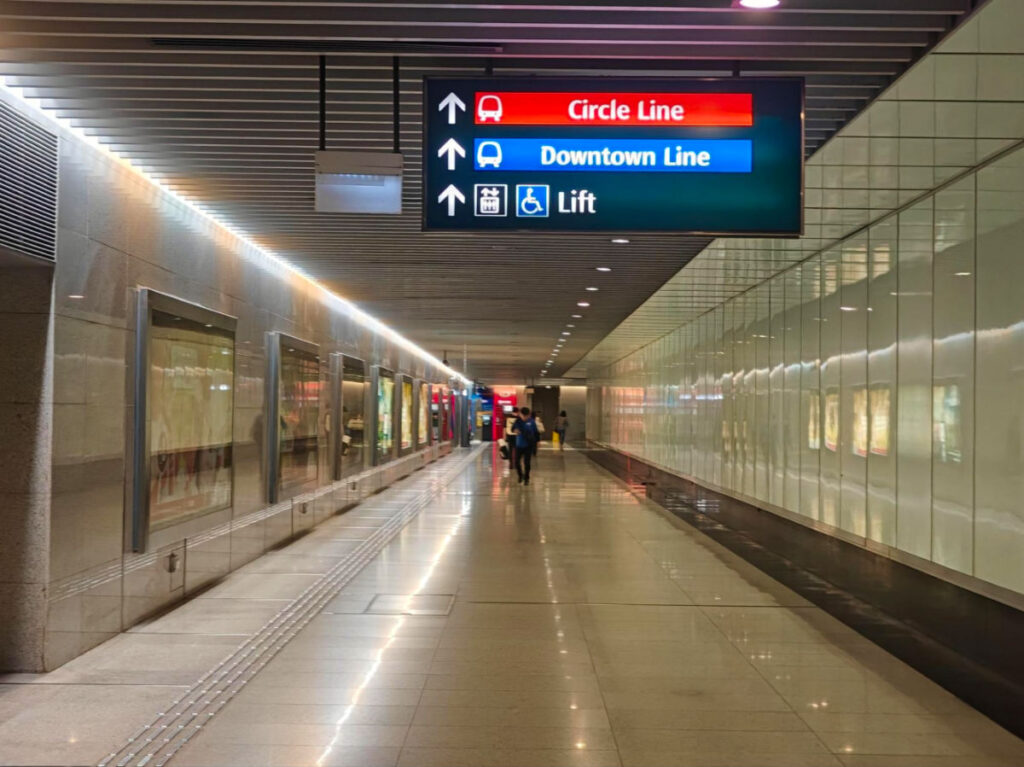
Singapore has plenty of ride-hailing services, but they often tend to be expensive, incurring surcharges for late-night rides and peak times. If you want to experience Singapore like a true local, jump aboard its Mass Rapid Transit (MRT) trains (the city’s subway system), or take the bus. Trains and buses are frequent and right on schedule.
It’s no secret that Singapore has one of the best and well-connected public transport systems in the world. Plus, the trains, stations, and buses are super clean, thanks to strict anti-litter rules.
Just be sure to get yourself a Singapore Tourist Pass (packages vary) at the ticketing office at any of these MRT stations for unlimited rides on buses and trains. Do note, however, that trains and buses across lines run between 5:30 am to around midnight daily. If you’re traveling outside of these timings, you’ll need to book or hail a cab.
Don’t Bring These Fruits to Your Hotel Room
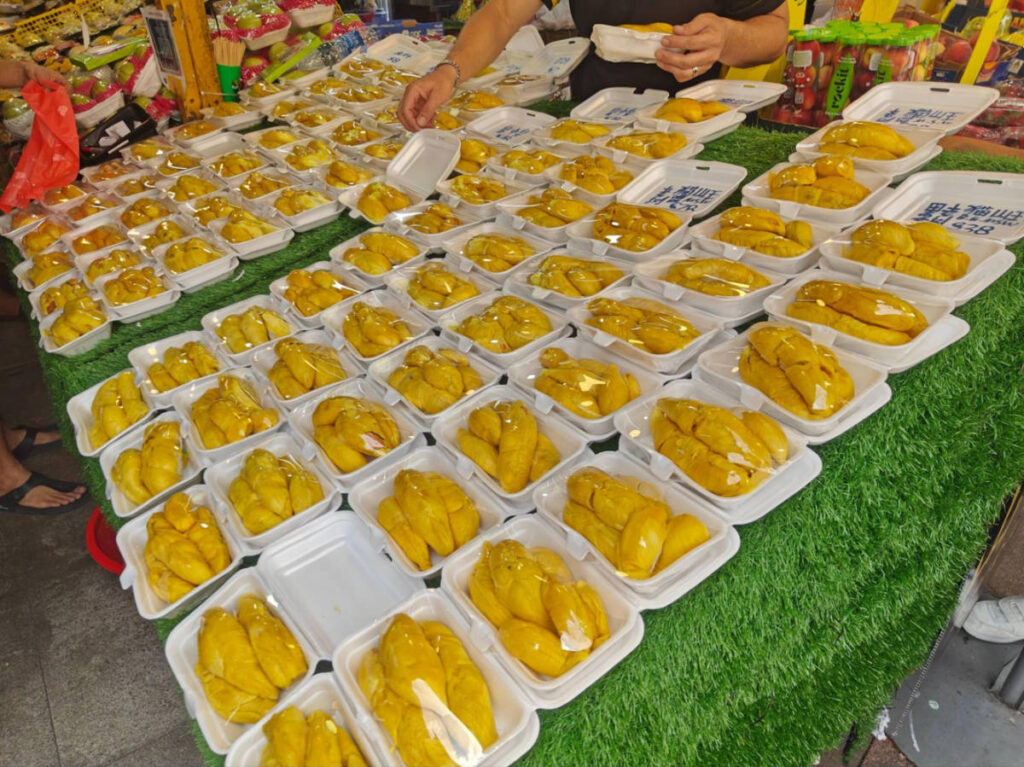
Sampling tropical fruits is a fun part of Singapore’s local experience. However, it becomes a problem when you bring them with you on trains, buses, or hotel rooms.
Many hotels have strict rules about bringing certain fruits inside guestrooms due to their strong odor (durian and cempedak) and ability to stain linens (mangosteens). Check in with your hotel about its specific rules before carrying these fruits back to your room.
Also note that durians are strictly not permitted inside MRT trains and city buses – you may be fined up to $500 if you’re found carrying them!
Keep a Few Words of Singlish Handy
Many Singaporeans communicate in a unique slang known as Singlish — a kind of snappy, English-based creole that can sometimes be hard for visitors to comprehend. Here are a few words you can learn to get by, especially when communicating with vendors and shop owners:
- Takeaway/dabao – Takeout (typically used in restaurants/hawker centers)
- Can/cannot – Loosely translates to “it’s possible/doable/not doable” and is used to affirm, acknowledge, or deny something
- Lah – Phrase used for emphasis, usually at the end of a sentence
- Kopi – Term for local coffee (also, here are the many ways you can order one, Singapore-style)
Eat at Hawker Centers for Varied, Budget-Friendly Meals
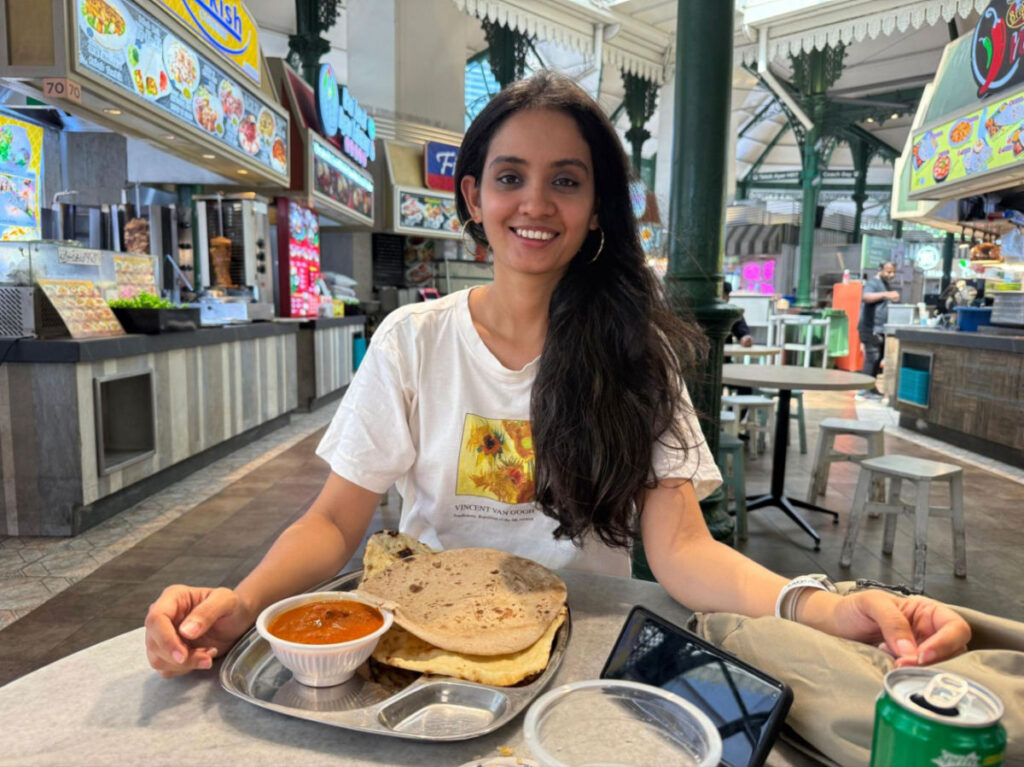
Singapore has a fantastic upscale dining scene, which you absolutely must experience. But I also recommend experiencing its equally rich hawker-center scene, which feeds millions of locals in the city. Currently, there are over 100 hawker centers spread across the state.
At these hawker centers, also known as kopitiams, you’ll find a diverse range of regional cuisines (Malay, Chinese, Indian-Muslim) sold by local vendors at incredibly cheap prices. Be sure to sample popular favorites like Hainanese Chicken Rice, Popiah, Rojak, Laksa, Cendol, Chili Crab, and Char Kway Teow.
Be Mindful of Local Etiquettes and Rules
Singapore is often known as a “fine city,” as it enforces strict public rules through fines. For example, the sale of chewing gum is banned across the city, vaping is illegal, littering is taken seriously, and you can’t eat or drink inside public transport!
Some other basic etiquettes include keeping your voice low while commuting and returning food trays to designated stations at hawker centers. It’s also customary for people to chope, aka reserve tables at hawker centers. So, if you see a pack of tissues or a lanyard occupying an otherwise empty table, it’s safe to assume it’s taken!
Be Prepared for Unpredictable Rain… and Hot, Hot Weather
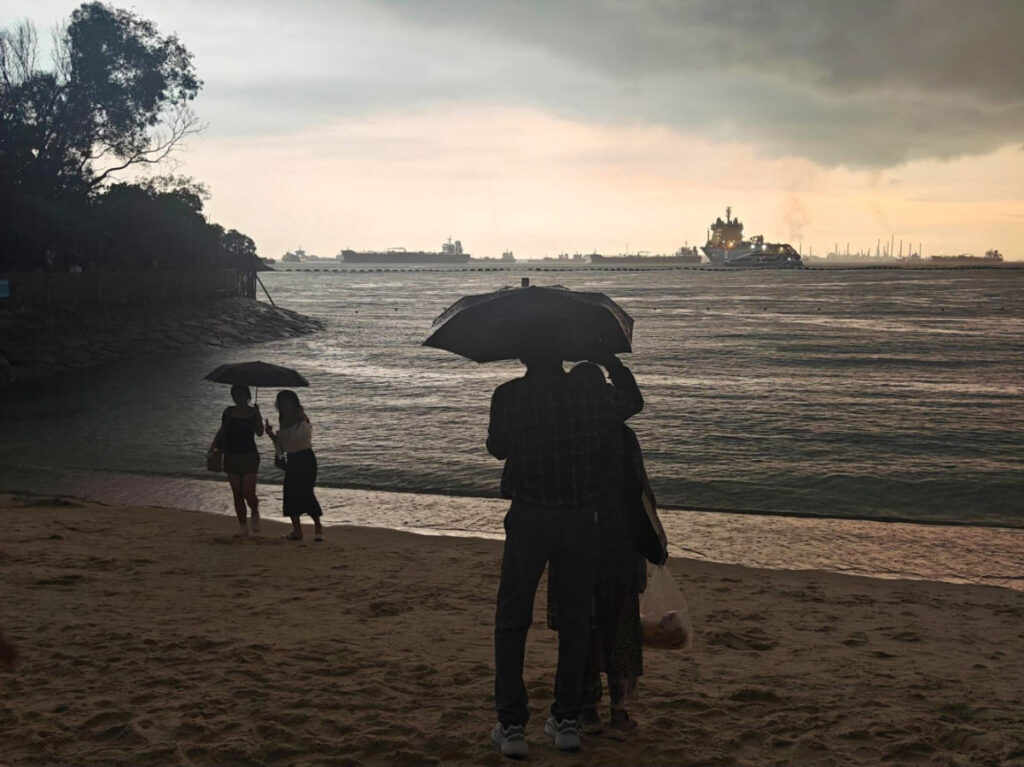
Singapore’s weather is known to be super fickle, with clear sunny skies one moment and torrential rains the next.
Thankfully, there are sheltered walkways connecting many parts of Singapore, where pedestrians can take refuge, come rain or sun. I recommend carrying an umbrella with you at all times, if only to protect yourself from the harsh sun!
I also recommend packing airy, breathable clothes, portable fans, and lots of sunscreen to protect yourself from the hot weather.
FAQs about Singapore
How many days is enough for Singapore?
Singapore is a compact island that’s easy to get around in 5-7 days. Most of the main attractions can be covered in 3-4 days, leaving you ample time to explore lesser-known spots and hidden gems during the remainder of your time here. If you have more time, you can also explore some of Singapore’s offshore islands such as Pulau Ubin, St. John’s, and Lazarus Island.
What areas of Singapore should I avoid staying in?
Singapore is an extremely safe city overall, and there aren’t any “high-risk” zones that may be considered problematic for tourists. That said, red-light areas like Geylang, though generally safe, are best avoided at night.
I’d recommend staying closer to the central areas and adjacent neighborhoods for ease of access. Singapore’s heartlands, or residential areas, don’t usually have much to do in terms of sightseeing, and can seem pretty mundane to short-term visitors.
What are the best parts of Singapore to stay on a budget?
Staying in Singapore can quickly get expensive, given its high standard of living. Instead of staying in major touristy areas like Marina Bay or CBD, consider booking a hotel in surrounding neighborhoods such as Chinatown, Bugis, or Little India. They tend to have more mid-range to budget hotel and dining options as compared to downtown core areas.
Is it recommended to stay closer to the airport?
Singapore’s Changi Airport is in the eastern part of the island, roughly 11 miles from the city center. By cab, you can reach central areas in just under 30 minutes (depending on traffic). Singapore’s efficient MRT also connects directly to Terminals 2 and 3 at Changi Airport, making it super convenient to travel to and from the airport.
This easy connectivity means there is no real reason for you to stay closer to the airport, unless you have a short layover. Otherwise, I’d recommend staying closer to central Singapore for convenient access to major sights, and dining and drinking options.
What language do people typically communicate in, in Singapore?
English is the lingua franca in Singapore and is widely spoken in business and social settings. Officially, Singapore recognizes four languages, including English, Malay, Mandarin, and Tamil. It is pretty easy to communicate with locals across Singapore.
***
Thank you for reading my guide to where to stay in Singapore! This city-state is modern and diverse, shaped by multiple cultures and neighborhoods. Where you choose to stay will certainly define your experience here, but one thing is guaranteed: you’ll love everything Singapore has to offer.
Next up, see my ultimate list of 30+ things to do in Singapore.
Thanks for your awesome article and the very helpful tips! Highly appreciated!! Do you have any tips for travelers who have to maintain a strict gluten free diet (celiac disease)?
Thank you 😊