
Affiliate Ad Disclosure: We’re reader-supported. When you buy via our links, we earn commissions. Learn more.
28 Best Things to Do in the Lake District (By a Local)
👉 Jump to: Best Things to Do in the Lake District | Outdoor Adventures | Heritage Sites | Cool & Unusual | Eating Out
I’ve been a Lake District local for over 20 years and am here to help you discover the best things to do in the national park.
The Lake District is packed with opportunities to explore the great outdoors, from mountain hiking to boating on scenic lakes. There’s culture too, with museums, historic houses, and castles to discover. The food scene here is scrumptious, and you’re spoiled for choice when it comes to places to stay in the Lake District.
To help you plan the perfect trip, I’ve listed the best things to do in the Lake District, including famous attractions and lesser-known places that I love sharing with my friends and family.
28 Best Things to Do in the Lake District
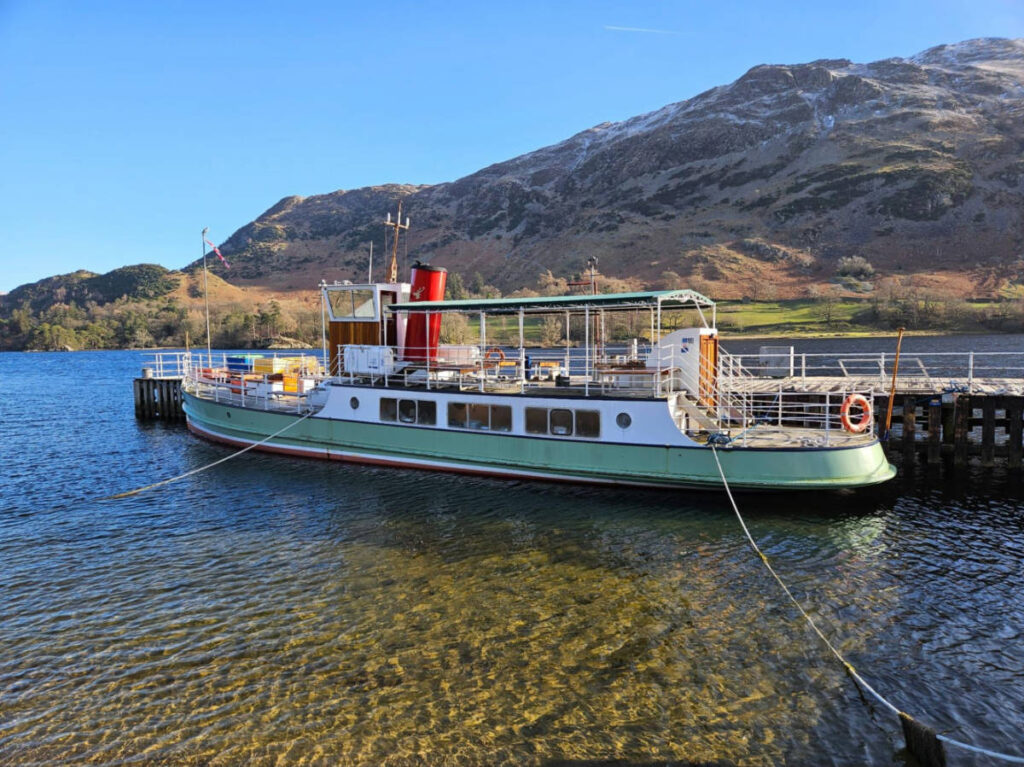
Ullswater Steamers Cruise
A relaxing lake cruise on a traditional steamer connecting you with Ullswater’s charming villages and scenic walks.
📍 Google Maps | Phone: (44) 01768 482229 | Website | Hours: Several sailings daily on various routes year-round | Entrance: From £11.75, adults, £8 children aged 5-17
A lake cruise is a must when you’re in the Lake District. Many of the larger lakes offer boat trips, including Derwentwater, Windermere, and Coniston, but I always take my friends on the traditional Ullswater steamers — the scenery is out of this world!
The hop-on hop-off style route means you can visit different lakeside villages hassle-free by water. I recommend taking the steamer from Glenridding to Howtown, and then walking back along the beautiful lakeshore path. The views of the Helvellyn mountain range are stunning, and the gently undulating 7-mile trail is suitable for anyone of reasonable fitness.
Ramp up the fun with a fish and chip supper evening cruise during summer, with live musical entertainment helping to set the perfect scene.
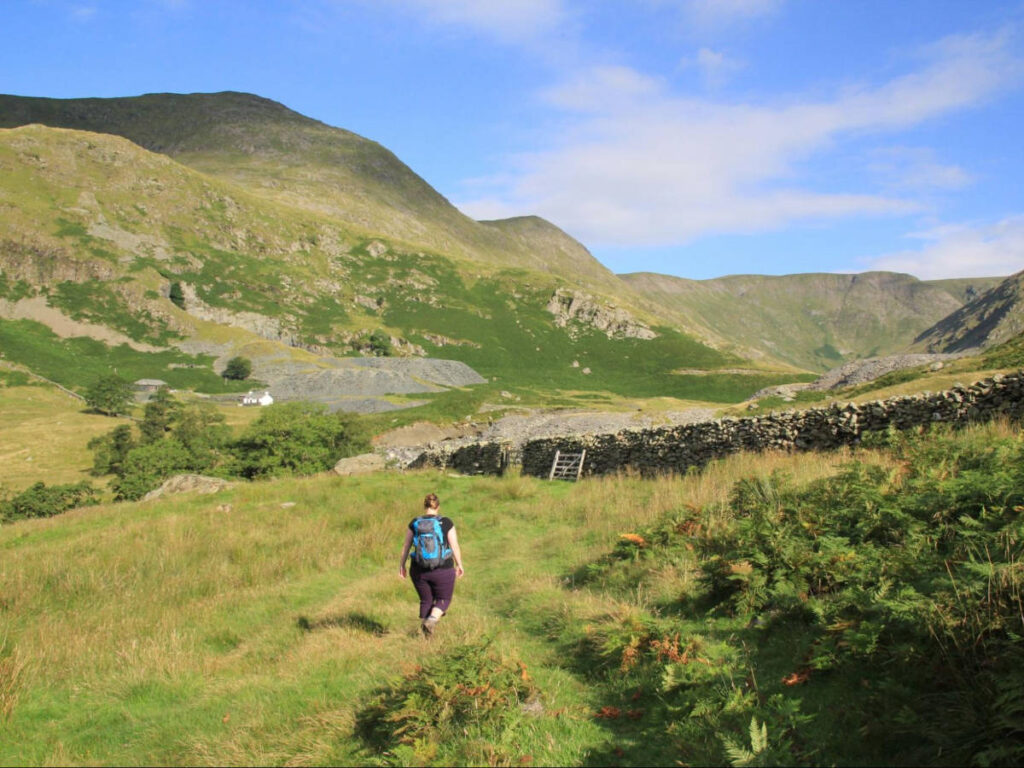
Climb a Wainwright
Bagging a Wainwright is a must for outdoor adventurers, and summiting all 214 of them is a badge of honour amongst fell walkers.
📍 Google Maps | Website
The Wainwrights are a collection of 214 fells (what we locals call mountains!) in the Lake District, made popular by guidebook author and walker Alfred Wainwright. Keen hikers try to bag all the summits, usually over many years, but you can still fit in a few for some serious bragging rights on a short visit.
One of my favourite high-level hikes is the Kentmere Horseshoe in the southeast of the park. It’s less crowded than iconic peaks like Scafell Pike and Helvellyn, and you take in eight Wainwrights along the tranquil, 13-mile route.
There’s plenty of ascent, so you need to be reasonably fit with some hill walking experience to attempt this circuit. You’ll also need a car — there are a few parking spaces by the church in Kentmere village.
Honister Slate Mine
A historic slate mine offering underground tours and epic Via Ferrata experiences at the top of a dramatic mountain pass.
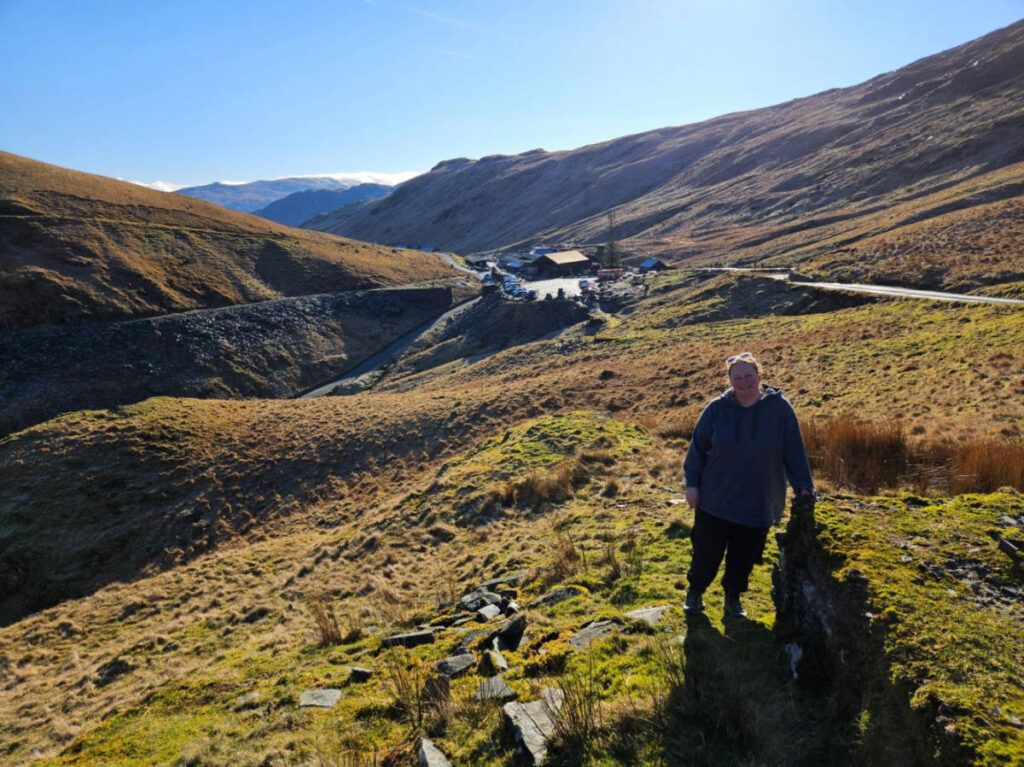
📍 Google Maps | Phone: (44) 017687 77230 | Website | Hours: 8:30 am – 5 pm daily | Entrance: Mine tours from £25, adults, free for under 16 with a paying adult, Via Ferrata from £55 | 👉 Book Via Ferrata tour at Honister on Viator
This one’s for the thrill seekers looking for an epic experience in the heart of the national park. Sitting at the top of Honister Pass in the gorgeous Borrowdale Valley, Honister Slate Mine offers a range of tours, both above and below ground.
The family-friendly mine tours take you on a subterranean adventure in England’s last working slate mine to explore spooky caverns and learn about traditional techniques. Meanwhile, the Via Ferrata and Infinity Bridge will see you climbing along Honister Crag, where a head for heights will come in handy! This 3-hour guided tour promises both an overview of the history and a thrilling experience to match.
Slate is a Lake District icon, and you’ll see it used in many buildings around the park. There’s a shop on site if you want to pick up some unique slate-related souvenirs.
Dove Cottage
Step back in time and see how the famous Lakeland poet William Wordsworth lived in this humble Grasmere residence.
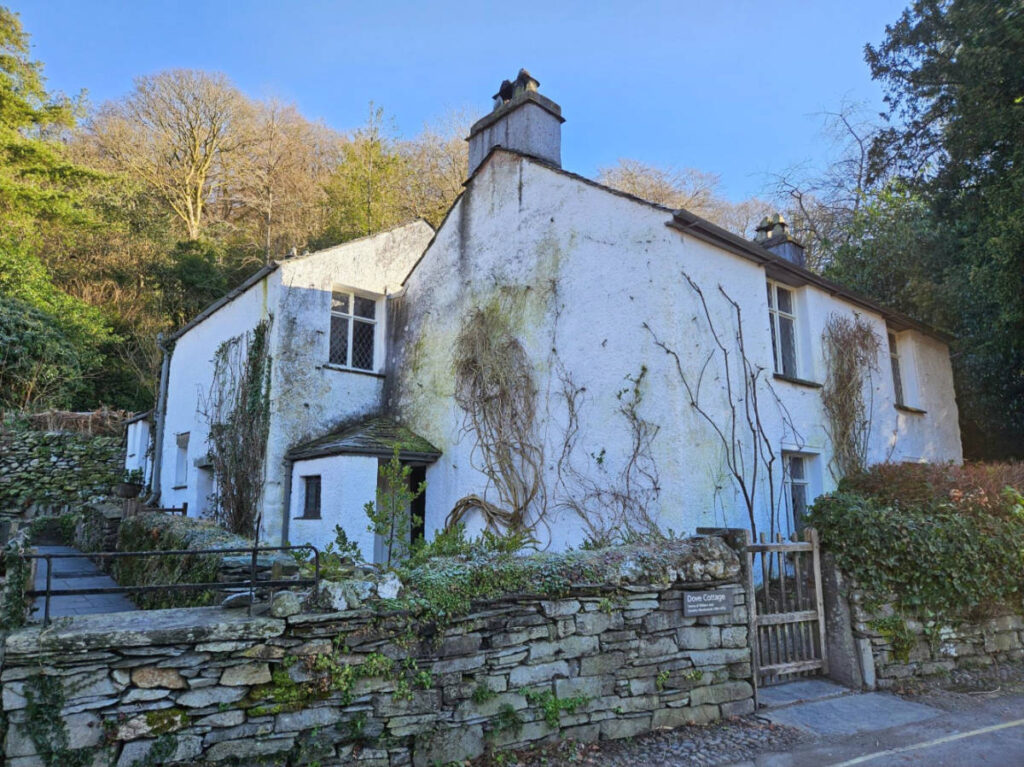
📍 Google Maps | Phone: (44) 015394 35544 | Website | Hours: 10 am – 4 pm Tuesday – Saturday, Closed Sunday & Monday | Entrance: £16, adults, £8 children aged 6-16 | 👉 Book a Wordsworth Tour on Viator
Dove Cottage in Grasmere was the home of acclaimed Lakeland poet William Wordsworth from 1799 to 1808. It was here that he wrote many of his most notable works, including the famous poem, ‘I Wandered Lonely as a Cloud’, which was inspired by the daffodils growing on the Ullswater shores.
If you’re interested in English culture, then you’ll love touring the whitewashed cottage, which shows what life was like for Wordsworth and his family over 200 years ago. After visiting the house, wander through the tranquil fellside gardens or explore the Daffodil Trail in spring.
Want to delve a little deeper? The onsite Wordsworth Museum is home to some of the poet’s handwritten manuscripts and journals, as well as a collection of rare books.
Walk Around Buttermere
This scenic walk takes you around one of the park’s most stunning lakes, with a choice of tea shops at the end.
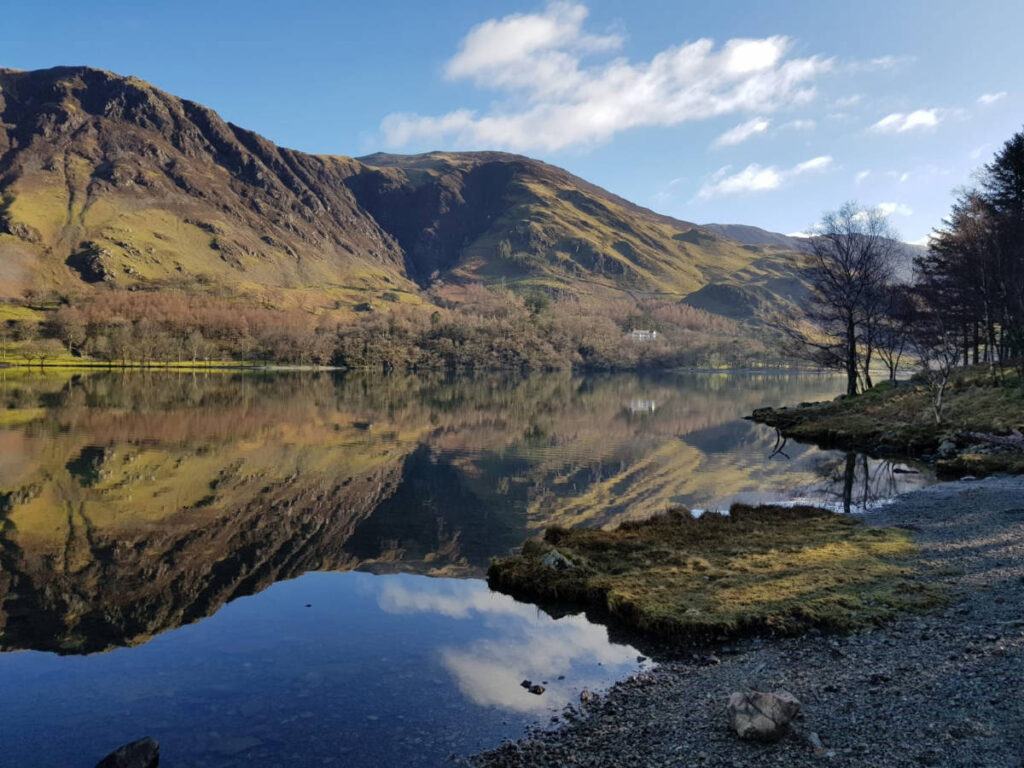
📍 Google Maps | Website
For a low-level walk with views to die for, the Buttermere circular route is a must. Starting in Butteremere village, the 4.2-mile hike is fairly flat and suitable for most people, so it makes a great family day out. The path hugs the shoreline, giving you stunning views across the water to the peaks across the valley.
I recommend stopping at the shingle beach on the northeastern shore for a picnic lunch with an epic view. A little further on from this point, there’s a cool rock tunnel you have to walk through, which often has shallow water in the bottom, so hiking boots are advisable.
After the hike, treat yourself to coffee and cake at Syke Farm Tearoom. You deserve it!
Lowther Castle & Gardens
An atmospheric castle ruin set in extensive gardens with beautiful parkland walks and a castle-themed adventure playground.
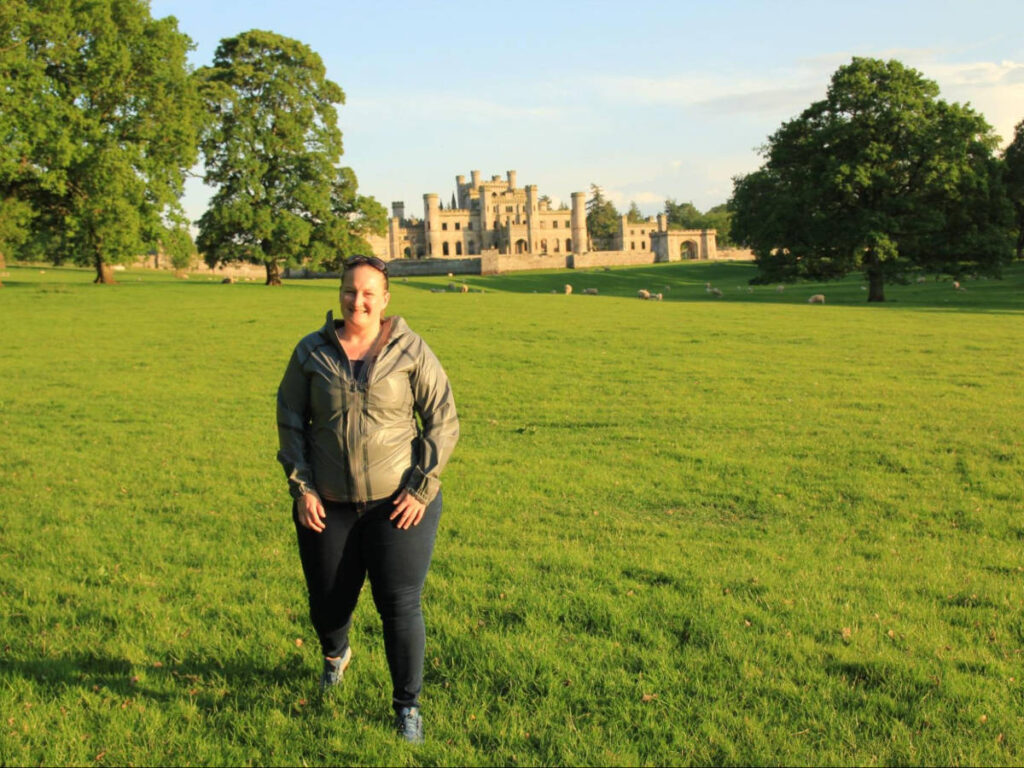
📍 Google Maps | Phone: (44) 01931 712192 | Website | Hours: 10 am – 5 pm daily (summer), 10 am – 4 pm daily (winter) | Entrance: £15, adults, £10 children 3-15
On the eastern edge of the Lake District, Lowther Castle is a dramatic and slightly spooky Gothic ruin, set spectacularly in sprawling parkland and gardens.
Once a grand 19th-century castle, today, only the outer walls remain. You can explore the ruins, admire the castle exhibition and sculpture gallery, or stroll through the extensive gardens and wildflower meadows, which are particularly beautiful in spring and summer.
Lowther Castle is perfect for a family day out with summer houses, woodland trails, and a castle-themed adventure playground to discover. There’s a cafe serving local favourites like Cumberland sausage butties, and a network of paths across the wider Lowther estate for longer walks using the castle as a base.
Outdoor Adventures in the Lake District
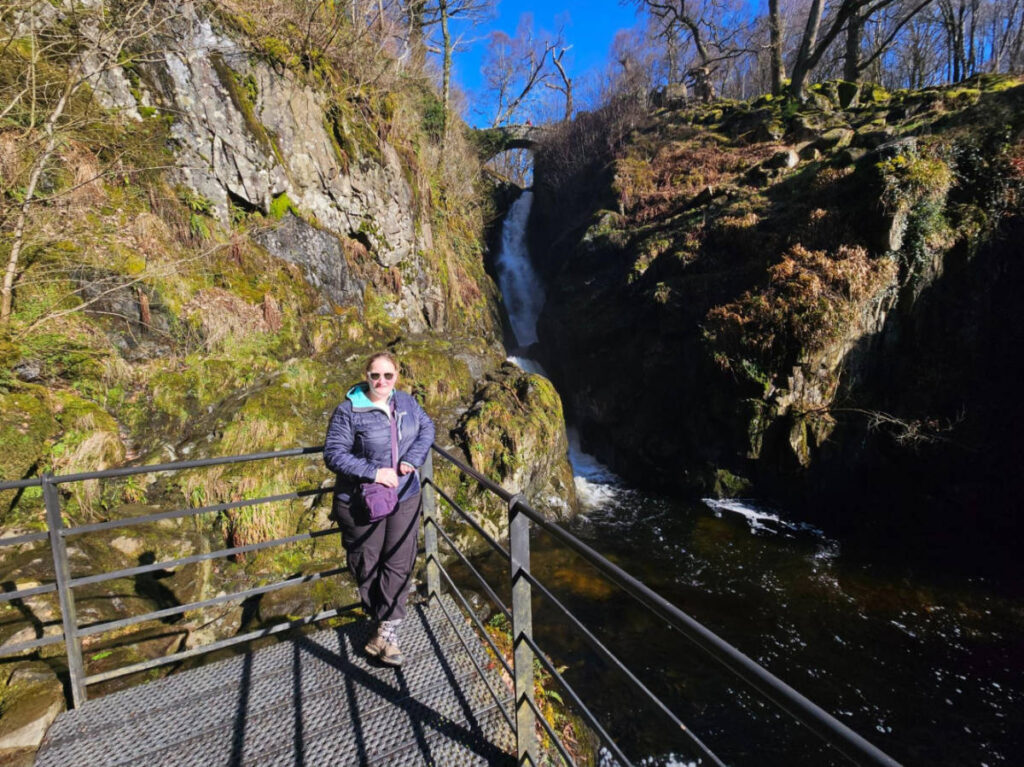
Aira Force
This plunging 65-foot waterfall is one of the most famous sights in the Lake District, accessed via a short, scenic path.
📍 Google Maps | Website | Entrance: free
Probably the most famous waterfall in the Lake District, Aira Force is hidden on the forested fellside of Gowbarrow Park beside Ullswater. Although it looks natural today, this was once an 18th-century pleasure garden belonging to a prominent landowning family.
You can reach the site by car, bus, or even steamer during the summer. Then it’s a 20-minute uphill hike through the woods to the falls, which is doable for anyone of reasonable fitness. There are two stone bridges spanning the gorge so you can admire the cascade from different angles.
Come in the early morning to avoid the crowds and be in with a chance of seeing the Aira Force rainbow. Keep an eye out for red squirrels too — they’re often spotted here.
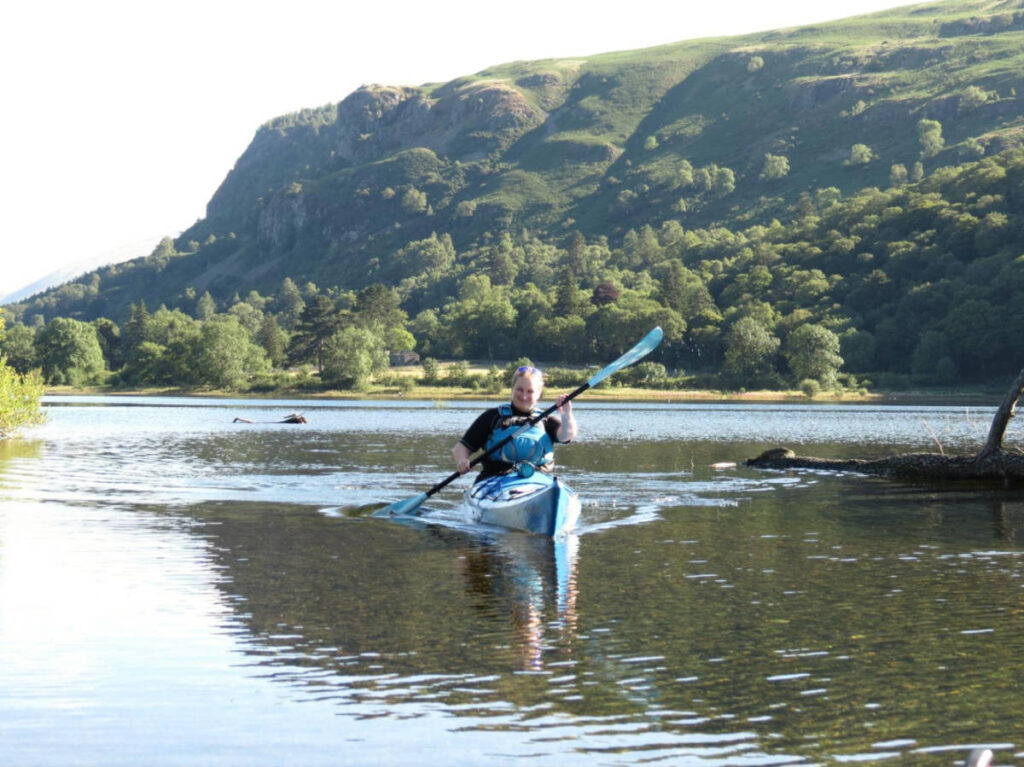
Kayaking on Derwentwater
Paddling around the scenic shores and islands of Derwentwater is a unique way to explore under your own steam.
📍 Google Maps | Phone: (44) 017687 73082 | Website | Hours: 9:45 am – 3:45 pm daily | Kayak Hire: From £25 for 2 hours | 👉 Book a Derwentwater Canoe Tour on Viator
There’s no better way to explore the Lake District than by boat. Kayaking on Derwentwater in the north of the park gives you the independence to discover hidden shores and tiny islands that are often missed by land-based visitors.
You’ll find several providers offering kayak and canoe rental around Derwentwater, including Nichol End Marine in Portinscale. You don’t need any paddling experience — sit-on-top kayaks are available for beginners, and the rental staff will give you some handy tips before you set out. However, if you’d feel more comfortable with a guide, this local-led canoe tour is a good option.
This is a fun activity for adventurous explorers who want to see the lake from a unique perspective. Pack a picnic and enjoy an al fresco lunch on a deserted island or secret cove, far from the crowds.
Rydal Cave
Follow the stepping stones into this flooded slate cavern for a spooky, family-friendly adventure.
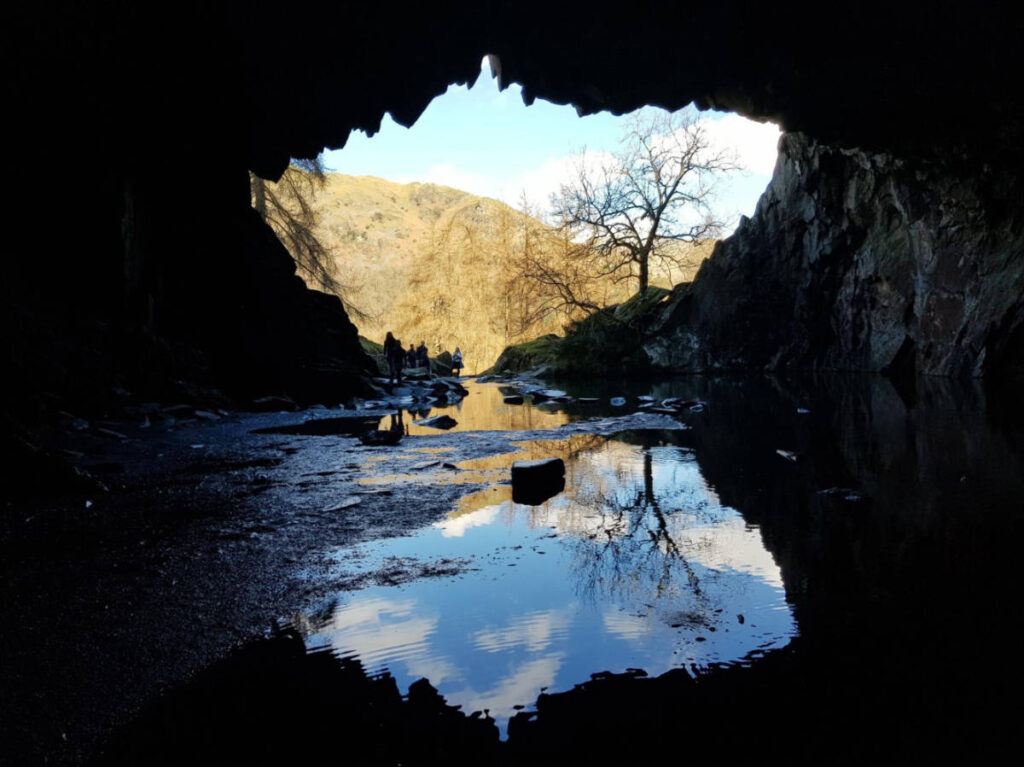
Rydal Cave is man-made, formed as the result of slate quarrying, which is prevalent in the area. Hidden on the side of Loughrigg Fell, this photogenic cave can be accessed on a short, easy walk from Grasmere or White Moss Common, so it’s suitable for most visitors.
The cavern often has a pool of water at the entrance, with handy stepping stones across the middle. Keep your eyes peeled for fish, which are sometimes spotted darting around the shallows.
Back outside the cave, the views from the hillside are stunning, overlooking Rydal Water and the beautiful valley below. It does get busy here in summer, so I recommend coming early or later in the day for a more peaceful experience.
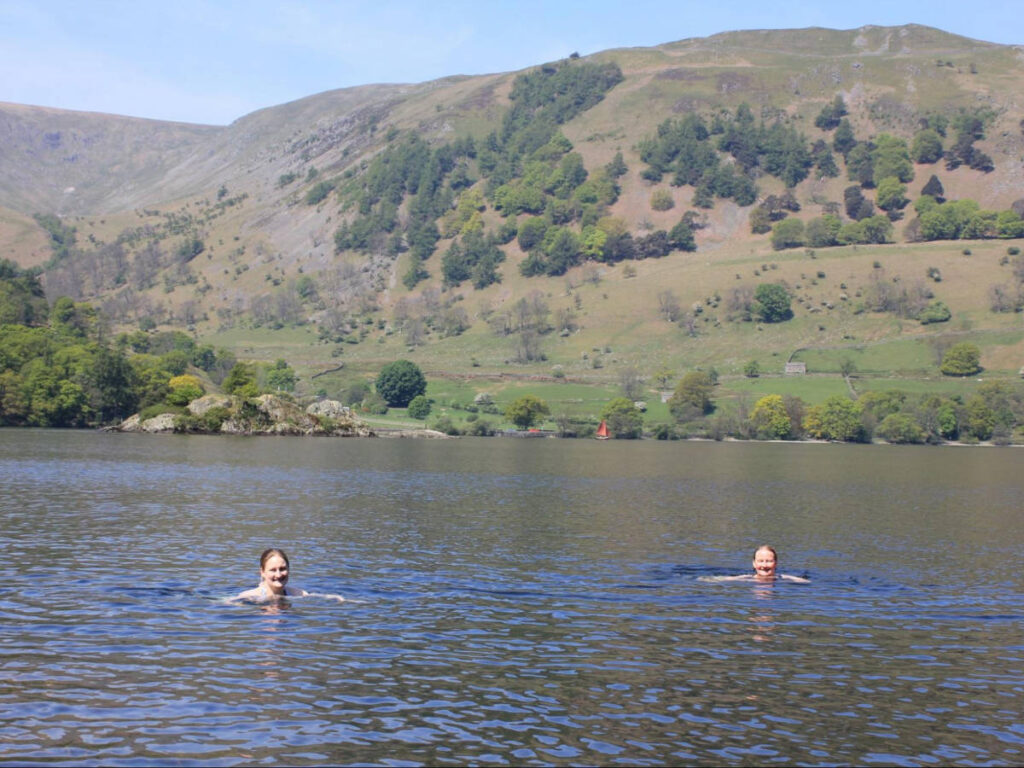
Wild Swimming in Ullswater
Take the plunge and feel at one with nature by wild swimming in one of the park’s most picturesque lakes.
📍 Google Maps | Phone: (44) 015394 33826 | Website | Hours: Select dates throughout the year | Entrance: From £39.99
Wild swimming is a popular outdoor activity in the Lake District, as a way to connect with nature, enjoy a bit of exercise, and see the landscape from a new angle. You can swim in several of the lakes and tarns, but my favourite is Ullswater as there are easy access points along the shoreline and the scenery is jaw-dropping.
If you’ve not been wild swimming before, you can book a guided session at Ullswater with Swim the Lakes. These excursions are suitable for anyone who can swim 1,500m in open water. You’ll head across the lake, passing pretty islands and stopping to explore hidden bays. After your adventures, you’ll warm up with celebratory hot chocolate and cake on the shore.
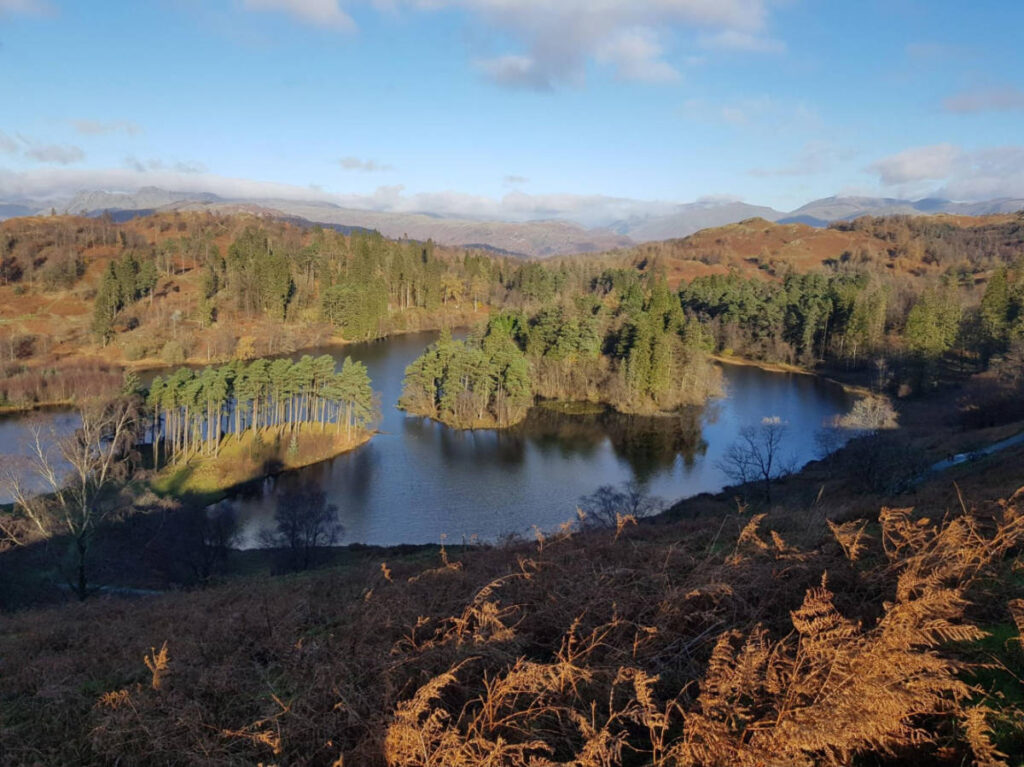
Tarn Hows
An easy yet rewarding walk around one of the most famous tarns in the Lake District.
📍 Google Maps | Website
If you want a walk with stunning scenery but don’t fancy scaling a lofty peak, the 2-mile circular route around Tarn Hows is always a winner. Hidden in the hills between Coniston and Ambleside, this easy hike offers huge rewards for little effort.
I love visiting in autumn when the foliage glows in glorious shades of russets and golds. I recommend walking counter-clockwise as the best views are from the east side of the tarn, and you’ll want to spend longer on this section.
The remote location means visiting by car is best, with paid parking at the National Trust car park. Tramper all-terrain scooters are available to hire free of charge, making this a fun adventure for visitors of most abilities.
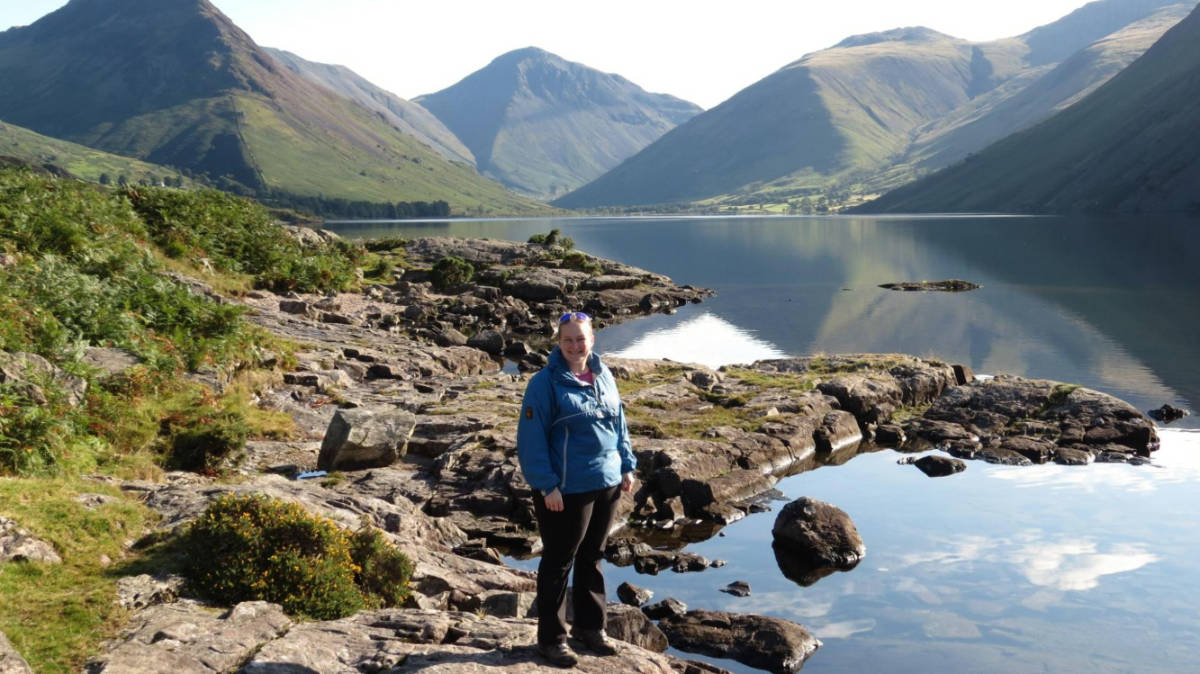
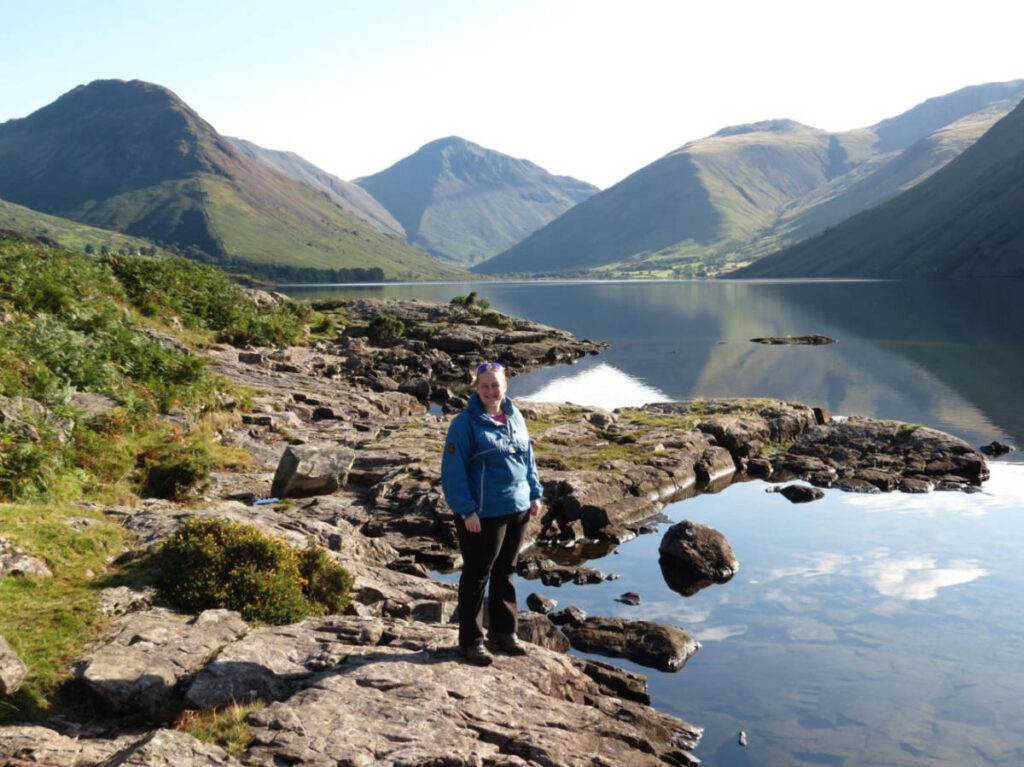
Wastwater View
Voted Britain’s Favourite View, this remote lake in Wasdale is picture perfect with its dramatic mountain surroundings.
📍 Google Maps | Website
In 2007, this spot in the west of the national park was voted Britain’s Favourite View by ITV television viewers, and it’s easy to see why. The mountain slopes plunge steeply into the lake, which is the deepest in England. And the remote setting gives the place a wild feel.
There are a few roadside laybys along the southwestern edge of the lake, giving access to this incredible view up the Wasdale valley. It’s a great place for a picnic lunch too!
It’s easiest to visit with your own car, but the road does get busy in the peak summer season, making parking difficult. Alternatively, there is a shuttle bus to Wasdale Head operating between April and September.
Lake District Heritage Sites
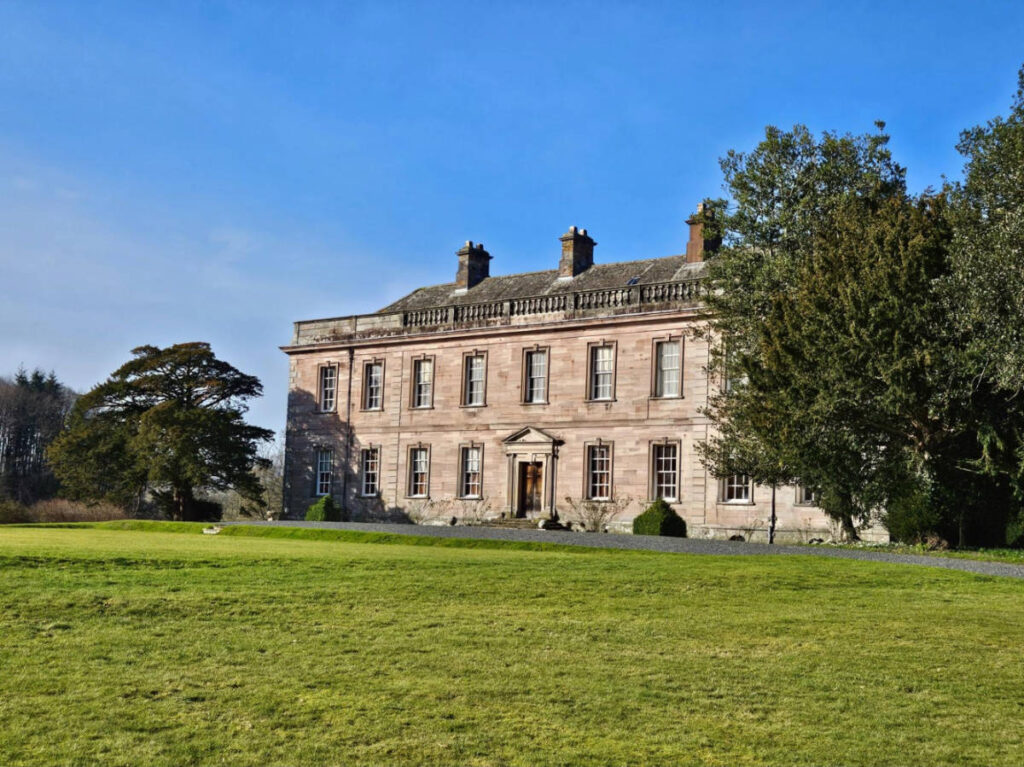
Dalemain Mansion & Historic Gardens
A historic stately home in sprawling parklands, known for its World Marmalade Festival.
📍 Google Maps | Phone: (44) 017684 86450 | Website | Hours: Mansion open April – October, 5 guided tours daily; Gardens open year round Sunday to Friday 10:30 am to 3 pm | Entrance: From £12.50, adults, £10.50 under 16
This imposing mansion in the northeast of the park showcases a range of architectural styles, from Medieval to Tudor and Georgian. The Dalemain Mansion has been in the Hasell family since 1679, and is home to an impressive collection of ceramics, fine art, and period furniture.
It will appeal to anyone interested in local heritage and seeing how the other half live. Entry to the house is by guided tour, but you can explore the gardens independently.
Dalemain is home to the World Marmalade Awards and Festival, with preservers from all around the globe entering their marmalades into the competition. The festival usually takes place in April, but you can visit the marmalade museum and sample marmalade-based treats in the tea room throughout the year.
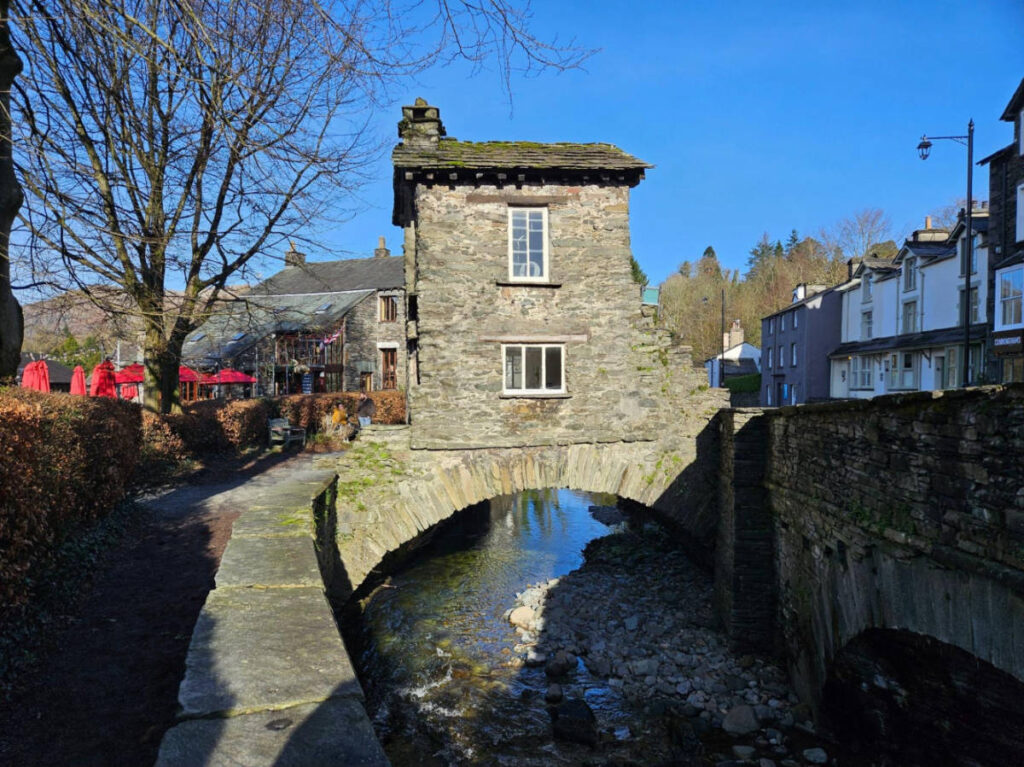
Ambleside Bridge House
A Lake District icon, this minuscule house sits on a bridge in the heart of Ambleside.
📍 Google Maps | Website
The Bridge House is a Lake District icon, and a place most visitors want to stop and photograph during their Ambleside explorations. This unique 17th-century property sits on a bridge over Stock Beck in the centre of town, and has long been the inspiration for writers and poets.
It’s had many uses over the years, including a counting house for the nearby mills, a cobbler’s shop, and a tea room. It was even home to a family of eight, which always astounds visitors when they see how tiny the rooms are.
Owned by the National Trust, this quirky slate building is sometimes open during the summer, but most of the time you’ll have to make do with viewing it from the outside.
Wray Castle
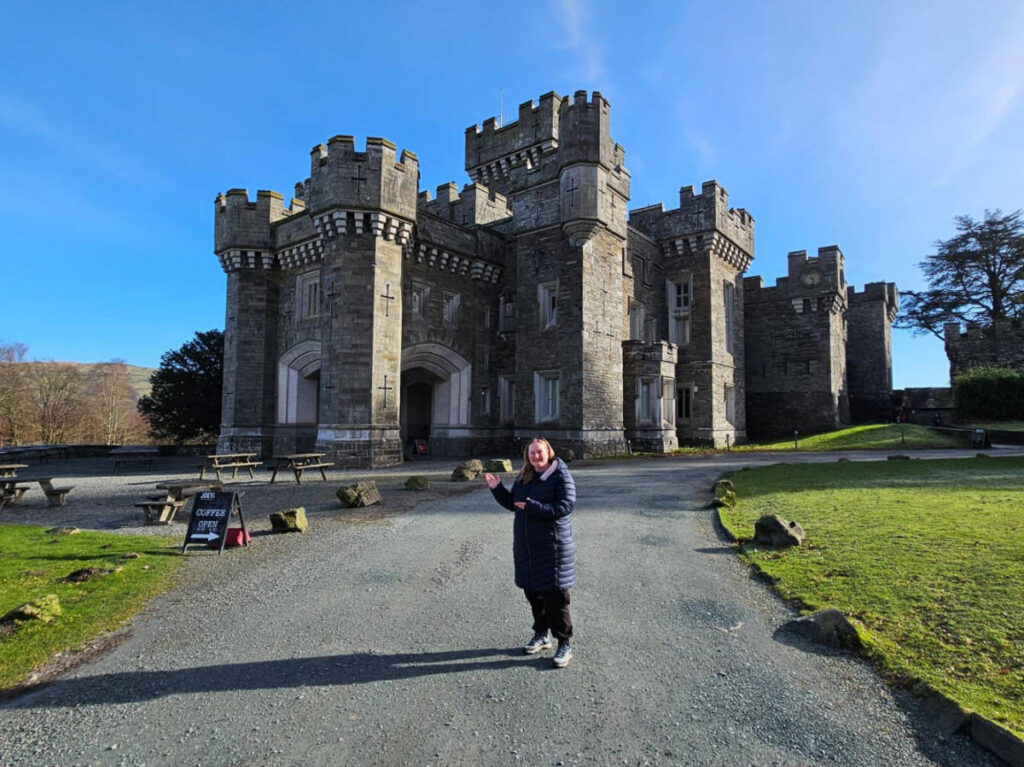
A magnificent Gothic Revival castle overlooking Windermere, with miles of woodland paths to explore.
📍 Google Maps | Phone: (44) 015394 33250 | Website | Hours: Grounds 8 am – 8 pm daily | Entrance: Grounds are free
Sitting on the western shore of Lake Windermere, Wray Castle is a Gothic Revival castle, resplendent with its towers and turrets. The children’s author, Beatrix Potter, stayed here before she was famous, when it was still a family home.
Now owned by the National Trust, Wray Castle no longer contains any furniture and instead is home to photography exhibitions and events. As of March 2026, the castle is closed for refurbishment, but we’ll keep an eye out for updates.
There are several paths winding through the estate along the edge of the lake, so even when the castle is closed, it makes a great base for anyone who fancies a leisurely stroll and a picnic with a view. It’s best accessed by car.
Howk Bobbin Mill
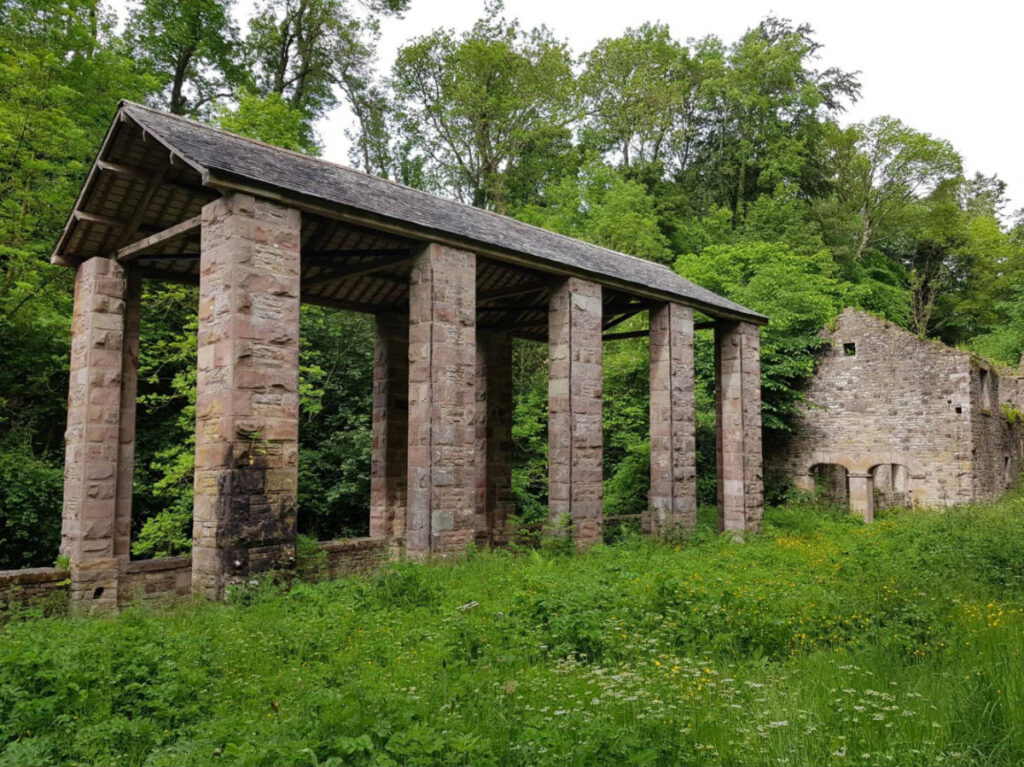
These old mill house ruins give an intriguing insight into the Lake District’s industrial past.
📍 Google Maps | Website | Entrance: Free
This one’s a bit of an insider secret, and somewhere I love to visit with friends when I want to escape the summer crowds. The Howk Bobbin Mill was a hive of activity in the 19th century, making bobbins for the country’s thriving cotton industry. As competition from imported textiles grew, the industry declined, and the mill closed in 1924.
Today, you can find the mill ruins in the woods alongside Cold Beck in the north of the park. The short walk to the mill begins in the charming village of Caldbeck, where an easy path leads up to a limestone gorge known as the Howk. It only takes about 10 minutes to get there. If you’re into quirky or industrial sites, then this one’s for you!
Force Crag Mine
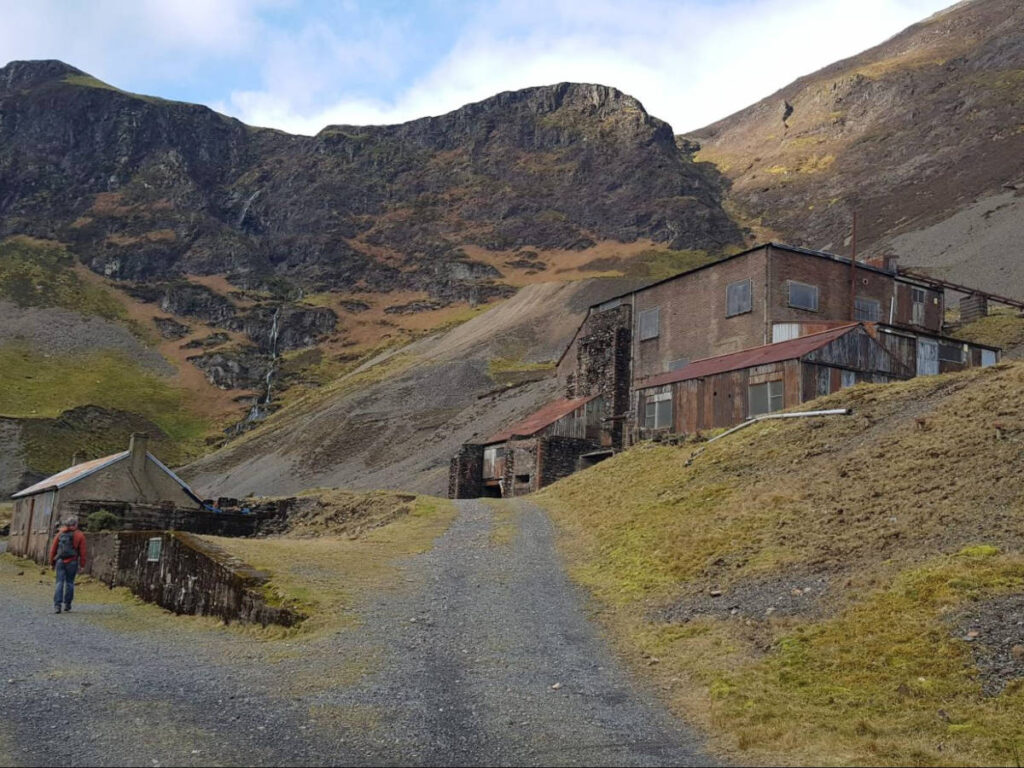
The Lake District’s last mineral mine is hidden in a remote valley beneath an amphitheatre of imposing dark cliffs.
📍 Google Maps | Website
Thanks to its unique geology, the Lake District was once a hive of mining activity, with everything from iron and copper to lead and slate being extracted from the land. Hidden at the head of Coledale, a tranquil valley near Keswick, Force Crag Mine is the last mineral mine to have been in use in the Lakes.
You can visit the processing mill on special open days, but I think that seeing this important piece of Cumbrian heritage from the outside is just as impressive.
To reach the mine, there’s a gentle track suitable for families leading up the valley from Braithwaite village. It’s a beautiful 5-mile round-trip walk, and seeing the old mine buildings abandoned below the dramatic cliffs is breathtaking.
Shap Abbey
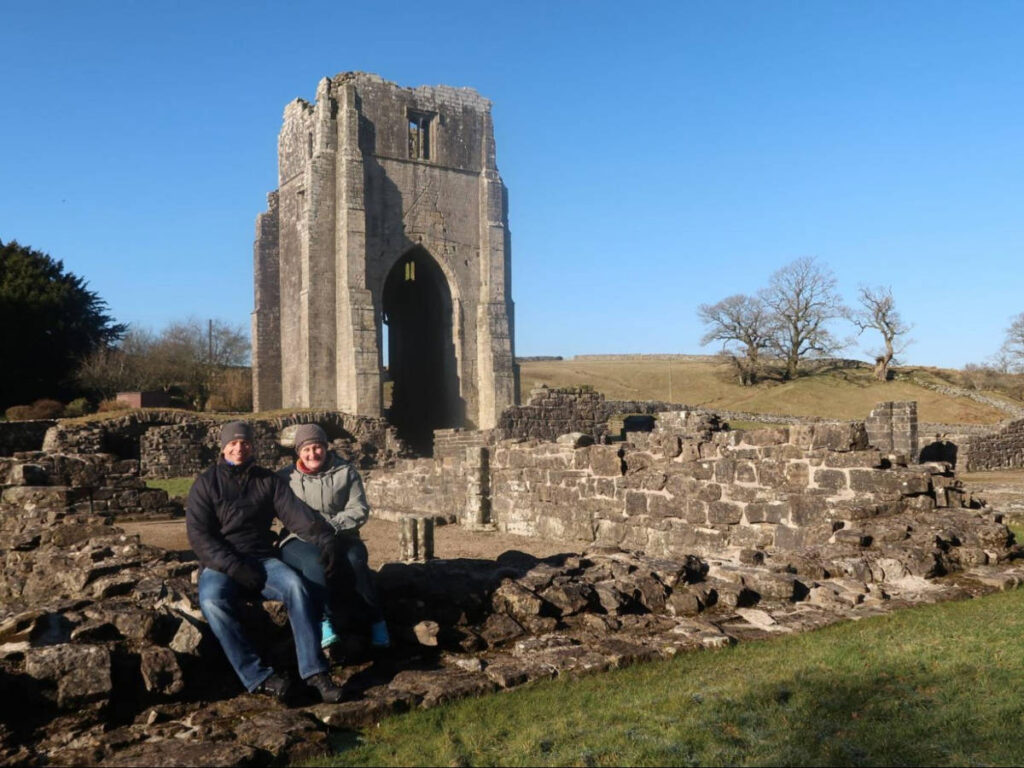
These atmospheric abbey ruins with their 15th-century tower rest beside a tranquil river far from the crowds.
📍 Google Maps | Website | Entrance: Free
Shap Abbey has a heritage dating to the 12th century, and once belonged to the Premonstratensian order of canons. The small monastic community thrived here until the 16th-century Dissolution of the Monasteries under the notorious King Henry VIII.
Today, you can still see the impressive 15th-century tower, as well as the ruins of several other abbey buildings. If you’re into history, this ancient site is a must!
Located beside the River Lowther in a peaceful valley on the eastern edge of the Lake District near Shap, the abbey makes a great stop-off away from the crowds. It’s free to enter, and costs £2 to park — you’ll need a car to get here unless you’re visiting as part of a longer hike.
Cool & Unusual Lake District Attractions
Bluebird at the Ruskin Museum
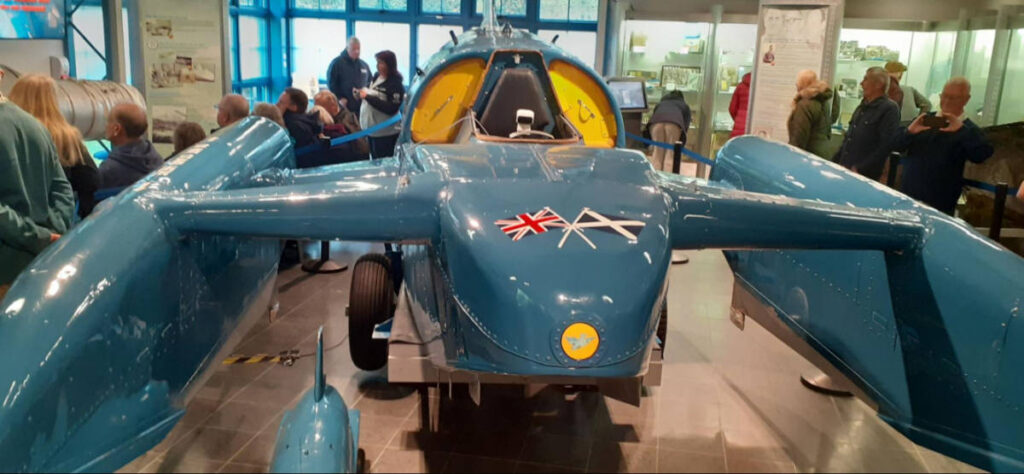
See the famous Bluebird K7, a hydroplane that broke the World Water Speed Record in 1955.
📍 Google Maps | Phone: (44) 015394 41164 | Website | Hours: 10 am – 4:30 pm daily, March – November | Entrance: £10 adults, £6 under 16
Coniston’s Ruskin Museum is home to Bluebird, a famous hydroplane piloted by speed pioneer Donald Campbell that broke the World Water Speed Record seven times between 1955 and 1964. Tragically, Campbell died in 1967 after crashing while attempting to break the 300 mph speed barrier on Coniston, and subsequently became a local hero.
After many years resting beneath the water, Bluebird was recovered in 2001, restored, and is now on display in the museum, drawing in curious visitors of all ages. In May 2026, Bluebird will once again run on Coniston during the Bluebird K7 Festival.
There’s other local heritage to discover in the museum too, including an exhibition on literary figure Arthur Ransome, who took inspiration from Coniston for his famous Swallows and Amazons books.
Grasmere Gingerbread Shop
Home of the secret gingerbread recipe that’s become a Lake District institution.
📍 Google Maps | Phone: (44) 015394 35428 | Website | Hours: 9:15 am – 5 pm daily
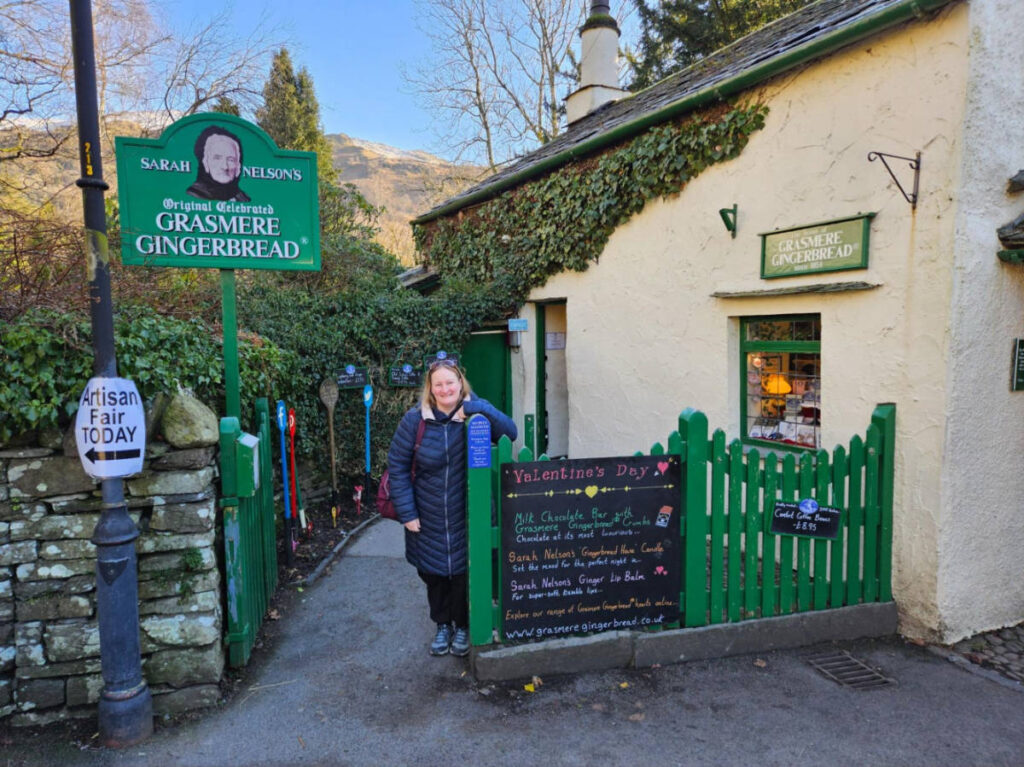
You can smell the Grasmere Gingerbread shop before you see it, with warm wafts of gingery deliciousness luring you in from across the village. The secret recipe dates to 1854, when local cook Sarah Nelson invented what is now famously known as Grasmere Gingerbread.
The gingerbread is sweet and spicy, and perhaps more solid than what you’re used to, which means it lasts longer! People travel to Grasmere just to try the gingerbread, and sometimes the queues run right down the street. It’s worth the wait though, and being served by staff in Victorian dress just adds to the experience.
There are other ginger-themed treats on sale too, including chocolates, conserves, and sauces. If you have a sweet tooth, this one’s for you.
Castlerigg Stone Circle
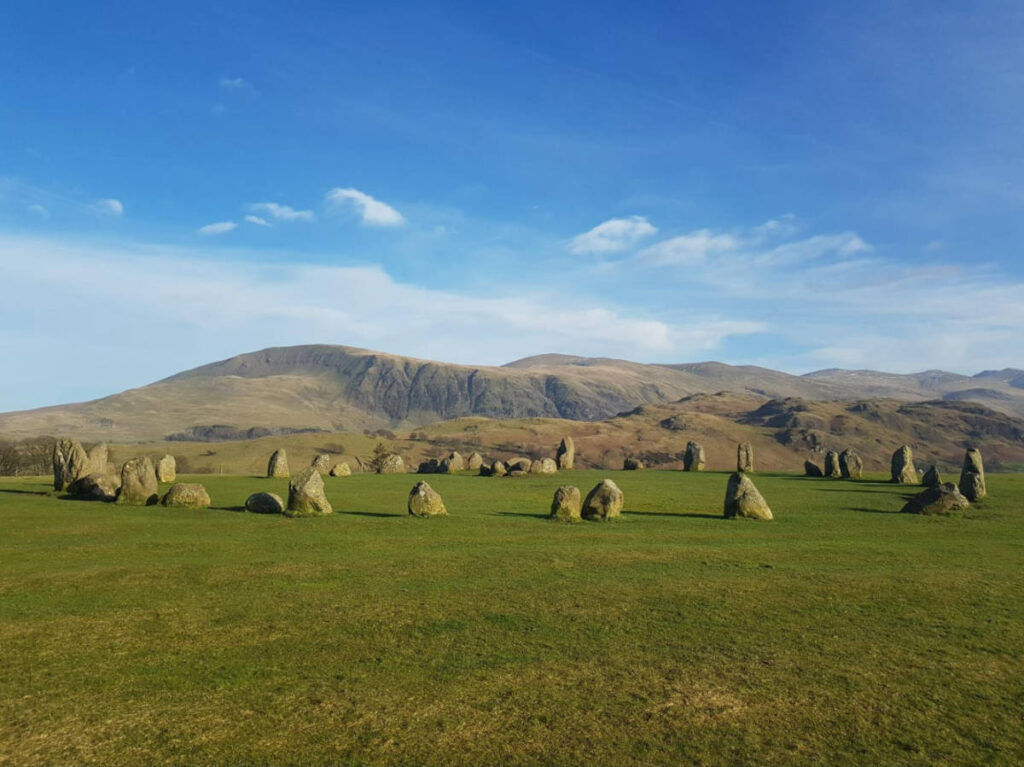
One of the most dramatically located stone circles in England, this Neolithic site is enshrouded in mystery.
📍 Google Maps | Website | Entrance: Free
No one really knows why Castlerigg Stone Circle was built. Some believe it had astronomical significance relating to midwinter sunrise or sunset, while others suggest the stones were used as a community trading hub. Either way, this ancient monument is a thought-provoking place to visit, and the views of the surrounding fells are spectacular.
The site was probably constructed in the late Neolithic period, and you can feel the weight of time behind the stones as you wander around them. This is one of the most impressive stone circles in the UK, and with easy access, it’s a great attraction for anyone interested in ancient history.
Located just outside Keswick, Castlerigg is free to visit, with plenty of roadside parking along the lane.
Derwent Pencil Museum
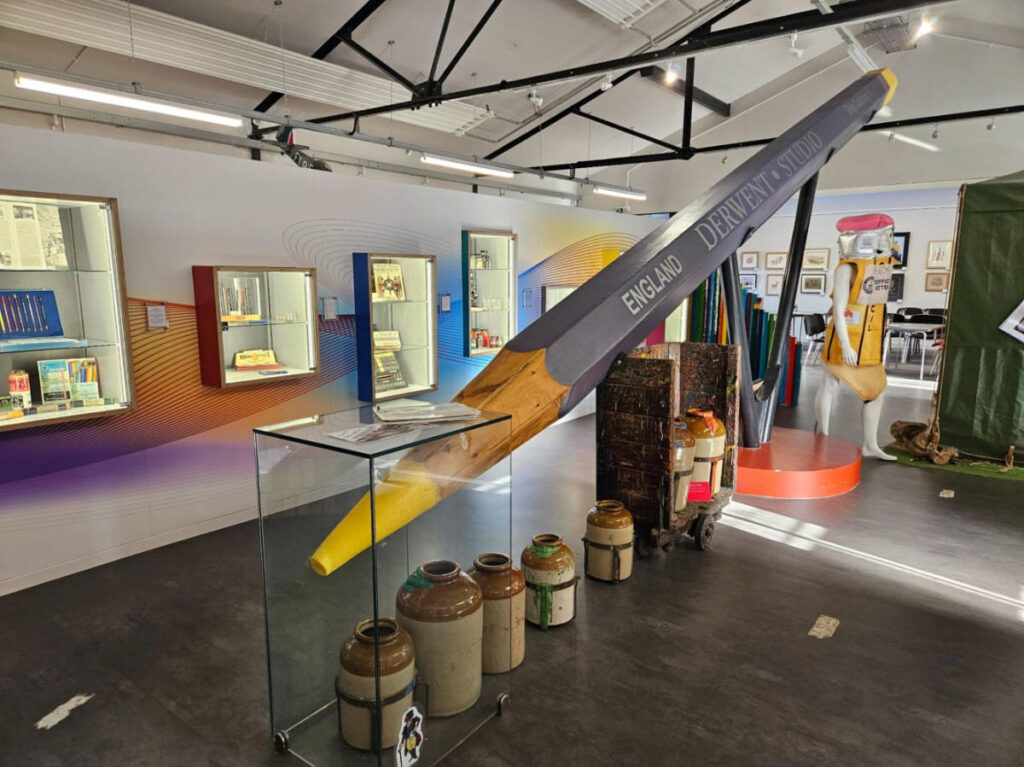
Home of the first pencil, and one of the longest coloured pencils in the world.
📍 Google Maps | Phone: (44) 01900 609590 | Website | Hours: 9:30 am – 5 pm daily, Closed Monday and Tuesday | Entrance: £6.65, adults, £5.85, children
The Derwent Pencil Museum in Keswick is where the first ever pencil was made, using materials sourced from local graphite mines over 300 years ago. Inside the museum, you’ll learn about the journey of the humble pencil, which is far more fascinating than you’d expect!
This is a fun family attraction with kid-friendly activities, a replica graphite mine, and a quiz to help you make the most of your visit. You’ll discover all manner of pencil-related exhibits, from secret WWII pencils with concealed maps to tiny pencil sculptures. Hanging overhead is one of the largest coloured pencils in the world — measuring nearly 8 metres, it held the Guinness World Record in 2001.
Lost Village of Mardale
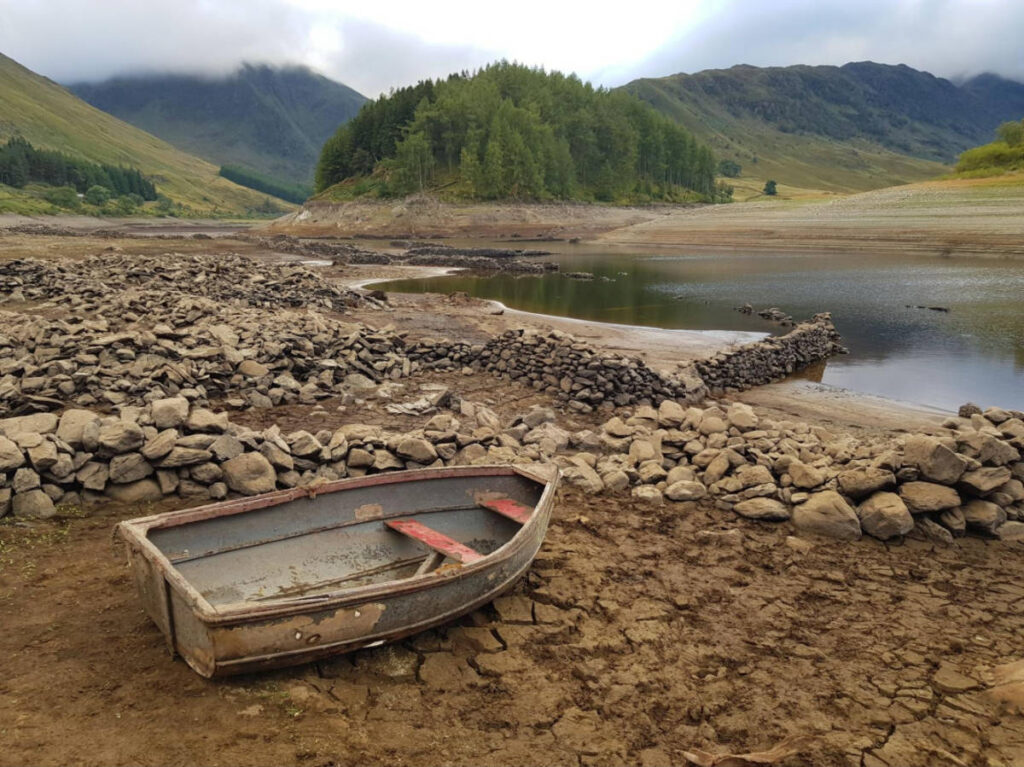
An eerie submerged village that reappears during hot summers when the reservoir water recedes.
📍 Google Maps | Entrance: Free
The village of Mardale Green was deliberately flooded in 1935 to create what is now Haweswater Reservoir, displacing residents who had lived there for generations.
Today, after long, hot periods without rain, the lost village of Mardale is once again revealed. It’s a haunting sight, with the remains of old roads, buildings, tree stumps, and even a bridge easily distinguishable. This eerie occurrence doesn’t happen every summer, but if you’re here in a particularly dry spell, you might be in luck.
For those interested in the past, this is an intriguing place. You’ll need a car to get there, with parking available at Mardale Head. It takes 10 minutes to walk across the dry lake bed to the village remains.
Eating Out in the Lake District
Joey’s Cafe
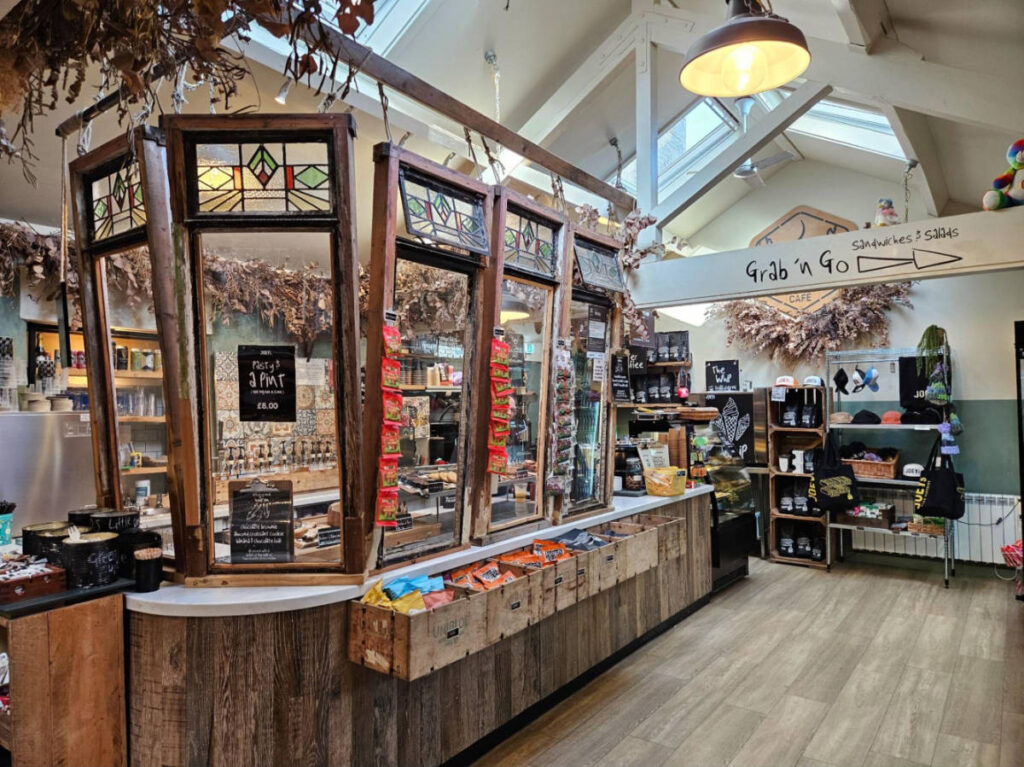
A local favourite based at Wray Castle, serving delicious plant based pasties and cakes.
📍 Google Maps | Website | Hours: 9:30 am – 4:30 pm daily
Opened by Lakeland climber Joe after a horrific mountain accident left him with life-changing injuries, Joey’s Cafe at Wray Castle is a firm favourite with locals as well as visitors. It’s one of my top stops for a quick bite after a walk in the Windermere area, and I’ve been known to make a special journey there just to get my hands on some of their scrumptious homemade cakes!
The cafe’s plant-based bakery also serves up delicious pasties, as well as hot options like hearty stews and chilli, using local, sustainable ingredients. It’s a casual, family-friendly sort of place, with a wonderfully rustic vibe that just invites you in to relax. There’s a handy car park on site.
Lake View Lounge Bar at Inn on the Lake
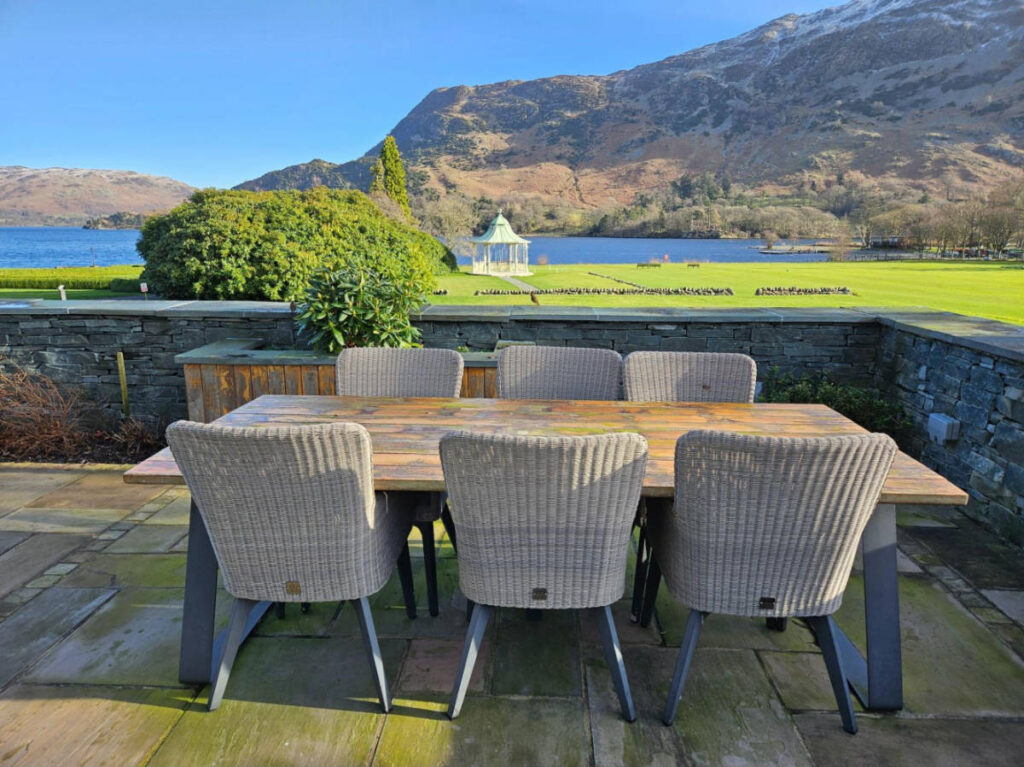
An elegant lounge and panoramic terrace overlooking Ullswater serving light bites and drinks with a view.
📍 Google Maps | Phone: (44) 017684 82444 | Website | Hours: Open throughout the day
After hiking or boating in the Ullswater area on a sunny day, you’ll often find me chilling at the Inn on the Lake’s panoramic terrace in Glenridding, with a mezze board and local Cumbrian ale in hand. The views from here are breathtaking, with the lawns sloping down to the water and the picturesque peaks standing tall across the lake.
The food here is as good as the setting, and if it’s a bit chilly for al fresco dining, you can retreat indoors to the Lounge Bar or Orangery without forfeiting those views. There’s onsite parking, or you can get to Glenridding by bus or lake steamer.
Jumble Room
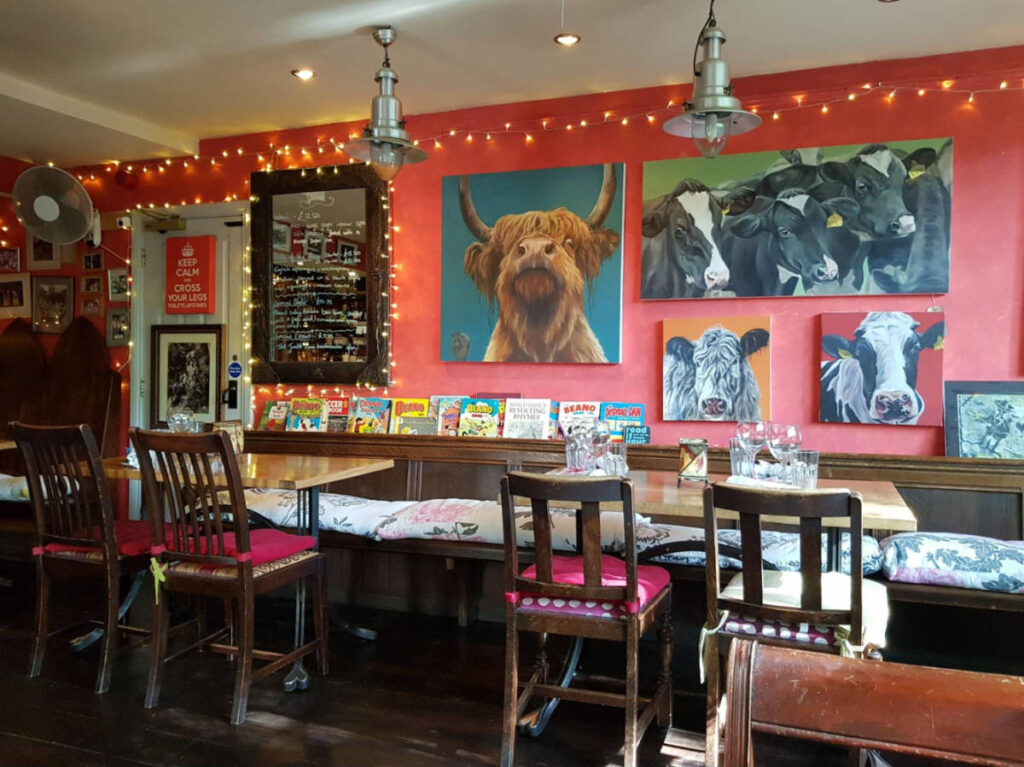
A quirky and welcoming restaurant bringing together local produce and international flavours.
📍 Google Maps | Phone: (44) 015394 35188 | Website | Hours: 5:30 pm – 9:30 pm on Thursdays, Fridays & Saturdays
The Jumble Room in Grasmere is another local favourite, with eclectic cow-themed decor and a cosy, welcoming atmosphere. I take friends and family here when they want to eat somewhere a bit different.
Dishes are unusual and delicious, with local produce from Cumbrian farmers and artisans being the stars of the show. The menu has a strong international influence, with Lebanese lamb stew, South African apricot stuffed chicken, and Sinhalese coconut and lemongrass curry all hitting the mark. Save room for gingerbread with hot toffee sauce and caramel crunch ice cream to finish your meal on a sweet note.
Armathwaite Hall
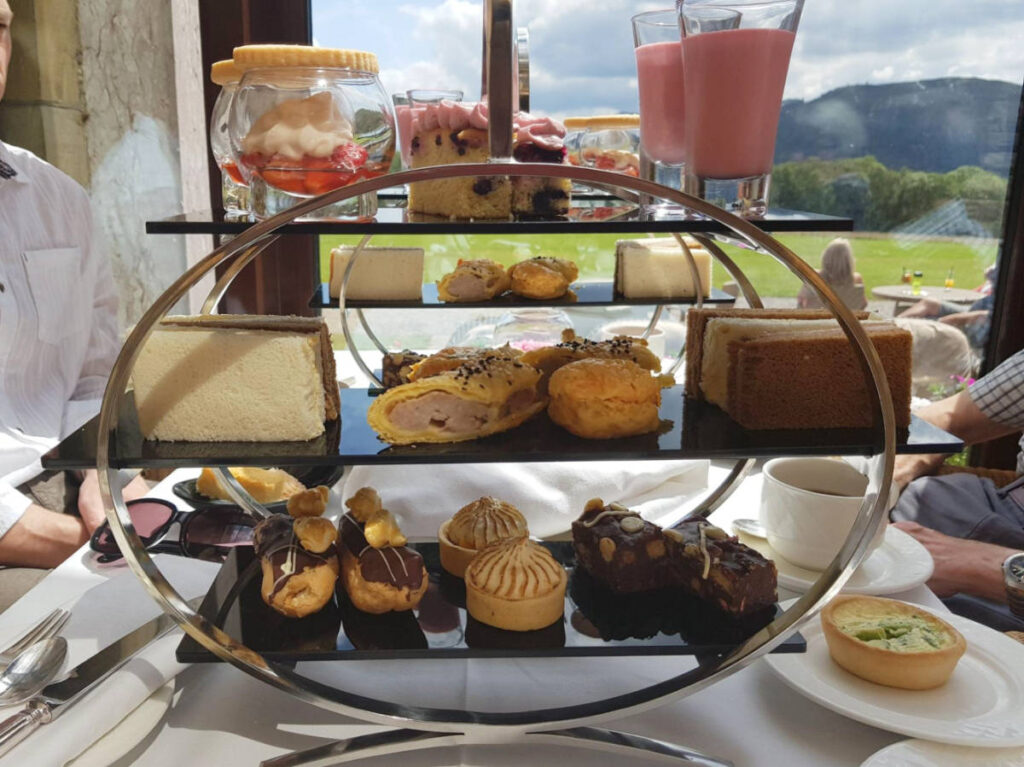
On the shores of Bassenthwaite Lake, this stately home is the perfect setting for traditional English afternoon tea.
📍 Google Maps | Phone: (44) 017687 76551 | Website | Hours: 12:30 pm – 5 pm daily
Afternoon tea is a delightful English tradition that became fashionable among socialising ladies in the 19th century. The concept remains popular, and many Lake District visitors like to include a quintessential afternoon tea experience in a beautiful setting on their itinerary.
Standing proudly in rolling parklands, Armathwaite Hall is a spectacular afternoon tea venue, with sweeping views across the lawns towards Bassenthwaite Lake in the north of the park. You’ll tuck into platters of finger sandwiches, delicate cakes and pastries, scones with clotted cream and, of course, a pot of freshly brewed tea of your choice. It’s the perfect way to celebrate a special occasion or just treat yourself while you’re on holiday.
Mizu Pan Asian Restaurant
An Asian-inspired feast at a stylish hotel restaurant in the tranquil Borrowdale Valley.

📍 Google Maps | Phone: (+44) 017687 77285 | Website | Hours: 12 pm – 9:30 pm daily
If you’re looking for a Zen evening out with upscale dining beside Derwentwater, then I recommend Mizu at the Lodore Falls Hotel. It’s a Pan Asian restaurant with an inventive menu, serving up everything from aromatic Thai curries to fresh Japanese sashimi.
There’s a lot to choose from, so go for the tasting menu if you can’t decide. I suggest arriving a little early so you can get in the Mizu mood at the cocktail bar before eating.
You can also enjoy afternoon tea at Mizu. It’s a twist on the traditional English delicacies, offering instead Asian treats like crab cakes, pork belly skewers, and miso chocolate madeleines. Delicious!
***
Thanks for reading! The Lake District has a lot to offer every type of traveller, whether you’re looking for fun family activities or want to bag some big peaks with your friends. Have questions about the Lake District? Feel free to ask me in the comments below.