
Affiliate Ad Disclosure: We’re reader-supported. When you buy via our links, we earn commissions. Learn more.
55 Best Things to Do in Seoul (in 2026)

👉 Jump to: Best Things to Do in Seoul | Sites & Attractions | Culture & History | Shopping | Food & Drink | Nature Attractions | Cool & Unusual | Free & Cheap
I’ve spent significant time in Seoul over the past five years, which has made me pretty knowledgeable about the best things to do here in Seoul! It really is a city that has everything; whether you’re interested in tourist attractions or hidden gems, relaxing in nature or exploring Seoul’s nightlife, there will be something on this list for you.
No matter your budget, interests, or travel style, this guide will help you plan the perfect Seoul trip – and why not check out my guide to where to stay in Seoul to find the perfect neighbourhood, too?
55 Best Things to Do in Seoul
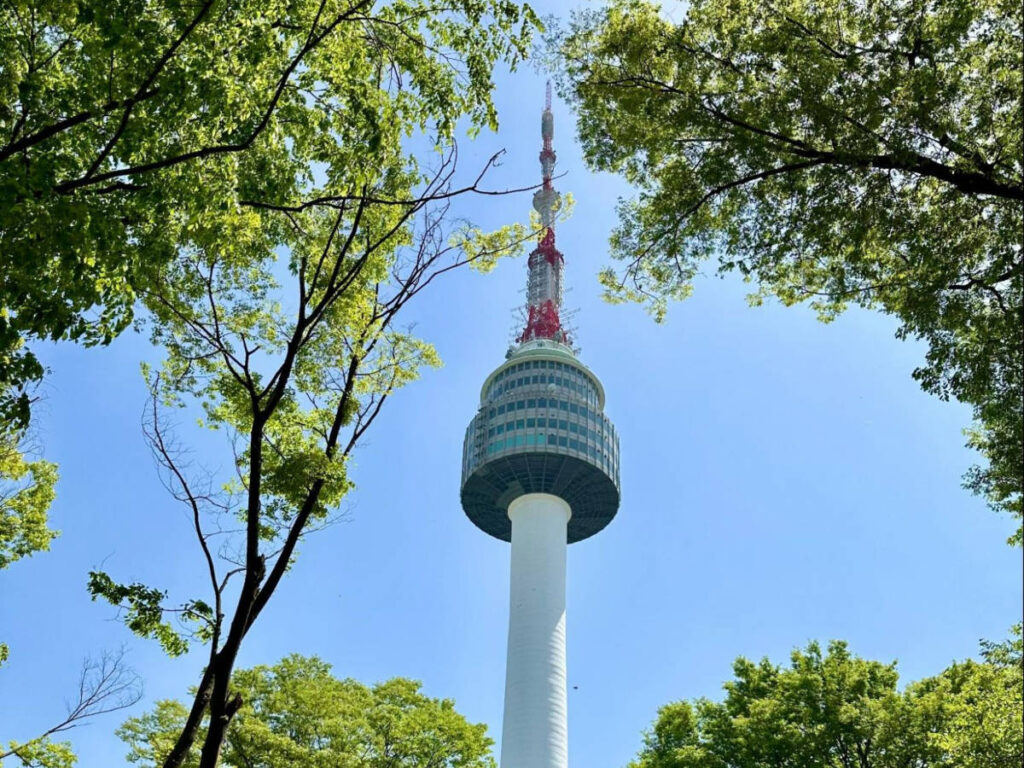
N-Seoul Tower
The most iconic Seoul landmark with sweeping views of the city skyline.
📍 Google Maps | Website | Hours: 10:00 am – 10:30 pm weekday | Entrance: ₩29,000 ($19) for adults, ₩23,000 ($15) 65+ and under 13 | 👉 Book a Cable-Car and Observatory Ticket
Perched atop Namsan Mountain, this iconic observation tower is the symbol of Seoul and one of the best spots to see panoramic views of the city. Enjoy cafes and restaurants, gift shops selling Seoul-based souvenirs, and the famous love lock gates. Grab a lock, write a message with your partner or friends, and add it to one of the designated padlock gates to commemorate your trip!
Namsan Mountain offers some of the best tourist-friendly hikes, including a new path (as of 2025) that takes only 40 minutes to reach the top. Or take a cable car from the base near Myeongdong Station (head up near sunset for the best views). It’s a must-do attraction for first time visitors and anybody wanting an easy, memorable view of Seoul.
Han River
Take a break from the bustle of Seoul at the city’s riverside.
📍 Google Maps | 👉 Book a Han River Night Tour
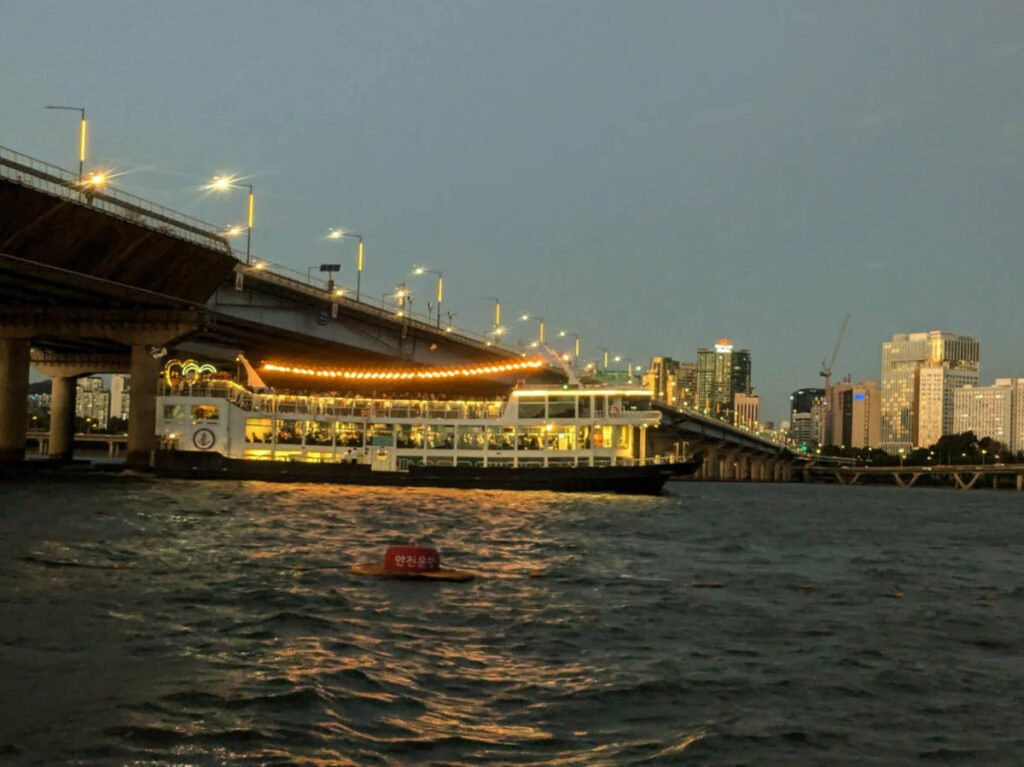
Ask any local their favorite spot in the city and nine times out of ten they’ll choose the Han River. It runs straight through the heart of Seoul and through many central neighbourhoods such as Yeouido, Seongsu, and Gangnam, offering a reprieve from the busy city streets.
There’s a spot for all kinds of travellers along the Han River. Visit Yeouido Hangang Park for the iconic skyline, buskers, and street food, or have an evening picnic near Banpo Bridge and watch the rainbow fountain light show there.
For sightseeing, the river cruise never disappoints. The best views are at night when the skyline comes alive! Come here for a relaxing evening after a long day of exploring Seoul.
To enjoy the river like a local, play a game of basketball at a public court, eat self-serve instant ramen with friends or hire a bike and enjoy the views along the cycle path.
Gyeongbokgung Palace
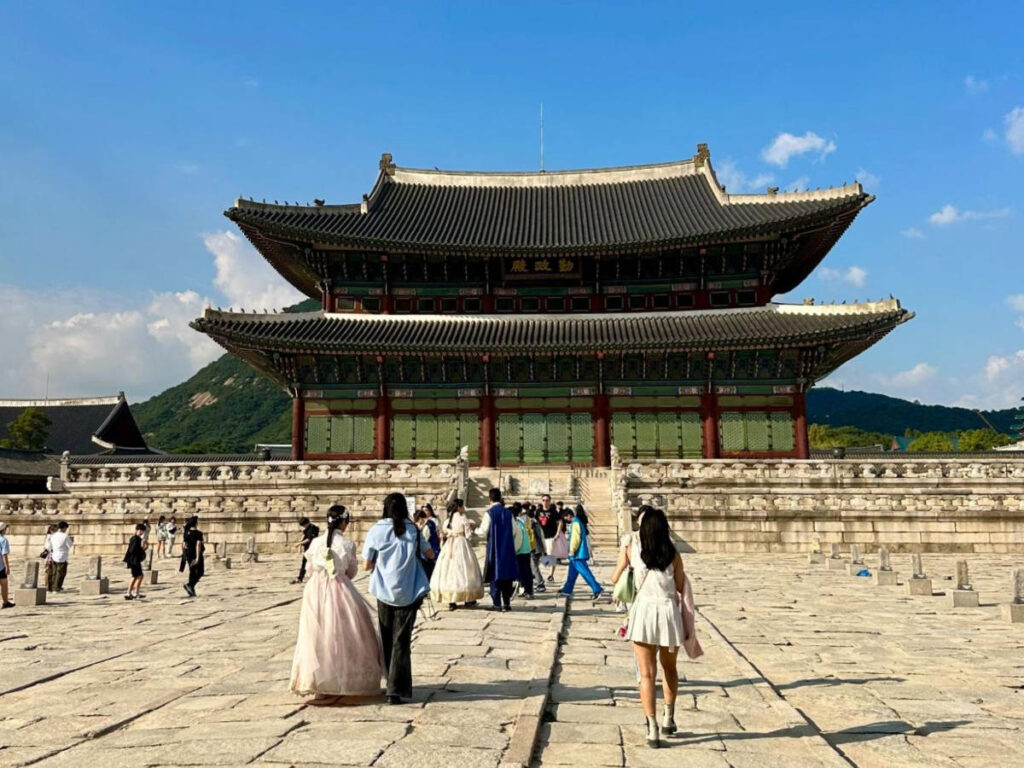
Visit the heart of Korean royal history at the biggest palace in Korea.
📍 Google Maps | Website | Hours: 9:00 am – 6:30 pm in summer, 9:00 am – 5:00 pm in winter (more details on the website), Closed Tuesdays | Entrance: ₩3000 ($2) adults aged 19-64, free for under 19, 65+ and hanbok wearers | 👉 Book a Gyeongbokgung Palace tour
Gyeongbokgung Palace is the largest palace in Korea (FYI, there are five of them in Seoul!) and easily the best place to start your dive into Korean history. Originally built in 1395 during the Joseon dynasty and set against a mountain backdrop, visitors can discover the palace’s serene pavilions, watch the changing of the guard, and even visit one of many museums within the palace walls.
It’s best to visit in the morning, especially in the summer, as there’s limited shade out in the grounds. There are also fewer crowds at this time of day. Did you know that if you rent a hanbok (traditional Korean clothing) from one of many rental stores nearby, you can enter for free!
There’s also free entry on the last Wednesday of every month (known as Culture Day). And there are special events for tourists during national holidays so keep an eye out for that too!
Korean Street Food
Get a taste of Korea’s unique and varied street food.
📍 Google Maps | 👉 Book a Seoul Food Market tour
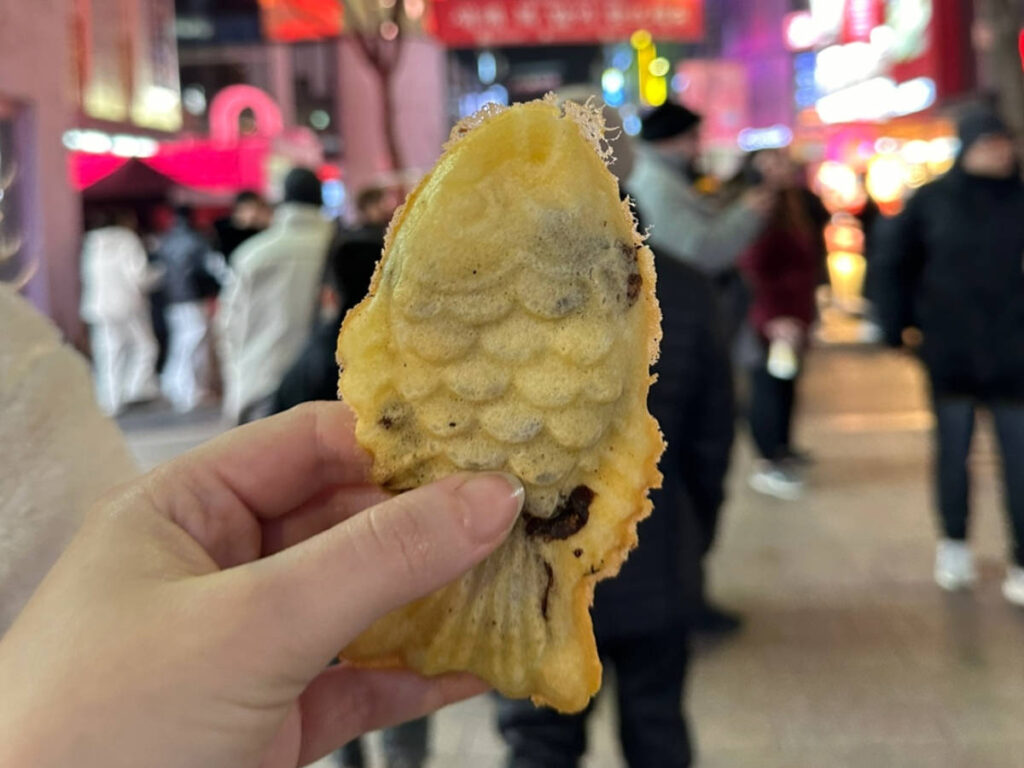
Food is at the heart of Korean culture, and there’s just so much to try. There are over 200 variations of kimchi (Korea’s national dish) alone! One of the best ways to experience authentic Korean food is to try local street food.
For a casual snack head to Myeongdong Shopping Street for a wide range of food stalls to try in between shops. Or for foodies and culture lovers, head over to Gwangjang Market. This covered market place is perfect for a rainy day and hosts the best street food in Seoul. For a more local experience away from tourist crowds, head to Mangwon Market. The sweet and spicy fried chicken is what people line up for here.
Look out for seasonal street foods – bunggeobang (fish-shaped red bean bread) is a must in winter, while bingsu (shaved ice with various toppings) is a popular snack to help beat the summer heat.
Karaoke Rooms
Sing your heart out at a noraebang (Korean karaoke room).
📍 Google Maps | Hours: 9:00 am – 6:00 am daily | Entrance: approx ₩20000 ($13) for 1 hour
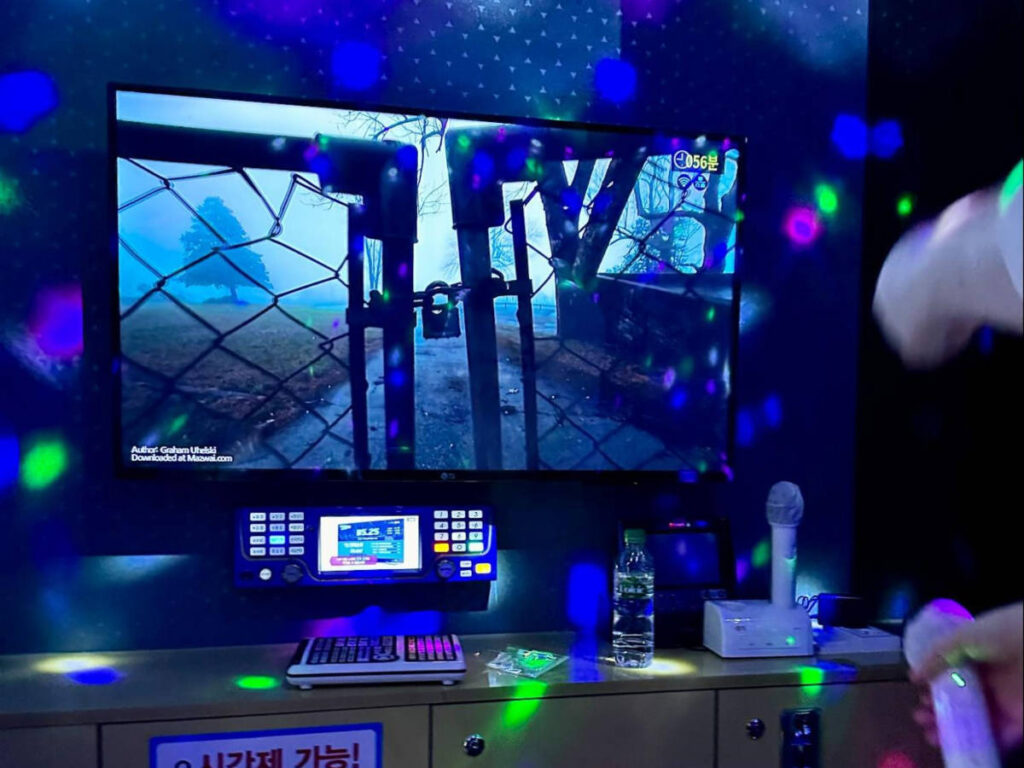
If you want to socialize like a local, try a ‘sam-cha’ (three-round) evening. This includes dinner, a bar (or cafe), and karaoke! Known as noraebang in Korean, karaoke is a popular pastime for friends, couples, or coworkers after a long day. But you can enjoy noraebang even if you’re travelling alone, as there are single person booths where you can sing alone to your hearts content.
Noraebangs range from super basic and cheap ‘coin-noraebangs’ to more luxurious rooms serving food and drinks, perfect for a party-like atmosphere. Sing along to your favorite K-pop songs or karaoke classics, and don’t be shy — noraebang is about having fun, not being a perfect singer!
One of the best noraebangs to try for the first time is the famous Luxury Su Noraebang in Hongdae that offers a great foreigner-friendly experience. It’s brightly decorated, spacious for large groups, and accessible even if you don’t speak Korean.
Sites & Attractions in Seoul
Lotte World
Seoul’s magical theme park.
📍 Google Maps | Website | Hours: 10:00 am – 9:00 pm daily | Entrance: ₩64,000 ($43) for adults, ₩56,000 ($37) for youth (13-18), ₩48,000 ($32) for children 36 months-12, ₩16,000 ($11) for babies under 36 months
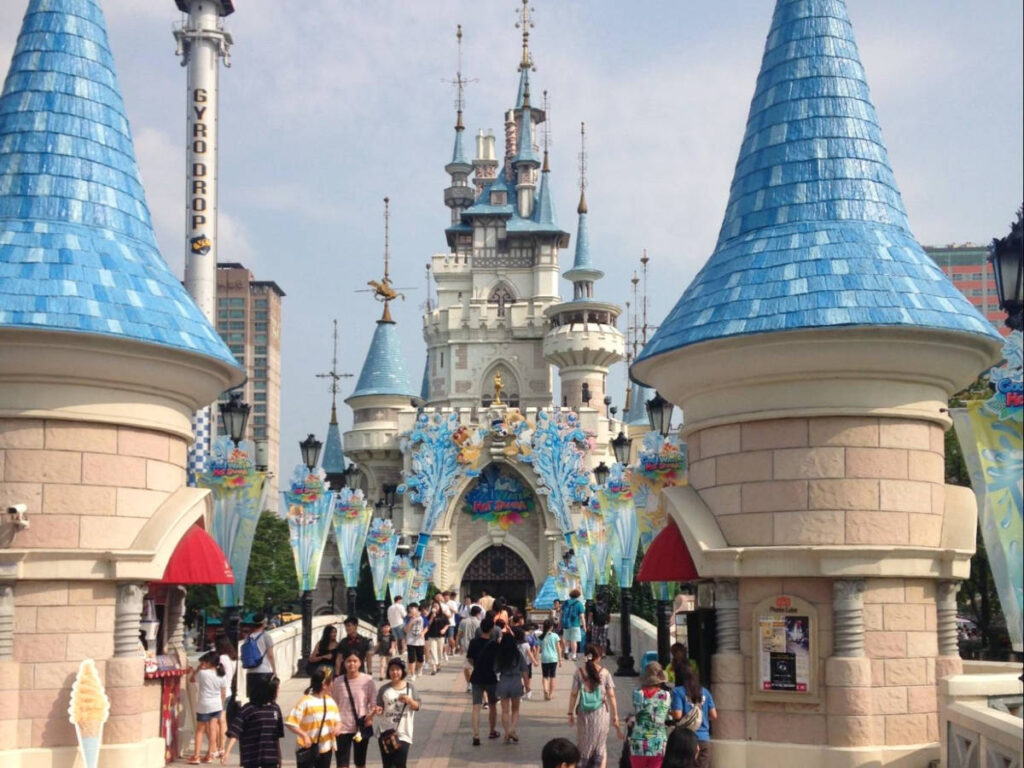
Lotte World in Jamsil is one of the largest indoor theme parks in the world, and a great attraction for families. Split between the indoor Adventure Zone and outdoor Magic Island, it’s a fun place to break away from temple visits and city sightseeing to enjoy the rollercoasters, parades, and activities. Don’t forget to buy some matching animal-ear headbands to wear for the day!
I recommend visiting on a weekday to avoid long queues and the Magic Pass will allow you to enter the most popular rides faster. Be aware of national holidays; it gets extremely busy around Christmas Day and Children’s Day (May 5th) in particular.
You can also enter select attractions (such as the aquarium and ice rink) individually without buying a day pass ticket if you wish. For only 20,000W (~$13), visiting the ice rink with friends is one of my favorite winter holiday traditions!
Everland
Thrill-seekers and panda lovers will love this outdoor amusement park.
📍 Google Maps | Phone: (+82) 31-320-5000 | Website | Hours: 10:00 am – 8:00 pm daily | Entrance: ₩59,000 ($39) for adults, ₩46,000 ($31) for children aged 3-12
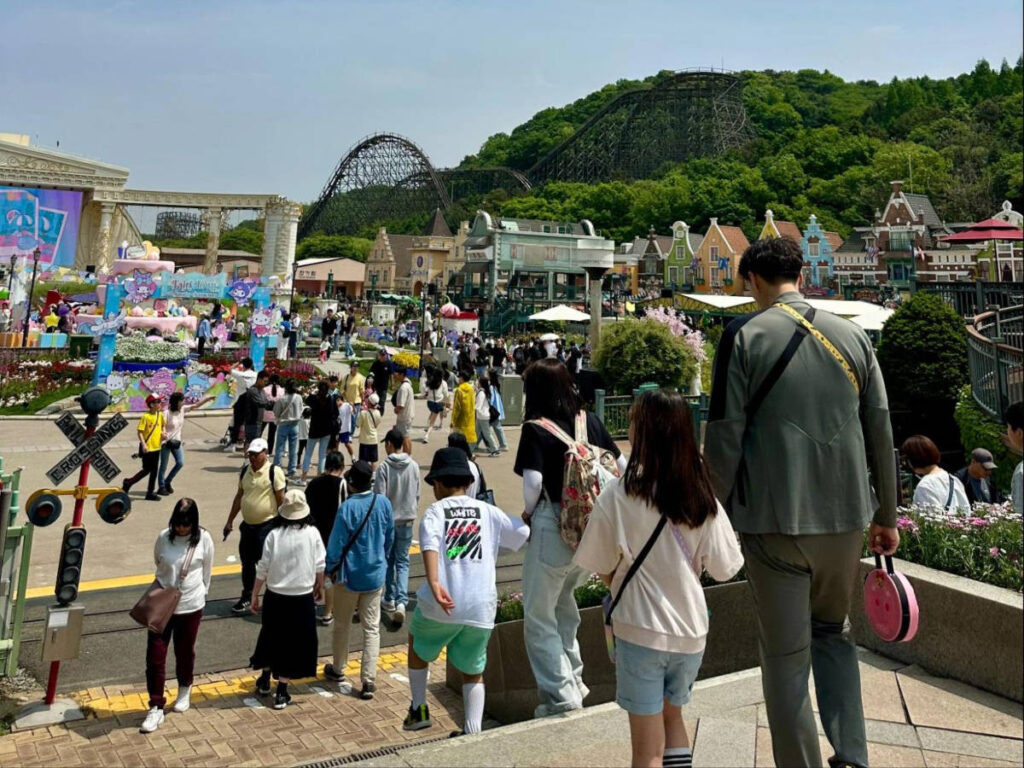
If you want something bigger and more thrilling than Lotte World, Everland is the perfect fit. This large outdoor amusement park is located just outside of Seoul, but the Ever-Line on the Seoul subway will take you straight there, so it’s super easy to fit into a Seoul itinerary.
Everland is known for its high-thrill attractions (like the T-Express, one of the tallest wooden rollercoasters in the world), seasonal flower festivals and a safari-style zoo (including a family of beloved pandas), so it’s well worth the day trip.
Everland is perfect for travellers who want a big, energetic day-trip away from the city streets. Arrive early and on a weekday to have the best chance of enjoying the big-ticket attractions, and avoid public holidays. Don’t forget to download the app and book slots for the biggest attractions to avoid long queues.
Seoul Sky
Enjoy panoramic views of the city from south of the river.
📍 Google Maps | Phone: (+82) 2-3213-5000 | Website | Hours: 10:30 am – 10:00 pm daily, Closed Mondays | Entrance: ₩31,000 ($21) for adults, ₩27,000 ($18) 36 months-13, 65+
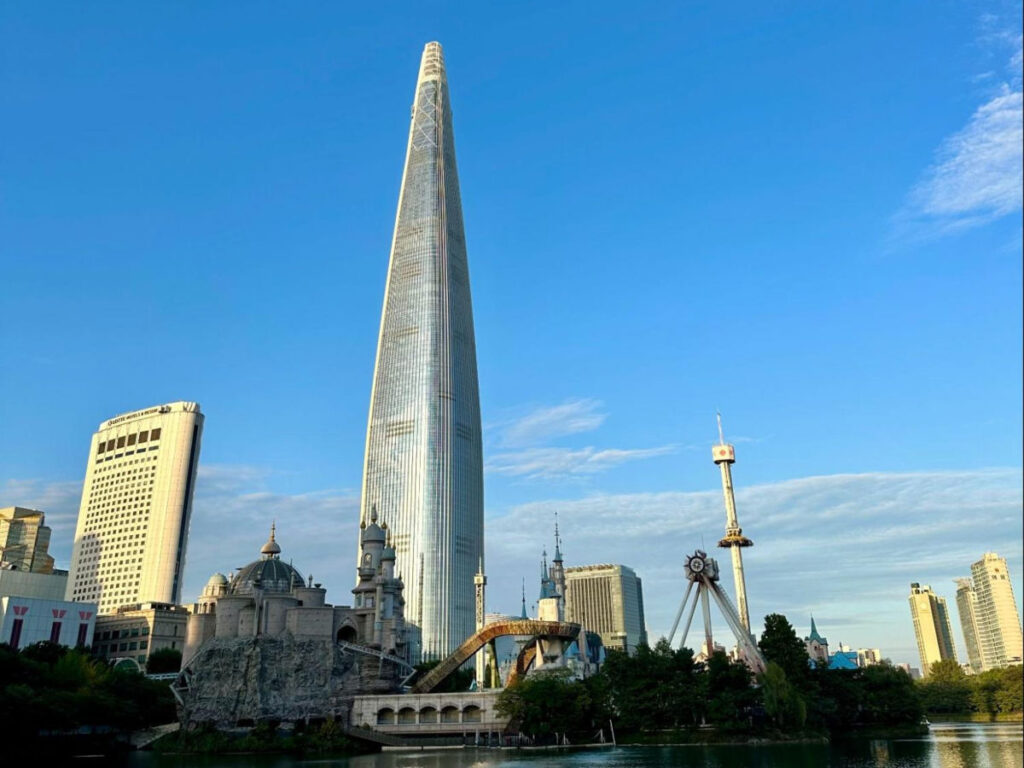
Lotte Tower is an iconic building in itself, filled with shops, restaurants, and attractions. But on a first-time visit, you have to head up to Seoul Sky.
This observation deck offers 360-degree views of the city. Here, you can step onto glass platforms, enjoy ever-changing interactive exhibits, and of course, see the gorgeous view. It’s best to visit around sunset for a peak viewing experience.
Seoul Sky is best for visitors staying south of the river who don’t want to head over to N-Seoul Tower, or second time Seoul visitors who want to experience a different view of the city.
Combine it with a wander around the Lotte Tower Christmas Market, a day at Lotte World, or a walk around Seokchon Lake (especially during cherry blossom season) and you have the making of a perfect date or a memorable day with loved ones. Book tickets in advance to avoid queueing.
Dongdaemun Design Plaza (DDP)
Visit the home of Seoul Fashion Week for all things creativity.
📍 Google Maps | Phone: (+82) 2-2153-0000 | Website | Hours: 10:00 am – 8:00 pm daily
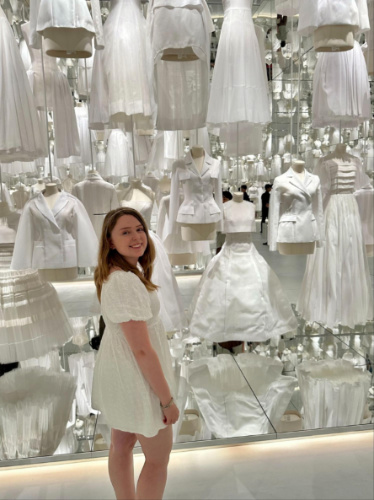
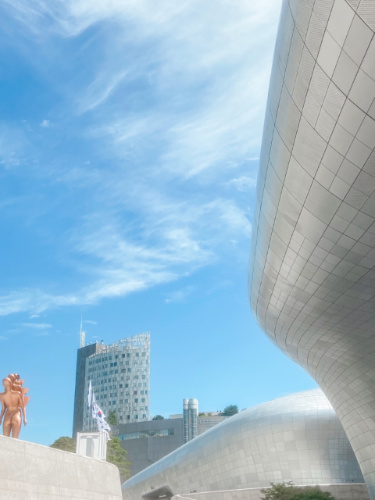
Dongdaemun Design Plaza (DDP) is the artistic and cultural centre of Seoul. This spaceship-like building is a work of art in itself (designed by Zaha Hadid) and hosts temporary exhibitions for a range of artists in all creative fields, from Dior to Salvador Dahli to Tim Burton, as well as creative markets and fashion shows.
Look out for DDP’s seasonal light shows, where the whole building comes alive with digital art. And even if you don’t visit an exhibition, why not wear your most stylish outfits and take pictures at the home of Seoul Fashion Week? DDP is perfect for design lovers, photographers, and travellers wanting to see the artistic, modern side of Seoul.
SEA LIFE COEX Aquarium
A perfect family-friendly attraction for a rainy day.
📍 Google Maps | Phone: (+82) 2-700-7200 | Website | Hours: 10:00 am – 8:00 pm daily | Entrance: ₩35,000 ($23) for adults, ₩31,000 ($21) for children aged 3-12
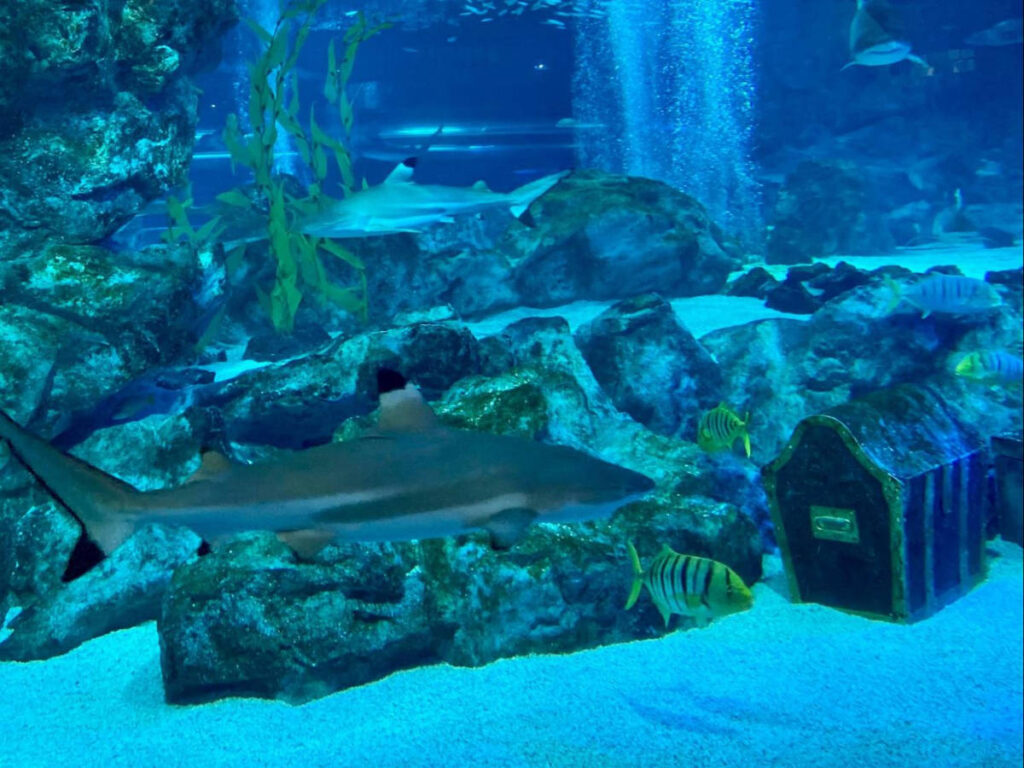
SEA LIFE COEX Aquarium is the ultimate family-friendly activity for a rainy day. It’s home to thousands of species of tropical fish, as well as sharks, rays, and even manatees. Located in the underground COEX Mall in Gangnam, it’s the perfect spot for a relaxed break away from shopping and sightseeing.
The aquarium has fun, interactive activities for children including a stamp book and various educational puzzles, keeping your little ones engaged the whole time. It’s also located nearby various attractions (including Bongeunsa Temple, K-Star Road and the Starfield Mall Library) making it easy to slot into a Gangnam-centred one-day itinerary.
Cheonggyecheon Stream
A peaceful walk in the heart of Seoul and home of the Lantern Festival.
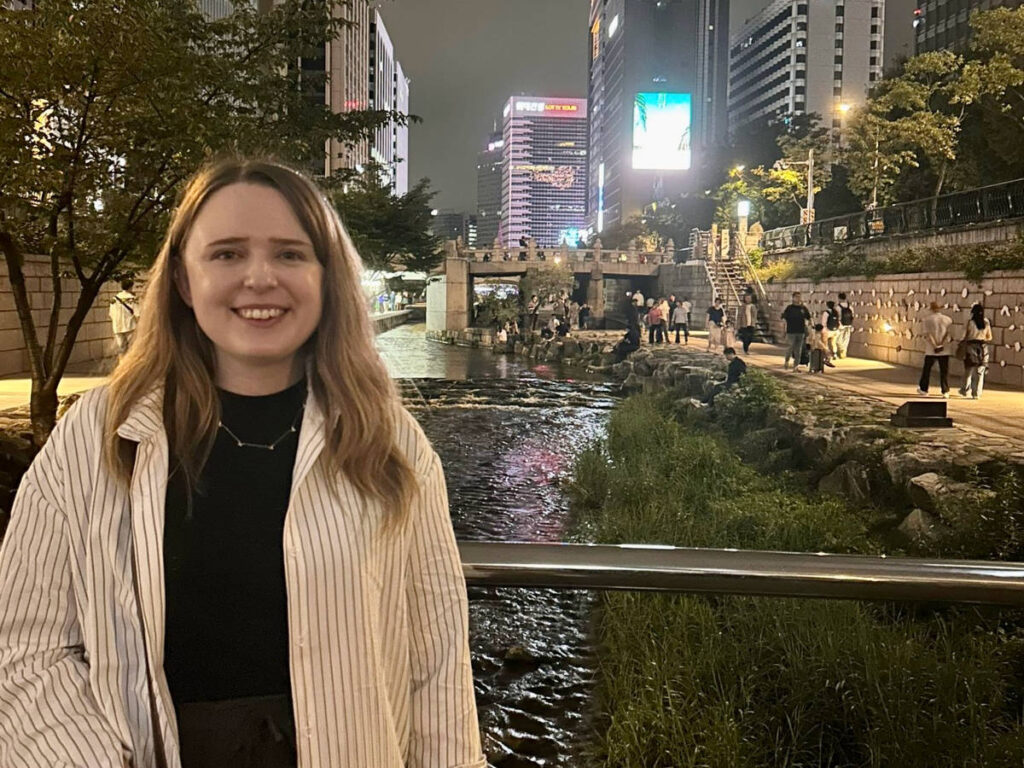
The Cheonggyecheon stream is one of my favorite areas to walk in Seoul, particularly in the evening when it becomes illuminated by lights and digital art. It’s a restored waterway that was covered over after the Korean War, but was rebuilt to symbolise the resilience of the Korean people.
A favorite relaxing spot for locals, it’s especially lovely to sit and dip your feet in the water during summer. During winter, it’s home to the Lantern Festival, where intricately crafted paper lanterns adorn the stream – a must-see if you’re in Seoul at that time.
Cheonggyecheon stream is an ideal spot for solo travellers, couples, and anybody wanting a calm, scenic walk whilst in central Seoul. It’s conveniently located near the Gwanghwamun gate, King Sejong statue and Gyeongbokgung Palace, making it a fantastic last stop on a day of exploring central Seoul.
Culture and History in Seoul
Bukchon Hanok Village
Take a stroll through a neighbourhood of traditional Korean houses with incredible city views.
📍 Google Maps | Website | Hours: 10:00 am – 5:00 pm daily | 👉 Book a Bukchon Hanok Village walking tour
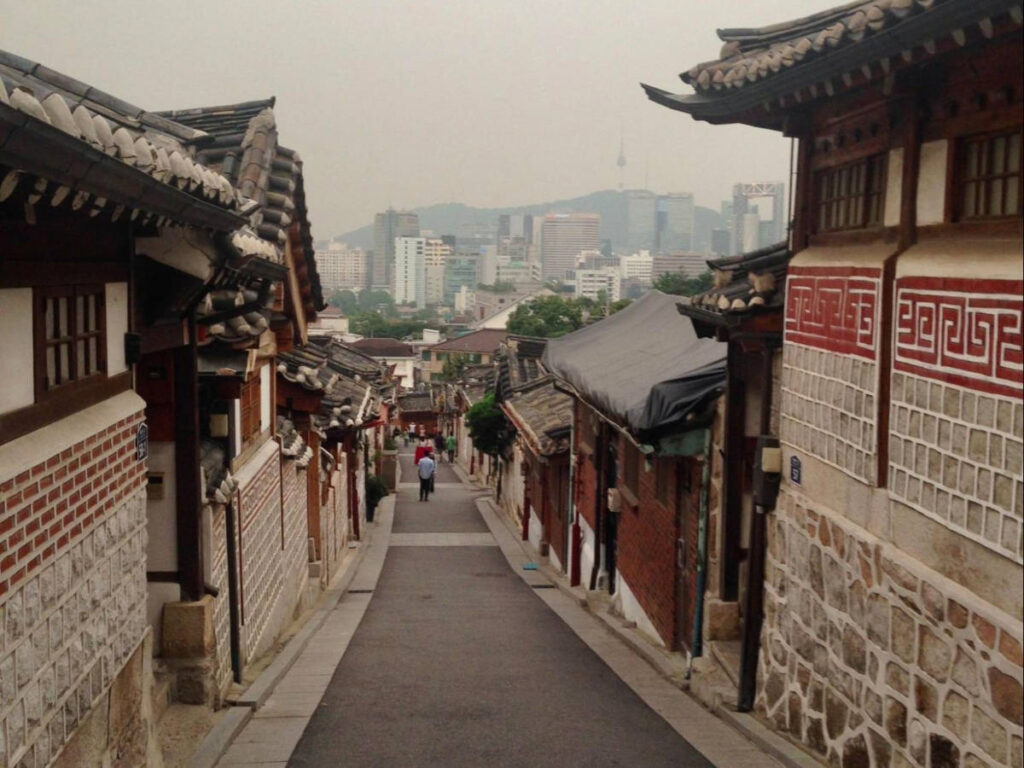
Bukchon Hanok Village is a traditional neighbourhood located near Gyeongbokgung Palace. These streets lined with hanok (traditional Korean houses) are the best place to admire traditional Korean architecture.
Since the neighbourhood is residential, it’s not possible to enter the houses themselves. If you want to see the inside of a traditional hanok you can enter Baek In Jae house, a hanok that belonged to a surgeon in the 1920s that has now become a small museum. It’s free to enter and gives you a great insight into hanok’s interior design.
There are also traditional teashops in the neighbourhood, allowing you to fully immerse in Korean culture while you take a break from walking (the neighbourhood is a bit steep). For the best views without crowds, head over early in the morning and avoid weekends.
Lastly, please remember to be a good tourist while there and keep your voice down for the residents!
Deoksugung Palace
Experience a unique blend of Korean and Western architecture at this royal palace.
📍 Google Maps | Phone: (+82) 02-771-9951 | Website | Hours: 9:00 am – 9:00 pm daily, Closed Mondays | Entrance: ₩1000 ($0.50) adults aged 19-64, free for under 19, 65+ and hanbok wearers
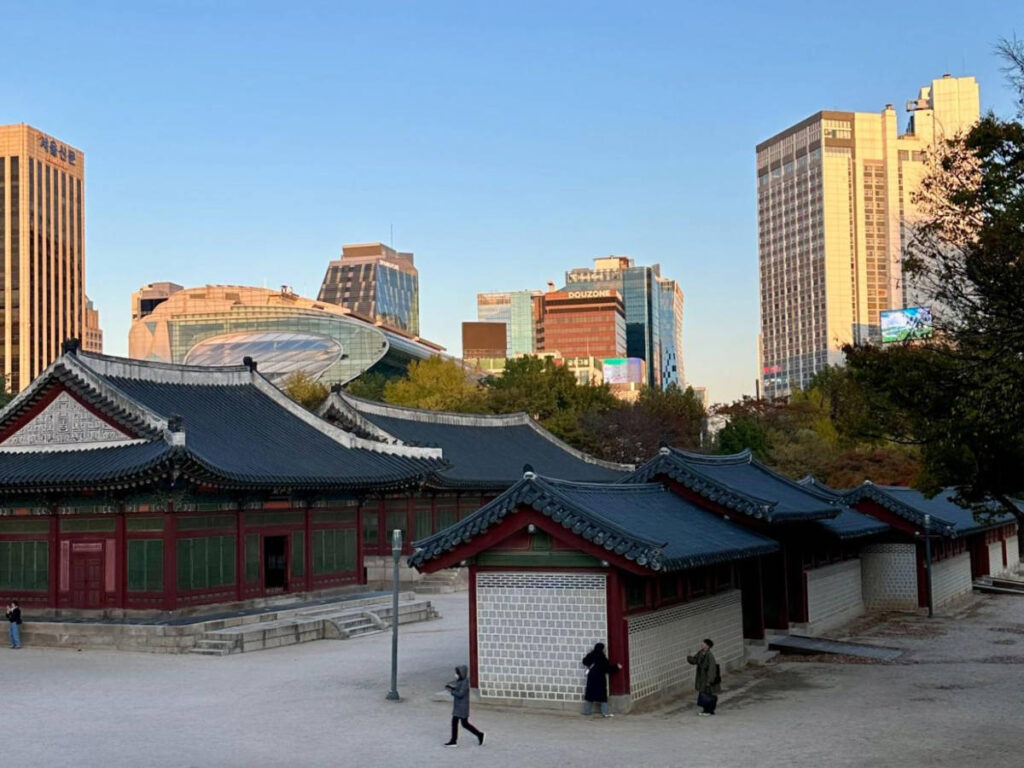
Deoksungung is my favorite palace in Seoul and I recommend it as your next palace visit after Gyeongbokgung. It offers a blend of Korean and Western architecture, with Seokjojeon Hall built in a neoclassical style to reflect Korea’s evolving diplomatic relations with the West at the time.
A stroll through Deoksugung’s courtyards is especially beautiful in the dark. It’s the palace that stays open the latest so you can experience its historical atmosphere at night.
As you leave, take a walk along the Deoksugung Stonewall Walkway. There’s a local legend that couples that walk along this road are destined to break up. But it’s just a fun myth and these days, it’s actually a romantic spot for a date! I also highly recommend the Belgium waffle stand at the entrance to the palace (I’ll admit I’ve visited before just for the waffles!).
Changdeokgung & Changgyeonggung Palace
Enjoy two palaces at once and gorgeous spring flowers in the secret garden.
📍 Google Maps | Phone: (+82) 2-3668-2300 | Website | Hours: 9:00 am – 6:00 pm daily, Closed Mondays | Entrance: Changdeokgung ₩3000 ($2) adults aged 19-64 and hanbok wearers, Changgyeonggung ₩1000 ($0.50) adults aged 19-64, free for under 19, 65+ and hanbok wearers
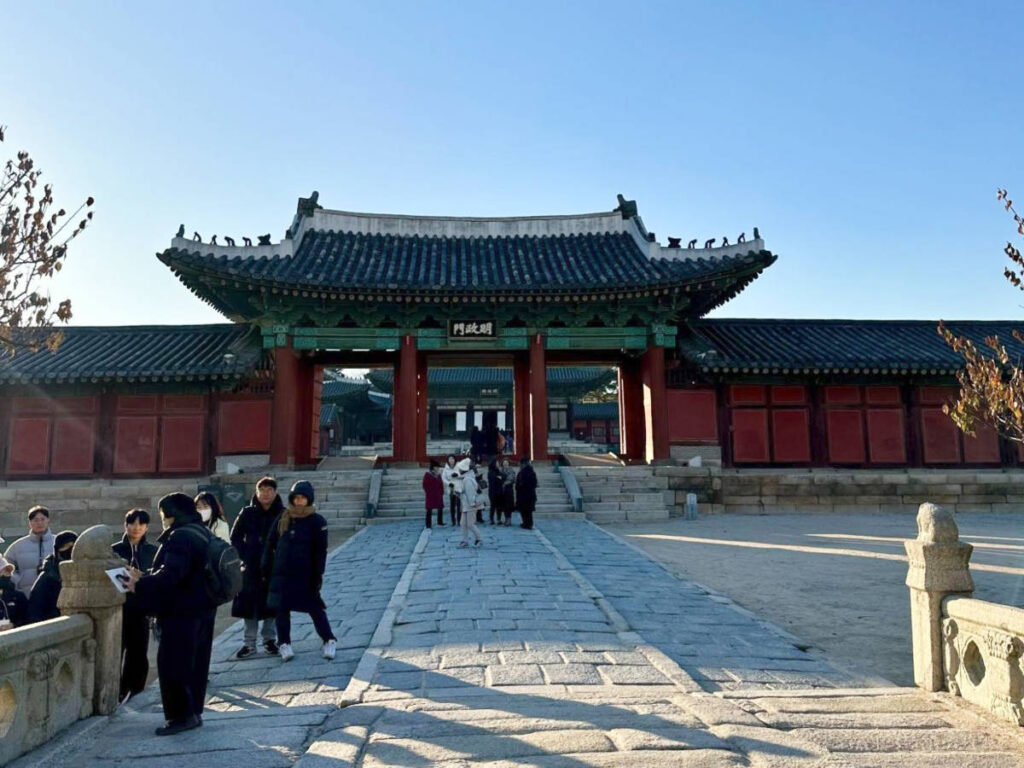
These two palaces sit side by side and the two are connected, making it easy to visit both at once. The biggest draw of these palaces is the Huwon Secret Garden, a large landscaped garden that used to be exclusive to royalty. It’s only accessible by guided tour so make sure to book a slot on the website ahead of time.
Aside from the garden, I personally find these two palaces the best to visit if you’re looking for a peaceful walk. They tend to be less congested with tourists and still offer beautiful architecture and scenery as well as having their own interesting history.
If you’re a fan of Korean history or want somewhere with a traditional vibe to take a walk and some pictures, these palaces are for you.
Gyeonghuigung Palace & Retro Village
Explore Seoul’s smallest palace and take a trip back in time at the Retro Village.
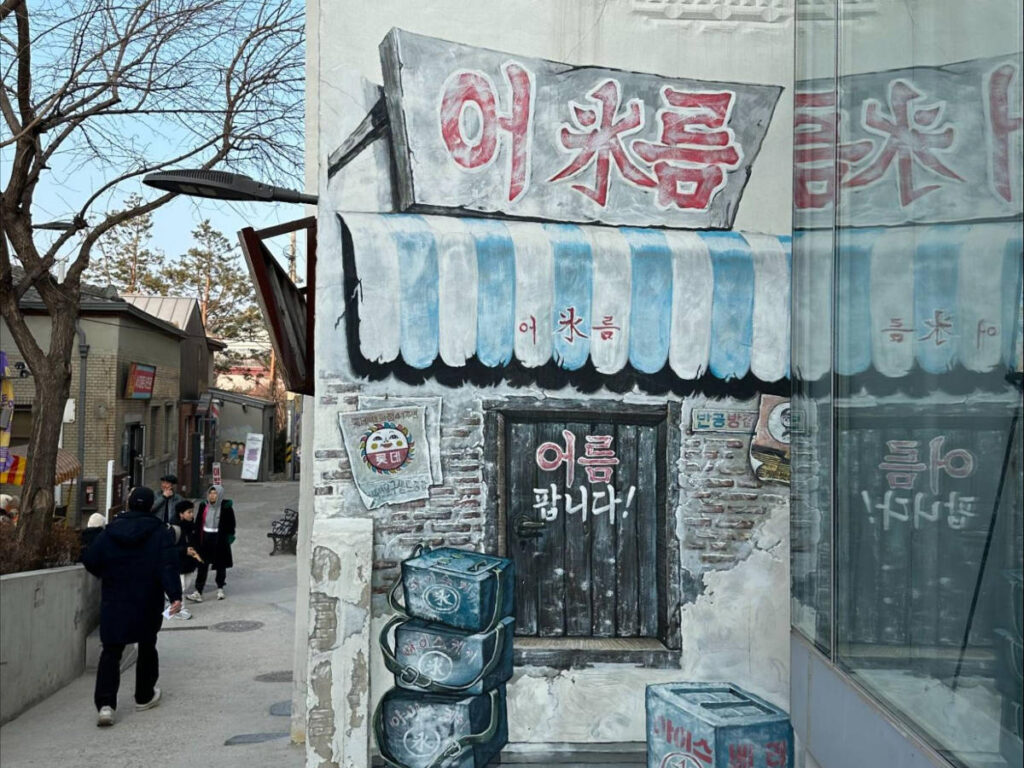
📍 Google Maps | Phone: (+82) 2-724-0274 | Website | Hours: 9:00 am – 6:00 pm daily, Closed Mondays | Entrance: free
The last of the Seoul palaces (because yes, they are all worth a visit!) is Gyeonghuigung, the smallest palace. Although most of the original palace has been lost over time, it’s been carefully reconstructed. Now, visitors can experience what the palace would have looked like in its full glory.
But my favorite part of visiting this palace is combining it with a walk along Gyeonghuigung Retro Street. This nostalgic alleyway is a reconstruction of a typical street in Seoul during the 1970s and 1980s. Vintage storefronts, retro arcade games, and even an old photobooth mean there’s so much to do here and you’ll really feel like you’ve been transported back in time.
There’s also a restaurant here serving retro doshirak (Korean tin lunchbox) meals to keep you fully immersed. It’s the perfect place to combine a love of history with photo opportunities and great fun for all ages.
Gwangjang Market
Go on the ultimate Korean culinary adventure at this famous food market.
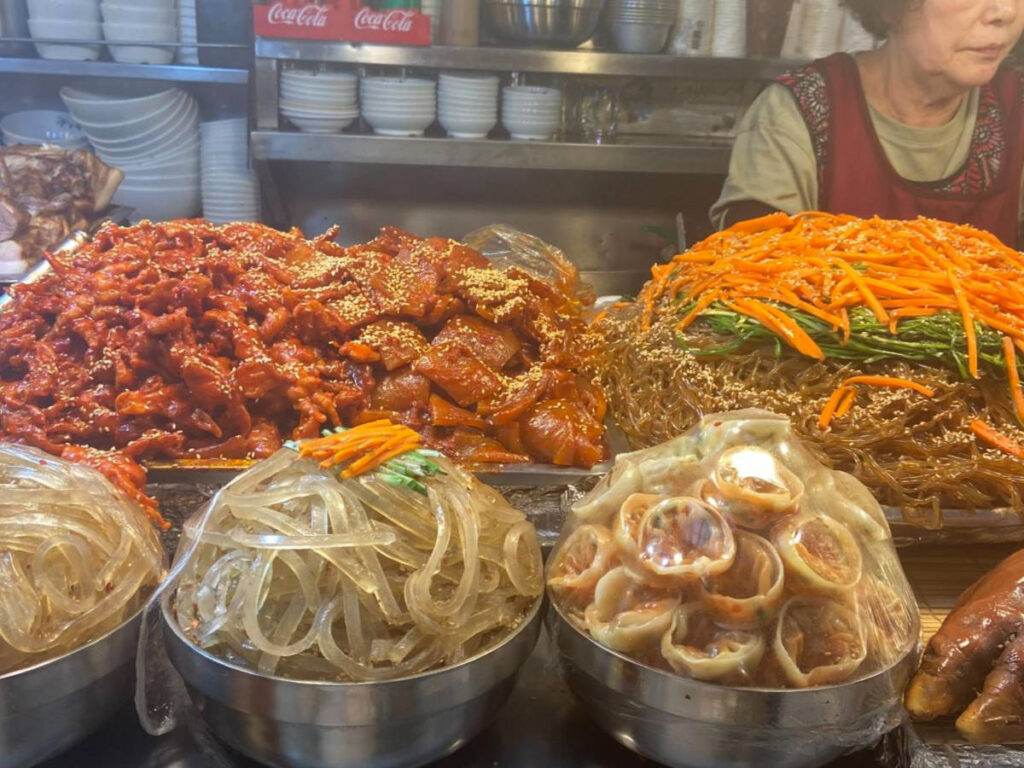
📍 Google Maps | Phone: (+82) 2-2267-0291 | Website | Hours: 9:00 am – 10:30 pm daily
One of the best ways to learn about another culture is through its food, and Gwangjang Market is absolutely the place to go for that. As the oldest traditional market in Seoul (dating back to 1905), travellers can get a true sense of Korean market culture by eating at food stands while traditional foods are prepared right in front of them.
There are so many foods to try here. Mungbean pancakes, mini kimbaps, and japchae (stir fried glass noodles) are some stand-outs, although the fresh dumplings are my absolute favorite. It can get quite crowded but the food is absolutely worth it. And if you order politely in Korean, you may even receive ‘service’ (some free extra food, on the house).
Jongmyo Shrine
Visit one of the oldest and most significant UNESCO World Heritage Sites in Seoul.
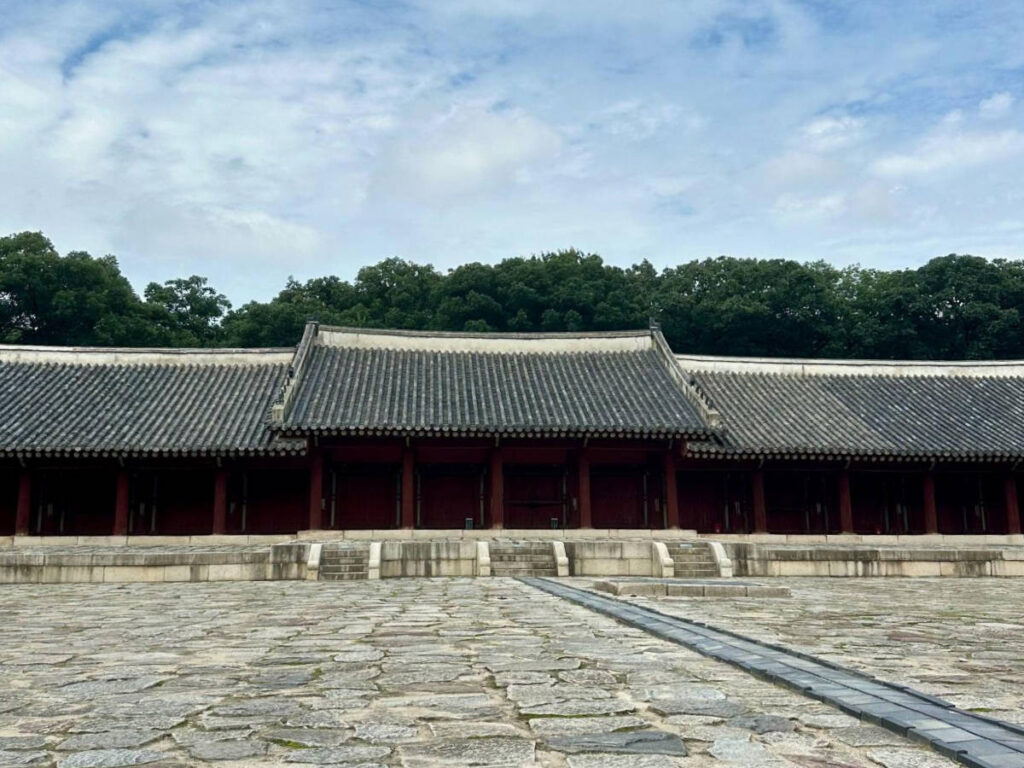
📍 Google Maps | Phone: (+82) 2-765-0195 | Website | Hours: 9:00 am – 4:30 pm daily, Closed Tuesdays | ₩1000 ($0.50) adults aged 19-64, free for under 19, 65+ and hanbok wearers
Jongmyo Shrine is a historical Confusian shrine dedicated to the royals of the Joseon dynasty. It was built in 1394, making it one of Seoul’s oldest remaining historical structures, and a UNESCO World Heritage Site.
Take a wander through the wide courtyards alone or join a guided tour to learn more about the shrine’s role in Korean royal history and the sacred rituals performed here. Just like the palaces, there is free entry on the last Wednesday of every month (Culture Day).
Bongeunsa Temple
Visit a tranquil Buddhist temple surrounded by a vibrant cityscape.
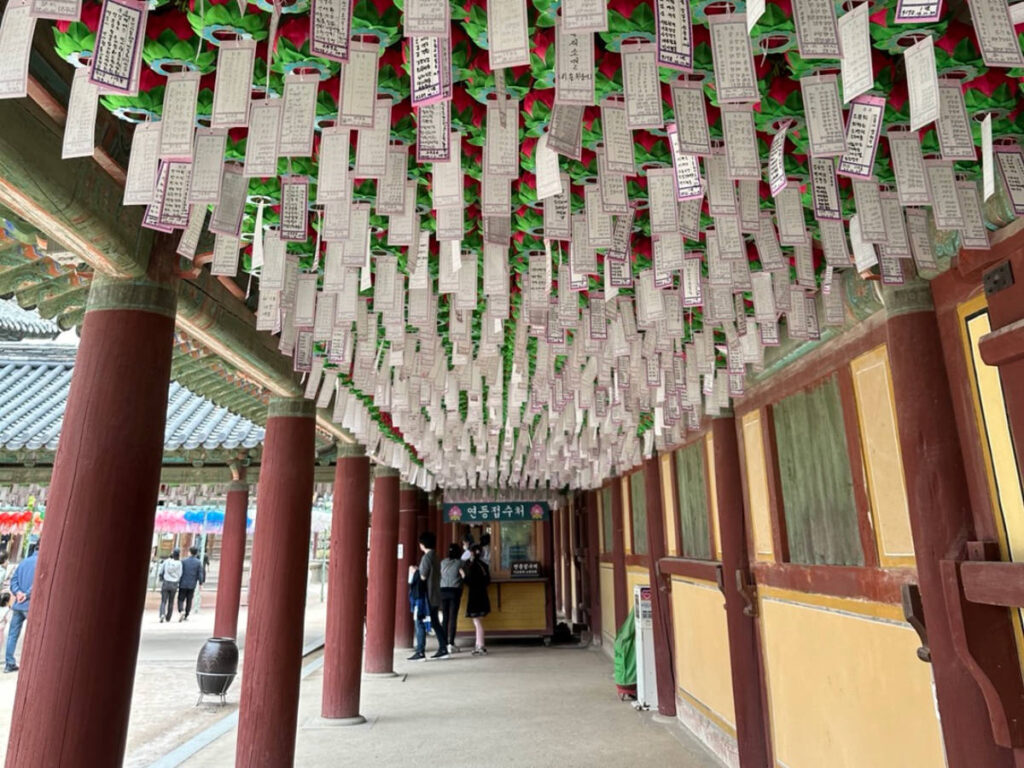
📍 Google Maps | Phone: (+82) 2-3218-4801 | Hours: 5:00 am – 10:00 pm daily
Bongeunsa Temple is a Buddhist temple located in Gangnam, making it easily accessible to first-timers in Seoul. It features ornate halls, courtyards, and pagodas that are extra amazing when adorned with lanterns during Buddha’s Birthday (typically celebrated sometime between late-May and early-June).
Visitors can even take part in a temple stay, where they can learn Buddhist practices such as tea ceremony and meditation. It’s an ideal location for travellers wanting cultural experiences and a better understanding of Korea’s religious history.
While there isn’t an enforced dresscode, make sure to keep your shoulders and chest covered and remove your shoes when entering temple buildings.
Gwanghwamun Square
This square in central Seoul offers some of the most well-known Seoul landmarks.
📍 Google Maps | Website
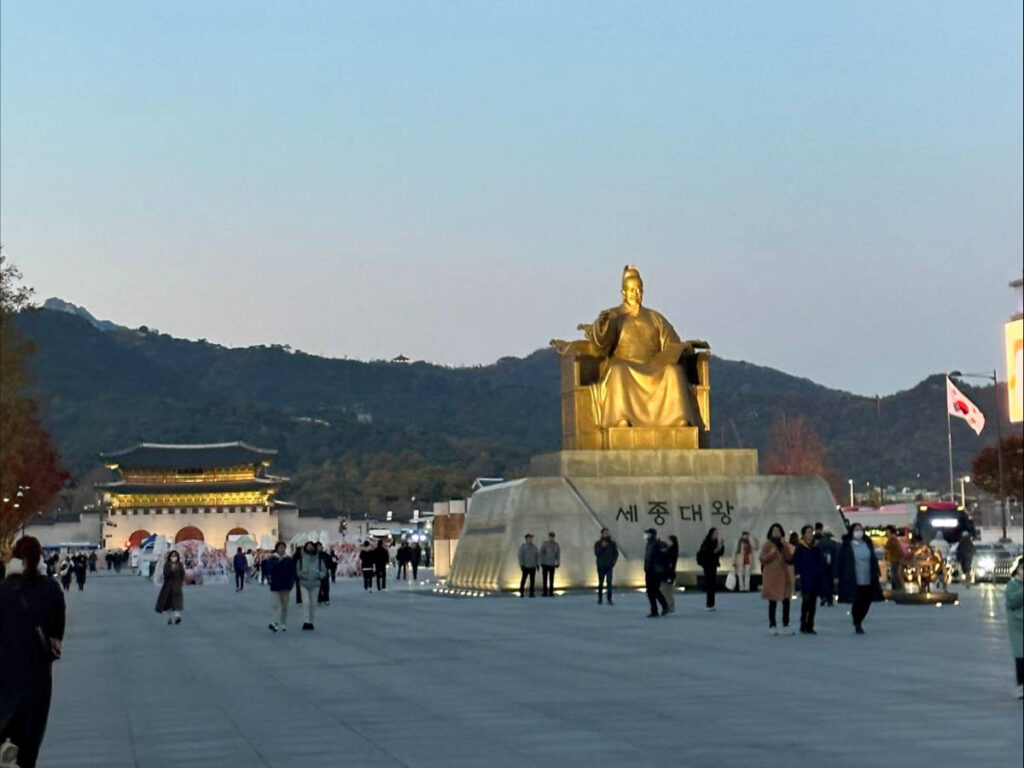
A visit to Gwanghwamun is a must if you’re visiting the nearby Gyeongbokgung Palace or Cheonggyecheon Stream. You can find the Gwanghwamun Gate, the original entrance to the palace, which is an iconic Seoul landmark.
There’s also the statue of King Sejong. He is the most beloved monarch in Korean history, known for inventing the Hangul alphabet as well as a monument to Yi Sun-shin, a legendary military leader. If you’re somebody who enjoys seeing monuments and landmarks, this is the place to go.
Gwanghwamun Square also hosts a variety of events. This includes parades and ceremonies for national holidays, festivals such as Christmas markets, New Year performances, and temporary art exhibitions.
It’s also home to the Sejong Center for the Performing Arts, a major venue for plays, musicals, and traditional performances. So, why not catch a show while you’re there?
National Museum of Korea
Discover Korean and Asian history at the largest museum in the country.
📍 Google Maps | Phone: (+82) 2-2077-9000 | Website | Hours: 10:00 am – 6:00 pm Mon/Tues/Thurs/Fri/Sat, 10:00 am – 9:00 pm Wed/Sun | Entrance: free, special exhibits charged separately
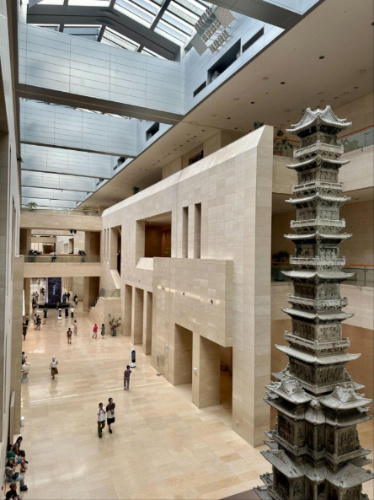
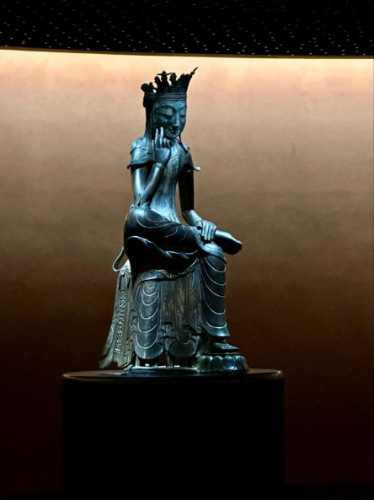
You have to visit the National Museum of Korea if history is your thing. Exhibits take you on a journey through Korean history, as well as that of neighbouring countries such as China and Japan.
The enormous galleries, outdoor sculpture garden, and rotating special exhibits make it fun for all ages. And best of all, the admission to the permanent exhibitions is free, making it a perfect culture-filled day on a budget.
The limited nearby cafes and rest areas can get pretty busy even on a weekday, so my advice is to eat lunch elsewhere and then spend a leisurely afternoon in the museum; although the traditional cafe is worth trying if you can grab a seat!
Shopping in Seoul
Myeongdong
Visit the most famous shopping district in Seoul, offering the best discounts to travellers.
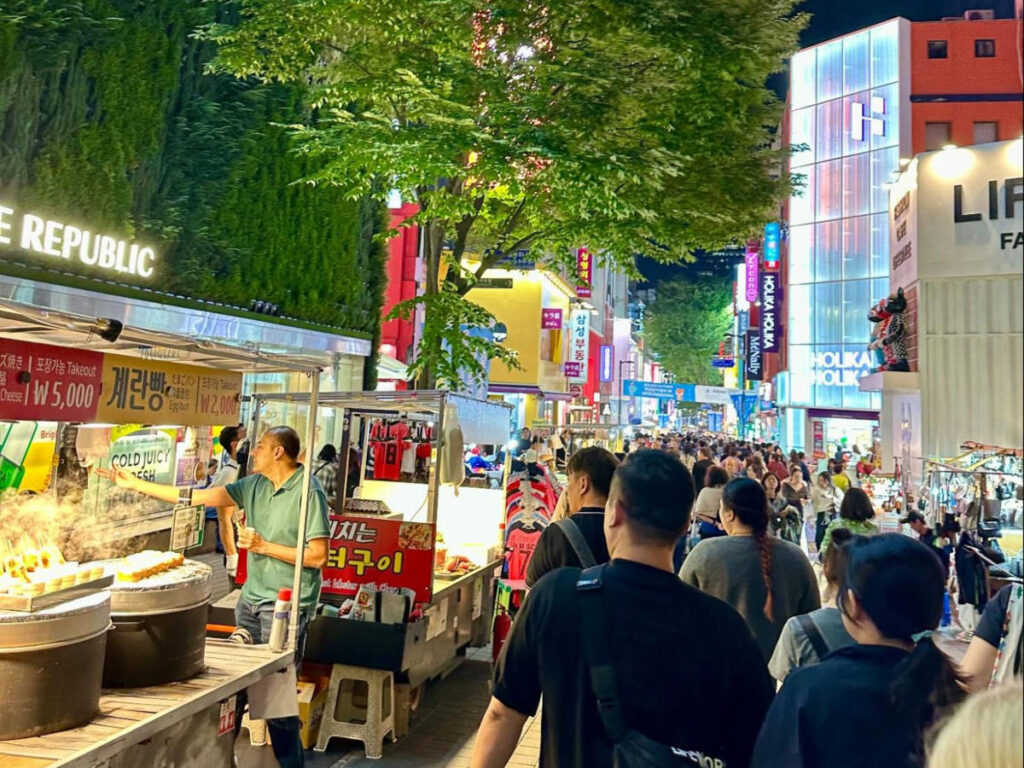
Myeongdong is the most famous shopping neighbourhood in Seoul. Located just north of Namsan Mountain, it’s the spot for all things Korean fashion, beauty, and pop culture. You’ll often find the most popular brands offering massive discounts for large purchases (such as buy 20, get 20 free on sheet masks).
This is the perfect place to visit if you are new to Seoul, as all shop workers tend to speak multiple languages including English. You can also receive tax-free discounts on your shopping here, just show your passport at the checkout.
If you’re in need of souvenirs, or just want to do a haul of fashion and cosmetic goods, Myeongdong is the perfect place. There are also plenty of stalls selling affordable suitcases in case you go overboard with your shopping!
Hongdae Shopping Street
Shop all the latest Korean fashion trends at Hongdae Shopping Street.
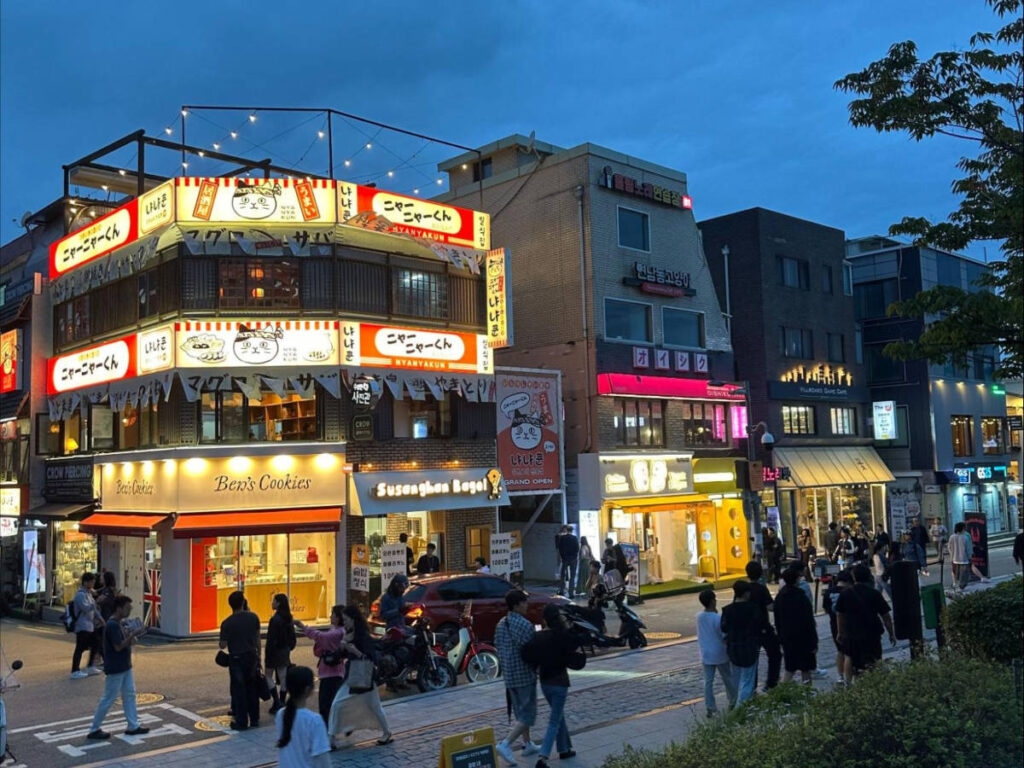
This street in Hongdae, Seoul’s creative university area, is the number one place to discover all things Korean fashion. Shop for all the latest trends and don’t forget to bring cash as you can often get a discount.
My advice is to walk the entire street before you buy anything. Something you like the look of might be sold for cheaper further down the street. There are also street food stands to try if you get hungry while shopping! If you want to shop Korean fashion for a cheap price, this is the place to go.
Seongsu
Discover ever-changing pop-up stores and popular brands in this trendy and industrial Seoul neighbourhood.
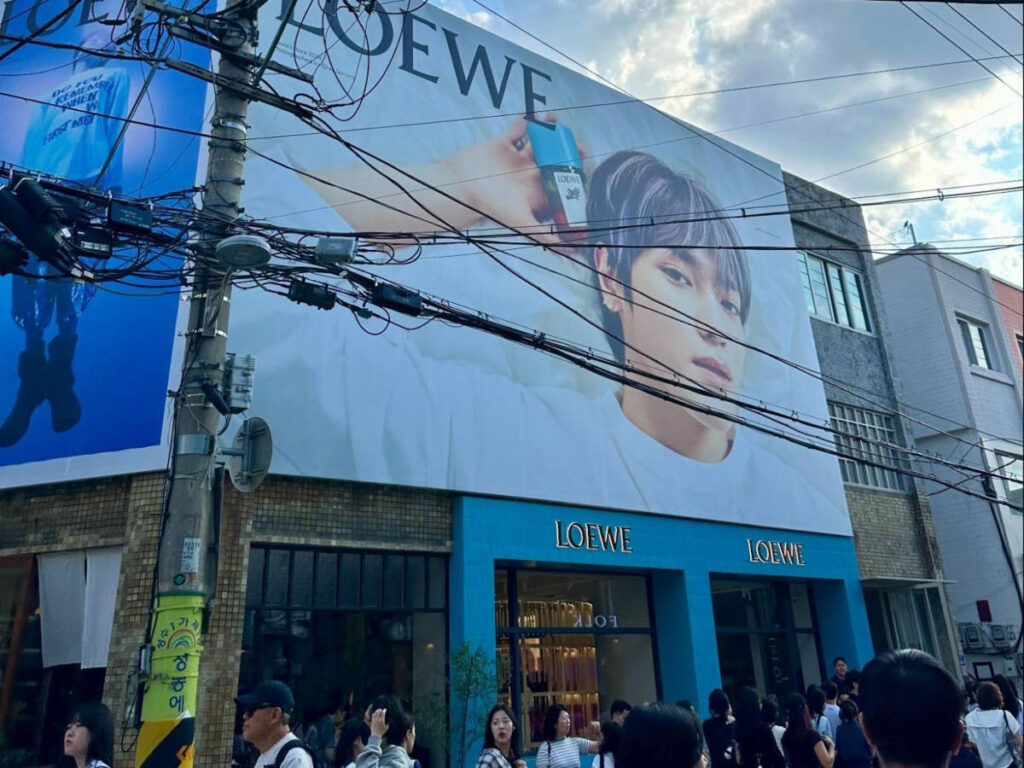
Seongsu is nicknamed “The Brooklyn of Seoul” and is known for its ever-changing rotation of pop-up stores. These stores often have fun promotional events where you can win prizes or receive large discounts, so it’s a lot of fun whether you’re a brand fanatic or not.
Seongsu is the flagship store hub of Seoul, including popular Korean brands such as Blue Elephant, Stand Oil, and Hince as well as global brands such as Adidas Originals and Dior. You can also find the biggest Olive Young in Seoul for all your cosmetic, skincare, and K-beauty needs.
This industrial neighbourhood is one of my favorite places to window-shop because it’s always evolving. If you’re somebody who wants to keep up with current trends in Seoul, Seongsu is the place to go.
Hannam
Shop trending and designer brands in the upscale neighbourhood of Hannam.
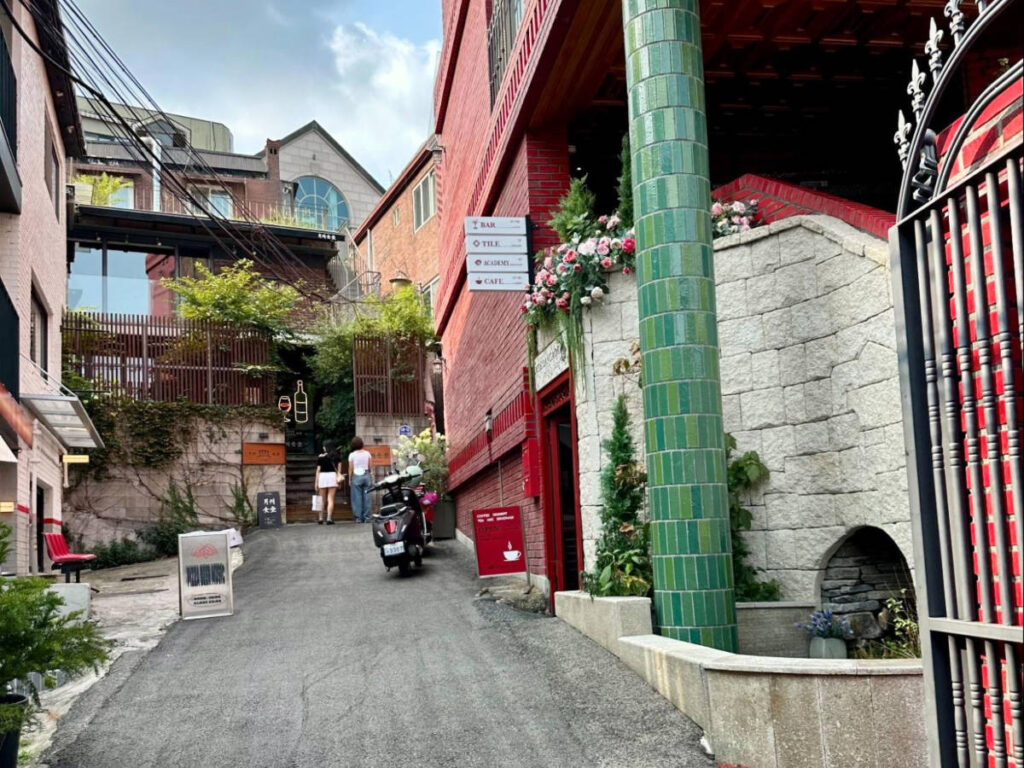
The Hannam neighbourhood is a stylish area known for its boutiques, designer stores, and trendy cafes. It’s a perfect spot for avid shoppers and fashion lovers who want something more unique than another mall to visit.
What makes Hannam enjoyable is its relaxed vibe as well as the many fashion and lifestyle stores. It’s actually one of my favorite areas to visit in the rain or on a miserable day as the grey skies seem to make this neighbourhood even more atmospheric.
It’s only a short walk from the Itaewon area, making them both an ideal combo for a day in Seoul. Don’t forget to pop into the unique cafes here in between shopping for some good coffee and an aesthetic place to rest.
Gangnam Shopping Street
Visit this main street in Gangnam for a taste of modern Korean shopping culture.
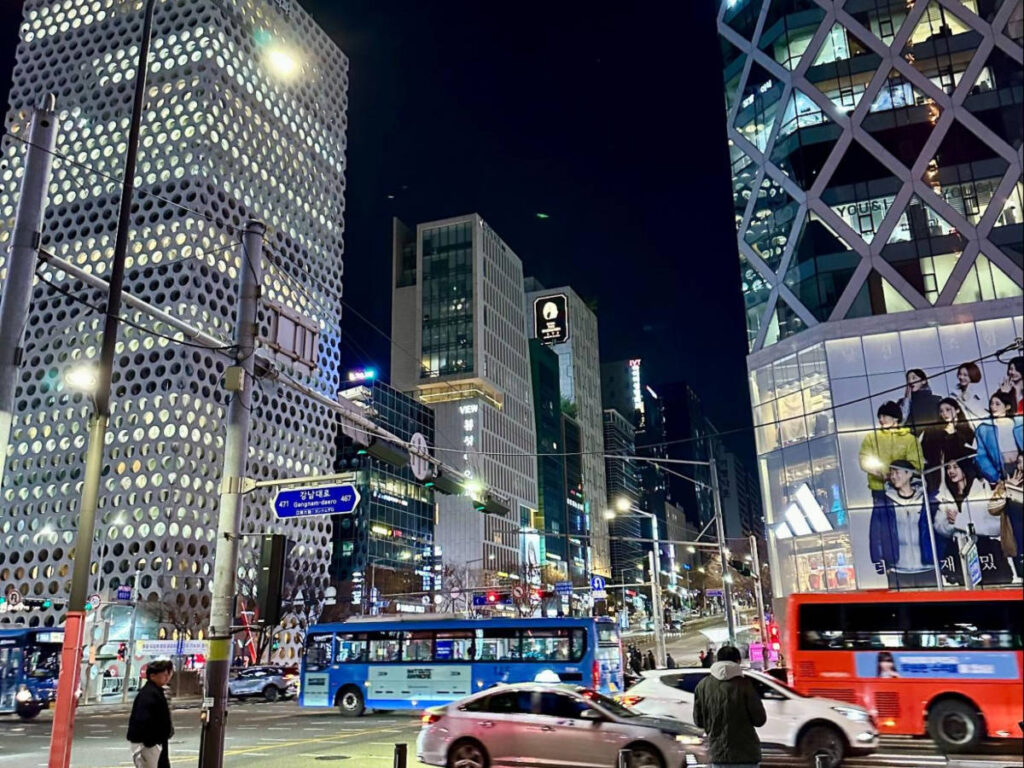
Gangnam Shopping Street is one of the busiest shopping areas in southern Seoul. Discover global brands, designer stores, quirky Korean fashion boutiques, and cosmetic shops in a street lined with skyscrapers.
The area truly comes alive at night when the street lights up with neon signage and huge LED screens. You can also go shopping for affordable fashion and accessories in Gangnam Station underground mall, a huge hit with students and travellers on a budget.
Gangnam Shopping Street is perfect for anybody wanting to explore Seoul’s modern side.
Visit a Shopping Mall
Mall culture is alive and well in Seoul – perfect for shopping on a rainy day!
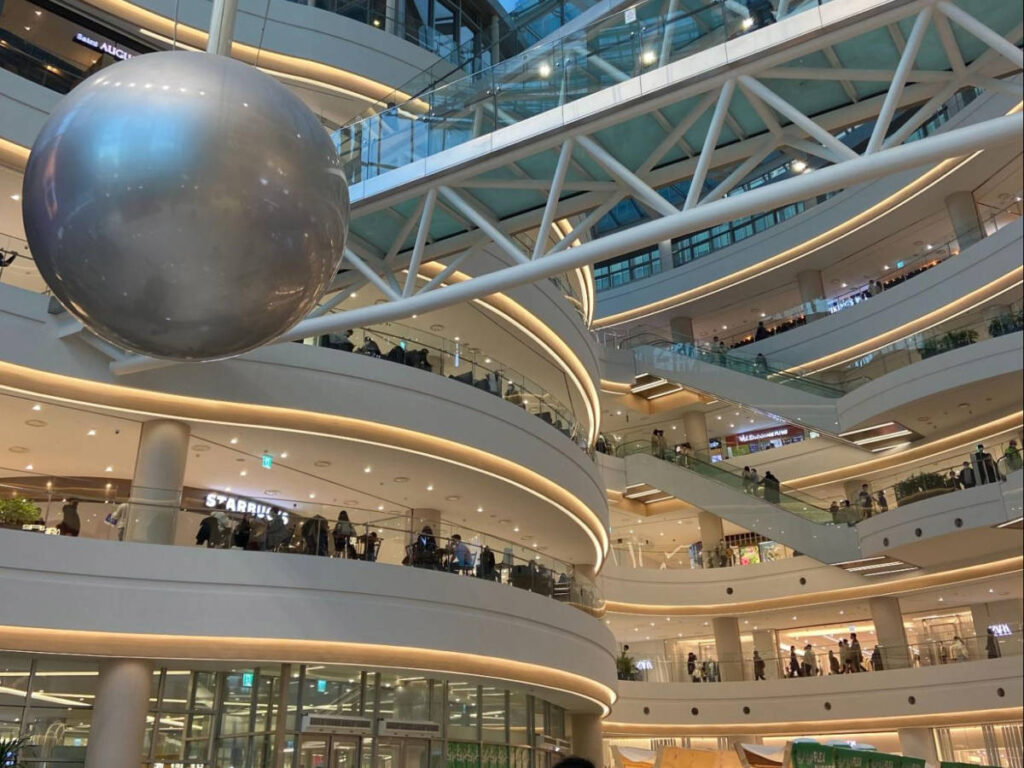
If you’re looking for indoor shopping, a visit to one of Seoul’s many shopping malls is ideal. Each has its own unique qualities so there’s really a mall for any kind of traveller.
COEX Mall is one of the largest underground malls in Asia, known for its stunning library, while Lotte World Mall offers luxury brands, and high-end dining. Yeouido’s IFC Mall and Times Square are both ultra modern, while an array of malls in Dongdaemun offer late-night shopping, with closing times not until 4am.
For something more unique, check out Common Ground, a retail space constructed from stacked shipping containers in the student-centric Kondae area, while AK Plaza in Hongdae is the place to go for all things K-pop, anime, and youth culture.
Express Bus Terminal & Goto Underground Mall
Grab a deal at the best underground shopping market in Seoul.
📍 Google Maps | Hours: 9:00 am – 10:00 pm daily
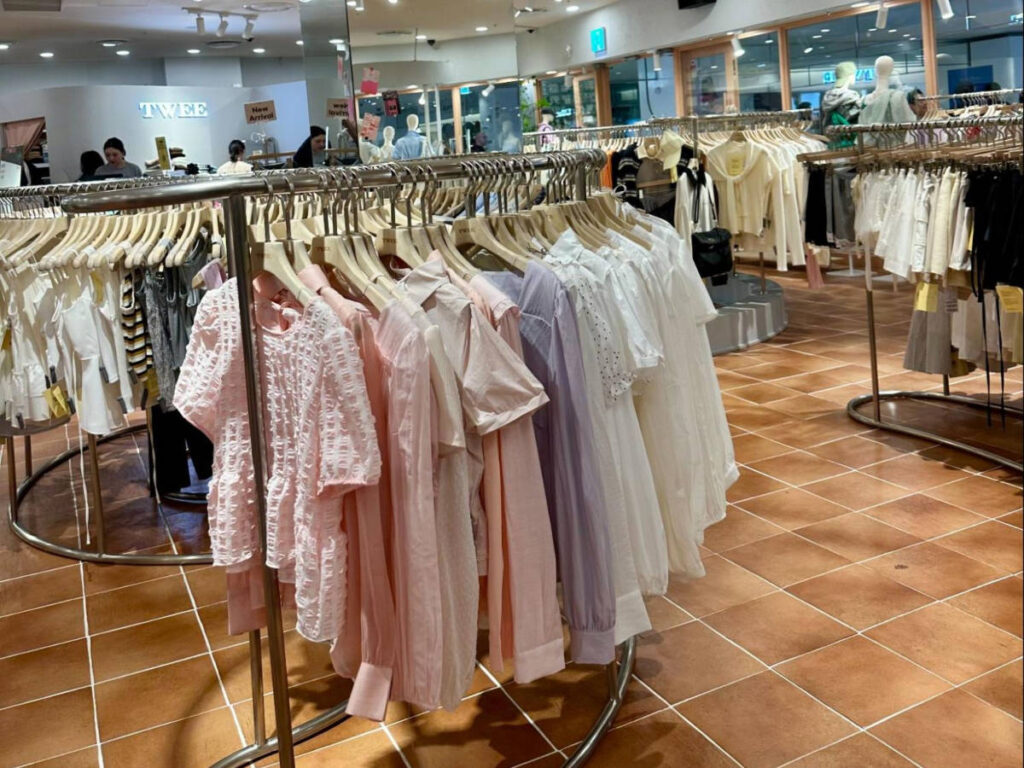
After just a short time in Seoul, you’ll soon notice the culture of ‘subway shopping’ aka affordable fashion or accessory stalls located in underground subway stations so commuters can shop during their travels.
Express Bus Terminal’s Goto Underground Mall takes subway shopping to the extreme. This underground mall is packed with small, affordable boutiques. If you’re looking for the best deals, you can spend hours here.
Take my advice and don’t buy from the first stalls you come across, as these tend to be the most expensive. And you can often find the same item or similar further along for a better price.
The Express Bus Terminal is also attached to larger, more upscale malls like the Shinsegae Department Store, giving you a range of shopping experiences in one location. If you’re travelling outside of Seoul, take a bus from this station and combine your travels with a day of bargain-hunting.
Food and Drink in Seoul
K-BBQ
Try authentic Korean-style BBQ.
📍 Google Maps | Phone: (+82) 010-4484-8750 | Website | Hours: 11:30 am – 10:00 pm daily, Closed Sundays
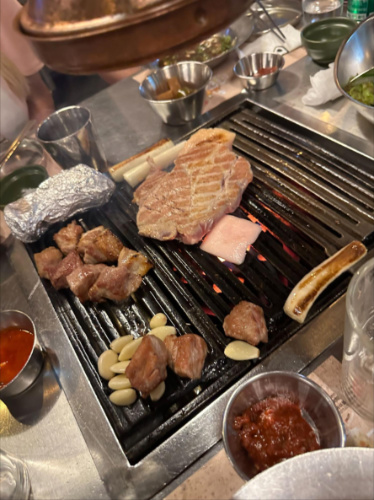
Korea has such a variety of incredible dishes that it was difficult for me to pick one to recommend first, but after careful deliberation, K-BBQ is definitely the winner.
Not only is K-BBQ a signature dish and a must-try while you’re in Seoul, it’s also a unique culinary experience highlighting the importance of eating together in Korean culture. Select your meat and cook it at the table, while enjoying a range of shared side dishes. It’s also a great meal to pair with beer or soju, Korea’s iconic spirit.
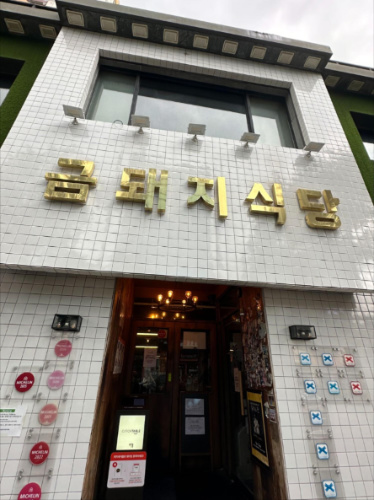
If you’re a foodie and want to try some of the best K-BBQ in Seoul, I recommend the Michelin Bib Gourmand awarded Golden Pig restaurant in Cheonggu – it doesn’t take reservations so arrive early to reduce wait times.
Myeongdong Street Food
Get your first taste of Korean street food in this central tourist spot.
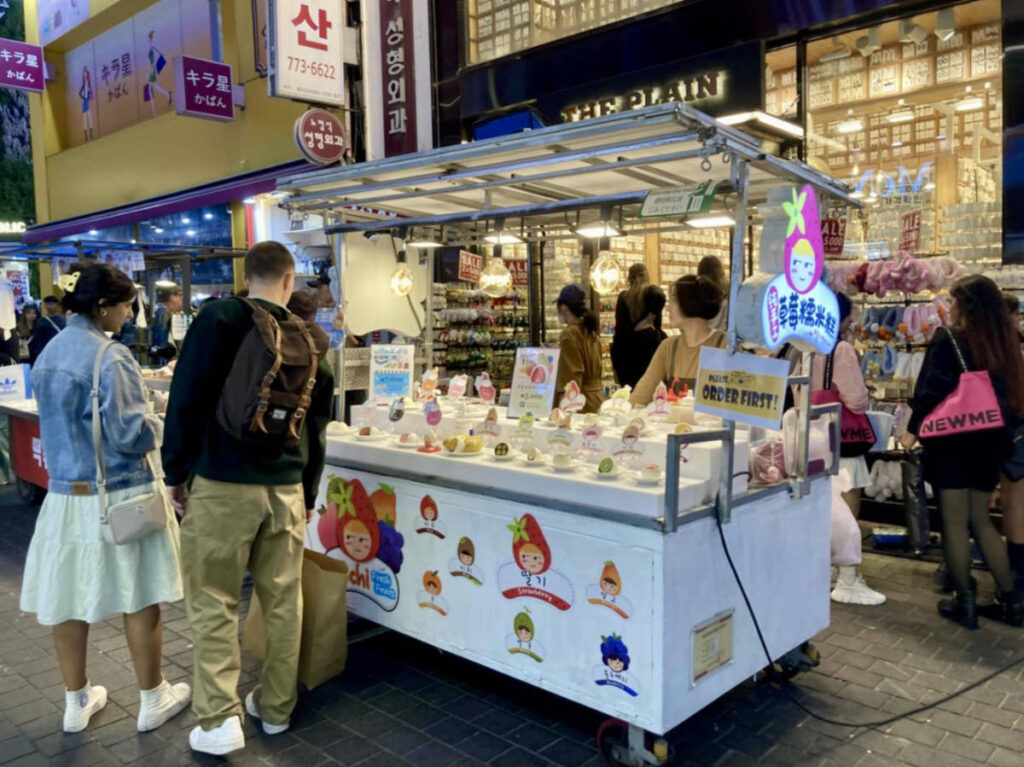
Myeongdong is the best place for most tourists to experience their first taste of Korean street food. There are an array of street food stalls showcasing classic dishes such as tteokbokki, mandu, and egg bread, as well as seasonal favorites like bunggeobang (fish-shaped red bean bread) in winter and fresh fruits in summer.
Remember to bring cash. Although, some stalls these days do take card payments. Street food can also be found in most tourist-heavy areas, food markets, and in many subway stations, so make sure to give it a try wherever you are in the city.
Explore Convenience Stores
Enjoy a range of unique snacks at a Korean convenience store.
📍 Various locations
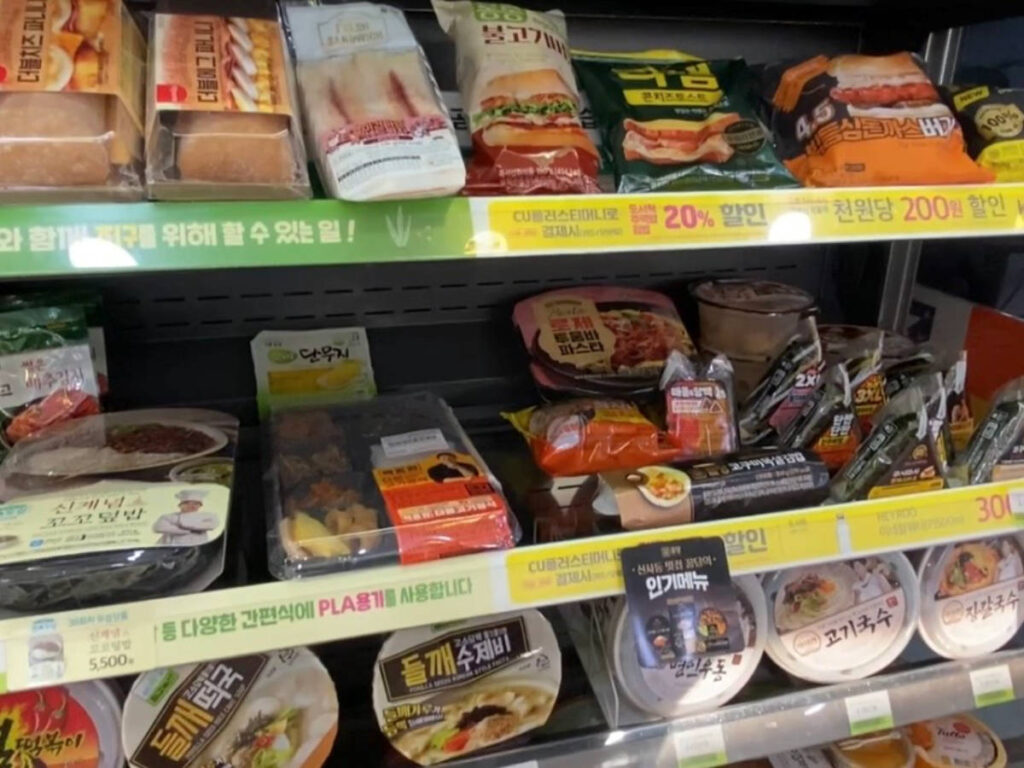
Korean convenience stores are on another level. Here, you can find a range of Korean snacks to try, as well as convenience meals such as instant ramen and kimbap. There’s so much to choose from that you could eat there every day of your trip and never get bored – and it’s perfect if you’re visiting Seoul on a budget.
You’ll find convenience stores like 7/11, CU, GS-25 and eMart on most major streets. They’re often open 24/7, especially in central Seoul, making them great for a midnight snack or a jet-lagged breakfast at 4 am.
Many large convenience stores have areas to make and eat food, too. There are so many convenience store food hacks online that I recommend looking it up and giving it a try. If I had to choose one, try a latte in an ice cup mixed with Korea’s iconic banana milk – you won’t regret it!
Jongno Pocha Street
Drink like a local at the number one street for Korean-style tent bars.
📍 Google Maps | Hours: 5:00 pm – 12:00 am daily
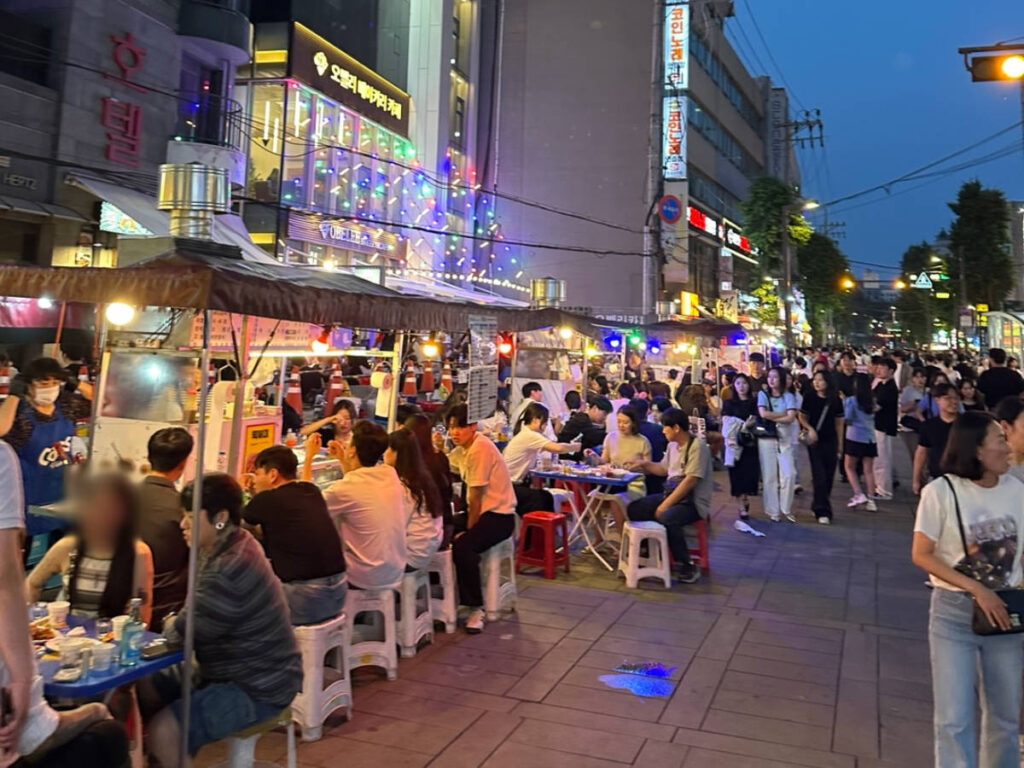
Another great place for a unique Korean dining/drinking experience in central Seoul is Jongno Pocha Street. Pochas are Korean-style street bars, where locals gather to drink in plastic tents or outside on the street while eating anju – dishes meant to be eaten with alcohol. It’s here you can try soju, makgeolli (Korean rice wine), or local beers paired with Korean dishes and bar snacks.
While the food can be more expensive than pochas elsewhere, Jongno Pocha Street is known for its vibrant atmosphere and is more easily accessible for travellers. It’s especially enjoyable on a warm summer evening, and perfect for travellers who want to enjoy more traditional nightlife in Seoul. Keep cash on hand just in case. But some pocha stands take cards these days.
Go Cafe-Hopping
Take part in a Seoul local’s favourite pastime in designated cafe neighbourhoods.
📍 Various Locations
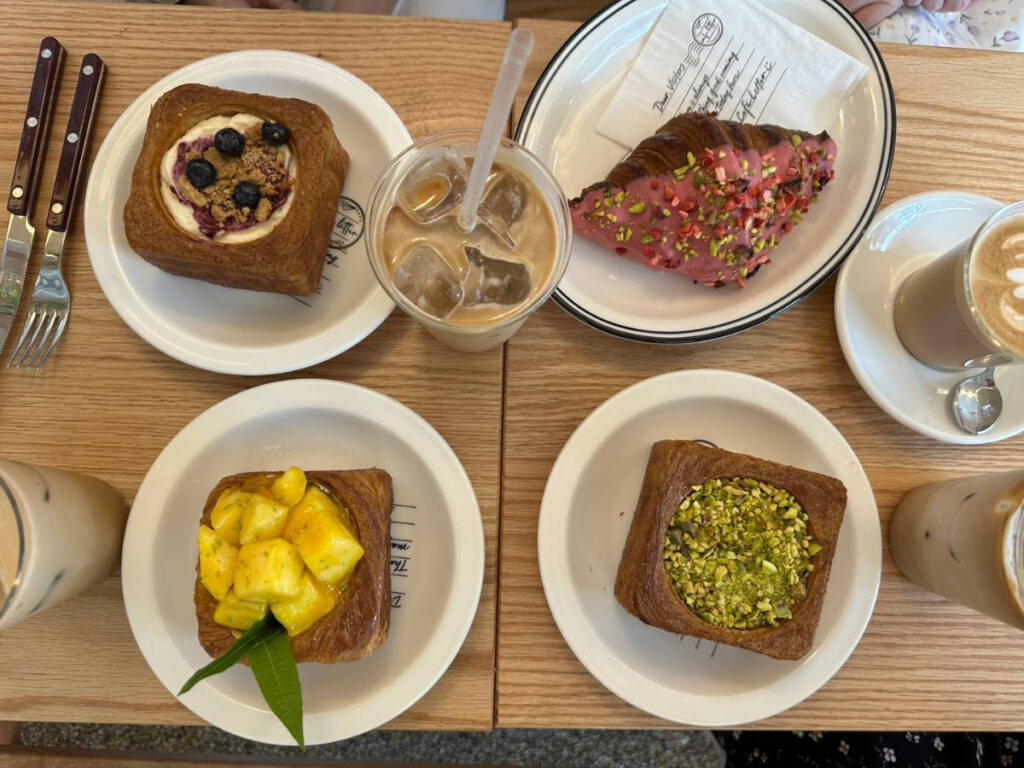
Cafe culture is huge in Seoul. You’ll find a cafe on almost every street in non-residential areas, and some streets are even dedicated to cafes, brunch places, and dessert shops. No matter your cafe style – whether you’re a coffee connoisseur, want aesthetic pictures for Instagram, or just need a cosy place to rest – there’s a cafe for you, and it will be nearby.
Almost all major tourist spots in Seoul have an array of cafes, but some of my favorite spots for cafe-hopping (thanks to the sheer number and variety of cafes) are Hapjeong, Mangwon, Mullae, Ikseondong, and Apgujeong.
Many cafes offer unique drinks such as green grape-ade, yuzu tea, sweet potato latte, and strawberry latte (made from milk and strawberry jam, no coffee involved). And just a heads up: garlic bread (a cafe staple) is sweet in Korea. Give it a try and see if you like it!
Eat at the Top-Rated Restaurants in Seoul
Try legendary dining that locals love without breaking the bank.
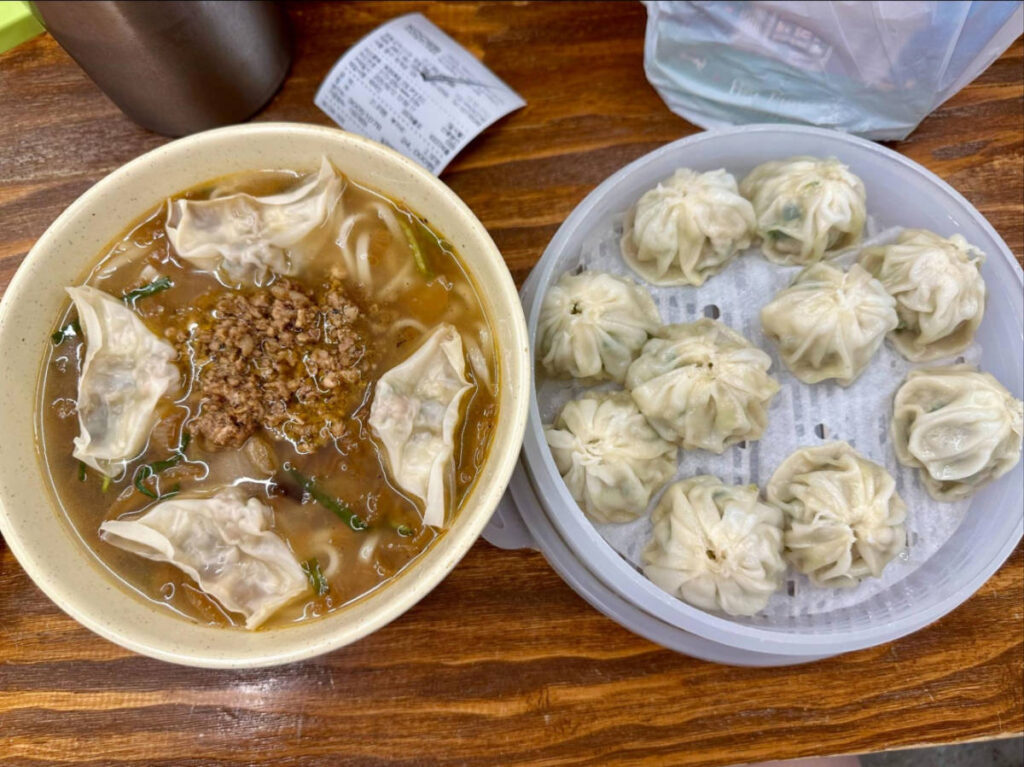
📍 Google Maps | Phone: (+82) 2-776-5348 | Website | Hours: 10:30 am – 9:00 pm daily
Seoul prides itself on its food scene, and there are a range of restaurants that have received Bib Gourmands from the Michelin Guide or Korea’s own version, a Blue Ribbon, making these some of the best restaurants for foodies in Seoul.
My number one recommendation is Myeongdong Kyoja; a Michelin Guide restaurant serving knife-cut noodles (kalguksu) and dumplings, and a favorite for locals and tourists alike (try the homemade kimchi, it’s incredible).
Another favorite is Itsumo Ramen in Hongdae, holding a Blue Ribbon since 2021 and serving some of the best Japanese Ramen I’ve had in Korea. Or try Imun Seolnongtang in Jongno, one of the oldest restaurants in Seoul, serving seolleongtang (ox-bone soup).
At Blue Ribbon restaurants, you’re guaranteed some of the best food in Seoul. Just be aware you may have to book in advance or queue for entry (but the incredible food will be worth it).
Jayeondo Sogeumbbang (Salt Bread) Bakery
Try this trendy Korean snack at Seongsu’s most famous bakery.
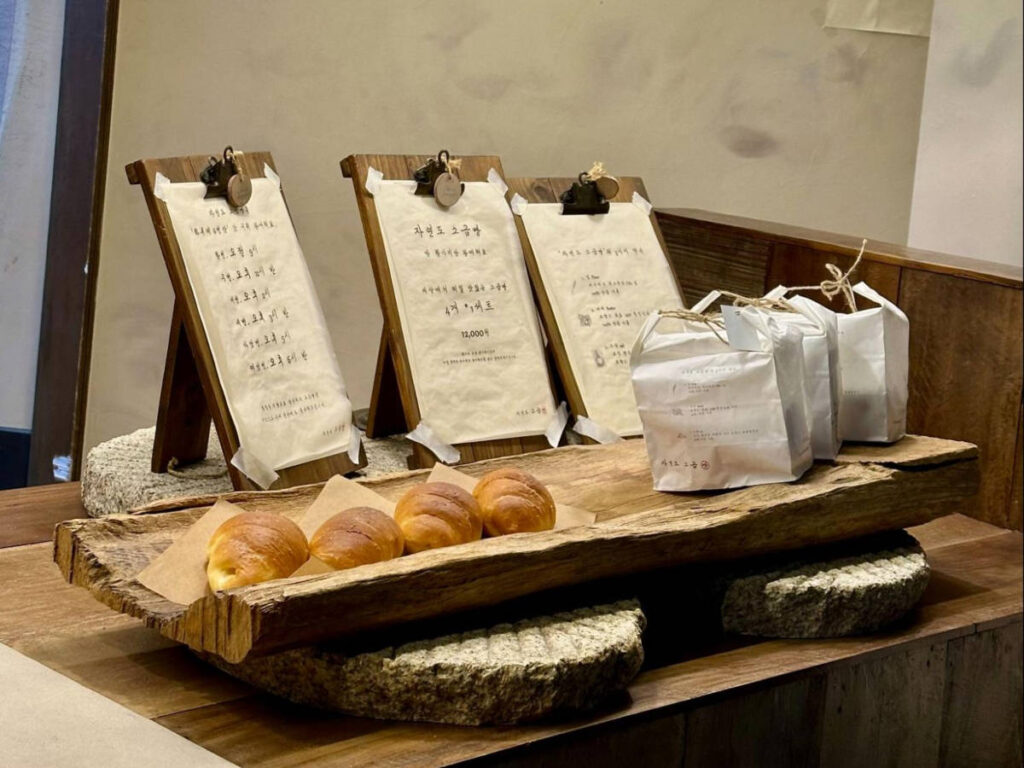
📍 Google Maps | Hours: 9:00 am – 10:00 pm daily
Salt bread is Seoul’s latest food obsession, and it all started here, at Jayeondo Sogeumbbang in Seongsu. Salt bread is a fluffy bread roll with a salty, buttery flavour that has become a favorite in Korea in recent years.
There are often long lines of locals and tourists waiting to buy from this famous bakery. It’s take-out only and sold in batches of four or more, making it a fun snack to share with friends as you explore the Seongsu neighbourhood.
Visit a Wine Bar
Try an alternative to soju and beer in some of Seoul’s trendiest neighbourhoods.
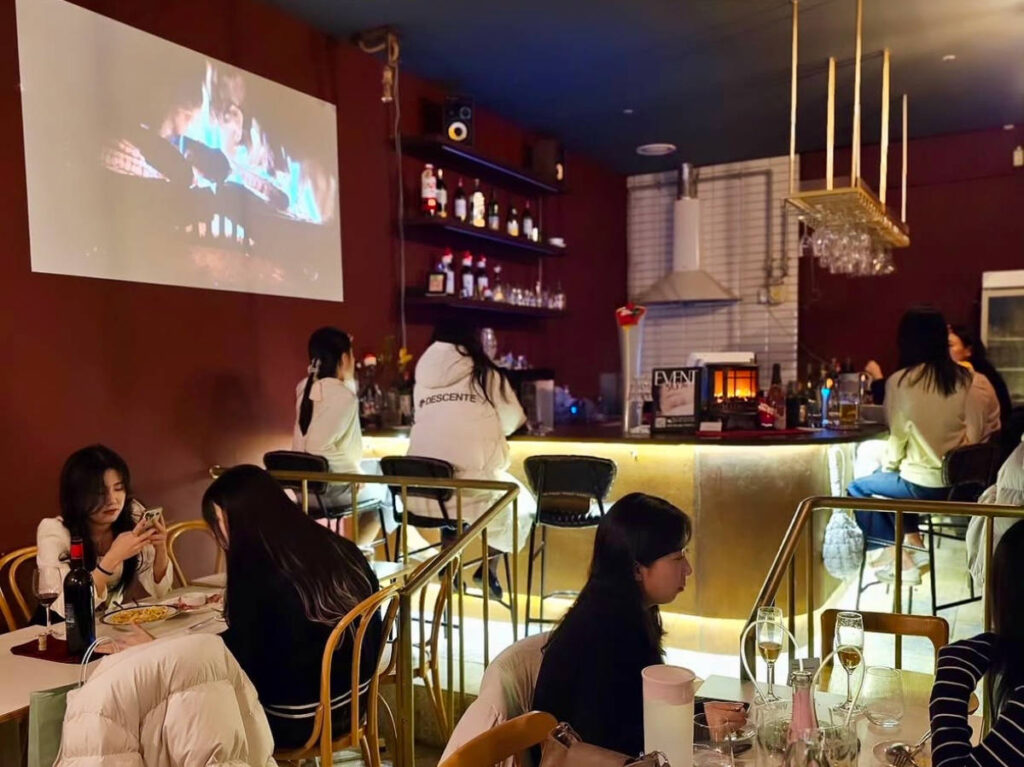
📍 Google Maps | Hours: 6:00 pm – 01:00 am daily, Closed Mondays
When people think of Seoul’s nightlife scene, they often think of soju and beer. But the wine bar scene is becoming more and more popular these days, especially in neighbourhoods like Itaewon, Euljiro, and Yeonnam.
These bars often serve Western-style dishes (as it’s customary to eat with alcohol in Korea) and can be a great place for a date or a casual drink with friends, making them incredibly versatile.
My favorite wine bar in Seoul has to be Sowol in Samgakji, just outside of Itaewon. Its sophisticated yet relaxed atmosphere, as well as its range of natural wines and beer on tap make it perfect for both a casual evening drink or a special occasion.
If you’re staying more central, Euljiro has become a hotspot for wine bars these days. My favorite is C’s Home. Its cosy and aesthetic interior makes it the perfect spot for drinks with friends.
Cafe Onion
Seoul’s trendiest cafe.
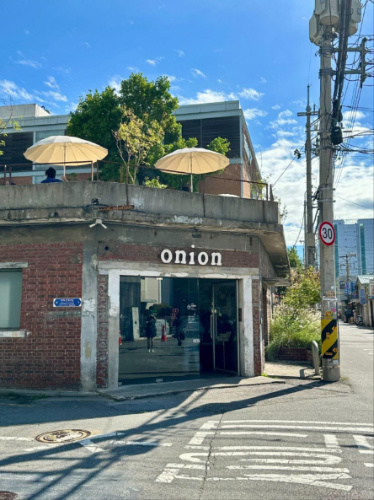
📍 Google Maps | Hours: 8:00 am – 10:00 pm daily
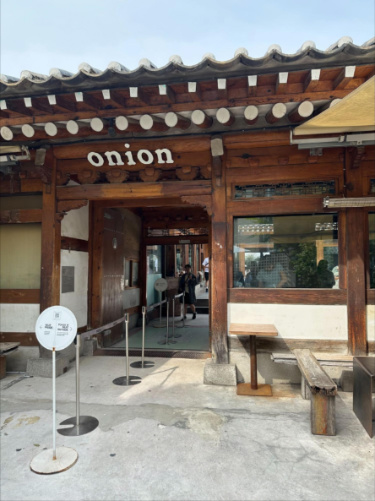
Cafe Onion is Seoul’s favorite independent cafe. It’s well known for its variety of amazing pastries and aesthetic theming. It also opens early at 8 am (7 am at the Anguk branch), which is a rarity in Seoul, so this is a great place to enjoy a coffee if you’re an early bird.
The original branch is located in Seongsu, converting a warehouse into a cafe and kickstarting the unique industrial cafe trend the area is known for. It has since expanded into Anguk (near Insadong) with traditional theming, so it feels like you’re dining inside the courtyard of a royal palace. And most recently, a third branch has opened in Gwangjang Market, a small cafe themed in a hanok style.
If you are only going to visit one cafe on your trip to Seoul, make it this one.
Seoul Nature Attractions
Bukhansan National Park
Escape the city and enjoy nature at Seoul’s #1 hiking spot.
📍 Google Maps | Hours: 4:00 am – 5:00 pm daily
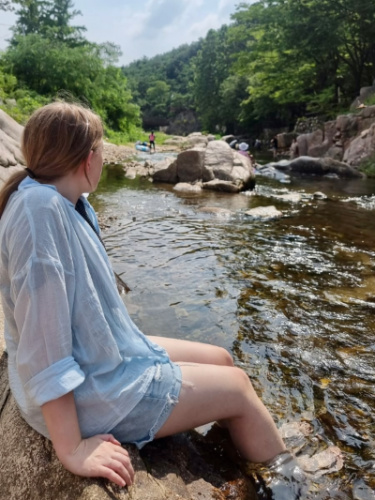
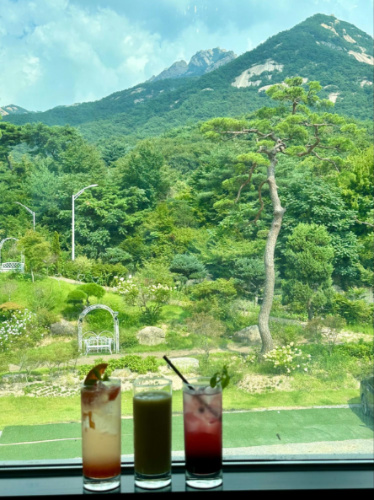
Seoul is Korea’s biggest city, so you may find it surprising that it offers a ton of relaxing green spaces and incredible natural scenery. It’s in Seoul that you can find one of Korea’s most popular hiking spots: Bukhansan National Park. Take in the granite peaks along the hiking trails varying in difficulty, or enjoy the traditional, quiet cafes in the surrounding villages. Eunpyeong Hanok Village is my favorite.
Wear sturdy shoes and start early to ensure you have time to enjoy your hike to the fullest. Bukhansan is ideal for nature lovers and photographers and offers a great combination of natural landscapes and traditional culture.
If you’re an avid hiker and want to enjoy Bukhansan like a local, join a group to hike to the top of the mountain to see the sunrise on New Years Day, a longstanding Seoul tradition – not recommended for the inexperienced though!
Gyeongui Line Forest Park
Take a peaceful walk along an old railway line.
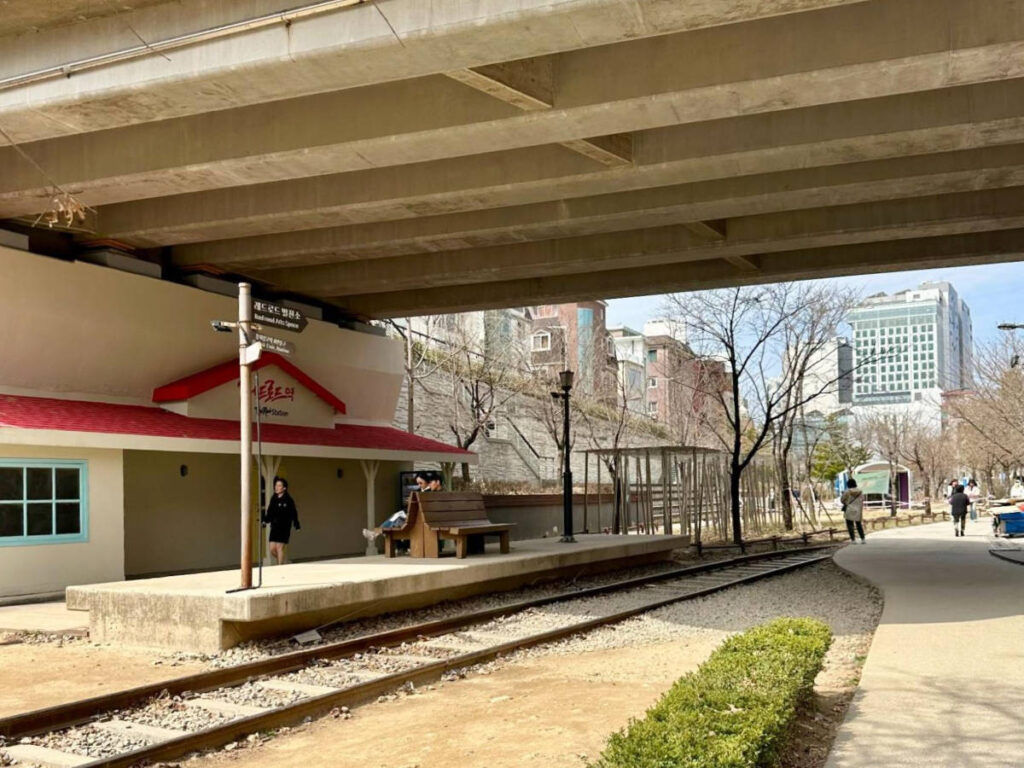
Gyeongui Line Forest Park is a peaceful walkway built alongside a former railway line. It stretches from the trendy Yeonnam-dong area through Hongdae, Sinchon, and ends at Gongdeok – four unique areas you should definitely explore along the way.
Stop at independent cafes, restaurants, and public art spaces. Or, enjoy the ever-changing market space – you never know what cute stall is going to pop up next. The path is especially beautiful in spring, lined with cherry blossoms. This park is ideal for couples, solo travellers, and anybody wanting a scenic walk while not straying too far from popular tourist areas.
Some of my favorite spots around here are Hey Jude cafe (perfect for rooftop people-watching) and Carousel bar (a unique and cosy cocktail bar). Or if you love dogs, head to Kiru cafe to meet their friendly border collie and try their fantastic coffee.
Seoul Forest
Walk through pine forests, enjoy lake views, and visit a deer sanctuary at Seoul’s most popular park.
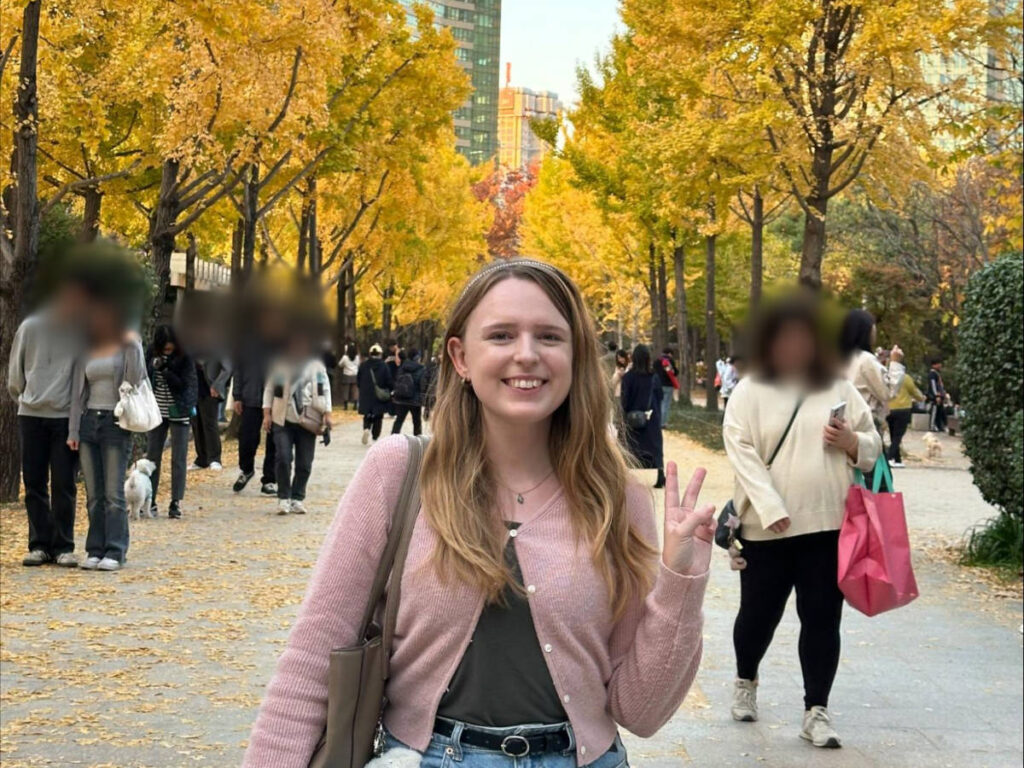
Located near the trendy Seongsu neighbourhood, Seoul Forest is one of the largest and most popular green spaces in Seoul. It’s here you can find sculpture trails, picnic areas and event spaces, as well as walking paths that shine in all seasons. Discover groves of spring cherry blossoms to fields of seasonal summer flowers and paths lined with golden ginkgo trees in autumn.
Seoul Forest offers a relaxing retreat from the busy city streets, as well as family fun. Visit the butterfly farm and deer enclosure, or let the kids run free at the outdoor adventure park. There are also cycle paths, outdoor gyms, and courts for basketball and tennis, making this a great stop for an active day out.
I highly recommend exploring the nearby cafe alley, a long street filled with aesthetic cafes and boutique shops you won’t find anywhere else.
Boramae Park
Get a taste of local life at this underrated cherry blossom spot.
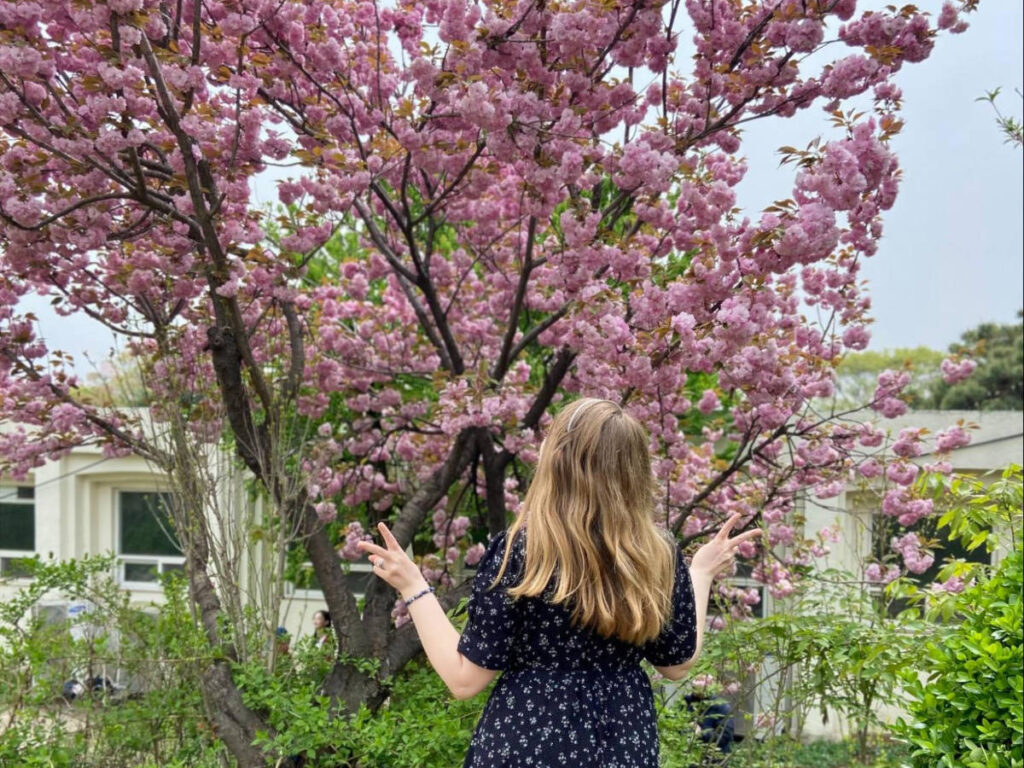
Cherry blossoms are one of the highlights of spring in Korea, and for some reason Boramae Park rarely makes the list of top cherry blossom spots, making it an underrated gem.
Enjoy the seasonal flowers away from the tourist hotspots (so no queuing for that perfect pic!), and walk amongst a grove of stunning king cherry blossom trees which are difficult to find elsewhere.
But Boramae Park is enjoyable at any time of year. I recommend a visit in the summer to enjoy local flower festivals and weekend markets. It’s the perfect spot for a stroll, especially if you’re spending time south of the river.
Naksan Park and Seoul City Wall
Follow the historic city wall to check out the view at a scenic hilltop park.
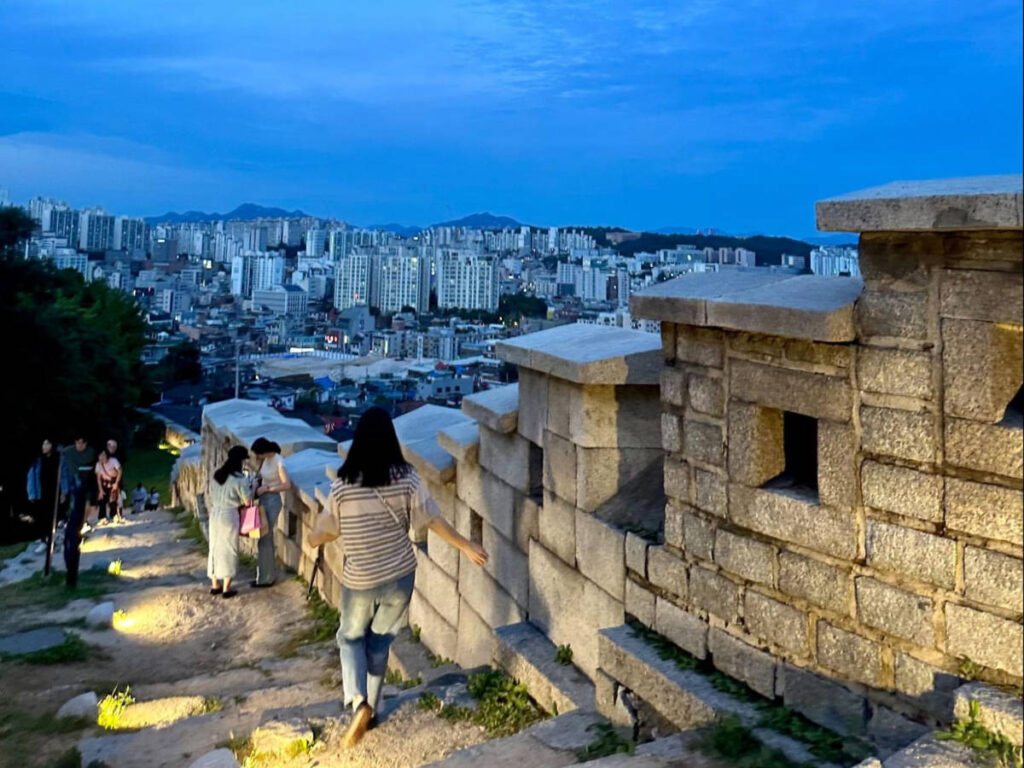
Naksan is one of my favorite lesser known spots to take first-time visitors to Seoul. With the route starting beside the DDP, it combines the fantastic city views of N-Seoul Tower with the cultural vibes of the palaces. All while you stroll along the historic city walls and take in the view from Naksan Park.
You can do some cafe-hopping at Ihwa Mural Village before continuing the pathway all the way to Hyehwa. It’s a small, tourist-free university area filled with shopping, restaurants and entertainment (not to mention my favorite Hong Kong restaurant Jami the Hong – the sweet and sour pork here is some of the best I’ve ever had).
Naksan is an easy hike and it’s best to visit early in the day or in the evening to enjoy the night views. And if you or your kids like the movie K-pop Demon Hunters, you might just recognize this iconic walkway!
Montmartre Park
Enjoy picnicking with wild rabbits at this hidden hilltop park.
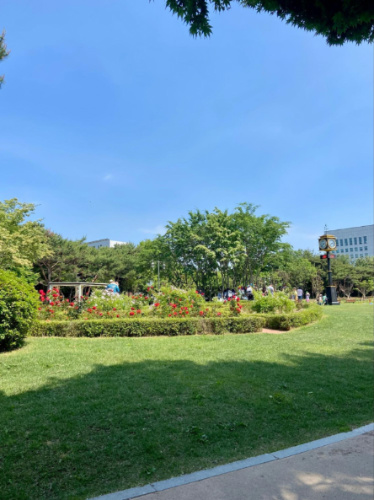
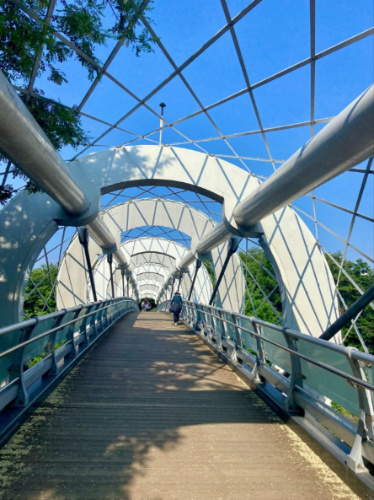
A true hidden gem, Montmartre Park is located in Seorae Village, a lesser known French-inspired area of Seoul. After a wander around the many European-style bakeries and cafes, this park is the perfect spot for a break. It’s small, quiet, and devoid of tourists.
My favorite part is spotting the wild rabbits that live here, although they can be elusive. It’s also fun to stroll along the iconic bridge, or browse books at the National Library of Korea next door. If you want to visit a peaceful spot away from ‘tourist Seoul,’ this is the place for you.
Nodeul Island
Enjoy the Han River from a totally new perspective.
📍 Google Maps | Website
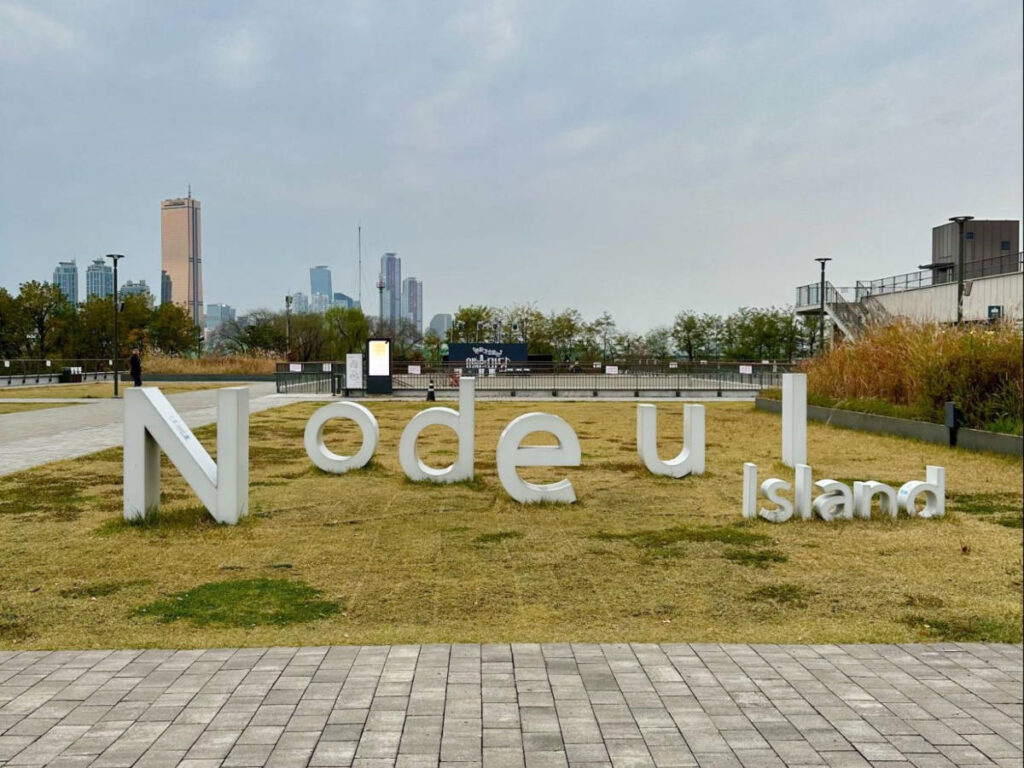
When visiting the Han River, most people head to the popular areas of Yeouido or Banpo. But for an area with more local charm, I have to recommend Nodeul Island. This small island located in the middle of the Han River is a local-favorite picnic spot, with wide open lawns overlooking the river and city skyline.
There are cafes, restaurants, exhibitions, bookshops, and art galleries, making this area a cultural hub. You can also catch live events here sometimes, but honestly my favorite thing to do on Nodeul Island is just relax with my friends on a picnic blanket and watch the sun set over the river. If you’re looking for Han River views without the bustle of the popular spots, this is the place.
Seonyudo Park
Discover the Han River’s unique industrial eco park.
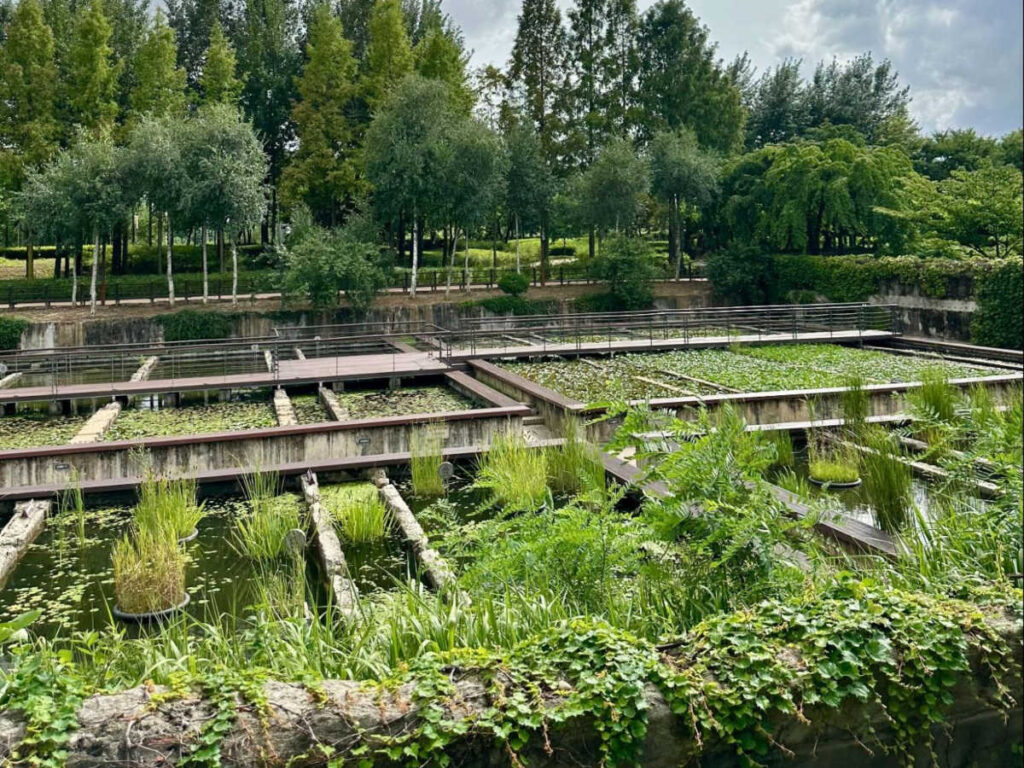
Sticking with the Han River theme, there’s another lesser known area that I absolutely love: Seonyudo Park. This island park on the river used to be a water purification plant, but it has since been converted into an eco-garden with unique industrial charms.
Take a walk through the bamboo-lined pathways and marvel at old facility structures covered in plant life. It has an almost post-apocalyptic feel. The river views are fantastic, too. This is a great place to explore with friends, and perfect for photographers who want to see a quiet but unique side to Seoul.
Yongma Pokpo Falls
Visit the tallest manmade waterfall in Asia, without leaving the city.
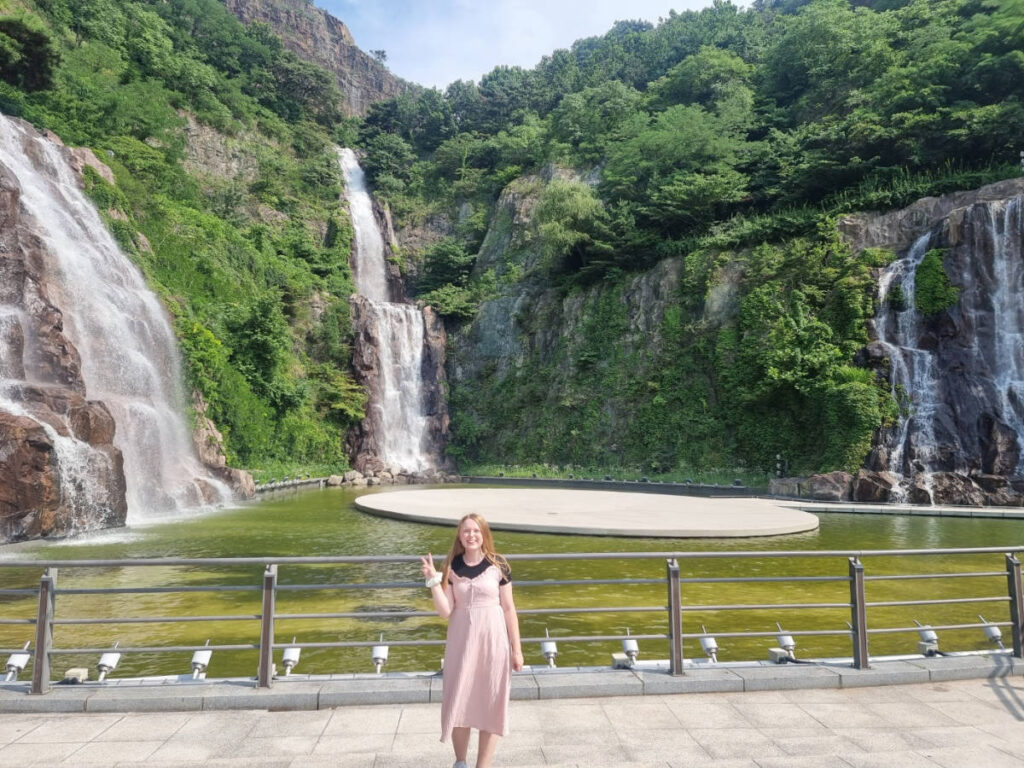
I’ve known for a while that you can find anything you can think of in Seoul. But I was still shocked to find out that there was a huge waterfall over on the east side of the city. Located in the Jungnang district, this large artificial waterfall is one of the tallest in Asia.
While there, you can hardly believe that you’re still in the middle of the city. It’s also illuminated at night, making it a stunning backdrop for photos.
There are rest areas and cafes nearby so you can sit and enjoy the views of the waterfall. If you enjoy dramatic scenery and want to take some Instagrammable photos in nature without leaving the city, this is a must-visit.
Cool & Unusual Things to Do in Seoul
Attend a Music Festival or Concert
Seoul has a vibrant and unique music scene. There’s something for everyone!
📍 Various Locations
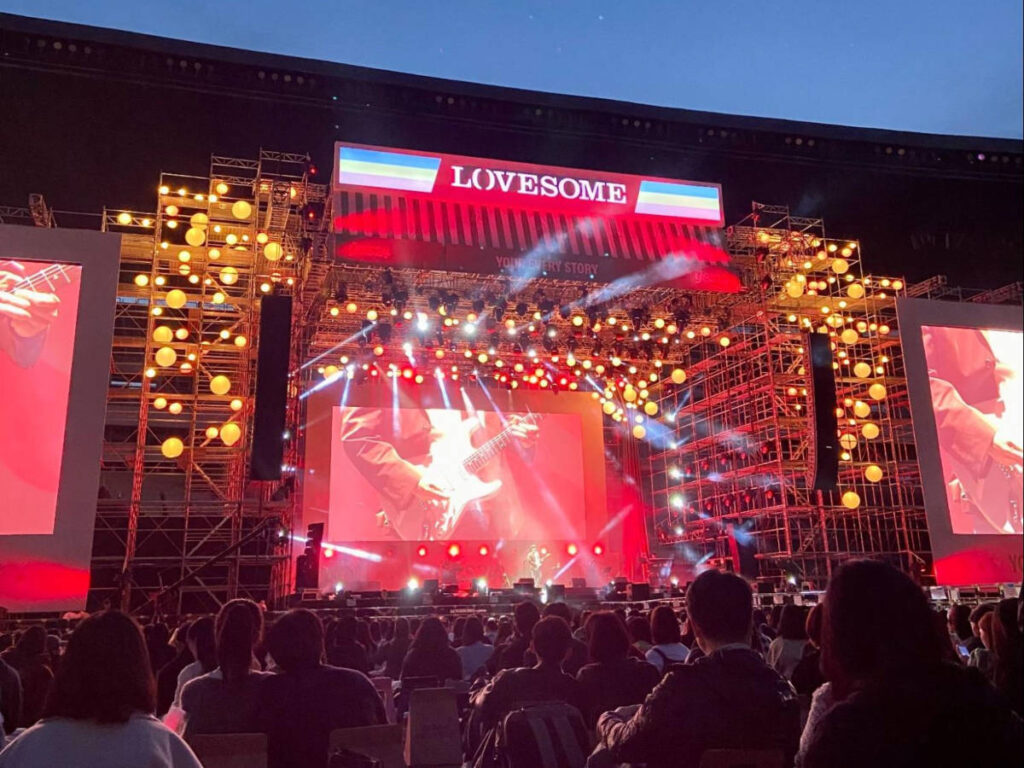
There’s a reason K-Pop has become so popular globally, and I’d recommend a K-pop concert in one of Seoul’s huge stadiums even to travellers who aren’t a fan of the genre. It’s a truly unique experience.
If K-pop is not really your scene but you want to experience live music in Seoul, why not attend one of the many music festivals being held year round? Some popular annual festivals include Seoul Jazz Festival, World DJ Festival, and the nearby Pentaport Rock Festival (technically in Incheon rather than Seoul but accessible via the subway line).
My favorite festival is Lovesome Festival – centered around books and cultural talks while showcasing a range of Korean pop, rock, and indie artists in a laidback, picnic-style environment.
No matter your music taste, there’s a concert or event for you. Just check out Yes24 or Interpark to book tickets for upcoming events.
Play games at the arcade
Win cute prizes as you engage in one of Seoul’s hottest trends right now.
📍 Various locations
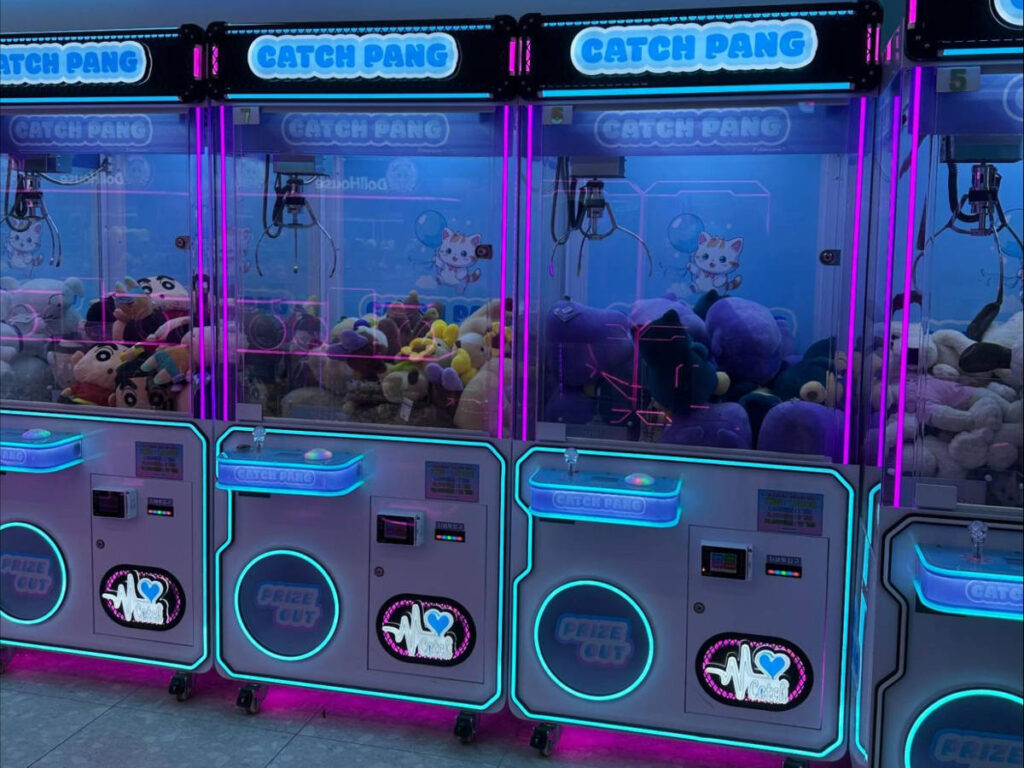
Arcades, particularly claw machines, are a huge trend in Korea right now, and you’ll find them dotted around all major tourist spots in Seoul. Win a variety of cute prizes. The most common are bag charms and key chains. You’ll often see locals with bags adorned with charms won from these claw machines.
There are also plenty of Gacha machines where you can collect cute figurines, and a range of fun arcade games from shooting and driving games to dance machines.
Entertainment rooms
Enjoy a variety of indoor activities, perfect for a rainy day in Seoul.
📍 Various locations
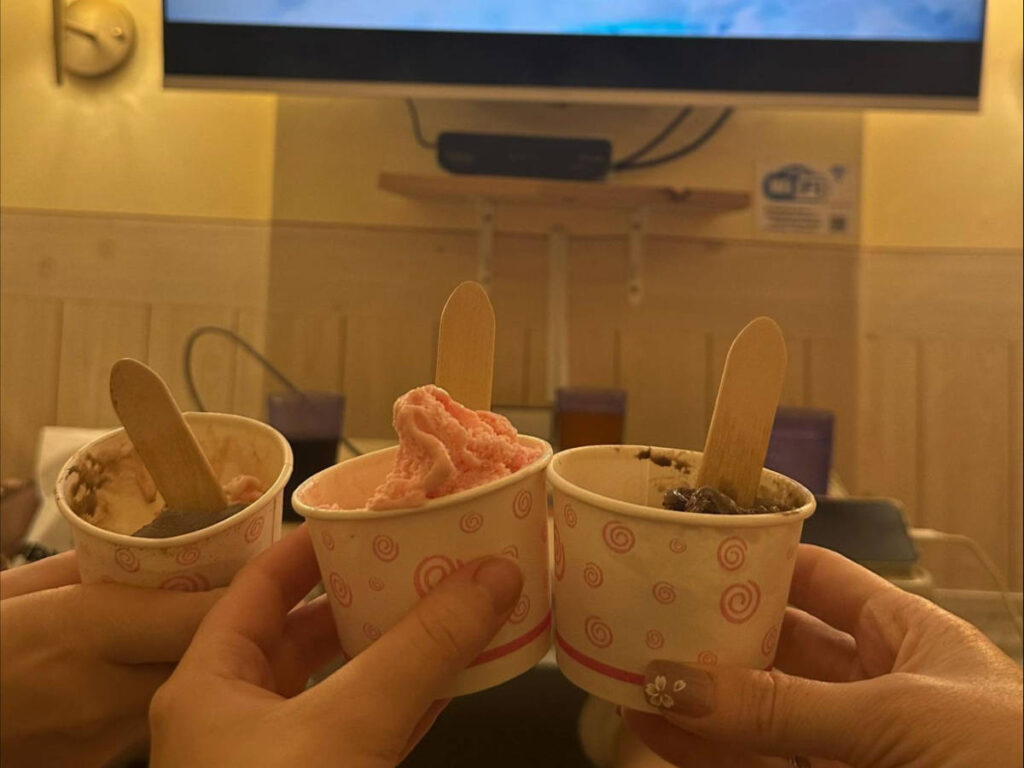
Entertainment rooms are a concept quite unique to Korea. If you need a day indoors, you can book a few hours into rooms offering various services.
PC rooms (also known as PC bangs) are popular among teens and students for gaming, with fast internet and comfy gaming chairs. There are also game rooms where you can play with the latest games consoles. In TV rooms, you can watch streaming services together with friends, and there are karaoke rooms and even music rooms where you can play instruments together.
These rooms tend to be pretty cheap per hour and open late if you need a place to relax late at night. They also make a great spot to rest if you’re waiting to check into your hotel.
Take pictures in a photobooth
These fun photobooth pictures make great souvenirs.
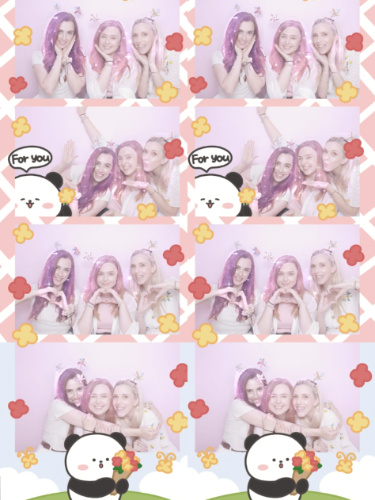
📍 Various locations
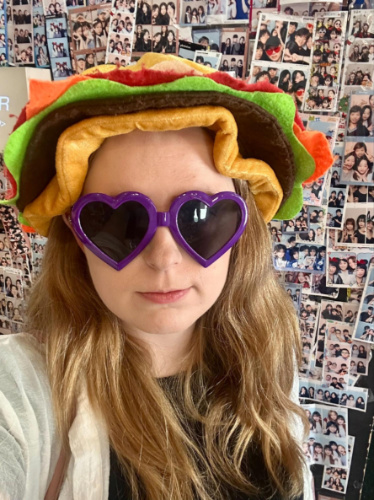
Another popular activity in Seoul these days is to take pictures together in a photobooth. These photobooths are usually unmanned and you can find them in any tourist or shopping areas.
Choose from a range of fun accessories, fix your hair at the grooming station (there are brushes and even hair straighteners you can use), and have fun snapping pictures and adding filters and stickers.
Don’t forget to scan the QR code at the end of your photoshoot – this will send you a video version which is always super fun to look back on. These photobooths are a fun way to capture memories with friends and make a great souvenir!
Make crafts at Ssamzigil
If you can’t find the perfect souvenir, make your own at this craft-centred shopping complex.
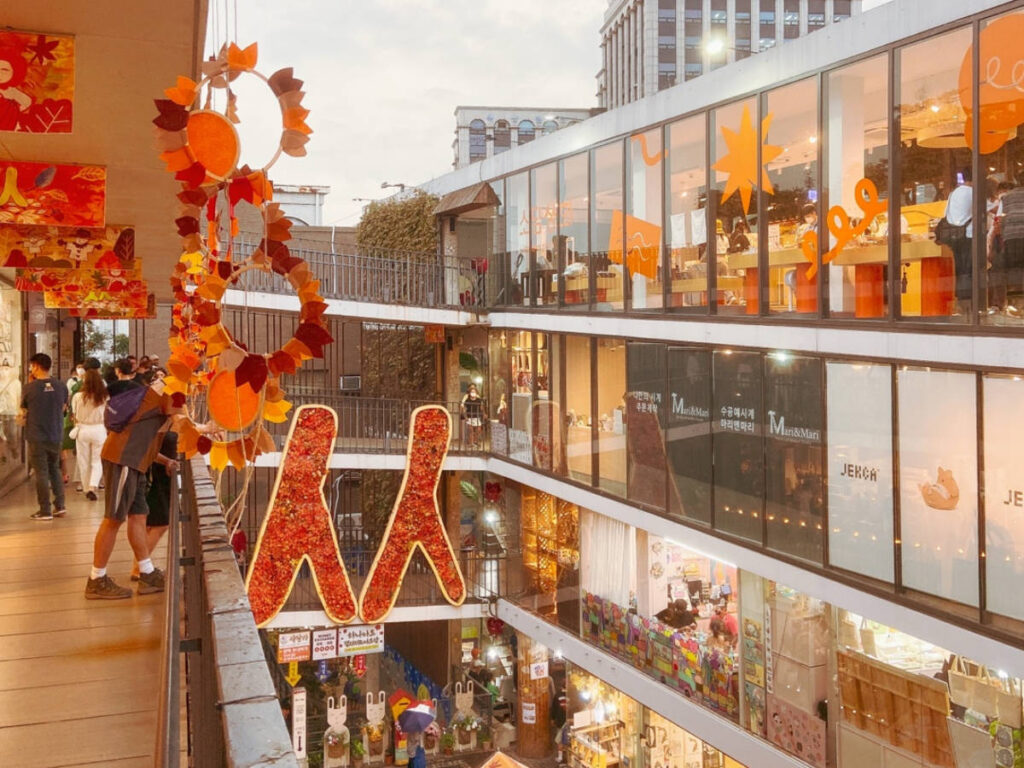
📍 Google Maps | Hours: 10:30 am – 8:30 pm daily
If you have an artistic streak and love crafting, Ssamzigil is home to a variety of craft shops, located in the heart of Insadong. Here, you can buy handmade souvenirs crafted by independent artists, as well as make your own. There are a variety of stores where you can design bags with iron-on patches, make your own phone cases and candles, and even put together a one-of-a-kind music box.
If you and your travel buddies want to do some crafting together, or looking for a fun activity to do with kids, head over to Ssamzigil and see what activities they have on offer.
Relax at a traditional Korean spa
Take a rest at a hot spring-style Korean spa.
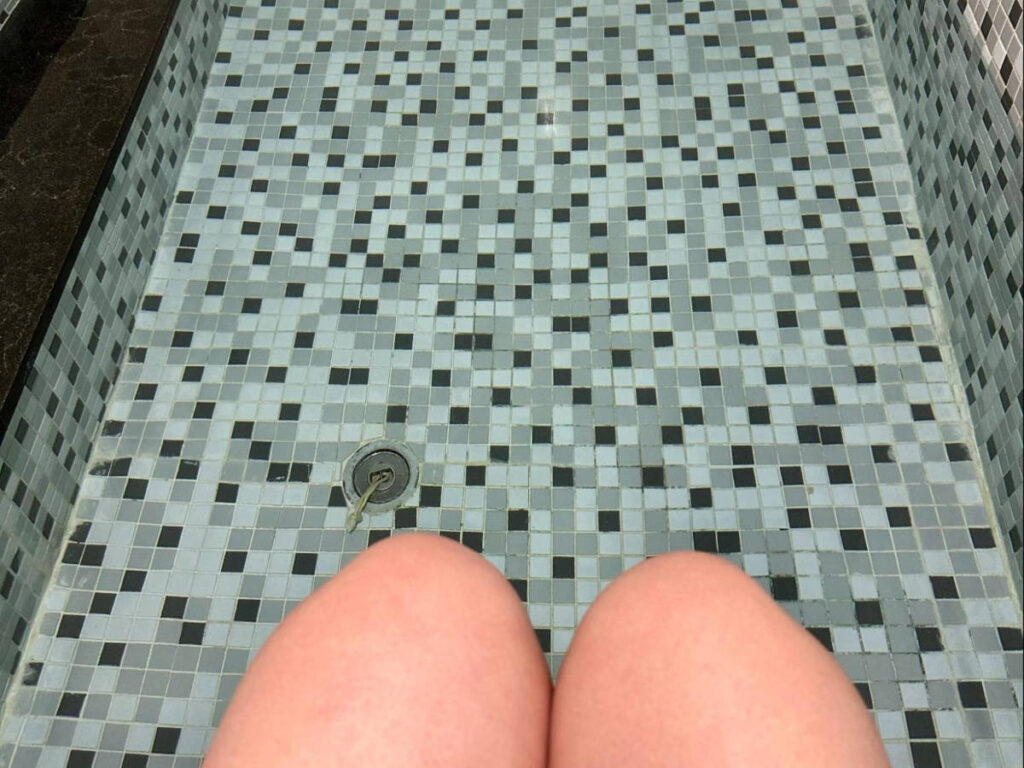
📍 Google Maps | Phone: (+82) 2-1833-8855 | Website | Hours: 10:00 am – 9:00 pm daily | Entrance: ₩60,000 ($40) for adults, ₩50,000 ($33) for children aged 7-13
For a uniquely Korean experience, take a trip to a Korean spa! Soak in the hot spring baths, receive a massage, enjoy the saunas and take a rest. You can sometimes even stay overnight.
Enjoy typical Korean spa food including boiled eggs with salt and shikye, a traditional sweet drink made with rice.
Some travellers can find Korean spas awkward as you have to bathe naked (swimsuits are not allowed!). But if you can overcome your awkwardness, I promise it’s incredibly relaxing. Some bathhouses have rooms with private baths you can rent for a fee.
For an extra luxurious (very tourist friendly) experience, head to Cimer Spa in Paradise City, just outside of Incheon Airport. It’s easy to get to on the Seoul subway and includes both a bath and pool which means hours of fun even if you decide the baths are not for you.
Free & Cheap Things to Do in Seoul
Starfield Library
Take a rest at this instagrammable library in Gangnam.
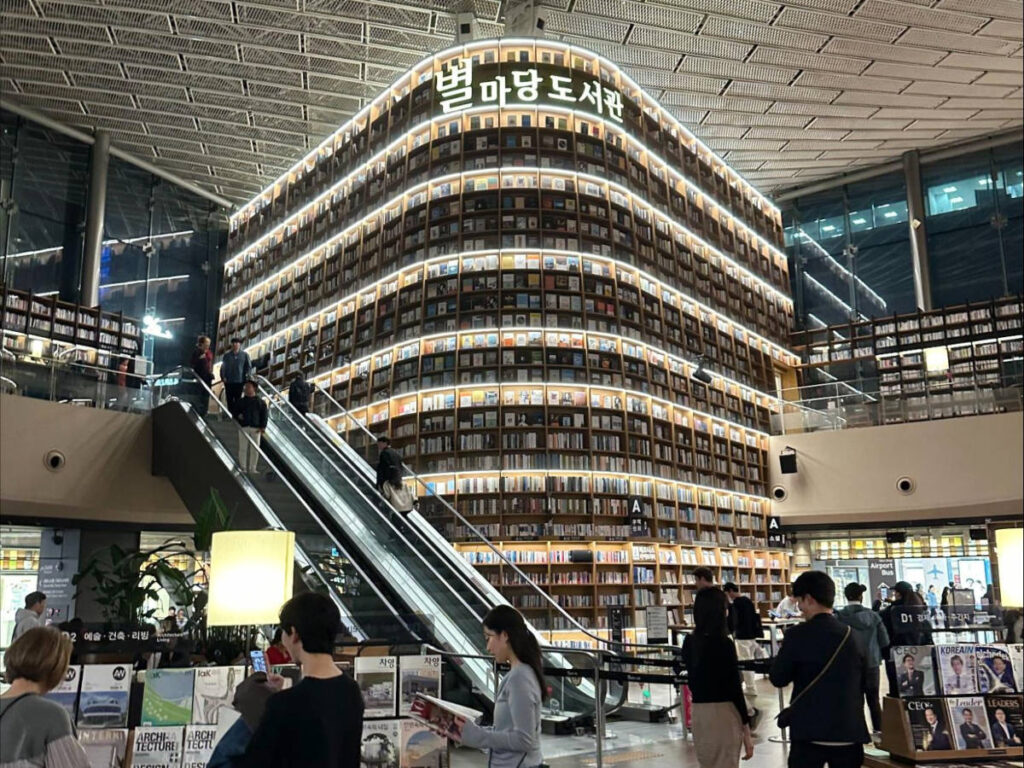
📍 Google Maps | Hours: 10:30 am – 10:00 pm daily
You should absolutely stop by Starfield Library if you’re in the Gangnam area or already visiting COEX Mall. It’s famous for its towering bookshelves and bright, open design, and is a popular space in Seoul to take pictures.
Starfield Library is free to enter, and you can check out some of the books and magazines there or simply wander through whilst shopping. It’s ideal for book-lovers and anybody wanting a quiet break from shopping. Visit in winter to see it with the enormous golden christmas tree, too.
Ttukseom Drone Show
Watch the sky come alive with a drone show over the river.
📍 Google Maps | Website
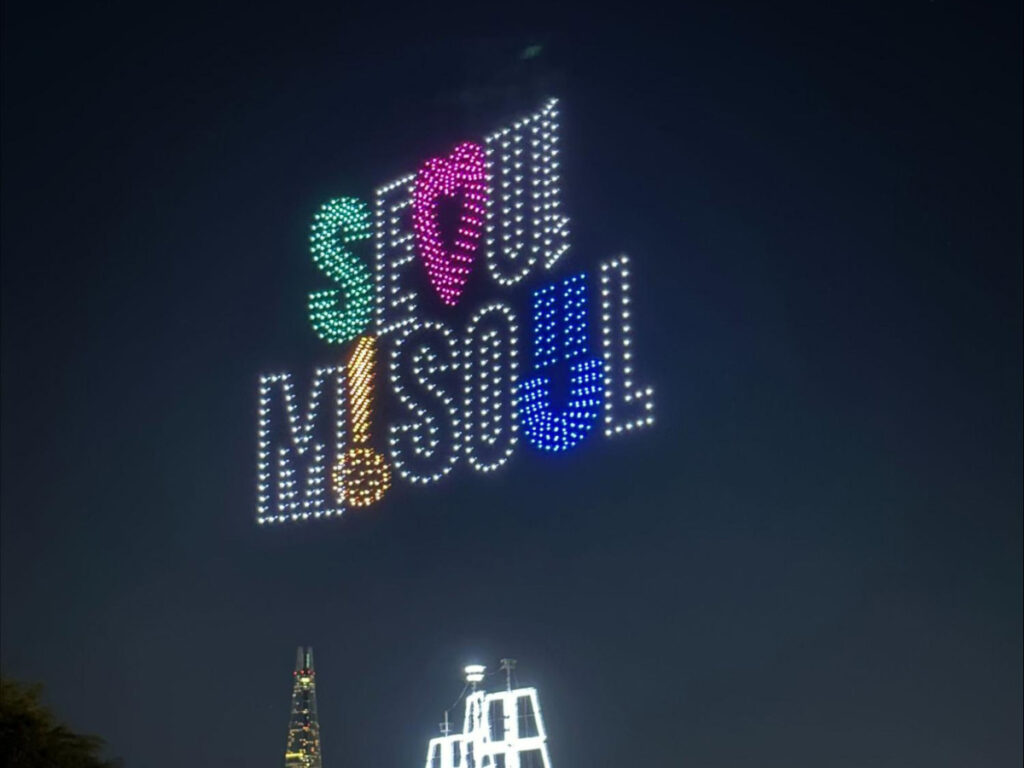
One of my favorite free events in Seoul is the Ttukseom Drone Light Show. It takes place at Ttukseom Hangang Park, right next to the Han River.
This seasonal drone show involves hundreds of drones illuminating the sky to create animated displays, sometimes following seasonal themes or based on pop culture, such as the ‘K-pop Demon Hunters’ show in 2025. The show typically starts at 8 pm, so arrive at least 30 minutes earlier to find a good viewing spot.
Aside from the drone show, Ttukseom Hangang Park is also a great place to enjoy the Han River with a more local feel. Check out the library, temporary exhibits, and markets along the riverside.
K-Star Road
See if you can spot your favorite K-pop artist!
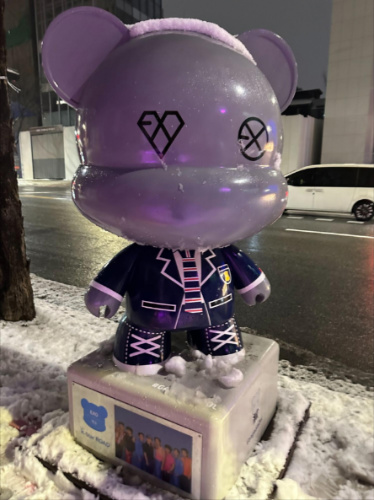
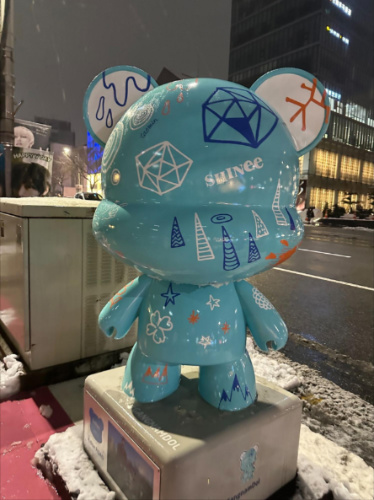
K-Star Road is a K-pop themed street in Gangnam, featuring colourful bear-like statues each representing popular K-pop artists. It’s a quick, fun photo opportunity for K-pop fans, and it’s easy to combine with cafe-hopping and window shopping in the luxurious Cheongdam neighbourhood.
K-Star Road is suited to younger travellers and fans of Korean pop culture, and is worth a stop by if you’re already in the Gangnam area.
Hongdae Red Road
Enjoy buskers and student life along the main street of the trendiest university area in Seoul.
📍 Google Maps | Website
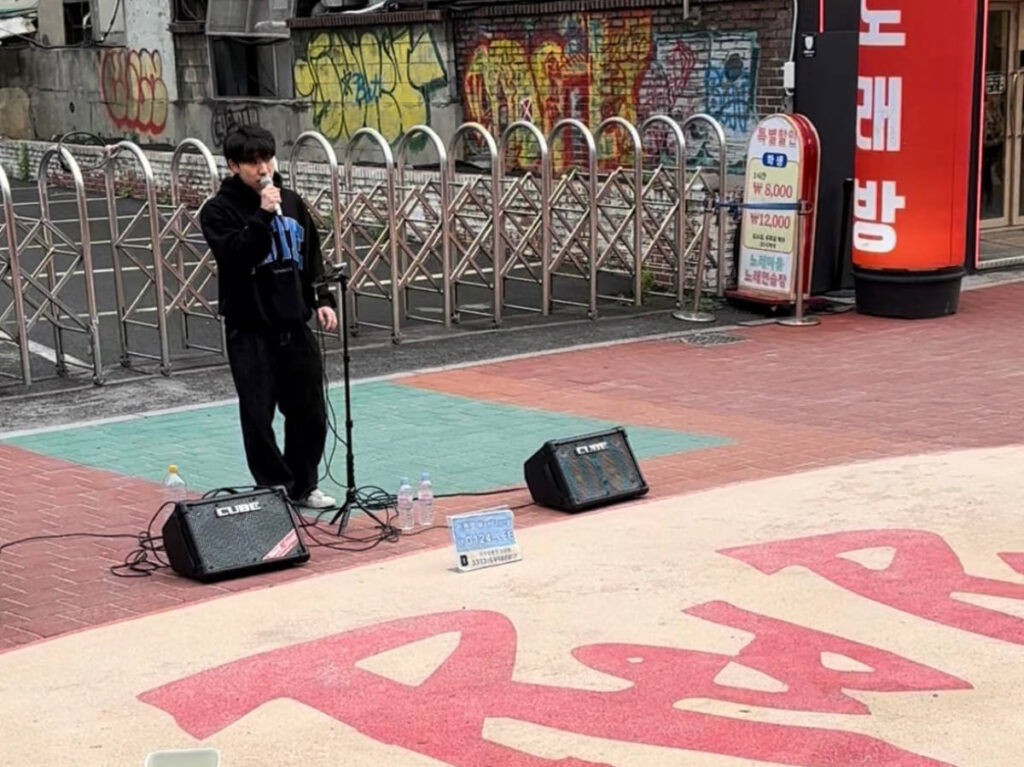
Red Road is the main pedestrian street in the lively, student-centric Hongdae area, famous for its street performances, youthful shops, and vibrant nightlife. It’s here you can find trendy cafes, restaurants, and bars as well as an array of beauty stores, affordable and fashionable clothing brands, and fun social establishments like karaoke rooms and arcades.
Hongdae Red Road is perfect for young travellers, fans of music and nightlife, and anybody wanting to immerse themselves into Seoul’s youth culture.
***
Seoul is my favorite city in the world and I know you will love it just as much as me. Have any questions, or want a more specific suggestion for your trip? Drop me a comment and I’ll give you my honest recommendations. Next, see my list of what to pack for South Korea.