
Affiliate Ad Disclosure: We’re reader-supported. When you buy via our links, we earn commissions. Learn more.
45 Essential Things to Do in Lyon (By a Local)


👉 Jump to: Best Things | Sites & Attractions | Food & Drink | Museums & Culture | Outdoors | Unique & Unusual | Shopping | Seasonal
As a resident of Lyon, I’m delighted to share some inspiration on what to do in this lovely yet underrated French city.
As you will see, there is so much to see and do here, and much of it is very unique to Lyon. The city’s strong identity and culture are well-represented in its great museums, incredible architecture, beautiful outdoor spaces, vibrant neighborhoods, and delicious food. This guide covers all of those categories and more.
Read on and I’m certain you’ll find something that will make you want to visit. Use this list and my guide to where to stay in Lyon to plan the perfect trip!
45 Things to Do in Lyon
Explore Old City
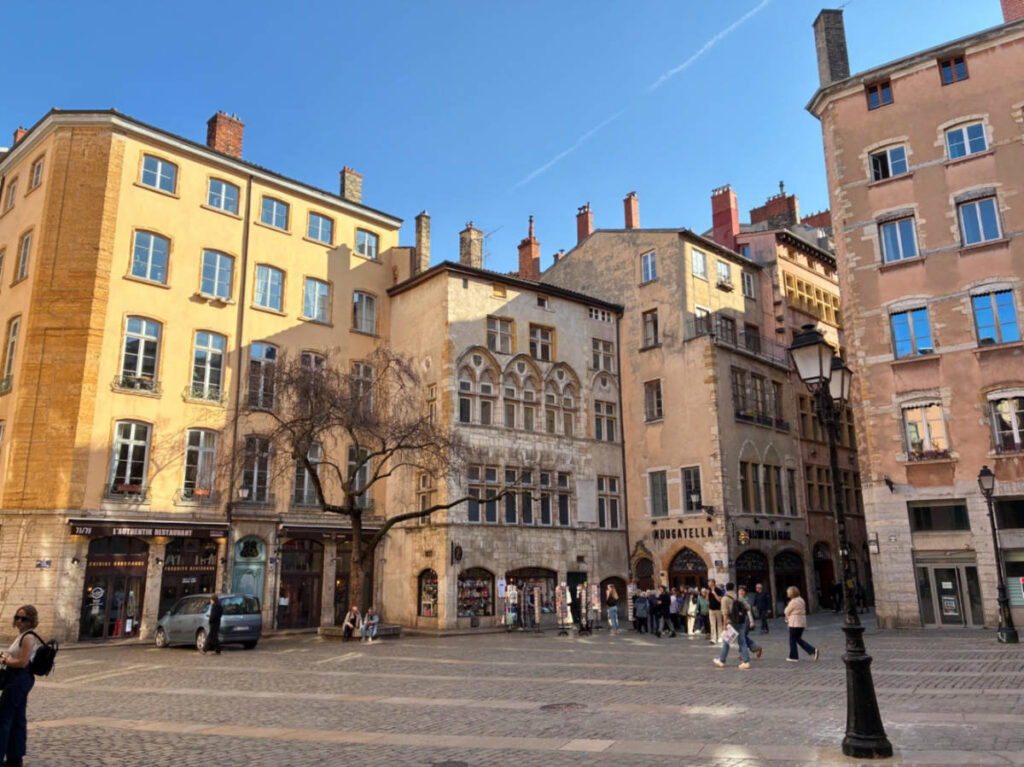
Immerse yourself in a stunning neighborhood of cobblestone streets, and medieval and Renaissance buildings.
📍 Google Maps | 👉 Book an Old City Walking Tour on Viator
Lyon’s Old City (aka Vieux Lyon) is beyond picturesque. It’s a storybook-like quarter of rose, champagne, and terracotta medieval and Renaissance buildings nestled along the Saône River. While it’s a fairly condensed area, the Old City is divided into three sections: St-Paul in the north, St-Jean in the middle, and St-Georges in the south.
The neighborhood is full of delights for visitors with its numerous cafes, bars, bakeries, restaurants, and boutiques. Beware that some of the restaurants here can be mediocre as they cater to the tourist crowds. However, there are still many solid choices like La Gâche and Soma.
Several attractions and museums are located here, including the Cinema and Miniature Museum, the Museum of the History of Lyon, and the famous Cathédrale St-Jean. And even if you’re not interested in any of that, it’s just a beautiful place to walk and admire the architecture and views.
👉 Local Tip: The Old City can get crowded with tourists on the weekends, especially the main street, Rue St. Jean. If you can, visit on a weekday to avoid the crowds or explore the side streets and the southern St. George quarter where there are typically fewer people.
Basilica Notre-Dame de Fourvière
Marvel at the basilica’s dazzling interior and views overlooking the city.
📍 Google Maps | Phone: +33 (0)4 78 25 86 18 | Website | Hours: Basilica: 7 am – 8 pm daily & until 9 pm on Sun, Crypt: 8 am – 6:30 pm daily, Museum: 10 am – 12:30 pm Wed – Sun | Entrance: Free for basilica and crypt
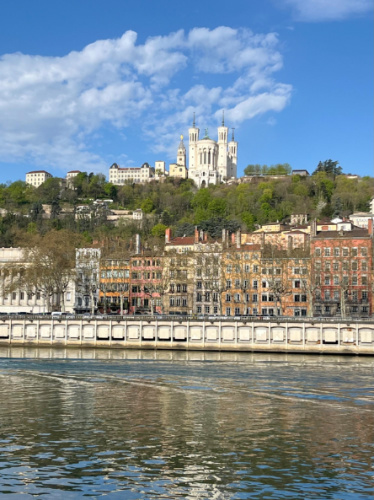
Basilica Notre-Dame de Fourvière is one of the defining sites of Lyon. The basilica sits upon Fourvière, one of the city’s two defining hills (nicknamed “the hill that prays”) and overlooks the Old City and the Saône River.
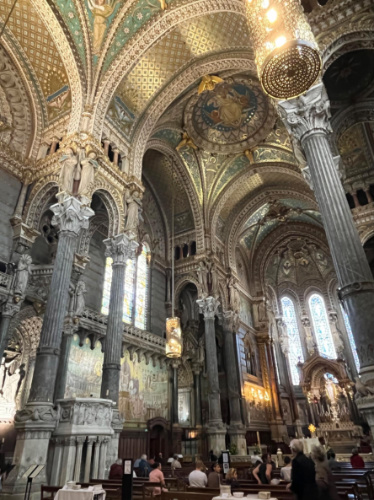
Built in the 19th-century, the basilica is a dizzying mix of Byzantine, Gothic, and Romanesque architecture. The interior is decorated with beautiful, shimmering mosaics and impressive stained glass windows. The basilica and its crypt are open to the public. You can reserve tours of the inside and the rooftop in advance.
A rooftop tour is a good idea. From the top, you’ll see fantastic panoramic views over Lyon. Savor it even more with a drink or a snack from the small café along the perimeter.
To get here, you can take walking paths up to Fourvière from the Old City. Otherwise, opt for the funicular. If you go down by foot, cut through the Parc des Hauteurs to be rewarded with more great views.
The Roman Amphitheater and Odéon
Soak up Lyon’s 2,000 years of history by wandering through this impressive archeological site.
📍 Google Maps | Website | Hours: 7 am – 9 pm from May 2 to September 30, 7 am – 7 pm from October 1 to April 30 | Entrance: Free | 👉 Book a Tour of the Archeological Site and The Basilica
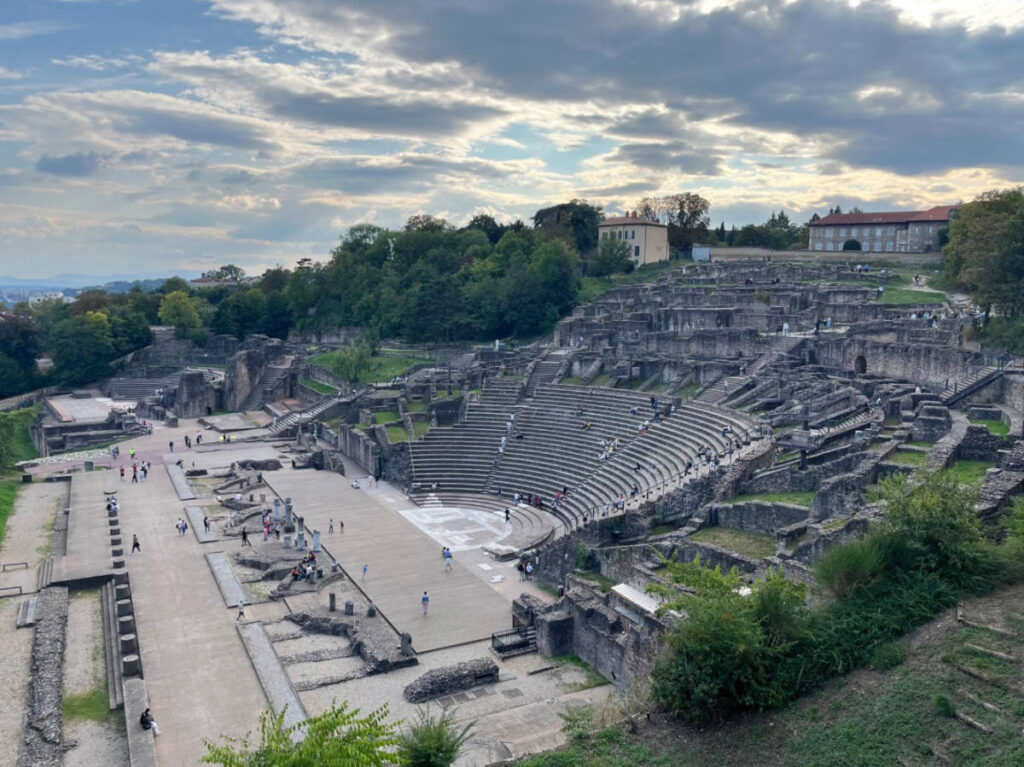
Lyon was once the capital of the Ancient Roman Colony of Lugdunum, so there are some impressive ruins to explore here. The most prominent is the site of the large Roman amphitheater, along with and the smaller Odeon theater.
The site includes the Museum of Gallo-Roman Civilization, but the archeological site is free and can be visited on its own. It’s pretty extensive and fun to wander around and explore on foot. Live music performances are held here during the Nuits de Fourvière festival in the summertime, too.
The archeological site is also close to the Fourvière Basilica so it’s convenient to group your visits if you decide to come all the way up the hill.
Eat at an Authentic Lyonnaise Bouchon
Sample the city’s signature cuisine in these cozy eateries.
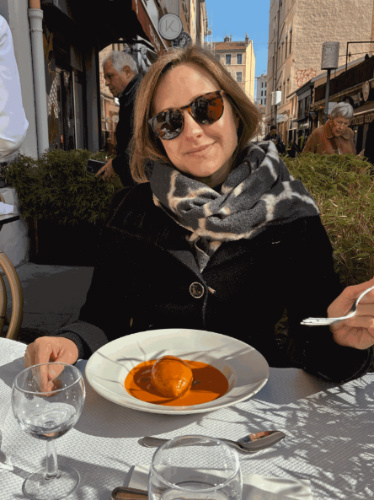
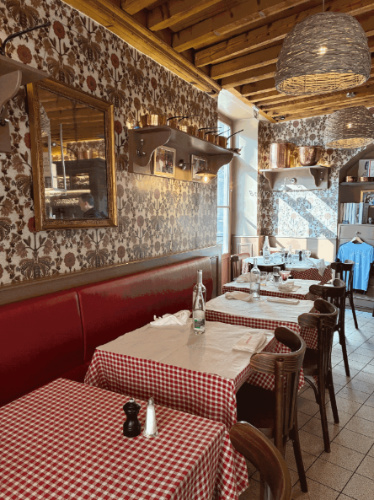
Everyone visiting Lyon should plan to eat at an authentic bouchon Lyonnais. These cozy, rustic restaurants are a key part of Lyon’s heritage
Lyon was once an epicenter of Europe’s silk industry and bouchons were where silk weavers could tuck in for a hearty meal to fuel up for their 14+ hour workdays. Today, they are a part of the city’s fabric and a staple experience. Most have even kept the quintessential look of red-checkered table cloths, wood paneling, and exposed ceiling beams.
Just know that the food is pretty meat-heavy and rich, and there are typically few to no options for vegetarians at these places. As a quasi-vegetarian/pescatarian, I typically opt for the quenelle, a kind of soft dumpling made with pike and bathed in thick sauce.
Not all bouchons are created equal, however. Try to be selective when you choose. Some of my recommendations include Daniel et Denise (which does offer a vegetarian dish), Le Bouchon des Filles, and Comptoir Abel.
🥘 Pro Tip: Check for the “Les Bouchons Lyonnais” label before choosing a bouchon, which should be displayed by the entrance. This label means the restaurant serves traditional dishes with local ingredients, thus keeping with Lyon’s culinary heritage.
Explore Lyon’s Hidden Passageways
Weave between buildings with a tour of the city’s own unique labyrinth.
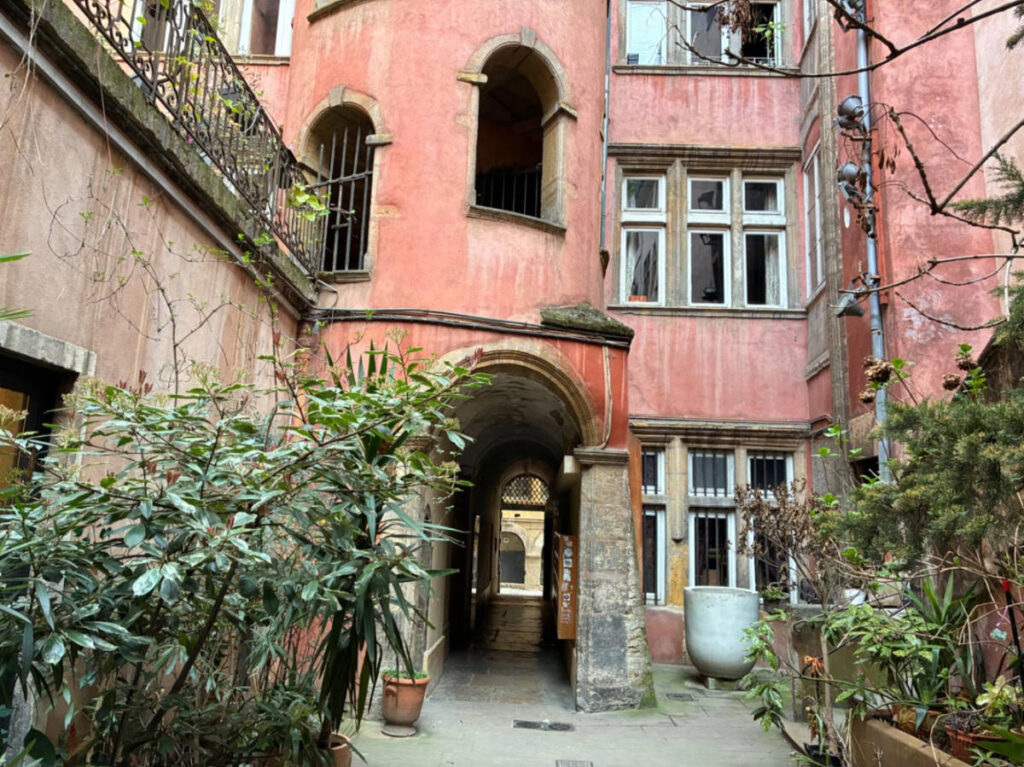
📍 Google Maps | Website | Hours: 7 am – 7 pm daily | Entrance: Free | 👉 Book a Walking Tour of “Traboules” in the Old Town
Lyon has a system of 500 traboules (passageways) and miraboules (courtyards) which weave between the city’s buildings. Many of them date back to the Renaissance when they were used by Lyon’s silk workers. Later, these passageways helped the WWII resistance evade the Gestapo.
Today, about 50 traboules are open to the public. Most are in the Old City and kept open during the day thanks to an agreement between the city and residents. You can explore them on your own but I recommend taking a tour with a local guide who can tell you even more about their history.
When doing a self-guided tour, look for the seal with the lion’s head next to the doors and wrought-iron over the doorway to identify a traboule entryway. Press the intercom button if the door won’t open. Remember to keep quiet while moving through as they’re part of private residences. Free maps of the traboules are also available from the Lyon Tourism Office in Place de Bellecoeur.
Northern Presqu’île and the Banks of the Saône
Walk, eat, shop, and explore the city center and the beautiful banks of the Saône River.
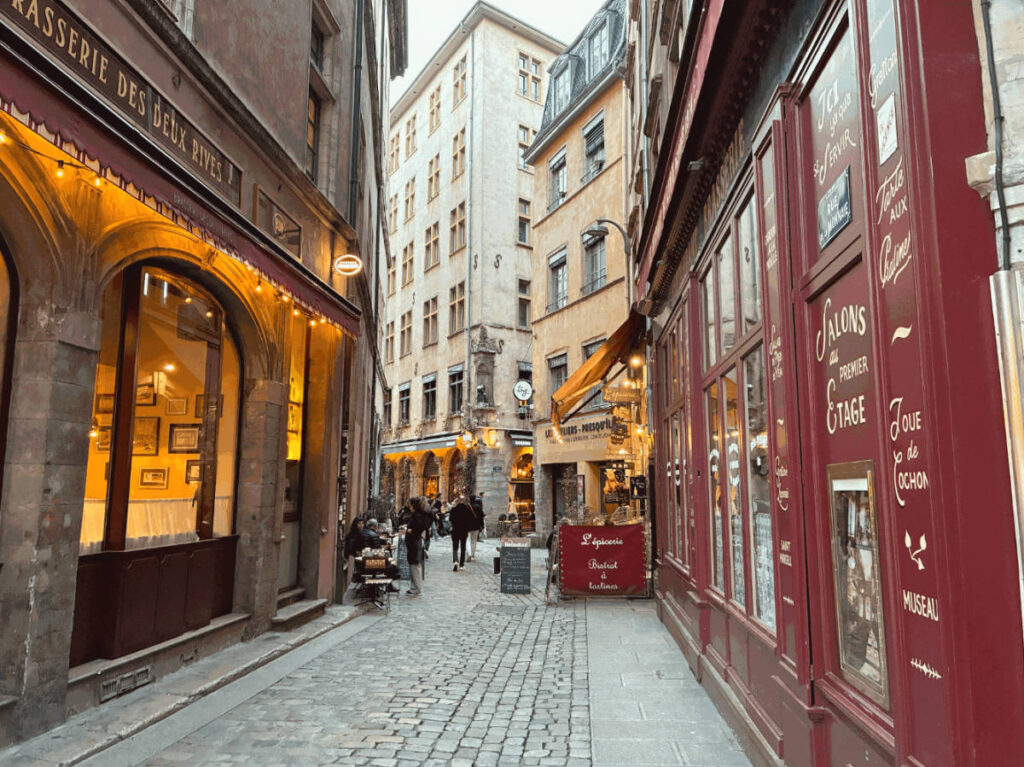
Northern Presqu’île is Lyon’s city center, where you will find attractions like Place Bellecoeur, Place des Terreaux, the Fresque des Lyonnais, the Grand Hôtel-Dieu, and several museums.
While touristy, pedestrian streets like Rue Mercier are really atmospheric. You’ll also find some great restaurants and bars, like La Merciere and Brasserie des Deux Rives. It’s a lovely place to hang out and walk around or have a coffee and people watch.
Be sure to wander along the pedestrian-friendly banks of the Saone from this neighborhood. You’ll get a great view of Fourviere and the Old City. When you get tired just choose one of the cafes or peniches along the river or at the edge of the city to take a break.
Les Pentes
Soak up the vibrancy of Lyon’s bohemian and artists quarter.
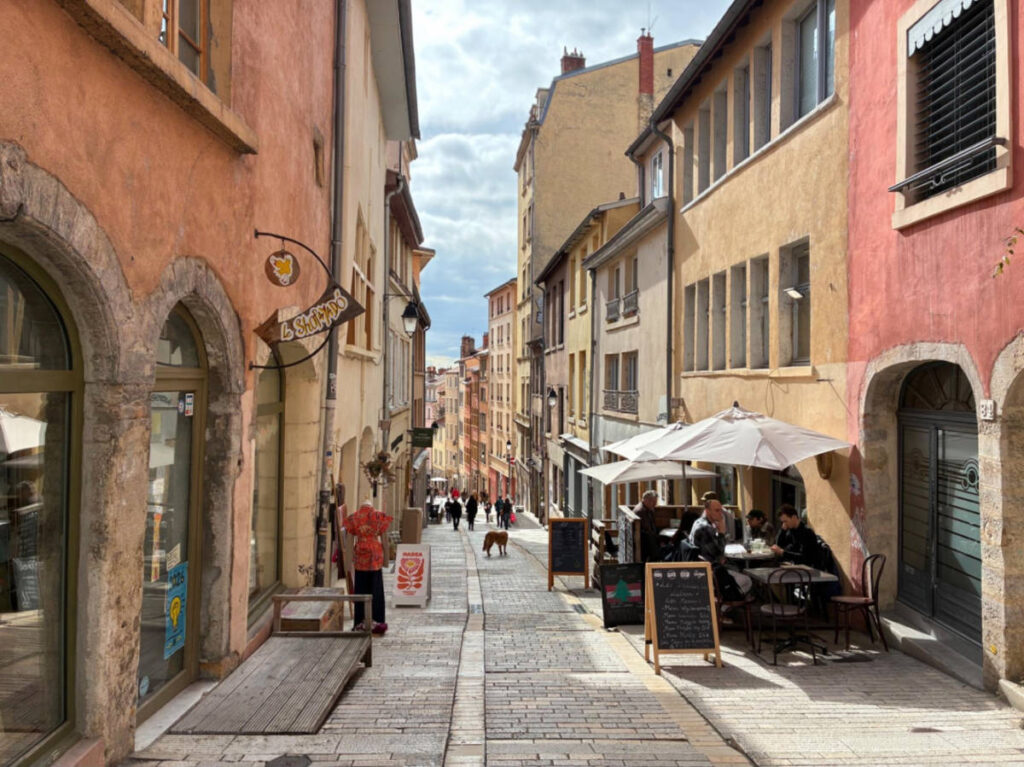
North of the Place des Terreaux, you’ll find Les Pentes. This part of the city retains a bohemian vibe with its winding streets and graffiti-painted buildings and staircases. There are plenty of bars, cafes, restaurants, boutiques, and concept shops selling locally-produced goods, too.
If you want to experience a slightly edgier, artsy part of the city, this is it. Among many of the great options here, I recommend Comptoir Odessa and Cafe Equilibre for meals, Soif for a retro-gaming bar experience, and Bonomia Boulangiere and Zoï for some tasty treats.
It can be exhausting traversing the hill, especially if you have any mobility challenges. The Croix-Paquet metro stop lets out halfway up the hill, but you can’t really avoid walking on a slope in this area.
Les Halles de Lyon Paul Bocuse
Indulge in the delectable options at this indoor food market named after France’s most famous chef.
📍 Google Maps | Website | Hours: Vendors: 7:30 am – 7:30 pm Mon – Sat, 7:30 pm – 1 pm Sun, Restaurants: 11:30 am – 2:30 pm Mon – Sat, 11:30 – 3:30 Sun | Entrance: Free | 👉 Book a Food Tour of Les Halles de Lyon Paul Bocuse
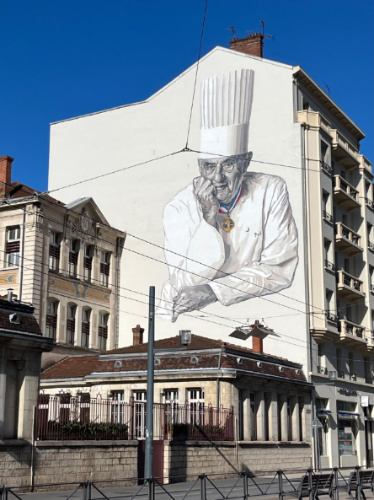
Never heard of Lyon’s native son, Paul Bocuse? You will. Bocuse was designated the “Pope of Gastronomy,” and left his mark all over the city, from street murals and street names to his cooking school. Naturally, visiting the food market named after him, Les Halles de Lyon Paul Bocuse, is a must.
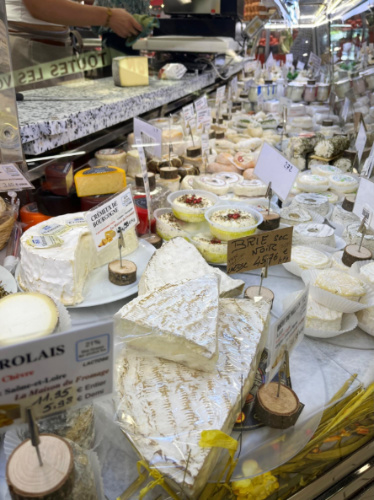
I’ll admit, the market is not beautiful to look at apart from the delectable displays of food. But it is delicious. Les Halles offers plenty of French food along with an array of Middle Eastern, Italian, Spanish, and Armenian options. Eat anything from oysters to kibbe to escargot. Sit down, take stuff to go, pick up some groceries, or even book a food tour.
La Maison des Canuts
Delve into the fascinating history of Lyon’s silkworkers.
📍 Google Maps | Phone: +33 (0)4 78 28 62 04 | Website | Hours: 10 am – 1 pm & 2 pm – 6 pm Tues-Fri, 10 am – 6 pm Sat, Closed Sundays & Mondays | Entrance: €10 adults (visit & tour) €3 adults (permanent collection only), € 7 students, free under age 11
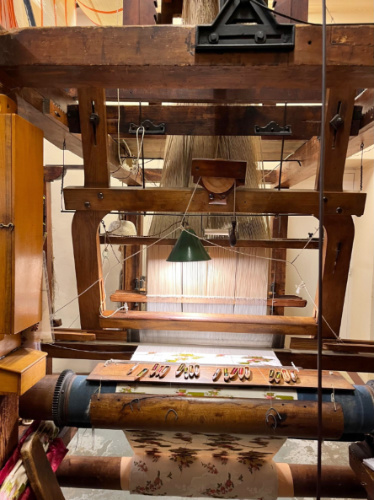
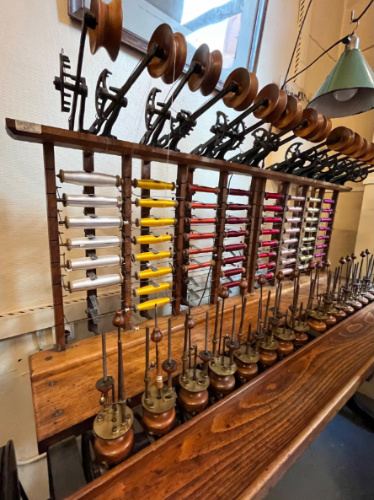
Lyon was Europe’s capital of silk production for a couple of centuries, and learning about the history of this trade and how it shaped the city is an interesting way to explore Lyon. A good place to start is in the Croix Rousse neighborhood where silkworkers, known as canuts, toiled for roughly 15 hours a day.
Visit the Maison des Canuts where you can get a short tour and demonstration while learning more about the very difficult lives of silkworkers before seeing the permanent collection. Be sure to reserve your tour in advance. And if you don’t speak French, you must reserve an English tour in advance. Also keep in mind that most information in the museum is written in French.
While silk no longer drives the economy of Lyon, there are a few local producers who make some beautiful creations. One of them is Philéone, a five-generation family business whose products are for sale in the museum’s boutique if you want to take home a souvenir.
Park Tete d’Or
Enjoy Lyon’s most beautiful greenspace in any number of ways.
📍 Google Maps | Phone: +33 (0)4 72 10 30 30 | Website | Hours: 6:30 am – 10:30 pm from April 15 to October 14; 6:30 am – 8:30 pm from October 15 to April 14 | Entrance: Free
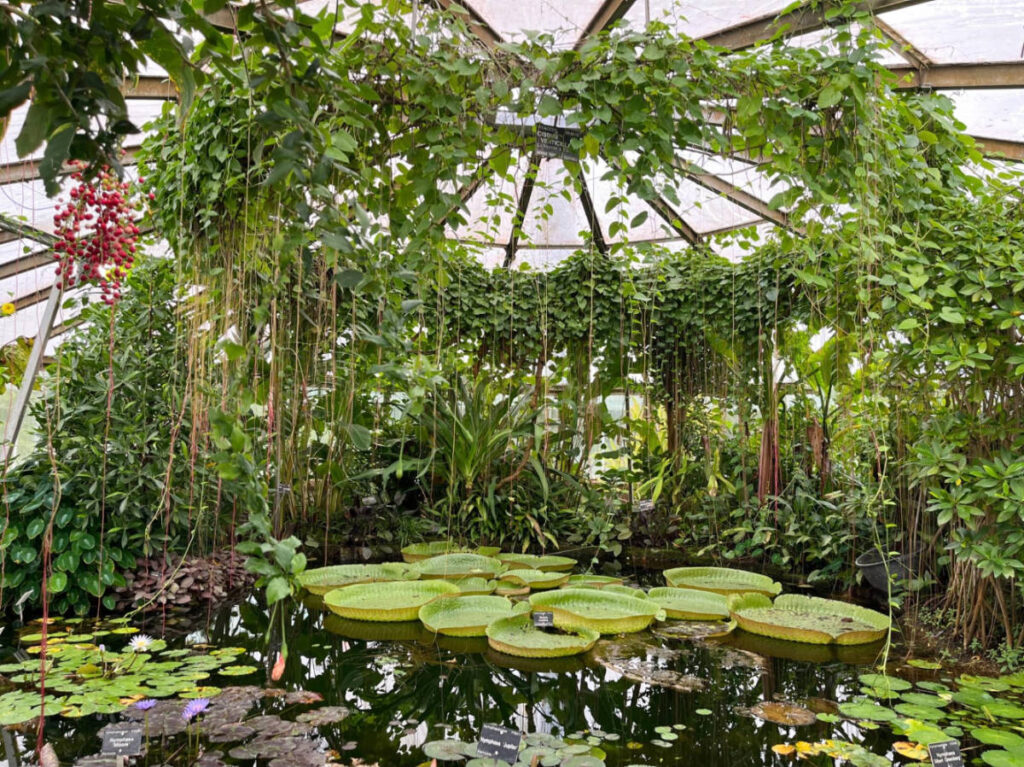
Parc Tete d’Or is a beautiful, expansive greenspace that’s a great place to spend a couple of hours (or even a day) strolling, cycling, jogging, or sightseeing. It’s one of the largest public parks in France, located just next to the Rhone in the 6th arrondissement.
The Parc Tete d’Or has a free public zoo, a small botanical garden (also free), a puppet theater, an amusement park, and a lake where you can rent rowboats. There are also a few cafes within the park, including one overlooking the lake.
A mini-train runs through the park, which is good for kids and also for getting your bearings. There is plenty of open space here, so many people just come to the park with a picnic and to hang out or play soccer.
Lyon Sites and Attractions
Place Bellecoeur
Visit Lyon’s Kilometer Zero and take a stroll around Europe’s largest pedestrian square.
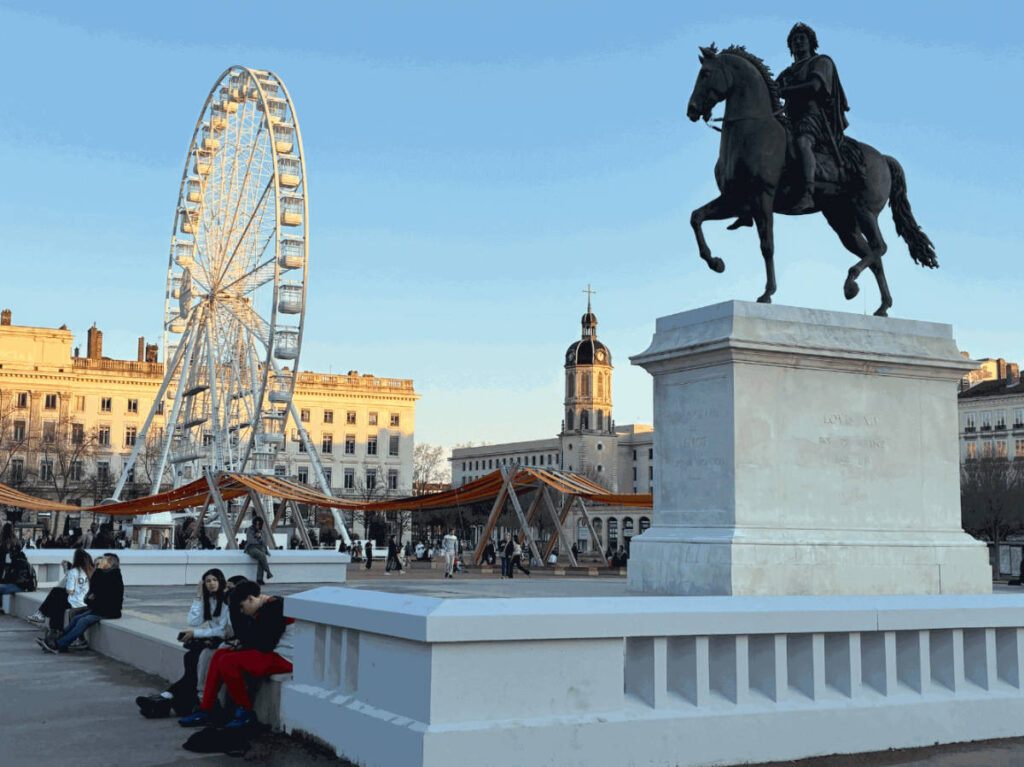
Place Bellecoeur is a huge square in the heart of Lyon’s 2nd arrondissement in the Presqu’île neighborhood. It is considered Lyon’s de facto city center and the starting point for many of its central streets. It’s also the largest pedestrian square in Europe.
There’s a statue of Louis XIV on a horse in the center, and a statue of Antoine de Saint-Exupéry along the southwest side. Saint-Exupéry, a Lyon native who wrote The Little Prince, is a source of pride for the city.
The square has a children’s playground and a few shopping kiosks. During winter, there’s a big Ferris wheel and sometimes a skating rink. The city’s tourist office is here and there’s a Christmas market during the holidays.
Along the square you can find L’Institut Restaurant, part of the Paul Bocuse Culinary School. Go here for a bargain Michelin-level quality meal, then stop at the nearby contemporary art space, Fondation Bullukian.
Place des Terreaux
Soak up the beauty of one of Lyon’s most stunning gathering spots.
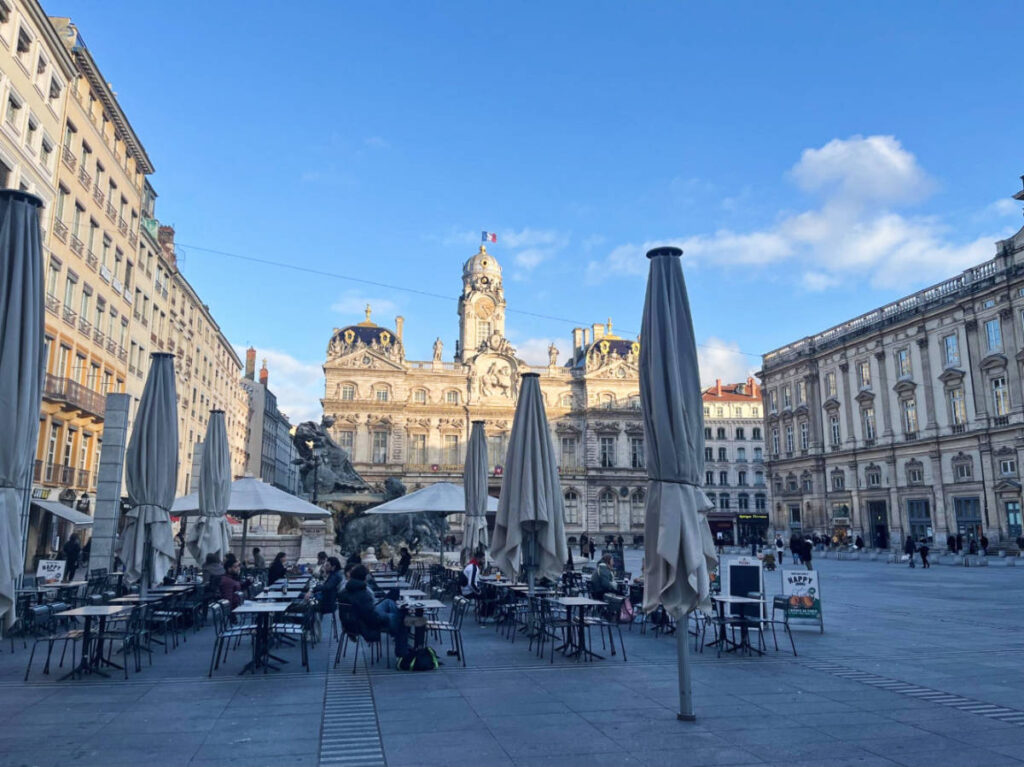
You’ll find Place des Terreaux at the north of the Presqu’ile, just before the slope up toward Croix Rousse. When I first moved to Lyon, I was struck by how Italian this square felt, but it makes sense given Lyon’s role as a hub during the Renaissance.
Place des Terreaux is lined by Lyon’s City Hall and the Musée des Beaux Arts. The crowning glory here is the Bartholdi Fountain, which was designed by Frédéric Auguste Bartholdi, creator of the Statue of Liberty. The north end is lined with bars and cafes with outdoor seating. This is a very nice place to stop and take photos or grab a drink, particularly in the early morning or at dusk.
If you are visiting during summer, know that it may get really hot. There are no trees here so you’ll have to grab shade under the table umbrellas. Or you can join the kids and run through the cylinder splash fountains that spring up from the pavement during the hotter months.
Opéra de Lyon
See a live performance, take a tour, or just admire the rooftop views at this dynamic opera house.
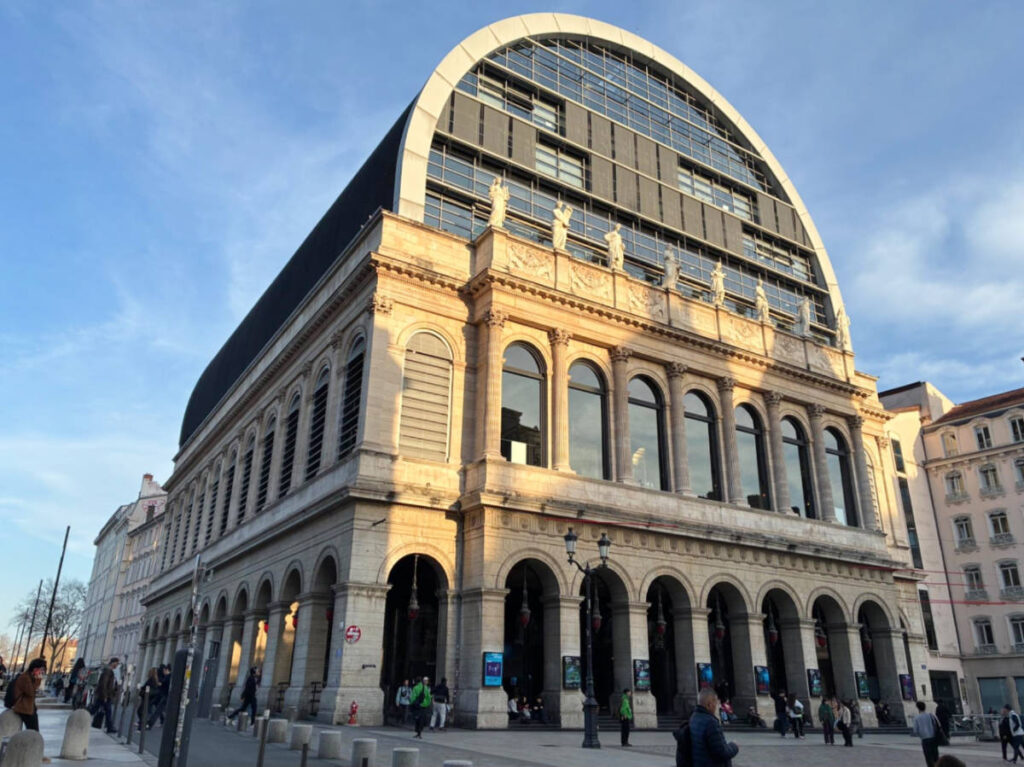
📍 Google Maps | Phone: +33 (0)4 69 85 54 54 | Website | Hours: Performance times vary, check website; Guided Tours: 1 pm – 2:30 pm Wednesday & Saturday, 5:30 pm – 7 pm Thursday | Entrance: €14 adults, age 12 and up
The Opéra de Lyon is a stone’s throw from the Place des Terreaux. The building is a beautiful mixture of neoclassical and modern architecture, though the domed glass roof is a complete departure from the rest of the structure. Yet somehow, it works! I recommend stopping to admire the architecture at the very least.
Check out the seasonal program if you want to see a performance. Along with operas, a variety of concerts and ballets are also performed here. Depending on the show, you may be able to reserve a dinner during intermission at Louise, the on-site restaurant.
Tours of the opera house are also offered on specific days, and Les Muses, its rooftop bar, has some incredible panoramic views.
Lyon City Boat
See the city from another angle by taking a leisurely boat ride.
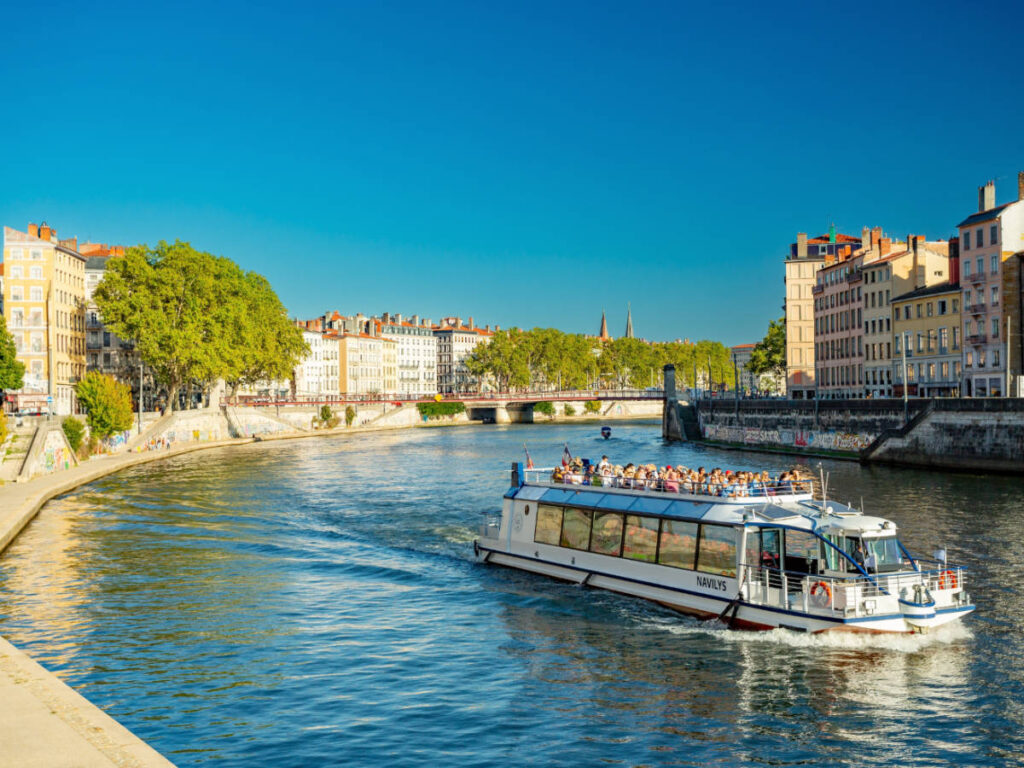
📍 Google Maps | Phone: +33 (0)4 78 42 96 81 | Website | Hours: 11:15 am, 2:15 pm, 3:30 pm, 4:45 pm, 6 pm (check in advance as times can vary by date) | Entrance: €15 adults, €9 kids age 3-10, Free under 3 years old
Taking a sightseeing cruise with Lyon City Boat (Les Bateaux Lyonnais) is an easy, relaxing, and enjoyable way to get a feel for Lyon. Les Bateaux Lyonnais also offers lunch and dinner cruises along with a brunch cruise on Sunday if you prefer to mix your experience with Lyonnaise cuisine.
There are two standard sightseeing cruises. One goes north along the Saône and passes le Barbe. Another goes to Confluences on the southern point of Lyon’s peninsula. There’s also an option to take a one-way ride and be dropped off at the Musée des Confluences.
Tours last an hour and they are narrated by guides in French and English. It’s nice to take in the remarkable contrast of the Old City against the industrial Confluences neighborhood as you drift south or see nature take over if you go north.
Cathédral St-Jean-Baptiste
See Lyon’s second most notable church.
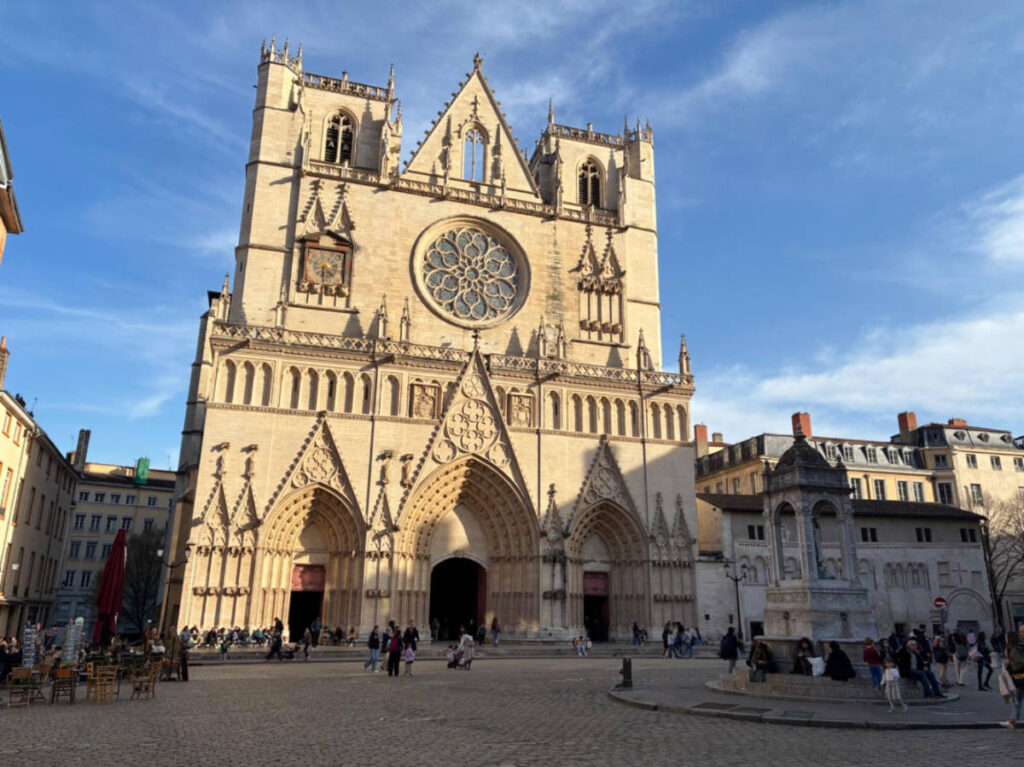
📍 Google Maps | Phone: +33 (0)6 60 83 53 97 | Website | Hours: 2 pm – 6 pm Monday, 8:30 am – 6 pm Tuesday-Friday, 8:30 am – 6 pm Saturday, 8 am – 6 pm Sunday | Entrance: Free
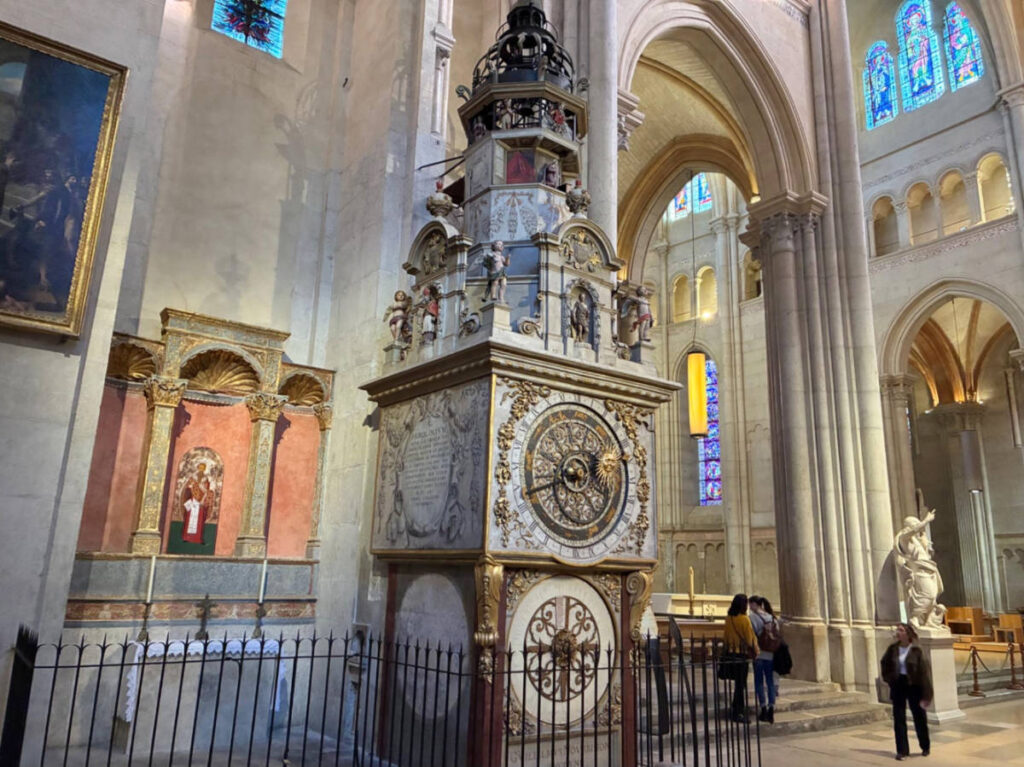
The Cathédral St-Jean-Baptiste (commonly referred to as St-Jean) is one of Lyon’s most notable landmarks. Nestled in the heart of the Old City’s St-Jean quarter, the cathedral was constructed between the 12th and 15th centuries. Its commanding gothic and Roman architecture is pretty impressive. My favorite thing to see here, however, is the Astronomical Clock that sits inside.
It’s easy to take a quick look inside the cathedral while you’re spending time in the Old City. Since the cathedral opens up onto a wide cobblestoned square, it’s a great place to people watch or take a break at one of the nearby cafes.
Tour Métallique
See a TV tower that has become a hallmark of Lyon’s skyline.
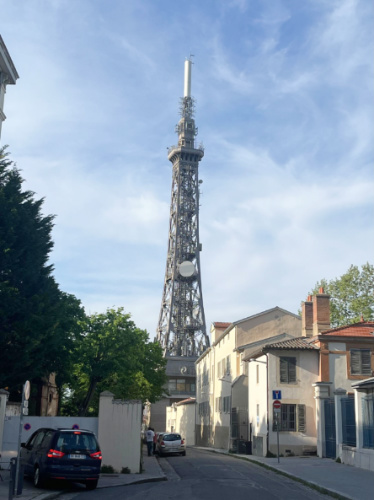
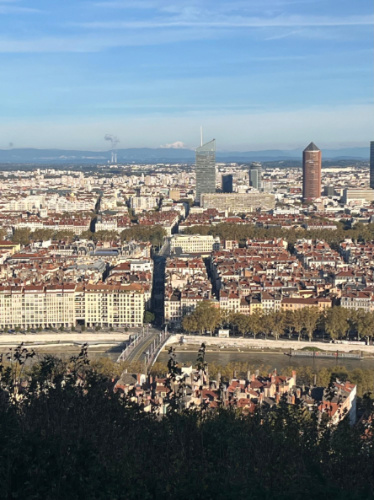
Near the Fourvière Basilica is the Tour Métallique, which looks as if the upper third of the Eiffel Tower was somehow just dropped upon the hill. It was constructed in 1893 for an exhibition and has been used as a TV transmitter. But that’s about all there is to it. It’s a Lyon sight you can easily have a quick look at when you’re visiting the Basilica.
Lyon’s Public Art Murals
Learn about the city’s history and culture through the work of a public art initiative.
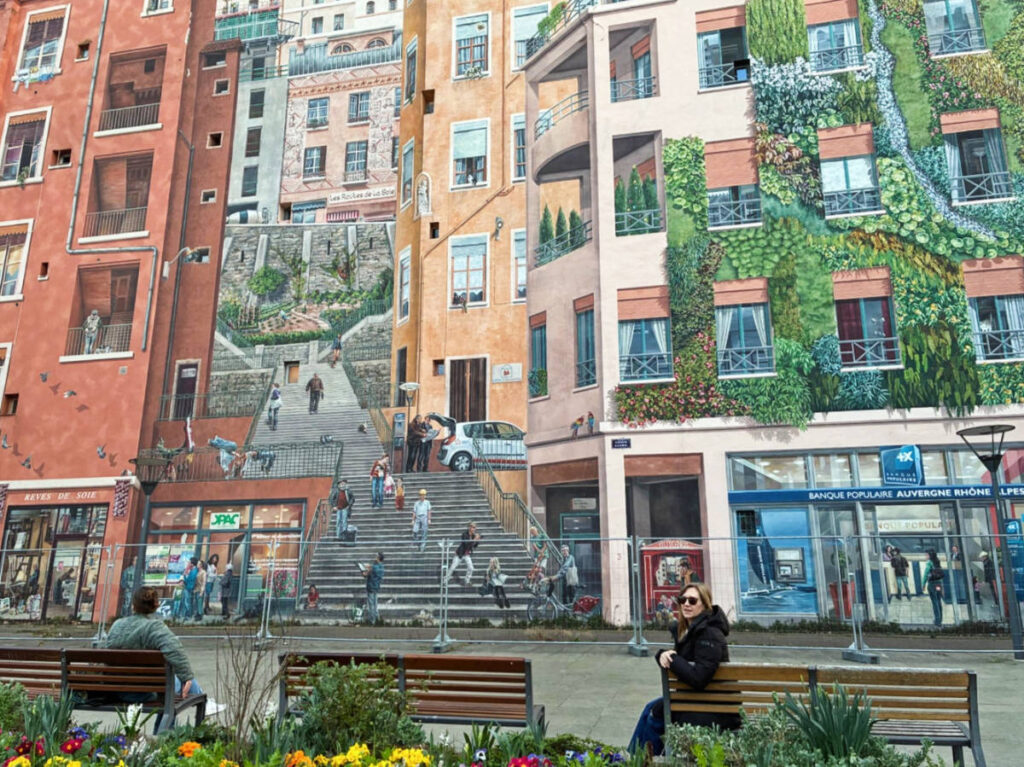
There are more than 100 street murals throughout Lyon and its suburbs, each of which depict a particular part of the city or a neighborhood’s history and culture. Most have been designed by the local artists collective CitéCréation, which began bringing this type of public art to Lyon over 40 years ago.
The most well-known is the Fresque des Lyonnaise, which is located at the top of the Presqu’ile, just across the Passerelle Saint-Vincent pedestrian bridge to the Old City. The enormous mural depicts 24 famous faces of Lyon throughout its history, such as the Roman Emperor Claude, Antoine de Saint-Exupéry, and (of course) Paul Bocuse.
Another must-see is the Mural des Canuts in Croix Rousse, which depicts the large windows and high-ceilinged apartment buildings unique to the neighborhood, along with scenes of contemporary life. Artists actually update this mural every few years. When it was first unveiled in 1987, it was the largest optical illusion-style mural in Europe.
Food and Drink in Lyon
Try Pink Praline
Indulge in Lyon’s signature pink spin on pastry.
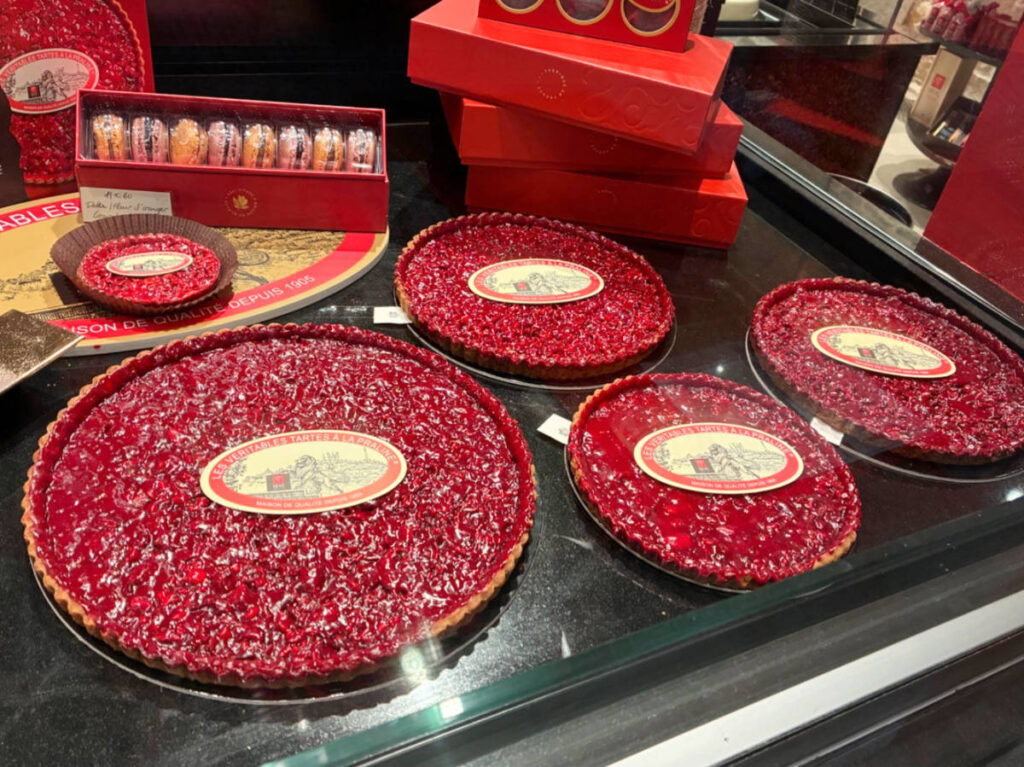
While wandering through Lyon, sooner or later you’ll notice a lot of hot pink and magenta pies and tarts in the windows of local bakeries and pastry shops. Pink praline, known as praline rose, are almonds covered in pink caramelized sugar. And they’re big here.
You can find them in many different forms. You can eat them on their own like nuts, or try them in tarts, pies, ice cream, pastries and even baked into a brioche, which is a praluline. You can find rose praline desserts all around the city, but I recommend Bouillet and Pralus.
Personally, they are not my favorite, but since they are a Lyonnaise staple, you will see them everywhere, and it’s worthwhile having a taste. Also, bags of praline rose make good gifts for anyone with a sweet tooth.
Go Wine Tasting at a Vineyard
Take advantage of being surrounded by wine country.
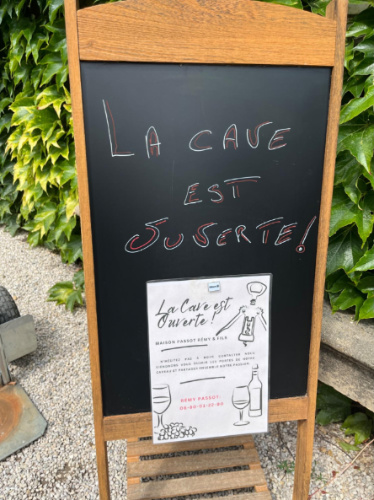
📍 Google Maps | 👉 Book a Beaujolais Wine Route Half-Day Tour
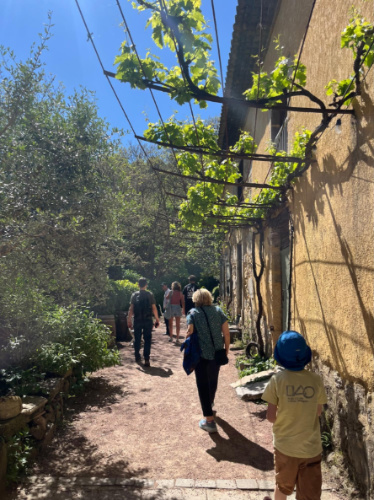
Lyon sits right in the middle of France’s Rhone Valley and just south of Beaujolais. Keep going north and you will reach Burgundy. There’s a saying here that Beaujolais wine is the third river of Lyon.
You can make a day trip south into the Rhone Valley or head north to Beaujolais to visit some of the vineyards. You will typically need a car to get to a winery. The easiest way to see the wineries is to book this half-day tour, which is what I recommend. It’s a fun way to spend a day outside the city and see some of the beautiful countryside and villages.
Eat a Michelin Meal
If there ever were a city to seek out a Michelin-ranked meal, this is it.
📍 Google Maps | Website
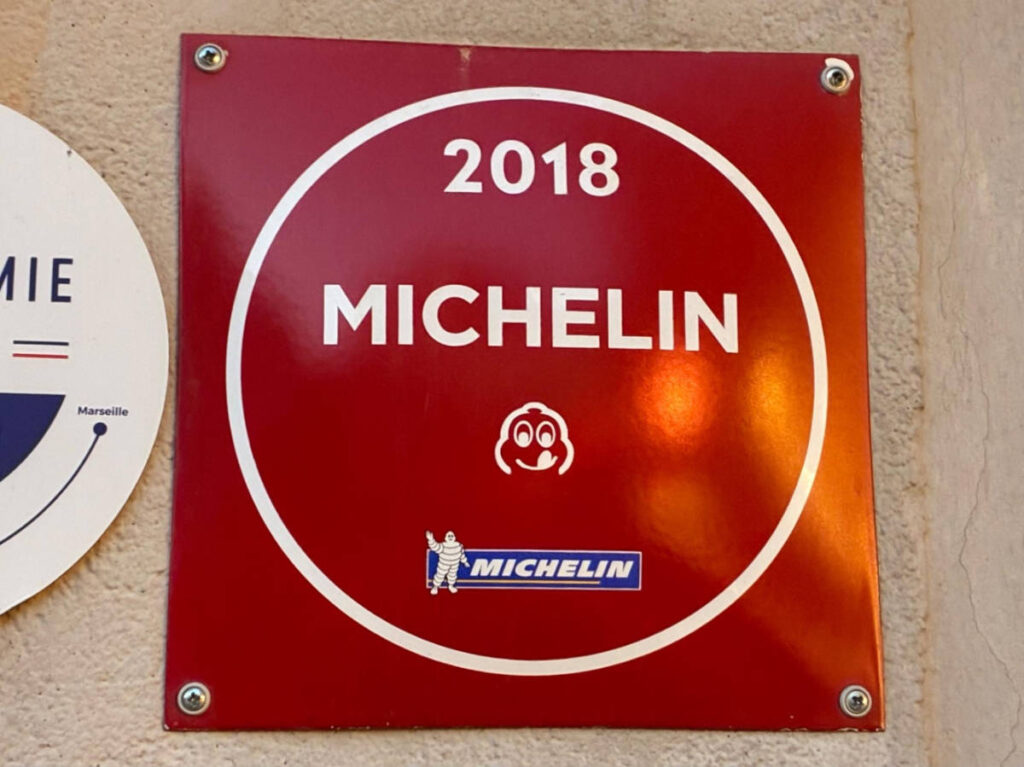
Lyon is France’s capital of food, so it’s only logical that the city has more than a dozen Michelin-starred restaurants. Being in Lyon is reason enough to try one.
Some of the most famous Michelin restaurants in Lyon include Restaurant Paul Bocuse (naturally), and Mère Brazier on the Pentes. If those are outside your budget, you may want to try one of Lyon’s 13 Bib Gourmand-rated restaurants. The food at these restaurants are Michelin-recognized and more reasonably priced.
Pastry and Coffee Shop Hop
Coffee, croissant, and dessert lovers will never run out of options here.
📍 Google Maps | 👉 Book a Pastry Tour in the City Center
Lyon boasts some fantastic bakeries and pastry shops. It also has a great coffee scene, so I recommend taking some time to wander and try a few treats as you take breaks from sightseeing.
The city is home to local coffee producers and roasters like Mokxa, Rakwé, and Loutsa, who each have their own cafes. Their coffees are widely used at many local cafes, and Loutsa even offers coffee “tastings” for the five senses.
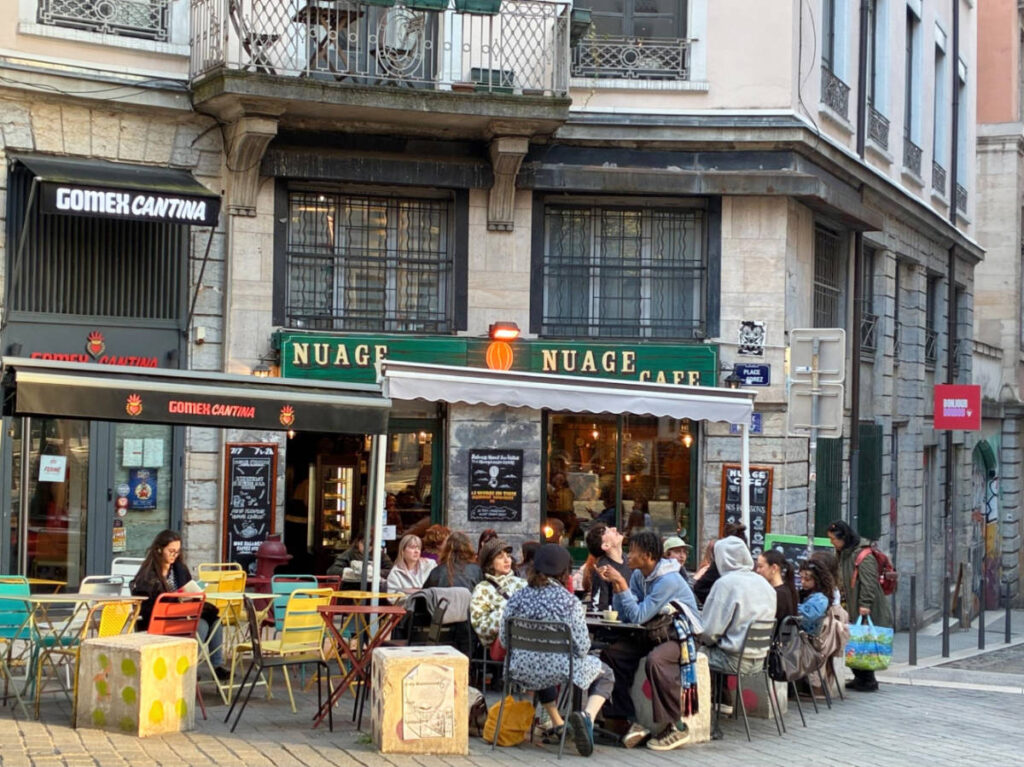
I recommend visiting an area of Les Pentes, on a street I’ve dubbed “coffee row,” where several nice cafes are clustered together. Nuage Cafe has quotes about coffee painted on the walls and Kafé Stockholm provides Scandinavian vibes. Other good places include Slake on the Presqu’ile and Puzzle in the Old City.
Some of my favorite bakeries include Boulangerie Saint-Paul in the Old City, Banneton on the Presqu’ile, Cocol on The Pentes, and Jadis in Croix Rousse. For purely pastries, try Seve and Duclef.
Terre Adelice
Treat yourself to the best ice cream in Lyon.
📍 Google Maps | Phone: +33 (0)4 78 03 51 84 | Website | Hours: 12 pm – 7 pm daily
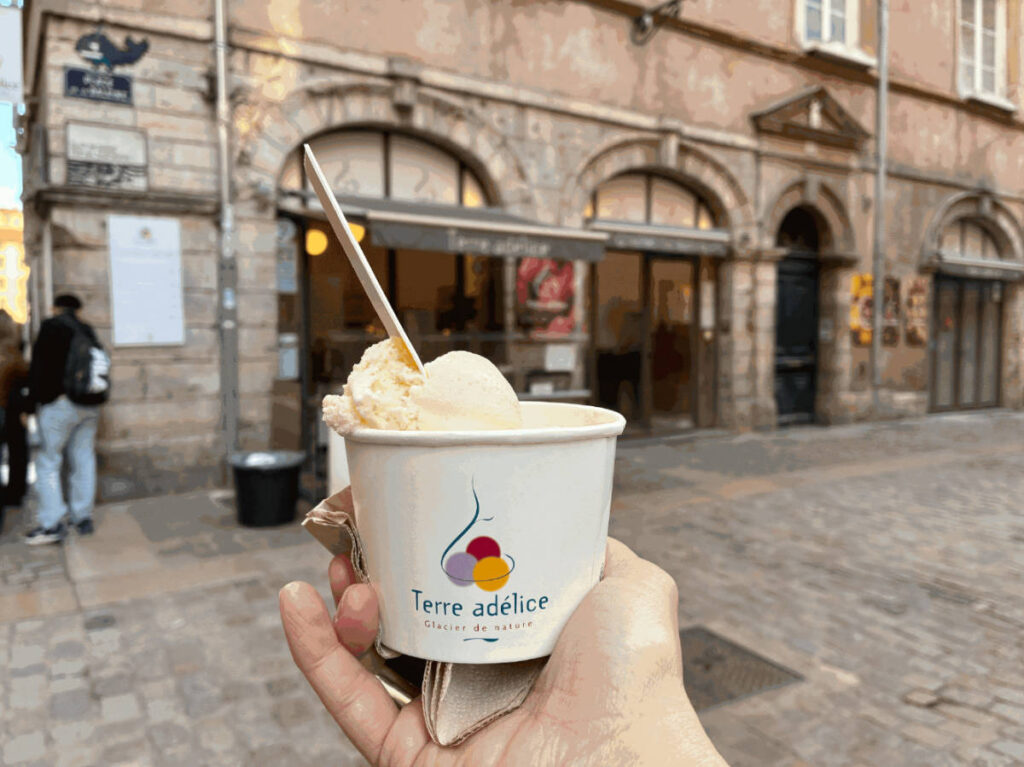
Terre Adelice originated in the Ardèche department a few hours south of Lyon and this ice cream producer is definitely the best in Lyon. There’s likely to be a line out front of their shop in the Old City at almost any time, but it typically moves fast and it’s worth the wait.
All of the ice cream is locally produced and organic and the flavors can get pretty wild. Aioli or absinthe-flavored ice cream anyone? They also make all of the classics.
Museums and Culture in Lyon
The Musée des Beaux-Arts
Explore fine art stretching back to antiquity.
📍 Google Maps | Phone: +33 (0)4 72 10 17 40 | Website | Hours: 10 am – 6 pm Wed-Thurs & Sat-Mon, 10:30 am – 6 pm Fri, Closed Tuesdays | Entrance: €8 and €12 with special exhibition, adults, €4 / €7 with special exhibition, ages 18-25, Free 17 and under
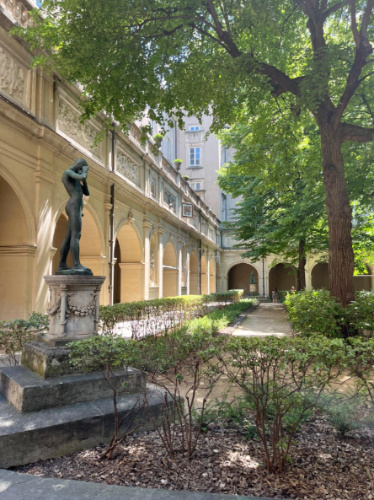
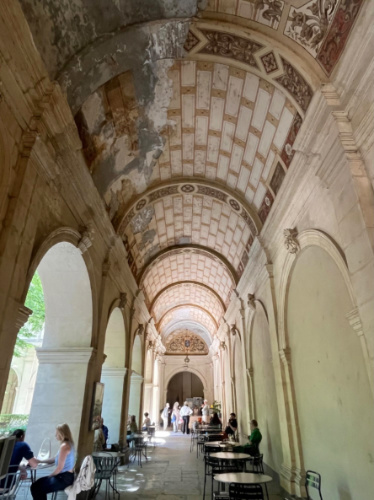
The Musée des Beaux-Arts is located on the Place des Terreaux in a former 17th-century Abbey. This museum is the second-largest fine arts museum in France with a collection of paintings and sculptures that reaches from antiquity to contemporary art.
You can book English tours of the collections, which are held on Saturdays. Just inside the front entrance to the building is a beautiful cloistered garden, which you can visit for free even if you are not visiting the museum.
During the warmer months, a cafe operates out in the garden and it’s a great place to sit. Also, I recommend trying the cafe Les Eclaireurs Pâtissiers inside the museum, which (as the name implies) has amazing eclairs.
Museum of Miniatures and Cinema
Get lost in movie memorabilia at this fun little landmark in the Old City.

📍 Google Maps | Website | Hours: 10 am – 6:30 pm Monday to Friday, 10 am – 7 pm Saturday and Sunday | Entrance: €22.90 adults, €17.90 kids ages 4-15, Free under 4
⚠️ Temporary Closure Notice: As of March 2026, the miniatures section of the museum is temporarily closed for restoration.
Calling all movie buffs – you don’t want to skip the Museum of Miniatures and Cinema! The museum is located in a beautiful 16th-century Renaissance building in the Old City, and it’s a virtual treasure trove of movie props, costumes, and memorabilia.
There are more than 1,000 items on display, including original items such as Darth Vader’s mask, Gizmo from Gremlins, dinosaurs from Jurassic Park, and costumes worn in The Grand Budapest Hotel. Kids will especially enjoy it.
My favorite part of this museum is the top floor which houses an impressive collection of about 120 miniature sets and scenes made by the artist Dan Ohlmann for various films. The small scenes include Lyonnais points of interest and their detail is nothing short of mesmerizing. I’d even argue it’s worth going to the museum just for the miniatures.
Musées Gadagne: Lyon History Museum
Learn all you ever wanted to learn about Lyon at this interactive history museum.
📍 Google Maps | Phone: +33 (0)4 78 42 03 61 | Website | Hours: 10:30 am – 6 pm Wed-Sun, Closed Mon & Tues | Entrance: €8 / €9 (incl. temporary exhibitions) adults, €6 / €7 (incl. temporary exhibitions) 18 -25, Free under 18; Tickets include entry to MAM
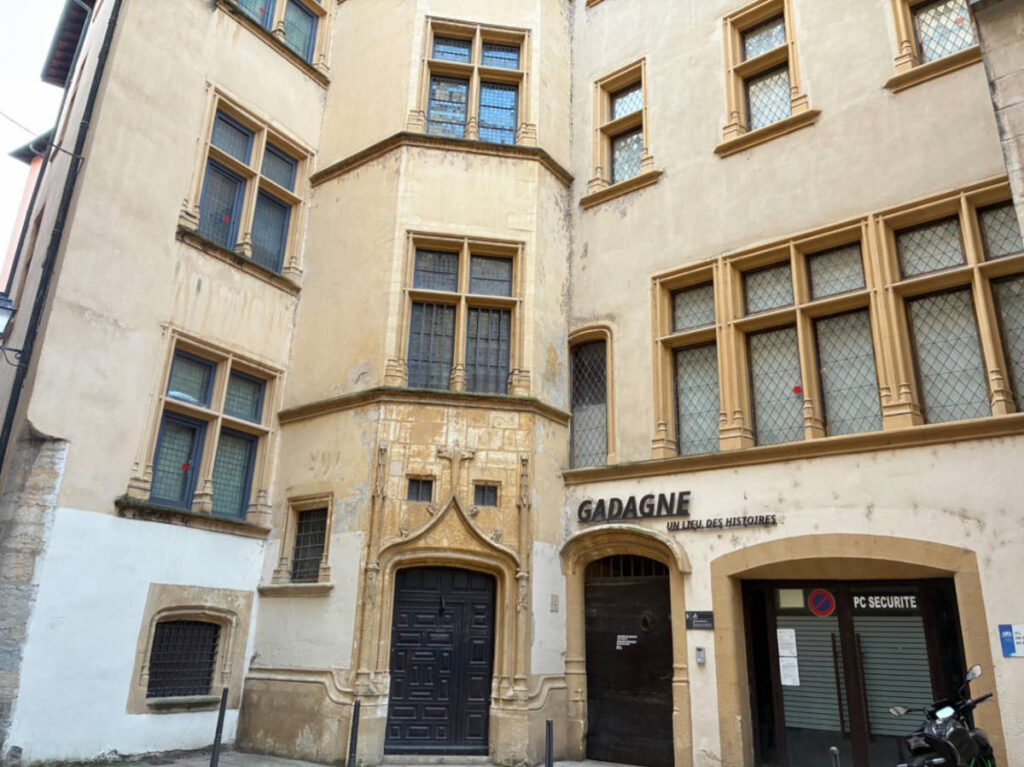
The Lyon History Museum is one of two museums housed in Lyon’s largest Renaissance building, purchased in the 16th century by the wealthy Gadagne Family.
The museum is engaging and interactive. It tells the story of Lyon’s identity through portraits of its people throughout the centuries as well as representative objects like Guignol puppets and Paul Bocuse’s toque (hat). It also has many kid-friendly components so it’s a good family option. However, most information is in French.
Musées Gadagne: Museum of the Art of Puppetry
Delve into the history and significance of an off-beat art form.
📍 Google Maps | Phone: +33 (0)4 78 42 03 61 | Website | Hours: 10:30 am – 6 pm Wednesday to Sunday, Closed Mondays and Tuesdays | Entrance: €8 / €9 (incl. temporary exhibitions) adults, €6 / €7 (incl. temporary exhibitions) 18 -25, Free under 18; Tickets include entry to Lyon History Museum
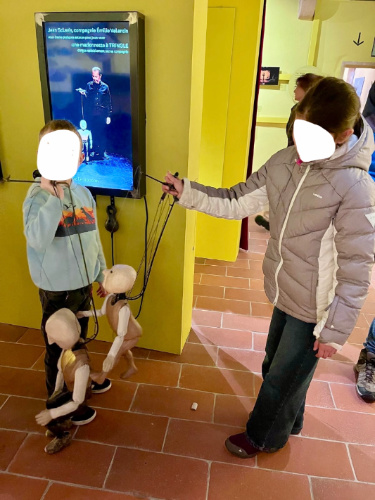
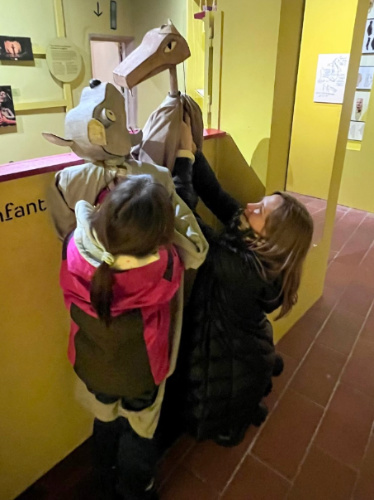
The Museum of the Art of Puppetry, or MAM, is the second of the Musées Gadagne. It details the history of the use of puppets in cultures all around the world, but focuses primarily on Lyon’s own Guignol puppets, which traditionally represented Lyon’s silkworkers.
The last section of the museum is a hands-on activity space for children, so this museum is a great option for kids. And if you’re into off-beat museums this is definitely a worthwhile one to add to your list.
One of the best parts of the Musées Gadagne is its beautiful third-floor garden and cafe. It’s free to enter, whether or not you are visiting either museum.
Musée Lumiere and Institute
See where moving pictures were born.
📍 Google Maps | Phone: +33 (0)4 68 68 18 95 | Website | Hours: 10 am – 6:30 pm Tuesday to Sunday, Closed Mondays | Entrance: €9.50 adults, €7.50 under 18, Free under 7
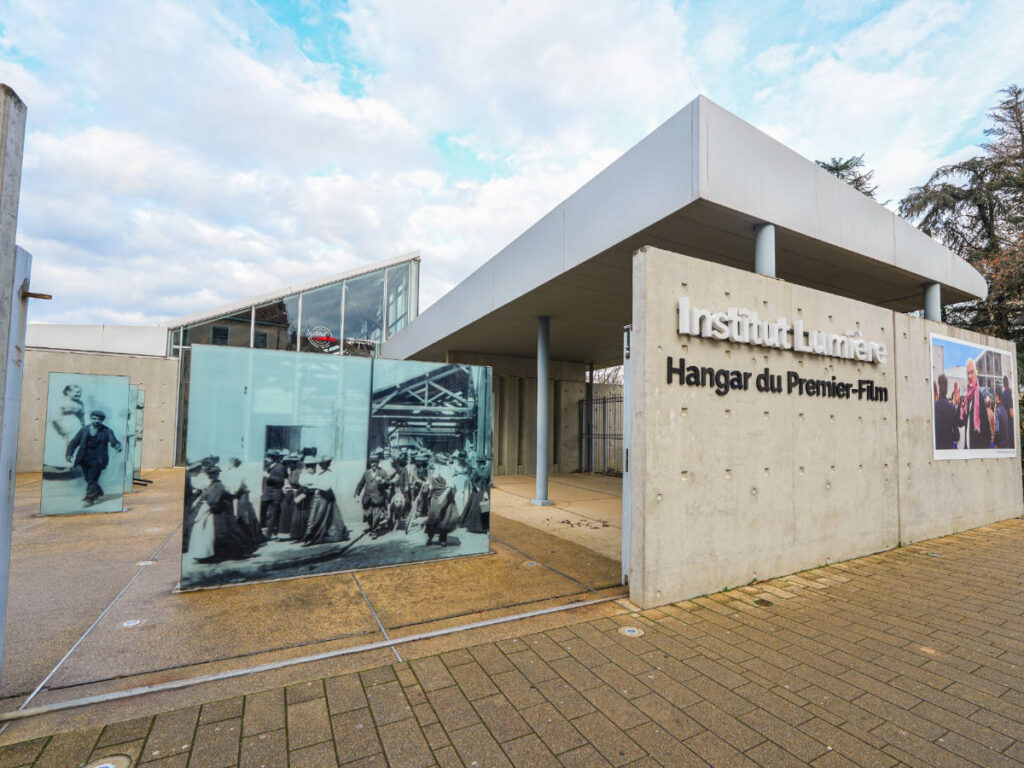
Did you know Lyon was the birthplace of cinema? It was here that brothers Auguste and Louis Lumiere filmed the first motion picture Exit of the Lumieres Factories in 1895 with the cinématographe camera and projector which they invented. Their childhood home is now the museum.
The museum showcases the cinématographe, in addition to their other designs, like the 360-degree panoramic Photorama and a projector for 3D films. Behind the museum is the Institute Lumiere, with a cafe and outdoor garden, a library of old movies, and many books about film.
Museum of Gallic-Roman History & Amphitheater
Dive deep into Lyon’s Roman roots at this extensive museum.
📍Google Maps | Phone: +33 (0)4 72 38 49 30 | Website | Hours: 11 am – 6 pm Tuesday to Friday, 10 am – 6 pm Saturday to Sunday, Closed Mondays | Entrance: €7 adults, Free under 7
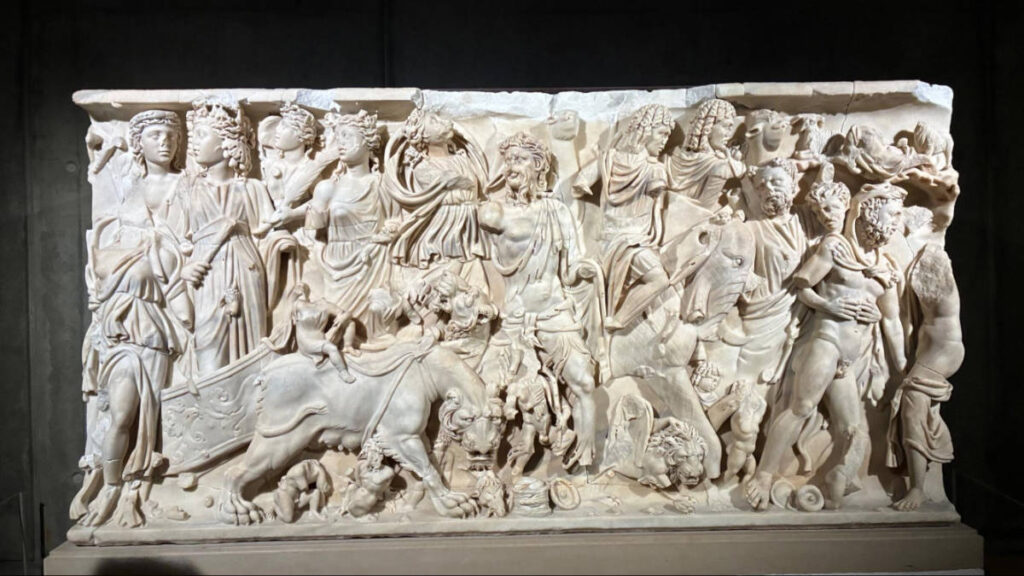
Lyon was the capital of the Roman Colony of Lugdunum starting in 43 B.C. and the Museum of Gallic-Roman History is a great way to deep dive into its history. It sits on the same site as the Roman Amphitheater and the Odeon. The brutalist museum is designed to resemble part of the landscape, with viewing windows over the ruins built into the side of the hill.
There are thousands of artifacts from Lyon and the greater region, including coins, pottery, and sculptures, and some very impressive and well-preserved mosaics. There is also a nice kids’ section.
Resistance and Deportation History Center
Learn about Lyon’s prominent role during World War II.
📍 Google Maps | Phone: +33 (0) 04 78 72 23 11 | Website | Hours: 10 am – 6 pm Wednesday to Sunday, Closed Mondays and Tuesdays | Entrance: €6 / €8 (if temporary exhibition) adults, Free under 18
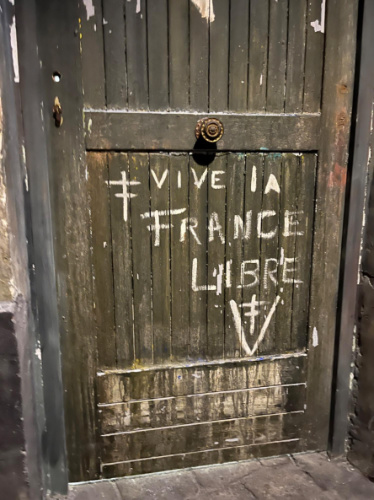
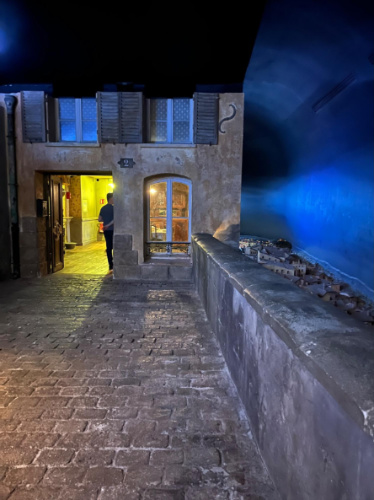
Lyon was a center of the French Resistance during WWII and you can learn about it at the densely-packed Resistance and Deportation History Center, now located in the former Gestapo headquarter.
Here, you’ll learn about different dimensions of Nazi-occupied France, including life under the occupation and the birth of the resistance movement. Interestingly, Klaus Barbie, aka the “Butcher of Lyon,” was head of the Gestapo in the city. His trial in 1987 was the first trial for crimes against humanity in France.
This museum requires and deserves a lot of attention. It’s a lot about reading texts as opposed to observing displays, although there are some interesting historic reconstructions toward the end that I find really interesting. I would recommend carving out a few hours for it if you want to really absorb everything. Very young kids may find it less engaging, though.
Musée des Confluences
Contemplate nature and humanity’s big questions at this unique museum.
📍 Google Maps | Phone: +33 (0)4 28 38 12 12 | Website | Hours: 10:30 am – 6:30 pm Tuesday to Sunday, Closed Mondays | Entrance: €12 adults, €8 ages 18 – 25, Free under 18 and students 18 – 25
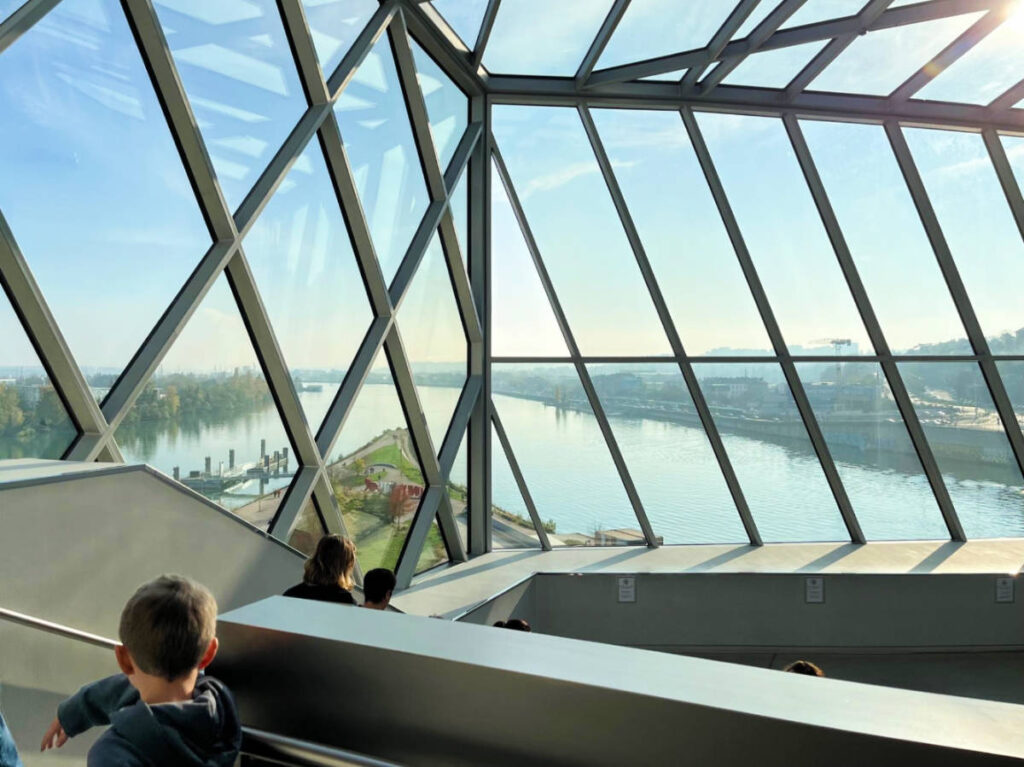
The Musée des Confluences is perched at the southern tip of the Presqu’île, where the Rhone and Saône Rivers converge. This museum stands out with its unconventional form. It looks a bit like an asymmetrical space ship.
Come here to absorb and ruminate on humanity’s origins and future. There are four permanent exhibitions: Origins, which walks through our evolution; Species, which shows how we interact with the rest of the living world; Societies, which explores culture and civilizations; and Eternities, which examines how cultures view what happens after we die.
The museum typically has fascinating temporary exhibits, such as those on the origins of zombies, historical global epidemics, and the species who thrive in extreme conditions. I found a few of them pretty engrossing.
This is also a good place to take kids and there are a lot of kid-focused demonstrations and parts of the exhibits. There’s a cafe on the top floor if you get hungry.
Museum of Printing and Graphic Communication
Follow the evolution of the printed word.
📍 Google Maps | Phone: +33 (0) 37 23 65 43 | Website | Hours: 10:30 am – 6 pm Wednesday to Sunday, Closed Mondays and Tuesdays | Entrance: €6 / €8 (if temporary exhibition) adults, €4 / €6 ages 18 – 25, Free under 18
⚠️ Temporary Closure Notice: This museum is temporarily closed for renovations until at least spring 2027.
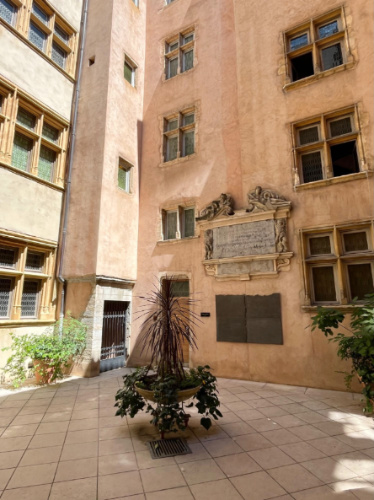
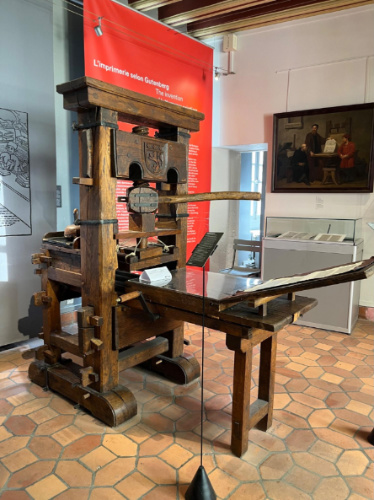
Lyon was a hub of the printing industry during the late 15th century, following the invention of the printing press. The city became one of Europe’s most important printing centers and the Museum of Printing and Graphic Communication is one of the best places to learn about this.
This museum, housed in a very nice Renaissance building on the Presque’ile, takes you through the centuries from the start of the printing press and the Renaissance through the transition to computerized technologies, including graphics and graphic design. It’s a very engaging museum which also hosts temporary exhibitions.
Outdoors Activities in Lyon
Amphitheater of the Three Gauls
See another vestige of Lyon’s Roman past.
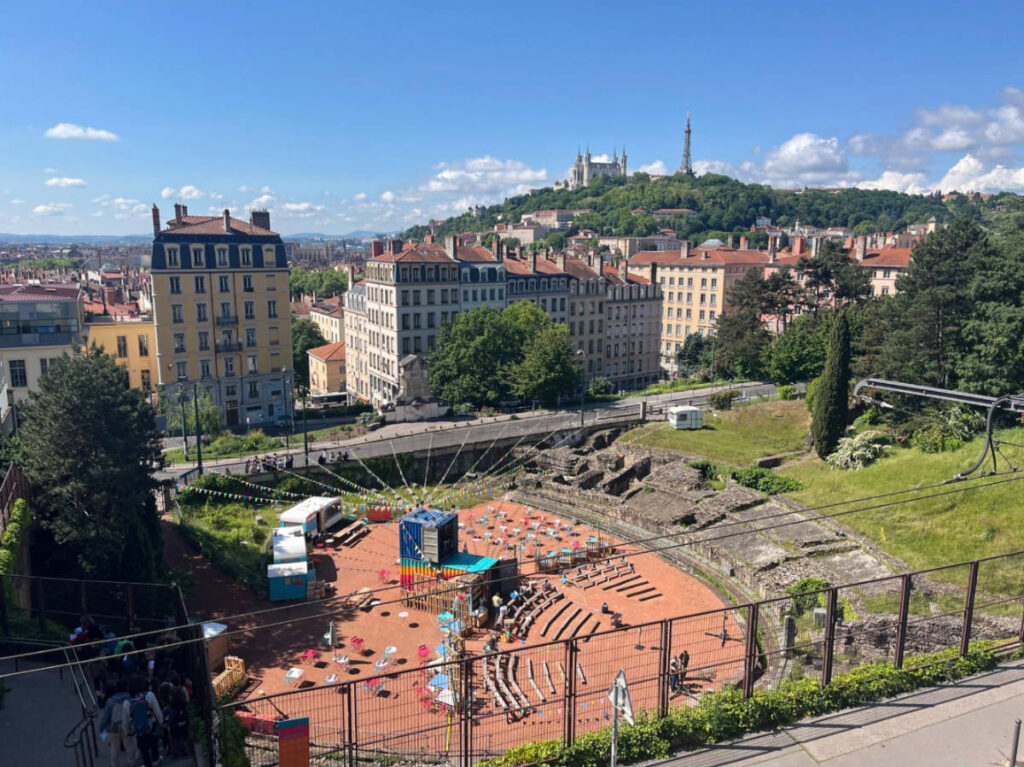
The Amphitheater of the Three Gauls is located in Les Pentes on the way to Croix Rousse. At one time, it could accommodate about 20,000 people. While it’s gated off and not really accessible to walk through, it’s still worth a look.
From the top, you can get a nice view overlooking part of the city and it’s a good spot for photos. It’s also situated in the middle of a nice park and near lively restaurants and bars.
Go Bike Riding
Try cycling like the Lyonnais do.
📍 Google Maps | Website | 👉 Browse Cycling Tours on Get Your Guide
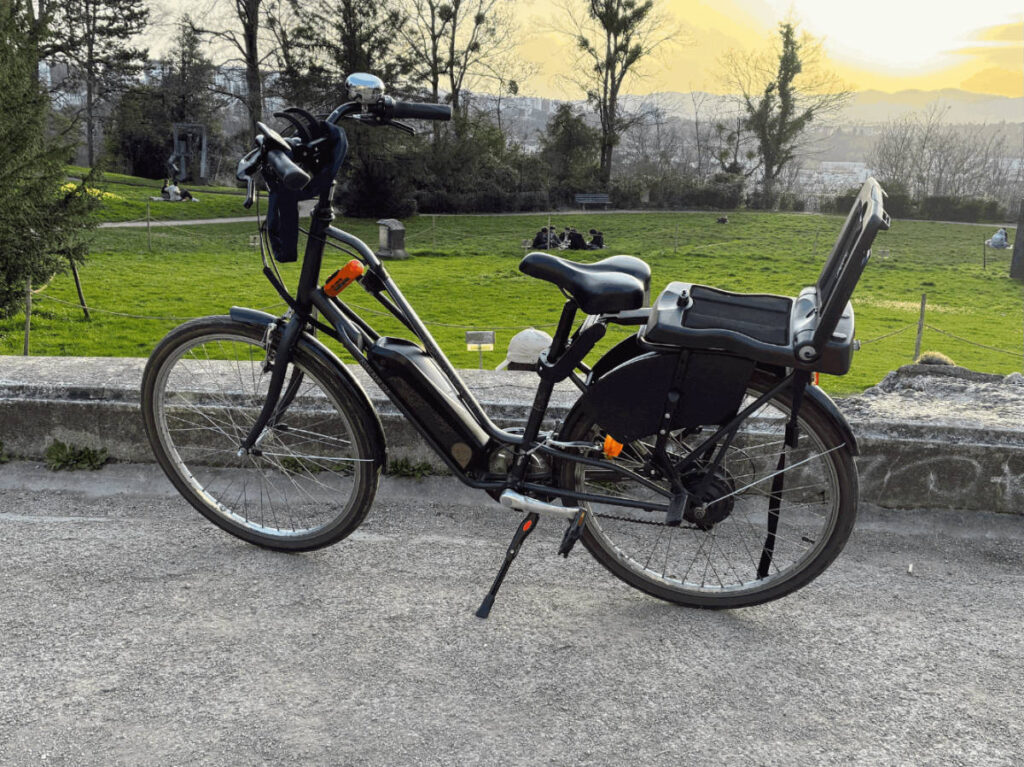
Lyon is an under-the-radar cycling destination. The city has more than 870 miles of bike paths and bike lanes, so it’s a great way to explore the city (and beyond if you want).
The government has invested heavily in cycling infrastructure and Lyon piloted France’s first bike share system called Vélo’v. This has made it easy to rent a bike using the public bike share system for the amount of time you want, from an hour to a full day.
Otherwise, you can rent from any number of bike rental businesses scattered around the city or take a guided cycling tour. Just remember to keep Lyon’s hills in mind. You might want to opt for an e-bike if you plan on visiting Croix Rousse or Fourvière. And for a unique stop, there’s Velcroc, a bike “bistro” that also offers lessons in bike repair.
Parc de la Cerisaie
Discover a woodsy oasis in Croix Rousse.
📍 Google Maps | Website | Hours: 8 am – 7 pm daily
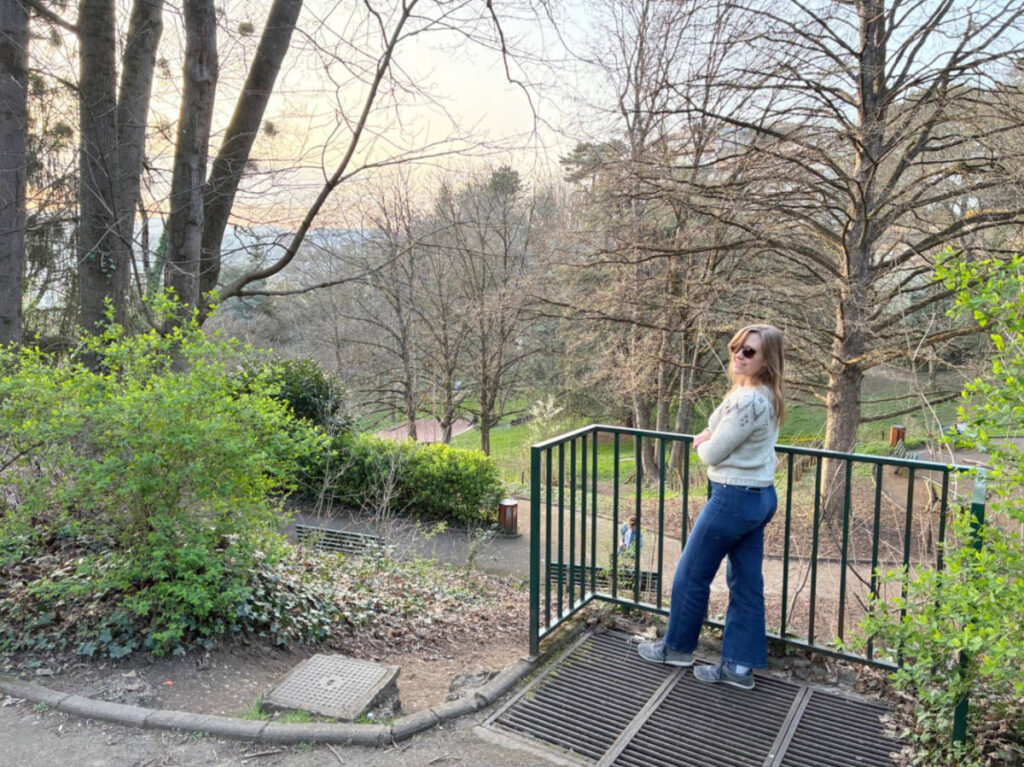
Parc de la Cerisaie is a gem of a park tucked away in the Croix Rousse neighborhood. I’m lucky to live nearby. There is a large house close to the entrance, but otherwise it’s filled with dense forest, open green patches surrounded by walking and jogging paths, and sloping hills.
There are several playgrounds for kids here and even a vineyard! You can’t actually enter the vineyard but it’s interesting to see nonetheless. The winding paths sometimes seem to go on forever, but you can’t really get lost. The park also backs up against the edge of the hill for a view over the Saône and the hills beyond.
Cerisaie is a little bit out of the way, but if you manage to make it here you are practically guaranteed to not see any tourists.
Unique & Unusual Things to Do in Lyon
Jardin des Curiosités
A little park that encourages you to change your perspective.
📍 Google Maps | Website | Hours: 8 am – 7 pm daily, and until 10 pm May to September | Entrance: Free
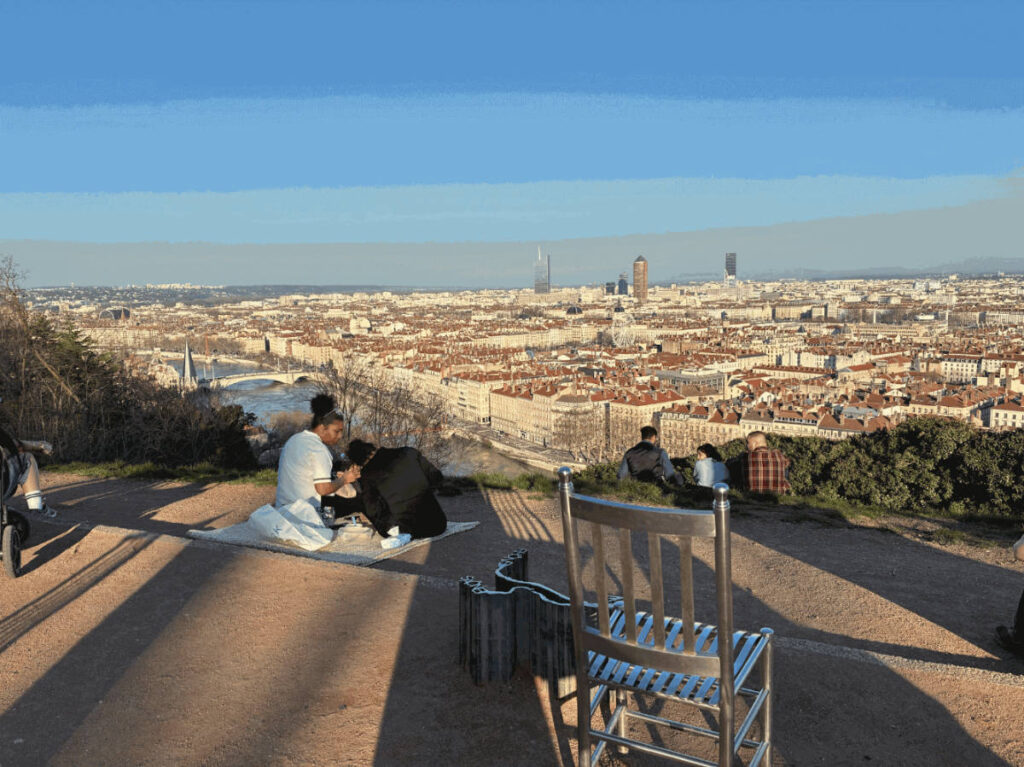
Jardin des Curiosités is a unique spot overlooking the city on Fourvière hill. The park was “donated” by Lyon’s sister city of Montreal in 2000. It was designed by Qubecois artists who added unique touches to elevate the public space.
Metal chairs engraved with different inscriptions and sayings are secured to the ground, each facing a different direction to encourage new perspectives. The red surface of one of the seating areas represents the red roofs of Lyon.
This is a very cool little spot to hang out at for a while to read or picnic while enjoying the beautiful views over Lyon.
île Barbe
Pay a visit to Lyon’s little-known island.
📍 Google Maps | Website
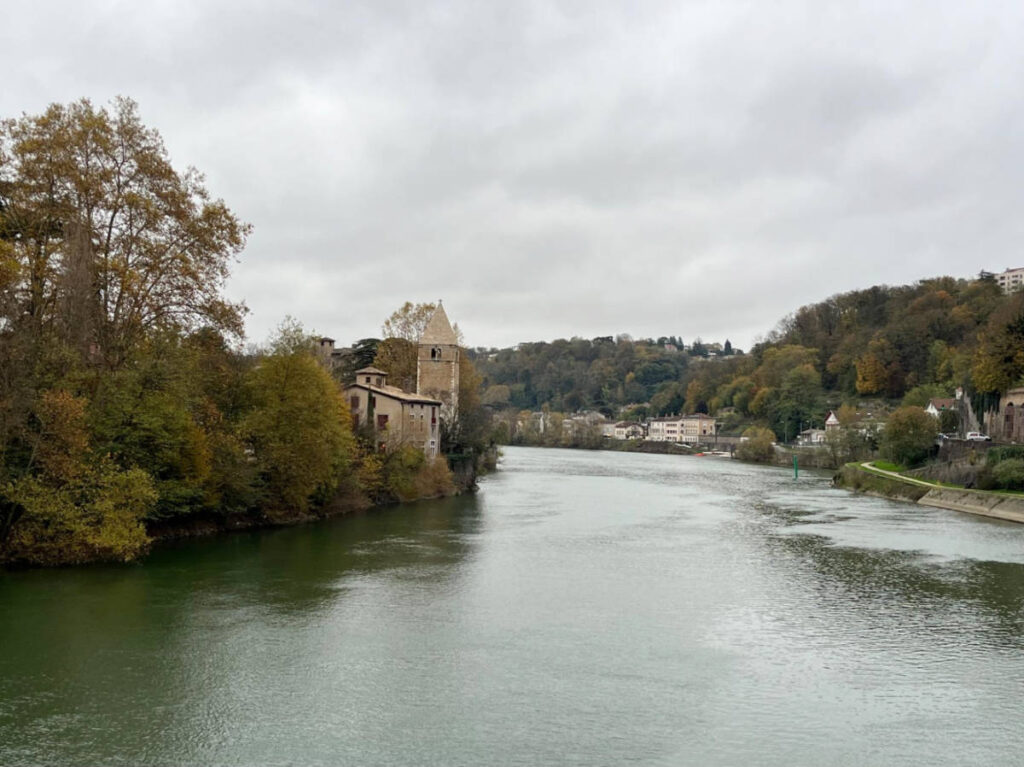
île Barbe is a small island located in the Saône River in Lyon’s 9th arrondissement, north of Croix Rousse. It’s a bit out of the way, which is probably why most tourists don’t visit, but it can be easily accessed by foot.
The island is woodsy and green with a small playground and petanque (bocce) or bulles court. There’s a 5th century abbey located here and many picturesque houses.
There isn’t much to actually do on the island itself, but it’s an interesting place to stroll around and take photos or have a picnic. A few people live on the island, and the high-end restaurant Auberge de l’ile Barbe is also located here.
Astronomical Clock
A stunning work of art and engineering.
📍 Google Maps | Phone: +33 (0)6 60 83 53 97 | Website | Hours: 2 pm – 6 pm Monday, 8:30 am – 6 pm Tuesday-Friday, 8:30 am – 6 pm Saturday, 8 am – 6 pm Sunday | Entrance: Free
In the back left corner of Cathedral St. Jean sits an astronomical clock from the 14th century. Even if you have no interest in visiting the cathedral, definitely visit this clock. It is about 30 feet high and stunning. It tells the time, the date, and major Christian holidays, with a beautifully intricate face modeled after the sky.
In 2013, a man nearly destroyed the clock after he smashed its casing with a metal rod. Over the next decade it was completely repaired and unveiled in 2024.
Jardin Rosa Mir
A garden like no other.
📍 Google Maps | Phone: +33 (0)4 72 69 47 78 | Website | Hours: 1 pm – 6 pm Saturdays only April 4 to October 31 | Entrance: Free
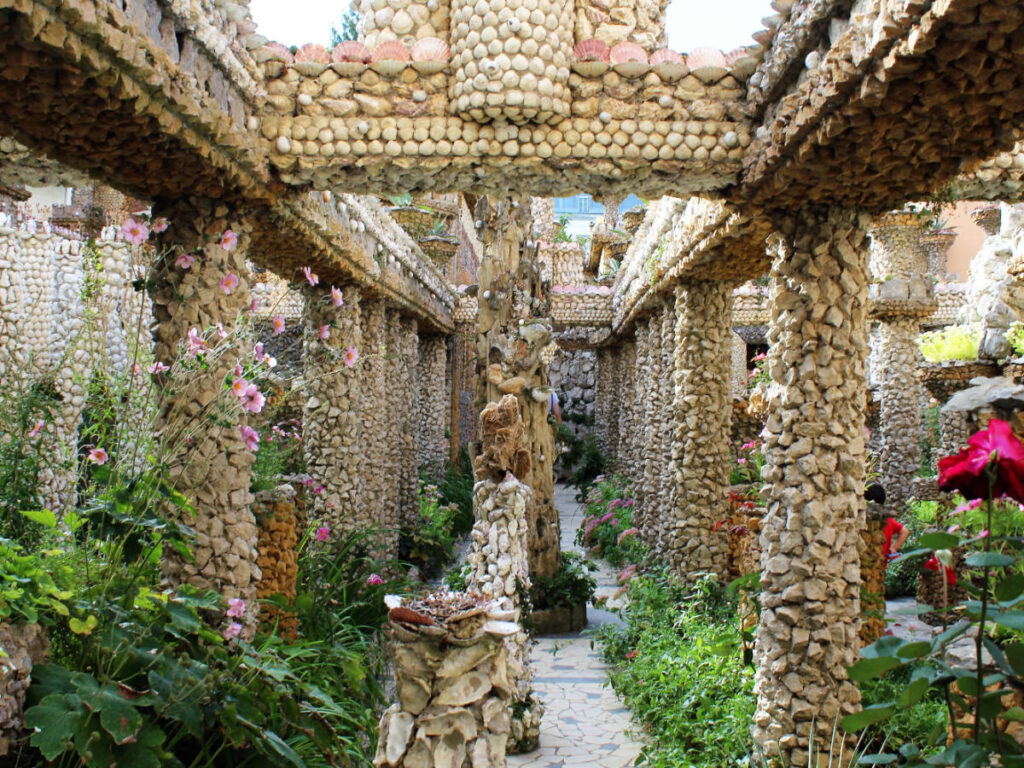
Hidden away in the heart of Croix Rousse, this very unusual garden is made up of thousands of seashells, stones, and thousands of plants. Jardin Rosa Mir was created by Jules Senis, a mason and refugee of the Spanish Civil War, to honor his mother, Rosa Mir.
The style of the garden is inspired by several places in Spain where Senis worked, including Alhambra and the Sagrada Familia. It looks a little like a funky undersea world to me, and it definitely is a unique thing to see. Just beware that it is not open year-round, but typically late spring to fall with very limited hours.
Canoe or Kayak with Lyon Canoe
Paddle your way around the city.
📍 Google Maps | Phone: +33 (0)6 98 77 95 10 | Website | Hours: 11 am and 6 pm Wednesday to Saturday, by appointment
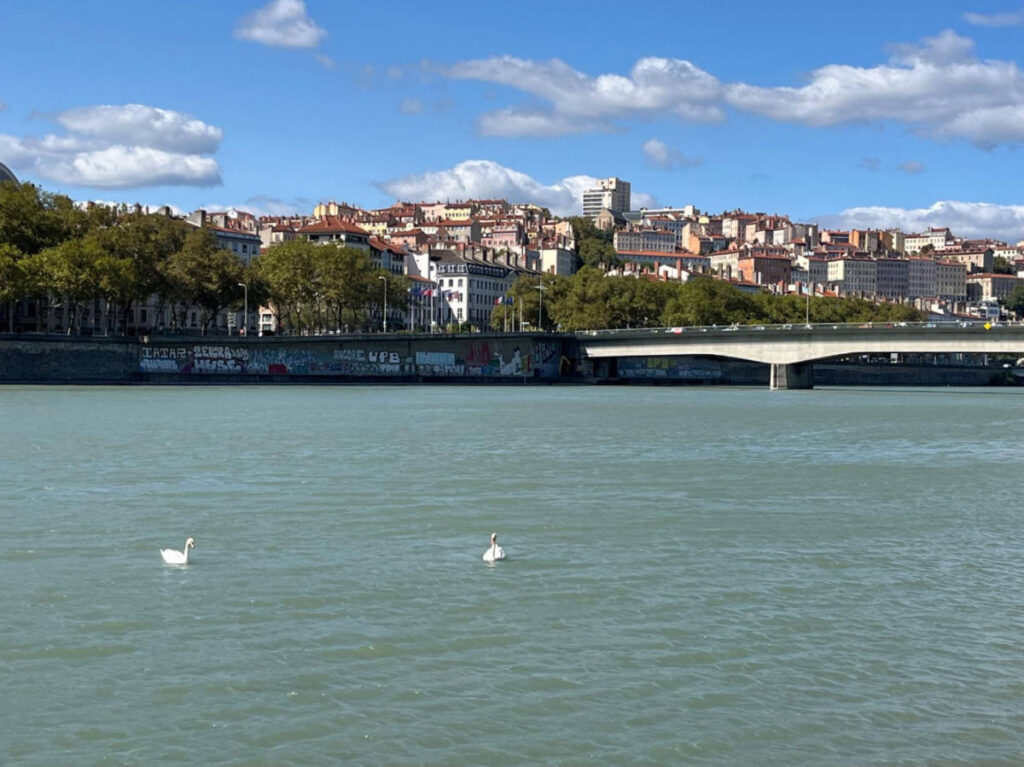
Most people probably don’t know that it’s possible to kayak, canoe, or even paddleboard the Rhone and Saône Rivers around Lyon.
Thanks to Lyon Canoe, there are many ways to do these types of water excursions. The company offers several options that vary in terms of distance (from 7km up to 12km), solo or in a group. Experienced kayakers can also rent a boat and set out on their own.
One of the most unique things they offer is “SUP Yoga” or “Paddle Yoga,” an 1.5 hour yoga class, along with guided meditation, taught completely on a paddleboard in the river.
L’Horloge Charvet
See Lyon’s Guignol puppets and an offbeat timepiece in one landmark.
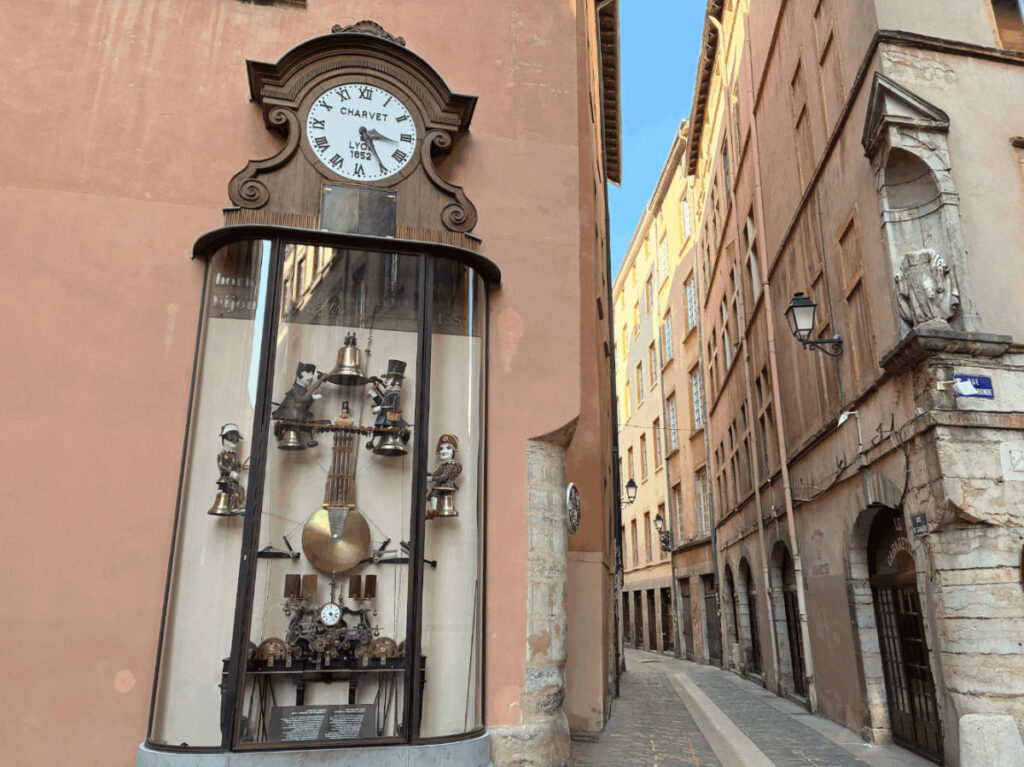
L’Horloge Charvet, also known as the Guignol Clock, is an old 7-meter high timepiece situated just outside the entrance to the Gadagne Museums. It dates back to 1852. Underneath the actual clock is an enclosed glass case of Guignol puppets who each strike the bells every 15 minutes. It’s an easy place to stop and kind of a cute thing to see.
Shopping in Lyon
Saint Antoine Célestins Food Market & Marché de la Création
Buy your picnic supplies and your souvenirs at these two markets across from each other along the Saône.
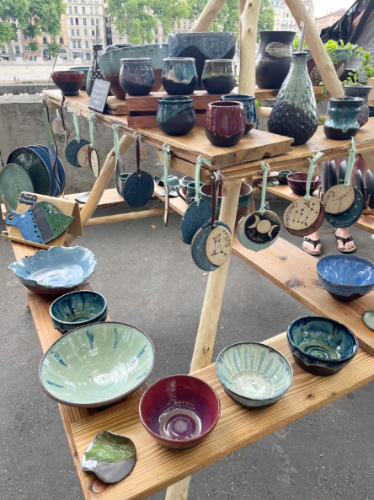
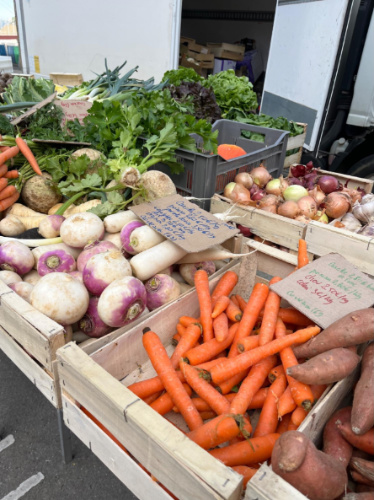
📍 Google Maps | Website | Hours: 6 am – 1 pm daily, until 1:30 pm Fridays & Saturdays, until 2 pm Sundays, Closed Mondays | Entrance: Free
Lyon has some great weekly markets. The Saint Antoine Célestins Food and Flower Market stretches along the Saône between Quais des Célestins and Quai Saint-Antoine on the Presqu’île, offering a nice view of the Old City and Fourvière.
Come here and pick up some great food for a picnic, which you can enjoy along the banks of the river or in one of Lyon’s parks.
On Sundays, cross the bridge to the Old City and check out the Marché de la Création, an artists market spread along the Promenade Annie et Régis Neyret Saône. It’s a great place for souvenir and gift shopping, and a good way to support local artists.
Croix Rousse Market
Come to this huge daily market to buy nearly anything.
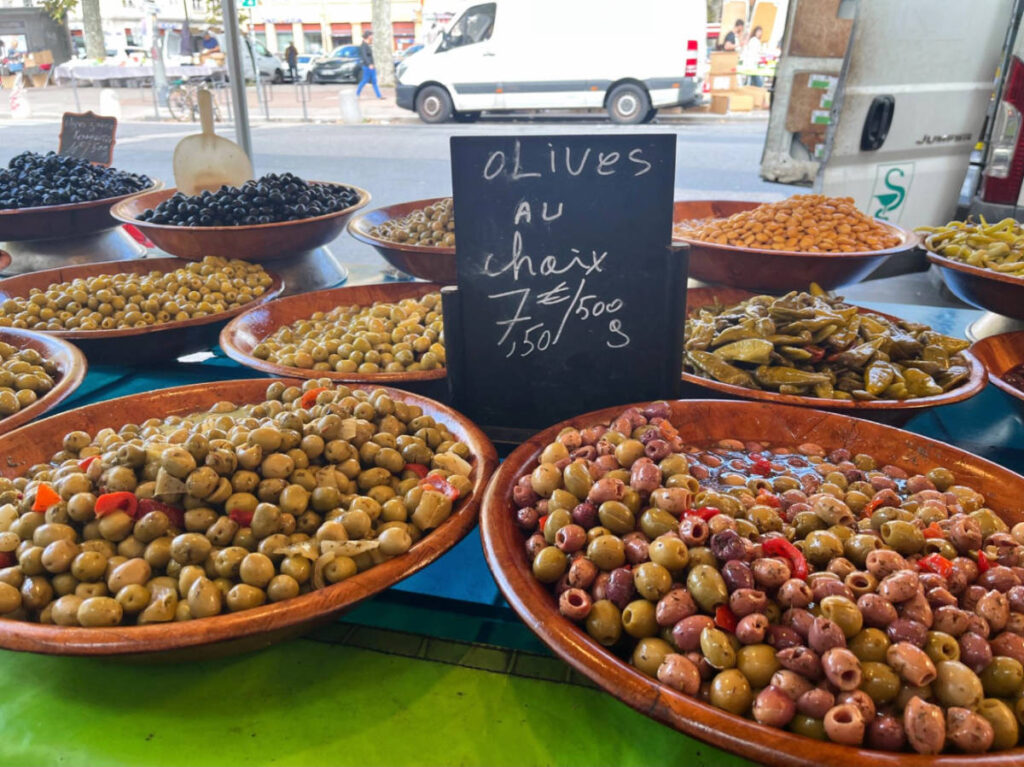
📍 Google Maps | Hours: 6 am – 1:30 pm Tuesdays & Friday to Sunday, until 1 pm Wednesdays and Thursdays, Closed Mondays | Entrance: Free
Croix Rousse hosts a huge market along its main boulevard where you can pick up any kind of produce, cheese, bread, olives – you name it. This market is larger than Saint Antoine Célestins and you can also get prepared foods. Vendors sell everything from Lebanese and Egyptian food to South Asian eats all ready to go.
Tuesday is the really big market day. Go on this day if you want to find great souvenirs because in addition to food, there’s clothing, accessories, flowers, household goods, and more. This market is in the heart of Croix Rousse, so you can easily pair your visit with a stop at a cafe or restaurant. Or, take time to explore the rest of the neighborhood on this hilltop, which feels like a village within the city.
Les Puces du Canal
Find any kind of obscure, vintage delight at this enormous flea market.
📍 Google Maps | Phone: +33 (0)4 69 85 66 28 | Website | Hours: 7 am – 1 pm Thursdays and Saturdays, 7 am – 3 pm Sundays, Closed Monday to Wednesday and Fridays | Entrance: Free
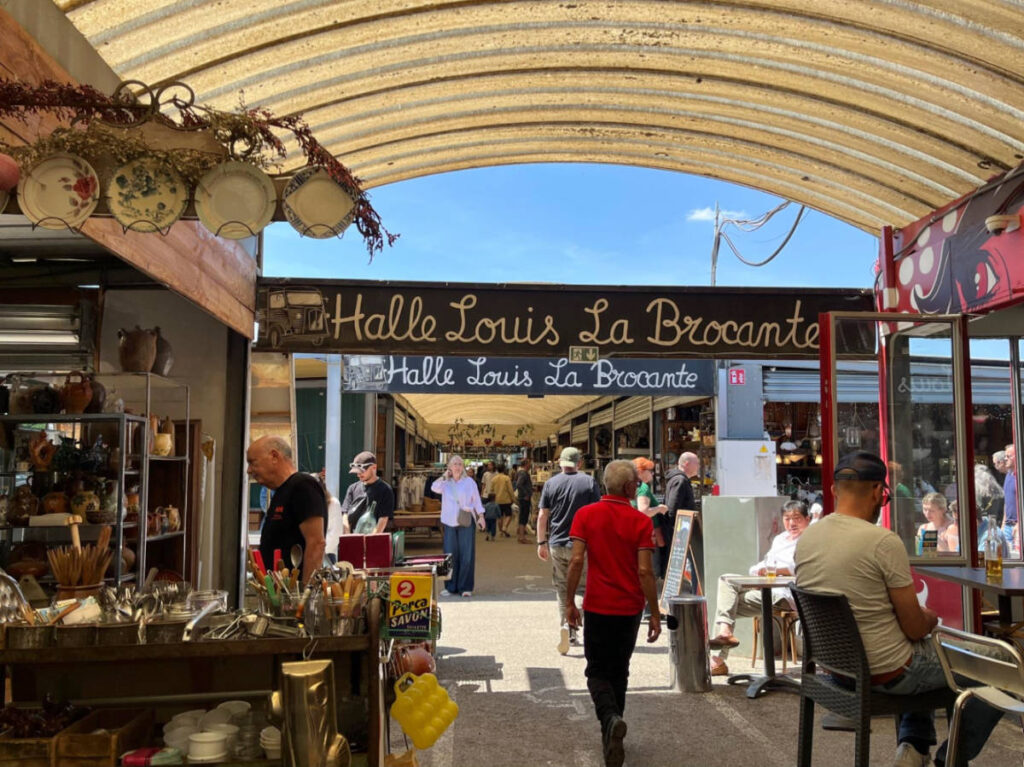
If you love antiquing and flea markets, this is where you need to go. Les Puches du Canal in Villeurbanne has more than 400 vendors selling anything from antique furniture and old LPs to retro posters and much, much more. Been searching for an antique Ricard bottle? A deer-antler coat rack? A vintage fedora? You’ll find it here.
There are plenty of food vendors and restaurants if you get hungry. And there’s even a dance hall on site. During warmer months, snack bars called buvets have outdoor games to play. There is even a boulangerie and small grocery store if you also want to knock out some food shopping.
Seasonal Things to Do in Lyon
Fete des Lumieres
Allow yourself to be mesmerized by Lyon’s biggest event of the year.
🌐 Website | Friday December 5 – Sunday December 8 annually | Entrance: Free
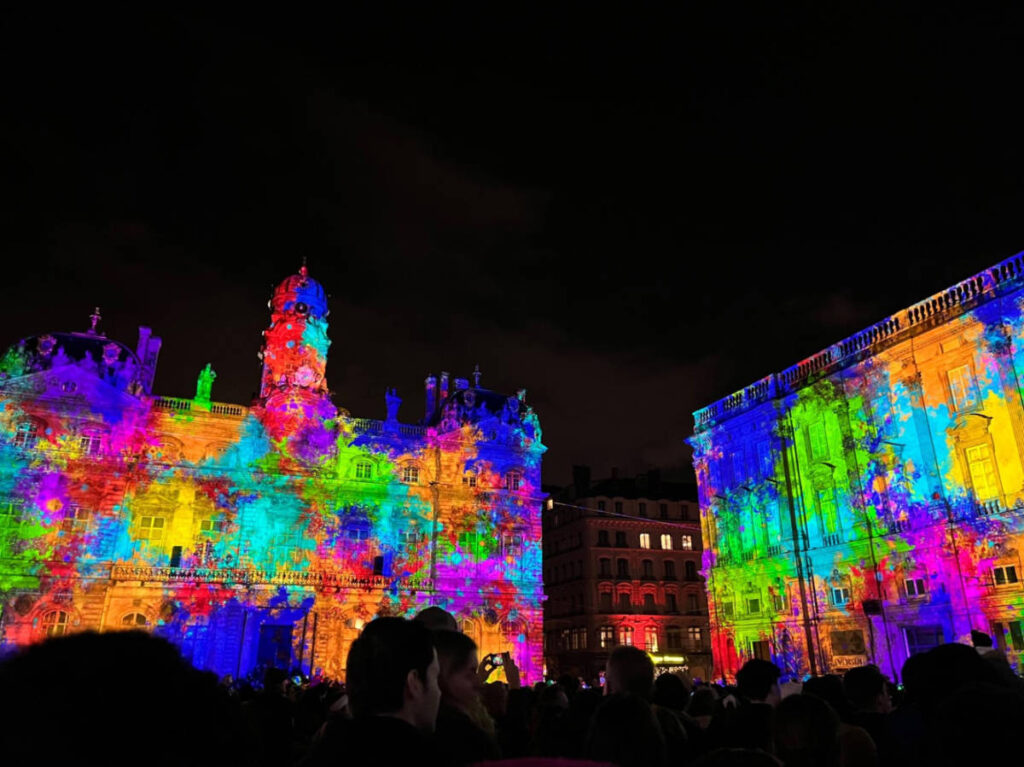
Every December, Lyon literally lights up with its biggest event of the year. The Fetes des Lumieres (Festival of Lights) dates back to 1852 when residents of Lyon would put candles in their windows on December 8th as a thank you to the Virgin Mary.
For more than 25 years, the city has stepped the tradition up a bit with the creation of a four-day festival of impressive light installation displays at key public spaces throughout the city.
The displays are created by different artists and they change every year. While some may be abstract, even bordering on bizarre, most are extremely impressive! It’s a very worthwhile event. Plus, it’s kind of like a party in the streets with lots of music, restaurants, and foodstands selling food, and makeshift buvettes selling hot wine and hot chocolate.
On December 8th, many residents still put candles in their windows, which really is a beautiful sight.
Les Nuits des Fourvière Festival
Experience live music and other performances every summer in Lyon.
📍 Google Maps | Phone: +33 (04) 72 57 15 40 | Website | Late May – Late July annually | Entrance: Ticket prices vary per performance
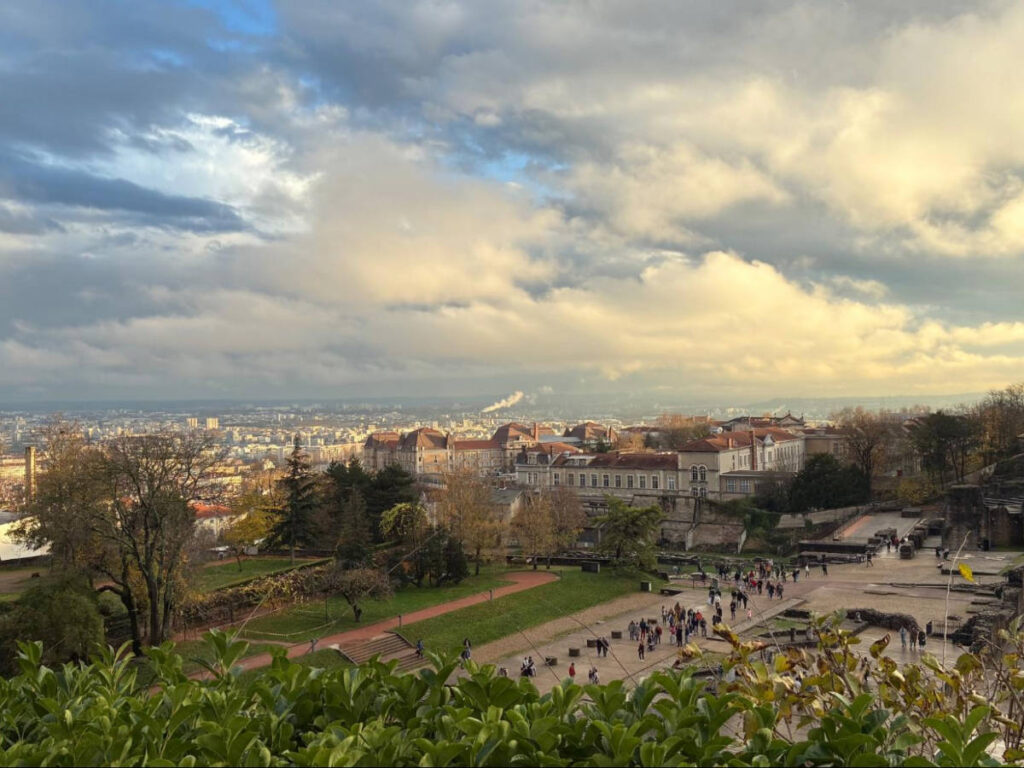
Every summer, Lyon hosts dozens of performers as part of its Nuits de Fourvière festival, which is a diverse program of theater, music, dance, and concerts at the Roman Amphitheatre. The festival runs for about two months from late May until late July, and tickets for events usually need to be purchased in advance.
***
Believe it or not, there’s much more I could add to this list! Truly, there are endless things to do in Lyon, so I hope I’ve helped inspire you to visit. And if you have any questions, please leave a comment below. I will respond as soon as I can! Thanks for reading.