
Affiliate Ad Disclosure: We’re reader-supported. When you buy via our links, we earn commissions. Learn more.
The 44 Best Places to Visit in Spain


There is such a wealth of places to visit in Spain that planning a trip can be a little nerve-wracking. You never want to miss out, and there are just so many things to see in Spain’s cities and the surrounding countryside.
I’ve traveled all around Spain for months on end, from Tenerife to Seville, and lived in Barcelona as well – experiencing tons of great places along the way. If you find yourself bogged down by all the destination choices in Spain, I’m here to solve your problems.
From well-known cities in Spain to obscure mountain towns, here are my top picks for the best places to visit in Spain. Let’s get into it.
Want to jump around?
- My 44 Best Places to Visit in Spain
- Barcelona
- Madrid
- Valencia
- Seville
- Málaga
- Ronda
- Cádiz
- Frigiliana
- Nerja
- Zaragoza
- Bilbao
- Ibiza
- Sitges
- Granada
- Toledo
- Tossa De Mar
- Cómpeta
- León
- Valladolid
- Bolonia
- Lloret De Mar
- Mojácar
- Tarragona
- Palma de Mallorca
- Blanes
- San Sebastián
- Canary Islands
- Oviedo
- Salamanca
- Santander
- Cuenca
- Córdoba
- Pamplona
- Burgos
- Murcia
- Cartagena
- Alicante
- Santiago de Compostela
- Gijón
- Zamora
- Segovia
- Logroño
- Lugo
- Ávila
My 44 Best Places to Visit in Spain
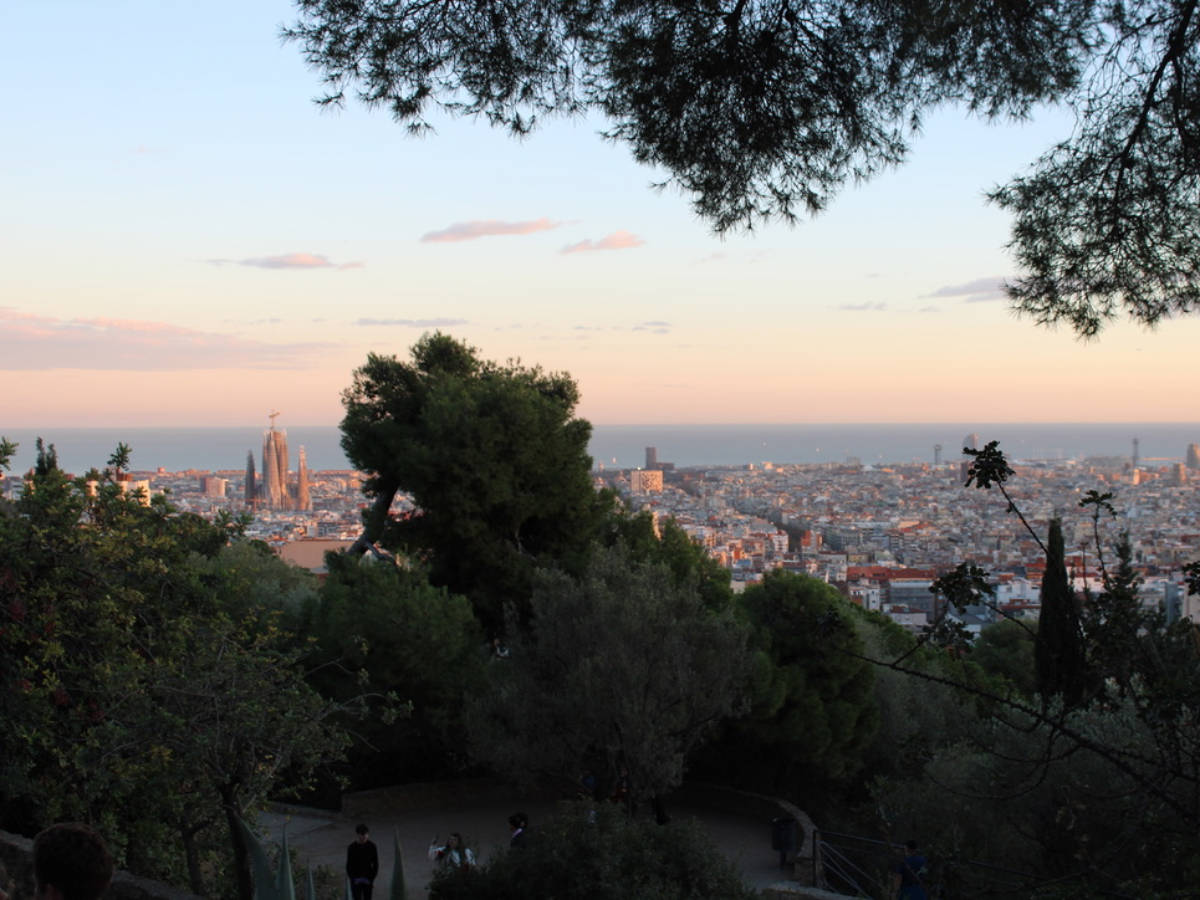
Barcelona
Architectural marvels and tons of beautiful beaches dotted along the Mediterranean Sea.
📍 Google Maps | Where to Stay in Barcelona
Located on Spain’s stunning Catalonian coast, Barcelona is a must-visit for anyone who’s backpacking Europe for the first time.
The historic city center is ripe with art, museums, and some of the most astounding architecture in the entire world. Namely, work from Antoni Gaudí, who was from the region – he designed the famous La Sagrada Familia and Park Güell.
In addition to the biggest Spanish attractions, Barcelona’s nightlife is invigorating. There is a huge club scene with nearly endless options that can appeal to all types of party-goers.
All in all, if you only have time for one city in Spain, make it Barcelona. Get planning now with my guide to the best things to do in Barcelona.
Madrid
Spain’s capital city and largest metropolis has over 2,000 years of history and lots of high-end shopping streets to indulge in.

📍 Google Maps | Best Places to Stay in Madrid
Heading into Central Spain, let’s talk about Madrid. It’s the country’s capital, the largest city by population, and one of the best places to backpack in Europe.
So, when you’re making your list of places to visit in Spain, Madrid is another necessity. There are a bunch of beautiful sites and interesting things to do in Madrid. Don’t miss wandering San Miguel Market and Plaza Mayor.
You don’t even necessarily need a destination when you’re visiting Madrid because the city is so stunning. Just discovering the neighborhoods, restaurants, and lively nightlife is an adventure in itself.
👉 Pro Tip: There are a bunch of things to do in Madrid’s famous Plaza Mayor. In the winter, it’s the site of the yearly Christmas market. In the spring, it hosts the drum parade for Easter. Check out what events are happening at Plaza Mayor before you visit!
Valencia
One of Spain’s most famous cities with tons of artistic attractions, shopping, and the best paella in the world.

📍 Google Maps | Where to Stay in Valencia
There is delicious food all over Spain, but if you’re hungry for a steaming bowl of paella, then you need to visit its birthplace – Valencia. Valencia is located in eastern Spain about 3.5 hours south of Barcelona, making it easy to work both incredible cities into a single trip visiting Spain.
In Valencia, there are lots of places to nab an outfit (or ten). Like the high-end shopping street of Carrer de Colón. Then, grab a bite at the Central Market of Valencia or one of the best restaurants in Valencia.
I’d recommend checking out the otherworldly tourist attraction of the City of Arts and Sciences. Or, delve into the city’s historic architecture at Plaza de la Reina. There are also plenty of kid-friendly activities like the L’Oceanogràfic aquarium and Platja de Llevant beach.
For more, see my full guide to what to do in Valencia.
Seville
A quaint, romantic city rich in mouthwatering tapas, Spanish history, and Flamenco dancing.

📍 Google Maps | Best Places to Stay in Seville
The Andalusian capital of Seville is one of my favorite places to visit in Spain. Seville manages to be quaint and homey while also maintaining the liveliness and fun you expect in a major city.
There is a rich Flamenco dancing culture in Seville. As you walk along the narrow cobblestone streets, you’ll pass stores showcasing their colorful Flamenco costumes. From the Seville Plaza de España to the Royal Palace of Alcázar, there are many places to take it all in.
My final selling point for Seville is the food. There is no shortage of delicious places to eat in Seville, especially tapas joints. I ate at a different place every meal for two weeks and I was still finding hidden gems among Seville’s restaurants.
Get planning with my guide to the best things to do in Seville.
Málaga
A beachside municipality with an array of museums that are perfect for families and art lovers alike.

📍 Google Maps | Where to Stay in Málaga
Málaga is located in the southern region of Spain near Costa del Sol that’s great for families and art lovers. The coastal city is one of the best places to visit for its stunning beaches, Moorish architecture, and rich cultural heritage. There are so many fun things to do in Málaga.
The area is also an art museum hotspot with interesting offerings like the Picasso Museum and the Carmen Thyssen Museum. For history buffs, you might prefer Teatro Romano de Málaga from the Roman Empire days.
When you’re in Málaga, don’t forget to stop by the Mercado Central de Atarazanas to wander the variety of delicious tapas vendors. Not only are there lots of tasty eats, but the former shipyard-turned-market itself is big and impressively beautiful, like many places in Spain.
🎒 Looking for a bag? We tried and tested the top travel backpacks for Europe, and ranked them all for different types of travelers.
Ronda
This laidback Spanish village is chock-full of mesmerizing views along with places for hiking and rock climbing.

Ronda, located in the Málaga region of southern Spain, features some of Spain’s most breathtaking landscapes. Truly, there are at least ten different expansive miradors.
The biggest attraction in Ronda is the colossal Puente Nuevo bridge, but there is a surprisingly long list of things to do in this tiny city. Get a sense of the surrounding views at Alameda del Tajo. Learn about a local tradition at the Bullring of the Royal Cavalry, and visit the Yacimiento Arqueológico medieval bathhouse.
Or alternatively, just hang out and do nothing at all. It’s a chill town up in the mountains with a surplus of charm and an overall intimate vibe that’s perfect for couples. Even if you do nothing but explore the local gastronomy and enjoy the landscapes, Ronda is amazing.
👉 Pro Tip: Getting into Ronda on your own can be a bit of a headache. If you’re only in Spain for a brief time, I’d recommend opting for a tour to handle all the planning for you.
Cádiz
One of Europe’s oldest ancient seafront cities offers loads of interesting historical attractions.

Cádiz is a coastal city in the south with some of the best beaches in Spain and thought-provoking historical attractions. Cádiz is a very old city with a lot of Spanish history and places to discover it, such as the Cádiz Museum and the Yacimiento Arqueológico Gadir.
In addition to local history, the city has a bunch of different beaches to choose from and loads of viewpoints to get a better feel for the area.
Cádiz is perfect if you’re looking for an Andalusian city with all the appeal of southern Spain, but want something a little more lowkey than Seville. Alternatively, it makes for an excellent day trip because it’s easy to pop over on the train.
Frigiliana
A teeny Andalusian town with a lot of adorable specialty shops surrounded by dreamy landscapes.

In my opinion, Frigiliana is one of the best places to visit in Spain to get away from it all. You know, when you want to take a trip and have it feel like a completely separate reality.
Located near the southern coast just 15 minutes outside of Nerja, the white town of Frigiliana has immaculate mountain town vibes.
Unlike some of the bigger cities, you won’t find too many world-respected historic sites or extensive museums in Frigiliana. But, you won’t need them. The hours can get away from you just wandering the skinny streets, artisanal shops, and view-heavy restaurants.
Nerja
A family-friendly beach paradise that will give you a true taste of Spain’s natural beauty.

Not far from Frigiliana is the picturesque beachside city of Nerja. There is a lot of natural beauty around Nerja, namely its absurdly beautiful beaches, like Playa Burriana.
While you could spend all day kayaking in the ocean or lounging on Nerja’s beaches, there is other stuff to do too.
There are plenty of hikes like Rio Chillar and Cliffs of Maro-Cerro Gordo that will take you through indescribable nature. When you’re done experiencing Nerja’s natural attractions, you can fuel up with food or cocktails at one of the city’s many incredible restaurants.
Zaragoza
Home to one of Spain’s most impressive basilicas, this Aragonese city is a hub for Roman ruins.

📍 Google Maps | Where to Stay Guide
The capital of the Aragón region in northeastern Spain, Zaragoza is flush with Roman historical sights. In the Old Town, you can really get a sense of the city’s rich history. The charming streets of the city are lined with adorable cafes and trendy restaurants.
Or, if you prefer a bustling market, there is the magnificent Central Market of Zaragoza.
👉 Pro Tip: If you have a car during your Spain trip, you might want to consider a day trip an hour outside of Zaragoza to Monasterio de Piedra (Stone Monastery). You can even stay overnight at this 13th-century monastery.
Bilbao
Located in the northern Basque country, this port city’s golden playas are a favorite Spanish summer destination.

Let’s venture over to the Northern Spain city of Bilbao – one of the top beachy, summer destinations in this region of Spain. There are many beaches near Bilbao, but my favorite is Arrigunaga Beach
Bilbao also happens to be home to one of the most popular museums in Spain: The Guggenheim Museum. Even just seeing the exterior of the Guggenheim Museum will impress you. Inside, you’ll have access to a wealth of contemporary art.
Ibiza
This Mediterranean Balearic Island is a world-known nightlife destination, but it’s more than just a wild party spot.

Travelers searching for the best nightlife in the world will find their little slice of heaven in Ibiza. It’s the dream destination for young travelers and party seekers.
One of the Balearic Islands, Ibiza town has some of the most exhilarating clubs, bars, and events in all of Europe. Which is saying a lot. The best time to visit Spain for all these happenings is in June.
However, there is more to Ibiza than just the raging nightlife. The island features some of the best beaches in Spain like Cala Bassa and Cala Saladeta. Along with cultural attractions such as the Castle of Ibiza and natural wonders like Cova de Can Marçà.
Ibiza is one of those places that not only lives up to its reputation. It exceeds it.
Sitges
An LBGTQ+-friendly beach town on Costa Brava with an iconic summer nightlife scene that’s often compared to France’s Saint-Tropez.

Sitges is a peaceful beach town during the day and a lively and LGBTQ+-friendly party hotspot at night. The town is 45 minutes from Barcelona by train and is home to sandy beaches like Sant Sebastià Beach and Platja de l’Estanyol.
Get a feel for the diverse nightlife scene at Pachito Sitges piano bar, La Coctelería del Factor Vi cocktail bar, or Parrots Pub & Terrace. There are also plenty of fun gay bars in Sitges, such as Ruby’s Bar At Queenz and Bar Comodin.
Sitges hosts a few fun events throughout the year such as the Sitges International Film Festival in October and a legendary Pride celebration that spans four days in June.
Granada
This ancient city near the Sierra Nevada Mountains features energetic markets and tasty tapas.

Located at the base of the Sierra Nevada Mountains, Granada is one of the oldest cities in the Andalusia region. Across Granada’s Jewish Quarter, also known as The Realejo, there are places to get a glimpse into this extensive history, like Casa de los Tiros and Cuarto Real.
Anyone who wants a deeper dive into the history of this Spanish region will appreciate a visit to Granada. Not to mention that the city itself is just gorgeous.
Toledo
A mecca for Spanish culture with a UNESCO World Heritage Site accolade.

Toledo is situated about an hour south of Madrid. So, it’s one of the most popular day trips from Madrid.
Inside the bounds of Toledo, you’ll discover one of Spain’s most interesting medieval cities. Even today, you can still feel the gothic aura hanging around the city. It’s so impressive that the city center of Toledo is actually ranked as a UNESCO site.
Tossa De Mar
A 2,000-year-old town 1.5 hours from Barcelona with lovely beaches, a Medieval castle, and high-quality seafood restaurants.

The Costa Brava town of Tossa De Mar provides a mix of beachy vibes and historic attractions. This makes it an ideal day trip from Barcelona for families.
The 12th-century Murallas de Tossa de Mar castle overlooks the town’s main beach, Platja Gran. You’ll also find the remains of an old Gothic church with views over the town right near the castle. Both of these attractions are free to wander.
Tossa De Mar has two other beaches, Es Codolar and Platja Mar Menuda. These beaches are less than a ten-minute walk from the town center and offer a quieter atmosphere.
Tossa De Mar also has a great seafood scene since it’s located on the coast. Try Restaurant Bahia and La Cuina de Can Simón.
Cómpeta
A very little town in the mountains of southern Spain with tasty local wine that’s ideal for a day trip.

The narrow streets of Cómpeta are one of the lesser-known destinations in Spain. It’s located right in the stunning Sierra Almijara mountain range. However, it is one of my favorite places for a quick day trip.
Cómpeta is truly a small town with very few attractions or major sites. Making for a more slow-paced, lowkey experience out in the Spanish mountainside. It’s a perfect place to root yourself if you’re planning on exploring all of Spain’s nearby white towns.
León
A lesser-known northern Spanish city featuring a number of architecturally stunning churches.

León is located conveniently along Camino de Santiago in northwest Spain. The city provides visitors with some jaw-dropping Spanish architecture.
The most notable attraction in town is the Santa María de León Cathedral. There are several prominent churches throughout the city, though. So visitors who want to experience this aspect of Spanish culture will have a ball in León.
The city also features a number of lively plazas to take a load off after wandering the streets.
Valladolid
An intriguing city in the northwestern region with several museums and medieval religious sites.

You’ll come to find that Spain is a country with a long history and Valladolid is another terrific city to learn about it all. In particular, Valladolid is on the smaller side but packs a punch.
It’s located 2 hours north of Madrid, and there are all types of things to do from museums and plazas to riverside beaches and well-kept parks. Valladolid is a good option to get a feel for standard Spanish attractions without the rush of Spain’s busier cities.
Bolonia
A lowkey coastal town in the Tarifa region with the chance to spot Africa in the distance from the beaches.

Your first instinct might be to visit one of Spain’s most popular beach destinations if you’re itching for a summer vacation. But, I’d actually recommend going for one of the more uncharted little beach towns. Specifically, Bolonia in the Tarifa district on the Atlantic Ocean.
Bolonia is the definition of an easygoing beach town. I actually never would have known about it if I wasn’t tipped off by a fellow traveler randomly.
The coastal village has several beaches for visitors to choose from. The biggest of which is Bolonia Beach. There are just a few fun bars and some delicious restaurants. Plus, there are even the Baelo Claudia Roman ruins if you ever want a dose of history.
Bolonia is a beautiful Spain destination. However, this is definitely more of a relaxing destination. Don’t expect all-night parties or an ongoing list of attractions.
Lloret De Mar
A popular resort town along Costa Brava with places to party at night and beaches to recover on in the afternoon.

Need a little more traditional comforts than the more obscure beach towns have to offer? Head over to the beloved resort town of Lloret De Mar on Costa Brava.
Lloret De Mar is one of the best places to visit in Spain for combining lazy beach days with lively parties throughout the night. The town features tons of different beaches along the coastline. Along with over 300 different types of clubs in this coastal town. So, be prepared for a wild time and crowds during the high season.
Mojácar
A Moorish-style white village in the Sierra Cabrera Mountain range with markets and watersports to discover.

Another Spanish destination with pristine beaches is Mojácar. Once again, many people won’t perk their ears when they hear about this destination because it’s a tad less known. But the picturesque town and beach of Mojácar are actually one of the most popular white villages in Andalusia.
Besides the beaches and astonishing views scattered around the town, there are more reasons to love Mojácar, such as the abundance of places to eat good food.
There are also plenty of opportunities to participate in various watersports and hit the golf course. Along with some of the region’s best seafood. In Mojácar, you can find an authentic Spanish resort town experience.
Tarragona
A hub of Roman ruins and history beautifully surrounded by the Mediterranean Sea.

Let’s say that you want a taste of the history and natural attractions of Spain at the same time. Go for a trip to Tarragona in the Catalonia region.
The city has some of the most impressively preserved ruins from the Roman era, including the Tarragona Amphitheatre, a Roman chariot track, and an ancient aqueduct. The city’s Old Town also has enticing markets, beaches, and shopping streets.
There are enough things to do that you could spend a couple of days getting to know Tarragona. However, Tarragona is only a little over an hour from Barcelona. So, you can get your fill of the historic seaside city on a day trip if you’re on a tight schedule.
Palma de Mallorca

📍 Google Maps | Best Places to Stay in Palma de Mallorca
Mallorca is a Spanish island off the coast of the Balearic Sea, significantly larger than its more famous cousin Ibiza. The main resort city and capital is Palma, which is known for beautiful beaches and historical sites.
Check out Palma’s famous (and absolutely stunning) “Cathedral of Light,” the Royal Palace of La Almudaina, and the 14th-century Bellver Castle.
For more, check out Lea Rose’s guide to the best things to do in Palma de Mallorca.
Blanes
A Catalan village with a diverse range of beaches, excellent sunset viewpoints, and one of Spain’s best botanical gardens.

Blanes is perfect for outdoor enthusiasts. It’s one of the easiest day trips from Barcelona as it’s just over an hour away by train. There is a beach for every type of traveler in this picturesque town.
The main Blanes beaches are Platja De Blanes and Platja de s’Abanell. Both of these are convenient and close to restaurants. Cala Sa Forcanera is another beach that’s only accessible by sea and is good for snorkeling, kayaking, and other water sports. Cala Bona is a nice beach for families with kids, as it has calm waters.
Stop by the coastal Marimurtra Botanical Garden to take photos after a dip in the Mediterranean. This garden is home to a pristine collection of 4,000 plant species [Source]. Lastly, be sure to visit the top of Sa Palomera Island at dusk to watch the sun beautifully set behind Blanes.
San Sebastián
This northern Spanish city has more Michelin-star restaurants than almost anywhere else in the world.
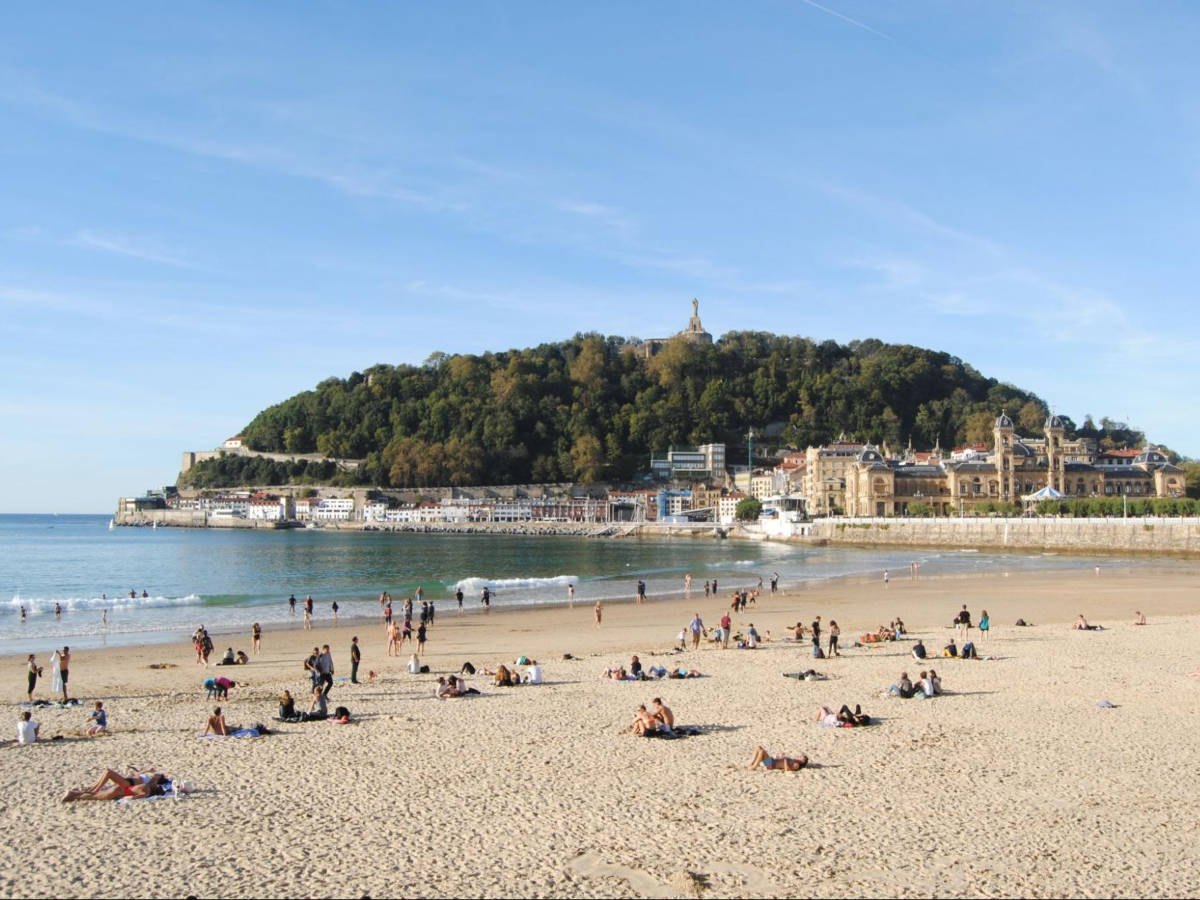
San Sebastián is a city in northern Spain that has a lot of different things to offer its visitors. Sweeping landscapes, welcoming beaches, and a rich nightlife scene.
However, the thing that San Sebastián is really known for is its delectable food. The city is home to 11 Michelin-starred restaurants with varying types of cuisine.
All you have to do is wander around the city’s Old Town to find some of the most incredible dishes you’ve ever had. As you can imagine, foodies adore San Sebastián and all its mouthwatering food offerings.
👉 Read Next: Best Things to Do in Spain
Canary Islands
A volcanic island chain less than 70 miles from Africa with a plethora of mindblowing natural attractions.
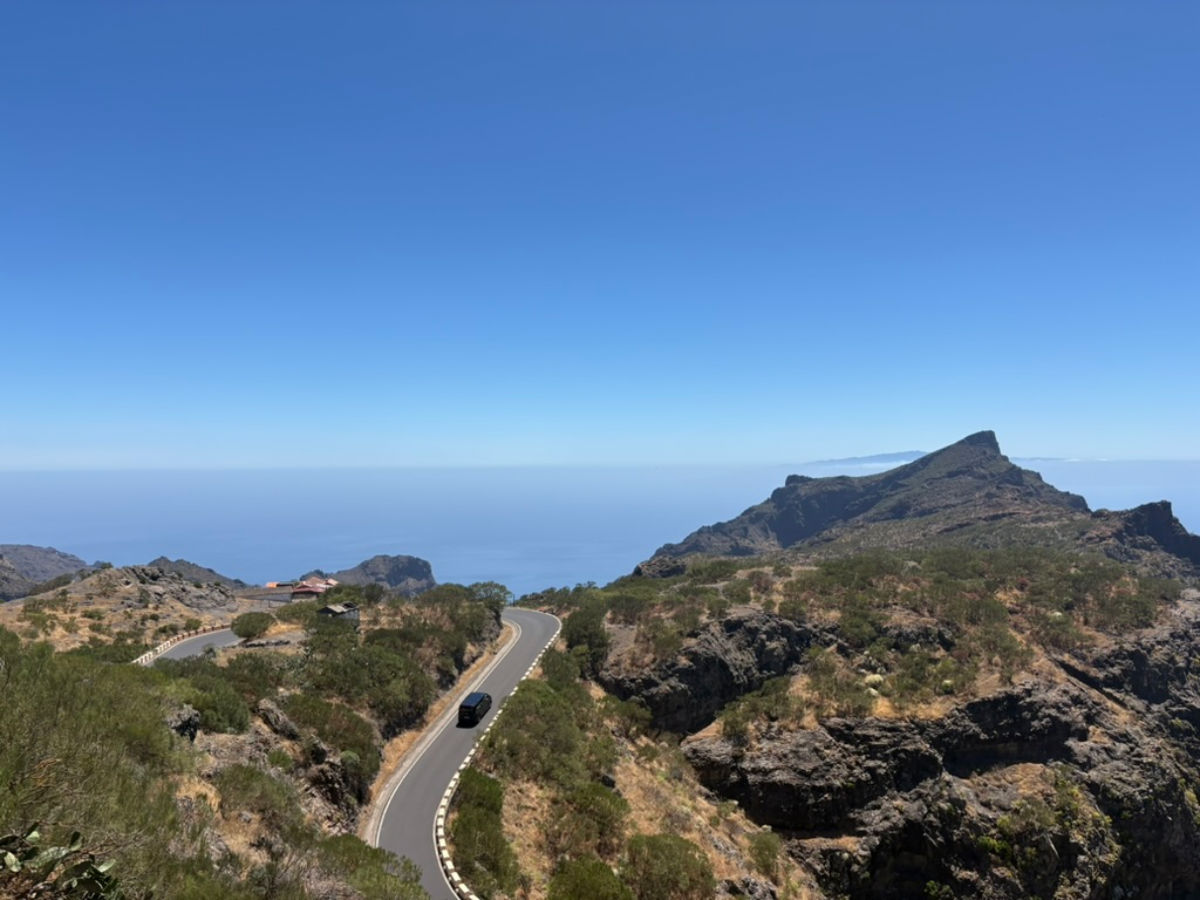
Spain’s Canary Islands have some of the best weather in all of Europe due to their southernmost location. You’ll almost always have warm weather and continual bright sunny days.
The Canary Islands are home to breathtaking landscapes and incredible beaches. Once you see the ethereal island for yourself, you’ll understand why it’s one of the most popular Spanish vacation destinations.
I just recently spent a month exploring Tenerife, the largest of the Canaries, and was completely blown away by how many different experiences you could have on an island that takes an hour to drive across. One thing I’d highly recommend for this Spanish destination, though, is renting a car because it’s by far the easiest and cheapest way to see everything.
I always use Discover Cars to get the best deal on car rentals while I’m traveling, and it worked out perfectly in Tenerife.
🇵🇹 Read Next: Best Places to Visit in Portugal
Oviedo
Incredible pre-Romanesque sights, hearty Asturian cuisine, and sculpture-filled streets make this one of Spain’s most underrated gems.
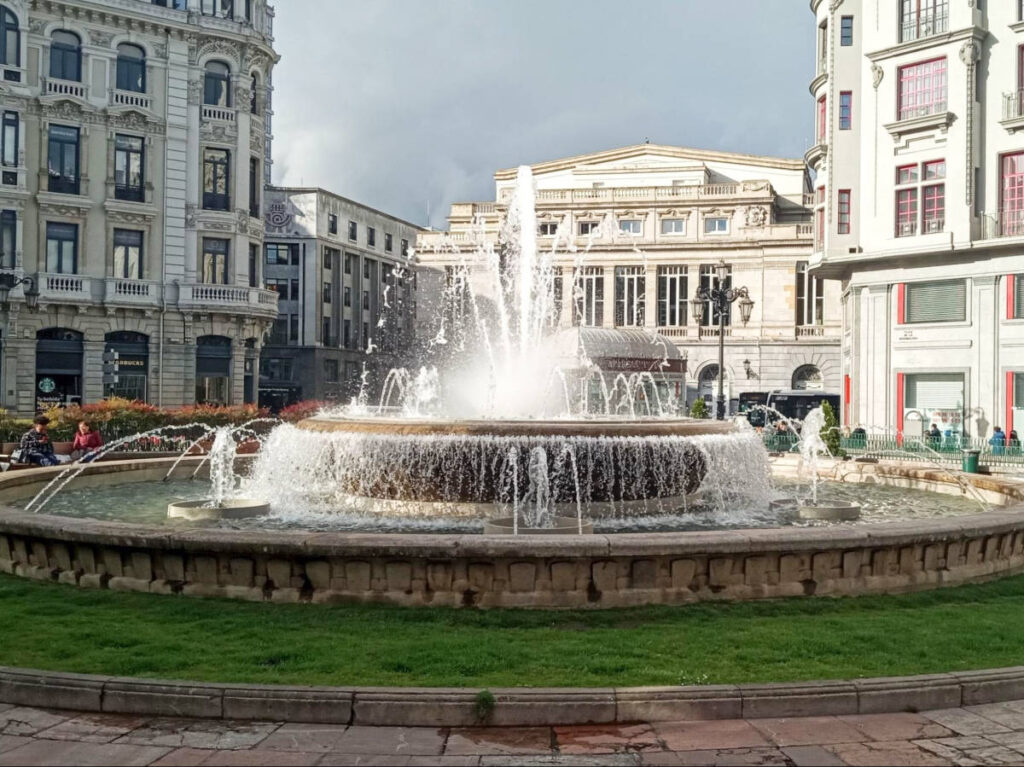
Oviedo is the elegant capital of the Asturias region in northern Spain. It’s full of stunning architecture, lush parks, and charming plazas. It also regularly earns the top spot for the cleanest city in Spain!
Oviedo is made for wandering. Marvel at the beautifully preserved old town and visit El Fontán market. Hunt for over 100 sculptures all around the city (my favorites are La Maternidad and La Bella Lola) or visit the pre-Romanesque sights on Mount Naranco. And don’t forget to get your art fix at the Museo de Bellas Artes and the Museo Arqueológico.
Although the city has several amazing attractions, it’s most famous for its gastronomy scene. Bar hop on Calle Gascona, where you can taste the region’s specialty sidra (cider). Try cachopo at Tierra Astur. And pick up a bag of sweet Conchas de Peregrino cookies, made by the nuns at the Benedictine Monasterio de San Pelayo.
Salamanca
A historic tapestry of radiant sandstone makes this Spain’s “Golden City”.
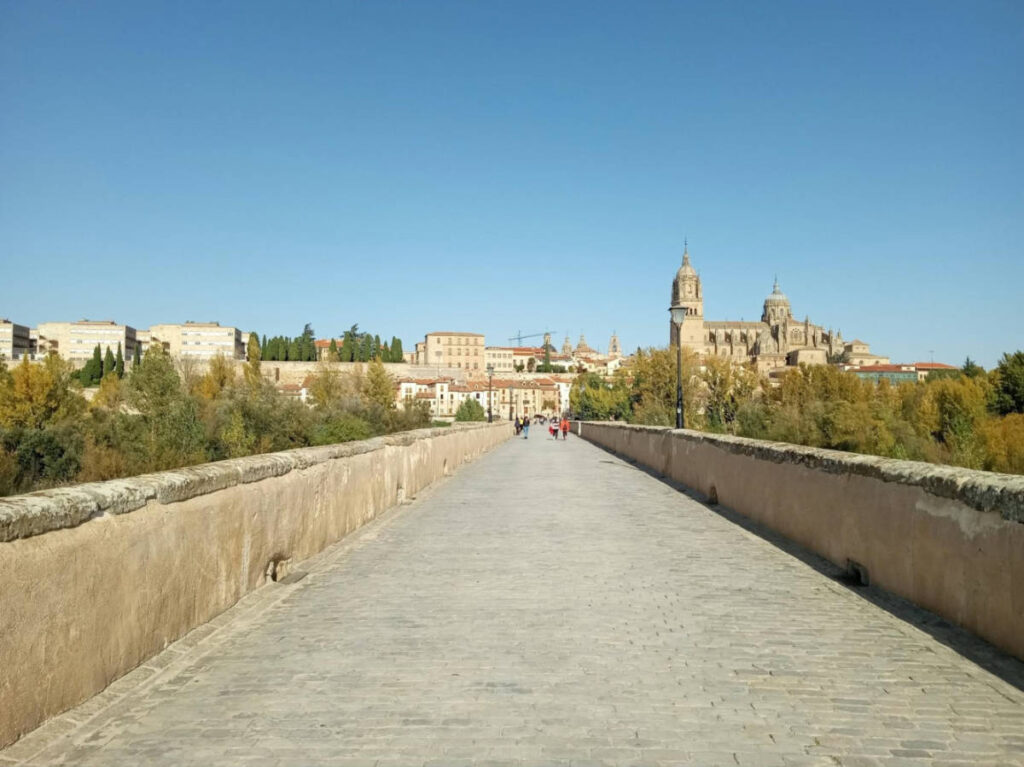
Home to the oldest university in Spain, the students give this UNESCO Heritage Site its youthful energy. Trendy restaurants and nightclubs intermingle with centuries of religious and intellectual history, so it’s the best of both worlds.
Salamanca is an architectural feast for the eyes. Walk across the Roman Bridge for the best city views and visit the twin cathedrals (one is Romanesque, the other, Gothic and Baroque). See the Plateresque Casa de las Conchas, with its 300 scallop shells. Admire Art Deco and Art Nouveau knick-knacks at Casa Lis. And mix with the locals at the Modernist Central Market.
I loved having dinner and drinks in Salamanca’s Plaza Mayor, my favorite of Spain’s big plazas. I’ve never seen anywhere more striking at night, so be sure to budget more than a day trip.
Don’t leave without looking for the famous frog on the main facade of the Escuelas Mayores building. You’ll be blessed with good luck if you find it (try not to cheat with Google!).
Santander
An elegant waterfront promenade, fantastic beaches, and aristocratic architecture make this an unexpected highlight along Spain’s northern coast.
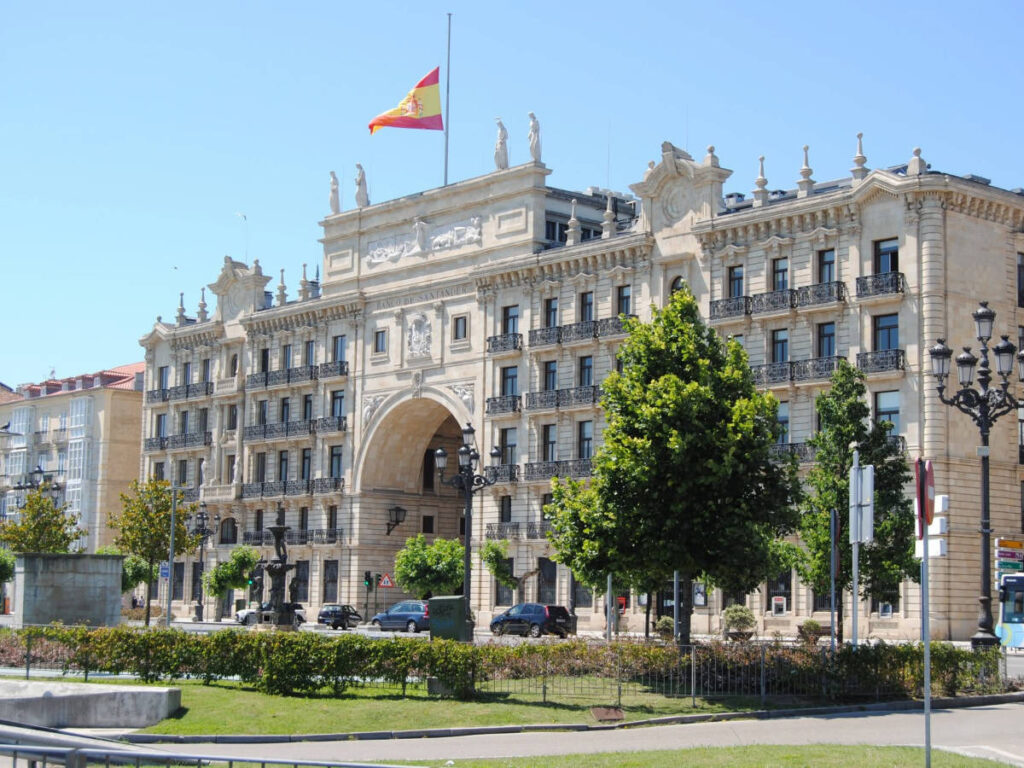
San Sebastián and Bilbao seem to attract most tourist crowds in northern Spain. I highly recommend adding Santander to your itinerary if you’re visiting those cities. It’s less than an hour and a half from Bilbao!
Port cities can be gritty, so my expectations for Santander were low. But it turned out to be the most wonderful surprise. Cradled by the Cantabrian Mountains and the Bay of Santander, this coastal city is one of the most picturesque in Spain’s northern region.
Lounge on beaches like El Sardinero, often cooler and less crowded than their southern counterparts. Grab an ice cream and stroll through the sophisticated Paseo de Pereda. Visit the futuristic Centro Botín for an art lesson. And see the Palacio de la Magdalena, which was the summer residence of King Alfonso XIII.
Santander was largely destroyed by fire in 1941, so you’ll see architectural styles different from those in the rest of Spain. But that’s what makes it unique. Don’t worry, though, there are still plenty of lovely plazas to relax and enjoy the city’s famous seafood. I’m especially fond of Plaza Cañadío.
Cuenca
Dramatically perched atop a limestone cliff, it’s no surprise that this enchanting Medieval city is a UNESCO World Heritage Site.
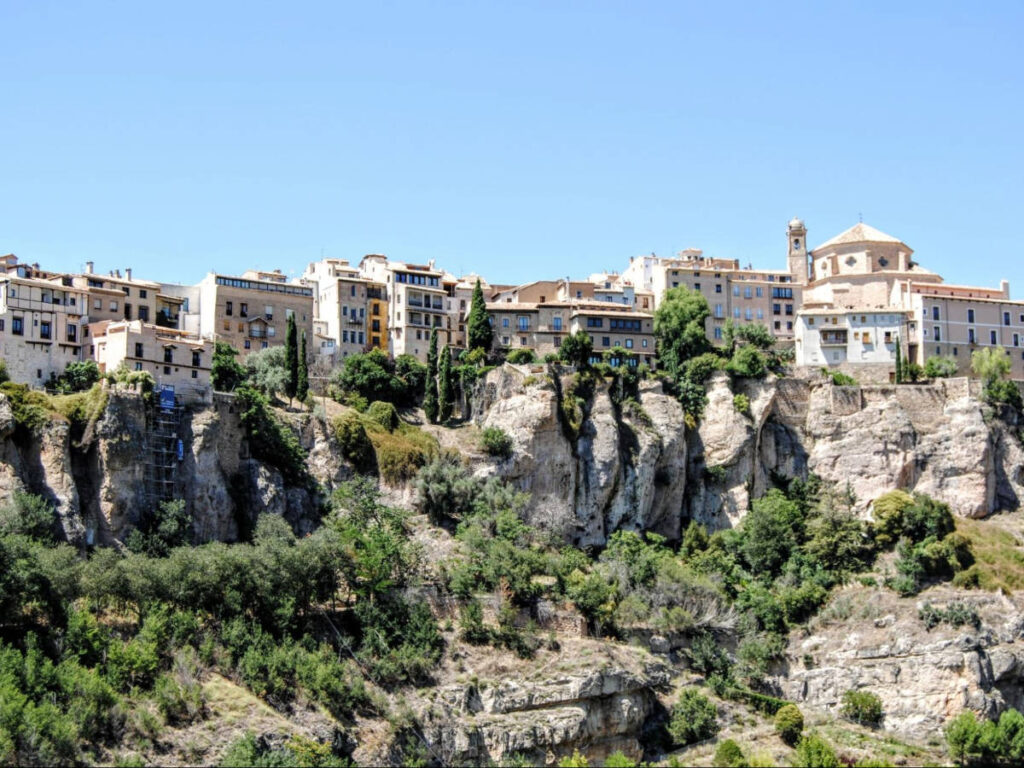
Cuenca is a city that is firmly etched in my heart. While its modern side is pleasant, the historic center is one of the most breathtaking places I’ve seen. It crowns a limestone hill with steep gorges on either side, quite unlike anywhere else.
Stroll the cobbled streets, pop into the quaint artisan shops, and admire the luminous glass windows of the Gothic cathedral (best seen in the afternoon). Or simply relax at a charming plaza and savor centuries of history with a glass of traditional Resolí.
Take it from me, you’ll come face-to-face with your fear of heights in Cuenca. The Casas Colgadas, or “Hanging Houses”, are the city’s main attraction. These mansions date back to the 15th century and “hang” off the side of the cliff. And the dizzying San Pedro Bridge is the best spot for sweeping views of the old town. Just don’t look down!
I enjoyed my stay at the Hotel NH Ciudad de Cuenca because I felt like I was mixing with the locals and their daily life. But it was a bit of a walk and an uphill climb to reach the historic center, so it might not be for everyone. I recommend staying at Parador de Cuenca if you want to stay on the hilltop!
Córdoba
Jewish, Christian and Islamic cultures converge in Spain’s former capital city.
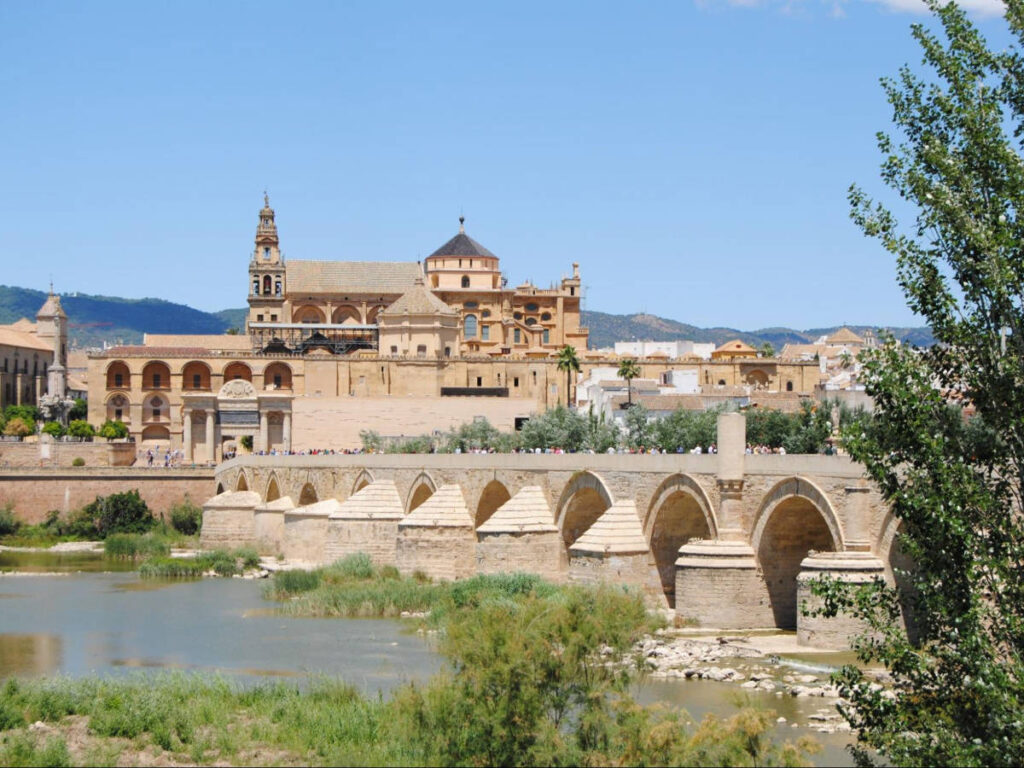
Visitors often skip Córdoba in favor of its famous neighbors, Granada and Seville, but make sure to spend some time here if you’re visiting Spain’s south. You can even reach it in less than 2 hours by AVE train from Madrid, so it makes for an awesome day trip!
This is your town if you’re a history buff! Córdoba is steeped in Roman, Christian, Jewish, and Islamic history, and you can see their legacies at every turn. The Judería (Jewish Quarter) is a labyrinth of cobbled streets, lined with whitewashed buildings and colorful flowerpots. Visit the 14th-century Synagogue and take tons of photos inside the flower-filled inner patios.
Tour the Alcázar, which was the residence of the Catholic Monarchs, King Ferdinand and Queen Isabella. The gardens are especially striking! And wander under 400 arches at the breathtaking Mezquita-Catedral before sitting down for a traditional Salmorejo soup at one of the many lovely restaurants along the river.
Hotel Conde de Cárdenas was my home base in Córdoba, and I couldn’t have asked for a better location. It was central and within walking distance of everything. I loved its charming courtyard and comfortable rooms, and the air conditioning was a godsend in 43-degree heat!
Pamplona
Walk in Ernest Hemingway’s footsteps or run with the bulls in this Navarran city.
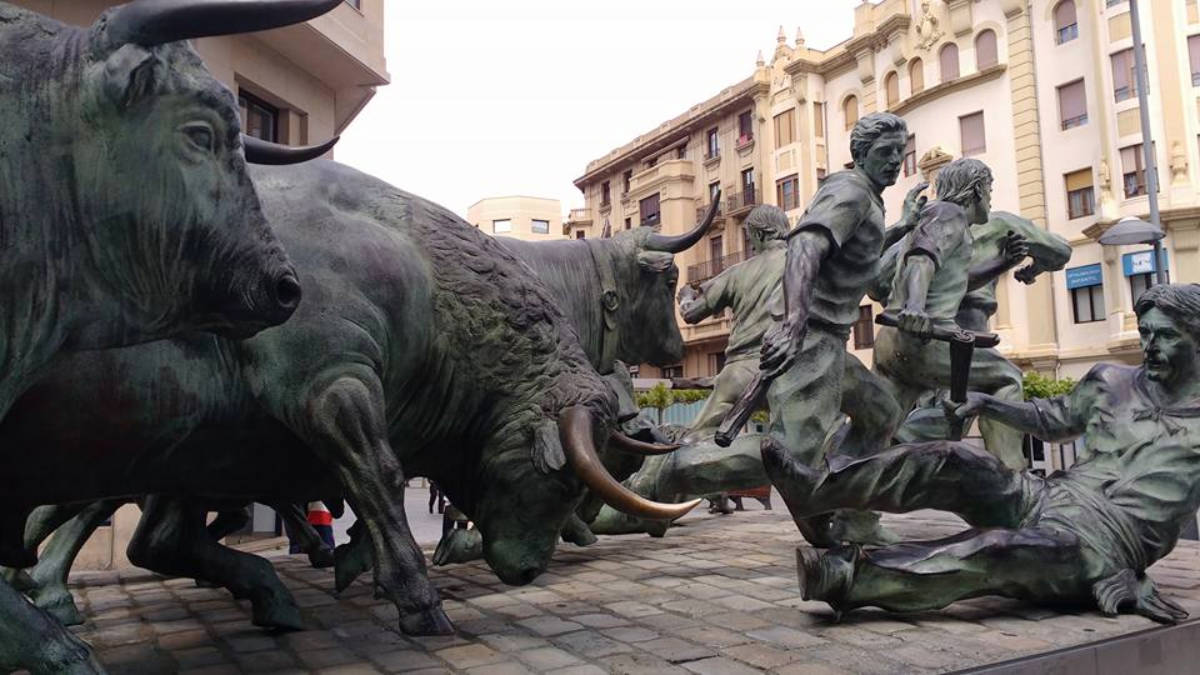
Pamplona is famous worldwide for the Fiesta de San Fermín, commonly known as the Running of the Bulls. Be sure to plan your trip here in July if you like high-energy risk-taking! Personally, I prefer a quiet Sunday sipping wine in Plaza del Castillo.
But Pamplona is so much more than the bulls. In fact, the city was one of Ernest Hemingway’s most beloved places in Spain. Step into the Belle Époque at Café Iruña, where his legacy lives on. See La Ciudadela, the Medieval fortress, and the Renaissance walls. And enjoy regional tapas in the bars in the old town.
The capital of Navarre stands out for its unmistakable buzz. When I visited while on my Camino de Santiago, I noticed the entire city was out, filling the streets and enjoying life. Maybe it was because I had been walking the countryside for so long and needed a shot of urban vibrancy, but I will never forget this city’s infectious energy.
Burgos
A gorgeous Medieval city nestled under Spain’s most spectacular cathedral.
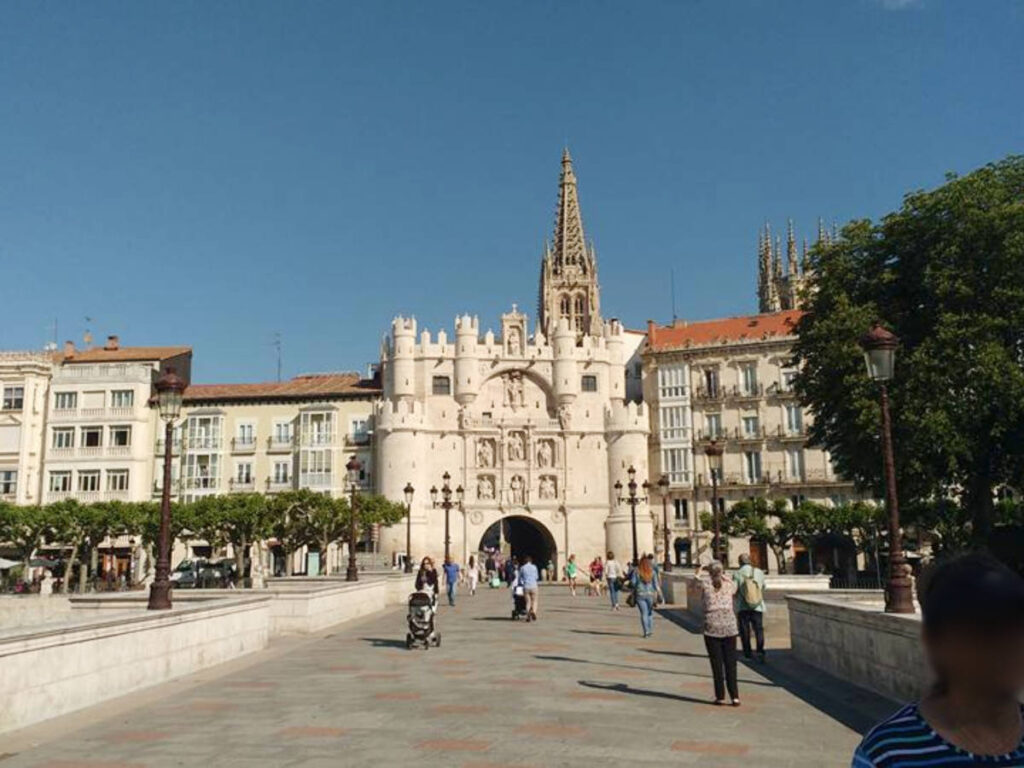
If there’s any reason to visit Burgos (and there are many), it’s for the city’s breathtaking Gothic cathedral, which is a masterpiece both inside and out.
This UNESCO World Heritage Site, and resting place of El Cid, is an architectural wonder. Admire the Germanic spires that dominate the skyline and see the majestic Golden Staircase. My favorite part of this cathedral is its 19 chapels, which showcase a stunning collection of Renaissance, Gothic, and Baroque art.
The grand Arco de Santa María welcomes you to the old town. Grab a seat in one of the many plazas and watch weary Camino pilgrims hobble into town while you sip a glass of Ribera del Duero. Try the Morcilla de Burgos (blood sausage), Lechazo Asado (suckling pig), and Queso de Burgos to soak up the wine!
Take some time to explore the scenic and expansive parks by the river. They seemed to stretch on forever! I should know – I limped through them on my Camino. And check out the Atapuerca archaeological site where some of the oldest human remains were excavated. It’s only 20 kilometers outside the city.
Murcia
This relaxed university town is famous for its breathtaking Baroque cathedral, fresh produce, and legendary tapas culture.
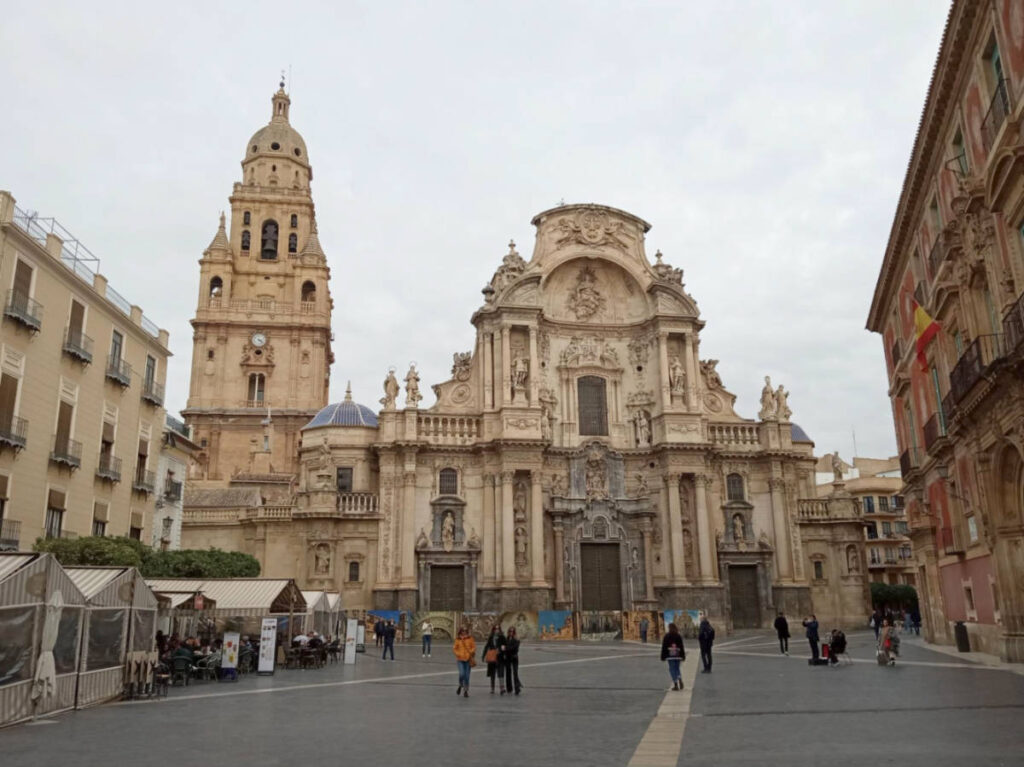
I visited Murcia on a whim one long weekend while I was teaching English in Madrid, and I’m so glad I did. Surrounded by Valencia, Granada, and the southern beaches, Murcia flies under the radar. But if you want to escape the heaving tourist crowds and experience a pretty, laid-back city, come here.
Murcia’s highlight is its magnificent cathedral. Admire the ornate facade and climb the 95-meter-tall tower. It’s the highest in the country. Stroll the Malecón Promenade for lovely views of the Segura River and its old bridges. And pick up some fresh produce at the Mercado de Verónicas. Murcia is known as the “Orchard of Europe”, so you’re in for a treat!
My favorite of the city’s sights is the Real Casino de Murcia, which was founded as an elite private club and remains one today. The ground floor is open to the public, where you can see a Moorish patio, an English-style library, and lots of sumptuous decor. However, it’s not a casino in the traditional sense, so if you were hoping to win the jackpot, you’re out of luck.
I stayed at the wonderful Hesperia Murcia Centro during my visit. Modern, comfortable, and perfectly situated in the old town, it was ideal for exploring all the central neighborhoods and attractions on foot.
Cartagena
With its ancient port, Roman ruins, and ornate Modernist architecture, this city brings centuries of history to life.
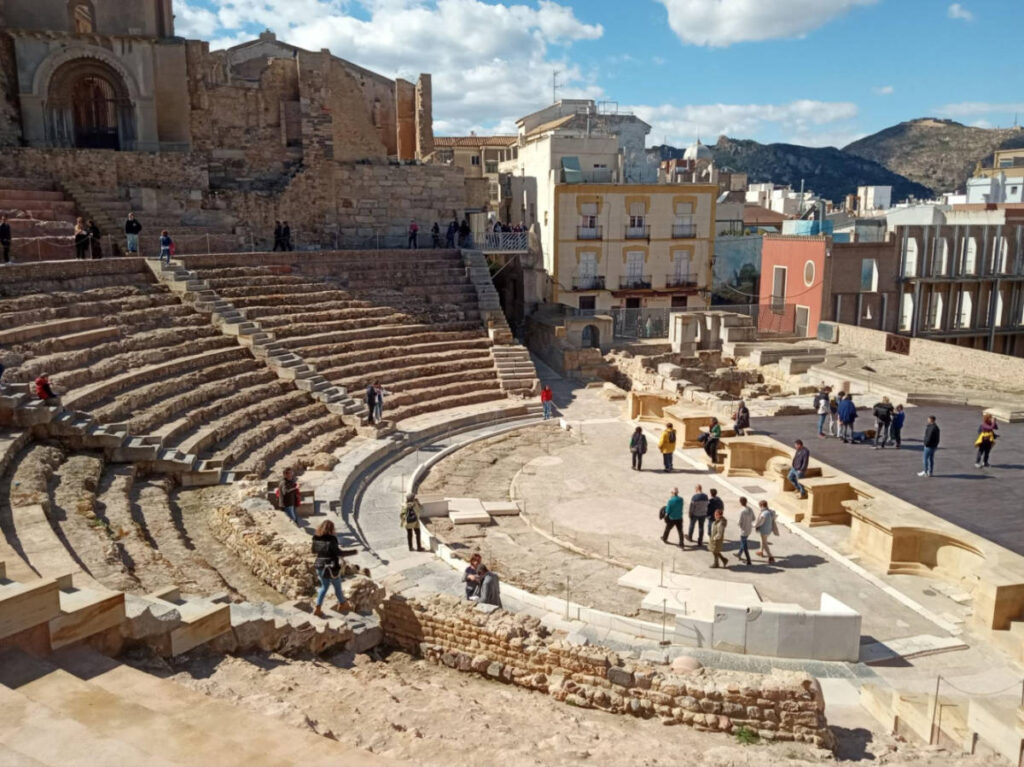
I visited Cartagena as a day trip from Murcia, but I quickly realized I should have stayed overnight. This ancient city has so much to discover, and its Mediterranean coastline makes you want to take your time and linger.
You can experience centuries of history in this small city, and your first stop should definitely be the awe-inspiring Teatro Romano. It dates back to the 1st century BC and is one of the best-preserved amphitheaters in the Iberian Peninsula.
Visit the Castillo de la Concepción for stunning views of the city and port. And go underground at the Museo-Refugio de la Guerra Civil. I enjoyed the fascinating visit to this massive Spanish Civil War bunker. Stroll through Calle Mayor, the main avenue of Cartagena, where wealthy mining magnates left their mark through the street’s lavish Modernist architecture.
Cartagena’s cuisine blends Mediterranean seafood traditions with Murcian flavors. Caldero fish stew and tapas like marinera are some local favorites.
Alicante
Historic charm, beautiful beaches, and year-round sunshine make this coastal city a must-visit.
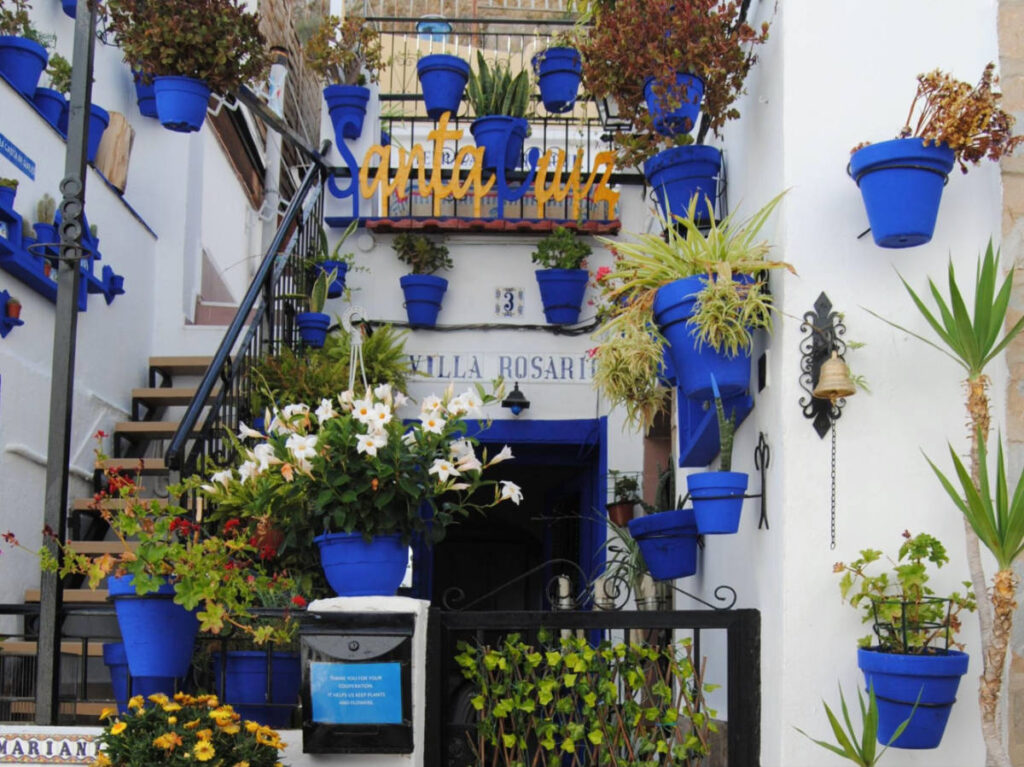
Alicante is your place if you’re looking for a remarkable beach destination with lots to do.
Stroll the Explanada de España, which lines the Puerto de Alicante marina and Playa del Postiguet. This promenade is paved with over 6.5 million marble tiles! Visit the imposing Castillo de Santa Bárbara for its breathtaking views and wander Barrio Santa Cruz (a charming neighbourhood just below the castle), famous for its whitewashed walls and vibrant flowerpots.
In the city center, check out the MACA and MUBAG art galleries, visit the incredible Central Market, and explore the Calle de las Setas, a cute and quirky pedestrian street lined with mushroom statues.
I stayed at the lovely Hostal Smile & Co. during my visit to Alicante. It’s not a hostel, but a small guesthouse near the marina. The service was exceptional, the location was perfect, and the decor was stylish and thoughtful. It is definitely one of the most memorable places I’ve stayed in Spain!
Santiago de Compostela
You don’t have to be a pilgrim to enjoy this city’s breathtaking architecture, coastal cuisine, and vibrant culture.
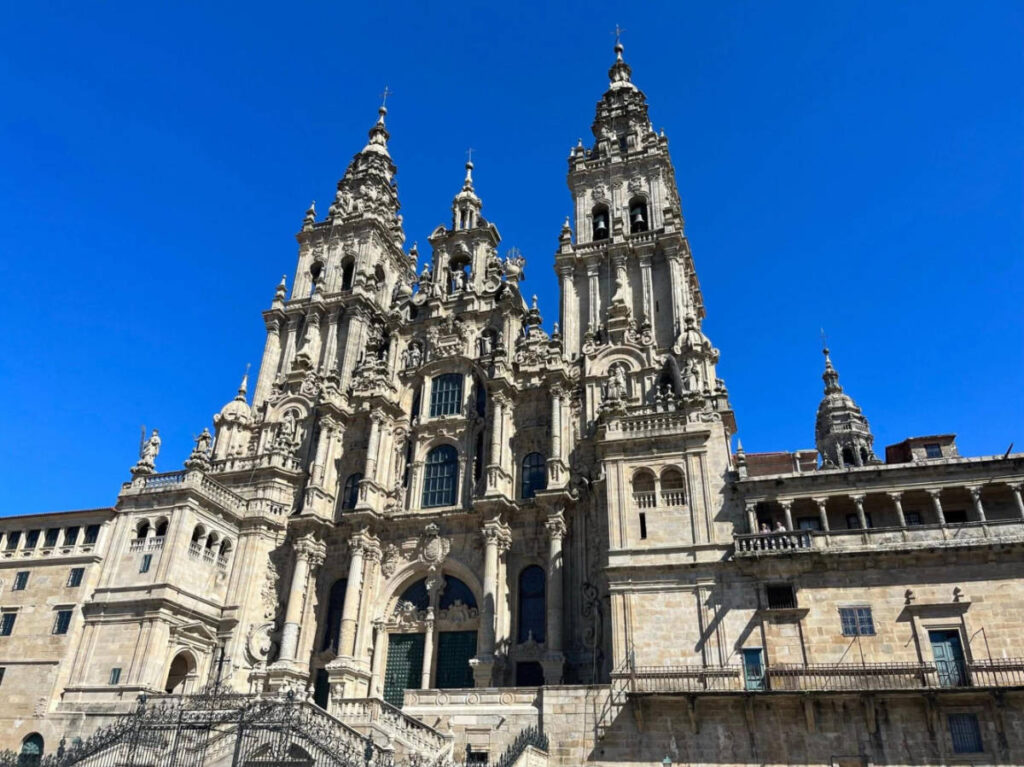
📍 Google Maps | Camino de Santiago Packing List
Santiago de Compostela is best known for being the end point of the famous Camino de Santiago pilgrimage. And the city’s crown jewel is its glorious cathedral. Watch pilgrims celebrate as they arrive in the Praza do Obradoiro. Attend mass to see the Botafumeiro swing (if you get lucky). And see ancient artifacts at the cathedral’s marvelous museum.
Soak up the city’s spirited atmosphere in its relaxing plazas. Wander the cobbled streets. And pick up fresh artisan products in the Mercado de Abastos. For a great view of the city, head to Alameda Park, steps away from the historic center.
Santiago de Compostela is famous for its seafood, especially pulpo (octopus). You can see them perched in the windows of many shops. But caldo gallego, empanada gallega, and pimientos de Padrón are also popular menu items. I love the Tarta de Santiago, an almond cake dusted with icing sugar, featuring the iconic cross of St. James.
Gijón
Asturias’ largest city is steeped in history and famous for its sweeping urban beaches.
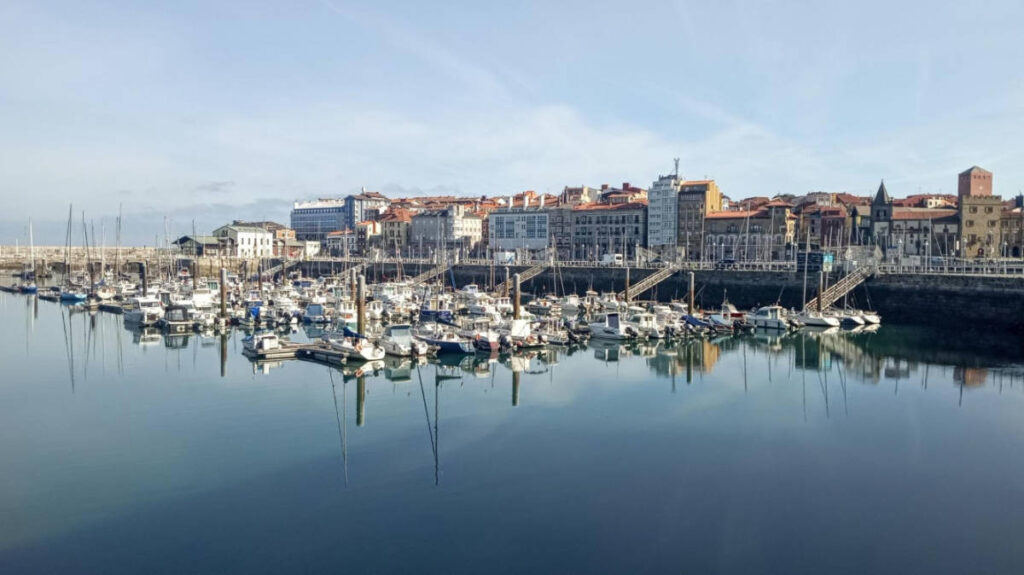
A visit to Gijón is the perfect day trip or overnight getaway from Oviedo, especially when you’re craving some time by the water.
Here, three thousand years of maritime history meet a vibrant contemporary culture. Start your day with a stroll along the marina and the city’s beaches. Then enjoy all the history the city has to offer. Wander the picturesque streets of Cimavilla, the old fishermen’s quarter, and see the Elogio del Horizonte sculpture, overlooking the Bay of Biscay. It’s one of my favorite places in Gijón.
Another top spot is the Church of San Pedro, situated at the edge of the Bay. Visit this church for its stunning location and striking mosaics. And then head to the Cuesta del Cholo neighborhood to indulge in local cider and seafood.
Zamora
With 24 churches from the 12th and 13th centuries, this city is home to the highest concentration of Romanesque architecture in Europe.
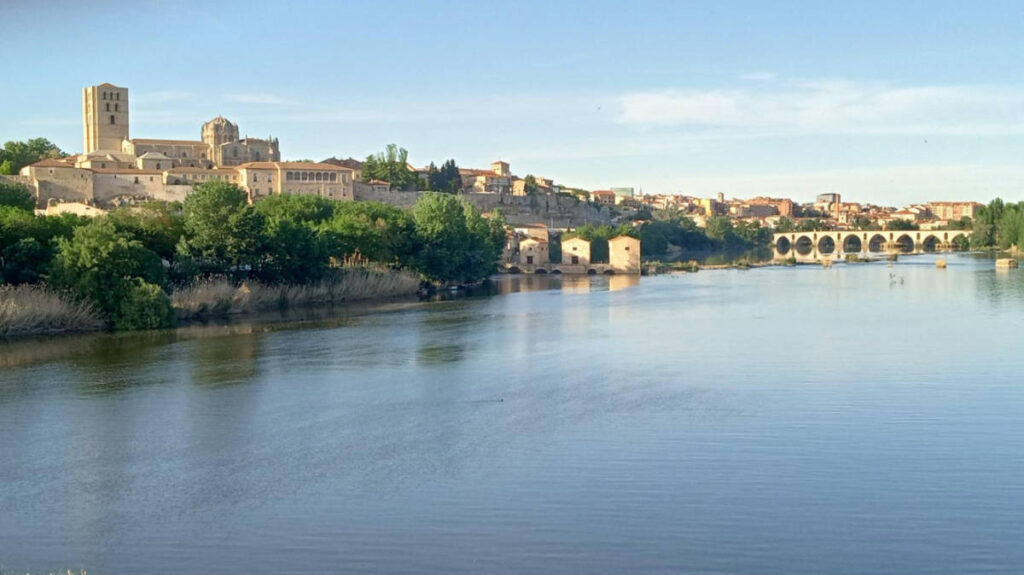
This pretty city in Spain’s Castilla y León region rarely tops the list on Spain itineraries, but I’m obsessed with it.
Twenty four Romanesque churches have turned this city into an exquisite open-air art museum. I love to wander the cobbled streets of the old town and poke my head into any that are open. Culturally, Zamora packs a punch. Although it’s mostly ruins, visit Zamora’s castle and climb to the top for some beautiful views of the cathedral.
Visit the Museo Baltasar Lobo, Zamora Museum, and the Museo Etnográfico de Castilla y León to learn all about the region’s history. And walk along the river to see the Aceñas de Olivares, the city’s historic water mills.
Join the locals in an evening paseo through the old town. Nighttime is magical in Zamora. And dine in the beautiful Plaza Mayor. I’m fond of the pizza at Restaurante Ágape.
Segovia
A Roman aqueduct, storybook castle, and rich Medieval history create one of Spain’s most unforgettable cultural experiences.
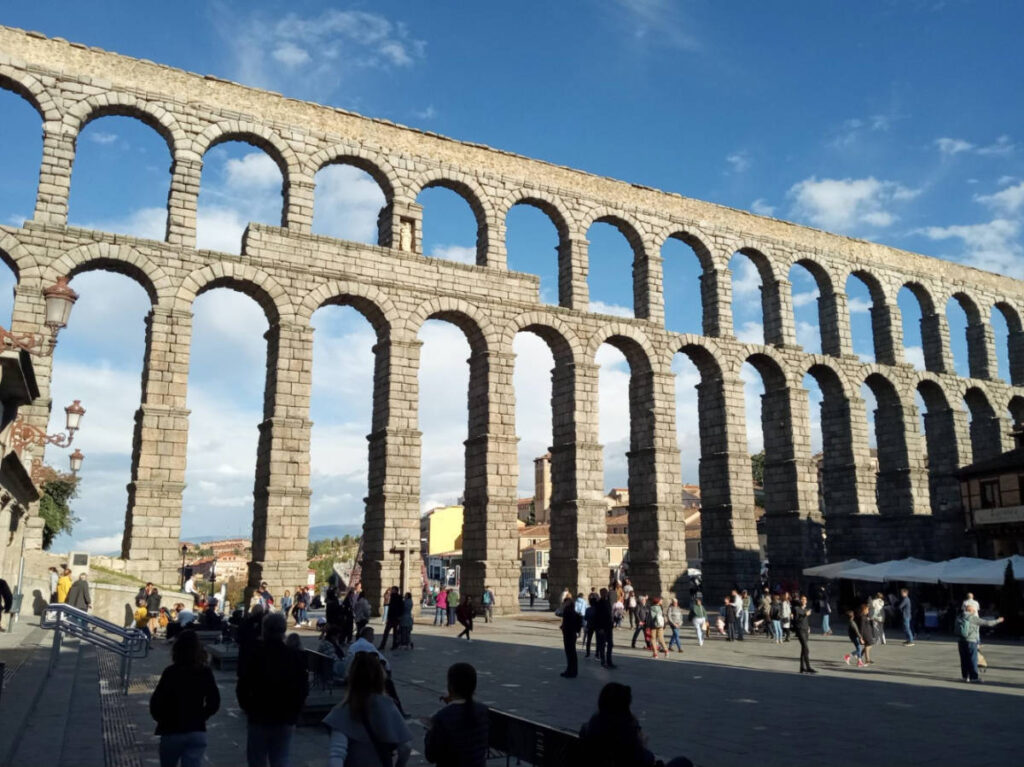
Segovia is one of the most popular day trips from Madrid. But there is a lot to see and do there, so I recommend spending the night. Plus, when the sun goes down and the lights turn on, the city is absolutely stunning.
The most breathtaking of Segovia’s sights is its Roman Aqueduct, which runs right through the city. But don’t miss visiting the cathedral, the Jewish Quarter, the charming Romanesque churches, and the Real Alcázar, which is said to have inspired Walt Disney’s Cinderella Castle.
Be sure to try the city’s legendary Cochinillo (suckling pig). Historic Mesón de Cándido is the most notable restaurant at the foot of the aqueduct, but many places around town serve this. Make reservations at any restaurant you’re keen to try. I didn’t do this and missed out because everywhere was full.
Logroño
Wine and tapas reign in La Rioja’s charming capital.
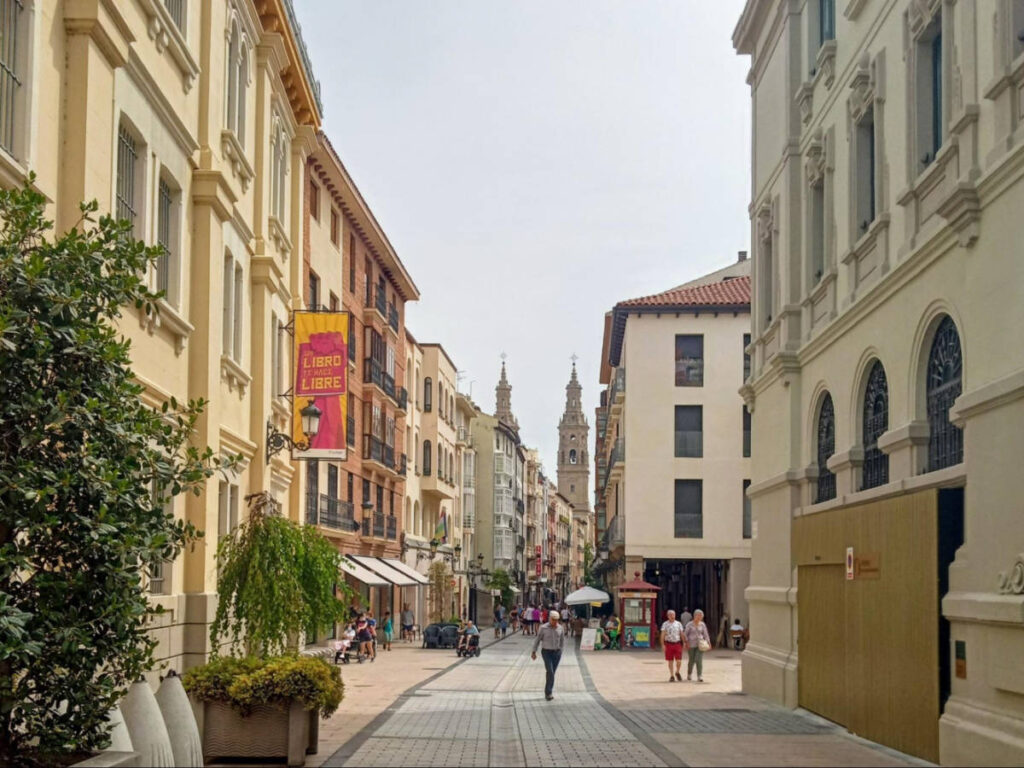
One of the most popular stops along the Camino de Santiago is Logroño. But you don’t have to be on a pilgrimage to enjoy this fantastic city. There is something for everyone, especially if you’re a fan of tapas and wine!
I love the city’s pedestrianized old town. Calle Portales is the main promenade, full of shops, relaxing plazas, and historic buildings. Its top attraction is the Co-cathedral of Santa María de La Redonda, where you can see a small painting of the Crucifixion, attributed to Michelangelo.
But most visitors flock to Logroño for Calle Laurel. In a little more than 200 meters, this famous street is lined with over 60 bars and taverns serving the pinchos and La Rioja’s celebrated wine. Many of the traditional places serve one signature dish, so you have no choice but to hop from bar to bar, trying everything.
Lugo
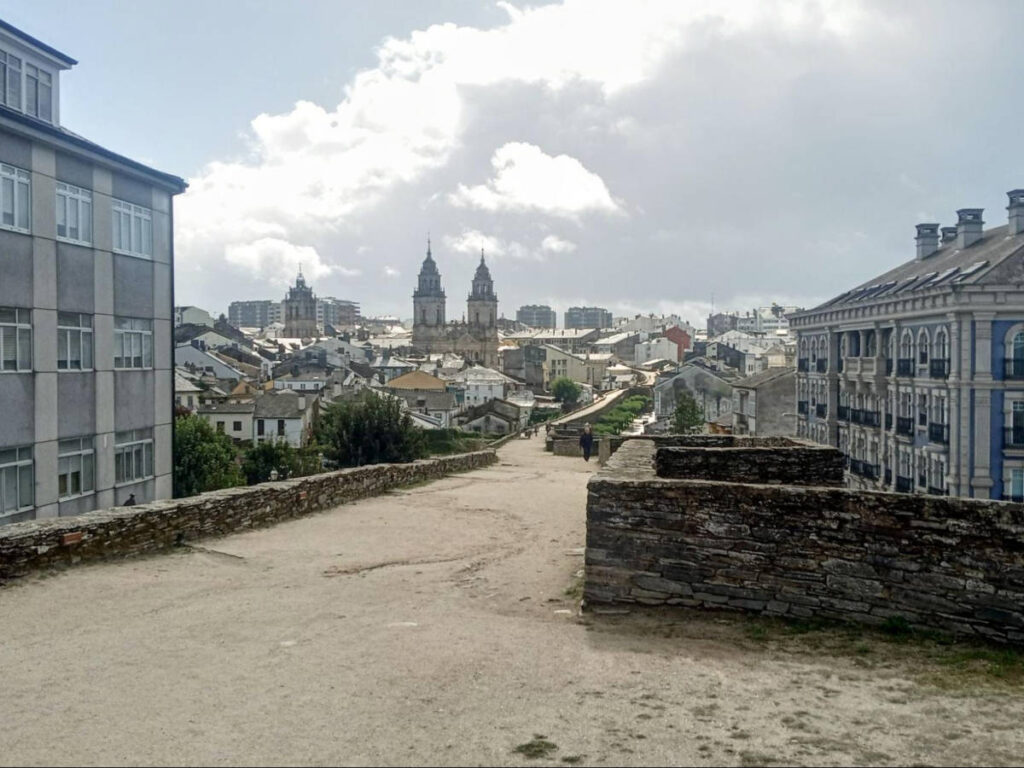
Founded in the 1st century, this is the only city in the world still completely enclosed by its original, fully intact Roman walls.
Lugo is often overlooked as it’s a little off the beaten tourist path. But make sure to put this delightful Galician city on your list if you have the time, or just want to experience somewhere different!
Lugo’s claim to fame is its more than 2 kilometers of fully intact Roman walls. Be sure to climb to the top and walk along them. Here you’ll get some beautiful city views along with a good workout. Then, stroll the shops and plazas of the historic center. And visit the Cathedral and House of Mosaics.
As an art lover, my favorite thing about Lugo is its street art scene. There are over 500 pieces of urban art scattered around the city. And what makes them so notable is the artists’ ability to blend the historic and modern. The Julius Caesar mural is undoubtedly the city’s most famous.
I stayed at the Exe Dorma Puerta de San Pedro for a couple of nights during my Camino Primitivo. The hotel was modern, comfortable, and just outside the city’s walls. It was the perfect location for my aching feet!
Ávila
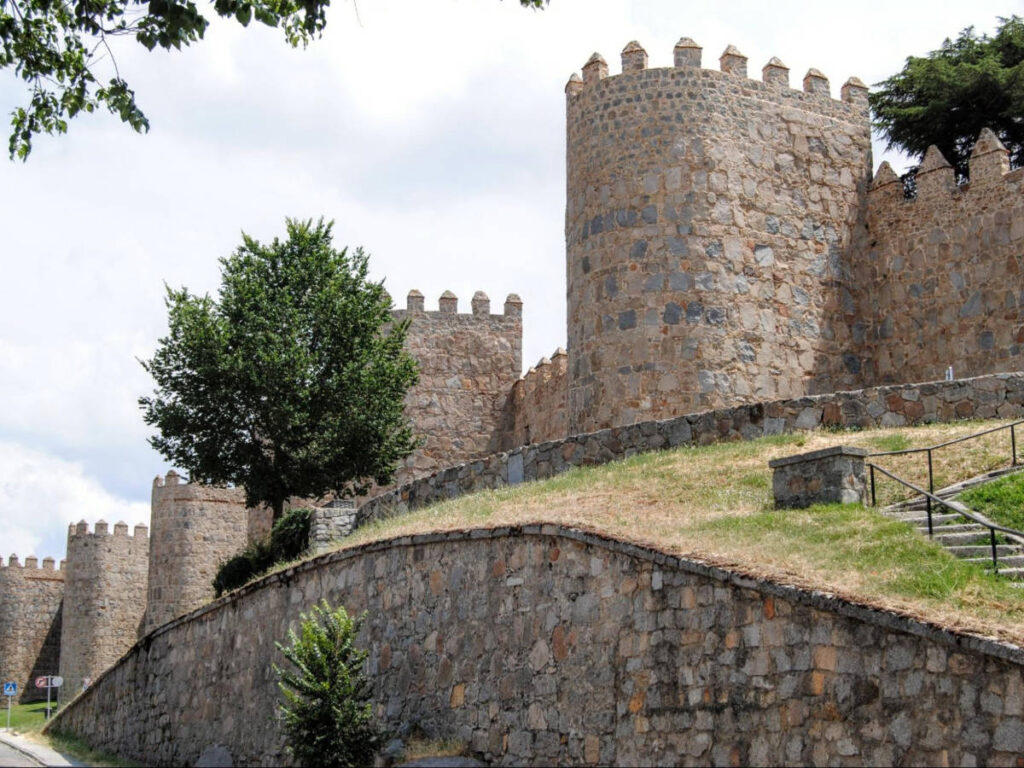
See 2.5 kilometers of fully intact Medieval walls at this UNESCO World Heritage Site.
📍 Google Maps | These Epic Road Trips in Spain are Worth It
Ávila’s astonishing granite walls date back to the 11th century and are believed to be the most complete Medieval walls in Europe. These walls stretch for 2.5 kilometers, enclosing a charming old town, which was the birthplace of St. Teresa.
I enjoyed visiting the Convent and Museum of St. Teresa, the cathedral, and strolling the ancient city streets. And because I visited on a Friday, I was able to experience the city’s food market in the Plaza del Mercado Chico (held every Friday from 9 am to 2 pm).
Don’t leave Ávila without stopping for a drink at the Parador, a 16th-century Renaissance mansion, now a luxury hotel. I absolutely loved the outdoor patio! The prices at this Parador are surprisingly affordable, so why not just stay overnight?
💡 Pro tip: Although all these cities deserve at least a full day, if you’re visiting Madrid and are pressed for time, consider taking a day tour that stops in Ávila, Segovia, and Toledo.
🖨️ Get a free, printable version of our 10-day Spain itinerary here!
***
Thanks for reading my list of the best places to visit in Spain. Next, see my guide to packing for Spain. Happy wandering!
– Catherine Driver contributed to this article
Have you stayed in Marbella? If so what did you think of it? Deciding between Marbella and Malaga as a home base for 5 days.
do you not rate Alicante?? honestly
Thank you for your travel insights. What can you share about Alicante and Estepona as multi-day destinations during a month long slow travel from our base in Malaga?
Great information
Was looking for a hotel for my family
In the costa brava
Any advice would be greatly w
Hey Chris,
I’m glad to hear you found the article informative!
So, Costa Brava spans 75 miles with several different villages along it like Blanes, Girona, and Cadaqués etc. While it is very easy to get around on public transportation, it is still a fairly large region and it’s a bit difficult to recommend a hotel without knowing which town you plan to stay in. With that being said, one of my favorite towns in the area is Tossa De Mar, so I’ll share a few of the nice hotels there.
Hotel Delfin is a lovely stay that provides clear views over the ocean and it is right in the center of town, making it very easy to get around on foot. They also have rooms that are large enough to accommodate a whole family.
Hotel Turissa is another solid option with spacious rooms and a very pleasant staff that can provide you with recommendations for the area while you’re there.
Thanks so much for reading and have fun on Costa Brava!