
Affiliate Ad Disclosure: We’re reader-supported. When you buy via our links, we earn commissions. Learn more.
I adore Washington’s rainy season. Here’s why it’s a great time to visit.

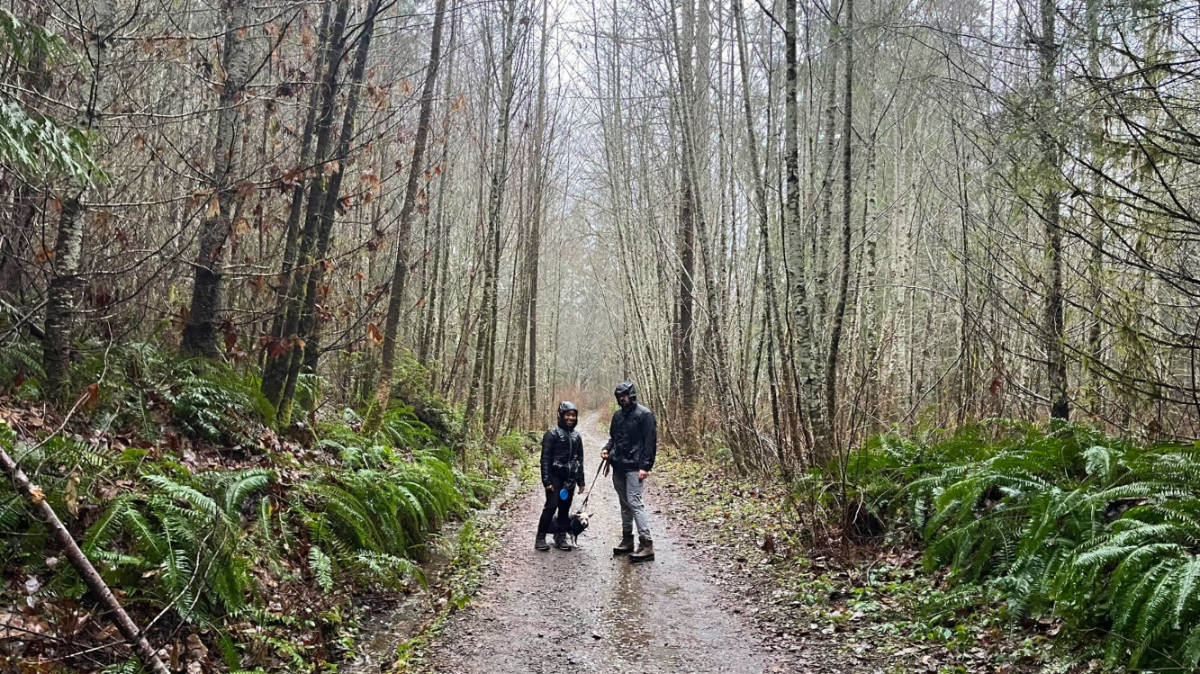
I have a confession to make…
I’ve written many guides to my home state and have usually led with this: The best time to visit Washington is during its beautiful, dry summers. But I don’t think that’s 100% true.
Sure, visiting in the summer will guarantee you fall in love with Washington. There are plenty of things to do that you can’t easily, comfortably, or safely do in other seasons.
Long days and 9 pm sunsets are incredible. Spirits are high, and conversations and beer are free-flowing. It’s the perfect time to see Seattleites shed their “icy” shells.
But over the years, I’ve come to adore and even look forward to Washington’s rainy season. I think you’ll miss out if you never come during this time.
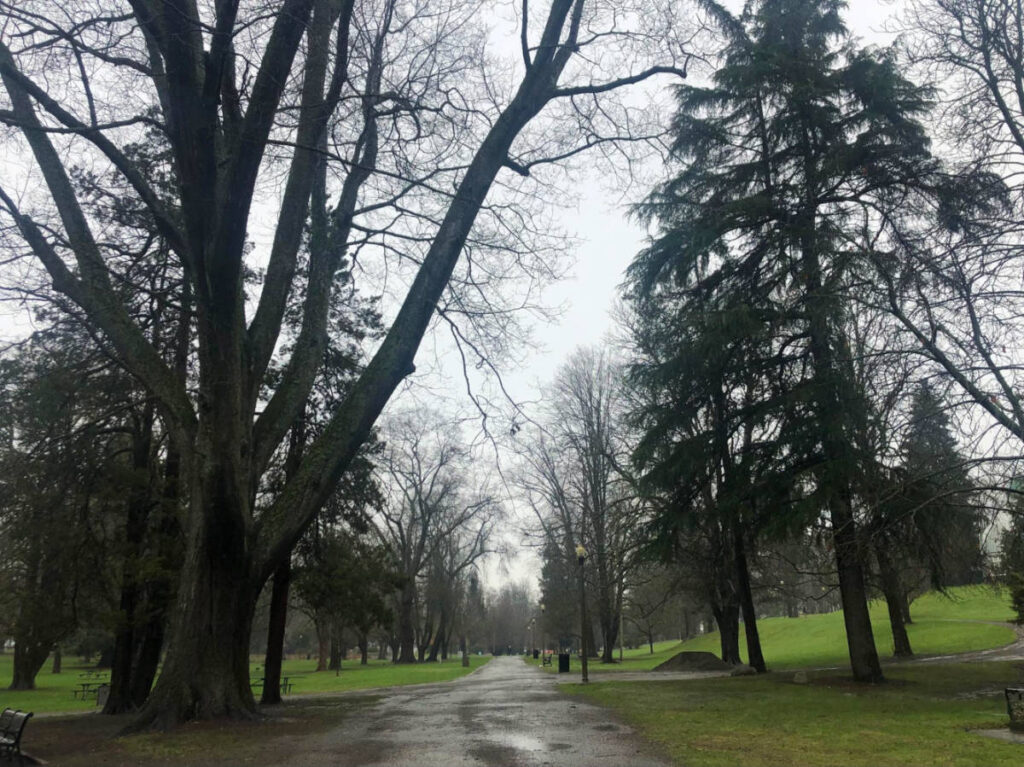
Those who value warmer climates and beachy getaways are probably giving me a bit of side-eye over this ludicrous statement. However, I firmly believe that traveling in bad or dreary weather can help you get to know and appreciate a place on a deeper level.
Western Washington’s rainy season lasts roughly from mid-October to late April. Visiting outside of summer is the best way to see what it’s actually like to live here.
Luckily, like summer, some things in Washington are just better during the rainy season.
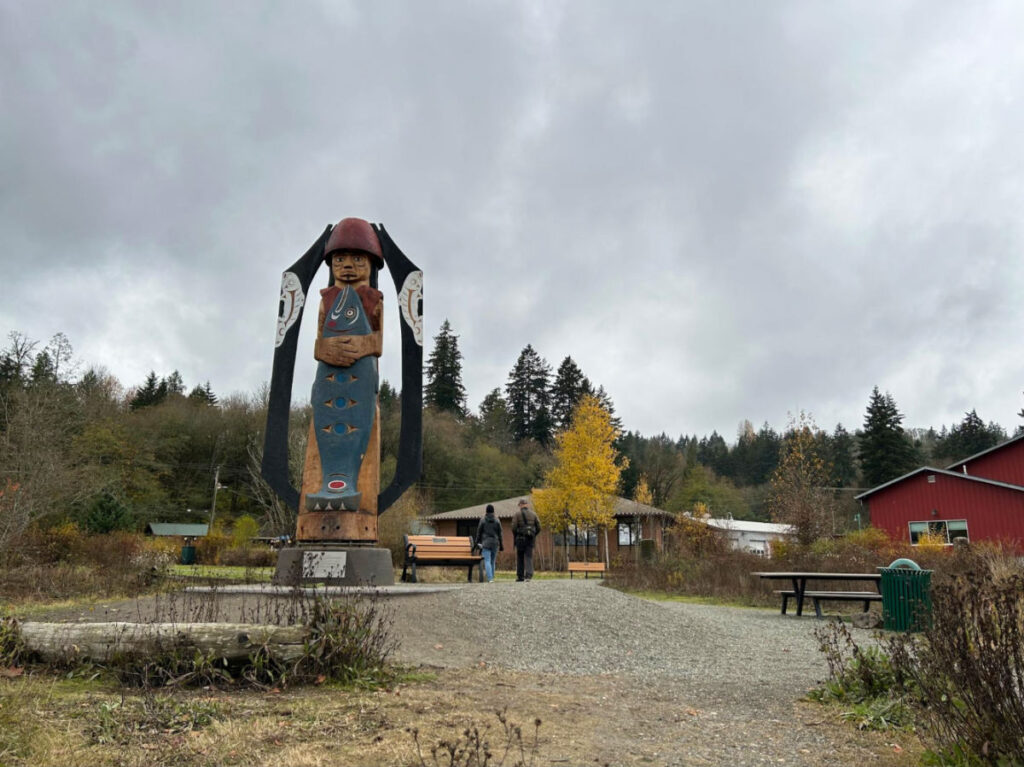
Washington’s small towns get way cozier when it rains, which makes them perfect for artist retreats.
Is there anything cozier than sipping a mug of hot tea and sinking into an overstuffed couch with a book while rain pelts the windows? I don’t think so. You’ll have plenty of opportunities for moments like these in Washington.
In my humble opinion, Washington’s small towns are pretty much the definition of cozy.
Imagine side-stepping puddles on your way to a used bookstore with overflowing shelves (and maybe a cat or two) before ducking into a teeny mom-and-pop bakery. Picture yourself sipping a latte in a brick-walled coffee shop before finding a hole-in-the-wall to dine on a steaming bowl of soup, chowder, or pho.
Expect an itinerary that involves all of the above in nearly every small town in Washington. Lodging choices are just as cozy. Choose from places like the romantic waterside cabins at Captain Whidbey to the charming, Victorian-era Palace Hotel.
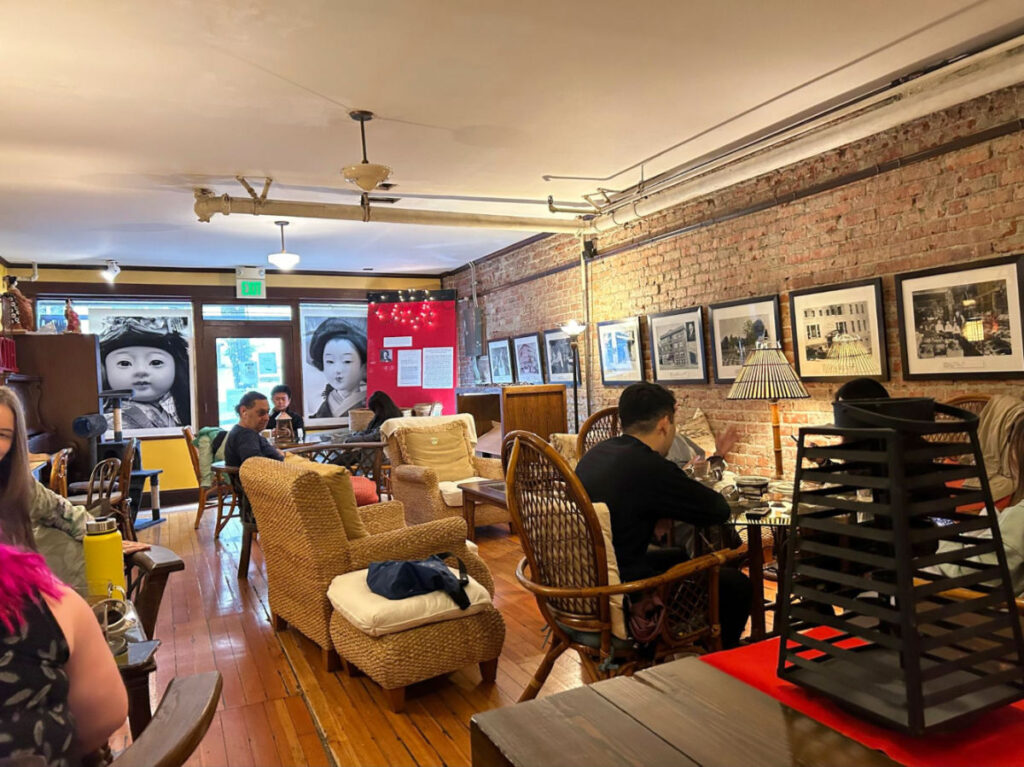
These quaint towns and accommodations are marvelously less crowded in the off-season too, making them perfect retreats for artists.
Go to any of Washington’s Creative District Communities. You’ll find yourself among art-loving locals in walkable commercial districts with galleries, performance venues, art-focused events, and museums.
I love staying in Langley and Port Townsend, especially. But any of these districts will encourage you to see those short, wet, and gray days as a point of inspiration, rather than a 6-month-long bummer.
Hot coffee is just better when it’s cold out. Hang with the locals in coffee shops or try out memorable coffee experiences.
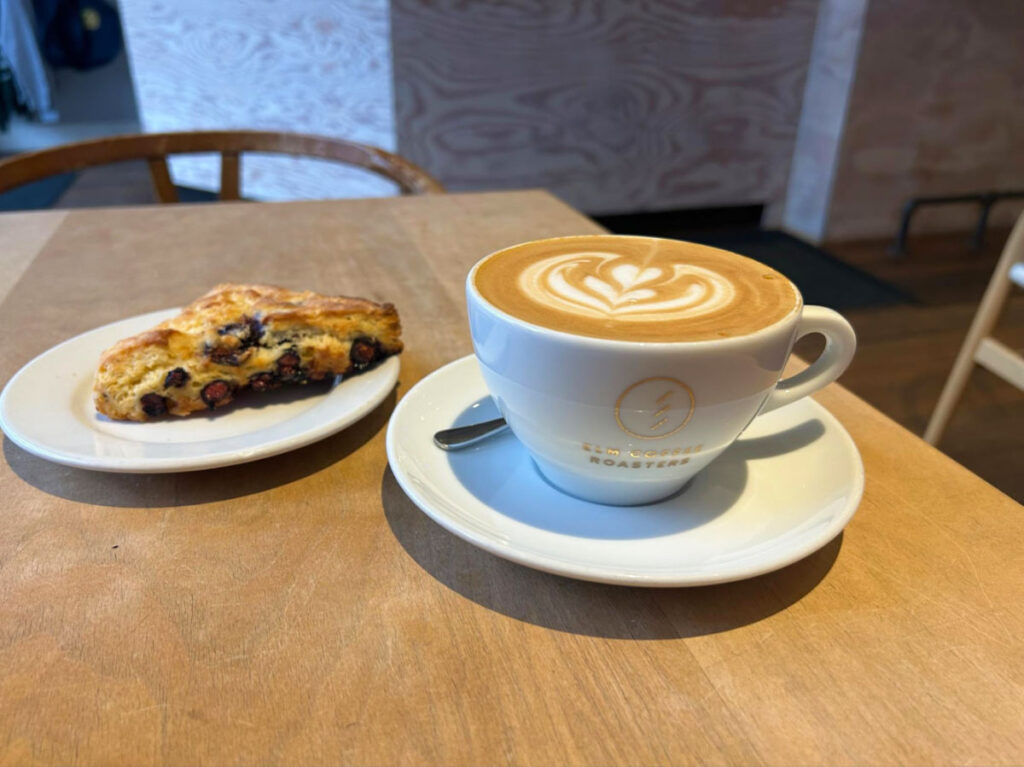
It’s no secret: coffee is something Washington does really well.
There’s no better time to sample this delightful beverage than in the rainy season. A cup of coffee will warm you up and give you the energy needed to brave the misty weather and keep on exploring. Plus, hot coffee just tastes better when it’s cold out.
While coffee shops in Seattle and beyond are open year-round, they become more popular meeting places during the fall and winter. Want to hang out with the locals? Coffee shops are where you’ll find them during this season.
Want to learn a bit more about why we’re all so obsessed with coffee? Seek out coffee experiences.
Try a free coffee tasting at KEXP in Seattle or Dancing Goats Tasting Room in Olympia. Go on a local-led coffee culture tour. Take an espresso martini-making class at the Starbucks Roastery. Attend an Ethiopian coffee ceremony at Boon Boona Coffee.
You’ll gain a much greater appreciation for the rainy season when you’ve got a hot drink in your hand.
There are plenty of underrated festivals and activities during this time, from flower peeping and birdwatching to mushroom foraging and ballooning.
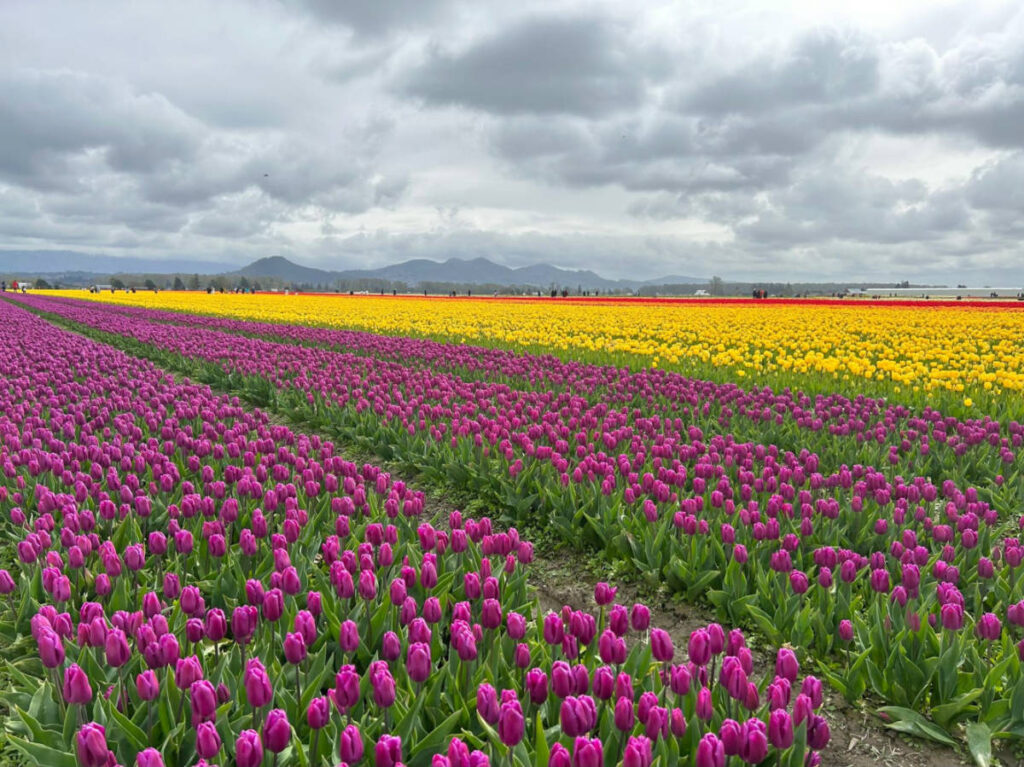
Summer is when you can expect the most Washington festivals. But they don’t stop happening simply because the sun disappears for a few months. There are plenty of seasonal festivals and activities to look forward to during the “Big Dark.”
🌷 The Skagit Valley Tulip Festival: By April, Skagit Valley farms come awash in color thanks to fields full of blooming tulips and daffodils. It’s a beautiful contrast against the gray skies and a precursor to months of blooms to follow.
🦅 Skagit Valley Bird Festival: The valley is most well-known for its tulips, but birding is another draw. Fall and winter are great times for it as this is when thousands of migratory waterfowl return to the valley.
🎈 Balloon Roundup in Winthrop: Hot air balloons color the skies in this small-town fest that happens every March. Bring a good camera for photos or snag a ticket to ride in a balloon and see the wintery Methow Valley from above.
🏔️ Snowshoeing on Mount Rainier: You can visit Mount Rainier year-round thanks to tour companies that will lead you through its icy trails on a snowshoeing adventure.
🍄 Mushroom Foraging: Fungi love wet and rainy weather conditions. Take a class to learn to forage for edible ones! There are several tours you can take, but I’m a fan of Whidbey Wild Mushroom Tours.
🎄 Christmastown at Leavenworth: Leavenworth’s Christmastown is a holiday classic. From November through January, the Bavarian-inspired town gets a festive makeover. There are dozens of things to do (like carriage rides, gingerbread house contests, and musical performances) to help visitors get into the spirit.
You start to understand why Washington is called the Evergreen State.
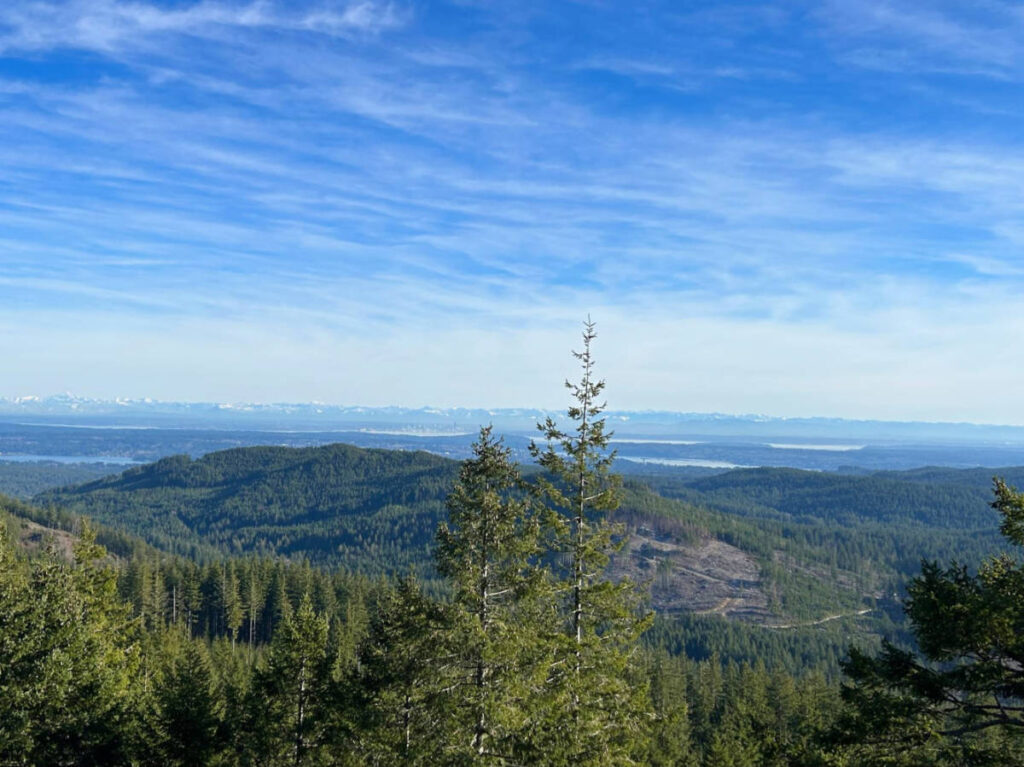
In the middle of the rainy season, it becomes apparent why Washington is called the Evergreen State. The foliage throughout the state’s forests and parks continues to thrive.
I love the summertime flowers, but I think there’s something so appealing about all of the greenery. The dark green hues contrasted against the gray skies and the bare, tendril-like tree branches are fantastic.
Venture into the forests to see how verdant everything is. Meander through parks and along hiking trails, stopping to spot showy ferns and near glowing moss. Gaze up beneath ancient cedars and Douglas firs.
I’m always a little sad in the height of summer when all the grass begins to die and yellow, and things get really dry. That’s a non-issue during the rainy season.
The waterfalls are at their most impressive flow.
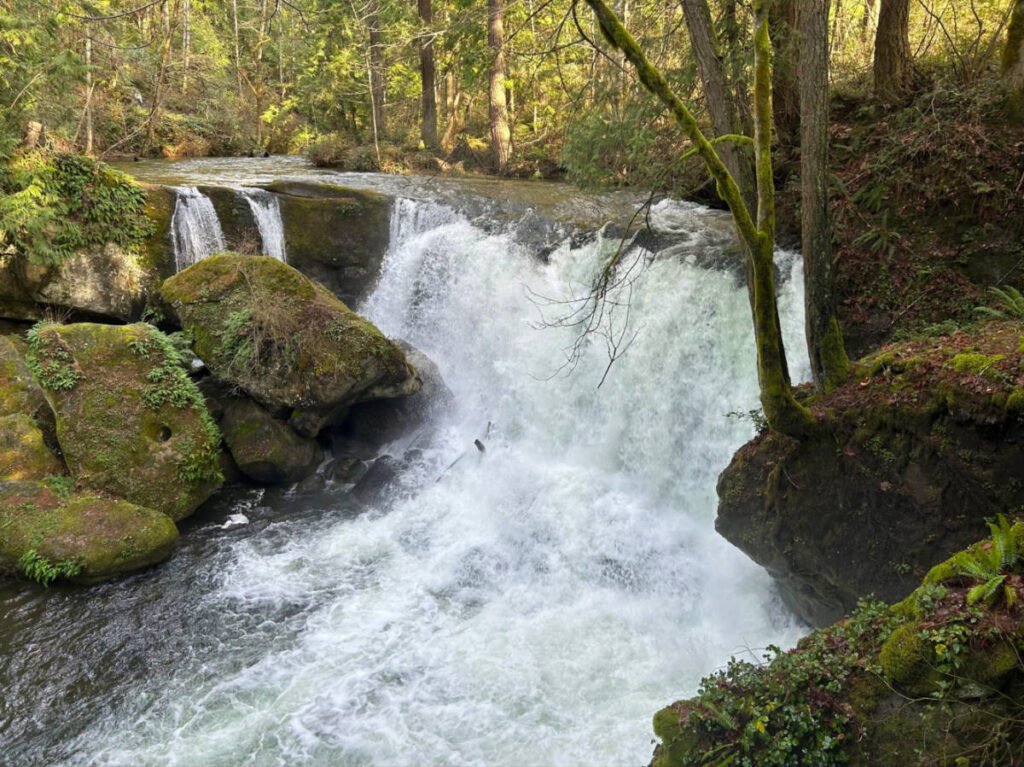
Washington has thousands of waterfalls. Do you know what makes their flow even more impressive? The rain.
In the summertime, a lot of waterfalls begin drying up or the flow gets reduced to a trickle. Winter and spring are the sweet spots for waterfall chasing — expect a great payoff for venturing out into those soggy forests.
Visit waterfalls on rainy days or just after one to see them gushing. As a bonus, waterfall hikes are some of the best kinds for people of all abilities. Many are quite accessible and don’t require strenuous hikes.
One note of warning, though: The key here is to prepare well. Rainy weather equates to gushing waterfalls… but also muddy trails. Bring some good hiking boots you don’t mind getting dirty and a rain jacket that can withstand the consistent drizzle.
It’s the best time for storm watching on the coast.
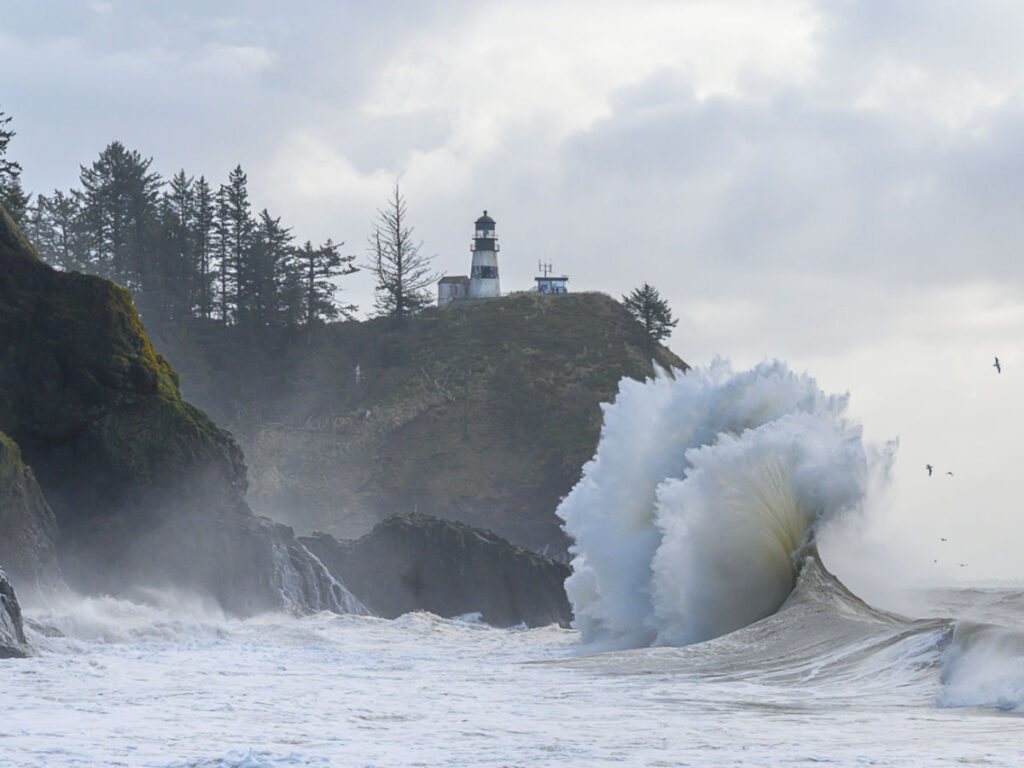
Washington’s coast is wild and unpredictable in the wintertime. Most look at this season as a time to stay away, but if you want a front-row seat to that wildness, head there in the off-season. It’s the ideal time for storm watching and when you have the best chance of seeing a king tide.
It’s fascinating to see the tides crest, hear their thunderous crash, and feel the chilly sea spray against your face. Just keep in mind that it’s dangerous to be too close, flooding is possible, and driftwood and other debris can wash up. Watch from a safe distance.
Cape Disappointment is one of the most popular places for storm viewing, as is the observation tower in Westport. Alternatively, you could spend a weekend in one of the rustic, homey cabins at Kalaloch and watch from the windows while staying warm inside.
There are fewer crowds, and it’s cheaper to stay in the big cities during the rainy season.
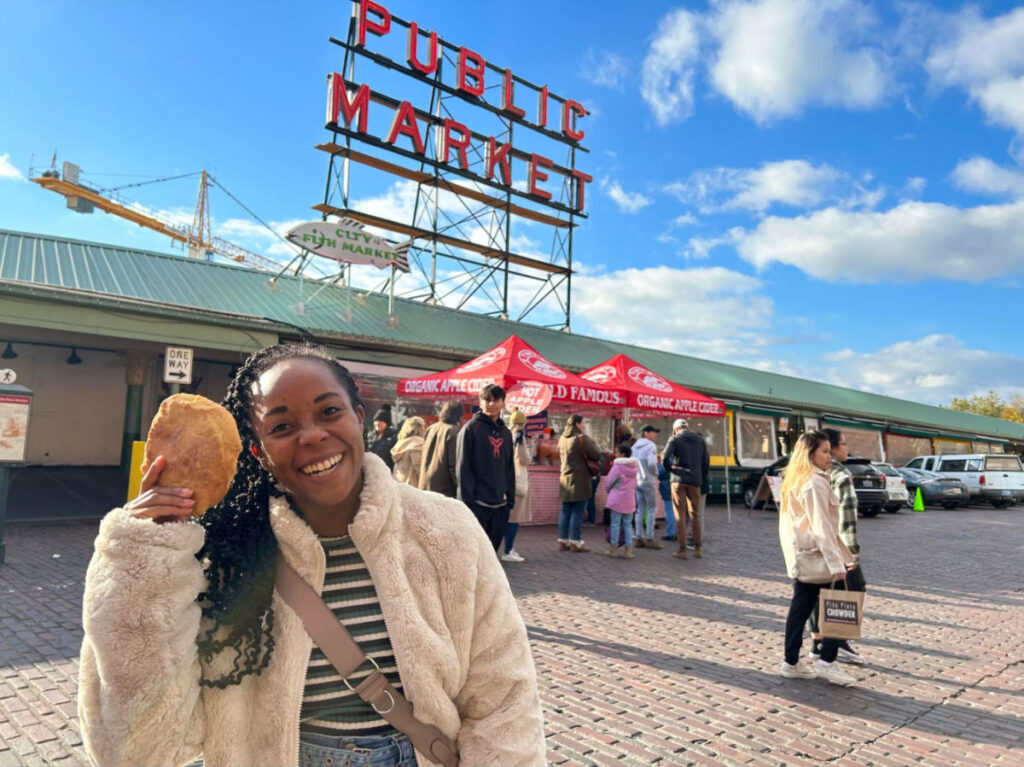
This is one of the most obvious reasons, but it’s worth noting. Don’t enjoy being in crowds of other tourists when you travel? Well, they tend to stay away when there’s “bad” weather.
The rainy season is a much less claustrophobic time to visit, so you can expect a much calmer trip overall.
Plus, you’ll save some money — at least, as far as accommodation prices go. Hotel prices triple in July and are cut in half in January. As much as I love a cozy town in the off-season, I’d also suggest spending a good chunk of time in the cities.
I’m biased because I live here, but Seattle is phenomenal in the rainy season. Its attractions are way less crowded from November through March. Any of the other big cities in the state will be similar.
It’s not like you’ll be missing out, either. Live music shows, farmers markets, food pop-ups and art markets, museums, and more are still alive and well during the rainy season. There are just fewer people to experience them with.
***
If you’re willing to give it a chance, Washington’s rainy season could become one of your favorites. I know the dark days and wet weather can be hard. But I think if you focus on what there is to do, you’ll understand more of what makes this state special.
And hey — maybe eventually, you’ll become a crazy Washingtonian like me and begin to actually like the rain.
Up next, read my article on how to survive February in Seattle (which is very gloomy).
More Latest PERSPECTIVES


