
Affiliate Ad Disclosure: We’re reader-supported. When you buy via our links, we earn commissions. Learn more.
You’re visiting Washington but not DC. Here’s the distinction.

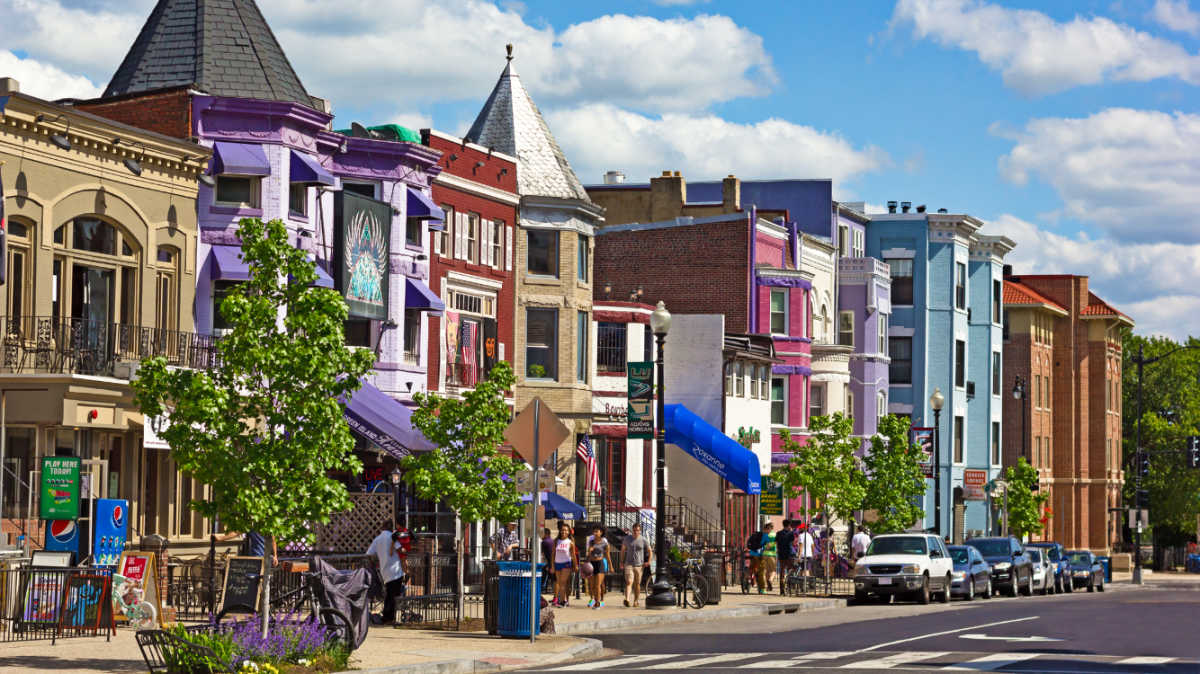
It may seem like one and the same; the official name is Washington, District of Columbia (DC), after all. However, many locals — myself included — see a distinction between Washington and DC.
As a local, I think it’s important that tourists experience both the touristy, transient side and the real, local side of Washington, DC. Here’s how to experience both, and why it matters.
Washington, DC: Same city by name but not by culture
When it comes to the distinction between Washington and DC, there is not really an official definition. It’s more about how locals perceive the difference between the two.
Washington includes the federal government and tourist attractions

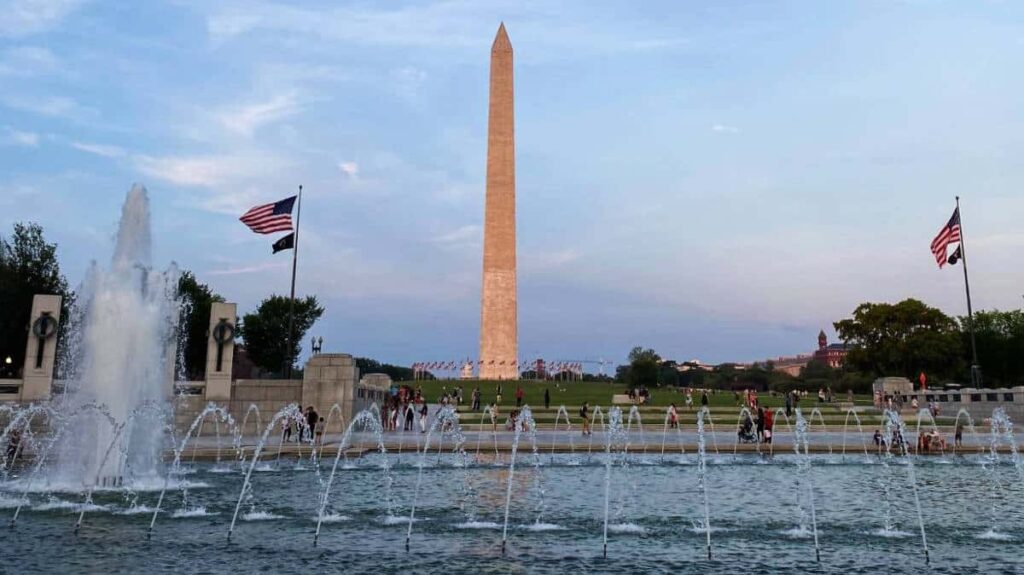
Washington encompasses the federal government — the Supreme Court, Congress, the White House — and the industry involving that. Think of all the staffers, the lobbyists, and federal employees. The Smithsonian museums, the National Mall, and the historic monuments are also considered a part of “Washington.”
In 2023, the city hosted 25.9 million total visitors, according to Convention South, a post-pandemic record [Source]. The memorials, like the National World War II Memorial and the Vietnam Veterans Memorial, as well as the National Museum of Natural History and the National Air and Space Museum are among the top locations visited in the city.
The Lincoln Memorial is one of the city’s top attractions, hosting 8.1 million visitors each year, according to Statista [Source]. But this isn’t to say that tourists are the only people who visit these popular attractions. Locals frequent these places, too, but these are the attractions that visitors always tend to go to.
DC is the local side of the city, with its own culture and hidden gems
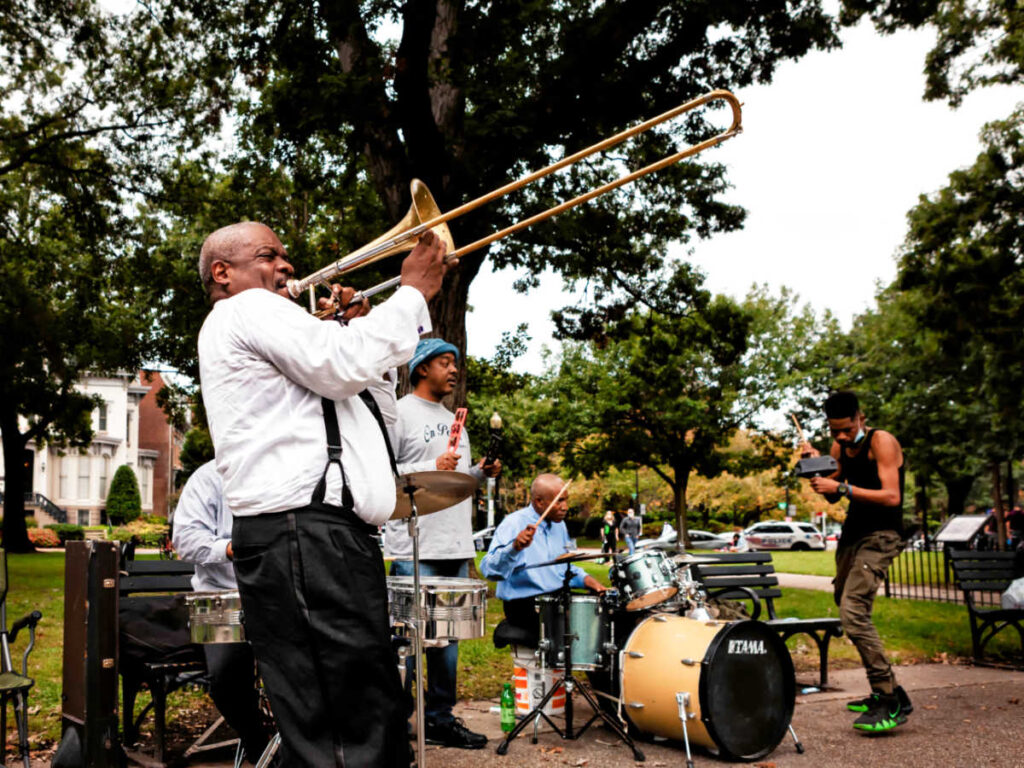
DC is more local. It’s Chocolate City. It’s history and vibrant neighborhoods and smaller attractions you have to live here to know about. It’s where locals live, work, and play every day.
DC is where you’ll find local music like Go-go, food like Mumbo sauce, and slang popularized by those who live here.
Again, this isn’t to say that those who live in DC don’t engage with “Washington.” You’ll often find locals at the museums and hanging out on the Mall. However, you won’t find as many tourists venturing past the Downtown area into DC’s rich neighborhoods. That doesn’t have to be the case, though.
Does the distinction between Washington & DC matter?
On a semantics level, Washington and DC are interchangeable. Say either and people will know that you’re referring to the city.
However, the distinction matters when it comes to the city’s history and culture. Apart from the happenings of the federal government and national-level historical events, DC has been and continues to be a place that has its own thing going on.
That history and culture is important to hold onto, especially in a city that’s so transient like DC.
By transient, I mean there are many people moving in from around the country and even the world. Government contractors, federal workers that change with administrations, and people who simply move in and out of the city all contribute to DC’s transient nature.
Often, these populations can be unintentionally at odds with the city and locals.
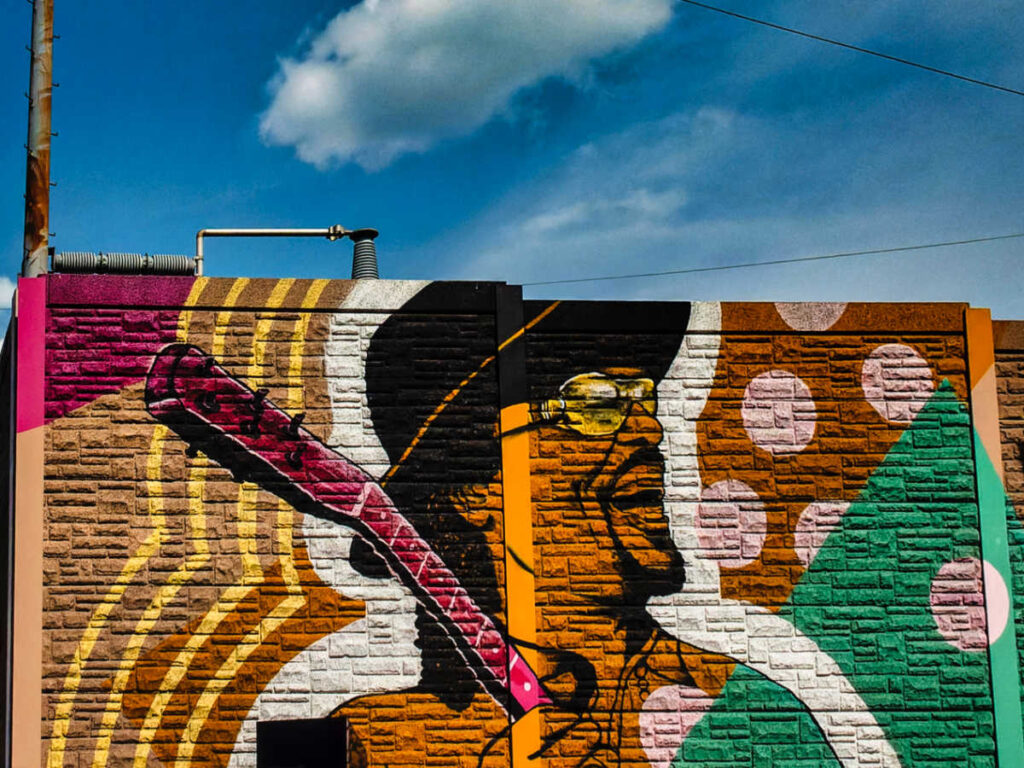
Go-go music, a subgenre of funk, originated in DC in the 1960s. Artists like Chuck Brown and bands like Rare Essence popularized the sound. Go-go is one of the idiosyncratic sounds of DC.
However, the genre found itself in the middle of a battle in 2019. A Metro PCS store in Shaw, a historic neighborhood that’s home to Howard University, has played go-go music throughout the day since 1995.
Residents of a nearby apartment complex, The Shay, complained and threatened the company with a lawsuit, ultimately getting the music turned off. That led to DC residents responding with #Don’tMuteDC.
Though the campaign was about allowing the Metro PCS store to continue playing music, it highlighted a difference between the historic culture of DC locals and those who have newly moved to DC without the native ties. It was a misunderstanding of the area’s culture and history.
I’m originally from Pittsburgh, Pennsylvania, but I consider myself a local having lived in DC for a few years now. In my opinion, I do think the distinction matters on a cultural and historical level.
These little niche parts of a city’s history, regional music, and small events are what make a city unique. Otherwise, there would be no need to travel to see something new.
So, how do you really see DC? Here’s my advice:
Don’t think I’m trying to sway you from seeing what would be considered the “touristy” attractions of the city.
Most of the Smithsonian museums are free and have great exhibits. The monuments represent much of this country’s history. And the Tidal Basin offers stunning scenery throughout the year.
My advice is that you shouldn’t spend the entirety of your trip at all the attractions Downtown. There is just so much to the city beyond these popular areas.
Explore the neighborhoods

Go beyond Downtown, where the majority of the monuments and museums are, and explore the rest of the city. It seems like an obvious statement, but when traveling, most often stick around where the attractions are.
I would even challenge you to stray from the famous or more well-known neighborhoods in DC. Georgetown and Capitol Hill, though areas where locals live, still attract many tourists.
Venture more uptown where you can find locally-owned restaurants, bars, shops, and even small museums. I used to live in Adams Morgan, a neighborhood where many young people live and play.

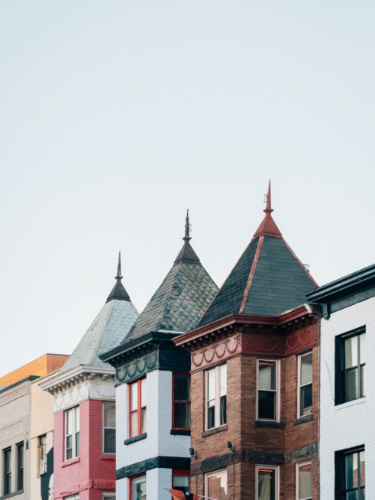
I would walk to 18th Street by myself or with friends to grab a pastry from Tryst coffee shop or to the Tiki Bar for a drink in the evenings. I’d treat myself to a book from Lost City, grab dinner at Lucky Buns, and dance the night away at Madams Organ.
The nearby neighborhood Dupont Circle has a similar vibe with nightlife and restaurants. Vagabond serves a delicious brunch. My boyfriend and I have regular pizza nights here; Red Light Bar in Logan Circle and Alfreda in Dupont Circle are definitely on our list for the next one.
Venture even further up from Downtown and you’ll find neighborhoods like Shaw, Petworth, Takoma, and Brookland, which are much more residential but still have a few hidden gems worth exploring.
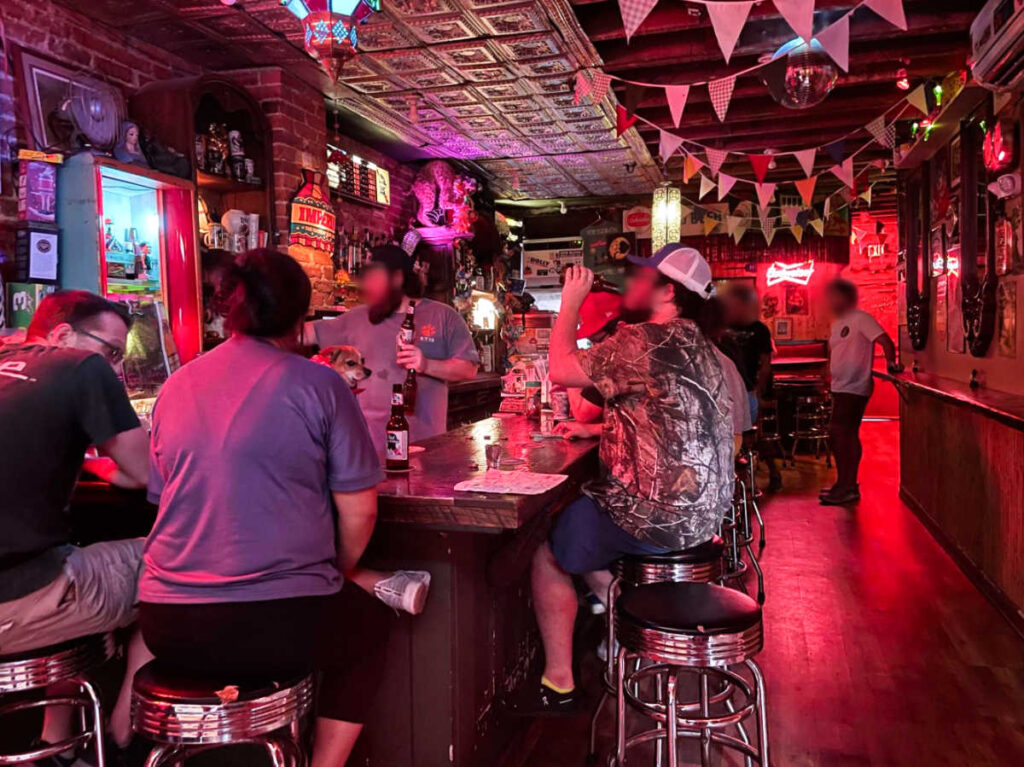
Take Snappy’s, a dive bar in Petworth where the bartenders know your name; at least after you’ve been there a few times. My boyfriend and I regularly go to sit and talk after work, and enjoy some bagel bites with our drinks. The bartenders get to know regulars, chat with them, and eventually know their orders, which isn’t too common now.
I could go on and on about my favorite places in DC. But the point is that the city has much more to explore than the monuments Downtown. Dive a little more into the neighborhoods and you’ll get a better look at the city.
Take the bus and metro or walk

Get around like a local and use the bus or metro to get from place to place. When you take a rideshare from Point A to Point B, you’re often missing the opportunity to explore along the way.
You request for a driver to pick you up at your hotel and drop you off at a restaurant or vice versa. I won’t pretend like locals never take a rideshare service; of course, they do, myself included.
However, the vast majority of locals take the metro, the bus, or walk on a daily basis. All three have their own benefits and will be better ways to discover the city.
The metro and the bus are easy to navigate and can take you all around the city. Both are also a fairly inexpensive mode of transportation thanks to the day pass or metro card. Compared to paying for ride shares, the bus and metro tend to cost much less per ride.
Walking is also a good alternative to driving or using a rideshare. It’s, of course, a free option but it’s also the best way to see the city. And luckily, DC is relatively walkable.
When you walk, you’re more likely to happen upon places you probably would have whizzed past in a car. Walking allows you to stumble upon shops, restaurants, and cafes you might want to try.
Start by taking a walk around the area you’re staying. There’s so much to explore within just a few blocks from your hotel. Then, if you’re feeling more adventurous, walk to a nearby neighborhood or another one around the city.
Ask for recommendations from locals
While you’re in DC, don’t be afraid to talk to the people who live here. Ask them what they like to do, where they like to go, their favorite place to eat, where they go for a drink. Asking the people where I travel for recommendations are how I’ve found some of the coolest places.
Even after living in DC for years, I still like to hear where other locals go. My yarn group and I discuss restaurants we’ve tried and places we discovered. My boyfriend and I like to try places coworkers recommend. And my friends and I are always telling each other where to go on the weekends.
Hearing where other people in the area like spending their time is the best way to get a true local perspective of DC. So, ask the person who works the front desk at your hotel, the waiter at a restaurant you’re eating at, or even someone you just strike up a conversation with.
I’ll start off the local recommendations with my own:
One of my favorite places to eat is Paragon Thai in Cleveland Park. It has the best drunken noodles and spring rolls I’ve ever had. And if you’re looking for something sweet, try Donut Run in Takoma. Their donuts are fluffy, delicious, and completely vegan.
Like I mentioned, my boyfriend and I love going to Snappy’s in Petworth for a happy hour drink and bagel bites. We’re also a fan of Jinya Ramen and Capitol City Brewing for a weeknight date night.
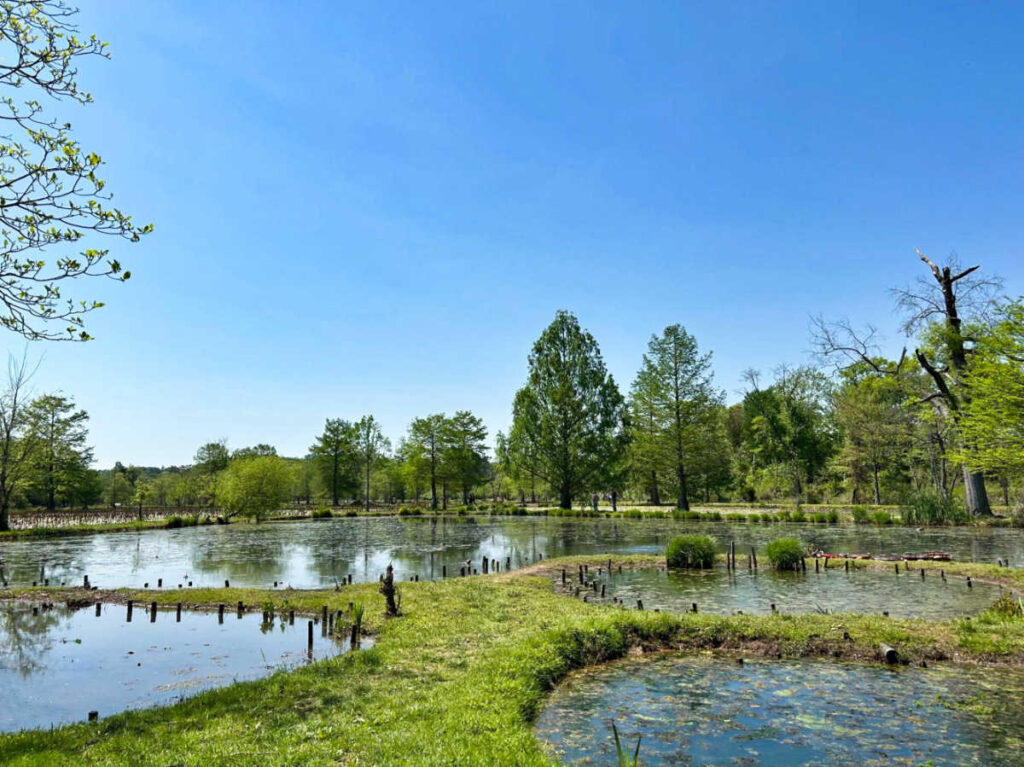
As for places to visit, check out Kenilworth Aquatic Gardens (photo above) in the Kenilworth neighborhood. It’s a beautiful area that feels like you’re miles outside the city when you’re really not. You can do some birdwatching, see small aquatic turtles and huge snapping turtles, and see the water lilies bloom in the summer.
Consider staying somewhere other than Downtown

When you’re considering where to stay in DC, you may want to opt for a neighborhood that’s away from Downtown if you want to get a real, local taste of the city.
This isn’t to say you should never stay Downtown. Staying Downtown will allow you to be within walking distance of everything you want to see as a first-time visitor. It’s near the monuments and it’s a good option if you want to see the White House, the Washington Monument, the Lincoln Memorial, and the museums. Being Downtown is certainly central.
However, if you’ve been to DC before or want to see more of the local scene, staying in Adams Morgan, Dupont Circle, or Woodley Park will bring you a little further into the city and around more local hangouts.
While the Smithsonian Museums are one of the city’s main draws, there are other museums to check out. The Kreeger Museum is a contemporary and modern art museum with unique exhibits. Dupont Underground puts on cool art exhibits and performances.
The Frederick Douglass Museum is another great place to check out more local history and information on a historic figure. You can also tour some of the embassies in DC or attend events they put on.
Look up events in the city
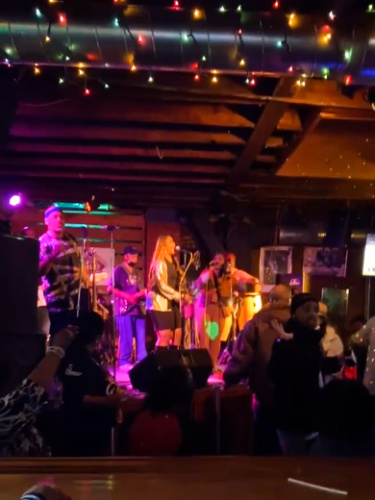

While you may come to DC to see the monuments and visit the museums, you should also look at events that will be going on in the city. Do a quick search to see what’s being held during your visit.
Throughout the summer, DC has plenty of farmers, vendors, and neighborhood markets. These are a great way to see new neighborhoods and support local businesses. There are also music festivals, concerts, and movies in the park.
Go-go, like I said, is the historic sound of DC. And if you want to hear that music, check out some of the live bands playing at Takoma Station in the Takoma neighborhood!
Another option is to take a class in the city. If you’re into fitness, find a studio that will let you take a single class. If you’re a fan of art, Made In DC allows you to try different mediums from screen printing to flower pressing. What’s cool about this is that after the class is finished, you can go check out the neighborhood.
Events, classes, and exhibits are where locals are going to be at any given time. So, why not go where the locals go?
You should visit Washington and DC

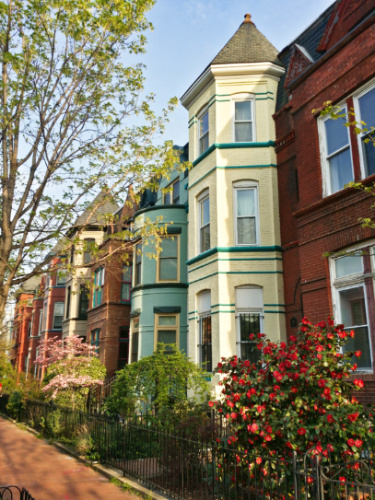
I’m not trying to dissuade you from doing all the main attractions of DC. Being the home of the federal government, having world-class museums, and monuments for historical leaders and events is what makes DC unique.
But what also makes DC unique is the local history and culture. It’s the people who live here and the places they love to go.
So, in my local opinion, you have to visit both to get the full experience of the city.
Because Washington, DC is both at all times. It’s the complicated balance of Washington versus DC that makes the city as special as it is. For instance, just visiting Downtown to see the museums and monuments is only going to give you one side of the city’s story.
Of course, it’s impossible to grasp all of what Washington DC is in one trip — I’m still trying after living here a few years.
***
If there is one thing you should do when you come, it’s to engage with both sides of the city. What you’ll find during that extra exploration is well worth the venture away from the Mall.
Thanks for reading! Next, read my article: Skip the summer and visit DC during the colder months.
(Featured Image Credit: Andrei Medvedev / Shutterstock)
More Latest PERSPECTIVES


