
Affiliate Ad Disclosure: We’re reader-supported. When you buy via our links, we earn commissions. Learn more.
Kodiak, Alaska is an underrated year-round destination

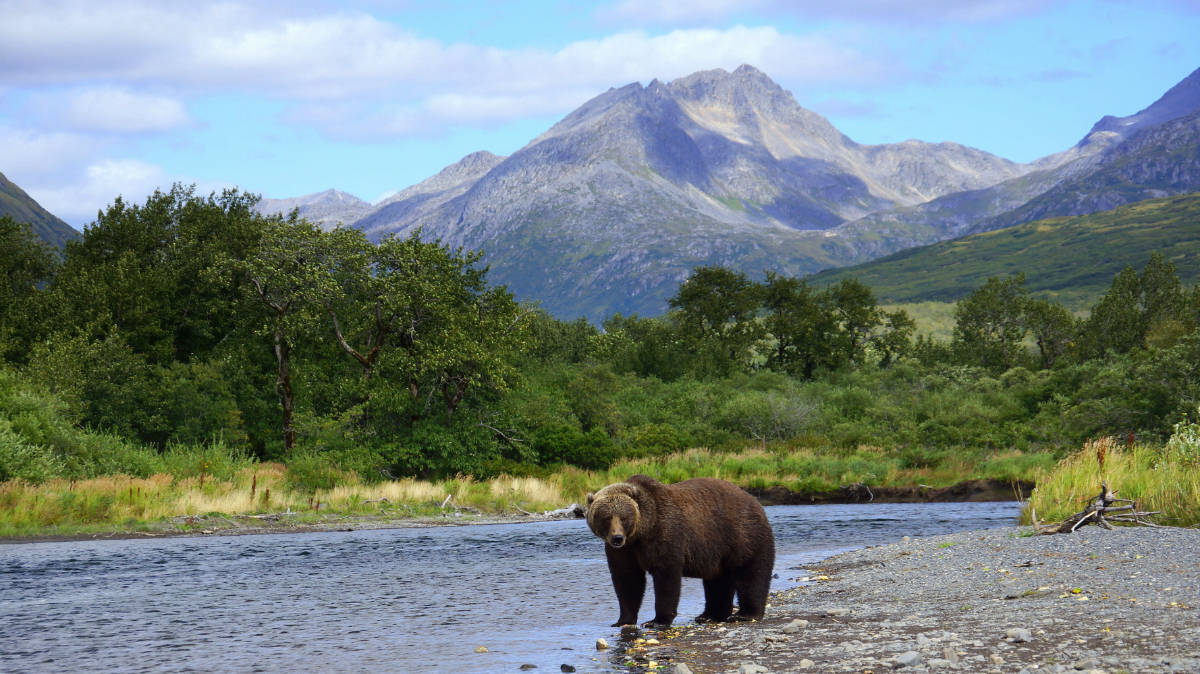
Kodiak, Alaska is a place off of most people’s radars.
They may have seen a glimpse of it on The Deadliest Catch or, maybe, they know about the local bear population.
But as a born-and-raised Kodiak local, I’ll tell you that there’s more to the island — a lot more.
Growing up in Kodiak, this out-of-the-way island in the North Pacific was the center of my universe for many years. I spent hours hiking its numerous trails with friends, hanging out in coffee shops, or scouting for a new camping spot.
I also developed a profound appreciation for the island’s immense natural beauty.
Kodiak is beautiful any time of the year
We have four seasons in Kodiak, but they’re not as distinct as in other places in the country.
The local joke is that there’s just one season: rain, with varying degrees of misery. The ironic humor, though, belies the truth that Kodiak is beautiful, regardless of season or weather.
You just need to know what to look for.
Spring – increasing daylight, humpback whales, and more time for exploring
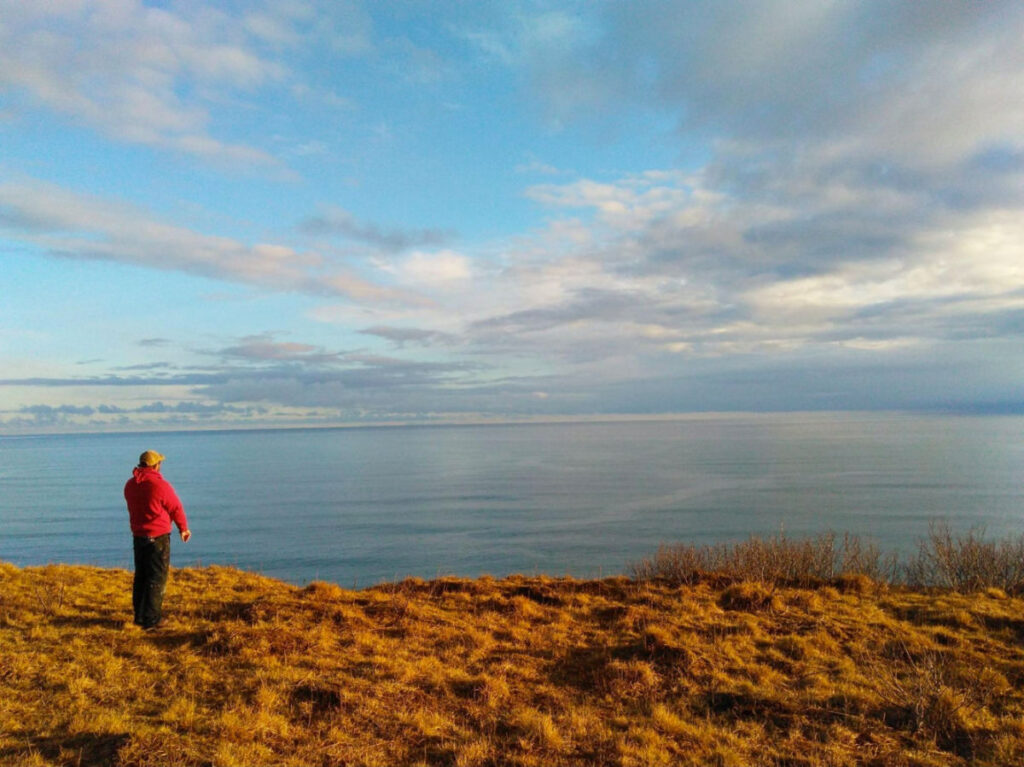
Spring is a little different in Alaska. Winter nights are long, so even as early as February, my friends and I would get excited about each incremental increase in daylight. By the time spring rolls around, the evenings become light again, allowing you a little more time to explore all the things to do in Kodiak.
April is a great month for hiking if you dress warmly and dryly. The lingering evening light makes the yet-to-be-green grass golden. Mosquitos and other pesky bugs haven’t woken up yet, either (and Kodiak generally has fewer of them than the mainland).
Humpback whales start to arrive in April, passing Kodiak on their yearly migration route. The waters near Pasagshak (an area south of town) are the best place to spot them.
Summer – Kodiak at its best
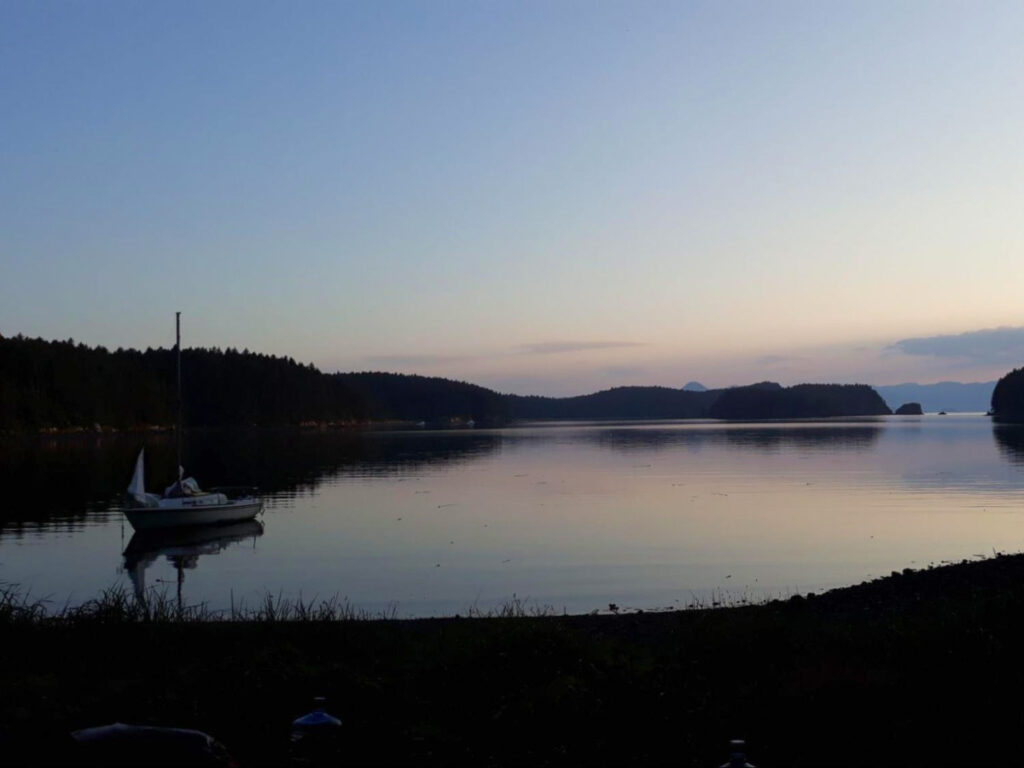
Summer is when you see Kodiak at its best. If the sun is out, chances are good that locals are out enjoying the weather, too. Bright flowers adorn mountainsides and forests are at their greenest.
The days are long, with full daylight lasting well into the evening. Why not join a pick-up volleyball or soccer game at a local park at 10 pm?
The salmon sport fishing season begins in June with the first runs of the sockeye (aka red) salmon. Reds, if you ask me, are the next best after King Salmon. They’re smaller than silver salmon (which come later in the summer), but more flavorful.
The seas are generally calm, and booking a charter fishing tour is a great choice for chasing the fish. Local captains know the best places, plus you get a great view of town from offshore. Kodiak Hana is a great place to catch dinner while watching the fishing fleet pass by outside.
Fall – elusive autumn colors and golden sunsets
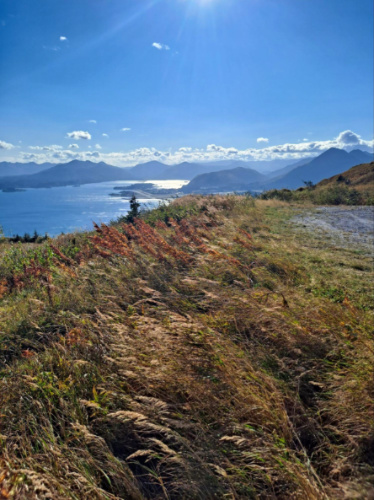
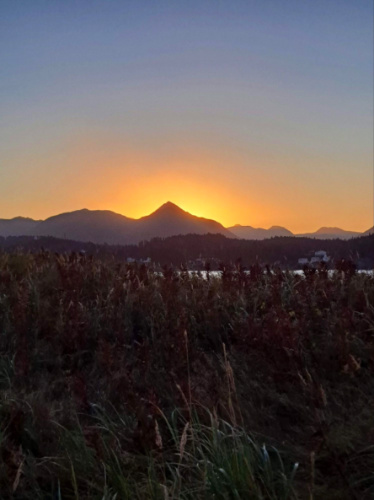
Kodiak’s fall colors are not as obvious as those of elsewhere in the country. The scant few deciduous trees we have (mostly in the Bell’s Flats neighborhood) briefly turn yellow. Then, their leaves fall.
The grasses and other plants on top of the mountains, though, do turn to a wider variety of autumn hues. I always enjoyed hunting Kodiak’s elusive autumn colors on Pillar Mountain. It’s one of the easiest hikes in Kodiak, and, despite being barely 1000’ tall, the mountain has distinctly alpine flora.
The sky makes up for the foliage, though, as the days get shorter. The golden light at sunset grows richer in the late summer and early fall. It also makes it easier to wind down when the end of the day isn’t still broad daylight!
Winter – light snowfall creates a special kind of beauty in Kodiak

Kodiak’s winters are not what you’d expect from Alaska.
We don’t get nearly as much snow as the mainland. Some winters we hardly get any! However, when snow does fall, it adds an air of enchantment to the landscape.
Even scanter snowfalls have a unique beauty all their own if you have an artistic eye. I love observing how just a light covering of snow highlights all the nooks and crannies in the mountains that surround town. The green of summer and the white of a heavy snowfall would always mask these features.
There’s no bad weather, just bad clothing choices
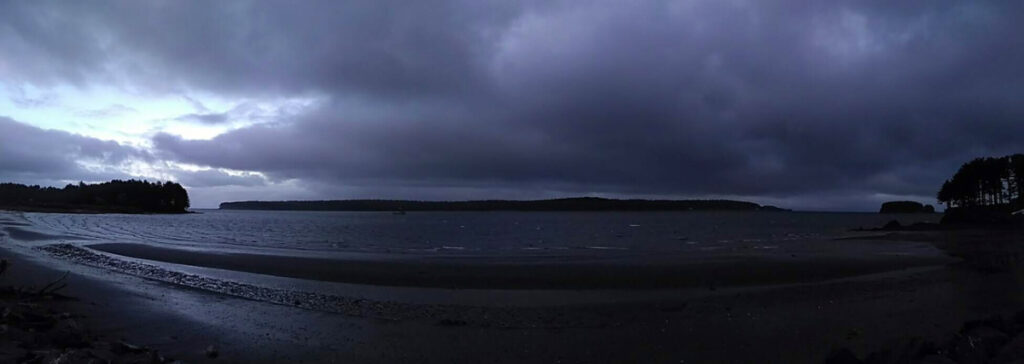
Any talk of Kodiak’s seasons will inevitably lead to the most famous (or, maybe infamous) aspect of living here – the weather. Kodiak gets a lot of rain. Here, it falls more as a fine mist than a heavy downpour, and it often falls diagonally thanks to the wind.
But, there’s no need to let a little “bad” weather spoil your plans. All you need is a sturdy rain jacket and a pair of waterproof boots (leave the umbrella at home, trust me) and you can brave the elements. I’ve taken many a trek on rainy days, some soggier than others, and can say you see a much different side of Kodiak’s local beauty.
The rain wraps the island in a silence that sunny days can’t convey. The forests are the best places to walk on rainy days. The trees and the moss seem greener (Termination Point and Abercrombie State Park are my favorite trails). And, what could be more beautiful than beads of water dripping from the petals of a flower?
Like any self-respecting Alaskan town, we have more than enough establishments to chase away the chills after your outing. Whether it’s coffee or something a little stronger, Kodiak’s got you covered.
The only thing more abundant than rain in Kodiak is interesting stories
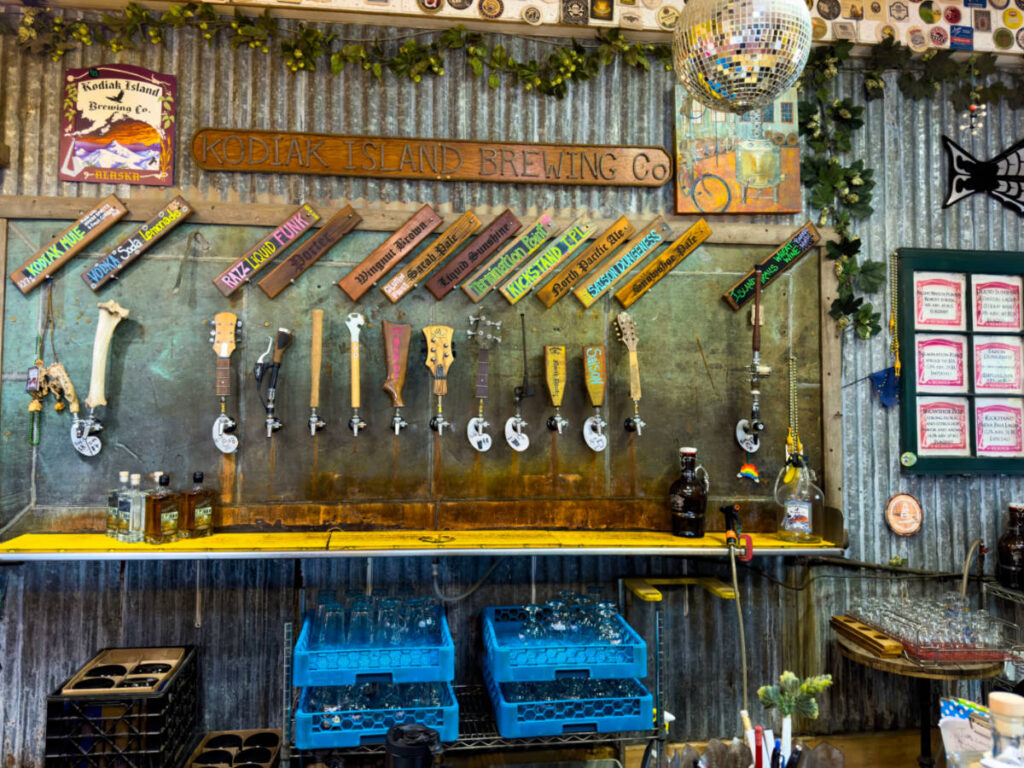
The second of Kodiak’s treasures is its people. While, yes, not everyone literally knows everyone, you will see familiar faces around town if you spend much time here.
The local brewery, Kodiak Island Brewing & Still, is the town’s unofficial living room and a great place to get to know the locals.
The only thing more abundant than rain in Kodiak is interesting stories. You might be surprised by how many people in this seemingly obscure town came from elsewhere in America (and the world!) and decided to call Kodiak home.
It’s also fun to pick up on local quirks (for instance, we consider the 10-minute journey to the airport to be a “long” drive).
Hidden treasures await in the far corners of Kodiak

Kodiak hides several hidden treasures that take a little extra effort to find.
Shelly Lake, for one, is one of the longer hikes (about 4.5 hours). The trailhead is also “far” from town at the end of the road in Anton Larsen Bay.
The lake itself is icy cold and crystal clear. There’s even a miniature “glacier” that, along with a spring, feeds the lake. The trail traverses the backcountry, i.e. bear country, so make sure to follow best practices if you take this trek.
You’re also bound, after a while, to hear talk of Long Island. And I’m not talking about the one in New York.
Kodiak’s Long Island is the outermost of the few small islands offshore from town. This is a favorite retreat for locals in summer, but you need your own boat to get there. If you get to know some locals, you may find your ticket to this little corner of paradise.
Long Island features a sheltered bay, a few miles of forested hiking trails, and a collection of World War II-era bunkers. Everything you need for adventure!
One of my favorite memories of Kodiak is hiking in the woods here at sunset. The golden light filtered through the towering trees. It felt like I’d stepped into a lofty Gothic cathedral in a long-historied European city, but, no, I was still in lowly, lovely Kodiak, Alaska.
***
Have you ever stayed in Kodiak or a similar small town that is massively underrated? I’d love to hear your stories in the comments!
More Latest PERSPECTIVES


