
Affiliate Ad Disclosure: We’re reader-supported. When you buy via our links, we earn commissions. Learn more.
I backpacked to the most remote town in Washington. Here’s how it went.

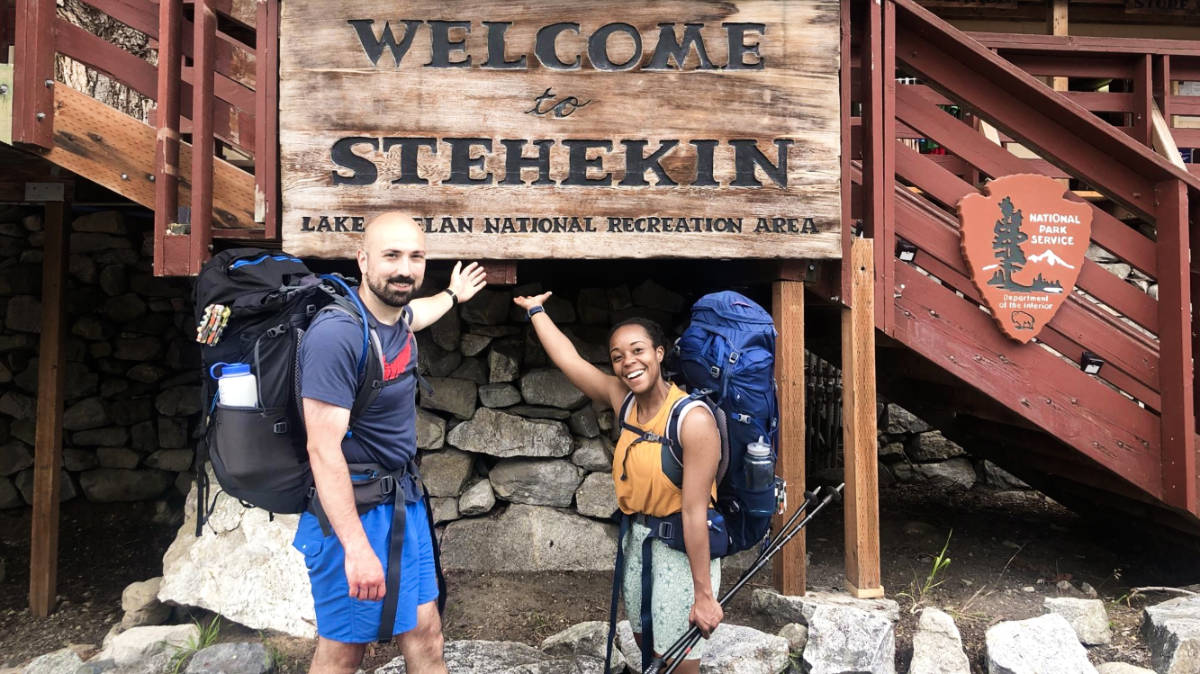
I consider myself somewhat of an adventurous wimp when it comes to outdoor excursions.
Will I hike along a mountain? Yes.
Will I be mildly panicked inside, envisioning my demise, and trying to hide my fear from whoever I’m with as I do it? Also yes.
I grew up in pretty much the opposite of an outdoorsy family. But living in Washington for a decade-plus can turn even the staunchest city folk into outdoor enthusiasts.
This state has some of the most beautiful scenery and unique landscapes in the country. I think it’s hard to fully understand Washington’s appeal until you’ve explored its outdoors.
The top places to explore are fairly obvious — Mount Rainier, the Olympic National Park, and the San Juan Islands are all breathtaking.
But I find it’s the smaller, lesser-known places that really stick with you. And this is true for the smallest place in the state: Stehekin.
Here’s what to expect on the trail to Stehekin, and why this small town should be on your bucket list
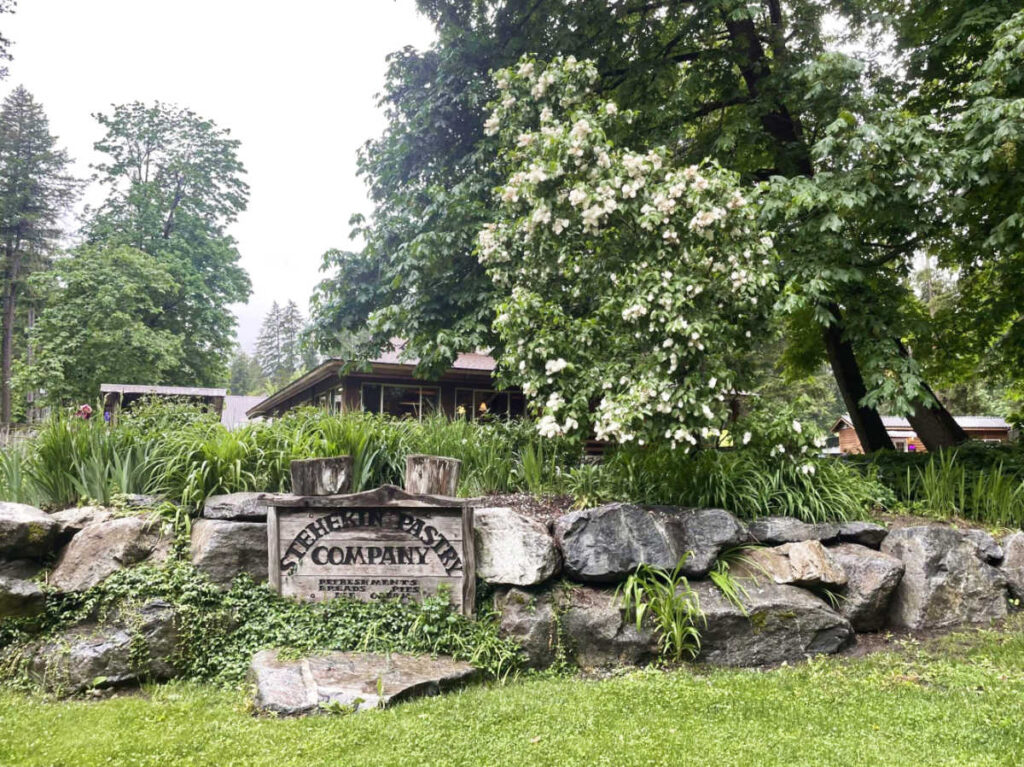
Stehekin is unique in a lot of ways. It only has around 100 permanent residents. It’s tucked away at the base of the North Cascades National Park, one of the least visited national parks in the country. And it’s on the shores of Lake Chelan, the third deepest lake in the US.
It’s a stop on the Pacific Crest Trail and there are no roads that lead there. That is to say, you can only get there by foot, ferry, seaplane, or horseback. It’s remote, more or less untouched, and the definition of serene.
It wasn’t long after I learned of its existence that my in-laws asked me and my husband to join them on a backpacking trip there.
I don’t have much backcountry experience, as you may have gathered. I had gone on a backpacking trip along the coast with them before (you can read about it on my author page). I somehow managed to come out unscathed, though I couldn’t say I was desperate to repeat the experience.
But when I weighed my options — getting to know Stehekin via the stories of more bold adventurers versus seeing it with my own eyes — I realized the choice was obvious. So we said yes.
This trek is far more than “just a walk by the lake”
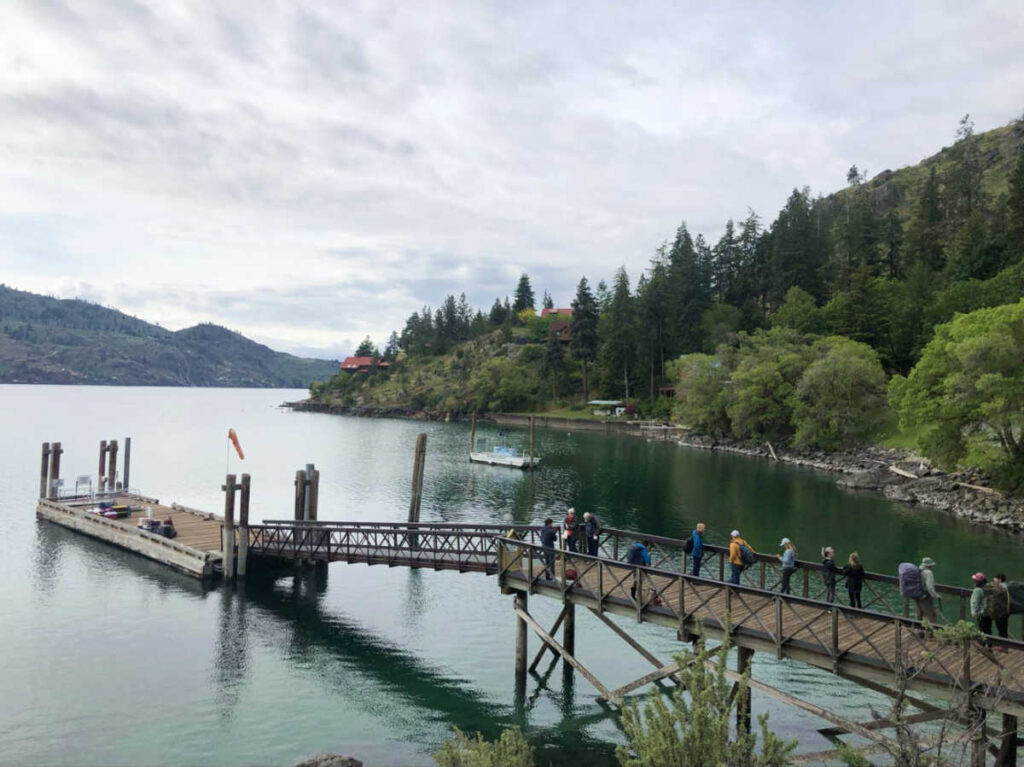
The first step of the journey was getting to Chelan. Here, we’d catch The Lady of the Lake ferry that took passengers up the length of the lake. We would deboard at Prince Creek, while day-trippers would be brought directly to Stehekin’s shores.
“It’s just a walk by the lake,” is what my mother-in-law told me before the journey. I took this very literally. I assumed she meant we would be right beside a lake, close enough to stop and soak our feet as needed.
We boarded the ferry and saw views of the hills that surrounded the lake like sentries. It wasn’t until she pointed out the window to them and said, “That’s where we’ll be hiking,” that I realized I’d misunderstood.
We would technically be traveling beside a lake… just on a narrow path hundreds of feet above it.
I should have researched further. But at this point, it was too late. I’d have to reckon with the height (and my fear of it) on the way there. It was time to begin the journey.
The journey to Stehekin was beautiful, but physically tough

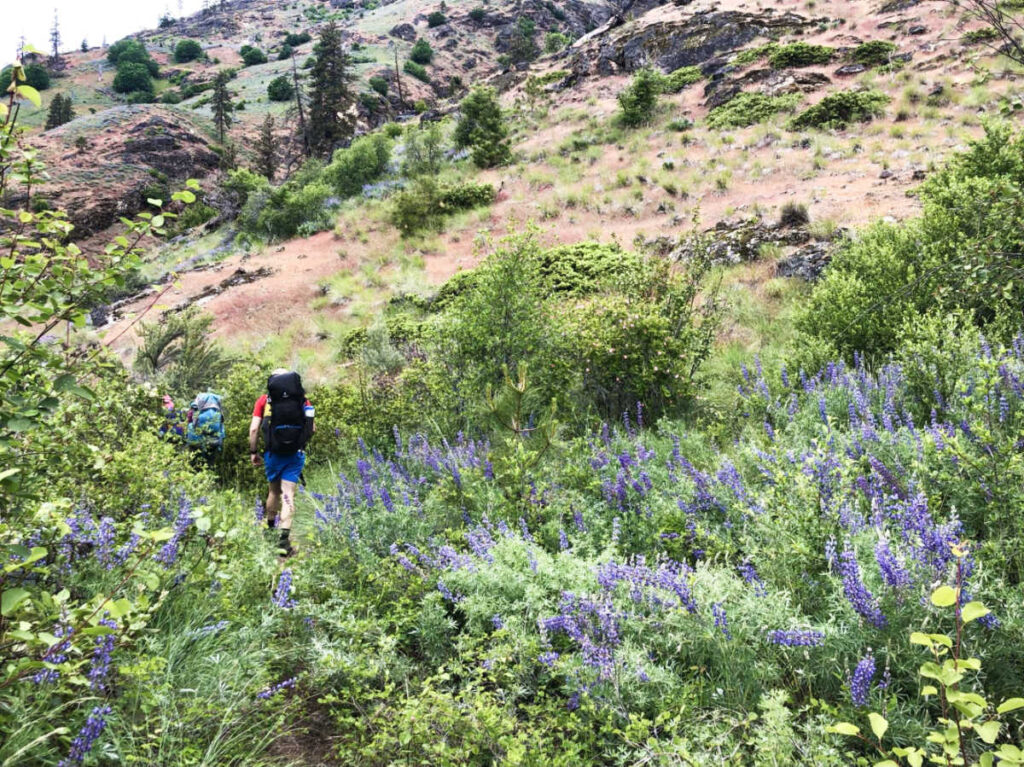
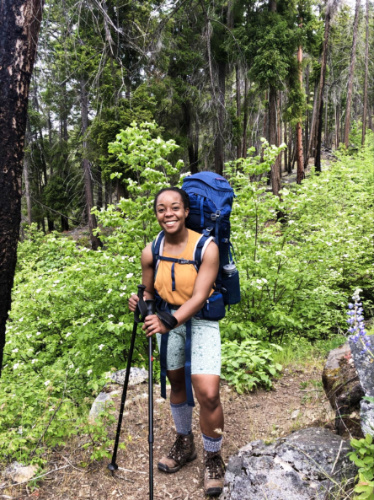
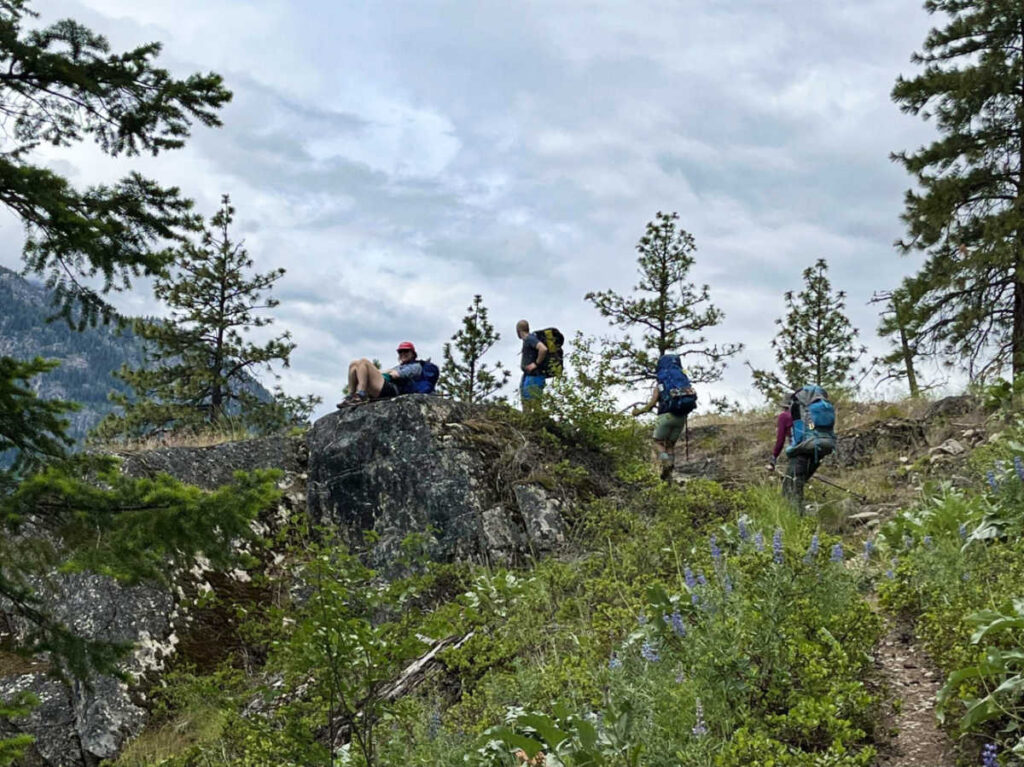
The hike started pleasantly enough. The weather was perfect — cool and foggy with a very light rain misting our faces as we followed one another in a single-file line. The path was narrow but well-worn, crowded on both sides by clusters of dew-drenched lupine.
To our right, the hills were rolling giants full of fluttering birds we could hear but only occasionally see. To our left, spindly trees dotted the valley all the way down to the water.
The trail curved in toward the hills and down to wet, verdant valleys. Then, we’d begin the climb out of the soggy forest and back to the wildflower-filled cliffside once again.
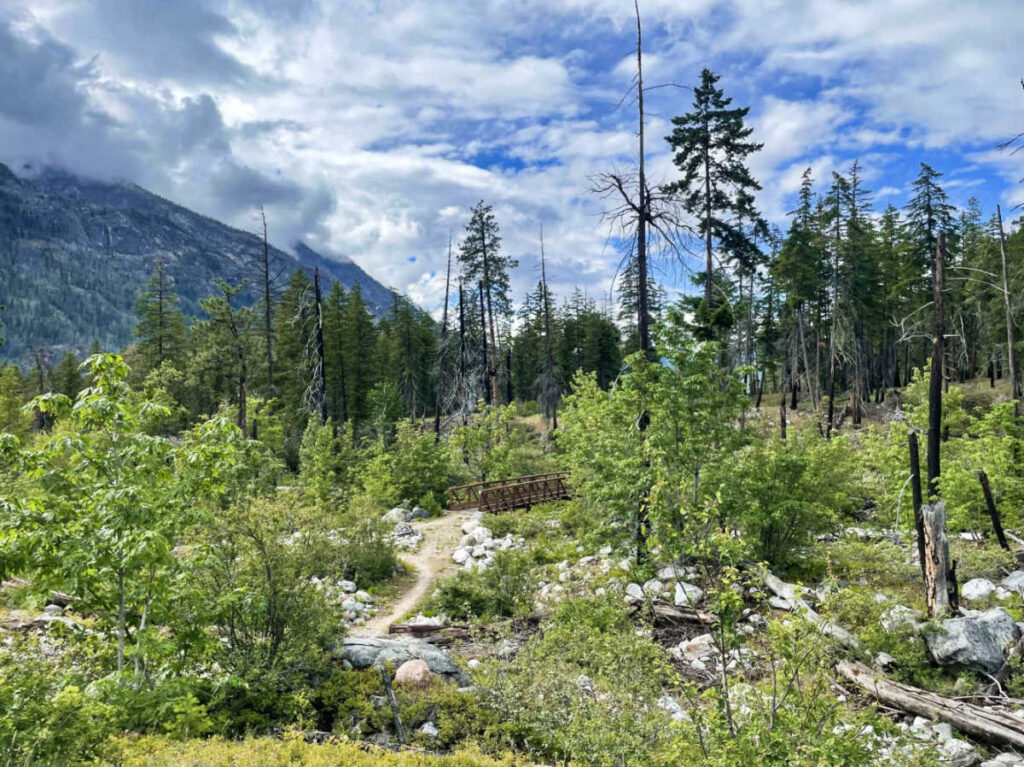
Burn scars along the land and the brittle, darkened bark of singed trees contrasted against all the greenery — evidence of wildfires that scorched the land years prior.
Of course, the beautiful landscape and the agreeable weather were counterbalanced by the utter exhaustion I felt.
My boots were falling apart. The sole was peeling away from the upper, and the padding inside had worn down along the toes. It scraped against them with every step.
When we finally got to a stream crossing, I slipped, taking a big step into the water, ensuring I was in for a soggy trek the rest of the way. I wouldn’t make it out of this trip without a nasty blister.
My pack was also too heavy, causing a persistent ache in my shoulders that lasted the entirety of the journey there. (Side bar: it’s very important to know how to choose a backpacking pack). Also, the constant climb and descent was taking it out of me.
I liked to think I was in decent physical condition, but I was consistently lagging behind the group, sucking in air and water at an alarming rate.
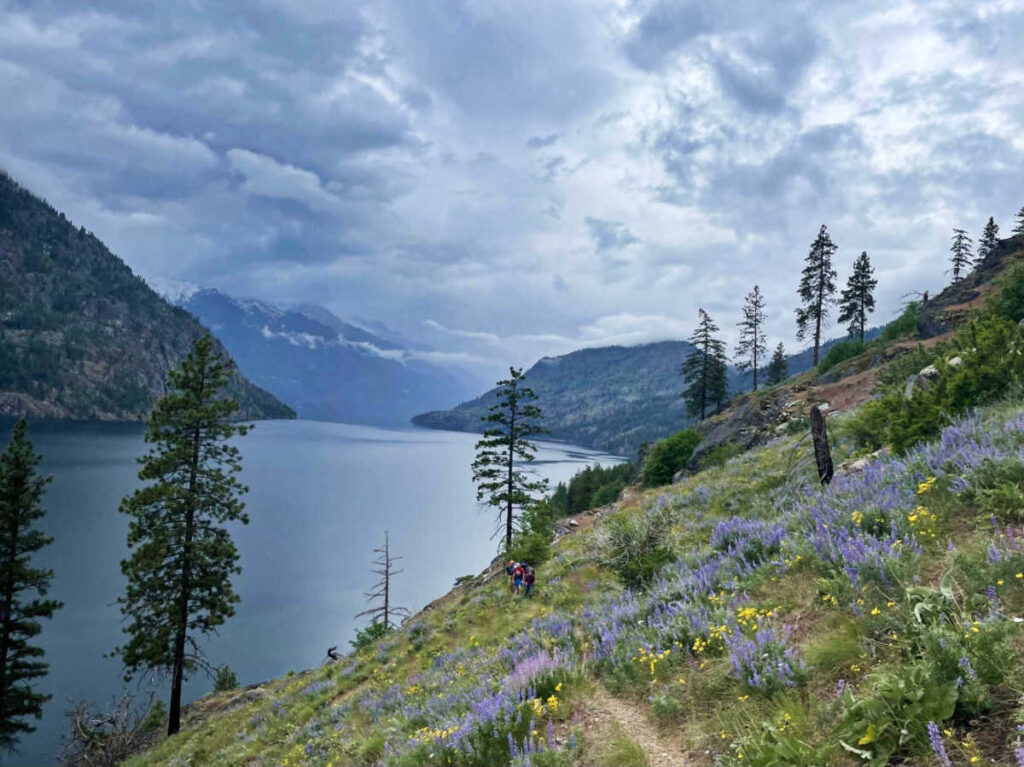
But the aches and pains were often alleviated by reminders of where we were.
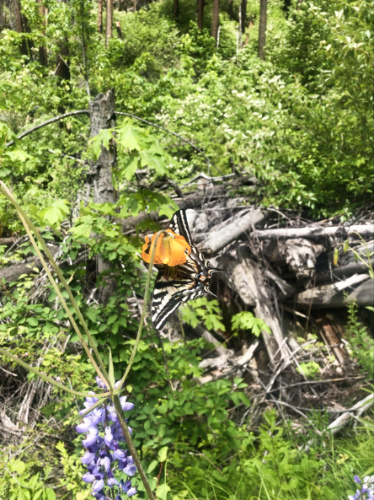
The deep bellowing of the grouse. A shock of orange Indian paintbrushes. Dogwoods in full bloom crowding in as we entered and exited those wet valleys.
Our descent toward our first campground seemed to last forever. At mile 10, we were supposed to arrive… but it took us two more miles of a steep downhill trek before we finally made it to Moore Point Campground. At last, we were actually on the shores of Lake Chela
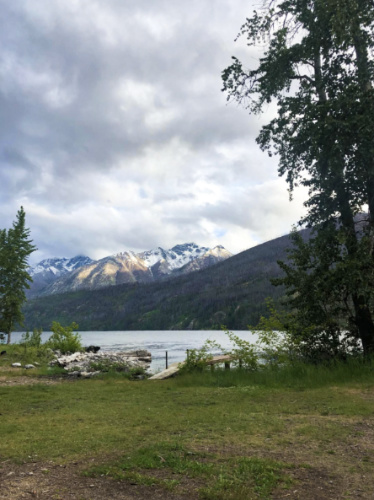
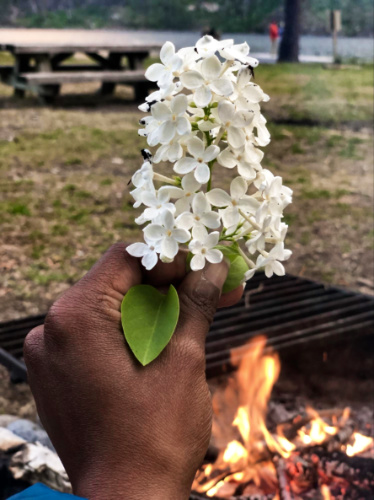
The campground was a relief and held some surprises. Just steps from where we set up camp, we discovered a field of heady-smelling lilacs planted around the remains of old buildings.
We learned these were the remains of an old pleasure resort and hotel that had been erected in the 1890s by J. Robert Moore, an early Stehekin pioneer. It was easy to see what had attracted Moore and others here in the first place.
The setting sun cast a soft, pretty glow on distant mountains still dotted with snow. The campground was mostly silent. Only the occasional warble of birds and the crackle of the fire broke this silence. Sleep came easy that first night.
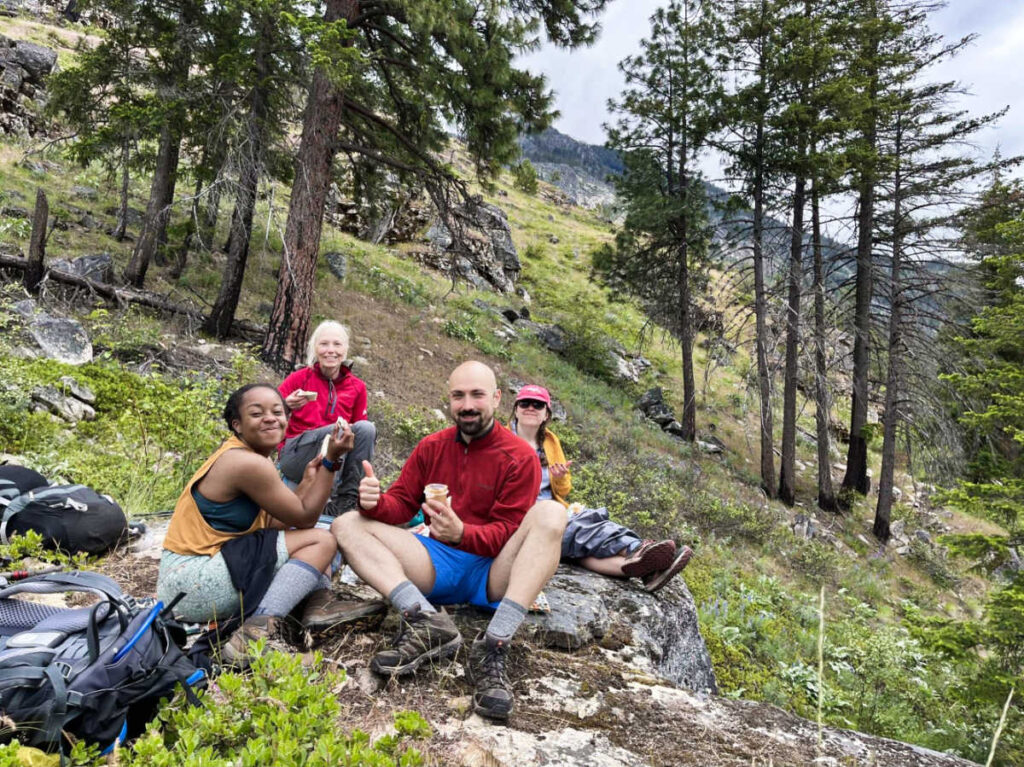
The next day was hotter, but much the same. We started early and traversed valleys of blooming dogwoods. We caught sight of tiny lizards sunning themselves on rocks, and butterflies perched on flowers.
We walked along narrow cliff sides with a sheer drop down to Lake Chelan. I’m sure the views at this time were breathtaking, but looking over the side of the cliff too long made me feel dizzy. We kept going
Soon, the path widened and the environment changed incrementally. The air began to feel a little less wild. We all sped up.
There was a distinct urgency that spread through the group. Conversations ceased. Aches were forgotten. The spacing between us grew sparser. The trail flattened and our exhaustion began to lift. Little by little, we pushed further ahead until finally… we arrived.
My Stehekin experience was charming, short, and quite literally sweet
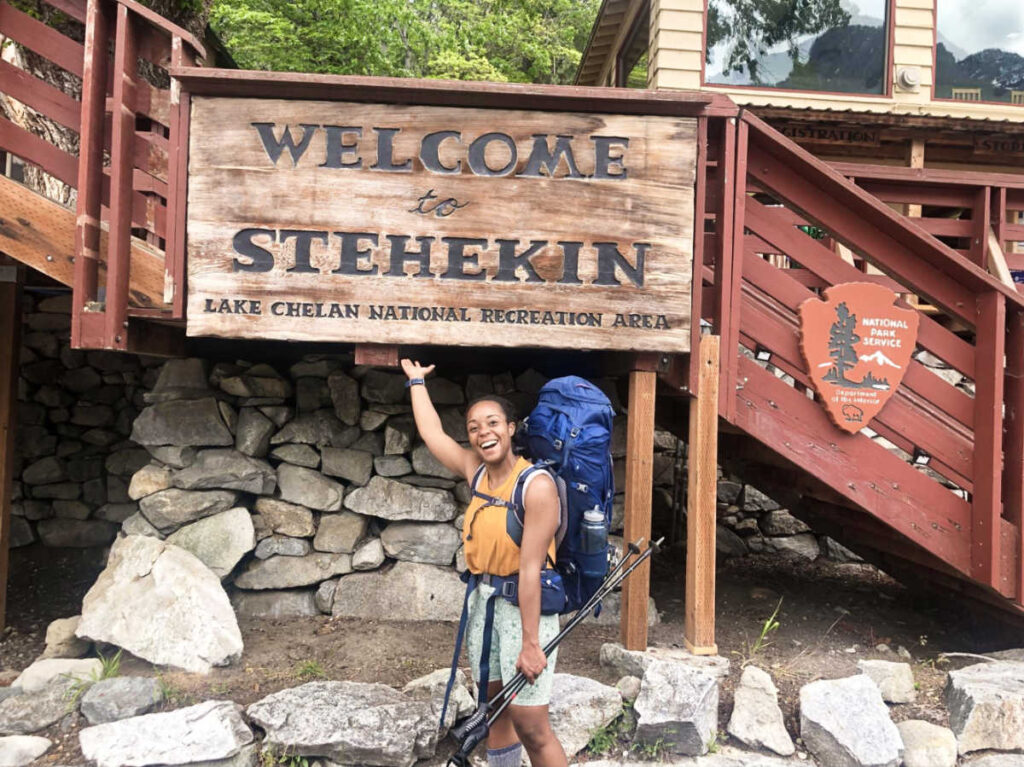
It felt odd to be thrust back in civilization after being apart from it for so long. I was almost giddy with the realization that I had actually made it. But those feelings of sweet relief only lasted for a few moments.
We were tired of having our packs on. We stopped momentarily to debate our next steps and decided to set up camp before returning for our well-earned beers (this proved to be the wrong order of operations, but more on that in the tip section).
There is proper lodging in Stehekin — a hotel, cabins, and lodges with real beds — but we camped another night at Purple Point Campground. The campground wasn’t fancy, but it had a bathroom with a flushing toilet. A luxury.
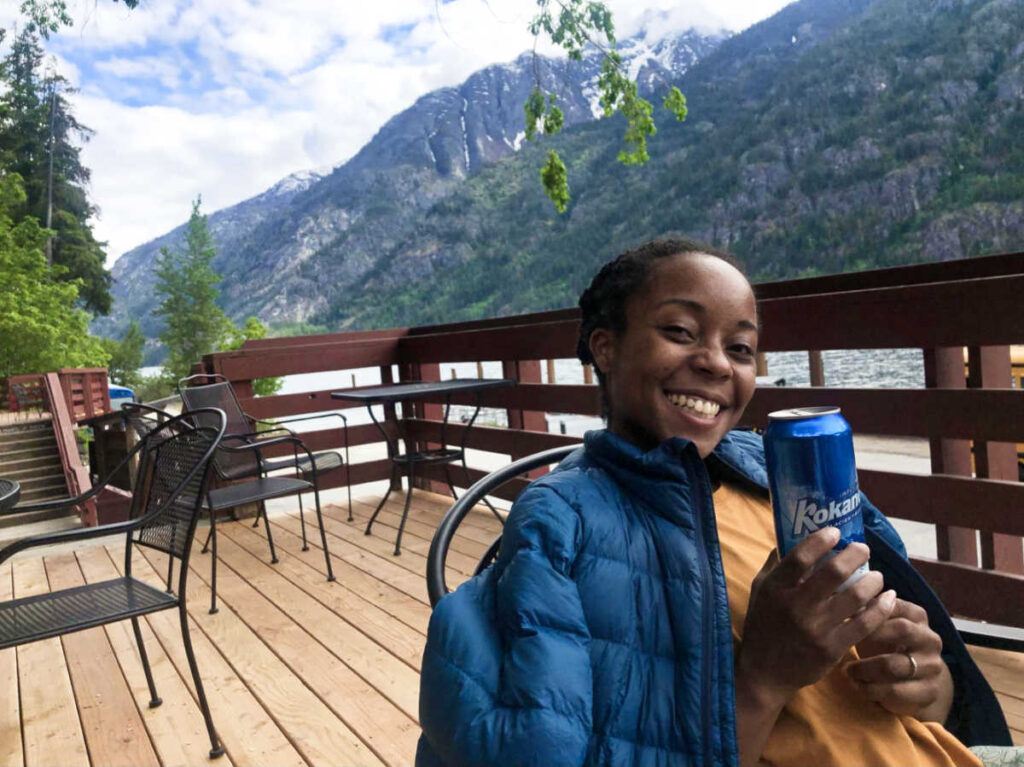
Being in Stehekin is easy. Not much changes here, aside from the people coming in and out.
After acquiring our beer, we sat around. We admired the views of Lake Chelan and the surrounding Cascades, and wandered into a tiny gift shop to purchase souvenirs.
There wasn’t much to do at this point in the early evening. There wasn’t much we wanted to do. We didn’t want to move. We were all exhausted and returned to the campground soon enough.
My husband and I sat on a nearby dock as the night approached. Chatting quietly, we watched tiny bats fluttering around the lake and diving to catch bugs until it was time for us to go to sleep.
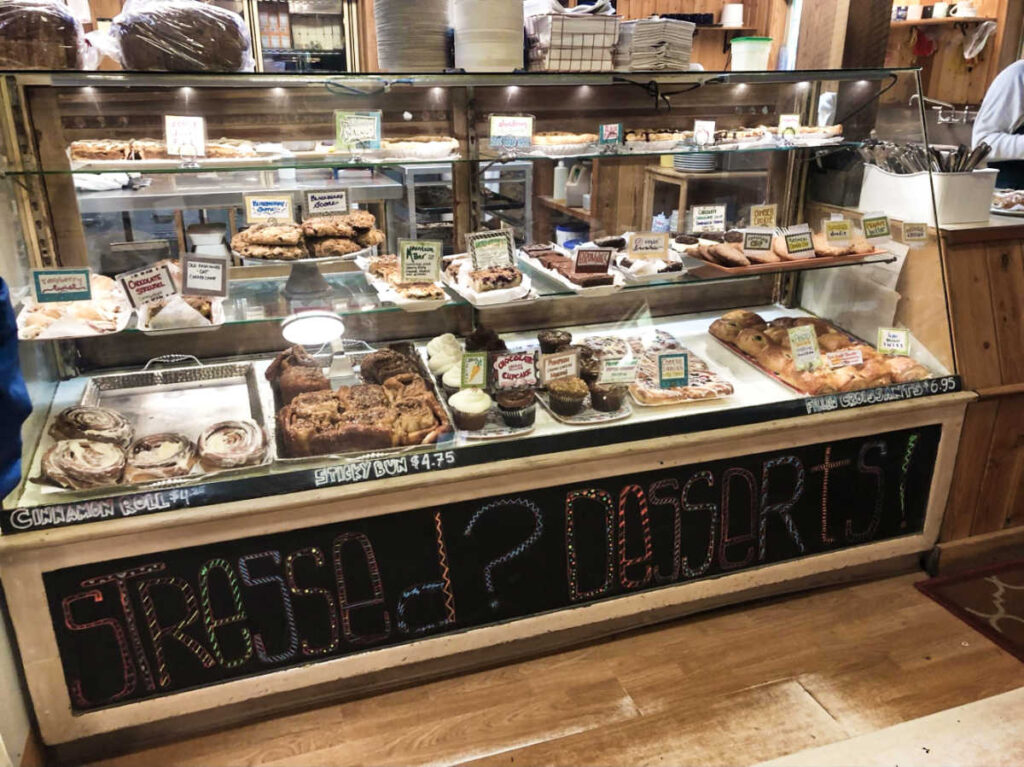
The next morning, we stopped at the most anticipated places in Stehekin: Stehekin Pastry Company and The Garden.
These are the gems of this tiny community. Stehekin Pastry Company is known for its delicious pastries and desserts — namely, the head-sized cinnamon rolls.
It’s in the coziest little cabin and is where everyone meets: The backpackers, day-trippers, PCT thru-hikers, and, of course, the locals.
I’d been dreaming of the cinnamon rolls since the moment we stepped off the ferry. They were as delicious as advertised and are still the best I’ve ever tasted.
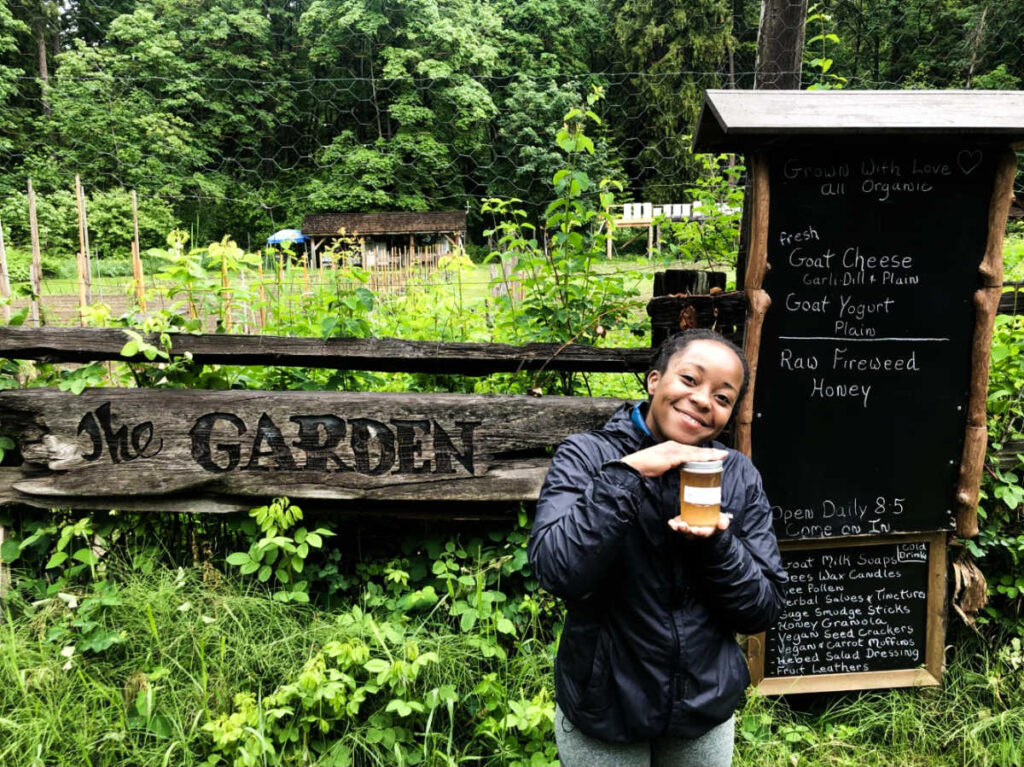
We then made a trip to The Garden. It’s run by a kind man and his wife who in 1978, decided to purchase property here. They fell in love with the area while hiking through on the PCT.
The Garden is what it sounds like. Throughout late spring, summer, and early fall, you can buy fresh, organic produce here. Also for sale are goat cheese, soaps, tinctures, beeswax candles, honey, and plenty of other gems. If you want to take a piece of Stehekin home with you, The Garden is where I’d recommend going.
There are other things you can do in Stehekin, too. Rent a bike and explore the town and beyond. Go on a day hike. Check out Rainbow Falls. Spend time on the lake. Take a horseback riding charter, go fishing, and visit a historic apple orchard.
But we only had until the early afternoon before we’d catch The Lady of the Lake Ferry, which would carry us back down the lake. We did what we could before it was time to leave. Fortunately, there’s always next time.
These three reflections remind me that the effort was entirely worth it
Could we have simply ridden the ferry to Stehekin and skipped the trouble of this very long hike? Sure.
But I think it’s better to backpack into Stehekin for a few reasons:
The challenges amplify the beauty
It’s a ridiculous feeling, going back and forth between exhaustion and annoyance at how awful I felt… before looking up and being greeted by breathtaking scenery.
Oddly enough, I think there was something about the misery that amplified my appreciation for my surroundings. At any rate, it helped ease some of the pain and reminded me why we were doing this in the first place.
The more challenging route has its own rewards, like building confidence and resilience
And there were other benefits to taking this route. Stumbling upon those ruins being reclaimed by nature and discovering a bit of lost history was exciting.
Getting to see a part of Washington that many others hadn’t or wouldn’t only reinforced my love of my home state and its stunning landscapes.
And then, there was the resilience built. With every step taken, I was more and more confident I could take the next.
Stehekin wasn’t the point — it was the journey that made this trip
Stehekin was great, and I want to go back and take in more of the sights… but what I remember most from this trip was the 20 miles it took to get there.
It was enough to help me understand why Stehekin’s permanent residents opted out of city life and didn’t want to leave, even during the recent wildfire evacuations.
This tiny pocket of the state? It’s really something special.
Here are five tips for those curious (but hesitant) about backpacking to Stehekin
Be honest with yourself about how you handle heights
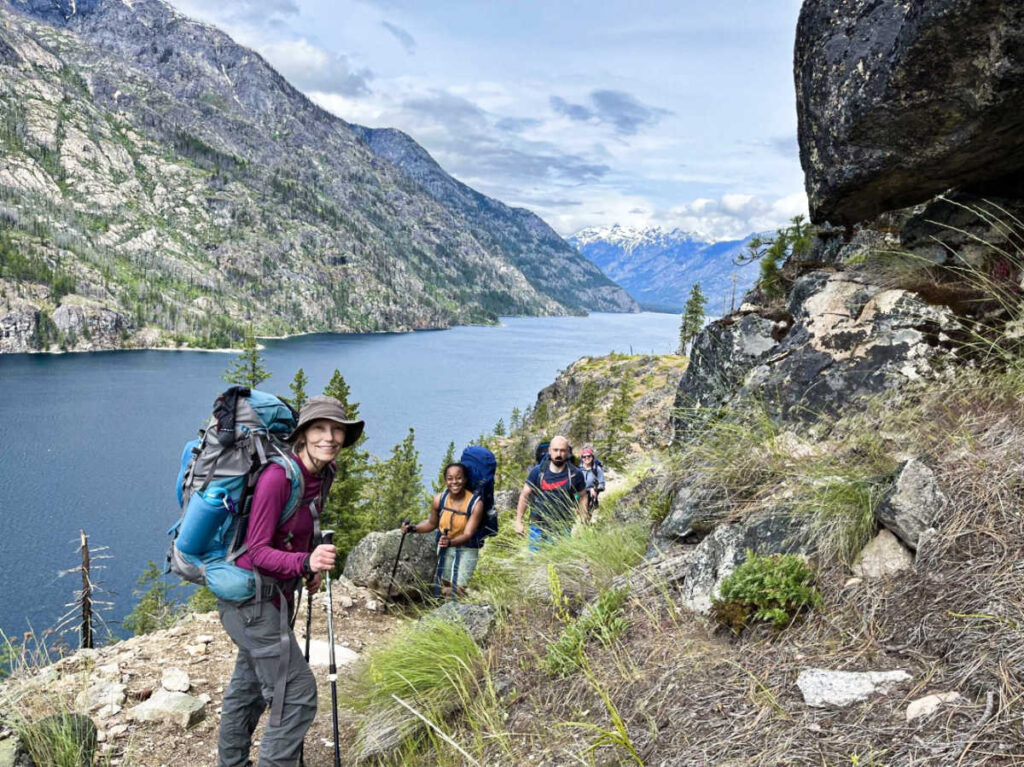
There were points during this trip when I started feeling dizzy as I looked out over the cliffside and perceived just how high up we were. No, this isn’t the steepest Washington hike, but I know heights aren’t for everyone.
I’d recommend reconsidering this trek if you shut down when it comes to higher elevations and narrow trails.
Don’t underestimate the heat
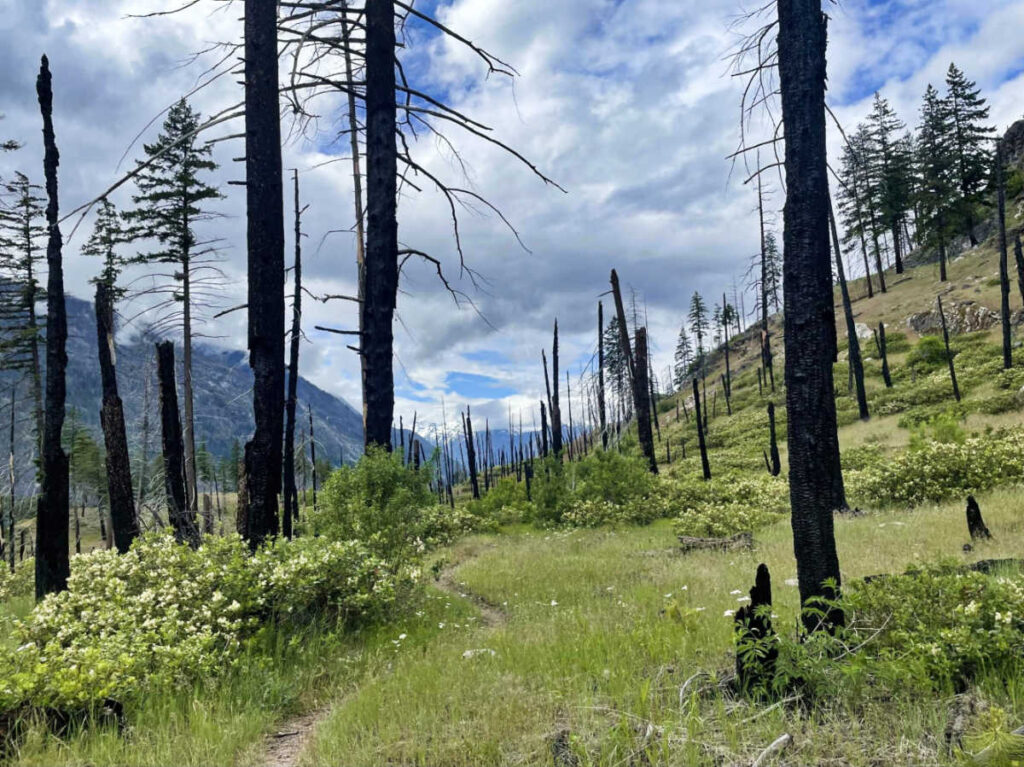
We got pretty lucky with our trip. The first day was cool and started with some rain, but the second was blisteringly hot. The intense heat here can be dangerous and this area is at risk of wildfires.
Aside from making sure you keep yourself hydrated, track the weather carefully in the days leading up to your trip. The sweet spots for backpacking to Stehekin are spring and fall.
Prepare carefully and triple-check your backpacking gear checklist if you’re planning a trip in the middle of summer.
You’ll encounter plenty of wildlife, with the potential for bears and rattlesnakes
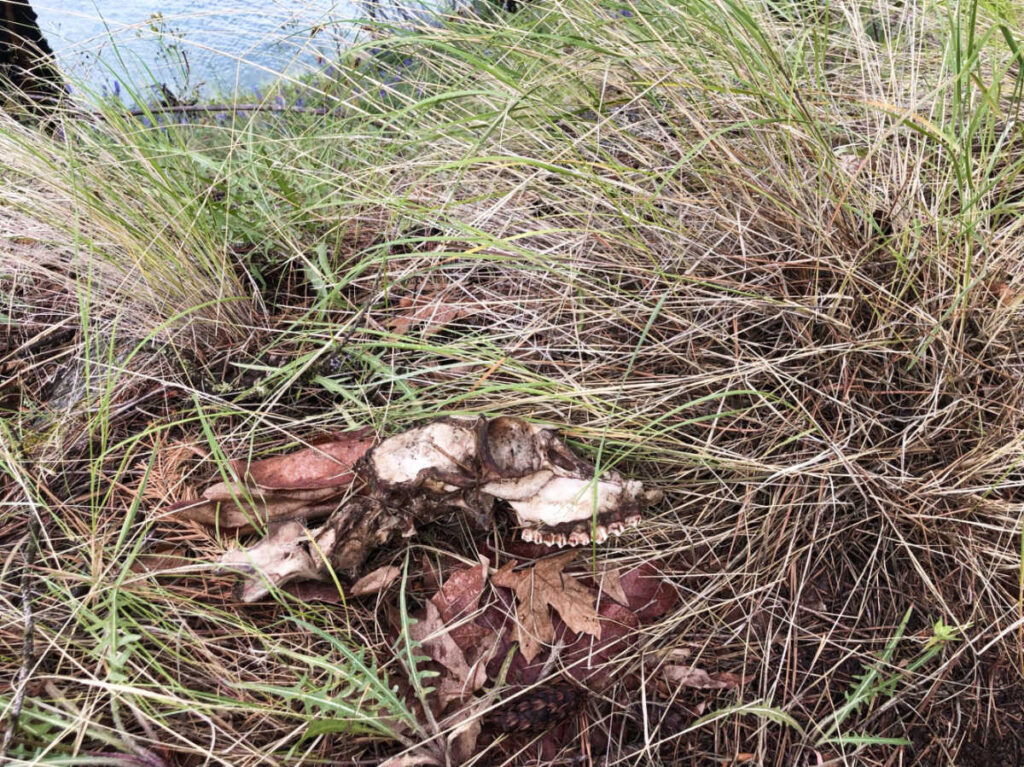
We saw all kinds of wildlife on this trip — grouse, butterflies, chattering chipmunks, darting hummingbirds… but the area is also home to black bears and rattlesnakes.
We ran into neither, but other backpackers let us know they’d spotted both just the day before. So, know what to do in case of a bear run-in and take the proper precautions to prevent one. As for rattlesnakes, watch your step carefully.
Work up to this trip’s mileage by carrying your pack on lengthy trails
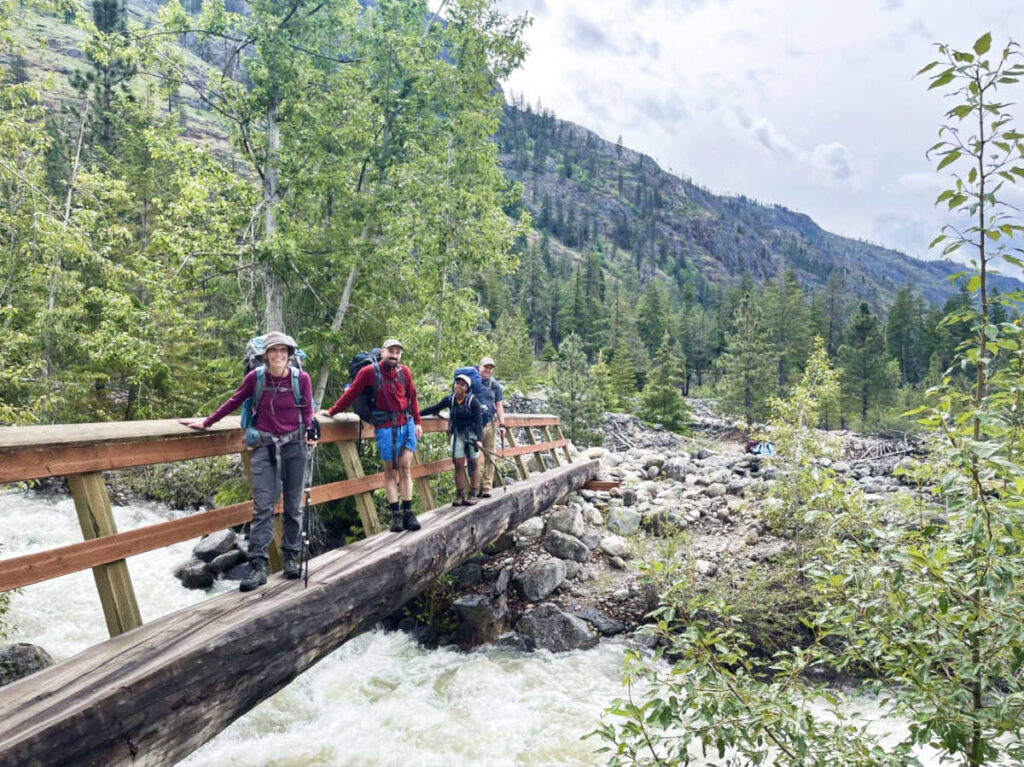
Here’s the thing: you can make the trip to Stehekin in two days. But I think this can be pretty brutal for newer backpackers. The first day of travel, especially if you’re not used to that mileage, is tough.
The constant ascent and descent took it all out of me. If doing close to twenty miles in 2 days feels like a lot, practice with some longer trails ahead of time.
There are plenty of lengthier hikes around the Seattle area that you can do with your pack to get a feel for what you can handle.
Get your beer first because shops close early in town
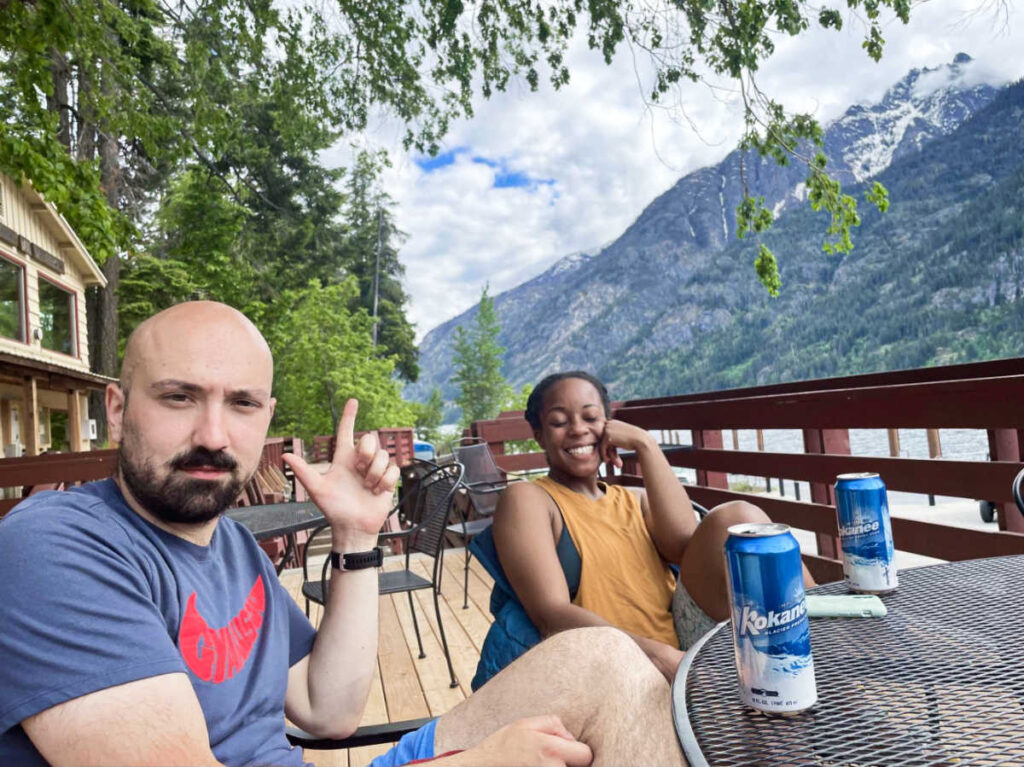
Can you imagine the tragedy of hiking nearly twenty miles and expecting beer at the end of it only to just miss that beer? That nearly happened to us. We arrived in Stehekin, tired as can be, but chose to set up camp before getting our beer.
Stehekin is a small town, and small towns have small-town hours, which is to say they close earlier than you think. We made our way back to get beer only to realize… they closed 5 minutes prior. Nowhere else would be open for the night, and we couldn’t just wait until the next day — we were leaving that afternoon.
Not to be deterred, my father-in-law managed to sweet-talk the owner into selling us a six-pack. The five of us were each able to enjoy our own separate beers, but the backpackers who arrived right after us were out of luck. Ever the generous travelers, we did offer them our sixth beer, which they split.
But the moral of the story here: Camp can wait. Beer is limited and should be acquired first thing.
🎙️Listen to the Podcast: Tune in to Episode 1 of the Travel Lemming Podcast on YouTube (7:44) to hear Nate & Betty chat more about this piece and other perspectives! You can also find us on Spotify and Apple Podcasts.
***
If you’re a new or inexperienced backpacker, I hope this has inspired you to try this trek to Stehekin. Yes, it was a hard journey, but it was equally rewarding and not something I’ll forget anytime soon.
Have you been to Stehekin before? Leave a comment and let me know what your experience was like! And for more travel inspiration, see my guide to epic things to do in Washington next.
More Latest PERSPECTIVES


