
Affiliate Ad Disclosure: We’re reader-supported. When you buy via our links, we earn commissions. Learn more.
Work hard, live well? Americans struggle with work-life balance compared to the rest of the world.


As an American traveler who’s spent a lot of time reflecting on the balance between work and personal life, I’ve realized how much Americans struggle with it. In the U.S., the idea of working harder, longer, and faster is often glorified—sometimes to the point where it feels like there’s no room for anything else.
Through my travels and conversations with people worldwide, especially in Europe, I’ve noticed a contrast in how work is approached. Where other countries embrace more balanced lifestyles, Americans tend to push themselves to the limit, often sacrificing rest, time with friends and family, and often our well-being overall.
So, why are we working so much more, and what’s the cost? In this article, I’ll dive into key factors shaping how we define work, success, and happiness—and why finding balance is more important than ever.
Economic Tradeoffs – The Grass Isn’t Always Greener

I am jealous of my international friends who seem to take so many yearly trips. But when I plan my travel adventures and request PTO from work, I realize how many unused vacation days I still have.
Sadly, I am the norm. Americans take the least vacations globally, according to Expedia, in their 24th Annual Vacation Deprivation Report. “Americans are more vacation deprived than ever.”
Even while Americans have more disposable income to afford travel, according to data from the Pew Research Center, “Approximately 46% of American workers do not use all of their allotted paid time off (PTO), meaning nearly half of Americans don’t take their full vacation time.”
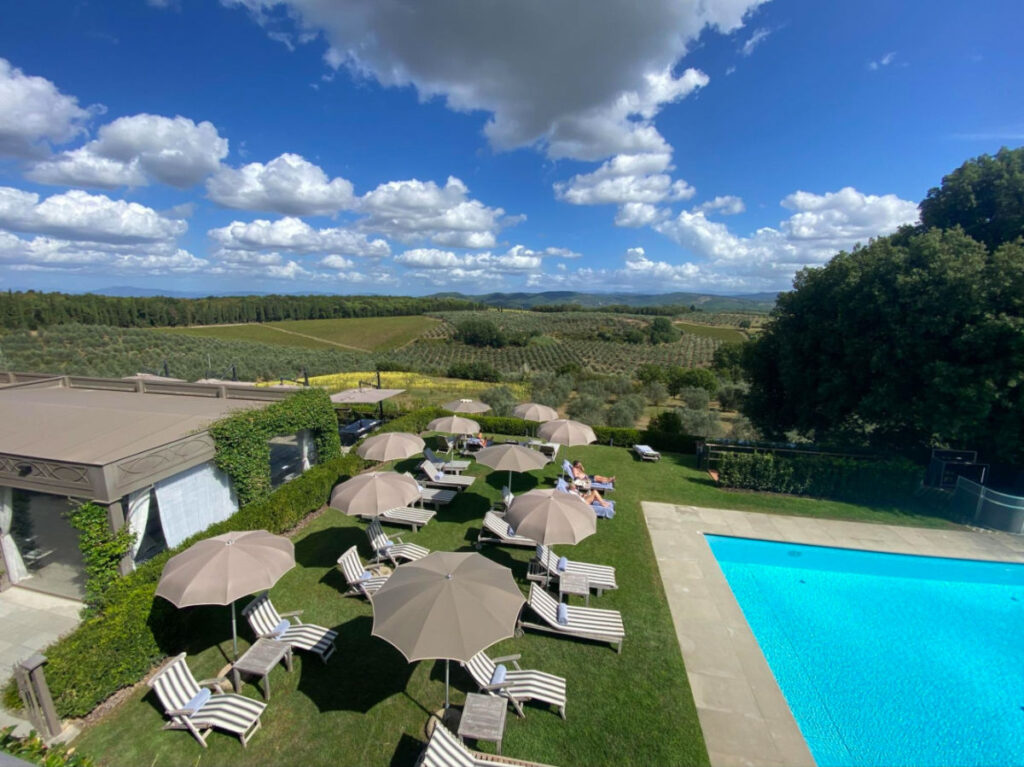
I’ve often reflected on what I value most about work. And employment laws across the globe are key to curating work-life balance. For example, In the U.S., vacation time off is optional for employers to give and for employees to receive. In comparison, the European Union has a law requiring a mandated four-week paid vacation to be taken. [source, source]
While mandatory vacation days in most European countries point to a better work-life balance, the economic tradeoffs reveal that the grass isn’t always greener.
My fellow Americans may earn nearly double on average, but I know firsthand how these golden handcuffs come at hidden costs, including longer hours, fewer benefits, and higher burnout rates. [source]
What if the secret to a better life isn’t just about earning more, but redefining health and rest as wealth?
The Work-Life Balance Struggle is Personal and Cultural

I find it interesting how overwork can be seen as negative in some cultures while to others, this “hustle culture” is celebrated as a badge of honor and ambition.
Balance is a mindset and it’s worth considering ways you can personally change your perception and adopt the style of your favorite country.
Take inspiration from France’s “art of living” with laws mandating five weeks of paid vacation, defending rest, especially on Sundays, and legal protections against overwork, such as the “right to disconnect” law, which allows workers to ignore emails and work-related calls outside of business hours, supporting the boundary between work and personal life. [source]
Or maybe Spain resonates with you more, where extra-long lunch breaks are the standard. Spain’s iconic siestas reflect the cultural understanding that rest is essential for maintaining productivity.
It’s clear to me that European countries tend to have much stronger “social safety nets” and welfare systems than the U.S., including paid family leave, subsidized childcare, and universal healthcare—the very systems that help ease the financial pressures that often push workers like myself to overextend ourselves in the U.S. [source, source]
I love how Sweden has introduced shorter workdays, featuring six-hour shifts and resulting in increased efficiency and well-being. [source]
In the Netherlands, Dutch workers are offered policies that prioritize family time and leisure time, with one of the highest rates of part-time employment in Europe, particularly among women. [source, source]
I was also inspired to hear that a friend in Austria who recently filed for unemployment benefits received funding to support her becoming an entrepreneur with classes to help her get off the ground running.
I can only imagine how much these benefits support working professionals to achieve a more balanced life.
The Design of Shared Environments Influences Work and Play, for Better or Worse

Higher salaries and optional vacation days aren’t the only golden handcuffs among burned-out Americans, though. The design of shared environments is vital, too.
It’s a shame that car-centric cities of the U.S. physically separate work and leisure opportunities. Whereas in Europe, cities are designed with more walkable streets and pedestrian-oriented urban spaces.
Luckily, in the last few years, I’ve noticed local restaurants leaving their extended parklet dining options open as they only increased business.
When I travel abroad, I’m always in awe of the efficiency of public transit, especially when contrasted with the U.S.’s reliance on cars. Jumping on a quick train ride from one country to another abroad is next level compared to the lack of transit we have from any given state to another.
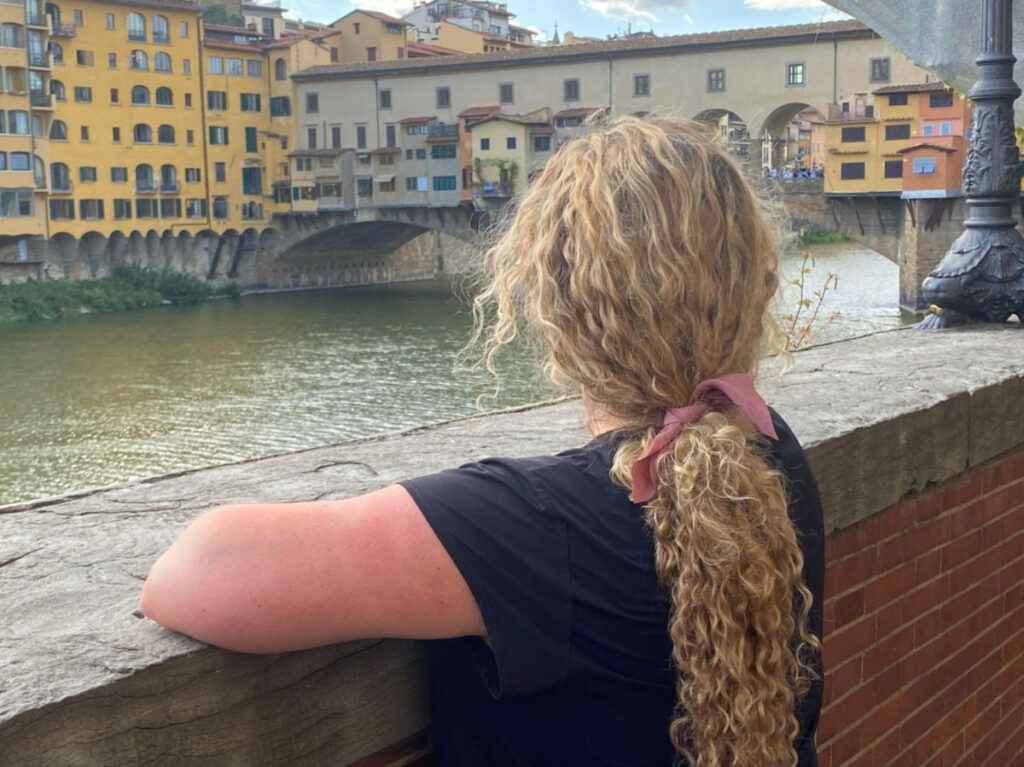
According to the European Commission, a project called The CityWalk is helping make cities more liveable.
Danilo Čeh, CityWalk Project Coordinator shares that “Municipalities, development agencies, research organizations, and chambers of commerce from across the Danube region are sharing common practices and methodologies to help cities develop efficient, people-friendly urban transport systems that prioritize walking over motorized transport.”
While the U.S. is far behind the European Commission, I used to work at Waymo (formerly Google’s Self-Driving Car Project). With the increase in fully autonomous vehicles on the road, I am hopeful they will contribute to more transit options, enhanced work-life balance, a reduction in commuting stress, and provide employees with more free time.
However, commuter benefits would be of greater value as the rides can get pricey out-of-pocket. Think of how much the average employee spends on public transportation per month. According to Coast, in the U.S. the average commute costs $170 per month. Whereas in Europe it tends to be lower due to the public transit options. The UK is around £100 per month, and other European countries like Spain, around €50 per month.
German-based company, Meditopia highlights the importance of commuter benefits, such as subsidized transit passes and/or reimbursements to decrease the costs of commuting to work, leading to a greater overall work-life balance.
Work-Life Balance is Subjective

“So, what do you do?” This is often the first question Americans ask. I love how in other places around the world, it is often considered rude to ask this question before building rapport first. (We are so much more than our role, aren’t we?)
Cultural values play a huge part. Do you “work to live or live to work?” Identifying as an American, and according to most workplace surveys and the American Psychological Association, the philosophy of ‘live to work’ is strongly associated with higher levels of stress.

If I’ve learned anything in striving to take the best elements from around the globe, it’s the reminder—that your version of balance is highly subjective based on what you value. This shapes our daily routines, our work approach and priorities, and our vacation habits, too.
Leisurely Lessons to Keep in Mind

I’ve learned a lot while traveling around the world and researching different cultures outside the U.S. Here are my top tips for stepping away from work and using your vacation time as you plan your next getaway.
1. You are a human being, not a human doing. Save that for AI.
Remember – it’s called well-being, not well-doing. Prioritize your time off and infuse your travels with novelty, not just typical R&R.
2. Spice up your schedule and get 40+ PTO days only using 12 official days
Maximize your PTO with key days to take off every year. (You might have seen the hack to get 40+ days off using 12 PTO days). Since every company is different, look for additional days that fall on a weekend, before or after a major holiday, end-of-year holidays, and company-granted days off to create meaningful time away throughout the year.
3. Don’t overlook staycations
Even if you don’t have the budget to fly somewhere new, make sure you use up the days you do have per year by traveling locally! Any trip is a positive investment in your health and in preventing burnout.
4. Enforce or set new healthy boundaries
Unblur and enforce the boundaries between work and life. When you’re on vacation, do NOT check your email. Stay balanced with a healthy mix of alone time and group time, whether you’re traveling with others or alone.
5. The key to the American work-life balance struggle is a mindset shift

If you’ve read nothing else in my article, the TL:DR is this—Believe time off is a basic right, not a reward; time off is critical to overall health and well-being.
The World Health Organization reports that “long working hours were linked to 745,000 deaths from strokes and heart disease—a 29% increase since 2000.” This alarming trend continues to grow, which WHO Director-General Dr. Tedros Adhanom Ghebreyesus attributes in part to the rise of remote work, where the boundaries between home and work life have become increasingly blurred.
You need to see your time off as important for you—because it is!
***
Don’t leave vacation days behind or sick days that you lose at the end of the year. Take it from this Californian, I know firsthand that life gets busy with a never-ending to-do list, and prioritizing your travel planning gets unintentionally deprioritized. Luckily, Travel Lemming makes it much easier for you!
Up next, read why Matthew thinks airline stopovers are the ultimate travel hack!
More Latest PERSPECTIVES


